Every successful interview starts with knowing what to expect. In this blog, we’ll take you through the top Aircraft Overhaul and Repair interview questions, breaking them down with expert tips to help you deliver impactful answers. Step into your next interview fully prepared and ready to succeed.
Questions Asked in Aircraft Overhaul and Repair Interview
Q 1. Describe the process of a typical aircraft engine overhaul.
Aircraft engine overhaul is a complex, meticulous process aimed at restoring an engine to its original performance specifications and extending its lifespan. Think of it like a complete engine rebuild, far more extensive than a simple tune-up for a car. It’s typically triggered by reaching a specific flight cycle or time-in-service limit, or after a significant event requiring extensive repair.
- Disassembly: The engine is meticulously disassembled, with each component carefully inspected, tagged, and documented. This is crucial for traceability and ensuring proper reassembly.
- Inspection and Testing: Each part undergoes rigorous inspection, often including Non-Destructive Testing (NDT) methods like ultrasonic testing and dye penetrant inspection to detect hidden cracks or flaws. Components that fail inspection are replaced.
- Cleaning and Repair: Components are cleaned using specialized techniques to remove contaminants. Damaged or worn parts are repaired or replaced with certified new or overhauled parts.
- Reassembly: The engine is reassembled following strict manufacturer specifications, using precise torque settings and carefully documented procedures. This is a highly skilled process demanding precision and attention to detail.
- Testing: Once reassembled, the engine undergoes extensive bench testing to verify its performance characteristics meet or exceed original specifications. This includes functional tests and endurance runs simulating various flight conditions.
- Documentation: Throughout the entire process, meticulous records are kept, documenting every step, part number, and inspection finding. This documentation is crucial for maintaining airworthiness and complying with regulatory requirements.
For example, during an overhaul of a turbofan engine, we might find that some blades in the compressor section show signs of wear or fatigue. These would be meticulously inspected and, if beyond acceptable limits, replaced with new ones. The entire process takes a significant amount of time and specialized equipment, often involving a dedicated team of highly skilled technicians.
Q 2. Explain the importance of Non-Destructive Testing (NDT) in aircraft maintenance.
Non-Destructive Testing (NDT) is absolutely critical in aircraft maintenance. It allows us to detect internal flaws and damage in aircraft components without causing further damage or destroying the part. This is crucial because undetected defects can compromise the structural integrity of the aircraft, leading to catastrophic failures. Imagine trying to find a hairline crack inside a metal component – NDT techniques are our eyes and ears inside the metal.
- Visual Inspection: A basic but essential method, often the first step in any NDT process.
- Dye Penetrant Inspection: This technique reveals surface-breaking cracks by using a dye that penetrates the crack and is then drawn out, making the crack visible.
- Ultrasonic Inspection: High-frequency sound waves are used to detect internal flaws by measuring the reflection of sound waves off of defects.
- Radiographic Inspection (X-ray): X-rays are used to reveal internal defects, providing a visual representation of the internal structure.
- Eddy Current Inspection: This method uses electromagnetic fields to detect surface and near-surface flaws in conductive materials.
For instance, during a scheduled inspection of an aircraft wing, we might use ultrasonic inspection to detect hidden fatigue cracks in the metal structure. Early detection allows for timely repair, preventing a potentially disastrous in-flight failure. The consequences of a missed NDT finding can be severe; therefore, rigorous training and certification are mandatory for NDT personnel.
Q 3. What are the common causes of corrosion in aircraft structures, and how are they addressed?
Corrosion is a significant threat to the structural integrity of aircraft. It’s essentially the deterioration of materials due to chemical reactions with their environment. Several factors contribute to this in aircraft:
- Environmental Factors: Exposure to moisture (rain, humidity), salt (especially near coastal areas), and de-icing fluids are major culprits.
- Material Interactions: Different metals in contact can create galvanic corrosion, where one metal corrodes more rapidly than the other.
- Manufacturing Defects: Imperfections in the manufacturing process can create areas vulnerable to corrosion.
Addressing corrosion requires a multi-pronged approach:
- Regular Inspections: Visual inspections and advanced NDT techniques help detect corrosion at an early stage.
- Corrosion Prevention: Protective coatings, such as paint, sealants, and specialized anti-corrosion treatments, are applied to vulnerable areas.
- Corrosion Removal: Detected corrosion is carefully removed, often through chemical treatments or mechanical methods like sanding or grinding. The affected area is then repaired or replaced, followed by a protective coating.
- Material Selection: Choosing corrosion-resistant materials in the aircraft design phase minimizes the risk.
Imagine a small scratch on an aircraft’s aluminum skin near the ocean. If left untreated, saltwater could penetrate and lead to significant corrosion over time, compromising the structural integrity of the aircraft. Therefore, timely detection and proper repair procedures are paramount.
Q 4. How do you troubleshoot a hydraulic system malfunction?
Troubleshooting a hydraulic system malfunction requires a systematic approach, combining theoretical knowledge with practical skills. It’s a bit like detective work, following a logical path to identify the root cause.
- Safety First: Isolate the affected system to prevent further damage or injury. This may involve shutting down power and/or isolating hydraulic lines.
- Gather Information: Note the symptoms: Is there a leak? Is there a loss of pressure? Is the system inoperative or partially functioning? What were the conditions leading to the malfunction (e.g., flight phase, unusual maneuvers)?
- Check the Obvious: Start with visual inspections for leaks, damaged lines, or loose fittings. Check fluid levels and condition.
- Systematic Testing: Use appropriate test equipment (pressure gauges, flow meters) to verify the integrity of various components, such as pumps, valves, actuators, and accumulators. Consult the aircraft’s maintenance manual for specific test procedures.
- Trace the Hydraulic Circuit: Follow the hydraulic circuit diagram to isolate the potential source of the problem. A leak in a specific line or a malfunctioning component may be indicated by low pressure in a certain section of the circuit.
- Consult Maintenance Manuals: Refer to the aircraft’s maintenance manual and relevant troubleshooting charts for guidance.
- Component Replacement: If a defective component is identified, it must be replaced with a certified part. After the repair, the system should be thoroughly tested to ensure it’s functioning properly.
For example, if you find a hydraulic leak, the source could be a damaged hose, a faulty seal, or even a crack in a hydraulic component. Tracing the leak and then verifying its cause is key. Remember thorough documentation is crucial for safety and regulatory compliance.
Q 5. Explain the significance of maintaining accurate maintenance logs.
Accurate maintenance logs are the backbone of safe and reliable aircraft operation. They’re like a detailed medical history for an aircraft, documenting every maintenance action performed. This is essential for tracking aircraft performance and ensuring compliance with airworthiness regulations.
- Safety Assurance: Accurate records prevent potential oversights. By knowing when components were last inspected or replaced, we can prevent issues arising from skipped maintenance.
- Regulatory Compliance: Maintenance logs are mandatory for certification and regulatory audits. They demonstrate that the aircraft is properly maintained and airworthy.
- Predictive Maintenance: Analyzing maintenance logs allows us to identify trends and anticipate potential problems, enabling proactive maintenance and reducing the risk of unexpected failures.
- Part Traceability: The logs document the parts used, their service life, and their manufacturers. This is essential for managing warranties and conducting investigations if necessary.
- Improved Efficiency: Well-maintained logs provide the foundation for efficient scheduling of maintenance tasks, optimizing the aircraft’s operational availability.
Imagine an aircraft experiencing a critical engine malfunction. Access to comprehensive maintenance records enables investigators to quickly trace the history of the engine, which may reveal a pattern that led to the failure. Accurate logs are not just paperwork – they are integral to safety and efficiency.
Q 6. Describe your experience with composite repair techniques.
Composite materials are increasingly common in modern aircraft, offering advantages in terms of strength-to-weight ratio. However, repairing composite structures is more complex than repairing metal structures and demands specialized skills and training. It involves meticulous attention to detail.
- Damage Assessment: A thorough assessment is critical to determine the extent of the damage, including its depth and location. NDT methods often play a significant role here.
- Surface Preparation: The damaged area needs careful preparation, which may involve sanding, grinding, or chemical cleaning to remove damaged material.
- Repair Techniques: Various repair techniques are used, depending on the extent and type of damage. This may include patching, bonding, or using specialized composite repair kits.
- Curing and Post-Cure Inspection: Once repaired, the composite part requires curing (often with heat and pressure) to ensure proper bonding. A subsequent inspection is critical to validate the repair.
- Documentation: Every stage of the repair must be carefully documented, conforming to stringent industry standards and regulatory guidelines.
For example, a small impact on a composite aircraft panel may be repaired using a patch bonded with a specialized adhesive. The adhesive must be compatible with the composite material, and the curing process must follow strict temperature and pressure parameters to achieve the required strength and durability. The final repair must pass rigorous inspection to ensure that its strength matches that of the original component.
Q 7. What safety procedures do you follow when working on aircraft systems?
Safety is paramount in all aircraft maintenance activities. We adhere to strict safety procedures throughout every stage of the process.
- Lockout/Tagout Procedures: To prevent accidental activation of power or hydraulic systems, lockout/tagout procedures are strictly followed before any maintenance work is performed. This ensures that the systems are isolated and safe to work on.
- Personal Protective Equipment (PPE): Appropriate PPE is worn at all times, including safety glasses, gloves, hearing protection, and specialized clothing, depending on the task.
- Tool Control: Tools are carefully inspected before use to ensure they are in good condition and are appropriate for the job. This prevents damage to the aircraft or injury to personnel.
- Work Permits: Work permits are often required before commencing specific tasks, ensuring that personnel are adequately trained and the necessary safety precautions have been taken.
- Grounding and Bonding: When working with electrical systems, grounding and bonding procedures are followed to prevent static electricity buildup and the risk of sparks or fire.
- Emergency Procedures: Personnel are trained on emergency procedures and the use of emergency equipment like fire extinguishers and first-aid kits.
- Continuous Training: Regular training and refresher courses keep personnel updated on the latest safety procedures and techniques.
Every safety precaution is not just a rule; it’s a safeguard against potential incidents that could have severe consequences. Our commitment to safety is not negotiable. It’s a cornerstone of our work.
Q 8. How do you interpret and apply aircraft maintenance manuals?
Aircraft maintenance manuals (MMs) are the bible for any overhaul or repair. They contain detailed instructions, diagrams, and specifications for every aspect of an aircraft’s systems. Interpreting them involves understanding the technical language, following the prescribed steps meticulously, and correctly identifying the relevant sections for a specific task. Application means precisely following those instructions, documenting all work performed, and ensuring all required inspections are completed and recorded. Think of it like following a highly complex recipe – any deviation can have serious consequences.
For example, if I’m tasked with replacing a hydraulic pump, I’ll first locate the relevant section in the MM. This might include several steps: disconnection procedures, torque specifications for bolts, safety precautions (e.g., bleeding the hydraulic system), and post-installation checks. I would carefully follow each step, ensuring complete compliance and documenting every action, including part numbers and serial numbers, in the aircraft logbook. Any deviation from the MM would require justification and approval from the appropriate authority.
A crucial element is understanding the different types of instructions. Some are mandatory, others are recommendations. Knowing the difference is vital for safe and compliant maintenance.
Q 9. What is your experience with different types of aircraft engines?
My experience encompasses a wide range of aircraft engines, including turbofan engines like the CFM56 and Rolls-Royce Trent, turboprop engines such as the Pratt & Whitney Canada PW100, and piston engines. I’ve worked on both overhaul and repair activities, from routine inspections to major component replacements. Each engine type has its own unique characteristics and maintenance requirements, which I’ve learned to manage effectively. For example, the intricacies of turbine blade inspection on a turbofan differ significantly from the more straightforward maintenance procedures for a piston engine.
Working on different engine types has given me a broad understanding of engine systems, including fuel systems, lubrication systems, ignition systems, and control systems. I’m proficient in using specialized tools and equipment, and I understand the importance of precise tolerances and rigorous quality control when working on these critical components.
Q 10. Explain your familiarity with FAA regulations and maintenance directives.
I have extensive familiarity with FAA regulations, specifically Part 43 (Maintenance, Preventive Maintenance, Rebuilding, and Alteration), and Part 145 (Repair Stations). Understanding these regulations is paramount for ensuring compliance. This includes knowing the requirements for airworthiness certifications, maintenance tracking, and record-keeping. I’m also well-versed in interpreting and applying Airworthiness Directives (ADs), which are mandatory actions issued by the FAA to address potential safety hazards. Each AD outlines the required inspection, repair, or replacement actions, along with specific compliance timelines. Failure to comply with ADs can lead to serious consequences, including grounding of the aircraft.
For example, I’ve handled several situations where an AD required specific inspections or component replacements on various aircraft. In each case, I ensured that the required actions were meticulously carried out, documented in accordance with FAA regulations, and signed off by the appropriate licensed personnel. Staying updated on new ADs and regulatory changes is an ongoing process that I take seriously.
Q 11. How do you handle unexpected issues during an overhaul?
Unexpected issues during an overhaul are common. My approach involves a systematic troubleshooting process. First, I meticulously document the issue, taking photos and notes. Then, I review the aircraft’s maintenance history and relevant manuals to identify potential causes. Next, I perform a thorough visual inspection and utilize appropriate diagnostic tools to pinpoint the root cause. This might involve using specialized test equipment, conducting functional checks, or consulting technical publications and engineering documentation.
Once the root cause is identified, I develop a repair strategy, taking into account safety and regulatory compliance. This often includes consultation with experienced colleagues or engineers to ensure the best solution. I’ll then implement the repair, meticulously document every step, and ensure thorough testing to validate the effectiveness of the repair. If the problem is beyond my scope, I’ll follow established escalation procedures to involve appropriate personnel, ensuring the aircraft’s safety is never compromised.
For instance, during a recent overhaul, we discovered unexpected corrosion in a critical structural component. We documented it thoroughly, investigated the cause, developed a repair plan approved by engineering, implemented it, and conducted non-destructive testing to verify its effectiveness before returning the aircraft to service.
Q 12. Describe your experience with troubleshooting avionics systems.
My experience with avionics troubleshooting involves a systematic approach combining practical knowledge with the use of specialized test equipment. I’m familiar with various avionics systems, including navigation systems (GPS, VOR, ILS), communication systems (radio, transponder), and flight instruments. Troubleshooting often starts with a thorough understanding of the reported malfunction. Then, I use built-in test equipment (BITE) to isolate the problem, followed by the use of external test equipment to confirm diagnoses and pinpoint faulty components. This might involve using specialized multimeters, oscilloscopes, signal generators and specialized software.
A key aspect is understanding the system architecture and interdependencies between different avionics components. A problem in one area might have knock-on effects elsewhere. Documenting each step, test results, and the eventual solution is critical for future maintenance and safety analysis.
For example, I once troubleshot an intermittent GPS signal loss. Using BITE and external test equipment, I identified a faulty connection in the GPS antenna wiring harness. After repairing the connection and verifying functionality, the problem was resolved, and the aircraft was returned to service.
Q 13. How do you ensure compliance with quality control standards?
Ensuring compliance with quality control (QC) standards is fundamental to safe aircraft operation. My approach is multi-faceted and starts with a thorough understanding of the applicable QC standards, including industry best practices and regulatory requirements. This involves meticulous adherence to the maintenance manuals and adherence to the FAA regulations. Throughout the overhaul process, I perform regular inspections and checks at various stages, verifying the accuracy and completeness of the work performed. I utilize various quality control techniques, such as visual inspection, dimensional checks, and functional testing. Any non-conformances are meticulously documented and corrected promptly.
I also utilize a robust system of documentation. This includes detailed work orders, inspection reports, and maintenance records. Regular audits and internal reviews are performed to ensure consistency and effectiveness of the QC processes. This commitment to quality control ensures that the aircraft meets airworthiness standards, minimizing potential safety risks.
A key example is our stringent use of calibrated tools and equipment, with regular checks on their accuracy ensuring measurements are consistently precise. We also maintain a system for tracking parts and components, making sure all replacements meet stringent specifications and are properly documented.
Q 14. What are your experience with different types of aircraft structures?
My experience encompasses various aircraft structures, including monocoque, semi-monocoque, and stressed-skin designs. I’m familiar with the construction materials used, including aluminum alloys, composites, and titanium. I understand the importance of maintaining the structural integrity of the aircraft, which involves regular inspections for corrosion, fatigue, and damage. This often requires specialized Non-Destructive Testing (NDT) techniques, such as ultrasonic testing (UT), radiographic testing (RT), and liquid penetrant inspection (LPI), to detect hidden flaws.
Repairing structural damage requires precise adherence to repair manuals and engineering approvals. This can involve complex repairs using specialized materials and techniques. Understanding stress concentrations and load paths is crucial for performing safe and effective repairs. The use of rivets, bolts, and adhesives all have their place and necessitate specific skills and knowledge to ensure proper application.
For example, I’ve worked on repairs involving composite structures, where the precise layering and curing processes are critical for restoring the structural integrity. Understanding the properties of different composite materials is vital to effectively implement repairs that meet the required standards.
Q 15. Explain your experience with different types of aircraft materials?
My experience encompasses a wide range of aircraft materials, crucial for understanding their properties and limitations during overhaul and repair. This includes:
- Aluminum Alloys: I’m proficient in working with various aluminum alloys (e.g., 2024, 7075), understanding their strengths, corrosion susceptibility, and appropriate repair techniques, including riveting, sheet metal repair, and corrosion treatment. For instance, I’ve successfully repaired significant corrosion damage on a Boeing 737 wing using chemical treatments and composite patching techniques.
- Titanium Alloys: Experience with titanium alloys involves specialized knowledge of their high strength-to-weight ratio but also their unique challenges in machining and welding. I’ve been involved in the inspection and repair of titanium components on a Gulfstream G550, demanding meticulous attention to detail and the use of specialized tooling.
- Composite Materials: My expertise extends to various composite materials, such as carbon fiber reinforced polymers (CFRP) and glass fiber reinforced polymers (GFRP), used extensively in modern aircraft structures. I’m adept at repairing delaminations, cracks, and impact damage using techniques like resin infusion and prepreg layup. A recent project involved the repair of a significant crack in a CFRP wing spar using autoclave curing, requiring precise temperature and pressure control.
- Steel and other metals: I’m also familiar with various steels, including high-strength steel, used in aircraft landing gear and other high-stress components. Understanding the heat treatment requirements and fatigue characteristics of these materials is critical for ensuring structural integrity.
This broad experience allows me to assess material condition accurately, select appropriate repair methods, and ensure the airworthiness of the aircraft after maintenance.
Career Expert Tips:
- Ace those interviews! Prepare effectively by reviewing the Top 50 Most Common Interview Questions on ResumeGemini.
- Navigate your job search with confidence! Explore a wide range of Career Tips on ResumeGemini. Learn about common challenges and recommendations to overcome them.
- Craft the perfect resume! Master the Art of Resume Writing with ResumeGemini’s guide. Showcase your unique qualifications and achievements effectively.
- Don’t miss out on holiday savings! Build your dream resume with ResumeGemini’s ATS optimized templates.
Q 16. Describe your experience working with different types of tools and equipment.
My experience with tools and equipment is extensive and covers a broad spectrum, from basic hand tools to sophisticated specialized equipment. I’m proficient in using:
- Hand Tools: This includes a complete range of standard hand tools such as wrenches, screwdrivers, hammers, and specialized aviation snips. Knowing which tool is best suited for a specific task is vital for efficiency and safety.
- Power Tools: My expertise extends to various power tools, including drills, grinders, rivet guns, and specialized aircraft maintenance tools like torque wrenches and torque multipliers. Accurate torque application is crucial to preventing structural damage.
- Specialized Equipment: I’m familiar with operating and maintaining sophisticated equipment such as Non-Destructive Testing (NDT) equipment (ultrasonic testing, X-ray inspection, dye penetrant inspection), composite repair equipment (autoclaves, ovens), and various specialized machining tools.
- Computerized Systems: I am also experienced using various computerized diagnostic tools and software for aircraft systems, streamlining troubleshooting and reducing downtime.
Safety is always paramount, so I’m also highly skilled in properly using and maintaining all equipment, adhering strictly to safety regulations and procedures.
Q 17. How do you manage your time effectively during an aircraft overhaul?
Effective time management during an aircraft overhaul is crucial for meeting deadlines and staying within budget. My approach relies on several key strategies:
- Detailed Planning: Before starting any overhaul, I thoroughly review the maintenance manual, work orders, and available resources to create a detailed work plan, breaking down the project into smaller, manageable tasks.
- Task Prioritization: I prioritize tasks based on their criticality, dependencies, and deadlines, focusing on critical safety items first. This prevents bottlenecks and ensures timely completion.
- Efficient Workflow: I optimize workflows by minimizing unnecessary movements, ensuring all necessary tools and materials are readily accessible, and coordinating tasks with team members to avoid delays.
- Regular Monitoring: I continuously monitor progress against the plan and make necessary adjustments to address any unforeseen issues or delays. This might involve reallocating resources or adjusting timelines.
- Use of CMMS: I leverage CMMS systems to track progress, manage resources, and generate reports to monitor efficiency and identify areas for improvement.
By adopting these strategies, I consistently complete aircraft overhauls efficiently and on schedule.
Q 18. How do you prioritize tasks during an aircraft overhaul?
Prioritizing tasks during an aircraft overhaul is essential for maintaining safety and meeting deadlines. My prioritization framework considers several factors:
- Airworthiness Directives (ADs): Tasks mandated by ADs take top priority as they address safety-critical issues that need immediate attention. For example, a cracked component identified in a mandatory inspection would be prioritized immediately.
- Safety-Critical Items: Any task directly impacting aircraft safety and airworthiness takes precedence, such as repairs to critical flight control surfaces or engine components.
- Interdependencies: I identify tasks with interdependencies and prioritize them to maintain an efficient workflow. For example, if one repair requires another to be completed first, the prerequisite repair would be prioritized.
- Time Constraints: Tasks with tight deadlines are prioritized accordingly to avoid delays and ensure timely delivery.
- Work Order Sequencing: I closely follow the established work order sequence, ensuring adherence to guidelines and avoiding potential conflict.
This structured approach helps streamline the overhaul process and ensures the most critical tasks are completed first, reducing the risk of delays or safety compromises.
Q 19. How do you communicate effectively with other team members?
Effective communication is vital within a team environment, particularly during a complex aircraft overhaul. My approach emphasizes clarity, collaboration, and respect:
- Clear and Concise Communication: I ensure all communications are clear, concise, and unambiguous, avoiding technical jargon where possible, and employing visual aids when appropriate. For example, using diagrams to illustrate complex procedures.
- Active Listening: I actively listen to my team members, seeking clarification and addressing concerns promptly to avoid misunderstandings.
- Regular Team Meetings: Regular team meetings are crucial for updates, problem-solving, and coordination, ensuring everyone stays informed and aligned with the overall plan.
- Constructive Feedback: I provide and receive constructive feedback openly and respectfully to foster a collaborative learning environment and improve team performance.
- Use of Communication Technology: I utilize modern communication tools, such as email, instant messaging, and shared documentation systems, to ensure efficient and timely information exchange among team members.
Open and clear communication minimizes errors, promotes efficiency, and ensures a safe and successful overhaul.
Q 20. Describe your experience with using Computerized Maintenance Management Systems (CMMS).
My experience with Computerized Maintenance Management Systems (CMMS) is extensive, significantly improving efficiency and accuracy in aircraft maintenance. I’ve used various CMMS platforms, including [mention specific examples if possible, e.g., IBM Maximo, SAP EAM]. My proficiency involves:
- Work Order Management: I’m adept at creating, assigning, tracking, and closing work orders, ensuring proper documentation and traceability of all maintenance activities. This includes accurate recording of parts used and labor hours.
- Inventory Management: I utilize CMMS for effective inventory management, tracking parts availability, ordering replacements, and managing warehouse stock levels. This minimizes downtime due to parts shortages.
- Maintenance Scheduling: CMMS enables me to efficiently schedule preventative maintenance tasks, reducing the likelihood of unexpected failures and maximizing aircraft availability.
- Reporting and Analysis: I utilize the reporting and analysis features of CMMS to generate reports on maintenance costs, downtime, and overall efficiency, enabling data-driven decision-making and continuous improvement.
- Compliance Tracking: CMMS facilitates tracking compliance with ADs, manufacturer’s recommendations, and regulatory requirements, minimizing the risk of non-compliance issues.
Overall, CMMS integration into the maintenance process significantly improves transparency, accountability, and overall efficiency.
Q 21. What are your strengths and weaknesses as an aircraft maintenance technician?
As an aircraft maintenance technician, my strengths include:
- Meticulous Attention to Detail: Aircraft maintenance demands extreme precision. I pride myself on my carefulness and thoroughness, ensuring that every task is performed correctly and to the highest standards.
- Problem-Solving Skills: I have excellent problem-solving skills, often needing to troubleshoot complex mechanical or electrical issues. I approach challenges systematically and methodically.
- Teamwork and Collaboration: I believe in the power of teamwork and actively contribute to a positive and collaborative work environment.
- Technical Proficiency: I have a solid understanding of aircraft systems and maintenance procedures, as demonstrated through my experience and certifications.
While I strive for perfection, my area for improvement is delegation. In high-pressure situations, I sometimes struggle to delegate tasks effectively, which can be detrimental to time management. I am actively working on improving this skill through increased planning and trust in my colleagues’ abilities.
Q 22. Describe a time you had to solve a complex maintenance problem.
One particularly challenging issue involved a hydraulic leak on a Boeing 737-800. Initially, pinpointing the source of the leak was difficult due to the complex system of interconnected lines and components. The leak was intermittent, making diagnosis even more challenging. We systematically eliminated potential sources, starting with a visual inspection of all accessible hydraulic lines and components. This involved carefully examining each fitting, joint, and hose for signs of damage or wear. We then used specialized dye penetrant inspection to reveal hairline cracks that were invisible to the naked eye. Finally, after careful tracing and pressure testing of individual sections, we identified a microscopic fracture in a hard-to-reach section of a hydraulic line within the wing. The repair required specialized tooling and precise techniques to access and replace the damaged section while maintaining the structural integrity of the wing. The entire process emphasized the importance of meticulous attention to detail and the necessity of utilizing multiple diagnostic techniques when confronting complex maintenance issues.
Q 23. How do you stay up-to-date on the latest advancements in aircraft maintenance?
Staying current in aircraft maintenance is crucial. I utilize several strategies. Firstly, I’m an active member of professional organizations like the Society of Automotive Engineers (SAE) and the International Society of Air Safety Investigators (ISASI), attending conferences and webinars regularly. These events provide insights into the latest technologies and best practices. Secondly, I subscribe to leading industry publications and journals, such as Aviation Week & Space Technology and others specific to aircraft maintenance manuals of the specific aircraft I work on. Thirdly, I actively engage in online learning platforms, taking courses on new maintenance techniques, software updates for maintenance tracking systems, and regulatory changes. Lastly, manufacturer service bulletins and airworthiness directives are reviewed promptly. This multi-faceted approach keeps me abreast of the rapidly evolving field of aircraft maintenance.
Q 24. How do you ensure the accuracy and completeness of your work?
Accuracy and completeness are paramount in aircraft maintenance. We employ a multi-layered approach. First, every task is meticulously documented using standardized forms and digital maintenance tracking systems; this includes recording all actions, parts used, and inspection findings. Second, we follow strict checklists and work instructions for each maintenance procedure to ensure consistency and reduce errors. Third, a comprehensive quality control process involves peer reviews and inspections at various stages to verify the accuracy and completeness of our work. Finally, all completed maintenance is thoroughly inspected by a qualified supervisor before the aircraft is returned to service, ensuring all work meets the required standards. This robust system significantly reduces the risk of human error and guarantees the highest level of quality and safety.
Q 25. How do you manage stress and pressure in a demanding work environment?
The aircraft maintenance environment can be highly demanding. I manage stress and pressure through several effective methods. First, proactive planning and prioritizing tasks ensures I don’t feel overwhelmed. I break down large projects into smaller, manageable steps to make them less daunting. Second, effective time management and delegation are critical. Third, maintaining open communication with my team fosters a supportive work environment and helps address challenges collectively. Fourth, I prioritize self-care outside of work, such as regular exercise and sufficient rest, to maintain my physical and mental well-being. This holistic approach allows me to handle high-pressure situations effectively and maintain a positive work-life balance.
Q 26. Describe your experience with specific aircraft models and their maintenance requirements.
My experience encompasses a range of aircraft, including the Boeing 737NG, Airbus A320 family, and Bombardier CRJ series. Each model presents unique maintenance requirements. The 737NG, for instance, necessitates a strong understanding of its CFM56 engine maintenance, while the A320 family demands proficiency with its fly-by-wire systems. With the CRJ series, the focus is often on the Pratt & Whitney PW100 engine. In all cases, my work includes preventative maintenance, troubleshooting, and performing scheduled and unscheduled repairs in accordance with the manufacturer’s maintenance manuals and relevant regulatory requirements. I am proficient in using specialized tools and equipment required for each model, and I have a strong understanding of the structural, mechanical, and electrical systems of each type of aircraft.
Q 27. Explain your understanding of different types of aircraft inspections.
Aircraft inspections are categorized into several types: A, B, C, and D checks, with A checks being the most frequent and D checks the most comprehensive.
- A checks are typically quick visual inspections, focusing on easily accessible areas for defects.
- B checks involve more detailed inspections, including system checks and functional tests.
- C checks are major inspections encompassing more extensive system checks and component replacements. They often involve removing interior panels for thorough inspection.
- D checks are the most thorough inspections. They involve a significant amount of disassembly and replacement and are often equivalent to a heavy maintenance visit.
Q 28. How do you ensure the safety of yourself and your colleagues while performing aircraft maintenance?
Safety is the absolute priority in aircraft maintenance. We adhere to stringent safety protocols at all times. This includes mandatory safety briefings before starting any task, proper use of personal protective equipment (PPE) such as safety glasses, gloves, and hearing protection, as well as following lockout/tagout procedures to prevent accidental energy release during maintenance activities. We also maintain a clean and organized workspace to minimize hazards. Regular safety training keeps us updated on the latest safety regulations and best practices. Finally, open communication and reporting of any safety concerns, no matter how small, are actively encouraged within the team, promoting a strong safety culture.
Key Topics to Learn for Aircraft Overhaul and Repair Interview
- Aircraft Systems Knowledge: Understanding the intricacies of aircraft systems (hydraulic, pneumatic, electrical, fuel, environmental control) is crucial. Be prepared to discuss their operation, maintenance, and troubleshooting.
- Component Overhaul Procedures: Familiarize yourself with the standard overhaul procedures for various aircraft components, including engines, landing gear, and avionics. Understand the importance of adherence to manufacturer specifications and safety regulations.
- Troubleshooting and Diagnostics: Mastering diagnostic techniques is vital. Be ready to discuss your experience in identifying and resolving mechanical, electrical, and system-related issues. Showcase your problem-solving skills using real-world examples.
- Maintenance Manuals and Documentation: Demonstrate your ability to interpret and apply information from technical manuals, service bulletins, and other relevant documentation. This shows attention to detail and adherence to safety protocols.
- Safety Regulations and Compliance: A deep understanding of aviation safety regulations (e.g., FAA regulations) and compliance procedures is paramount. Be prepared to discuss your experience working within these frameworks.
- Quality Control and Inspection Techniques: Thorough knowledge of quality control measures and inspection techniques, including non-destructive testing (NDT) methods, is essential for ensuring aircraft airworthiness.
- Materials and Processes: Understand the properties of various materials used in aircraft construction and the relevant repair and maintenance processes. This includes composite materials and their unique characteristics.
- Teamwork and Communication: Highlight your ability to work effectively in a team environment, communicate technical information clearly, and contribute to a safe and efficient work process.
Next Steps
Mastering Aircraft Overhaul and Repair opens doors to a rewarding and highly skilled career with excellent growth potential. This field demands precision, expertise, and a commitment to safety. To maximize your job prospects, invest time in crafting a compelling and ATS-friendly resume that showcases your skills and experience effectively. ResumeGemini is a trusted resource that can help you create a professional resume that stands out. They offer examples of resumes tailored specifically to the Aircraft Overhaul and Repair industry, ensuring your qualifications are presented in the best possible light. Take the next step towards your dream career – build a winning resume with ResumeGemini today!
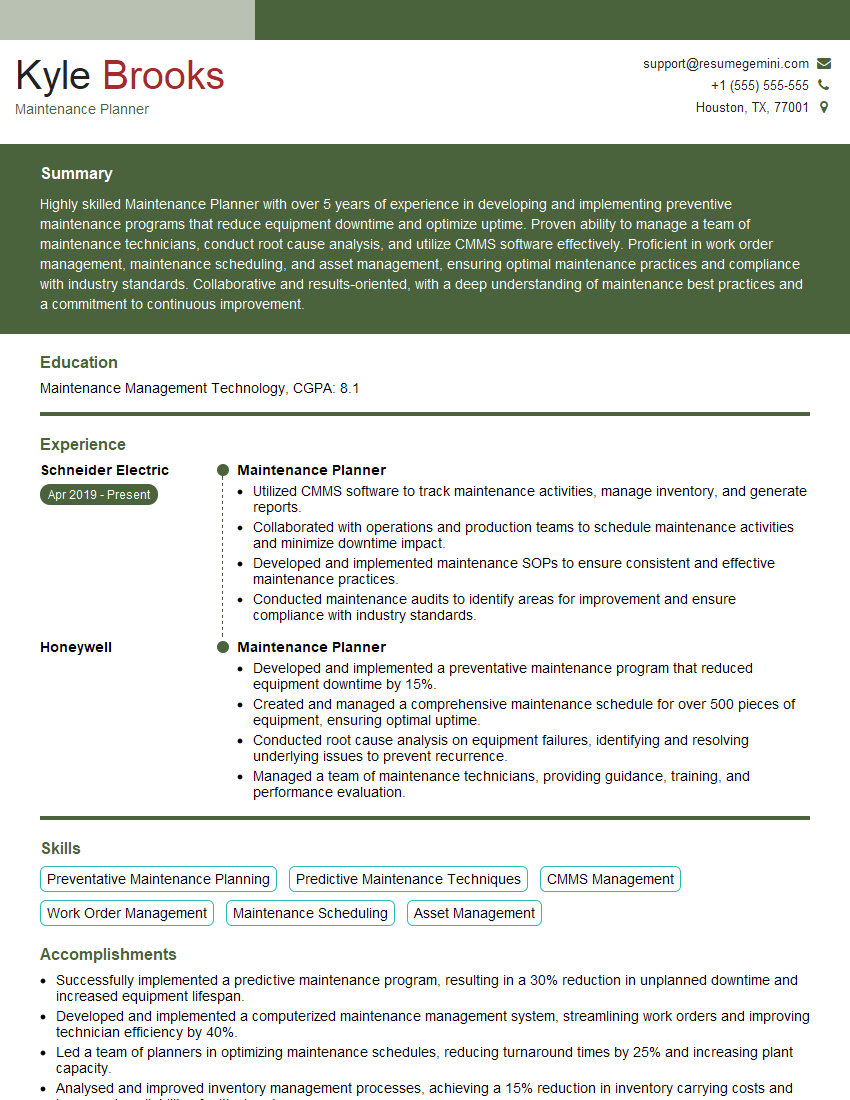
Maintenance Planner Resume Sample
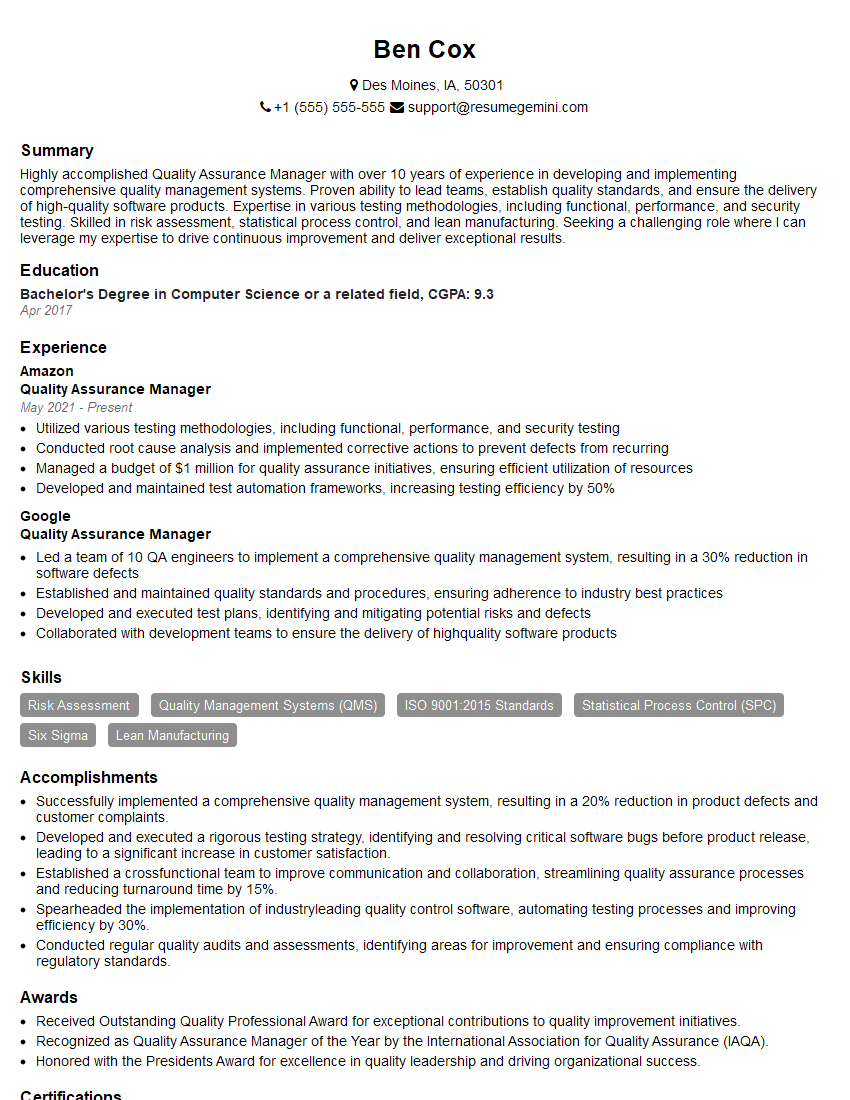
Quality Assurance Manager Resume Sample
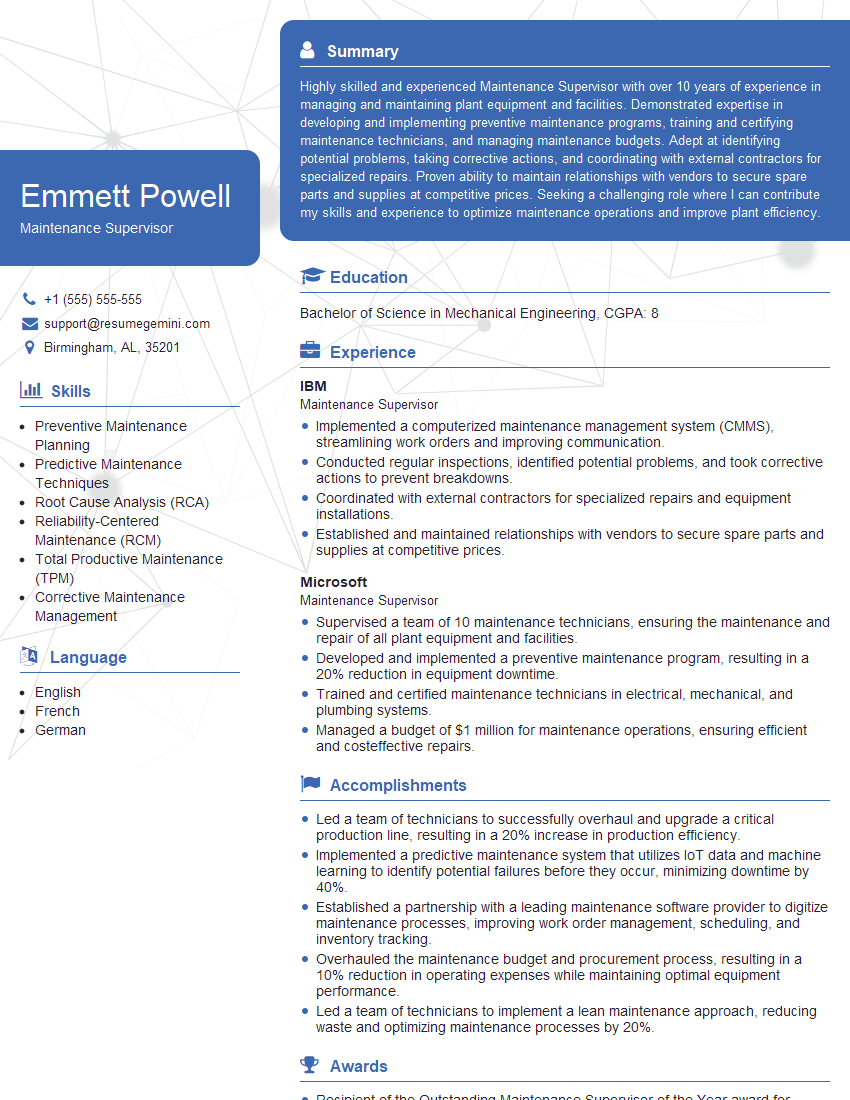
Maintenance Supervisor Resume Sample
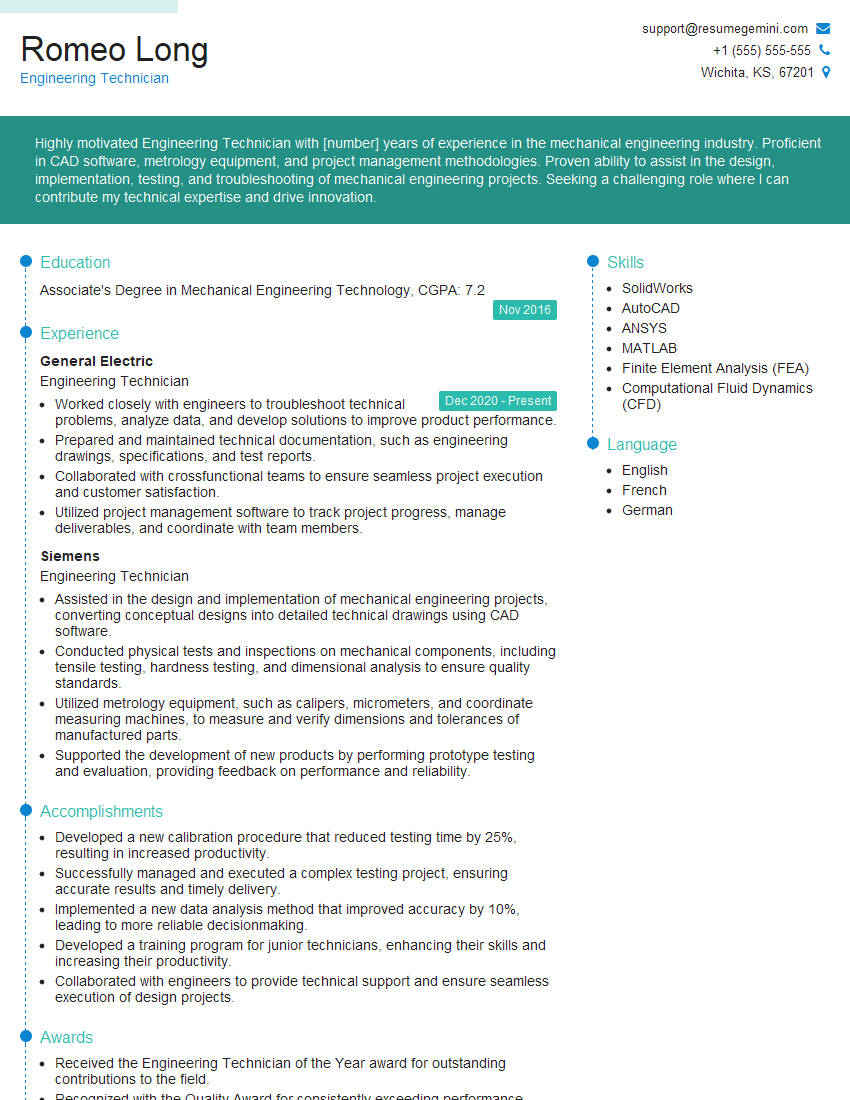
Engineering Technician Resume Sample
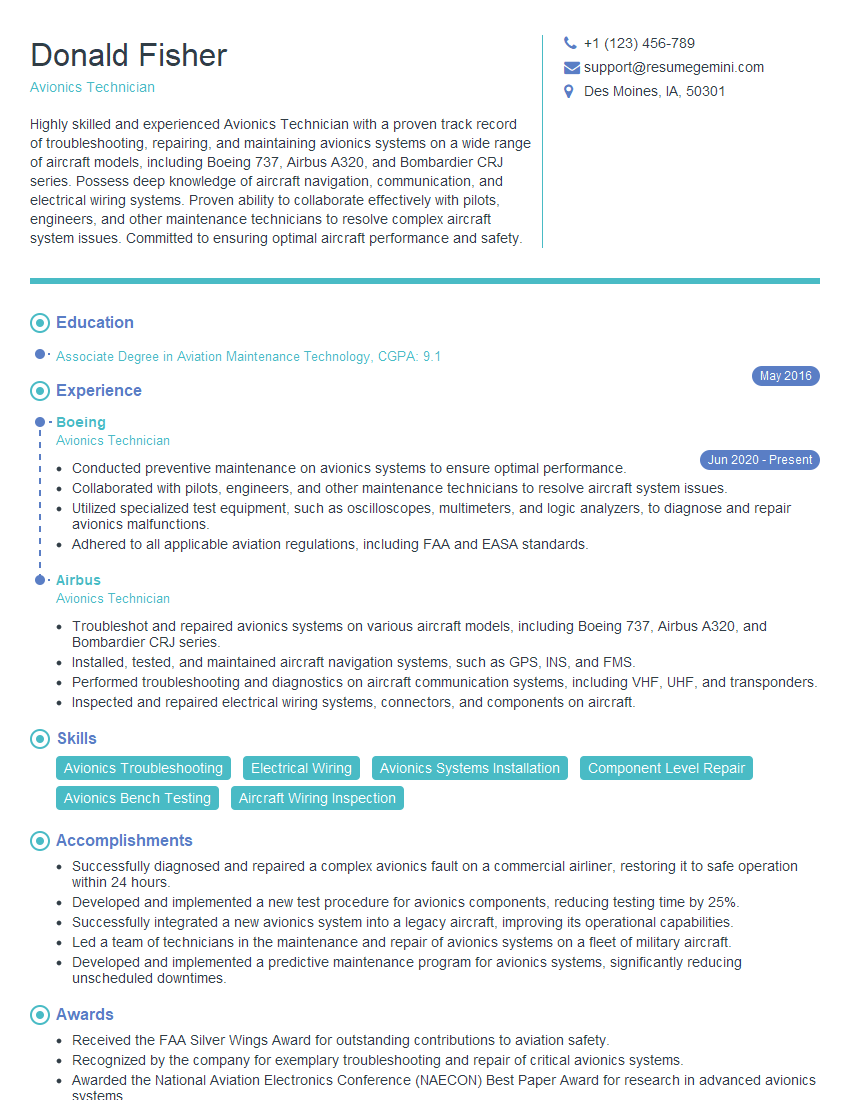
Avionics Technician Resume Sample

Technical Writer Resume Sample
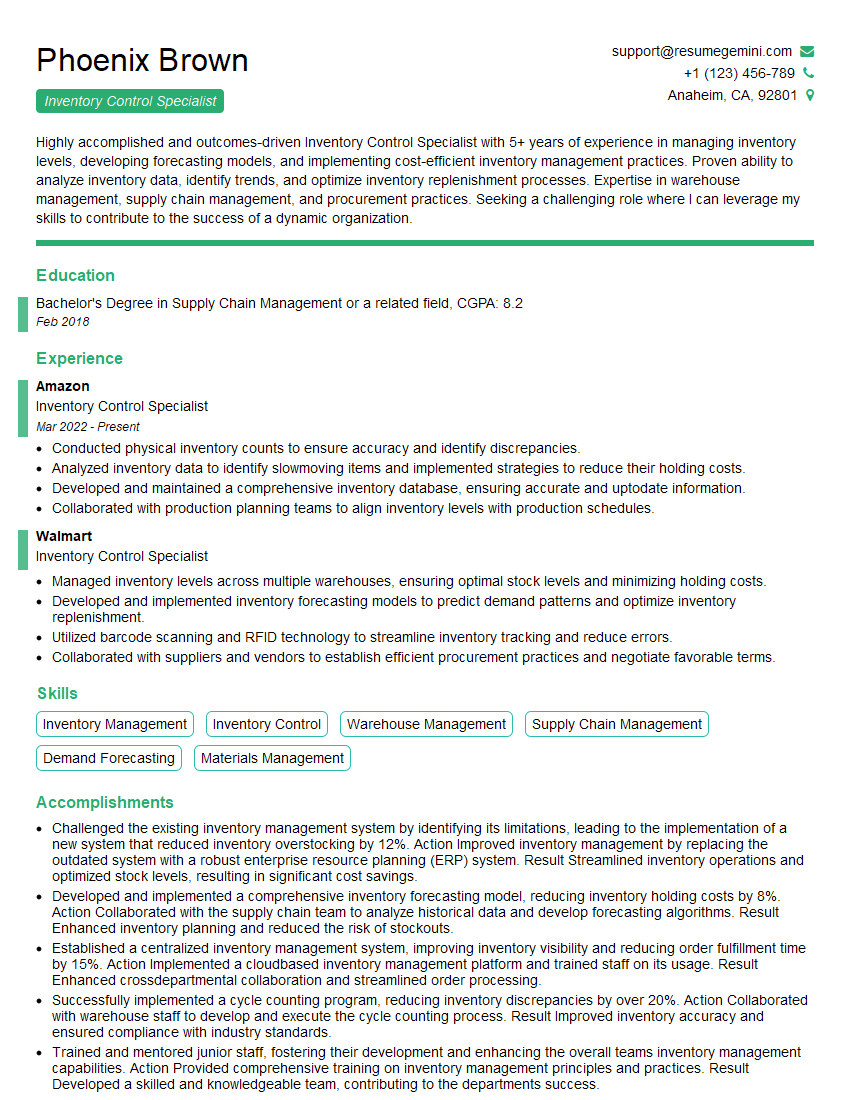
Inventory Control Specialist Resume Sample
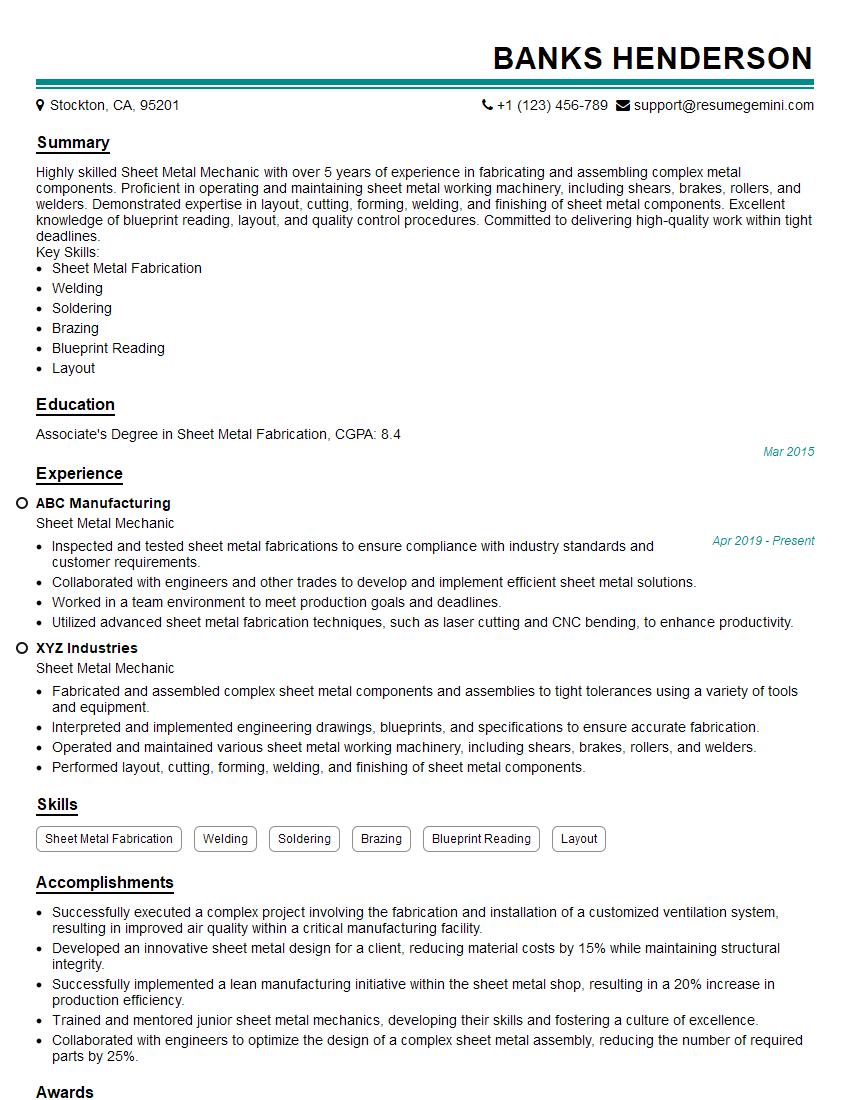
Sheet Metal Mechanic Resume Sample
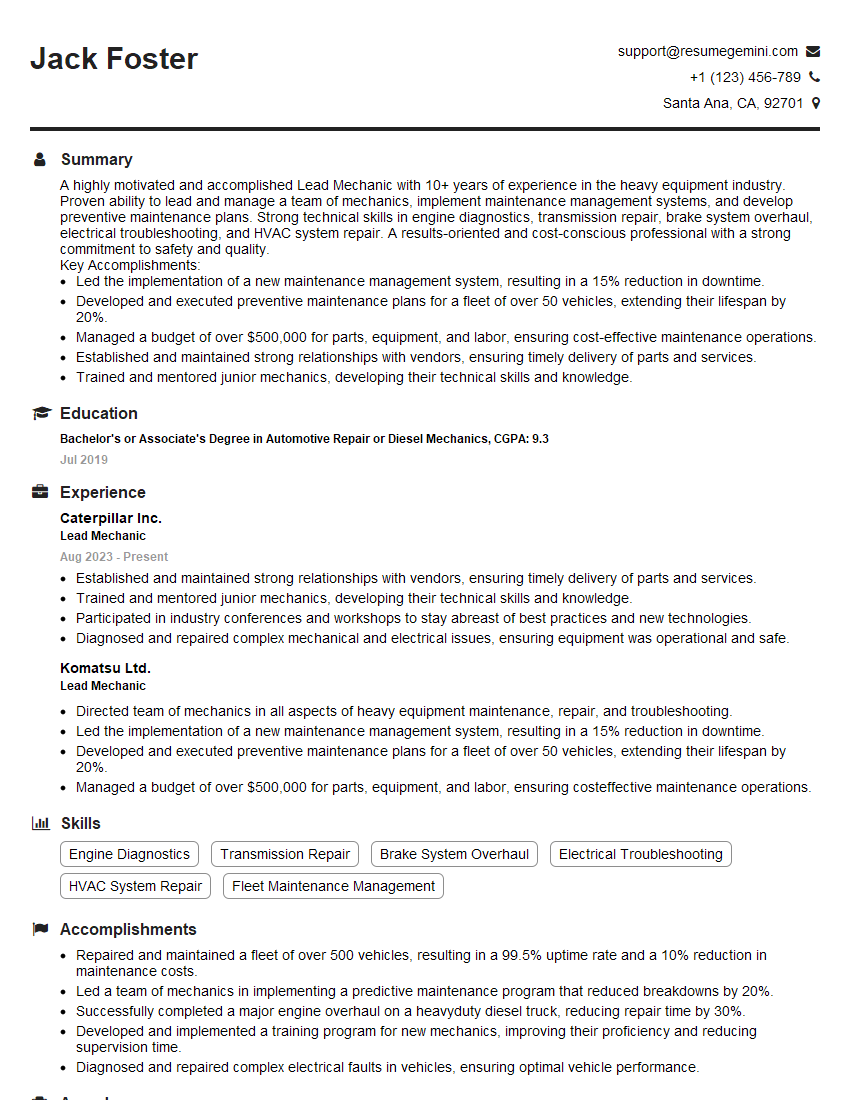
Lead Mechanic Resume Sample
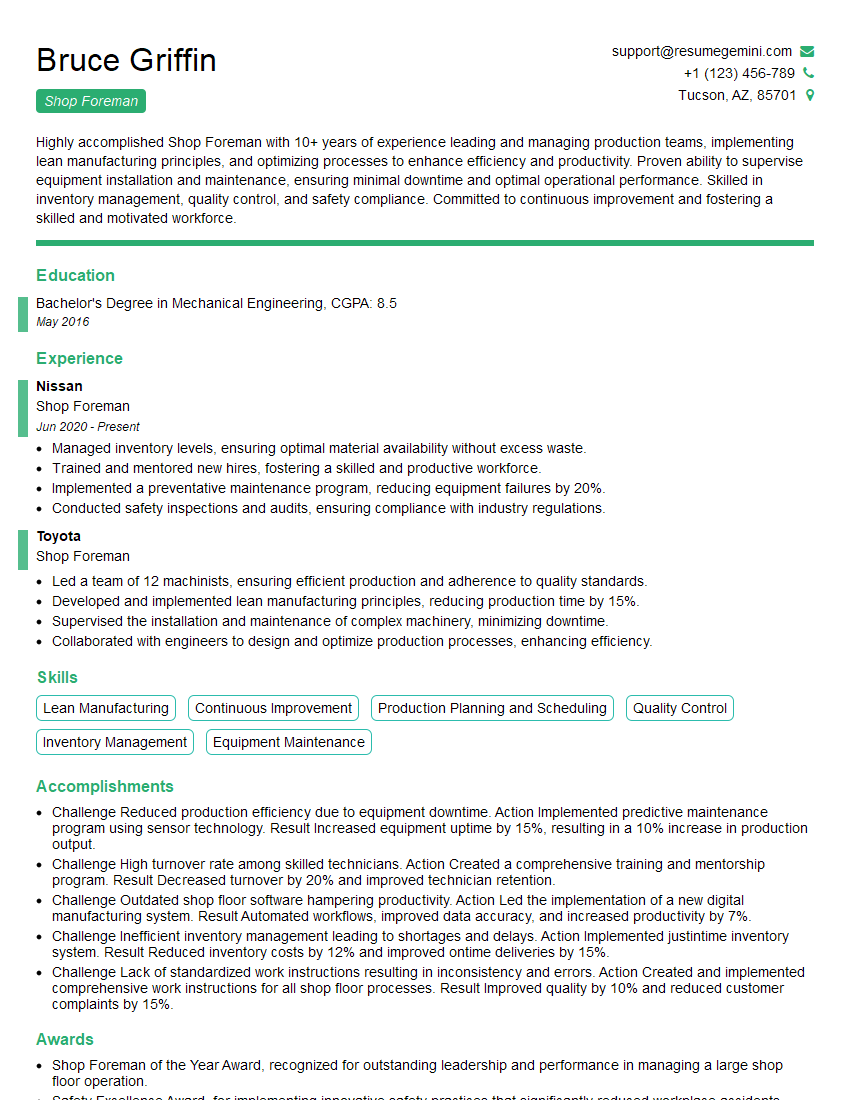
Shop Foreman Resume Sample
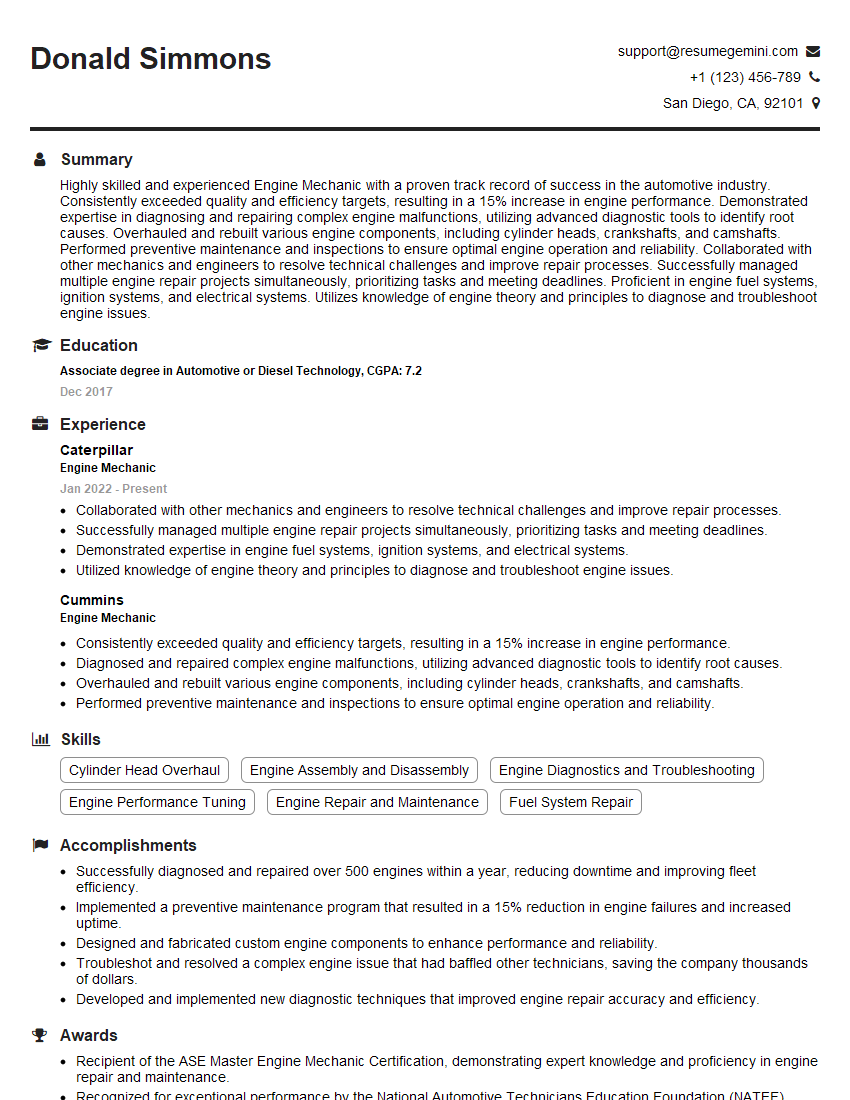
Engine Mechanic Resume Sample
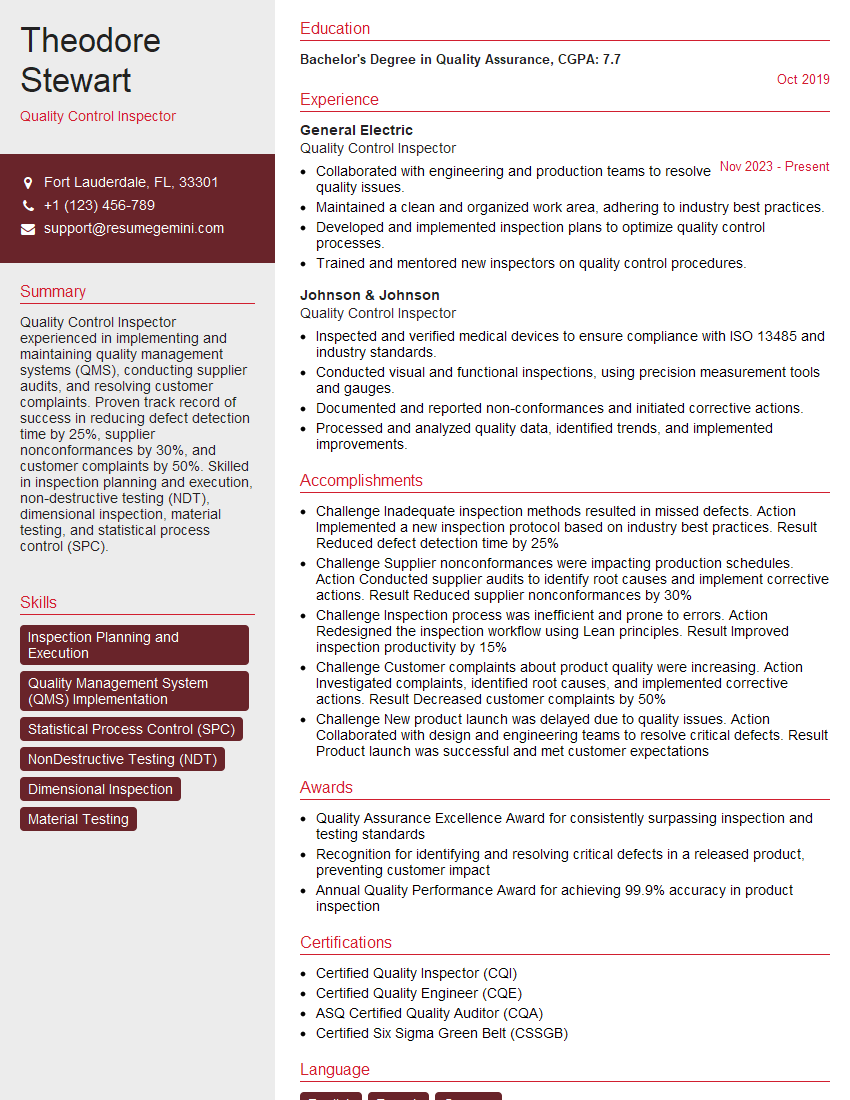
Quality Control Inspector Resume Sample
Explore more articles
Users Rating of Our Blogs
Share Your Experience
We value your feedback! Please rate our content and share your thoughts (optional).
What Readers Say About Our Blog
To the interviewgemini.com Webmaster.
Very helpful and content specific questions to help prepare me for my interview!
Thank you
To the interviewgemini.com Webmaster.
This was kind of a unique content I found around the specialized skills. Very helpful questions and good detailed answers.
Very Helpful blog, thank you Interviewgemini team.