Every successful interview starts with knowing what to expect. In this blog, we’ll take you through the top Allergic Rhinitis Management interview questions, breaking them down with expert tips to help you deliver impactful answers. Step into your next interview fully prepared and ready to succeed.
Questions Asked in Allergic Rhinitis Management Interview
Q 1. Explain the pathophysiology of allergic rhinitis.
Allergic rhinitis, or hay fever, is an inflammatory response of the nasal mucosa triggered by an allergen. The pathophysiology involves a complex interplay of immune cells and mediators. It begins when an allergen, like pollen, enters the nasal passages. If a person is sensitized to that allergen (meaning they have previously developed IgE antibodies against it), these antibodies bind to mast cells in the nasal lining. Subsequent exposure to the same allergen causes cross-linking of the IgE antibodies, triggering mast cell degranulation. This releases a potent cocktail of inflammatory mediators, including histamine, leukotrienes, and prostaglandins. These mediators cause the characteristic symptoms of allergic rhinitis: sneezing, runny nose, nasal congestion, and itchy eyes and nose.
Think of it like this: the allergen acts as a key that unlocks the mast cells, leading to the release of inflammatory chemicals, which are like the alarm bells that set off the cascade of symptoms.
In addition to the immediate inflammatory response, late-phase reactions involving eosinophils and other inflammatory cells contribute to the persistence of symptoms. This late-phase response can lead to prolonged nasal inflammation and congestion.
Q 2. Differentiate between allergic rhinitis and non-allergic rhinitis.
While both allergic rhinitis and non-allergic rhinitis present with similar symptoms like nasal congestion, runny nose, and sneezing, their underlying causes differ significantly. Allergic rhinitis is an IgE-mediated immune response triggered by specific allergens, such as pollen, dust mites, pet dander, or mold. In contrast, non-allergic rhinitis isn’t caused by an allergic reaction to a specific allergen. Instead, it’s brought on by other irritants or factors like viral infections, hormonal changes, environmental factors (such as cold air or dry air), or medications.
A key differentiating factor is the presence of a positive allergy test in allergic rhinitis, which is typically absent in non-allergic rhinitis. Non-allergic rhinitis might show a normal or minimally elevated inflammatory response in nasal smears but will lack the strong IgE-mediated reaction seen in allergic rhinitis.
Imagine allergic rhinitis as a targeted immune attack, a specific reaction to a known enemy (allergen), whereas non-allergic rhinitis is more like a general irritation or inflammation in response to various stimuli, rather than an attack from a specific enemy.
Q 3. Describe the diagnostic approach for allergic rhinitis.
Diagnosing allergic rhinitis involves a combination of a thorough history, physical examination, and allergy testing. The history should focus on symptom characteristics (timing, duration, triggers), family history of allergies, and exposure to potential allergens. A physical examination usually involves assessing the nasal mucosa for signs of inflammation.
The most important diagnostic tool is allergy testing, which can be done via skin prick tests or blood tests (RAST). Skin prick tests are quick, inexpensive, and sensitive. They involve pricking the skin with a small amount of the allergen and observing for a wheal (a raised, itchy bump) indicating a positive reaction. Blood tests (RAST – Radioallergosorbent Test) measure the level of IgE antibodies specific to certain allergens. These tests are useful for patients who can’t undergo skin prick testing (e.g., those on antihistamines).
The process typically involves a stepwise approach: First, detailed history and physical exam to determine the likelihood of allergic rhinitis. Second, allergy testing to identify the specific allergen(s) causing the symptoms. Finally, integrating the results to form a conclusive diagnosis and guide treatment.
Q 4. What are the common allergens associated with allergic rhinitis?
The culprits behind allergic rhinitis are diverse, ranging from outdoor to indoor allergens. Common outdoor allergens include pollens (tree, grass, weed), which are seasonal and vary geographically. Indoor allergens are more prevalent year-round and include dust mites (found in bedding and carpets), pet dander (proteins shed from animals), mold spores (thrive in damp environments), and cockroach allergens. Certain food allergens can also trigger allergic rhinitis in susceptible individuals.
Consider this example: someone living in a city with a high pollen count during spring might suffer from seasonal allergic rhinitis due to tree pollen. Meanwhile, someone living in a humid environment might experience year-round symptoms due to mold sensitivity.
Q 5. Outline the management strategies for allergic rhinitis.
Management of allergic rhinitis aims to alleviate symptoms and improve quality of life. The cornerstone of management is allergen avoidance. This involves identifying and minimizing exposure to known allergens, such as using dust mite covers on bedding, removing carpets, regular vacuuming, and avoiding pets in the bedroom.
Pharmacotherapy plays a crucial role, with various medications available depending on symptom severity and patient preference. Intranasal corticosteroids are the first-line treatment for most patients, effectively reducing nasal inflammation and congestion. Oral antihistamines relieve sneezing, itching, and runny nose. Decongestants provide temporary relief from nasal congestion but are generally not recommended for long-term use due to the potential for rebound congestion. Leukotriene inhibitors can be used as add-on therapy when symptoms are not controlled with other medications.
In cases of severe allergic rhinitis, immunotherapy might be considered. A well-structured management plan, individualized to the patient, is essential for optimal outcomes.
Q 6. Discuss the role of immunotherapy in allergic rhinitis.
Immunotherapy, also known as allergy shots or sublingual immunotherapy (SLIT), is a long-term treatment aimed at modifying the immune response to allergens. It works by gradually introducing increasing doses of the allergen to desensitize the immune system. Over time, this process reduces the body’s sensitivity to the allergen, leading to fewer and less severe symptoms. Immunotherapy is a particularly valuable option for patients whose symptoms are not adequately controlled by medications or for those who wish to reduce their reliance on daily medications.
Think of immunotherapy as a retraining program for the immune system. Instead of launching a full-scale attack, the immune system learns to tolerate the allergen, just like a person learning to manage a fear.
It’s important to note that immunotherapy is not a quick fix; it requires a commitment to regular injections or sublingual administration over several months or years. The decision to use immunotherapy should be made in consultation with an allergist.
Q 7. What are the different types of immunotherapy available?
Two primary types of immunotherapy exist: subcutaneous immunotherapy (SCIT) and sublingual immunotherapy (SLIT). SCIT involves administering gradually increasing doses of allergen extract through subcutaneous injections (under the skin) by a healthcare professional. This approach has been the gold standard for many years, proven to be highly effective. SLIT involves placing allergen extract under the tongue, where it is absorbed into the bloodstream. This method is convenient as it can be self-administered at home.
The choice between SCIT and SLIT depends on several factors, including patient preference, the specific allergens involved, and the availability of treatment options. SLIT is generally well-tolerated, although some mild side effects, such as itching or tingling in the mouth, are possible. SCIT may be associated with more serious systemic reactions, albeit rare, highlighting the importance of administering it under medical supervision.
Q 8. Describe the side effects of immunotherapy.
Immunotherapy, also known as allergy shots or sublingual immunotherapy (SLIT), aims to desensitize the body to allergens. While highly effective in the long term, it’s not without potential side effects. These can range from mild to severe, and their occurrence depends on factors like the allergen, dose, and individual patient response.
- Local reactions: These are the most common and usually mild. They might include redness, swelling, or itching at the injection site (for allergy shots) or mild oral irritation (for SLIT).
- Systemic reactions: These are less frequent but more serious. They can manifest as hives, generalized itching, difficulty breathing, or a drop in blood pressure (anaphylaxis). Though rare, anaphylaxis is a medical emergency requiring immediate treatment.
- Delayed reactions: Some individuals experience symptoms like fatigue, muscle aches, or joint pain hours or days after an injection. These are generally mild and transient.
It’s crucial to remember that a thorough medical history and allergy testing are done before starting immunotherapy to minimize the risk of adverse reactions. Close monitoring by a healthcare professional throughout the treatment process is also essential.
Q 9. How do you monitor the efficacy of immunotherapy?
Monitoring the efficacy of immunotherapy involves a multi-faceted approach, combining subjective and objective assessments.
- Symptom diaries: Patients keep track of their allergy symptoms (e.g., nasal congestion, sneezing, itching) daily. This provides a valuable qualitative measure of symptom improvement over time.
- Allergy testing: Skin prick tests or blood tests (e.g., specific IgE) can be performed periodically to assess changes in allergen sensitivity. A reduction in reactivity indicates successful immunotherapy.
- Medication use: A decrease in the need for rescue medications like antihistamines or nasal corticosteroids suggests that the immunotherapy is effectively controlling symptoms.
- Quality of life assessments: Standardized questionnaires can measure the impact of allergies on daily activities, sleep, and overall well-being. Improvements in these areas reflect the positive effects of immunotherapy.
Regular follow-up appointments with an allergist are crucial for monitoring treatment progress, adjusting dosages as needed, and addressing any side effects. This individualized approach is key to maximizing the benefits and minimizing risks associated with immunotherapy.
Q 10. Explain the role of pharmacotherapy in managing allergic rhinitis.
Pharmacotherapy plays a central role in managing allergic rhinitis, offering effective symptom relief and improving quality of life. It’s often used in conjunction with other management strategies, such as allergen avoidance and immunotherapy. The choice of medication depends on factors such as the severity of symptoms, patient preferences, and potential drug interactions.
Pharmacotherapy helps control the inflammatory response and reduces the impact of histamine and other inflammatory mediators released during an allergic reaction. This translates to a reduction in sneezing, nasal congestion, itching, and other bothersome symptoms.
Q 11. What are the different classes of medications used in allergic rhinitis?
Several classes of medications are used in allergic rhinitis management:
- Intranasal corticosteroids: These are the first-line treatment for moderate to severe allergic rhinitis. Examples include fluticasone, mometasone, and beclomethasone.
- Antihistamines: These block the action of histamine, a key mediator of allergic inflammation. They are available as oral and nasal sprays. Examples include cetirizine, loratadine, and fexofenadine (non-sedating), and diphenhydramine (sedating).
- Decongestants: These reduce nasal congestion by constricting blood vessels in the nasal passages. They are available as nasal sprays (e.g., oxymetazoline, phenylephrine) and oral medications (e.g., pseudoephedrine, phenylephrine). Prolonged use of nasal decongestants should be avoided due to the risk of rebound congestion.
- Leukotriene inhibitors: These medications block the action of leukotrienes, another group of inflammatory mediators involved in allergic responses. Montelukast and zafirlukast are examples.
- Cromolyn sodium: This medication stabilizes mast cells, preventing the release of histamine and other inflammatory mediators. It is available as a nasal spray.
Q 12. Discuss the mechanism of action of intranasal corticosteroids.
Intranasal corticosteroids work by reducing inflammation in the nasal passages. They achieve this by binding to intracellular glucocorticoid receptors, leading to a cascade of events that inhibit the production of inflammatory mediators like cytokines, prostaglandins, and leukotrienes. This, in turn, reduces nasal congestion, sneezing, itching, and rhinorrhea (runny nose).
Think of it like this: inflammation is like a fire. Intranasal corticosteroids act like a fire extinguisher, suppressing the inflammatory response and preventing the escalation of allergy symptoms.
Q 13. Discuss the mechanism of action of antihistamines.
Antihistamines primarily work by blocking the action of histamine, a key chemical mediator released during an allergic reaction. Histamine binds to histamine receptors (H1 receptors) on cells in the nasal passages and elsewhere in the body, triggering a cascade of events that lead to allergy symptoms like sneezing, itching, and rhinorrhea. Antihistamines competitively inhibit histamine from binding to these receptors, thereby preventing the symptoms.
It’s like a key and a lock: histamine is the key, the H1 receptor is the lock, and the antihistamine is a competing key that prevents histamine from opening the lock and causing symptoms.
Q 14. What are the potential adverse effects of antihistamines?
While generally well-tolerated, antihistamines can cause various side effects, especially the older, sedating antihistamines like diphenhydramine. These side effects can include:
- Sedation: This is a common side effect of first-generation antihistamines, causing drowsiness and affecting alertness.
- Dry mouth: This is a frequent side effect that can lead to discomfort and difficulty swallowing.
- Constipation: Some antihistamines can slow down bowel movements.
- Blurred vision: This side effect is less common but can impair visual acuity.
- Dizziness: Some individuals may experience lightheadedness or vertigo.
- Headache: This is a relatively common side effect.
Newer, non-sedating antihistamines (e.g., cetirizine, loratadine, fexofenadine) generally have fewer and milder side effects. However, individual responses vary, and it’s important to discuss any concerns with a healthcare professional.
Q 15. When is referral to a specialist necessary in allergic rhinitis?
Referral to a specialist, like an allergist or immunologist, for allergic rhinitis is crucial when initial management fails to provide adequate symptom control. This isn’t just about persistent sniffles; it’s about considering the impact on the patient’s quality of life.
- Severe or Uncontrolled Symptoms: Despite using over-the-counter medications and implementing avoidance strategies, symptoms like nasal congestion, sneezing, itching, and watery eyes significantly impact daily activities and sleep.
- Suspected Complications: If there’s a suspicion of asthma, sinusitis, or other related conditions, specialist assessment is essential to rule out comorbidities and establish a holistic treatment plan. For example, if a patient presents with persistent cough and wheezing alongside their rhinitis, asthma needs investigation.
- Treatment Failure: When first-line treatments, like intranasal corticosteroids or antihistamines, prove ineffective, specialist intervention is vital to explore alternative therapeutic options such as immunotherapy or biologic therapies.
- Presence of severe comorbidities: Patients with severe underlying conditions that may worsen with allergic rhinitis or those who are unresponsive to multiple treatment strategies benefit from specialist care.
- Complex Cases: Patients with atypical symptoms, unusual allergen profiles, or those requiring complex diagnostic testing benefit from the expertise of an allergist.
Essentially, referral is about ensuring the patient receives the most appropriate and effective care. It’s a collaborative approach, and timely referral can make a significant difference in long-term symptom management.
Career Expert Tips:
- Ace those interviews! Prepare effectively by reviewing the Top 50 Most Common Interview Questions on ResumeGemini.
- Navigate your job search with confidence! Explore a wide range of Career Tips on ResumeGemini. Learn about common challenges and recommendations to overcome them.
- Craft the perfect resume! Master the Art of Resume Writing with ResumeGemini’s guide. Showcase your unique qualifications and achievements effectively.
- Don’t miss out on holiday savings! Build your dream resume with ResumeGemini’s ATS optimized templates.
Q 16. How do you counsel patients on allergen avoidance strategies?
Counseling patients on allergen avoidance is a cornerstone of allergic rhinitis management. It’s about empowering them to actively participate in their own care. Think of it as detective work – we’re identifying the culprits and developing a plan to minimize exposure.
- Identify Key Allergens: We start by identifying the most significant allergens through a thorough history, allergy testing (skin prick test or blood test), and sometimes even diary keeping. For example, if a patient’s symptoms worsen dramatically during spring, we might suspect pollen as a trigger.
- Environmental Controls: This involves reducing exposure to indoor and outdoor allergens. For indoor allergens such as dust mites, we might recommend regularly washing bedding in hot water, using dust mite-proof covers, and keeping humidity levels low. For pollen, advice might include staying indoors during peak pollen times, using air conditioning, and washing hair before bed.
- Pet Management: If pet dander is a problem, strategies may include keeping pets out of the bedroom, regular bathing of pets, and using high-efficiency particulate air (HEPA) filters.
- Mold Avoidance: For mold allergies, we recommend fixing leaks promptly, using dehumidifiers in damp areas, and cleaning bathrooms and basements regularly.
- Diet Modification: While less common in allergic rhinitis compared to other conditions, food allergies can sometimes contribute to symptoms. We assess for such possibilities.
Remember, complete avoidance is often impossible, but significant reduction in exposure can substantially improve symptom control. The key is creating a personalized avoidance plan that’s realistic and sustainable for each patient.
Q 17. Describe the management of acute allergic rhinitis exacerbation.
Acute allergic rhinitis exacerbations are sudden worsening of symptoms, often triggered by increased allergen exposure or other factors. Management focuses on rapid symptom relief and preventing complications.
- Symptom Assessment: We begin with a careful assessment of the severity of the exacerbation, noting the specific symptoms and their impact on the patient’s daily activities.
- Pharmacological Interventions: This might involve increasing the dose of existing medications like intranasal corticosteroids or antihistamines. In more severe cases, short courses of oral corticosteroids or other medications like decongestants might be necessary. The goal is to provide rapid symptom relief.
- Environmental Control: As in routine management, enhancing allergen avoidance strategies is crucial during an exacerbation. This might mean temporarily using air purifiers or taking extra measures to control dust mites.
- Supportive Care: Adequate hydration, rest, and avoiding known triggers are essential components of supportive care.
- Monitoring: Regular follow-up is necessary to monitor symptom improvement and assess the need for continued or modified treatment.
Imagine a patient whose symptoms dramatically worsen after spending time in a field of wildflowers. Immediate treatment with appropriate medications alongside modifying their environment can quickly alleviate symptoms and prevent the exacerbation from becoming prolonged or complicated.
Q 18. How do you assess the severity of allergic rhinitis?
Assessing the severity of allergic rhinitis involves considering both the impact of symptoms on the patient’s daily life and the objective measures of disease severity. It’s not just about how stuffy the nose is, but how that stuffiness affects the individual’s quality of life.
- Symptom Scoring: Standardized questionnaires, such as the Rhinitis Severity Scale, help quantify the intensity of symptoms (nasal congestion, sneezing, itching, watery eyes) and their impact on sleep, work, and social activities.
- Clinical Assessment: A physical examination involves observing nasal congestion, nasal discharge characteristics, and assessing for any associated complications like sinusitis or middle ear infection.
- Functional Assessment: Evaluating the effect of symptoms on daily life is critical. A patient might score high on symptom severity but have a low impact score if their work or social life is unaffected. Conversely, someone with moderately severe symptoms may report a high impact on their quality of life.
- Allergy Testing: Skin prick tests or specific IgE blood tests can identify the specific allergens causing the rhinitis. While not directly measuring severity, it helps guide treatment and avoidance strategies.
A comprehensive assessment provides a more complete picture of the condition and allows for personalized treatment that addresses both the objective severity of symptoms and their impact on the patient’s well-being.
Q 19. What are the long-term complications of untreated allergic rhinitis?
Untreated allergic rhinitis can lead to several long-term complications, affecting various aspects of health and well-being. It’s not just a nuisance; it can significantly impact overall health.
- Sinusitis: Chronic inflammation of the sinuses can develop, leading to persistent sinus pain, pressure, and infections.
- Otitis Media: Inflammation of the middle ear can occur, especially in children, leading to ear infections and potential hearing problems.
- Asthma Exacerbation: Allergic rhinitis is a significant risk factor for asthma, and untreated rhinitis can worsen asthma symptoms and increase the risk of severe exacerbations. It’s a significant concern, highlighting the importance of managing allergic rhinitis effectively.
- Sleep Disturbances: Nasal congestion and nighttime sneezing can severely disrupt sleep, leading to daytime fatigue and reduced productivity.
- Reduced Quality of Life: The persistent symptoms can significantly impact a person’s quality of life, affecting their work, social interactions, and overall well-being.
- Development of other allergies: Untreated allergic rhinitis is associated with an increased risk of developing other allergies. This is a concept discussed further in the ‘Allergic March’
Addressing allergic rhinitis promptly and effectively prevents these potentially serious long-term consequences. It’s a matter of proactive care that contributes to overall health and well-being.
Q 20. How do you differentiate allergic rhinitis from other respiratory conditions?
Differentiating allergic rhinitis from other respiratory conditions requires a careful clinical evaluation, focusing on the characteristic symptoms and their temporal relationship to allergen exposure. It’s like solving a medical mystery, piecing together clues to arrive at the right diagnosis.
- Symptom Characteristics: Allergic rhinitis is characterized by classic symptoms like itchy eyes, nose, and palate; sneezing; watery rhinorrhea (runny nose); and nasal congestion. These are less prominent in other conditions like common cold or vasomotor rhinitis.
- Temporal Relationship: The timing of symptoms is crucial. Allergic rhinitis symptoms often correlate with specific allergen seasons or exposure to known triggers. The common cold generally has a shorter duration and lacks the characteristic itch.
- Physical Examination: A physical examination may reveal pale, boggy nasal mucosa (swelling of the nasal lining) in allergic rhinitis.
- Allergy Testing: Positive skin prick tests or specific IgE blood tests are indicative of allergic rhinitis.
- Other Respiratory Conditions: Conditions such as the common cold, non-allergic rhinitis (vasomotor rhinitis), and sinusitis may mimic some aspects of allergic rhinitis, making differential diagnosis challenging. In these conditions, other symptoms can help with differentiation such as cough, fever, or facial pain.
A thorough history, physical examination, and allergy testing are essential for accurate diagnosis and appropriate management. Ruling out other conditions ensures the right treatment is given and prevents unnecessary delays in symptom control.
Q 21. Explain the concept of the allergic march.
The “allergic march” describes a progression of allergic diseases, often starting in early childhood with atopic dermatitis (eczema) and progressing to allergic rhinitis and, in some cases, asthma. It’s a sequential development rather than a single event.
It’s theorized that genetic predisposition and environmental factors play a role. Early exposure to certain allergens might trigger the process. This initial sensitization could then lead to a cascade of events, where the immune system becomes increasingly reactive to a wider range of allergens. This can manifest differently in each person, making treatment crucial.
- Atopic Dermatitis (Eczema): Often the earliest manifestation, marked by itchy, inflamed skin.
- Allergic Rhinitis: Typically develops later, characterized by nasal symptoms.
- Asthma: In some individuals, the progression continues to asthma, marked by wheezing, coughing, and shortness of breath.
Understanding the allergic march helps in early intervention. Early management of atopic dermatitis could potentially reduce the risk of developing subsequent allergic diseases. This highlights the importance of early identification and management of allergic diseases, emphasizing that prevention is key.
Q 22. Discuss the impact of environmental factors on allergic rhinitis.
Environmental factors play a crucial role in triggering allergic rhinitis symptoms. Think of it like this: your immune system mistakenly identifies harmless substances in the environment as threats. These substances, called allergens, cause an inflammatory response in your nasal passages, leading to sneezing, congestion, and itching.
Pollens: Tree, grass, and weed pollens are significant culprits, especially during their respective seasons. Their concentration in the air varies greatly depending on geographic location, weather patterns, and time of year. For instance, someone living near a large field of ragweed will experience much more intense symptoms during ragweed season than someone living in a city.
Mold Spores: These microscopic fungi are found both indoors and outdoors, thriving in damp environments. Basements, bathrooms, and areas with water damage are particularly high-risk. Individuals sensitive to mold may experience year-round symptoms.
Pet Dander: Proteins shed from cats, dogs, and other pets are potent allergens for many people. The smaller the pet, the more likely the dander is to stay airborne, increasing exposure.
Dust Mites: Microscopic creatures living in house dust, their feces are a common allergen. Regular cleaning, encasing mattresses and pillows in allergen-proof covers, and maintaining low humidity are key strategies for reducing exposure.
Other Irritants: Air pollution, smoke (from wildfires or cigarettes), and certain chemicals can exacerbate allergic rhinitis symptoms even in individuals without specific allergies. These irritants inflame nasal passages, making them more sensitive to allergens.
Q 23. How do you approach the management of allergic rhinitis in children?
Managing allergic rhinitis in children requires a multifaceted approach prioritizing safety and minimizing medication side effects. We start with a thorough history and physical exam, followed by allergy testing to pinpoint the specific allergens triggering the reactions.
Environmental Control: This is paramount. We advise parents on reducing exposure to known allergens, such as regularly washing bedding, using air purifiers with HEPA filters, and minimizing exposure to pets or other potential allergens.
Pharmacological Management: First-line treatment usually involves nasal corticosteroids like fluticasone (Flonase) or intranasal saline spray for nasal irrigation. Oral antihistamines (cetirizine, loratadine) can be helpful for relieving symptoms, but we carefully consider the potential for drowsiness, particularly in younger children. Montelukast is another option, particularly helpful for children with exercise-induced bronchospasm alongside allergic rhinitis.
Immunotherapy (Allergy Shots): In cases of severe or persistent allergies, subcutaneous immunotherapy (allergy shots) can be an effective long-term solution by gradually desensitizing the child’s immune system to specific allergens. This requires careful monitoring and is a significant commitment.
Education and Parental Support: Educating parents about allergen avoidance strategies and proper medication administration is crucial. We emphasize the importance of consistent treatment to minimize symptoms and prevent complications like sinusitis or asthma.
Q 24. How do you approach the management of allergic rhinitis in pregnant women?
Managing allergic rhinitis in pregnant women requires a cautious approach due to potential effects on both the mother and the developing fetus. We prioritize safety and efficacy, favoring medications with established safety profiles during pregnancy.
First-line Treatments: Intranasal corticosteroids (like fluticasone) are generally considered safe and effective during pregnancy. Oral antihistamines like cetirizine or loratadine are also generally well-tolerated, though potential drowsiness should be considered. We avoid medications with insufficient pregnancy safety data.
Allergen Avoidance: Similar to other populations, reducing exposure to known allergens is crucial. This includes strategies like regular cleaning, use of air purifiers, and avoiding exposure to pets or other triggers.
Monitoring and Support: Regular monitoring of symptoms and adjusting treatment as needed is vital. We discuss the importance of reporting any unusual symptoms and provide comprehensive support to address concerns and uncertainties.
Postpartum Considerations: We advise patients about the potential for postpartum changes in allergic symptoms and discuss strategies for managing potential flare-ups after delivery.
Q 25. Describe your experience with specific allergy tests (skin prick test, etc.)
Allergy testing plays a pivotal role in diagnosing allergic rhinitis. The skin prick test is a common and reliable method.
Skin Prick Test: Tiny amounts of potential allergens are pricked onto the skin. A positive reaction, indicated by a wheal (a raised, itchy bump), suggests an allergy. This test is quick, relatively inexpensive, and provides results within minutes.
Other Tests: In some cases, a blood test (RAST) may be used to measure allergen-specific IgE antibodies. This test is particularly useful for patients with skin conditions that might interfere with a skin prick test or for individuals who are highly sensitive and may experience systemic reactions to skin testing.
Interpreting Results: Interpreting test results requires expertise. We consider the patient’s history, the magnitude of the reactions, and potential cross-reactivity between allergens to develop a comprehensive and personalized diagnosis. It’s important to understand that a positive test doesn’t always equate to clinically significant allergy; symptoms must be correlated with test results. For example, a patient might test positive to grass pollen, but their symptoms could be dominated by cat dander.
Q 26. Discuss your experience with managing specific allergic rhinitis medications (e.g., Montelukast, Flonase).
I have extensive experience prescribing and managing various medications for allergic rhinitis. Selecting the appropriate medication depends on individual patient factors such as age, other medical conditions, and symptom severity.
Montelukast (Singulair): This leukotriene modifier is effective in reducing inflammation and symptoms, particularly for those with exercise-induced bronchospasm or asthma along with allergic rhinitis. Common side effects include headache and abdominal pain.
Fluticasone (Flonase): A nasal corticosteroid, this medication directly reduces inflammation in the nasal passages. It’s highly effective for managing nasal congestion, sneezing, and itching. Side effects are generally minimal, although nasal dryness or bleeding can occur.
Oral Antihistamines: Cetirizine (Zyrtec) and loratadine (Claritin) effectively relieve symptoms like sneezing, itching, and runny nose. They are generally well-tolerated but can cause drowsiness in some individuals, particularly with the older generation of antihistamines. We carefully select and counsel patients to minimize this risk.
Combination Therapy: Often, a combination of medications, such as a nasal corticosteroid and an oral antihistamine, is required to achieve optimal symptom control, especially in moderate to severe cases.
Q 27. How do you address patient adherence to treatment plans?
Ensuring patient adherence is crucial for successful allergic rhinitis management. It’s not just about prescribing the right medication; it’s about building a collaborative relationship with the patient.
Shared Decision-Making: We involve patients actively in the treatment plan, discussing available options, potential benefits and risks, and personal preferences. This fosters a sense of ownership and commitment.
Simplified Regimens: We aim for simple, easy-to-follow regimens. For example, prescribing once-daily medications is preferable to multiple daily doses. Using pill organizers or setting medication reminders can be helpful.
Addressing Barriers: We actively identify and address potential barriers to adherence, such as cost, side effects, or lack of understanding. We explore solutions such as exploring patient assistance programs or adjusting medications to minimize side effects.
Regular Follow-Up: Regular follow-up appointments allow us to monitor treatment efficacy, adjust medication if needed, and address any concerns the patient might have. This ongoing communication reinforces the importance of adherence.
Motivational Interviewing Techniques: We use techniques to encourage self-efficacy and motivate patients to stick with their treatment plan. This might involve goal setting, problem-solving, and providing positive reinforcement.
Q 28. Explain your approach to patient education regarding allergic rhinitis.
Patient education forms the cornerstone of effective allergic rhinitis management. It’s about empowering individuals to take control of their condition.
Understanding the Disease: We explain the underlying mechanisms of allergic rhinitis, emphasizing the role of allergens and the immune system’s response. Using simple analogies, like comparing the immune system to a security guard that mistakenly attacks harmless pollen, can be helpful.
Allergen Avoidance Strategies: We provide detailed instructions on reducing exposure to identified allergens, including cleaning techniques, use of air filters, and managing exposure to pets. We tailor the advice to the individual’s living situation and lifestyle.
Medication Education: We explain the purpose, proper use, potential side effects, and importance of consistent use of prescribed medications. We answer questions patiently and clearly.
Symptom Management: We teach patients to recognize and manage their symptoms effectively, including strategies for dealing with acute flare-ups. This might include using nasal saline spray, over-the-counter remedies, or understanding when to seek medical attention.
Lifestyle Modifications: We advise patients on lifestyle modifications that could reduce the severity of their allergies. This can include things like exercising indoors when pollen counts are high or avoiding smoking and other irritants.
Resources and Support: We provide resources such as relevant websites, support groups, or local allergy clinics. We emphasize the importance of continued communication and encourage patients to contact us with any questions or concerns.
Key Topics to Learn for Allergic Rhinitis Management Interview
- Allergic Rhinitis Pathophysiology: Understanding the immunological mechanisms behind allergic rhinitis, including IgE-mediated responses, mast cell activation, and inflammatory mediators.
- Diagnostic Approaches: Mastering the techniques used to diagnose allergic rhinitis, such as patient history taking, allergy skin testing, and serum-specific IgE testing. Consider practical scenarios where you might need to interpret test results.
- Pharmacotherapy: Gain a comprehensive knowledge of the various medications used to manage allergic rhinitis, including intranasal corticosteroids, antihistamines, decongestants, and leukotriene inhibitors. Be prepared to discuss their mechanisms of action, efficacy, side effects, and appropriate patient selection.
- Non-Pharmacological Management: Familiarize yourself with effective non-pharmacological strategies, such as allergen avoidance, immunotherapy (allergy shots), and environmental control measures. Be able to discuss the benefits and limitations of each approach.
- Treatment Strategies and Patient Education: Develop a strong understanding of how to develop personalized treatment plans based on patient needs and preferences. Consider the importance of patient education and adherence to treatment regimens.
- Special Populations: Explore the specific considerations for managing allergic rhinitis in different patient populations, such as children, the elderly, and pregnant women.
- Complications and Co-morbidities: Be ready to discuss potential complications of allergic rhinitis, such as sinusitis, otitis media, and asthma, and how to manage these co-morbidities effectively.
- Current Research and Trends: Stay updated on the latest research and advancements in allergic rhinitis management. This shows initiative and a commitment to the field.
Next Steps
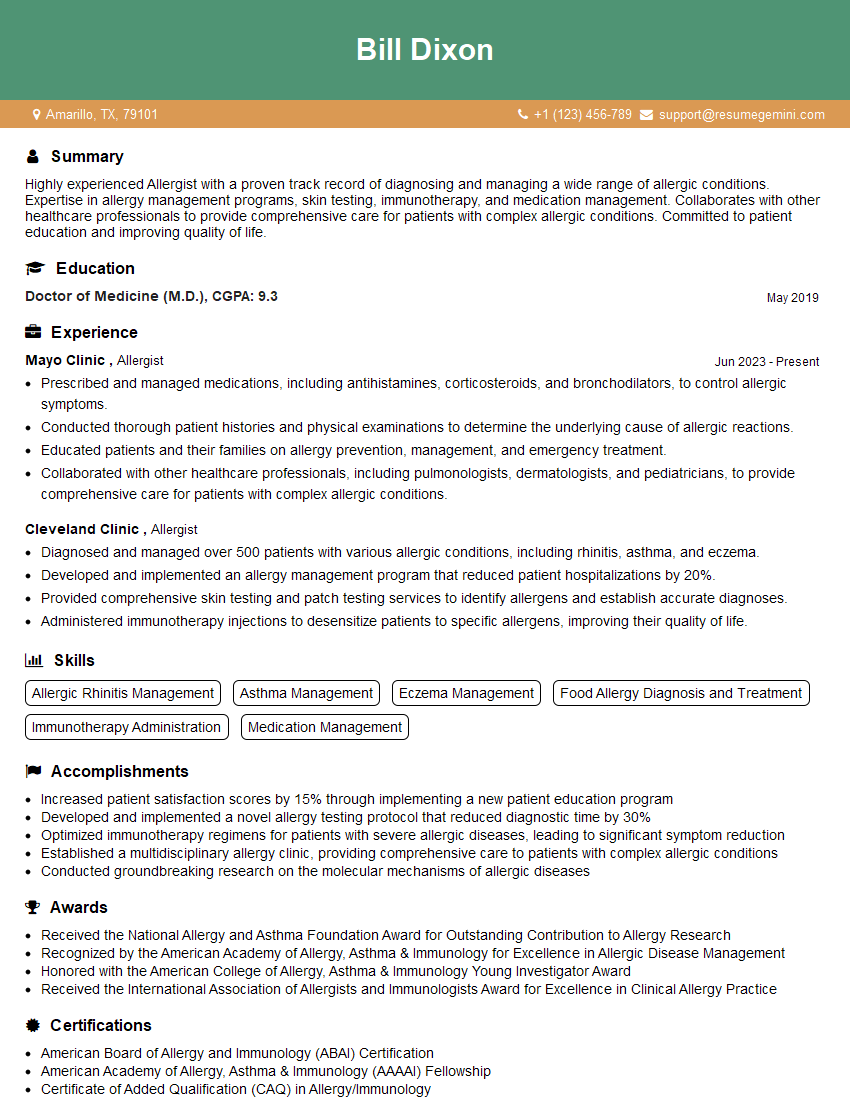
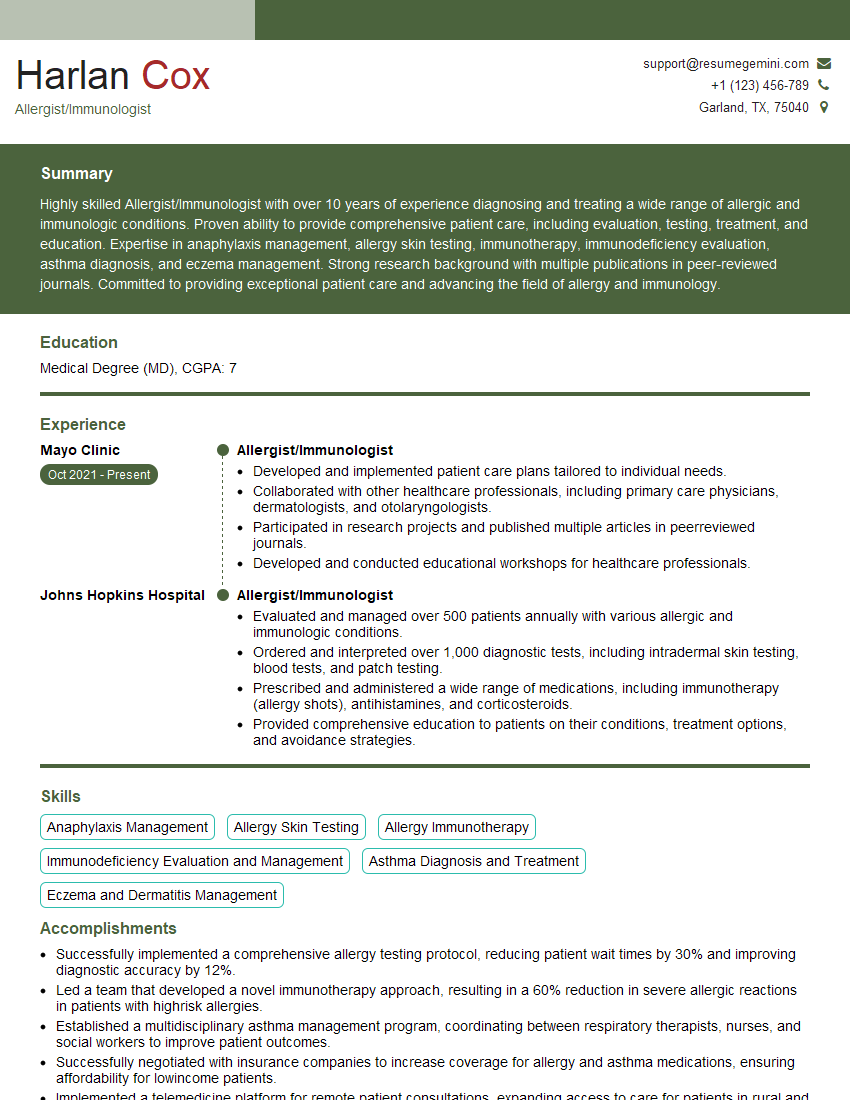
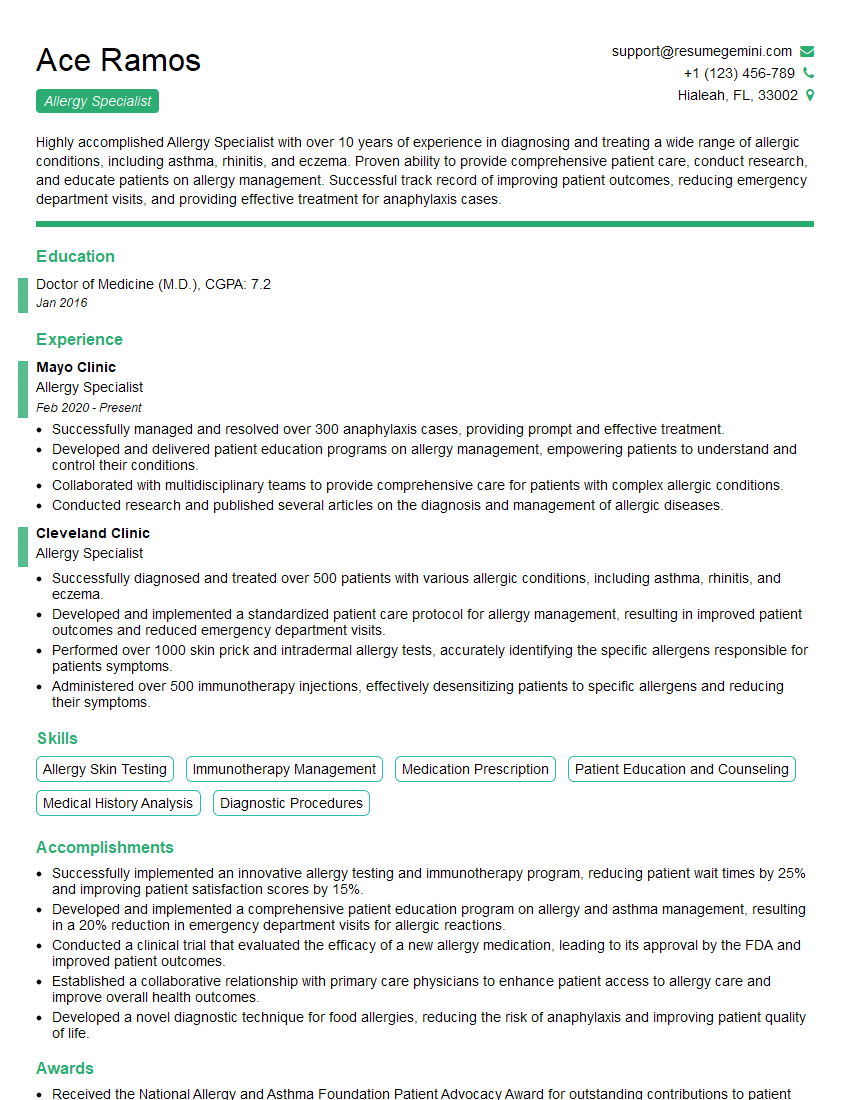
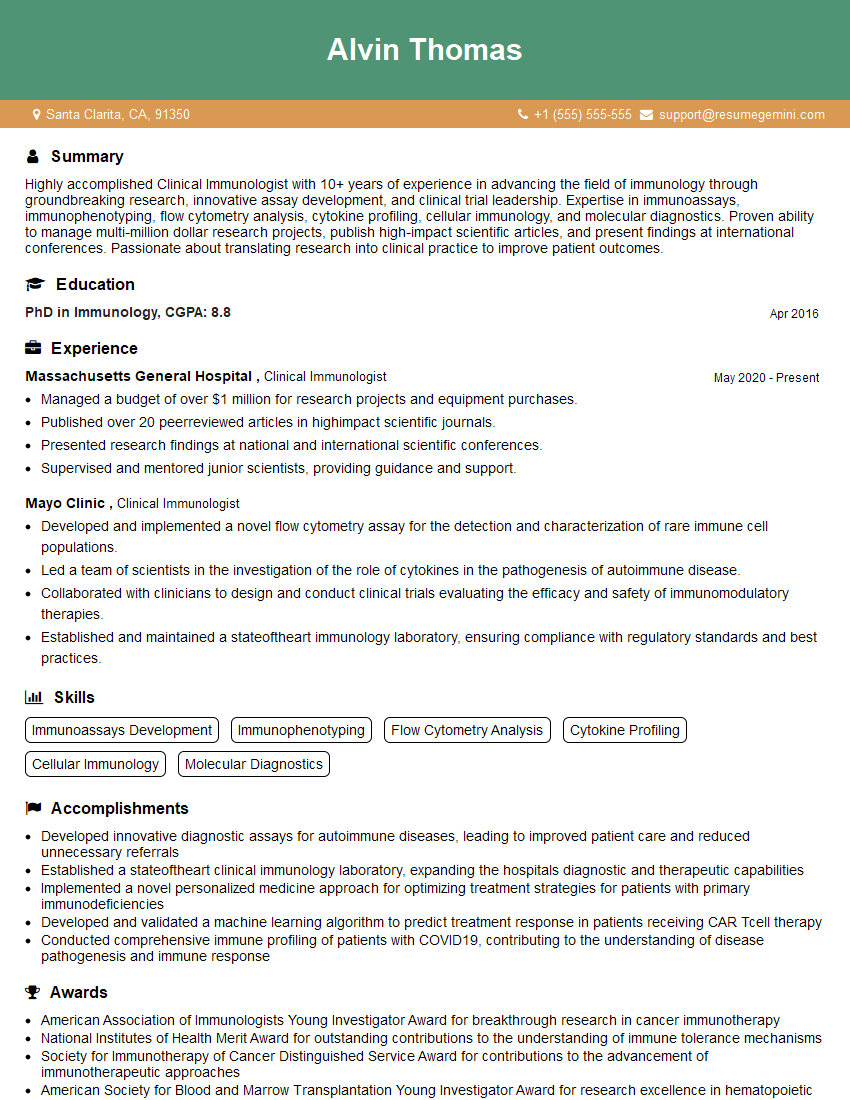
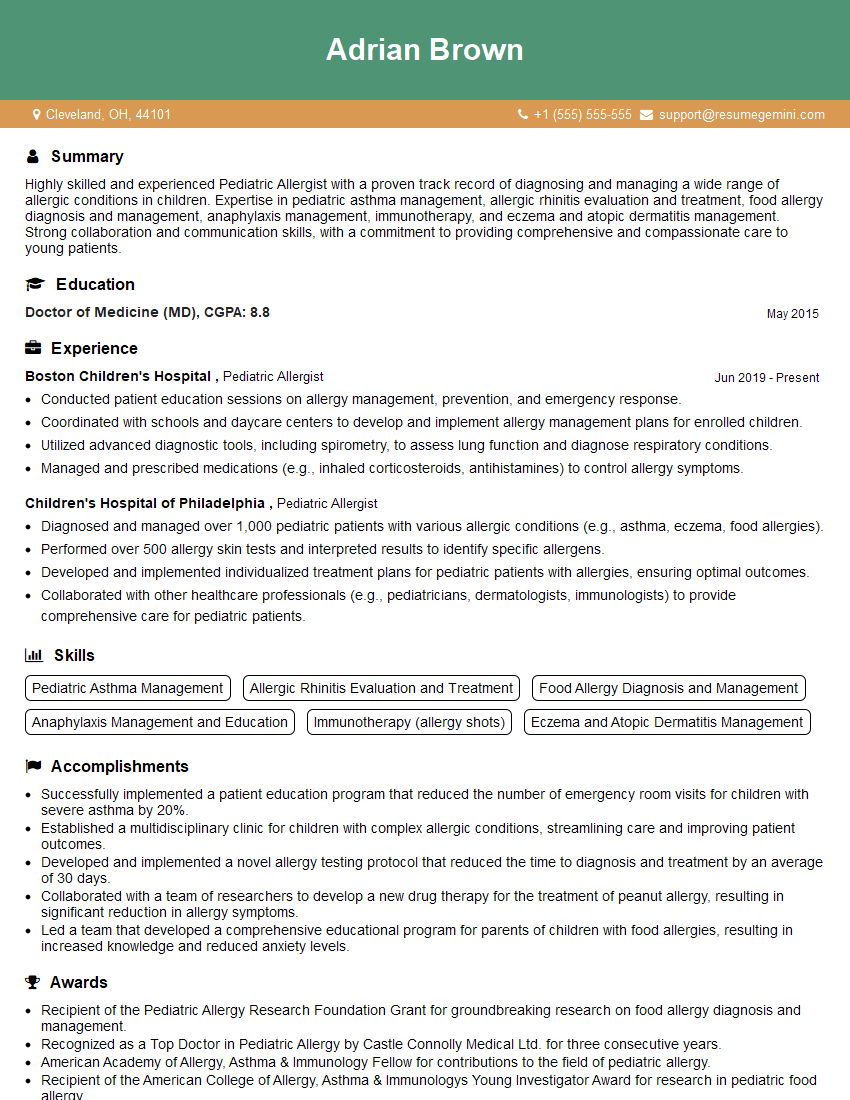
Mastering Allergic Rhinitis Management is crucial for career advancement in healthcare, demonstrating your expertise in a prevalent and significant area of patient care. A strong resume is your first impression – crafting an ATS-friendly document is essential to maximizing your job prospects. To help you present your skills and experience effectively, we encourage you to leverage ResumeGemini, a trusted resource for building professional and impactful resumes. ResumeGemini provides examples of resumes tailored to Allergic Rhinitis Management, ensuring your application stands out.

Explore more articles
Users Rating of Our Blogs
Share Your Experience
We value your feedback! Please rate our content and share your thoughts (optional).
What Readers Say About Our Blog
To the interviewgemini.com Webmaster.
Very helpful and content specific questions to help prepare me for my interview!
Thank you
To the interviewgemini.com Webmaster.
This was kind of a unique content I found around the specialized skills. Very helpful questions and good detailed answers.
Very Helpful blog, thank you Interviewgemini team.