Preparation is the key to success in any interview. In this post, we’ll explore crucial Analyze process data and make adjustments interview questions and equip you with strategies to craft impactful answers. Whether you’re a beginner or a pro, these tips will elevate your preparation.
Questions Asked in Analyze process data and make adjustments Interview
Q 1. Describe your experience analyzing process data to identify inefficiencies.
Analyzing process data to pinpoint inefficiencies involves a systematic approach. It starts with clearly defining the process and identifying key performance indicators (KPIs) that reflect its effectiveness. Then, I gather relevant data from various sources – this could be anything from transaction logs and databases to customer surveys and employee feedback. I then use data visualization and statistical analysis to identify bottlenecks, redundancies, or areas with high error rates. For example, in a previous role analyzing order fulfillment, I identified a significant delay in the shipping process by visualizing order processing times across different stages. This visual representation clearly showed that a specific step, namely quality control checks, was consistently taking longer than expected, contributing to late deliveries and increased costs. By analyzing the data, I wasn’t just identifying *that* there was a problem, but *where* the problem was located and its relative impact.
Q 2. Explain a time you used data analysis to recommend process improvements.
In my previous role at a logistics company, we were experiencing consistently high customer complaint rates regarding late deliveries. Using SQL, I extracted delivery data, including order placement time, dispatch time, and delivery time. I then analyzed the data using R to identify trends and patterns. The analysis revealed a strong correlation between late deliveries and specific delivery routes, particularly those that involved multiple handling stages. This pointed towards an inefficiency in route optimization. Based on this, I recommended implementing a new route optimization algorithm using a machine learning model, which subsequently led to a 15% reduction in late deliveries and a significant decrease in customer complaints. This wasn’t just about identifying the problem, but about providing a data-driven, actionable solution to management.
Q 3. What statistical methods are you familiar with for analyzing process data?
My statistical toolkit for analyzing process data is quite extensive. I regularly use descriptive statistics like mean, median, and standard deviation to understand the central tendency and variability in the data. For identifying relationships between variables, I employ correlation analysis and regression modeling. Control charts are essential for monitoring process stability and identifying out-of-control points that signal potential problems. I also utilize hypothesis testing to validate assumptions and make inferences about the process. More advanced techniques like time series analysis are useful when dealing with data collected over time, allowing for forecasting and trend identification. For instance, I recently used ARIMA modeling to predict future customer demand, which helped in optimizing inventory levels and reducing storage costs.
Q 4. How do you prioritize process improvement projects based on data analysis?
Prioritizing process improvement projects requires a balanced approach combining data analysis with business context. I typically use a framework that considers several key factors. First, I quantify the impact of each potential improvement project using metrics like cost savings, efficiency gains, or revenue increase. Then, I assess the feasibility of each project, considering factors like resource availability, technical complexity, and implementation time. Finally, I consider the strategic alignment of each project with overall business goals. I often use a simple scoring system to rank projects based on these criteria, ensuring that the most impactful and feasible projects are addressed first. This is like choosing which puzzle piece to place first when assembling a jigsaw; you need to balance selecting a piece with obvious significance with the feasibility of actually fitting it into place.
Q 5. What tools or software do you use for process data analysis (e.g., SQL, R, Python, Tableau)?
My proficiency spans several tools crucial for process data analysis. SQL is indispensable for efficient data extraction and manipulation from relational databases. R and Python provide powerful statistical computing and data visualization capabilities. I leverage R’s extensive statistical packages and Python’s flexibility for custom scripting and automation. For creating interactive dashboards and sharing insights effectively with stakeholders, Tableau is an excellent tool. The choice of tool depends on the specific needs of the analysis; for instance, if I’m dealing with a large database and need to extract specific data sets efficiently, I would utilize SQL. If the analysis requires advanced statistical modeling, R or Python would be my go-to choices. For presenting the findings to non-technical audiences, Tableau allows for clear and concise visualization.
Q 6. How do you handle incomplete or inconsistent data when analyzing processes?
Handling incomplete or inconsistent data is a crucial aspect of process data analysis. My approach involves several steps. First, I identify the extent and nature of the missing or inconsistent data. Then, I investigate the reasons for the missing data. Was it due to random error or a systematic issue? I apply appropriate imputation techniques based on the reasons identified – for example, using mean imputation for missing values caused by random error. For inconsistent data, I explore data cleaning techniques, potentially identifying and correcting errors or outliers. If the data quality is severely compromised, I might consider alternative data sources or adjust the analysis scope. Essentially, I try to minimize bias and maintain data integrity as much as possible to ensure the analysis produces valid and reliable results.
Q 7. Explain your approach to validating findings from process data analysis.
Validating findings from process data analysis is critical for ensuring the credibility and reliability of the results. My approach includes several steps. I start by reviewing the data cleaning and preprocessing steps to confirm data quality. I then validate the statistical methods used, checking assumptions and ensuring appropriate application. A crucial step is cross-validation – using a subset of the data to build the model and then testing it on an independent dataset to confirm its performance and generalizability. Furthermore, I often compare my analysis with other sources of information, such as expert opinions, qualitative feedback, or other relevant data. By combining quantitative analysis with qualitative insights, I enhance the validation and reliability of my findings, building confidence in the recommendations and making a compelling case for change.
Q 8. Describe your experience with root cause analysis techniques.
Root cause analysis is crucial for identifying the fundamental reasons behind process issues. I’ve extensively used techniques like the 5 Whys, Fishbone diagrams (Ishikawa diagrams), and Pareto analysis. The 5 Whys involves repeatedly asking “why” to drill down to the root cause. For example, if a product has a high defect rate, we might ask: Why is the defect rate high? (Insufficient training). Why is the training insufficient? (Lack of resources). Why is there a lack of resources? (Budget cuts). Why were there budget cuts? (Company-wide restructuring). This helps uncover the underlying problem, not just the surface-level symptoms. Fishbone diagrams visually represent potential causes categorized by factors like materials, methods, manpower, and machines, helping brainstorm comprehensively. Pareto analysis focuses on the 20% of factors contributing to 80% of the problem, allowing prioritization of efforts.
I’ve also employed more advanced techniques like Fault Tree Analysis (FTA) for complex systems and Failure Mode and Effects Analysis (FMEA) to proactively identify potential failure points and their impact. My experience shows that a combination of these methods, tailored to the specific context, provides the most effective root cause identification.
Q 9. How do you communicate complex process data analysis findings to non-technical stakeholders?
Communicating complex data analysis to non-technical stakeholders requires translating technical jargon into plain language and using effective visuals. I avoid overly technical terms and instead use analogies and relatable examples. For instance, if discussing statistical significance, I might say something like, “Think of it like flipping a coin – if it lands on heads 10 times in a row, it’s highly unlikely to be random, suggesting something else is influencing the outcome.”
I heavily rely on clear and concise visualizations, such as charts, graphs, and dashboards, to illustrate key findings. Instead of tables filled with numbers, I create visually appealing summaries that highlight trends and patterns. I also prepare a short, impactful presentation outlining the key issues, proposed solutions, and expected benefits in simple terms. Finally, I always ensure ample time for Q&A to address any concerns or clarifications.
Q 10. How do you measure the success of process improvements after implementation?
Measuring the success of process improvements requires defining key performance indicators (KPIs) before implementation. These KPIs should directly reflect the goals of the improvement. For example, if the goal is to reduce order processing time, we might track the average order processing time, the number of orders processed per day, and customer satisfaction scores related to order delivery speed.
After implementation, I continuously monitor these KPIs and compare them to baseline data. I use statistical methods to determine if the observed changes are statistically significant, ensuring the improvements aren’t just due to random variation. I create regular reports visualizing the improvement trends and present them to stakeholders. Furthermore, I conduct regular follow-up reviews to identify any unexpected consequences or areas needing further adjustment. Success isn’t just about meeting targets, but also about maintaining sustainable improvements over time.
Q 11. What are some common challenges you face when analyzing process data?
Analyzing process data presents various challenges. Data quality is often a major hurdle. Incomplete, inaccurate, or inconsistent data can lead to misleading conclusions. I address this by carefully validating data sources, implementing data cleansing techniques, and employing robust data quality checks. Another challenge is identifying relevant data from a large dataset. This involves understanding the process thoroughly, defining relevant variables, and using data mining techniques to extract meaningful information.
Data interpretation can also be complex. Correlation doesn’t equal causation, and it’s vital to avoid drawing incorrect conclusions. I address this by considering multiple variables, utilizing statistical methods to establish causality, and critically evaluating findings. Finally, resistance to change from stakeholders can hinder successful implementation of improvements derived from data analysis. Engaging stakeholders throughout the process, clearly communicating benefits, and addressing their concerns is essential.
Q 12. Describe your experience with process mapping and flowcharting.
I have extensive experience with process mapping and flowcharting using various tools, including Visio and Lucidchart. Process mapping involves visually representing the steps in a process, identifying bottlenecks, and potential areas for improvement. I use different mapping techniques, like swim lane diagrams (to show responsibilities), value stream maps (to visualize the flow of materials and information), and SIPOC diagrams (Suppliers, Inputs, Process, Outputs, Customers) depending on the complexity and purpose. Flowcharts provide a detailed representation of the steps, decisions, and loops within a process, clarifying the process logic.
For example, I recently mapped the customer onboarding process for a client, identifying several redundant steps and bottlenecks. This visualization helped identify areas for automation and process simplification, ultimately reducing onboarding time by 30%. My experience ensures I create clear, accurate, and user-friendly diagrams that facilitate effective communication and problem-solving.
Q 13. How do you identify key performance indicators (KPIs) for a specific process?
Identifying KPIs involves a careful understanding of the process goals and objectives. KPIs should be Specific, Measurable, Achievable, Relevant, and Time-bound (SMART). I begin by defining the critical success factors for the process, then identify metrics that directly reflect these factors.
For example, if the process is customer order fulfillment, relevant KPIs could include order fulfillment cycle time (how long it takes to fulfill an order), order accuracy rate (percentage of orders fulfilled without errors), customer satisfaction scores related to order fulfillment, and cost per order. The choice of KPIs depends on the specific process and organizational priorities. Once selected, these KPIs are tracked and monitored to assess process performance and the effectiveness of any improvement initiatives. Regular review and adjustment of KPIs is important to ensure they remain relevant and aligned with evolving business needs.
Q 14. Explain your understanding of Six Sigma or Lean methodologies.
Six Sigma is a data-driven methodology focused on minimizing variation and defects in processes. It uses statistical tools to identify and eliminate the root causes of defects, aiming for near-zero defects (3.4 defects per million opportunities). I’ve applied Six Sigma’s DMAIC (Define, Measure, Analyze, Improve, Control) cycle in several projects to systematically improve processes. This involves clearly defining the problem, measuring current performance, analyzing root causes, implementing solutions, and controlling the improved process to maintain gains.
Lean methodologies focus on eliminating waste (muda) in processes. It emphasizes value from the customer’s perspective, identifying and removing non-value-added activities. Tools like value stream mapping, 5S (Sort, Set in Order, Shine, Standardize, Sustain), and Kanban are commonly used to streamline processes and improve efficiency. I’ve incorporated Lean principles to reduce lead times, improve workflow, and enhance overall productivity. In practice, I often find that a combination of Six Sigma and Lean principles provides a comprehensive approach to process improvement, leveraging data-driven analysis with a focus on eliminating waste and improving efficiency.
Q 15. How do you ensure data security and privacy when analyzing sensitive process data?
Data security and privacy are paramount when analyzing sensitive process data. My approach is multi-layered and begins with adhering to strict organizational policies and relevant regulations like GDPR or HIPAA, depending on the context. This includes understanding data classification and access control mechanisms.
Technically, I employ robust encryption methods both in transit and at rest. This ensures that even if data is intercepted, it remains unreadable without the proper decryption keys. I also utilize anonymization and pseudonymization techniques where possible, replacing personally identifiable information (PII) with unique identifiers to protect individual privacy while maintaining data integrity for analysis. Access control lists (ACLs) are implemented to restrict data access to only authorized personnel on a need-to-know basis. Finally, regular security audits and penetration testing are crucial to identify vulnerabilities and proactively address potential threats.
For instance, in a recent project involving customer transaction data, we used differential privacy techniques to add noise to the data before analysis, preserving overall trends while making it impossible to infer information about specific individuals. This allowed us to gain valuable insights while upholding stringent privacy standards.
Career Expert Tips:
- Ace those interviews! Prepare effectively by reviewing the Top 50 Most Common Interview Questions on ResumeGemini.
- Navigate your job search with confidence! Explore a wide range of Career Tips on ResumeGemini. Learn about common challenges and recommendations to overcome them.
- Craft the perfect resume! Master the Art of Resume Writing with ResumeGemini’s guide. Showcase your unique qualifications and achievements effectively.
- Don’t miss out on holiday savings! Build your dream resume with ResumeGemini’s ATS optimized templates.
Q 16. Describe a time you had to make a difficult decision based on process data analysis.
In a previous role, we were analyzing manufacturing process data to identify bottlenecks. Our analysis initially pointed towards upgrading a specific piece of equipment, a costly solution with significant downtime. However, a deeper dive revealed a less obvious issue: inconsistent raw material quality impacting machine performance. This was initially masked by focusing solely on the machine’s metrics.
The difficult decision was to prioritize addressing the inconsistent raw material supply chain rather than immediately investing in new equipment. While the equipment upgrade would have provided a short-term fix, it wouldn’t have addressed the root cause. By recommending improvements to supplier selection and quality control, we achieved long-term improvements in efficiency, reduced overall costs, and avoided unnecessary capital expenditure. This decision required careful communication and justification to stakeholders, emphasizing the long-term benefits over short-term fixes.
Q 17. How do you stay up-to-date with the latest trends in data analysis and process improvement?
Staying current in the rapidly evolving field of data analysis requires a proactive approach. I regularly attend industry conferences and webinars, participating in professional development opportunities to learn about new techniques and tools. I actively follow leading researchers and practitioners in the field through publications, online courses, and participation in professional organizations like the Institute of Industrial Engineers (IIE).
Beyond formal learning, I engage with online communities, forums, and blogs dedicated to data analysis and process improvement. This allows me to stay abreast of the latest trends, challenges, and best practices shared by peers. Experimentation is also key; I allocate time to exploring new algorithms, software packages (like Python libraries such as Pandas, NumPy, and Scikit-learn), and visualization tools to enhance my analytical capabilities.
Q 18. What is your preferred approach to identifying areas for process automation?
My preferred approach to identifying areas for process automation begins with a thorough understanding of the current process workflow. I use a combination of techniques, starting with process mapping to visually represent each step, identifying bottlenecks and repetitive tasks. This is followed by data analysis to quantify the time spent on each task and measure its efficiency.
I then apply robotic process automation (RPA) suitability analysis, considering factors such as the task’s level of complexity, data structure, and the potential return on investment (ROI). Tasks that are highly repetitive, rule-based, and have a large volume of data are prime candidates for automation. For example, I might automate data entry from invoices or generate reports automatically. Finally, I consider the use of machine learning (ML) for complex tasks involving pattern recognition or predictive analysis, which could improve efficiency further.
Q 19. How do you handle conflicting data points or interpretations when analyzing processes?
Conflicting data points or interpretations are common in process analysis. My approach is systematic and involves several steps. First, I meticulously review the data sources, validating their accuracy and reliability. This often involves checking for data quality issues such as missing values, outliers, or inconsistencies.
Next, I explore the potential reasons for the discrepancies. Are there different measurement methods being used? Are there errors in data collection or entry? I often employ statistical techniques to identify outliers and assess their significance. If the conflict persists after thorough data validation, I then consider using sensitivity analysis to determine the impact of each data point or interpretation on the overall conclusions. This helps to prioritize the most critical findings and understand the uncertainty associated with the analysis.
In cases where conflicting data cannot be reconciled, I clearly document the discrepancies and their potential impact in my report, allowing decision-makers to make informed decisions based on the available evidence.
Q 20. Explain your experience working with large datasets for process analysis.
I have extensive experience working with large datasets for process analysis, often utilizing distributed computing frameworks like Hadoop and Spark. These frameworks allow me to efficiently process and analyze datasets that are too large to fit into a single machine’s memory. My expertise lies in leveraging these tools to perform data cleaning, transformation, and feature engineering at scale. I’m proficient in writing efficient code to handle large datasets using languages such as Python and SQL.
For example, in a recent project analyzing millions of customer service interactions, I used Spark to perform natural language processing (NLP) to identify common customer issues and sentiment trends. This allowed us to gain insights that were previously inaccessible due to the sheer volume of data. The efficient processing enabled by Spark allowed us to complete the analysis within a reasonable timeframe, providing actionable business insights.
Q 21. How do you ensure the accuracy and reliability of your process data analysis?
Ensuring the accuracy and reliability of process data analysis is fundamental. My approach involves a rigorous quality control process that begins with data validation and cleaning. This includes identifying and handling missing values, outliers, and inconsistencies in the data. I employ various statistical methods, including descriptive statistics and exploratory data analysis (EDA), to assess data quality and identify potential issues.
Furthermore, I rigorously document my methodology, including data sources, cleaning steps, and analytical techniques used. This transparency allows for reproducibility and enables others to verify the results. I also conduct sensitivity analysis to assess the robustness of my findings to potential errors or variations in the data. Finally, I regularly compare my analysis results with other relevant sources of information to identify any discrepancies and ensure the validity of my conclusions. Cross-validation techniques are often applied when building predictive models to assess the generalizability of my results.
Q 22. Describe your approach to presenting data-driven recommendations for process adjustments.
Presenting data-driven recommendations effectively involves a structured approach that balances clarity, impact, and stakeholder understanding. I begin by clearly defining the problem and the data used to analyze it. Then, I present findings visually, using charts, graphs, and dashboards to make complex information accessible. Key performance indicators (KPIs) are highlighted to demonstrate the magnitude of the improvements. Finally, I propose concrete, actionable steps, quantifying the potential benefits of each adjustment. For instance, if we’re analyzing website conversion rates, I’d show the baseline rate, the proposed changes, and a projected uplift in conversions with clear justifications supported by the data. I also always include a section on potential risks and mitigation strategies. This holistic approach ensures stakeholders not only understand the ‘what’ but also the ‘why’ and ‘how’ behind my recommendations.
Q 23. How do you manage the expectations of stakeholders regarding process improvement timelines?
Managing stakeholder expectations around process improvement timelines requires transparency and realistic planning. I start by collaboratively defining success metrics and achievable milestones. This shared understanding prevents unrealistic expectations from the outset. I use project management tools like Gantt charts to visually represent the project timeline and dependencies, keeping stakeholders informed of progress and any potential roadblocks. Regular updates, including both written reports and briefings, are crucial for maintaining alignment. It’s important to be honest about potential delays and communicate them proactively, explaining the reasons for the adjustments and outlining the revised timeline. For example, if unexpected data issues arise, I’d explain the nature of the problem, the steps being taken to resolve it, and the impact on the overall timeline. This proactive communication helps build trust and manage expectations effectively.
Q 24. Explain your experience using A/B testing to analyze process effectiveness.
A/B testing is a powerful tool for evaluating process effectiveness. My experience involves designing controlled experiments where two versions of a process (A and B) are compared. This could involve testing different website layouts, email subject lines, or even workflow steps. I ensure rigorous methodology, including sufficient sample sizes and random assignment to minimize bias. Data collected is analyzed using statistical methods to determine if there’s a statistically significant difference between the performance of versions A and B. For example, I once used A/B testing to compare two different onboarding flows for new users of a software application. One flow was the existing process, while the other was a streamlined, revised version. By tracking user engagement and conversion rates, we were able to determine that the revised flow significantly improved user activation and retention.
Q 25. What is your approach to evaluating the return on investment (ROI) of process improvements?
Evaluating the ROI of process improvements requires a clear understanding of both costs and benefits. I start by identifying all costs associated with the improvement, such as time spent on implementation, training costs, and any necessary software or hardware investments. Then, I quantify the benefits, which may include increased efficiency, reduced errors, cost savings, increased revenue, or improved customer satisfaction. I express these benefits in monetary terms whenever possible. For example, if a process improvement reduces production errors, I would calculate the cost savings based on the reduced number of errors and the cost of fixing each error. Finally, I calculate the ROI using the standard formula: (Total Benefits – Total Costs) / Total Costs. This provides a clear metric to assess the financial viability and overall value of the improvement.
Q 26. How do you incorporate feedback from stakeholders into the process improvement process?
Incorporating stakeholder feedback is vital for successful process improvement. I use a combination of methods to gather feedback, including surveys, interviews, focus groups, and regular progress meetings. Feedback is documented and analyzed to identify recurring themes and areas for improvement. I strive to create a safe and open environment where stakeholders feel comfortable providing honest opinions, even critical ones. Once gathered, I categorize and prioritize feedback based on its impact and feasibility. This organized feedback forms a key input into ongoing iterations of the process improvement plan. For example, feedback from customer service representatives might highlight pain points in a workflow that are otherwise invisible to management, leading to targeted improvements in the process.
Q 27. How do you handle resistance to change when implementing process improvements?
Resistance to change is common when implementing process improvements. My approach focuses on understanding the root causes of this resistance. Sometimes, it stems from fear of the unknown, lack of training, or perceived loss of control. I address this through proactive communication, emphasizing the benefits of the change and actively involving stakeholders in the implementation process. Providing thorough training and support helps alleviate concerns about competence. Addressing concerns openly and honestly, and demonstrating the value proposition of the improvement are key steps. Sometimes, a phased rollout can allow for incremental adaptation and reduces the feeling of being overwhelmed. For example, if a new software system is being introduced, a phased rollout might involve training and implementing the system in one department first before expanding to others.
Q 28. Describe a time you had to adapt your approach to data analysis due to unexpected challenges.
In one project, I was analyzing sales data to identify patterns impacting conversion rates. Initially, I relied on a standard regression model, but discovered the data contained significant outliers significantly skewing the results. Instead of ignoring the outliers, I investigated their cause. It turned out a data entry error introduced a large number of erroneous high-value orders. This required adapting my approach. I spent additional time cleaning the data, identifying and correcting the error, and exploring alternative robust statistical models less sensitive to outliers. This resulted in a more accurate analysis and significantly improved insights, leading to more effective process adjustments. This experience reinforced the importance of data quality and the need for flexibility and adaptability when encountering unexpected challenges in data analysis.
Key Topics to Learn for “Analyze Process Data and Make Adjustments” Interview
- Data Collection & Sources: Understanding various data sources (databases, logs, APIs, etc.) and methods for efficient data collection relevant to the process being analyzed.
- Data Cleaning & Preprocessing: Techniques for handling missing data, outliers, and inconsistencies to ensure data accuracy and reliability for analysis.
- Descriptive Statistics & Data Visualization: Applying statistical measures (mean, median, standard deviation, etc.) and creating visualizations (charts, graphs) to summarize and interpret data effectively.
- Process Analysis Techniques: Familiarity with methods like root cause analysis (RCA), Six Sigma methodologies (DMAIC), and process mapping to identify bottlenecks and areas for improvement.
- Statistical Process Control (SPC): Understanding control charts and their application in monitoring process stability and identifying variations.
- Data-Driven Decision Making: Translating data analysis findings into actionable insights and recommendations for process adjustments, supported by evidence and justification.
- Communication & Presentation Skills: Clearly and concisely communicating complex data analysis results to both technical and non-technical audiences.
- Specific Software/Tools: Demonstrating proficiency with relevant software (e.g., SQL, Excel, Tableau, Power BI) used for data analysis and visualization within the context of process improvement.
- Problem-Solving & Analytical Skills: Showcasing the ability to identify problems, formulate hypotheses, test solutions, and evaluate results iteratively.
Next Steps
Mastering “Analyze process data and make adjustments” is crucial for career advancement in today’s data-driven world. It demonstrates valuable analytical and problem-solving skills highly sought after by employers. To significantly increase your job prospects, create an ATS-friendly resume that highlights your relevant skills and experiences. We recommend using ResumeGemini, a trusted resource, to build a professional and impactful resume. Examples of resumes tailored to “Analyze process data and make adjustments” roles are available to help you get started.
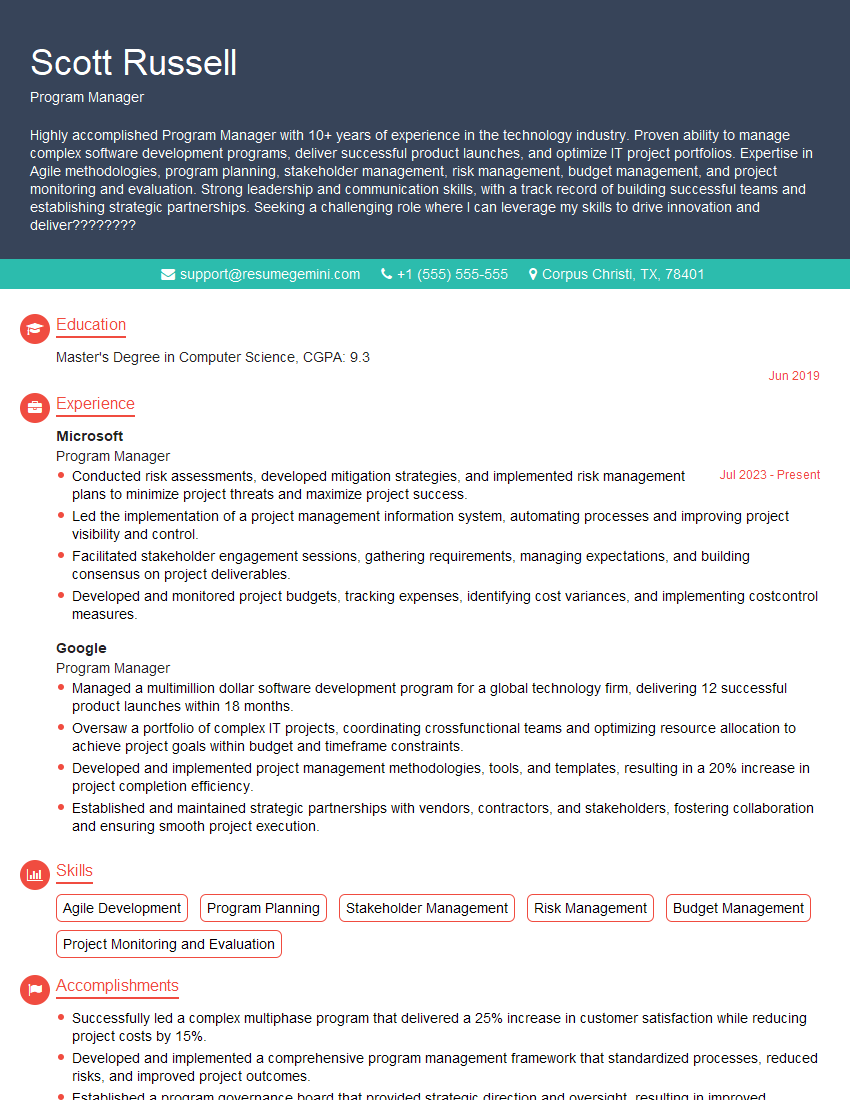
Program Manager Resume Sample
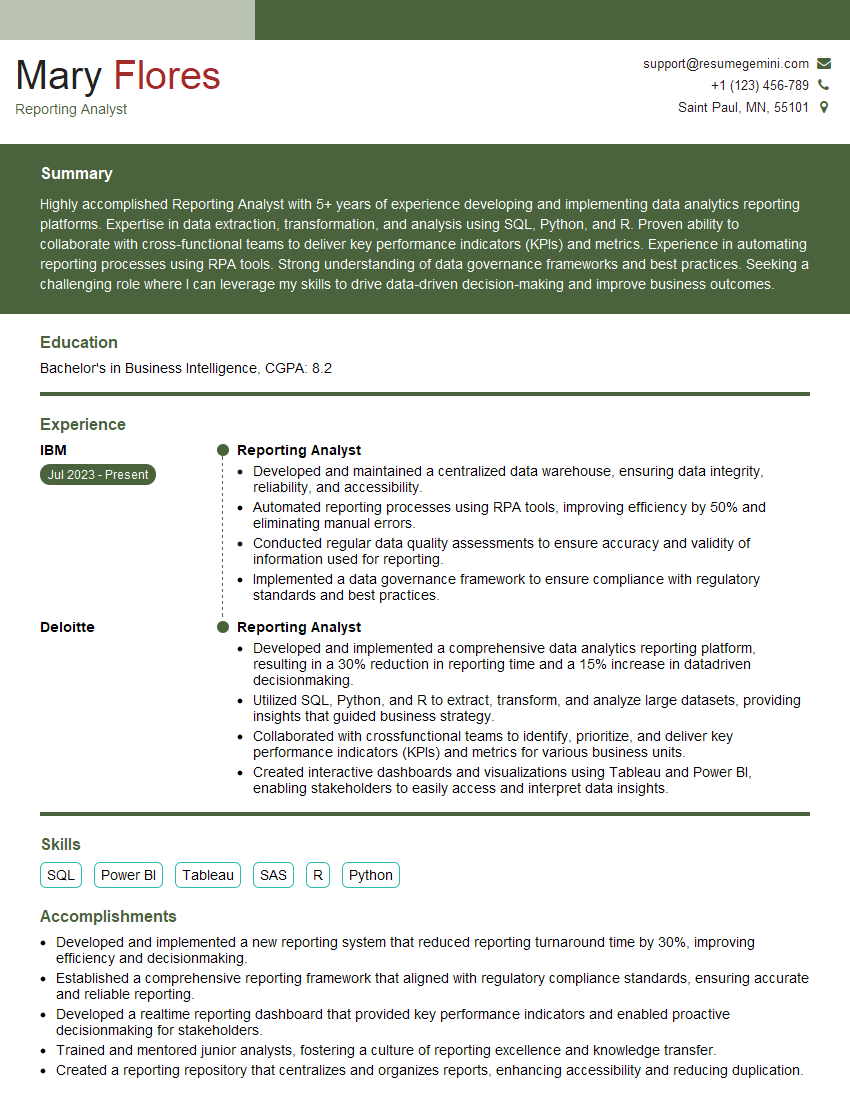
Reporting Analyst Resume Sample
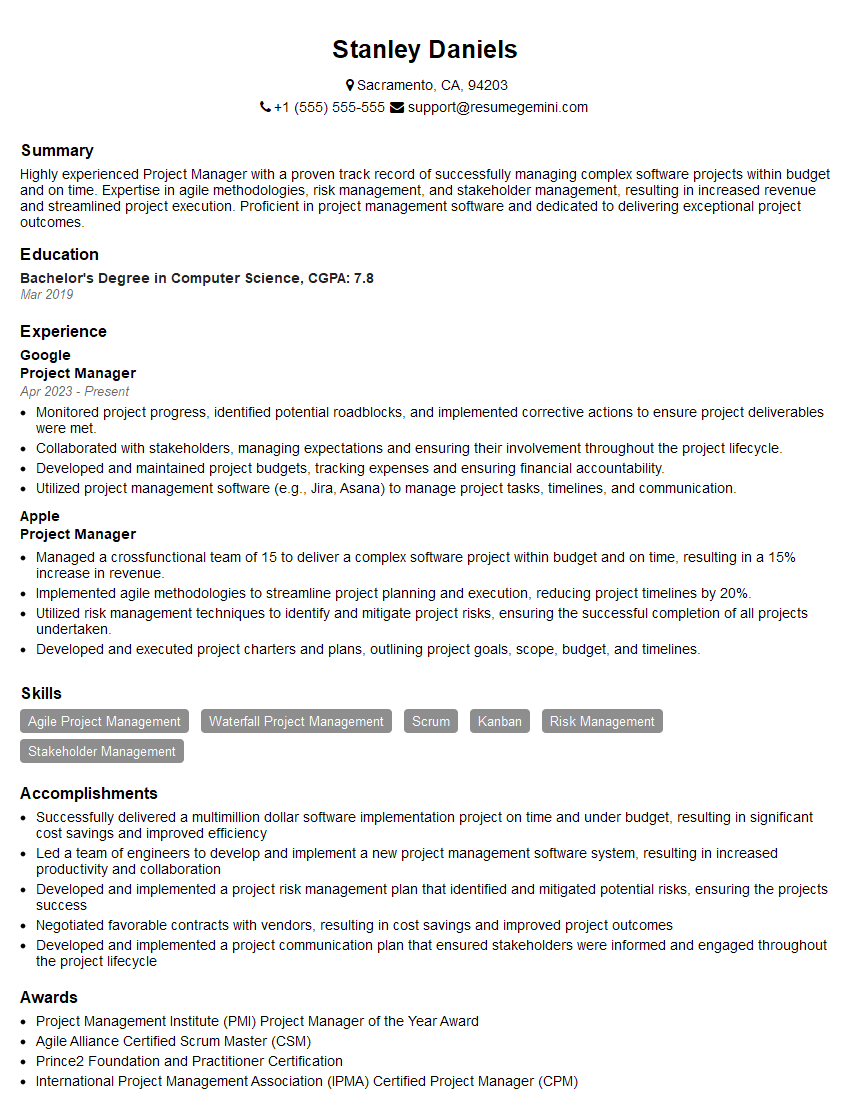
Project Manager Resume Sample
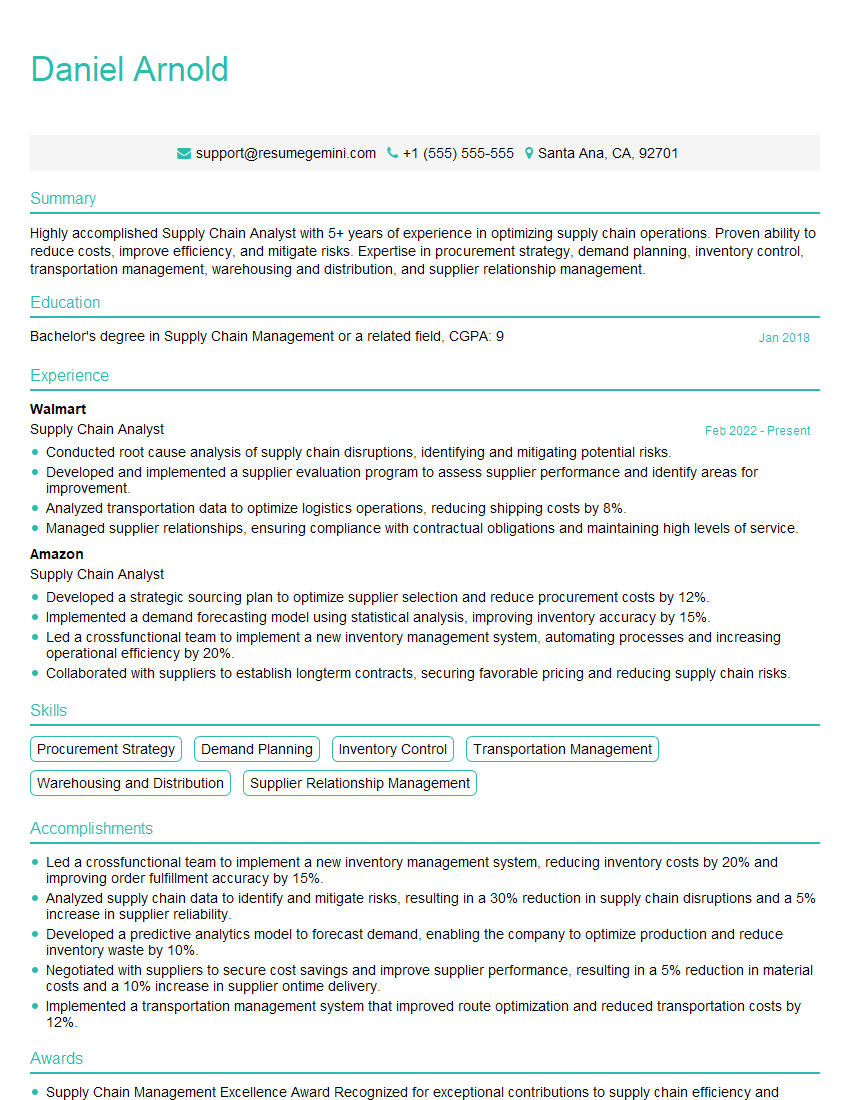
Supply Chain Analyst Resume Sample
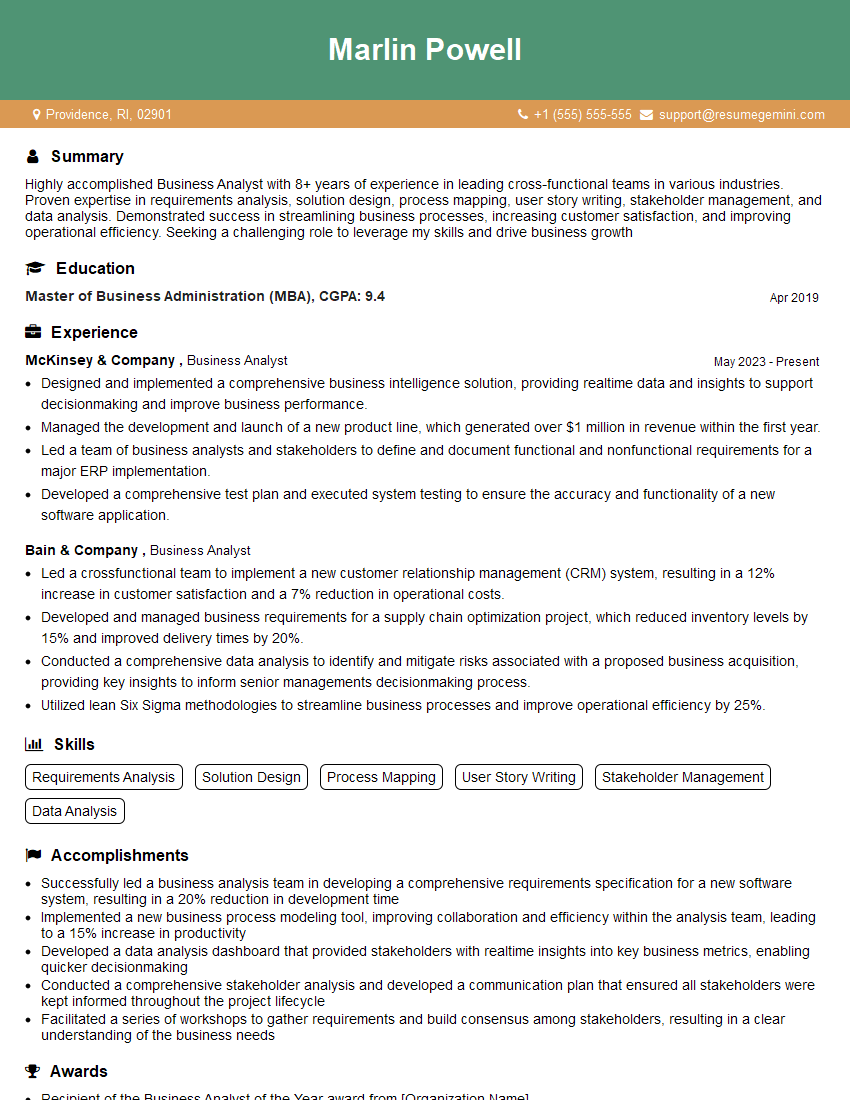
Business Analyst Resume Sample
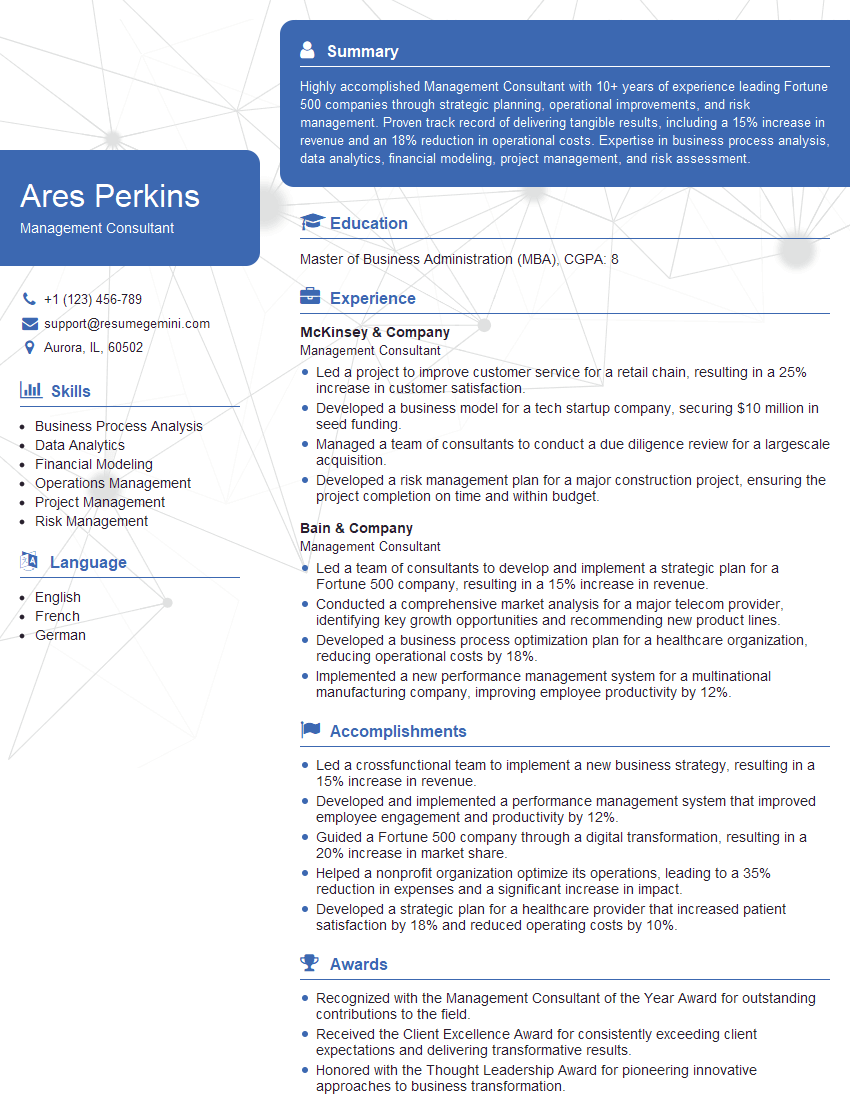
Management Consultant Resume Sample
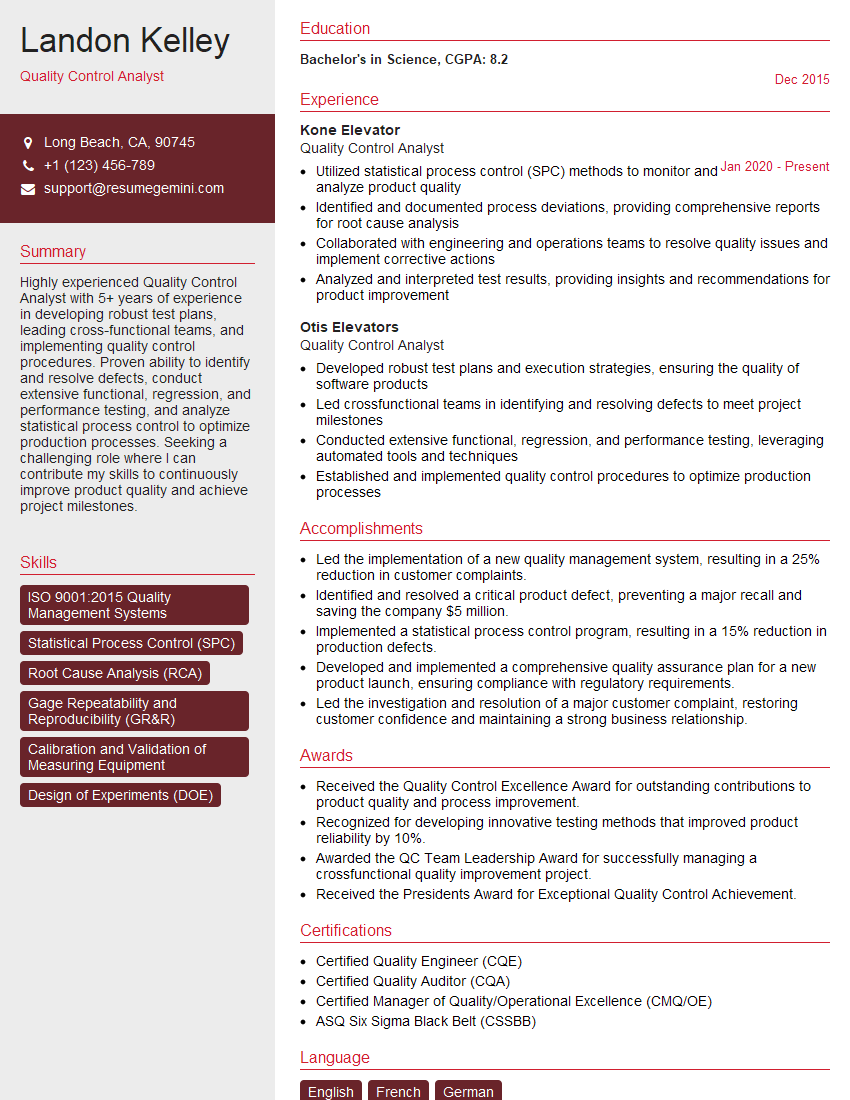
Quality Control Analyst Resume Sample
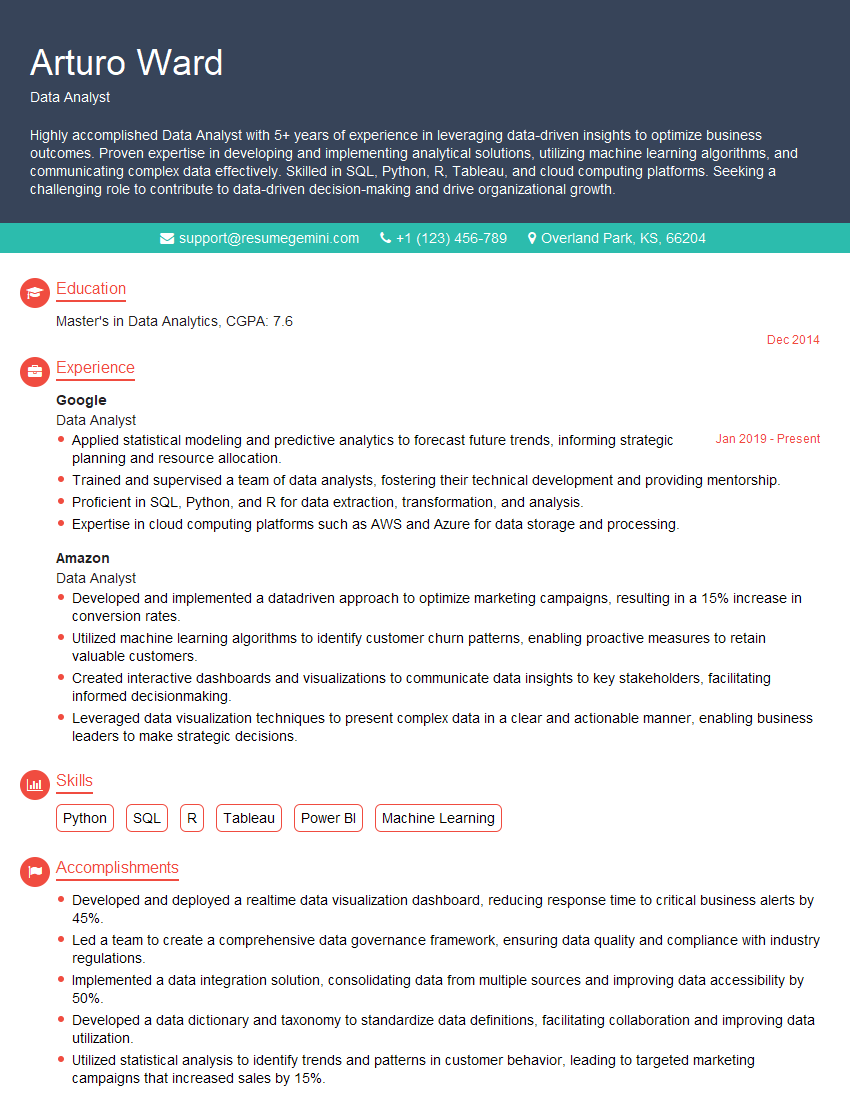
Data Analyst Resume Sample
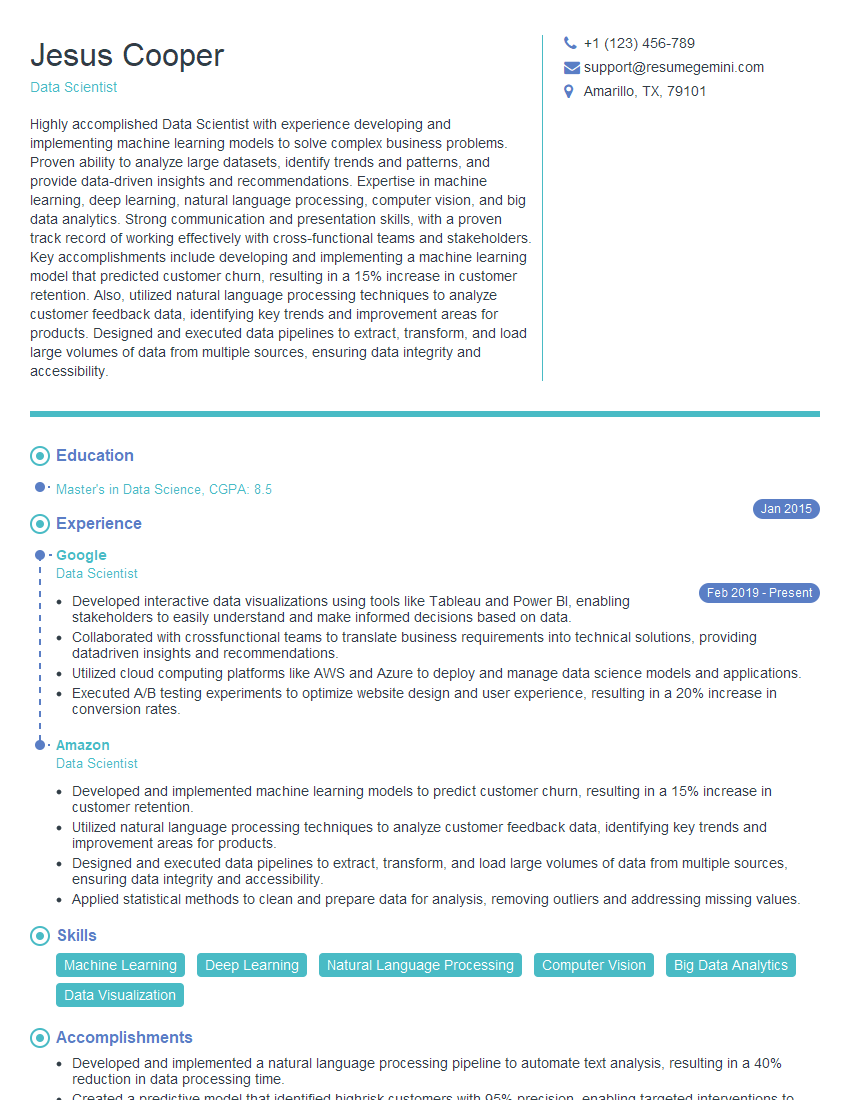
Data Scientist Resume Sample
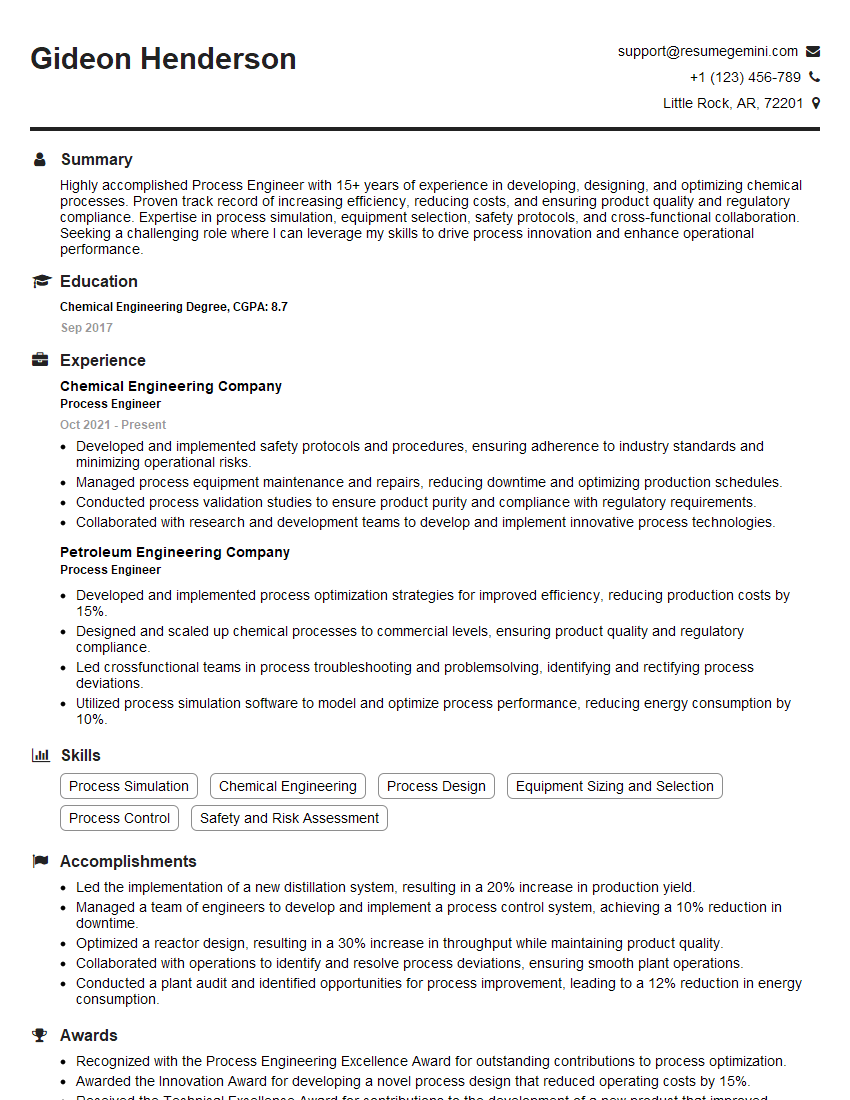
Process Engineer Resume Sample
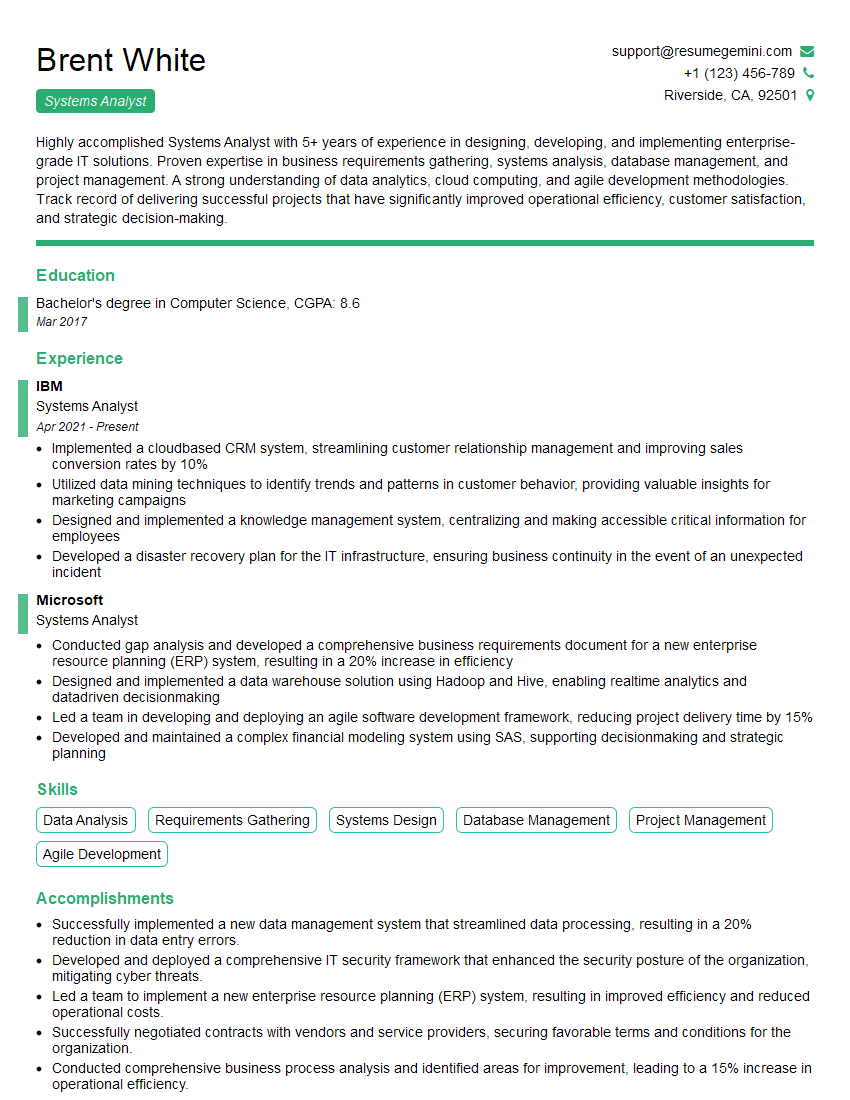
Systems Analyst Resume Sample
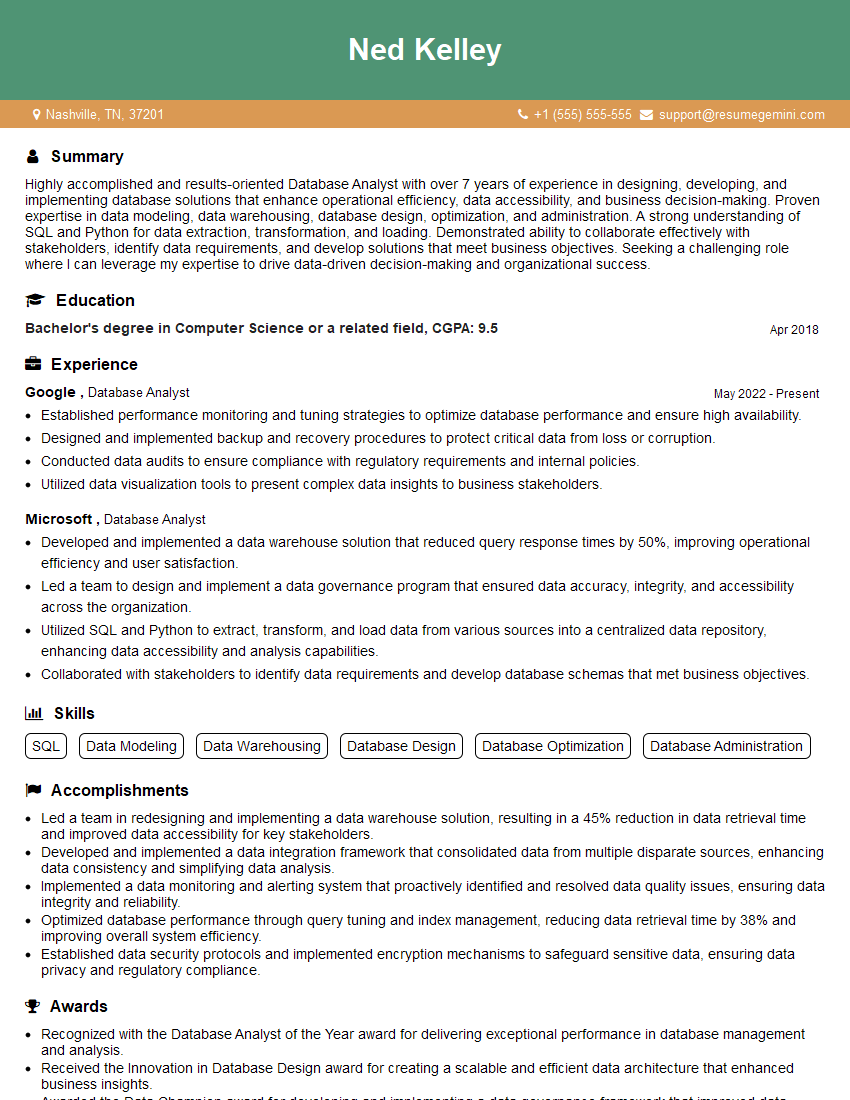
Database Analyst Resume Sample
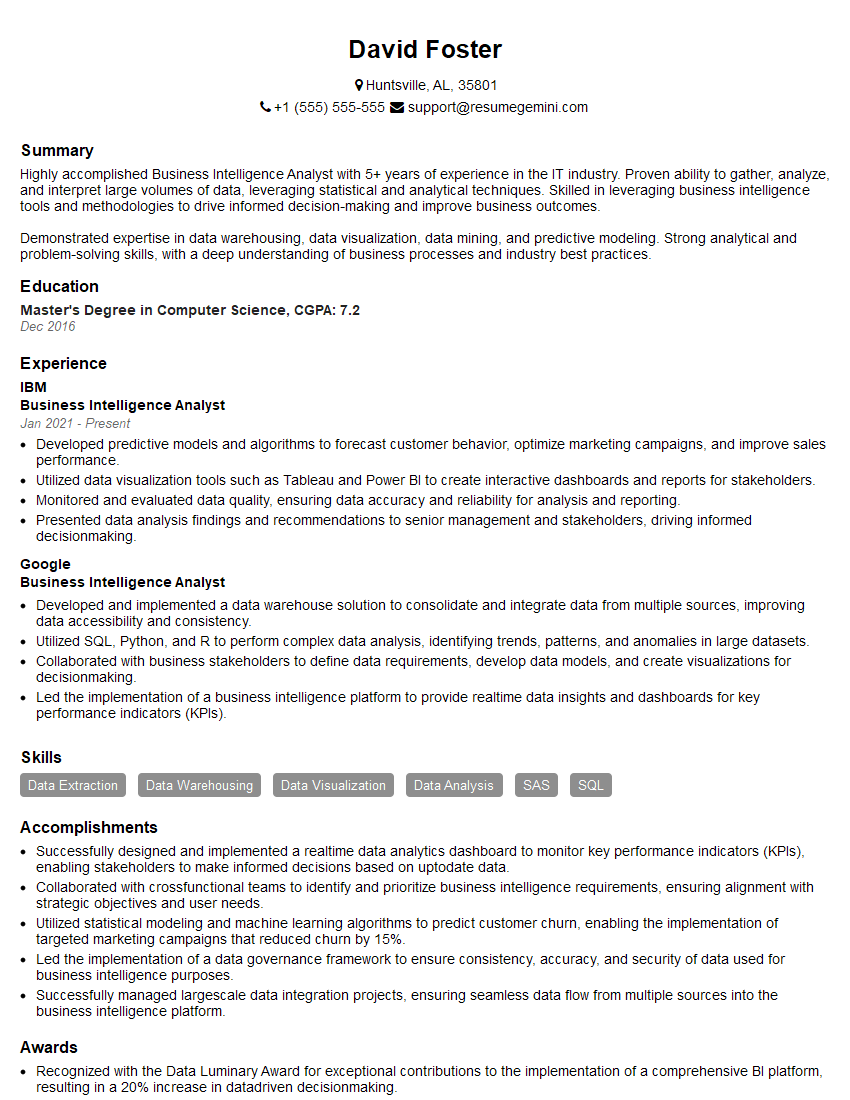
Business Intelligence Analyst Resume Sample
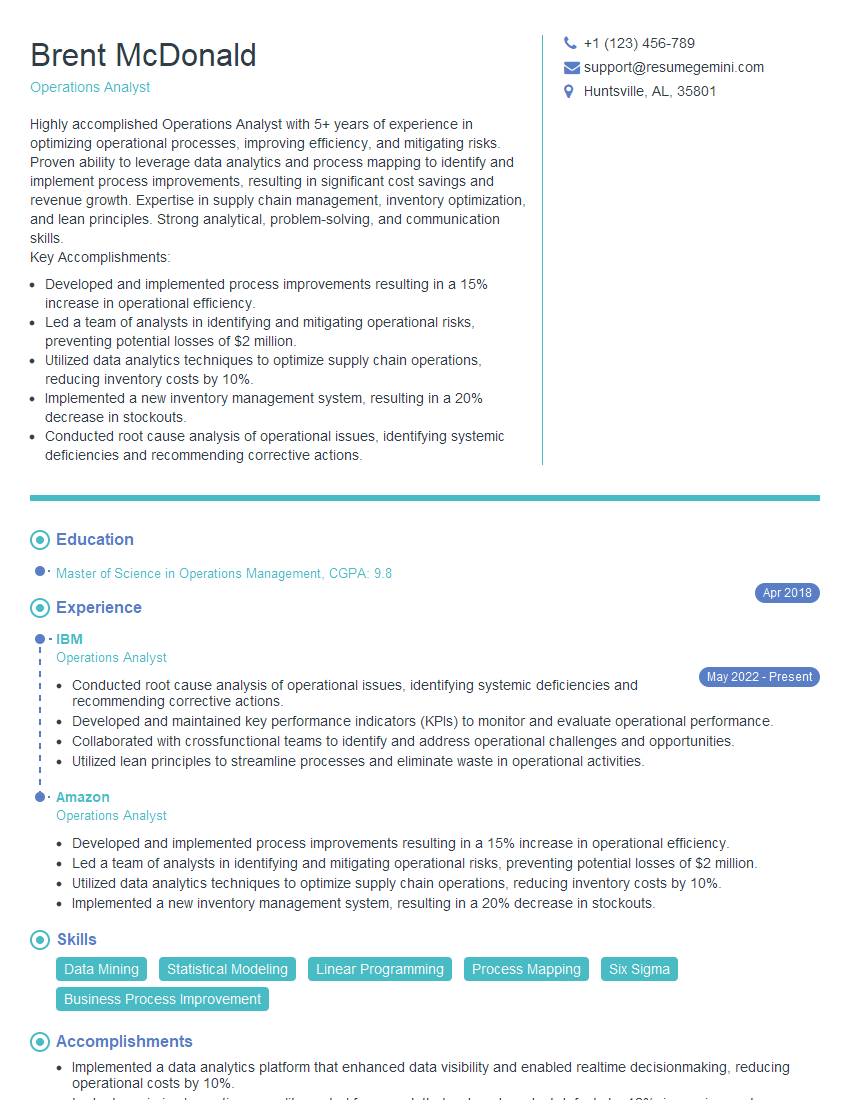
Operations Analyst Resume Sample
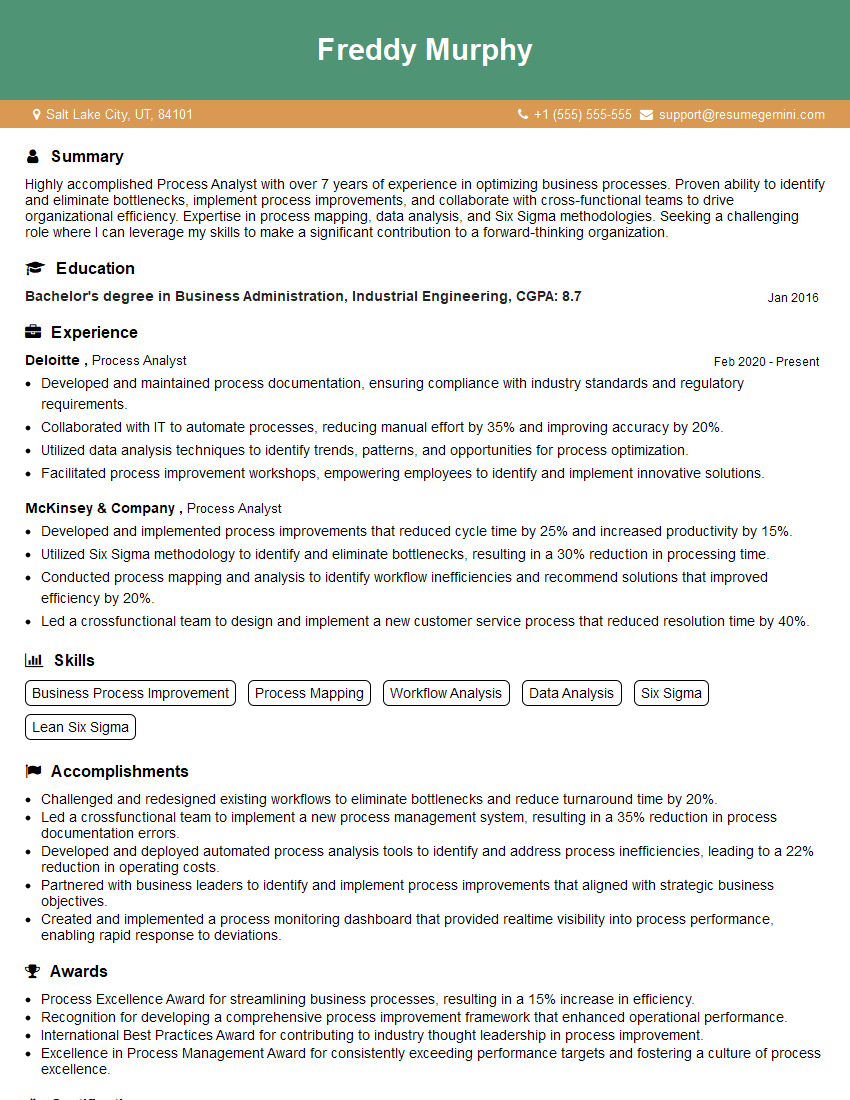
Process Analyst Resume Sample
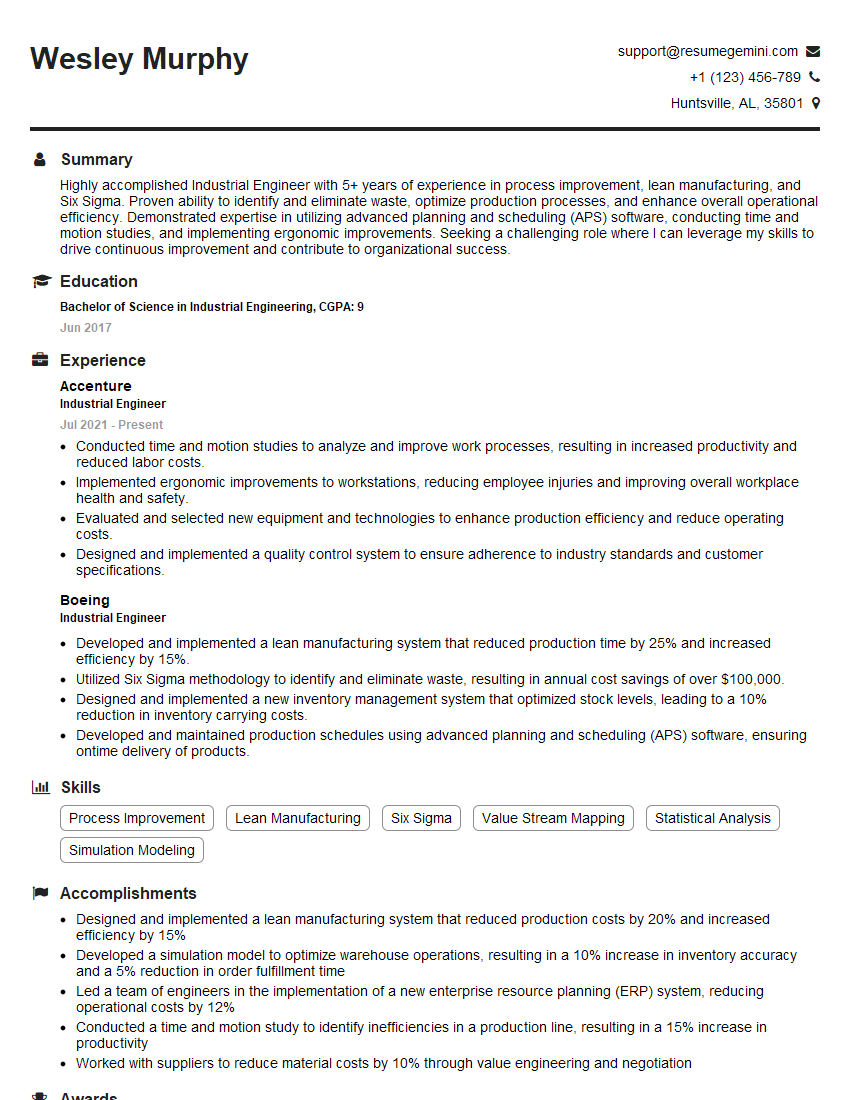
Industrial Engineer Resume Sample
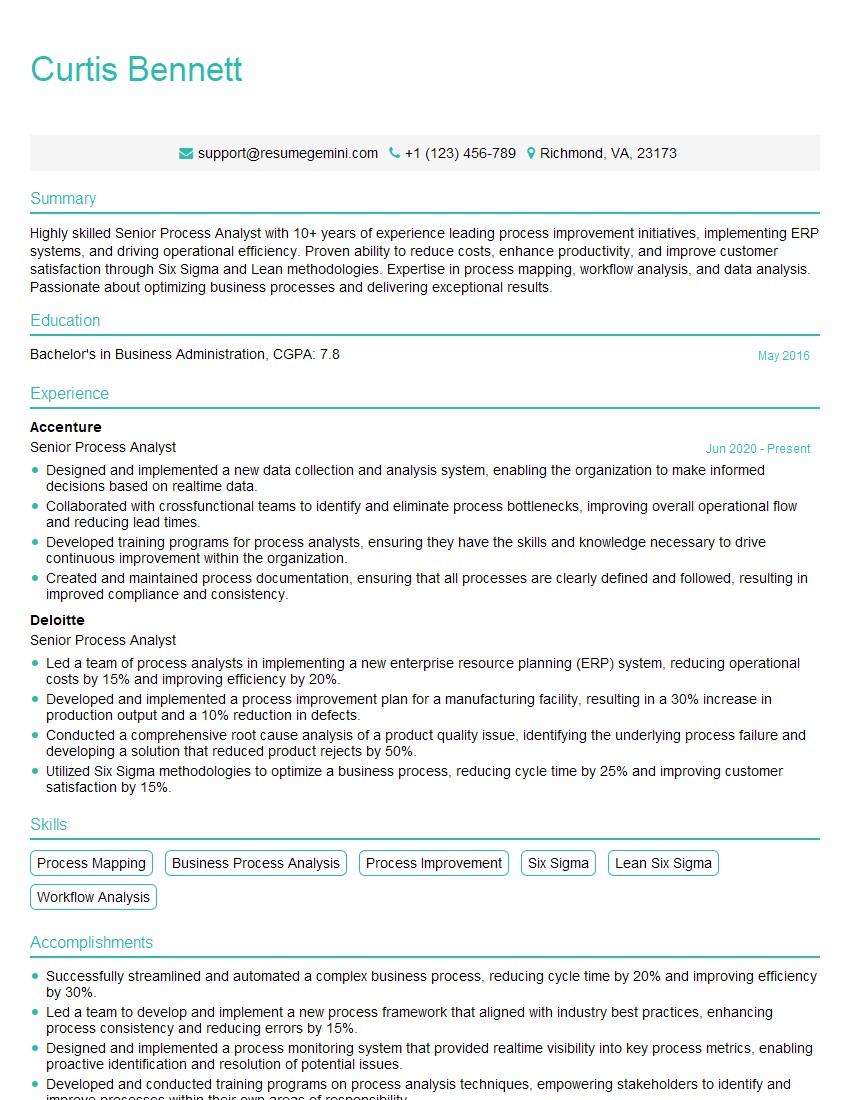
Senior Process Analyst Resume Sample
- Program Manager
- Reporting Analyst
- Project Manager
- Supply Chain Analyst
- Business Analyst
- Management Consultant
- Quality Control Analyst
- Data Analyst
- Data Scientist
- Process Engineer
- Systems Analyst
- Database Analyst
- Business Intelligence Analyst
- Operations Analyst
- Process Analyst
- Industrial Engineer
- Senior Process Analyst
Explore more articles
Users Rating of Our Blogs
Share Your Experience
We value your feedback! Please rate our content and share your thoughts (optional).
What Readers Say About Our Blog
To the interviewgemini.com Webmaster.
Very helpful and content specific questions to help prepare me for my interview!
Thank you
To the interviewgemini.com Webmaster.
This was kind of a unique content I found around the specialized skills. Very helpful questions and good detailed answers.
Very Helpful blog, thank you Interviewgemini team.