Interviews are opportunities to demonstrate your expertise, and this guide is here to help you shine. Explore the essential ANSI Z223.1/NFPA 54 interview questions that employers frequently ask, paired with strategies for crafting responses that set you apart from the competition.
Questions Asked in ANSI Z223.1/NFPA 54 Interview
Q 1. Explain the differences between ANSI Z223.1 and NFPA 54.
While both ANSI Z223.1 and NFPA 54 deal with gas piping systems, they have distinct focuses. ANSI Z223.1, ‘American National Standard for Gas Piping Systems,’ focuses on the fundamental design, installation, and testing requirements for gas piping systems. Think of it as the foundational rulebook. NFPA 54, ‘National Fuel Gas Code,’ on the other hand, is a more comprehensive code that expands on ANSI Z223.1, providing detailed safety regulations and installation practices. It’s like the advanced manual with detailed safety protocols and additional considerations.
In essence, NFPA 54 adopts and builds upon the requirements of ANSI Z223.1, often adding more stringent requirements for safety and incorporating newer technologies and best practices. Many jurisdictions adopt NFPA 54 as their legal code, making compliance mandatory for gas installations. ANSI Z223.1 serves as a valuable reference even when NFPA 54 is the adopted code, offering a solid base understanding.
Q 2. Describe the requirements for gas piping materials according to NFPA 54.
NFPA 54 specifies stringent requirements for gas piping materials to ensure safety and longevity. The materials must be compatible with the type of gas being transported, resistant to corrosion and degradation, and capable of withstanding the expected pressures and temperatures. Common materials include black iron pipe (still used in some older systems but less common in new installations), steel pipe (with appropriate coatings for corrosion protection), copper tubing, and certain types of plastic piping such as polyethylene (PE) and high-density polyethylene (HDPE), each with specific application limitations detailed in the code.
The code outlines detailed requirements for material specifications, including wall thickness, testing procedures, and permissible coatings. For example, steel pipe used in underground installations must be coated to prevent corrosion. Choosing the correct material is critical; using incompatible materials could lead to leaks, explosions, or other dangerous consequences. Proper material selection must account for factors like soil conditions (for buried piping), gas type, and operating pressures.
Q 3. What are the key considerations for gas piping system design?
Gas piping system design involves a careful balancing act between functionality, safety, and cost-effectiveness. Key considerations include:
- Gas Type and Pressure: The type of gas (natural gas, propane, etc.) and its operating pressure significantly influence material selection, pipe sizing, and safety precautions.
- System Capacity and Demand: Accurate estimation of the gas load and future demands is crucial for sizing the pipes and components correctly.
- Accessibility and Maintainability: Designs should ensure easy access for maintenance, repairs, and inspections.
- Code Compliance: Strict adherence to NFPA 54 and local regulations is paramount.
- Corrosion Protection: Measures to prevent corrosion must be integrated into the design, especially for underground or exterior installations.
- Safety Factors: Incorporating safety factors like overpressure protection, emergency shut-off valves, and leak detection systems is crucial.
Poor design can lead to inadequate gas flow, pressure drops, leaks, and potential hazards. A well-designed system ensures efficient gas delivery, safe operation, and ease of maintenance. For example, proper sizing prevents pressure drops that might affect appliances, and strategically located shut-off valves allow for isolated repairs without affecting the entire system.
Q 4. How do you determine the proper pipe size for a gas piping system?
Determining the proper pipe size is a crucial aspect of gas piping system design. It involves using accepted engineering practices and referring to relevant tables and charts within NFPA 54. The process typically begins with calculating the total gas demand for all appliances connected to the system. This demand is then used along with the design pressure and the gas type to determine the required flow rate.
NFPA 54 provides tables and equations to calculate the appropriate pipe size based on the determined flow rate and allowed pressure drop. Specialized software tools are often used to simplify this complex process, especially in larger systems. Improper sizing can lead to inadequate gas flow to appliances, excessive pressure drops, or even dangerous over-pressurization. Imagine a situation where a gas pipe is undersized. Appliances may not function properly due to low gas flow, or worse, an undersized pipe could burst under excessive pressure.
Q 5. Explain the requirements for gas piping pressure testing.
Pressure testing gas piping systems is crucial to ensure leak-free operation and prevent dangerous situations. NFPA 54 meticulously details the procedures for testing various types of piping materials and system configurations. The test pressure typically exceeds the maximum operating pressure by a significant factor (often a multiple), allowing for detection of even small leaks.
The testing method involves isolating the section to be tested and pressurizing it with air or an inert gas. The system is then observed for a specified period to detect pressure drops, indicating leaks. Leak detection methods might involve soap solution applied to joints, electronic leak detectors, or pressure gauges with high accuracy. Failing to properly pressure test can result in undetected leaks that could lead to gas escapes, potentially causing fires, explosions, or asphyxiation. Accurate pressure testing is a fundamental safety measure and should not be neglected.
Q 6. What are the safety precautions for working with gas piping systems?
Working with gas piping systems requires strict adherence to safety protocols. This begins with proper training and certification for personnel involved in installation, repair, and maintenance. Before commencing any work, always confirm that the gas supply is turned off and properly locked out/tagged out. Proper ventilation is crucial to prevent the buildup of flammable gases. Leak detection equipment should be readily available and used regularly.
Personal protective equipment (PPE), such as safety glasses, gloves, and appropriate respiratory protection, is mandatory. Proper handling and storage of gas piping materials and tools are necessary to prevent accidents. Never work alone on gas piping; always have a partner for safety. Always follow the manufacturer’s instructions for tools and equipment. Following established safety protocols is not just a matter of compliance; it’s about protecting lives and preventing potentially catastrophic events.
Q 7. Describe the different types of gas piping fittings and their applications.
Gas piping systems employ a variety of fittings to connect pipes, change direction, or terminate the lines. These fittings must be compatible with the piping material and meet the requirements of NFPA 54. Some common types include:
- Couplings: Connect two pipes of the same diameter.
- Elbows: Change the direction of the pipe.
- Tees: Provide a branch connection.
- Unions: Allow for easy disassembly of the pipe line.
- Nipples: Short pieces of pipe used as connectors.
- Caps: Close off the end of a pipe.
- Reducers: Connect pipes of different diameters.
The choice of fitting depends on the specific application and system requirements. For instance, unions are beneficial in locations where frequent access might be required, while threaded fittings might be suitable for smaller diameter pipes. Using the incorrect type of fitting could lead to leaks or compromised system integrity. Remember that each fitting type has specific torque and installation requirements which must be followed meticulously.
Q 8. How do you identify and address gas leaks?
Identifying and addressing gas leaks requires a multi-pronged approach, combining preventative measures with swift response protocols. The first step involves regular inspections using specialized gas detection equipment. Think of it like a medical check-up for your gas system. We use electronic leak detectors, often employing soap solution to visually identify leaks by observing bubble formation at potential points of escape. These devices detect even minuscule amounts of gas, well below the explosive limit.
Once a leak is identified, the immediate priority is to shut off the gas supply at the main valve. This is paramount to prevent the risk of fire or explosion. Never attempt to repair a leak yourself unless you are a qualified gas fitter. After securing the gas supply, the next step is to thoroughly ventilate the area to dissipate any accumulated gas. Finally, contact a qualified gas technician to accurately locate, repair, and subsequently test the repaired area for continued leak-free operation. This professional will ensure the problem is rectified safely and efficiently, according to ANSI Z223.1/NFPA 54 guidelines.
Q 9. Explain the requirements for gas appliance installation and venting.
Gas appliance installation and venting are meticulously governed by NFPA 54. It mandates that all gas appliances – from water heaters to ovens – must be installed by qualified personnel, adhering to manufacturers’ instructions and adhering to the strict code regulations. Imagine building a house; you wouldn’t start without blueprints. Similarly, correct installation and venting are crucial. Incorrect installation can lead to incomplete combustion, generating harmful carbon monoxide.
Venting is equally critical. It involves safely evacuating combustion byproducts to the outside. The type of venting (e.g., B-vent, direct vent) depends on the appliance and fuel type. Incorrect venting can lead to a dangerous buildup of carbon monoxide inside the house. NFPA 54 details precise requirements for vent materials, sizing, and clearances, ensuring efficient and safe venting, protecting building occupants from harmful gases.
Q 10. What are the requirements for gas meter installation?
Gas meter installation is a critical aspect of the entire gas delivery system. NFPA 54 stipulates specific requirements to ensure safety and reliable service. The meter must be installed in a well-ventilated area, protected from the elements, and easily accessible for meter readings and maintenance. Think of it as the central control point of your gas supply. Access must be readily available for both regular inspections and emergency shut-off procedures.
The location of the meter is carefully chosen to minimize potential hazards. It’s usually located outside the house but near the gas line entry point. The installation must comply with local codes and regulations, and the meter must be properly grounded to prevent electrical hazards. The meter and its associated piping must also be protected from physical damage and corrosion, ensuring the longevity and safety of the system.
Q 11. How do you interpret and apply the requirements of NFPA 54?
Interpreting and applying NFPA 54 requires careful attention to detail and a thorough understanding of the code’s structure. It’s not just about reading the text; it’s about understanding the intent behind the regulations. The code is organized into chapters covering various aspects of gas systems, from installation to maintenance. Think of it as a comprehensive manual.
The first step is identifying the specific section relevant to the situation. Once located, the requirements must be carefully examined, considering any relevant exceptions or special provisions. If there’s any ambiguity, consulting the latest edition of the code and potentially seeking guidance from experienced gas professionals or code authorities is essential. This ensures compliance and minimizes safety risks.
Q 12. What are the common causes of gas piping system failures?
Gas piping system failures can stem from a variety of factors, often intertwined and compounding the risk. Corrosion is a significant culprit, especially in older systems or those exposed to moisture. Think of rust slowly eating away at a pipe. This weakens the pipe’s structure, potentially leading to leaks or ruptures. Another common cause is improper installation; poorly joined pipes create weak points. This is why skilled installation is crucial.
External damage from ground shifting, excavation, or even rodent activity can compromise pipe integrity. Over-pressurization can stress pipes beyond their design limits, leading to catastrophic failures. Finally, material degradation, particularly in older systems using outdated materials, can also lead to failures. Regular inspections and preventative maintenance are vital to mitigate these risks and maintain a safe and reliable gas system.
Q 13. Describe the different types of gas detectors and their applications.
Gas detectors come in several varieties, each with specific applications. Fixed detectors are permanently installed in locations prone to gas accumulation, continuously monitoring the atmosphere and triggering alarms if gas levels exceed pre-set thresholds. Think of them as the ever-vigilant guards of your gas system. These are common in industrial settings and potentially basements.
Portable detectors are handheld devices used for spot-checking during inspections or responding to suspected leaks. They offer immediate feedback on gas concentrations in a specific area. Finally, multi-gas detectors can sense multiple gases simultaneously, essential in environments with multiple gas hazards. The selection of the appropriate detector depends on the application and the specific gases being monitored. Each type is calibrated and maintained regularly to maintain accuracy.
Q 14. How do you perform a gas piping system inspection?
A gas piping system inspection is a crucial part of ensuring safety and compliance. It’s a thorough examination of all components, from the meter to the appliances, and involves several steps. First, a visual inspection is conducted, checking for signs of damage, corrosion, leaks, or improper connections. It’s like a visual health check of the whole system.
Next, a pressure test may be performed to ensure the system can withstand operating pressures without leaks. Leak detection using electronic instruments or soap solution is essential, focusing on joints, fittings, and any areas showing signs of potential issues. Documentation of all findings is vital, including photographs, test results, and any necessary repairs. A thorough inspection ensures that the gas piping system remains safe, reliable, and adheres to the provisions of NFPA 54.
Q 15. What are the regulations for gas piping in different jurisdictions?
Gas piping regulations vary significantly depending on the jurisdiction. There’s no single, universal standard. Instead, regulations are typically established at the local, state/provincial, and national levels. For example, in the United States, the primary standard is ANSI Z223.1/NFPA 54, but individual states and municipalities may adopt it with amendments or additional requirements. Similarly, other countries have their own codes and standards. This often leads to variations in requirements for pipe materials, installation methods, testing procedures, and permits. You always need to check the specific codes enforced in your area before starting any gas piping project.
For instance, one jurisdiction might mandate the use of specific types of fittings for certain pipe sizes, while another might allow for more flexibility. Similarly, permit requirements and inspection processes can differ drastically. It’s crucial to consult the relevant authority having jurisdiction (AHJ) – this could be a local building department or gas utility – to ensure full compliance.
Think of it like building codes for houses; the basic structural principles are similar, but the specifics (materials, insulation levels, etc.) can change based on location and climate.
Career Expert Tips:
- Ace those interviews! Prepare effectively by reviewing the Top 50 Most Common Interview Questions on ResumeGemini.
- Navigate your job search with confidence! Explore a wide range of Career Tips on ResumeGemini. Learn about common challenges and recommendations to overcome them.
- Craft the perfect resume! Master the Art of Resume Writing with ResumeGemini’s guide. Showcase your unique qualifications and achievements effectively.
- Don’t miss out on holiday savings! Build your dream resume with ResumeGemini’s ATS optimized templates.
Q 16. Explain the importance of proper ventilation in gas piping systems.
Proper ventilation in gas piping systems is paramount for safety. It prevents the accumulation of leaked gas, which is highly flammable and potentially explosive. Without adequate ventilation, gas leaks can lead to dangerous concentrations building up in enclosed spaces, posing a serious risk of fire or explosion. Ventilation also helps to quickly disperse any gas that might leak, minimizing exposure to hazardous levels.
NFPA 54 specifies ventilation requirements in various situations, including appliance rooms, basements, and areas where gas piping is installed. The aim is to ensure that any leaked gas is diluted to a safe concentration below the lower explosive limit (LEL). This often involves providing dedicated ventilation systems, such as exhaust fans or vents to the outside air. Failing to provide appropriate ventilation not only increases the risk of gas explosions but can also create a dangerous atmosphere, leading to asphyxiation due to oxygen displacement.
Imagine a gas leak in a poorly ventilated basement: the gas would concentrate, creating a highly hazardous environment. Proper ventilation is the critical safeguard against such a scenario.
Q 17. How do you ensure the safety of gas piping systems during construction?
Ensuring safety during gas piping construction involves a multi-faceted approach focusing on careful planning, skilled labor, and rigorous testing. It all starts with a well-designed plan that adheres to all applicable codes and standards (like NFPA 54). This includes selecting appropriate pipe materials, designing safe routing to minimize potential damage, and correctly sizing components to handle anticipated gas flows.
Qualified installers are essential. They need to be thoroughly trained in proper installation techniques, leak detection procedures, and safety protocols. All connections must be made correctly to prevent leaks. Regular inspections during construction are vital to catch any issues early. This includes visual checks for proper alignment, correct use of fittings, and signs of damage. The final step is thorough testing using approved methods to verify that the system is leak-free and operates safely.
One key aspect is pressure testing. This involves pressurizing the system to a specific pressure and observing for leaks for a set duration. Any leaks detected must be repaired before the system can be placed into service. Failing to adhere to these safety practices can lead to catastrophic consequences.
Q 18. Describe the requirements for gas piping in hazardous locations.
Gas piping in hazardous locations demands even stricter safety measures. These locations are typically classified by their potential for ignition sources (such as flammable vapors, dust, or fibers). NFPA 54 provides detailed guidance on installing gas piping in these areas, often requiring specialized equipment and techniques to minimize the risk of ignition.
This might involve using explosion-proof fittings, intrinsically safe devices, and special pipe materials designed to resist corrosion or damage in harsh environments. Proper grounding and bonding are also critical to prevent static electricity buildup, a potential ignition source. The installation procedures in such areas must also follow rigorous safety guidelines, emphasizing careful handling of tools and materials to prevent sparks. The specific requirements will vary based on the classification of the hazardous location (Class I, II, or III), further subdivided by divisions based on the likelihood and frequency of hazardous materials being present.
Imagine installing gas lines in a paint factory: the risk of a spark igniting flammable vapors is extremely high, thus mandating extra precautions beyond a typical residential installation.
Q 19. What are the requirements for gas piping in commercial buildings?
Gas piping in commercial buildings is governed by NFPA 54 and local building codes. The specific requirements depend on the type of building and its occupancy. Generally, commercial installations are subject to more stringent regulations than residential ones due to the higher occupancy loads and potential for more significant consequences in case of a failure. This often leads to increased requirements for testing, inspections, and documentation.
Larger pipe sizes, higher pressures, and more complex piping systems are common in commercial buildings. This complexity necessitates careful design and installation, and regular maintenance programs are crucial to maintain safety and prevent leaks. The building’s fire protection system often needs to integrate with gas piping provisions to ensure adequate response in emergencies. Furthermore, detailed records of all installations and maintenance must be maintained for regulatory compliance and efficient trouble-shooting.
A large restaurant or hotel, for example, requires a vastly more robust and regulated gas system than a single-family dwelling.
Q 20. What are the requirements for gas piping in residential buildings?
Residential gas piping is covered under NFPA 54 and local building codes, but usually with less stringent requirements compared to commercial installations. The simpler nature of residential systems, often involving fewer appliances and lower gas flow rates, simplifies the design and installation procedures. However, safety is still of utmost importance, and adherence to all codes is non-negotiable.
Common requirements include using approved pipe materials (like black iron or CSST), ensuring proper venting for appliances, and conducting leak tests after installation. The type of piping material and installation technique might be influenced by factors such as the age of the building and local code preferences. Regular inspections by a qualified technician are recommended to maintain the safety of the system. Regular inspections are vital for early leak detection and preventing potential hazards.
A properly installed and maintained residential gas system is a quiet, unseen guardian of safety and comfort.
Q 21. Explain the process of obtaining necessary permits for gas piping projects.
Obtaining permits for gas piping projects involves several steps. First, you need to contact the AHJ – the local building department or gas utility company – to determine the specific requirements and application forms. You’ll typically need to submit detailed plans of the proposed gas piping system, demonstrating adherence to all applicable codes and standards, including NFPA 54. This includes specifications of pipe materials, fitting types, pressure ratings, appliance connections, and ventilation strategies.
The application usually needs to specify the type of work (new installation, alteration, or repair), the location of the work, and the credentials of the installer, who must demonstrate proper licensing and qualifications. After submitting the application, you’ll likely need to pay applicable fees. The AHJ then reviews the plans to ensure code compliance. Once approved, you’ll receive a permit allowing you to commence work. Throughout the project, the AHJ might conduct inspections at various stages (e.g., rough-in inspection, final inspection) to verify that the work meets the approved plans and code requirements. Upon satisfactory completion, a final inspection typically leads to a permit closing.
Failing to obtain the necessary permits before starting a gas piping project is a serious violation, potentially leading to fines or even legal action.
Q 22. Describe your experience with gas piping system maintenance and repair.
My experience in gas piping system maintenance and repair spans over 15 years, encompassing a wide range of projects from residential installations to large-scale commercial applications. I’m proficient in all aspects, from routine inspections and leak detection to complex repairs and system upgrades. This includes thorough understanding of pressure testing procedures, material selection based on application and local codes, and the proper use of specialized tools and equipment. For instance, I once diagnosed a recurring leak in a high-pressure industrial setting by meticulously tracing the piping system and identifying a microscopic crack in a welded joint, a challenge effectively addressed by employing advanced leak detection techniques and precision welding repair.
My approach always prioritizes safety, ensuring strict adherence to ANSI Z223.1/NFPA 54 standards at every step. This includes utilizing appropriate personal protective equipment (PPE) and following lockout/tagout procedures for any maintenance or repair work. Regular training and certification updates ensure I am familiar with the latest industry best practices and technologies.
Q 23. How do you handle emergency situations involving gas leaks?
Handling gas leaks requires immediate and decisive action, prioritizing safety above all else. My first step is always to evacuate the area and prevent ignition sources, ensuring the safety of all personnel. Then, I’ll shut off the gas supply at the main valve, if possible and safe to do so. If the leak is minor, I might attempt temporary repair (such as using a sealant) while ensuring proper ventilation. However, for significant leaks or situations where I am unsure of the cause, I immediately contact the local gas utility company’s emergency service line.
The key to effective emergency response is preparedness. I regularly practice emergency procedures, both individually and as part of a team, ensuring a swift and coordinated response. Proper documentation of the incident, including the steps taken, is critical for both liability and future analysis.
Imagine a scenario where a gas leak is detected in a busy restaurant during peak hours. My immediate actions would be to evacuate customers and staff, shut off the gas supply, and then contact the gas company and fire department. This rapid response, based on well-rehearsed protocols, minimizes risk and damage.
Q 24. What are the latest updates to ANSI Z223.1 and NFPA 54?
ANSI Z223.1/NFPA 54 are regularly updated to reflect advancements in materials, technologies, and safety practices. Recent updates have focused on several key areas:
- Increased emphasis on plastic piping systems: New standards and improved testing methods reflect the growing use of plastic in gas piping systems, ensuring safe application and longevity.
- Improved leak detection technologies: The codes now often incorporate guidelines for utilizing advanced leak detection technologies, including acoustic leak detection and hydrogen leak detection. These methods offer earlier detection and more precise location of leaks.
- Enhanced seismic considerations: Design requirements for seismic zones often reflect updated knowledge about earthquake resistance of piping systems.
- Clarifications on corrosion protection: More detailed guidelines on corrosion prevention and mitigation methods are included to prolong the lifespan of piping systems.
Staying abreast of these updates is crucial for ensuring compliance and employing the safest and most efficient methods. I regularly attend industry seminars, workshops, and actively review the latest publications of NFPA and ANSI to stay informed.
Q 25. How do you ensure compliance with all relevant safety codes and regulations?
Ensuring compliance is a core principle of my work. I achieve this through a multi-faceted approach:
- Regular code review: I am continually updated on current ANSI Z223.1 and NFPA 54 standards and local building codes.
- Proper documentation: Every project is meticulously documented, including material specifications, installation procedures, testing results, and maintenance logs.
- Thorough inspections: Rigorous inspections are carried out at each stage of the project to ensure adherence to codes and specifications.
- Third-party inspections: Where required, I arrange and coordinate with third-party inspection agencies to verify compliance.
- Continuous training and certification: I maintain current certifications and engage in ongoing professional development to stay abreast of the latest safety regulations and best practices.
For example, before commencing any project, I review the specific codes applicable to the location and ensure all materials and procedures comply. This proactive approach minimizes risks and ensures the long-term safety and reliability of the gas piping system.
Q 26. Explain the importance of documentation in gas piping projects.
Documentation is paramount in gas piping projects, serving multiple crucial functions:
- Compliance demonstration: Detailed documentation proves adherence to safety codes and regulations, crucial for inspections and audits.
- Future maintenance and repair: Comprehensive records facilitate efficient troubleshooting and repairs, reducing downtime and costs.
- Liability protection: Proper documentation provides a crucial defense against potential liability claims.
- System history: Records of modifications, inspections, and repairs provide a complete history of the system’s lifecycle.
Imagine a situation where a problem arises years after installation. Thorough documentation, including as-built drawings, test results, and maintenance logs, will significantly expedite troubleshooting and repair. It also protects from potential legal issues, showing the system was installed and maintained according to all safety guidelines. I use a comprehensive system of digital and physical documentation to ensure accessibility and preservation of all relevant information.
Q 27. Describe your experience with different types of gas piping systems (e.g., steel, copper, plastic).
My experience encompasses various gas piping materials, each with its own strengths and limitations:
- Steel: A robust and durable option suitable for high-pressure applications. Requires proper protection against corrosion. I’ve worked extensively with black iron and galvanized steel piping systems, understanding their respective advantages and limitations.
- Copper: Known for its corrosion resistance and ductility. Common in residential and some commercial applications but can be more expensive than other materials. I’m experienced with various copper piping techniques, including brazing and soldering.
- Plastic (e.g., HDPE, PEX): Lightweight and corrosion-resistant, increasingly used for both low and medium-pressure systems. Requires careful selection based on pressure rating and temperature limitations. My expertise includes the correct installation techniques and knowledge of the properties of different types of plastic piping.
Material selection is crucial and depends on several factors, including pressure requirements, environmental conditions, and cost considerations. My expertise allows me to select the most appropriate material for each specific project, ensuring both safety and efficiency.
Q 28. How would you address a discrepancy between the design plans and the installed system?
Discrepancies between design plans and the installed system are serious and require immediate attention. My approach involves a systematic investigation:
- Careful comparison: Thoroughly compare the design plans with the actual installation, noting all discrepancies.
- On-site verification: Verify the installed system’s dimensions, materials, and connections with physical measurements.
- Root cause analysis: Determine the reason for the discrepancy – was it a design error, installation mistake, or change order that wasn’t properly documented?
- Correction plan: Develop a plan to correct the discrepancy, ensuring compliance with safety codes. This might involve minor adjustments or more extensive rework.
- Documentation update: Update all relevant documentation, including as-built drawings, to reflect the actual installation.
- Retesting and inspection: After corrections are made, retest the system to ensure it meets all safety standards. Additional inspection by a third party might be necessary depending on the severity of the discrepancies.
Handling discrepancies requires attention to detail and a commitment to safety. My experience ensures that all necessary steps are taken to resolve the issues, ensuring the system is safe and compliant. Proper documentation ensures that the corrected system is properly recorded and traceable, preventing future issues.
Key Topics to Learn for ANSI Z223.1/NFPA 54 Interview
- Gas Piping Systems: Understanding materials, sizing, installation methods, and testing procedures as outlined in the standard.
- Gas Appliances: Knowledge of appliance installation requirements, ventilation, and safety clearances. Be prepared to discuss practical scenarios involving different appliance types.
- Gas Metering and Regulators: Familiarize yourself with the principles of gas measurement, pressure regulation, and safety devices. Consider troubleshooting common issues related to these components.
- Ventilation Requirements: Master the concepts of proper ventilation for gas appliances and the implications of inadequate ventilation on safety.
- Testing and Inspection Procedures: Understand the various testing methods (e.g., leak testing, pressure testing) and inspection procedures outlined in the standard, including the rationale behind them.
- Safety Precautions and Emergency Procedures: Demonstrate a thorough understanding of safety protocols and emergency response procedures related to gas installations and leaks.
- Code Interpretation and Application: Practice interpreting the code and applying its provisions to various real-world scenarios. Be prepared to explain your reasoning.
- Common Violations and Corrective Actions: Identify common code violations and explain the necessary corrective actions to ensure compliance.
- Emerging Technologies and Best Practices: Stay updated on the latest advancements in gas piping technology and industry best practices.
Next Steps
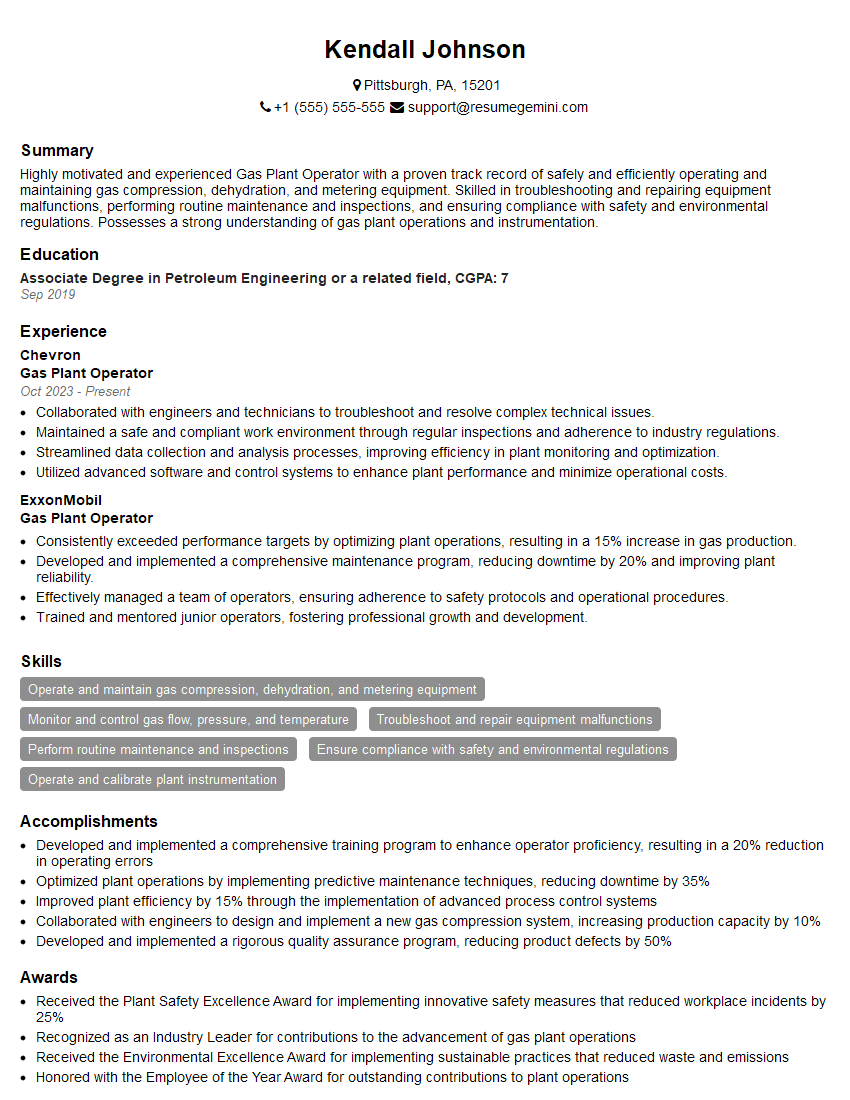
Mastering ANSI Z223.1/NFPA 54 significantly enhances your career prospects in the gas industry, opening doors to higher-paying positions and specialized roles. A strong understanding of this crucial standard is highly valued by employers. To maximize your job search success, focus on creating an ATS-friendly resume that highlights your skills and experience effectively. ResumeGemini is a trusted resource to help you build a professional and impactful resume that catches the eye of recruiters. Examples of resumes tailored to ANSI Z223.1/NFPA 54 expertise are available to guide you through the process, ensuring your qualifications shine through.
Explore more articles
Users Rating of Our Blogs
Share Your Experience
We value your feedback! Please rate our content and share your thoughts (optional).
What Readers Say About Our Blog
To the interviewgemini.com Webmaster.
Very helpful and content specific questions to help prepare me for my interview!
Thank you
To the interviewgemini.com Webmaster.
This was kind of a unique content I found around the specialized skills. Very helpful questions and good detailed answers.
Very Helpful blog, thank you Interviewgemini team.