Unlock your full potential by mastering the most common Applying best management practices for surface water protection interview questions. This blog offers a deep dive into the critical topics, ensuring you’re not only prepared to answer but to excel. With these insights, you’ll approach your interview with clarity and confidence.
Questions Asked in Applying best management practices for surface water protection Interview
Q 1. Explain the difference between point and non-point source pollution.
The key difference between point and non-point source pollution lies in the origin and method of pollution discharge into surface waters. Think of it like this: point sources are like a dripping faucet – pollution comes from a single, identifiable location. Non-point sources are more like a leaky roof – pollution comes from multiple, diffuse sources across a larger area, making it harder to pinpoint.
- Point Source Pollution: This refers to pollution discharged from a specific location, such as a pipe, ditch, or outfall. Examples include industrial wastewater discharge, sewage treatment plants, and leaking underground storage tanks. Regulations are easier to implement for point sources because the source is easily identified and monitored.
- Non-Point Source Pollution: This pollution originates from many diffuse sources across a landscape. Examples include agricultural runoff (fertilizers, pesticides), urban stormwater runoff (oil, grease, sediment), and atmospheric deposition (acid rain). Controlling non-point source pollution is far more complex and requires a holistic approach targeting land management practices across the affected area.
Understanding this distinction is crucial for effective water quality management, as the strategies for addressing each type of pollution are vastly different.
Q 2. Describe three common Best Management Practices (BMPs) for stormwater management.
Best Management Practices (BMPs) are methods used to prevent or reduce the pollution of surface waters. Here are three common examples used in stormwater management:
- Bioretention Cells/Rain Gardens: These are vegetated depressions in the landscape designed to capture and filter stormwater runoff. Plants, soil, and other media help remove pollutants such as oil, grease, heavy metals, and nutrients before the water reaches a surface water body. Imagine a small, landscaped pond that naturally filters rainwater before it flows into a nearby stream. They are particularly effective in urban areas.
- Permeable Pavements: These are pavements designed to allow water to infiltrate into the ground rather than run off the surface. This reduces runoff volume and pollutant loading, mimicking the natural infiltration process. Think of porous concrete or pavers used in parking lots or sidewalks, allowing water to seep through and replenish groundwater.
- Vegetated Buffers/Riparian Zones: These are strips of vegetation planted along the banks of streams and rivers. They act as a natural filter, trapping sediments and pollutants before they enter the water body. This also provides habitat for wildlife and helps stabilize stream banks. Think of a natural barrier of plants and trees along a river, protecting the water from pollutants coming from the surrounding land.
The effectiveness of these BMPs depends on factors like proper design, maintenance, and site conditions. Proper selection of appropriate BMPs considering local conditions is vital.
Q 3. What are the key components of a Total Maximum Daily Load (TMDL) plan?
A Total Maximum Daily Load (TMDL) is a regulatory tool used to restore impaired water bodies. It establishes the maximum amount of a specific pollutant that a water body can receive and still meet water quality standards. Think of it as a pollution budget for a specific water body.
Key components of a TMDL plan include:
- Water Quality Standards: The established levels of pollutants that must be met to protect designated water uses (e.g., drinking water, fishing, swimming).
- Wasteload Allocation (WLA): The portion of the TMDL allocated to point sources of pollution (e.g., industrial discharges).
- Load Allocation (LA): The portion of the TMDL allocated to non-point sources of pollution (e.g., agricultural runoff).
- Margin of Safety (MOS): An added amount to the WLA and LA to account for uncertainties and ensure the water quality standards are met.
- Implementation Plan: A plan outlining specific strategies and timelines for reducing pollutant loads to achieve the TMDL.
Developing a TMDL is a complex process requiring extensive data collection, modeling, and stakeholder involvement. It’s a critical step in restoring and protecting impaired waters.
Q 4. How do you assess the effectiveness of a BMP implementation?
Assessing the effectiveness of BMP implementation requires a multi-faceted approach. We can’t just assume a BMP is working simply by its presence.
Methods for assessment include:
- Monitoring Water Quality: Regularly collecting water samples upstream and downstream of the BMP to measure pollutant concentrations. This provides quantitative data on the BMP’s ability to reduce pollutant loads.
- Visual Inspections: Regularly inspecting the BMP for proper function and maintenance needs. This helps identify any issues that could compromise its effectiveness. For example, a clogged bioretention cell won’t function optimally.
- Sediment Monitoring: Measuring sediment deposition in areas downstream of erosion control BMPs. This indicates their effectiveness in reducing erosion and sediment runoff.
- Modeling: Using computer models to simulate the impact of the BMP on water quality. This can help predict future performance and evaluate different scenarios.
A combination of these methods provides a comprehensive evaluation of BMP performance. Regular reporting and adaptive management are crucial to ensure long-term effectiveness.
Q 5. What are the regulatory requirements for stormwater discharge permits in your area?
Specific regulatory requirements for stormwater discharge permits vary significantly by location (state, county, municipality). It’s impossible to provide a universally applicable answer. However, in most jurisdictions, industrial facilities, construction sites (above a certain size), and municipal separate storm sewer systems (MS4s) are typically required to obtain stormwater permits. These permits usually entail:
- Development of a Stormwater Pollution Prevention Plan (SWPPP): This plan outlines the measures to be taken to prevent or reduce pollutant discharges from the permitted site.
- Regular Inspections and Monitoring: Regular inspections of the site are usually required to ensure compliance with the permit conditions.
- Reporting Requirements: The permit holder typically needs to submit regular reports documenting the implementation of BMPs and monitoring results.
- Compliance with specific limits or standards: Permits often include specific limits on the discharge of certain pollutants.
To determine the exact requirements in your area, you must consult the relevant environmental agency (e.g., state environmental protection agency, local water quality agency).
Q 6. Explain the concept of a watershed and its importance in surface water protection.
A watershed is the area of land where all of the water that falls on it drains off to a common outlet, such as a river, lake, or ocean. Think of it as a giant natural bathtub with all the water flowing towards a single drain.
Watersheds are essential for surface water protection because:
- Integrated Approach: They provide a holistic framework for managing water resources. Understanding the entire watershed allows for a more comprehensive approach to water quality management, addressing pollution sources across the entire landscape.
- Identifying Pollution Sources: By mapping the watershed, we can better identify and target sources of pollution. The geographical relationship between land use and water quality becomes clear.
- Predicting Water Quality Impacts: Watershed analysis can predict the impact of land use changes or pollution sources on water quality in downstream areas.
- Targeted Management Strategies: Watershed management allows for the implementation of targeted strategies to improve water quality across the entire watershed, addressing issues from the headwaters to the outlet.
Effective watershed management is critical for achieving sustainable water resources and protecting surface water quality.
Q 7. Describe different methods for controlling erosion and sediment runoff.
Controlling erosion and sediment runoff is crucial for protecting surface water quality. Sediment is a major pollutant, carrying other pollutants like pesticides and heavy metals with it.
Methods for controlling erosion and sediment runoff include:
- Contour Farming: Plowing and planting crops along the contours of the land, reducing the slope and slowing down water flow.
- Terracing: Creating level platforms on steep slopes to reduce erosion. Imagine a series of steps built into a hillside.
- Vegetative Cover: Establishing vegetation (grass, shrubs, trees) to stabilize the soil and absorb rainfall. Vegetation acts as a natural barrier against erosion.
- Sediment Basins/Sediment Traps: Constructing basins or traps to capture sediment before it reaches surface water bodies. These are particularly useful in construction sites and disturbed areas.
- Mulching: Applying a layer of organic material (wood chips, straw) to the soil surface to protect it from erosion. This is a common practice in landscaping and construction.
- Check Dams/Diversion Ditches: Small barriers or ditches built across a slope to slow down water flow and trap sediment.
The best method depends on the specific site conditions and the severity of the erosion problem. Often, a combination of techniques is employed for optimal control.
Q 8. How do you monitor water quality parameters relevant to surface water protection?
Monitoring water quality for surface water protection involves a multi-faceted approach, combining regular sampling with advanced analytical techniques. We assess various parameters, categorized broadly into physical, chemical, and biological indicators.
Physical parameters: These include temperature, turbidity (water clarity), pH (acidity/alkalinity), dissolved oxygen (DO), and flow rate. We use instruments like probes and sensors for real-time monitoring and automated data logging. For example, a sudden drop in dissolved oxygen might indicate pollution from organic matter.
Chemical parameters: This involves measuring nutrients (nitrates, phosphates), heavy metals (lead, mercury), pesticides, and other pollutants. Laboratory analysis using techniques like spectrophotometry and chromatography is crucial here. Finding elevated levels of nitrates, often stemming from agricultural runoff, would trigger further investigation and remedial actions.
Biological parameters: This includes assessing the presence and abundance of indicator organisms like bacteria (E. coli), algae, and macroinvertebrates. These organisms are sensitive to pollution and their presence or absence, and their diversity, can reveal the overall health of the water body. A significant increase in E. coli levels, for example, could signal fecal contamination and necessitate a public health warning.
The frequency of monitoring depends on factors like the water body’s sensitivity, potential pollution sources, and regulatory requirements. Data analysis, statistical modeling, and trend identification are crucial steps in interpreting the results and formulating effective management strategies.
Q 9. What are the potential impacts of agricultural runoff on surface water quality?
Agricultural runoff poses a significant threat to surface water quality. Rainwater washes away fertilizers, pesticides, animal waste, and soil from agricultural lands, carrying these pollutants into nearby streams, rivers, and lakes.
Nutrient pollution: Excess nitrogen and phosphorus from fertilizers cause eutrophication – excessive algal growth that depletes oxygen, leading to fish kills and harming aquatic ecosystems. Imagine a lake turning green and murky due to algal blooms – that’s a direct consequence of nutrient runoff.
Pesticide contamination: Pesticides can directly harm aquatic life, disrupting food webs and potentially contaminating drinking water sources. Some pesticides are persistent, meaning they remain in the environment for a long time, posing a chronic threat.
Sedimentation: Soil erosion increases turbidity, reducing light penetration and affecting aquatic plant growth. Sediment can also carry adsorbed pollutants, amplifying their impact.
Pathogen contamination: Animal waste contains pathogens that can contaminate water, posing risks to human health and wildlife. This is particularly concerning for recreational waters.
The cumulative effect of these pollutants can severely degrade water quality, impacting biodiversity, recreational opportunities, and human health. Effective management strategies include implementing best management practices (BMPs) on farms, such as buffer strips and precision fertilization, to minimize runoff.
Q 10. Describe the role of wetlands in improving surface water quality.
Wetlands act as natural filters, significantly improving surface water quality. Their unique structure and ecology enable them to remove pollutants and enhance water quality through several mechanisms:
Sediment trapping: The dense vegetation and complex topography of wetlands slow down water flow, allowing sediment particles to settle out, reducing turbidity and removing adsorbed pollutants.
Nutrient uptake: Wetland plants absorb nutrients (nitrogen and phosphorus) from the water column, reducing the risk of eutrophication. The intricate root systems provide habitat for microorganisms that further process nutrients.
Pollutant degradation: Microorganisms in wetlands break down organic pollutants and some heavy metals, reducing their toxicity. This natural bioremediation process is crucial in cleansing polluted water.
Water storage and flow regulation: Wetlands act as natural sponges, absorbing excess rainfall and reducing the volume and velocity of runoff, minimizing the transport of pollutants.
Protecting and restoring wetlands is crucial for safeguarding surface water quality and maintaining the overall health of aquatic ecosystems. They are essential components of sustainable water management strategies.
Q 11. How do you address the challenges of managing combined sewer overflows (CSOs)?
Combined sewer overflows (CSOs) occur when rainwater overwhelms the capacity of combined sewer systems (carrying both sewage and stormwater), resulting in untreated sewage being discharged directly into surface waters. Managing CSOs is a significant challenge, requiring a multi-pronged approach:
Green infrastructure: Implementing green infrastructure solutions like rain gardens, bioswales, and permeable pavements helps reduce the volume of stormwater entering the sewer system, minimizing CSO events.
Storage and treatment: Constructing storage basins and implementing advanced treatment technologies at CSO outfalls can reduce the amount and impact of pollutants released during overflows. This might involve using technologies like chlorine disinfection or constructed wetlands.
Sewer separation: Separating sanitary and stormwater sewers is a long-term solution, preventing sewage from mixing with stormwater in the first place. This is often a costly and complex undertaking.
Real-time monitoring and control: Installing sensors and monitoring systems allows for real-time assessment of sewer levels, enabling proactive interventions to minimize overflows.
Public awareness and education: Educating the public about the impacts of CSOs and encouraging water conservation practices can play a crucial role in reducing the frequency and severity of these events.
Addressing CSOs requires long-term planning, collaboration between various stakeholders, and significant investment in infrastructure improvements. It is a crucial aspect of protecting both public health and the environment.
Q 12. Explain the principles of green infrastructure and its application in stormwater management.
Green infrastructure (GI) utilizes natural systems and processes to manage stormwater runoff, providing numerous environmental and social benefits. It contrasts with traditional gray infrastructure (pipes, concrete channels) by mimicking natural hydrological cycles.
Principles: GI relies on principles like infiltration, evapotranspiration (water loss through plants), and filtration to manage stormwater. It emphasizes distributed solutions, integrating nature-based systems into urban landscapes.
Applications in stormwater management: Examples of GI applications include:
- Rain gardens: Depressed areas planted with native vegetation that capture and filter runoff.
- Bioswales: Vegetated channels that convey and treat stormwater.
- Permeable pavements: Paving materials that allow water to infiltrate into the ground.
- Green roofs: Vegetated roof coverings that absorb rainfall and reduce runoff.
- Tree planting: Trees intercept rainfall, reduce runoff, and improve air quality.
GI reduces runoff volume, improves water quality, mitigates flooding, and provides habitat for wildlife. It also contributes to urban cooling, aesthetics, and improved quality of life. Designing and implementing GI requires careful planning, considering site conditions, hydrology, and vegetation selection.
Q 13. What are the benefits and limitations of using constructed wetlands for water treatment?
Constructed wetlands are engineered systems designed to mimic the functions of natural wetlands, providing a cost-effective and environmentally friendly approach to water treatment.
Benefits:
- Effective removal of pollutants: They effectively remove nutrients, suspended solids, and some organic pollutants.
- Low energy consumption: They operate passively, requiring minimal energy input.
- Aesthetically pleasing: They can enhance the landscape and provide recreational opportunities.
- Habitat creation: They create habitat for various plant and animal species.
Limitations:
- Land requirements: They require significant land area.
- Variable effectiveness: Their effectiveness depends on several factors, including climate, hydrology, and pollutant loading.
- Potential for nuisance species: Certain plant or insect species might become problematic.
- Potential for greenhouse gas emissions: Under certain conditions, they can emit greenhouse gases.
Careful design and management are crucial to maximize the benefits and minimize the limitations of constructed wetlands. Site-specific studies and expert consultation are essential to ensure their success.
Q 14. How do you integrate environmental regulations into project planning and design?
Integrating environmental regulations into project planning and design is crucial to ensure compliance and minimize environmental impacts. This involves a proactive and multi-step approach.
Early identification of applicable regulations: At the outset of any project, a thorough review of all relevant environmental regulations is crucial. This includes federal, state, and local laws, permits, and guidelines, along with any specific requirements related to the project location and type.
Environmental impact assessment (EIA): Conducting a comprehensive EIA identifies potential environmental impacts and evaluates mitigation measures. This involves data collection, modeling, and analysis to quantify the potential effects of the project.
Permitting and approvals: Obtaining necessary permits and approvals from relevant regulatory agencies ensures compliance with all applicable laws. This usually requires submitting detailed applications and undergoing reviews by environmental professionals.
Incorporation of best management practices (BMPs): Implementing BMPs during design and construction minimizes environmental impacts and ensures that the project is environmentally sound. This might include erosion and sediment control measures, water quality monitoring, and habitat protection strategies.
Monitoring and reporting: Regular monitoring and reporting to regulatory agencies demonstrate compliance and allow for timely adjustments if necessary. This ensures ongoing compliance and transparency.
Integrating environmental regulations from the beginning of a project is not just about avoiding penalties; it’s about creating sustainable and responsible projects that benefit both the environment and society.
Q 15. Describe your experience with developing and implementing a stormwater management plan.
Developing and implementing a stormwater management plan involves a multifaceted approach, starting with a thorough assessment of the area’s hydrology and potential pollutant sources. This includes identifying impervious surfaces, land use patterns, and existing drainage infrastructure. I’ve been involved in several projects where we first conducted a site investigation, using techniques like topographic surveying and soil analysis to understand the water flow patterns. Then, based on this data, we designed best management practices (BMPs) such as bioretention cells, permeable pavements, and vegetated swales to manage stormwater runoff. For example, in one project involving a large commercial development, we incorporated a series of interconnected bioretention areas to filter pollutants before the water entered the municipal drainage system. The implementation phase involved close collaboration with contractors, ensuring adherence to the design specifications and regular monitoring of construction activities to avoid any negative impacts on water quality. Post-implementation, we conducted regular inspections and maintenance to ensure the long-term effectiveness of the BMPs and adapt the plan as needed.
Career Expert Tips:
- Ace those interviews! Prepare effectively by reviewing the Top 50 Most Common Interview Questions on ResumeGemini.
- Navigate your job search with confidence! Explore a wide range of Career Tips on ResumeGemini. Learn about common challenges and recommendations to overcome them.
- Craft the perfect resume! Master the Art of Resume Writing with ResumeGemini’s guide. Showcase your unique qualifications and achievements effectively.
- Don’t miss out on holiday savings! Build your dream resume with ResumeGemini’s ATS optimized templates.
Q 16. What are the key considerations for designing a stormwater retention pond?
Designing a stormwater retention pond requires careful consideration of several key factors. First, you need to determine the appropriate size and depth to accommodate the expected volume of stormwater runoff, factoring in rainfall intensity and frequency. The location should be chosen to minimize environmental impacts, considering factors like proximity to sensitive ecosystems and potential flooding risks. Hydrology plays a vital role, and we use hydrologic modeling software to simulate various rainfall scenarios and predict pond behavior. Water quality is also paramount; the pond should be designed to effectively remove pollutants through various processes like sedimentation and filtration. This can often involve designing for specific vegetation types that will facilitate these processes. Finally, the design should also address issues like erosion and sediment control, the pond’s overall aesthetics, and the need for regular maintenance.
For example, in a project near a wetland area, we designed a retention pond with a gradually sloping embankment to provide habitat for wildlife and mitigate potential erosion. We used native vegetation to enhance the aesthetic appeal and improve water quality. We also incorporated a system for regular sediment removal to ensure the long-term effectiveness of the pond.
Q 17. Explain the process of conducting a water quality assessment.
A water quality assessment involves a systematic process of collecting and analyzing water samples to determine the presence and concentration of various pollutants. It begins with defining the objectives of the assessment, identifying the key pollutants of concern, and selecting appropriate sampling locations based on factors like land use and potential pollution sources. Sampling itself requires careful methodology, including proper sterilization of equipment and adhering to established protocols for preserving samples to prevent contamination or degradation. Then, the samples are analyzed in a certified laboratory for various parameters like pH, dissolved oxygen, nutrients (nitrogen and phosphorus), heavy metals, and bacteria. The choice of parameters depends on the specific objectives of the assessment and the potential sources of pollution.
For instance, in assessing a stream impacted by agricultural runoff, we might focus on nutrient levels (nitrates and phosphates) and suspended solids. We’d strategically sample upstream (control site), within the agricultural area, and downstream to track pollutant changes along the stream. The data gathered is then used to interpret the water quality and assess potential risks.
Q 18. How do you interpret water quality data and determine if it meets regulatory standards?
Interpreting water quality data involves comparing the measured values against established regulatory standards and water quality guidelines. These standards vary depending on the designated use of the water body (e.g., drinking water, recreation, aquatic life). We often use statistical analyses to determine if measured values are significantly different from background levels or regulatory thresholds. For example, exceeding the maximum contaminant level (MCL) for a specific pollutant, like lead in drinking water, indicates a violation of regulatory standards. Furthermore, we consider the potential ecological impacts of pollutants. Even if levels aren’t technically above legal limits, elevated nutrient concentrations might trigger harmful algal blooms or affect aquatic life. Data visualization tools like graphs and charts help effectively communicate the results and highlight any areas of concern.
Imagine we’re analyzing data from a lake used for recreation. We’d compare our measured levels of E. coli bacteria with the recreational water quality criteria. Exceeding these criteria would indicate a potential health risk requiring immediate action, like issuing public health advisories or identifying and addressing pollution sources.
Q 19. What are the potential impacts of climate change on surface water resources?
Climate change poses significant threats to surface water resources. Increased temperatures lead to higher evaporation rates, reducing water availability in reservoirs and streams. Changes in precipitation patterns, including more intense rainfall events and prolonged droughts, can disrupt the natural flow regimes of rivers and streams, impacting water quality and aquatic ecosystems. Melting glaciers and snowpack, crucial sources of water in many regions, are also being significantly affected, altering seasonal water availability. Sea-level rise can contaminate coastal freshwater sources with saltwater intrusion. These changes can lead to increased water scarcity, decreased water quality due to increased runoff of pollutants, and disruptions to aquatic habitats. The frequency and intensity of extreme weather events are also predicted to increase, posing challenges for water infrastructure and leading to increased flooding and erosion.
For example, increased rainfall intensity could overwhelm stormwater systems, leading to overflows and contamination of water bodies with pollutants. Conversely, prolonged droughts can lead to low streamflows, which can cause problems for water supply and ecosystems. Adapting to these changes requires long-term planning, sustainable water management practices and investing in climate-resilient infrastructure.
Q 20. Describe your experience with using GIS software for water resources management.
GIS (Geographic Information System) software is an invaluable tool for water resources management. I’ve used ArcGIS extensively to map water bodies, watersheds, and infrastructure such as dams, pipes, and treatment plants. This allows for spatial analysis of data related to water quality, quantity, and usage. For instance, we can overlay data on land use, soil type, and precipitation patterns to identify areas vulnerable to pollution or flooding. I’ve also used GIS to model water flow paths, evaluate the impact of development projects on water resources, and create interactive dashboards to present results and communicate findings effectively to stakeholders. In addition, GIS supports the creation of decision support systems that can help optimize resource allocation and manage risks.
In a recent project, we used GIS to model the impact of a proposed highway on a nearby river system. By overlaying the highway design onto the watershed map and using hydrological models, we were able to predict potential changes in runoff patterns and assess the need for mitigation measures.
Q 21. How do you address conflicts between competing water users?
Addressing conflicts between competing water users requires a collaborative and data-driven approach. It often involves bringing together stakeholders such as farmers, industries, municipalities, and environmental agencies to negotiate and find solutions that balance various needs and interests. This requires a thorough understanding of the available water resources, the needs of each user group, and the potential environmental consequences of different allocation strategies. Data on water availability, demand projections, and environmental flow requirements are crucial to support informed decision-making. Negotiation and mediation techniques are vital for facilitating agreements and ensuring a fair and equitable distribution of water resources. Legal frameworks and regulatory mechanisms also play an important role in resolving conflicts and managing water rights.
For example, in a situation where agricultural water use was conflicting with ecological needs in a river system, we facilitated discussions between farmers and environmental groups. By using hydrologic modeling to show the impacts of different irrigation practices on river flow, we helped find a compromise that ensured sufficient water for agriculture while maintaining the ecological health of the river. This involved exploring strategies like water-efficient irrigation techniques and potentially implementing water banking systems.
Q 22. How do you communicate complex technical information to a non-technical audience?
Communicating complex technical information effectively to a non-technical audience requires a shift in perspective and a focus on clear, concise language. I approach this by first identifying the key takeaways and simplifying the information into digestible chunks. Instead of using jargon, I opt for plain English and relatable analogies. For instance, explaining the concept of a watershed using the metaphor of a bathtub – how everything draining into it affects the water quality – helps people quickly grasp the basic concept.
Visual aids are invaluable. Graphs, charts, and diagrams are excellent tools for summarizing data and illustrating complex processes. For example, a simple pie chart showing the percentage contribution of different pollution sources to surface water contamination makes a stronger impact than a lengthy technical description. Finally, I actively encourage questions and feedback throughout the communication process. This ensures understanding and addresses any lingering concerns.
In my previous role, I successfully explained the impact of agricultural runoff on local streams to a group of farmers by showing them pictures of their own fields alongside images of the resulting algal blooms in the nearby stream. The visual evidence made a much stronger impression than any technical report.
Q 23. What is your experience with environmental modeling and simulation?
I have extensive experience with environmental modeling and simulation, primarily using GIS software (ArcGIS, QGIS) and hydrological modeling packages (SWAT, HEC-HMS). My expertise involves developing models to predict water quality parameters like nutrient levels and sediment transport, assessing the effectiveness of various best management practices (BMPs), and forecasting the impacts of climate change on surface water resources.
For example, I once used the SWAT model to simulate the impact of implementing riparian buffers along a river system. The simulation showed a significant reduction in nutrient loading into the stream, quantifying the effectiveness of this BMP and helping to justify funding for its implementation. Model calibration and validation are critical to ensuring the accuracy and reliability of the results. I use a variety of statistical methods and field data to verify the model’s predictions.
Q 24. Describe your experience working with stakeholders to achieve environmental goals.
Collaboration with stakeholders is essential for successful environmental management. My approach is rooted in building trust and fostering open communication. I actively listen to stakeholders’ concerns and perspectives, integrating their valuable local knowledge into project planning and implementation. I believe in transparency, ensuring that all stakeholders understand the project goals, methods, and potential outcomes.
For instance, during a project aimed at reducing sediment runoff in a construction site, I worked closely with the construction company, local residents, and regulatory agencies. I organized regular meetings, presented data clearly, and addressed their concerns proactively. This collaborative approach resulted in a successful project that met environmental standards while minimizing disruptions to the community.
I utilize various communication strategies, including presentations, workshops, and individual consultations, tailoring my communication style to each audience. I firmly believe that building strong relationships and maintaining open dialogue are crucial for achieving shared environmental goals.
Q 25. How do you stay up-to-date on current best practices and regulations in surface water protection?
Staying current with best practices and regulations in surface water protection requires a multi-faceted approach. I regularly review publications from reputable sources such as the EPA, USGS, and relevant professional organizations (e.g., ASCE, AWWA). I attend conferences and workshops to network with experts and learn about cutting-edge research and technologies. I also actively participate in professional organizations to stay informed of emerging trends and regulatory changes.
Furthermore, I subscribe to relevant newsletters and journals. Online resources like government websites and scientific databases are indispensable for accessing the latest research and regulatory updates. Keeping abreast of new methodologies and regulations is crucial for ensuring that my work adheres to the highest standards and effectively protects surface water quality.
Q 26. Describe a time you had to troubleshoot a problem related to surface water quality.
During a project assessing the impact of a new industrial facility on a nearby stream, we observed significantly higher levels of a specific pollutant than predicted by our initial models. This prompted a thorough investigation. We systematically reviewed the facility’s discharge permits, conducted additional sampling and analysis, and refined our hydrological model to account for factors initially overlooked, such as subsurface flow pathways.
Our investigation revealed that a previously unidentified leak in the facility’s wastewater treatment system was the primary source of the excess pollutant. We worked collaboratively with the facility management to address the leak, implement corrective actions, and monitor the stream’s recovery. The systematic troubleshooting process – from identifying the discrepancy to locating the source and implementing a solution – exemplified the importance of rigorous data analysis, collaborative problem-solving, and adaptive management strategies in environmental protection.
Q 27. How do you prioritize multiple projects with competing deadlines and resources?
Prioritizing multiple projects with competing deadlines and resources requires a structured and strategic approach. I typically start by assessing each project’s urgency, impact, and resource requirements. I then use a prioritization matrix that considers factors such as regulatory deadlines, environmental risk, and stakeholder expectations. Projects with the highest urgency and greatest potential impact are given priority.
For instance, a project with an imminent regulatory deadline for reporting would take precedence over a long-term research project. Efficient time management and task delegation are crucial. I break down large projects into smaller, manageable tasks and allocate resources accordingly. Regular monitoring of progress and adaptive adjustments based on changing circumstances are integral to successfully managing competing demands.
Open communication with stakeholders is critical throughout the process to manage expectations and ensure that all parties are informed of the project status and priorities.
Key Topics to Learn for Applying Best Management Practices for Surface Water Protection Interview
- Non-Point Source Pollution Control: Understanding the sources, impacts, and various best management practices (BMPs) for controlling pollutants from diffuse sources like agriculture and urban runoff. This includes theoretical understanding of pollutant transport mechanisms and practical application of BMP selection based on site characteristics.
- Stormwater Management: Explore different stormwater management techniques, including green infrastructure (rain gardens, bioswales), low impact development (LID) strategies, and traditional grey infrastructure (pipes, detention basins). Focus on the practical application of designing and implementing these systems effectively, considering cost-effectiveness and environmental impact.
- Erosion and Sediment Control: Learn about the processes of soil erosion and the negative impacts of sediment on surface water quality. Master the practical application of BMPs such as vegetative buffers, sediment basins, and construction site erosion controls. Understand how to assess erosion risk and select appropriate control measures.
- Water Quality Monitoring and Assessment: Understand the various methods used to monitor and assess surface water quality, including sampling techniques, laboratory analysis, and data interpretation. This includes understanding relevant water quality parameters and their significance in evaluating the effectiveness of BMPs.
- Regulatory Frameworks and Permits: Familiarize yourself with relevant environmental regulations and permitting processes related to surface water protection. Understanding these legal frameworks is crucial for practical application and compliance.
- Integrated Water Resource Management (IWRM): Grasp the concept of IWRM and how it applies to surface water protection. This involves a holistic approach, integrating various aspects like water quality, quantity, and ecological considerations.
- Problem-solving and Case Studies: Prepare to discuss case studies or scenarios involving surface water pollution challenges and the application of BMPs to solve them. Focus on demonstrating your problem-solving skills and ability to think critically about practical solutions.
Next Steps
Mastering best management practices for surface water protection significantly enhances your career prospects in environmental engineering, water resources management, and related fields. It demonstrates a commitment to environmental stewardship and showcases valuable technical skills highly sought after by employers. To maximize your job search success, focus on creating an ATS-friendly resume that effectively highlights your qualifications and experience. ResumeGemini is a trusted resource to help you build a professional and impactful resume. Examples of resumes tailored to applying best management practices for surface water protection are available to further guide your preparation.
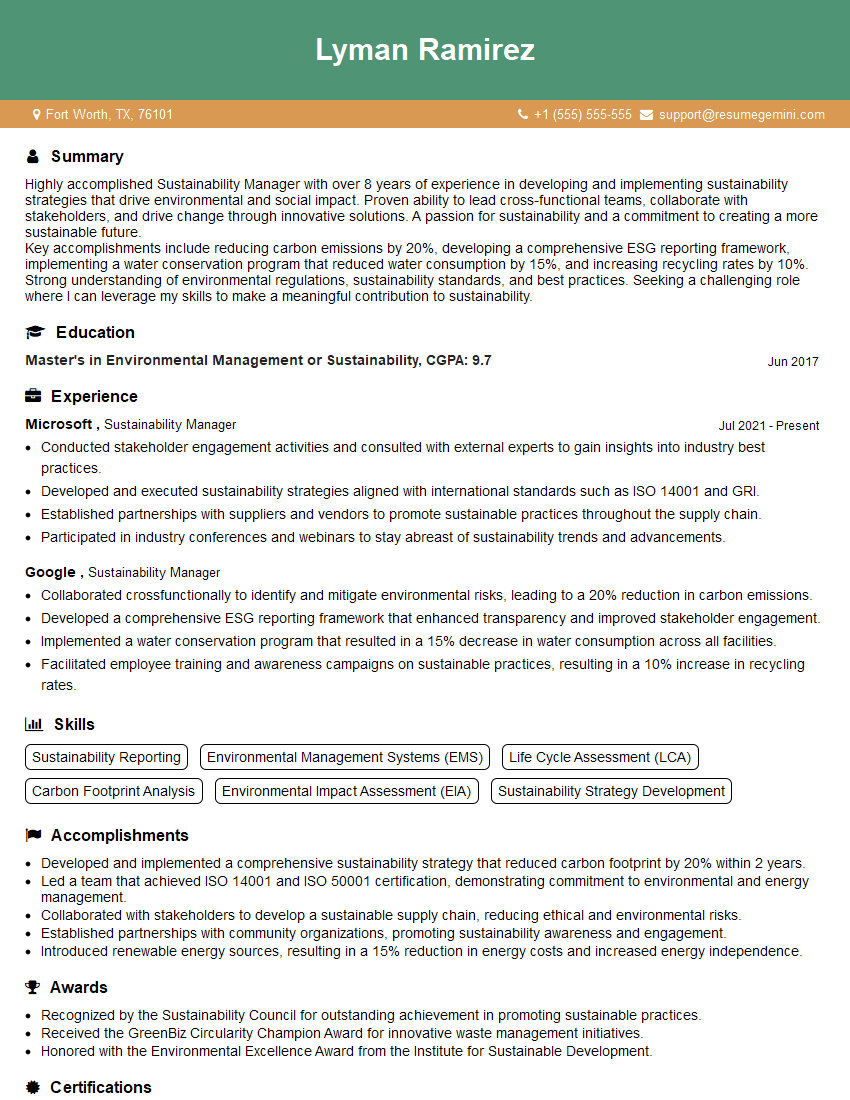
Sustainability Manager Resume Sample
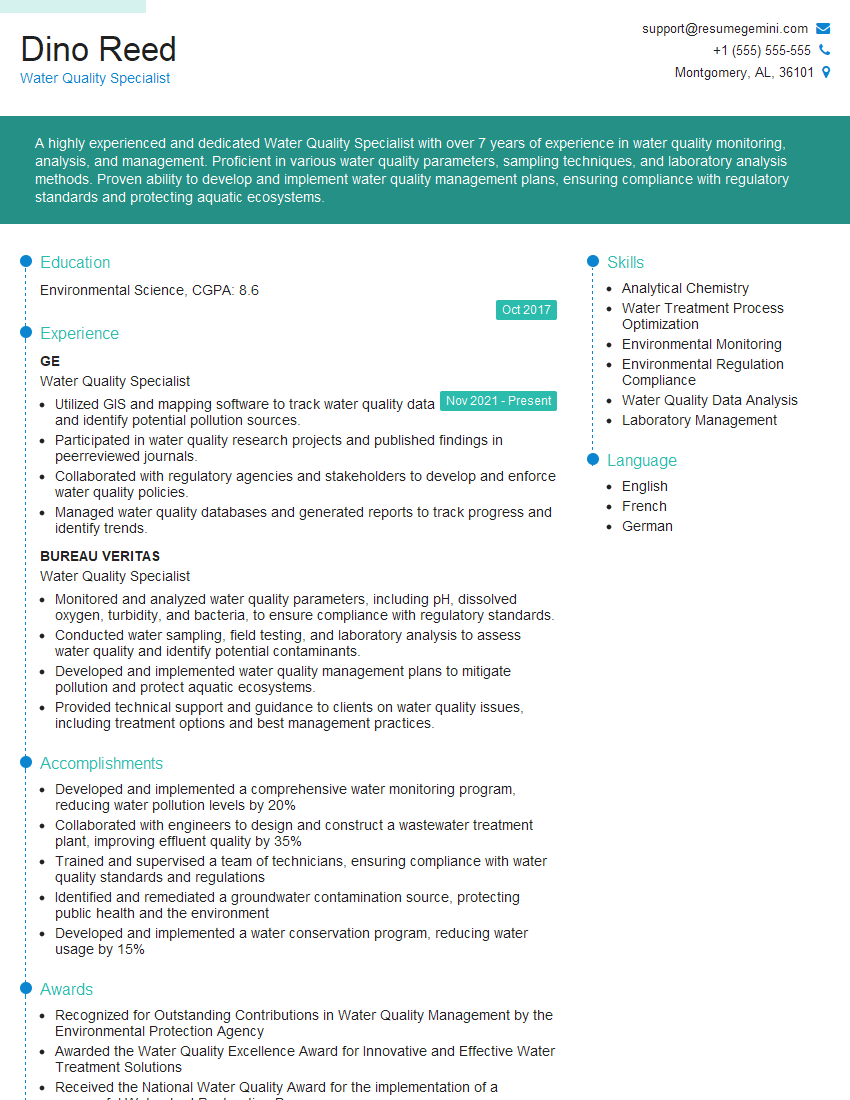
Water Quality Specialist Resume Sample
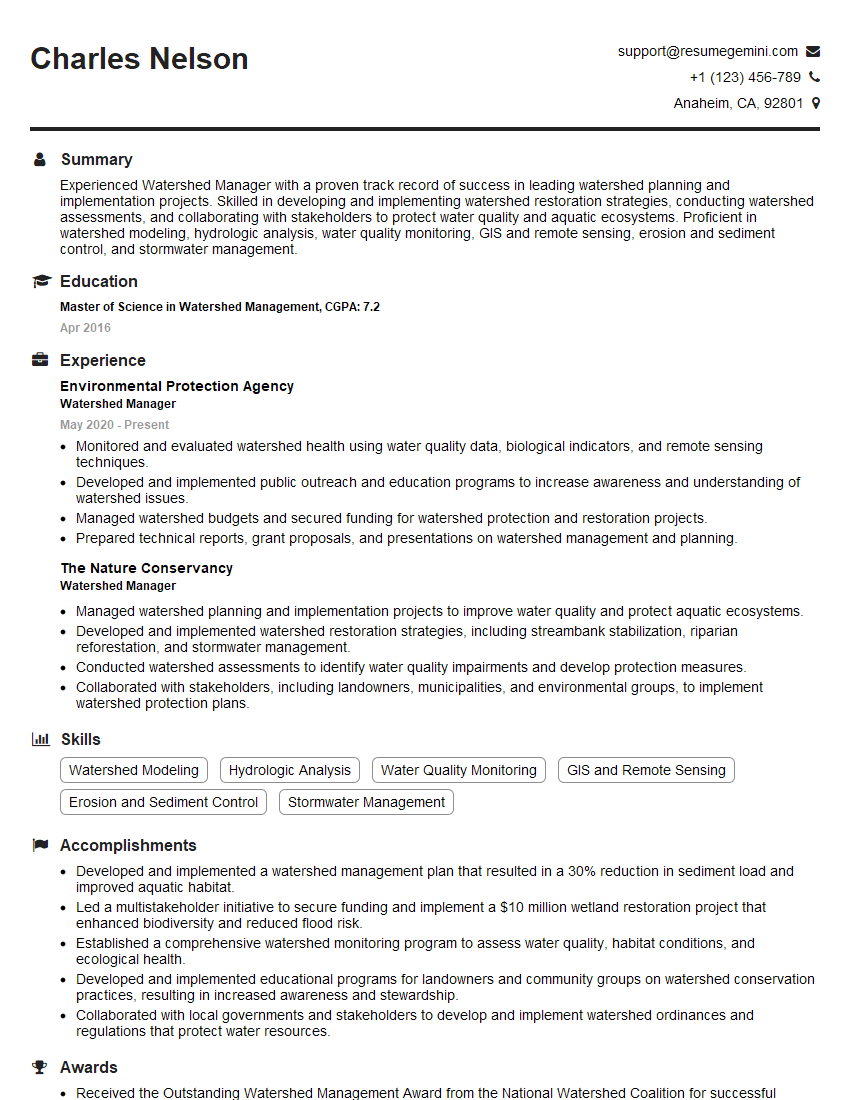
Watershed Manager Resume Sample

Compliance Officer Resume Sample
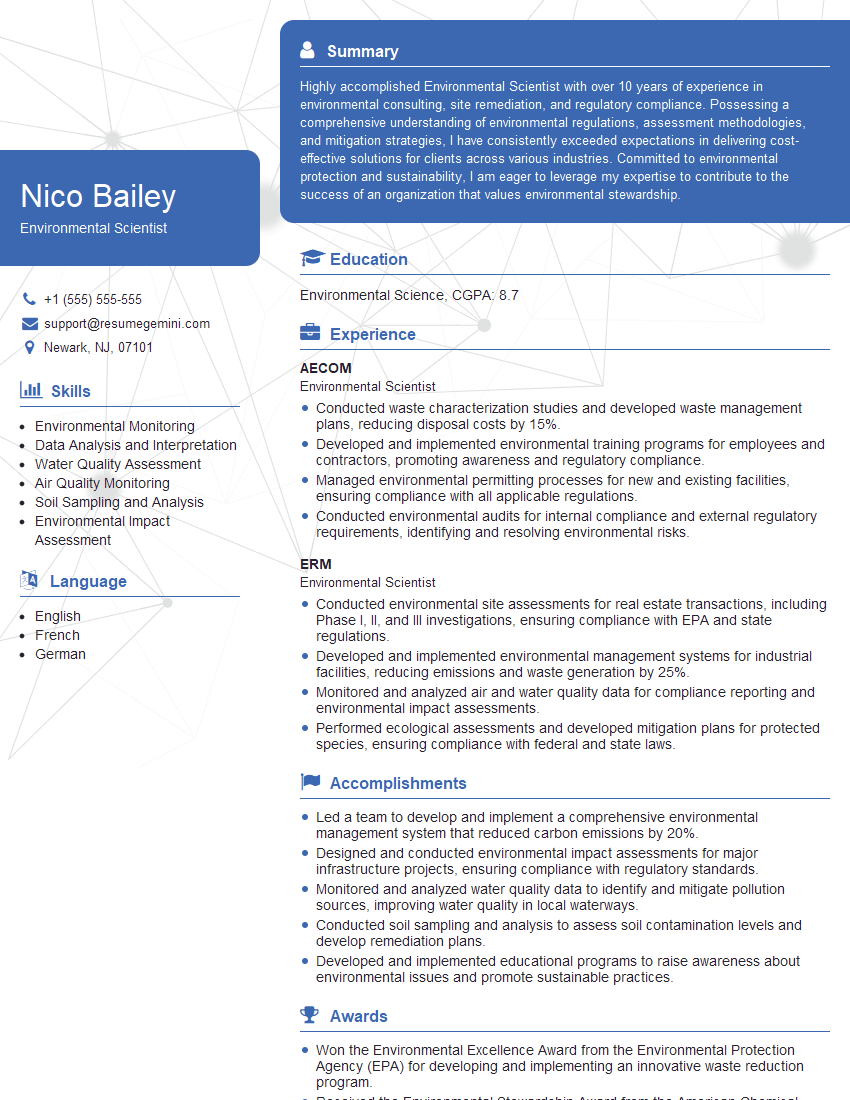
Environmental Scientist Resume Sample
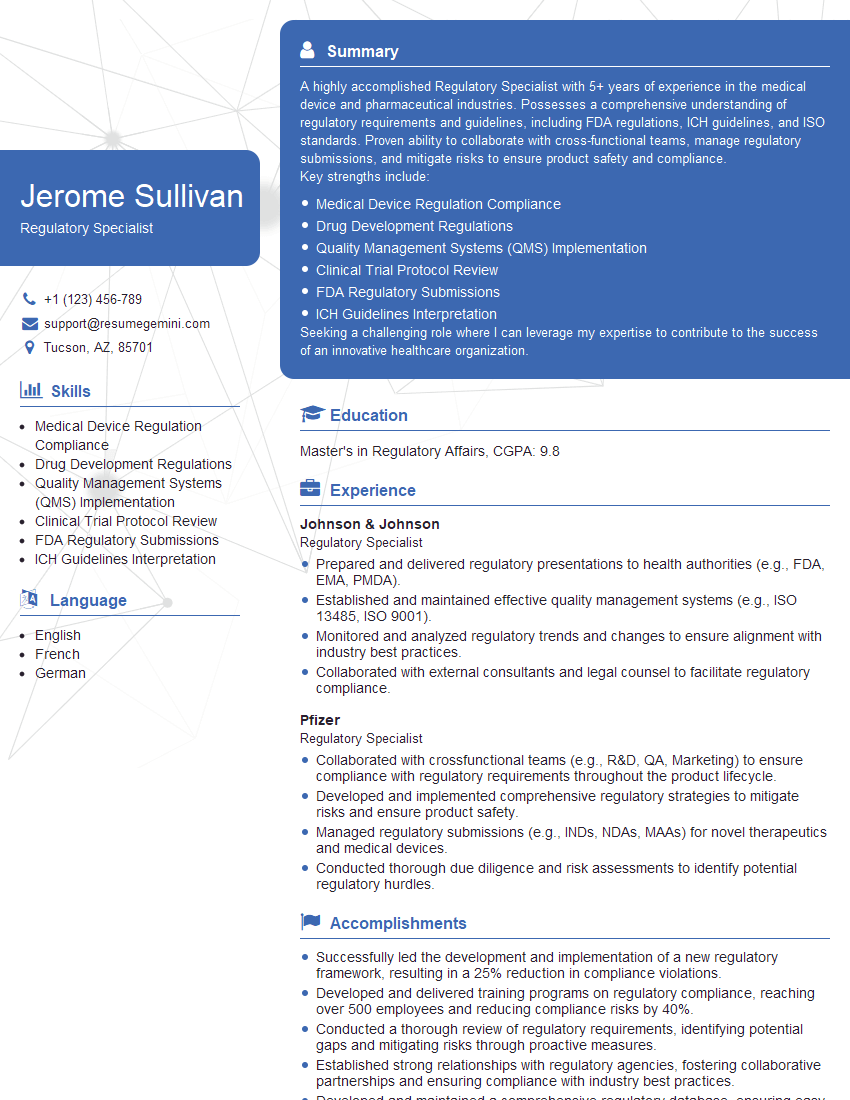
Regulatory Specialist Resume Sample
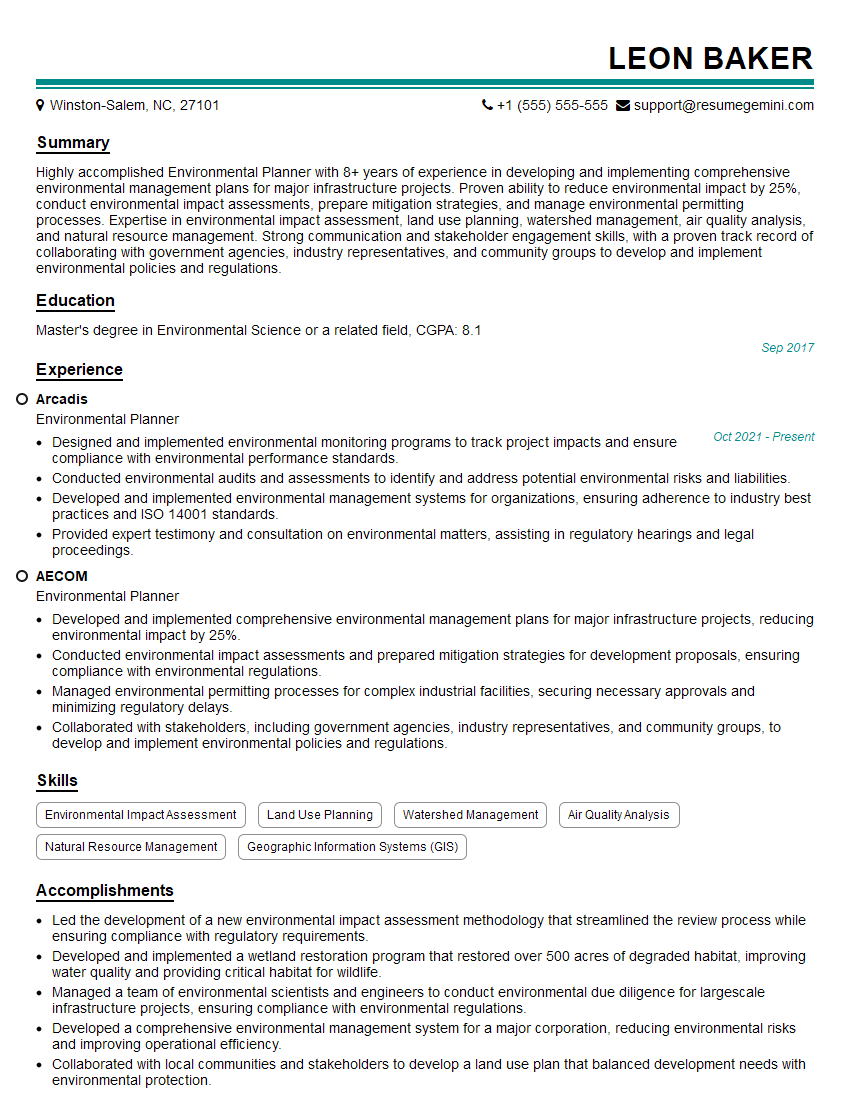
Environmental Planner Resume Sample
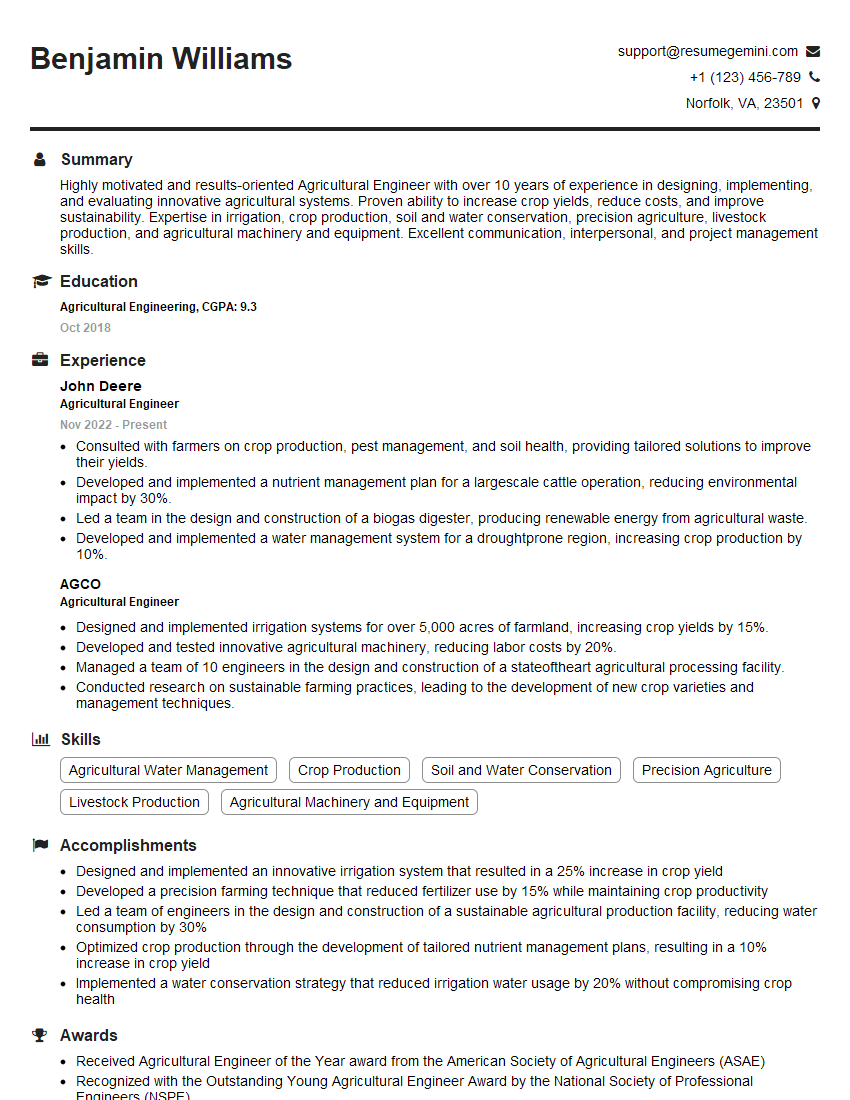
Agricultural Engineer Resume Sample
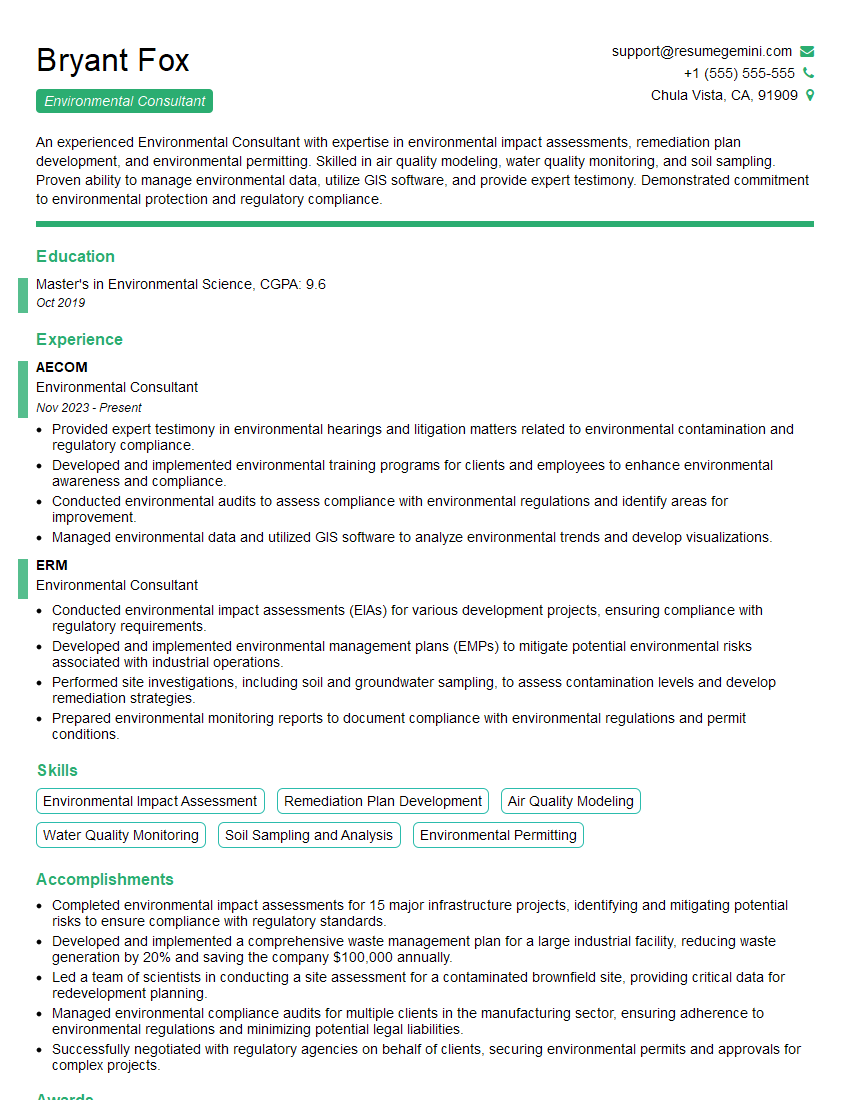
Environmental Consultant Resume Sample
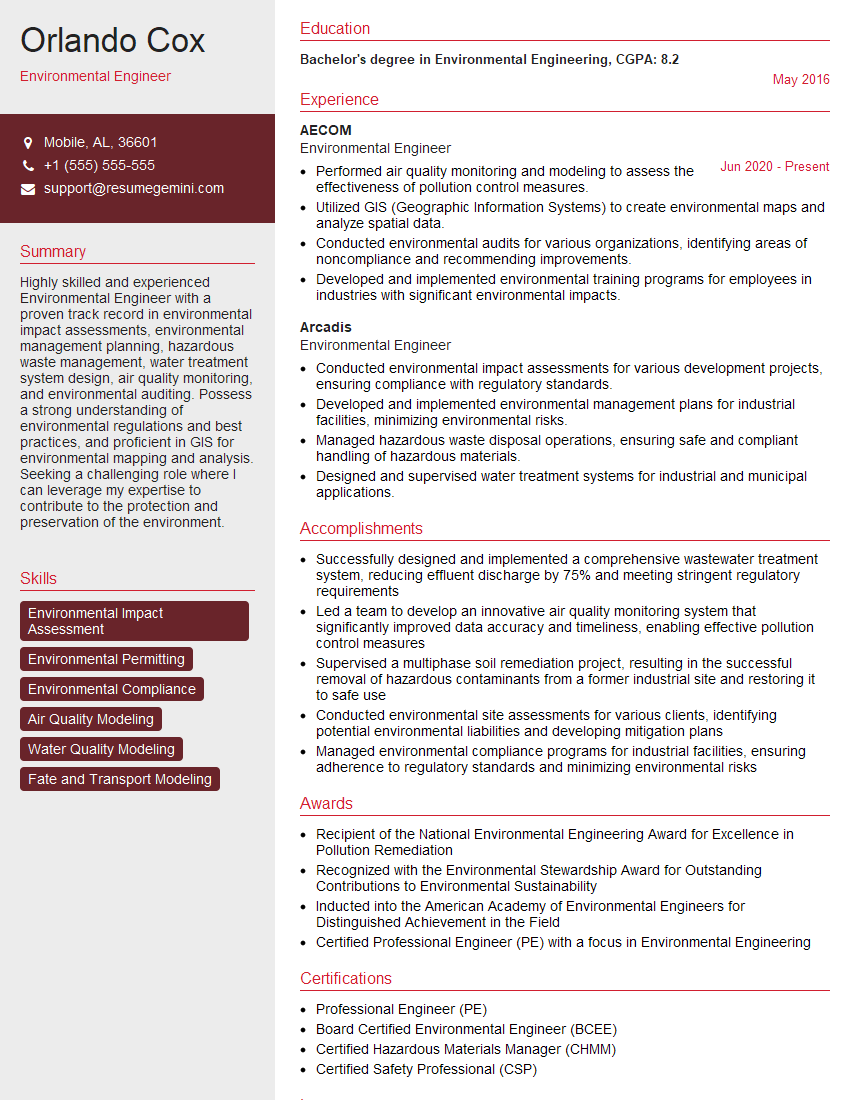
Environmental Engineer Resume Sample
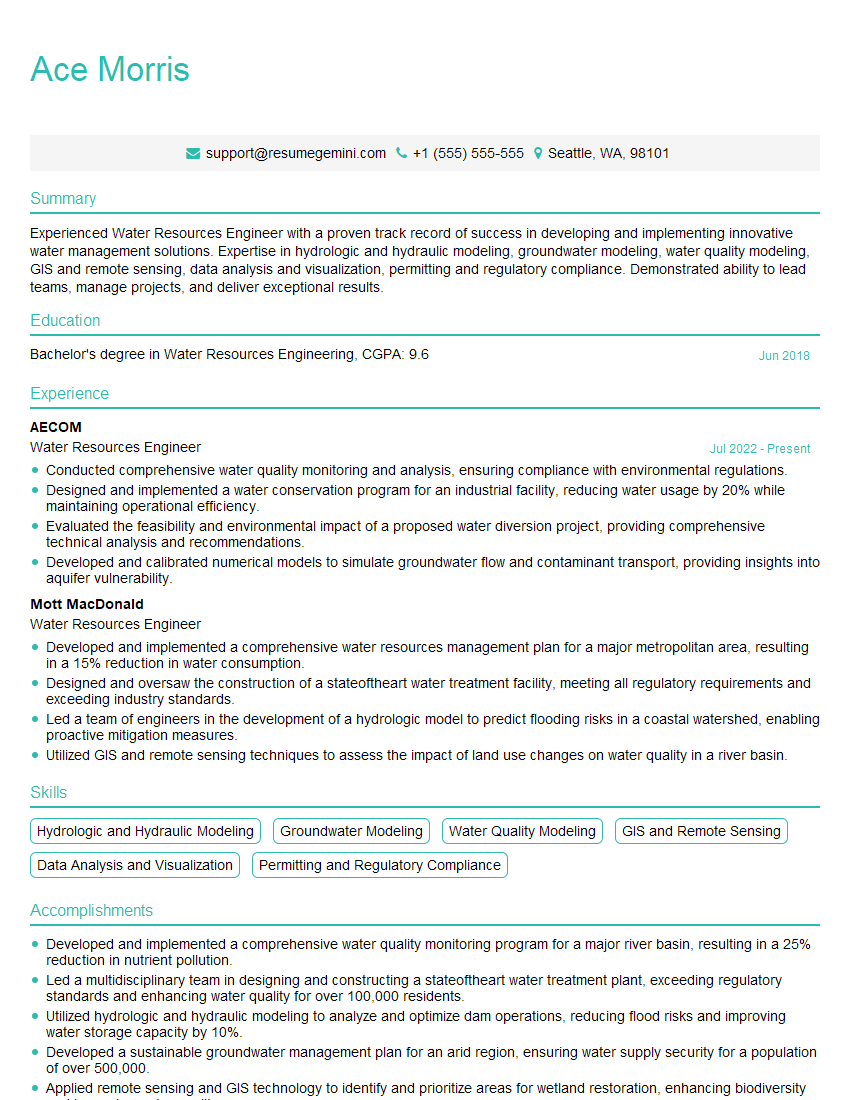
Water Resources Engineer Resume Sample
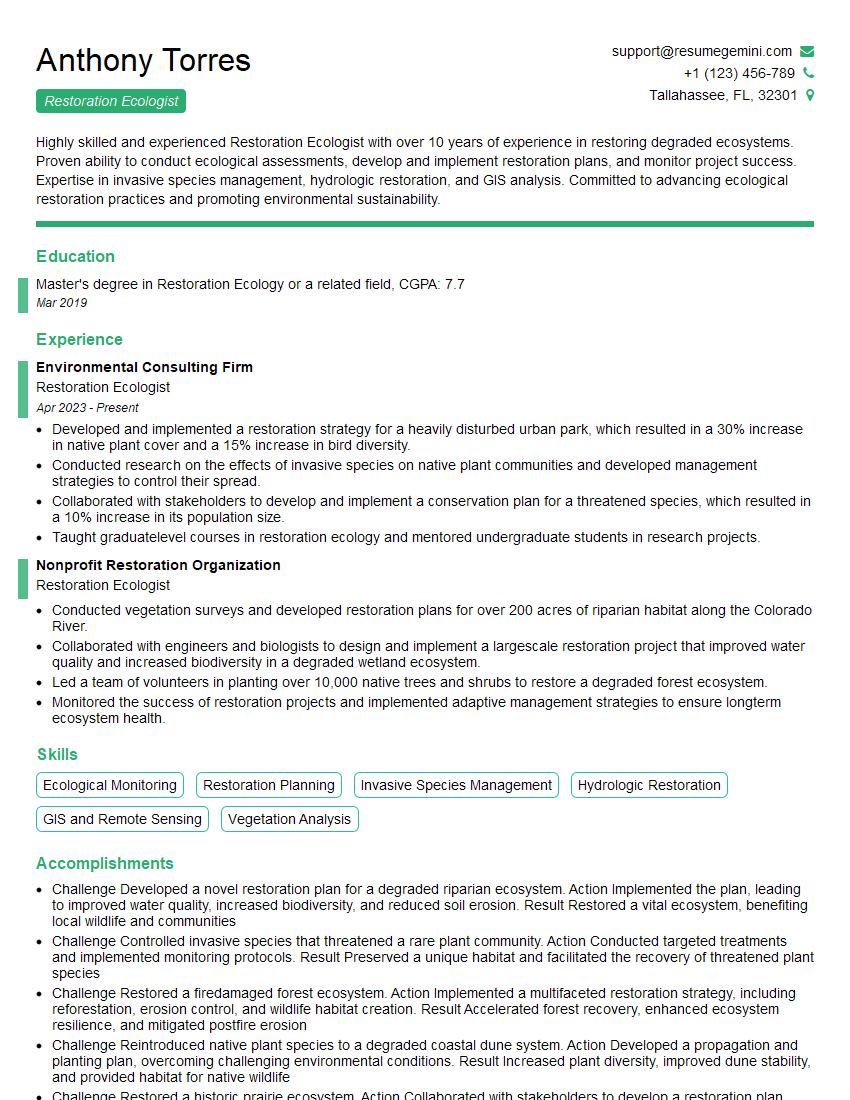
Restoration Ecologist Resume Sample
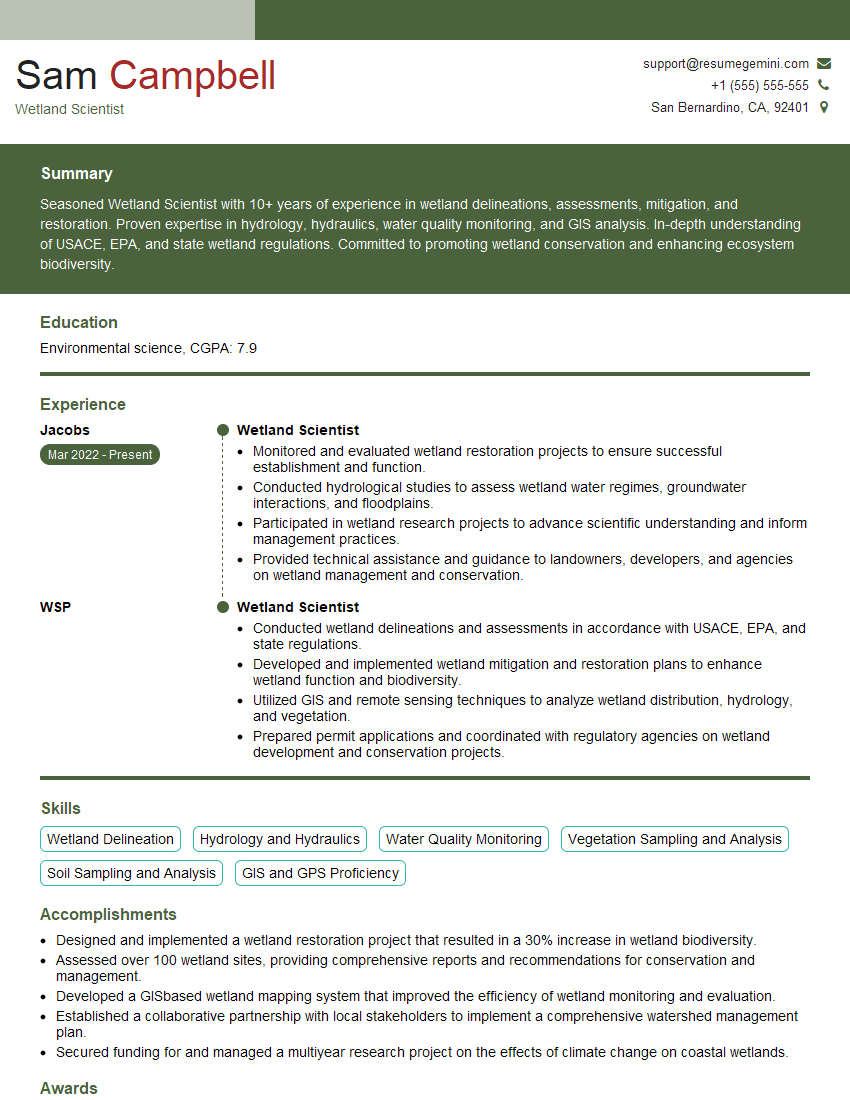
Wetland Scientist Resume Sample
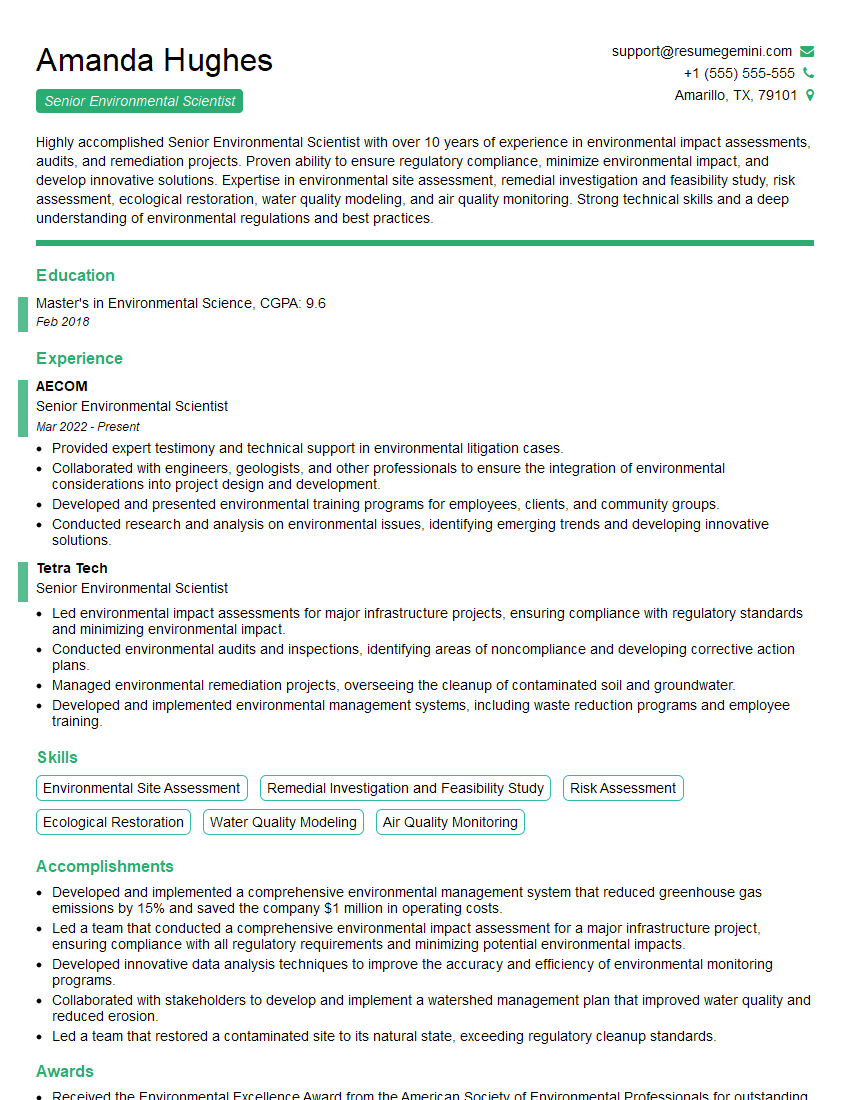
Senior Environmental Scientist Resume Sample
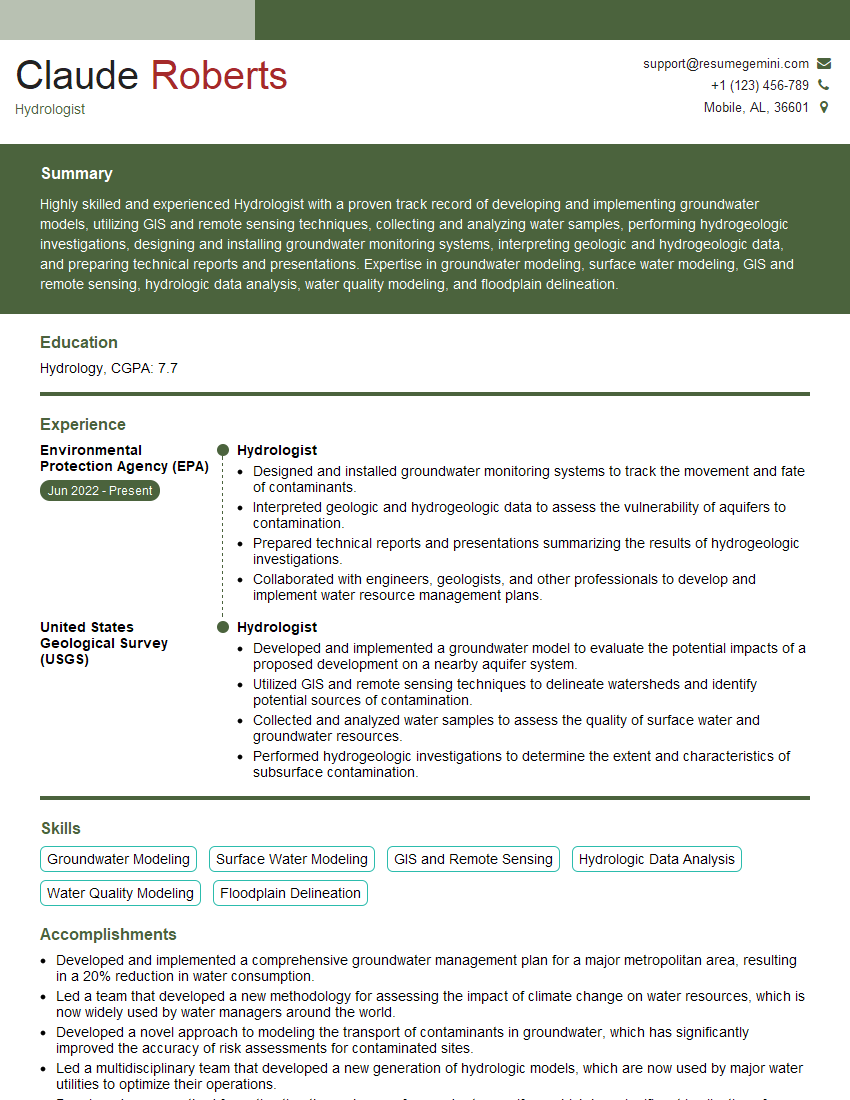
Hydrologist Resume Sample
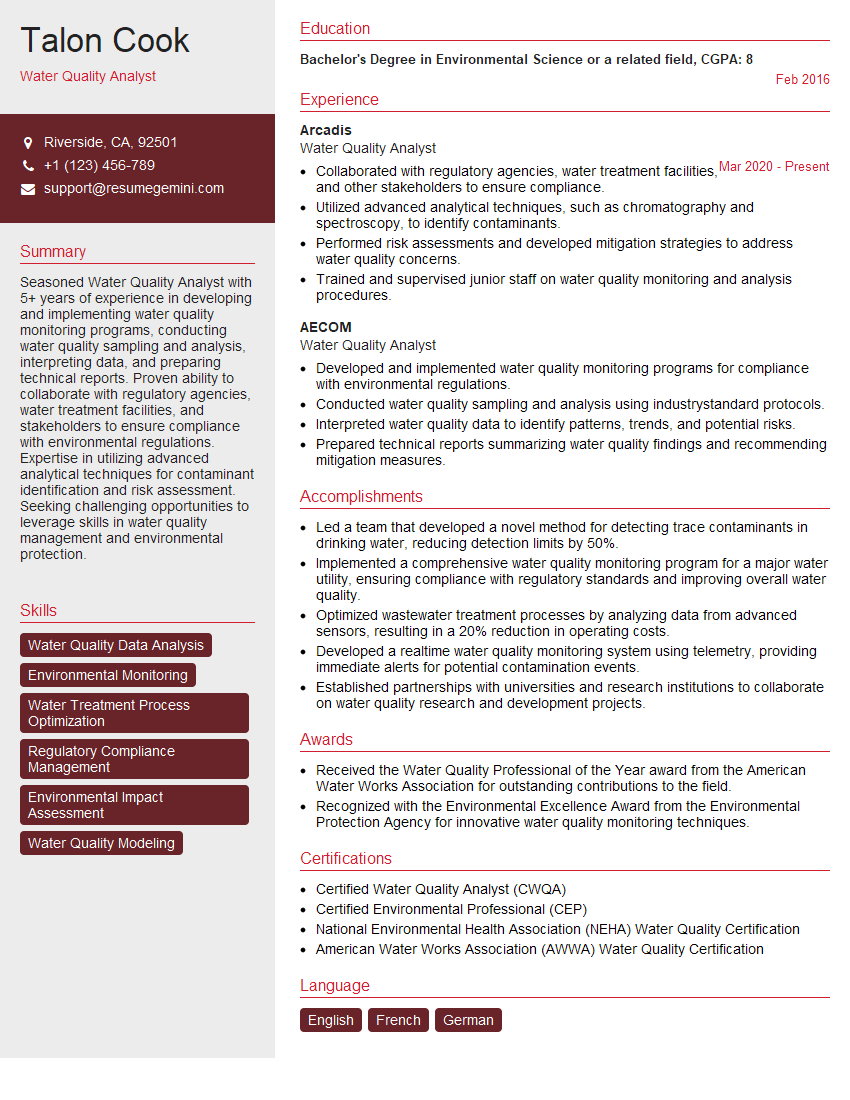
Water Quality Analyst Resume Sample
- Sustainability Manager
- Water Quality Specialist
- Watershed Manager
- Compliance Officer
- Environmental Scientist
- Regulatory Specialist
- Environmental Planner
- Agricultural Engineer
- Environmental Consultant
- Environmental Engineer
- Water Resources Engineer
- Restoration Ecologist
- Wetland Scientist
- Senior Environmental Scientist
- Hydrologist
- Water Quality Analyst
Explore more articles
Users Rating of Our Blogs
Share Your Experience
We value your feedback! Please rate our content and share your thoughts (optional).
What Readers Say About Our Blog
To the interviewgemini.com Webmaster.
Very helpful and content specific questions to help prepare me for my interview!
Thank you
To the interviewgemini.com Webmaster.
This was kind of a unique content I found around the specialized skills. Very helpful questions and good detailed answers.
Very Helpful blog, thank you Interviewgemini team.