Preparation is the key to success in any interview. In this post, we’ll explore crucial Aquaculture and Fish Farming interview questions and equip you with strategies to craft impactful answers. Whether you’re a beginner or a pro, these tips will elevate your preparation.
Questions Asked in Aquaculture and Fish Farming Interview
Q 1. Describe your experience in different aquaculture systems (e.g., recirculating aquaculture systems (RAS), integrated multi-trophic aquaculture (IMTA)).
My experience spans various aquaculture systems, each with its own advantages and challenges. I’ve worked extensively with Recirculating Aquaculture Systems (RAS), which are essentially land-based systems that recycle and treat water, minimizing water usage and environmental impact. In RAS, water is constantly filtered, oxygenated, and cleaned, allowing for high stocking densities and year-round production, regardless of climate. I’ve managed RAS facilities producing both freshwater and saltwater species, focusing on optimizing water parameters and minimizing disease risk.
Furthermore, I have significant experience in Integrated Multi-Trophic Aquaculture (IMTA). IMTA is a more ecologically sustainable approach, mimicking natural ecosystems by integrating different species within the same system. For example, we might culture finfish alongside seaweed and shellfish. The seaweed absorbs excess nutrients from the finfish waste, reducing pollution, while the shellfish filter the water, further improving water quality. This creates a symbiotic relationship, enhancing overall productivity and environmental friendliness. This approach reduces reliance on external inputs and improves the overall resilience of the system.
In addition, I have hands-on experience with traditional pond aquaculture, offering valuable insight into the management of these systems, especially concerning water quality control and fish health. Each system presents unique operational demands and considerations, requiring adaptable management strategies tailored to specific species and environmental conditions.
Q 2. Explain the life cycle of a common aquaculture species.
Let’s take the Atlantic salmon (Salmo salar) as an example. Its life cycle begins with eggs laid in freshwater streams or rivers. After hatching, the alevin (newly hatched salmon) rely on their yolk sac for sustenance. Once the yolk sac is absorbed, they become fry and start feeding on invertebrates. As they grow, they transition from parr (juveniles with characteristic dark vertical bars) to smolt, a stage where they undergo physiological changes enabling them to tolerate saltwater. Smolt migrate to the ocean where they feed and grow rapidly for several years before returning to freshwater rivers to spawn (reproduce), completing the cycle. Understanding the specific needs of each stage is crucial for optimizing their growth and survival in aquaculture settings. For example, providing adequate shelter and appropriate food sources during the parr stage is essential for healthy development. Similarly, careful management of salinity during the smoltification process is critical to ensure successful migration to the ocean.
Q 3. What are the key water quality parameters to monitor in an aquaculture facility, and what are the consequences of deviations from optimal levels?
Monitoring water quality is paramount in aquaculture. Key parameters include:
- Dissolved Oxygen (DO): Low DO levels cause stress and mortality. Optimal levels depend on species and stocking density but generally should be above 6 mg/L.
- pH: Extreme pH values (too acidic or alkaline) affect fish health and nutrient cycling. The ideal range is typically between 7.0 and 8.0.
- Ammonia (NH3): Toxic to fish, even low concentrations can cause stress. Regular monitoring and efficient biofiltration are essential.
- Nitrite (NO2) and Nitrate (NO3): Intermediate products of the nitrogen cycle. High nitrite levels are particularly harmful.
- Temperature: Fluctuations outside the optimal range can cause stress and disease. Temperature control is crucial, especially in RAS.
- Salinity: Essential for saltwater species. Maintaining stable salinity is crucial for osmotic balance.
Deviations from optimal levels lead to various consequences, including reduced growth rates, increased susceptibility to disease, and potentially mass mortality. For instance, a sudden drop in DO can lead to fish suffocating. High ammonia levels can damage fish gills, and fluctuating salinity stresses the fish’s osmoregulatory system.
Q 4. How do you manage disease outbreaks in an aquaculture setting?
Disease management is critical in aquaculture. A proactive approach is essential, starting with strict biosecurity measures (discussed later). Early detection is vital. This involves regular visual inspections, monitoring for unusual behavior, and performing water quality tests. If a disease outbreak is suspected, I follow these steps:
- Identify the pathogen: Laboratory analysis is crucial to identify the causative agent (bacteria, virus, parasite).
- Isolate infected fish: Prevent further spread by quarantining sick individuals.
- Implement appropriate treatment: This could involve antibiotics (with careful consideration of antibiotic resistance), antiparasitics, or other therapies, always prioritizing responsible medication use.
- Improve water quality: Optimize parameters like DO, ammonia, and nitrite to support fish recovery.
- Enhance fish immune response: This might include the use of immunostimulants and vaccines.
- Conduct thorough disinfection and cleaning: Decontaminate the entire facility to eliminate remaining pathogens.
Prevention is better than cure. Maintaining optimal water quality, minimizing stress factors, and implementing a robust biosecurity program are key to preventing disease outbreaks.
Q 5. Describe your experience with different fish feeding strategies.
Fish feeding strategies are crucial for optimizing growth and minimizing waste. I have experience with various methods, including:
- Automatic feeders: These provide precise feed delivery, reducing feed waste and ensuring consistent feeding schedules.
- Manual feeding: While less precise, it allows for visual observation of feeding behavior and detection of potential problems.
- Demand feeding: Feeding to satiation, but this can lead to higher feed costs and water pollution.
- Restricted feeding: Limiting food intake to specific amounts to control growth and reduce waste.
The best strategy depends on species, growth stage, and production goals. For example, during the early stages of development, fish might require more frequent, smaller feed rations. As they mature, larger, less frequent feedings might be more appropriate. Careful monitoring of feed conversion ratio (FCR), the amount of feed required to produce a unit of fish biomass, is crucial for evaluating feeding efficiency. Lower FCR values indicate better efficiency.
Q 6. What are the common challenges faced in sustainable aquaculture practices?
Sustainable aquaculture faces numerous challenges:
- Environmental impact: Nutrient pollution from uneaten feed and fish waste, habitat destruction, and escape of farmed fish into the wild are major concerns. IMTA systems help mitigate this.
- Disease outbreaks: High stocking densities increase disease risk. Proactive disease management and biosecurity are vital.
- Feed sustainability: Many farmed fish rely on fishmeal and fish oil, which are finite resources. Developing sustainable alternatives like insect meal and plant-based proteins is critical.
- Social equity: Ensuring fair labor practices and equitable access to resources is essential for sustainable development.
- Climate change: Changing ocean temperatures and acidification pose significant risks to aquaculture production. Developing climate-resilient strategies is vital.
Addressing these challenges requires a holistic approach integrating ecological, economic, and social considerations.
Q 7. Explain the concept of biosecurity in aquaculture and how it is implemented.
Biosecurity is a set of preventative measures designed to minimize the risk of disease introduction and spread in aquaculture. Think of it as the immune system for your farm. Implementation involves:
- Strict hygiene protocols: Regular disinfection of equipment, clothing, and facilities.
- Controlled access: Limiting access to authorized personnel only.
- Quarantine procedures: Isolating newly introduced fish for a period of time before introducing them to the main population.
- Disease surveillance: Regular monitoring for signs of disease.
- Waste management: Proper disposal of dead fish and waste to prevent the spread of pathogens.
- Vector control: Managing pests and other vectors that could carry diseases.
- Record keeping: Maintaining accurate records of fish health, feed, and water quality to track potential issues.
Robust biosecurity measures are fundamental to minimizing the risk of disease outbreaks and maintaining the health and productivity of the aquaculture operation.
Q 8. How do you monitor and control the growth rates of your cultured species?
Monitoring and controlling growth rates in aquaculture is crucial for maximizing profitability and ensuring product quality. It involves a multi-faceted approach combining regular observation with sophisticated data analysis.
Regular Monitoring: We use a combination of methods, starting with visual inspections to assess overall fish health and size distribution. This is supplemented by regular measurements of key parameters like water quality (temperature, dissolved oxygen, pH), feeding rates, and growth data from a sample population. We weigh and measure a representative subset of fish at regular intervals (e.g., weekly or bi-weekly) to track growth trends.
Data Analysis and Adjustment: The collected data informs adjustments to our management practices. For example, if growth rates are slower than expected, we might investigate potential causes such as insufficient feeding, poor water quality, or disease. We use statistical analysis to identify trends and anomalies, helping us proactively address issues before they significantly impact growth. We might adjust feed rations, optimize water circulation, or address specific health concerns based on the data.
Growth Models: Sophisticated growth models, often incorporated into aquaculture management software, can predict future growth based on historical data and current conditions. This predictive capability enables proactive resource allocation and planning, optimizing production efficiency. For instance, we might use a model to predict the optimal harvest time to maximize yield and market value.
Example: In our tilapia farm, we noticed a significant slowdown in growth during a particularly hot summer. By analyzing water quality data, we discovered a drop in dissolved oxygen. Addressing this by improving aeration and adjusting stocking density quickly returned growth rates to normal.
Q 9. What are the different methods used for harvesting fish in aquaculture?
Harvesting methods in aquaculture vary depending on the species, culture system, and scale of operation. The goal is always to minimize stress on the fish, reduce mortality, and maintain product quality.
Draining: For pond-based systems, draining the pond is a common method, particularly for smaller operations. Fish are then collected using nets. This is simple but can be stressful for the fish and is only suitable for smaller farms.
Seining: Large nets are dragged through the water to encircle and capture fish. This method is suitable for both ponds and cages, and is often used for larger-scale operations. It’s relatively efficient but can be disruptive to the remaining fish.
Fishing Gear: Specialized fishing gear like traps and seines are used in some systems. This approach minimizes disturbance and allows for selective harvesting, which can help maintain a good size distribution in the pond.
Pumping: In some recirculating aquaculture systems (RAS), fish can be harvested by pumping them out. This is a more controlled method, minimizing stress and allowing for size-selective harvesting.
Electrofishing: In some controlled settings, electrofishing can be used to stun and collect fish. This is less common due to the specialized equipment and potential for harming the fish if not applied correctly.
The choice of method involves careful consideration of factors like fish species, size, density, and the desired level of selectivity and stress reduction.
Q 10. What are your experiences with different aquaculture waste management techniques?
Aquaculture waste management is critical for environmental sustainability and maintaining water quality. We’ve employed a variety of techniques, balancing cost-effectiveness with environmental responsibility.
Pond Sediment Management: Regular draining and cleaning of ponds to remove accumulated sludge and organic waste are essential. This sediment, rich in nutrients, can be composted and used as fertilizer, minimizing waste and promoting circular economy principles.
Biofloc Technology: In some systems, we utilize biofloc technology, which involves cultivating beneficial bacteria to break down organic waste. This significantly reduces the need for water exchange and minimizes environmental impact. This is particularly effective in high-density systems.
Integrated Multi-Trophic Aquaculture (IMTA): We’ve incorporated IMTA in some of our operations. By integrating different species, such as seaweed and shellfish, we utilize the waste produced by one species as a nutrient source for another, achieving a more balanced and sustainable system. The seaweed, for example, can absorb excess nutrients, reducing the environmental burden.
Wastewater Treatment: For recirculating aquaculture systems (RAS), advanced wastewater treatment techniques are necessary to remove solids, nutrients, and pathogens. This typically involves filtration, biological treatment (like nitrification and denitrification), and sometimes disinfection. The treated effluent can then be reused or safely discharged into the environment, minimizing ecological impact.
The optimal waste management strategy is tailored to the specific aquaculture system and its environment, prioritizing both environmental protection and economic viability.
Q 11. Describe your experience with different aquaculture breeding programs.
Aquaculture breeding programs are critical for improving fish stocks, enhancing productivity, and adapting to changing environmental conditions. My experience encompasses various approaches:
Selective Breeding: This involves selecting and breeding individuals with desirable traits, such as faster growth rates, disease resistance, or improved feed conversion ratio. We collect data on individual performance and utilize sophisticated genetic analysis to identify desirable genetic markers. This often involves several generations of selective breeding to achieve substantial improvements.
Hybridization: Creating hybrids by crossing different species or strains can combine desirable traits from each parent, leading to improved performance. However, careful evaluation is needed to ensure the hybrids are robust and adaptable.
Genetic Improvement Programs (GIPs): These involve systematic and rigorous breeding programs utilizing advanced genetic techniques like genomic selection. GIPs are more complex and resource-intensive but can lead to more rapid and significant genetic gains. They often involve collaboration with research institutions and utilize sophisticated analytical tools.
Example: In our salmon breeding program, we’ve successfully selected for improved disease resistance, reducing our reliance on antibiotics and enhancing fish welfare. This has improved both the health and economic viability of our operation.
Ethical considerations and genetic diversity management are paramount in all breeding programs, ensuring long-term sustainability and preventing inbreeding depression.
Q 12. How do you ensure the quality and safety of your aquaculture products?
Ensuring the quality and safety of aquaculture products involves a comprehensive approach encompassing the entire production chain.
Water Quality Management: Maintaining optimal water quality throughout the production cycle is fundamental. This minimizes the risk of disease and ensures the fish are healthy and grow properly. Regular water testing and analysis are critical.
Feed Management: Using high-quality, well-balanced feeds is crucial. Poor-quality feed can lead to slower growth, reduced immune function, and potentially contaminate the final product. We use feeds that meet the nutritional needs of the species and adhere to strict quality control standards.
Disease Prevention and Control: Proactive disease management is essential. This includes biosecurity measures to prevent the introduction of pathogens, regular health checks, and appropriate treatment strategies when needed. We minimize antibiotic use by focusing on preventative measures.
Harvesting and Handling: Careful harvesting and handling procedures minimize stress and damage to the fish, improving quality and extending shelf life. Rapid chilling and processing are vital for maintaining freshness and preventing spoilage.
Traceability: Implementing traceability systems allows us to track the origin and history of each product, facilitating rapid response in case of any quality or safety issues. This is especially critical for meeting market demands and maintaining consumer trust.
Compliance with Regulations: Strict adherence to local and international food safety regulations is non-negotiable. Regular audits and inspections ensure that our practices meet the highest standards.
A commitment to quality and safety extends beyond regulatory compliance to include a proactive approach to minimizing risks and enhancing consumer confidence.
Q 13. What is your experience with different aquaculture automation technologies?
Automation technologies are transforming aquaculture, improving efficiency, reducing labor costs, and enhancing control over production processes. My experience includes the following:
Automated Feeders: Automated feeding systems deliver precise amounts of feed at scheduled intervals, optimizing feed efficiency and minimizing feed waste. These systems can be controlled remotely, allowing for adjustments based on real-time data.
Water Quality Monitoring Systems: Automated sensors continuously monitor key water quality parameters such as temperature, dissolved oxygen, pH, and ammonia levels. This real-time data allows for early detection and prompt response to any deviations from optimal conditions.
Automated Cleaning Systems: Automated cleaning systems for RAS significantly reduce labor needs and ensure effective removal of waste. These systems often incorporate robotic components for efficient cleaning of tanks and filters.
Data Acquisition and Management Systems: Sophisticated software platforms integrate data from various sensors and systems, providing a comprehensive overview of the farm’s performance. This allows for data-driven decision-making and optimization of production parameters.
While automation offers many advantages, it’s crucial to carefully consider the initial investment costs and ensure the technology is appropriately integrated into the overall farm management system. Regular maintenance and skilled personnel are also essential for successful implementation.
Q 14. Explain your understanding of the impact of climate change on aquaculture.
Climate change poses significant challenges to aquaculture, impacting both production and sustainability. The effects are multifaceted:
Rising Sea Temperatures: Increased water temperatures can negatively impact fish growth, reproduction, and disease resistance. Warmer waters hold less dissolved oxygen, increasing stress on the fish and potentially leading to mortality. This necessitates adaptations such as improved aeration, shade structures, and potentially species selection to more heat-tolerant varieties.
Ocean Acidification: Increased carbon dioxide in the atmosphere leads to ocean acidification, which can negatively impact shellfish and other calcifying organisms. This requires careful consideration of species selection and potentially adaptation strategies to mitigate the effects.
Sea Level Rise: Coastal aquaculture operations are particularly vulnerable to sea level rise, requiring relocation or adaptation strategies such as elevated structures.
Increased Storm Frequency and Intensity: More frequent and intense storms can damage aquaculture infrastructure, leading to economic losses and environmental damage. This requires robust infrastructure design, and possibly diversification of production locations.
Changes in Species Distribution: Climate change can alter the distribution and abundance of fish species, affecting both wild and cultured populations. This might require adaptations in species selection and farming practices.
Addressing the challenges of climate change in aquaculture requires a proactive approach, integrating climate resilience into farm design, species selection, and management practices. This also involves collaborations among researchers, industry stakeholders, and policymakers to develop innovative solutions and adaptation strategies.
Q 15. What are the different methods used for controlling parasites in aquaculture?
Parasite control in aquaculture is crucial for maintaining fish health and productivity. A multi-pronged approach is generally necessary, combining preventative measures with treatment strategies when infestations occur.
- Preventative Measures: These focus on minimizing parasite introduction and spread. This includes meticulous biosecurity protocols – disinfecting equipment, controlling water quality, and carefully selecting and quarantining new fish stock. Stocking densities should also be carefully managed to prevent stress, which can weaken fish and make them more susceptible to parasites. Prophylactic treatments, using medications at sub-therapeutic doses to prevent infections, are sometimes employed.
- Treatment Strategies: When parasites are detected, various methods are used. These include:
- Chemical treatments: Using medications like praziquantel or formalin, carefully following dosage instructions and considering water quality parameters. This requires careful monitoring of the water and fish for any adverse effects.
- Biological control: Introducing natural predators or competitors of the parasites. This is a more environmentally friendly approach and involves understanding the parasite’s life cycle and the ecosystem within the farm.
- Physical removal: In some cases, parasites can be manually removed, although this is often impractical for large-scale operations. This could include removing heavily infested individuals from the population.
- Improved husbandry: Addressing underlying stressors like poor water quality, overcrowding, or inadequate nutrition can enhance fish immunity and reduce susceptibility to parasites.
For example, in a shrimp farm, we might use a combination of improved water quality management (preventative) and a chemical treatment with a specific parasiticide (treatment) to combat a white spot disease outbreak. The choice of method always depends on the specific parasite, the species of fish, and the overall farming system.
Career Expert Tips:
- Ace those interviews! Prepare effectively by reviewing the Top 50 Most Common Interview Questions on ResumeGemini.
- Navigate your job search with confidence! Explore a wide range of Career Tips on ResumeGemini. Learn about common challenges and recommendations to overcome them.
- Craft the perfect resume! Master the Art of Resume Writing with ResumeGemini’s guide. Showcase your unique qualifications and achievements effectively.
- Don’t miss out on holiday savings! Build your dream resume with ResumeGemini’s ATS optimized templates.
Q 16. What are the economic factors influencing the profitability of an aquaculture operation?
The profitability of an aquaculture operation hinges on a complex interplay of factors. Careful planning and management are critical for success.
- Production Costs: This includes feed costs (often the largest expense), fingerling costs, labor, energy for aeration and water circulation, and equipment maintenance.
- Market Prices: Fluctuations in market demand and prices directly impact profitability. Diversification of species or products can help mitigate risk.
- Disease and Mortality: Disease outbreaks can devastate a farm’s output and profitability, highlighting the importance of preventative measures and biosecurity.
- Feed Conversion Ratio (FCR): A lower FCR (amount of feed needed to produce one unit of fish weight) indicates greater efficiency and higher profitability. This requires careful selection of feed and monitoring fish growth.
- Operating Costs: These encompass water usage, land lease or purchase, and regulatory compliance costs.
- Interest Rates and Financing: Access to affordable financing and favorable interest rates significantly influence initial investment and operational costs.
- Location and Infrastructure: The location of the farm significantly impacts transportation costs, access to resources, and labor availability. Infrastructure such as roads and electricity are also essential.
For instance, a farm with efficient feed management, resulting in a low FCR, and a strong market for their product will likely be more profitable than one facing high feed costs and fluctuating market demand. Regular cost analysis and market research are crucial for sustainable profitability.
Q 17. What are the regulatory and legal aspects of aquaculture operations in your area?
Aquaculture operations are subject to a range of regulations that vary by region and country. These regulations are designed to protect the environment, ensure animal welfare, and guarantee food safety. Specific regulations would need to be specified by region and country.
- Environmental Regulations: These often address water discharge permits, waste management, and the potential impact on surrounding ecosystems (e.g., preventing the escape of farmed species).
- Animal Welfare Regulations: These outline standards for fish handling, stocking densities, and disease management to minimize stress and suffering.
- Food Safety Regulations: These regulations dictate food handling procedures, processing, and labeling to ensure that the final product is safe for consumption. This could include inspections and testing.
- Licensing and Permits: Aquaculture operations generally require licenses and permits to operate legally, often issued by local or regional authorities. These permits may specify allowable species, stocking densities, and operational conditions.
- Biosecurity Regulations: To help mitigate risk of invasive species and disease transmission, biosecurity plans are often required and inspected.
Non-compliance with regulations can lead to significant penalties, including fines, suspension of operations, or even closure of the facility. Therefore, comprehensive understanding and adherence to all applicable regulations are critical for successful and sustainable aquaculture operations. It’s crucial to regularly check for updates and changes to regulations.
Q 18. How do you maintain good records and data management within an aquaculture facility?
Effective record-keeping and data management are the cornerstones of successful aquaculture. This involves meticulous tracking of various parameters to optimize production and identify potential problems early.
- Production Records: These include daily fish counts, feed usage, water quality parameters (temperature, dissolved oxygen, pH, ammonia), growth rates, mortality rates, and harvest data. This data can be recorded manually in logbooks or using automated monitoring systems.
- Financial Records: Careful tracking of income, expenses, and profit margins is essential for financial planning and management. This might involve using accounting software or spreadsheets.
- Health Records: Detailed records of any disease outbreaks, treatments administered, and the effectiveness of those treatments are critical for preventing future problems. This could involve detailed clinical observation records and treatment logs.
- Environmental Monitoring Records: Tracking water quality, nutrient levels, and other environmental parameters ensures compliance with regulations and helps identify potential environmental issues. This data can be collected using sensors and data loggers.
- Data Analysis: Regular analysis of the collected data helps identify trends, patterns, and potential problems, enabling timely interventions.
We use a combination of digital spreadsheets and specialized aquaculture management software to streamline our record-keeping. This allows us to generate reports, track key performance indicators (KPIs), and make data-driven decisions to optimize our operations. Regular data backups are essential to prevent data loss.
Q 19. Describe your problem-solving approach in handling an unexpected event in aquaculture production.
My approach to problem-solving in aquaculture involves a systematic and proactive methodology. Unexpected events, whether a disease outbreak or equipment failure, necessitate swift action.
- Rapid Assessment: The first step is to quickly assess the situation, identifying the nature and extent of the problem. This involves collecting data and observing the affected fish or equipment.
- Data Collection and Analysis: Gather relevant data such as water quality parameters, fish behavior, and historical records to understand the root cause of the problem. This may involve consulting with specialists or experts.
- Develop and Implement a Solution: Based on the analysis, develop a plan of action. This could involve implementing immediate corrective measures, consulting with veterinary specialists, or engaging with equipment suppliers for repairs.
- Monitoring and Evaluation: Continuously monitor the effectiveness of the implemented solution. Track key indicators and adjust the strategy as needed. Document all actions taken and their outcomes.
- Post-Mortem Analysis: After the situation is resolved, conduct a thorough post-mortem analysis to identify the root cause(s) of the problem and develop preventative measures to avoid similar incidents in the future.
For example, if we experienced a sudden drop in dissolved oxygen, we would immediately increase aeration, test the water for pollutants, and investigate possible equipment malfunctions. We would also adjust stocking densities if necessary to prevent recurrence. Documentation of this entire process is crucial for future reference and improvement.
Q 20. Explain your experience in utilizing different technologies for monitoring fish health.
Monitoring fish health is essential for preventing and managing disease outbreaks. Technology plays a significant role in this process, allowing for early detection and effective interventions.
- Visual Inspection: While seemingly basic, regular visual observation of fish behavior, appearance, and activity remains a crucial first step. Experienced personnel can often detect subtle signs of illness.
- Water Quality Monitoring: Sensors and automated systems monitor key water parameters (temperature, dissolved oxygen, pH, ammonia, nitrite) in real-time. Deviations from optimal ranges can indicate potential problems.
- Non-Invasive Diagnostic Techniques: Technologies like ultrasound and spectroscopy can assess internal organs and body composition without harming the fish. These tools provide insights into fish health and stress levels.
- Automated Imaging Systems: Computer vision systems can analyze large numbers of fish for external signs of disease, detecting subtle changes in color, behavior, or morphology more rapidly than manual observation.
- Biological Sampling and Laboratory Analysis: Collecting samples for blood analysis, tissue biopsies, or parasite identification provides detailed diagnostic information. This requires laboratory facilities and trained personnel.
We utilize a combination of automated water quality monitoring systems, regular visual inspections, and selective sampling for laboratory analysis to provide a comprehensive assessment of fish health. This data integration enables prompt identification of issues and implementation of appropriate measures.
Q 21. Discuss your understanding of the ecological impacts of aquaculture.
Aquaculture, while a vital source of food, can have significant ecological impacts if not managed sustainably. Understanding and mitigating these impacts is crucial for responsible aquaculture practices.
- Waste Management: Fish farms generate waste in the form of uneaten feed, feces, and other organic matter. This waste can pollute surrounding water bodies, leading to eutrophication (excessive nutrient enrichment), oxygen depletion, and harmful algal blooms.
- Disease Transmission: Farmed fish can act as reservoirs for diseases that can spread to wild fish populations, threatening biodiversity and impacting wild fisheries.
- Escape of Farmed Species: Farmed fish escaping into the wild can compete with native species for resources, potentially disrupting the ecological balance and causing genetic hybridization.
- Habitat Modification: The construction and operation of aquaculture facilities can alter natural habitats, leading to the loss of coastal wetlands, mangroves, and other valuable ecosystems.
- Use of Chemicals and Antibiotics: The use of chemicals and antibiotics in aquaculture can contaminate surrounding waters and contribute to the development of antibiotic resistance in both farmed and wild fish populations.
Mitigation strategies include responsible waste management, rigorous biosecurity protocols, careful site selection, and the adoption of environmentally friendly aquaculture practices such as integrated multi-trophic aquaculture (IMTA) which integrates different species to utilize waste and reduce environmental impact. Sustainable aquaculture must prioritize environmental protection alongside economic productivity.
Q 22. What is your experience with different types of aquaculture feed?
My experience encompasses a wide range of aquaculture feeds, from commercially produced complete feeds to custom-formulated diets. Commercial feeds offer convenience and consistency but can be costly. They typically categorize feeds by species and life stage (e.g., starter, grower, finisher). I’ve worked extensively with both dry pellet feeds, which are widely used due to their ease of handling and storage, and moist or semi-moist extruded feeds, which offer higher palatability but require more careful management to avoid spoilage. Furthermore, I have experience with supplemental feeds, such as live foods (e.g., rotifers, Artemia) for larval stages, and functional feeds enriched with specific nutrients to enhance growth, immunity, and disease resistance. For example, we successfully implemented a diet enriched with omega-3 fatty acids in our salmon farming operation, leading to a significant improvement in fish health and market value. We also explored the use of alternative protein sources such as insect meal in our tilapia operation to improve sustainability and reduce the environmental impact of feed production.
Q 23. Describe your understanding of the different types of aquaculture species and their specific requirements.
Aquaculture species vary dramatically in their requirements. For instance, salmonids like salmon and trout are cold-water species requiring highly oxygenated, clean water and a diet rich in protein and omega-3 fatty acids. Conversely, tilapia are warm-water, more tolerant species that thrive in a wider range of water quality parameters and can tolerate higher stocking densities. Shrimp require brackish or saline water and highly specific management practices to prevent disease. Each species has unique sensitivities to factors like temperature, salinity, dissolved oxygen, pH, and ammonia levels. Their feeding habits also differ; some are primarily carnivorous, others herbivorous or omnivorous, necessitating tailored feeding strategies. For example, understanding the optimal water temperature range for each species is crucial. Maintaining the appropriate temperature is critical for growth, reproduction, and disease prevention. A fluctuation outside the ideal range can compromise immune function, making them more susceptible to infections.
- Salmonids (Salmon, Trout): Cold water, high oxygen, protein-rich diet.
- Tilapia: Warm water, adaptable to various conditions, omnivorous.
- Shrimp: Brackish/saline water, susceptible to disease, specific management needs.
- Catfish: Tolerant to low oxygen, omnivorous, fast-growing.
Q 24. How would you manage a situation where a sudden drop in water temperature affects your fish stock?
A sudden drop in water temperature is a serious threat to fish. My response would be immediate and multi-pronged. First, I’d assess the extent of the temperature drop and its impact on the fish (e.g., lethargic behavior, increased mortality). Then, I’d implement measures to mitigate the situation, such as:
- Emergency heating: If feasible, deploy emergency heating systems to raise the water temperature gradually. Rapid temperature changes are equally detrimental.
- Reduced feeding: Lower or cease feeding during the stress period to reduce metabolic demands and minimize waste accumulation.
- Increased aeration: Boost oxygen levels by increasing aeration rates to compensate for reduced oxygen solubility in colder water.
- Water exchange: Carefully introduce warmer water from a reservoir or other source, ensuring minimal stress to the fish.
- Monitoring: Closely monitor water parameters (temperature, dissolved oxygen, pH, ammonia) and fish behavior to assess the effectiveness of interventions.
- Preventive measures: In the future, I would invest in better temperature monitoring and control systems and explore strategies for insulation and improved thermal buffering of the ponds or tanks.
The key is to act quickly and strategically, minimizing stress and preventing significant losses.
Q 25. Explain your strategies for optimizing the feed conversion ratio (FCR) in your aquaculture operation.
Optimizing the Feed Conversion Ratio (FCR) – the amount of feed required to produce one unit of fish weight – is crucial for profitability and sustainability. My strategies encompass several approaches:
- High-quality feed: Utilizing nutritionally balanced feed formulations tailored to the species and life stage, ensuring optimal digestibility and nutrient utilization.
- Appropriate feeding rates: Employing automatic feeders with precise control of feed distribution to minimize overfeeding and waste. We use data-driven feeding strategies, adjusting rates based on water temperature, fish size, and growth rates.
Example: We reduced our FCR by 15% by implementing a predictive model based on real-time water temperature and fish weight. - Regular monitoring: Closely tracking fish growth, feed intake, and waste production to fine-tune feeding strategies and identify any issues early on.
- Water quality management: Maintaining optimal water quality parameters, including dissolved oxygen and ammonia levels, as poor water quality can impair appetite and digestion.
- Disease prevention and control: Healthy fish convert feed more efficiently; implementing strong biosecurity measures to prevent outbreaks.
- Selective breeding: Employing selective breeding programs to develop strains with improved feed conversion efficiency.
By integrating these strategies, we can significantly improve our FCR and maximize profitability.
Q 26. What is your experience with different methods for assessing fish welfare?
Assessing fish welfare is critical for ethical and economic reasons. I utilize a multi-faceted approach incorporating both behavioral and physiological indicators. Behavioral assessments involve observing fish for signs of stress, such as abnormal swimming patterns, rapid gill movements (indicating low oxygen), or unusual aggregations. Physiological assessments include monitoring growth rates, condition factor (a measure of body weight relative to length), and blood parameters (e.g., cortisol levels as a stress indicator). We also utilize non-invasive techniques such as underwater video monitoring to assess fish behavior and interactions in a less disruptive manner. For example, a consistent decrease in condition factor could signal a problem with water quality or diet, prompting investigation and adjustments. Furthermore, regular health checks and parasite examinations are essential parts of routine welfare assessment.
Q 27. How do you ensure the traceability of your aquaculture products?
Traceability is paramount in ensuring product safety and consumer confidence. We implement a comprehensive traceability system incorporating various stages, from broodstock to market. Each stage is documented using unique identifiers (e.g., batch numbers, harvest dates, and location). We utilize electronic record-keeping systems to track production parameters, treatment history, and movement of fish throughout the entire production cycle. This data is readily accessible, allowing us to pinpoint the origin of any potential issues rapidly. Moreover, we use blockchain technology in conjunction with physical tagging to enhance transparency and security. This system allows consumers to trace the origin and handling history of their fish by scanning a QR code on the product packaging.
Q 28. Describe your experience with different types of aquaculture marketing strategies.
Our marketing strategies are diverse, aiming to emphasize both product quality and sustainability. We employ a multi-channel approach, including:
- Direct sales to restaurants and retailers: Establishing strong relationships with key buyers to secure reliable markets and premium pricing.
- Branding and storytelling: Developing a strong brand identity that highlights our commitment to sustainable aquaculture practices and product quality. We use storytelling to connect with consumers on an emotional level.
- Online marketing: Utilizing websites, social media platforms, and online advertising to reach a broader audience and enhance brand visibility.
- Participation in trade shows and industry events: Networking and showcasing our products directly to industry professionals and potential buyers.
- Sustainability certifications: Obtaining relevant certifications (e.g., ASC, BAP) to demonstrate our commitment to responsible aquaculture.
The combination of these strategies aims to differentiate our products from competitors and build a loyal customer base.
Key Topics to Learn for Aquaculture and Fish Farming Interview
- Fish Biology and Physiology: Understanding fish health, growth, and nutritional requirements. Practical application: Diagnosing and addressing common fish diseases.
- Aquaculture Systems: Recirculating Aquaculture Systems (RAS), integrated multi-trophic aquaculture (IMTA), pond systems, cage culture. Practical application: Evaluating the efficiency and sustainability of different aquaculture methods.
- Water Quality Management: Monitoring and controlling parameters like dissolved oxygen, temperature, pH, ammonia, and nitrite. Practical application: Troubleshooting water quality issues and implementing corrective actions.
- Nutrition and Feeding Strategies: Formulating balanced diets and optimizing feeding regimes for different fish species and life stages. Practical application: Calculating feed conversion ratios and minimizing feed waste.
- Disease Management and Biosecurity: Implementing preventative measures and responding to disease outbreaks. Practical application: Developing and implementing biosecurity protocols to minimize disease risk.
- Sustainable Aquaculture Practices: Minimizing environmental impact and ensuring responsible resource utilization. Practical application: Evaluating the ecological footprint of different aquaculture operations.
- Harvesting and Post-Harvest Handling: Efficient and humane harvesting techniques and minimizing product loss. Practical application: Designing effective harvesting and processing strategies.
- Aquaculture Economics and Business Management: Understanding production costs, market analysis, and profitability. Practical application: Developing a sustainable business plan for an aquaculture operation.
- Regulations and Compliance: Adhering to local, national, and international regulations related to aquaculture. Practical application: Ensuring compliance with relevant environmental and food safety standards.
- Data Analysis and Interpretation: Utilizing data to monitor performance and make informed decisions. Practical application: Analyzing production data to identify areas for improvement.
Next Steps
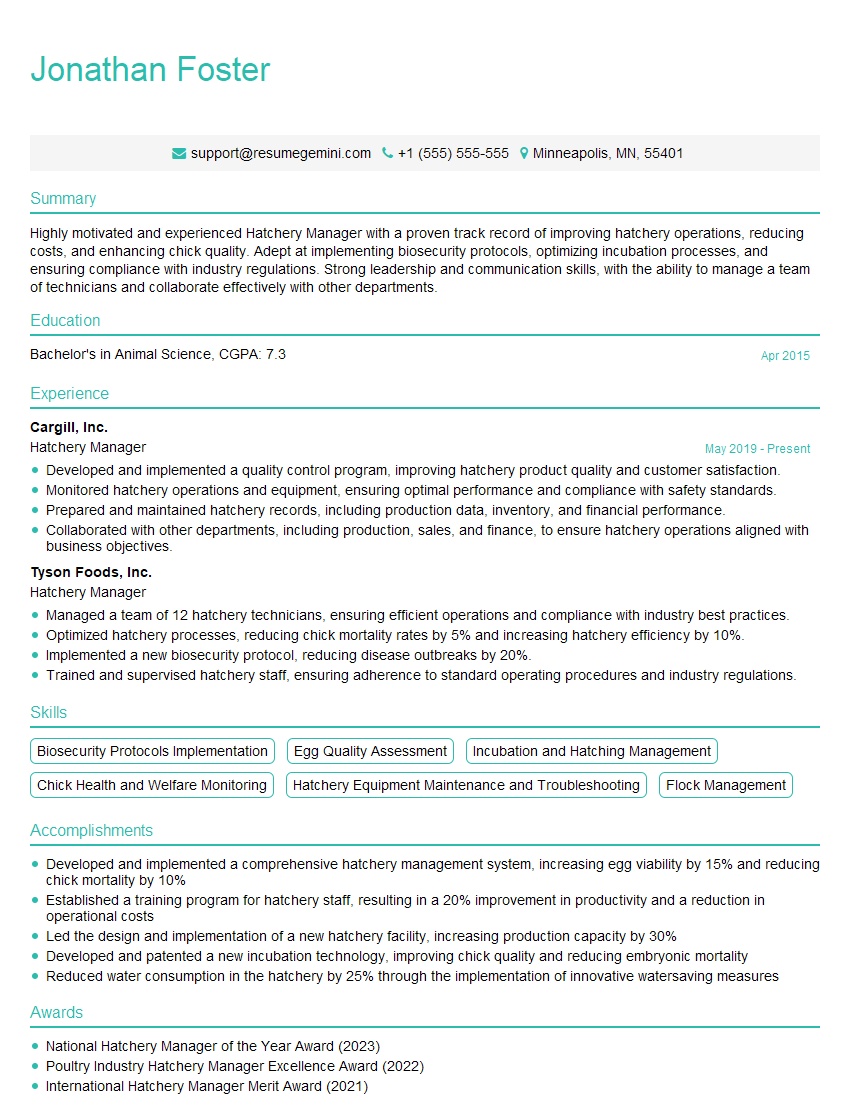
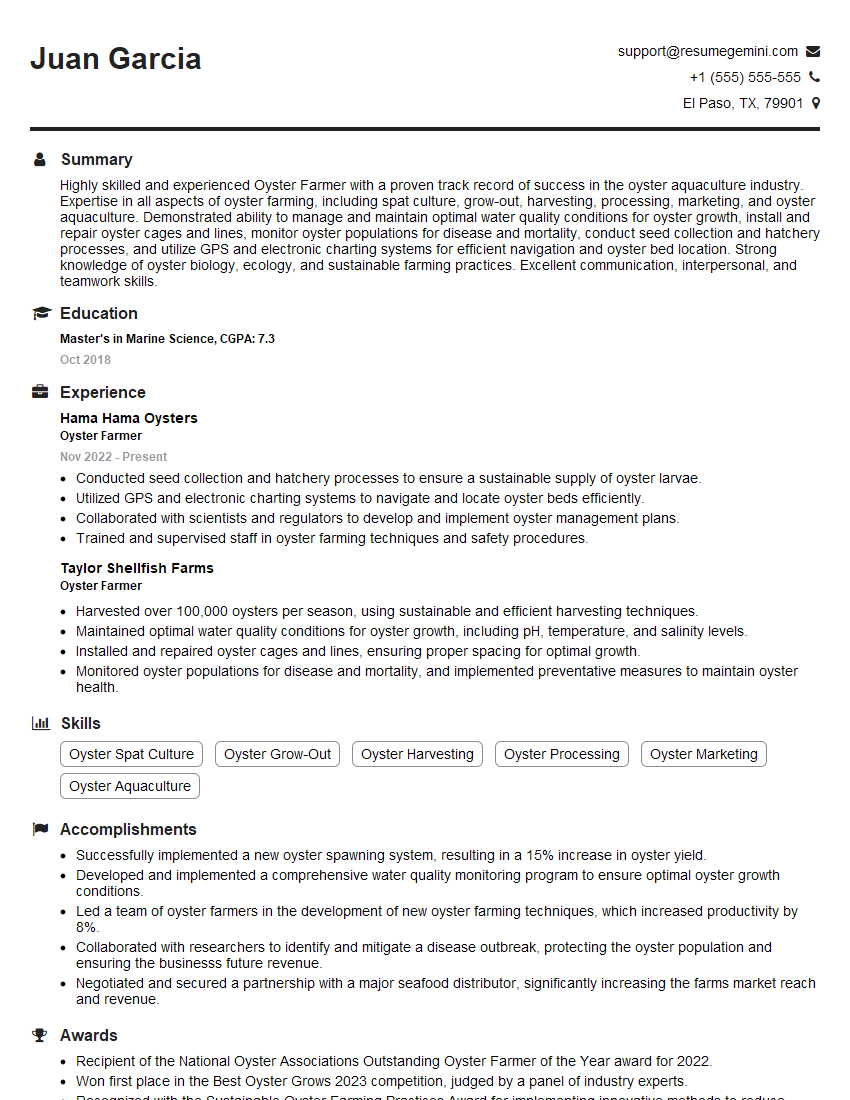
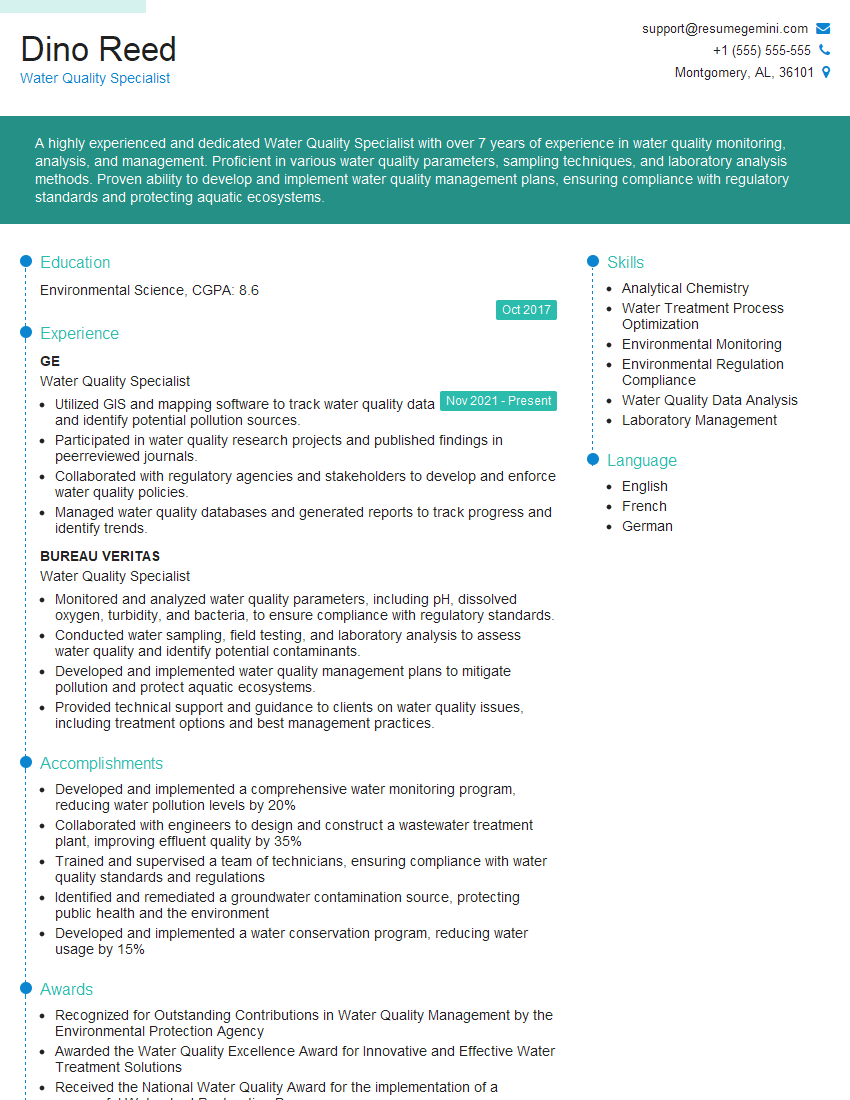
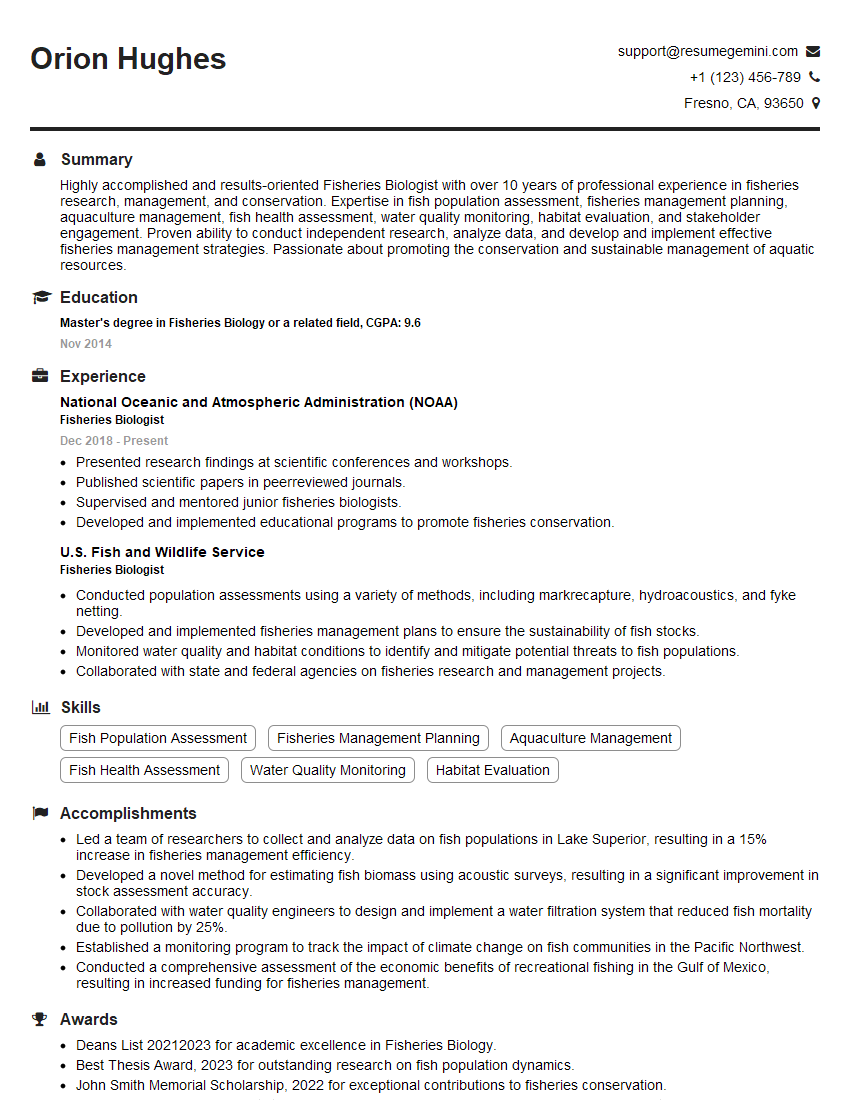
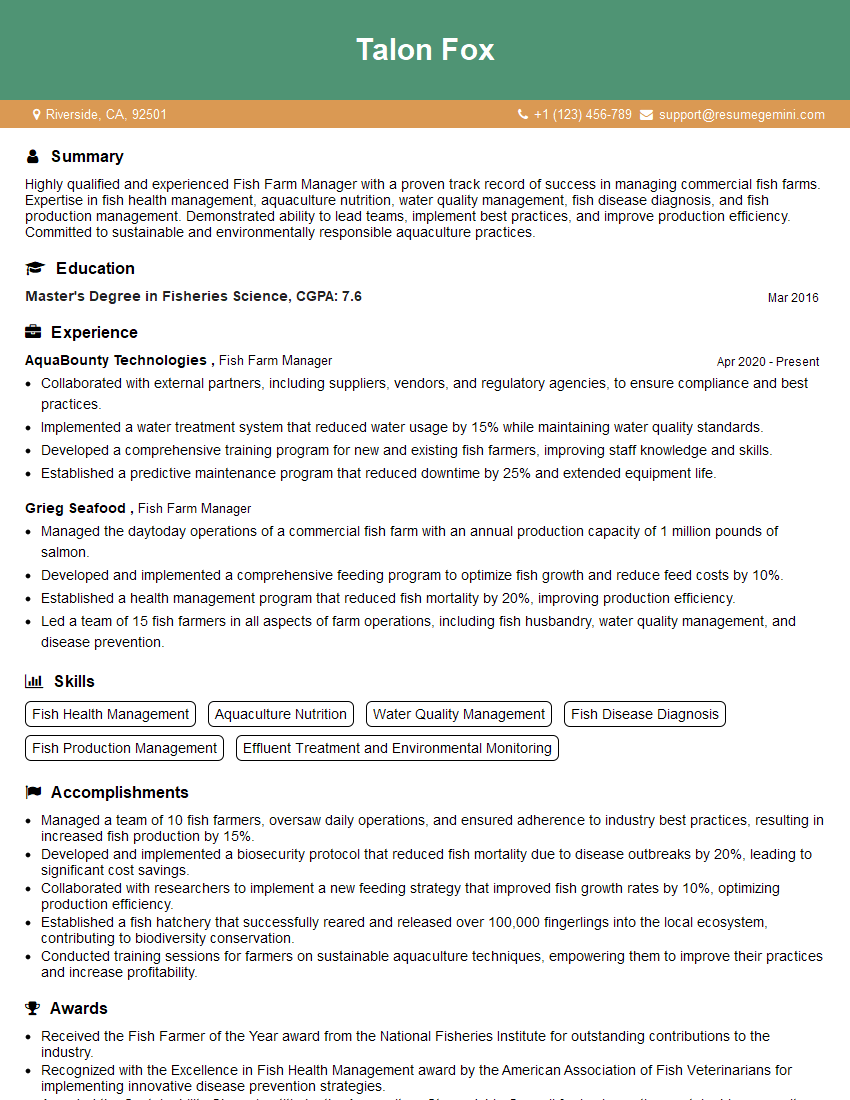
Mastering Aquaculture and Fish Farming opens doors to a rewarding career in a growing industry, offering opportunities for innovation and impactful contributions to global food security. To maximize your job prospects, it’s crucial to present your skills and experience effectively. Creating an ATS-friendly resume is key to ensuring your application gets noticed by recruiters. We highly recommend using ResumeGemini to build a professional and impactful resume. ResumeGemini offers a user-friendly platform and provides examples of resumes tailored to Aquaculture and Fish Farming, helping you craft a document that truly showcases your qualifications.
Explore more articles
Users Rating of Our Blogs
Share Your Experience
We value your feedback! Please rate our content and share your thoughts (optional).
What Readers Say About Our Blog
To the interviewgemini.com Webmaster.
Very helpful and content specific questions to help prepare me for my interview!
Thank you
To the interviewgemini.com Webmaster.
This was kind of a unique content I found around the specialized skills. Very helpful questions and good detailed answers.
Very Helpful blog, thank you Interviewgemini team.