Every successful interview starts with knowing what to expect. In this blog, we’ll take you through the top Asthma Action Plans interview questions, breaking them down with expert tips to help you deliver impactful answers. Step into your next interview fully prepared and ready to succeed.
Questions Asked in Asthma Action Plans Interview
Q 1. Define an Asthma Action Plan (AAP).
An Asthma Action Plan (AAP) is a personalized, written plan that outlines how to manage asthma symptoms and prevent asthma attacks. Think of it as a personalized guidebook for managing your asthma, outlining what to do when symptoms worsen, and what to do during an asthma attack. It’s crucial for self-management and empowers individuals to take control of their condition.
Q 2. What are the key components of a comprehensive AAP?
A comprehensive AAP includes several key components:
- Patient information: Name, age, contact information, allergies.
- Asthma triggers: Identifying common triggers like pollen, pets, dust mites, or exercise is vital for preventative measures.
- Current medications: This section lists all asthma medications, including inhalers (rescue and controller), dosages, and how to use them. For example, it might specify ‘Use 2 puffs of albuterol every 4 hours as needed for wheezing.’
- Monitoring tools: Instructions on how to use a peak flow meter (discussed later) to monitor lung function and track progress. This might include a personal best peak flow number.
- Action plan steps: This is the core of the plan. It details what actions to take at different symptom levels (green, yellow, red zones), ranging from increasing medication to seeking immediate medical attention.
- Emergency contact information: Details of doctors, emergency services, and family contacts to ensure quick access to help in an emergency.
- Follow-up plan: Scheduled check-ups with a healthcare provider to review the plan and adjust treatment as needed.
Q 3. Explain the difference between a peak flow meter and a spirometer.
Both peak flow meters and spirometers measure lung function, but they differ in their function and how they’re used. A peak flow meter measures the fastest rate of air you can exhale, providing a quick snapshot of your lung function. Think of it as a quick check of your lung strength. It’s particularly useful for identifying worsening asthma. A spirometer, on the other hand, provides a more comprehensive assessment of lung function, measuring various aspects of your breathing, such as forced vital capacity (FVC) and forced expiratory volume in one second (FEV1). Spirometric testing often needs to be performed in a medical setting and is used for more detailed diagnostics. Think of a spirometer as a more thorough lung function evaluation.
Q 4. How do you determine the appropriate medication dosages for an AAP?
Determining appropriate medication dosages for an AAP is a crucial step that requires a healthcare professional’s expertise. It’s not something that can be done independently. The dosage is determined by factors including:
- Asthma severity: Mild, moderate, or severe asthma requires different medication approaches.
- Age and weight: Medication dosages are often adjusted according to age and weight.
- Other medical conditions: The presence of other health problems can influence medication choices.
- Response to treatment: The effectiveness of current medications is assessed to optimize the plan.
A healthcare provider will consider all these factors to personalize the medication regimen and ensure the right balance of controller and rescue medications are prescribed.
Q 5. Describe the process of creating an individualized AAP for a patient.
Creating an individualized AAP involves a collaborative process between the patient, their family, and a healthcare provider. Here’s a step-by-step guide:
- Assessment: The healthcare provider assesses the patient’s asthma history, symptoms, triggers, and current medication use.
- Severity determination: Asthma severity is classified based on the assessment. This helps establish a baseline.
- Medication selection: The appropriate controller and rescue medications are chosen based on severity.
- Peak flow measurement: The patient is taught how to use a peak flow meter and establish a personal best peak flow.
- Zone definition: Green (well-controlled), yellow (caution), and red (emergency) zones are defined based on the patient’s peak flow readings and symptom levels.
- Action plan development: Steps for managing asthma in each zone (medication adjustments, when to seek medical attention) are clearly outlined.
- Education and training: The patient and family are thoroughly educated on how to use the plan, interpret peak flow readings, recognize symptom changes, and administer medications correctly.
- Follow-up: Regular check-ups are scheduled to monitor the effectiveness of the plan, adjust medications, and address any questions or concerns.
Q 6. What are the common triggers for asthma exacerbations?
Asthma exacerbations, or worsening of asthma symptoms, are often triggered by a combination of factors. Common triggers include:
- Allergens: Pollen, dust mites, pet dander, mold.
- Irritants: Smoke, air pollution, strong odors, chemical fumes.
- Respiratory infections: Viral infections like the common cold or flu.
- Exercise: In some individuals, vigorous physical activity can trigger asthma.
- Stress and emotions: Anxiety and stress can worsen asthma symptoms.
- Weather changes: Cold air, changes in humidity.
- Certain medications: Some medications like NSAIDs can trigger asthma in susceptible individuals.
It’s important to identify an individual’s specific triggers to effectively manage their asthma.
Q 7. How do you educate patients and their families about using an AAP effectively?
Educating patients and their families on effectively using an AAP is crucial for successful asthma management. This involves:
- Clear and concise explanations: Use simple language, avoiding medical jargon, and ensure they understand the plan’s purpose and structure.
- Demonstrations: Show patients how to use their inhalers, peak flow meter, and interpret the action plan’s zones.
- Written instructions: Provide written materials that reinforce the verbal instructions.
- Hands-on practice: Allow patients to practice using their inhalers and peak flow meter under supervision.
- Role-playing: Practice different scenarios to help them respond appropriately to varying symptom levels.
- Regular review: Regularly review the action plan with patients to answer questions and ensure understanding.
- Empowerment: Emphasize their role in managing their condition and the importance of self-monitoring.
Using visual aids, such as charts and diagrams, can greatly enhance understanding and retention.
Q 8. Explain the role of preventative medications in an AAP.
Preventative medications in an Asthma Action Plan (AAP) are crucial for controlling inflammation in the airways and preventing asthma attacks. They are not for relieving symptoms during an attack, but for stopping attacks from happening in the first place. Think of them as proactive measures, like regular maintenance on a car to prevent breakdowns. These medications are usually taken daily, even when symptoms are absent.
The most common preventative medication is an inhaled corticosteroid (ICS), such as fluticasone or budesonide. ICSs reduce inflammation in the airways, making them less sensitive to triggers. Some patients may also use long-acting beta-agonists (LABAs), like salmeterol or formoterol, which help relax the airways, often used in combination with ICSs. For patients with severe asthma, other preventative medications like leukotriene modifiers (e.g., montelukast) or biologics (e.g., omalizumab) may be prescribed. The choice of preventative medication and dosage depends on the severity of the asthma and the individual patient’s needs, as determined by their healthcare provider.
Q 9. How do you monitor a patient’s response to their AAP?
Monitoring a patient’s response to their AAP is an ongoing process that involves several key aspects. Regular communication with the patient is essential. We want to know if they are experiencing any side effects from their medications, how well their medications are controlling their symptoms, and if they’re able to manage their asthma triggers effectively. We also utilize objective measures to assess asthma control. This involves monitoring peak expiratory flow (PEF) readings using a peak flow meter, which measures how much air a patient can forcefully exhale in one breath. Frequent monitoring, such as daily PEF readings at home, allows for early detection of worsening asthma.
We also look at the patient’s symptoms. Are they experiencing nighttime awakenings due to coughing or wheezing? How frequently are they using their quick-relief medication? Regular visits to the doctor are crucial, allowing for assessment of lung function through spirometry, checking for any signs of inflammation, and adjusting the treatment plan as needed based on the ongoing monitoring data. This collaborative approach ensures the AAP remains effective in managing the patient’s asthma.
Q 10. What are the signs and symptoms of an asthma attack?
Asthma attacks, or exacerbations, are characterized by a worsening of respiratory symptoms. Signs and symptoms can vary from person to person and in severity. Common signs include:
- Wheezing: A whistling sound during breathing, often heard most clearly during exhalation.
- Coughing: Persistent cough, particularly at night or early morning.
- Shortness of breath: Difficulty breathing, feeling breathless or needing to take deep breaths.
- Chest tightness: A feeling of pressure or tightness in the chest.
- Increased breathlessness during activity: Exertion leads to significantly greater difficulty breathing.
In severe cases, a patient may exhibit blueish discoloration of the lips or fingertips (cyanosis), rapid pulse, sweating, and an inability to speak complete sentences. These are serious warning signs and require immediate medical attention.
Q 11. How do you manage an asthma exacerbation using the AAP?
Managing an asthma exacerbation using the AAP is a critical skill. The AAP outlines a step-wise approach to increase medication based on symptom severity. First, the patient should use their quick-relief inhaler (usually a short-acting beta-agonist like albuterol), as directed on the inhaler or by their doctor. They should take the medication every 20 minutes for an hour, or as instructed in their plan. If symptoms don’t improve or worsen, then they should move to the next step in their plan, which may involve increasing the dose of their quick-relief medication or taking additional prescribed medication.
The AAP is tailored to the individual patient, so the specific steps will vary. Some plans might recommend contacting their doctor or going to the emergency room if symptoms don’t improve after a certain amount of time or if symptoms reach a specific severity threshold. It’s crucial for patients to follow their AAP meticulously during an exacerbation to prevent the condition from worsening and requiring hospitalization.
Q 12. When should a patient seek immediate medical attention for asthma?
Patients should seek immediate medical attention for asthma if they experience any of the following:
- Rapid breathing or difficulty catching their breath
- A bluish tint to their lips or fingernails (cyanosis)
- Severe wheezing that doesn’t respond to rescue inhalers
- Inability to speak complete sentences due to shortness of breath
- Severe chest tightness or pain
- Feeling overwhelmingly anxious or restless
- Significant worsening of symptoms despite using their rescue inhaler as prescribed in their AAP
These symptoms may indicate a severe asthma attack requiring immediate medical intervention to prevent life-threatening complications. Delaying treatment in these scenarios can be dangerous.
Q 13. What are the potential side effects of common asthma medications?
Asthma medications, while highly effective, can have potential side effects. Inhaled corticosteroids (ICSs), the cornerstone of preventative treatment, may cause hoarseness, thrush (a fungal infection of the mouth), or sore throat. LABAs, when used alone, may increase the risk of asthma-related events, thus emphasizing the importance of combining them with ICSs. Quick-relief beta-agonists (SABAs) can cause tremor, palpitations, or anxiety in some individuals. Leukotriene modifiers can cause headache, nausea, or stomach upset. Biologics can have a wider range of side effects, depending on the specific drug. It’s crucial that patients report any concerning side effects to their physician. The doctor can then assess the risk-benefit ratio and potentially adjust the medication or dose to minimize the side effects while maintaining effective asthma control.
It’s worth noting that most side effects are mild and transient. The benefits of proper asthma management generally outweigh the risks associated with medication side effects.
Q 14. How do you address patient adherence to their AAP?
Addressing patient adherence to their AAP is critical for successful asthma management. Poor adherence can lead to increased hospitalizations and decreased quality of life. A multi-faceted approach is necessary. This includes:
- Education: Thoroughly explaining the importance of medication adherence, the purpose of each medication, and how to use inhalers correctly. Demonstrations and written instructions are invaluable.
- Shared decision-making: Involving the patient in the treatment plan development process increases buy-in and accountability. Understanding the rationale behind the treatment choices enhances adherence.
- Addressing barriers: Identifying and addressing barriers to adherence, such as cost, side effects, forgetting doses, or lack of understanding. Working with patients to overcome these challenges is crucial. This may involve exploring options like patient assistance programs or simplified dosing regimens.
- Monitoring and support: Regular follow-up appointments and monitoring help identify any problems early and provide adjustments to the treatment plan or support as needed. Involving family members or caregivers can also improve adherence.
- Technology: Utilizing technology such as medication reminders or inhaler tracking devices can improve adherence in many cases.
Open communication, building a strong therapeutic alliance, and providing ongoing support are central to improving patient adherence to their AAP.
Q 15. Describe your experience modifying an AAP based on patient response.
Modifying an Asthma Action Plan (AAP) based on patient response is a crucial aspect of personalized asthma management. It involves carefully reviewing the patient’s symptoms, medication effectiveness, and peak flow meter readings (if used) to determine if the current plan is adequately controlling their asthma. For instance, if a patient continues to experience nighttime awakenings despite using their rescue inhaler as prescribed, we might need to increase the dose or frequency of their controller medication or add a long-acting bronchodilator. Conversely, if a patient is consistently well-controlled and their peak flow readings remain consistently high, we might consider stepping down their medication to the lowest effective dose to minimize potential side effects.
Example: I recently worked with a young adult whose asthma was well-controlled with a low dose of inhaled corticosteroid. However, they began experiencing increased symptoms during their soccer season. By reviewing their daily peak flow readings and discussing their activity levels, we adjusted the AAP to temporarily increase their controller medication during periods of higher exertion. Once their season ended and symptoms lessened, we successfully titrated back their medication to the original low dose. This illustrates the dynamic nature of AAPs and the importance of regular assessment and adjustment.
Career Expert Tips:
- Ace those interviews! Prepare effectively by reviewing the Top 50 Most Common Interview Questions on ResumeGemini.
- Navigate your job search with confidence! Explore a wide range of Career Tips on ResumeGemini. Learn about common challenges and recommendations to overcome them.
- Craft the perfect resume! Master the Art of Resume Writing with ResumeGemini’s guide. Showcase your unique qualifications and achievements effectively.
- Don’t miss out on holiday savings! Build your dream resume with ResumeGemini’s ATS optimized templates.
Q 16. Explain the importance of regular follow-up appointments for asthma patients.
Regular follow-up appointments are essential for effective asthma management. These appointments allow for ongoing monitoring of the patient’s condition, ensuring the AAP remains appropriate and effective. They provide opportunities to:
- Assess symptom control: Discuss the frequency and severity of symptoms, including nighttime awakenings, wheezing, coughing, and shortness of breath.
- Review medication effectiveness: Evaluate the efficacy of current medications and identify any potential side effects.
- Adjust the AAP: Modify the plan as needed based on the patient’s response and progress.
- Address patient concerns: Provide education and support to empower patients to actively manage their asthma.
- Monitor lung function: Regular peak flow measurements and/or spirometry can help detect worsening asthma early.
- Promote adherence: Discuss any challenges in adhering to the medication regimen and work collaboratively to overcome them.
Without regular follow-up, subtle changes in asthma control could be missed, leading to potential exacerbations and hospitalizations. Think of it as preventative maintenance for a car – regular checkups help catch small problems before they become major ones.
Q 17. How do you document AAP interventions and patient progress?
Documentation of AAP interventions and patient progress is vital for continuity of care and for legal and insurance purposes. I utilize electronic health records (EHR) to meticulously document all aspects of asthma management. This includes:
- Baseline assessment: Initial assessment of asthma severity, symptoms, medication history, and allergies.
- AAP details: The specific components of the AAP, including medication dosages, peak flow target zones, and action steps for managing exacerbations.
- Follow-up assessments: Regular documentation of symptoms, medication adherence, peak flow readings, and any changes to the AAP.
- Patient education: Record of education provided on inhaler technique, medication management, and trigger avoidance.
- Patient goals: Documenting the patient’s own goals for asthma management allows for tracking of progress and improvement.
Example: If a patient reports increased wheezing, I will document the date, time, severity of wheezing, use of rescue inhaler, and any associated symptoms. I will then note any adjustments made to their AAP, such as increasing their rescue inhaler frequency or adding a short course of oral corticosteroids. This ensures a comprehensive record that can be readily accessed for future reference.
Q 18. How do you incorporate patient preferences and cultural considerations into the AAP?
Incorporating patient preferences and cultural considerations into the AAP is crucial for achieving optimal adherence and treatment success. This involves actively engaging patients in shared decision-making.
- Preferences: I ask about their daily routines, work schedules, and preferred methods of medication administration to ensure the AAP is practical and convenient. For example, some patients might prefer a once-daily inhaler over multiple daily doses.
- Cultural considerations: Cultural beliefs, health literacy levels, and access to healthcare resources can significantly influence asthma management. Understanding these factors is essential for tailoring the AAP to meet the patient’s unique needs. For instance, I might need to use visual aids or simplified language for patients with limited health literacy, or accommodate dietary restrictions for certain religious or cultural practices when recommending supplemental foods.
- Language barriers: If there’s a language barrier, I ensure a qualified interpreter is present during all consultations.
Example: A patient might express concerns about the side effects of corticosteroids. In this case, I would explain the benefits and risks of the medication, address their concerns thoroughly, and explore alternative strategies if necessary. This collaborative approach ensures the patient feels empowered and involved in their care.
Q 19. Describe your experience working with children and their families regarding asthma management.
Working with children and their families regarding asthma management requires a multifaceted approach that involves education, empowerment, and ongoing support. I utilize age-appropriate techniques and communication strategies to ensure both the child and their parents understand the condition and the AAP.
- Education: For younger children, I use simple language, visual aids, and interactive tools to explain asthma and its management. For older children and adolescents, I incorporate more detailed explanations and encourage their active participation in the decision-making process.
- Family involvement: Parents or guardians play a crucial role in managing a child’s asthma. I involve them in all aspects of the AAP development and implementation, including medication administration, symptom monitoring, and trigger avoidance strategies.
- School collaboration: I collaborate with school nurses and teachers to ensure the child’s asthma is effectively managed during school hours, including having a readily accessible AAP.
- Behavioral strategies: For young children, I may incorporate games or positive reinforcement to encourage adherence to medication and peak flow monitoring. For older children, we can explore self-management skills like recognizing their triggers and adjusting medication accordingly.
Example: I once worked with a family who were struggling to administer their child’s inhaler correctly. By demonstrating the proper technique, providing written and visual instructions, and offering regular practice sessions, we were able to ensure correct inhaler use, significantly improving their child’s asthma control.
Q 20. Explain your knowledge of different types of inhalers and their proper use.
Understanding different inhaler types and their proper use is fundamental to effective asthma management. Several types of inhalers exist, each with its own mechanism of action and administration technique.
- Metered-dose inhalers (MDIs): These deliver a measured dose of medication with each actuation. Proper use requires coordinating actuation with inhalation. A spacer can improve delivery, especially for children.
- Dry powder inhalers (DPIs): These deliver medication in a dry powder form, requiring a strong inhalation to activate the device. These are generally preferred over MDIs for patients who can generate sufficient inspiratory flow.
- Soft mist inhalers (SMIs): These are newer devices that deliver a fine mist of medication, making them easier to use for some patients. They offer a large particle size and are less dependent on breath coordination.
- Nebulizers: These devices aerosolize liquid medication, creating a mist inhaled via a facemask or mouthpiece. They are often used for patients who have difficulty using MDIs or DPIs, and generally provide more medication delivery.
Proper Use: Regardless of the inhaler type, proper technique is vital. Patients should always receive clear instructions on how to use their inhaler correctly. This typically includes demonstrating the right breathing technique, coordinating actuation with inhalation, and ensuring they rinse their mouth after using inhaled corticosteroids to prevent oral thrush.
Q 21. How do you differentiate between mild, moderate, and severe asthma?
Differentiating between mild, moderate, and severe asthma relies on assessing several factors, including symptom frequency and severity, lung function tests (spirometry or peak flow measurements), and the need for rescue medication. The Global Initiative for Asthma (GINA) guidelines provide a framework for this classification:
- Mild Asthma: Symptoms occur infrequently, usually less than twice a week. Lung function is generally normal between exacerbations. Rescue inhalers are needed infrequently, and controller medications may not be required depending on the individual case.
- Moderate Asthma: Symptoms occur more frequently, several times a week. Lung function may be somewhat reduced between exacerbations. Rescue inhalers are needed more frequently. Daily controller medication is usually required.
- Severe Asthma: Symptoms are frequent and severe, interfering with daily activities. Significant limitation in lung function is present. Regular use of high doses of controller medications and frequent use of rescue inhalers are often necessary. Exacerbations are frequent and may require hospitalizations.
It’s important to note that this classification is not static; a patient’s asthma severity can fluctuate over time, requiring adjustments to their management plan. Regular monitoring and assessment are key to ensuring appropriate treatment and preventing exacerbations.
Q 22. What are the long-term goals of an Asthma Action Plan?
The long-term goals of an Asthma Action Plan (AAP) are to maintain optimal asthma control, prevent exacerbations (severe asthma attacks), and improve the patient’s quality of life. This is achieved through several key strategies:
- Minimize symptoms: The AAP aims to keep symptoms like wheezing, coughing, and shortness of breath to a minimum.
- Prevent exacerbations: By following the plan, patients can reduce the frequency and severity of asthma attacks, avoiding hospitalizations or emergency room visits.
- Maintain normal lung function: Regular monitoring and adherence to the AAP help maintain healthy lung function, allowing patients to participate in daily activities without limitations.
- Reduce medication use: While medication is crucial, the goal is to use the lowest effective dose to control asthma and minimize side effects.
- Improve quality of life: By achieving the above goals, patients experience an improved quality of life, participating more fully in work, school, social activities, and exercise.
Think of an AAP as a personalized roadmap to better lung health. It’s not just about managing symptoms when they occur; it’s about proactively preventing them.
Q 23. How do you assess a patient’s understanding of their AAP?
Assessing a patient’s understanding of their AAP involves a multi-faceted approach. It’s not enough to simply hand them a plan; I need to ensure they truly grasp its contents and can apply it effectively. My assessment includes:
- Open-ended questions: I ask the patient to explain the plan in their own words, focusing on their understanding of the different zones (green, yellow, red), medication usage, and what to do in each scenario. For instance, I might ask, “Tell me what you would do if you woke up this morning with a cough and slight wheezing.”
- Demonstration and return demonstration: I demonstrate the correct use of inhalers and other devices and then ask the patient to demonstrate their understanding. This is crucial for ensuring proper technique.
- Scenario-based questions: I present hypothetical scenarios (e.g., a sudden worsening of symptoms during exercise) and ask how they would respond according to their AAP.
- Review of written materials: I assess their understanding by asking them to explain key elements from the written AAP, such as peak flow meter usage and trigger identification.
- Observation of adherence: Ongoing monitoring of adherence to the plan during follow-up appointments provides valuable information about their comprehension and ability to manage their condition.
If there are gaps in understanding, I provide additional education and support, tailoring my approach to their learning style and preferences.
Q 24. Describe your experience with using electronic health records (EHR) to manage AAPs.
Electronic health records (EHRs) have significantly streamlined my management of AAPs. I use the EHR to:
- Store and easily access AAPs: This eliminates the need for paper-based systems, making the plan readily available during appointments and emergencies.
- Track adherence: I can input data on medication usage, peak flow readings, and symptom tracking, providing a comprehensive view of the patient’s asthma control.
- Communicate with other healthcare providers: The EHR allows for seamless communication with specialists, such as pulmonologists, ensuring consistent care and coordinated management.
- Generate reports and summaries: EHRs can generate reports to track trends in asthma control, identify potential problems early, and facilitate more effective communication with patients.
- Reduce errors: EHRs reduce the risk of errors associated with manual record-keeping, improving accuracy and patient safety.
For example, I might use the EHR to automatically send patients reminders for their medication refills or schedule follow-up appointments based on their progress. The improved organization and accessibility facilitated by the EHR significantly improve the quality of care I can provide.
Q 25. How do you incorporate telehealth into asthma management and AAP delivery?
Telehealth has revolutionized asthma management, allowing me to provide convenient and effective care to patients remotely. I incorporate telehealth into AAP delivery by:
- Virtual consultations: I conduct virtual appointments to review AAPs, assess asthma control, and address any concerns patients may have. This eliminates the need for travel and saves time for both the patient and myself.
- Remote monitoring: Patients can use wearable devices or smartphone apps to track their peak flow readings and symptoms, which are automatically uploaded to the EHR. This provides real-time insights into their asthma control and allows for early intervention if needed.
- Video demonstrations: I can use video conferencing to demonstrate the correct use of inhalers and other devices, ensuring proper technique is followed.
- Educational resources: I can share educational videos and other resources with patients remotely, enhancing their understanding of their condition and AAP.
Telehealth allows for more frequent contact and proactive management, leading to improved asthma control and reducing the need for emergency room visits. It’s especially beneficial for patients in rural areas or those with limited mobility.
Q 26. What are the current evidence-based guidelines for asthma management?
Current evidence-based guidelines for asthma management, such as those from the Global Initiative for Asthma (GINA), emphasize a personalized approach based on the individual patient’s needs and characteristics. Key elements include:
- Assessment of asthma control: Regular assessment of symptom control, lung function (e.g., peak flow), and exacerbations is essential to determine the severity and guide treatment.
- Stepwise approach to treatment: Treatment starts with a low dose of medication and is gradually increased as needed to achieve optimal control.
- Inhaled corticosteroids as cornerstone of treatment: Inhaled corticosteroids are the most effective controller medication for most asthma patients.
- Regular monitoring and follow-up: Regular appointments with a healthcare provider are essential for monitoring asthma control and adjusting treatment as needed.
- Asthma action plan development and education: Patients need a personalized AAP and education on self-management techniques, including medication use, peak flow monitoring, and identifying triggers.
- Focus on patient education and self-management: Empowering patients to actively participate in managing their asthma is crucial for long-term success.
These guidelines are constantly updated based on the latest research and clinical evidence to ensure the most effective and up-to-date asthma care is provided.
Q 27. How do you address concerns or questions from patients and their families about the AAP?
Addressing patient and family concerns regarding the AAP is critical for ensuring adherence and achieving optimal asthma control. My approach involves:
- Active listening: I create a safe space where patients feel comfortable expressing their concerns and questions without judgment.
- Clear and concise explanations: I explain the AAP in simple, easy-to-understand terms, using analogies or examples whenever appropriate.
- Addressing misconceptions: I correct any misunderstandings about asthma, medication, or the AAP itself.
- Involving family members: I actively involve family members in the discussion, particularly for pediatric patients, as they play a crucial role in supporting the patient’s self-management efforts.
- Providing written and visual aids: I supplement verbal explanations with written materials, diagrams, and videos to improve understanding.
- Reassurance and support: I offer reassurance and support, emphasizing that managing asthma is a collaborative process, and I’m there to help them every step of the way.
If a concern is beyond my expertise, I promptly refer them to a specialist or other appropriate healthcare professional.
Q 28. Describe a situation where you had to adapt an AAP due to unforeseen circumstances.
I once had a patient, a young athlete, whose AAP needed adaptation due to unforeseen circumstances. He experienced a significant increase in asthma symptoms during intense training sessions, despite following his plan meticulously. His initial AAP was based on his typical activity levels.
After careful assessment, we identified that the intensity of his new training regimen was a previously unrecognized trigger. We adapted his AAP by:
- Adding a pre-exercise medication regimen: We added a short-acting beta-agonist (bronchodilator) to be used before intense training sessions to prevent exercise-induced bronchospasm.
- Adjusting the peak flow targets: We adjusted his peak flow zone thresholds to account for the increased respiratory demand during exercise.
- Enhancing education on self-monitoring: We emphasized the importance of monitoring his symptoms and peak flow closely during and after training, allowing for timely adjustments to his medication.
This adaptation allowed him to continue his training while effectively managing his asthma, highlighting the importance of flexibility and individualized adjustments in AAPs as a patient’s circumstances and needs evolve.
Key Topics to Learn for Asthma Action Plans Interview
- Understanding Asthma: A comprehensive grasp of asthma pathophysiology, triggers, and symptoms is fundamental. This includes understanding the different severities of asthma.
- Components of an Action Plan: Learn the essential elements of a well-structured action plan, including peak flow meter usage, medication schedules (rescue and controller medications), and recognizing warning signs of worsening asthma.
- Patient Education and Communication: Focus on the practical aspects of explaining an action plan to patients of varying ages and health literacy levels. This includes tailoring communication to individual needs and ensuring understanding.
- Medication Management: Develop a strong understanding of common asthma medications, their mechanisms of action, potential side effects, and appropriate dosages. Be prepared to discuss medication adherence strategies.
- Monitoring and Adjustment: Master the process of monitoring a patient’s response to their action plan, identifying when adjustments are necessary, and making appropriate modifications based on clinical data.
- Asthma Exacerbation Management: Understand the signs and symptoms of an asthma exacerbation, and the steps to take to manage it effectively, including recognizing when emergency intervention is required.
- Prevention and Risk Reduction: Discuss strategies for preventing asthma exacerbations, including environmental control measures, identifying and avoiding triggers, and promoting healthy lifestyle choices.
- Legal and Ethical Considerations: Familiarize yourself with relevant legal and ethical guidelines concerning patient confidentiality and informed consent in the context of asthma management.
Next Steps
Mastering Asthma Action Plans demonstrates a crucial skillset highly valued in healthcare settings. A strong understanding of this area significantly enhances your candidacy and opens doors to exciting career opportunities. To maximize your job prospects, creating an ATS-friendly resume is vital. ResumeGemini is a trusted resource to help you build a professional and effective resume that highlights your expertise. Examples of resumes tailored to Asthma Action Plans are available to guide you. Invest time in crafting a compelling resume; it’s your first impression on potential employers.
Healthcare Administrator Resume Sample
Clinical Research Coordinator Resume Sample
Case Manager Resume Sample
Nurse Practitioner Resume Sample
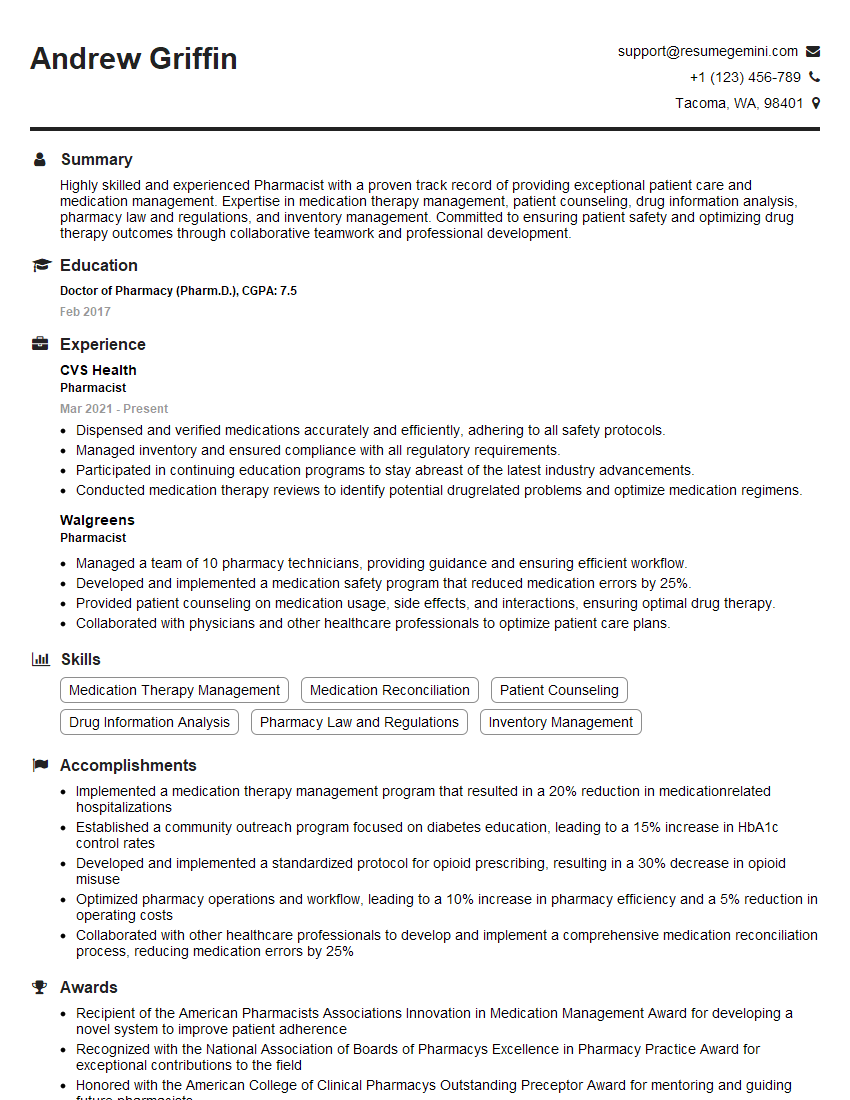
Pharmacist Resume Sample

Physician Assistant Resume Sample
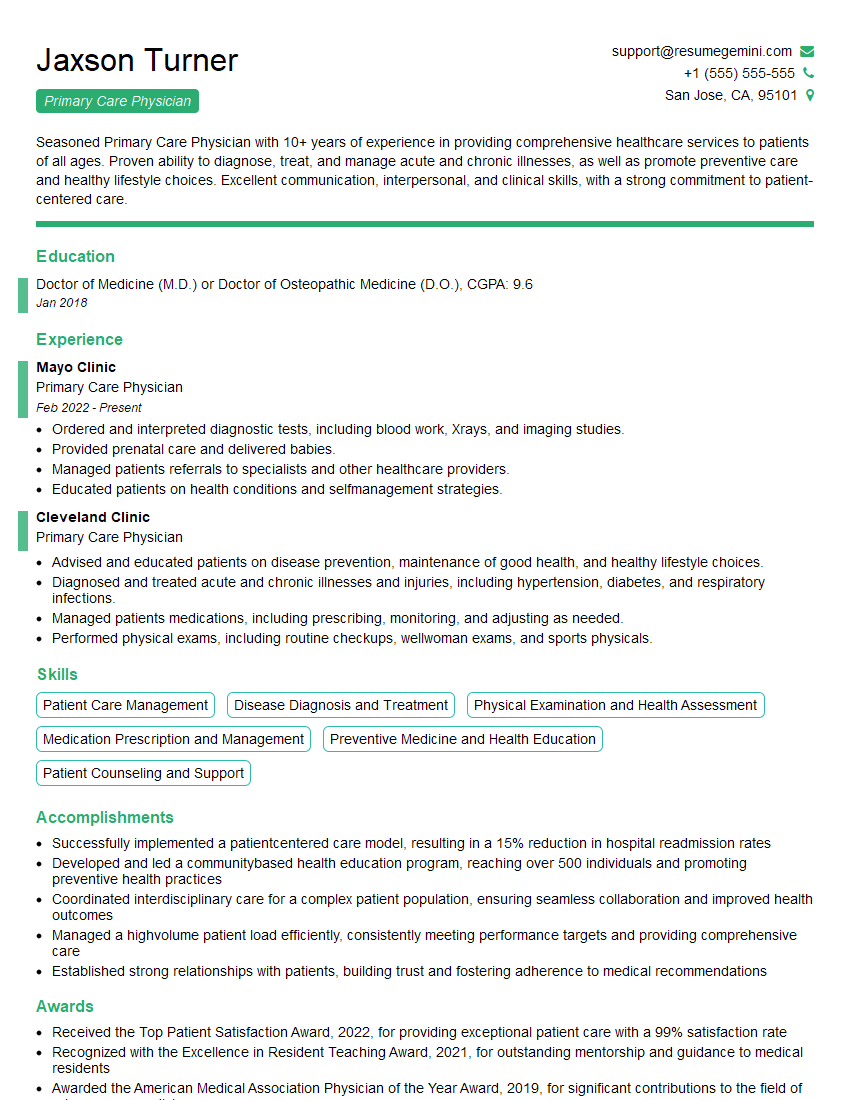
Primary Care Physician Resume Sample
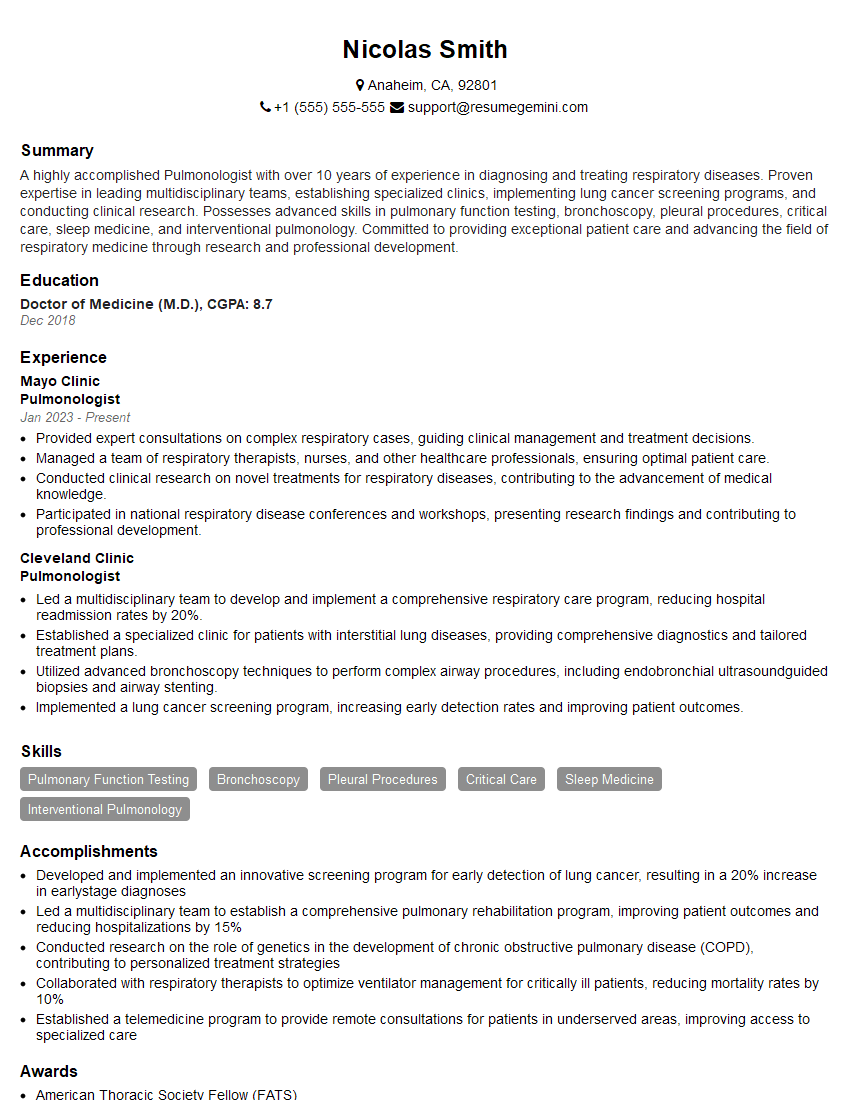
Pulmonologist Resume Sample
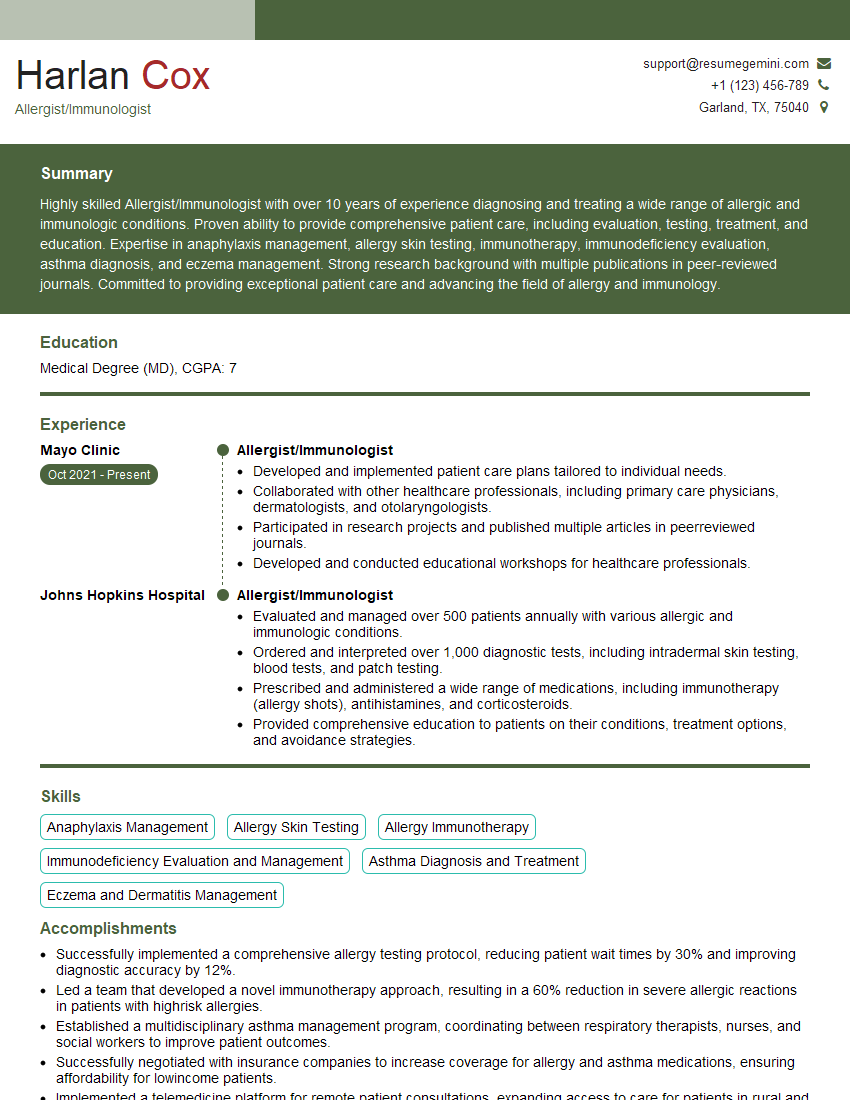
Allergist/Immunologist Resume Sample
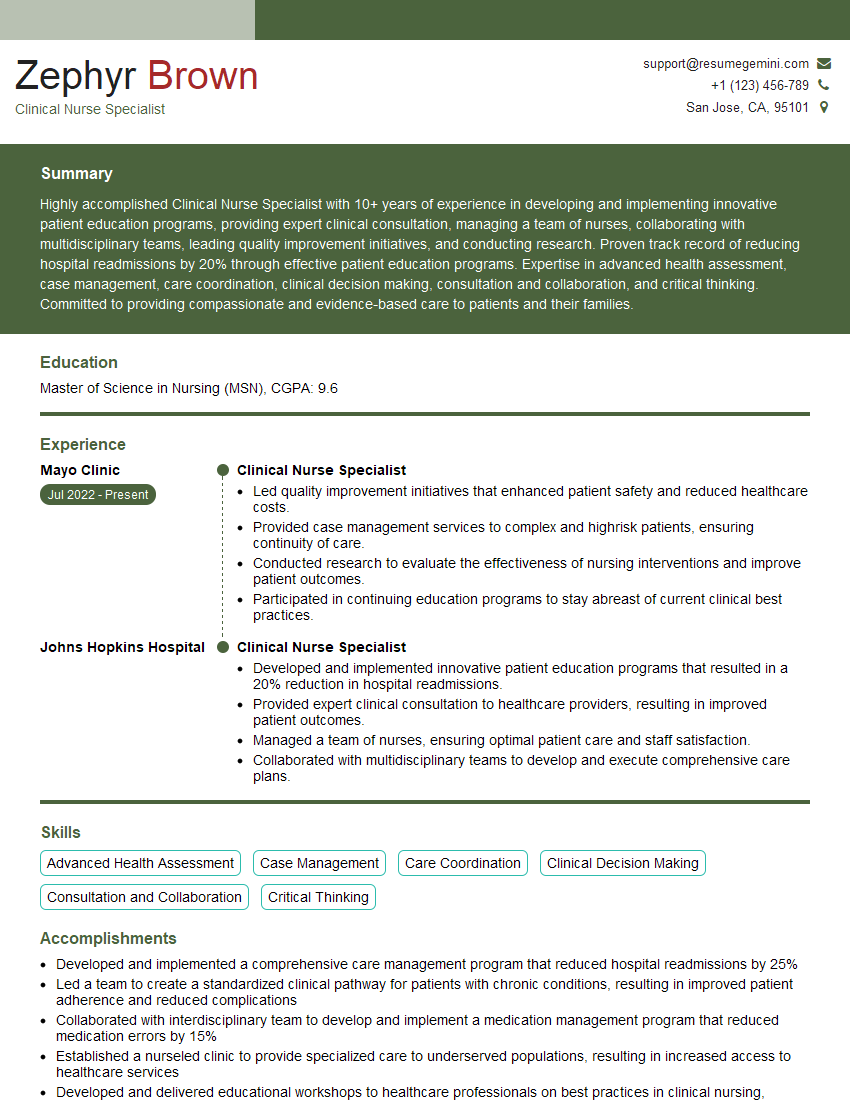
Clinical Nurse Specialist Resume Sample
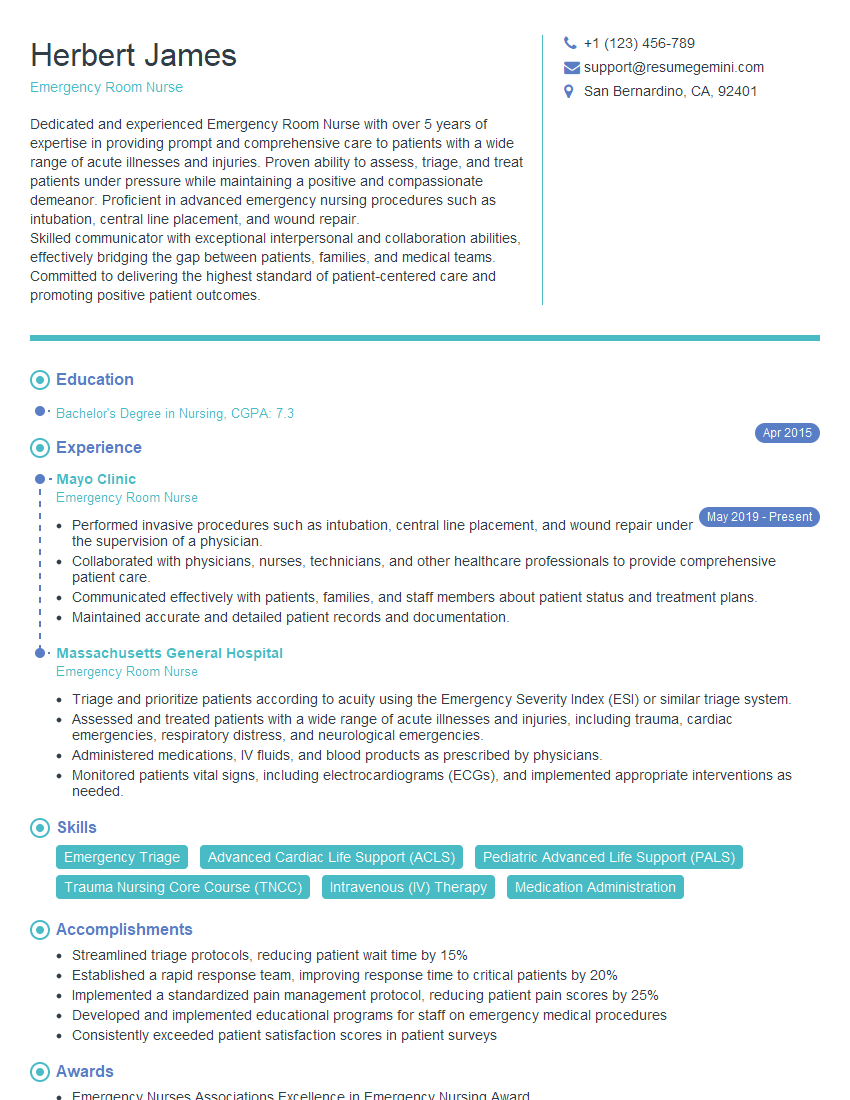
Emergency Room Nurse Resume Sample
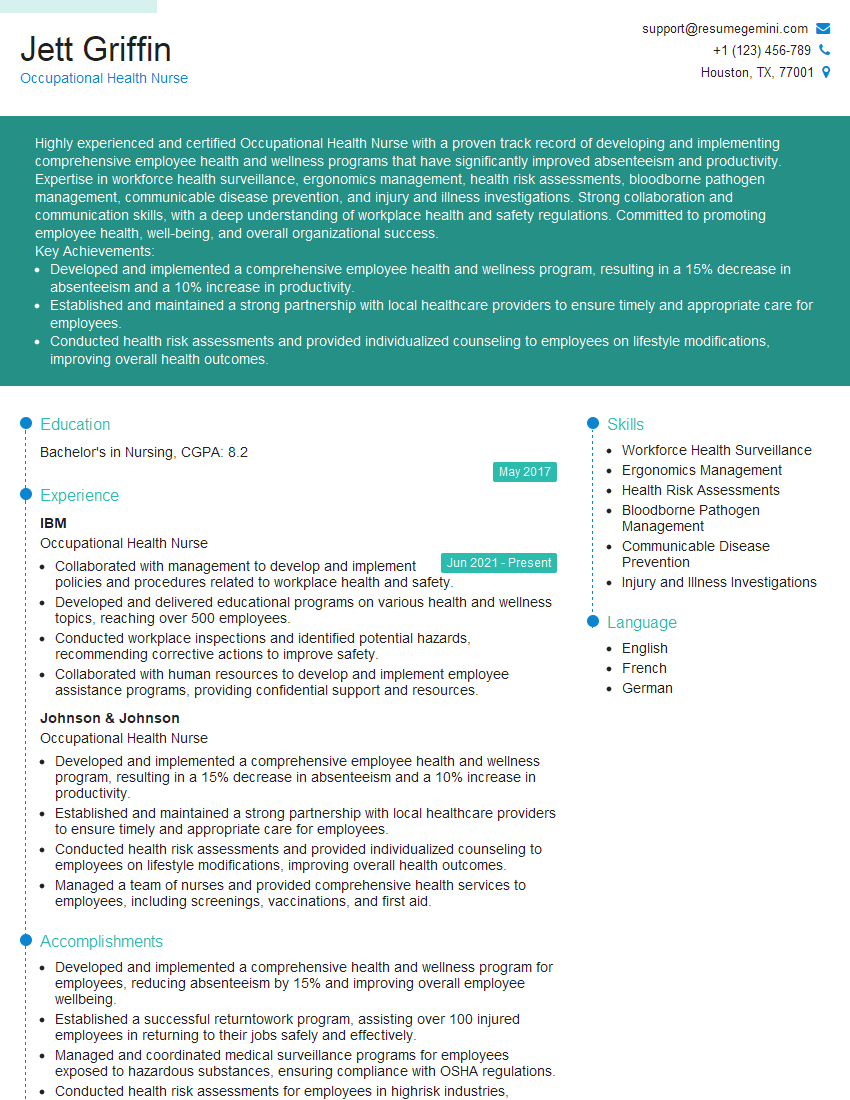
Occupational Health Nurse Resume Sample
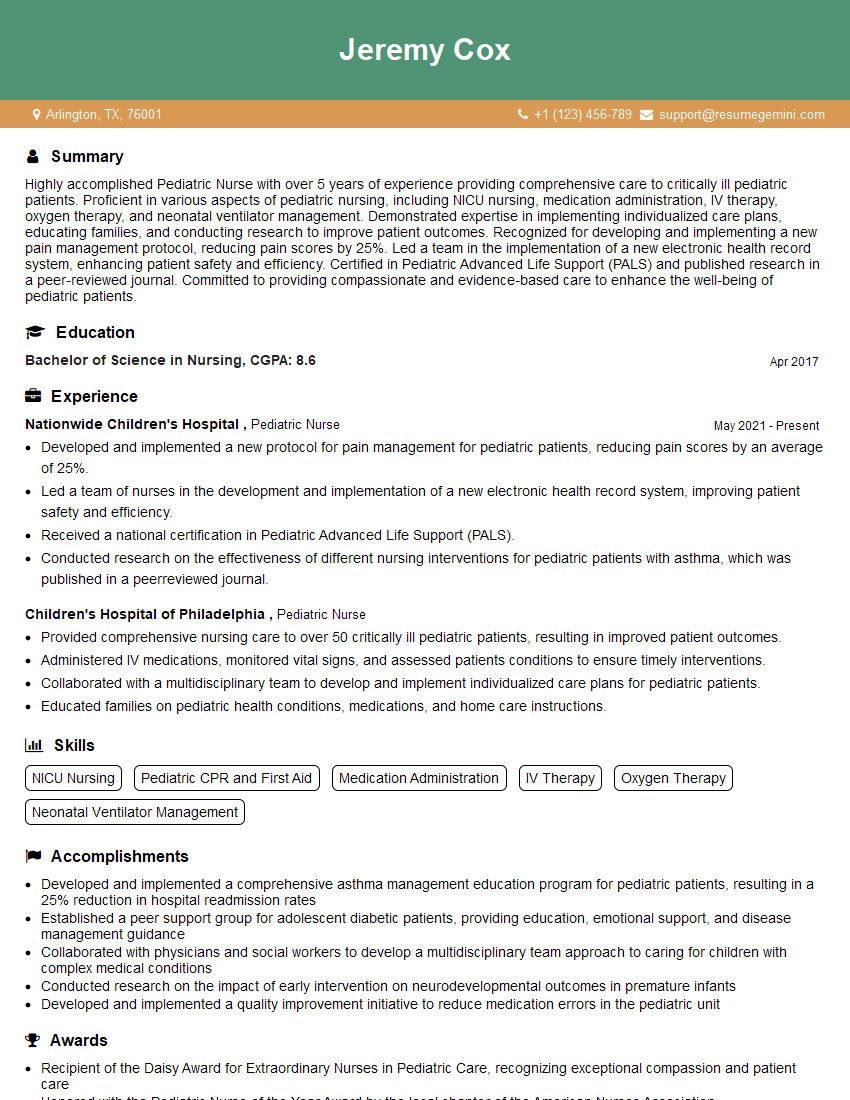
Pediatric Nurse Resume Sample
Registered Nurse (RN) Resume Sample

School Nurse Resume Sample
Critical Care Nurse Resume Sample
Respiratory Technician Resume Sample
Medical Biller Resume Sample
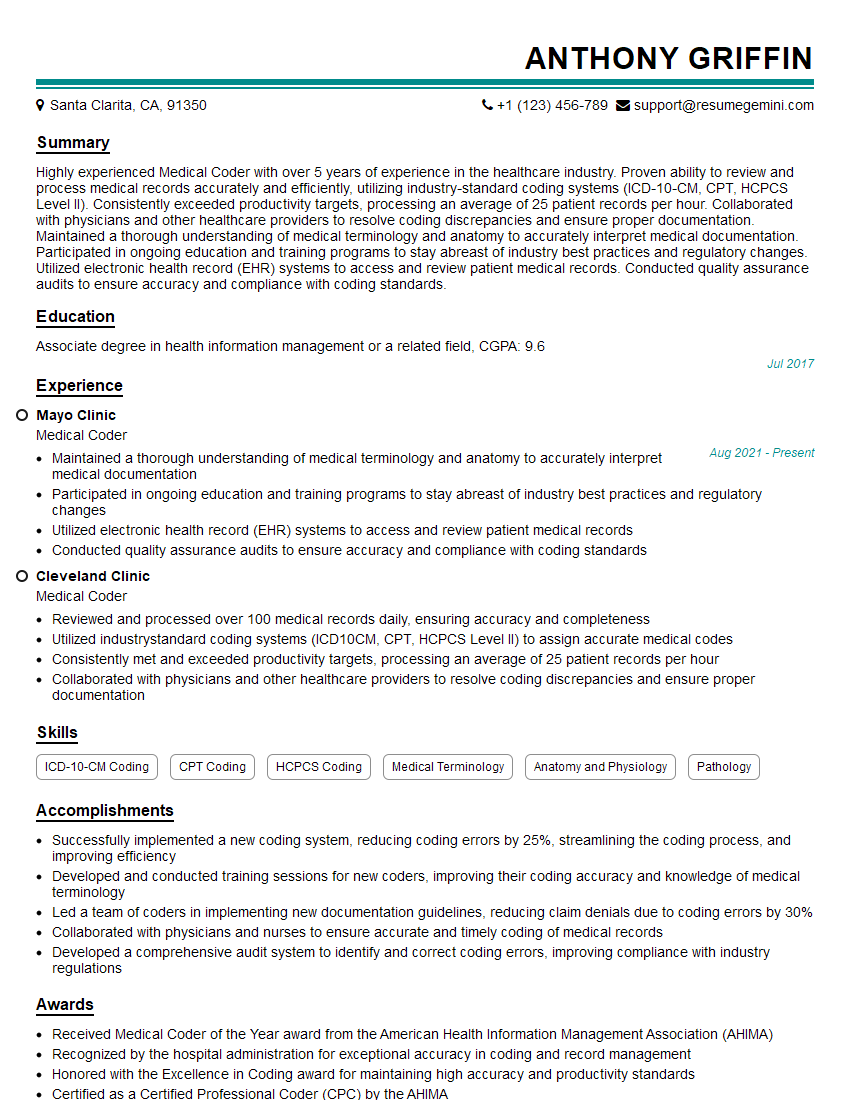
Medical Coder Resume Sample
- Healthcare Administrator
- Clinical Research Coordinator
- Case Manager
- Nurse Practitioner
- Pharmacist
- Physician Assistant
- Primary Care Physician
- Pulmonologist
- Allergist/Immunologist
- Clinical Nurse Specialist
- Emergency Room Nurse
- Occupational Health Nurse
- Pediatric Nurse
- Registered Nurse (RN)
- School Nurse
- Critical Care Nurse
- Respiratory Technician
- Medical Biller
- Medical Coder
Explore more articles
Users Rating of Our Blogs
Share Your Experience
We value your feedback! Please rate our content and share your thoughts (optional).
What Readers Say About Our Blog
To the interviewgemini.com Webmaster.
Very helpful and content specific questions to help prepare me for my interview!
Thank you
To the interviewgemini.com Webmaster.
This was kind of a unique content I found around the specialized skills. Very helpful questions and good detailed answers.
Very Helpful blog, thank you Interviewgemini team.