Cracking a skill-specific interview, like one for Balloon Dilatation, requires understanding the nuances of the role. In this blog, we present the questions you’re most likely to encounter, along with insights into how to answer them effectively. Let’s ensure you’re ready to make a strong impression.
Questions Asked in Balloon Dilatation Interview
Q 1. Describe the mechanism of balloon dilatation.
Balloon dilatation, also known as balloon angioplasty, is a minimally invasive procedure used to widen narrowed or blocked blood vessels. Imagine a water pipe becoming clogged; balloon dilatation is like inserting a tiny balloon into the pipe, inflating it to push the blockage aside and restore the flow of water. The mechanism involves inserting a catheter (a thin, flexible tube) into a blood vessel, usually through an artery in the groin, and guiding it to the narrowed area. A small balloon is located at the tip of the catheter. Once positioned, the balloon is inflated, expanding the vessel and improving blood flow. The balloon is then deflated and withdrawn.
The pressure exerted by the inflated balloon compresses the plaque (the buildup of cholesterol and other substances that cause the narrowing) against the vessel wall, effectively widening the lumen (the inside space of the blood vessel). This increase in lumen diameter improves blood flow and reduces symptoms related to the blockage.
Q 2. Explain the differences between balloon angioplasty and stenting.
Both balloon angioplasty and stenting are interventional cardiology procedures aimed at opening blocked or narrowed arteries, but they differ in their approach and long-term effects. Balloon angioplasty, as explained above, uses only a balloon to widen the vessel. This is often sufficient for less severe blockages or as a preliminary step before stenting. However, the vessel may recoil (narrow again) after the procedure. Stenting, on the other hand, involves placing a small metal mesh tube (the stent) inside the artery after balloon dilatation. The stent acts as a scaffold, keeping the artery open and preventing it from reclosing. Think of it as a tiny spring keeping the pipe permanently open.
In short: Balloon angioplasty is simpler and less invasive but may have a higher rate of restenosis (re-narrowing), while stenting is more complex but offers greater long-term patency (keeping the vessel open).
Q 3. What are the indications for balloon dilatation?
Balloon dilatation is indicated for a variety of conditions that cause narrowing or blockage of blood vessels, most commonly in the coronary arteries (heart) and peripheral arteries (legs and arms). Specific indications include:
- Stable angina (chest pain due to reduced blood flow to the heart)
- Unstable angina (chest pain at rest or with minimal exertion)
- Acute myocardial infarction (heart attack)
- Peripheral artery disease (PAD), causing leg pain or claudication
- Renal artery stenosis (narrowing of the arteries supplying the kidneys)
- Certain types of congenital heart defects
The decision to use balloon dilatation is made based on the severity of the blockage, the patient’s overall health, and other factors considered by the cardiologist.
Q 4. What are the contraindications for balloon dilatation?
Contraindications to balloon dilatation are situations where the procedure carries a high risk of complications. These include:
- Severe bleeding disorders
- Uncontrolled hypertension (high blood pressure)
- Severe infection at the access site
- Severe heart failure
- Uncorrectable electrolyte imbalances
- Severe peripheral vascular disease (in the case of peripheral artery interventions)
- Inability to reach the lesion with the catheter due to anatomical limitations
A thorough assessment of the patient’s medical history and current condition is crucial in determining the suitability of the procedure.
Q 5. Explain the pre-procedural preparations for balloon dilatation.
Pre-procedural preparations for balloon dilatation are critical for patient safety and procedural success. They typically involve:
- Complete medical history and physical examination: This includes a review of medications, allergies, and any prior medical conditions.
- Blood tests: To assess clotting function, kidney function, and other relevant parameters.
- Electrocardiogram (ECG): To evaluate heart rhythm and identify any abnormalities.
- Imaging studies: Coronary angiography is usually performed to visualize the arteries and identify the precise location and severity of the blockage. Other imaging may be used depending on the location of the blockage (e.g., peripheral angiography for leg arteries).
- NPO status: The patient is required to be nil by mouth (NPO) for several hours before the procedure to reduce the risk of aspiration (inhalation of stomach contents into the lungs during anesthesia).
- Anticoagulation management: Medication adjustments may be necessary to ensure appropriate blood clotting.
Q 6. Describe the post-procedural care for balloon dilatation.
Post-procedural care for balloon dilatation focuses on monitoring the patient for complications and ensuring a smooth recovery. This involves:
- Monitoring vital signs: Close observation of blood pressure, heart rate, and rhythm.
- Assessment of the access site: Checking for bleeding or hematoma formation at the site where the catheter was inserted.
- Pain management: Providing analgesics (pain relievers) as needed.
- Medication management: Administering medications to prevent blood clots (antiplatelet agents) and manage any other medical conditions.
- Early ambulation: Encouraging the patient to get out of bed and move around as soon as possible to reduce the risk of complications like deep vein thrombosis.
- Discharge planning: Providing instructions on wound care, medication regimen, activity limitations, and follow-up appointments.
Q 7. What are the potential complications of balloon dilatation?
While balloon dilatation is generally safe and effective, potential complications can occur. These include:
- Bleeding or hematoma at the access site: This can be managed with pressure dressings or occasionally surgical intervention.
- Thrombosis (blood clot formation): This can be prevented with appropriate antiplatelet or anticoagulant medication.
- Restenosis (re-narrowing of the artery): This is more common after balloon angioplasty alone and may require further intervention (e.g., stenting).
- Arterial dissection (tear in the artery wall): This is a serious complication that requires immediate attention.
- Perforation (hole in the artery wall): This requires emergency surgical repair.
- Stroke (in cerebral artery procedures): Risk is minimized by careful technique and close monitoring.
- Kidney damage (due to contrast dye used during the procedure): This risk is minimized by proper hydration and renal function monitoring.
The likelihood of complications varies depending on factors such as the patient’s overall health, the location and severity of the blockage, and the skill of the interventional cardiologist.
Q 8. How do you select the appropriate size and type of balloon catheter?
Selecting the appropriate balloon catheter size and type is crucial for successful balloon dilatation. It’s like choosing the right-sized wrench for a bolt – too small, and it won’t work; too big, and you risk damage. The selection process considers several factors:
- Target vessel size: Pre-procedural imaging (angiography) is essential to accurately measure the diameter and length of the stenosis (narrowing) to be dilated. The balloon diameter should slightly over-expand the narrowed segment, generally aiming for a 1.5 to 2.0 mm oversizing.
- Lesion characteristics: The nature of the stenosis influences balloon choice. Calcified lesions may require specialized balloons designed to overcome resistance, while soft, pliable lesions might need a more compliant balloon. Long lesions may require a longer balloon, while tortuous vessels may benefit from a more steerable catheter.
- Balloon material and design: Different balloons are constructed from various materials (e.g., polyurethane, nylon) with different compliance characteristics. Some balloons are designed with specific features like low-profile tips or specialized coatings to improve deliverability and reduce trauma.
- Patient factors: Patient-specific considerations, such as vessel fragility or history of prior interventions, must be factored into the decision-making process.
For instance, a patient with a calcified coronary artery stenosis might require a cutting balloon or a non-compliant balloon, while a patient with a relatively soft stenosis in a peripheral artery might be treated with a compliant balloon.
Q 9. Explain the technique for performing balloon dilatation.
Performing balloon dilatation is a precise procedure requiring careful technique. Think of it as gently inflating a tiny balloon inside a narrow tube to widen it. The steps are as follows:
- Catheter insertion and advancement: The selected balloon catheter is advanced over a guidewire into the target vessel under fluoroscopic guidance.
- Balloon positioning: The balloon is carefully positioned across the stenosis, ensuring complete coverage of the narrowed segment.
- Inflation: The balloon is inflated to the predetermined pressure and held for a specified duration (typically 30-60 seconds). The pressure is monitored closely to avoid rupture or over-distension. This is a critical step and precise inflation pressure should be determined based on the balloon and lesion characteristics.
- Balloon deflation and withdrawal: After the inflation time has elapsed, the balloon is carefully deflated and withdrawn under fluoroscopic guidance.
- Post-dilation assessment: Angiography is repeated to assess the result and determine if additional dilatation is required. Often, a second balloon will be used to ensure the result.
Throughout the procedure, hemodynamic parameters (blood pressure, heart rate) are closely monitored. The entire process requires meticulous attention to detail and precise manipulation of instruments.
Q 10. How do you manage complications during balloon dilatation (e.g., dissection, perforation)?
Complications during balloon dilatation, such as dissection (tear in the vessel wall) or perforation (hole in the vessel wall), are serious but manageable. Immediate response is key.
- Dissection: If dissection occurs, immediate reduction of inflation pressure is critical. Further balloon inflation should be avoided. The approach may involve changing to a smaller balloon or using a different technique (e.g., rotational atherectomy). In some cases, stent placement might be required to stabilize the vessel.
- Perforation: Perforation is a more serious event requiring immediate cessation of inflation. Hemostasis (stopping the bleeding) is the priority. This might involve manual compression, or in some cases, surgical intervention could be necessary. Sometimes, embolization (blocking off the bleeding vessel) using coils or other materials might be considered.
- Other Complications: Other potential complications including vasospasm (narrowing of blood vessels), thrombosis (blood clot formation), or distal embolization (dislodging plaque and it traveling to other parts of the body). These complications may necessitate specific medication, procedures, or device implantation to manage the respective complications.
The management of complications will vary depending on the severity and location of the complication; close monitoring of vital signs and repeated angiographic imaging are essential in guiding treatment decisions. Rapid diagnosis and effective decision-making are crucial for a positive outcome.
Q 11. What are the imaging modalities used during and after balloon dilatation?
Imaging plays a vital role throughout the balloon dilatation procedure and in post-procedure assessment. Fluoroscopy is the primary imaging modality used during the procedure. This provides real-time visualization of the catheter and balloon placement and allows the physician to guide the catheter and monitor the procedure.
- Fluoroscopy (during): Real-time X-ray imaging used to guide catheter placement, balloon inflation, and assessment of the procedure’s effectiveness.
- Angiography (during & after): Provides detailed images of blood vessels, allowing for assessment of the stenosis before and after dilatation.
- Intravascular Ultrasound (IVUS) (during): Allows for a more detailed visualization of the vessel wall and plaque, providing information on lesion characteristics and the effectiveness of dilatation.
- Optical Coherence Tomography (OCT) (during): Provides a higher-resolution image of the vessel wall and plaque compared to IVUS, useful for assessing treatment outcomes.
Post-procedure, follow-up angiography confirms the success of the intervention and helps to identify any potential complications. Other imaging techniques, such as computed tomography (CT) or magnetic resonance imaging (MRI) might be used in specific cases.
Q 12. Describe the role of anticoagulation and antiplatelet therapy in balloon dilatation.
Anticoagulation and antiplatelet therapy play a crucial role in preventing complications following balloon dilatation by preventing blood clots, the major cause of acute arterial occlusion after the procedure. The specific regimen depends on several factors, including the procedure’s location and complexity, patient-specific risk factors, and previous medication use.
- Anticoagulation: Medications like heparin or bivalirudin are often administered during the procedure to prevent intraprocedural thrombosis. They may be continued post-procedure if necessary, depending on clinical judgment.
- Antiplatelet therapy: Aspirin is usually prescribed before and after balloon dilatation to inhibit platelet aggregation and prevent clot formation at the site of the intervention. Other antiplatelet agents like clopidogrel, ticagrelor, or prasugrel might be added, depending on the clinical situation. The duration of antiplatelet therapy varies depending on the risk of recurrent events.
The goal is to strike a balance between preventing thrombosis and minimizing the risk of bleeding. Careful patient selection and meticulous monitoring of bleeding risk factors are paramount. For example, a patient with a high bleeding risk might receive a less intensive antithrombotic regimen.
Q 13. How do you assess the success of a balloon dilatation procedure?
Assessing the success of balloon dilatation involves a multi-faceted approach, combining immediate post-procedure imaging findings with clinical outcomes and patient response.
- Immediate angiographic results: Post-dilatation angiography provides visual confirmation of the reduction in stenosis. The residual stenosis is quantified and compared to the pre-dilatation stenosis. A significant reduction in stenosis diameter and improved blood flow are considered favorable outcomes.
- Clinical assessment: The patient’s clinical symptoms, such as chest pain (in coronary interventions) or claudication (in peripheral interventions), are monitored for improvement. Relief of symptoms is an important indicator of success.
- Imaging follow-up: Follow-up imaging (e.g., angiography, IVUS, OCT) may be performed to assess long-term patency (continued openness) of the treated vessel and to identify any late complications.
Quantitative measures such as the percentage stenosis reduction, minimum lumen diameter, and flow improvement are often used to assess the procedural success and long-term outcome. For instance, a successful balloon angioplasty would be indicated by significant reduction in percentage stenosis of the vessel after procedure.
Q 14. What are the long-term outcomes of balloon dilatation?
Long-term outcomes of balloon dilatation vary depending on several factors, including the location and severity of the stenosis, the patient’s overall health, and the presence of other risk factors (e.g., diabetes, smoking).
- Restenosis: One of the most significant long-term challenges is the potential for restenosis (renarrowing of the treated vessel) due to intimal hyperplasia (overgrowth of cells in the vessel wall). The risk of restenosis varies depending on the location and type of lesion, and the use of adjunctive therapies such as stents can significantly reduce this risk.
- Target vessel revascularization (TVR): If restenosis occurs, further intervention might be necessary, such as repeat balloon dilatation or stent placement, indicating target vessel revascularization (TVR). The incidence of TVR varies depending on the location, and severity of the disease.
- Mortality and morbidity: Mortality and morbidity rates are relatively low for balloon dilatation procedures in most experienced centers, but they can be influenced by the procedure’s location, and the patient’s overall health. Patients with comorbidities may have higher rates of complications.
Regular follow-up appointments, including imaging and clinical assessments, are important for monitoring long-term outcomes and managing any complications. Lifestyle modifications, such as smoking cessation, diet changes, and exercise, can also contribute to improving long-term outcomes.
Q 15. How do you counsel patients about the risks and benefits of balloon dilatation?
Counseling patients about balloon dilatation involves a careful balance of informing them about the potential benefits while acknowledging the inherent risks. I begin by explaining the procedure in simple terms, using analogies they can understand. For instance, I might compare a narrowed artery to a clogged water pipe, and the balloon to a plumber’s tool clearing the blockage.
Regarding benefits, I emphasize the potential for improved blood flow, reduced chest pain (angina), increased exercise tolerance, and improved overall quality of life. I use real-life examples from past patients, always maintaining confidentiality, to illustrate these positive outcomes. I might say something like, “Many of my patients have reported a significant reduction in their angina after this procedure, allowing them to return to activities they love.”
Next, I discuss the potential risks, which include bleeding, bruising at the puncture site, allergic reactions to contrast dye, damage to the artery during dilatation, heart attack, stroke, or even death – although these are rare. It’s crucial to present these risks honestly but without inducing undue fear. I explain the likelihood of each complication and discuss steps taken to minimize risk, such as using smaller catheters, careful monitoring, and employing experienced personnel. Finally, I answer all their questions thoroughly and openly, ensuring they feel comfortable and empowered to make informed decisions about their treatment.
Career Expert Tips:
- Ace those interviews! Prepare effectively by reviewing the Top 50 Most Common Interview Questions on ResumeGemini.
- Navigate your job search with confidence! Explore a wide range of Career Tips on ResumeGemini. Learn about common challenges and recommendations to overcome them.
- Craft the perfect resume! Master the Art of Resume Writing with ResumeGemini’s guide. Showcase your unique qualifications and achievements effectively.
- Don’t miss out on holiday savings! Build your dream resume with ResumeGemini’s ATS optimized templates.
Q 16. What are the different types of balloons used in dilatation?
Various types of balloons are used in dilatation, each with specific characteristics tailored to different clinical needs. They are primarily categorized by their material, size, and shape.
- Material: Common materials include polyvinyl chloride (PVC), polyurethane, and more recently, biocompatible polymers designed to minimize inflammation and thrombus formation. The material choice impacts the balloon’s flexibility, durability, and biocompatibility.
- Size: Balloons are specified by their diameter (in millimeters) and length (in centimeters). The size selected depends on the severity and location of the stenosis (narrowing). A physician will choose a balloon slightly larger than the area of stenosis to effectively dilate it.
- Shape: While most are cylindrical, specialized balloons like non-compliant balloons (maintain a consistent diameter during inflation) and scoring balloons (create micro-tears in the vessel wall, promoting improved dilation and restenosis prevention) are used for specific situations. For example, a non-compliant balloon might be preferred in a very stiff or calcified artery to ensure consistent expansion.
Q 17. Compare and contrast balloon angioplasty with other revascularization techniques.
Balloon angioplasty is a percutaneous intervention (PCI), meaning it’s done through a small puncture in the skin, usually in the groin. It’s a minimally invasive approach to revascularize a blocked artery, restoring blood flow. Let’s compare it to other techniques:
- Compared to Coronary Artery Bypass Grafting (CABG): CABG is open-heart surgery where a healthy blood vessel is grafted around a blocked coronary artery. CABG is generally more invasive but may be preferred for extensive disease or situations where PCI is not feasible. It has a higher risk profile but also may offer more long-term benefit in certain circumstances.
- Compared to Stenting: Balloon angioplasty is often followed by stenting. A stent is a small metal mesh tube placed inside the artery to keep it open after dilatation. While balloon angioplasty can improve blood flow temporarily, placing a stent significantly reduces restenosis (re-narrowing of the artery). Therefore, it is common to deploy a stent immediately following angioplasty to reduce the likelihood of recurrence.
- Compared to Thrombolytic Therapy: Thrombolytic therapy uses medications to dissolve blood clots that are blocking arteries. This is usually reserved for acute events like heart attacks, whereas balloon angioplasty is more appropriate for chronic blockages.
The choice of revascularization technique depends on several factors, including the location and severity of the blockage, the patient’s overall health, and the availability of resources.
Q 18. Discuss the use of pressure monitoring during balloon dilatation.
Pressure monitoring during balloon dilatation is crucial for ensuring the procedure’s safety and effectiveness. A pressure monitoring system is typically connected to the balloon catheter. This system allows the physician to precisely control and monitor the inflation pressure.
Accurate pressure monitoring prevents over-inflation, which can lead to arterial rupture or dissection (a tear in the artery wall). It also helps determine the appropriate pressure to achieve adequate dilatation. Monitoring is done in real-time, and any anomalies will guide the physician to make necessary adjustments to the technique and the inflation pressure. The readings obtained are directly correlated to the successful dilatation of the artery and subsequent blood flow improvements.
Furthermore, pressure monitoring informs the physician about the vessel’s compliance (how easily it stretches). A stiff artery will require higher pressure for dilatation, but also carries an increased risk of complications. The data obtained is invaluable for determining treatment success and post-procedural strategies.
Q 19. Explain the concept of balloon inflation pressure and its importance.
Balloon inflation pressure is the amount of pressure used to inflate the balloon catheter within the artery. It’s measured in atmospheres (atm) or pounds per square inch (psi). The importance of precisely controlling this pressure cannot be overstated.
Too low a pressure will result in inadequate dilatation, leaving the artery partially blocked and leading to potential re-stenosis. Too high a pressure risks causing arterial rupture, dissection, or other serious complications. The ideal pressure is carefully calculated based on factors like the artery’s diameter, length of stenosis, and its compliance (stiffness). Experienced physicians use their judgment combined with pressure readings to achieve optimal dilatation while minimizing risks. They might utilize different pressures during the inflation and deflation process to achieve the desired result without damaging the artery.
Q 20. Describe the different types of guidewires used in balloon dilatation.
Guidewires are essential components in balloon dilatation, acting as a pathway for the catheter and balloon to navigate to the target site within the blood vessel. Several types are employed based on the situation:
- Standard guidewires: These are typically made of stainless steel and are relatively flexible, allowing them to navigate tortuous vessels. They’re suitable for most cases.
- Hydrophylic guidewires: These wires have a special coating that allows them to slide more easily through vessels, reducing friction and trauma. This is especially useful in navigating difficult anatomy or very tortuous lesions.
- Stiff guidewires: These are used when traversing calcified or stiff lesions where more support is needed. They provide added stability and help maintain vessel access.
- Support guidewires: Support guidewires are usually utilized in situations requiring the passage of large diameter balloons or stents into a vessel. These wires are typically stiffer than other guidewires, providing the necessary support to prevent collapse and potential complications.
The choice of guidewire depends on factors like the vessel’s anatomy, the presence of calcification, and the operator’s preference. The guidewire is carefully advanced to the lesion, providing a secure path for the catheter and balloon to follow.
Q 21. How do you manage patient pain during and after the procedure?
Managing patient pain during and after balloon dilatation is a priority. During the procedure, local anesthesia is usually administered at the puncture site, minimizing discomfort. Mild sedation may also be provided to help the patient relax. While most patients experience little to no pain during the procedure, post-procedural discomfort is common.
Post-procedural pain management typically involves analgesics, such as acetaminophen or nonsteroidal anti-inflammatory drugs (NSAIDs). In some cases, stronger pain medications may be necessary. I carefully assess the patient’s pain levels and adjust their pain management plan accordingly, emphasizing regular monitoring to evaluate the effectiveness of the given medication. Moreover, I provide detailed instructions on managing pain at home, including rest, elevation of the leg if the procedure was performed in the groin, and what to do if the pain is unmanageable. Open communication with the patient about their pain experience ensures that they receive appropriate and timely pain relief.
Q 22. What are the regulatory requirements and guidelines for performing balloon dilatation?
Regulatory requirements for balloon dilatation, a crucial part of Percutaneous Coronary Intervention (PCI), are stringent and vary slightly by region but generally adhere to international guidelines set by organizations like the American College of Cardiology (ACC) and the European Society of Cardiology (ESC). These guidelines emphasize patient selection criteria, procedural techniques, and post-procedure care to minimize risks and maximize efficacy.
- Pre-procedural Assessment: Thorough patient evaluation, including risk stratification, is mandatory. This involves assessing the patient’s overall health, evaluating coronary anatomy through angiography, and considering comorbidities. Detailed informed consent is paramount.
- Procedural Standards: Strict adherence to sterile techniques, radiation safety protocols, and appropriate use of anticoagulants and antiplatelet agents is crucial. The specific balloon catheter selection must be justified based on lesion characteristics.
- Post-procedural Monitoring: Close monitoring of the patient’s vital signs, electrocardiogram (ECG), and any potential complications (e.g., bleeding, stent thrombosis) is essential post-procedure. Discharge planning and follow-up appointments are vital for long-term management.
- Documentation: Meticulous documentation of the entire procedure, including catheter details, balloon inflation pressures, and any complications encountered, is a legal and ethical requirement. This documentation forms a vital part of the patient’s medical record.
Non-compliance with these guidelines can lead to serious consequences, including regulatory action against the healthcare provider.
Q 23. Discuss your experience with different types of balloon dilatation catheters (e.g., non-compliant, compliant).
My experience encompasses a wide range of balloon dilatation catheters, each with its unique properties influencing its application. The choice depends heavily on the lesion’s characteristics.
- Non-compliant balloons: These balloons maintain a relatively constant diameter during inflation, providing predictable expansion. They are ideal for treating short, focal lesions with well-defined borders. I’ve successfully used them in numerous cases, particularly for lesions in smaller vessels where precise expansion is critical. For example, I successfully used a non-compliant balloon to treat a 70% stenosis in the left anterior descending artery of a patient with stable angina.
- Compliant balloons: These balloons conform to the vessel’s shape, making them suitable for long, tortuous, or eccentric lesions. The ability to conform reduces the risk of vessel dissection and rupture. I frequently use compliant balloons for lesions in the bifurcation of coronary vessels where precise expansion is challenging. One instance involved using a compliant balloon in a patient with a long, complex lesion spanning the left circumflex artery bifurcation which resulted in improved blood flow.
- Cutting balloons: These balloons have abrasive properties facilitating plaque modification. These are particularly useful for calcified lesions where standard balloons may be less effective. I’ve successfully deployed cutting balloons in cases where standard balloon angioplasty failed to achieve adequate lumen gain.
Understanding the nuances of each balloon type is essential for optimizing treatment outcomes and minimizing complications.
Q 24. Explain your understanding of fractional flow reserve (FFR) and its role in decision-making during PCI.
Fractional Flow Reserve (FFR) is a physiological measurement that assesses the pressure gradient across a coronary stenosis during maximal hyperemia. It helps determine the functional significance of a stenosis, meaning whether the narrowing actually limits blood flow to the myocardium. This is crucial in decision-making during PCI.
In simpler terms, FFR measures how much blood flow is restricted by a blockage. An FFR value less than 0.80 typically indicates a functionally significant stenosis that would benefit from intervention like balloon dilatation. Values greater than or equal to 0.80 generally suggest that the stenosis is not functionally significant and intervention may not be necessary.
FFR guided PCI significantly reduces unnecessary interventions, improving patient safety and reducing healthcare costs. In my practice, I routinely utilize FFR to guide decisions regarding the need for balloon dilatation, especially in borderline cases where the angiographic appearance of the lesion is ambiguous.
Q 25. How do you identify and treat complications such as restenosis after balloon dilatation?
Restenosis, the re-narrowing of a previously dilated vessel after balloon angioplasty, is a significant complication. Its identification relies on clinical symptoms (e.g., angina recurrence) and imaging techniques (e.g., angiography).
Treatment strategies depend on the severity and location of restenosis:
- Medical Management: For mild restenosis, optimized medical therapy (including antiplatelet agents, statins, and beta-blockers) often suffices.
- Repeat Balloon Angioplasty: This may be effective for certain cases of restenosis, often accompanied by the placement of a drug-eluting stent (DES) to minimize recurrence.
- Stent Placement: DES are the standard of care for preventing restenosis after balloon dilatation. The drug gradually released from the stent inhibits cell proliferation and inflammation reducing the chance of restenosis.
- Surgical Intervention: In severe or recurrent restenosis that doesn’t respond to other interventions, coronary artery bypass graft (CABG) surgery might be necessary.
Post-procedure surveillance including regular follow-up appointments and imaging studies are crucial for early detection and appropriate management of restenosis.
Q 26. Describe your experience with the use of intravascular ultrasound (IVUS) during balloon dilatation.
Intravascular Ultrasound (IVUS) is an imaging modality that provides a cross-sectional view of the coronary artery. Its use during balloon dilatation significantly enhances procedural accuracy and efficacy.
IVUS allows for precise assessment of lesion morphology, including plaque composition, extent of calcification, and vessel dimensions. This information helps guide catheter selection, determine the appropriate balloon inflation pressure, and evaluate the results of dilatation. I frequently use IVUS in complex cases, for example, in patients with bifurcation lesions or heavily calcified plaques. IVUS allows for optimization of stent deployment and ensures adequate stent expansion, improving long-term outcomes.
Furthermore, IVUS can detect complications like dissection or incomplete stent apposition, prompting adjustments in the procedure to minimize risks. Post-procedure, IVUS confirms the extent of luminal gain and guides decisions regarding additional interventions.
Q 27. What is your approach to managing patients with multiple comorbidities undergoing balloon dilatation?
Managing patients with multiple comorbidities undergoing balloon dilatation requires a multidisciplinary approach. A thorough pre-procedural assessment identifying and mitigating potential risks associated with each comorbidity is essential. This includes careful consideration of renal function, bleeding risk, and the patient’s overall cardiovascular status.
Close collaboration with other specialists (e.g., cardiologists, nephrologists, hematologists) is crucial for optimal patient care. For example, a patient with diabetes and chronic kidney disease will require meticulous blood glucose control, close monitoring of renal function, and adjusted medication regimens. The choice of anticoagulants and antiplatelet agents requires careful consideration of the patient’s renal function and bleeding risk.
A tailored post-procedural management plan, including specialized medication and follow-up, ensures the best possible patient outcome in the context of their underlying conditions.
Q 28. Discuss your experience with emergency situations during balloon dilatation procedures.
Emergency situations during balloon dilatation, though rare with proper planning and execution, can be life-threatening. Rapid recognition and decisive action are crucial.
- Vessel Perforation: This is a serious complication necessitating immediate action. The approach typically involves ceasing balloon inflation, potentially deploying a covered stent to seal the perforation, and transferring the patient to the cardiac surgery suite for emergency surgical repair.
- Acute Coronary Thrombosis: This can lead to myocardial infarction (heart attack). Immediate treatment involves administering anticoagulants, potentially performing thrombectomy, and closely monitoring the patient’s cardiac rhythm and hemodynamics.
- Severe Hemorrhage: This requires immediate pressure to the puncture site, administration of blood products, and potential surgical intervention to control bleeding. Close monitoring of vital signs is crucial.
- Cardiogenic Shock: This life-threatening condition requires immediate treatment with inotropic support, intra-aortic balloon pump (IABP), and potentially emergency cardiac surgery.
Preparation for potential complications, including having a multidisciplinary team readily available, is crucial. Regular drills and simulation exercises ensure that the team is well-prepared to respond effectively to emergency situations.
Key Topics to Learn for Balloon Dilatation Interview
- Anatomy and Physiology: Thorough understanding of the relevant anatomy and physiological processes involved in the targeted area of intervention.
- Balloon Catheter Technology: Different types of balloon catheters, their materials, sizes, and pressure capabilities. Understanding the mechanics of inflation and deflation.
- Procedure Techniques: Step-by-step understanding of the Balloon Dilatation procedure, including pre-procedure preparation, procedural steps, and post-procedure care. This includes aspects like catheter insertion, inflation pressure management, and fluoroscopy interpretation.
- Complications and Management: Potential complications such as perforation, dissection, rupture, and thrombosis. Strategies for identification, prevention, and management of these complications.
- Indications and Contraindications: Clear understanding of the medical conditions where Balloon Dilatation is indicated and contraindicated. Ability to justify the choice of Balloon Dilatation over other treatment options.
- Image Interpretation: Proficiency in interpreting fluoroscopic images during and after the procedure to assess the success and identify potential complications.
- Post-Procedural Monitoring: Understanding the necessary post-procedural monitoring and patient management strategies to ensure optimal outcomes and patient safety.
- Case Studies and Problem Solving: Analyze case studies to understand the application of theoretical knowledge in real-world scenarios and develop problem-solving skills related to complications and decision-making during the procedure.
Next Steps
Mastering Balloon Dilatation techniques opens doors to rewarding careers in interventional cardiology and related specialties. To maximize your job prospects, invest time in creating a strong, ATS-friendly resume that showcases your skills and experience effectively. ResumeGemini is a trusted resource to help you build a professional and impactful resume tailored to the specific requirements of the job market. Examples of resumes specifically tailored to Balloon Dilatation procedures are available to provide further guidance and inspiration. Take the next step in your career journey – craft a compelling resume that highlights your expertise and secures your dream role.
Medical Physicist Resume Sample

Circulation Technician Resume Sample
Anesthesiologist Resume Sample
Gastroenterologist Resume Sample
Cardiovascular Surgeon Resume Sample
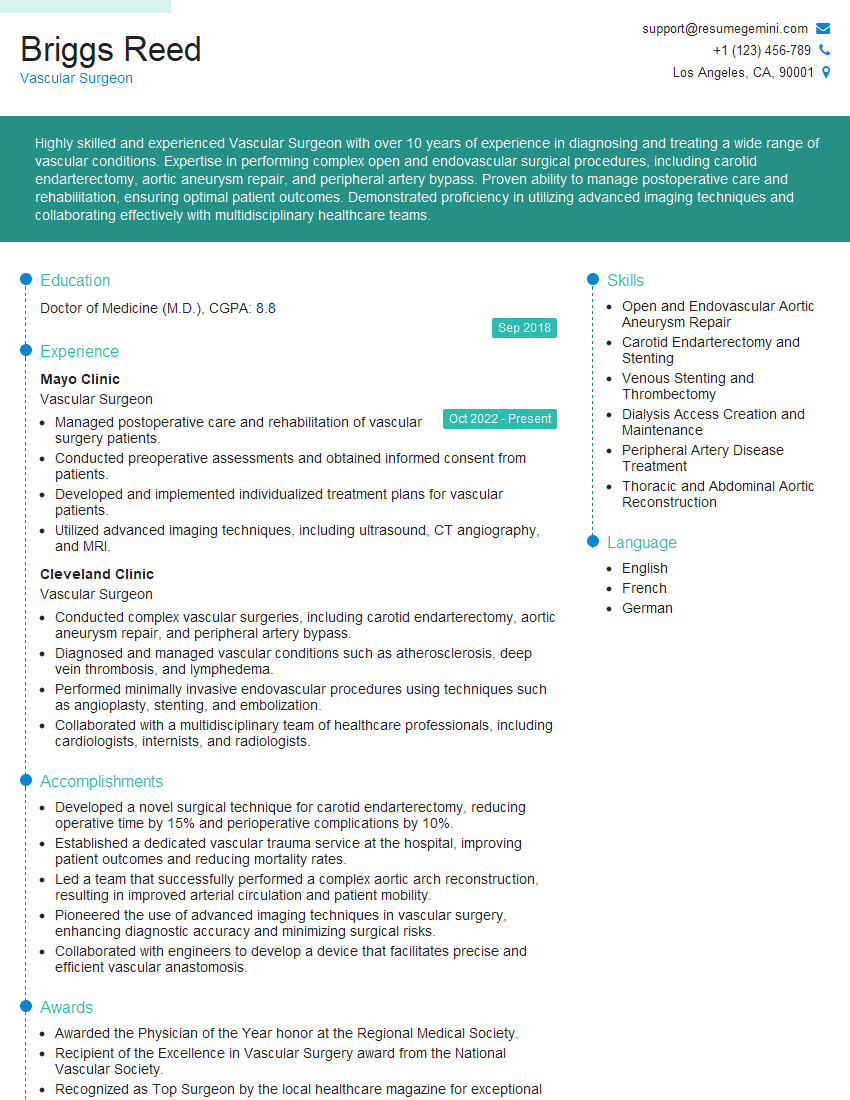
Vascular Surgeon Resume Sample
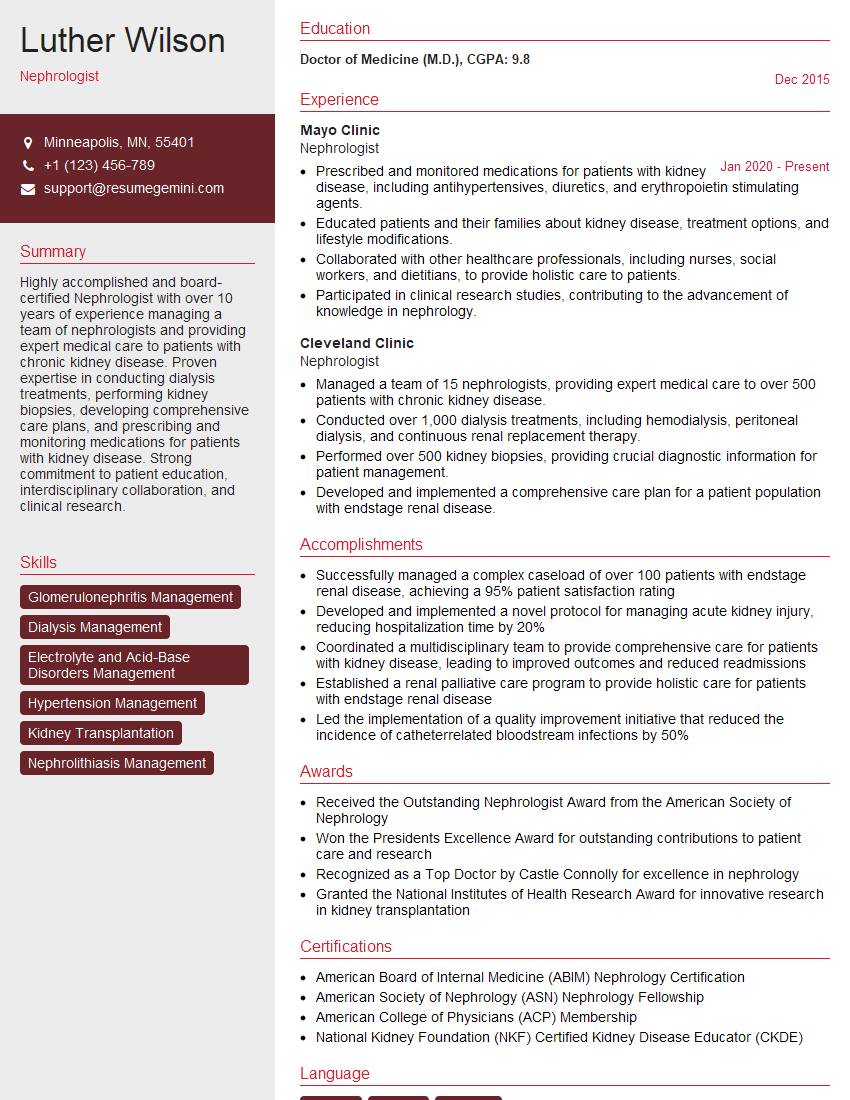
Nephrologist Resume Sample
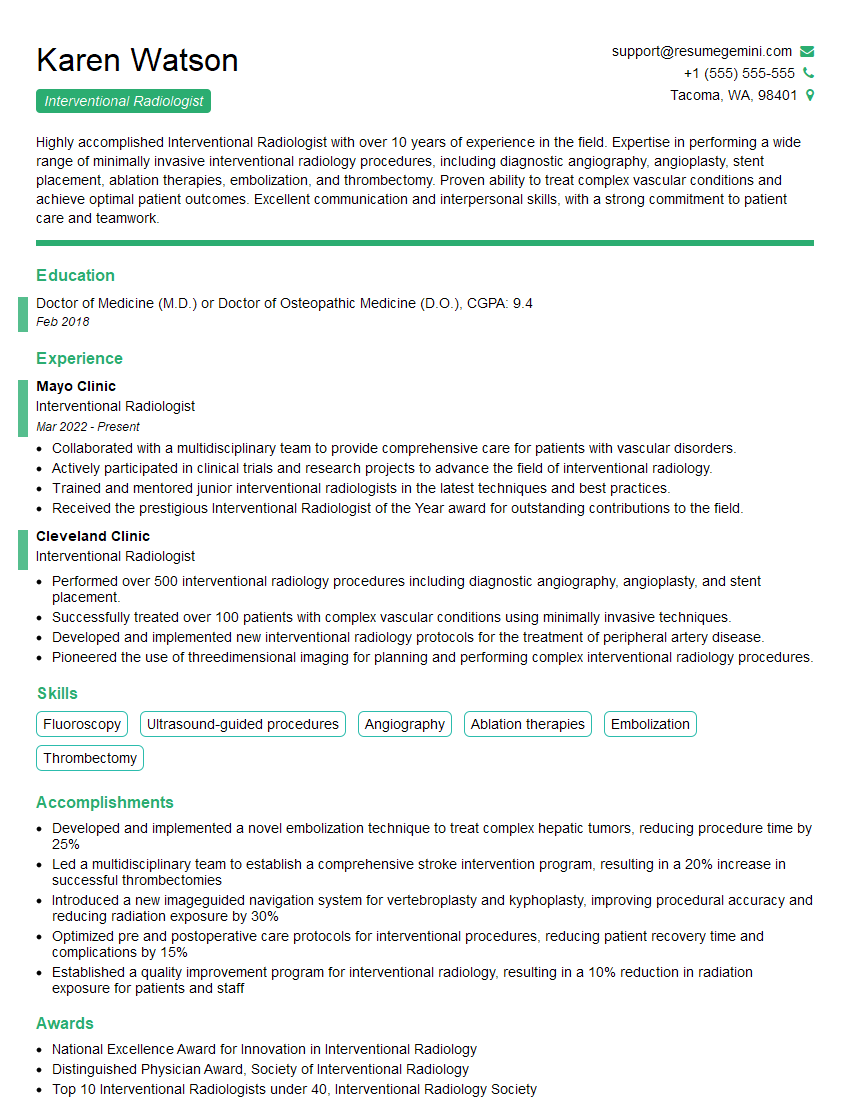
Interventional Radiologist Resume Sample
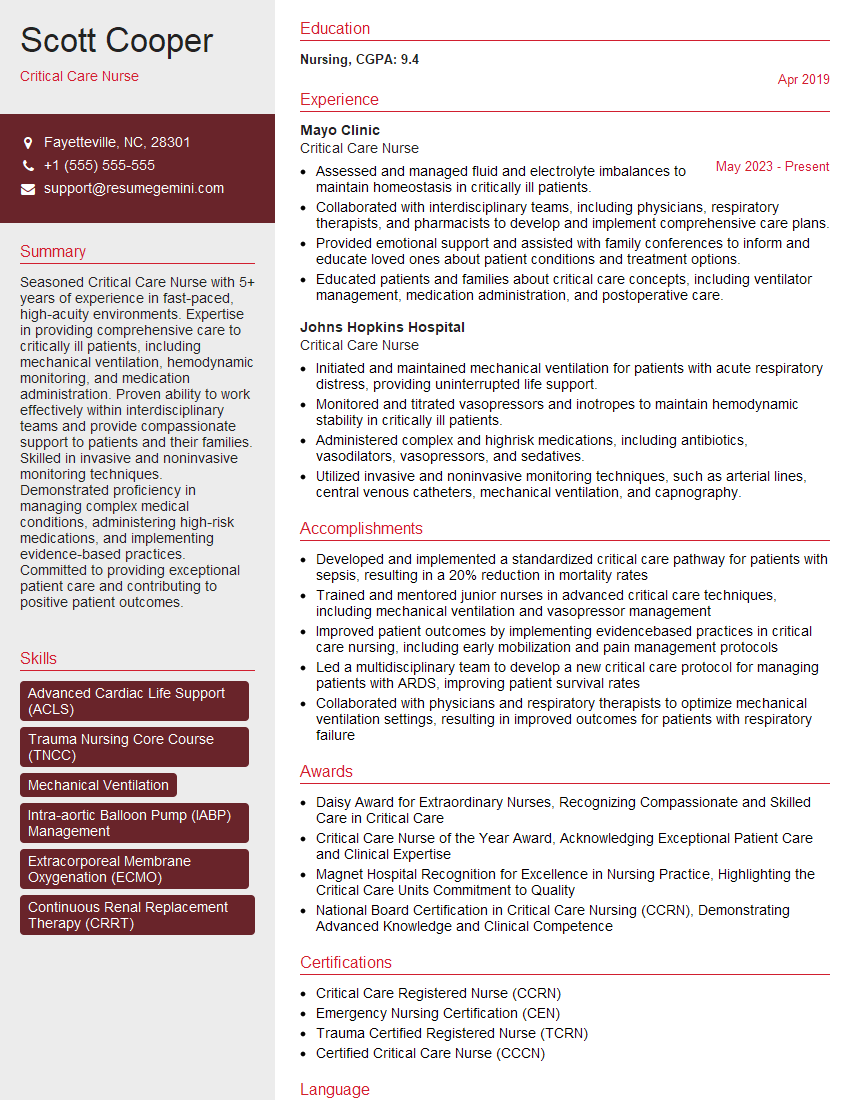
Critical Care Nurse Resume Sample
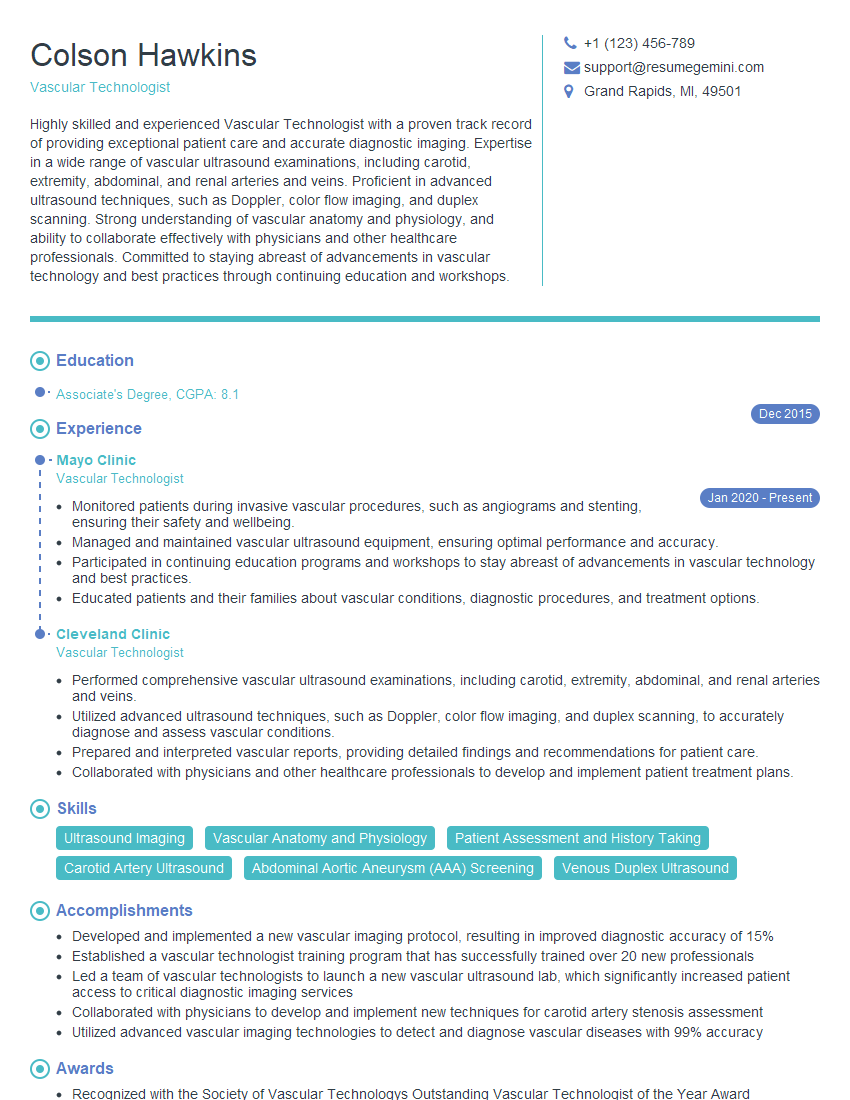
Vascular Technologist Resume Sample
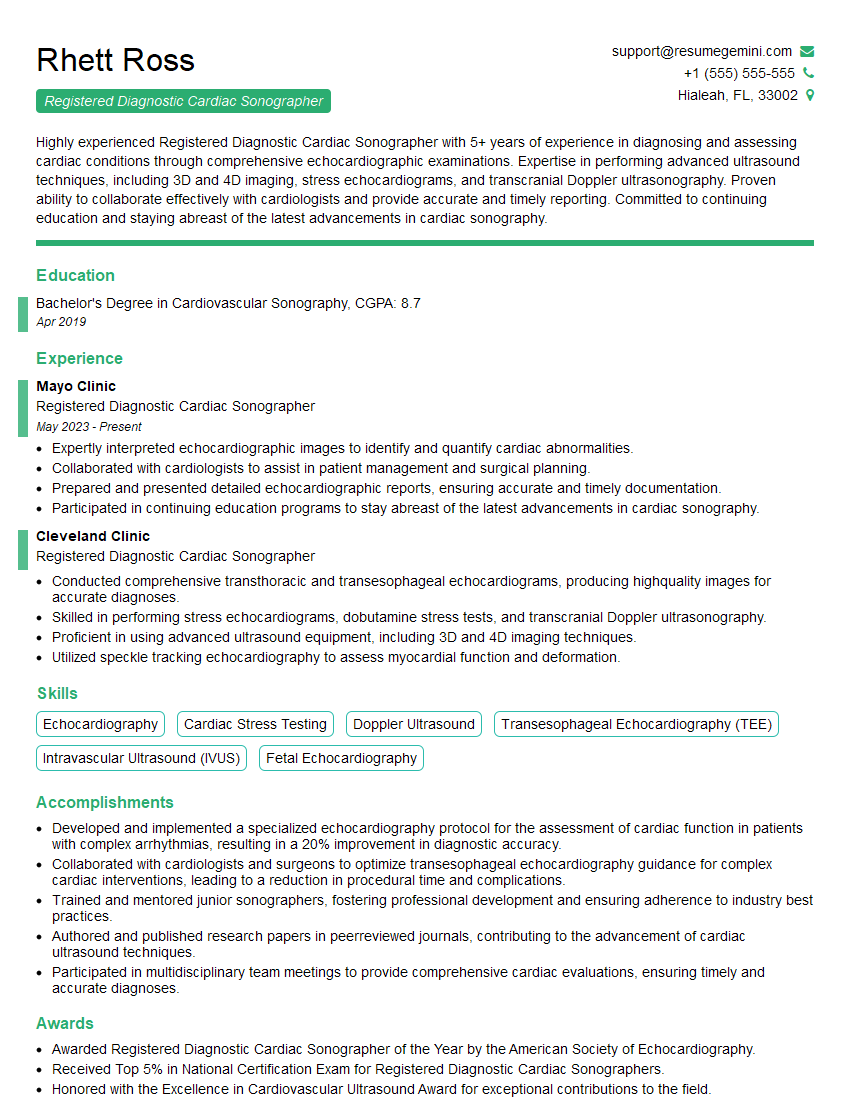
Registered Diagnostic Cardiac Sonographer Resume Sample
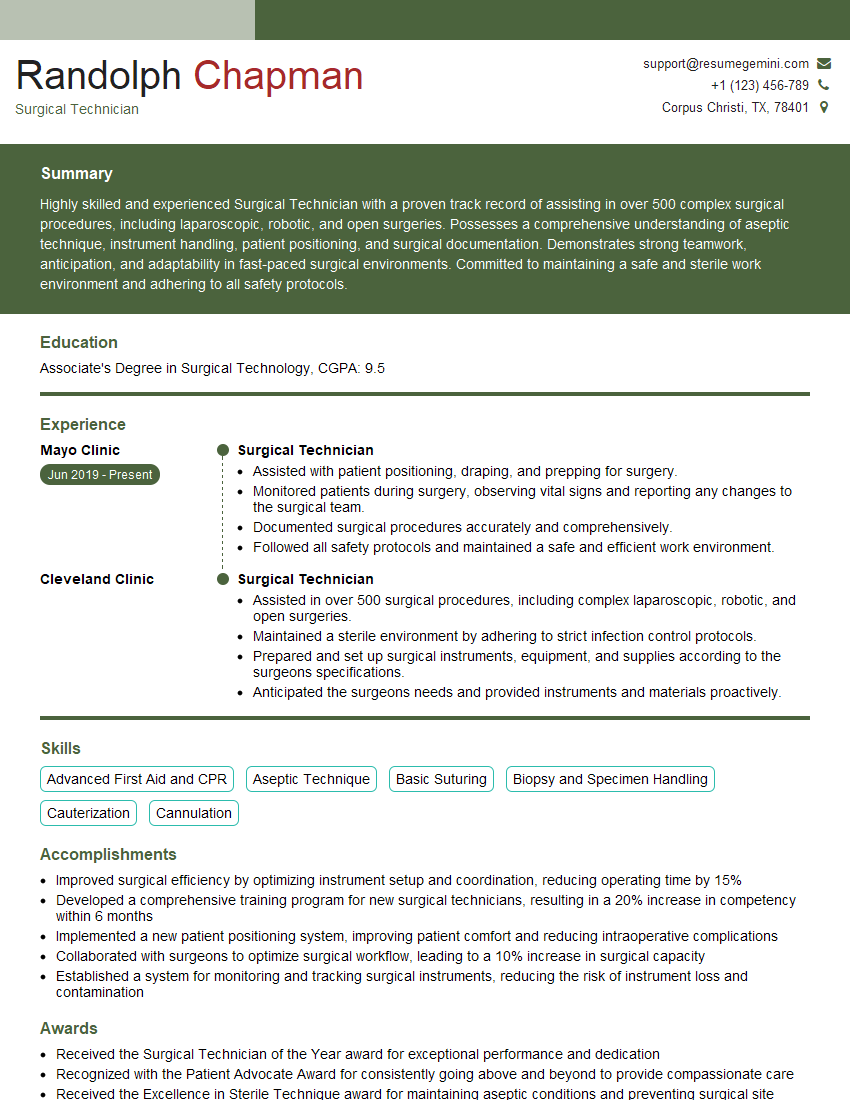
Surgical Technician Resume Sample
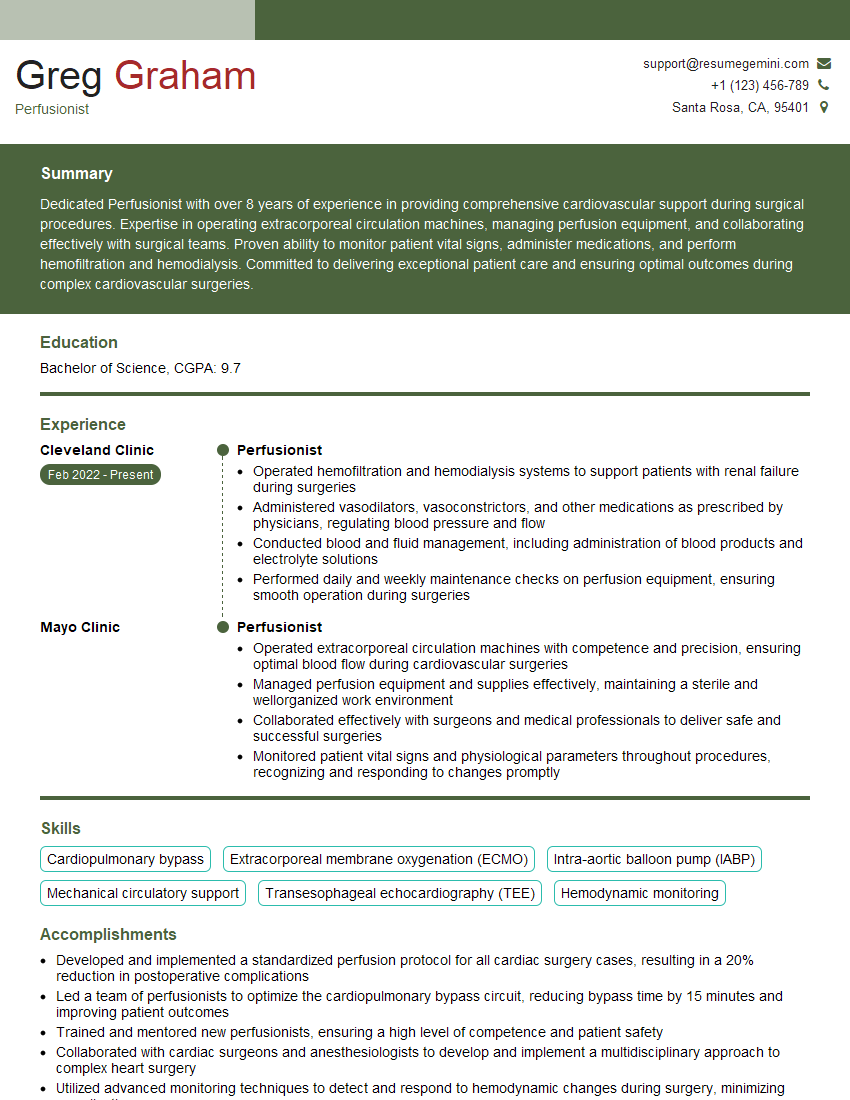
Perfusionist Resume Sample
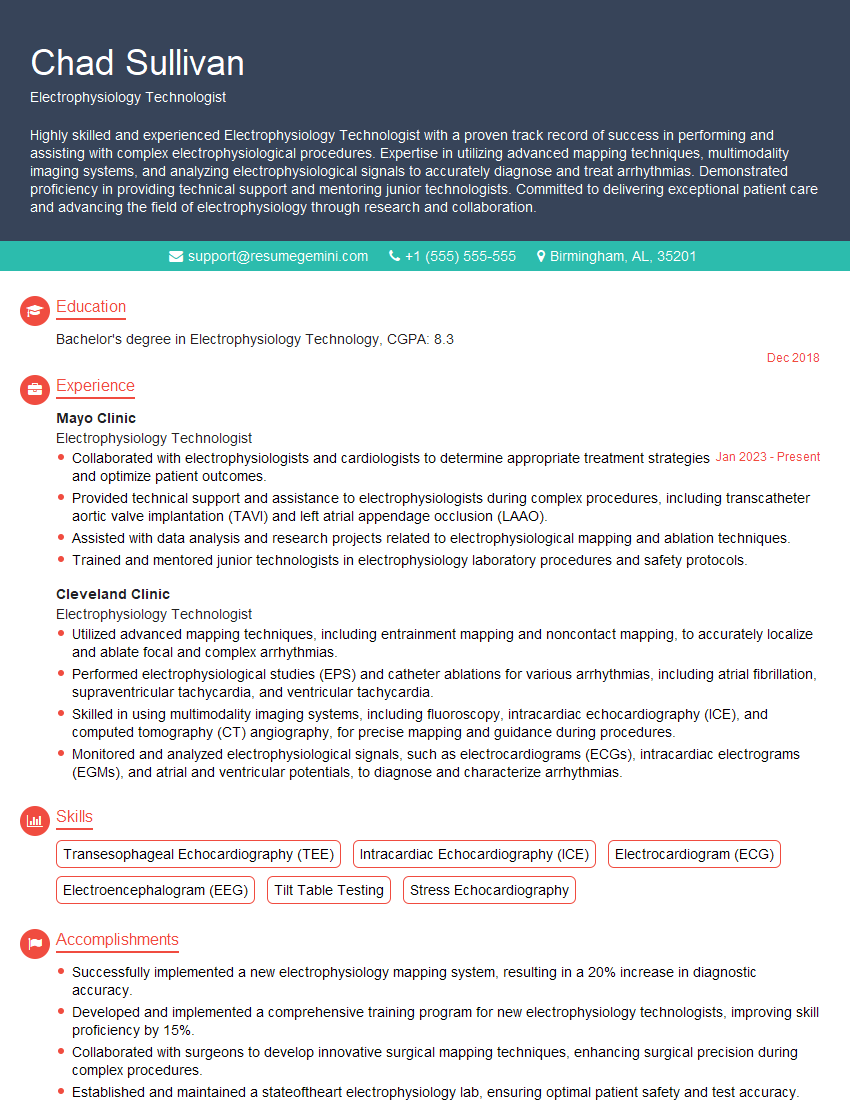
Electrophysiology Technologist Resume Sample
- Medical Physicist
- Circulation Technician
- Anesthesiologist
- Gastroenterologist
- Cardiovascular Surgeon
- Vascular Surgeon
- Nephrologist
- Interventional Radiologist
- Critical Care Nurse
- Vascular Technologist
- Registered Diagnostic Cardiac Sonographer
- Surgical Technician
- Perfusionist
- Electrophysiology Technologist
Explore more articles
Users Rating of Our Blogs
Share Your Experience
We value your feedback! Please rate our content and share your thoughts (optional).
What Readers Say About Our Blog
To the interviewgemini.com Webmaster.
Very helpful and content specific questions to help prepare me for my interview!
Thank you
To the interviewgemini.com Webmaster.
This was kind of a unique content I found around the specialized skills. Very helpful questions and good detailed answers.
Very Helpful blog, thank you Interviewgemini team.