Are you ready to stand out in your next interview? Understanding and preparing for Bid Preparation and Management interview questions is a game-changer. In this blog, we’ve compiled key questions and expert advice to help you showcase your skills with confidence and precision. Let’s get started on your journey to acing the interview.
Questions Asked in Bid Preparation and Management Interview
Q 1. Describe your experience in developing winning bids.
Developing winning bids is a multifaceted process that hinges on a deep understanding of the client’s needs, a strong proposal, and a compelling demonstration of value. My approach centers around a thorough understanding of the RFP (Request for Proposal) requirements, competitive analysis, and a collaborative team effort. For instance, in a recent project bidding for a large-scale software implementation, we didn’t just focus on our technical capabilities; we also highlighted our experience in successfully managing similar projects under budget and ahead of schedule, emphasizing client testimonials and quantifiable results. This approach, combined with a meticulously crafted proposal showcasing a tailored solution, secured the project.
In another instance, I led a team in bidding for a complex infrastructure project. We identified a unique challenge in the client’s requirements – a tight deadline coupled with a complex regulatory environment. We proactively addressed these challenges in our bid, outlining a phased implementation strategy and demonstrating our deep understanding of the relevant regulations. This proactive risk mitigation and tailored solution ultimately secured the bid against strong competition.
Q 2. How do you identify and qualify potential bidding opportunities?
Identifying and qualifying potential bidding opportunities requires a proactive and strategic approach. It starts with consistent market monitoring through industry publications, online platforms, and networking within the industry. This helps to identify potential clients and projects that align with our company’s strengths and capabilities. I use a qualification matrix to evaluate each opportunity. This matrix includes factors such as the project size, budget, timeline, client reputation, and the alignment with our company’s strategic goals. Only projects that meet pre-defined criteria proceed to the next stage of bid development.
For example, I once discovered a promising opportunity through an industry newsletter. After initial research, using my qualification matrix, I determined it was a good fit for our expertise in green energy solutions. We didn’t pursue opportunities where our experience was lacking, focusing our efforts on the best chances of success.
Q 3. Explain your process for analyzing RFP requirements.
Analyzing RFP requirements is crucial for crafting a compelling and responsive bid. My process involves a meticulous review of the document, breaking down each requirement into actionable tasks. This involves using a structured approach to identify key sections such as project objectives, deliverables, timelines, evaluation criteria, and submission instructions. I often utilize a table or spreadsheet to track each requirement, ensuring no element is overlooked. The team then works collaboratively to assign responsibilities, develop solutions, and align our offerings to precisely meet the client’s needs.
For instance, if an RFP specifies a need for specific software integrations, we would analyze the compatibility, feasibility, and cost of each option, outlining the chosen approach and its advantages in our response. This detailed and organized approach not only ensures compliance but also demonstrates our thorough understanding and commitment to meeting the client’s expectations.
Q 4. How do you manage the bid timeline and deadlines?
Effective bid timeline management is essential for successful bidding. I start by creating a detailed project plan, outlining all tasks, milestones, and deadlines, utilizing tools like Gantt charts. This plan considers potential delays and includes buffer time to account for unforeseen circumstances. Regular progress meetings are held to monitor progress against the plan. This enables early identification and mitigation of any potential delays. A critical path analysis helps identify the most time-sensitive tasks, allowing us to allocate resources effectively.
Think of it like a complex recipe; each task is an ingredient and the deadline is the finished dish. We need to ensure each ingredient (task) is prepared and added at the right time (deadline) to create the best final product (winning bid).
Q 5. What strategies do you use to identify and mitigate risks in bidding?
Risk identification and mitigation are integral to successful bidding. My strategy involves a proactive approach, starting with a thorough risk assessment at the beginning of the process. I use a structured approach, identifying potential risks across various categories, including technical, financial, regulatory, and logistical risks. For each identified risk, I develop mitigation strategies, assigning responsibilities and establishing contingency plans. This process might involve thorough due diligence, seeking expert opinions, or building buffer time into the schedule.
For example, in one bid, we identified a potential risk of supply chain disruption. Our mitigation strategy included securing multiple suppliers, establishing contingency plans for alternative sourcing, and including clauses in our proposal outlining these actions and the cost considerations.
Q 6. How do you manage and collaborate with cross-functional teams during the bidding process?
Managing and collaborating with cross-functional teams is crucial for successful bid preparation. I establish clear communication channels and utilize project management tools to facilitate collaboration. Regular team meetings are held to ensure everyone is aligned and informed of progress. I establish clear roles and responsibilities, and regularly monitor individual and team performance. I encourage open communication and feedback to foster a collaborative and efficient working environment.
For example, I often use online project management platforms that allow for document sharing, task assignments, and real-time communication. This transparency helps ensure everyone is on the same page and contributes effectively.
Q 7. What software or tools do you use for bid preparation and management?
Various software and tools are instrumental in streamlining the bid preparation and management process. I regularly utilize project management software such as Microsoft Project or Asana for task management, scheduling, and progress tracking. For document management and collaboration, I use cloud-based platforms like SharePoint or Google Drive. Specialized bid management software, offering features like RFP response templates and cost estimation tools, significantly improves efficiency. Finally, CRM (Customer Relationship Management) systems help maintain client contact and track bidding opportunities.
The specific tools selected depend on the project’s complexity and the client’s requirements; however, the objective remains consistent: to maximize efficiency and collaboration throughout the bidding process.
Q 8. Describe your experience with pricing strategies and cost estimation.
Pricing strategies and cost estimation are crucial for successful bidding. My approach involves a multi-faceted strategy that begins with a thorough understanding of the project scope and client needs. This understanding informs the selection of the appropriate pricing model, whether it’s cost-plus, fixed-price, or value-based pricing.
Cost estimation involves a detailed breakdown of all direct and indirect costs. This includes labor, materials, equipment, subcontracts, overhead, and profit margins. I utilize various techniques like bottom-up estimation (detailing individual tasks), parametric estimation (using historical data and scaling factors), and analogous estimation (comparing to similar past projects). For example, in a recent software development bid, I used a bottom-up approach, breaking down the project into modules and estimating the effort for each module based on team member expertise and historical project data. This provided a granular understanding of the potential cost implications for every aspect of the project.
Pricing strategy then considers market conditions, competitor analysis, and the perceived value proposition to the client. I might adjust pricing based on the urgency of the project, the client’s budget expectations, and the level of risk involved. For instance, in a highly competitive bidding environment, a slightly lower price, backed by strong value propositions, might be the winning factor. Sensitivity analysis is critical – I’ll examine how changes in various cost components impact the final bid price, allowing for informed decision-making regarding potential risks and adjustments.
Q 9. How do you ensure compliance with regulations and legal requirements in bidding?
Compliance is paramount. My approach starts with a comprehensive understanding of all relevant regulations and legal requirements, including procurement guidelines, labor laws, environmental regulations, and any specific client-mandated compliance standards. This involves reviewing the bid documents thoroughly and identifying all compliance clauses.
I then build a compliance checklist to ensure all aspects are addressed within the bid response. This checklist is integrated into the bid preparation process, and each team member responsible for specific sections of the bid is assigned compliance checks. For example, we ensure we include appropriate insurance certifications, licenses, and adherence to relevant safety standards. Regular reviews and audits during bid preparation are crucial to catch any potential issues before submission. Non-compliance can lead to bid disqualification or serious legal consequences, so this is a crucial element of our process that requires careful attention to detail and proactive measures.
Q 10. How do you tailor your bid responses to meet specific client requirements?
Tailoring bid responses is essential for maximizing the chances of winning. I begin by thoroughly analyzing the client’s requirements document (RFP, RFQ, etc.), identifying key priorities, and understanding the client’s specific needs and challenges. This involves not just reading between the lines but also understanding the underlying context and implications.
Next, I structure the bid response to directly address each requirement. We use a structured approach where each section of the response specifically answers a point raised in the requirements document. This means directly referencing clauses from the RFP and demonstrating a deep understanding of the client’s needs. Furthermore, the language used is adapted to match the client’s preferred communication style and level of technical detail. Finally, we demonstrate a value proposition tailored to the client’s specific situation, showcasing how our solution uniquely addresses their pain points and contributes to their objectives. For example, if the client emphasizes sustainability, we highlight our environmentally friendly practices and solutions. This customized approach increases the chances of making a stronger, more persuasive case.
Q 11. Describe a challenging bid you were involved in and how you overcame it.
One challenging bid involved a complex infrastructure project with a very tight deadline and an unusually stringent set of performance criteria. The initial cost estimates were significantly higher than our target, and the technical specifications were exceptionally demanding.
To overcome this, we adopted a collaborative approach. We held brainstorming sessions with our engineering, procurement, and construction teams to explore innovative solutions and cost-optimization strategies. We identified areas where we could leverage existing resources, streamline processes, and potentially utilize alternative materials or technologies without compromising quality. We also engaged in detailed risk assessment and mitigation planning to address potential delays and cost overruns. This meticulous approach, coupled with transparent communication with the client regarding potential challenges and proposed solutions, resulted in a successful bid that met all requirements and allowed us to secure the project. This experience emphasized the importance of proactive problem-solving, team collaboration, and open communication in navigating challenging bids.
Q 12. How do you handle budget constraints and resource allocation in a bid?
Handling budget constraints and resource allocation requires a strategic approach. We start with a thorough analysis of the project scope and requirements, identifying the most critical tasks and allocating resources accordingly. We use resource leveling techniques to balance workload and avoid resource bottlenecks.
Prioritization is key: we identify essential tasks that deliver the most value and focus resources on those first. We also explore value engineering to identify areas where we can reduce costs without sacrificing quality or functionality. For example, we might explore alternative materials or technologies, optimize design features, or negotiate better deals with suppliers. We utilize project management software to track resource allocation, monitor progress, and identify potential cost overruns early. Regular monitoring and adjustments are crucial to ensure that we stay within budget and maintain project viability.
Q 13. What metrics do you use to measure the success of a bid?
Measuring bid success goes beyond simply winning or losing. We use a range of metrics to assess the effectiveness of our bid process and overall strategy.
Key metrics include:
- Win rate: The percentage of bids won compared to the total number of bids submitted.
- Average bid price: The average price of our winning bids.
- Time to proposal: The time it takes to prepare and submit a complete bid.
- Client feedback: Reviews and feedback on our bids, whether successful or not, help identify areas for improvement.
- Profit margin: The net profit generated from won projects, reflecting the profitability of our bidding strategy.
- Cost of proposal development: Tracking the resources spent on proposal preparation helps to assess the return on investment of our bidding efforts.
Q 14. How do you ensure the quality and consistency of your bid documents?
Ensuring quality and consistency is crucial for a professional and compelling bid. We use a structured template and style guide for all our bid documents. This ensures uniformity in formatting, language, and content presentation across all bids.
A rigorous review process is implemented where multiple team members review the bid documents at different stages. We conduct internal quality checks using checklists and standardized review forms. This multi-layered approach helps identify errors, inconsistencies, and areas for improvement. We also utilize bid management software to track revisions, comments, and approvals, ensuring version control and a clear audit trail. Using this approach not only guarantees consistency but also significantly reduces the risk of errors and omissions that could negatively impact the evaluation of the proposal. The final product is a polished, professional document that clearly articulates our capabilities and value proposition, significantly increasing our chances of success.
Q 15. Explain your experience with different types of bids (e.g., competitive, sole-source).
My experience encompasses a wide range of bid types, from highly competitive open tenders to sole-source procurements. Competitive bids involve submitting proposals against multiple other bidders, requiring a deep understanding of the market, competitor analysis, and a compelling value proposition. I’ve successfully managed numerous competitive bids for large-scale infrastructure projects, always focusing on differentiating our offering through innovation and cost-effectiveness. For example, in one instance, we won a competitive bid for a smart city project by highlighting our proprietary data analytics platform, which provided a clear competitive advantage. Sole-source bids, on the other hand, often involve negotiating directly with a client who has identified a specific need and approached us directly. While seemingly simpler, these still demand meticulous planning and clear communication to ensure alignment on scope, pricing, and deliverables. I’ve handled several sole-source bids for specialized software development, carefully crafting proposals that addressed the client’s unique requirements and demonstrated our expertise.
Career Expert Tips:
- Ace those interviews! Prepare effectively by reviewing the Top 50 Most Common Interview Questions on ResumeGemini.
- Navigate your job search with confidence! Explore a wide range of Career Tips on ResumeGemini. Learn about common challenges and recommendations to overcome them.
- Craft the perfect resume! Master the Art of Resume Writing with ResumeGemini’s guide. Showcase your unique qualifications and achievements effectively.
- Don’t miss out on holiday savings! Build your dream resume with ResumeGemini’s ATS optimized templates.
Q 16. How do you build strong relationships with clients and stakeholders during the bidding process?
Building strong client and stakeholder relationships is paramount. It’s not just about winning the bid; it’s about establishing a long-term partnership. I achieve this through proactive communication, consistent updates, and a genuine focus on understanding their needs. This includes regular meetings, tailored presentations reflecting their preferences, and responsive email communication, always addressing concerns promptly and transparently. I actively listen to their feedback, incorporating it into our approach whenever feasible. For instance, in a recent project, regular communication helped anticipate a potential delay on their side; by proactively adjusting our schedule we avoided a major conflict and strengthened the client’s trust. Openness and honesty are crucial – addressing potential challenges upfront fosters a collaborative atmosphere and demonstrates our commitment to their success.
Q 17. What is your approach to managing changes in bid requirements?
Managing changes in bid requirements demands a structured approach. My process begins with clearly defining the change, its impact on our proposal, and the necessary adjustments. I then assess the feasibility of accommodating these changes within the existing timeline and budget. Crucially, I maintain open communication with the client, providing a transparent cost-benefit analysis of implementing the changes and ensuring agreement before proceeding. Formal change orders are essential to document and track modifications, preventing misunderstandings and disputes later on. For example, in a bid for a large software development project, a significant change in the client’s requirements was discovered late in the process. We immediately communicated the impact, worked collaboratively on an amended proposal including adjusted timelines and costs, and secured approval before continuing. This approach maintained transparency and preserved the relationship.
Q 18. Describe your experience in presenting bids to clients or stakeholders.
Presenting bids involves more than just reading a document; it’s about storytelling. I tailor presentations to resonate with the client’s needs and priorities, highlighting the value proposition in a clear and concise manner. Visual aids, such as charts and graphs, are essential to illustrate complex information effectively. I prioritize engaging the audience, encouraging questions, and fostering a two-way dialogue. Rehearsing the presentation beforehand ensures smooth delivery and allows for adjustments based on the anticipated audience and their likely concerns. In one memorable instance, I successfully presented a bid for a challenging environmental project using a compelling narrative that resonated with the client’s commitment to sustainability. This resulted in securing the project and solidifying our reputation in that area.
Q 19. How do you handle objections or challenges during the bid review process?
Handling objections requires careful listening and thoughtful responses. I begin by actively listening to the objection without interrupting, confirming my understanding before addressing it. I then analyze the concern to determine its root cause: is it a misunderstanding, a legitimate concern, or a negotiation tactic? Depending on the nature of the objection, I may provide further clarification, offer alternative solutions, or negotiate a compromise. Documentation is critical; I keep a record of all objections, responses, and resolutions to maintain transparency and avoid future conflicts. In a recent bid review, a client raised concerns about our project timeline. I addressed their concern by presenting a detailed breakdown of our proposed schedule, highlighting our risk mitigation strategies and addressing specific concerns they raised about potential delays.
Q 20. How do you ensure that your bid response is compliant with the RFP’s instructions?
Compliance is crucial. My approach begins with a thorough review of the Request for Proposal (RFP) to identify all requirements, specifications, and submission instructions. A detailed checklist is created to ensure all sections are addressed. We use a standardized template for proposal preparation, tailored to each RFP. Regular internal reviews are conducted to validate compliance at each stage of the process. A designated compliance officer verifies the final bid documents before submission, minimizing the risk of non-compliance issues which can lead to disqualification. We maintain a meticulous record of all communications and revisions related to the bid to provide full auditability.
Q 21. What is your understanding of different bid evaluation methods?
Bid evaluation methods vary widely. Common approaches include lowest-cost, best-value, and weighted scoring. Lowest-cost is straightforward, selecting the bidder with the lowest price. Best-value considers both cost and quality factors, using a qualitative assessment alongside price. Weighted scoring systems assign weights to different criteria, allowing for a more nuanced evaluation based on the client’s priorities. Understanding these different methods allows us to tailor our bids to the specific evaluation criteria, maximizing our chances of success. For example, for a best-value bid, we would emphasize not only competitive pricing but also our track record, qualifications, and the quality of our proposed solutions. In contrast, for a lowest-cost bid, our focus would be on optimization of our cost structure while still meeting the minimum requirements.
Q 22. How do you prioritize tasks and manage your workload during peak bidding periods?
Prioritizing tasks during peak bidding periods requires a structured approach. I utilize a combination of techniques, including prioritizing based on deadlines, potential profitability, and strategic importance. I begin by creating a detailed project plan, breaking down each bid into manageable tasks with assigned deadlines. This involves using project management tools like Gantt charts or agile methodologies to visualize the workflow and dependencies between tasks. I then use a prioritization matrix, often a MoSCoW method (Must have, Should have, Could have, Won’t have), to rank tasks based on their criticality to the overall bid success. This allows me to focus my energy on the most impactful activities first.
For example, if I’m working on multiple bids simultaneously, I might prioritize completing the mandatory sections of the highest-value bid before moving on to less critical aspects of other bids. Regular progress reviews and adjustments to the plan are crucial. This dynamic approach ensures that I’m always working on the most impactful tasks and adapting to changing priorities.
Furthermore, effective time management is essential. I leverage time-blocking techniques, allocating specific time slots for focused work on individual tasks. This minimizes distractions and enhances productivity. Delegation, where feasible, is another key strategy to distribute the workload effectively within the team.
Q 23. How familiar are you with different types of contracts?
I’m highly familiar with a wide range of contracts, including fixed-price contracts, cost-plus contracts, time and materials contracts, and target-cost contracts. Each has unique characteristics and risk profiles that need to be carefully considered during the bid preparation phase.
- Fixed-price contracts offer a defined scope of work and a predetermined price. The risk is primarily with the bidder to manage costs effectively.
- Cost-plus contracts involve reimbursing the bidder for all allowable costs plus a predetermined fee or percentage. This shifts more risk to the client, but requires meticulous cost tracking.
- Time and materials contracts are suited to projects where the scope is uncertain, billing based on time spent and materials used. Careful tracking of time and materials is crucial to manage costs.
- Target-cost contracts aim to balance risk between client and bidder by establishing a target cost, with incentives for cost savings or penalties for exceeding the target. These contracts demand sophisticated cost estimation and control mechanisms.
My experience extends to understanding contract clauses relating to payment terms, intellectual property rights, liability limitations, and dispute resolution mechanisms. I ensure all aspects of the contract are thoroughly reviewed and understood before submission of a bid.
Q 24. Describe your experience with post-bid activities (e.g., contract negotiation).
Post-bid activities are critical to securing and executing a project successfully. My experience in contract negotiation involves meticulous review of the awarded contract, identifying any discrepancies or ambiguities compared to the original bid. This stage often involves collaborative discussions with the client to clarify terms and conditions, potentially leading to amendments or clarifications to the contract.
For instance, I’ve successfully negotiated more favorable payment schedules, ensuring a smooth cash flow for our organization. I’ve also negotiated changes to project timelines and scope, reflecting the realities of project execution. Furthermore, I’m experienced in managing the transition phase between bid submission and project initiation, ensuring a seamless handover to the project team. This often involves clear communication and the development of detailed project kickoff documents.
Conflict resolution skills are paramount. I’ve handled disputes through constructive communication and collaboration, sometimes involving mediation if necessary, always aiming for mutually acceptable solutions that uphold the integrity of the contract.
Q 25. How do you leverage data and analytics to improve bid performance?
Data and analytics are invaluable for improving bid performance. I use data to analyze historical bid win rates, competitor analysis, pricing strategies, and cost estimations. This analysis allows for data-driven decision-making in future bids. For example, I might analyze past bids that were unsuccessful to identify areas for improvement, such as refining our proposal writing, improving our cost estimations, or tailoring our approach to specific client needs.
Specifically, I leverage tools like CRM systems to track client interactions and preferences, enabling us to tailor our bids to each client’s specific requirements. We use statistical analysis to identify patterns and correlations between bid variables and success rates, helping to optimize our bidding strategies. For instance, we might find that bids incorporating certain keywords or focusing on specific value propositions have a significantly higher win rate. This data-driven insight informs future bid preparation.
Furthermore, I actively seek feedback on past bids, both successful and unsuccessful, to refine our processes and enhance future performance. This feedback loop is crucial for continuous improvement.
Q 26. How do you stay up-to-date on industry best practices in bid preparation and management?
Staying current in the field of bid preparation and management requires a proactive approach. I regularly attend industry conferences and webinars to learn about the latest trends, technologies, and best practices. I actively participate in professional organizations related to procurement and project management, engaging in discussions and networking with industry peers.
Furthermore, I subscribe to relevant industry publications and journals to stay updated on current regulations and emerging trends. I also follow key thought leaders and influencers in the field on social media platforms like LinkedIn, absorbing insights from their expertise. Continuous learning is fundamental to success in this dynamic field. This proactive approach allows me to adapt to changes within the industry and implement improvements to our bidding processes continuously.
Q 27. Describe your experience with different bid writing styles and techniques.
My experience encompasses a range of bid writing styles and techniques, adapting my approach to the specific requirements and preferences of each client and project. I’m proficient in both formal and informal styles, understanding that the tone and language should align with the client’s expectations and the project’s complexity. I use storytelling techniques to make the bid engaging and memorable, emphasizing the value proposition and highlighting our key differentiators.
For instance, when responding to a request for proposal (RFP) from a government agency, I would adopt a highly formal and structured approach, focusing on compliance with all regulatory requirements. Conversely, when bidding on a project for a smaller, more agile organization, I might utilize a more conversational and less formal tone, emphasizing the collaborative nature of our work.
I also leverage different techniques such as using strong visuals, incorporating data and evidence to support my claims, and providing clear and concise language that avoids technical jargon. Understanding the client’s needs and adapting my approach accordingly is critical to ensuring the bid resonates with their requirements and stands out from the competition.
Key Topics to Learn for Bid Preparation and Management Interview
- Understanding the Bidding Process: From RFP/RFI analysis to proposal submission and post-award management. Learn to identify key requirements and compliance needs.
- Cost Estimating and Budgeting: Develop strong skills in accurately estimating project costs, incorporating risk assessment, and building compelling budget proposals.
- Proposal Writing and Content Development: Master the art of crafting persuasive and compliant proposals that highlight your company’s unique value proposition and address client needs effectively. Practice structuring proposals logically and concisely.
- Compliance and Regulatory Requirements: Familiarize yourself with relevant industry regulations and compliance standards to ensure your bids are legally sound and competitive.
- Risk Management in Bidding: Identify potential risks associated with bids, develop mitigation strategies, and incorporate these into your proposals.
- Teamwork and Collaboration: Understand the importance of collaboration with internal teams (e.g., sales, finance, legal) to create a winning bid.
- Bid Strategy and Competitive Analysis: Learn to analyze competitor bids, identify strengths and weaknesses, and develop a winning strategy based on market research and client insights.
- Performance Measurement and Reporting: Understand key performance indicators (KPIs) and how to track progress, report on outcomes, and demonstrate value to clients.
- Negotiation and Contract Management: Develop effective negotiation skills to secure favorable contract terms after winning a bid. Understand post-award contract management.
- Technology and Tools: Explore commonly used software and tools for bid management, such as CRM systems and proposal writing software. Be prepared to discuss your experience with relevant technologies.
Next Steps
Mastering Bid Preparation and Management is crucial for career advancement in many industries. It demonstrates your ability to contribute significantly to revenue generation and strategic growth. To maximize your job prospects, it’s vital to create a compelling and ATS-friendly resume that highlights your skills and experience. ResumeGemini is a trusted resource to help you build a professional and impactful resume. Examples of resumes tailored to Bid Preparation and Management are available to guide you, making your application stand out from the competition. Invest the time to craft a strong resume – it’s your first impression and a key factor in securing interviews.
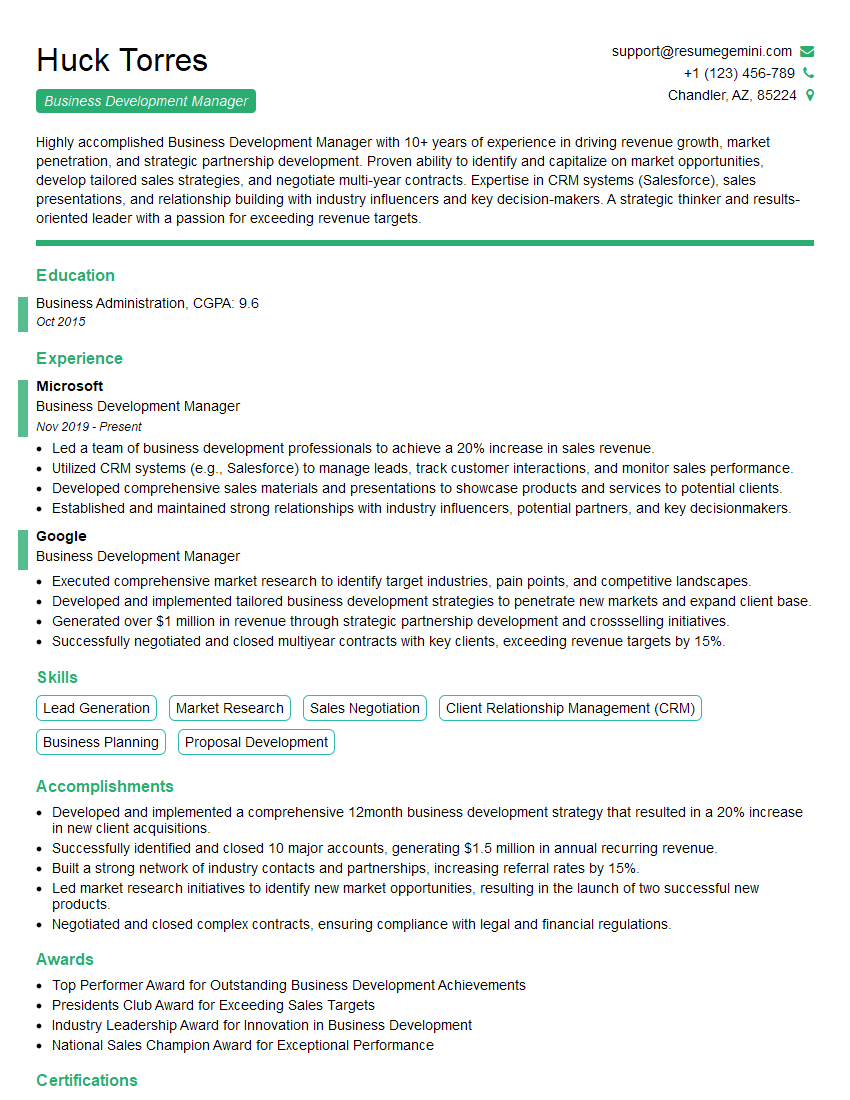
Business Development Manager Resume Sample
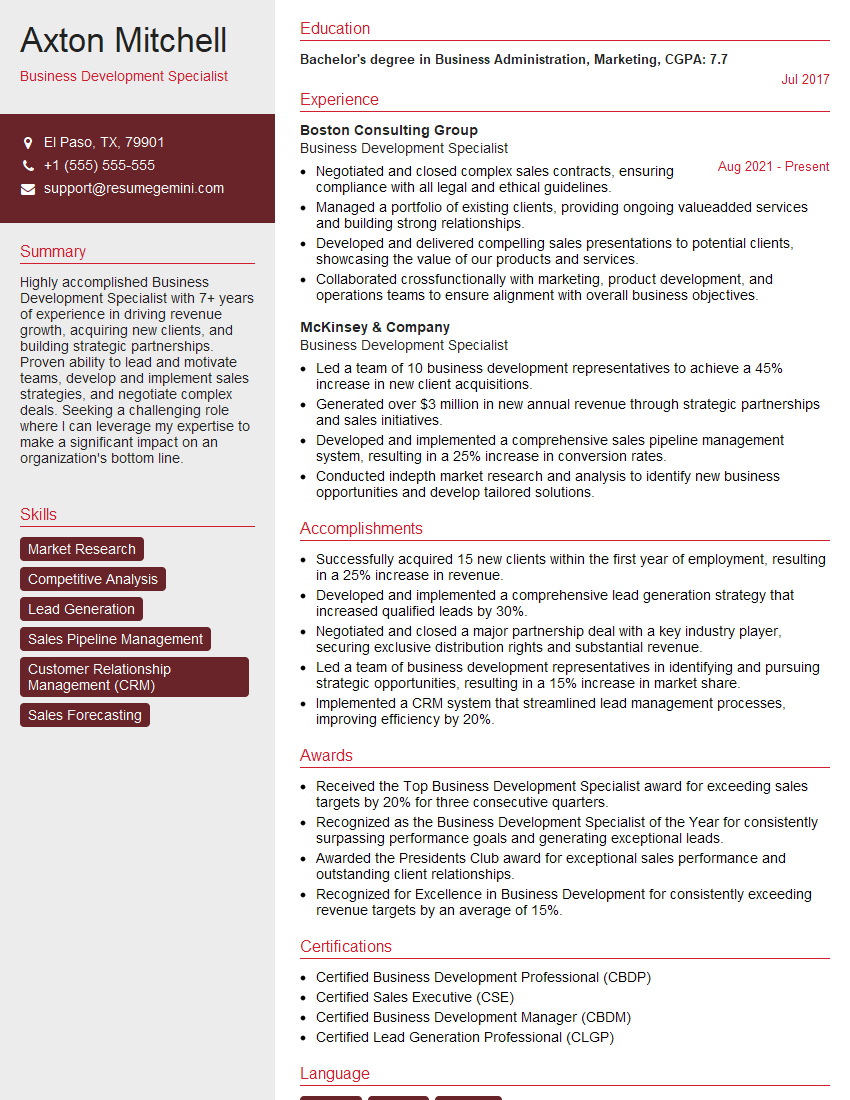
Business Development Specialist Resume Sample
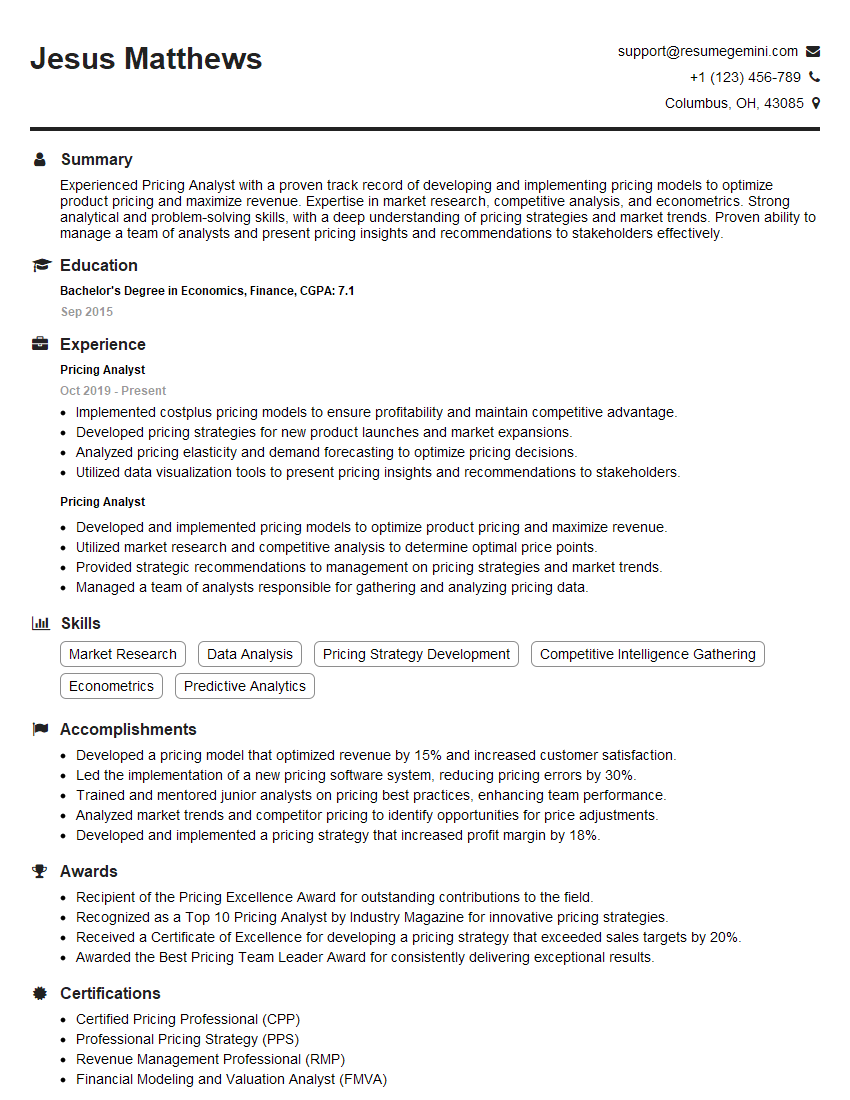
Pricing Analyst Resume Sample
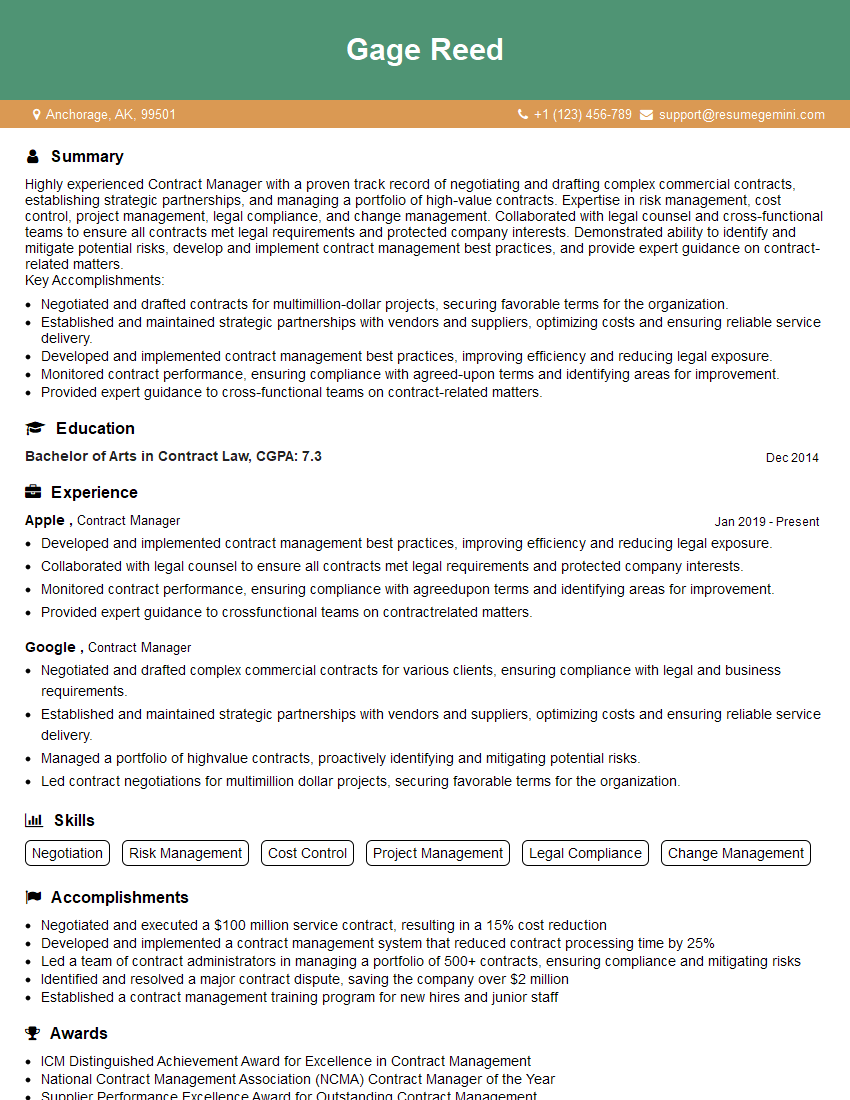
Contract Manager Resume Sample

Procurement Manager Resume Sample
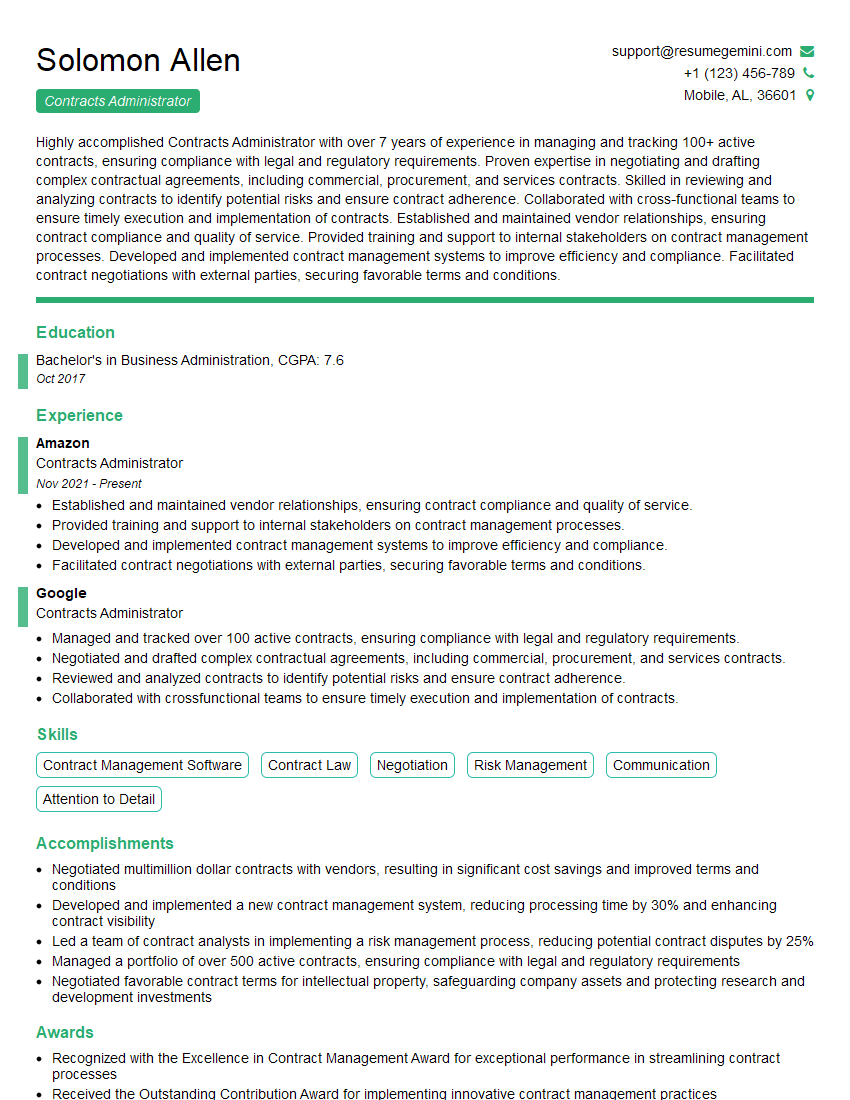
Contracts Administrator Resume Sample
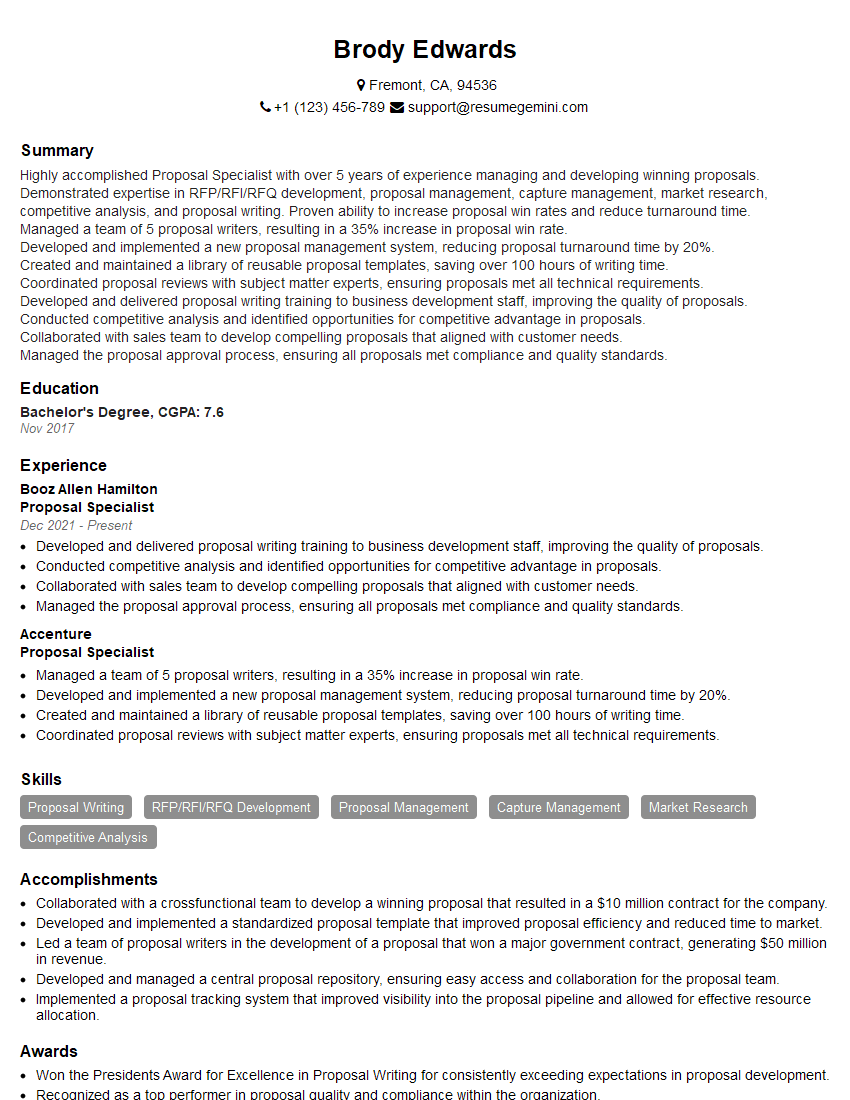
Proposal Specialist Resume Sample
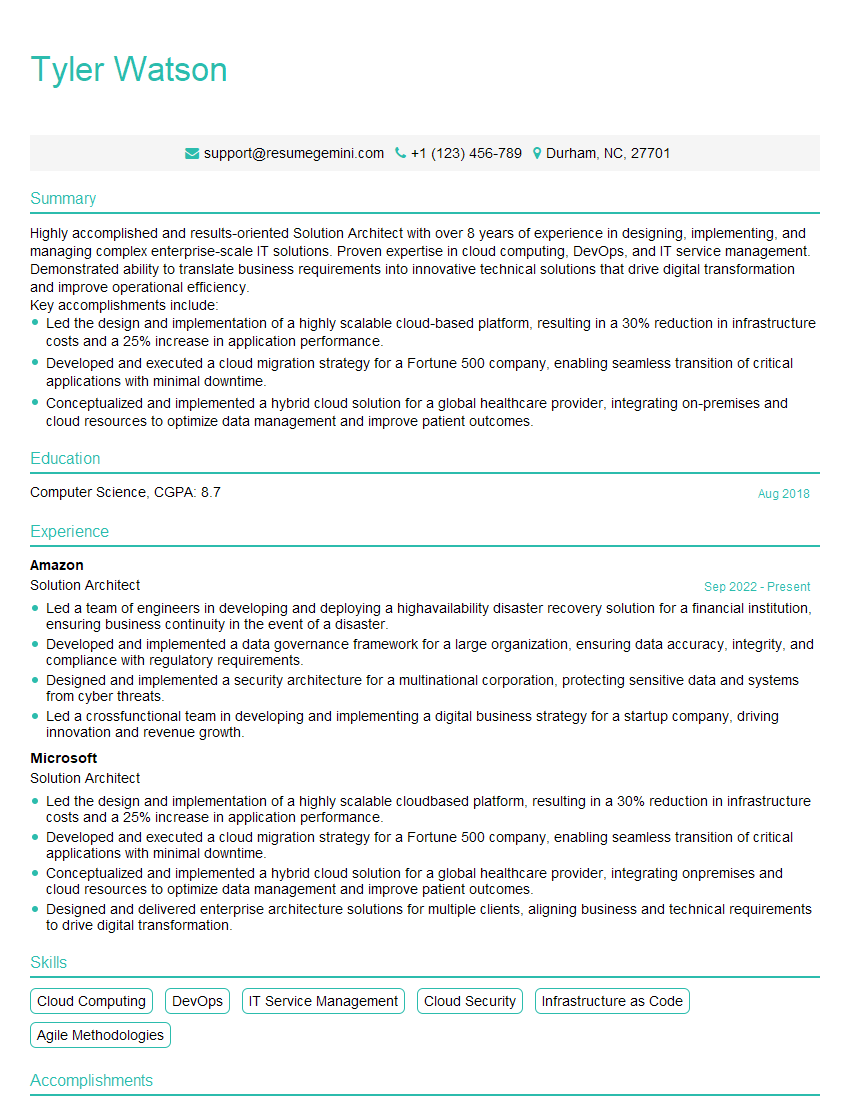
Solution Architect Resume Sample
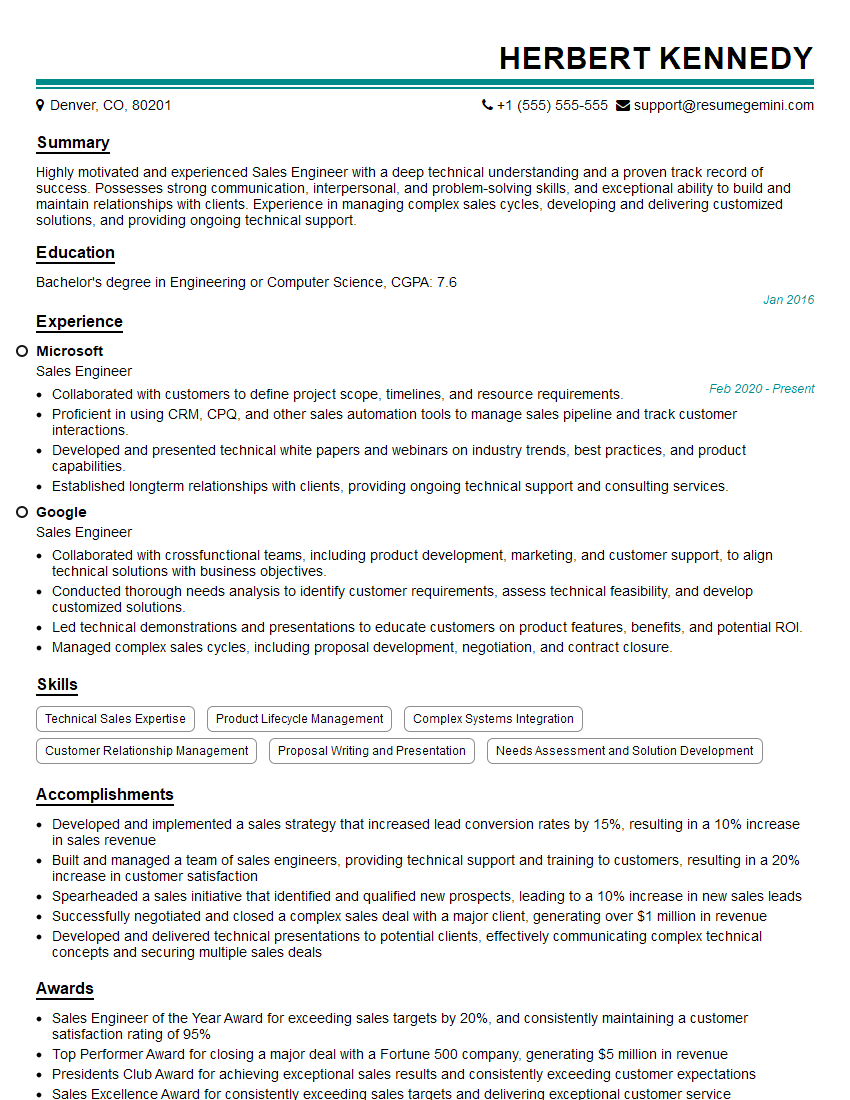
Sales Engineer Resume Sample
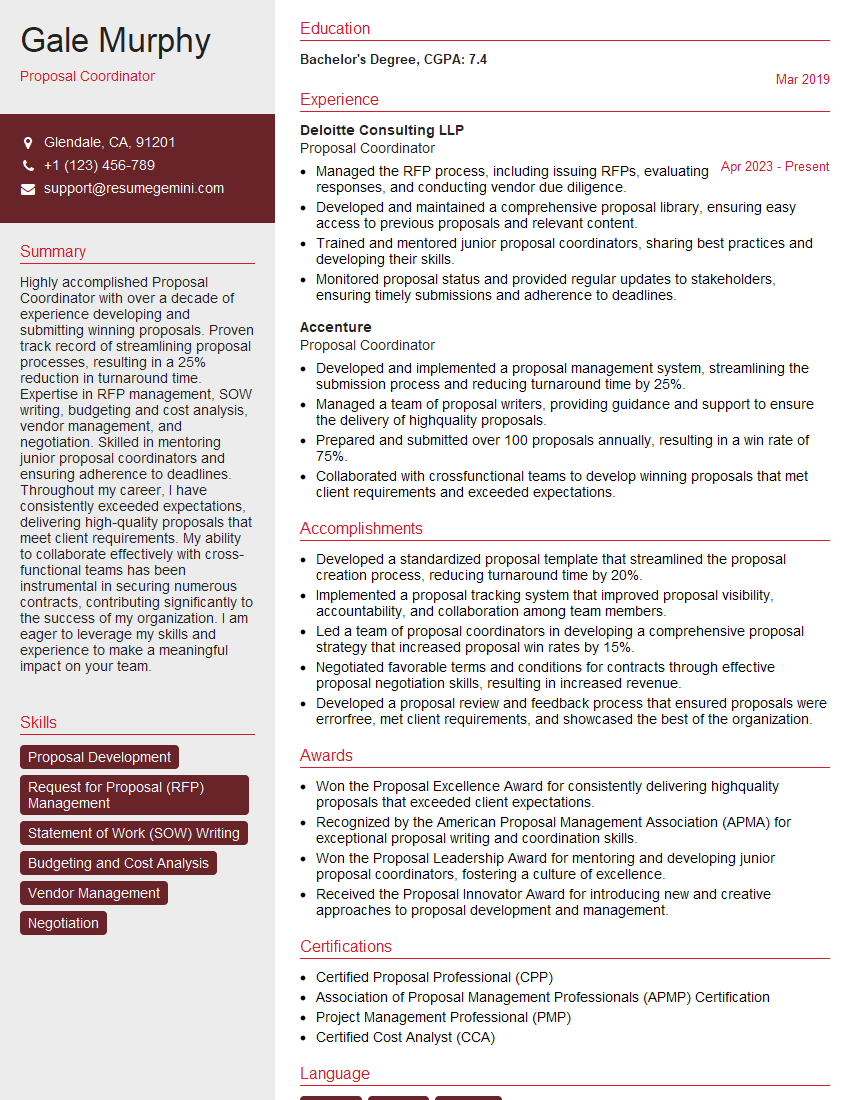
Proposal Coordinator Resume Sample
Explore more articles
Users Rating of Our Blogs
Share Your Experience
We value your feedback! Please rate our content and share your thoughts (optional).
What Readers Say About Our Blog
To the interviewgemini.com Webmaster.
Very helpful and content specific questions to help prepare me for my interview!
Thank you
To the interviewgemini.com Webmaster.
This was kind of a unique content I found around the specialized skills. Very helpful questions and good detailed answers.
Very Helpful blog, thank you Interviewgemini team.