Feeling uncertain about what to expect in your upcoming interview? We’ve got you covered! This blog highlights the most important Birth Defects Screening and Management interview questions and provides actionable advice to help you stand out as the ideal candidate. Let’s pave the way for your success.
Questions Asked in Birth Defects Screening and Management Interview
Q 1. Explain the difference between screening and diagnostic testing for birth defects.
Prenatal screening and diagnostic testing both aim to detect birth defects, but they differ significantly in their approach and purpose. Screening tests identify individuals at increased risk of having a baby with a birth defect. They are usually less invasive and less expensive, but they don’t provide a definitive diagnosis. Think of them as a broad net, catching many potential cases but also some false positives. Diagnostic tests, on the other hand, are used to confirm a diagnosis. They are typically more invasive, more expensive, and provide a definitive answer about the presence or absence of a specific defect. They’re like a highly specific microscope, examining a suspected area in detail.
Example: A blood test screening for Down syndrome might show an elevated risk, indicating the need for further investigation with a diagnostic test like amniocentesis or chorionic villus sampling (CVS).
Q 2. Describe the various methods used for prenatal screening (e.g., ultrasound, blood tests).
Several methods are used for prenatal screening. These methods can be broadly categorized into:
- Ultrasound: Uses sound waves to create images of the developing fetus, allowing visualization of major anatomical structures and detection of structural abnormalities. Different types of ultrasounds, such as nuchal translucency ultrasound (performed at 11-14 weeks), provide different levels of detail.
- Blood tests: These tests analyze maternal blood for specific substances that may indicate an increased risk of certain birth defects. Examples include the combined test (ultrasound + blood tests), integrated test (combining first trimester and second trimester screening), and non-invasive prenatal testing (NIPT), a more recent advancement that analyzes cell-free fetal DNA in maternal blood.
- Biochemical markers: Some blood tests measure levels of specific proteins or hormones in the mother’s blood, which can be indicative of certain chromosomal abnormalities. These are often part of the combined or integrated screening tests mentioned above.
The choice of screening methods depends on factors such as maternal age, family history, and individual preferences.
Q 3. What are the limitations and potential false-positive/false-negative results associated with common screening tests?
All screening tests have limitations. A major limitation is the possibility of false-positive results – a positive test result that doesn’t actually reflect the presence of a birth defect. This can lead to unnecessary anxiety and further invasive diagnostic tests. Conversely, false-negative results (a negative test result when a birth defect is actually present) can provide a false sense of security, delaying important interventions.
Example: A screening test for Down syndrome might show a positive result for a woman who will actually deliver a healthy baby (false-positive). Alternatively, the test may be negative, even when the baby does have Down syndrome (false-negative). The probability of false positives and false negatives varies depending on the specific test, maternal age and ethnicity.
The accuracy of the test results must always be interpreted within the context of the patient’s individual risk factors and clinical presentation. A detailed discussion and appropriate counseling are essential to manage the patient’s expectations.
Q 4. Discuss the ethical considerations involved in prenatal screening and genetic testing.
Prenatal screening and genetic testing raise several ethical considerations. These include:
- Autonomy: Parents have the right to make informed decisions about their reproductive choices, including whether or not to undergo screening and what to do if a defect is detected. Providing balanced information without coercion is crucial.
- Beneficence and Non-maleficence: Screening should aim to benefit the family and avoid causing harm, both physically and emotionally. The potential psychological impact of receiving a positive or negative result must be carefully considered.
- Justice: Access to prenatal screening and genetic testing should be equitable, regardless of socioeconomic status or geographic location.
- Confidentiality: Genetic information is highly sensitive and should be handled confidentially to protect the family’s privacy.
- Reproductive choices: The possibility of termination of pregnancy following the diagnosis of a severe birth defect brings up deep ethical questions, requiring sensitive and compassionate handling by healthcare professionals.
Open communication and shared decision-making between healthcare professionals and families are vital to navigate these ethical dilemmas.
Q 5. Explain the role of genetic counseling in the context of birth defects.
Genetic counseling plays a crucial role in managing birth defects. Genetic counselors are healthcare professionals who provide education, support, and guidance to individuals and families affected by or at risk of genetic conditions. Their role involves:
- Assessing risk: Evaluating family history and medical information to determine the risk of having a child with a birth defect.
- Explaining test options: Describing various screening and diagnostic tests, including their benefits, limitations, and potential risks.
- Interpreting results: Helping families understand the results of genetic tests and their implications for future pregnancies.
- Providing support: Offering emotional support and counseling to families facing challenging diagnoses.
- Developing management plans: Collaborating with other healthcare professionals to develop appropriate management plans for babies with birth defects.
Genetic counselors bridge the gap between complex medical information and patient understanding, empowering families to make informed choices.
Q 6. How do you communicate complex genetic information to patients and families?
Communicating complex genetic information requires careful planning and sensitivity. Key strategies include:
- Using clear and simple language: Avoiding jargon and technical terms, or explaining them clearly if necessary.
- Visual aids: Using diagrams, charts, or family trees to illustrate concepts.
- Breaking down complex information: Presenting information in small, manageable chunks.
- Checking for understanding: Regularly asking the family if they have any questions or need clarification.
- Tailoring the explanation: Adjusting the level of detail based on the family’s knowledge and understanding.
- Providing written materials: Summarizing key information in writing for the family to review later.
- Creating a supportive environment: Ensuring a comfortable and safe space for the family to ask questions and express concerns.
Remember, empathy and patience are critical. It’s essential to give families time to process the information and ask questions.
Q 7. What are the key components of a comprehensive family history assessment?
A comprehensive family history assessment is crucial for identifying individuals at increased risk for birth defects. It systematically collects information about the health of family members across multiple generations. The key components are:
- Three-generation pedigree: Constructing a diagram that visually represents family relationships and health information. This includes recording medical conditions, ages at diagnosis, and cause of death for relatives.
- Detailed medical history: Gathering information on congenital anomalies, genetic disorders, intellectual disability, and other relevant health conditions within the family.
- Reproductive history: Documenting details on prior pregnancies, including any miscarriages, stillbirths, or children with birth defects.
- Ethnic background: Considering ethnicity as certain birth defects are more common in specific populations.
- Environmental exposures: Inquiring about exposures to teratogens (substances that can cause birth defects) during pregnancy, such as medications, infections, and toxins.
Thorough documentation of the family history aids in risk assessment and assists in guiding appropriate screening and diagnostic choices.
Q 8. Describe different types of birth defects and their causes.
Birth defects, also known as congenital anomalies, are structural or functional abnormalities present at birth. They can range from minor to life-threatening and affect various body systems. Causes are complex and often multifactorial.
- Structural Defects: These involve physical abnormalities in body structures. Examples include cleft lip/palate (incomplete closure of the lip or palate during fetal development), heart defects (e.g., ventricular septal defect, where there’s a hole between the heart’s ventricles), and neural tube defects (e.g., spina bifida, an incomplete closure of the spinal cord).
- Functional Defects: These affect the way a body part or system works. Examples include metabolic disorders like phenylketonuria (PKU), where the body can’t process phenylalanine, and hearing or vision impairments.
Causes can be genetic (chromosomal abnormalities, gene mutations), environmental (exposure to teratogens during pregnancy), or a combination of both. Sometimes, the cause remains unknown (idiopathic).
For instance, Down syndrome is caused by an extra copy of chromosome 21 (genetic), while fetal alcohol syndrome is caused by maternal alcohol consumption during pregnancy (environmental).
Q 9. Explain the role of teratogens in causing birth defects.
Teratogens are substances or agents that can cause birth defects. Exposure during critical periods of fetal development can disrupt normal growth and development. The effect depends on several factors including the type of teratogen, dose, timing of exposure, and the genetic susceptibility of the fetus.
- Infections: Viruses like rubella, cytomegalovirus (CMV), and Zika virus can cause a range of birth defects, including heart defects, microcephaly (small head), and hearing loss.
- Drugs and Medications: Certain medications, if taken during pregnancy without proper medical guidance, can be teratogenic. Thalidomide, for example, was famously linked to severe limb deformities.
- Environmental Factors: Exposure to radiation, heavy metals (like mercury), and certain chemicals can also be harmful. Maternal smoking and alcohol consumption are well-known teratogens.
- Maternal Conditions: Uncontrolled diabetes during pregnancy can lead to birth defects such as heart defects and neural tube defects.
It’s crucial for pregnant women to be aware of potential teratogens and take preventative measures. This includes avoiding alcohol and tobacco, discussing medication use with their healthcare provider, and taking appropriate precautions regarding infections.
Q 10. How do you interpret and manage karyotype results?
A karyotype is a test that analyzes the number and structure of chromosomes in a cell. In prenatal diagnosis, it helps identify chromosomal abnormalities like Down syndrome (trisomy 21), Edwards syndrome (trisomy 18), and Patau syndrome (trisomy 13), as well as sex chromosome abnormalities like Turner syndrome and Klinefelter syndrome.
Interpreting karyotype results involves carefully examining the chromosomes for any numerical or structural abnormalities. A standard karyotype is represented using a specific notation. For example, 47,XX,+21 represents a female with Down syndrome (47 total chromosomes, female sex chromosomes XX, and an extra chromosome 21).
Management depends on the specific abnormality identified. Some abnormalities are associated with significant health problems requiring medical intervention, while others may have milder effects. Genetic counseling is essential to help parents understand the implications of the karyotype results and make informed decisions about their pregnancy.
For example, if a karyotype reveals a fetus with Trisomy 18, a detailed discussion about the prognosis, potential complications, and available options (including termination of pregnancy or continued pregnancy with appropriate medical management) is crucial.
Q 11. Discuss the management strategies for different types of birth defects detected prenatally.
Prenatal diagnosis can reveal various birth defects, and management strategies vary greatly depending on the specific defect and severity. These strategies often involve a multidisciplinary team including obstetricians, geneticists, neonatologists, and specialists in relevant fields.
- Surgical Intervention: In some cases, fetal surgery can be performed to correct or alleviate certain birth defects before birth (e.g., spina bifida repair). This is highly specialized and depends on the gestational age and feasibility.
- Medical Management: For certain conditions, medical management post-birth is required (e.g., medication for metabolic disorders). Prenatal diagnosis allows for preparation for necessary postnatal care and intervention.
- Supportive Care: Many birth defects cannot be cured but require ongoing supportive care to manage symptoms and improve the child’s quality of life. This might include physical therapy, occupational therapy, and specialized medical care.
- Genetic Counseling: This is an integral part of management, providing information on the inheritance pattern, recurrence risks, and available testing options for future pregnancies.
For example, a prenatal diagnosis of congenital heart disease might involve monitoring the fetal heart throughout the pregnancy, planning for specialized postnatal cardiac surgery, and preparing parents for the post-natal care required.
Q 12. What are the options available to parents after receiving a diagnosis of a fetal abnormality?
Receiving a diagnosis of a fetal abnormality can be emotionally challenging for parents. The options available are usually discussed extensively within the framework of genetic counseling.
- Continued Pregnancy: Parents may choose to continue the pregnancy, accepting the potential challenges involved. This often entails close monitoring of the pregnancy and preparation for the postnatal care required.
- Termination of Pregnancy: This is a legal and ethically complex decision that parents may choose depending on the severity of the anomaly and their personal beliefs.
- Fetal Surgery: In specific cases and at appropriate gestational ages, surgery may be an option to attempt to correct the anomaly prenatally.
The decision-making process should be driven by the parents’ values and preferences, informed by accurate and comprehensive information from medical professionals. Supportive counseling is crucial to help parents navigate this emotionally complex period.
Q 13. Describe the process of informed consent in the context of prenatal testing.
Informed consent is a crucial ethical principle in prenatal testing. It means that a patient must be fully informed about the risks and benefits of a procedure, including potential side effects, uncertainties, and alternative options, before giving voluntary consent.
The process includes:
- Explanation of the Test: The healthcare provider explains the purpose, procedure, risks, benefits, and limitations of the specific test (e.g., ultrasound, amniocentesis, chorionic villus sampling).
- Discussion of Alternatives: The provider explains alternative testing options or the option of not having any testing.
- Discussion of Risks and Benefits: A detailed discussion covers any potential risks associated with the testing procedure (e.g., miscarriage risk with amniocentesis) and the benefits of receiving the information (e.g., early diagnosis and management options).
- Answering Questions: The provider should answer all patient questions thoroughly and honestly.
- Documenting Consent: The patient’s consent is documented in writing, ensuring a clear record of the process.
The process should be sensitive to individual needs and allow ample time for questions and discussion. The goal is to empower parents to make an informed decision that aligns with their values and beliefs.
Q 14. How do you manage parental anxiety and grief related to a birth defect diagnosis?
A diagnosis of a birth defect can evoke a wide range of emotions in parents, including anxiety, grief, fear, and guilt. Managing parental anxiety and grief is a crucial aspect of healthcare provision in this context.
- Empathetic Communication: Providing a supportive and empathetic environment is crucial. Active listening, validation of emotions, and avoiding judgmental language are essential.
- Comprehensive Information: Providing clear, accurate, and accessible information about the diagnosis, prognosis, and management options is crucial to reduce uncertainty.
- Psychosocial Support: Referring parents to genetic counselors, psychologists, or support groups can provide crucial emotional support and coping strategies.
- Realistic Expectations: Helping parents establish realistic expectations based on the diagnosis is essential. Openly discussing challenges, but also highlighting strengths and possibilities, can help.
- Long-Term Follow-up: Providing regular follow-up appointments and access to resources fosters a sense of ongoing support and helps families adapt.
Remember, every family’s response is unique. A personalized approach that addresses the specific needs and emotional state of the parents is critical. Offering resources and fostering a supportive network is vital in helping parents cope with a challenging diagnosis and navigate their journey with resilience.
Q 15. What is your experience with non-invasive prenatal testing (NIPT)?
Non-invasive prenatal testing (NIPT) is a revolutionary screening tool that analyzes cell-free fetal DNA (cffDNA) circulating in the maternal blood. Unlike invasive procedures, NIPT is a simple blood draw, typically performed after 10 weeks of gestation. My experience with NIPT spans over a decade, encompassing both its clinical application and the interpretation of its results. I’ve been involved in numerous cases where NIPT helped identify high-risk pregnancies for chromosomal abnormalities, such as trisomy 21 (Down syndrome), trisomy 18 (Edwards syndrome), and trisomy 13 (Patau syndrome), as well as sex chromosome aneuploidies. I am adept at counseling patients on the implications of both positive and negative results, emphasizing the importance of confirmatory testing if necessary.
Career Expert Tips:
- Ace those interviews! Prepare effectively by reviewing the Top 50 Most Common Interview Questions on ResumeGemini.
- Navigate your job search with confidence! Explore a wide range of Career Tips on ResumeGemini. Learn about common challenges and recommendations to overcome them.
- Craft the perfect resume! Master the Art of Resume Writing with ResumeGemini’s guide. Showcase your unique qualifications and achievements effectively.
- Don’t miss out on holiday savings! Build your dream resume with ResumeGemini’s ATS optimized templates.
Q 16. What are the benefits and limitations of NIPT compared to other prenatal screening methods?
Compared to traditional screening methods like ultrasound and serum screening (e.g., triple or quad screen), NIPT offers significantly higher detection rates for common aneuploidies, with sensitivities often exceeding 99%. This reduces the need for invasive procedures like amniocentesis or chorionic villus sampling (CVS), which carry a small risk of miscarriage. However, NIPT is not without limitations. It’s a screening test, not a diagnostic test, meaning a positive result requires confirmation with an invasive diagnostic test. Furthermore, NIPT may not detect all chromosomal abnormalities, and it can be expensive compared to other screening options. For instance, while NIPT excels at detecting trisomies, it’s less accurate in detecting smaller chromosomal deletions or duplications, which may be better assessed by chromosomal microarray analysis (CMA). In summary, the decision of whether to opt for NIPT often involves a discussion of individual risk factors, cost, and the patient’s preference for invasive versus non-invasive testing.
Q 17. Discuss your experience with chromosomal microarray analysis (CMA).
Chromosomal microarray analysis (CMA) is a powerful diagnostic tool that provides a comprehensive evaluation of the entire genome. Unlike karyotyping, which can only detect larger chromosomal abnormalities, CMA can detect smaller copy number variations (CNVs), such as microdeletions and microduplications, which may be associated with various congenital anomalies or developmental delays. My experience with CMA includes its use in both prenatal and postnatal settings. Prenatally, CMA is often used to investigate abnormal ultrasound findings or a positive NIPT result. Postnatally, CMA can be used to diagnose unexplained developmental delays, intellectual disability, or multiple congenital anomalies. For example, I’ve seen CMA identify a submicroscopic deletion in a child with autism spectrum disorder and heart defects, leading to a more precise diagnosis and genetic counseling for the family.
Q 18. Explain the role of ultrasound in the detection and evaluation of fetal anomalies.
Ultrasound plays a crucial role in prenatal care, acting as the primary tool for visualizing the fetus and assessing its anatomy. It allows for the detection of various fetal anomalies, including structural abnormalities, growth restrictions, and placental issues. Early ultrasound scans can confirm pregnancy viability, estimate gestational age, and detect multiple gestations. Later scans, often performed between 18 and 22 weeks, provide a detailed anatomical survey, evaluating the fetal head, heart, spine, limbs, and abdominal organs. The detection of anomalies often triggers further investigations, such as fetal echocardiography or genetic testing. For example, a finding of a ventricular septal defect (VSD) on ultrasound will prompt a fetal echocardiogram to assess the severity and management of the heart defect.
Q 19. How do you assess fetal anatomy using ultrasound?
Fetal anatomical assessment via ultrasound involves a systematic review of various fetal structures. This includes assessing the fetal head (measuring the biparietal diameter and looking for abnormalities like anencephaly), measuring the fetal long bones to assess growth, evaluating the four-chamber view of the heart to detect any structural anomalies, inspecting the spine for spina bifida or other spinal defects, assessing the abdominal organs (stomach, kidneys, bladder) to rule out malformations, and examining the limbs for complete development and polydactyly or syndactyly. High-resolution ultrasound and the skill of the sonographer are crucial for accurate assessment. Images are meticulously documented, and any abnormalities are carefully noted and discussed with the patient.
Q 20. Describe your experience with fetal echocardiography.
Fetal echocardiography is a specialized ultrasound technique focusing exclusively on the fetal heart. It is essential for detecting and evaluating congenital heart defects, which are among the most common birth defects. My experience with fetal echocardiography includes both routine assessments and more complex cases involving severe or complex anomalies. During the procedure, we systematically evaluate cardiac structures such as the four chambers, valves, and great vessels. Doppler techniques are used to assess blood flow patterns. The results help determine the severity of the heart defect, its potential impact on fetal development, and the need for postnatal intervention. For instance, identifying a critical aortic stenosis during a fetal echocardiogram enables pre-natal preparation and management plans, such as postnatal surgery and neonatology consultation.
Q 21. What are the common indications for amniocentesis and chorionic villus sampling (CVS)?
Amniocentesis and chorionic villus sampling (CVS) are invasive prenatal diagnostic tests. Both procedures carry a small risk of miscarriage (less than 1%), but they provide definitive diagnostic information about the fetus’s chromosomes and genetic makeup. Amniocentesis involves extracting amniotic fluid from the amniotic sac, typically after 15 weeks of gestation, while CVS involves taking a sample of placental tissue, usually between 10 and 13 weeks. Common indications for these procedures include advanced maternal age, positive screening test results (NIPT, serum screening, or abnormal ultrasound), family history of chromosomal abnormalities, or previous pregnancies affected by chromosomal anomalies. For example, a high-risk NIPT result would typically be followed up with amniocentesis or CVS to confirm the diagnosis. The decision to perform either procedure is made on an individual basis, weighing the benefits of obtaining a definitive diagnosis against the inherent risks of the procedure.
Q 22. Describe the risks and complications associated with invasive prenatal procedures.
Invasive prenatal procedures, such as amniocentesis and chorionic villus sampling (CVS), carry inherent risks, although they are relatively low. The most significant risk is miscarriage, occurring in approximately 0.5-1% of cases for amniocentesis and slightly higher for CVS. Other potential complications, though less frequent, include bleeding, infection at the puncture site, and in rare instances, injury to the placenta or fetus. The risk profile varies depending on factors like gestational age, operator experience, and maternal health. For instance, performing an amniocentesis later in pregnancy slightly increases the risk of miscarriage.
It’s crucial to understand that these risks must be weighed against the benefits of obtaining diagnostic information about the fetus. The decision to proceed with an invasive procedure is highly individualized and should be made after careful consideration of all factors and in close consultation with a healthcare professional.
Q 23. How do you counsel patients on the risks and benefits of prenatal testing?
Counseling patients regarding prenatal testing requires a sensitive and comprehensive approach. I begin by explaining the various types of screening tests available, differentiating between screening tests (which identify risk) and diagnostic tests (which provide a definitive diagnosis). This includes explaining the sensitivity and specificity of each test in simple, understandable terms, using analogies when necessary. For example, I might explain sensitivity as ‘the ability of the test to correctly identify those with the condition’ and specificity as ‘the ability to correctly identify those without the condition’.
Next, I discuss the risks and benefits of each test, including invasive procedures, emphasizing the potential for false positives and false negatives. I thoroughly review the implications of each potential result: a positive result might require further testing or consideration of termination of pregnancy; a negative result provides reassurance but doesn’t guarantee a healthy baby. Finally, I encourage patients to ask questions, express their concerns, and take time to process the information before making any decisions. The goal is informed consent – ensuring the patient understands their choices and makes a decision aligned with their values and preferences.
Q 24. How do you maintain patient confidentiality and protect sensitive genetic information?
Maintaining patient confidentiality and protecting sensitive genetic information is paramount. I adhere strictly to HIPAA regulations and all relevant institutional policies. This includes securely storing genetic test results in designated electronic health records (EHR) systems with access restricted to authorized personnel only. Patient information is never disclosed to third parties without explicit written consent, except in situations mandated by law (e.g., reporting of certain conditions to public health authorities).
When discussing genetic information with patients, I ensure a private setting, and I always obtain informed consent before conducting any testing or disclosing results. I also provide patients with written materials outlining their rights regarding their genetic information. Regular training on data security and privacy is crucial to staying abreast of best practices and evolving regulations in this rapidly changing field.
Q 25. What is your approach to managing a case with a complex or rare birth defect?
Managing a case with a complex or rare birth defect requires a multidisciplinary approach. I typically begin by assembling a team of specialists, which may include geneticists, surgeons, cardiologists, neurologists, and other relevant experts depending on the specific defect. We collaboratively review the patient’s history, imaging studies (e.g., ultrasound, MRI), and genetic testing results to establish a precise diagnosis and prognosis.
Next, we develop an individualized management plan, considering the severity of the defect, the patient’s overall health, and the family’s preferences. This may involve surgical intervention, medical management, genetic counseling, and supportive care. Regular follow-up appointments are essential to monitor the patient’s progress, adjust treatment as needed, and provide ongoing support to the family. Open communication and collaborative decision-making are crucial in these cases.
For example, a child born with a complex congenital heart defect would require the expertise of pediatric cardiologists, cardiac surgeons, and possibly geneticists to determine the cause and guide surgical planning and post-surgical care.
Q 26. Discuss your experience with newborn screening programs.
I have extensive experience with newborn screening programs, having participated in the implementation and evaluation of such programs in various settings. My role has involved ensuring that newborns receive timely and accurate screening for a range of conditions, including phenylketonuria (PKU), hypothyroidism, cystic fibrosis, and hearing impairment. This includes understanding the specific tests involved, interpreting the results, and coordinating follow-up care for infants who screen positive.
The importance of effective newborn screening lies in its potential for early diagnosis and intervention, which can significantly improve outcomes for affected infants. For example, early detection of PKU allows for dietary modifications that prevent irreversible brain damage. In my experience, the success of these programs hinges on effective collaboration between hospitals, laboratories, and public health agencies, coupled with well-designed quality assurance measures to maintain accuracy and timeliness.
Q 27. Describe the challenges and ethical considerations related to genetic testing and newborn screening.
Genetic testing and newborn screening present several challenges and ethical considerations. One key challenge lies in interpreting results accurately, particularly in the context of variable penetrance and expressivity of genetic mutations. A positive result might not translate into a clinically significant condition, while a negative result doesn’t guarantee the absence of all possible genetic disorders. This can lead to anxiety and uncertainty for families. Furthermore, the increasing availability of direct-to-consumer genetic testing raises concerns about the potential for misinterpretation of results and inappropriate medical decision-making.
Ethical considerations involve issues of informed consent, particularly in the context of newborn screening where parents may not fully understand the implications of testing their infants. There’s also the question of incidental findings – uncovering information about other genetic conditions unrelated to the original reason for testing. It is essential to develop clear guidelines for disclosing these findings, considering the potential impact on the family. Genetic discrimination, privacy concerns, and the potential for psychological distress also need careful consideration.
Q 28. Explain your experience collaborating with interdisciplinary teams to manage birth defects.
Collaboration with interdisciplinary teams is essential for effective birth defects management. My experience involves working closely with geneticists, neonatologists, surgeons, nurses, social workers, and other healthcare professionals to provide holistic care to affected infants and their families. Effective communication and a shared understanding of the patient’s needs are crucial. This involves regular team meetings, clear documentation, and a well-defined process for sharing information and making decisions collaboratively.
For example, in managing a case of neural tube defect, I’d collaborate with a neurosurgeon for surgical intervention, a geneticist to assess potential genetic risks, a social worker to provide psychosocial support, and nurses for wound care and monitoring. This coordinated approach ensures that patients receive comprehensive care, addressing both the medical and psychosocial aspects of their condition. This team approach also promotes efficiency and reduces fragmentation of care.
Key Topics to Learn for Birth Defects Screening and Management Interview
- Prenatal Screening Techniques: Understanding various screening methods (ultrasound, blood tests, etc.), their limitations, and appropriate patient populations.
- Diagnostic Testing: Knowledge of amniocentesis, chorionic villus sampling (CVS), and other invasive procedures; interpretation of results and counseling patients.
- Genetic Counseling: Skills in explaining complex genetic information to patients and families, addressing ethical considerations, and managing emotional responses.
- Risk Assessment and Management: Calculating individual risks, identifying high-risk pregnancies, and developing personalized management plans.
- Birth Defect Types and Etiologies: Familiarity with common birth defects, their causes (genetic, environmental, etc.), and associated complications.
- Medical Management of Birth Defects: Understanding treatment options, including surgery, medication, and supportive care, for various birth defects.
- Ethical and Legal Considerations: Knowledge of relevant laws, regulations, and ethical guidelines related to genetic testing and prenatal care.
- Data Analysis and Interpretation: Ability to analyze screening results, interpret diagnostic findings, and make informed clinical decisions.
- Interdisciplinary Collaboration: Experience working effectively with geneticists, obstetricians, pediatricians, and other healthcare professionals.
- Patient Communication and Counseling: Effective communication skills to deliver sensitive information, answer patient questions, and provide emotional support.
Next Steps
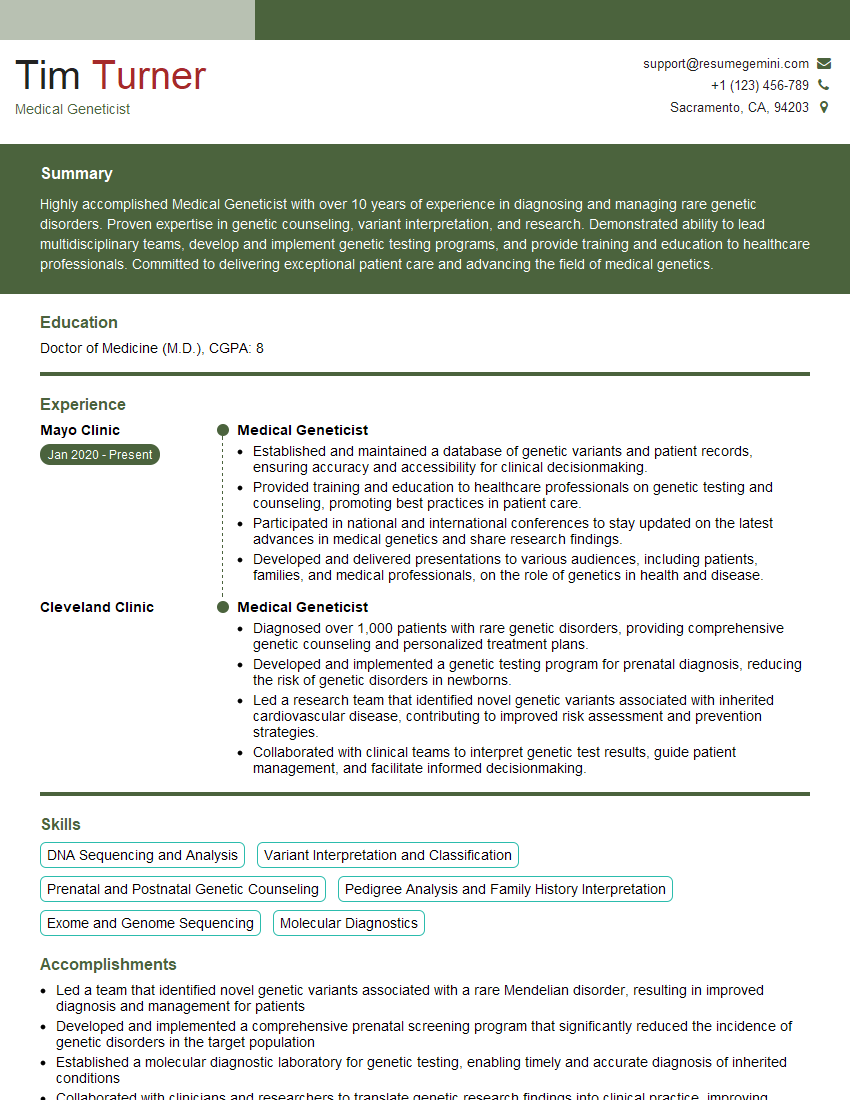
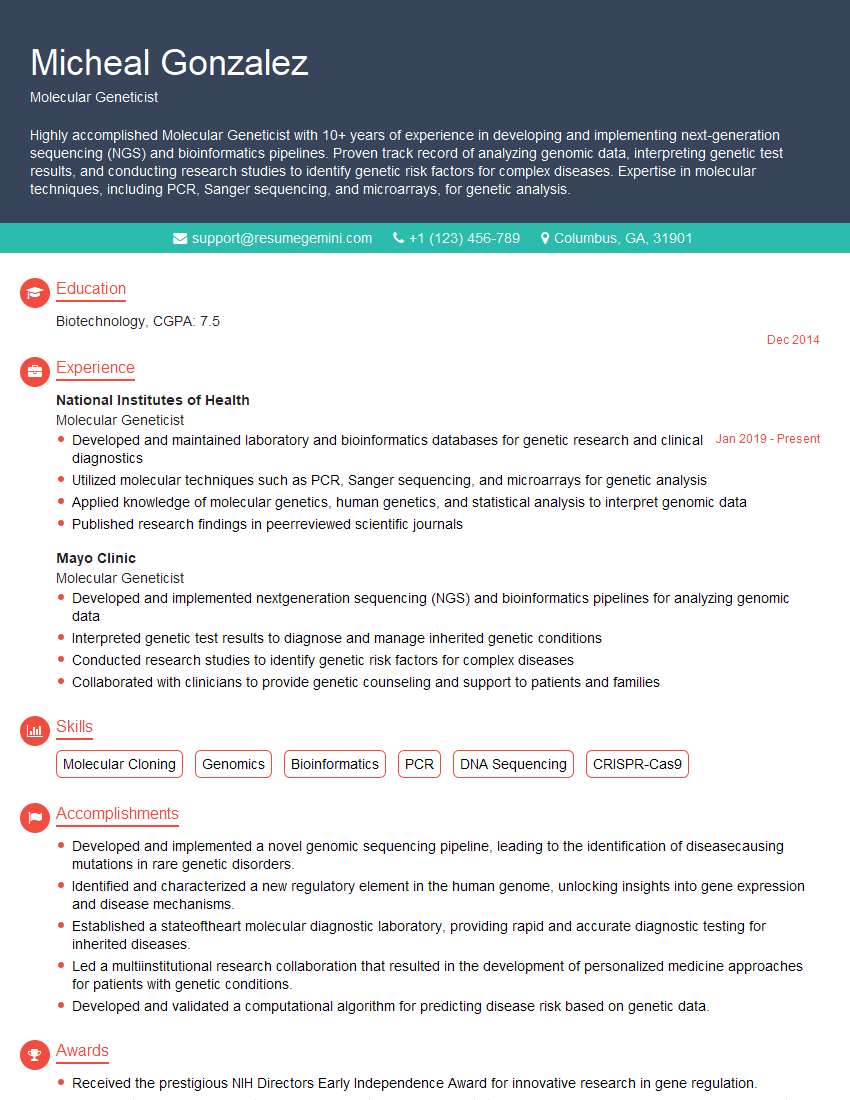
Mastering Birth Defects Screening and Management opens doors to rewarding careers in genetics, obstetrics, and related fields. A strong understanding of these concepts is crucial for career advancement and securing your dream position. To maximize your job prospects, creating a compelling and ATS-friendly resume is essential. ResumeGemini is a trusted resource to help you build a professional resume that highlights your skills and experience. We provide examples of resumes tailored to Birth Defects Screening and Management to help guide you. Invest time in crafting a powerful resume – it’s your first impression on potential employers.
Explore more articles
Users Rating of Our Blogs
Share Your Experience
We value your feedback! Please rate our content and share your thoughts (optional).
What Readers Say About Our Blog
To the interviewgemini.com Webmaster.
Very helpful and content specific questions to help prepare me for my interview!
Thank you
To the interviewgemini.com Webmaster.
This was kind of a unique content I found around the specialized skills. Very helpful questions and good detailed answers.
Very Helpful blog, thank you Interviewgemini team.