Every successful interview starts with knowing what to expect. In this blog, we’ll take you through the top Blueprints and Plans Interpretation interview questions, breaking them down with expert tips to help you deliver impactful answers. Step into your next interview fully prepared and ready to succeed.
Questions Asked in Blueprints and Plans Interpretation Interview
Q 1. Explain the difference between architectural, structural, and MEP blueprints.
Blueprints are crucial for construction, and different types focus on different aspects of the building. Architectural blueprints show the overall design, layout, and spatial relationships of rooms, including doors, windows, and walls. Think of them as the building’s floor plan and its overall aesthetic design. Structural blueprints, on the other hand, detail the building’s structural elements – the foundation, beams, columns, and other load-bearing components. These ensure the building’s stability and safety. Finally, MEP (Mechanical, Electrical, and Plumbing) blueprints illustrate the systems that make the building function, showing the placement of HVAC systems, electrical wiring, plumbing fixtures, and fire protection systems. They are essential for ensuring the building is comfortable, safe, and efficient.
For example, an architectural drawing would show the location of a bathroom and its dimensions, while the structural drawing would show the supporting beams and columns underneath it, and the MEP drawings would reveal the location of plumbing pipes, electrical outlets, and ventilation ducts within that bathroom.
Q 2. How do you identify the north direction on a blueprint?
Most blueprints include a north arrow, a symbol that indicates the direction of true north. This arrow is usually located in a title block or legend area on the drawing sheet. It’s a crucial element because it orients the building plan within its context. Knowing north allows you to understand the building’s sun exposure, prevailing winds, and its relationship to the surrounding environment. In some cases, if the north arrow is missing, you might need to cross-reference to the project’s site plan or survey information to ascertain the building’s orientation.
It’s like having a compass on your map – without it, you’re just looking at a picture, not understanding its location within the larger world.
Q 3. What are the standard symbols used to represent walls, doors, and windows on blueprints?
Blueprint symbology is standardized to ensure clarity and efficiency. While variations exist, common symbols include:
- Walls: Typically represented by solid lines, with different line weights indicating different wall thicknesses or materials. For example, a thicker line might indicate a load-bearing wall.
- Doors: Often depicted as a break in the wall line, with a symbol indicating swing direction (e.g., an arc showing which way the door opens). Specific door types (e.g., sliding, double) may also be indicated.
- Windows: Shown as breaks in the wall line, frequently with a simple box-like symbol, sometimes annotated with dimensions.
These symbols save space and improve readability. Think of it as a shorthand language specifically for building design.
Q 4. Describe your experience interpreting building sections and elevations.
Building sections and elevations are fundamental for visualizing the building’s three-dimensional form and construction details. Sections show a cut-away view of the structure, revealing the internal construction and how different elements relate vertically. Elevations depict the building’s exterior faces, providing details about the exterior finishes, windows, doors, and other external features. My experience includes reviewing sections to understand structural framing systems, the placement of MEP services, and to verify wall and floor construction. Interpreting elevations allows for accurate assessments of exterior cladding and detailing.
For example, a section through a wall will clearly show the thickness of the wall, the placement of insulation, and the materials used (e.g., brick, wood framing, drywall). Elevations help verify the window and door sizes and positions, ensuring accurate ordering of materials. I’ve used this experience countless times to perform quality assurance checks and confirm that the construction matches the design.
Q 5. How do you identify different materials used in construction from blueprints?
Material identification on blueprints relies on a combination of standard symbols, annotations, and specifications. Sometimes materials are represented by patterns within the linework (e.g., cross-hatching for concrete), while others rely on textual notes or labels. A legend or key on the drawing sheet will often define the symbols or codes. Sometimes, you’ll need to refer to the specifications document associated with the blueprints for more detailed information on materials.
For instance, a drawing might use a dotted line pattern to represent wood framing, while a solid fill might represent concrete. Material specifications, often referenced by a number or code in the drawings, will provide details like concrete compressive strength or the type of wood used. Experienced professionals learn to quickly interpret these cues from repeated experience and study of construction documents.
Q 6. Explain the importance of scales in blueprint interpretation.
Scales are essential because blueprints represent a full-size building in a reduced format. The scale indicates the ratio between the drawing and the actual dimensions. For example, a scale of 1:50 means that 1 unit on the drawing represents 50 units in reality. Accurate interpretation of scales is critical for correct measurements and material ordering. Misinterpreting the scale could lead to significant errors in construction.
I once worked on a project where a subcontractor mistakenly used an incorrect scale, leading to the incorrect ordering of critical components. This highlights the crucial importance of diligently checking and understanding the scale used in any set of blueprints.
Q 7. How do you interpret dimensions and tolerances on blueprints?
Dimensions on blueprints specify the size and location of building elements. They are usually annotated directly onto the drawings. Tolerances specify the acceptable variation from the given dimensions. These are crucial because perfect precision is impossible in construction. A tolerance of +/- 2mm, for example, means that the actual dimension can be up to 2mm larger or smaller than the indicated dimension.
For instance, a dimension might read ‘1000 mm +/- 2 mm’ meaning the actual dimension can vary between 998 mm and 1002 mm. Understanding and properly accounting for tolerances is crucial to avoid conflicts during the construction process. I’ve frequently used this understanding to resolve discrepancies between design specifications and actual measurements on construction sites.
Q 8. What software are you proficient in for reviewing and manipulating blueprints?
My proficiency in reviewing and manipulating blueprints extends across several software applications. I’m highly skilled in AutoCAD, a cornerstone for architectural, engineering, and construction (AEC) drawings. AutoCAD allows for precise measurements, annotation, and layer manipulation, crucial for detailed blueprint analysis. I’m also proficient in Autodesk Revit, a Building Information Modeling (BIM) software, which provides a 3D model alongside the 2D blueprints, giving me a richer understanding of the design and potential conflicts. For reviewing PDFs, I utilize Adobe Acrobat Pro, which allows for effective markup and commenting directly on the plans. Finally, I’m comfortable using Bluebeam Revu, known for its collaborative tools perfect for team review processes and advanced markup features.
Q 9. Describe your process for identifying potential conflicts or errors on blueprints.
Identifying potential conflicts or errors on blueprints is a systematic process. My approach starts with a thorough review of each drawing type, including architectural, structural, MEP (Mechanical, Electrical, Plumbing), and site plans. I begin by visually inspecting the drawings, checking for inconsistencies like mismatched dimensions, overlapping elements, or unclear notations. Next, I meticulously verify that all elements align and coordinate across different disciplines. For instance, I’ll check if plumbing fixtures align with the floor plan’s indicated locations. I also look for clashes – where elements from different disciplines intersect (e.g., a duct running through a beam). I utilize the software’s measurement tools to precisely verify dimensions and clearances. Any discrepancies are flagged immediately and brought to the attention of the design team. For example, if a door swing is shown conflicting with a wall in the architectural drawing and structural drawings show a supporting column in the same space, I would raise this issue as a critical conflict.
Q 10. How do you use blueprints to understand the sequence of construction activities?
Blueprints are vital in understanding construction sequencing. I analyze the drawings to determine the logical order of activities. For instance, site plans show the overall layout and staging areas, giving insight into early-stage activities like excavation and foundation work. Floor plans define the interior spaces and dictate the sequence of interior construction, from framing to finishing. Detail drawings provide specific instructions for intricate components, influencing the execution of precise tasks. By following the drawings systematically and understanding how different drawings relate to each other (floor plan referencing a detail drawing for a specific window type), one can build a complete picture of the construction workflow, from site preparation through to final finishes. Think of it like following a recipe – each drawing is a step, and understanding the sequence ensures a smooth construction process.
Q 11. How would you handle ambiguous or unclear information on a blueprint?
Encountering ambiguous or unclear information requires a proactive approach. My first step is to carefully review the surrounding drawings and details for any clues that might clarify the ambiguity. If this doesn’t resolve the issue, I’ll utilize the revision history (if available) to see if previous versions offer any further explanation. Next, I’ll reach out to the design team – the architect, engineers, or other relevant stakeholders – to seek clarification. Documenting the ambiguity and the clarification received is crucial. For example, if a wall thickness is not specified, I would ask the architect to confirm the exact dimension, documenting the question and answer for the project records. Failing to resolve the issue can lead to costly errors during construction.
Q 12. Explain your experience with different types of blueprint formats (e.g., PDF, DWG).
I have extensive experience with various blueprint formats. DWG files (AutoCAD’s native format) are my primary working format, offering the most flexibility for reviewing and manipulation. I can easily access layers, make measurements, and add annotations. PDFs are commonly used for distribution and archiving; I effectively use tools in Adobe Acrobat Pro to mark up and comment on PDF blueprints. Other formats, such as TIFF and JPG, are less ideal for detailed analysis but often used for image-based review of progress photos, or less detailed overview plans. My experience allows me to work efficiently regardless of the format, always prioritizing the extraction of the critical information required for review and analysis.
Q 13. How do you ensure you’re reviewing the most up-to-date version of a blueprint?
Ensuring I review the most up-to-date version involves a multi-pronged approach. First, I verify the revision number or date on the drawing itself. Many blueprints use a version control system reflecting updates. Second, I confirm the file source – working directly from the central repository or the designated project management system ensures I’m using the latest revision. Third, I communicate with the project manager or design team to inquire about any recent revisions or updates before beginning my review. For instance, if there is a centralized cloud storage system being used for the project, I will always ensure I download the most current documents before beginning a review. Clear communication and version control are paramount to avoid misinterpretations and errors based on outdated information.
Q 14. What are the key differences between a floor plan, a site plan, and a detail drawing?
Floor plans, site plans, and detail drawings serve distinct purposes. A floor plan is a top-down view of a building’s interior, showing the layout of rooms, walls, doors, windows, and fixtures. It provides a comprehensive representation of the building’s internal spaces. A site plan shows the building’s location on a larger site, including surrounding features like roads, utilities, landscaping, and other structures. It focuses on the building’s external relationships and site context. A detail drawing is a highly magnified view of a specific component or assembly. It illustrates construction methods, material specifications, and dimensions for small parts like a window detail, or a connection detail. In essence, a floor plan focuses on the inside, a site plan focuses on the outside relationship of the building to the broader site, and detail drawings are highly specific zoomed-in views of individual construction details. Each drawing type is essential for complete comprehension of the project.
Q 15. How do you identify the specifications for materials and finishes on a blueprint?
Identifying material and finish specifications on a blueprint involves a multi-step process. First, you need to understand the blueprint’s legend or key, which usually provides a table listing symbols and their corresponding materials. For example, a specific hatch pattern might represent concrete, while another represents wood flooring. Second, look for detailed specifications within sections or schedules. These sections usually provide more technical data, specifying things like concrete compressive strength (e.g., 4000 psi), paint types (e.g., Benjamin Moore Aura, Satin finish), and tile sizes and types. Finally, cross-reference the drawings with the project specifications document. This document offers detailed written descriptions of all materials and finishes used. Think of it as the ‘recipe book’ that complements the ‘blueprint picture’. For instance, the blueprint might show ’tile’ in a bathroom, but the specifications document will detail the precise tile type, color, and manufacturer.
Example: A blueprint might show a symbol for ‘wall finish’. The legend might indicate this symbol refers to ‘Type A Wall Finish’. Then, you would turn to the specifications where ‘Type A Wall Finish’ is described as ‘Two coats of Benjamin Moore Regal Select Eggshell in ‘Swiss Coffee’ color’.
Career Expert Tips:
- Ace those interviews! Prepare effectively by reviewing the Top 50 Most Common Interview Questions on ResumeGemini.
- Navigate your job search with confidence! Explore a wide range of Career Tips on ResumeGemini. Learn about common challenges and recommendations to overcome them.
- Craft the perfect resume! Master the Art of Resume Writing with ResumeGemini’s guide. Showcase your unique qualifications and achievements effectively.
- Don’t miss out on holiday savings! Build your dream resume with ResumeGemini’s ATS optimized templates.
Q 16. What is your experience working with specifications alongside blueprints?
Throughout my career, I’ve consistently worked with specifications and blueprints in tandem. It’s a crucial part of my role to ensure design intent and construction feasibility are aligned. In one instance, I worked on a high-rise residential project. The blueprints detailed the building’s layout, but the specifications listed specific acoustic requirements for the walls between apartments. By carefully reviewing both, we could ensure the selected materials (e.g., drywall type and insulation) met the noise reduction targets. In another project, a discrepancy emerged between the specified exterior cladding in the specifications and the symbol on the elevation drawings. Early detection of this using both resources saved significant rework and cost later in the construction phase. My approach consistently involves meticulous cross-referencing to catch such discrepancies, confirming the chosen materials meet the performance and aesthetic goals defined in the project.
Q 17. Explain how you would use blueprints to calculate material quantities.
Calculating material quantities from blueprints involves a combination of careful measurement and understanding of construction practices. First, I identify the relevant drawing(s) – floor plans, sections, elevations, and details – that show the area(s) needing materials. I’ll then use the provided dimensions (length, width, height) to calculate areas or volumes. For example, to calculate the amount of concrete needed for a foundation, I measure the dimensions of the foundation footings from the blueprints. I ensure I account for any necessary factors like material waste and shrinkage. This usually involves adding a percentage (e.g., 5-10%) to the calculated quantity. If the blueprint uses a specific scale, it’s critical to ensure calculations are performed using the correct units (e.g., converting inches to feet). For more complex geometries, I might utilize CAD software to help accurately measure areas and volumes. Finally, I’ll cross-reference the type and quality of materials from the specifications document to ensure I’m using the correct material unit weight or volume in my calculations.
Example: To calculate the amount of paint needed for a wall, I would measure the wall’s height and length from the blueprint. After getting the area, I will consult the specifications for paint coverage per gallon and adjust accordingly for two coats.
Q 18. Describe your process for checking blueprint compliance with building codes and regulations.
Checking blueprint compliance with building codes and regulations is a systematic process that begins with understanding the applicable codes. This depends on factors such as building location, occupancy type (residential, commercial, industrial), and the building’s height. I’ll then meticulously review the blueprints against the specific requirements outlined in the codes. This process involves verification of things like minimum wall thicknesses, fire-rating requirements for walls and floors, egress requirements (emergency exits and pathways), accessibility compliance for people with disabilities (ADA), and structural design checks against wind and seismic loads. It might involve using specific code-checking software or consulting engineering resources to ensure complex structural and other calculations conform to regulations. If discrepancies are discovered, I carefully document them, noting the code section violated and proposing feasible solutions for compliance. Ultimately, compliance review aims to prevent costly rework and ensure the building meets safety and regulatory standards.
Example: I’d check if the spacing between structural columns meets the requirements for the allowable span and load-bearing capacity stipulated in the building code.
Q 19. How familiar are you with BIM (Building Information Modeling) and its use in blueprint interpretation?
I’m very familiar with Building Information Modeling (BIM). BIM goes beyond 2D blueprints by creating a digital 3D model of the building. This model provides a richer, more comprehensive understanding of the design. In blueprint interpretation, BIM enhances efficiency by allowing for easier visualization and quantification of elements. For example, extracting material quantities for cost estimating becomes significantly more accurate and faster within a BIM environment. Clash detection, identifying conflicts between different building systems (e.g., MEP and structural), is also facilitated in BIM. This reduces costly errors during construction. Furthermore, BIM enhances collaboration among various project stakeholders through a shared platform, improving communication and coordination. I’ve personally used BIM software such as Revit and ArchiCAD to interpret and analyze project data, improving my understanding and efficiency compared to traditional blueprint-only methods.
Q 20. What is your experience using laser scanning data integrated with blueprints?
My experience with integrating laser scanning data with blueprints is significant, particularly in renovation and existing building analysis projects. Laser scanning creates a highly accurate 3D point cloud of an existing structure. By overlaying this point cloud onto the blueprint, we can compare the ‘as-built’ condition with the original design. This is invaluable for identifying discrepancies, like deviations in wall positions or floor levels, which can impact renovation plans. It’s a more reliable method compared to solely relying on on-site measurements, offering improved precision. This integration enables better decision-making by providing a comprehensive understanding of the ‘as-is’ conditions before any modifications begin. In one project, laser scanning revealed significant discrepancies between existing structures and the original blueprints. These findings were crucial in creating a realistic renovation plan and avoiding costly unforeseen problems.
Q 21. How do you communicate complex technical information from blueprints to non-technical individuals?
Communicating complex technical information from blueprints to non-technical individuals requires a clear and concise approach. I employ several strategies to make complex information accessible. Firstly, I avoid using technical jargon whenever possible. I’ll replace terms like ‘elevation’ with ‘view from the side’. Secondly, I use visual aids like simplified sketches or diagrams that complement the blueprints. I often show them sections of the blueprints focusing on the area of interest. I break down complex processes into smaller, easier-to-understand steps, using analogies whenever appropriate. For example, to explain a complex structural element, I might compare it to something familiar, like a bridge or a tree trunk. Finally, I encourage questions and use active listening to ensure the recipient fully grasps the information. Tailoring the explanation to their background and understanding is paramount. Effective communication requires empathy and a willingness to clarify until the message is clear and unambiguous.
Q 22. Describe a situation where you had to identify and solve a discrepancy on a set of blueprints.
During a recent commercial building project, the electrical and HVAC blueprints showed conflicting ductwork placement in a crucial area near a server room. The electrical plan indicated conduit runs directly where the HVAC plan showed a large duct. This was a serious discrepancy because improper placement could lead to damage, delays, and safety risks.
To resolve this, I first meticulously compared both blueprints, noting the exact coordinates and dimensions of the conflicting elements. I then cross-referenced these coordinates with the structural plans to understand the available space and potential workarounds. Next, I contacted the engineers responsible for each discipline – electrical and HVAC – and presented my findings, providing clear visuals highlighting the conflict. Through collaborative discussion, we determined that rerouting the conduit was the most feasible solution, minimizing disruption and ensuring compliance with safety codes. The revised plans were then circulated for review and approval before construction continued.
Q 23. How do you prioritize different aspects of a blueprint when identifying potential issues?
Prioritizing aspects in blueprint review involves a risk-based approach. Safety always comes first. I meticulously check for potential hazards like conflicting structural elements, improper clearances around equipment, and inadequate fire protection details. Next, I focus on critical building systems – structural integrity, plumbing, electrical, and HVAC – because failures in these areas can have significant consequences. Finally, I review less critical aspects, such as cosmetic finishes, to ensure consistency with the overall design. This tiered approach ensures that the most important issues are addressed first, minimizing the risk of major problems during construction.
Q 24. Explain your experience with different blueprint annotation methods.
I’m experienced with various blueprint annotation methods, including both manual and digital techniques. Manually, I use colored pencils, highlighters, and sticky notes to mark discrepancies, add notes, and highlight areas requiring attention. This approach is useful for quick revisions and collaboration during meetings. Digitally, I utilize software like Bluebeam Revu and AutoCAD to annotate plans more precisely. These tools allow for layered markup, detailed measurements, and easy sharing of marked-up versions with the project team. For example, I might use the digital tools to create a redlined version showing proposed changes, or use callouts to specify dimensions for custom fabrication. Both methods are valuable and my choice depends on project needs and available resources.
Q 25. Describe your understanding of construction tolerances and how they relate to blueprint interpretation.
Construction tolerances represent the acceptable deviation from the dimensions shown on the blueprints. Understanding these tolerances is crucial for successful interpretation. For example, a dimension might be noted as 10′ ± 1/4”. This means the actual dimension can vary between 9’11 1/4” and 10′ 1/4” and still be considered within tolerance. Ignoring tolerances can lead to material waste, rework, and potential conflicts between different building systems. I carefully consider these tolerances when reviewing blueprints, ensuring the design accommodates the expected variations during construction. This involves analyzing the potential cumulative effect of multiple tolerances on overall assembly and coordination.
Q 26. How do you use blueprints to identify potential safety hazards on a construction site?
Blueprints are a crucial tool for proactive hazard identification. I look for potential safety issues such as inadequate fall protection measures in elevated areas (lack of railings or scaffolding details), insufficient clearances around machinery or equipment, improper electrical conduit routing, or missing fire protection systems indicated in the fire protection plans. I also verify the correct placement of emergency exits and examine the accessibility for emergency vehicles according to local codes. Detailed review of all relevant plans—structural, electrical, plumbing, HVAC, and fire protection—is essential to anticipate and mitigate potential on-site risks before they manifest.
Q 27. How would you explain the process of reviewing and approving a set of blueprints?
The blueprint review and approval process starts with a thorough individual check for clarity, completeness, accuracy, and adherence to building codes and regulations. This is followed by a team review where other engineers, architects, and contractors involved verify the design’s feasibility and address potential conflicts. Next, I typically create a comprehensive review report documenting any issues identified during this review. This report, along with the marked-up plans, is presented for approval by the relevant authorities (such as building inspectors or project managers). Once approved, the blueprints become the official guide for the construction process, serving as a critical reference for all stakeholders throughout the project. These steps ensure that the design is not only technically sound but also safe and legally compliant.
Q 28. What strategies do you employ to improve your speed and accuracy in blueprint interpretation?
To improve speed and accuracy, I employ several strategies. First, I prioritize understanding the overall project design before delving into specific details. This provides context and helps me quickly identify potential inconsistencies. Next, I use checklists and standardized procedures to ensure that I consistently review all key aspects of the blueprints. Mastering software like Bluebeam Revu significantly increases efficiency by allowing me to easily navigate and markup plans digitally. Finally, continuous learning and professional development, keeping updated with the latest industry standards and software, is crucial for maintaining a high level of expertise and improving my ability to interpret blueprints efficiently and accurately.
Key Topics to Learn for Blueprints and Plans Interpretation Interview
- Scales and Measurements: Understanding various scales used in blueprints and accurately interpreting dimensions and distances. Practical application: Calculating material quantities based on blueprint dimensions.
- Orthographic Projections: Interpreting multiple views (plan, elevation, section) to visualize the three-dimensional structure of a building or object. Practical application: Identifying potential conflicts or design flaws by analyzing different views.
- Symbols and Conventions: Recognizing standard symbols and abbreviations used to represent different building components, materials, and details. Practical application: Quickly identifying plumbing fixtures, electrical outlets, or structural elements on a blueprint.
- Sections and Details: Understanding how sections and detailed drawings clarify specific construction elements. Practical application: Analyzing complex joinery or intricate building features.
- Plan Reading Strategies: Developing efficient strategies for quickly identifying key information and navigating complex drawings. Practical application: Quickly extracting relevant information under time constraints.
- Material Specifications: Interpreting symbols and notes indicating materials used in construction. Practical application: Identifying appropriate materials for a specific construction task.
- Architectural and Engineering Drawings: Differentiating between various types of drawings and understanding their purpose within the overall project. Practical application: Understanding the relationship between architectural and structural drawings.
- Problem-Solving and Critical Thinking: Applying analytical skills to identify inconsistencies, potential issues, and solutions within the blueprint. Practical application: Recognizing potential clashes between different building systems.
Next Steps
Mastering Blueprints and Plans Interpretation is crucial for career advancement in many fields, including architecture, construction, and engineering. A strong understanding of this skill demonstrates your technical abilities and problem-solving skills, opening doors to exciting opportunities. To maximize your job prospects, create an ATS-friendly resume that highlights your key skills and experience. ResumeGemini is a trusted resource that can help you build a professional and impactful resume. We even provide examples of resumes tailored to Blueprints and Plans Interpretation to give you a head start. Invest in your future – build a compelling resume today!
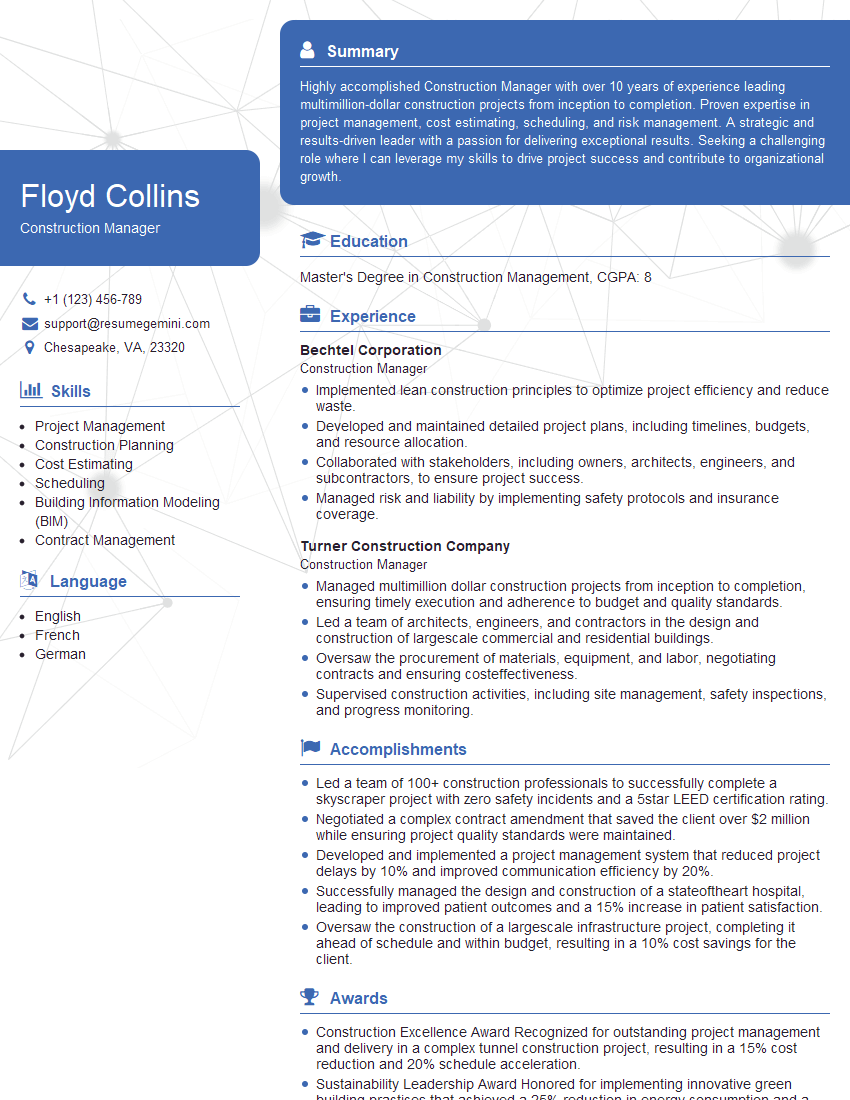
Construction Manager Resume Sample

Project Manager Resume Sample
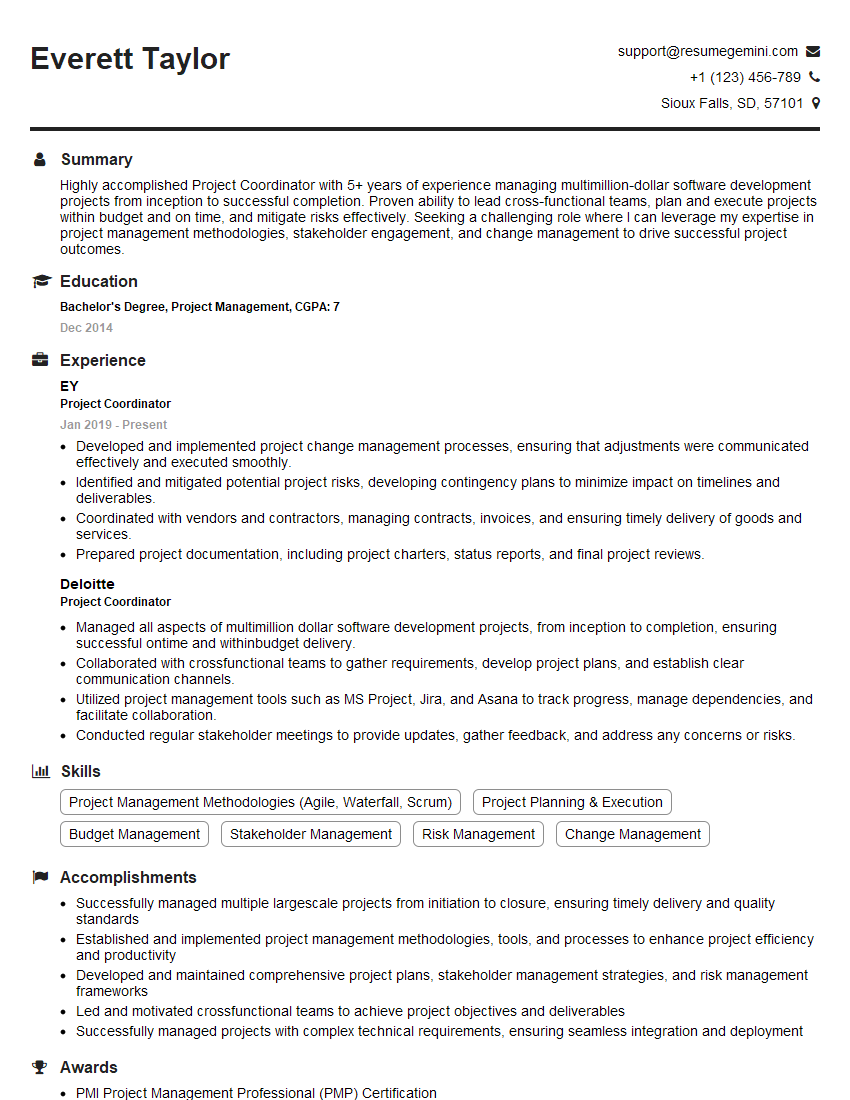
Project Coordinator Resume Sample

Project Engineer Resume Sample
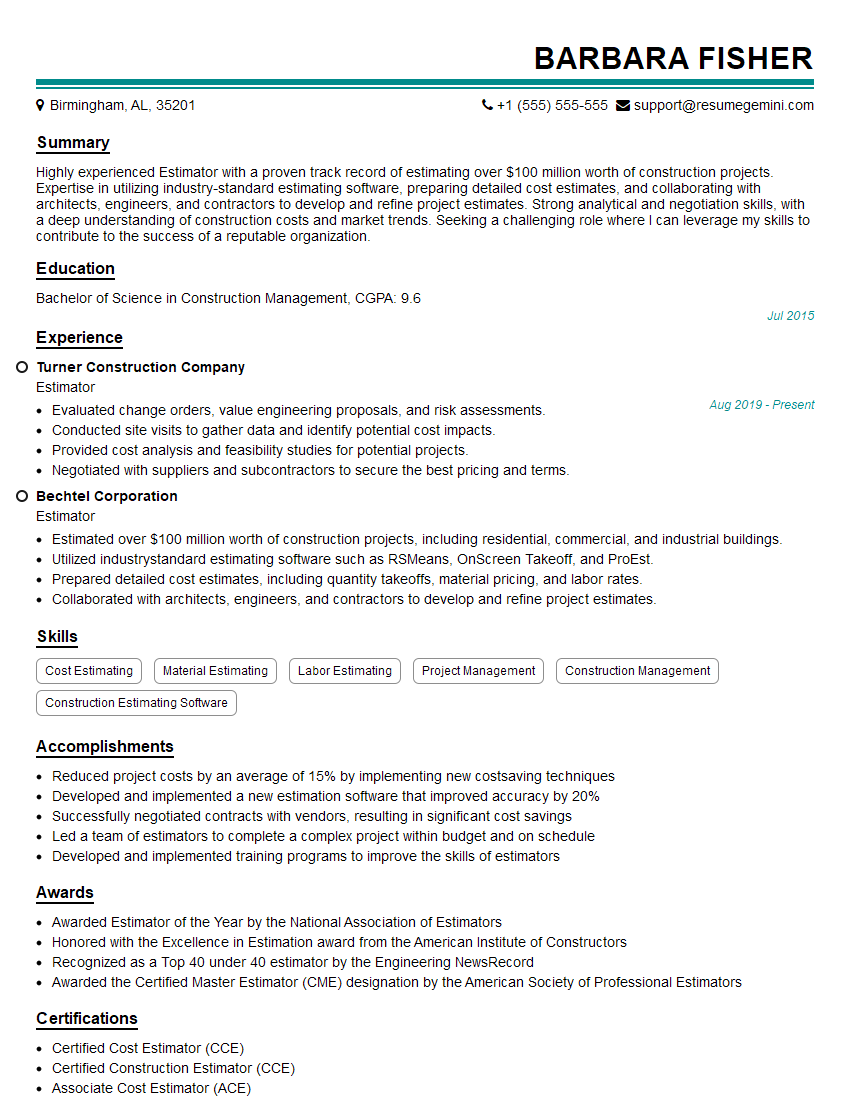
Estimator Resume Sample
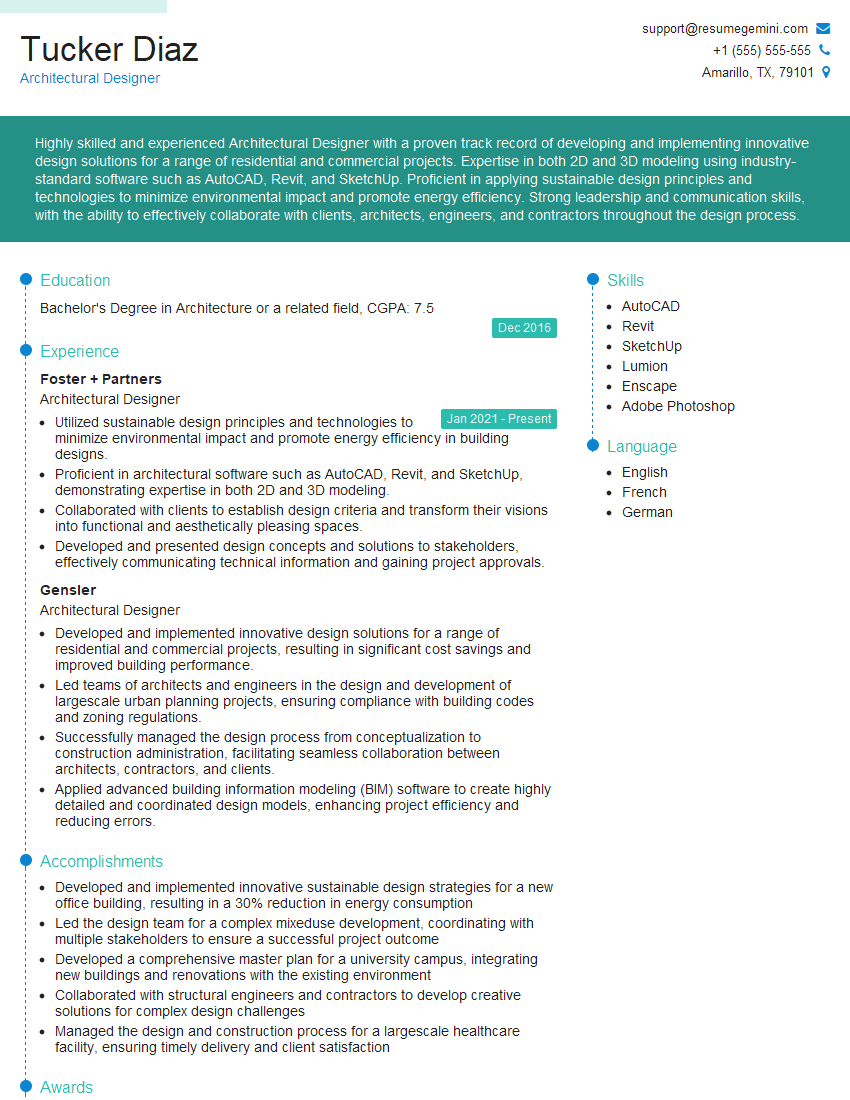
Architectural Designer Resume Sample
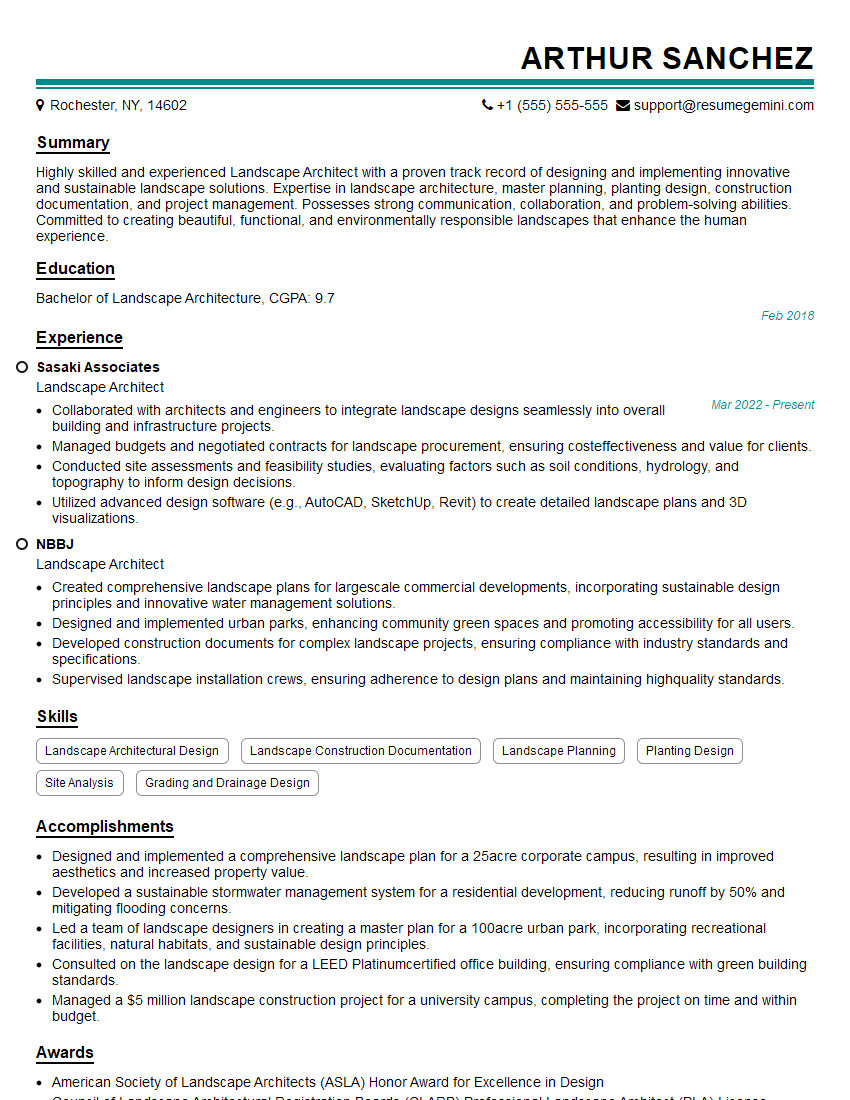
Landscape Architect Resume Sample
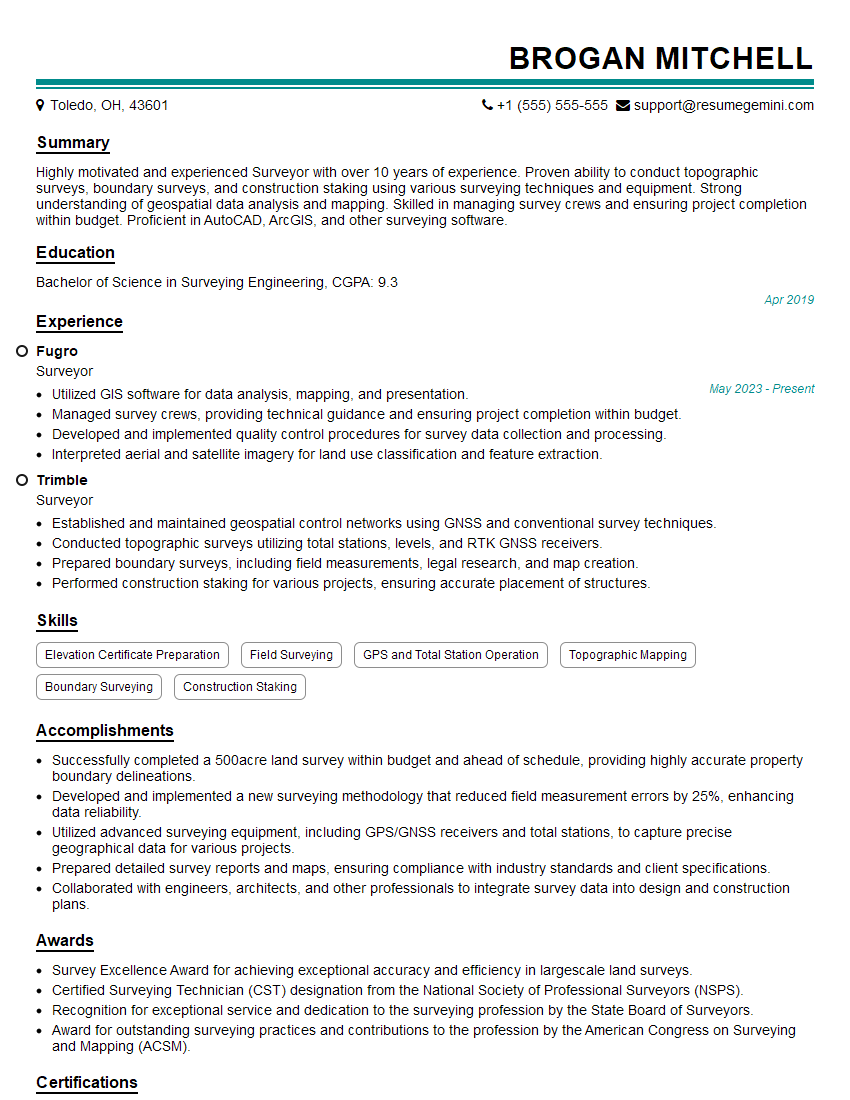
Surveyor Resume Sample
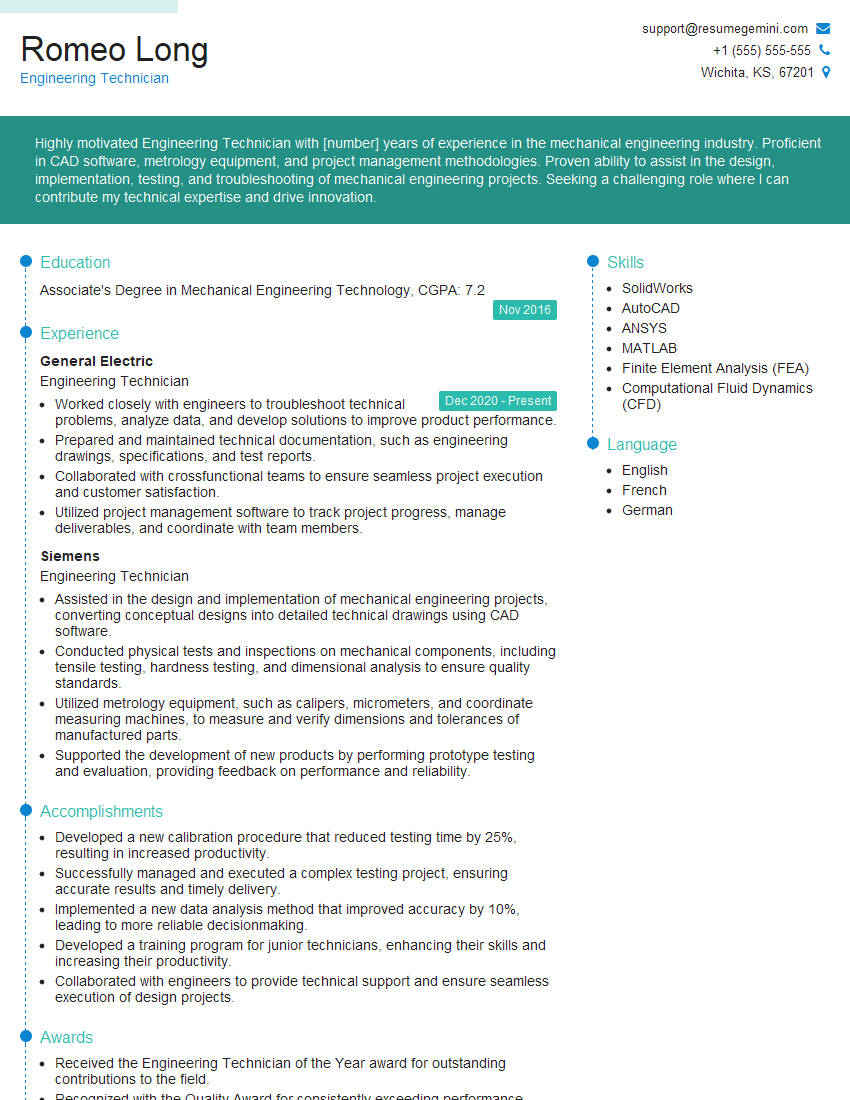
Engineering Technician Resume Sample
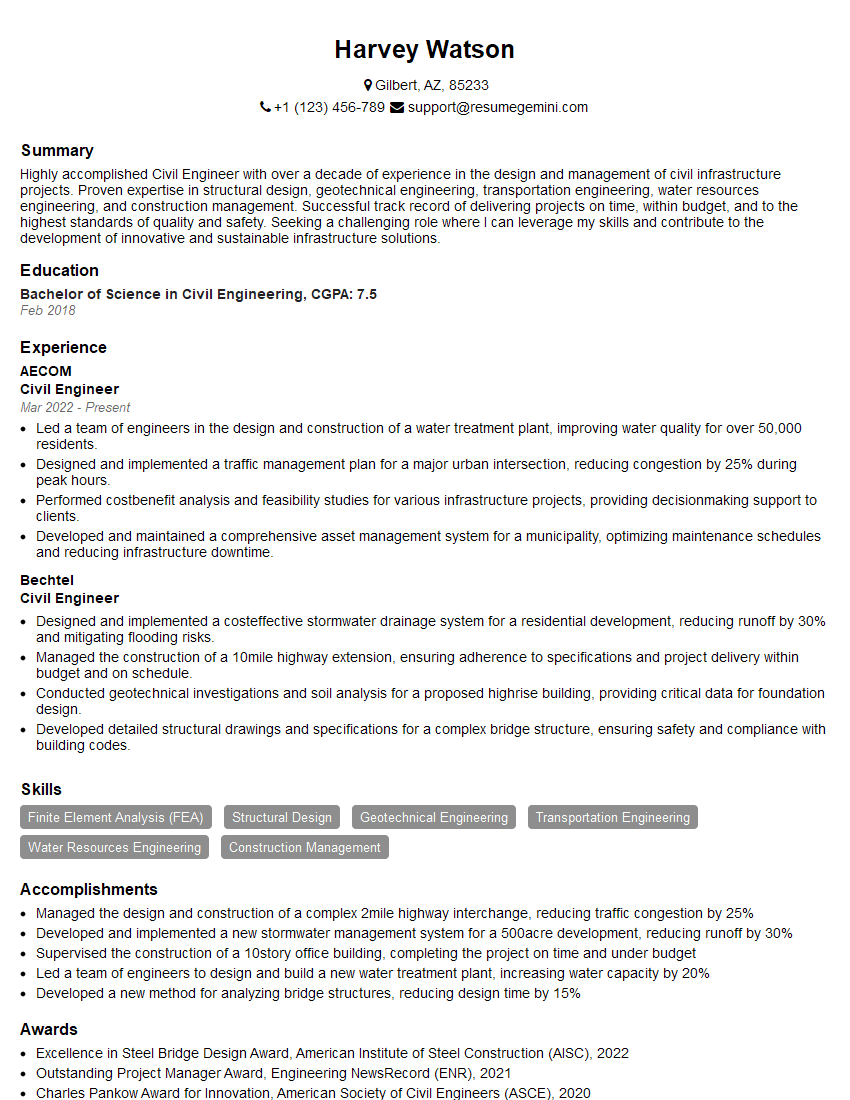
Civil Engineer Resume Sample

Plans Examiner Resume Sample
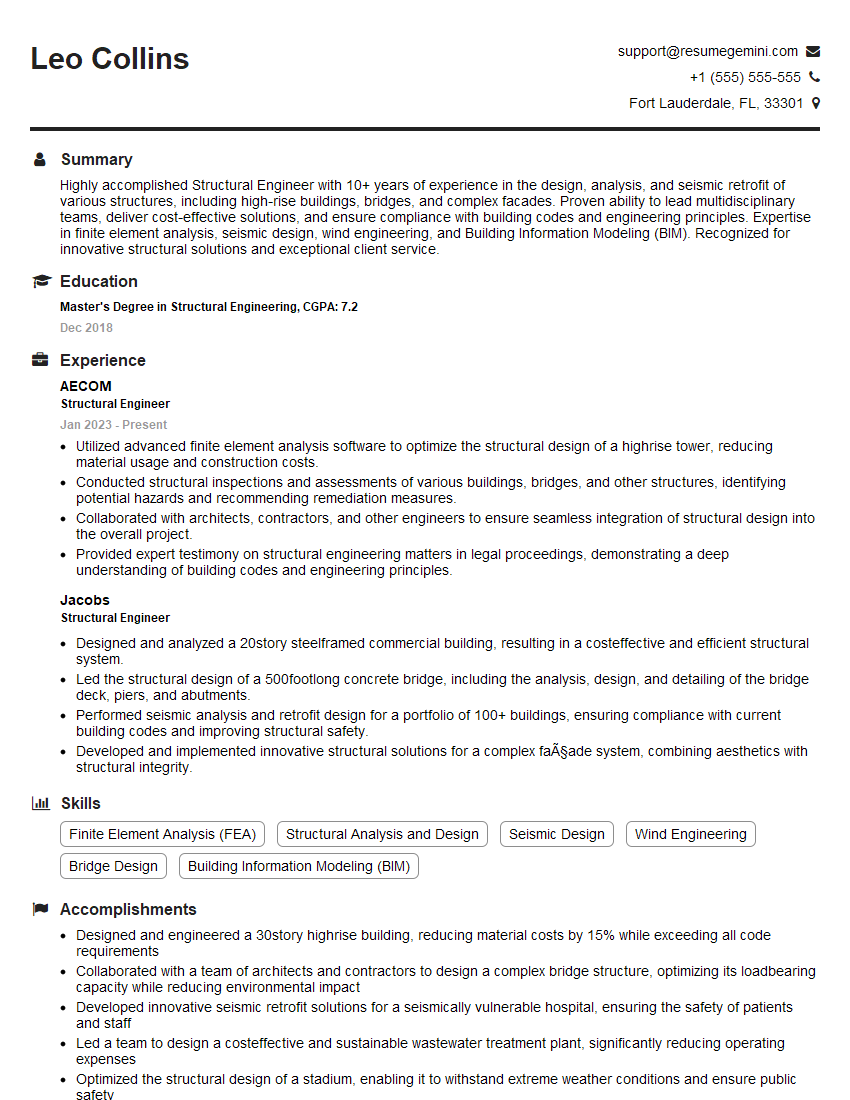
Structural Engineer Resume Sample
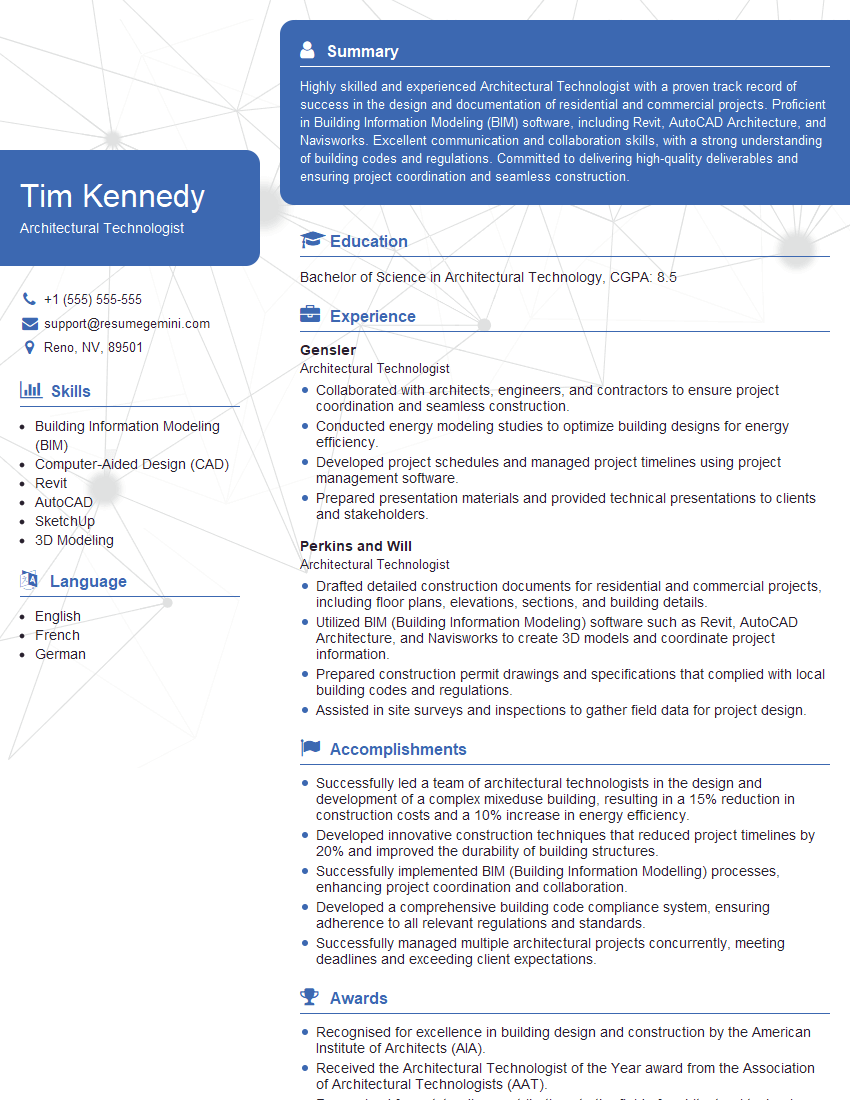
Architectural Technologist Resume Sample
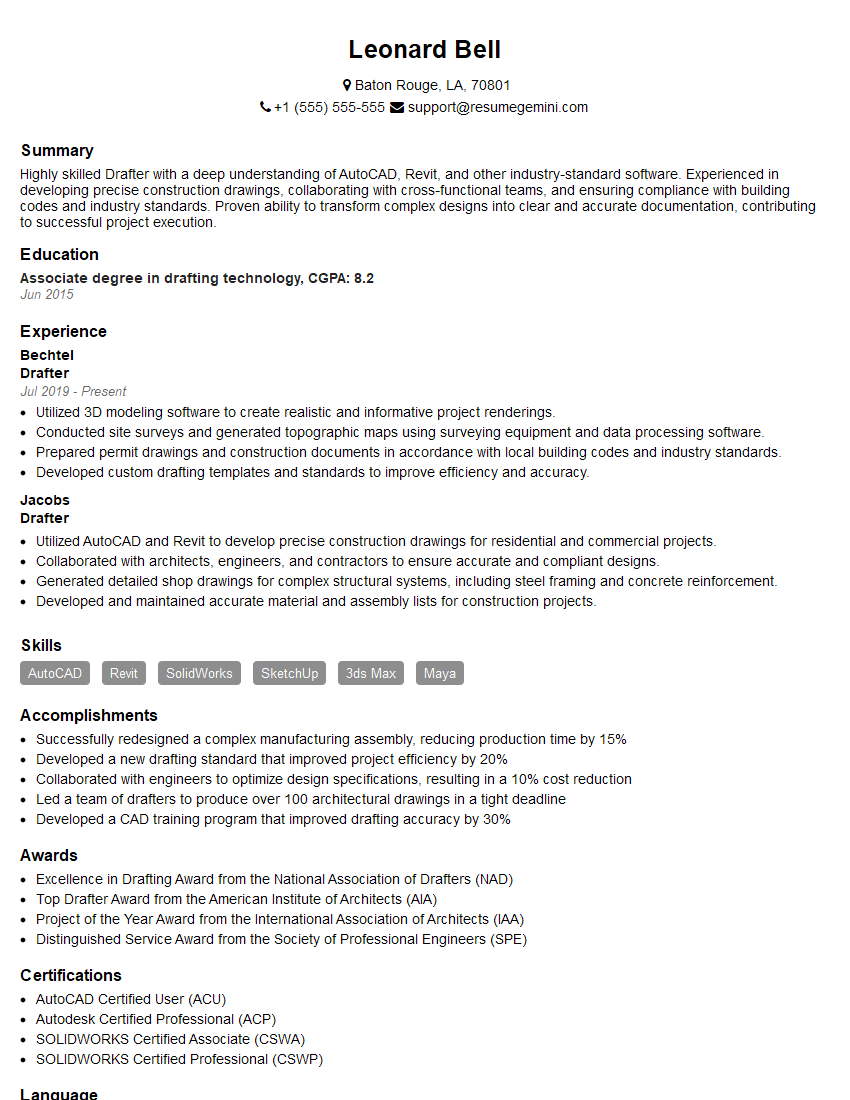
Drafter Resume Sample
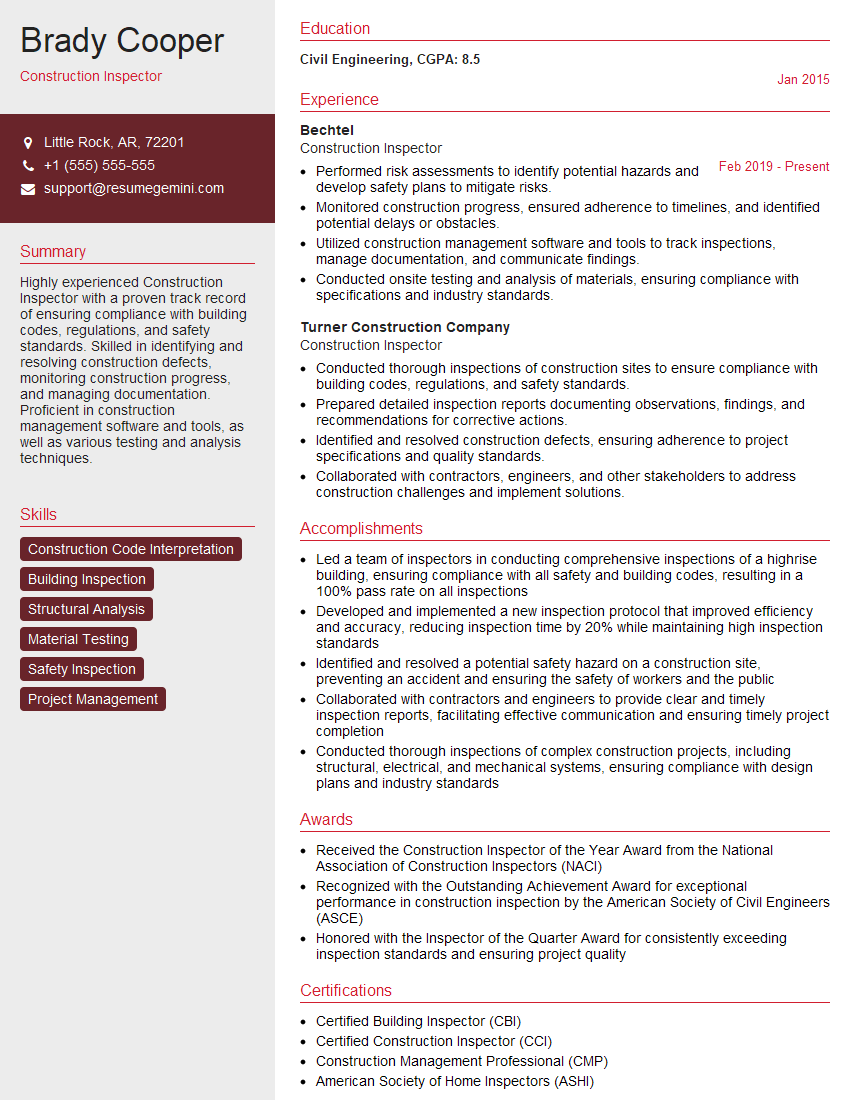
Construction Inspector Resume Sample
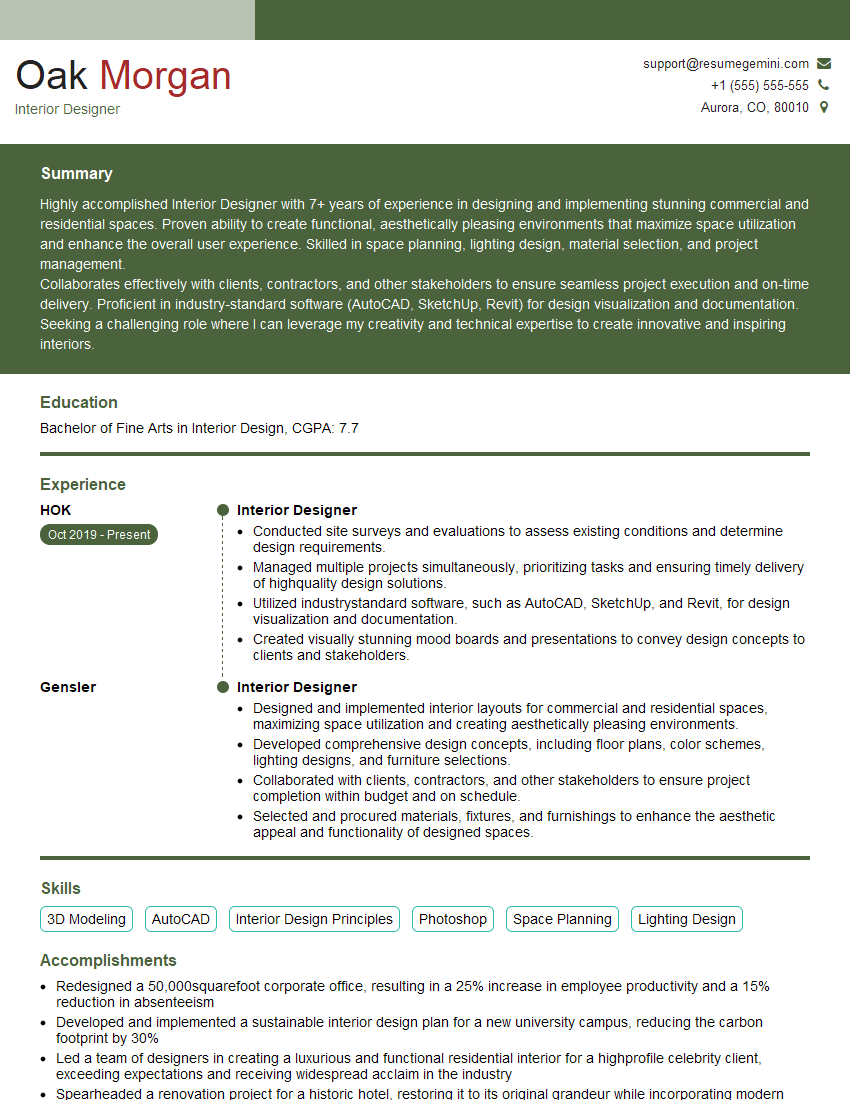
Interior Designer Resume Sample

Quality Control Inspector Resume Sample
- Construction Manager
- Project Manager
- Project Coordinator
- Project Engineer
- Estimator
- Architectural Designer
- Landscape Architect
- Surveyor
- Engineering Technician
- Civil Engineer
- Plans Examiner
- Structural Engineer
- Architectural Technologist
- Drafter
- Construction Inspector
- Interior Designer
- Quality Control Inspector
Explore more articles
Users Rating of Our Blogs
Share Your Experience
We value your feedback! Please rate our content and share your thoughts (optional).
What Readers Say About Our Blog
To the interviewgemini.com Webmaster.
Very helpful and content specific questions to help prepare me for my interview!
Thank you
To the interviewgemini.com Webmaster.
This was kind of a unique content I found around the specialized skills. Very helpful questions and good detailed answers.
Very Helpful blog, thank you Interviewgemini team.