The right preparation can turn an interview into an opportunity to showcase your expertise. This guide to Breast Reduction interview questions is your ultimate resource, providing key insights and tips to help you ace your responses and stand out as a top candidate.
Questions Asked in Breast Reduction Interview
Q 1. Describe the different techniques used in breast reduction surgery.
Breast reduction surgery, also known as reduction mammaplasty, employs several techniques, all aiming to reduce breast size, improve shape, and alleviate symptoms associated with macromastia (excessively large breasts). The specific technique used depends on the individual patient’s anatomy, desired outcome, and surgeon’s preference. Common techniques include:
- Superior Pedicle Technique: This involves removing a wedge of breast tissue from the upper portion of the breast, preserving the blood supply from the superior pedicle. This is often suitable for smaller reductions.
- Inferior Pedicle Technique: A wedge of breast tissue is removed from the lower portion, preserving the blood supply to the remaining breast tissue from the inferior pedicle. It’s frequently used for larger reductions.
- Free Nipple Graft Technique: In cases of significant breast reduction, the nipple-areola complex (NAC) may require relocation as a free graft after being separated from its original blood supply. Microsurgery may be involved to ensure adequate perfusion.
- Wise Pattern Technique: This technique utilizes a specific incision pattern that allows for the removal of excess skin and tissue while preserving the blood supply and achieving good aesthetic results. It’s often used for larger reductions.
The choice of technique is a crucial part of the surgical planning process and a careful discussion between surgeon and patient is essential.
Q 2. Explain the indications and contraindications for breast reduction.
Indications for breast reduction are primarily driven by patient symptoms and concerns related to excessively large breasts. These include:
- Physical discomfort: Back pain, neck pain, shoulder pain, and posture problems are common complaints.
- Skin irritation: Large breasts can cause skin irritation and infections under the breasts.
- Groove formation: Deep grooves from bra straps and under the breasts.
- Difficulty with physical activity: Exercise and everyday activities can be challenging with large breasts.
- Psychosocial distress: Body image issues and low self-esteem are significant factors.
Contraindications, on the other hand, include:
- Significant smoking history: Smoking significantly impairs wound healing and increases the risk of complications.
- Active infection: Surgery should be postponed until any infection has cleared.
- Unrealistic expectations: Patients must have a realistic understanding of the procedure’s limitations and potential outcomes.
- Significant medical conditions: Certain medical conditions may increase the surgical risk.
- Breastfeeding plans: Breast reduction may affect future breastfeeding ability, requiring careful consideration.
A thorough medical history and physical examination are crucial to determine suitability.
Q 3. What are the potential complications of breast reduction surgery?
Like any surgical procedure, breast reduction carries potential complications, although many are rare. These can include:
- Infection: A serious complication requiring antibiotics and sometimes further surgical intervention.
- Seroma formation: Fluid collection under the skin, which may require drainage.
- Hematoma: Blood collection, potentially requiring surgical evacuation.
- Fat necrosis: Death of fat cells, sometimes resulting in lumps or discoloration.
- Poor wound healing: Delay in healing, potentially requiring additional procedures.
- Nipple-areola complex (NAC) necrosis: Loss of blood supply to the nipple, potentially leading to its loss. This is a serious complication, though less frequent with modern techniques.
- Asymmetry: Although the goal is symmetry, some degree of asymmetry may remain.
- Changes in sensation: Temporary or permanent alteration in nipple sensation.
- Scarring: Visible scarring is inevitable, but techniques are employed to minimize this.
Patients are fully informed about these possibilities pre-operatively.
Q 4. How do you assess a patient’s suitability for breast reduction?
Assessing a patient’s suitability involves a multi-faceted approach:
- Detailed medical history: This includes past surgeries, medications, allergies, and smoking status.
- Physical examination: Evaluation of breast size, shape, skin quality, and overall health.
- Imaging studies: Mammography or ultrasound might be ordered, particularly in older patients, to screen for any underlying breast pathology.
- Psychological evaluation: Addressing the patient’s expectations and concerns regarding body image and the potential emotional impact of the surgery.
- Discussion of risks and benefits: Thorough explanation of the procedure’s potential complications and long-term outcomes.
For example, a patient with a history of significant smoking or a weakened immune system might not be an ideal candidate due to increased risk of complications. Similarly, patients with unrealistic expectations regarding the final aesthetic outcome need careful counseling to manage expectations.
Q 5. Discuss your experience with different breast reduction incision techniques.
My experience encompasses a wide range of incision techniques, with the selection dictated by the patient’s individual anatomy and the extent of reduction required. I’m proficient in the various patterns, including the Wise pattern, which often provides excellent scar camouflage and superior aesthetic results, particularly for larger reductions. I also utilize superior and inferior pedicle techniques based on the specifics of each case. The free nipple graft technique is utilized selectively, generally reserved for significant reductions where maintaining adequate nipple perfusion via the original vascular supply is not feasible.
Choosing the right incision is crucial for achieving optimal results and minimizing visible scarring. For instance, in a patient with significant ptosis (breast sagging), careful planning and execution of the Wise pattern allows for effective tissue removal while ensuring adequate blood supply to the nipple and preserving a pleasing aesthetic outcome.
Q 6. How do you manage pain and swelling post-operatively?
Post-operative pain and swelling management is a critical aspect of patient care. I typically prescribe a multimodal analgesic approach, combining oral analgesics with ice packs and compression garments. The initial postoperative period often involves more intense pain management. Patients are instructed on appropriate pain medication use and encouraged to report any concerning pain levels. We monitor for any signs of excessive bleeding or infection. In cases of severe pain or persistent swelling, we adjust the pain management regimen and may consider additional measures.
The use of compression garments plays a vital role in minimizing swelling and supporting the healing process. Regular monitoring, including physical assessments and patient self-reporting of pain levels, are paramount in effectively managing pain and swelling.
Q 7. What are your strategies for preventing complications such as infection or seroma formation?
Preventing complications such as infection and seroma formation requires a meticulous approach throughout the surgical process and postoperative period. Pre-operative skin preparation and the use of prophylactic antibiotics are standard practices. Meticulous surgical technique during the procedure minimizes the risk of bleeding and seroma formation. Postoperatively, patients are instructed on wound care and proper hygiene. Close follow-up appointments allow for early detection and management of any potential complications.
Drainage tubes are sometimes used to evacuate excess fluid, minimizing the risk of seroma formation. In cases of seroma formation, aspiration may be required. Early identification and appropriate management, including meticulous wound care and appropriate antibiotic use, are crucial in managing infection effectively.
Q 8. Describe your approach to patient counseling and education before and after surgery.
Patient counseling for breast reduction is a crucial aspect of my practice, encompassing both pre- and post-operative phases. Before surgery, I dedicate significant time to understanding the patient’s motivations, concerns, and expectations. This involves a thorough discussion of the procedure, including the surgical technique, potential risks and complications (like scarring, infection, changes in nipple sensation), recovery process, and realistic outcome expectations. I utilize photographs of previous patients with similar breast sizes and shapes to help manage expectations and show a range of possible results. We also discuss lifestyle factors impacting recovery, such as smoking and physical activity. Post-operatively, I emphasize the importance of adhering to the prescribed medication regimen, wound care instructions, and activity restrictions. I provide detailed information about pain management techniques and what to expect at each stage of recovery. Regular follow-up appointments are scheduled to monitor healing progress, address any concerns, and ensure optimal patient satisfaction. Open communication and readily available channels for questions are essential throughout the entire process. I often find that providing patients with detailed, written instructions alongside our verbal discussions helps solidify their understanding and improves adherence.
Q 9. How do you address patient concerns and expectations regarding scarring?
Scarring is a natural consequence of any surgery, including breast reduction. Open and honest communication about scarring is key. I explain that while we strive to minimize scarring through meticulous surgical techniques (like using smaller incisions and precise suture placement), some degree of visible scarring is unavoidable. I show patients examples of different types of scars that might result from various techniques, ensuring realistic expectations. The location, size, and appearance of scars depend on several factors including skin type, healing response, and the surgical technique employed. I discuss scar management strategies, including silicone gel sheeting and massage therapy, to help improve scar appearance over time. Furthermore, I emphasize the importance of protecting the scars from direct sunlight for at least a year post-surgery to prevent hyperpigmentation. Sometimes, for more noticeable scars, we can discuss options like laser therapy or steroid injections post-healing. Ultimately, my goal is to manage patient expectations and support them in their journey to healing and acceptance of their scars.
Q 10. Explain your experience with different types of breast implants used in conjunction with reduction mammaplasty.
My experience with breast implants in conjunction with reduction mammaplasty is primarily focused on reconstruction or augmentation in cases where significant breast tissue removal is necessary, potentially leading to a smaller breast than the patient desires. In such cases, the choice of implant is a collaborative decision made after a thorough discussion of the patient’s aesthetic goals, anatomical considerations, and potential risks and benefits. I commonly use saline-filled implants due to their safety profile and the ease of removing them if complications arise. Silicone implants are also an option, and the choice depends on individual patient factors and preferences. The implant placement – either under the muscle (submuscular) or on top of the muscle (subglandular) – is chosen based on the patient’s anatomy and desired outcome. For instance, a patient with thinner breast tissue might benefit from subglandular placement, while a patient with more tissue might benefit from submuscular placement. Preoperative imaging (like breast ultrasound or MRI) is vital to planning for implant placement and ensuring appropriate sizing. Post-operative follow-up includes monitoring for implant-related complications such as capsular contracture (hardening of the tissue around the implant), implant rupture, or infection.
Q 11. How do you manage nipple-areola complex complications?
Complications involving the nipple-areola complex (NAC) are a potential concern in breast reduction surgery. These can range from minor issues like temporary or permanent changes in nipple sensation to more serious problems like NAC necrosis (tissue death) or infection. My approach to managing these complications is multi-faceted. Pre-operatively, I carefully assess the vascular supply to the NAC to minimize the risk of complications. Intraoperatively, I meticulously preserve the blood supply to the NAC. Post-operatively, close monitoring for signs of compromised blood flow, such as pallor, coldness, or pain, is crucial. Immediate treatment is paramount if complications arise. This might include debridement (surgical removal of dead tissue), topical or intravenous antibiotics for infection, and in severe cases, surgical re-attachment or grafting of the NAC. Early recognition and prompt intervention are essential to preserving the NAC and improving outcomes. Patients are also educated on how to recognize warning signs and are instructed to contact me immediately if they notice any unusual changes.
Q 12. What are your protocols for follow-up care after breast reduction?
My follow-up protocol after breast reduction surgery is comprehensive and tailored to the individual patient’s needs and recovery progress. The first follow-up appointment is usually within one to two weeks post-surgery, focusing on wound assessment, pain management, and addressing any immediate concerns. Subsequent appointments are scheduled at regular intervals (typically four to six weeks, then at three-month intervals) to monitor healing, evaluate scar maturation, and assess overall patient satisfaction. These visits allow me to address any residual discomfort, discuss ongoing wound care, and answer any lingering questions. Regular follow-up is crucial for early detection and management of potential complications. I encourage open communication and actively seek patient feedback to continually optimize their experience and outcomes. In some cases, more frequent appointments may be necessary, particularly if complications such as infection or delayed healing occur.
Q 13. Describe your experience with revisional breast reduction surgery.
Revisional breast reduction surgery is often necessary to address issues arising from a previous breast reduction, such as asymmetry, unsatisfactory aesthetic results, or complications like persistent pain, infection, or wound dehiscence (wound separation). My approach to revisional surgery is meticulous and individualized. A comprehensive assessment of the previous surgery’s technique, the patient’s anatomy, and the specific issues requiring correction is crucial. This usually involves a detailed review of the patient’s medical records and imaging studies. The surgical plan is carefully developed to address the existing concerns while minimizing further scarring and complications. In some cases, advanced techniques such as tissue expanders may be utilized. Open and honest communication with the patient throughout the process is paramount, managing expectations regarding the potential risks and benefits of revisional surgery and the challenges of achieving optimal results. Post-operative care is similar to primary breast reduction, with close monitoring for complications and regular follow-up appointments.
Q 14. How do you handle unexpected intraoperative challenges?
Unexpected intraoperative challenges are a reality in any surgical field, and breast reduction is no exception. My approach to handling such challenges prioritizes patient safety and the best possible outcome. Examples include unexpected bleeding, difficulty with nipple-areola complex mobilization, or unforeseen anatomical variations. Having a well-defined plan for managing such contingencies is paramount. This involves readily available blood products and other necessary equipment. A systematic approach is followed, addressing the immediate challenge swiftly and carefully while adapting the surgical technique as needed. Teamwork and open communication with the surgical team are essential in these situations. Documentation of all intraoperative events, including unexpected findings and management strategies, is meticulously maintained. In situations requiring a significant deviation from the planned procedure, I actively discuss the changes with the patient post-operatively, ensuring they are fully informed and understand any impact on the final outcome.
Q 15. What are your strategies for optimizing patient outcomes in breast reduction?
Optimizing patient outcomes in breast reduction surgery, or reduction mammaplasty, requires a multi-faceted approach focusing on achieving the patient’s aesthetic goals while ensuring their safety and well-being. This involves careful preoperative planning, meticulous surgical technique, and diligent postoperative care.
- Thorough Preoperative Consultation: This is crucial to understand the patient’s desires, concerns, and medical history. Realistic expectations are set, addressing potential complications and limitations. We discuss various incision techniques and their associated scarring. Detailed photographic documentation is essential for comparison pre- and post-operatively.
- Personalized Surgical Plan: The surgical plan is tailored to the individual patient’s breast anatomy, skin elasticity, and desired outcome. This might involve selecting specific incision techniques, estimating the amount of tissue to be removed, and planning nipple repositioning. Simulations are often used to help visualize the results.
- Minimally Invasive Techniques: Where appropriate, we utilize minimally invasive techniques to reduce scarring and recovery time. This might include the use of smaller incisions or liposuction to assist in contouring.
- Postoperative Care and Monitoring: Postoperative instructions are carefully explained to minimize complications like seroma formation (fluid collection) or infection. Regular follow-up appointments are scheduled to monitor healing and address any concerns.
- Pain Management: Effective pain management is critical for patient comfort and allows for early mobilization and participation in physical therapy. We use a combination of pain medications and strategies to manage the pain effectively.
For example, a patient with significant ptosis (breast sagging) and excess glandular tissue might benefit from a superior pedicle technique, while a patient with predominantly excess skin might benefit from a Wise pattern incision. Each case is uniquely planned.
Career Expert Tips:
- Ace those interviews! Prepare effectively by reviewing the Top 50 Most Common Interview Questions on ResumeGemini.
- Navigate your job search with confidence! Explore a wide range of Career Tips on ResumeGemini. Learn about common challenges and recommendations to overcome them.
- Craft the perfect resume! Master the Art of Resume Writing with ResumeGemini’s guide. Showcase your unique qualifications and achievements effectively.
- Don’t miss out on holiday savings! Build your dream resume with ResumeGemini’s ATS optimized templates.
Q 16. Explain your understanding of the anatomy of the breast relevant to reduction mammaplasty.
Understanding breast anatomy is fundamental to successful reduction mammaplasty. The breast is composed of several key components:
- Glandular Tissue: This is the milk-producing tissue, organized into lobes and lobules. The amount and distribution of glandular tissue vary significantly between individuals, influencing the surgical approach.
- Fat Tissue: This contributes to the overall breast volume and shape. The proportion of fat to glandular tissue influences the surgical strategy and the amount of tissue resection.
- Skin: The overlying skin envelope has varying elasticity; its quality and quantity are key in determining the necessary incision length and the potential for excess skin removal.
- Nipple-Areola Complex (NAC): This structure contains the nipple and areola, which are carefully preserved and repositioned during the procedure. The vascular supply to the NAC is crucial and must be preserved to maintain its viability.
- Cooper’s Ligaments: These fibrous supportive structures provide structural integrity to the breast. Preserving these ligaments is vital for maintaining breast shape and preventing postoperative sagging.
- Vascular and Nerve Supply: The breast receives a rich blood supply from branches of the internal mammary, lateral thoracic, and intercostal arteries. Understanding the nerve supply is essential for preserving breast sensation.
A detailed understanding of these anatomical components enables the surgeon to plan the incisions, estimate tissue resection, and minimize potential complications.
Q 17. How do you select the appropriate incision technique based on the patient’s anatomy and desired outcome?
Incision technique selection depends heavily on individual patient anatomy and desired aesthetic outcome. Several incision patterns exist, each with advantages and disadvantages concerning scar visibility and tissue handling.
- Inferior Pedicle (Inverted-T): This technique is often preferred for larger reductions and involves an incision around the inframammary fold (under the breast) and a vertical incision extending upward. It offers excellent access to excess tissue and is suitable for patients with significant ptosis.
- Superior Pedicle: In this approach, the incision is made around the areola, extending vertically downwards. This leaves a less prominent scar but may have limitations regarding tissue handling, particularly in cases of severe ptosis.
- Wise Pattern: This pattern uses a combination of vertical and horizontal incisions in the upper part of the breast. It is suitable for patients with significant skin excess and less glandular tissue.
- Lipoma-Assisted Reduction Mammaplasty: This combines traditional techniques with liposuction for removal of subcutaneous fat, helping to improve contour and reduce scarring.
For instance, a patient with a large, pendulous breast and poor skin elasticity would likely benefit from an inferior pedicle incision to allow for better tissue resection. In contrast, a patient with less severe ptosis and good skin elasticity might be a candidate for a superior pedicle or Wise pattern to minimize visible scarring.
Q 18. What are the key considerations when planning the location of the incision?
Incision placement is critical for minimizing visible scarring and achieving optimal aesthetic results. Key considerations include:
- Skin Creases and Natural Lines: Incisions are strategically placed along natural skin creases to conceal the scars as much as possible. This is particularly important for the inframammary fold and around the areola.
- Breast Shape and Size: The incision design should complement the overall breast shape and size to ensure a natural-looking outcome. For instance, the location of the vertical incision in an inverted-T technique should be planned carefully to avoid creating asymmetry.
- Glandular Tissue Distribution: The incision should provide adequate access to the excess glandular tissue without compromising the vascular supply to the nipple-areola complex.
- Patient Preferences: Patient preferences regarding scar placement are discussed and taken into consideration whenever possible. We should consider patients’ clothing preferences and how that might impact scarring visibility.
For example, placing the vertical incision too close to the midline of the chest in an inferior pedicle technique could create an unnatural appearance. Careful planning and anatomical awareness are paramount.
Q 19. Discuss your experience with different techniques for addressing excess skin and glandular tissue.
Addressing excess skin and glandular tissue involves several techniques, selected based on individual patient anatomy and the degree of reduction needed:
- Resection: Direct excision of excess skin and glandular tissue is the primary method. The amount of tissue removed depends on the patient’s preoperative measurements and goals. This is often combined with other techniques.
- Liposuction: This is used to remove subcutaneous fat, refining the breast contour and often reducing the need for extensive skin resection. It minimizes scarring and is sometimes done in conjunction with other surgical approaches.
- Suspension Techniques: These involve tightening the underlying breast tissue and repositioning the nipple-areola complex. This helps restore breast projection and improve overall shape.
- Skin Redraping: After tissue resection, the remaining skin is carefully redraped and sutured to create a smooth, natural-looking breast contour. This requires meticulous attention to detail to avoid asymmetries.
For example, a patient with significant excess skin but a moderate amount of glandular tissue might benefit from a combination of skin resection and liposuction. Conversely, a patient with predominantly glandular hypertrophy would require greater resection of glandular tissue.
Q 20. Explain your approach to preserving breast sensation after reduction mammaplasty.
Preserving breast sensation is a major priority during reduction mammaplasty. The breast’s sensory nerves are carefully dissected and preserved during the procedure. This involves meticulous surgical technique and a deep understanding of the anatomical location of these nerves.
- Careful Dissection: The surgeon carefully dissects the tissue, avoiding unnecessary trauma to the nerves. Sharp dissection techniques are preferred to blunt dissection to minimize nerve damage.
- Minimal Tissue Resection: Minimizing the amount of tissue removed helps to preserve the sensory nerve supply. The surgeon often prioritizes preserving the superficial nerves supplying the nipple-areola complex, which are particularly crucial for sensation.
- Nerve Preservation Strategies: In some cases, special techniques might be used to preserve sensory nerves, such as identifying and meticulously protecting nerve branches during tissue resection.
- Patient Education: Patients are informed that some degree of temporary or even permanent numbness is possible, but meticulous surgical techniques aim to minimize this effect.
In practice, meticulous dissection and precise surgical planning are key. Maintaining an awareness of the location and course of the nerves throughout the procedure is critical to avoiding unnecessary damage. Postoperative therapies including massage may be recommended.
Q 21. How do you address concerns related to breast asymmetry?
Addressing breast asymmetry requires a tailored surgical approach. Preoperative planning is crucial to evaluate the degree of asymmetry and determine the best corrective strategy.
- Preoperative Assessment: Thorough assessment including detailed photographs and measurements is vital to accurately quantify the degree and nature of the asymmetry. Understanding the underlying cause (e.g., glandular tissue distribution, skin laxity) is key.
- Asymmetrical Resection: The amount of tissue removed from each breast is adjusted to achieve symmetry. This involves careful planning and execution during the surgery, often requiring more precise techniques.
- Implant Augmentation (in some cases): In cases of significant asymmetry, particularly when one breast is significantly smaller than the other, breast augmentation with implants may be considered in conjunction with the reduction to achieve symmetry. This is usually only chosen after a thorough conversation about risk/benefit with the patient.
- Postoperative Adjustments: In some cases, minor asymmetry may persist postoperatively and is often less noticeable than preoperative asymmetry. These are usually addressed through non-surgical methods such as massage.
For example, if one breast has significantly more glandular tissue than the other, a more substantial resection will be needed from the larger breast to create balance. If asymmetry results from skin laxity, selective skin removal and techniques that improve ptosis are employed.
Q 22. How do you manage patients with significant medical comorbidities undergoing breast reduction?
Managing patients with significant medical comorbidities undergoing breast reduction requires a multidisciplinary approach and meticulous pre-operative planning. We begin with a thorough evaluation of each comorbidity to assess its potential impact on the surgery and recovery. For example, a patient with diabetes might require stricter blood glucose monitoring before, during, and after the procedure. Similarly, patients with heart conditions necessitate a detailed cardiac assessment and potentially require medication adjustments. We often consult with specialists like cardiologists, pulmonologists, or endocrinologists to optimize the patient’s health before surgery. This collaborative effort helps minimize surgical risks and optimize post-operative outcomes. We carefully select anesthetic techniques and pain management strategies tailored to the specific conditions. For instance, regional anesthesia might be preferred over general anesthesia in patients with respiratory issues. Post-operatively, we closely monitor vital signs and adjust medication as needed, ensuring a safe and effective recovery.
A clear example is a patient with hypertension. We will optimize her blood pressure control before the surgery, possibly adjusting her medication in consultation with her cardiologist. Intraoperatively, we will monitor her blood pressure closely, and post-operatively we will continue to monitor and manage any fluctuations. The goal is to ensure the patient’s safety and a smooth recovery without exacerbating her pre-existing hypertension.
Q 23. Describe your understanding of the psychological impact of breast reduction surgery on patients.
The psychological impact of breast reduction surgery can be profound, and it’s crucial for surgeons to understand this aspect fully. Many patients seek this procedure to alleviate physical discomfort associated with large breasts, such as back pain, neck pain, and shoulder problems. However, the improved physical comfort often translates to a significant boost in self-esteem and body image. For many women, their breasts are a significant part of their identity and femininity, and reducing their size can have an emotional impact. Some patients report experiencing feelings of relief and liberation post-surgery, while others may experience a period of adjustment as they adapt to their new body image. Therefore, careful counseling and psychological support before and after surgery are integral to a positive patient experience. We often involve a therapist or counselor in the pre-operative process to address any anxieties or concerns, and we provide post-operative support to guide patients through the adjustment phase. Addressing these psychological aspects directly leads to improved patient satisfaction and mental well-being following the procedure.
For instance, I recall a patient who suffered from chronic back pain due to macromastia. After the surgery, not only did her physical pain lessen, but her confidence and self-esteem significantly improved. She reported feeling more comfortable in social situations and experienced a renewed sense of self-acceptance.
Q 24. What are the key elements of informed consent for breast reduction surgery?
Informed consent for breast reduction is a crucial ethical and legal aspect of the procedure. It involves a comprehensive discussion between the surgeon and the patient, ensuring the patient fully understands all aspects of the surgery, including the benefits, risks, alternatives, and potential complications. Key elements include a clear explanation of the procedure itself, including the surgical techniques used, the anticipated results, and the recovery process. Detailed information about potential risks and complications, such as infection, hematoma, seroma, scarring, changes in nipple sensation, and potential asymmetry, needs to be discussed thoroughly. The surgeon should also discuss reasonable alternative treatment options, and it’s essential that the patient understands that breast reduction surgery is elective. The consent process needs to be documented meticulously and signed by both the patient and the surgeon. We encourage patients to ask questions and ensure they completely grasp the information before providing their consent. We often provide written materials alongside the verbal explanation to facilitate understanding and retention. Informed consent is an ongoing process that may involve multiple discussions with the patient, ensuring that she understands the implications of the procedure before proceeding.
Q 25. How do you evaluate the success of a breast reduction procedure?
Evaluating the success of a breast reduction procedure involves multiple factors. Firstly, we assess the reduction in breast size and the achievement of the desired aesthetic outcome, considering the patient’s individual goals and expectations. Post-operative photographs are crucial for objective assessment. Secondly, we evaluate the alleviation of symptoms that prompted the surgery, such as back pain, neck pain, or shoulder pain. We rely on the patient’s self-reported improvement in these symptoms, often validated through standardized questionnaires. Thirdly, we assess the overall patient satisfaction with the cosmetic result, the recovery process, and the long-term outcome. Patient satisfaction surveys are conducted to gauge this aspect. Finally, we monitor for potential complications, such as infection, hematoma, or seroma, and address them promptly. A successful breast reduction is not solely about achieving the desired breast size but also about improving the patient’s quality of life, both physically and psychologically. Regular follow-up appointments are key to monitoring long-term results and addressing any concerns.
Q 26. Describe your experience with using advanced imaging techniques in breast reduction.
Advanced imaging techniques are not typically required for routine breast reduction surgeries. Standard physical examination and clinical assessment are usually sufficient. However, in specific cases, imaging can be beneficial. For example, if there are concerns about underlying breast pathologies, such as dense breast tissue or suspicious masses, mammography or breast ultrasound might be used pre-operatively to rule out any abnormalities. These imaging techniques aid in better preoperative planning and allow for a more informed surgical approach. In cases of significant breast asymmetry or complex anatomy, 3D imaging might be considered to better visualize the breast tissue and aid in surgical planning. However, it’s important to emphasize that these advanced imaging techniques are supplemental and not routinely necessary for most breast reduction procedures.
Q 27. How do you address patient concerns regarding long-term results of breast reduction?
Addressing patient concerns about long-term results is an essential part of the pre and post-operative process. We explain that while the results of breast reduction are generally long-lasting, some degree of change is expected over time due to factors such as aging, weight fluctuations, and gravity. We discuss the potential for minor sagging or changes in breast shape as part of the natural aging process. We emphasize the importance of maintaining a healthy lifestyle, including regular exercise and a balanced diet, to help maintain the results. We also address the possibility of future skin changes, particularly with age. We provide realistic expectations and encourage open communication throughout the process, allowing patients to voice their concerns and receive appropriate guidance. We reassure them that we are available for any follow-up consultations to address any questions or concerns they may have regarding their long-term outcome.
Q 28. What are your strategies for maintaining patient safety throughout the breast reduction process?
Maintaining patient safety throughout the breast reduction process is paramount. This begins with a thorough preoperative assessment of the patient’s overall health, including a complete medical history, physical examination, and relevant laboratory tests. We ensure optimal blood pressure, blood sugar, and other vital signs are controlled before proceeding with surgery. During the procedure, meticulous surgical techniques, sterile operating conditions, and continuous monitoring of vital signs are maintained. Proper pain management and infection prevention protocols are strictly adhered to. Post-operatively, we closely monitor the patient for potential complications such as infection, bleeding, or seroma formation. We provide clear and detailed post-operative instructions to the patient, including proper wound care, pain management techniques, and activity restrictions. We also establish a clear communication channel with the patient for immediate reporting of any concerns or complications. Regular follow-up appointments are scheduled to monitor the healing process and address any potential issues. All these steps are taken to ensure a safe and successful outcome.
Key Topics to Learn for Breast Reduction Interview
- Surgical Techniques: Understand various incision techniques (e.g., superior, inferior, periareolar), implant considerations (when applicable), and fat grafting techniques.
- Patient Assessment & Selection: Master the process of evaluating candidates, including medical history review, physical examination, and psychological assessment to determine suitability for the procedure.
- Anesthesia & Pain Management: Familiarize yourself with appropriate anesthesia techniques and post-operative pain management strategies for optimal patient comfort and recovery.
- Post-Operative Care: Detail the crucial aspects of post-operative care, including wound management, drain care, compression garment use, and potential complications management.
- Complications & Management: Be prepared to discuss potential complications (e.g., infection, seroma, asymmetry), their risk factors, and effective management strategies.
- Breastfeeding Considerations: Understand the impact of breast reduction surgery on breastfeeding and how to counsel patients appropriately.
- Aesthetic Outcomes & Patient Expectations: Learn to manage patient expectations regarding scarring, symmetry, and overall aesthetic results. Discuss realistic outcomes and potential limitations.
- Imaging Interpretation: Develop proficiency in interpreting relevant medical imaging (e.g., mammograms, ultrasounds) related to breast reduction procedures.
- Legal & Ethical Considerations: Be aware of the legal and ethical implications of breast reduction surgery, including informed consent and patient autonomy.
Next Steps
Mastering the intricacies of breast reduction surgery significantly enhances your career prospects in the field of plastic and reconstructive surgery. A strong understanding of these principles is highly sought after by leading medical institutions and practices. To maximize your job search success, it’s crucial to present your qualifications effectively. Create an ATS-friendly resume that highlights your skills and experience in a clear and concise manner. ResumeGemini is a trusted resource that can help you craft a compelling resume tailored to the specific requirements of breast reduction positions. Examples of resumes specifically designed for this field are available through ResumeGemini to guide you in building your professional profile.
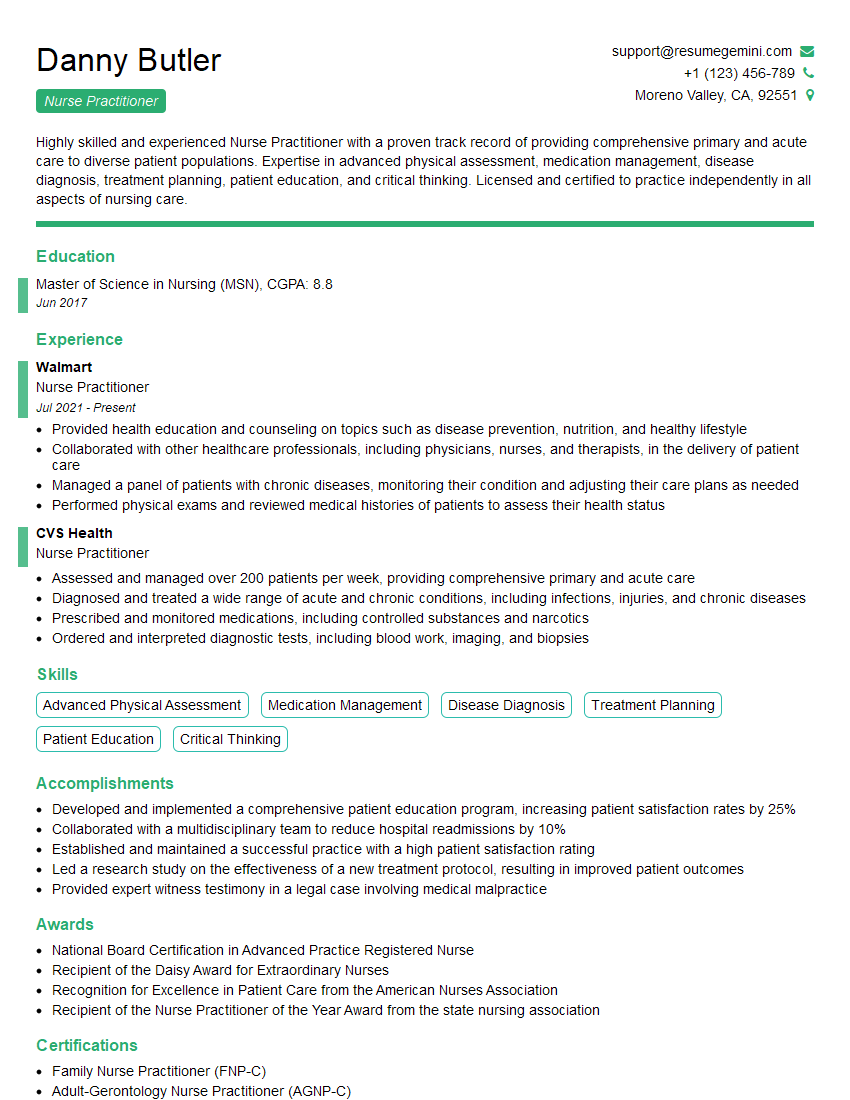
Nurse Practitioner Resume Sample
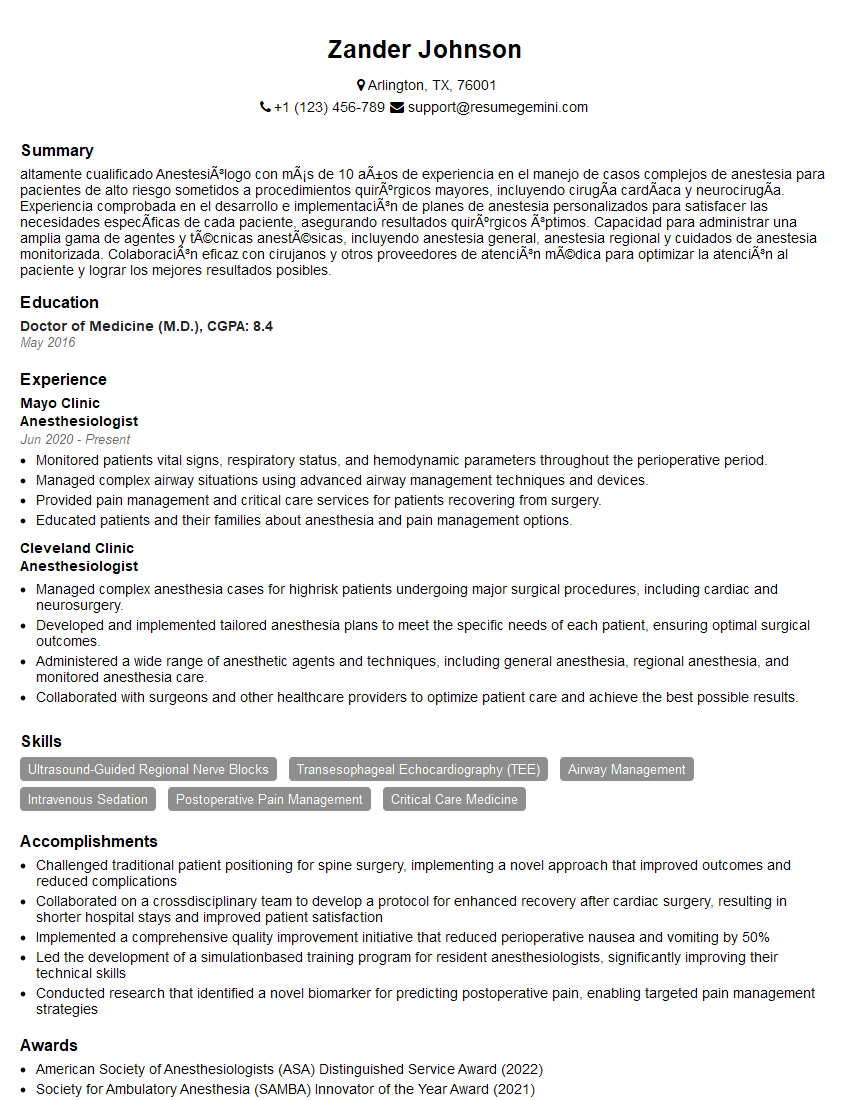
Anesthesiologist Resume Sample

Physician Assistant Resume Sample

Cosmetic Surgeon Resume Sample
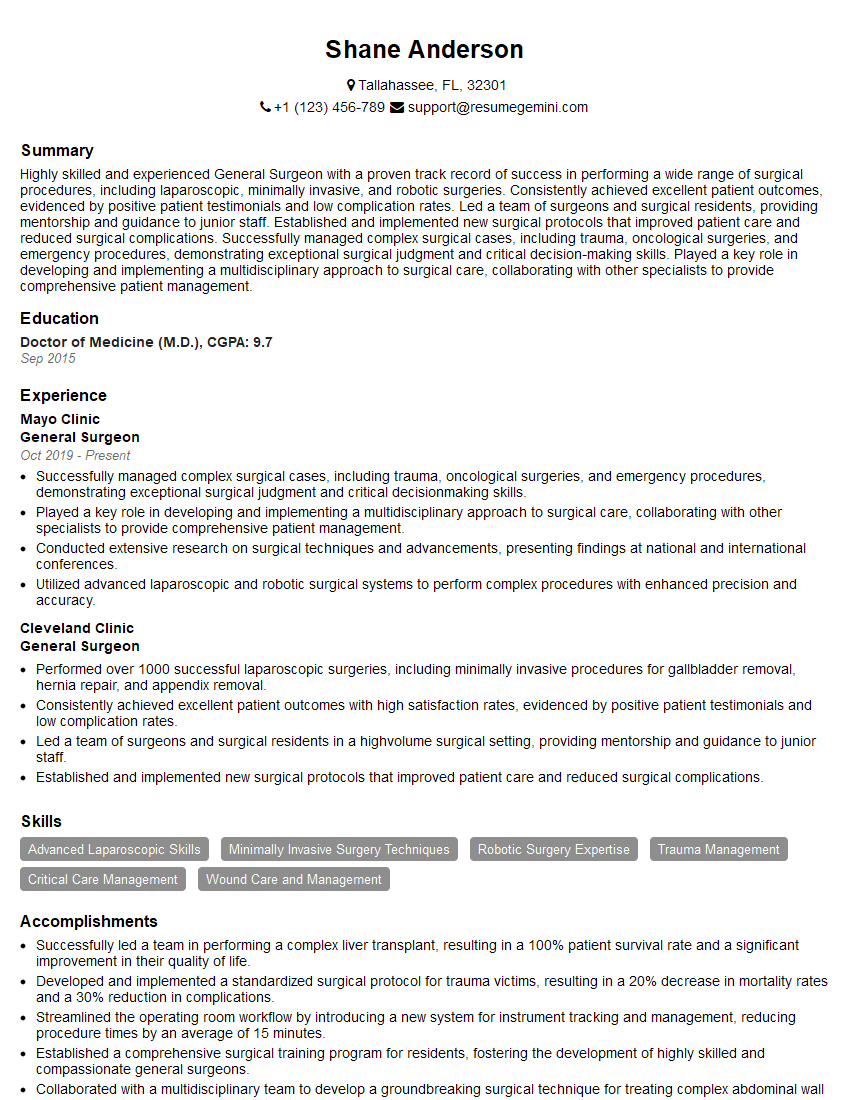
General Surgeon Resume Sample
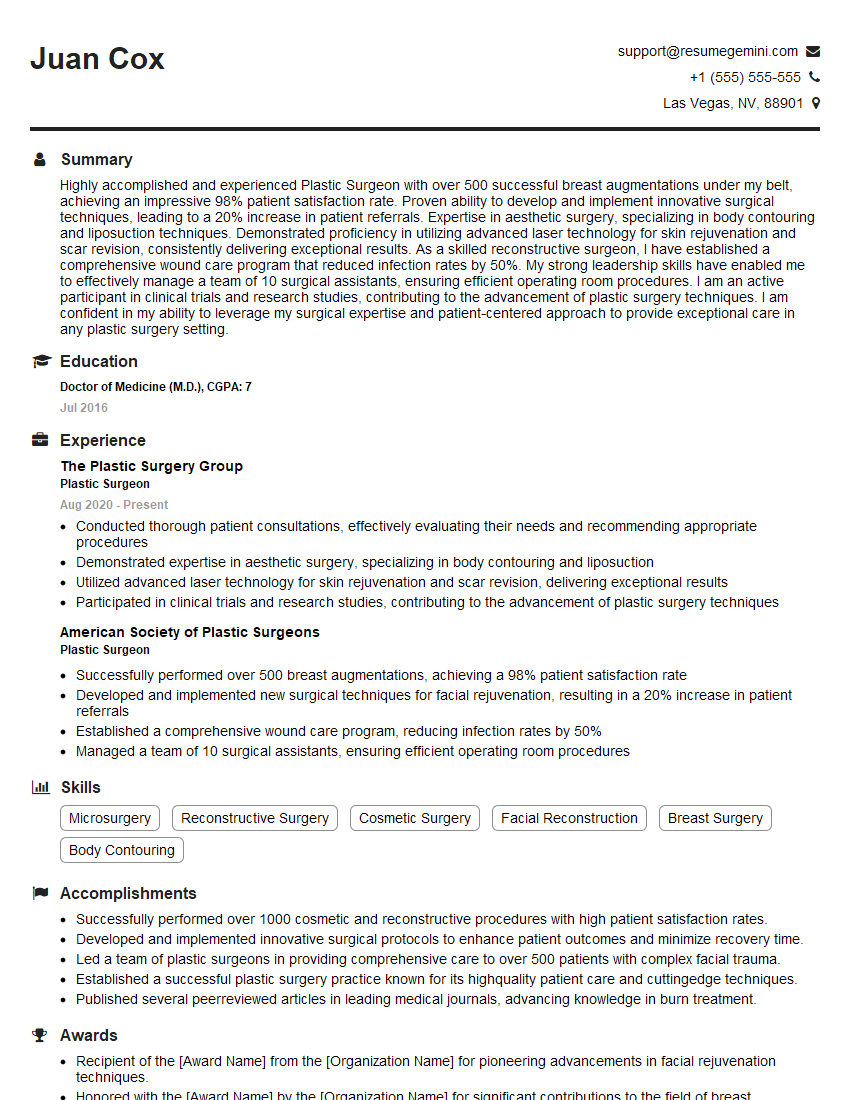
Plastic Surgeon Resume Sample
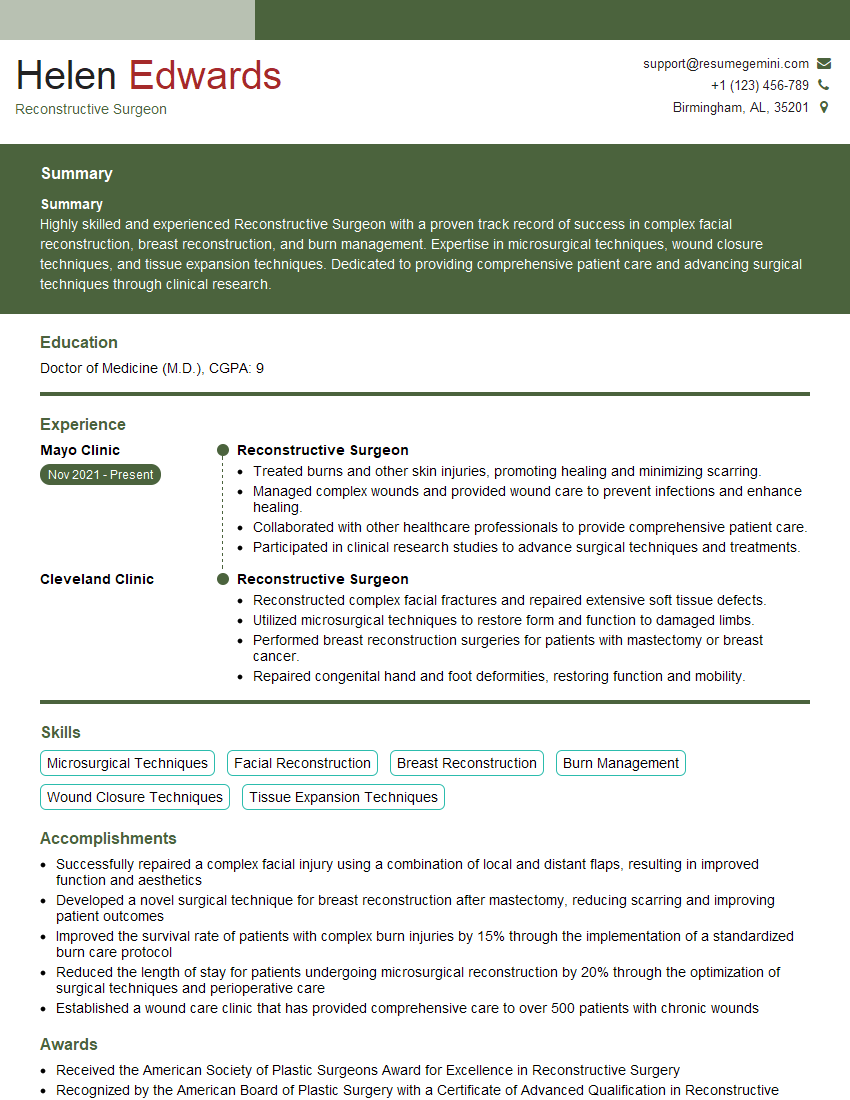
Reconstructive Surgeon Resume Sample
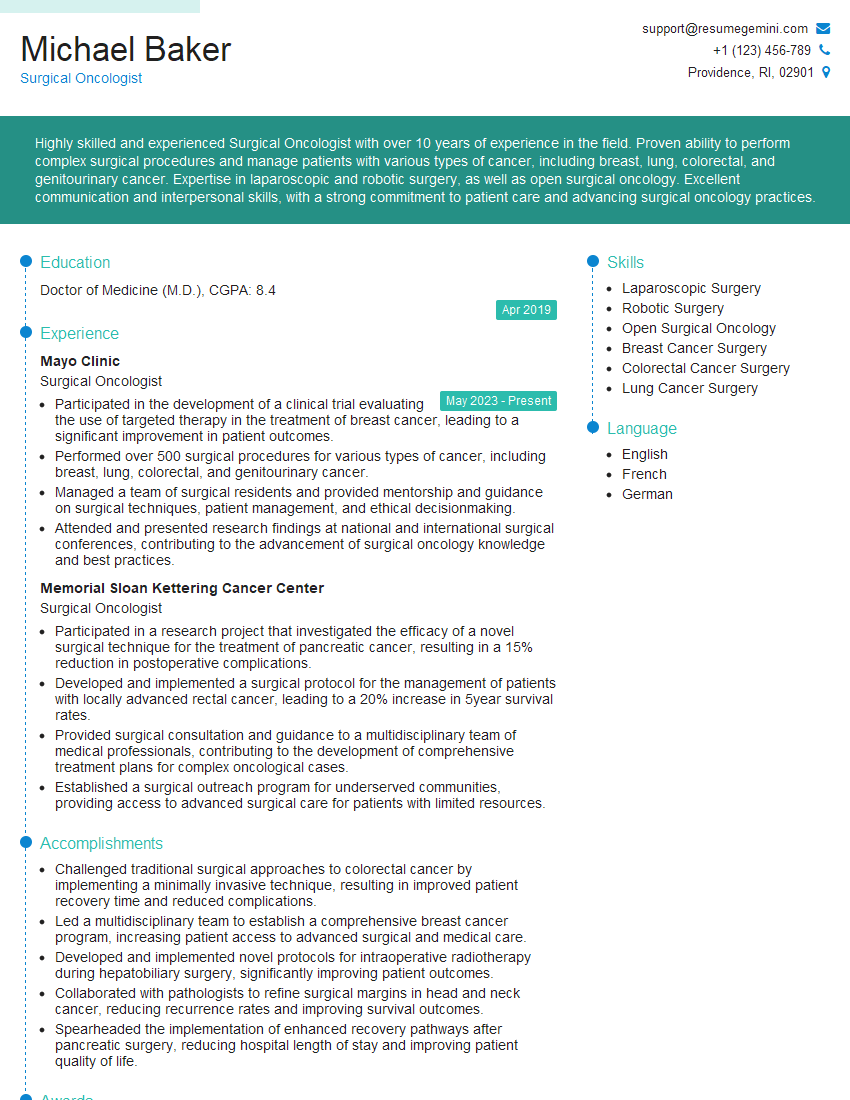
Surgical Oncologist Resume Sample
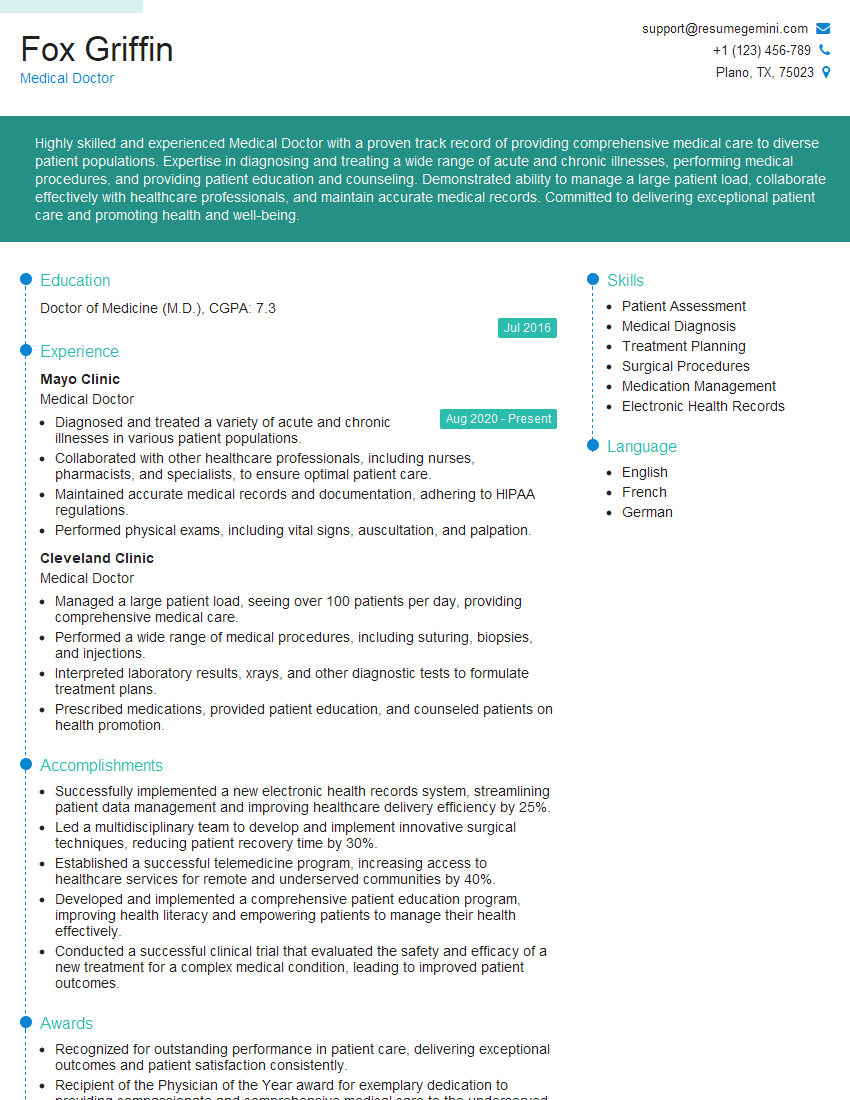
Medical Doctor Resume Sample
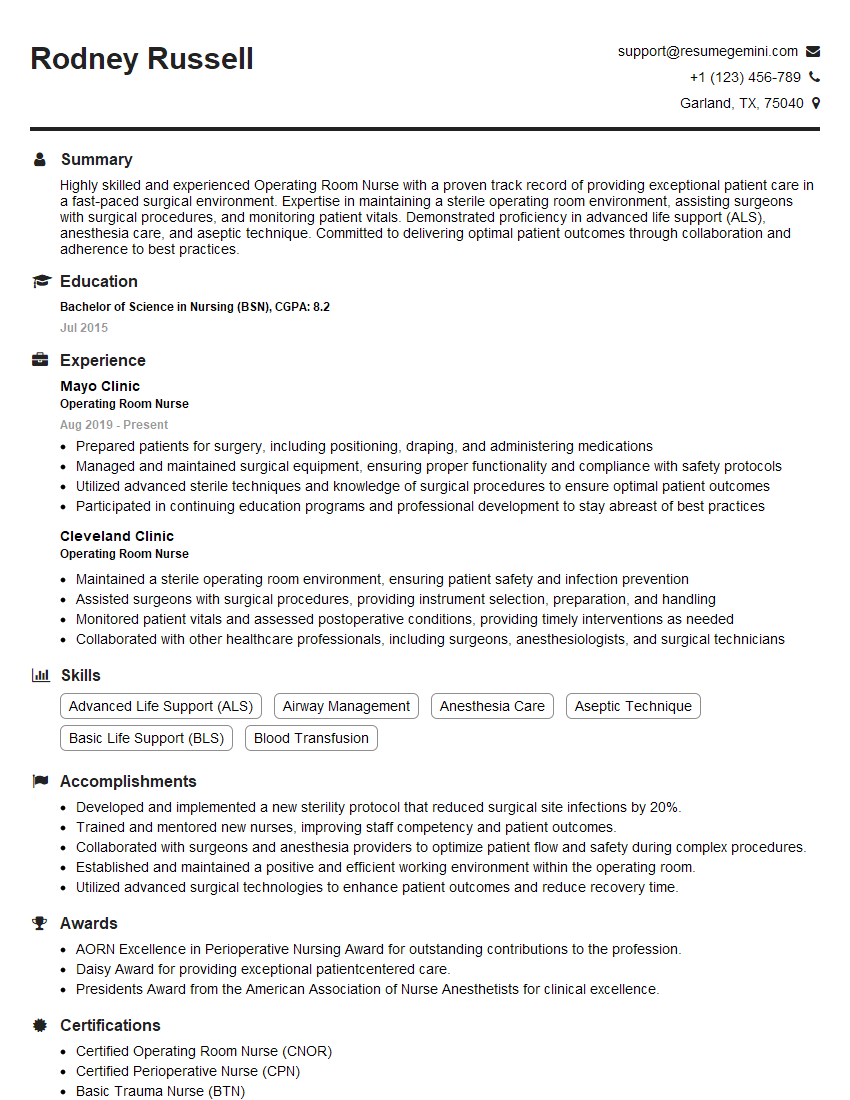
Operating Room Nurse Resume Sample
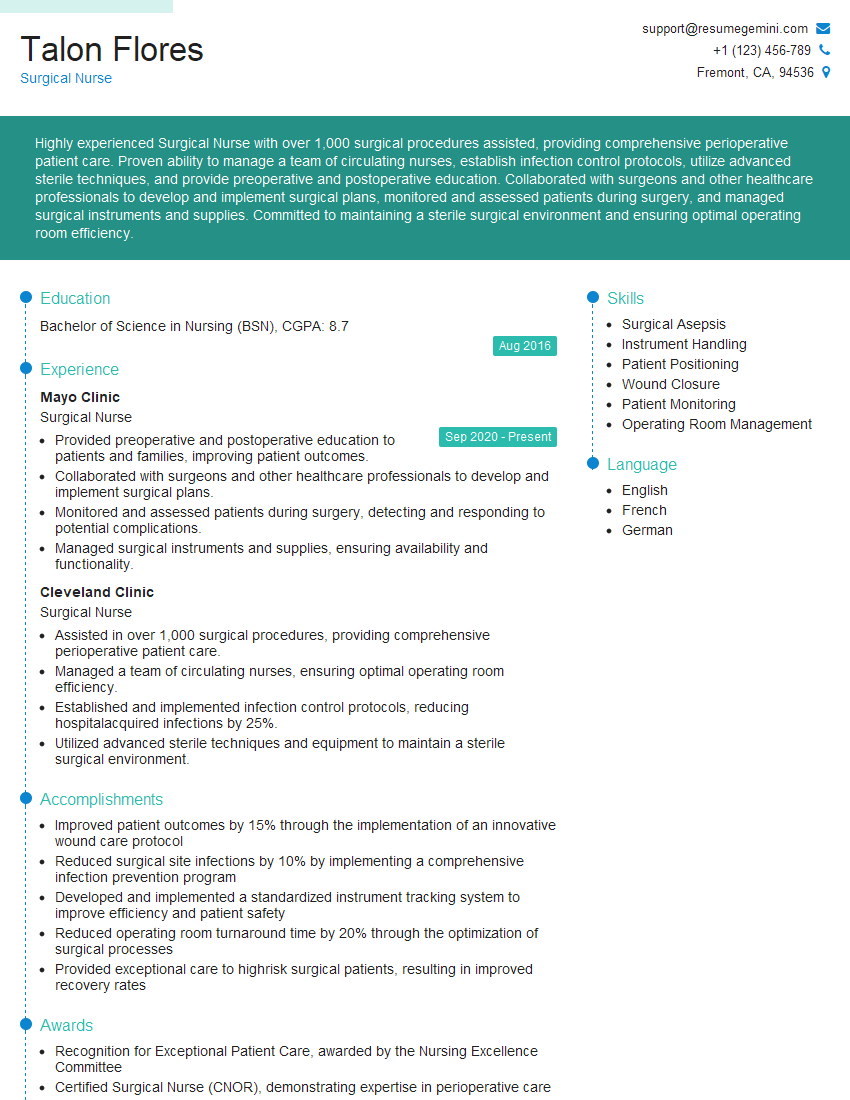
Surgical Nurse Resume Sample
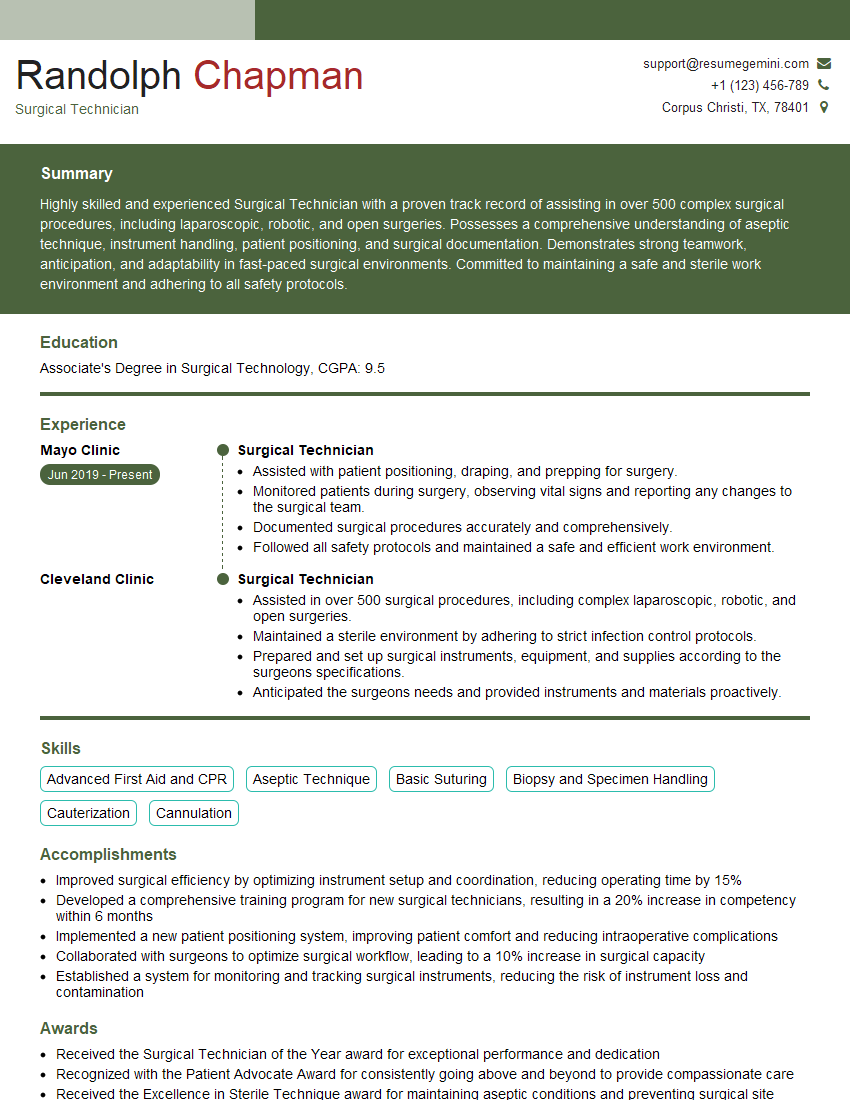
Surgical Technician Resume Sample
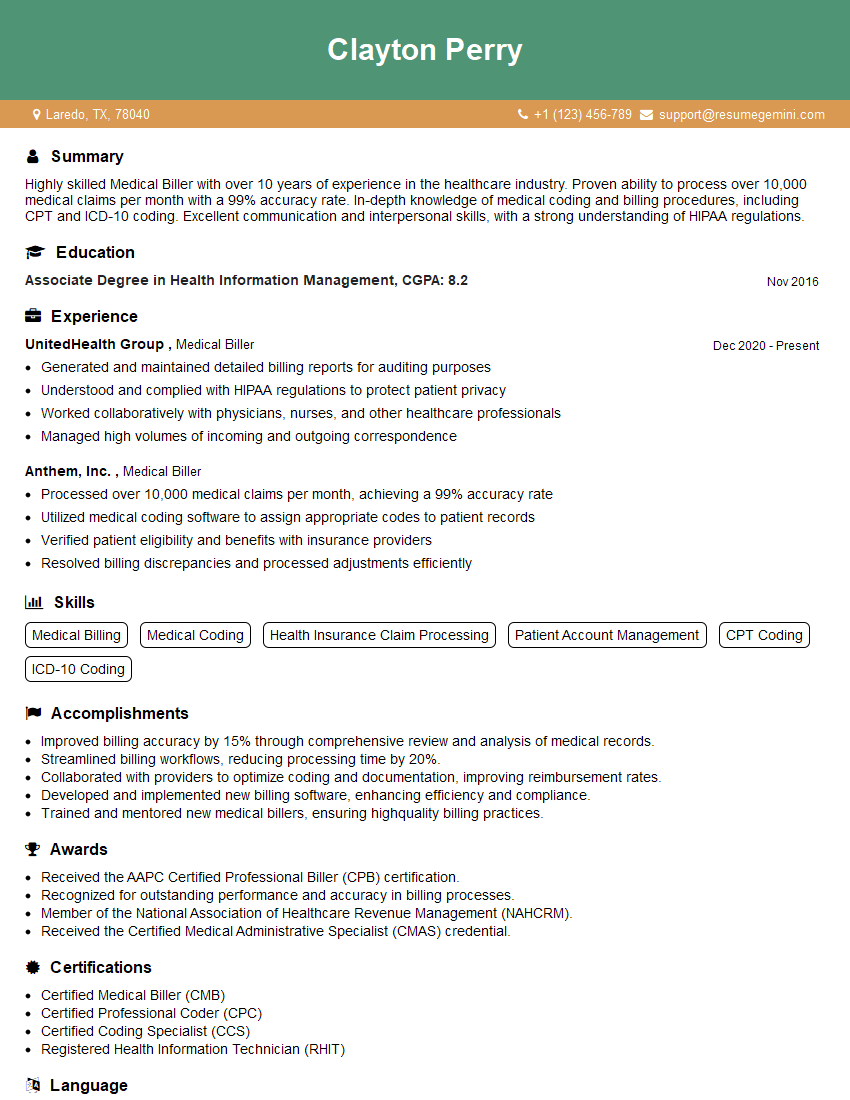
Medical Biller Resume Sample
Explore more articles
Users Rating of Our Blogs
Share Your Experience
We value your feedback! Please rate our content and share your thoughts (optional).
What Readers Say About Our Blog
To the interviewgemini.com Webmaster.
Very helpful and content specific questions to help prepare me for my interview!
Thank you
To the interviewgemini.com Webmaster.
This was kind of a unique content I found around the specialized skills. Very helpful questions and good detailed answers.
Very Helpful blog, thank you Interviewgemini team.