The thought of an interview can be nerve-wracking, but the right preparation can make all the difference. Explore this comprehensive guide to Cane Mobility interview questions and gain the confidence you need to showcase your abilities and secure the role.
Questions Asked in Cane Mobility Interview
Q 1. Explain the different types of canes and their appropriate uses.
Canes are categorized by their handle type and the number of points of contact with the ground. The choice depends on the individual’s needs and level of support required.
- Standard Canes: These have a single point of contact and a variety of handle styles. A straight cane provides minimal support, ideal for those needing balance assistance while walking on level surfaces. A cane with a curved handle, or crook handle cane, offers improved grip and better leverage, especially for individuals with arthritis or limited hand strength. A tripod cane offers greater stability due to three points of support and is often used by individuals with significant balance problems, but it can be less maneuverable than a single-point cane.
- Offset Canes: The handle is positioned slightly off-center, providing increased leverage and allowing for a more natural walking posture, particularly beneficial for those with pain in their hands or wrists.
- Quad Canes: These are four-legged canes providing excellent stability, mostly used by people who have a significant risk of falls. They can be heavier and less maneuverable than other types.
For instance, a patient with mild balance issues after a stroke might benefit from a standard cane with a curved handle for better grip and leverage, while a patient with severe balance and mobility impairments may require a quad cane for maximum stability. The choice of cane needs to be personalized.
Q 2. Describe the proper fitting procedure for a cane.
Proper cane fitting is crucial for safety and effectiveness. It should be tailored to the individual’s height and needs.
- Height Measurement: The patient should stand upright, and the cane should be measured so the handle reaches the level of the greater trochanter (the bony prominence on the outside of the hip). Alternatively, the elbow should be flexed at about 20-30 degrees while holding the cane, in a relaxed grip.
- Handle Type and Grip: The handle should be comfortable and easy to grip; consider the patient’s hand strength and dexterity when choosing a handle type. The patient should also be comfortable with the size and shape of the handle.
- Adjustability: Ensure the cane can be adjusted in height if needed, to accommodate variations in clothing or footwear or changes in the patient’s posture.
- Stability: Check the cane’s base for stability; it should be non-slip and sturdy enough to support the patient’s weight. The tip should be firmly attached.
- Trial and Comfort: The patient should try walking with the cane to ensure it is comfortable, provides adequate support, and doesn’t cause discomfort or strain. They should stand with the cane and perform simple weight shifts. Observe for any hesitation or difficulty in managing the cane.
Think of it like trying on shoes; you need to ensure the fit is correct for maximum comfort and support. Improperly fitted canes can lead to falls and other complications.
Q 3. How do you assess a patient’s need for cane mobility assistance?
Assessing a patient’s need for a cane involves a comprehensive evaluation of their physical capabilities and functional limitations.
- Gait Assessment: Observe their walking pattern, looking for signs of instability, weakness, limping, or altered gait. Assess balance during static and dynamic activities.
- Strength Evaluation: Check the patient’s lower extremity strength, particularly in the legs and ankles. Weakness could predispose them to falls.
- Range of Motion: Assess hip, knee, and ankle mobility. Restricted range of motion may impact their ability to walk safely.
- Balance Tests: Use standardized balance tests like the Romberg test or the Timed Up and Go (TUG) test to objectively measure balance and risk of falls.
- Patient History: Obtain a thorough medical history, including prior falls, surgeries, medical conditions such as arthritis, neurological disorders, etc. These could impact their mobility and balance.
- Environmental Assessment: Consider the patient’s living environment. Obstacles, uneven surfaces, and poor lighting could increase their risk of falls, emphasizing the need for cane assistance.
For example, a patient with osteoarthritis experiencing pain and instability while walking might significantly benefit from a cane. A thorough evaluation ensures the cane provides the appropriate level of support without hindering their mobility.
Q 4. Outline the steps involved in teaching a patient to use a cane safely.
Teaching a patient to use a cane safely involves a step-by-step approach, starting with basic techniques and gradually progressing to more complex maneuvers.
- Cane Placement: The patient should hold the cane in their stronger hand, slightly ahead and to the side of their body.
- Initial Standing: The patient should practice transferring their weight to their legs before beginning walking with the cane.
- Gait Pattern: They should advance the cane first, followed by their weaker leg, then their stronger leg. This technique helps improve balance and stability. The cane should not be placed too far in front, preventing a long stride.
- Turning: Teach them how to turn using the cane, pivoting their body and using the cane as a support and point of rotation.
- Going Up and Down Stairs: The patient should be guided in safe stair negotiation methods, using the cane for support and balance.
- Obstacle Negotiation: Practicing walking around obstacles and maintaining balance will help them navigate their surroundings with confidence.
- Practice and Progression: Gradually increase the distance and complexity of the walking environment. Initially, practice in a controlled setting, such as a gym or therapy room. Observe their gait during various conditions, such as changing terrain and surfaces.
Frequent verbal encouragement and feedback are crucial throughout the training. The emphasis is on gradual progression and building confidence. Always stress the importance of taking a break if they feel fatigued.
Q 5. What are the common gait deviations observed in patients using canes?
Common gait deviations observed in patients using canes include:
- Shortened Stride Length: Patients may take shorter steps on the side of the cane, impacting overall gait efficiency.
- Excessive Lateral Trunk Lean: They may lean excessively towards the cane for support, increasing the risk of falls.
- Circumduction: Swinging the leg in a wide arc to compensate for weakness.
- Foot Slap: A flat, uncoordinated foot strike, indicating weakness in the muscles supporting the ankle.
- Trendelenburg Gait: Dropping of the hip on the non-weight-bearing side.
- Improper Cane Placement: Holding the cane too far behind or in front, not utilizing it for maximum support or momentum.
These deviations may indicate underlying muscle weakness, balance problems, or improper cane use. Careful observation and corrective feedback are essential.
Q 6. How do you address common challenges such as balance issues during cane training?
Addressing balance issues during cane training involves a multifaceted approach focusing on improving stability, strength, and confidence.
- Environmental Modifications: Start in a safe, controlled environment, gradually increasing the complexity. Ensure proper lighting and removal of obstacles.
- Balance Exercises: Incorporate exercises to improve balance, including single-leg stances, tandem stances, and weight shifts. Use visual cues to aid balance.
- Strength Training: Strengthening leg and core muscles helps improve stability. Exercises such as squats, lunges, and calf raises are beneficial.
- Proprioceptive Training: Activities focusing on improving body awareness and balance, such as balance boards or foam rolling, could greatly aid stability. These increase sensory feedback.
- Adaptive Equipment: Consider using adaptive equipment, such as a parallel bar or a walker, in the initial stages to provide added support before transitioning to just a cane.
- Adaptive Gait Training: Implementing assistive devices such as gait belts to facilitate better cane technique.
It’s essential to address balance concerns gradually, ensuring the patient’s safety and building their confidence through small, achievable steps.
Q 7. Describe your experience with different cane walking techniques.
My experience encompasses various cane walking techniques, tailoring them to each patient’s unique needs and abilities.
- Two-Point Gait: This involves moving the cane and the opposite leg simultaneously. It’s often used initially for increased stability but might not be suitable for long-term use.
- Three-Point Gait: The cane and both legs move in a sequence. The cane moves first followed by the weaker leg and then the stronger leg. This is frequently used when there’s significant weakness on one side.
- Four-Point Gait: Each limb moves independently; the cane leads the movement, providing maximum stability. This technique is used when maximum balance and stability are crucial.
- Modified Techniques: I’ve also used modified techniques, adapting the gait based on the patient’s specific limitations and strengths. This could involve using the cane for both propulsion and balance.
For example, a patient with hemiparesis (weakness on one side of the body) might benefit most from a three-point gait. I always start with a slower pace to allow the patient time to learn proper techniques and gradually increase their speed and endurance.
Q 8. How do you adapt your instruction to accommodate various patient needs and abilities?
Adapting cane mobility instruction hinges on understanding each patient’s unique needs and physical capabilities. I begin with a thorough assessment, considering factors like their age, overall health, balance, strength, and cognitive function. This assessment guides my approach, ensuring the training is safe, effective, and tailored to their individual limitations.
- For patients with limited strength: I might start with shorter sessions, focusing on proper gait techniques and using assistive devices like a chair for rests. We might start with practice in a controlled environment before progressing to more challenging terrains. I might also suggest a lighter cane.
- For patients with cognitive impairments: I’ll use simpler instructions, visual aids (like diagrams showing proper gait), and repetition to reinforce learning. I will also engage caregivers in the training process.
- For patients with pain: I’ll adjust the intensity and duration of the sessions, focusing on pain management strategies alongside cane training. This might include incorporating breaks and adapting the exercises to minimize discomfort. I will work closely with the physical therapist or physician to manage pain effectively.
For example, an elderly patient with arthritis might need a broader, more supportive cane base and fewer repetitions during each session. A younger patient recovering from a stroke might require more intensive, task-specific training to regain motor skills. The key is flexibility and individualized attention.
Q 9. What are the safety precautions to emphasize when using a cane?
Safety is paramount in cane mobility training. I emphasize several key precautions:
- Proper cane fitting: The cane should be the correct height, allowing the elbow to bend at a 20-30 degree angle. An improperly fitted cane can lead to strain, imbalance, and falls.
- Appropriate terrain: Patients should avoid uneven surfaces, slippery floors, and obstacles until they’ve mastered cane use in a safe environment.
- Environmental awareness: Patients need to be constantly aware of their surroundings – looking ahead, not at their feet – and being cautious of potential hazards.
- Correct gait technique: This is crucial to prevent falls. The cane should be placed on the stronger side, moving the cane first, then the weaker leg, followed by the stronger leg.
- Proper footwear: Well-fitting shoes with good support and non-slip soles are essential.
- Strength and Balance exercises: Alongside cane training, I would recommend strength training and balance exercises to improve overall stability and reduce fall risks.
I always conduct training in a safe environment initially, gradually progressing to more challenging situations as the patient’s confidence and skill improve.
Q 10. How do you monitor a patient’s progress during cane mobility training?
Monitoring patient progress is an ongoing process involving regular observation and assessment. I use a combination of methods:
- Gait analysis: I observe the patient’s walking pattern, noting their posture, step length, balance, and overall smoothness. I look for deviations from proper technique and address them accordingly.
- Functional tests: Simple tests, like walking a specific distance or turning around, help evaluate functional mobility and identify areas needing improvement.
- Self-report measures: I regularly ask patients about their experiences – any discomfort, difficulty, or improvements they’ve noticed. This subjective feedback is invaluable.
- Documentation: I keep detailed records of each session, including observations, exercises performed, and the patient’s progress. This allows me to track their journey and adjust the plan as needed.
For instance, I might chart the distance a patient can walk comfortably with the cane each week, or track their ability to navigate obstacles without assistance. Continuous monitoring enables me to provide timely adjustments and ensure the most effective training program.
Q 11. Explain the importance of proper posture and body mechanics when using a cane.
Proper posture and body mechanics are fundamental to safe and effective cane use. Poor posture increases the risk of falls and strain. Maintaining good posture helps distribute weight evenly, promoting stability and reducing stress on joints.
- Upright posture: Stand tall, with your shoulders relaxed and your head held high. Avoid hunching over.
- Weight distribution: Distribute weight evenly between both legs, slightly leaning forward for balance.
- Cane placement: The cane should be held on the stronger side, keeping the body aligned and balanced.
- Arm swing: Allow for natural arm swing during walking, keeping the pace and rhythm consistent.
Imagine trying to walk with a heavy backpack while slouching – you’re likely to stumble. Maintaining good posture and using the cane correctly is similar; it distributes weight effectively, creating a stable base for walking and reduces the strain on your body.
Q 12. Describe your experience with patients who have cognitive impairments.
I’ve worked with several patients who have various cognitive impairments, including dementia and Alzheimer’s disease. Working with these patients requires a different approach. I use simple, clear instructions and visual aids, focusing on repetition and positive reinforcement.
- Simple instructions: Break down tasks into smaller, manageable steps.
- Visual aids: Use pictures or diagrams to show proper cane use.
- Repetition: Repeat instructions and exercises multiple times to reinforce learning.
- Positive reinforcement: Praise and encourage the patient throughout the process.
- Caregiver involvement: Engage caregivers in the training process to ensure consistency and support.
For example, I might use colored tape on the floor to create a visual pathway for the patient to follow, or use a large-print instruction card to remind them of proper technique. Patience and understanding are key.
Q 13. How would you address a patient who experiences pain while using a cane?
If a patient experiences pain while using a cane, it’s crucial to address it immediately. Pain might indicate an improper cane fit, incorrect technique, or an underlying medical condition.
- Assess the pain: Determine the location, intensity, and type of pain. Ask about any aggravating or relieving factors.
- Review technique: Carefully assess the patient’s cane use for errors. Correcting improper technique can often alleviate pain.
- Check cane fit: Ensure the cane is the correct height and is providing adequate support.
- Adjust the training: Modify the intensity and duration of the sessions to reduce strain and pain.
- Consult other professionals: If the pain persists, refer the patient to their physician or physical therapist for evaluation and treatment.
For instance, if the patient reports wrist pain, it could be due to improper grip. Adjusting the grip or using a different type of cane might resolve the issue. Persistent pain always requires further investigation and collaboration with other healthcare professionals.
Q 14. What are the signs of potential falls during cane use?
Recognizing potential fall risks during cane use is crucial. Several signs can indicate an increased risk:
- Unsteady gait: Noticeable wavering or stumbling while walking.
- Poor balance: Difficulty maintaining upright posture or frequent near-falls.
- Hesitation: The patient appears hesitant or lacks confidence in their walking.
- Inadequate grip strength: Difficulty holding the cane firmly.
- Inappropriate cane use: Incorrect technique, such as improper placement or lack of coordination.
- Decreased awareness: Not paying attention to surroundings or failing to adjust to changes in the environment.
- Fatigue: Significant tiredness, weakness, or shortness of breath during the activity.
If I observe these signs, I’ll immediately adjust the training, focusing on balance and stability exercises. In some cases, I may recommend a different type of cane or assistive device. In severe instances, I might need to halt the session and consult with the patient’s physician or physical therapist.
Q 15. Describe your experience with documentation and record-keeping related to cane mobility.
Documentation in cane mobility is crucial for tracking progress, ensuring patient safety, and facilitating communication among healthcare professionals. My approach involves detailed charting, including the patient’s diagnosis, assessment findings (gait analysis, strength, balance), the type of cane prescribed (height, material, type), initial and ongoing training provided, any modifications made to the cane or gait training plan, and the patient’s response to the intervention (observed improvements, reported difficulties, and any adverse events). I maintain both electronic and paper records, ensuring all entries are accurate, objective, and dated. For example, I might note: “Patient presents with right-sided hemiparesis post-stroke. Fitted with a quad cane, demonstrating significant improvement in balance after 3 sessions. Continues to experience mild fatigue; plan to reduce session length.” This ensures continuity of care and allows for effective follow-up.
Career Expert Tips:
- Ace those interviews! Prepare effectively by reviewing the Top 50 Most Common Interview Questions on ResumeGemini.
- Navigate your job search with confidence! Explore a wide range of Career Tips on ResumeGemini. Learn about common challenges and recommendations to overcome them.
- Craft the perfect resume! Master the Art of Resume Writing with ResumeGemini’s guide. Showcase your unique qualifications and achievements effectively.
- Don’t miss out on holiday savings! Build your dream resume with ResumeGemini’s ATS optimized templates.
Q 16. How would you modify your approach for patients with different diagnoses (e.g., stroke, arthritis)?
My approach is highly individualized. For a stroke patient, I focus on improving strength and coordination on the affected side, incorporating exercises to improve balance and gait symmetry. Cane use is tailored to address specific impairments, possibly using techniques like leading with the cane on the weaker side for better support. For a patient with arthritis, I prioritize joint protection, choosing a cane with ergonomic features to reduce stress on the joints. The exercises focus on range of motion and pain management. The pace of instruction is adjusted based on the patient’s pain tolerance and energy levels. In both cases, patient education regarding proper technique and energy conservation strategies is vital.
Q 17. What are some common errors patients make when using a cane?
Common errors include incorrect cane height (too short or too long), holding the cane too far from the body, gripping the cane too tightly, placing the cane too far ahead, and using the cane inappropriately (e.g., only on the weaker side). Incorrect height causes strain and imbalance. Holding the cane too far away reduces stability, while a tight grip causes fatigue and discomfort. Improper placement affects gait pattern and increases fall risk. For instance, I’ve seen patients who hold the cane far behind them, making it less effective, or who try to use the cane for all their weight-bearing, leading to unstable support.
Q 18. How do you teach proper cane placement and movement during ambulation?
I start by ensuring the cane is the correct height (typically, the top of the cane should reach the crease of the patient’s wrist when their arm hangs naturally at their side). I then demonstrate proper placement, emphasizing a rhythmic pattern. The cane moves forward along with the opposite leg, providing support for the subsequent step. I use verbal cues, visual demonstrations, and hands-on assistance, gradually fading my support as the patient gains confidence. For example: ‘As you step forward with your right leg, advance the cane with your left hand’. I guide patients to a stable base of support, maintaining a comfortable pace and emphasizing smooth transitions. Regular practice in various environments helps build competency and confidence.
Q 19. How do you address patient anxieties and fears regarding cane usage?
Addressing anxieties is paramount. I start by actively listening to the patient’s concerns, validating their feelings. I then use a collaborative, empathetic approach, explaining the benefits of cane use and addressing misconceptions. I demonstrate that the cane is a tool for enhancing independence and safety, not a symbol of weakness. Practical exercises in a safe environment gradually build confidence. Positive reinforcement and celebrating small achievements boost self-esteem. I might share stories of other patients who initially felt apprehensive but now use their canes confidently. Focusing on the increased mobility and reduced fall risk helps alleviate their fears.
Q 20. What are the benefits and limitations of different cane materials (e.g., wood, aluminum)?
Wood canes offer a classic, aesthetically pleasing option; however, they can be heavier and less durable than other materials. Aluminum canes are lighter and more adjustable, making them suitable for patients needing height adjustments or increased portability. They’re also more resistant to rust. The choice depends on individual needs. A heavier cane might be preferable for patients needing more stability, whereas a lighter cane is better for those with limited upper body strength or mobility. Consider also the handle material and design: ergonomic handles are preferred for comfort and ease of grip.
Q 21. Explain the importance of regular assessments and reassessments of cane use.
Regular assessments are crucial for monitoring progress, identifying potential problems, and making adjustments to the cane use plan. Initial assessments establish baseline function and identify areas needing improvement. Reassessments, perhaps weekly or bi-weekly, track changes in mobility, strength, and balance. This dynamic approach enables early intervention if problems arise, such as increased pain, worsening gait, or reduced confidence. A reassessment might involve reviewing the patient’s technique, adjusting the cane height, modifying the exercise program, or switching to a different type of cane. By proactively addressing any difficulties, we ensure patients are using their canes safely and effectively, maximizing their independence and quality of life.
Q 22. How do you integrate cane mobility training into a broader rehabilitation plan?
Integrating cane mobility training into a broader rehabilitation plan requires a holistic approach, considering the patient’s overall physical, cognitive, and emotional state. It’s not just about teaching cane use; it’s about improving functional mobility and independence. We begin by assessing the patient’s current abilities, limitations, and goals. This involves evaluating their balance, strength, gait, and cognitive function. For example, a patient recovering from a stroke might need different training than someone with osteoarthritis.
The training itself is then tailored to the individual needs. This might involve exercises to improve strength and balance, followed by gradual introduction to cane use, practicing different terrains, negotiating obstacles, and ultimately, incorporating cane use into their daily routines. Progress is monitored regularly, and the plan is adjusted as needed to optimize functional outcomes. The entire process involves close collaboration with other healthcare professionals, such as physical therapists, occupational therapists, and physicians, ensuring a coordinated and effective rehabilitation plan.
Q 23. Describe your experience with home safety assessments related to cane use.
Home safety assessments are crucial for ensuring safe cane use after discharge. My experience involves conducting thorough assessments, identifying potential hazards such as loose rugs, uneven flooring, clutter, and inadequate lighting. I then work with the patient and their family to develop strategies to mitigate these risks. This might involve removing tripping hazards, installing grab bars, improving lighting, or adjusting furniture placement. I always emphasize the importance of clear pathways and well-lit areas, especially around stairs. For example, I recently helped a patient by suggesting they replace a worn-out carpet that was creating a tripping hazard. Documentation of the assessment and recommended modifications is crucial for continuity of care.
Q 24. What assistive devices would you recommend as alternatives or additions to cane use?
While canes are excellent assistive devices, alternatives and additions depend heavily on the individual’s needs and limitations. For instance, a walker provides more stability than a cane and is beneficial for individuals with significant balance problems. A rolling walker offers additional support and mobility, especially for those with fatigue or limited endurance. For individuals with upper limb weakness, a forearm crutch or loftstrand crutch might be more suitable. Other options include specialized adaptive equipment such as a hemi-walker for patients with unilateral weakness. The choice depends on factors such as the individual’s balance, strength, coordination, and the nature of their mobility challenges. A thorough assessment helps determine the best assistive device.
Q 25. How do you collaborate with other healthcare professionals involved in a patient’s care?
Collaboration is paramount. I regularly communicate with other healthcare professionals involved in the patient’s care, including physicians, physical therapists, occupational therapists, and social workers. This is done through regular meetings, shared electronic health records, and informal discussions to ensure everyone is on the same page and the patient’s care is integrated. For instance, if a physical therapist identifies muscle weakness hindering cane use, we’d collaborate on a strengthening program. Similarly, information regarding the patient’s cognitive abilities from the occupational therapist helps tailor the training accordingly. This collaborative approach ensures the patient receives the most comprehensive and effective care.
Q 26. Describe your experience with different types of cane tips and their functionalities.
Cane tips play a crucial role in stability and functionality. The most common is the rubber tip, offering good traction on most surfaces. However, for outdoor use or uneven terrain, a larger, more rugged tip may be necessary. Some specialized tips are designed for specific needs. For example, tips with shock absorption features can reduce the impact on joints, while others incorporate additional features for enhanced stability on ice or snow. I often explain these functionalities to the patient, discussing the pros and cons of each type to ensure the right tip is selected for their specific needs and environment. The selection is not a trivial decision and should be tailored to the patient’s situation.
Q 27. What are the ethical considerations when providing cane mobility training?
Ethical considerations in cane mobility training are central to my practice. Patient autonomy is paramount – the training plan should align with the patient’s wishes and goals. Informed consent is essential, ensuring the patient understands the training process, potential benefits, and limitations. Confidentiality is maintained throughout the process, and all interactions are conducted with respect and dignity. Addressing any potential biases or assumptions about the patient’s capabilities is essential. Providing training tailored to the patient’s individual needs, without unnecessary limitations, is key to responsible ethical practice. The goal is always to empower the patient and improve their quality of life.
Q 28. Describe a time you had to adapt your training methodology due to unexpected circumstances.
I recall a patient who, mid-training, experienced a sudden increase in pain. Initially, our planned progression was to increase the distance and terrain complexity. However, due to the unexpected pain, I immediately adjusted the training plan. We focused on pain management techniques, modifying exercises to minimize stress on the affected area. We also consulted with the patient’s physician to determine the cause of the pain. This required adapting our sessions, focusing on shorter durations and simpler exercises. The goal was to prevent further injury, maintain patient comfort, and continue rehabilitation at a pace that addressed their evolving needs. The flexibility and adaptability were crucial in achieving a successful outcome.
Key Topics to Learn for Cane Mobility Interview
- Understanding Cane Mobility Devices: Explore the different types of canes, their functionalities, and the materials used in their construction. Consider the biomechanics involved in cane usage.
- Assistive Technology Integration: Learn about how cane mobility devices integrate with other assistive technologies, such as wheelchairs or walkers. Consider scenarios requiring seamless transitions between mobility aids.
- User Needs and Assessment: Understand the process of assessing a patient’s needs and selecting the appropriate cane mobility device. Consider factors like age, physical limitations, and lifestyle.
- Safety and Fall Prevention: Discuss the role of cane mobility in fall prevention strategies. Explore techniques for safe cane usage and potential hazards.
- Rehabilitation and Therapy: Examine the use of cane mobility in physical therapy and rehabilitation programs. Discuss the role of gait training and adapting techniques for various conditions.
- Manufacturing and Design Considerations: (For relevant roles) Understand the design process, materials science, and manufacturing techniques involved in creating durable and effective cane mobility devices.
- Regulatory Compliance and Standards: (For relevant roles) Familiarize yourself with relevant safety and quality standards for medical devices, including those pertaining to cane mobility.
- Problem-Solving in Cane Mobility: Practice identifying and resolving common challenges related to cane usage, such as fitting issues, adjustments, and maintenance.
Next Steps
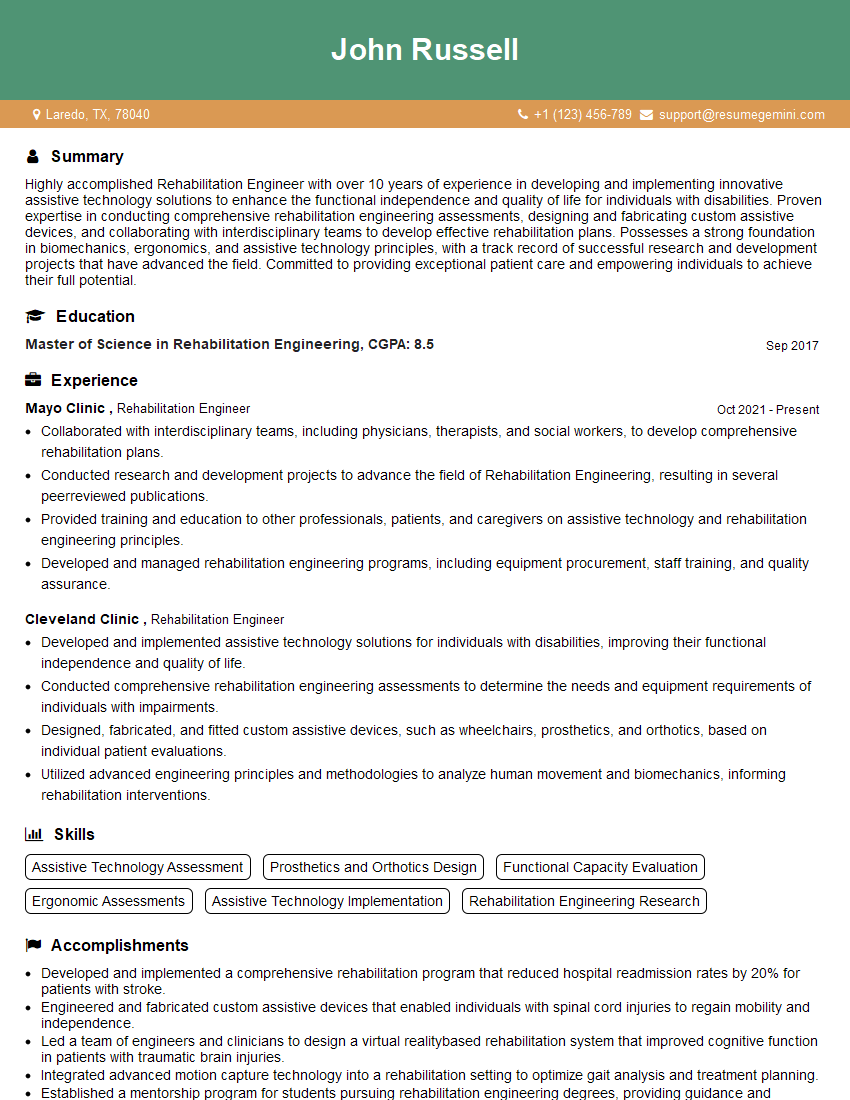
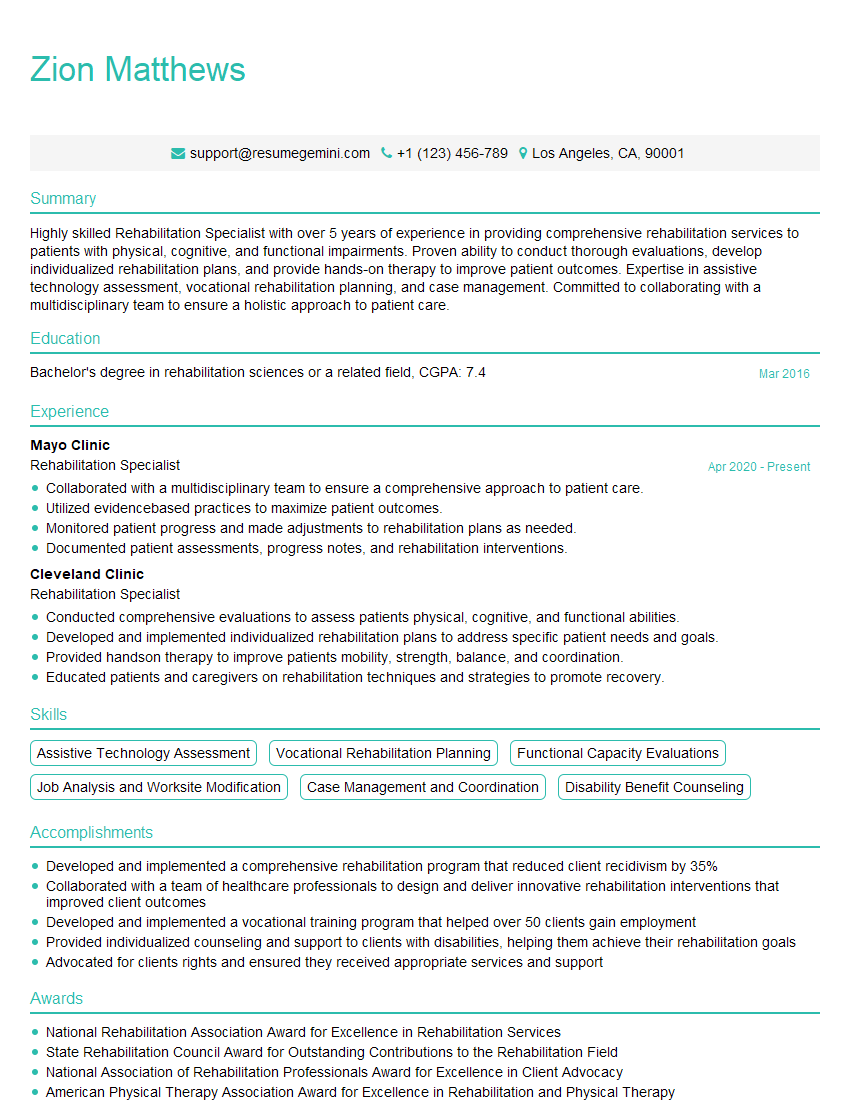
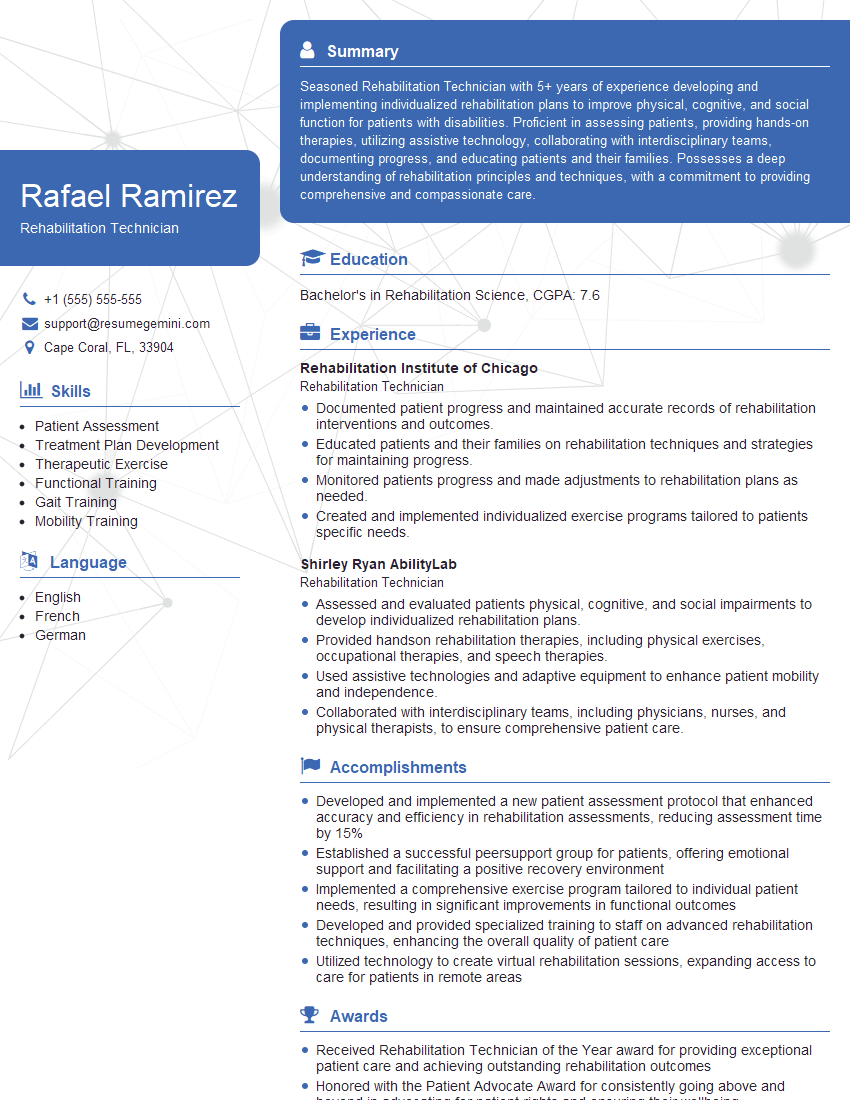
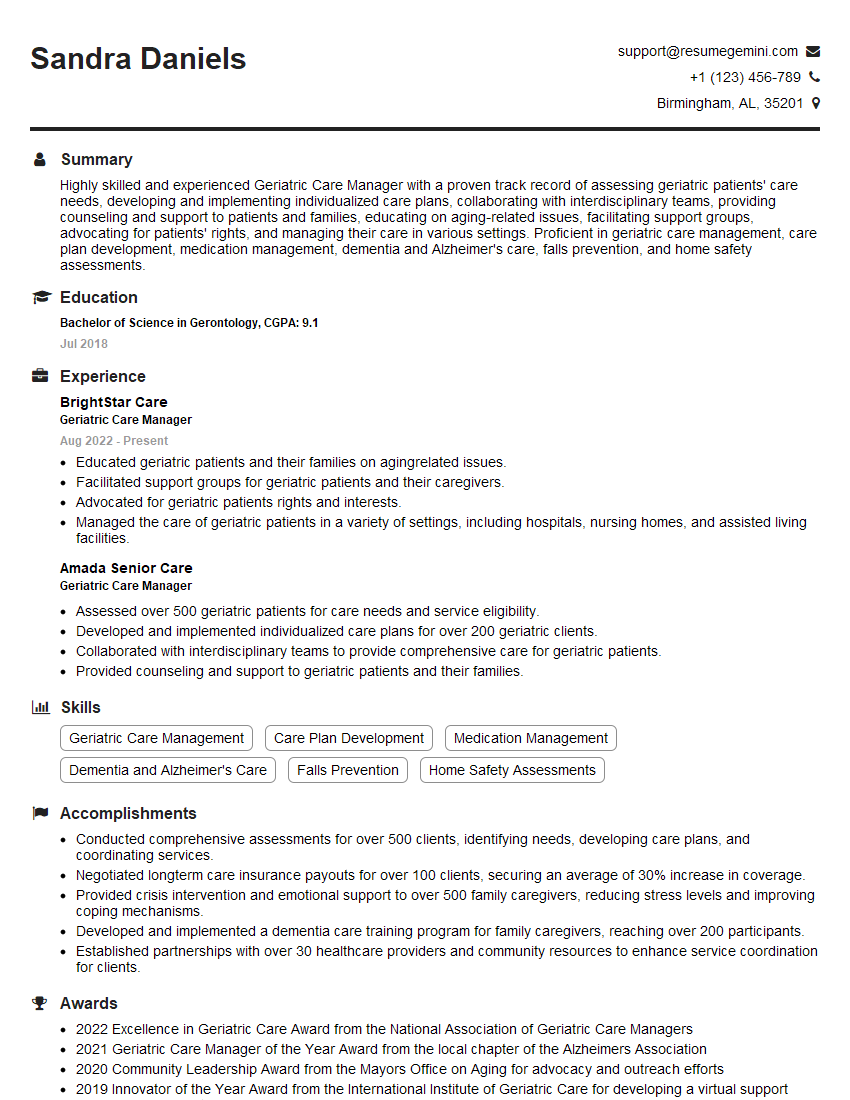
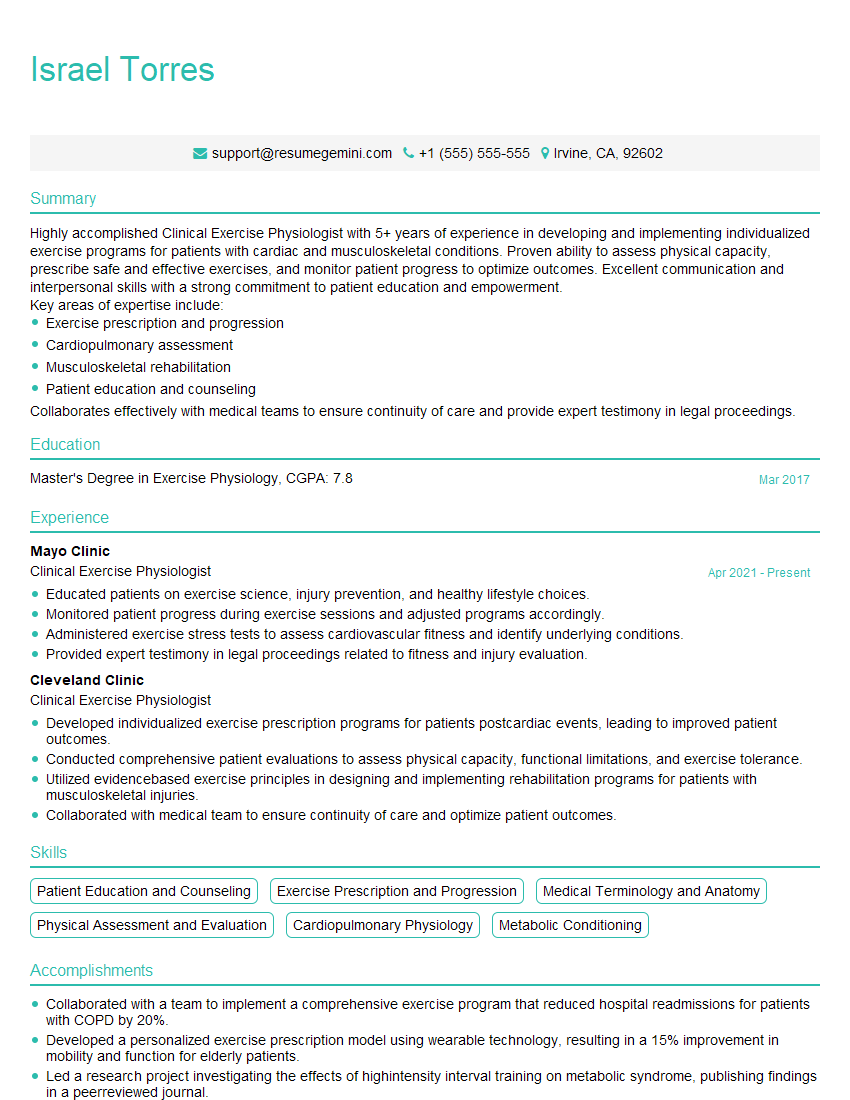
Mastering Cane Mobility knowledge opens doors to exciting career opportunities in healthcare, assistive technology, and related fields. A strong understanding of this area demonstrates your commitment to improving patient care and quality of life. To significantly increase your chances of landing your dream job, create an ATS-friendly resume that highlights your skills and experience effectively. We highly recommend using ResumeGemini, a trusted resource, to build a professional and impactful resume. Examples of resumes tailored to Cane Mobility roles are available to help guide you.
Explore more articles
Users Rating of Our Blogs
Share Your Experience
We value your feedback! Please rate our content and share your thoughts (optional).
What Readers Say About Our Blog
To the interviewgemini.com Webmaster.
Very helpful and content specific questions to help prepare me for my interview!
Thank you
To the interviewgemini.com Webmaster.
This was kind of a unique content I found around the specialized skills. Very helpful questions and good detailed answers.
Very Helpful blog, thank you Interviewgemini team.