The thought of an interview can be nerve-wracking, but the right preparation can make all the difference. Explore this comprehensive guide to Carbon Mitigation Strategies interview questions and gain the confidence you need to showcase your abilities and secure the role.
Questions Asked in Carbon Mitigation Strategies Interview
Q 1. Explain the concept of carbon sequestration.
Carbon sequestration is the process of capturing and storing atmospheric carbon dioxide (CO2). Think of it like putting CO2 away in a safe place so it doesn’t contribute to global warming. This can happen naturally, such as through trees absorbing CO2 during photosynthesis, or artificially, through technological means.
Natural sequestration processes are vital for maintaining Earth’s carbon cycle. Forests, oceans, and soil all act as significant carbon sinks, absorbing CO2 from the atmosphere. However, human activities have disrupted these natural balances. Artificial sequestration methods aim to supplement and enhance these natural processes, providing additional ways to remove CO2 from the atmosphere.
Q 2. Describe different methods for carbon capture and storage (CCS).
Carbon Capture and Storage (CCS) encompasses various technologies designed to capture CO2 emissions from industrial sources, such as power plants and factories, and store them underground. Here are some key methods:
- Pre-combustion capture: CO2 is separated from fossil fuels *before* combustion, resulting in cleaner burning and capturing most of the CO2 produced.
- Post-combustion capture: CO2 is captured *after* combustion from the flue gases of power plants. This is a more challenging approach, requiring energy-intensive processes.
- Oxy-fuel combustion: The fuel is burned in pure oxygen instead of air, producing a concentrated stream of CO2 that’s easier to capture.
Once captured, the CO2 is typically compressed and transported to suitable geological storage sites, such as depleted oil and gas reservoirs or saline aquifers, where it is injected deep underground and trapped within the porous rock formations.
For example, the Sleipner project in Norway is a prominent example of successful CO2 storage in a depleted gas reservoir. Millions of tons of CO2 have been safely stored underground for many years using post-combustion capture.
Q 3. What are the advantages and disadvantages of renewable energy sources (solar, wind, hydro)?
Renewable energy sources like solar, wind, and hydro offer significant advantages in mitigating climate change, but also have their limitations.
Advantages:
- Reduced greenhouse gas emissions: They significantly lower CO2 emissions compared to fossil fuels, contributing directly to climate change mitigation.
- Energy independence: They can reduce reliance on imported fossil fuels, enhancing national energy security.
- Sustainable resource use: Solar, wind, and hydro power utilize naturally replenishing resources, ensuring long-term availability.
Disadvantages:
- Intermittency: Solar and wind power are intermittent; their output fluctuates depending on weather conditions, requiring energy storage solutions or backup power sources.
- Land use and environmental impact: Large-scale solar and wind farms require significant land areas, potentially affecting ecosystems. Hydropower projects can alter river flows and aquatic habitats.
- High initial costs: The upfront investment for renewable energy infrastructure can be substantial.
For example, while solar power offers abundant clean energy in sunny regions, it faces challenges in cloudy areas and requires efficient energy storage technologies (e.g., batteries) to overcome intermittency. Similarly, while hydropower is relatively reliable, dam construction can have severe environmental consequences if not carefully planned and executed.
Q 4. How do you calculate a carbon footprint?
Calculating a carbon footprint involves quantifying all greenhouse gas emissions (primarily CO2) associated with an individual, organization, event, or product. It’s a multi-step process:
- Define the scope: Determine what activities or products you’ll be assessing (e.g., a single flight, annual household emissions, a manufacturing process).
- Identify emission sources: List all sources of emissions, including direct emissions (e.g., burning fuel) and indirect emissions (e.g., from electricity consumption).
- Data collection: Gather data on energy use, transportation, waste generation, material consumption, etc. This often involves using utility bills, purchase records, and emission factors (CO2 equivalents per unit of energy or material).
- Emission factor application: Multiply the quantities of each emission source by the respective emission factors to determine the total emissions in units like tons of CO2 equivalent (tCO2e).
- Aggregation and reporting: Sum up all emissions to obtain the overall carbon footprint. Present the results clearly and transparently.
Many online carbon footprint calculators simplify this process, providing pre-defined emission factors and guiding users through the data input. However, for more precise calculations, especially for complex industrial processes, specialized software and professional expertise are required. For example, a company might use a detailed Life Cycle Assessment (LCA) to analyze the carbon footprint of its products from cradle to grave.
Q 5. What are the key elements of a successful carbon offset project?
Successful carbon offset projects must meet several key criteria to ensure environmental integrity and credibility:
- Additionality: The project must demonstrate that emission reductions wouldn’t have occurred without the offset project. It shouldn’t simply be replacing existing good practices.
- Measurability: The reduction in greenhouse gas emissions must be accurately measured and verified through established methodologies.
- Permanence: The emission reductions should be long-lasting. Projects should mitigate the risk of future emissions.
- Leakage: Mitigation efforts shouldn’t cause emission increases elsewhere (e.g., deforestation in one area to create a reforestation project in another).
- Third-party verification: A credible independent organization should validate the project’s methodologies and emission reductions to ensure transparency and trustworthiness.
For instance, a well-designed reforestation project would involve planting trees in a degraded area, providing clear evidence of additionality and employing rigorous monitoring to track tree growth and carbon sequestration over time. It would also take into account the potential for deforestation elsewhere, reducing any risks of leakage.
Q 6. Explain the role of carbon pricing mechanisms in mitigating climate change.
Carbon pricing mechanisms are market-based instruments designed to internalize the cost of carbon emissions, making polluters pay for the environmental damage they cause. This incentivizes emission reductions and promotes cleaner technologies. Two main types exist:
- Carbon tax: A direct tax on carbon emissions, levied per ton of CO2 or CO2 equivalent. This creates a clear price signal for emitters. For example, Sweden has implemented a relatively high carbon tax, effectively reducing emissions in various sectors.
- Emissions trading systems (ETS): Also known as cap-and-trade systems, these establish a market for emission permits. A cap limits the total allowable emissions, and permits are auctioned or allocated to businesses. They can buy and sell permits, creating a market price for carbon. The European Union Emissions Trading System (EU ETS) is a well-known example.
Both approaches aim to make polluting less attractive and encourage investment in low-carbon alternatives. Effective carbon pricing needs careful design, considering potential impacts on competitiveness and equity. Revenue generated from carbon taxes can be used to fund clean energy initiatives or offset other taxes.
Q 7. What are some examples of policy interventions to reduce carbon emissions?
Policy interventions to reduce carbon emissions are crucial for achieving climate goals. Effective strategies include:
- Renewable energy standards (RES): Mandating a certain percentage of electricity from renewable sources by a specific date.
- Building codes and energy efficiency standards: Regulations requiring new buildings and appliances to meet certain energy efficiency levels.
- Carbon pricing mechanisms (as described above): Using taxes or emissions trading systems to internalize the cost of carbon.
- Clean transportation policies: Promoting electric vehicles, public transportation, and cycling through incentives and regulations.
- Industrial emissions regulations: Setting emission limits for specific industries and investing in cleaner technologies.
- Forestry and land use policies: Protecting existing forests and promoting reforestation to enhance carbon sequestration.
- Research and development funding: Investing in the development of low-carbon technologies.
A combination of these policies, tailored to specific contexts and national circumstances, are necessary to achieve ambitious emission reduction targets. For example, the California Air Resources Board (CARB) has implemented a comprehensive approach integrating multiple policy instruments to tackle climate change, including a cap-and-trade system and strict vehicle emission standards.
Q 8. Describe the difference between Scope 1, Scope 2, and Scope 3 emissions.
Understanding Scope 1, 2, and 3 emissions is crucial for any effective carbon mitigation strategy. Think of it like this: your company’s carbon footprint is made up of different layers of responsibility.
- Scope 1 emissions are direct emissions from sources owned or controlled by your company. This includes things like emissions from company vehicles, on-site energy generation (e.g., boilers), and fugitive emissions from refrigerant leaks.
- Scope 2 emissions are indirect emissions from the generation of purchased energy. This means the emissions associated with the electricity, steam, heating, and cooling you buy and use. For example, if your office building runs on electricity from a coal-fired power plant, those coal emissions are counted as your Scope 2 emissions.
- Scope 3 emissions are the most complex and often the largest portion. These are indirect emissions that occur in your value chain but are not directly owned or controlled by your company. They include things like employee commuting, business travel, purchased goods and services (e.g., the carbon footprint of the materials used to make your products), waste generated in operations, and even the emissions from your product’s use by customers (e.g., the fuel consumption of a car you manufacture).
Accurately accounting for all three scopes is vital for a comprehensive carbon accounting and effective reduction strategy. Many companies initially focus on Scope 1 and 2, as they are easier to track, but addressing Scope 3 is essential for achieving significant emissions reductions.
Q 9. How can businesses achieve carbon neutrality?
Achieving carbon neutrality means balancing your greenhouse gas emissions with an equivalent amount of carbon removal. It’s like having a zero net impact on the climate. There’s no single magic bullet, but rather a combination of strategies:
- Reduce emissions: This is the primary focus, involving improvements in energy efficiency, transitioning to renewable energy sources, optimizing supply chains to reduce embedded carbon, and implementing sustainable business practices.
- Offset remaining emissions: After implementing reduction measures, some emissions may remain unavoidable. These can be offset by investing in certified carbon offset projects, such as reforestation, renewable energy projects, or carbon capture and storage (CCS) initiatives. It’s crucial to select high-quality, verified offsets to ensure genuine environmental impact.
For example, a manufacturing company could achieve carbon neutrality by switching to renewable energy for its factories (reducing Scope 2 emissions), improving its manufacturing processes to reduce waste and energy consumption (reducing Scope 1 emissions), working with suppliers to reduce emissions in their supply chain (reducing Scope 3 emissions), and investing in reforestation projects to offset remaining emissions.
It’s important to remember that carbon neutrality is a journey, not a destination. Continuous monitoring, improvement, and transparency are essential.
Q 10. What are some innovative technologies for carbon mitigation?
Innovative technologies are key to accelerating carbon mitigation. Some exciting advancements include:
- Carbon Capture, Utilization, and Storage (CCUS): Technologies that capture CO2 emissions from industrial sources, either using them in other products (utilization) or storing them underground (storage). This is particularly relevant for hard-to-abate sectors like cement and steel production.
- Direct Air Capture (DAC): These technologies directly remove CO2 from the atmosphere. While still in its early stages, DAC has the potential to play a significant role in removing historical emissions.
- Enhanced Weathering: Accelerating natural processes that remove CO2 from the atmosphere through the weathering of silicate rocks. This approach is environmentally friendly but requires large-scale implementation.
- Green Hydrogen Production: Producing hydrogen using renewable energy sources (e.g., electrolysis powered by solar or wind). Green hydrogen can replace fossil fuels in various industrial processes and transportation.
- Advanced Biofuels: Developing biofuels with higher energy content and lower greenhouse gas emissions than conventional biofuels.
These technologies, while promising, still face challenges related to cost, scalability, and infrastructure development. However, ongoing research and development are paving the way for wider adoption.
Q 11. Explain the concept of lifecycle assessment (LCA) in relation to carbon emissions.
A lifecycle assessment (LCA) is a holistic approach to evaluating the environmental impacts of a product or service throughout its entire life cycle, from cradle to grave. This includes material extraction, manufacturing, transportation, use, and disposal or recycling.
In relation to carbon emissions, an LCA quantifies the greenhouse gas emissions associated with each stage of the product or service’s life cycle. This provides a comprehensive picture of the carbon footprint, allowing businesses to identify hotspots and implement targeted mitigation strategies.
For example, an LCA of a car would examine emissions from steel production, plastic manufacturing, assembly, transportation to the dealership, fuel consumption during its operational life, and emissions from its eventual dismantling and recycling or disposal. This detailed analysis allows for focused improvements in the design, manufacturing, and end-of-life management of the vehicle.
By conducting LCAs, companies can make informed decisions to minimize the overall carbon footprint of their products and services, contributing to more sustainable practices.
Q 12. How do you assess the effectiveness of a carbon mitigation strategy?
Assessing the effectiveness of a carbon mitigation strategy requires a multi-faceted approach:
- Monitoring and Measurement: Regularly track and measure greenhouse gas emissions using standardized methodologies and reporting frameworks (e.g., GHG Protocol). This provides baseline data and allows you to monitor progress against reduction targets.
- Verification and Validation: Independent verification of emissions data and carbon offset projects ensures accuracy and transparency. Third-party audits can provide assurance and build stakeholder trust.
- Data Analysis: Analyze the collected data to identify trends, areas for improvement, and the overall effectiveness of the implemented mitigation measures. This can involve comparing performance against targets, identifying bottlenecks, and adjusting strategies accordingly.
- Impact Assessment: Evaluate the broader environmental and social impact of your mitigation strategy. Beyond just reducing emissions, consider the impact on biodiversity, water resources, and local communities.
Combining these elements helps create a robust and reliable assessment of a carbon mitigation strategy’s success. A well-designed strategy will lead to demonstrably lower emissions, enhancing a company’s sustainability profile and contributing to broader climate goals.
Q 13. What are the challenges in implementing large-scale carbon mitigation projects?
Implementing large-scale carbon mitigation projects presents significant challenges:
- High Initial Investment Costs: Technologies such as CCUS and renewable energy require substantial upfront investment, which can be a barrier for many companies and countries.
- Technological Maturity: Some technologies are still under development and require further refinement before they can be deployed at scale. This includes areas like DAC and advanced biofuels.
- Policy and Regulatory Frameworks: Lack of supportive policies, inconsistent regulations, and carbon pricing mechanisms can hinder the implementation of carbon mitigation projects. Clear and stable policy frameworks are essential to encourage investment.
- Social Acceptance and Public Perception: Projects can face opposition from local communities due to concerns about land use, visual impacts, or potential risks associated with new technologies.
- Infrastructure Development: Large-scale projects often require significant upgrades in infrastructure, such as transmission lines for renewable energy or pipelines for CCUS. This can be time-consuming and costly.
Successfully navigating these challenges requires collaboration between governments, businesses, research institutions, and local communities. Strategic planning, innovative financing mechanisms, and public engagement are crucial for the successful implementation of large-scale carbon mitigation efforts.
Q 14. Discuss the role of international agreements in global carbon mitigation efforts.
International agreements play a critical role in coordinating global efforts to mitigate carbon emissions. These agreements establish common goals, frameworks, and mechanisms for cooperation.
The Paris Agreement, for instance, sets a global goal of limiting warming to well below 2 degrees Celsius, preferably 1.5 degrees Celsius, compared to pre-industrial levels. It requires countries to submit Nationally Determined Contributions (NDCs) outlining their planned emissions reductions and adaptation measures. While voluntary, the agreement fosters a sense of collective responsibility and encourages international cooperation.
Other agreements, like the Kyoto Protocol (although its compliance mechanisms were imperfect), have established frameworks for emissions trading and provided mechanisms for developed countries to support developing countries in their mitigation efforts.
These international agreements not only set targets but also facilitate technology transfer, capacity building, and financial support. While challenges remain in ensuring all countries participate effectively and ambitious targets are met, international agreements remain essential tools for addressing climate change collaboratively.
Q 15. How do you quantify the environmental and economic benefits of carbon mitigation?
Quantifying the benefits of carbon mitigation involves a multifaceted approach, combining environmental and economic assessments. On the environmental side, we use metrics like avoided CO2 emissions (measured in tonnes), reductions in air pollutants (e.g., SO2, NOx), and improvements in ecosystem health (e.g., carbon sequestration in forests). These are often expressed as avoided damage costs, which represent the economic value of the averted environmental harm. For instance, a avoided tonne of CO2 might be valued based on its contribution to climate change impacts like sea-level rise or extreme weather events. These values are derived from various models and studies.
Economically, we assess benefits through cost savings (e.g., reduced energy consumption), increased efficiency (e.g., improved fuel economy), and revenue generation (e.g., carbon credits from emissions reduction projects). Cost-benefit analysis (CBA) is a key tool; it weighs the financial investment in mitigation strategies against the long-term economic and environmental returns. For example, a CBA of installing solar panels on a factory roof would compare the initial investment cost against the long-term savings in electricity bills and potential revenue from selling excess energy back to the grid, coupled with the value of reduced carbon emissions.
Ultimately, a comprehensive assessment involves integrating both environmental and economic valuations to present a holistic picture of the project’s overall value proposition. This often involves using sophisticated modeling techniques and incorporating uncertainty analysis to account for the inherent complexities involved.
Career Expert Tips:
- Ace those interviews! Prepare effectively by reviewing the Top 50 Most Common Interview Questions on ResumeGemini.
- Navigate your job search with confidence! Explore a wide range of Career Tips on ResumeGemini. Learn about common challenges and recommendations to overcome them.
- Craft the perfect resume! Master the Art of Resume Writing with ResumeGemini’s guide. Showcase your unique qualifications and achievements effectively.
- Don’t miss out on holiday savings! Build your dream resume with ResumeGemini’s ATS optimized templates.
Q 16. Describe your experience with carbon accounting and reporting standards.
I have extensive experience with carbon accounting and reporting standards, primarily focusing on the Greenhouse Gas (GHG) Protocol and the Carbon Disclosure Project (CDP). I’m proficient in using various methodologies like life cycle assessment (LCA) to track emissions across a product or service’s entire value chain, from raw material extraction to end-of-life disposal. I’m also familiar with corporate sustainability reporting frameworks such as GRI (Global Reporting Initiative) and SASB (Sustainability Accounting Standards Board) which often integrate carbon accounting data.
My experience includes conducting corporate carbon footprints for numerous clients across diverse sectors, including manufacturing, energy, and agriculture. This has involved data collection, verification, and reporting of Scope 1, 2, and 3 emissions, ensuring compliance with relevant standards. For instance, I worked on a project for a large energy company, guiding them through the process of verifying their GHG emissions inventory according to ISO 14064-1, and ultimately helping them achieve carbon neutrality. I am also well-versed in using carbon accounting software and databases to streamline the process and ensure accuracy.
Q 17. What are some best practices for engaging stakeholders in carbon mitigation initiatives?
Engaging stakeholders effectively in carbon mitigation requires a multi-pronged approach built on transparency, communication, and collaboration. First, it’s crucial to understand the diverse interests and concerns of all stakeholders, including employees, customers, suppliers, communities, and government agencies. This understanding forms the foundation for tailored communication strategies.
Best practices involve building trust through open dialogue and proactively addressing concerns. For example, involving employees early in the process of developing a carbon reduction strategy can foster ownership and improve buy-in. Transparent communication of the project goals, progress, and challenges, using readily understandable language, is key. This might involve organizing workshops, town halls, and regular updates. Furthermore, establishing incentive programs, such as rewarding employees for suggesting efficient practices or recognizing achievements, significantly contributes to motivation.
Collaboration is essential. Building partnerships with other organizations can leverage resources and expertise, broadening the impact of initiatives. For example, collaborating with local communities can lead to innovative solutions, and working with suppliers can create a ripple effect throughout the supply chain. Finally, measuring and reporting on progress is crucial, not just internally but also to external stakeholders, to demonstrate accountability and build trust.
Q 18. Explain the concept of a carbon tax and its potential impacts.
A carbon tax is a market-based instrument that aims to internalize the environmental cost of carbon emissions. It places a tax on carbon-intensive activities, such as burning fossil fuels or emitting greenhouse gasses. The tax is designed to increase the price of carbon-intensive products and services, thereby incentivizing businesses and consumers to reduce their carbon footprint. This is essentially making polluters pay for the damage caused by their emissions.
Potential impacts are multifaceted. Economically, it can stimulate innovation in cleaner technologies, as businesses seek ways to reduce emissions and avoid the tax. It could also lead to job creation in renewable energy and other green sectors. However, it might also increase the cost of goods and services, potentially affecting low-income households disproportionately. This necessitates implementing measures to mitigate these impacts, such as using the revenue generated from the tax to fund social programs or invest in energy efficiency improvements for vulnerable populations.
Environmentally, a well-designed carbon tax can significantly reduce greenhouse gas emissions, contributing to climate change mitigation efforts. However, the effectiveness depends on the tax level, the breadth of coverage, and the presence of complementary policies.
Q 19. How do you evaluate the feasibility of a carbon mitigation project?
Evaluating the feasibility of a carbon mitigation project requires a structured approach considering several key factors. Technical feasibility assesses whether the proposed technology or strategy is viable and can be implemented effectively. This involves analyzing the technology’s maturity level, scalability, and potential performance. For example, a project aiming to deploy large-scale carbon capture technology needs to consider the availability of suitable geological storage sites and the efficiency of the capture process.
Economic feasibility involves a cost-benefit analysis (CBA), comparing the project’s costs (e.g., capital investment, operational expenses) against its benefits (e.g., avoided emissions, energy savings). A discounted cash flow (DCF) analysis can evaluate the project’s long-term financial viability, while sensitivity analyses help assess the impact of uncertain factors, such as energy prices or carbon credit prices.
Environmental feasibility assesses the potential environmental impacts of the project, both positive and negative, encompassing direct and indirect effects. For example, a reforestation project needs to evaluate the potential impact on biodiversity and water resources. Finally, social feasibility assesses the project’s acceptance by the community and stakeholders, considering factors such as land use changes, potential job displacement, and community benefits. Stakeholder engagement and impact assessments are crucial components of this phase.
Q 20. What are the ethical considerations related to carbon offsetting?
Ethical considerations in carbon offsetting are significant and complex. The core issue is ensuring that offsets genuinely represent real, additional, verifiable, and permanent emission reductions. ‘Additionality’ is paramount – the offset project must have occurred *because* of the offset program, not as a result of other factors. Verification involves rigorous monitoring and reporting to demonstrate the claimed emission reductions. Permanence requires ensuring that the emission reductions are not temporary, for instance, a reforestation project must account for the possibility of forest fires.
Several ethical concerns arise. Some offset projects might be of questionable quality, leading to ‘carbon leakage’ where emissions are simply shifted elsewhere. There are also concerns about potential negative social impacts in developing countries, such as land grabbing or displacement of communities. Transparency and accountability are critical – ensuring that the entire process, from project development to monitoring and reporting, is open and auditable. This includes clear and readily accessible information about the offset projects being used.
The best practice is to prioritize high-quality, independently verified offsets, ensuring that the projects contribute positively to sustainable development in addition to climate change mitigation. Support for local communities, environmental protection, and transparency in all aspects of the process are essential to ensure ethical carbon offsetting.
Q 21. Describe your experience with different carbon mitigation technologies.
My experience encompasses a range of carbon mitigation technologies, from renewable energy sources to carbon capture and storage (CCS). In renewable energy, I’ve worked on projects involving solar photovoltaic (PV) systems, wind energy farms, and geothermal energy plants. My work has included evaluating the feasibility of these projects, assessing their environmental impacts, and optimizing their performance.
Regarding CCS, I’ve been involved in projects analyzing the potential of different CCS technologies, including post-combustion capture, pre-combustion capture, and oxyfuel combustion. This has involved modeling the carbon capture process, evaluating the cost-effectiveness of different technologies, and assessing the risks associated with CO2 transportation and storage. I also have significant experience with energy efficiency improvements in buildings and industrial processes, focusing on measures like insulation upgrades, waste heat recovery, and improved process control. Further, I am familiar with the use of bioenergy and biofuels, including evaluating the sustainability of different feedstocks and the life cycle greenhouse gas emissions associated with their production and use.
My work always prioritizes a holistic approach, taking into account the entire life cycle of the technology and its integration into the broader energy system. For instance, I’ve helped clients assess the grid integration challenges associated with renewable energy sources or the potential environmental impacts of biomass cultivation.
Q 22. How do you stay up-to-date on the latest advancements in carbon mitigation strategies?
Staying current in the rapidly evolving field of carbon mitigation requires a multi-pronged approach. I regularly engage with peer-reviewed scientific journals like Nature Climate Change and Science, focusing on articles detailing the latest advancements in carbon capture, renewable energy technologies, and sustainable land management practices. I also actively participate in relevant conferences and workshops, such as those hosted by the IPCC (Intergovernmental Panel on Climate Change) and organizations like the World Resources Institute. Furthermore, I subscribe to reputable newsletters and online resources that curate the latest research and policy developments in this area. Finally, networking with colleagues and experts through professional organizations allows for the exchange of cutting-edge information and diverse perspectives.
Q 23. What are the key performance indicators (KPIs) for assessing carbon mitigation success?
Key Performance Indicators (KPIs) for assessing carbon mitigation success are multifaceted and depend on the specific context (e.g., a company, a city, or a nation). However, some crucial metrics include:
- Absolute Greenhouse Gas (GHG) Emissions Reduction: This measures the total reduction in emissions in tonnes of CO2 equivalent (tCO2e). It’s a foundational KPI that directly reflects the effectiveness of mitigation efforts.
- Emissions Intensity: This represents emissions per unit of output (e.g., tonnes of CO2e per unit of GDP, or per vehicle-kilometer). It shows how effectively resources are used to minimize emissions.
- Carbon Footprint Reduction: This metric tracks the total GHG emissions associated with an organization’s operations and value chain. It helps identify emission hotspots for targeted interventions.
- Renewable Energy Penetration: The percentage of energy from renewable sources (solar, wind, hydro, etc.) indicates the transition to cleaner energy production.
- Carbon Sequestration: This refers to the amount of carbon dioxide captured and stored (e.g., through afforestation or carbon capture technologies). It’s crucial for net-zero strategies.
Success is often measured against established targets, like those set by the Paris Agreement or internal sustainability goals. Tracking these KPIs over time provides valuable insights for ongoing improvement and accountability.
Q 24. How do you handle conflicting priorities when implementing carbon mitigation strategies?
Conflicting priorities are inherent in carbon mitigation projects. For example, a company might aim for both cost reduction and emissions reduction, which can sometimes seem contradictory. To address this, I employ a structured approach:
- Prioritization Matrix: I use a matrix to weigh different initiatives against their cost, environmental impact, and feasibility. This clarifies trade-offs and helps to make data-driven decisions.
- Stakeholder Engagement: Open communication with stakeholders—investors, employees, communities—ensures all perspectives are considered. Finding common ground and aligning incentives are crucial.
- Scenario Planning: Exploring multiple scenarios helps understand the potential consequences of different prioritization choices. This flexible approach allows adjustments based on changing circumstances.
- Innovation and Technology: Investing in innovative technologies can potentially resolve conflicts. For example, carbon capture technology can enable continued fossil fuel use while mitigating emissions.
Ultimately, finding solutions that balance conflicting priorities requires creative thinking, effective communication, and a willingness to adapt strategies as needed.
Q 25. Describe your experience with data analysis tools for carbon emission tracking.
My experience with data analysis tools for carbon emission tracking is extensive. I’m proficient in using software such as MATLAB, R, and Python (with libraries like Pandas and Scikit-learn) to process and analyze large datasets related to energy consumption, GHG emissions, and other environmental factors. I’ve used these tools to build models predicting future emissions, identify emission hotspots within organizations, and assess the effectiveness of different mitigation strategies. For instance, I’ve used Python to create dashboards visualizing emissions data across various departments within a company, allowing for targeted interventions. I am also familiar with specialized software like Carbon Tracker and various environmental management systems.
Q 26. What is your understanding of the Paris Agreement and its targets?
The Paris Agreement is a landmark international treaty aimed at limiting global warming to well below 2°C, preferably to 1.5°C, compared to pre-industrial levels. It outlines a global framework for addressing climate change through nationally determined contributions (NDCs), where each country commits to specific emissions reduction targets. The agreement also emphasizes the importance of adaptation to the impacts of climate change and the provision of financial and technological support to developing countries. The core of the agreement is its commitment to keeping global warming within manageable limits, acknowledging the severe consequences of exceeding these thresholds.
Q 27. How would you approach developing a carbon reduction plan for a large corporation?
Developing a carbon reduction plan for a large corporation involves a systematic approach:
- Baseline Assessment: Conduct a thorough assessment of the company’s current carbon footprint, identifying key emission sources (Scope 1, 2, and 3 emissions).
- Target Setting: Set ambitious yet achievable reduction targets, aligned with the Paris Agreement goals and the company’s overall sustainability strategy. This might involve setting a net-zero target by a specific date.
- Mitigation Strategy Development: Develop a comprehensive strategy encompassing energy efficiency improvements, renewable energy adoption, sustainable supply chain management, carbon capture technologies, and waste reduction.
- Implementation Plan: Create a detailed implementation plan with clear responsibilities, timelines, and budget allocation. This should include regular progress monitoring and reporting.
- Technology Selection: Evaluate various technologies for their effectiveness, cost, and scalability, ensuring alignment with the company’s overall goals.
- Stakeholder Engagement: Engage employees, investors, and customers to promote buy-in and accountability. Transparency and communication are essential.
- Monitoring and Reporting: Regularly track progress against targets and report findings transparently. This allows for continuous improvement and adaptation.
The specific strategies employed will depend on the company’s industry, operations, and overall business model. A tailored approach is crucial for maximizing impact.
Q 28. Explain the role of nature-based solutions in carbon mitigation.
Nature-based solutions (NbS) are actions that leverage natural processes to mitigate climate change. They are increasingly recognized as crucial for carbon mitigation. Examples include:
- Afforestation and Reforestation: Planting trees increases carbon sequestration through photosynthesis.
- Improved Forest Management: Sustainable forestry practices prevent deforestation and enhance carbon storage in existing forests.
- Wetland Restoration: Restoring wetlands enhances their capacity to store carbon in soils and vegetation.
- Sustainable Agriculture: Practices such as no-till farming and agroforestry improve soil carbon sequestration.
- Blue Carbon Ecosystems: Protecting and restoring coastal ecosystems like mangroves, salt marshes, and seagrass beds, which are highly effective carbon sinks.
NbS offer significant benefits beyond carbon sequestration, including biodiversity conservation, water purification, and improved soil health. They can be cost-effective and provide multiple societal benefits, making them a valuable component of comprehensive carbon mitigation strategies. However, careful planning and long-term commitment are crucial for their success.
Key Topics to Learn for Carbon Mitigation Strategies Interview
- Carbon Capture, Utilization, and Storage (CCUS): Understand the various technologies involved, their limitations, and potential applications in different industries. Explore case studies of successful CCUS implementations and challenges faced.
- Renewable Energy Integration: Learn about the practical challenges and solutions associated with integrating renewable sources (solar, wind, hydro) into existing energy grids. Analyze the impact on grid stability, energy storage needs, and policy implications.
- Energy Efficiency and Conservation: Explore strategies for improving energy efficiency in buildings, transportation, and industrial processes. Discuss the role of building codes, technological advancements, and behavioral changes.
- Sustainable Transportation: Analyze the role of electric vehicles, alternative fuels, and public transportation in reducing carbon emissions from the transportation sector. Consider the infrastructure requirements and policy implications.
- Carbon Pricing Mechanisms: Understand different carbon pricing mechanisms like carbon taxes and emissions trading schemes. Analyze their effectiveness in incentivizing emissions reductions and their potential economic impacts.
- Circular Economy Principles: Explore how the principles of a circular economy—reducing waste, reusing materials, and recycling—can contribute to carbon mitigation. Understand the application of life cycle assessments and material flow analysis.
- Policy and Regulatory Frameworks: Familiarize yourself with national and international climate policies and regulations. Understand the role of different stakeholders and the challenges in implementing effective climate policies.
- Climate Modeling and Forecasting: Gain a basic understanding of climate models and their application in predicting future climate change scenarios and evaluating the effectiveness of different mitigation strategies.
- Life Cycle Assessment (LCA): Learn how to conduct and interpret LCAs to assess the environmental impact of products and processes throughout their entire lifecycle, including carbon emissions.
Next Steps
Mastering Carbon Mitigation Strategies is crucial for a successful career in a rapidly evolving field. A strong understanding of these concepts will significantly enhance your job prospects and open doors to exciting opportunities within the environmental and energy sectors. To maximize your chances, crafting an ATS-friendly resume is essential. This ensures your application gets noticed by recruiters and hiring managers. We recommend using ResumeGemini, a trusted resource for building professional resumes, to create a compelling document that highlights your skills and experience. Examples of resumes tailored to Carbon Mitigation Strategies are available to guide you.
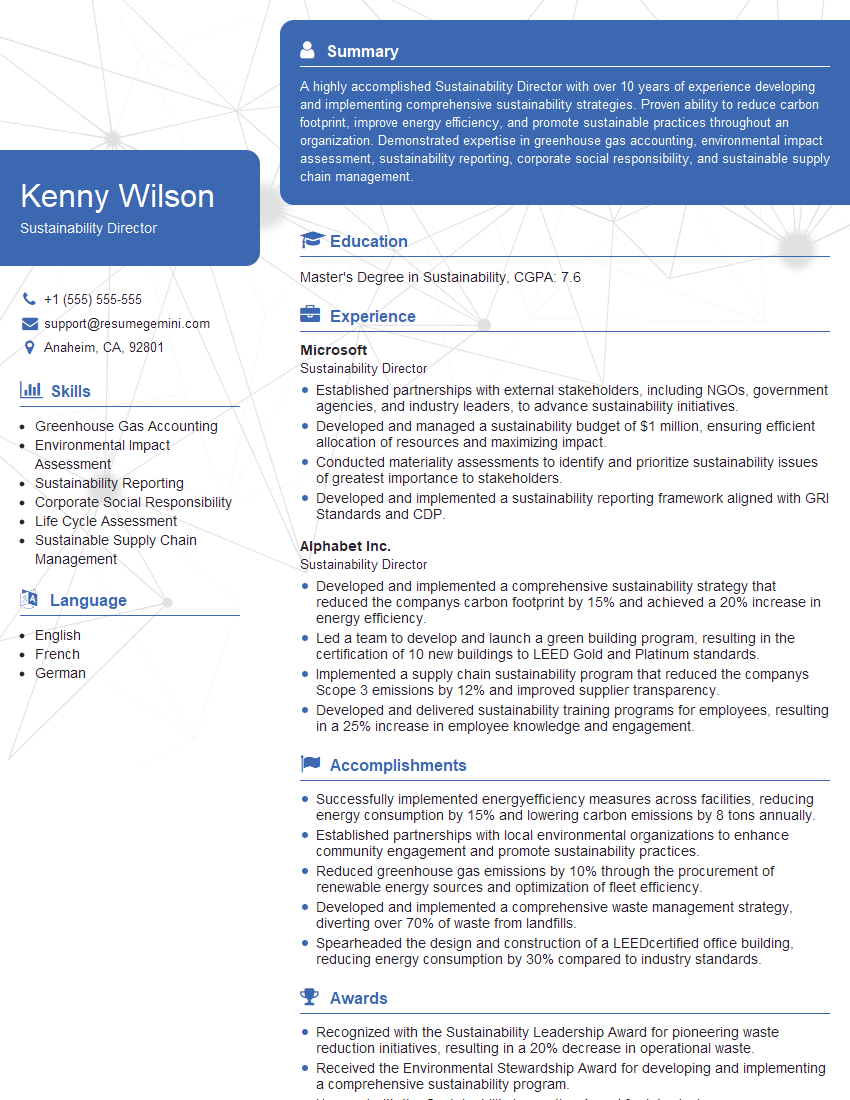
Sustainability Director Resume Sample
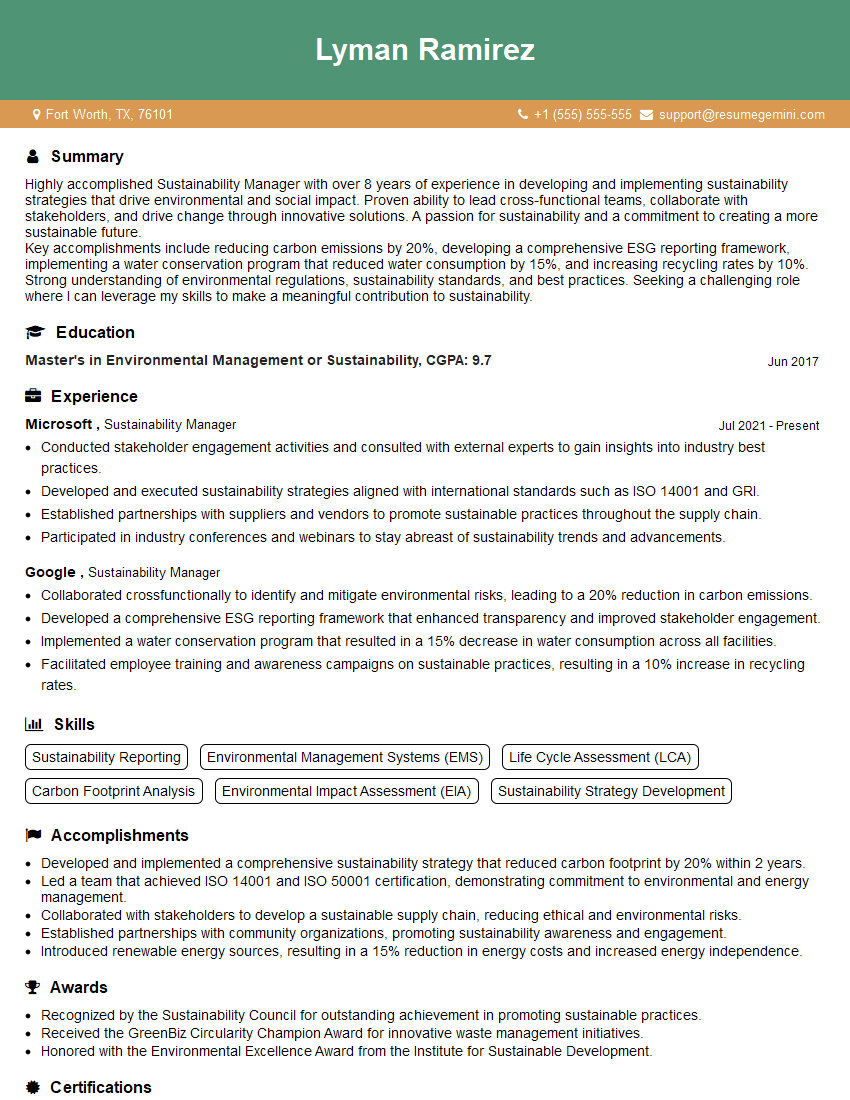
Sustainability Manager Resume Sample
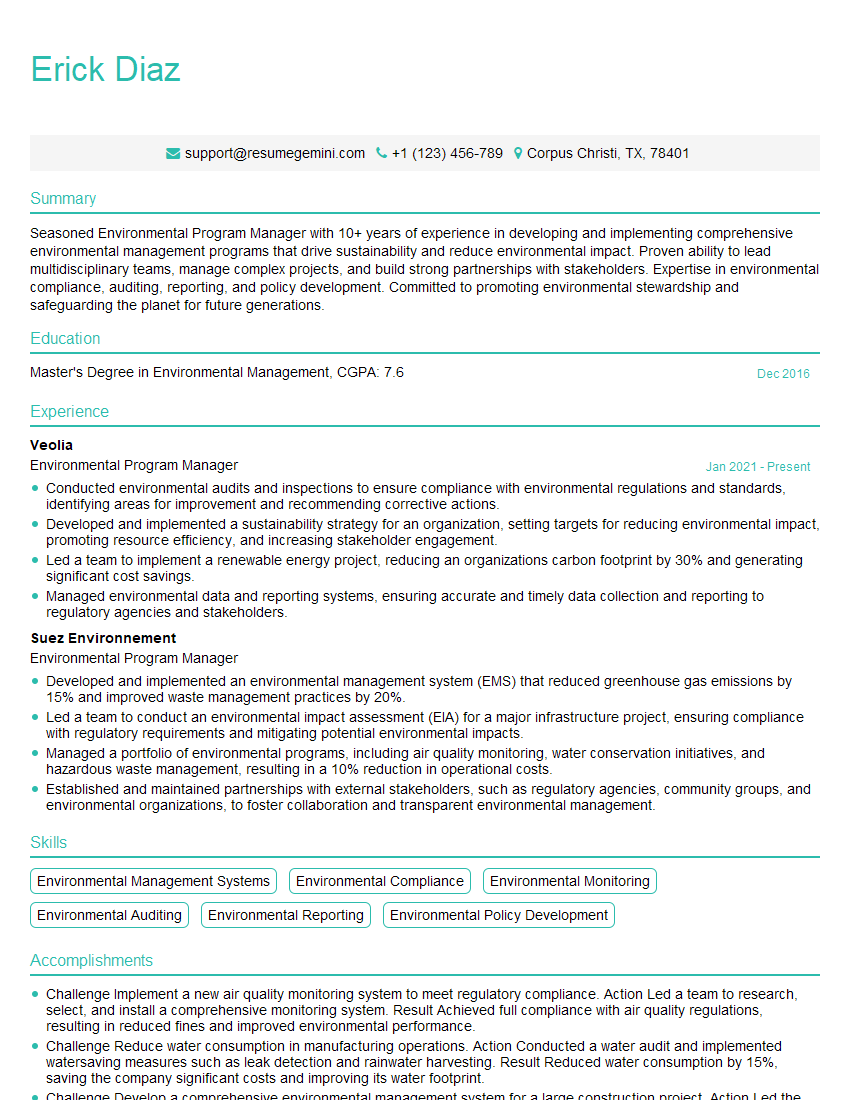
Environmental Program Manager Resume Sample
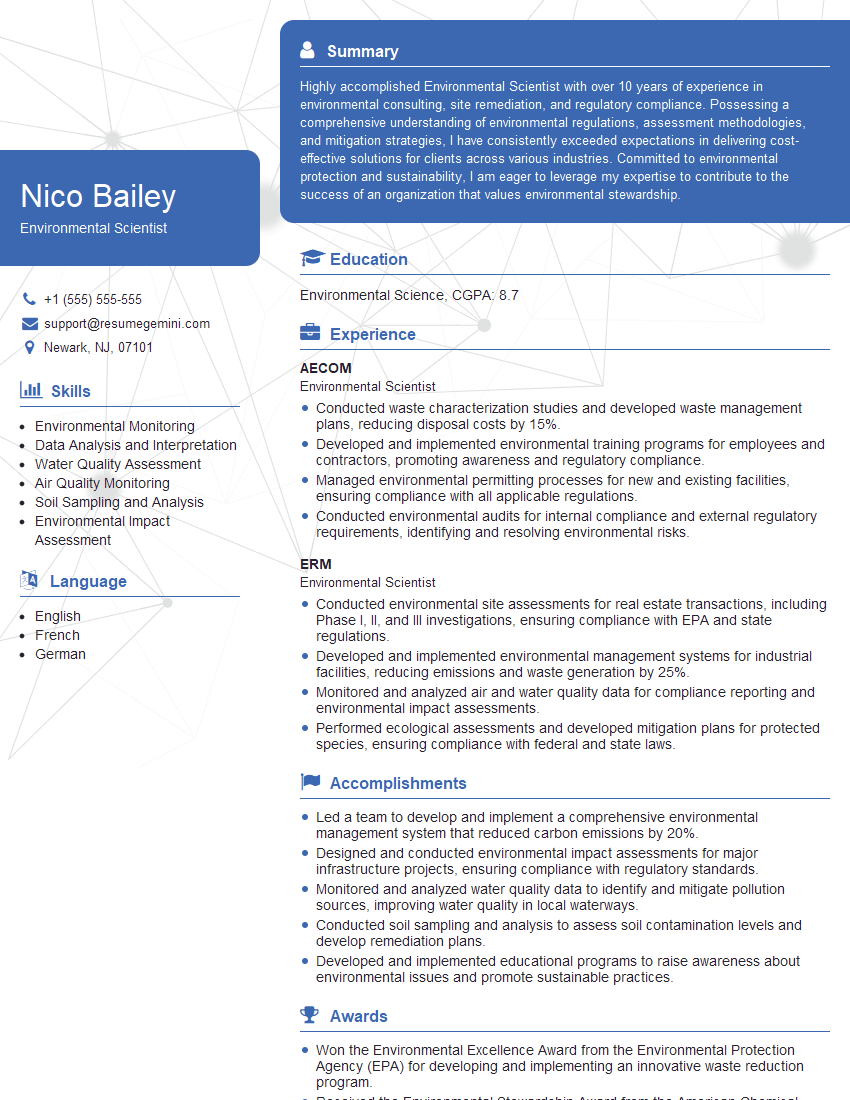
Environmental Scientist Resume Sample

Sustainability Consultant Resume Sample
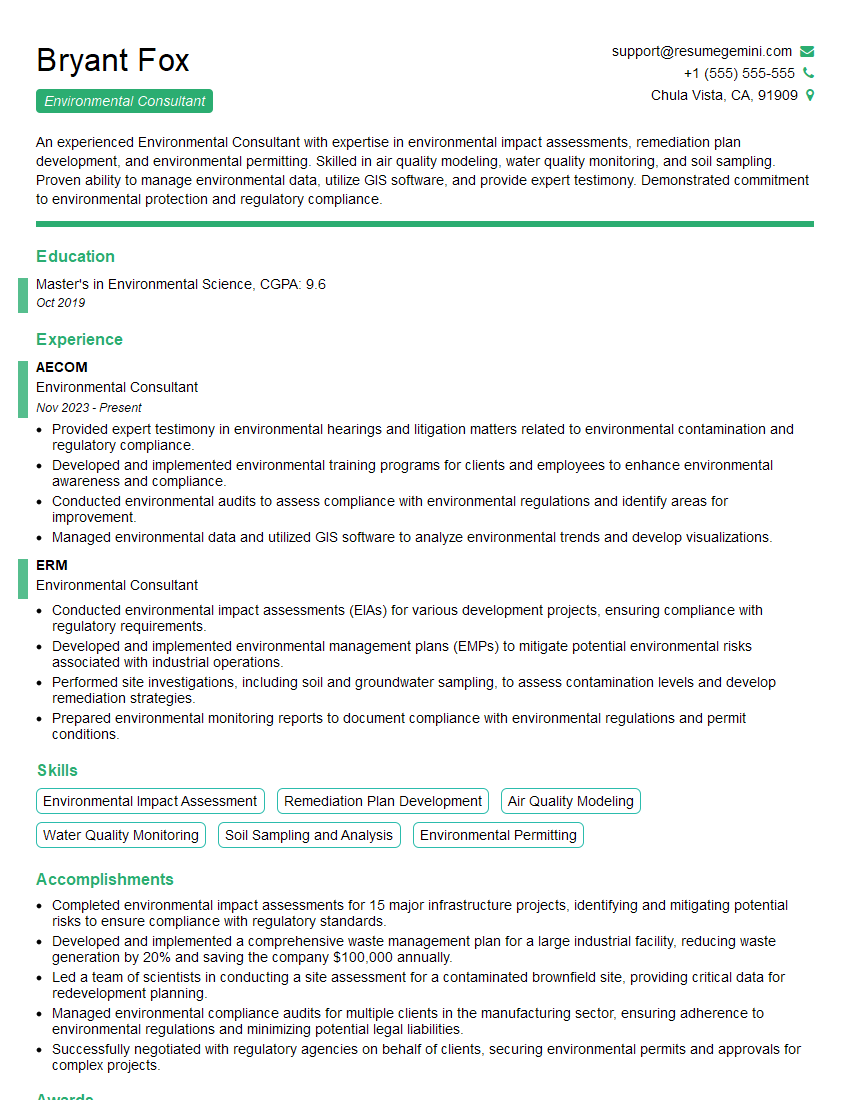
Environmental Consultant Resume Sample
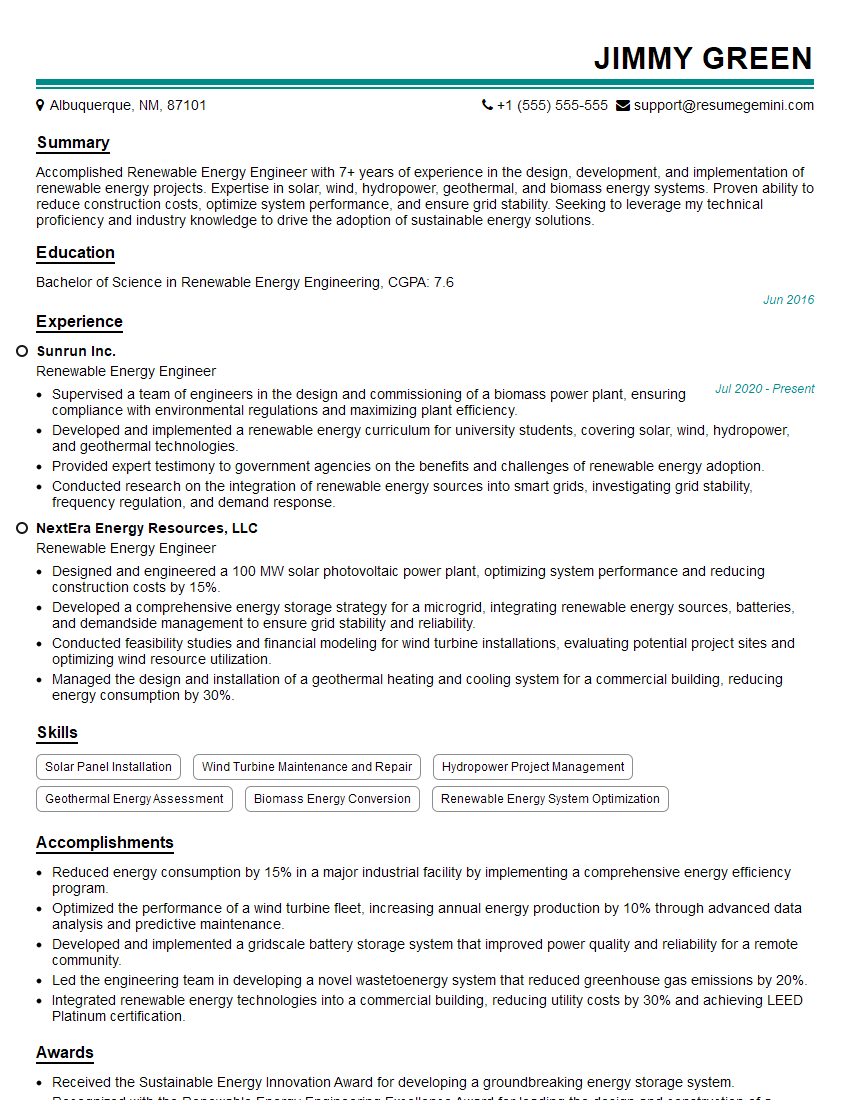
Renewable Energy Engineer Resume Sample
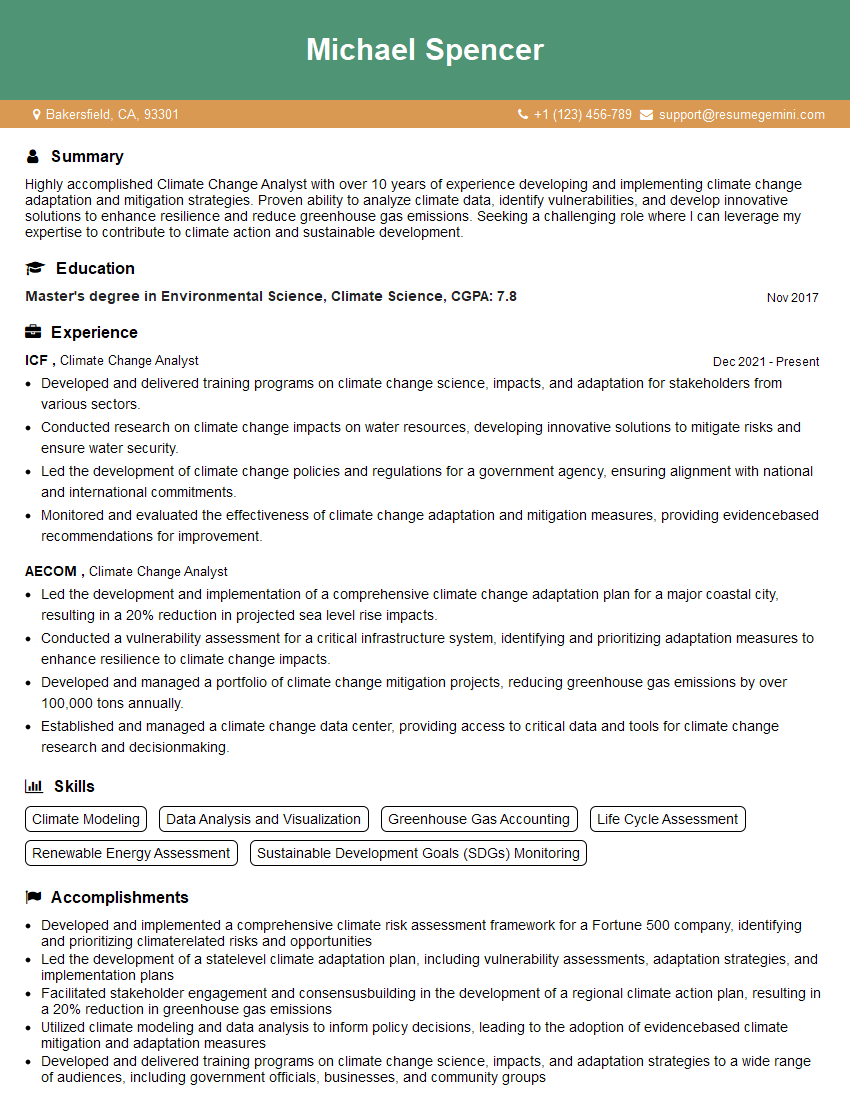
Climate Change Analyst Resume Sample
Explore more articles
Users Rating of Our Blogs
Share Your Experience
We value your feedback! Please rate our content and share your thoughts (optional).
What Readers Say About Our Blog
To the interviewgemini.com Webmaster.
Very helpful and content specific questions to help prepare me for my interview!
Thank you
To the interviewgemini.com Webmaster.
This was kind of a unique content I found around the specialized skills. Very helpful questions and good detailed answers.
Very Helpful blog, thank you Interviewgemini team.