Cracking a skill-specific interview, like one for Carpentry and Masonry, requires understanding the nuances of the role. In this blog, we present the questions you’re most likely to encounter, along with insights into how to answer them effectively. Let’s ensure you’re ready to make a strong impression.
Questions Asked in Carpentry and Masonry Interview
Q 1. What types of wood are best suited for exterior applications?
Choosing the right wood for exterior applications is crucial for longevity and structural integrity. You need wood that’s naturally resistant to rot, decay, insect infestation, and the harsh elements. Some of the best options include:
- Cedar: Known for its beautiful reddish hue, natural resistance to decay, and pleasant aroma. It’s frequently used in siding, decking, and fencing.
- Redwood: Similar to cedar in its durability and natural resistance, redwood offers a rich, reddish-brown color and excellent weather resistance. It’s a popular choice for high-end exterior projects.
- Cypress: A strong, durable wood known for its resistance to rot and insects. It’s often used in siding, trim, and boatbuilding due to its water resistance.
- Pressure-Treated Lumber: While not a specific wood type, pressure-treated lumber undergoes a chemical treatment process that significantly enhances its resistance to rot, decay, and insect damage. It’s a cost-effective option for applications like decks and fences where durability is paramount. However, it’s important to note that the chemicals used can be a concern for some people.
- Ipe (Brazilian Walnut): An incredibly dense and durable hardwood, Ipe is exceptionally resistant to rot, insects, and weathering. It’s a premium choice for decking and outdoor furniture, but it is also more expensive.
The best choice will depend on factors like budget, aesthetic preferences, and the specific climate and application. For example, in a coastal area prone to high humidity, a naturally rot-resistant wood like cedar or redwood would be preferable over a less resistant pine. Always consider the lifespan and maintenance requirements when selecting exterior wood.
Q 2. Explain the process of framing a wall.
Framing a wall is a fundamental carpentry skill. It involves creating the basic skeletal structure of a wall using lumber, typically studs. Think of it like building a strong, rectangular cage that will hold the wall’s other elements. Here’s a step-by-step process:
- Layout: Begin by establishing the wall’s dimensions and location using measurements from the blueprints. Mark the locations of the studs on the floor.
- Sole Plate: Install the sole plate, a horizontal piece of lumber that acts as the base for the studs. It’s typically a double 2×4 for added strength and stability. Secure it to the floor using appropriate fasteners.
- Stud Placement: Place the studs (typically 2x4s or 2x6s, depending on the wall’s height and load-bearing requirements) vertically on the sole plate, spaced 16 inches or 24 inches on center. This spacing is important for consistent wall structure and efficient use of materials.
- Top Plate: Once the studs are in place, install the top plate, another horizontal lumber piece that sits atop the studs, creating a rigid frame. This is also usually a double 2×4.
- Wall Bracing: Add bracing to the wall to prevent racking (twisting). This is typically done with diagonal lumber pieces connecting the studs, creating a strong triangular structure.
- Sheathing (Optional): After framing, the wall is often covered with sheathing (e.g., plywood or OSB), providing further structural stability and creating a surface for exterior cladding.
Remember to use proper fastening techniques throughout the process to ensure a sturdy and durable wall frame. Different climates and building codes may influence specific framing techniques and material choices.
Q 3. Describe different types of mortar and their uses.
Mortar is a crucial component in masonry work, providing the binding agent for bricks, blocks, and stones. Different types of mortar are designed for specific applications, each with varying strengths, workability, and water resistance. Here are a few common types:
- Type N: A general-purpose mortar suitable for most masonry applications, offering a good balance of strength and workability. It’s commonly used in interior and exterior walls and foundations where moderate strength is needed.
- Type S: A higher-strength mortar than Type N, suitable for applications requiring greater load-bearing capacity. It’s often used in load-bearing walls, retaining walls, and areas subjected to significant stress.
- Type M: The strongest type of mortar, ideal for applications with extreme stress, such as high-rise construction or areas prone to seismic activity. It has high compressive strength but can be more difficult to work with.
- Type O: A low-strength mortar mainly used for non-load-bearing applications, such as interior veneers or patching work. Its lower strength makes it easier to work with but limits its structural capabilities.
Choosing the right mortar is essential for the long-term durability and structural integrity of any masonry project. For instance, using Type N mortar in a load-bearing wall might compromise its structural strength, leading to potential problems over time. Understanding the strengths and limitations of each type is vital for success.
Q 4. How do you ensure proper leveling and plumbness during construction?
Ensuring proper leveling and plumbness during construction is critical for structural integrity, aesthetics, and preventing problems down the line. This is accomplished through a combination of tools and techniques:
- Level: A level, whether a standard bubble level or a laser level, is used to ensure horizontal surfaces are perfectly flat. This is crucial for foundations, floors, and wall plates.
- Plumb Bob: A plumb bob is a weight on a string used to verify verticality. It’s essential for ensuring walls are perfectly upright, preventing leaning or instability.
- Transit or Theodolite: For large-scale projects, a transit or theodolite provides precise measurements of level and alignment, particularly important in surveying and establishing benchmarks.
- Measuring Tapes and Squares: Accurate measurements with measuring tapes and framing squares ensure consistent spacing and angles, facilitating precise leveling and plumbness.
Regular checks throughout the construction process are essential. For example, before laying bricks, the foundation must be perfectly level. Before installing wall studs, the sole plate must be level. Any deviations should be corrected immediately to prevent cumulative errors that can compromise the entire structure.
Q 5. What safety precautions do you take when working at heights?
Working at heights presents significant safety risks. Preventing falls is the top priority, and it requires a proactive approach:
- Fall Protection Systems: This includes the use of harnesses, lifelines, and anchor points to prevent falls from elevated platforms or roofs. This is critical to avoid serious injury or death.
- Scaffolding: Using properly erected and inspected scaffolding is essential for safe access to elevated work areas. It should be strong enough to support the worker and materials.
- Ladders: When using ladders, ensure they are properly secured and used according to manufacturer instructions. The three-point contact rule (two hands and one foot or two feet and one hand) should always be followed. Overreaching should be avoided.
- Personal Protective Equipment (PPE): Appropriate PPE, including hard hats, safety glasses, and work boots, should always be worn.
- Training and Awareness: Regular safety training is vital for all workers involved in high-rise projects. It is crucial to understand how to use safety equipment and follow established procedures.
Failing to adhere to these precautions can have catastrophic consequences. Safety should never be compromised, even under pressure to complete a project quickly. It’s always better to slow down and work safely than to rush and risk injury.
Q 6. Explain the different types of concrete mixes and their applications.
Concrete mixes vary depending on the intended application and required properties. The mix is typically specified by a ratio of cement, aggregates (sand and gravel), and water. Here are some common concrete mixes:
- High-Strength Concrete: Uses a higher proportion of cement to aggregate, resulting in increased compressive strength. This is used in high-stress applications such as bridge supports or foundations for heavy structures.
- Normal-Strength Concrete: A standard mix used for many applications like footings, slabs, and walls. It provides adequate strength for most residential and light commercial construction.
- Low-Strength Concrete: Used for applications requiring less strength, such as leveling pads or filling voids. It is often cheaper but not suitable for structural components.
- Lightweight Concrete: Uses lightweight aggregates like expanded shale or clay, resulting in reduced density. This reduces the overall weight, suitable for applications where weight is a concern.
- High-Performance Concrete: A high-strength concrete further enhanced with admixtures to improve characteristics such as workability, durability, and resistance to harsh conditions.
It’s essential to choose the appropriate concrete mix for the specific project. Using the wrong mix can result in structural failure or premature deterioration. For example, using low-strength concrete in a load-bearing foundation would be unsafe and irresponsible.
Q 7. How do you read and interpret blueprints for carpentry and masonry work?
Reading and interpreting blueprints is a fundamental skill for both carpenters and masons. Blueprints are detailed drawings that provide all the necessary information to construct a building or structure. They involve understanding various symbols, scales, and notations:
- Scale: Blueprints use a scale to represent the actual dimensions of the structure. Understanding the scale (e.g., 1:50) is vital for accurate measurements.
- Symbols: Various symbols represent different building components (e.g., walls, doors, windows, foundations) and materials. Familiarity with these symbols is essential.
- Sections and Elevations: Sections show a cross-section of a structure, revealing the internal construction. Elevations show the exterior views from different perspectives.
- Dimensions and Specifications: Detailed dimensions are provided for all components. Specifications detail material types, sizes, and construction methods.
- Details: Specific construction details are often provided in separate drawings, showing crucial elements like connections and joinery.
For example, a carpenter would use blueprints to understand framing layouts, door and window placement, and roof structure. A mason would use blueprints to determine foundation dimensions, brick or block layouts, and the location of structural elements like columns and pilasters. A thorough understanding of the blueprints is crucial to avoid errors and ensure the project is constructed accurately.
Q 8. Describe your experience with different types of hand tools and power tools.
My experience with hand and power tools spans over 15 years, encompassing a wide variety of projects. In carpentry, I’m proficient with hand tools like chisels, planes, saws (hand saws, coping saws, tenon saws), levels, squares, and marking gauges – these are essential for precision and detail work, particularly in intricate joinery. I’ve worked extensively with power tools, including table saws, miter saws, routers, planers, jointers, and various drills. Understanding the nuances of each tool, including safety protocols, is paramount. For instance, I use a push stick with the table saw religiously to prevent kickback, a common and dangerous occurrence. In masonry, I use hand tools like trowels, brick hammers, levels, plumb bobs, and pointing tools for precise bricklaying and finishing. Power tools in masonry include angle grinders with diamond blades for cutting bricks and stones, and electric mixers for mortar. The experience of using these tools safely and effectively has allowed me to complete projects to a high standard and on time.
Q 9. What are the common problems encountered in carpentry and how do you address them?
Common carpentry problems include warped lumber, inaccurate measurements, improper joinery, and nail pops. Warped lumber can be addressed by selecting high-quality wood or by strategically planning the layout to minimize the impact of warp. Inaccurate measurements lead to ill-fitting joints and can be avoided with careful planning and double-checking. Issues with joinery, like weak glue joints or poorly cut mortise and tenon joints, are best addressed by paying close attention to detail during construction and using appropriate adhesives and clamping techniques. Nail pops are often caused by improper nailing techniques or wood movement; pre-drilling holes and using the right size nails helps. Addressing these issues proactively ensures the structural integrity and aesthetic appeal of the finished product. For example, once, I had to deal with a warped beam on a porch structure. Instead of replacing it, I carefully planned the layout of the support beams to compensate for the warp, saving time and money.
Q 10. What are the common problems encountered in masonry and how do you address them?
In masonry, common problems include uneven mortar joints, crumbling mortar, efflorescence (salt deposits on the surface), and cracking. Uneven mortar joints are often the result of inconsistent application; careful attention to technique and use of a consistent pressure ensures neat joints. Crumbling mortar is often caused by poor quality mortar mix or insufficient curing time, so using the correct mix and allowing enough time for curing prevents this. Efflorescence is often addressed through cleaning and proper waterproofing; it indicates moisture problems that need to be solved to avoid long-term damage. Cracking in masonry can result from settlement or poor construction techniques; addressing the foundation issues and using expansion joints as needed can mitigate this. I once encountered efflorescence on a newly built brick wall. We carefully cleaned the wall and applied a sealant to prevent future moisture intrusion, restoring the aesthetic appeal of the finished project.
Q 11. How do you manage your time effectively on a construction site?
Effective time management on a construction site relies on meticulous planning and efficient execution. This begins with a thorough review of the blueprints and specifications, breaking down the project into smaller, manageable tasks with realistic timelines. Prioritizing tasks based on dependencies and critical path analysis is crucial. I utilize daily task lists to track progress and allocate time appropriately. Regular communication with the team and subcontractors ensures smooth coordination and minimizes delays. Moreover, anticipating potential delays and proactively addressing them keeps the project on schedule. This organized approach allows for flexible adaptation to unexpected challenges, and keeps the project moving forward smoothly.
Q 12. How do you work effectively as part of a team?
Working effectively in a team requires clear communication, mutual respect, and a collaborative spirit. I believe in open communication, where I actively listen to my colleagues and contribute my expertise. Understanding each team member’s strengths and weaknesses allows for efficient task allocation, maximizing productivity. I’m always ready to assist fellow workers, sharing knowledge and expertise to ensure a shared understanding of the project. My approach is built on mutual respect and trust, fostering a positive and productive work environment. I believe a successful team is one where everyone feels valued and contributes to the overall success of the project; this involves providing constructive feedback and celebrating achievements together.
Q 13. Describe your experience with different types of finishing techniques for carpentry.
My experience with carpentry finishing encompasses various techniques, depending on the desired aesthetic and the type of wood. I’m skilled in sanding techniques, ranging from rough sanding to fine finishing, ensuring a smooth surface for staining or painting. I’m adept at applying various stains and finishes, including oil-based and water-based products. This includes selecting the appropriate finish for different types of wood and achieving the desired level of sheen. I also have experience with more advanced finishing techniques, such as French polishing and lacquering, which provide a high-gloss, durable finish. Choosing the right finishing technique significantly impacts the longevity and beauty of the finished carpentry project; for example, I recently used a tung oil finish on a cherrywood table, enhancing the natural beauty of the wood while providing a durable protective layer.
Q 14. Describe your experience with different types of finishing techniques for masonry.
Masonry finishing involves techniques that enhance both the aesthetics and durability of the structure. This includes pointing, which involves filling the gaps between bricks or stones with mortar, creating neat and consistent joints. Different pointing techniques exist, such as concave, struck, and weathered joints, each providing a unique visual effect. I’m experienced in cleaning and sealing masonry surfaces, protecting them from water damage and efflorescence. For specialized finishes, I’ve worked with techniques such as acid washing and staining, creating unique textures and colors. The proper finishing enhances not only the visual appeal but also the structural integrity and longevity of the masonry project. For instance, I used a sealant on a stone fireplace to protect it from moisture and improve its longevity.
Q 15. How do you ensure the quality of your work meets building codes and standards?
Ensuring the quality of my work aligns with building codes and standards is paramount. It’s a multi-faceted process that begins even before the first nail is hammered or brick is laid. I start by thoroughly reviewing the blueprints and specifications to understand the exact requirements. This includes checking for compliance with local, regional, and national building codes, which vary depending on location and the type of construction. I then meticulously select materials that meet or exceed the specified quality standards, ensuring that they are sourced from reputable suppliers. Throughout the construction process, I conduct regular self-inspections, referencing the blueprints and code requirements at every stage. I pay close attention to details like proper framing techniques, accurate measurements, and the correct installation of materials. For example, when working with load-bearing walls, I carefully follow prescribed methods for bracing and ensuring proper weight distribution. Finally, I welcome inspections from building officials and address any concerns promptly and professionally. This proactive approach ensures compliance and ultimately, the safety and longevity of the structure.
Career Expert Tips:
- Ace those interviews! Prepare effectively by reviewing the Top 50 Most Common Interview Questions on ResumeGemini.
- Navigate your job search with confidence! Explore a wide range of Career Tips on ResumeGemini. Learn about common challenges and recommendations to overcome them.
- Craft the perfect resume! Master the Art of Resume Writing with ResumeGemini’s guide. Showcase your unique qualifications and achievements effectively.
- Don’t miss out on holiday savings! Build your dream resume with ResumeGemini’s ATS optimized templates.
Q 16. What is your experience with different types of roofing materials?
My experience encompasses a wide range of roofing materials, each with its own unique characteristics and installation techniques. I’ve worked extensively with asphalt shingles, a cost-effective and widely used option. I understand the importance of proper underlayment and flashing to prevent leaks. I’m also proficient with tile roofing, known for its durability and aesthetic appeal. Installing tile requires careful attention to detail, ensuring proper ventilation and weight distribution to avoid structural damage. My experience extends to metal roofing, a highly durable and long-lasting option, often chosen for its resistance to harsh weather conditions. Installing metal roofing requires specialized tools and techniques to ensure proper sealing and weather tightness. I’ve also worked with flat roofing systems, often using modified bitumen or single-ply membranes. These require precise application and sealing techniques to prevent leaks. Each material presents unique challenges; for instance, the steep pitch of a tile roof necessitates different safety precautions than a flat roof installation.
Q 17. Explain the process of installing different types of flooring.
Installing different types of flooring involves a nuanced process that varies significantly depending on the material. For hardwood flooring, the process begins with preparing the subfloor to ensure it’s level and free of imperfections. Then, the flooring is carefully acclimated to the environment before installation to prevent expansion and contraction issues. Installation can be either nail-down or glue-down, depending on the specific type of hardwood and the subfloor conditions. Tile flooring installation involves a different process. The subfloor must be completely level, often requiring the use of self-leveling compounds. Then, the tiles are laid with mortar, ensuring even spacing and alignment. Grouting follows, carefully filling the spaces between tiles. Finally, the grout is cleaned and sealed. Laminate flooring is generally easier to install. It’s a floating floor, meaning it isn’t attached directly to the subfloor, which simplifies the process. However, it still requires a level subfloor and careful attention to the interlocking system. Carpet installation involves stretching the carpet to remove wrinkles and securing it to the tack strips around the perimeter of the room. Each flooring type demands a specific skill set and knowledge to ensure a professional, durable, and aesthetically pleasing finish.
Q 18. How do you handle unexpected challenges or changes during a project?
Unexpected challenges are inevitable in construction. My approach is to remain calm, assess the situation thoroughly, and develop a solution that maintains project integrity. For example, if we uncover unforeseen plumbing issues during demolition, I wouldn’t simply proceed; I’d immediately consult with the relevant tradespeople, documenting the problem and collaboratively devising a solution that integrates with the overall plan. This might involve adjusting the project schedule or making minor design changes. Good communication is key – I keep all stakeholders informed about the changes and get their approval before proceeding. Open communication with the client ensures they’re aware of any adjustments and the impact on the timeline or budget. Thorough planning and proactive problem-solving help minimize the impact of unexpected events. For instance, having backup plans for material procurement ensures that delays due to supply chain issues are minimized.
Q 19. What is your experience with blueprint reading and interpretation?
Blueprint reading and interpretation are fundamental skills for any carpenter or mason. I’m proficient in reading architectural and construction drawings, understanding symbols, scales, and specifications. I can interpret floor plans, elevations, sections, and details to understand the overall design and the specific requirements for each component. For example, I can readily determine the dimensions of a wall, the type of materials to be used, and the location of electrical outlets and plumbing fixtures. I understand how to interpret structural details, such as beam sizes and support systems. I also understand how to identify potential clashes or conflicts in the design and communicate those concerns to the project manager or architect. This expertise prevents costly errors and ensures that the final structure meets the design intent. The ability to quickly and accurately interpret blueprints translates to efficient and accurate execution of the project.
Q 20. Describe your experience with estimating material quantities.
Accurate material estimation is critical for effective project management and cost control. My experience allows me to generate precise estimates based on the blueprints, specifications, and my practical knowledge. I use a combination of techniques, including calculating the surface area for materials like roofing or flooring, factoring in waste and spoilage. For example, when estimating brick for a wall, I account for the size of the bricks, the mortar joints, and any cuts needed for openings. I also consider the specific requirements of the design, such as intricate detailing or specialized materials. My estimates include detailed breakdowns of quantities and costs for each material, along with allowances for potential unforeseen circumstances. This meticulous approach minimizes material waste and ensures that the project remains within budget. Regularly comparing estimated quantities against actual usage helps refine my estimating skills over time.
Q 21. What software or technology are you proficient in related to carpentry or masonry?
I am proficient in several software programs relevant to carpentry and masonry. I’m skilled in using CAD software (like AutoCAD) for creating and modifying drawings. This enables me to visualize and analyze designs before construction. I also utilize project management software for scheduling, tracking progress, and managing resources. This ensures that projects stay on track and within budget. Furthermore, I’m comfortable using estimating software which helps create detailed and accurate material estimates. In addition, I have experience with 3D modeling software (like SketchUp), particularly helpful for visualizing complex projects and resolving potential design conflicts early in the process. The ability to leverage technology significantly enhances my efficiency and accuracy, resulting in higher quality work and better project outcomes. My expertise across various software platforms allows me to approach projects with a well-rounded and tech-savvy perspective.
Q 22. Describe your experience with different types of foundations.
My experience encompasses a wide range of foundation types, from simple slab-on-grade to complex basements and pier-and-beam systems. Choosing the right foundation depends heavily on the soil conditions, building design, and budget.
- Slab-on-grade: This is a cost-effective option for stable soil, suitable for smaller structures. I’ve worked on numerous projects where we poured a reinforced concrete slab directly onto compacted earth, ensuring proper drainage and vapor barrier installation to prevent moisture issues.
- Basement foundations: These are more complex, requiring excavation, formwork construction, and careful waterproofing. I’ve overseen projects involving poured concrete walls, waterproofing membranes, and sump pump installations to manage groundwater. One challenging project involved excavating in rocky terrain, necessitating specialized equipment and techniques.
- Pier-and-beam foundations: Ideal for sloping or unstable terrain, this system uses concrete piers driven into the ground to support a beam framework. I’ve worked on several projects where we meticulously leveled the piers using laser levels to ensure structural integrity. Proper drainage around the piers is crucial to prevent settling.
- Crawl space foundations: Offering accessibility for plumbing and utilities, these require careful consideration of ventilation and moisture control. I’ve implemented systems involving gravel bases, vapor barriers, and strategically placed vents to maintain a dry and healthy crawlspace.
Each foundation type demands specific expertise in material selection, construction techniques, and quality control. My experience allows me to assess the site conditions, design specifications, and select the optimal foundation for any project.
Q 23. How do you ensure proper ventilation in a building?
Proper building ventilation is crucial for preventing moisture buildup, mold growth, and ensuring occupant health and comfort. It involves a balanced approach to bringing in fresh air and expelling stale, moist air.
- Passive ventilation: This relies on natural air pressure differences, often achieved through strategically placed windows and vents. I ensure cross-ventilation by placing openings on opposite sides of the building. This is effective in milder climates but might not be sufficient in all situations.
- Mechanical ventilation: This utilizes fans and ducts to control airflow. I have experience installing and maintaining exhaust fans in bathrooms and kitchens, as well as whole-house ventilation systems that continuously exchange air. These systems are essential for larger buildings or areas with high humidity.
- Attic ventilation: Proper attic ventilation is critical to prevent heat buildup and moisture condensation. I ensure sufficient intake vents at the soffits (low points) and exhaust vents at the ridge (high points) of the roof, allowing for a continuous airflow.
Understanding local climate conditions is paramount in designing the ventilation system. For instance, in humid climates, I might incorporate dehumidifiers along with mechanical ventilation to maintain optimal air quality. In colder climates, I would carefully seal any air leaks to prevent heat loss while still ensuring adequate ventilation.
Q 24. What are the different methods for waterproofing a structure?
Waterproofing is essential for protecting a structure’s integrity and preventing costly damage. Various methods exist depending on the area to be waterproofed and the specific challenges:
- Membrane waterproofing: This involves applying a continuous layer of waterproof material, such as rubberized asphalt, EPDM, or TPO, to the foundation walls or roof. I have experience in properly preparing the surface, ensuring a smooth, clean substrate for optimal adhesion. Proper overlap and sealing are crucial to prevent leaks.
- Liquid waterproofing: Penetrating sealants or liquid membranes are applied to masonry surfaces to block moisture penetration. I choose the appropriate sealant based on the substrate material and the expected level of water exposure. Proper application technique is critical for effectiveness.
- Drainage systems: These are crucial for diverting water away from the foundation. I have experience installing perimeter drains, French drains, and sump pumps to prevent water from accumulating around the building. Proper grading around the foundation is also essential.
A layered approach often provides the best protection. For example, I might combine a membrane waterproofing system with a drainage system for maximum effectiveness. In historical restorations, I often need to employ techniques that are compatible with the existing materials and construction methods.
Q 25. How do you deal with different types of weather conditions while working outdoors?
Working outdoors exposes us to various weather conditions. Safety and productivity depend on adapting to these challenges:
- Heat: I ensure adequate hydration, take frequent breaks in shaded areas, and use appropriate sun protection. Working during the cooler parts of the day is crucial.
- Cold: Layering clothing to retain body heat and taking frequent short breaks indoors or in heated spaces are essential. Appropriate cold-weather gear, including gloves and hats, is vital.
- Rain: When necessary, I postpone outdoor work until the rain subsides. If work must continue, I use tarps and other protective measures to shield materials and equipment.
- Wind: Secure materials and equipment to prevent them from being blown away. Strong winds can compromise safety; therefore, work might need to be suspended.
Safety is paramount. I always have a contingency plan for inclement weather and communicate clearly with my team about any potential hazards related to weather conditions. Regularly assessing the situation and taking preventative measures is a non-negotiable part of my work process.
Q 26. Explain the importance of proper site cleanup and waste disposal.
Proper site cleanup and waste disposal are crucial for maintaining a safe and efficient work environment and respecting the surrounding area. It’s a matter of safety, professionalism, and environmental responsibility.
- Daily cleanup: This involves clearing debris and waste materials at the end of each workday. This prevents tripping hazards and maintains a tidy workspace.
- Waste sorting: Separating different types of waste, such as wood, metal, and concrete, allows for proper recycling and disposal according to local regulations. This minimizes environmental impact.
- Hazardous waste disposal: Following proper procedures for disposing of hazardous materials, such as solvents and paints, is a top priority. This often involves contacting specialized waste disposal companies.
- Final cleanup: After the project is completed, a thorough final cleanup ensures the site is left in a clean and safe condition, removing any remaining debris and restoring the area to its original state (or better). This often includes sweeping, removing temporary structures, and landscaping.
My commitment to responsible cleanup reflects my respect for the environment and my professionalism. I consistently implement efficient strategies for waste management and always ensure adherence to local regulations and safety protocols.
Q 27. Describe your experience with working on historical restoration projects.
I’ve been fortunate to participate in several historical restoration projects, which require a unique blend of skills and sensitivity. Respect for the original craftsmanship and materials is paramount.
One project involved restoring a 19th-century barn. This required meticulous research to understand the original construction techniques, sourcing historically accurate materials (like hand-hewn timber), and employing traditional joinery methods. We carefully documented every step, creating a detailed record for future maintenance.
Another project focused on repairing stonework on an old church. This demanded a deep understanding of different stone types, their properties, and appropriate repair techniques. We used lime mortar, a traditional material that is compatible with the original stone, and carefully matched the new stone to the existing to maintain the building’s aesthetic integrity.
Working on these projects highlights the importance of preservation and the satisfaction of contributing to the longevity of historically significant structures. It requires patience, attention to detail, and a deep appreciation for history and craftsmanship.
Q 28. What are your salary expectations?
My salary expectations are commensurate with my experience, skills, and the specific demands of the position. I’m open to discussing a competitive compensation package that reflects the value I bring to the team. I am more interested in a position that offers growth opportunities and challenges me professionally.
Key Topics to Learn for Carpentry and Masonry Interview
- Carpentry: Wood Selection and Properties: Understanding different wood types, their strengths, weaknesses, and appropriate applications in construction. Practical application: Choosing the right wood for a specific project (e.g., framing vs. finishing).
- Carpentry: Joinery Techniques: Mastering various joinery methods (e.g., mortise and tenon, dovetail, dado) and their suitability for different projects. Practical application: Explaining the advantages and disadvantages of different joinery techniques for a given structural need.
- Carpentry: Blueprint Reading and Interpretation: Accurately interpreting construction drawings, including dimensions, specifications, and details. Practical application: Describing your process for understanding and following a complex carpentry blueprint.
- Masonry: Mortar Mixing and Application: Understanding the different types of mortar, their properties, and proper mixing techniques for optimal strength and durability. Practical application: Describing your experience in preparing and applying mortar for various masonry projects.
- Masonry: Bricklaying Techniques: Mastering different bricklaying patterns (e.g., running bond, common bond, English bond) and techniques for achieving precise and aesthetically pleasing results. Practical application: Explaining your approach to ensuring consistent bond and leveling in bricklaying.
- Masonry: Block Laying and Concrete Work: Understanding the process of laying concrete blocks and working with concrete for foundations, walls, and other structural elements. Practical application: Describing your experience with different types of concrete and their applications in construction.
- Safety Procedures and Regulations: Demonstrating a thorough understanding of safety protocols and relevant building codes for both carpentry and masonry. Practical application: Discussing specific safety measures you’ve implemented on past projects.
- Problem-Solving and Troubleshooting: Highlighting your ability to identify and resolve common issues encountered in carpentry and masonry projects. Practical application: Describing a challenging situation you faced and how you successfully resolved it.
Next Steps
Mastering carpentry and masonry opens doors to a rewarding and stable career with excellent growth potential. Your skills are in high demand, and showcasing them effectively is key to landing your dream job. Creating an ATS-friendly resume is crucial for getting noticed by recruiters and maximizing your job prospects. ResumeGemini is a trusted resource to help you build a professional and impactful resume. We offer examples of resumes tailored specifically for carpentry and masonry professionals to guide you through the process. Take the next step towards your successful career today!
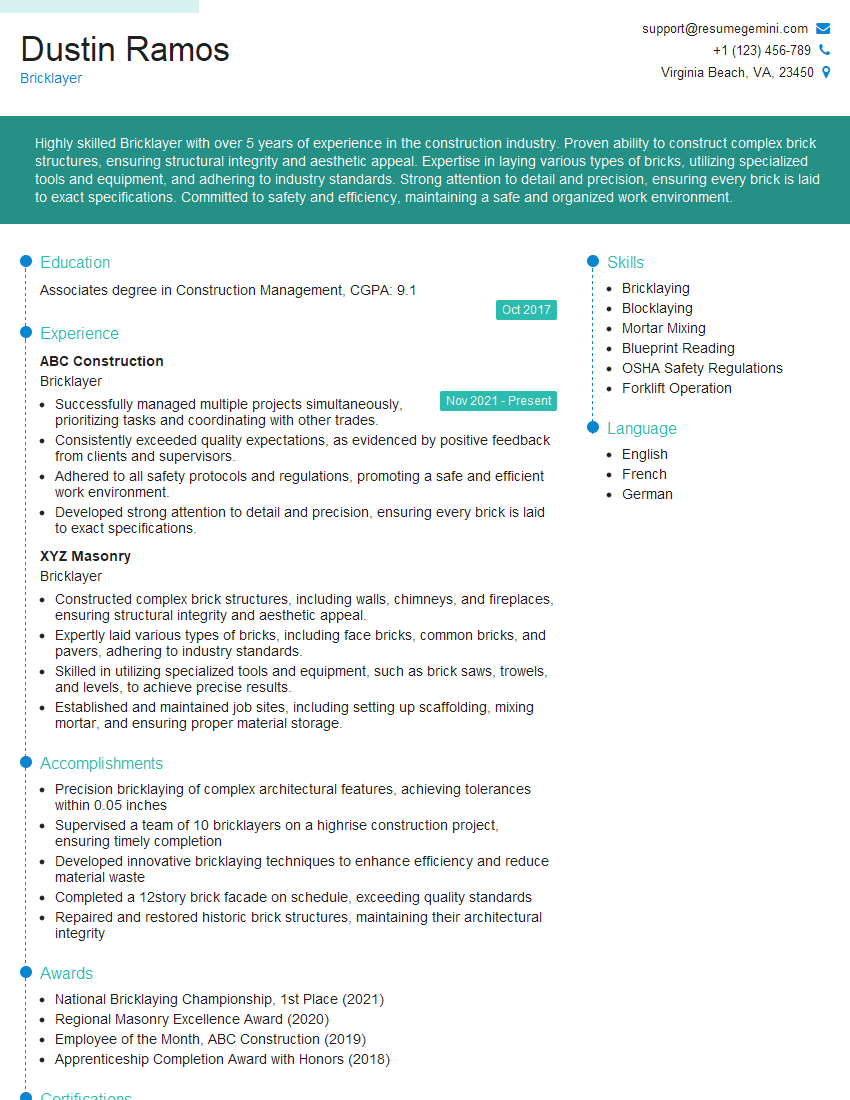
Bricklayer Resume Sample
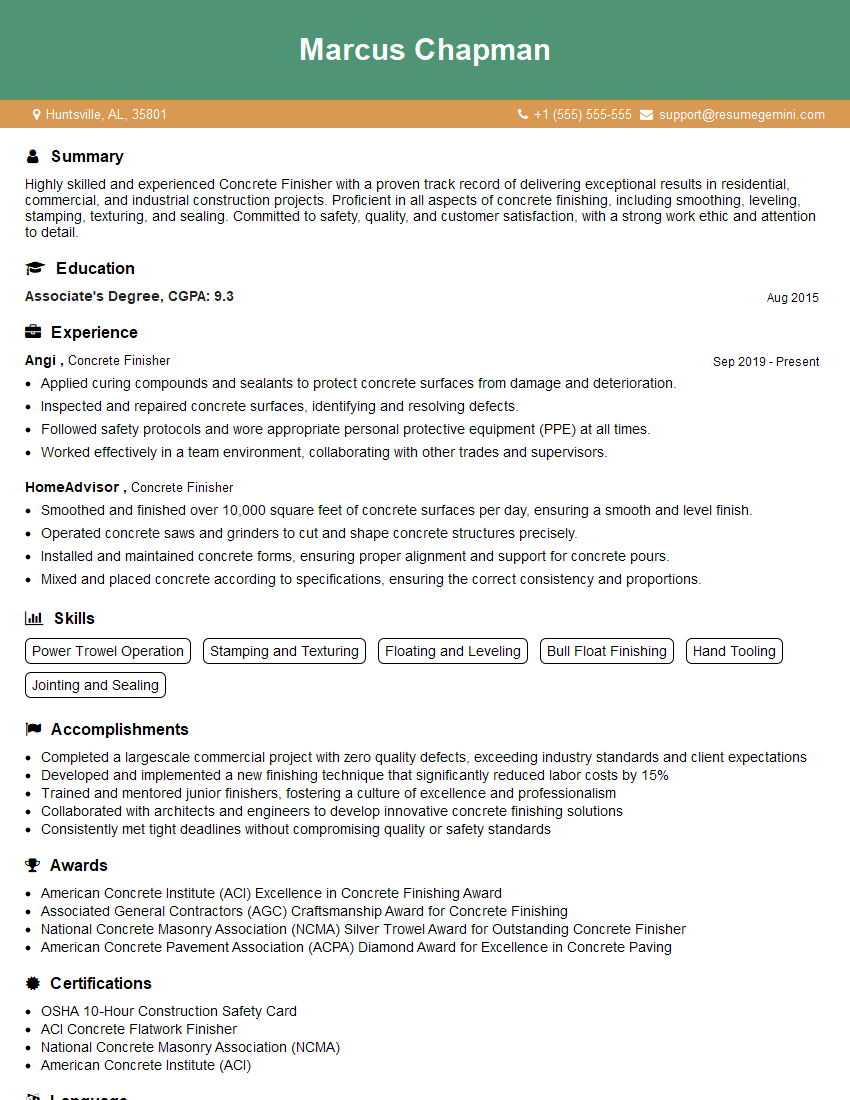
Concrete Finisher Resume Sample
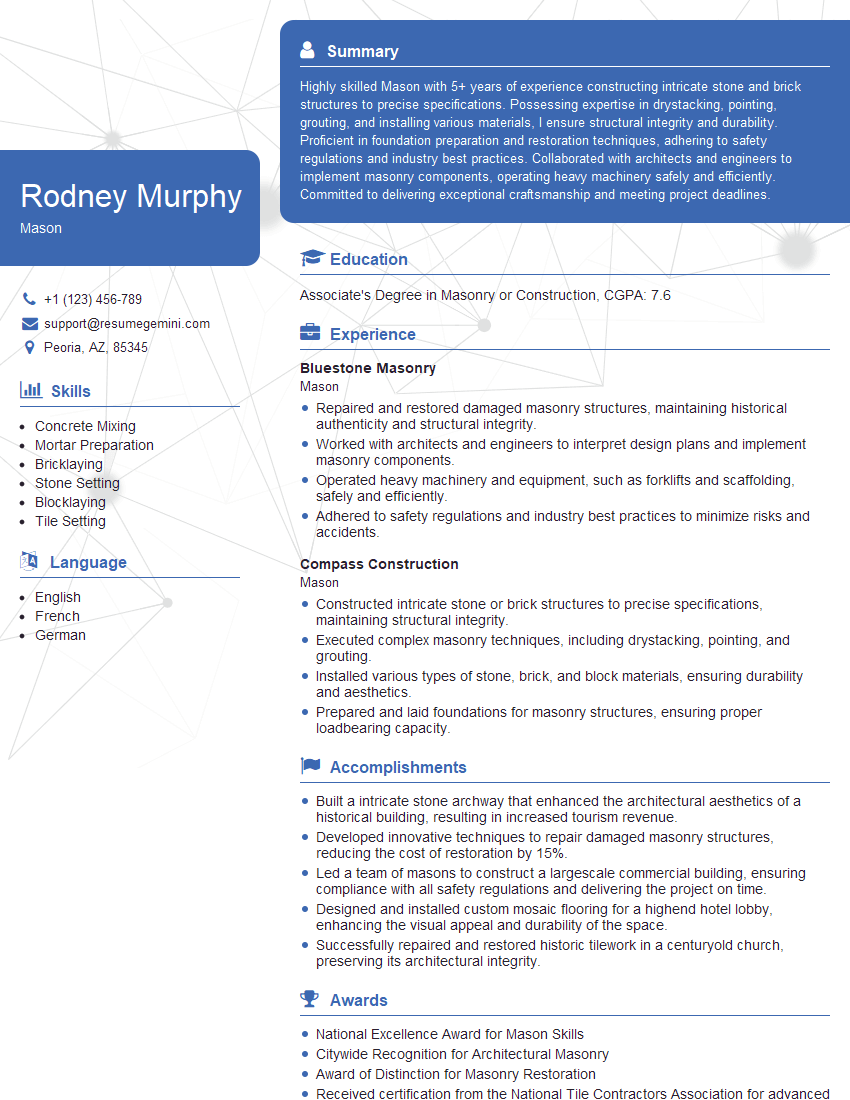
Mason Resume Sample
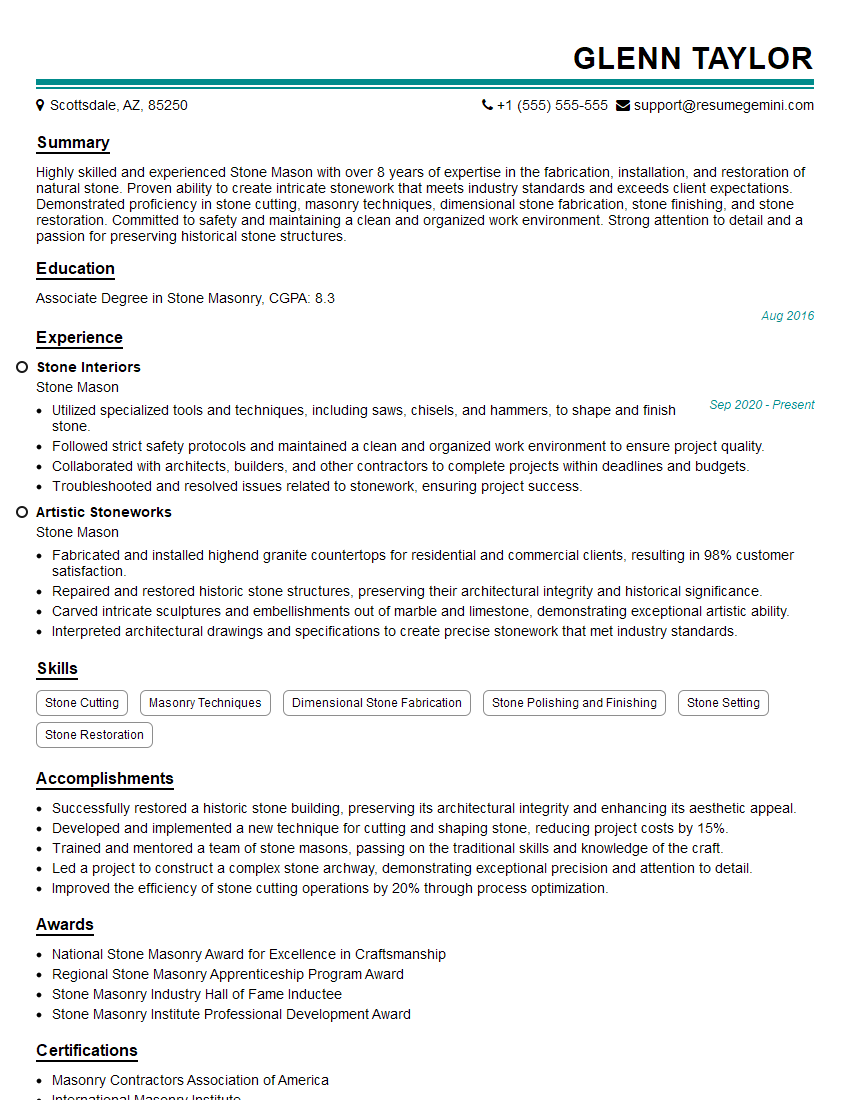
Stone Mason Resume Sample
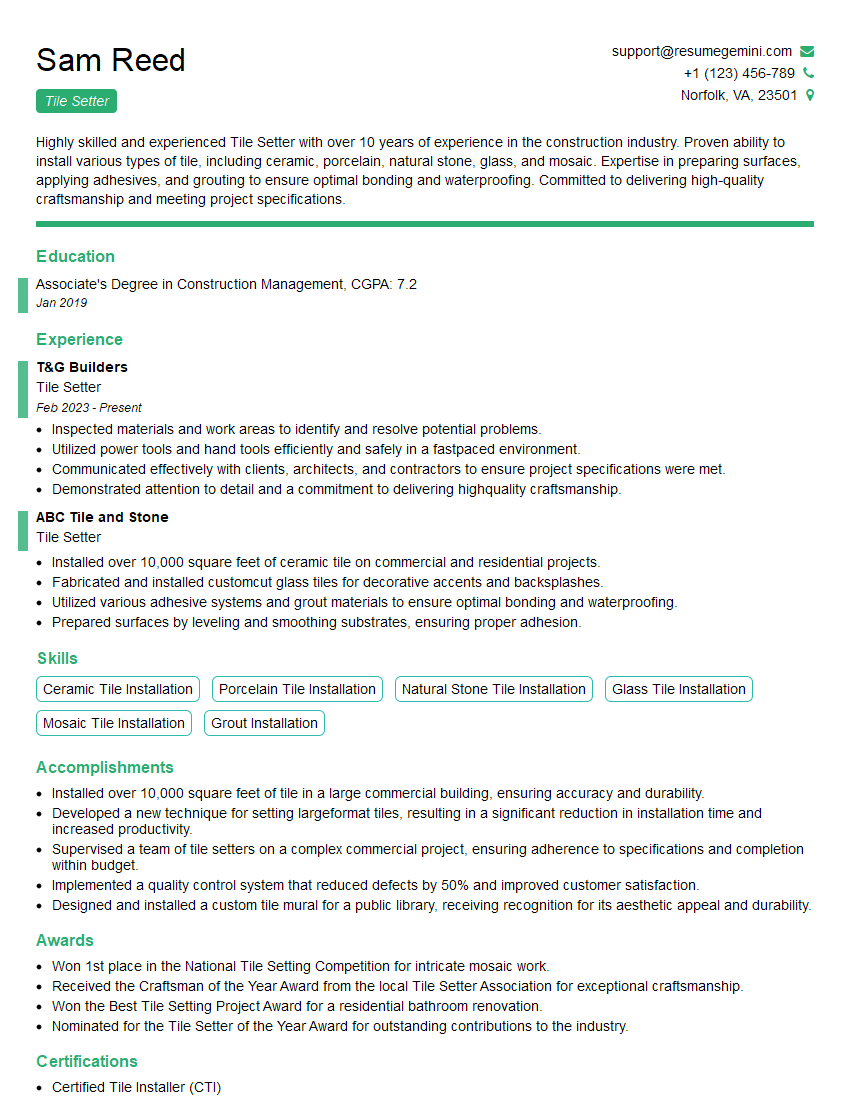
Tile Setter Resume Sample
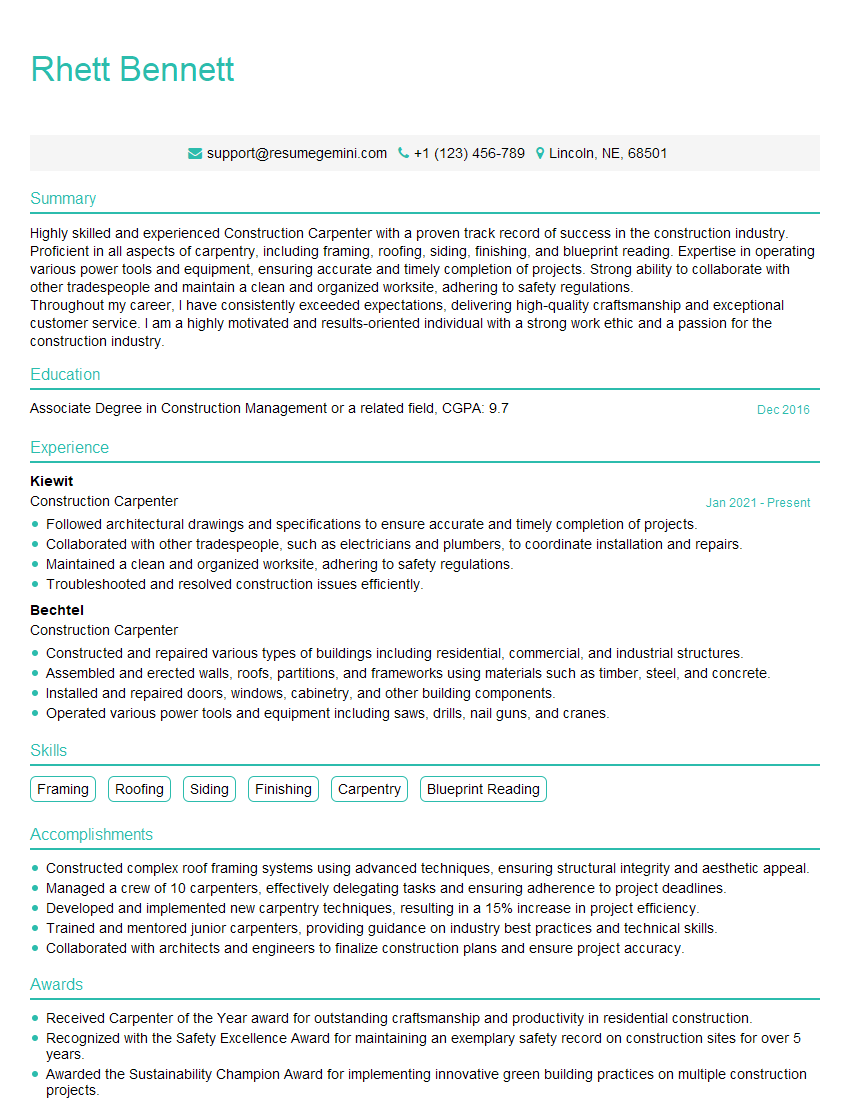
Construction Carpenter Resume Sample
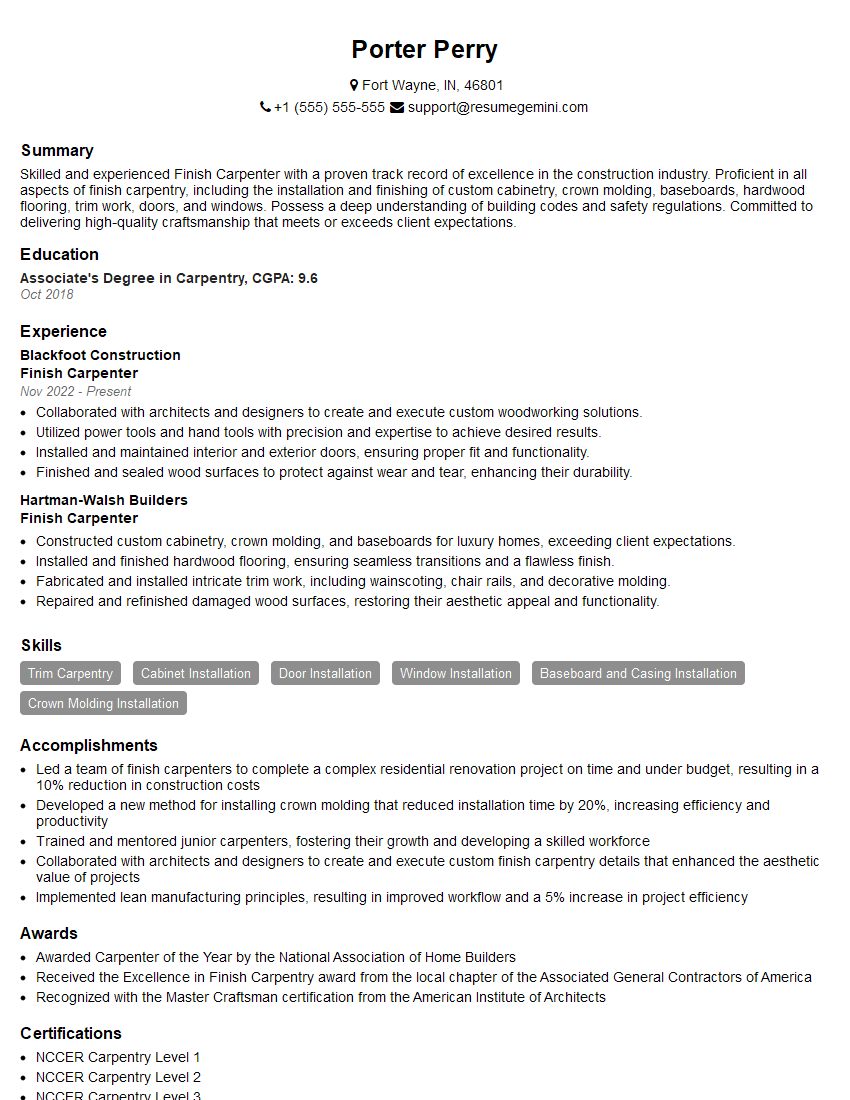
Finish Carpenter Resume Sample
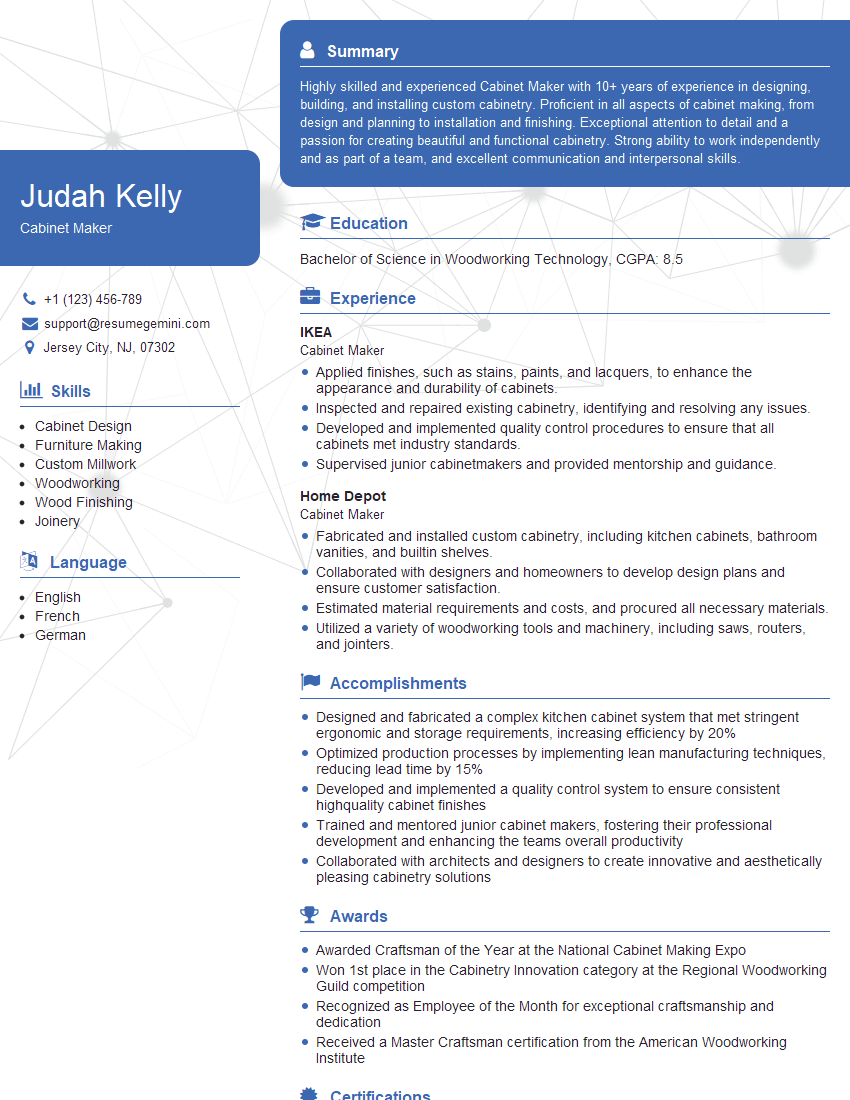
Cabinet Maker Resume Sample
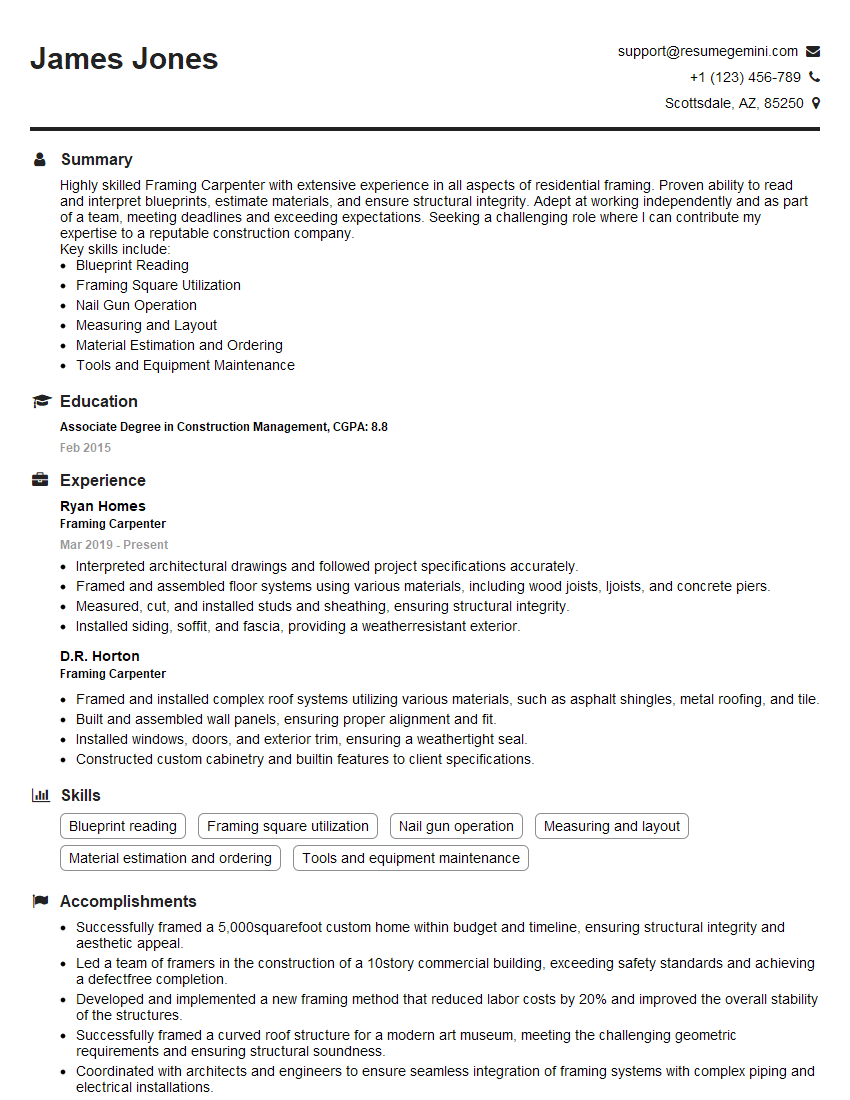
Framing Carpenter Resume Sample
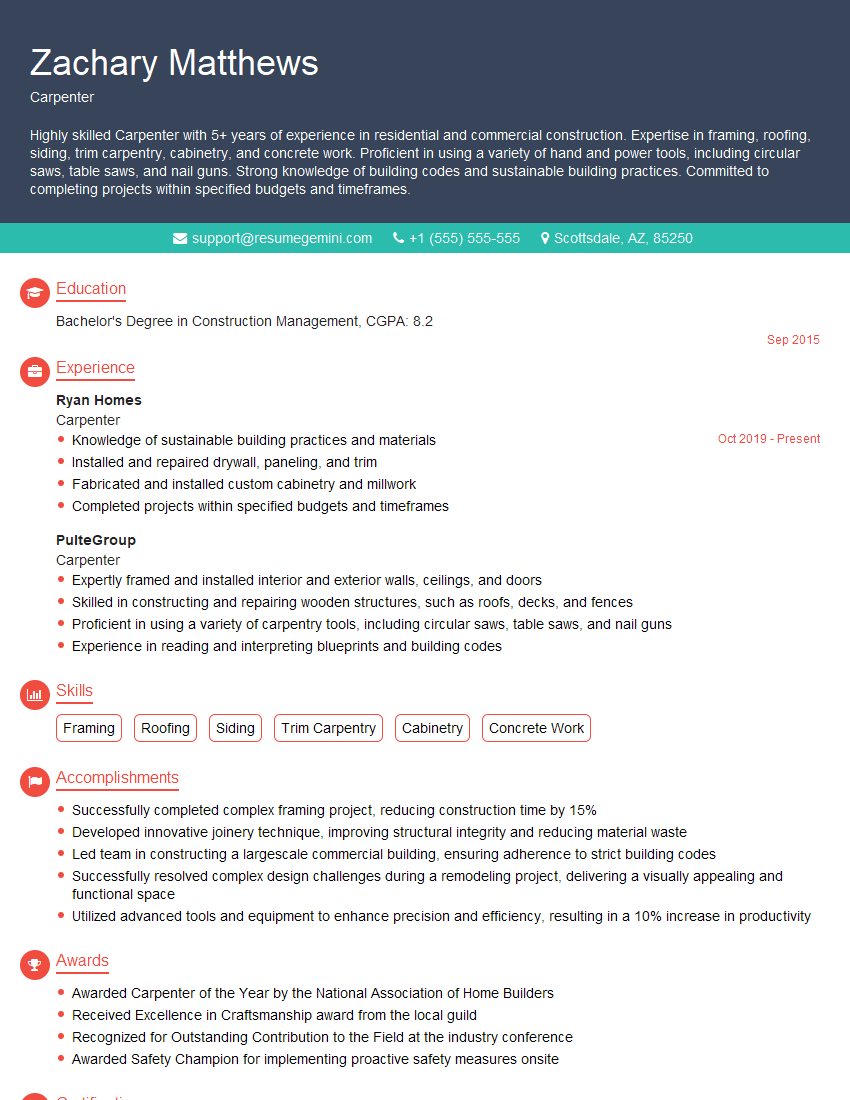
Carpenter Resume Sample
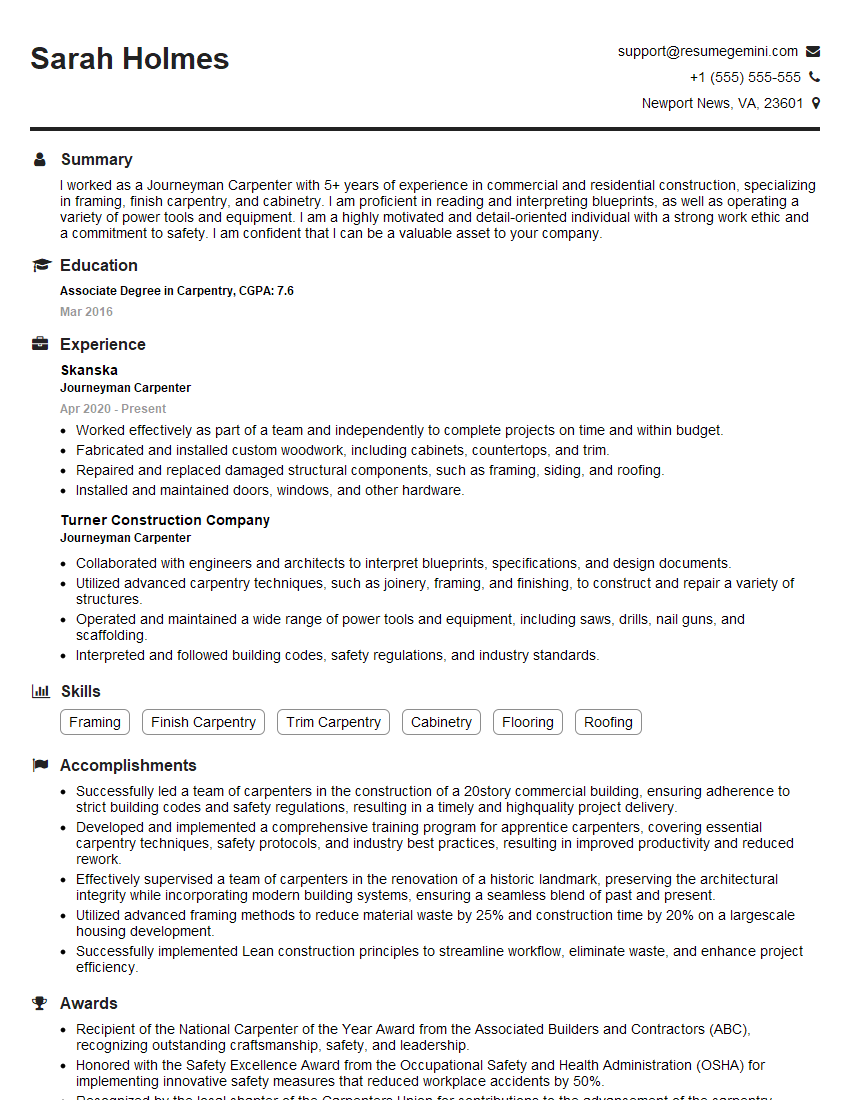
Journeyman Carpenter Resume Sample
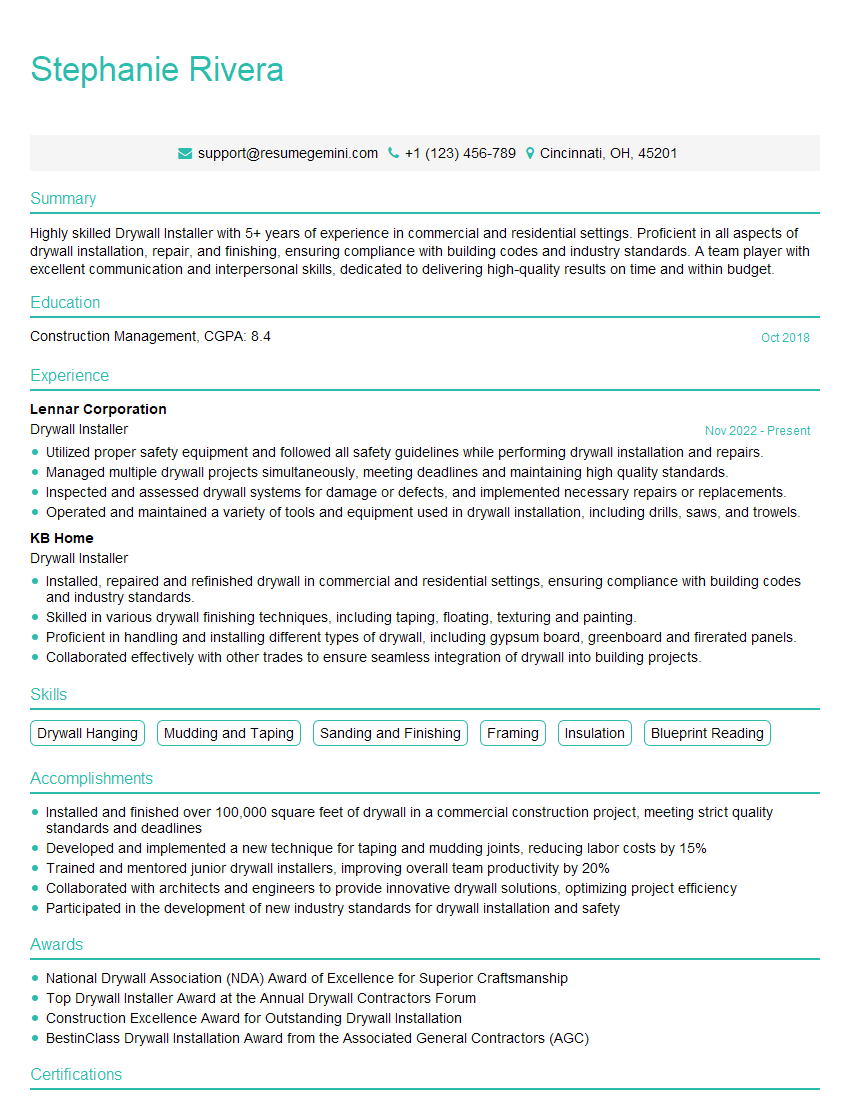
Drywall Installer Resume Sample
Explore more articles
Users Rating of Our Blogs
Share Your Experience
We value your feedback! Please rate our content and share your thoughts (optional).
What Readers Say About Our Blog
To the interviewgemini.com Webmaster.
Very helpful and content specific questions to help prepare me for my interview!
Thank you
To the interviewgemini.com Webmaster.
This was kind of a unique content I found around the specialized skills. Very helpful questions and good detailed answers.
Very Helpful blog, thank you Interviewgemini team.