Every successful interview starts with knowing what to expect. In this blog, we’ll take you through the top CBT for PTSD interview questions, breaking them down with expert tips to help you deliver impactful answers. Step into your next interview fully prepared and ready to succeed.
Questions Asked in CBT for PTSD Interview
Q 1. Explain the core principles of Cognitive Behavioral Therapy (CBT).
Cognitive Behavioral Therapy (CBT) is a widely-used, evidence-based approach that helps individuals identify and change negative thought patterns and behaviors. It operates on the principle that our thoughts, feelings, and behaviors are interconnected. A negative thought can lead to a negative feeling, which then influences our behavior. CBT aims to break this cycle by targeting all three components.
- Identifying and Challenging Negative Thoughts: CBT helps clients recognize and challenge distorted or unhelpful thinking patterns, such as catastrophizing or all-or-nothing thinking. For example, instead of thinking ‘I’ll fail this presentation, and everyone will hate me,’ a client might learn to reframe it as ‘I’m feeling anxious about the presentation, but I’ve prepared well, and I can handle it.’
- Modifying Maladaptive Behaviors: CBT focuses on changing behaviors that maintain or worsen problems. This might involve gradually facing feared situations (exposure therapy) or practicing relaxation techniques.
- Developing Coping Mechanisms: CBT equips clients with practical strategies for managing stress, anxiety, and other difficult emotions. These might include mindfulness exercises, problem-solving techniques, or assertiveness training.
Think of CBT as a collaborative process – the therapist acts as a guide, helping the client explore their thoughts, feelings, and behaviors, and develop personalized strategies for change.
Q 2. Describe the specific applications of CBT in treating PTSD.
CBT is highly effective for PTSD because it directly addresses the core symptoms of the disorder. Trauma often leads to distorted thinking (e.g., believing the world is unsafe), avoidance behaviors (e.g., avoiding places or situations that remind them of the trauma), and overwhelming emotional responses (e.g., flashbacks, nightmares).
- Cognitive Restructuring: Helps clients identify and challenge negative and inaccurate thoughts related to the trauma, such as self-blame or excessive fear. For example, a client who believes they are responsible for a car accident might learn to acknowledge their role but also to understand that the accident was an unfortunate event beyond their complete control.
- Exposure Therapy: Gradually exposes clients to trauma-related memories, feelings, and situations in a safe and controlled manner to reduce avoidance and fear responses. This might involve imagined exposure, in-vivo exposure (real-life exposure), or virtual reality exposure.
- Stress Inoculation Training: Teaches clients coping skills to manage stress and anxiety in the face of trauma-related triggers. This includes relaxation techniques, such as deep breathing and progressive muscle relaxation, as well as problem-solving strategies.
- Sleep Hygiene and Relaxation Techniques: Often PTSD sufferers have significant sleep disturbance. CBT addresses this through better sleep habits and techniques for reducing anxiety and promoting relaxation before bed.
For example, a veteran with PTSD from combat might use CBT to challenge the belief that they are constantly in danger, practice relaxation techniques to manage flashbacks, and gradually reintegrate into social situations they previously avoided.
Q 3. What are the key differences between PTSD and other anxiety disorders?
While both PTSD and other anxiety disorders share some overlapping symptoms, key differences exist. PTSD is specifically triggered by a traumatic event, whereas other anxiety disorders may stem from various factors, including genetics, learned behaviors, or neurochemical imbalances.
- Trauma-Specific Symptoms: PTSD features specific symptoms directly related to the trauma, such as intrusive memories, flashbacks, nightmares, and avoidance of trauma reminders. General anxiety disorders don’t have these specific symptom clusters.
- Persistent Avoidance: Avoidance of trauma-related cues is a prominent feature of PTSD, significantly impacting daily functioning. This is less central to other anxiety disorders.
- Negative Alterations in Cognition and Mood: PTSD involves persistent negative beliefs about oneself, the world, and the future, as well as emotional numbness and detachment, which may be less pronounced in other anxiety disorders.
- Alterations in Arousal and Reactivity: PTSD is characterized by heightened arousal, such as irritability, difficulty sleeping, and hypervigilance, often more intense and pervasive than in other anxiety disorders.
For instance, someone with generalized anxiety disorder might worry excessively about various things, but they won’t necessarily have flashbacks of a specific traumatic experience or actively avoid reminders of that experience.
Q 4. How do you assess the severity of PTSD symptoms in a client?
Assessing PTSD symptom severity involves using standardized assessments. The most commonly used is the Clinician-Administered PTSD Scale (CAPS), which provides a structured interview covering all PTSD symptom criteria. Other questionnaires include the PTSD Checklist (PCL) for self-report and the Impact of Event Scale-Revised (IES-R) for measuring impact of stressor.
These tools assess the frequency, intensity, and duration of symptoms across different clusters, including intrusive thoughts, avoidance, negative alterations in cognition and mood, and alterations in arousal and reactivity. Scores on these instruments help to determine the severity of PTSD and track progress during therapy.
In addition to standardized assessments, a thorough clinical interview is crucial. This allows the therapist to gain a comprehensive understanding of the client’s history, the nature of their trauma, and the impact of their symptoms on their daily life.
Severity is categorized based on these scores, generally ranging from mild to severe, informing treatment planning and intensity.
Q 5. Outline the stages involved in a typical CBT treatment plan for PTSD.
A typical CBT treatment plan for PTSD usually involves several stages:
- Assessment and Psychoeducation: This initial phase involves a comprehensive assessment of the client’s symptoms, trauma history, and coping mechanisms. The therapist also provides psychoeducation about PTSD, explaining its symptoms and treatment approaches.
- Establishing a Therapeutic Relationship: Building a strong therapeutic alliance is critical for successful treatment. Trust and rapport are essential for the client to feel safe and open enough to engage in the therapeutic process.
- Identifying and Challenging Negative Thoughts: Clients work with the therapist to identify and challenge negative thoughts and beliefs related to the trauma, using cognitive restructuring techniques.
- Exposure Therapy: Gradually exposing the client to trauma-related memories, feelings, and situations using various methods, such as imagined exposure, in-vivo exposure, or virtual reality exposure. This is a cornerstone of PTSD treatment in CBT.
- Developing Coping Skills: Clients learn and practice coping skills to manage stress, anxiety, and other difficult emotions. This might involve relaxation techniques, problem-solving skills, and assertiveness training.
- Relapse Prevention: Towards the end of therapy, the focus shifts towards relapse prevention strategies, equipping the client with tools to manage future triggers and maintain their progress.
- Termination and Follow-up: Once treatment goals are met, the therapy gradually comes to a close, often with planned follow-up sessions to reinforce progress and address any potential setbacks.
The specific stages and their duration may vary depending on the individual’s needs and progress.
Q 6. Explain the concept of exposure therapy within the context of CBT for PTSD.
Exposure therapy is a core component of CBT for PTSD. It involves systematically and gradually exposing the individual to trauma-related memories, feelings, and situations within a safe and controlled environment. The goal is to reduce avoidance and fear responses associated with the trauma. It’s based on the principle of habituation – repeated exposure to a feared stimulus eventually diminishes its power to evoke anxiety.
There are different types of exposure therapy:
- Imaginal Exposure: The client vividly recounts the traumatic event in detail, repeatedly and systematically.
- In-vivo Exposure: The client confronts trauma-related situations in real life, starting with less anxiety-provoking situations and gradually progressing to more challenging ones.
- Virtual Reality Exposure: Uses virtual reality technology to simulate trauma-related situations, allowing for a safe and controlled exposure experience.
Exposure therapy is not about reliving the trauma in a distressing way; instead, it’s about gradually confronting the memories and situations in a safe space, with the support of a therapist. This allows the individual to process the trauma and reduce their emotional reactivity. It’s important to note this should be done gradually and at a pace comfortable for the patient, often using relaxation techniques in conjunction.
Q 7. How do you address avoidance behaviors in clients with PTSD?
Avoidance behaviors are common in PTSD and actively maintain the disorder. They prevent individuals from processing the trauma and reduce opportunities for habituation. Addressing avoidance is crucial in CBT.
Strategies for addressing avoidance behaviors include:
- Identifying Avoidance Behaviors: The first step is to help the client identify specific situations, thoughts, feelings, or places they avoid because they are reminders of the trauma. This may involve journaling or collaborative discussion.
- Creating an Exposure Hierarchy: Together, the therapist and client create a hierarchy of feared situations, ranking them from least to most anxiety-provoking. This acts as a roadmap for gradual exposure.
- Gradual Exposure: Using the hierarchy, the client gradually confronts the feared situations, starting with the least anxiety-provoking and progressing slowly upwards. The therapist provides support and coping skills throughout the process.
- In-vivo vs. Imaginal Exposure: Depending on the specific avoidance behavior, both in-vivo (real-life) and imaginal (imagined) exposure may be utilized.
- Reinforcement of Non-Avoidant Behaviors: The therapist actively reinforces and celebrates the client’s efforts to engage in non-avoidant behaviors, helping to build confidence and self-efficacy.
For example, a client avoiding crowded places might start by visiting a less crowded café, then a slightly busier one, gradually working their way up to larger gatherings. Throughout this process, coping skills like relaxation techniques are essential.
Q 8. Describe your approach to managing trauma triggers in a therapeutic setting.
Managing trauma triggers in CBT for PTSD involves a gradual exposure process, helping clients confront their fears in a safe and controlled environment. We don’t just throw clients into the deep end; instead, we build a hierarchy of feared situations, starting with less distressing triggers and gradually working towards more intense ones. This is often called a fear hierarchy.
For example, if a veteran with PTSD is triggered by loud noises, we might start by having them listen to recordings of progressively louder sounds in the therapy room, providing coping skills and support at each step. We might then progress to visiting less crowded areas before finally tackling environments with more significant noise levels. Throughout this process, we use relaxation techniques and cognitive restructuring to help clients manage their anxiety and challenge negative thought patterns associated with the triggers.
- In-vivo exposure: This involves facing triggers in real-life situations.
- Imaginal exposure: This involves vividly imagining the feared situation while practicing coping mechanisms.
- Interoceptive exposure: This focuses on managing physical sensations associated with anxiety, such as rapid heart rate or shortness of breath.
Q 9. What techniques do you use to help clients identify and challenge negative thought patterns related to trauma?
Identifying and challenging negative thought patterns is crucial in CBT for PTSD. We use several techniques to achieve this. One key approach is cognitive restructuring, where we help clients identify maladaptive thoughts (e.g., ‘I’m completely worthless,’ ‘I deserve this suffering’), examine the evidence supporting and refuting these thoughts, and develop more balanced and realistic alternatives. We might use a thought record to help document these thoughts and their impact.
Another helpful technique is Socratic questioning. This involves asking a series of carefully crafted questions to help clients challenge their own assumptions and biases. For instance, if a client believes they are always going to be unsafe, we might ask: ‘What evidence supports that belief? Are there situations where you’ve felt safe? What could explain those instances?’
We also teach clients to recognize cognitive distortions, such as catastrophizing (expecting the worst), all-or-nothing thinking (seeing things in black and white), and overgeneralization (drawing broad conclusions from limited instances). Understanding these patterns allows clients to effectively challenge them and foster more adaptive thinking.
Q 10. How do you incorporate relaxation techniques into CBT for PTSD?
Relaxation techniques are essential for managing the physiological arousal associated with PTSD. We incorporate several approaches, tailored to the individual client’s preferences and needs. These techniques often serve as coping mechanisms during exposure therapy.
- Progressive muscle relaxation: This involves systematically tensing and releasing different muscle groups to reduce muscle tension and promote relaxation.
- Diaphragmatic breathing: This involves deep, slow breaths from the diaphragm, which helps calm the nervous system.
- Mindfulness meditation: This involves focusing on the present moment, without judgment, which can help reduce rumination and anxiety.
- Guided imagery: This involves visualizing calming scenes or experiences to reduce anxiety and promote relaxation.
These techniques are practiced regularly by clients to develop self-regulation skills and manage anxiety both inside and outside therapy sessions.
Q 11. Describe your experience working with different trauma populations (e.g., veterans, survivors of abuse).
My experience encompasses a diverse range of trauma populations, including veterans returning from combat, survivors of domestic violence, and individuals who have experienced childhood abuse or natural disasters. Each population presents unique challenges and requires a nuanced approach. For example, veterans often grapple with issues of guilt, moral injury, and reintegration into civilian life, while survivors of abuse may struggle with trust issues, feelings of shame, and body image problems.
While the core principles of CBT remain consistent, the specific techniques and therapeutic focus adapt to meet the particular needs of each individual and their unique trauma history. For example, I may spend more time building a therapeutic alliance with clients who have experienced betrayal trauma, addressing their mistrust before moving into exposure therapy.
Q 12. How do you adapt CBT techniques to meet the specific needs of diverse clients?
Adapting CBT to diverse clients requires sensitivity and cultural competence. This involves considering factors such as cultural background, socioeconomic status, religious beliefs, and individual preferences. For example, some clients may prefer a more collaborative and directive approach, while others may benefit from a more client-centered style. It’s critical to acknowledge and respect these differences.
Language barriers can also be addressed by using interpreters or adapting materials accordingly. Moreover, understanding the client’s worldview and incorporating their cultural values into therapy can enhance engagement and treatment effectiveness. We often incorporate culturally relevant examples and metaphors to facilitate understanding.
Q 13. How do you address comorbid conditions alongside PTSD?
PTSD frequently co-occurs with other mental health conditions such as depression, anxiety disorders, substance abuse, and personality disorders. Addressing these comorbid conditions is crucial for comprehensive treatment. An integrated approach is often necessary, where CBT is combined with other therapies or medications. For example, a client with PTSD and depression may benefit from both CBT to address trauma-related symptoms and medication or additional therapy to manage depression.
A thorough assessment is needed to identify all co-occurring conditions. Treatment planning involves prioritizing issues and coordinating treatment strategies. Collaboration with other mental health professionals may be necessary for optimal care.
Q 14. What are the potential limitations of CBT in treating PTSD?
While CBT is highly effective for many individuals with PTSD, it’s crucial to acknowledge its limitations. Some clients may find the process too distressing, especially if they lack the necessary coping skills. Others may have difficulty engaging in exposure therapy, or may not find it suitable due to their specific trauma or psychological makeup.
Severe trauma or the presence of certain personality disorders may also hinder the effectiveness of CBT. Furthermore, CBT may not be the sole solution for every client; integrating it with other therapeutic modalities, such as EMDR (Eye Movement Desensitization and Reprocessing) or psychodynamic therapy, may prove more beneficial in some cases. It’s important to be flexible and adapt treatment strategies based on the client’s response and progress.
Q 15. How do you monitor treatment progress and make adjustments as needed?
Monitoring progress in CBT for PTSD involves a multi-faceted approach, focusing on both subjective and objective measures. We regularly assess symptom reduction using standardized questionnaires like the PTSD Checklist (PCL) or the Clinician-Administered PTSD Scale (CAPS). These tools provide quantifiable data on the severity of PTSD symptoms over time, allowing us to track improvement.
Beyond standardized measures, we also closely monitor the client’s subjective experience. This involves open-ended discussions about their daily functioning, their emotional state, and the impact of PTSD on their relationships and daily life. For instance, we might ask, “How are you feeling today?” or “Have you experienced any triggers this week, and how did you cope?” This qualitative data provides crucial insights into the client’s progress that may not be captured by numbers alone.
Based on this combined data, we adjust the treatment plan as needed. If progress plateaus or symptoms worsen, we may need to modify the techniques used, explore underlying factors not previously addressed, or adjust the treatment goals. For example, if exposure therapy proves too distressing, we might initially focus on relaxation techniques before gradually introducing exposure exercises. Regular adjustments are vital to ensure the therapy remains effective and tailored to the client’s individual needs.
Career Expert Tips:
- Ace those interviews! Prepare effectively by reviewing the Top 50 Most Common Interview Questions on ResumeGemini.
- Navigate your job search with confidence! Explore a wide range of Career Tips on ResumeGemini. Learn about common challenges and recommendations to overcome them.
- Craft the perfect resume! Master the Art of Resume Writing with ResumeGemini’s guide. Showcase your unique qualifications and achievements effectively.
- Don’t miss out on holiday savings! Build your dream resume with ResumeGemini’s ATS optimized templates.
Q 16. Describe your experience working with clients experiencing complex trauma.
Working with clients experiencing complex trauma requires a highly sensitive and individualized approach. Complex trauma often involves multiple traumatic events, such as childhood abuse or neglect, alongside other significant adversities. These experiences can lead to a wider range of difficulties than what is typically seen in PTSD stemming from a single event. Clients might present with dissociation, identity disturbance, difficulties with emotion regulation, and significant interpersonal challenges.
My approach emphasizes building a strong therapeutic alliance based on trust and collaboration. I work to understand the client’s unique experiences within their context, validating their suffering and acknowledging the profound impact of their trauma. Trauma-informed care is paramount; we avoid re-traumatizing the client by proceeding at their pace and carefully managing potential triggers. Treatment often incorporates a combination of techniques, including grounding exercises, mindfulness practices, and somatic experiencing to help manage overwhelming emotions and body sensations. We might also address attachment issues and develop healthier coping mechanisms. Collaborating with other professionals, such as psychiatrists or social workers, is often beneficial in addressing complex cases.
For example, one client I worked with experienced severe childhood abuse and subsequent relationship difficulties. We focused on building self-compassion, identifying and challenging negative self-beliefs, and developing strategies for setting healthy boundaries. This involved working through painful memories gradually, using a tailored approach to exposure therapy that prioritized safety and self-regulation. The client’s progress was slow but steady, reflecting the intricate nature of complex trauma recovery.
Q 17. What is your approach to managing client crises or emergencies?
Managing client crises requires a calm and decisive approach, prioritizing the client’s immediate safety and well-being. The first step is to assess the situation, determining the level of risk and the client’s immediate needs. This often involves careful listening, validating the client’s distress, and offering support and reassurance.
If the client is in immediate danger, we’ll collaboratively develop a safety plan, which might include contacting emergency services, reaching out to a support network, or implementing specific coping mechanisms. We might use grounding techniques like focusing on the five senses or controlled breathing to help the client regulate their emotions. If the crisis involves suicidal ideation or self-harm, hospitalization or a crisis hotline referral might be necessary.
Following the crisis, we’ll process the experience in a safe and supportive environment. This might include exploring the triggers that led to the crisis and developing strategies to prevent future occurrences. Regular check-ins and strengthening coping mechanisms are crucial during the post-crisis period to prevent recurrence. For example, I have worked with clients experiencing panic attacks, and during these episodes we utilize breathing exercises and visualization techniques to help them regain a sense of calm.
Q 18. How do you ensure client safety and well-being throughout the treatment process?
Ensuring client safety and well-being is the cornerstone of ethical and effective treatment. This starts with a thorough assessment of the client’s risk factors, including suicidal ideation, self-harm behaviors, and interpersonal violence. We establish clear treatment goals that prioritize safety and work collaboratively with the client to develop strategies to manage potential risks.
A comprehensive safety plan is crucial, which might include emergency contact numbers, coping mechanisms for managing distressing emotions, and a plan for seeking support during crises. Regular monitoring of the client’s emotional state and functional capacity is essential. Open communication and transparency build trust, allowing the client to feel comfortable voicing concerns and reporting any safety issues. The treatment plan should be adaptable and flexible to respond to changing circumstances or emerging needs. For example, I have clients who practice mindfulness to manage emotional distress; others have support networks they check in with.
If there is a significant risk of harm to self or others, it’s essential to take appropriate action, which might involve hospitalizations, mandated reporting, or collaboration with other professionals. Client safety and ethical boundaries always outweigh treatment goals.
Q 19. Explain your understanding of ethical considerations in treating PTSD.
Ethical considerations in treating PTSD are paramount, guided by principles of beneficence, non-maleficence, autonomy, and justice. Beneficence involves acting in the client’s best interests, prioritizing their well-being and recovery. Non-maleficence means avoiding actions that could cause harm. Autonomy respects the client’s right to make decisions about their treatment, ensuring informed consent and respecting their choices.
Justice involves ensuring fair and equitable access to treatment and avoiding discrimination based on any factors such as race, gender, or socioeconomic status. Specific ethical dilemmas might arise in cases involving mandated reporting (e.g., child abuse or threats of harm), managing dual relationships (e.g., avoiding conflicts of interest), and maintaining confidentiality while balancing the client’s safety and the safety of others. It’s crucial to continually reflect on ethical considerations throughout the treatment process, seeking supervision or consultation when needed.
For example, understanding the limitations of one’s expertise is crucial. If a client presents with a comorbid condition requiring specialized treatment, appropriate referral is essential. Likewise, maintaining professional boundaries is vital to prevent exploitation or harm to the client.
Q 20. How do you maintain confidentiality and client privacy?
Confidentiality and client privacy are fundamental to the therapeutic relationship and are protected by legal and ethical guidelines. All client information is treated as strictly confidential, disclosed only with the client’s informed consent or as mandated by law (e.g., suspected child abuse or imminent threat of harm). I clearly explain the limits of confidentiality during the initial sessions and obtain written consent for treatment.
We use secure methods for storing and transmitting client data, adhering to HIPAA regulations and other relevant privacy laws. This includes using password-protected electronic health records and secure communication channels. In team settings, confidentiality is maintained through appropriate information sharing protocols, ensuring only relevant professionals have access to the necessary client information. For example, if consultation with a psychiatrist is needed, I will only share relevant information with their consent, ensuring they understand their own ethical obligations.
Q 21. Describe your experience with documentation and record-keeping.
Thorough and accurate documentation is essential for providing quality care, ensuring continuity of treatment, and meeting legal and ethical requirements. My documentation includes detailed session notes, summarizing the client’s presentation, progress, and treatment interventions. I use standardized measures, such as the PCL or CAPS, to track symptom severity and treatment response. These notes are stored securely, adhering to all relevant privacy regulations.
I maintain comprehensive records of all assessments, diagnoses, treatment plans, progress notes, and any significant events related to the client’s care. My documentation style is clear, concise, and objective, avoiding personal biases and focusing on observable behaviors and the client’s statements. I regularly review and update the records to reflect changes in the client’s status and the treatment plan. This meticulous record-keeping is essential for continuity of care, ensuring that other professionals involved in the client’s treatment (if any) have access to a clear and comprehensive account of their care journey. It’s also crucial for legal protection, facilitating effective communication and collaboration.
Q 22. How do you collaborate with other healthcare professionals (e.g., psychiatrists, physicians)?
Collaboration with other healthcare professionals is crucial for holistic PTSD treatment. I believe in a collaborative, biopsychosocial approach. This means regularly communicating with psychiatrists about medication management, ensuring there’s no medication-induced worsening of symptoms or interaction with CBT techniques. With physicians, I coordinate to rule out any underlying medical conditions that might mimic or exacerbate PTSD symptoms. For instance, a thyroid imbalance could present with anxiety and depression, mimicking PTSD. Open communication and shared decision-making are key. I often participate in case conferences to share information and develop integrated treatment plans. This interdisciplinary approach ensures that the client receives the most comprehensive and effective care.
For example, if a client is struggling with severe insomnia impacting their progress in CBT, I’d consult with their psychiatrist to consider adjustments to their medication. Conversely, if medication changes cause unexpected side effects, I’d adapt the CBT sessions to address these changes, perhaps pacing the exposure therapy more gently.
Q 23. What is your approach to relapse prevention in clients with PTSD?
Relapse prevention in PTSD is a critical aspect of treatment. It’s not about preventing all future difficulties but about building resilience and coping skills. My approach involves equipping clients with strategies to manage triggers and stressful situations. We focus on identifying early warning signs of relapse – these could be increased nightmares, avoidance behaviors, or heightened anxiety. We develop a personalized relapse prevention plan involving:
- Regular practice of coping skills: This might include relaxation techniques, mindfulness exercises, and problem-solving skills learned during therapy.
- Identifying and managing triggers: We work to understand what situations or thoughts tend to trigger PTSD symptoms and develop strategies to either avoid them (if possible) or manage their impact.
- Building a strong support system: Connecting clients with support groups or encouraging them to lean on trusted friends and family for emotional support.
- Stress management techniques: Techniques like time management, setting boundaries, and engaging in activities for self-care.
- Regular follow-up sessions: Even after successful completion of therapy, regular check-ins are important to monitor progress and address any emerging challenges.
For instance, a client might identify crowded places as a trigger. We’d work on gradual exposure exercises, alongside relaxation techniques, to help them manage their anxiety in those settings. The goal is to empower clients to navigate their lives confidently, knowing they have the skills to cope with difficult experiences.
Q 24. Describe your understanding of the role of medication in treating PTSD.
Medication doesn’t cure PTSD, but it can be a valuable adjunct to CBT. I view medication as a tool to manage symptoms, particularly those that interfere with the client’s ability to engage fully in therapy. For example, severe anxiety, depression, or insomnia can make it difficult to participate in exposure therapy. In such cases, medication, often prescribed by a psychiatrist, can help stabilize the client’s emotional state, making them more receptive to CBT interventions. I work closely with psychiatrists to ensure medication choices align with the client’s needs and the therapeutic goals of CBT. The focus remains on CBT as the primary treatment, with medication used strategically to enhance its effectiveness. It’s important to continually monitor the client’s response to medication and to adjust the treatment plan accordingly. We work collaboratively to determine the best course of action, balancing the benefits of medication with the potential side effects.
Q 25. How do you work with clients who have difficulty engaging in therapy?
Engaging clients who are hesitant or resistant to therapy requires a collaborative and empathetic approach. I prioritize building rapport and trust. This involves actively listening to their concerns, validating their feelings, and tailoring the therapy to their specific needs and preferences. I might start with psychoeducation about PTSD and CBT to address misunderstandings or misconceptions. I emphasize the client’s role in the therapeutic process and focus on collaboratively setting realistic goals. Flexible scheduling, a supportive therapeutic environment, and demonstrating genuine care are essential. For example, if a client expresses fear about reliving traumatic memories, I would introduce techniques gradually, starting with imaginal exposure exercises and progressively moving towards in-vivo exposure only when the client feels ready and empowered.
Q 26. How do you measure the effectiveness of your CBT interventions?
Measuring the effectiveness of CBT for PTSD relies on multiple assessments. We typically use standardized questionnaires such as the PTSD Checklist (PCL-5) and the Clinician-Administered PTSD Scale (CAPS-5) at the beginning, during, and after therapy. These questionnaires assess the severity of PTSD symptoms. Additionally, we monitor changes in the client’s functioning in daily life, including their sleep quality, mood, relationships, and ability to manage stress. Clinician observations are also important. Furthermore, feedback from the client is actively sought throughout the therapeutic process. By combining quantitative data (from questionnaires) with qualitative data (from client feedback and observations), we obtain a comprehensive understanding of the treatment’s impact. Significant reductions in PTSD symptom scores and improvements in daily functioning indicate successful CBT intervention.
Q 27. What are your professional development goals related to treating PTSD?
My professional development goals focus on staying at the forefront of PTSD treatment. I aim to deepen my expertise in evidence-based practices, including newer techniques like prolonged exposure therapy (PE) and cognitive processing therapy (CPT) variations. I’m particularly interested in exploring the integration of technology into CBT, such as utilizing virtual reality exposure therapy or telehealth platforms to enhance accessibility. Staying abreast of research on trauma-informed care and culturally sensitive treatment is crucial, ensuring I can effectively serve diverse client populations. Attending workshops, conferences, and continuing education courses is a key part of my ongoing professional development.
Q 28. How would you handle a situation where a client experiences significant emotional distress during a session?
Managing significant emotional distress during a session is a critical skill. My first priority is the client’s safety. I would use a combination of grounding techniques, such as focusing on the present moment (e.g., noticing their breath, physical sensations), and emotional regulation strategies (e.g., deep breathing exercises). I would validate their feelings, assuring them it’s understandable to feel overwhelmed and that we will navigate this together. If the distress is severe or prolonged, I might suggest a brief break, or if necessary, reschedule the session. Collaboration is key; I might discuss options for additional support, such as a crisis hotline or a referral to a psychiatrist for medication if needed. The focus is to provide a safe and supportive space for the client to process their emotions while prioritizing their wellbeing.
For example, if a client starts experiencing a panic attack during exposure therapy, I’d immediately pause the exercise, use grounding techniques, and switch to relaxation techniques before gradually returning to the exposure exercise, ensuring the client feels safe and in control.
Key Topics to Learn for CBT for PTSD Interview
- Core Principles of CBT: Understand the cognitive and behavioral underpinnings of CBT, including the cognitive model of PTSD and the role of maladaptive thoughts and behaviors.
- Exposure Therapy: Grasp the various techniques within exposure therapy (in vivo, imaginal), their application in PTSD treatment, and the management of anxiety during exposure.
- Cognitive Restructuring: Learn how to identify and challenge negative automatic thoughts, cognitive distortions, and unhelpful beliefs related to traumatic experiences. Understand techniques like cognitive reframing and Socratic questioning.
- Relaxation and Stress Management Techniques: Familiarize yourself with different relaxation methods (e.g., progressive muscle relaxation, diaphragmatic breathing) and their integration into CBT for PTSD.
- Trauma-Focused CBT (TF-CBT): Understand the key components of TF-CBT, including psychoeducation, trauma narrative, and affect regulation.
- Relapse Prevention Planning: Know the importance of developing strategies to prevent relapse and maintain long-term gains after completing CBT.
- Assessment and Treatment Planning: Understand the process of assessing PTSD symptoms, formulating a treatment plan, and selecting appropriate CBT techniques based on individual needs.
- Ethical Considerations in CBT for PTSD: Be aware of ethical guidelines and potential challenges in treating trauma.
- Case Conceptualization: Practice formulating a comprehensive case conceptualization integrating the client’s history, presenting problems, and treatment goals within a CBT framework.
- Measuring Treatment Outcomes: Understand different methods for assessing the effectiveness of CBT for PTSD, such as standardized questionnaires and clinical observation.
Next Steps
Mastering CBT for PTSD significantly enhances your career prospects in mental health. Demonstrating a strong understanding of these techniques will set you apart in a competitive job market. To maximize your chances of securing your dream role, invest time in crafting a compelling and ATS-friendly resume that showcases your skills and experience effectively. ResumeGemini is a trusted resource that can help you build a professional and impactful resume, tailored to highlight your expertise in CBT for PTSD. Examples of resumes tailored to this specific area are available to guide you.
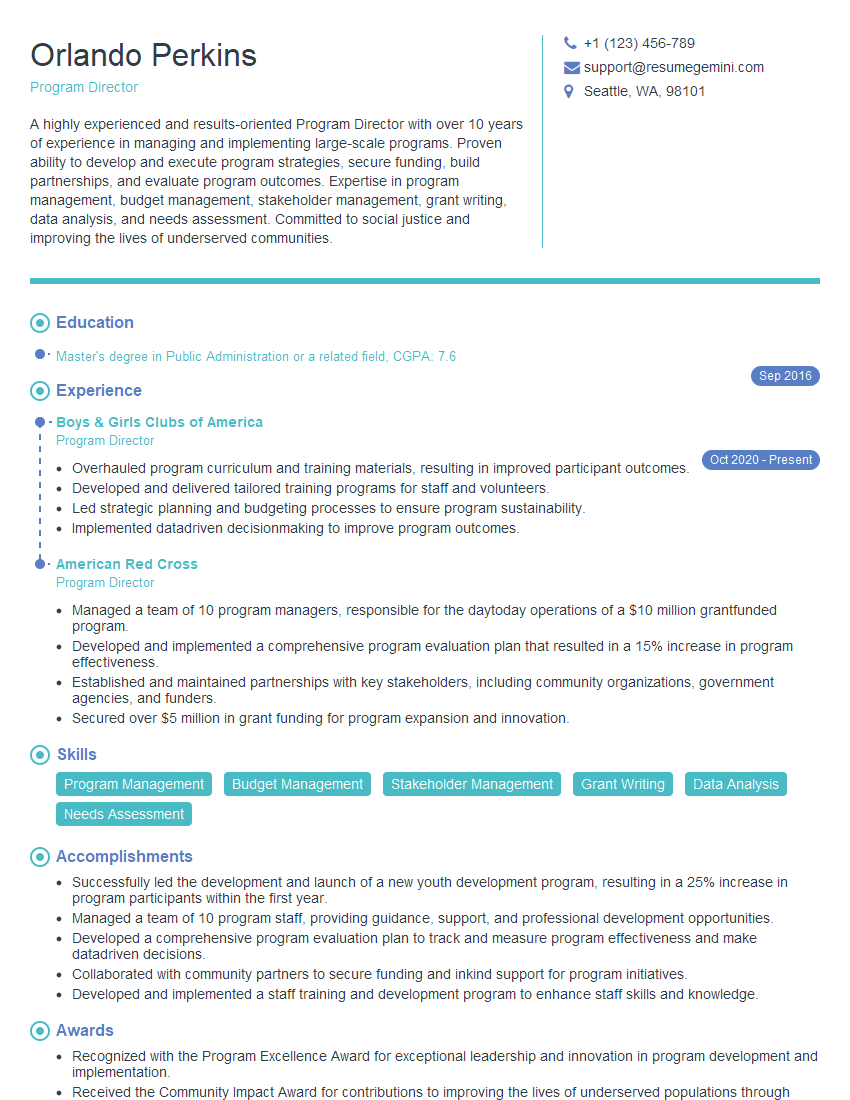
Program Director Resume Sample

Professor Resume Sample
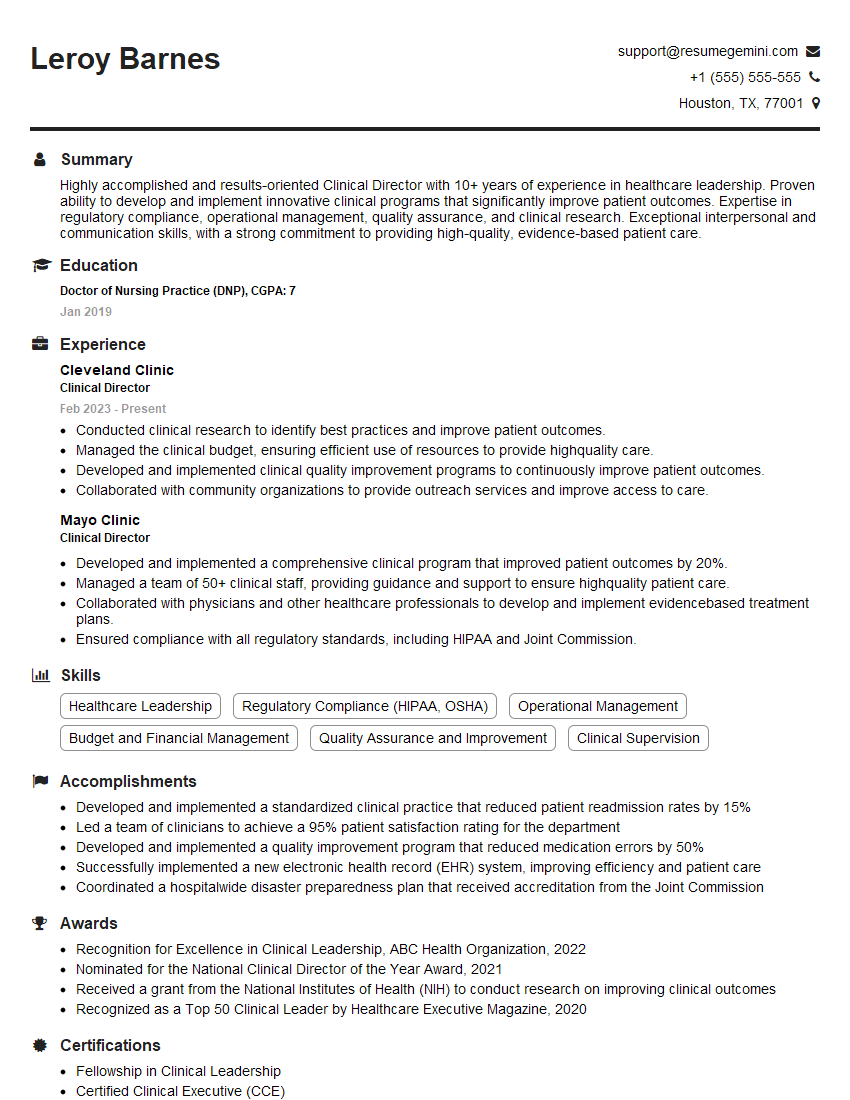
Clinical Director Resume Sample
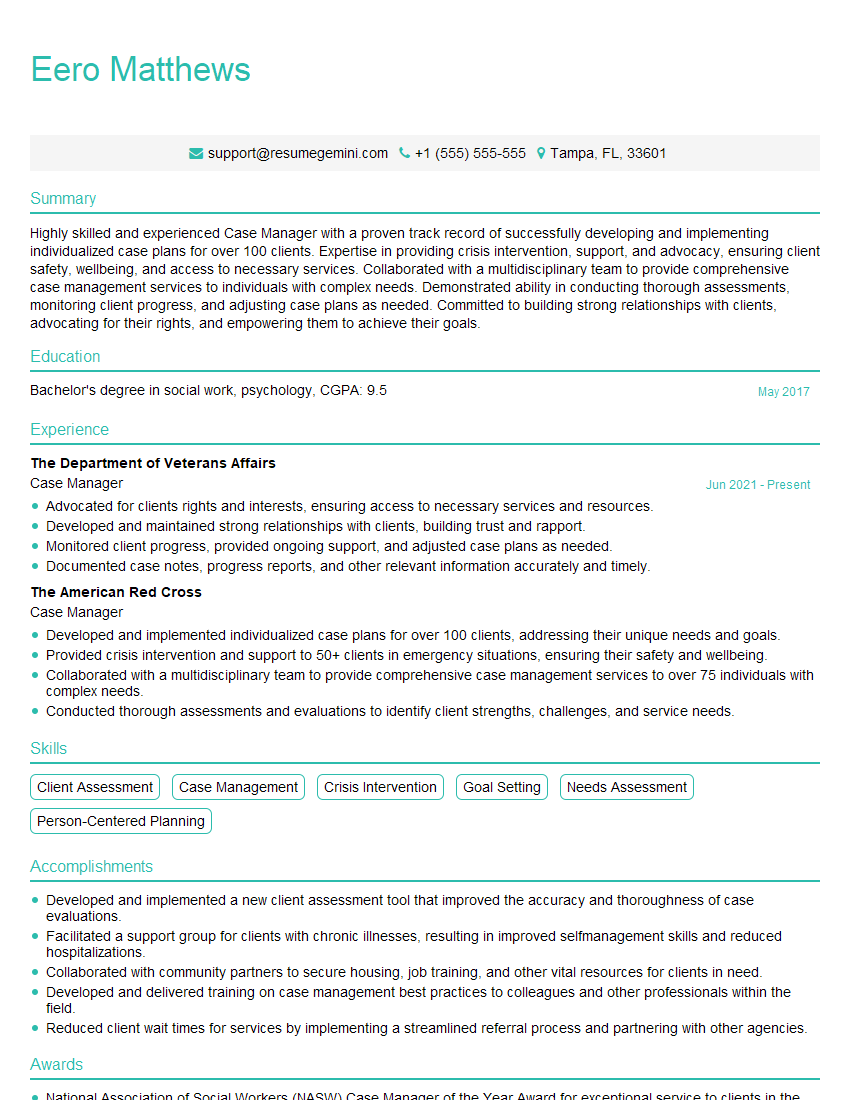
Case Manager Resume Sample
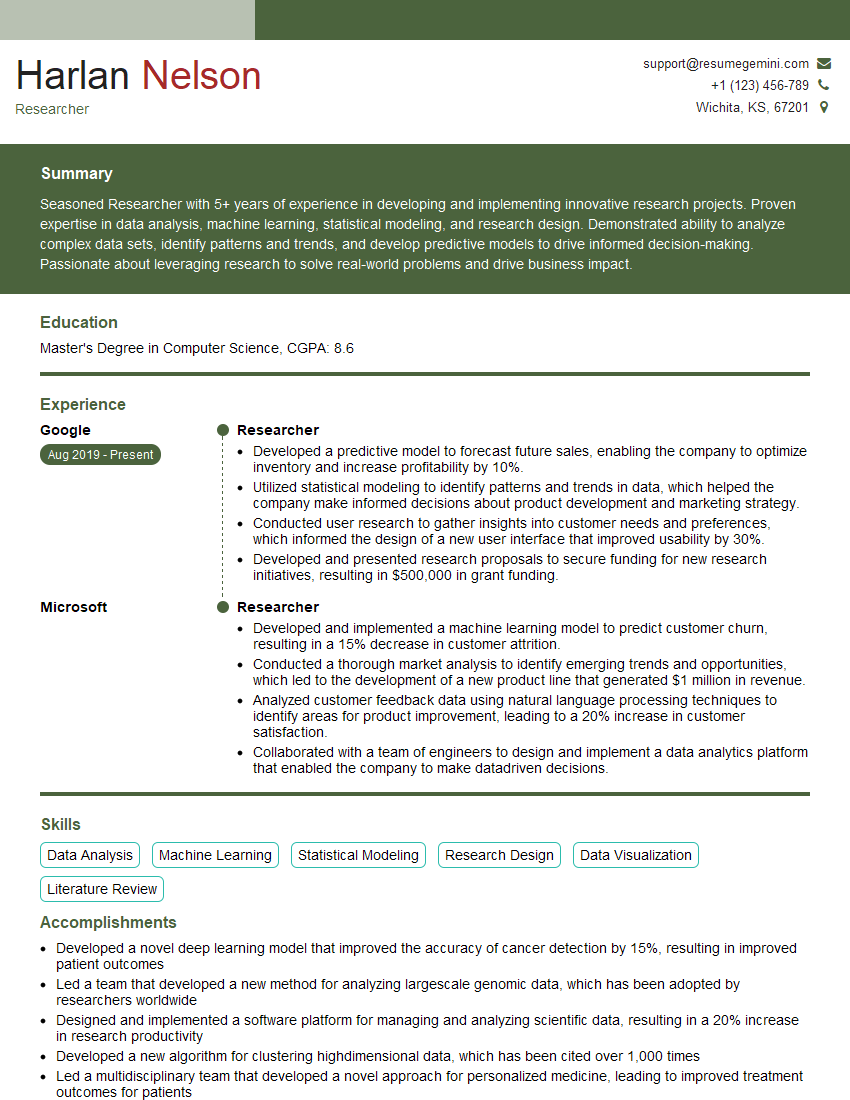
Researcher Resume Sample
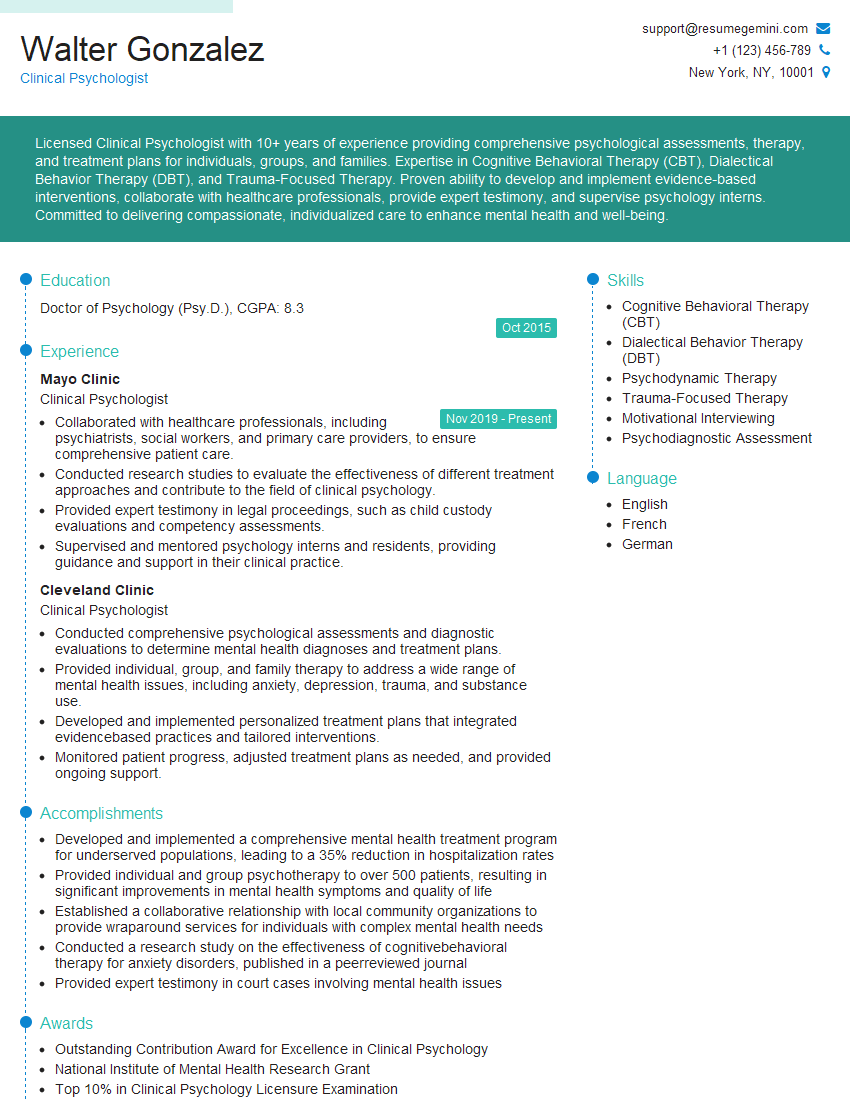
Clinical Psychologist Resume Sample
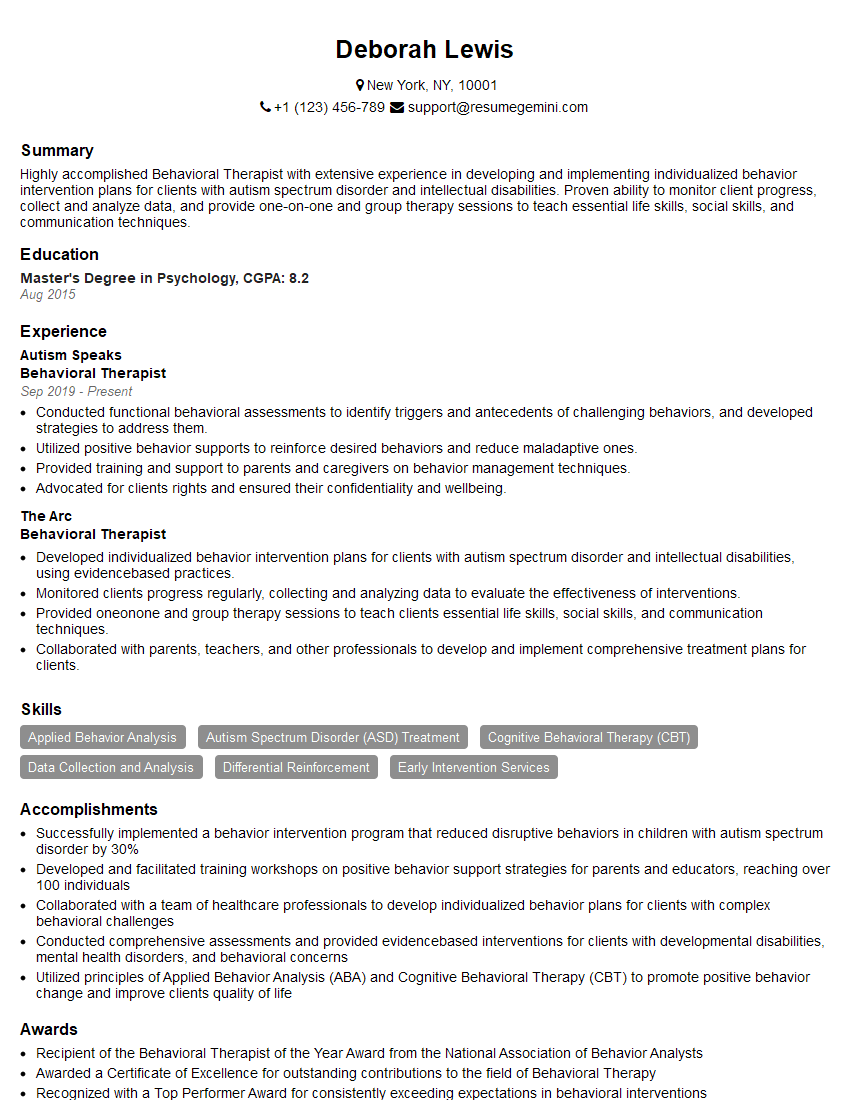
Behavioral Therapist Resume Sample
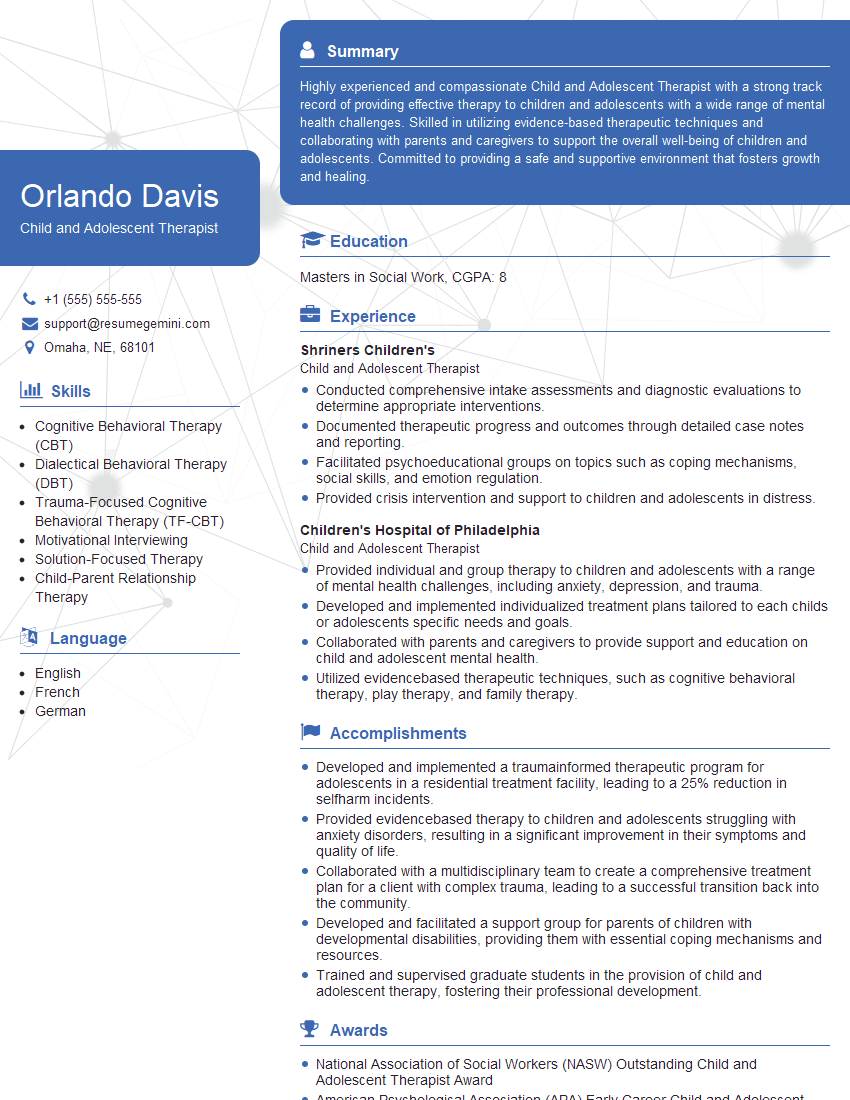
Child and Adolescent Therapist Resume Sample
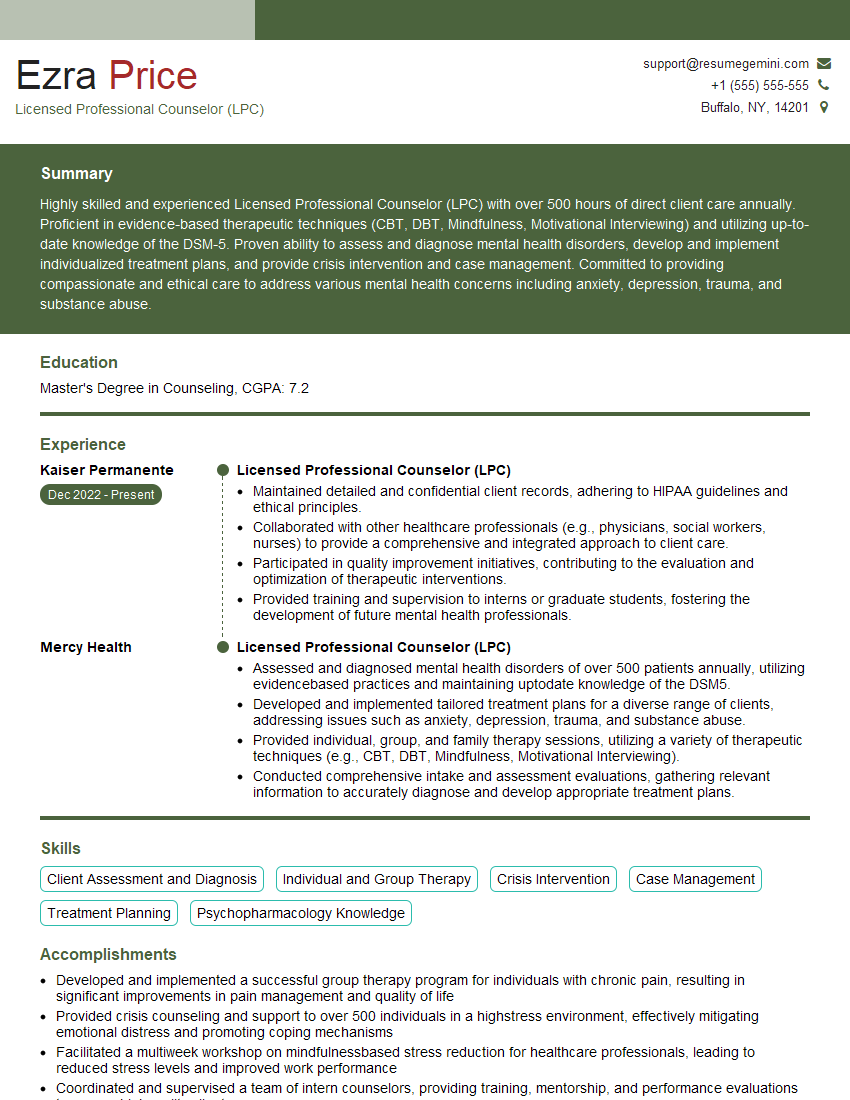
Licensed Professional Counselor (LPC) Resume Sample
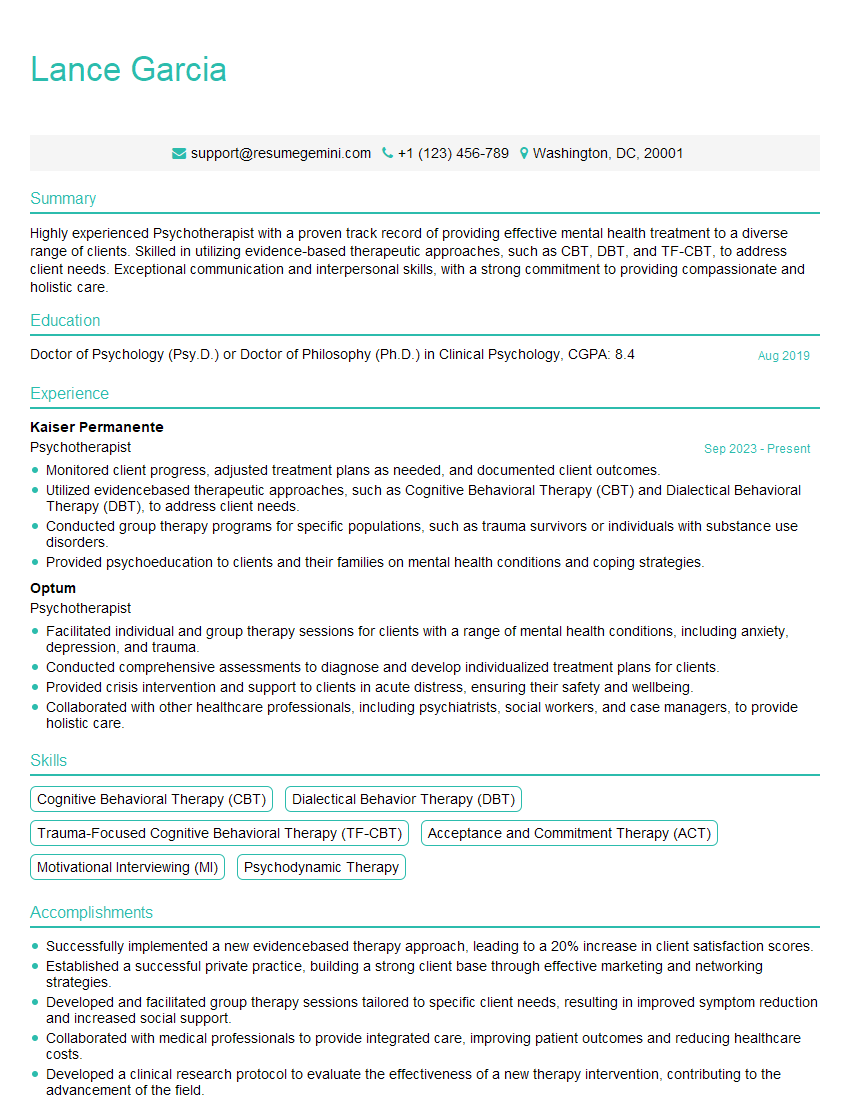
Psychotherapist Resume Sample

Mental Health Counselor Resume Sample
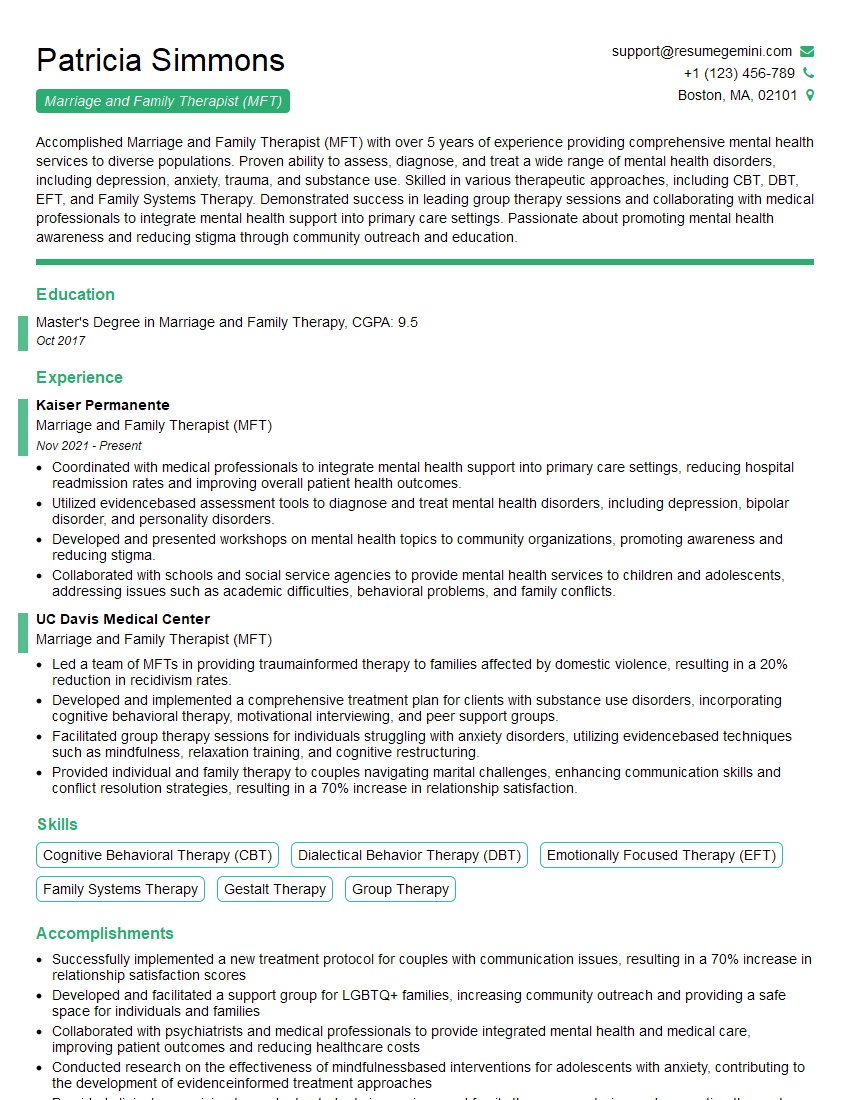
Marriage and Family Therapist (MFT) Resume Sample
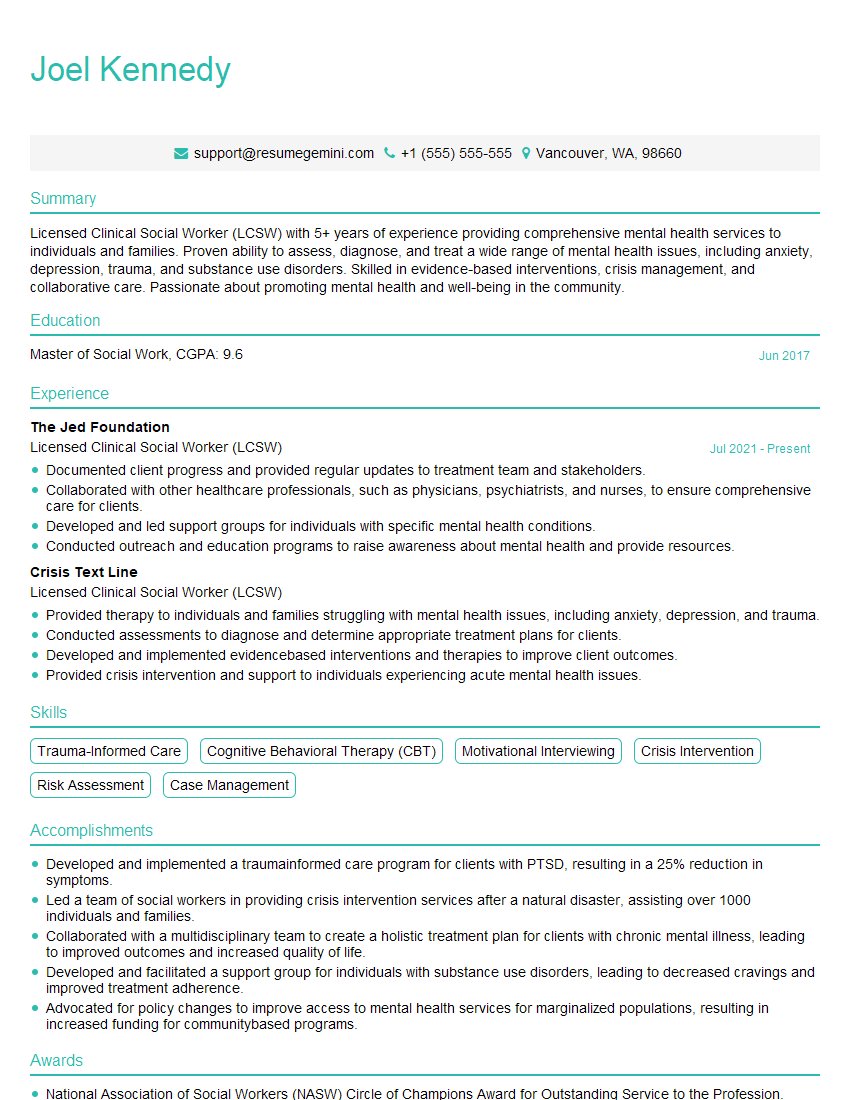
Licensed Clinical Social Worker (LCSW) Resume Sample
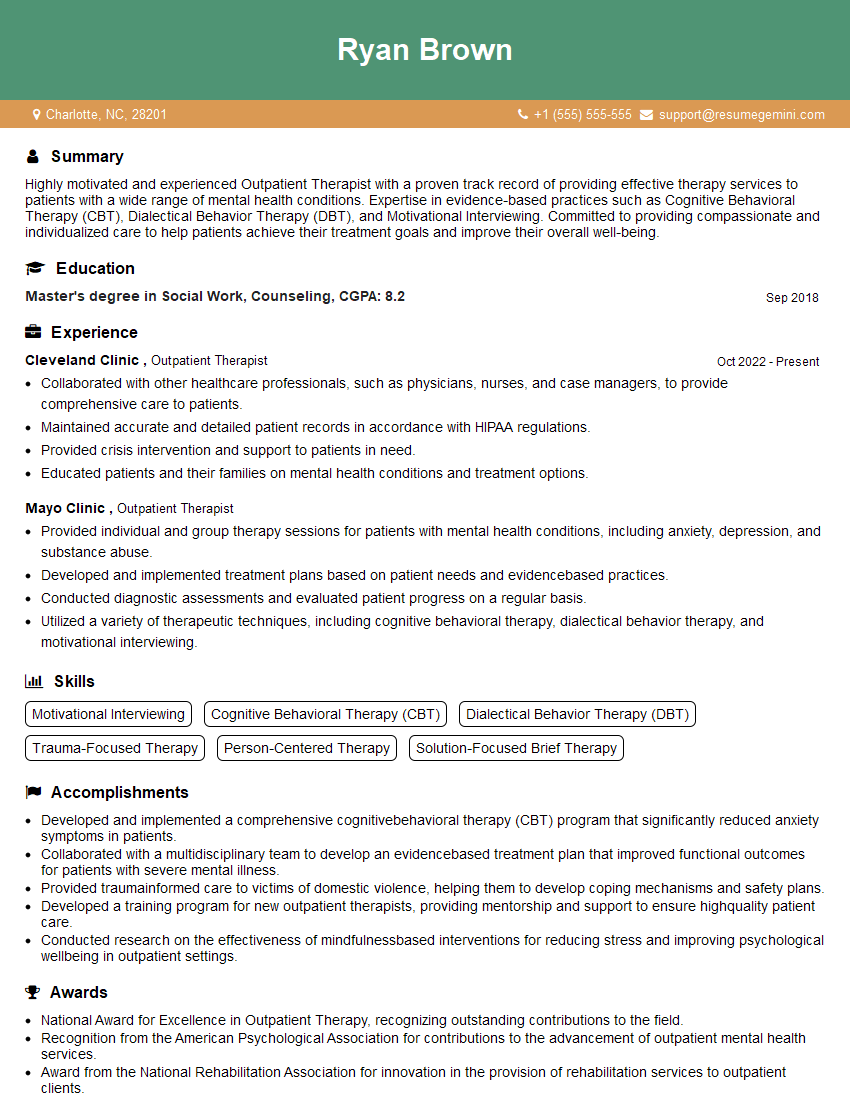
Outpatient Therapist Resume Sample
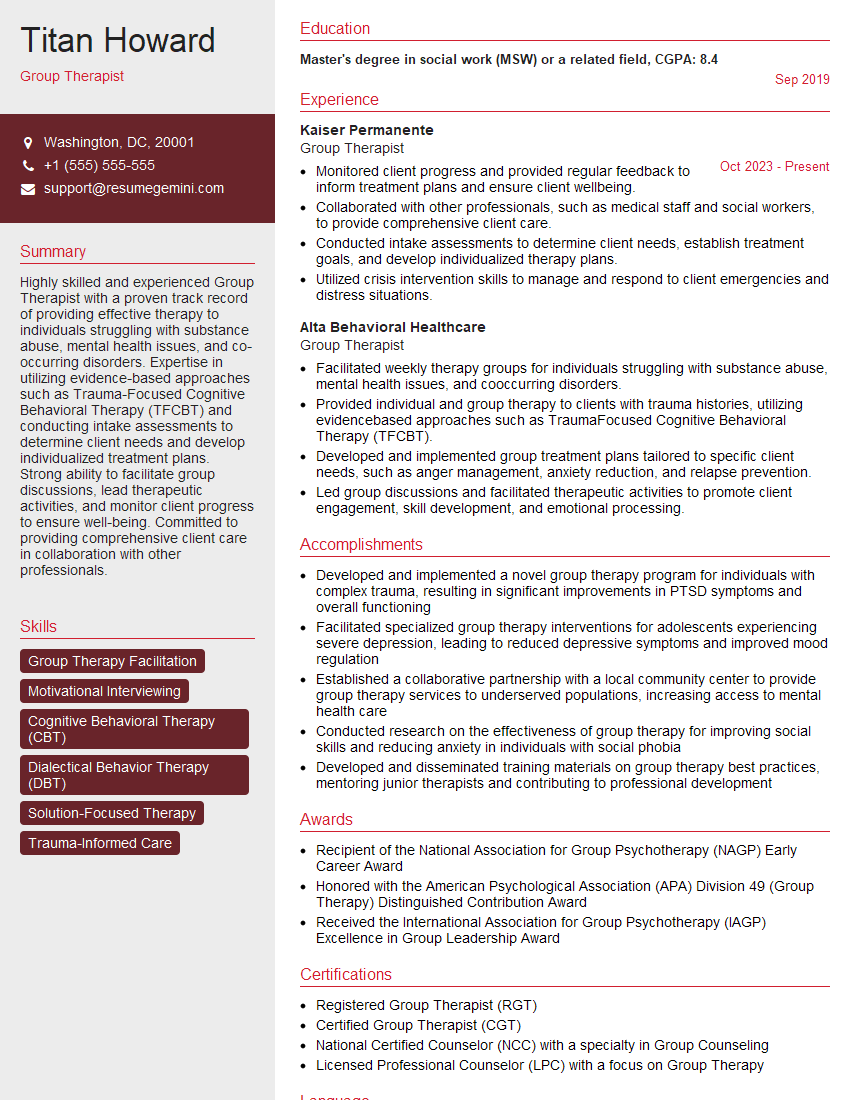
Group Therapist Resume Sample
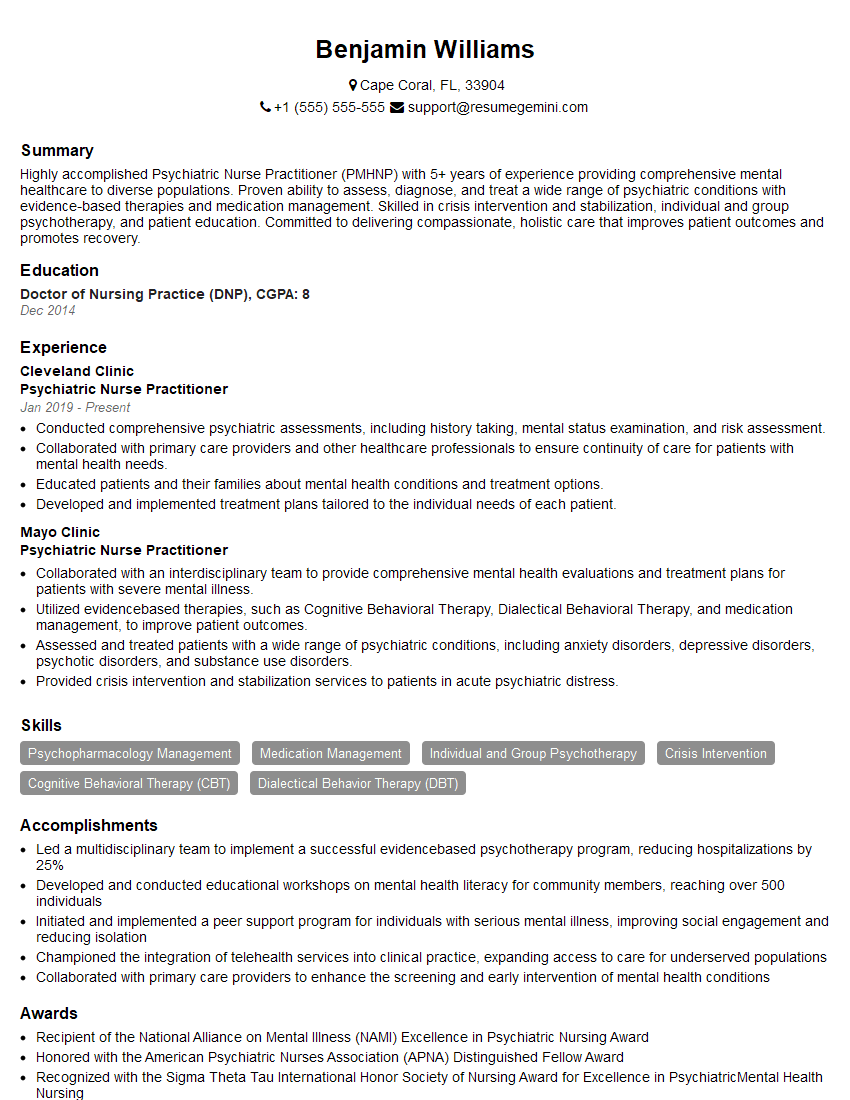
Psychiatric Nurse Practitioner Resume Sample
- Program Director
- Professor
- Clinical Director
- Case Manager
- Researcher
- Clinical Psychologist
- Behavioral Therapist
- Child and Adolescent Therapist
- Licensed Professional Counselor (LPC)
- Psychotherapist
- Mental Health Counselor
- Marriage and Family Therapist (MFT)
- Licensed Clinical Social Worker (LCSW)
- Outpatient Therapist
- Group Therapist
- Psychiatric Nurse Practitioner
Explore more articles
Users Rating of Our Blogs
Share Your Experience
We value your feedback! Please rate our content and share your thoughts (optional).
What Readers Say About Our Blog
To the interviewgemini.com Webmaster.
Very helpful and content specific questions to help prepare me for my interview!
Thank you
To the interviewgemini.com Webmaster.
This was kind of a unique content I found around the specialized skills. Very helpful questions and good detailed answers.
Very Helpful blog, thank you Interviewgemini team.