Interviews are more than just a Q&A session—they’re a chance to prove your worth. This blog dives into essential Central Line and IV Access interview questions and expert tips to help you align your answers with what hiring managers are looking for. Start preparing to shine!
Questions Asked in Central Line and IV Access Interview
Q 1. Describe the procedure for inserting a peripheral intravenous catheter.
Inserting a peripheral intravenous (IV) catheter involves accessing a superficial vein, usually in the arm or hand, to deliver fluids, medications, or nutrients. It’s a relatively common procedure, but proper technique is crucial to minimize complications.
- Preparation: Gather supplies including gloves, antiseptic solution (chlorhexidine is preferred), tourniquet, appropriate size catheter (typically 18-24 gauge for adults), and dressing. Verify patient identity and allergies.
- Site Selection: Choose a vein that is easily palpable, straight, and free of inflammation or scarring. Distal veins are generally preferred to preserve more proximal sites for future access.
- Venipuncture: Apply the tourniquet, clean the site with antiseptic, and allow it to dry. Insert the catheter into the vein at a shallow angle (15-30 degrees), observing for flashback of blood into the catheter hub. Advance the catheter slightly after flashback is observed.
- Securing the Catheter: Remove the tourniquet and advance the catheter hub slightly further if necessary. Connect the IV tubing, and secure the catheter with appropriate dressing and tape. Label the catheter with the date and time of insertion.
- Post-Insertion Check: Assess the insertion site for swelling, bleeding, or discomfort. Verify patency by flushing with saline.
Example: Imagine inserting an IV in an elderly patient with fragile veins. You might select a smaller gauge catheter (24 gauge) and use a smaller needle to minimize trauma and bruising.
Q 2. What are the complications associated with central line placement?
Central line placement, while offering benefits for long-term intravenous access, carries a risk of several complications. These can be broadly categorized as mechanical, infectious, and thrombotic.
- Mechanical Complications: These include pneumothorax (collapsed lung), arterial puncture, hematoma (blood collection), and catheter malposition (catheter not in the correct location).
- Infectious Complications: Catheter-related bloodstream infections (CRBSIs) are a serious concern. Symptoms range from fever and chills to sepsis (a life-threatening systemic infection).
- Thrombotic Complications: Thrombosis (blood clot formation) within the vein can lead to deep vein thrombosis (DVT) or pulmonary embolism (PE), both potentially fatal.
- Other Complications: Air embolism (air entering the bloodstream), cardiac perforation, and nerve damage are rarer but serious possibilities.
Example: A patient experiencing sudden shortness of breath after central line placement might be suspected of having a pneumothorax or pulmonary embolism, necessitating immediate intervention.
Q 3. How do you select the appropriate size and type of catheter for a patient?
Catheter selection depends on the patient’s individual needs, anticipated infusion rate, and the duration of therapy. Several factors influence this decision.
- Patient Factors: The patient’s age, overall health, vein condition, and the intended use of the catheter all play a role.
- Infusion Requirements: The viscosity and volume of fluids to be infused determine the necessary internal diameter of the catheter. High-volume, viscous fluids require larger bore catheters.
- Duration of Therapy: Peripheral IVs are suitable for short-term use, whereas central lines (PICCs, tunneled catheters) are better suited for longer durations.
- Catheter Gauge (Diameter): Smaller gauge numbers (e.g., 24G) indicate a smaller diameter, minimizing trauma but potentially limiting infusion rates. Larger gauges (e.g., 14G) are used for rapid fluid administration or high-viscosity solutions.
- Catheter Material: Common materials include polyurethane and silicone; each has its own properties relating to biocompatibility and flexibility.
Example: A patient needing long-term antibiotic therapy might receive a PICC line, while a patient requiring rapid fluid resuscitation post-surgery might receive a large-bore peripheral IV.
Q 4. Explain the process of flushing a central venous catheter.
Flushing a central venous catheter is crucial to maintain patency and prevent occlusion. The process must be performed using aseptic technique to minimize the risk of infection.
- Hand Hygiene: Perform thorough hand hygiene before beginning the procedure.
- Gather Supplies: Obtain appropriate syringes (typically 10 mL) filled with heparinized saline (unless contraindicated) or normal saline.
- Clamp the Catheter: If applicable, clamp the catheter to ensure no backflow of blood or medications occurs.
- Flush the Catheter: Using aseptic technique, connect the syringe to the catheter hub, ensuring a secure connection and removing all air bubbles. Inject the flush solution smoothly.
- Observe for Resistance: Assess for resistance during flushing; significant resistance may indicate occlusion. Gentle aspiration should be avoided as it can cause dislodgement and damage.
- Record the Flush: Document the date, time, amount and type of flush solution used, and any observations made (e.g., resistance).
Important Note: The type and frequency of flushing vary based on institutional protocols and catheter type. Consult your institution’s guidelines.
Q 5. What are the indications for using a PICC line?
Peripherally Inserted Central Catheters (PICC lines) are used when long-term intravenous access is needed but a central line placed via the neck or groin isn’t ideal. They provide a safe and less invasive way to administer medications, fluids, and nutrients.
- Long-Term Antibiotic Therapy: PICC lines are often used for patients requiring extended courses of antibiotics.
- Chemotherapy Administration: They can deliver chemotherapy medications directly into the bloodstream.
- Total Parenteral Nutrition (TPN): PICC lines are commonly used for administering TPN, which provides complete nutritional support intravenously.
- Blood Draws: Blood samples can be obtained through PICC lines, reducing the need for repeated venipunctures.
- Medication Administration: PICC lines allow administration of medications that are irritating to peripheral veins.
Example: A patient with a difficult-to-access venous system and a need for 6 weeks of intravenous antibiotics would benefit from a PICC line.
Q 6. How do you prevent infection during central line insertion and maintenance?
Preventing infection during central line insertion and maintenance is paramount. Strict adherence to aseptic technique is essential. The best approach is a multifaceted one:
- Hand Hygiene: Meticulous hand hygiene before, during, and after any interaction with the catheter is crucial. Alcohol-based hand rub is generally preferred.
- Aseptic Technique: Employ a comprehensive approach during central line insertion using maximal sterile barrier precautions including a sterile drape and gown.
- Skin Antisepsis: Thorough skin disinfection with chlorhexidine gluconate is recommended before insertion.
- Catheter Selection and Insertion: Use appropriate size catheters and insert them following established guidelines, minimizing trauma to surrounding tissue.
- Secure Dressing: Use sterile dressings to cover the insertion site, changing them according to institutional guidelines. Transparent dressings are preferred, allowing for observation.
- Regular Flushing: Follow institutional guidelines for flushing; this helps prevent occlusion and microbial colonization.
- Patient Education: Educate patients and caregivers about infection prevention strategies, such as hand hygiene and preventing accidental dislodgement.
- Prompt Removal: Remove the catheter as soon as it’s no longer needed.
Example: If you notice any signs of infection at the insertion site (redness, swelling, drainage), immediately initiate treatment with antibiotics and notify the physician.
Q 7. Describe the different types of central venous catheters.
Several types of central venous catheters exist, each with its own advantages and disadvantages:
- Peripherally Inserted Central Catheters (PICC): These are inserted into a peripheral vein (usually in the arm) and advanced to a central vein (superior vena cava). They’re suitable for long-term access.
- Tunneled Central Venous Catheters: These have a subcutaneous tunnel, reducing the risk of infection at the insertion site. They are suitable for longer-term use and offer greater longevity.
- Non-Tunneled Central Venous Catheters: These catheters are inserted directly into a central vein (e.g., subclavian, jugular, femoral veins), without a subcutaneous tunnel. They are commonly used for short to medium-term access.
- Implantable Ports: A small reservoir (port) is surgically implanted under the skin, allowing access via a needle puncture. They are ideal for long-term access with minimal skin disruption.
Example: A patient needing long-term chemotherapy would likely benefit from an implantable port due to its longevity and reduced risk of infection compared to repeated needle sticks into a central venous catheter.
Q 8. What are the signs and symptoms of a catheter-related bloodstream infection?
Catheter-related bloodstream infections (CRBSIs) are serious complications arising from central venous catheters. They manifest in various ways, and early recognition is crucial for effective management. Signs and symptoms can be subtle initially, often presenting as a low-grade fever, chills, or general malaise. More overt signs include localized inflammation at the insertion site (redness, swelling, tenderness, purulent drainage), a new onset of hypotension, or tachycardia. In severe cases, patients might experience septic shock, characterized by hypotension refractory to fluid resuscitation, organ dysfunction, and altered mental status. It’s important to remember that the absence of obvious signs doesn’t rule out infection; blood cultures are vital for definitive diagnosis.
- Fever: Often the first sign, even if low-grade.
- Chills and rigors: Feeling cold followed by shaking.
- Tachycardia: Increased heart rate.
- Hypotension: Low blood pressure.
- Insertion site inflammation: Redness, swelling, warmth, pain, or purulent drainage.
- Changes in mental status: Confusion, lethargy.
For example, a patient might present with a slightly elevated temperature and subtle tenderness at their central line insertion site. While these symptoms might initially be dismissed, they warrant prompt investigation, including blood cultures drawn from both the central line and a peripheral vein, to differentiate between a true CRBSI and other causes of fever.
Q 9. How do you manage a patient experiencing complications related to a central line?
Managing complications related to a central line requires a systematic approach, prioritizing immediate stabilization and addressing the underlying cause. This often involves a multidisciplinary team effort, including physicians, nurses, and pharmacists. The initial response depends on the nature of the complication. For example, a suspected CRBSI demands immediate removal of the catheter, initiation of broad-spectrum antibiotics based on culture results (if available), and close monitoring of vital signs and organ function. Air embolism, another serious complication, requires immediate placement in the Trendelenburg position (head lower than feet), high-flow oxygen administration, and supportive care. Thrombosis (blood clot formation) may necessitate anticoagulation therapy, potentially with the help of a hematologist.
Let’s say a patient develops sudden shortness of breath and chest pain while receiving fluids through a central line. This could indicate a potential air embolism. The immediate actions would be to clamp the line, place the patient in Trendelenburg position, administer high-flow oxygen, and rapidly notify the medical team for further assessment and treatment, potentially including imaging (e.g., echocardiogram) to confirm the diagnosis.
Q 10. Explain the process of removing a central venous catheter.
Removing a central venous catheter is a crucial procedure requiring strict adherence to aseptic technique to minimize the risk of infection. The steps generally involve:
- Preparation: Gather necessary supplies including sterile gloves, gown, drapes, antiseptic solution (e.g., chlorhexidine), forceps, and a sharps container.
- Assessment: Assess the patient’s overall condition, the site of insertion, and the catheter’s stability.
- Hand hygiene and gowning: Perform thorough hand hygiene and don appropriate personal protective equipment (PPE).
- Cleaning the insertion site: Cleanse the insertion site with an antiseptic solution, following a circular motion from the center outwards.
- Catheter removal: Using sterile forceps, gently grasp the catheter hub and smoothly withdraw the catheter at a consistent rate, while maintaining sterile technique and avoiding excessive pulling or tugging.
- Dressing: Apply a sterile dressing to the insertion site and secure it appropriately.
- Assessment and monitoring: Monitor the patient for any bleeding or signs of infection. Pressure is applied briefly to prevent haematoma formation.
It’s important to note that the specific technique may vary slightly depending on the type of catheter used. For example, removal of a tunneled catheter involves a slightly more complex procedure compared to a non-tunneled catheter.
Q 11. What are the contraindications for central line placement?
Several contraindications exist for central line placement. These can be broadly categorized into local and systemic factors. Local contraindications include severe infection or inflammation at the intended insertion site, anatomical abnormalities hindering access (e.g., previous surgery, distorted anatomy), or severe local trauma. Systemic contraindications include severe coagulopathy (increased bleeding risk), active bleeding disorders, a history of superior vena cava syndrome, or severe thrombocytopenia (low platelet count). The decision to place a central line must carefully weigh the benefits of venous access against these potential risks. If a suitable alternative, such as a peripheral IV line, exists, it should be preferred.
For instance, a patient with a significant infection at the potential insertion site, say cellulitis affecting the arm, would not be a suitable candidate for central line placement in that region. The infection would significantly increase the risk of a CRBSI.
Q 12. Describe your experience with different types of IV fluids and medications.
My experience encompasses a wide range of IV fluids and medications administered via both peripheral and central lines. This includes crystalloids (normal saline, lactated Ringer’s solution) for fluid resuscitation, colloids (albumin, dextran) for volume expansion, and various electrolyte solutions to correct imbalances. I have extensive experience with administering vasoactive medications such as dopamine and norepinephrine, chemotherapeutic agents, parenteral nutrition (TPN), and antibiotics via central venous access. The specific choice of fluid or medication is determined by the patient’s clinical condition, prescribed regimen, and potential drug interactions. Accurate dosage calculation and careful monitoring for side effects are critical in all cases.
For example, I have extensive experience in managing patients requiring TPN through central lines. This requires meticulous attention to sterile technique, careful calculation of nutrient requirements, and vigilant monitoring for complications such as hyperglycemia, electrolyte imbalances, and catheter-related infections.
Q 13. How do you assess the patency of a central venous catheter?
Assessing the patency of a central venous catheter is essential for ensuring its functionality and preventing complications. This involves multiple steps:
- Visual inspection: Check for any signs of occlusion, kinking, or dislodgement.
- Aspiration of blood: Attempt to aspirate blood from the catheter; the presence of free-flowing blood typically indicates patency.
- Flush test: Flush the catheter with a heparinized saline solution to assess for resistance and ensure the solution flows freely. Resistance may indicate occlusion.
- Pressure monitoring: In specific situations such as with arterial lines or central venous pressure (CVP) monitoring, measuring pressures can help determine patency and cardiovascular status.
- X-ray confirmation: In case of any doubt or if there are clinical signs of malpositioning, an X-ray can confirm the catheter’s location and patency.
If there’s resistance while flushing, it doesn’t automatically mean the catheter is blocked. It could be due to a fibrin sheath forming, which sometimes responds to gentle manipulation or the use of thrombolytic agents. However, persistent occlusion warrants further evaluation and possibly catheter replacement.
Q 14. What are the key differences between peripheral IV access and central venous access?
Peripheral IV access and central venous access differ significantly in several aspects:
- Location: Peripheral IV lines are placed in smaller peripheral veins, while central lines are inserted into larger central veins (e.g., superior vena cava).
- Duration of use: Peripheral IV lines are typically used for shorter durations (72-96 hours), while central lines are designed for longer-term use (weeks to months).
- Types of fluids and medications: Peripheral IV lines are generally used for less viscous fluids, while central lines can accommodate a broader range of fluids and medications, including those that are vesicant or irritating to peripheral veins.
- Risk of complications: Peripheral IV lines carry a lower risk of complications, such as thrombosis or infection, compared to central lines.
- Technical difficulty: Placing a central line requires more advanced skills and specialized training than inserting a peripheral IV line.
Imagine you need to administer highly irritating chemotherapy drugs. A peripheral IV would quickly cause phlebitis and damage the vein. A central line, however, would deliver the drug safely into the central circulation, minimizing the risk of local tissue damage. This illustrates the key difference in the types of medications each line can safely administer.
Q 15. What is your experience with managing extravasation?
Extravasation is the leakage of a vesicant (blistering) fluid from a vein into the surrounding tissue. Managing it involves immediate action to minimize tissue damage. My experience encompasses assessing the extent of extravasation – noting the size of the infiltrated area, the patient’s symptoms (pain, swelling, redness), and the type of medication involved.
The first step is to stop the infusion immediately. Then, I elevate the affected limb to reduce swelling. Depending on the severity, I might then apply a warm or cold compress; warm compresses are often used for non-vesicant fluids, while cold compresses might be preferred for vesicants, although this is debated. Specific protocols for the infiltrated medication should always be followed. For example, some medications have antidotes that might be locally injected. Documentation is crucial, noting the time of occurrence, the actions taken, and the patient’s response. In severe cases, surgical intervention or hyperbaric oxygen therapy might be necessary. I have successfully managed various extravasation cases, ranging from minor local reactions to more serious incidents requiring further interventions. I always prioritize patient comfort and closely monitor for signs of infection or complications.
Career Expert Tips:
- Ace those interviews! Prepare effectively by reviewing the Top 50 Most Common Interview Questions on ResumeGemini.
- Navigate your job search with confidence! Explore a wide range of Career Tips on ResumeGemini. Learn about common challenges and recommendations to overcome them.
- Craft the perfect resume! Master the Art of Resume Writing with ResumeGemini’s guide. Showcase your unique qualifications and achievements effectively.
- Don’t miss out on holiday savings! Build your dream resume with ResumeGemini’s ATS optimized templates.
Q 16. How do you troubleshoot a malfunctioning IV line?
Troubleshooting a malfunctioning IV line begins with a systematic approach. First, I visually inspect the line for kinks, obstructions, or disconnections. If the IV bag is empty, I replace it with a new one. If the tubing is kinked, I gently straighten it. If there’s a disconnection, I would use sterile technique to reconnect it. I would then assess the insertion site for infiltration or phlebitis (inflammation of the vein). If infiltration is present, the IV would need to be discontinued, and a new site selected.
If the problem persists after these initial steps, I check the flow rate and the infusion pump settings, ensuring they are correctly programmed. I’d also palpate the IV catheter site to assess for patency. Sometimes, air in the tubing can impede flow; in these instances, I carefully flush the line (with appropriate solution) according to hospital protocols. If the problem continues despite these measures, I would consider the possibility of a clot or thrombus forming in the catheter. In such cases, careful assessment and potential replacement of the IV catheter are needed. It’s vital to record all observations and interventions meticulously in the patient’s chart.
Q 17. Describe your experience with blood draws from a central venous catheter.
Drawing blood from a central venous catheter (CVC) requires meticulous attention to sterile technique to prevent infection and maintain the integrity of the line. I always use appropriate personal protective equipment (PPE) – gloves, gown, and mask. I cleanse the injection port thoroughly using an antiseptic solution according to hospital protocol. After that, I connect a blood collection system to the port using aseptic technique. It’s important to select an appropriate needle size to minimize trauma to the CVC. Before withdrawing the blood, I always ensure there is a proper blood return to confirm that the catheter is positioned correctly.
Following blood collection, I carefully disconnect the blood collection system and securely cap the port with a sterile cap. The collected sample is then properly labeled and transported to the laboratory. Throughout the procedure, I carefully monitor the patient’s vital signs for any adverse reactions. I have extensive experience drawing blood from various CVC types, including PICCs and implanted ports, adhering strictly to the facility’s policies and procedures. I understand the importance of avoiding multiple punctures of the port to reduce the risk of complications and always aim to obtain blood samples swiftly and efficiently while minimizing patient discomfort.
Q 18. What is your experience with maintaining sterile technique during IV procedures?
Maintaining sterile technique during IV procedures is paramount to prevent infection. This involves a multi-step process that begins before I even approach the patient. I always wash my hands thoroughly with soap and water for at least 30 seconds, or use an alcohol-based hand rub. Then, I gather all necessary supplies, ensuring that they are sterile and within easy reach. The insertion site is prepared using a sterile antiseptic solution (such as chlorhexidine or povidone-iodine), using a concentric circle method to prevent contamination.
During insertion, I maintain a sterile field by avoiding unnecessary touching of the area and changing gloves if they become contaminated. After insertion, the catheter is secured with a sterile dressing. Throughout the procedure, careful attention is paid to maintaining a sterile environment. This includes maintaining a proper distance from the sterile field and avoiding talking, sneezing, or coughing near the site. I also regularly participate in competency assessments and ongoing education programs on sterile technique to maintain up-to-date knowledge and skills. In my experience, rigorous adherence to sterile technique has resulted in a consistently low rate of infection in my patients.
Q 19. What is your understanding of the guidelines for central line insertion and care?
Guidelines for central line insertion and care are rigorous and focus on minimizing the risk of infection, a serious complication associated with CVCs. The insertion procedure itself requires strict adherence to sterile technique, as previously described. The site selection is crucial, considering factors such as accessibility, venous anatomy, and potential complications. Ultrasound guidance is often used to improve the success rate and minimize complications. Post-insertion care includes regular monitoring of the insertion site for signs of infection or complications such as thrombosis or occlusion.
Appropriate dressing changes are performed according to hospital protocol, typically involving the use of sterile dressings and antiseptic solutions. Central lines require regular flushing to maintain patency and prevent clotting. The frequency and type of flush depend on the type of catheter and the medications being infused. Each institution adheres to specific guidelines for CVC care which often align with national and international standards, such as those provided by organizations like the CDC and WHO. Regular education and competency assessments ensure that healthcare providers adhere to these guidelines and maintain best practice.
Q 20. Explain your understanding of hemodynamic monitoring using central lines.
Hemodynamic monitoring using central lines allows for accurate and continuous assessment of various cardiovascular parameters. CVCs provide a direct pathway to measure central venous pressure (CVP), which reflects right atrial pressure and provides insights into fluid status. Arterial lines, often placed using similar techniques, allow for continuous blood pressure monitoring (including mean arterial pressure), arterial blood gas sampling, and obtaining frequent blood samples for laboratory analysis.
This information is critical in managing critically ill patients, guiding fluid resuscitation, assessing the effectiveness of medications affecting blood pressure and cardiac function, and monitoring for hemodynamic instability. For example, a low CVP might indicate hypovolemia, while an elevated CVP might suggest fluid overload. My experience includes interpreting hemodynamic data obtained through central lines, integrating it with other clinical findings, and making informed decisions about patient management in a range of critical care settings. A strong understanding of hemodynamic principles is crucial for safe and effective use of central lines in this capacity.
Q 21. Describe your experience with different dressing changes for central lines.
Different dressing changes for central lines are chosen based on factors like the type of catheter, the patient’s condition, and the institution’s protocols. Transparent semi-permeable dressings are commonly used, allowing for easy visualization of the insertion site without frequent dressing changes. These are beneficial for reducing infection risks by preventing microbial entry. However, they require regular assessment for any signs of leakage, loosening, or contamination.
Other dressings, such as gauze dressings with antimicrobial ointments, might be utilized. The frequency of dressing changes varies but generally follows guidelines aimed at reducing the risk of infection. For example, some institutions may recommend a change every 2-7 days, or more frequently if the dressing is soiled, loose, or showing signs of compromise. Regardless of the type of dressing, strict sterile technique is followed during each change. I’m experienced in applying and changing a variety of central line dressings and documenting the procedure meticulously. Appropriate wound care and dressing selection are critical in infection prevention and maintaining the integrity of the CVC.
Q 22. How do you calculate IV infusion rates?
Calculating IV infusion rates involves determining the volume of fluid to be administered over a specific time period. We use a simple formula:
Rate (mL/hr) = (Total volume (mL) / Infusion time (hr))
For example, if we need to infuse 1000 mL of saline over 8 hours, the calculation would be: 1000 mL / 8 hr = 125 mL/hr. This means we need to set the infusion pump to deliver 125 mL per hour. We always double-check our calculations and consider factors like the patient’s condition and the medication’s properties. For medications requiring specific dosing, we use the physician’s order and convert it into the appropriate mL/hr using the medication concentration. For instance, if a patient needs 1 gram of a drug that’s available as 500mg/5ml, we need to figure out how many mL hold 1 gram (2000mg) before plugging into the main formula.
Q 23. What are your preferred methods for patient education regarding IV therapy?
Patient education is crucial for successful IV therapy. My preferred methods involve a combination of approaches tailored to the individual patient’s learning style and comprehension level. I begin with a clear, concise explanation of the procedure, using simple language and avoiding medical jargon. I show the patient the IV line and explain its purpose. I use visual aids like diagrams or pictures to demonstrate the process. I encourage questions throughout the process, confirming their understanding. For example, I might say, ‘Think of this IV line as a highway bringing essential fluids and medication directly to your bloodstream to help your recovery’. I also provide written instructions that reinforce what we’ve discussed, ensuring patients understand potential complications and how to recognize them. This might include information on reporting any pain, swelling, or redness at the insertion site.
Q 24. How do you assess the patient’s tolerance to IV therapy?
Assessing patient tolerance to IV therapy involves continuous monitoring and observation. I regularly check the IV site for signs of infiltration (swelling, redness, pain), phlebitis (inflammation of the vein), or infection (redness, swelling, pus). I also monitor the patient’s vital signs (blood pressure, heart rate, respiratory rate) and look for signs of allergic reactions like rash, itching, or difficulty breathing. Furthermore, I consistently assess the patient’s overall comfort level. Pain at the insertion site, discomfort from the catheter itself or even just anxiety can influence tolerance. I actively communicate with the patient, asking about their comfort and addressing any concerns they may have. For instance, if a patient reports pain, I will assess the site, potentially adjust the IV line or administer analgesics as prescribed.
Q 25. Describe your experience working with electronic infusion devices.
I have extensive experience with electronic infusion devices (EIDs). I’m proficient in programming different types of EIDs, including volumetric pumps, syringe pumps, and patient-controlled analgesia (PCA) pumps. I understand the importance of accurately setting parameters like infusion rate, volume to be infused, and drug concentration. I’m well-versed in troubleshooting malfunctions and performing routine maintenance. For example, I know how to troubleshoot an occlusion alarm – a common issue – by checking for kinks in the tubing, ensuring proper placement of the IV line, and assessing for potential blood clots. I regularly review the device’s programmed settings to ensure they align with the physician’s orders. The use of EIDs enhances safety and accuracy of IV administration, reducing the risk of medication errors.
Q 26. Explain your approach to managing a patient with an allergic reaction to IV medication.
Managing an allergic reaction to IV medication requires immediate and decisive action. My approach starts with recognizing the symptoms, which can range from mild (rash, itching) to severe (anaphylaxis: difficulty breathing, swelling of the face, throat, or tongue). I immediately stop the infusion and notify the physician. Simultaneously, I administer oxygen and monitor vital signs. The physician will likely order medications to counteract the allergic reaction, such as antihistamines (like diphenhydramine) or epinephrine, depending on the severity. I ensure proper documentation of the event, including the time of onset, symptoms, treatment given, and the patient’s response. In the case of anaphylaxis, this becomes critical for future care and preventing future exposures. This collaborative approach, from quick recognition to prompt administration of appropriate medications, minimizes risk and improves patient outcomes. This is an extremely important example of a rapid response situation.
Q 27. How do you maintain the integrity of central lines during patient movement or transportation?
Maintaining the integrity of central lines during patient movement and transportation requires careful planning and execution. Before movement, I assess the security of the central line dressing and tubing. I ensure that the lines are free of kinks or obstructions and that the insertion site is protected. I secure the tubing and catheter to the patient’s skin and clothing using appropriate tapes or securement devices to minimize the risk of dislodgement. We use specialized transfer techniques that prioritize the protection of the line; this may include ensuring the tubing is not pulled on and the access site is padded to avoid pressure or friction. For example, when transferring a patient from a bed to a wheelchair, I make sure the line does not get caught or pulled as I provide support. During transportation, the line remains clearly marked and the patient is continuously monitored to maintain the lines’ integrity.
Key Topics to Learn for Central Line and IV Access Interview
- Anatomy and Physiology: Thorough understanding of vascular anatomy relevant to central line and IV access insertion sites. Include knowledge of potential complications related to anatomical variations.
- Insertion Techniques: Mastering various techniques for central line and IV access insertion, including Seldinger technique and ultrasound-guided approaches. Understand the nuances and advantages of each.
- Infection Control and Prevention: Comprehensive knowledge of sterile techniques, aseptic practices, and infection prevention protocols to minimize the risk of complications. Discuss the importance of hand hygiene and appropriate PPE.
- Complications and Management: Identifying, preventing, and managing potential complications such as hematoma, pneumothorax, arterial puncture, and infection. Develop strategies for prompt intervention.
- Equipment and Supplies: Familiarity with different types of catheters, needles, and other equipment used in central line and IV access procedures. Understanding the selection criteria based on patient needs.
- Post-Insertion Care: Detailed understanding of post-insertion care protocols, including dressing changes, flushing procedures, and monitoring for complications. Explain the importance of patient education.
- Legal and Ethical Considerations: Awareness of relevant legal and ethical aspects related to patient consent, documentation, and adherence to professional standards of practice.
- Troubleshooting and Problem-Solving: Ability to analyze and troubleshoot common problems encountered during central line and IV access procedures. This includes addressing difficulties with cannulation, catheter placement, and complications.
Next Steps
Mastering Central Line and IV Access techniques significantly enhances your career prospects in healthcare, opening doors to specialized roles and increased earning potential. A strong resume is crucial for showcasing your skills and experience to potential employers. Creating an ATS-friendly resume is key to getting your application noticed. ResumeGemini is a trusted resource that can help you build a professional and impactful resume tailored to your specific skills and experience.
To further support your job search, ResumeGemini provides examples of resumes specifically tailored to highlight expertise in Central Line and IV Access. Use these examples as inspiration and guidance in crafting your own compelling application materials.
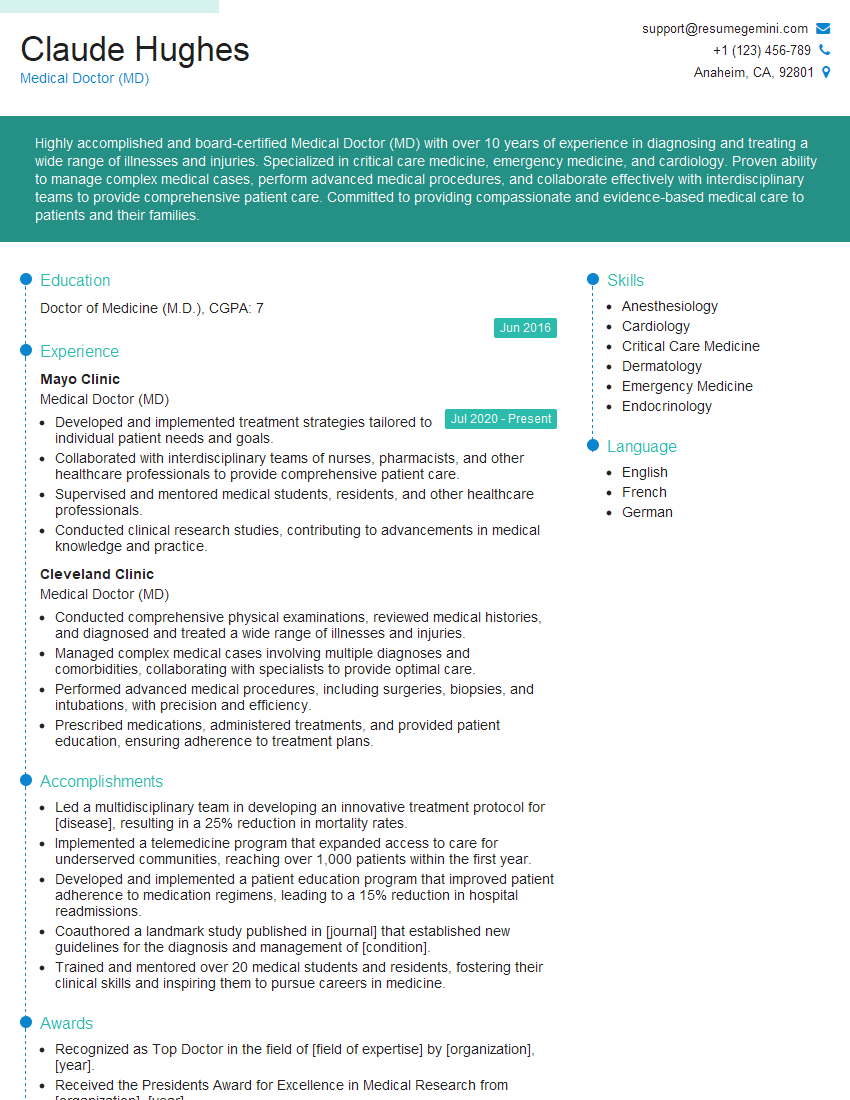
Medical Doctor (MD) Resume Sample
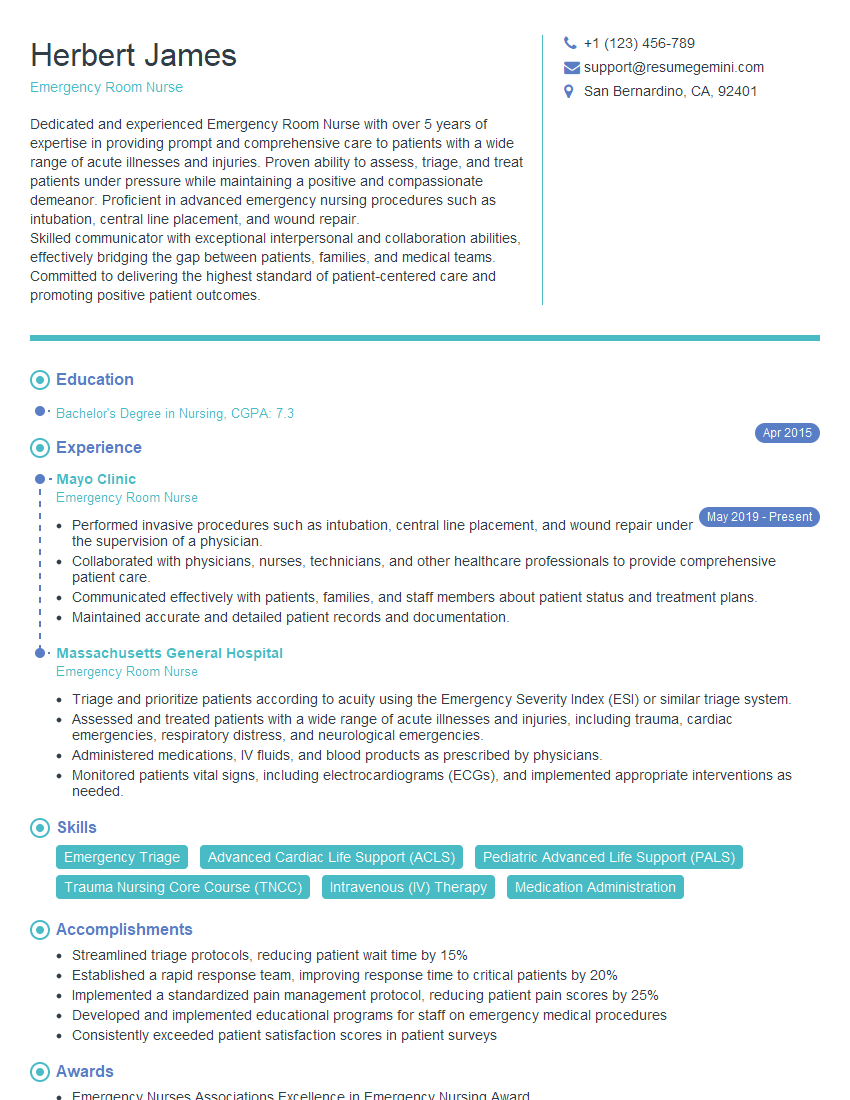
Emergency Room Nurse Resume Sample
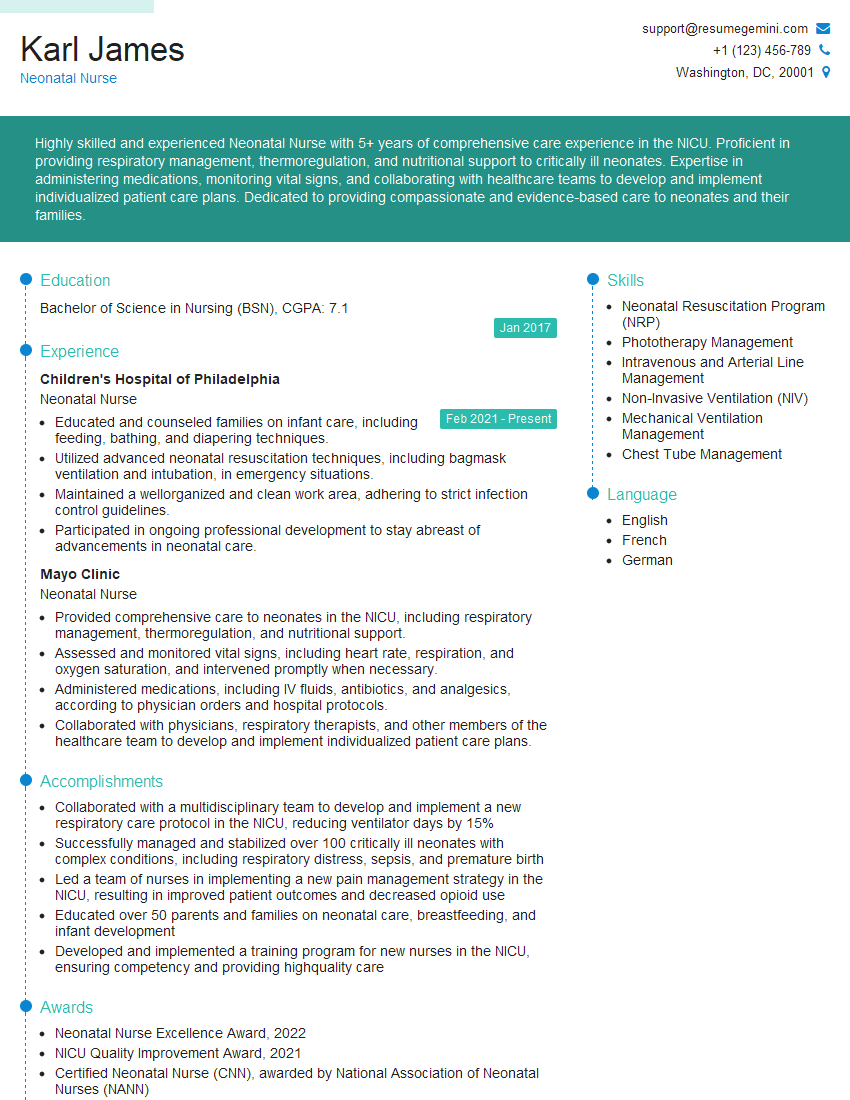
Neonatal Nurse Resume Sample
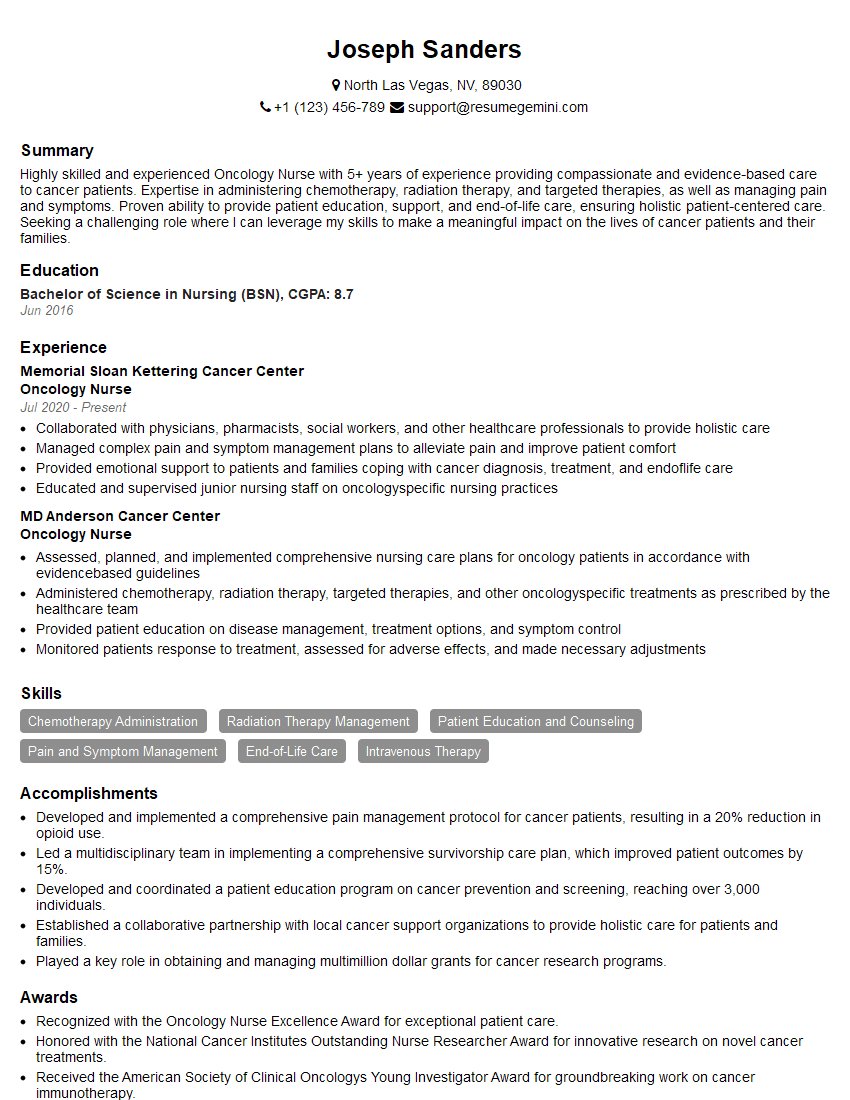
Oncology Nurse Resume Sample
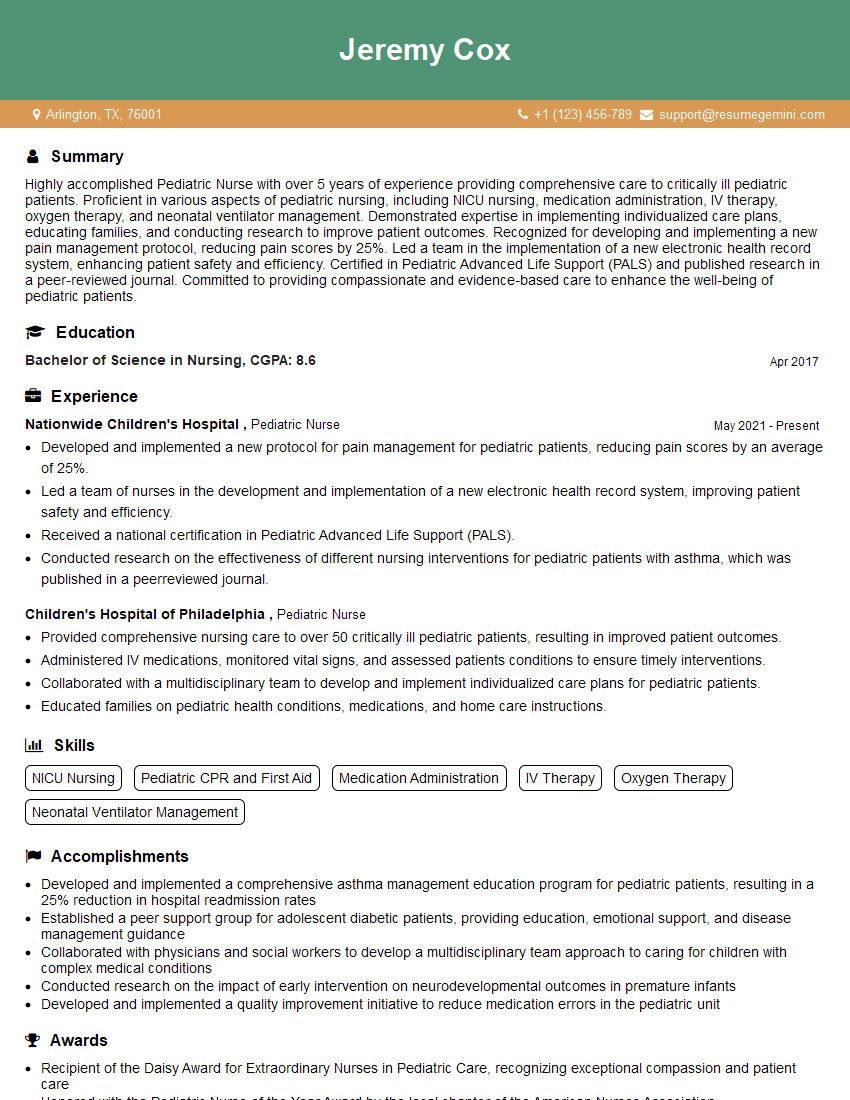
Pediatric Nurse Resume Sample
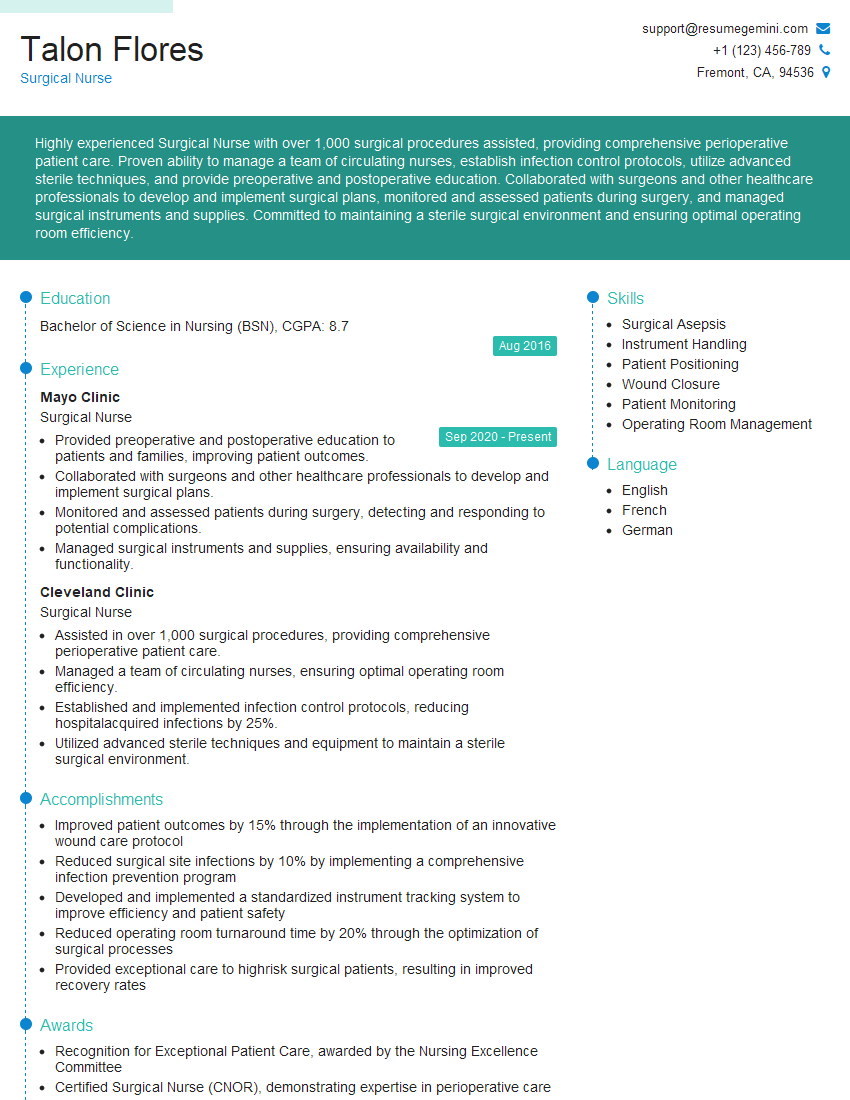
Surgical Nurse Resume Sample
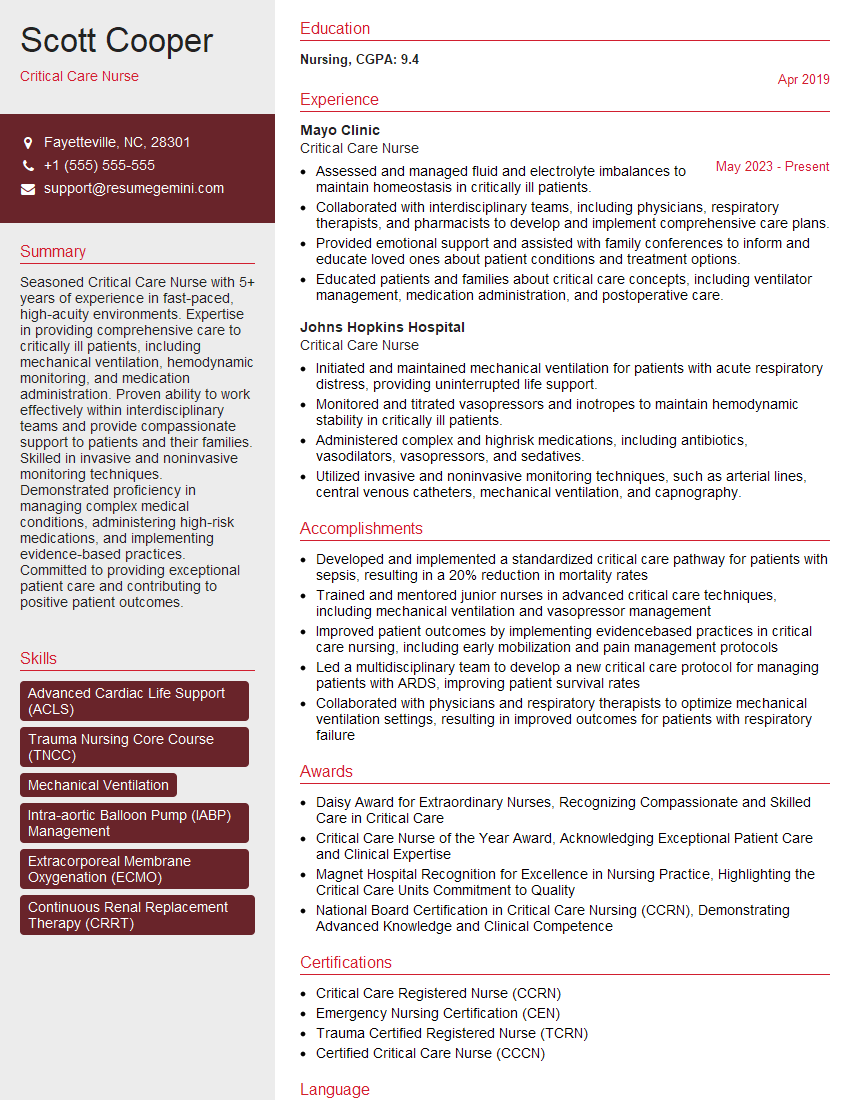
Critical Care Nurse Resume Sample
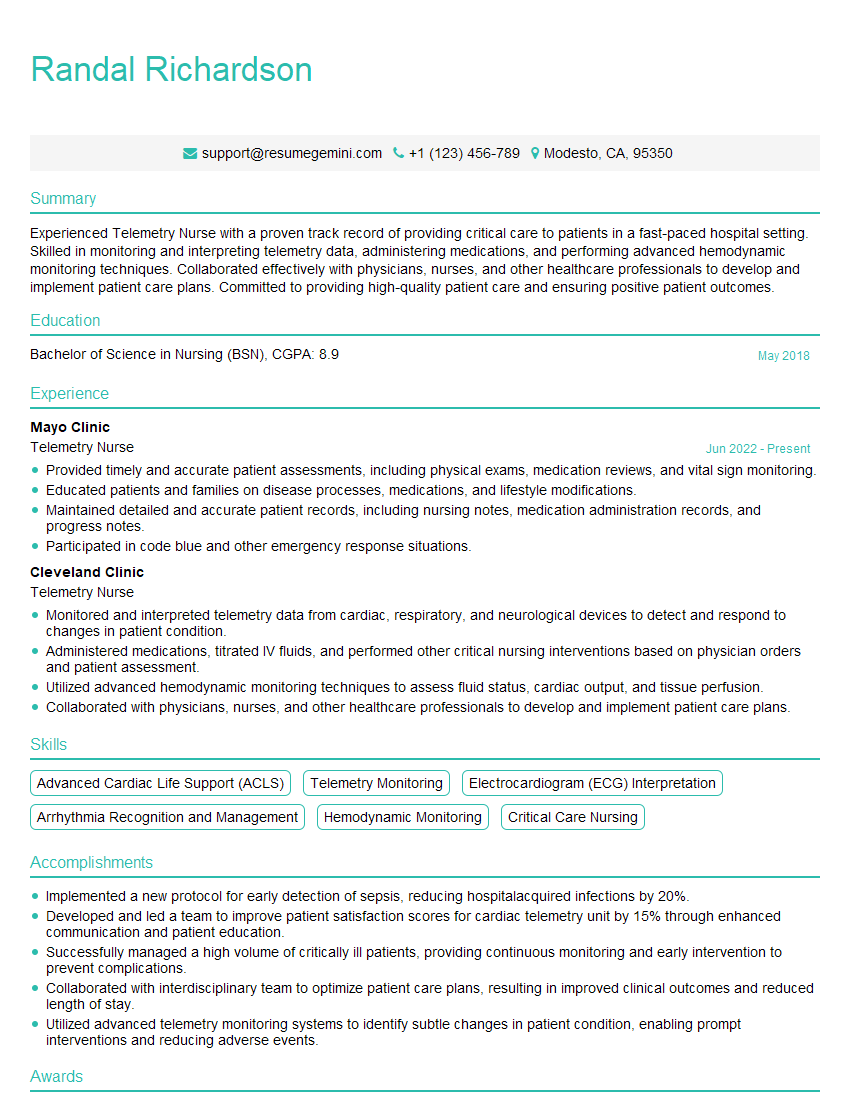
Telemetry Nurse Resume Sample
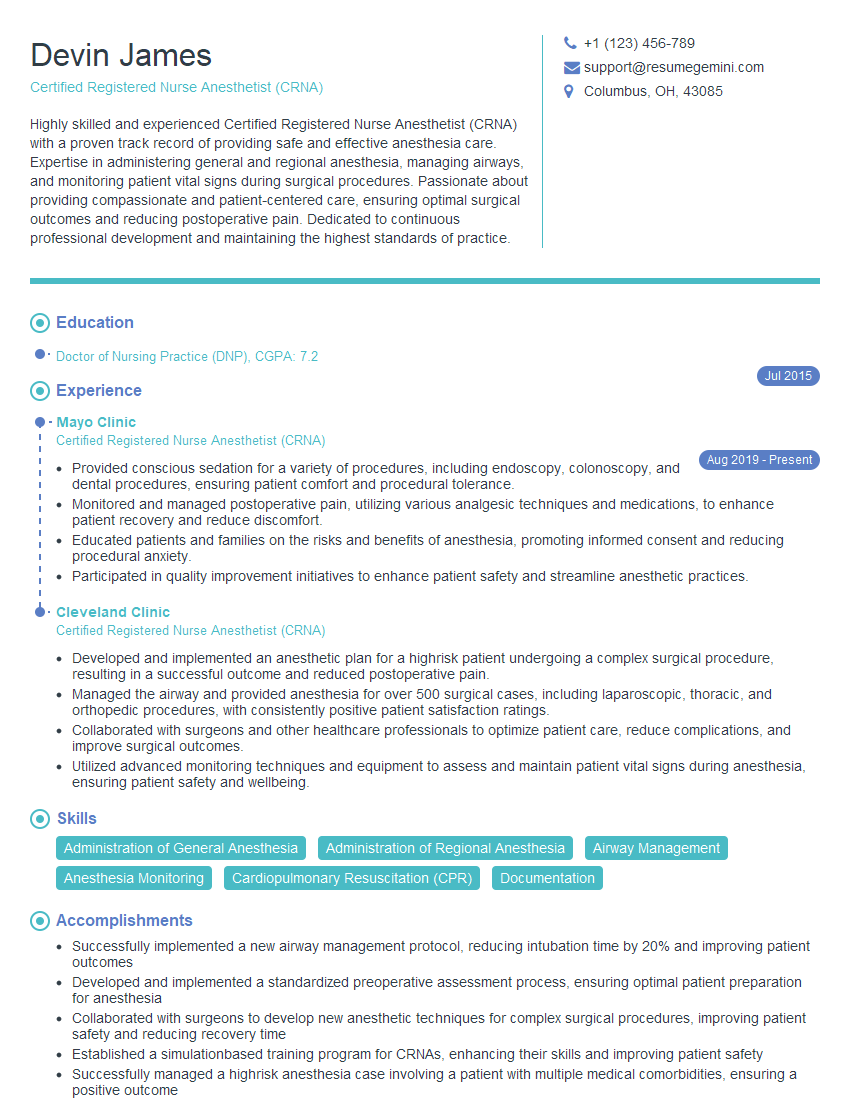
Certified Registered Nurse Anesthetist (CRNA) Resume Sample
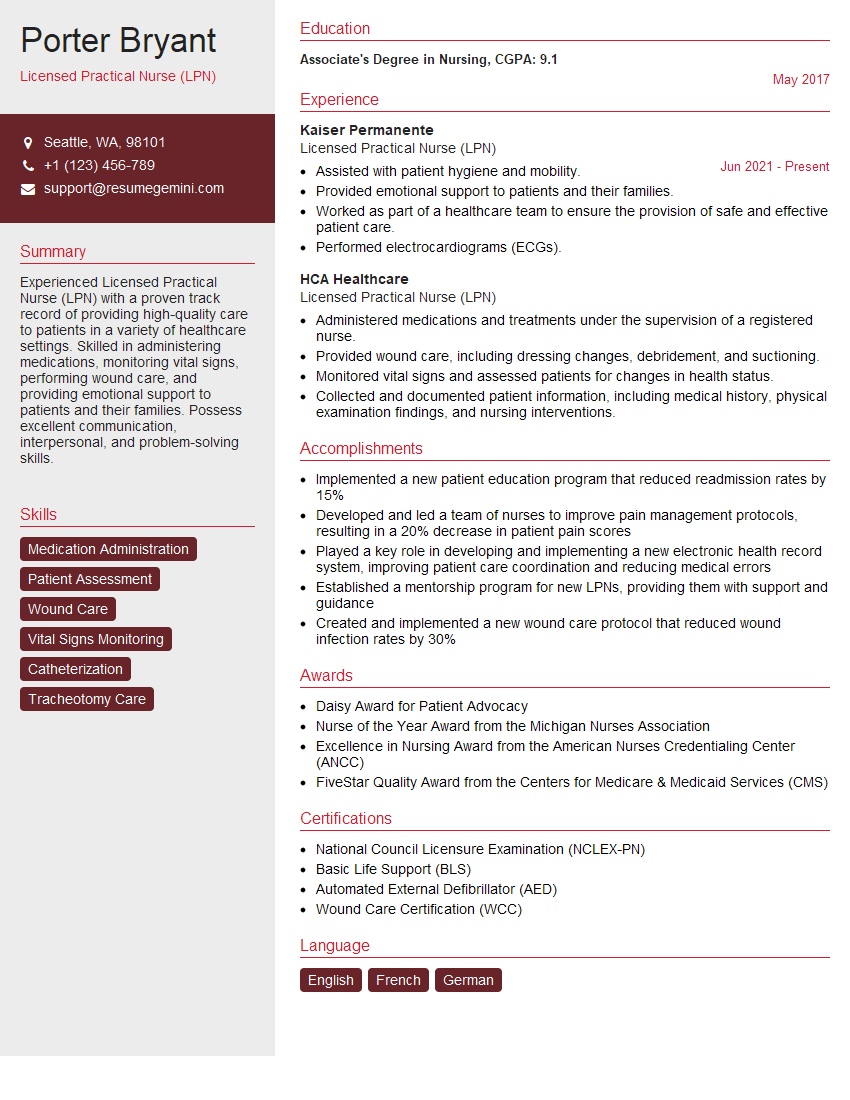
Licensed Practical Nurse (LPN) Resume Sample
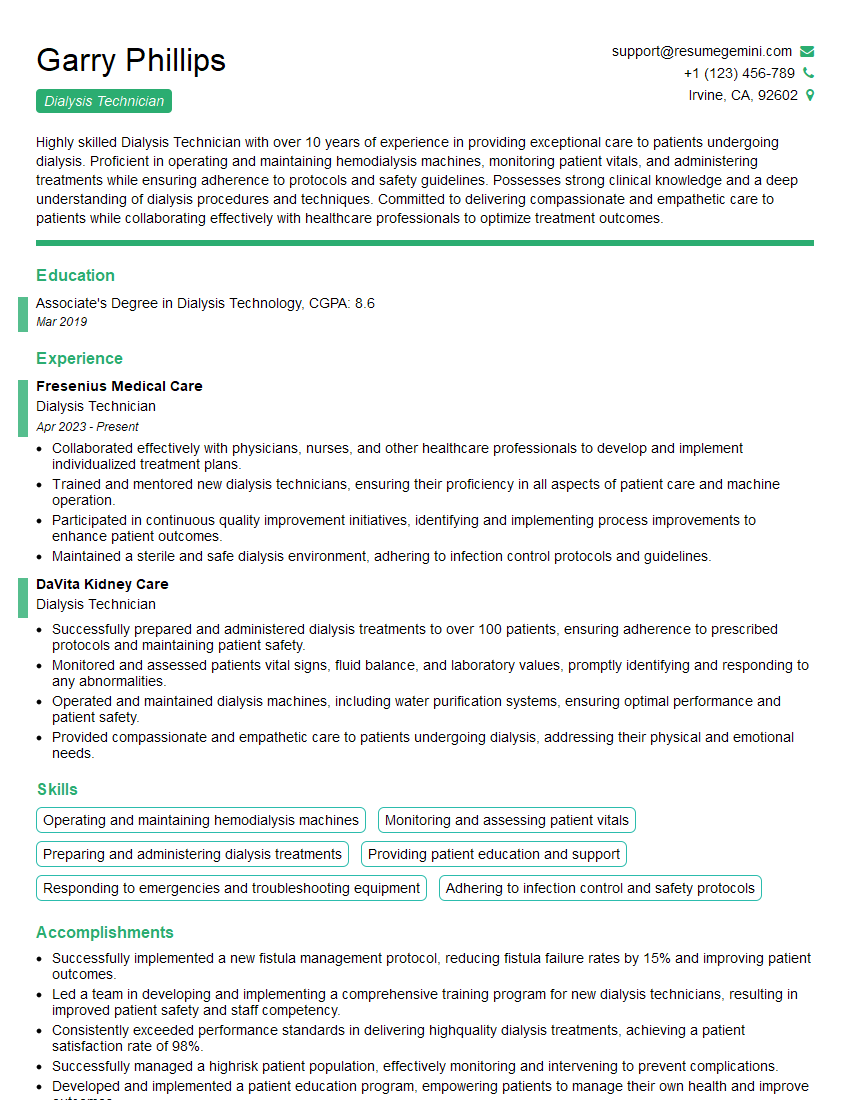
Dialysis Technician Resume Sample
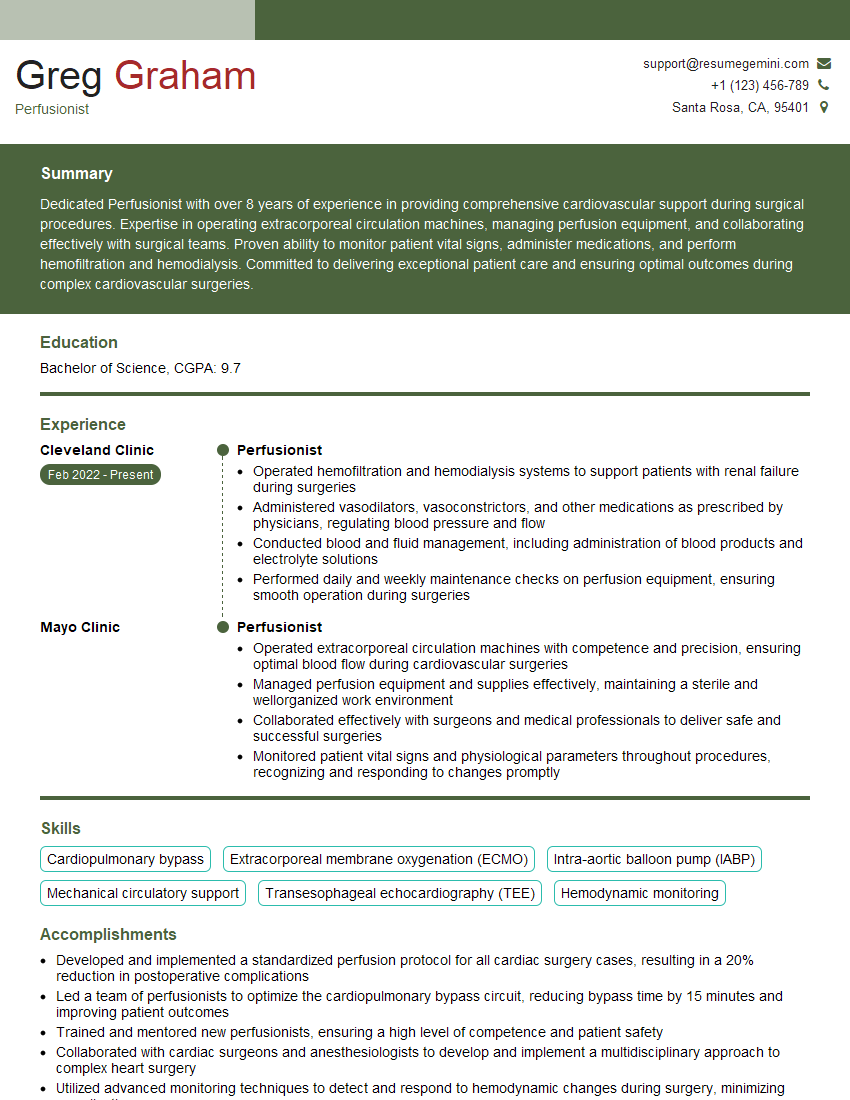
Perfusionist Resume Sample
Explore more articles
Users Rating of Our Blogs
Share Your Experience
We value your feedback! Please rate our content and share your thoughts (optional).
What Readers Say About Our Blog
To the interviewgemini.com Webmaster.
Very helpful and content specific questions to help prepare me for my interview!
Thank you
To the interviewgemini.com Webmaster.
This was kind of a unique content I found around the specialized skills. Very helpful questions and good detailed answers.
Very Helpful blog, thank you Interviewgemini team.