Are you ready to stand out in your next interview? Understanding and preparing for Central Venous Catheter Insertion interview questions is a game-changer. In this blog, we’ve compiled key questions and expert advice to help you showcase your skills with confidence and precision. Let’s get started on your journey to acing the interview.
Questions Asked in Central Venous Catheter Insertion Interview
Q 1. Describe the anatomy relevant to Central Venous Catheter (CVC) insertion.
Understanding the anatomy is crucial for safe and effective CVC insertion. We’re primarily concerned with the major veins in the neck, chest, and groin which provide access to the superior vena cava (SVC). The internal jugular vein (IJV), subclavian vein, and femoral vein are the most common access points.
Internal Jugular Vein (IJV): Located in the neck, it’s relatively large and superficial, making it easily accessible. However, it’s close to vital structures like the carotid artery and vagus nerve, necessitating precise technique. Think of it like a highway running close to other important infrastructure.
Subclavian Vein: Located under the clavicle (collarbone), this vein offers a more stable access point compared to the IJV, resulting in potentially less movement of the catheter. However, it requires a more challenging approach, often necessitating a more experienced practitioner. It’s like a road less travelled, but offers more stability once reached.
Femoral Vein: Located in the groin, this is the easiest vein to access, but it carries a higher risk of infection due to the proximity to the skin surface and the presence of various skin flora. This is similar to choosing a shortcut – the quickest way, but might not be the safest in the long run.
Thorough anatomical knowledge, including the relationships between these veins and surrounding structures (nerves, arteries), is essential to minimize complications.
Q 2. What are the different types of CVCs and their indications?
Several types of CVCs exist, each with specific indications. The choice depends on patient factors, the duration of therapy needed, and the intended use.
- Peripherally Inserted Central Catheters (PICCs): These are long catheters inserted into peripheral veins (e.g., basilic, cephalic) and advanced into the central venous system. They are ideal for long-term administration of medication (weeks to months) and are often preferred in less critically ill patients because they’re less invasive. Think of it as a long, flexible road leading to the central highway.
- Central Venous Catheters (CVCs) – Tunneled: These catheters have a subcutaneous tunnel that reduces the risk of infection by keeping the catheter exit site further from the insertion site. They’re ideal for very long-term access (months to years) and are commonly used for long term chemotherapy or home parenteral nutrition. Imagine this as a secured underground tunnel avoiding the traffic congestion.
- Implantable Ports: These are surgically implanted devices that sit under the skin with a port accessible through the skin for infusion. They are for long-term use, providing discreet and comfortable access. It’s like having a hidden access point for convenient, long-term use.
- Hickman Catheters: These are similar to PICCs but with longer dwell times.
Indications for CVC placement include the need for long-term intravenous therapy (e.g., chemotherapy, parenteral nutrition, antibiotics), hemodynamic monitoring, rapid fluid administration, or when peripheral intravenous access is difficult or impossible to obtain.
Q 3. Explain the Seldinger technique for CVC insertion.
The Seldinger technique is the standard method for CVC insertion. It’s a minimally invasive procedure that uses a needle and guidewire to create a pathway for the catheter. Think of it like carefully creating a path before laying down a cable.
- Skin puncture and vein cannulation: A needle is inserted into the chosen vein under ultrasound guidance.
- Guidewire insertion: A flexible guidewire is advanced through the needle into the vein. The needle is then carefully removed.
- Dilator insertion (optional): A dilator may be used to enlarge the opening in the vein for easier catheter insertion. This step isn’t always necessary.
- Catheter insertion: The catheter is advanced over the guidewire into the desired location in the central venous system, usually verified by chest x-ray.
- Guidewire removal and catheter fixation: Once correctly placed, the guidewire is removed, and the catheter is secured in place with sutures.
This technique minimizes the risk of vessel trauma compared to other methods.
Q 4. What are the contraindications for CVC insertion?
Contraindications for CVC insertion are situations where the risks outweigh the benefits. These include:
- Severe coagulopathy: Increased risk of bleeding and hematoma formation.
- Local infection at the insertion site: High risk of catheter-related bloodstream infection (CRBSI).
- Severe thrombocytopenia: Reduced platelet count increases the risk of bleeding.
- Inability to obtain informed consent: The patient or their legal guardian must understand the risks and benefits.
- Severe anatomical distortion: Making vessel access difficult or dangerous (e.g., due to prior surgery or trauma).
Careful assessment of the patient’s condition is crucial to determine suitability for CVC insertion.
Q 5. Describe the preparation of the patient for CVC insertion.
Patient preparation is crucial for minimizing complications. It involves several steps:
- Informed consent: The patient or their legal guardian must fully understand the procedure, its benefits, and potential risks.
- Skin preparation: The insertion site is thoroughly cleaned with an antiseptic solution (e.g., chlorhexidine) to reduce the risk of infection.
- Positioning: The patient is positioned appropriately to facilitate vein access (e.g., Trendelenburg position for IJV insertion).
- Monitoring: Vital signs and ECG monitoring are crucial throughout the procedure.
- Sedation/anesthesia: Depending on patient preferences and the site chosen, local anesthetic or sedation may be provided to enhance comfort.
Thorough preparation is vital for a smooth and safe procedure.
Q 6. What are the potential complications of CVC insertion?
Several complications can arise from CVC insertion, ranging from minor to life-threatening:
- Pneumothorax: Air entering the pleural space, particularly with subclavian vein access. This is a medical emergency.
- Hemothorax: Blood entering the pleural space.
- Arterial puncture: Accidental puncture of an artery, leading to bleeding.
- Catheter-related bloodstream infection (CRBSI): A serious complication that can lead to sepsis.
- Thrombosis: Formation of a blood clot within the vein.
- Air embolism: Air entering the bloodstream during catheter insertion.
- Nerve damage: Damage to surrounding nerves, leading to pain or paresthesia.
Prompt recognition and management of complications are essential for optimal patient outcomes.
Q 7. How do you prevent complications during CVC insertion?
Preventing complications requires a multi-faceted approach:
- Strict adherence to aseptic technique: Meticulous hand hygiene, proper skin preparation, and sterile equipment are essential to reduce the risk of infection.
- Use of ultrasound guidance: Reduces the risk of accidental arterial puncture or pneumothorax.
- Proper insertion technique: Minimizes trauma to surrounding structures.
- Post-insertion care: Regular monitoring for signs of infection or complications, appropriate dressing changes, and adherence to infection control protocols.
- Appropriate patient selection: Careful assessment to exclude contraindications.
- Continuous education and training: Healthcare professionals should maintain proficiency in CVC insertion techniques and best practices.
A combination of these measures significantly decreases the risk of complications, ensuring patient safety and optimal outcomes.
Q 8. What are the different sites used for CVC insertion and their advantages/disadvantages?
Central venous catheters (CVCs) can be inserted into several sites, each with its own set of advantages and disadvantages. The most common sites include the internal jugular vein, the subclavian vein, and the femoral vein. The choice of site depends on factors like patient anatomy, the urgency of catheter placement, and the anticipated duration of CVC use.
- Internal Jugular Vein: Advantages include relatively easy access, minimal risk of pneumothorax (collapsed lung), and good patient comfort once the catheter is in place. Disadvantages include the risk of carotid artery puncture (accidentally puncturing the artery instead of the vein) and potential for air embolism (air entering the bloodstream).
- Subclavian Vein: Advantages include lower risk of infection compared to femoral insertion and easier patient mobility. Disadvantages include higher risk of pneumothorax and brachial plexus injury (damage to the nerves in the shoulder area). This insertion requires more anatomical precision.
- Femoral Vein: Advantages include ease of access, especially in emergencies or for patients who are difficult to position. Disadvantages include a significantly higher risk of infection due to proximity to skin flora and increased risk of thrombosis (blood clot formation) in the vein.
Think of it like choosing a route on a map: each route has its own challenges and benefits. The internal jugular is like a well-maintained highway, the subclavian is a scenic but potentially risky mountain road, and the femoral vein is a shortcut that might lead to traffic (infection).
Q 9. How do you confirm proper CVC placement?
Confirming proper CVC placement is crucial to prevent serious complications. We use a multi-modal approach, combining several methods to ensure accuracy. This isn’t just about looking at the catheter; it’s about verifying its position with certainty.
- Chest X-Ray: This is the gold standard. A chest X-ray confirms the catheter tip’s location within the superior vena cava (SVC) and assesses for complications like pneumothorax or hydrothorax (fluid in the pleural space).
- Ultrasound Guidance: Real-time ultrasound imaging can guide the insertion process, minimizing the risk of complications and providing immediate feedback on catheter placement. We can visualize the vein and the catheter advancing through the vein in real time.
- Blood Pressure Monitoring: Continuous monitoring helps rule out inadvertent arterial placement (if the catheter is in an artery, blood pressure will be inaccurate) and detects potential hemodynamic instability.
- Aspirating Blood Return: After insertion, aspirating (drawing back) blood confirms venous access, but it’s not definitive proof of correct placement. The location where blood is aspirated might not be in the superior vena cava but rather a proximal vein.
Imagine building a house. You wouldn’t just rely on one measurement; you’d use multiple techniques to ensure the foundation is secure. Similarly, confirming CVC placement requires a multi-pronged approach.
Q 10. Describe the post-insertion care of a CVC.
Post-insertion care is paramount for preventing complications. It involves a combination of meticulous technique and ongoing monitoring.
- Sterile Dressing Changes: Regular dressing changes using aseptic technique (sterile procedures to prevent infection) are essential to minimize infection risk. The frequency depends on the type of dressing and institutional protocols.
- Catheter Stabilization: The catheter should be securely stabilized to prevent accidental dislodgement. This often involves sutures or secure adhesive dressings.
- Regular Monitoring: Close monitoring of the insertion site for signs of infection (redness, swelling, pain, drainage), thrombosis, and other complications is critical.
- Fluid Management: Proper fluid management is crucial, as is careful administration of medications through the CVC to prevent infiltration or extravasation (leakage of fluids into surrounding tissue).
- Patient Education: Thorough patient education regarding CVC care, signs of complications, and hygiene practices is vital for successful management.
Think of it as caring for a delicate plant. Regular attention, proper support, and monitoring are key to its survival and flourishing. Similarly, vigilant post-insertion care ensures the CVC functions optimally and safely.
Q 11. How do you manage a CVC-related complication such as pneumothorax?
Pneumothorax, a collapsed lung caused by air leakage into the pleural space, is a serious complication, particularly with subclavian CVC insertion. Immediate action is essential.
- Assess the Patient: Evaluate the patient’s respiratory status (breathing rate, oxygen saturation, shortness of breath). A chest x-ray confirms pneumothorax.
- Supplemental Oxygen: Administer supplemental oxygen to improve oxygenation.
- Chest Tube Insertion: This is often necessary to evacuate the air from the pleural space and allow the lung to re-expand. This is performed by a physician or trained clinician.
- Monitor Vital Signs: Closely monitor vital signs (heart rate, blood pressure, respiratory rate, oxygen saturation) to assess the patient’s response to treatment.
- Fluid Management: Maintain adequate hydration to support hemodynamic stability.
Imagine a punctured tire. You wouldn’t just ignore it; you’d take action to fix the leak. Similarly, pneumothorax requires prompt intervention to prevent further complications.
Q 12. How do you manage a CVC-related infection?
CVC-related infections are a major concern. Early recognition and aggressive treatment are essential. The treatment will always be guided by microbiology cultures, and antibiotic choice depends on the specific infectious organism.
- Assess the Patient: Look for signs and symptoms of infection such as fever, chills, redness, swelling, purulent drainage at the insertion site, and signs of systemic infection.
- Blood Cultures: Obtain blood cultures to identify the infecting organism and guide antibiotic therapy. Cultures from the catheter itself, if clinically indicated and safe, might also be taken.
- Remove the Catheter (Usually): In most cases, the infected CVC needs to be removed promptly. This is usually the best course of action, especially with signs of systemic infection.
- Antibiotic Therapy: Administer appropriate intravenous antibiotics based on the culture results and susceptibility testing. Treatment duration will usually extend several days past the resolution of symptoms.
- Supportive Care: Provide supportive care, including intravenous fluids, pain management, and monitoring vital signs.
Think of it like a wound that becomes infected. You need to clean it, remove any foreign material, and treat the infection to prevent it from spreading. Treating a CVC infection involves similar principles of thorough cleaning (removing the catheter) and targeted treatment with antibiotics.
Q 13. How do you troubleshoot a CVC malfunction?
CVC malfunctions can be frustrating, but systematic troubleshooting can often resolve the issue.
- Assess the Problem: First, determine the nature of the malfunction. Is there occlusion (blockage), leakage, or displacement? Is the patient symptomatic?
- Check Connections: Examine all connections to ensure they are secure and free from kinks or obstructions. Assess if there’s a problem with the tubing, the ports, or the connectors to the catheter itself.
- Flush the Catheter: If the catheter is occluded, attempt to flush it with a prescribed solution, using appropriate pressure. Do not attempt to force fluid through the catheter; if resistance is high, stop.
- Check for Displacement: If there’s suspicion of displacement, obtain a chest X-ray to confirm the catheter tip’s location. If displaced, usually the catheter needs to be removed and a new one inserted.
- Consult with Physician: If the problem persists despite these steps, consult with a physician. They might need to perform interventions beyond basic troubleshooting steps.
Imagine a clogged sink. You might try plunging it (flushing), checking the pipes (connections), or calling a plumber (physician) if necessary. Troubleshooting a CVC malfunction follows a similar logical process.
Q 14. What are the different methods for confirming CVC tip location?
Confirming CVC tip location uses several methods, all aiming for accurate and safe placement.
- Chest X-ray: The gold standard, providing a clear image of the catheter’s position relative to anatomical landmarks. It’s especially important in identifying complications such as pneumothorax.
- Ultrasound: Real-time imaging allows immediate visualization of the catheter and surrounding vasculature, aiding in insertion and confirming proper placement, especially helpful in difficult patient anatomies.
- Venography: This involves injecting contrast dye into the catheter and obtaining X-rays to visualize its course and tip position. It’s less commonly used now given ultrasound guidance.
These methods work in concert to ensure precision; they are not redundant but rather provide complementary information for optimal patient safety and care.
Q 15. What are the guidelines for CVC dressing changes?
CVC dressing changes are crucial for preventing infection, a significant complication associated with central venous catheters. The frequency and technique depend on institutional protocols and the patient’s condition, but generally, transparent dressings are changed every 7 days or if soiled, loose, or compromised.
- Preparation: Gather sterile supplies: gloves, gown, mask, antiseptic solution (chlorhexidine is preferred), new sterile dressing, and appropriate waste disposal containers.
- Assessment: Assess the insertion site for signs of infection (redness, swelling, purulence, tenderness). Gently assess catheter stability.
- Removal: Carefully remove the old dressing, avoiding touching the insertion site. Dispose of the soiled dressing appropriately.
- Skin Cleansing: Using sterile technique, cleanse the insertion site with antiseptic solution using concentric circles, starting from the insertion site outwards. Allow to air dry.
- Dressing Application: Apply a new sterile dressing, ensuring the insertion site is completely covered. Secure the dressing appropriately according to institutional guidelines; consider using tape that minimizes skin irritation. Document the dressing change.
For example, in a busy ICU, a standardized approach to dressing changes with checklists and clear guidelines are essential to avoid omissions and maintain patient safety.
Career Expert Tips:
- Ace those interviews! Prepare effectively by reviewing the Top 50 Most Common Interview Questions on ResumeGemini.
- Navigate your job search with confidence! Explore a wide range of Career Tips on ResumeGemini. Learn about common challenges and recommendations to overcome them.
- Craft the perfect resume! Master the Art of Resume Writing with ResumeGemini’s guide. Showcase your unique qualifications and achievements effectively.
- Don’t miss out on holiday savings! Build your dream resume with ResumeGemini’s ATS optimized templates.
Q 16. What is the importance of sterile technique during CVC insertion?
Maintaining sterile technique during CVC insertion is paramount to preventing catheter-related bloodstream infections (CRBSIs), a life-threatening complication. CRBSIs increase morbidity, mortality, and healthcare costs. Think of it like this: the CVC provides a direct pathway to the bloodstream, so any contamination during insertion can lead to a serious infection.
Sterile technique encompasses a range of practices, including:
- Hand hygiene: Thorough handwashing with an antimicrobial soap before and after the procedure.
- Appropriate attire: Wearing sterile gowns, gloves, masks, and caps.
- Sterile field preparation: Using a sterile drape to create a barrier between the insertion site and the surrounding environment.
- Careful handling of equipment: Maintaining the sterility of all equipment used during the procedure, including the catheter, introducer sheath, and antiseptic solutions.
- Minimizing touch contamination: Avoiding touching non-sterile surfaces during the procedure. Any touch contamination of a sterile field renders it non-sterile.
Strict adherence to sterile technique minimizes the risk of introducing pathogens into the bloodstream. Even a minor breach can have devastating consequences.
Q 17. Explain the use of ultrasound guidance for CVC insertion.
Ultrasound guidance significantly improves the safety and success rate of CVC insertion. It provides real-time visualization of the vascular structures, allowing the operator to accurately identify the target vein (typically the internal jugular or femoral vein) and avoid potential complications such as pneumothorax (lung collapse) or arterial puncture.
Here’s how it works:
- Visualization: The ultrasound probe transmits high-frequency sound waves, generating an image of the underlying vessels and surrounding anatomical structures on a monitor.
- Target Identification: The operator uses the ultrasound image to identify the target vein, visualizing its size, course, and relationship to adjacent structures like the carotid artery and trachea (in the neck).
- Needle Guidance: The needle is advanced under ultrasound guidance, allowing real-time monitoring of its position as it approaches the target vessel. This minimizes blind insertion and reduces the risk of complications.
- Confirmation of Placement: After insertion, ultrasound can be used to confirm catheter placement within the vein.
Ultrasound guidance is particularly useful in obese patients or those with difficult anatomy where traditional landmark-based techniques might be unreliable. For example, in a patient with significant subcutaneous fat, ultrasound can accurately guide the catheter insertion, reducing the risk of accidental arterial puncture.
Q 18. How do you select the appropriate size and type of CVC for a patient?
Selecting the appropriate CVC size and type depends on several factors including the patient’s clinical condition, anticipated fluid volume requirements, and the duration of catheter use.
- Size (gauge): The catheter gauge (represented by a number, e.g., 14 gauge, 16 gauge) indicates its internal diameter; a larger gauge indicates a wider diameter. Larger gauge catheters allow for higher infusion rates but carry a higher risk of complications like thrombosis (blood clot formation). Smaller gauge catheters are preferred when possible to minimize complications.
- Type: Several types are available, including:
- Single-lumen: Suitable for administering one medication or fluid at a time.
- Dual-lumen: Allows for the simultaneous administration of two different fluids or medications.
- Triple-lumen: Suitable for administering up to three different fluids or medications simultaneously.
- PICC (Peripherally Inserted Central Catheter): Inserted through a peripheral vein and advanced into the central venous system. Suitable for long-term use.
- Patient Factors: Considerations include the patient’s age, body habitus, underlying medical conditions (such as bleeding disorders), and the anticipated duration of CVC use. A smaller-gauge catheter would be preferred for a fragile elderly patient compared to a younger, healthier individual needing rapid fluid resuscitation.
Example: A patient requiring long-term parenteral nutrition might benefit from a PICC line. Conversely, a trauma patient needing rapid fluid resuscitation might necessitate a larger-bore, short-term CVC.
Q 19. What are the legal and ethical considerations related to CVC insertion?
CVC insertion involves significant legal and ethical considerations. The most important are informed consent and patient safety.
- Informed Consent: Before the procedure, the patient (or their legal guardian) must provide informed consent. This means they must be fully informed about the procedure, its risks and benefits, alternative options, and potential complications. This discussion must be documented in the patient’s chart.
- Patient Safety: Strict adherence to sterile technique and proper insertion technique is paramount to ensure patient safety. The operator must possess the appropriate skill and training to perform the procedure safely and effectively. Deviations from accepted standards of care can lead to legal liability.
- Competence: Only qualified healthcare professionals with the appropriate training and experience should insert CVCs.
- Documentation: Meticulous documentation of the entire procedure, including patient consent, the technique used, complications, and post-procedure management is crucial.
For example, failure to obtain informed consent before inserting a CVC or using inappropriate techniques can lead to legal repercussions. The healthcare provider is accountable for adhering to ethical and legal standards of practice.
Q 20. How do you document the CVC insertion procedure?
Documentation of the CVC insertion procedure is crucial for legal, ethical, and clinical reasons. A thorough record provides evidence of adherence to standards of care, allows for tracking of potential complications, and aids in future patient management.
Documentation should include:
- Patient Identification: Name, medical record number, date of birth.
- Date and Time: Precise time of the procedure.
- Insertion Site: Specific location (e.g., right internal jugular vein).
- Type and Size of Catheter: Specific details of the catheter used.
- Technique Used: Landmark-based or ultrasound-guided.
- Complications: Any complications encountered during or after the procedure (e.g., bleeding, pneumothorax).
- Post-Procedure Assessment: Assessment of the insertion site, hemodynamic stability.
- Radiographic Confirmation: Documentation of chest x-ray confirming catheter position.
- Physician Signature: Signature of the physician who performed or supervised the procedure.
The documentation should be clear, concise, accurate, and readily accessible. Electronic health records are commonly used to ensure efficient and secure record keeping.
Q 21. Explain the role of the scrub nurse during CVC insertion.
The scrub nurse plays a vital role in maintaining a sterile field and assisting the physician during CVC insertion. Their responsibilities contribute significantly to the success and safety of the procedure.
- Sterile Field Preparation: The scrub nurse is responsible for preparing and maintaining the sterile field, including draping the patient, preparing and organizing the sterile instruments and supplies needed for the procedure, and ensuring the sterility of all materials.
- Passing Instruments and Supplies: The scrub nurse assists the physician by handing them the necessary instruments and supplies in a sterile manner. This helps maintain the integrity of the sterile field.
- Monitoring Sterility: The scrub nurse continuously monitors the sterility of the field and alerts the physician to any potential breaches in sterility.
- Assisting with Hemostasis: If bleeding occurs, the scrub nurse helps the physician control the bleeding, using appropriate techniques.
- Wound Care: The scrub nurse assists with applying the dressing after the procedure.
- Equipment Management: The scrub nurse is responsible for preparing and cleaning the equipment after the procedure.
In essence, the scrub nurse acts as a crucial member of the team, maintaining the sterility of the procedure and facilitating smooth and safe completion. Their expertise ensures that the procedure is performed within a controlled and sterile environment, minimizing the risk of complications.
Q 22. Describe your experience with managing CVC-related complications.
Managing CVC-related complications requires a proactive and systematic approach. My experience encompasses a wide range of issues, from minor complications like local infection and thrombosis to more serious events such as pneumothorax, cardiac tamponade, and catheter-related bloodstream infections (CRBSIs). The management strategy hinges on early detection, prompt intervention, and meticulous documentation.
- Infection: This is a major concern. Treatment involves removing the catheter, initiating broad-spectrum antibiotics based on culture results, and providing supportive care. I always ensure strict adherence to infection control protocols, including hand hygiene, aseptic technique during dressing changes, and appropriate use of chlorhexidine.
- Thrombosis: This often presents with swelling, pain, and reduced blood flow. Management involves supportive measures, such as elevation and compression, along with anticoagulation if clinically indicated. In some cases, catheter removal may be necessary.
- Mechanical Complications: These include catheter malposition, kinking, or breakage. Immediate action is needed, often involving fluoroscopy to guide repositioning or removal. In case of breakage, retrieval of the broken fragment might be necessary.
- Air Embolism: This is a life-threatening emergency requiring immediate intervention, including placing the patient in the Trendelenburg position (head down) and administering oxygen. If significant hemodynamic compromise is present, supportive care may include fluid resuscitation and vasopressors.
Throughout my career, I’ve found that a multidisciplinary approach, involving collaboration with infectious disease specialists, radiologists, and intensivists, is crucial for effective management of these complications. Regular monitoring, both clinically and through blood cultures, is essential for early detection and timely intervention.
Q 23. How do you educate patients about CVC care?
Educating patients about CVC care is a vital aspect of ensuring positive outcomes. I use a multifaceted approach, tailoring my explanation to the patient’s understanding and incorporating visual aids where appropriate. My teaching strategy includes:
- Pre-insertion education: Before the procedure, I explain the purpose of the CVC, the procedure itself, potential complications, and the importance of post-insertion care. I encourage patients to ask questions and address any concerns they may have.
- Post-insertion instructions: After the procedure, I provide detailed instructions on catheter care, including hand hygiene, dressing changes, and recognizing signs of infection (e.g., redness, swelling, pain, fever). I emphasize the importance of regular monitoring of the insertion site.
- Written materials: I provide patients with written materials, including diagrams and instructions, to reinforce the information discussed verbally. These materials are tailored to literacy levels and cultural backgrounds.
- Follow-up: I schedule follow-up appointments to assess the patient’s understanding of the care instructions and address any emerging concerns. This ensures continuity of care and early detection of potential complications.
I always emphasize the importance of patient engagement and empowerment. By involving the patient in their care, we can improve compliance and reduce the risk of complications. A simple analogy I often use is comparing the CVC to a delicate plant that requires careful attention and nurturing to thrive.
Q 24. What are the current best practices for CVC insertion?
Current best practices for CVC insertion are guided by evidence-based guidelines and emphasize patient safety and minimizing complications. Key elements include:
- Strict adherence to aseptic technique: This is paramount to prevent infections. This includes thorough hand hygiene, using sterile gloves, drapes, and equipment, and maintaining a sterile field throughout the procedure.
- Appropriate site selection: The internal jugular vein is often preferred due to its ease of access and lower risk of complications. However, the femoral vein is used if other approaches are not feasible. Ultrasound guidance is strongly recommended to optimize site selection and reduce complications.
- Use of ultrasound guidance: Ultrasound guidance significantly reduces the risk of complications such as pneumothorax, arterial puncture, and hematoma formation. It allows for precise catheter placement and visualization of anatomical structures.
- Subclavian vein access is generally avoided due to increased risk of pneumothorax.
- Use of maximal sterile barrier precautions (MSBP): MSBP includes the use of sterile gowns, gloves, masks, and drapes, to create a sterile field around the insertion site.
- CVC insertion by trained personnel: Only experienced clinicians with sufficient training and competency should perform CVC insertion.
- Post-insertion care: This includes regular monitoring of the insertion site, dressing changes, and adherence to infection control protocols.
By diligently following these best practices, we can significantly reduce the risk of complications associated with CVC insertion and improve patient outcomes.
Q 25. Discuss your experience with different CVC insertion techniques.
My experience encompasses various CVC insertion techniques, each chosen based on patient-specific factors and clinical circumstances. The most commonly used techniques include:
- Seldinger technique: This is the most widely used technique, involving the insertion of a guidewire into the vein followed by the introduction of the catheter over the guidewire. Ultrasound guidance enhances accuracy and reduces complications.
- Ultrasound-guided technique: This technique utilizes real-time ultrasound imaging to visualize the vein and surrounding structures, improving the precision of catheter placement and minimizing risks. This has become the gold standard, and greatly reduces complications.
- Landmark-based technique: This technique relies on anatomical landmarks to guide catheter placement. It’s less precise than ultrasound-guided techniques and carries a higher risk of complications. It should generally be avoided.
The choice of technique depends on several factors, including patient anatomy, the clinician’s experience, and the availability of resources. I am proficient in all these techniques and always prioritize the safest and most effective approach for each patient. For instance, in a patient with difficult venous access, the ultrasound-guided technique offers significant advantages.
Q 26. How do you ensure patient safety during CVC insertion?
Ensuring patient safety during CVC insertion is paramount. My approach involves a multi-layered strategy focused on minimizing risks at every step of the procedure:
- Pre-procedure assessment: This includes a thorough review of the patient’s medical history, coagulation profile, and any allergies. This helps identify potential risks and allows for appropriate adjustments to the procedure.
- Informed consent: Before the procedure, I ensure that the patient understands the purpose, procedure, risks, and benefits of CVC insertion. Their informed consent is obtained before commencing.
- Strict adherence to aseptic technique: Meticulous adherence to aseptic technique during the entire procedure is crucial to prevent infection. This includes proper hand hygiene, use of sterile drapes, and careful handling of equipment.
- Use of ultrasound guidance: Ultrasound guidance enhances visualization, allowing for precise catheter placement and reducing the risk of complications such as pneumothorax and arterial puncture.
- Monitoring vital signs: Close monitoring of the patient’s heart rate, blood pressure, oxygen saturation, and respiratory rate throughout the procedure is essential to detect any early signs of complications.
- Post-insertion care: Careful monitoring of the insertion site for signs of infection or other complications is crucial after the procedure.
By incorporating these measures, we establish a safe environment and reduce the risk of complications, thereby safeguarding patient well-being. Thinking of patient safety as a continuous process, not a single event is key.
Q 27. How do you handle unexpected complications during a CVC procedure?
Handling unexpected complications during a CVC procedure requires a calm, systematic approach. My response is guided by the principles of rapid assessment, timely intervention, and effective communication.
- Immediate assessment: If a complication arises, I immediately assess the patient’s hemodynamic status and respiratory function. This might involve checking vital signs, oxygen saturation, and auscultation.
- Intervention: The intervention will vary depending on the nature of the complication. Examples include managing pneumothorax with needle decompression, treating hemorrhage with direct pressure, or addressing arrhythmias with medication.
- Communication: Clear and timely communication with the surgical team, anesthesiologist, and other relevant personnel is critical. This ensures a coordinated and effective response.
- Documentation: Meticulous documentation of the complication, management strategies, and patient response is vital for quality improvement and legal purposes.
A crucial element is maintaining a calm demeanor and avoiding panic. A clear mind is essential for making rapid, informed decisions in high-pressure situations. Regular simulation training helps prepare for and effectively manage unexpected complications.
Q 28. Describe a time you had to troubleshoot a CVC issue. What was the outcome?
During a CVC insertion, I encountered a challenging case where, despite using ultrasound guidance, the catheter repeatedly coiled within the subclavian vein. This was frustrating as it prevented proper placement. My initial attempts to manipulate the catheter were unsuccessful.
Instead of forcing the issue and risking further complications, I decided to take a step back and reassess. I reviewed the ultrasound images carefully, focusing on the venous anatomy and identifying the potential causes of the coiling. I suspected a slight anatomical variation in the vein’s course.
I then opted for a different approach, using a different insertion angle and a slightly stiffer catheter. I also consulted with a senior colleague for a second opinion. With their guidance and the new approach, I was able to successfully place the CVC without further incident.
The outcome was successful catheter placement. This experience taught me the importance of adaptability and not hesitating to seek assistance when faced with challenges. A willingness to change approach and collaborate with experienced colleagues is essential for resolving complex issues and ensuring optimal patient safety.
Key Topics to Learn for Central Venous Catheter Insertion Interview
- Anatomy and Landmarks: Thorough understanding of relevant vascular anatomy, including the internal jugular, subclavian, and femoral veins. Accurate identification of anatomical landmarks for safe insertion.
- Insertion Techniques: Mastery of various insertion techniques (Seldinger, ultrasound-guided), including detailed knowledge of equipment preparation, sterile technique, and procedural steps. Practical experience is highly valued.
- Complications and Management: Comprehensive understanding of potential complications (pneumothorax, arterial puncture, infection) and effective strategies for prevention and management. Ability to troubleshoot during the procedure is crucial.
- Post-Insertion Care: Knowledge of post-insertion care, including dressing changes, securing the catheter, flushing protocols, and monitoring for complications. This demonstrates a commitment to patient safety.
- Catheter Selection and Indications: Understanding the different types of central venous catheters and their appropriate indications based on patient needs and duration of therapy. Justifying your catheter choice is important.
- Troubleshooting and Problem Solving: Ability to identify and address challenges encountered during insertion, such as difficult cannulation or unexpected complications. Demonstrating problem-solving skills is highly valued.
- Legal and Ethical Considerations: Understanding informed consent, documentation requirements, and adherence to relevant guidelines and best practices. This shows a strong commitment to professional ethics.
- Imaging Interpretation (Ultrasound): If applicable to your experience, proficiency in interpreting ultrasound images to guide catheter placement and avoid complications. This highlights advanced skills.
Next Steps
Mastering Central Venous Catheter Insertion significantly enhances your career prospects in critical care and interventional settings. It showcases advanced clinical skills and a dedication to patient well-being, opening doors to specialized roles and leadership opportunities. To maximize your job search success, crafting an ATS-friendly resume is crucial. ResumeGemini is a trusted resource to help you build a professional and impactful resume that highlights your skills and experience effectively. Examples of resumes tailored specifically to Central Venous Catheter Insertion are available to guide your process, ensuring your application stands out.

Physician Assistant Resume Sample
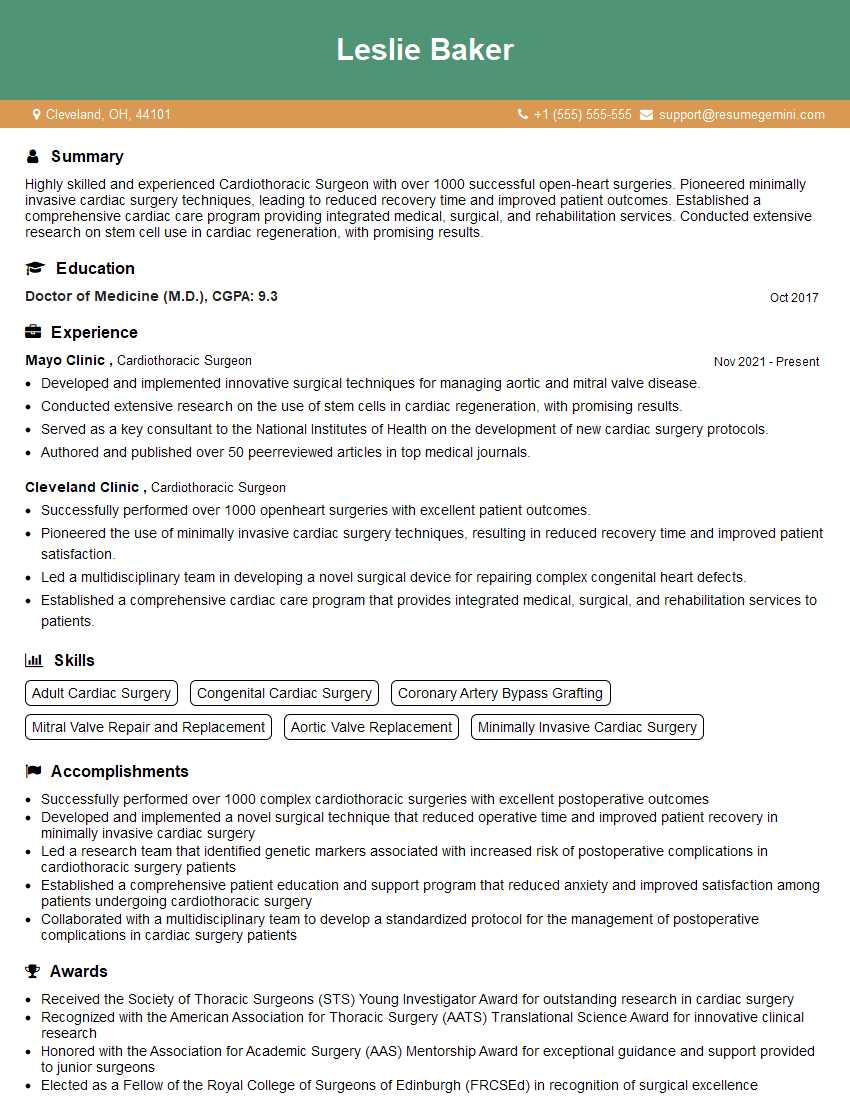
Cardiothoracic Surgeon Resume Sample
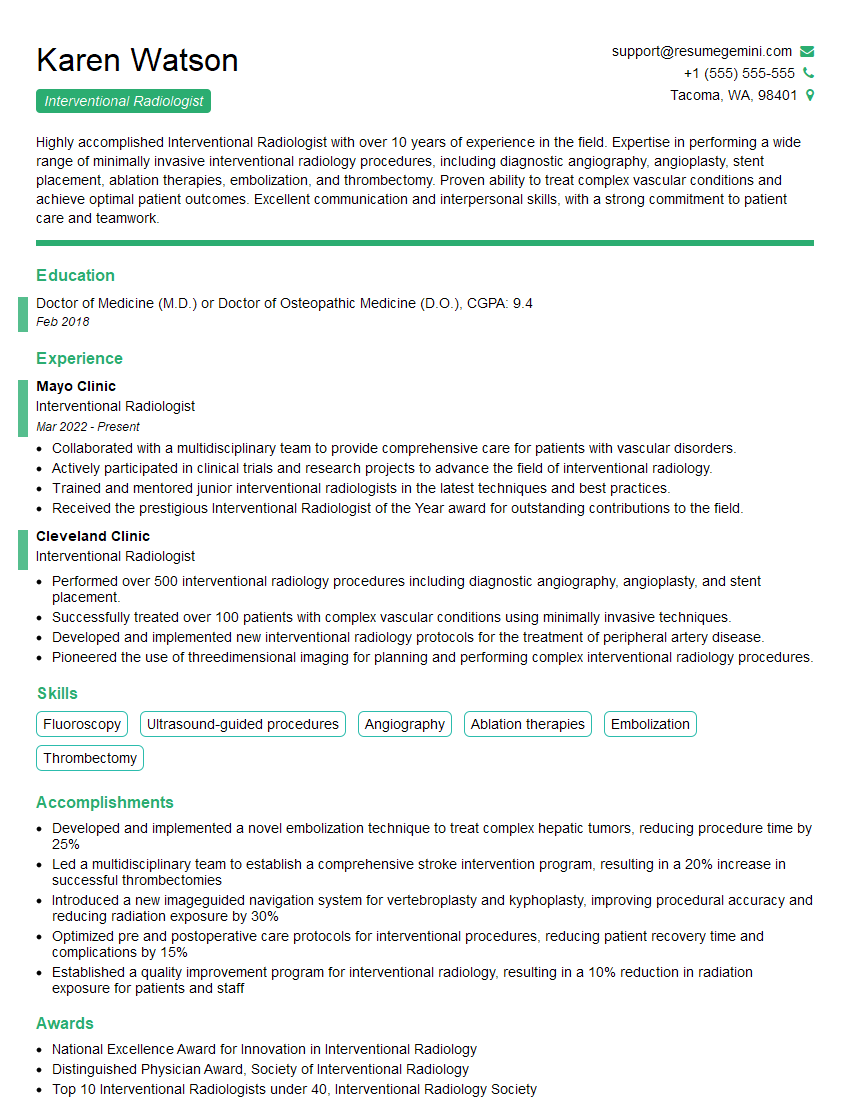
Interventional Radiologist Resume Sample
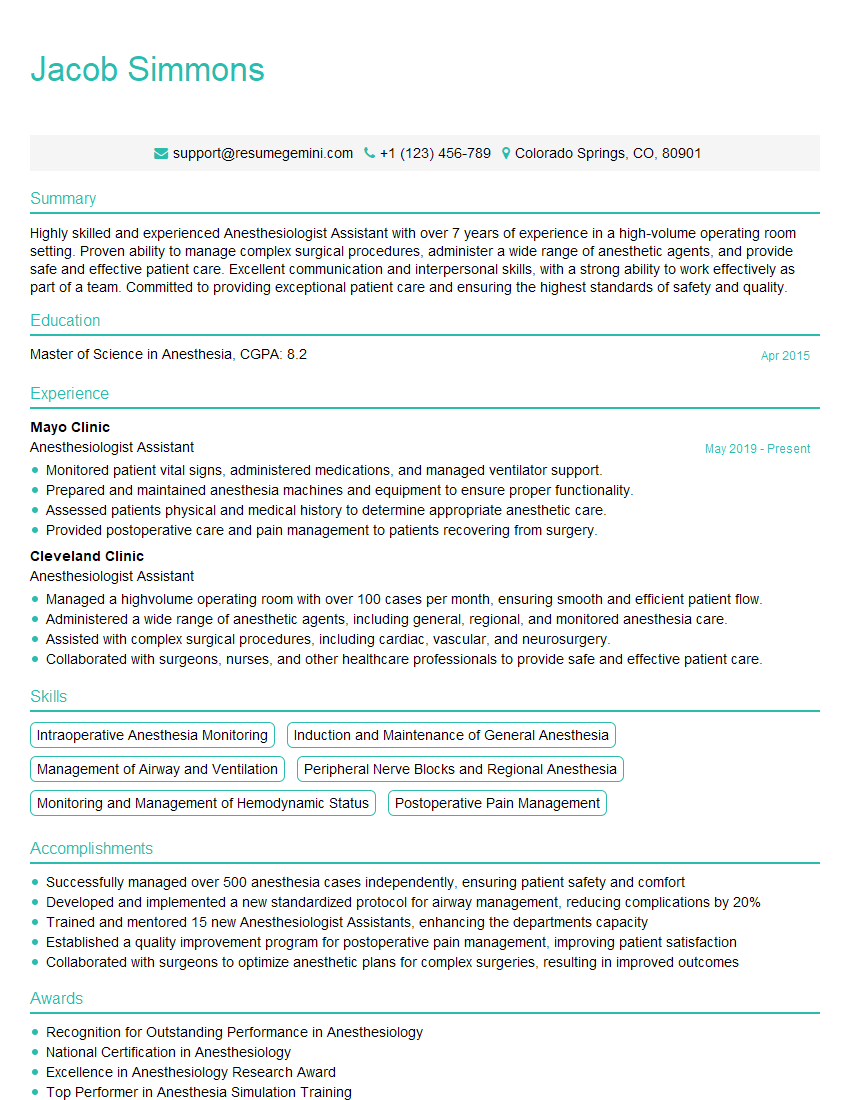
Anesthesiologist Assistant Resume Sample
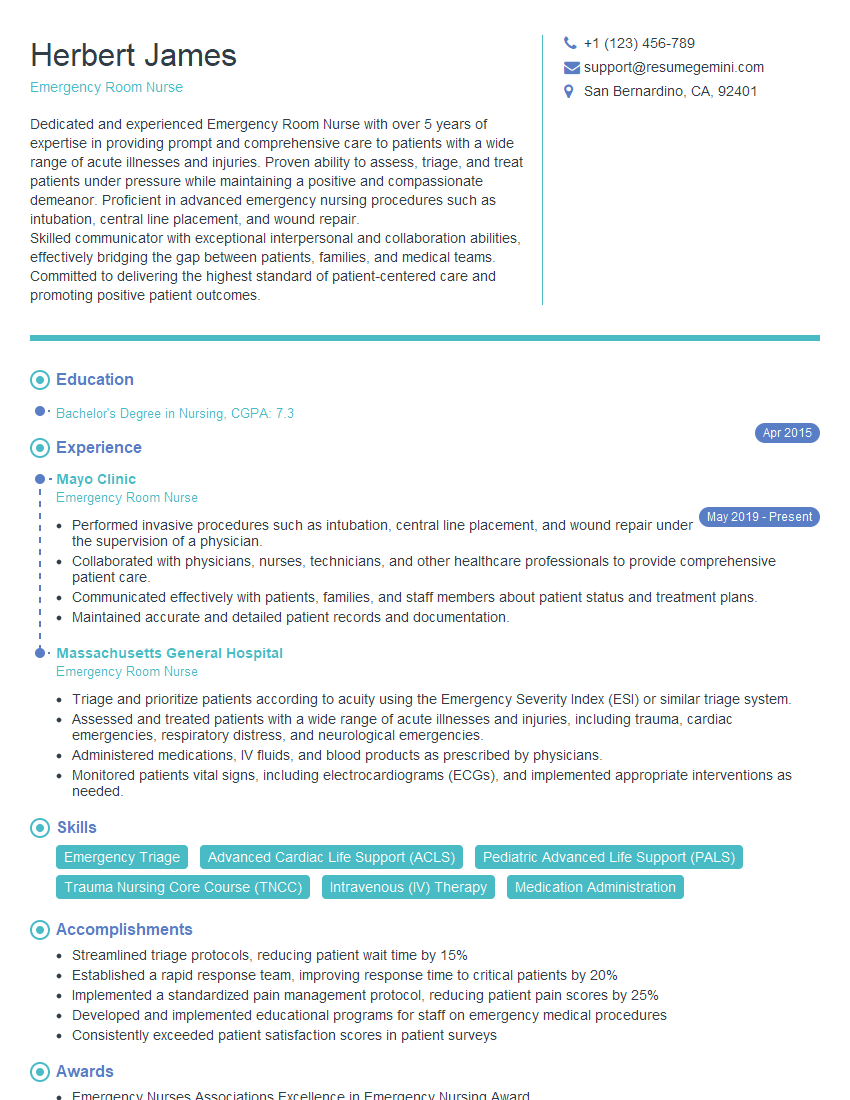
Emergency Room Nurse Resume Sample
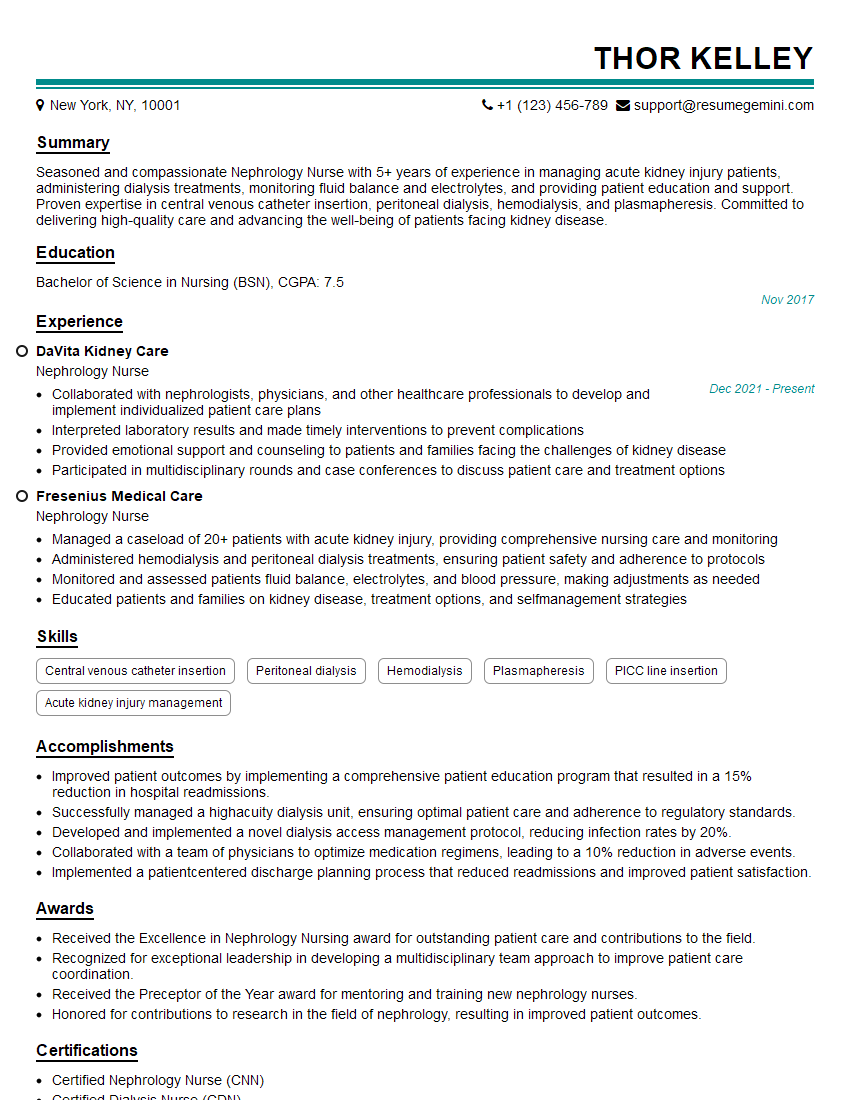
Nephrology Nurse Resume Sample

Oncology Nurse Resume Sample
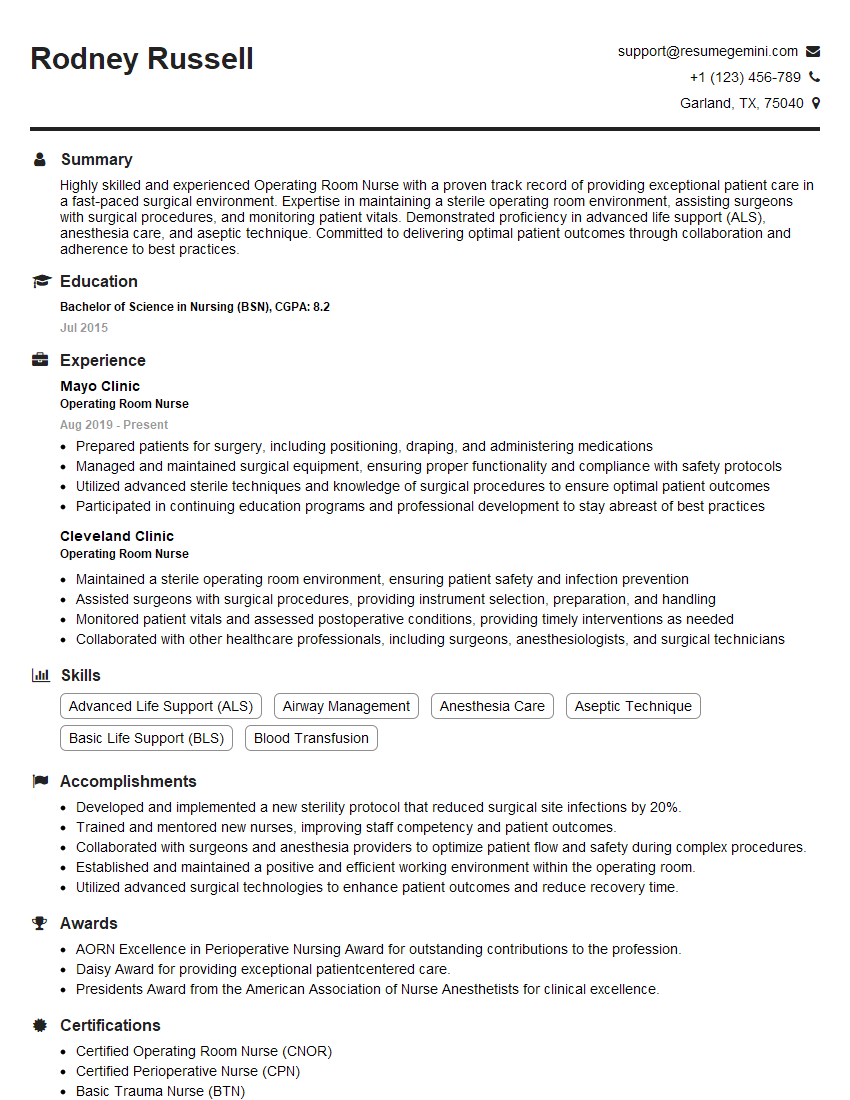
Operating Room Nurse Resume Sample
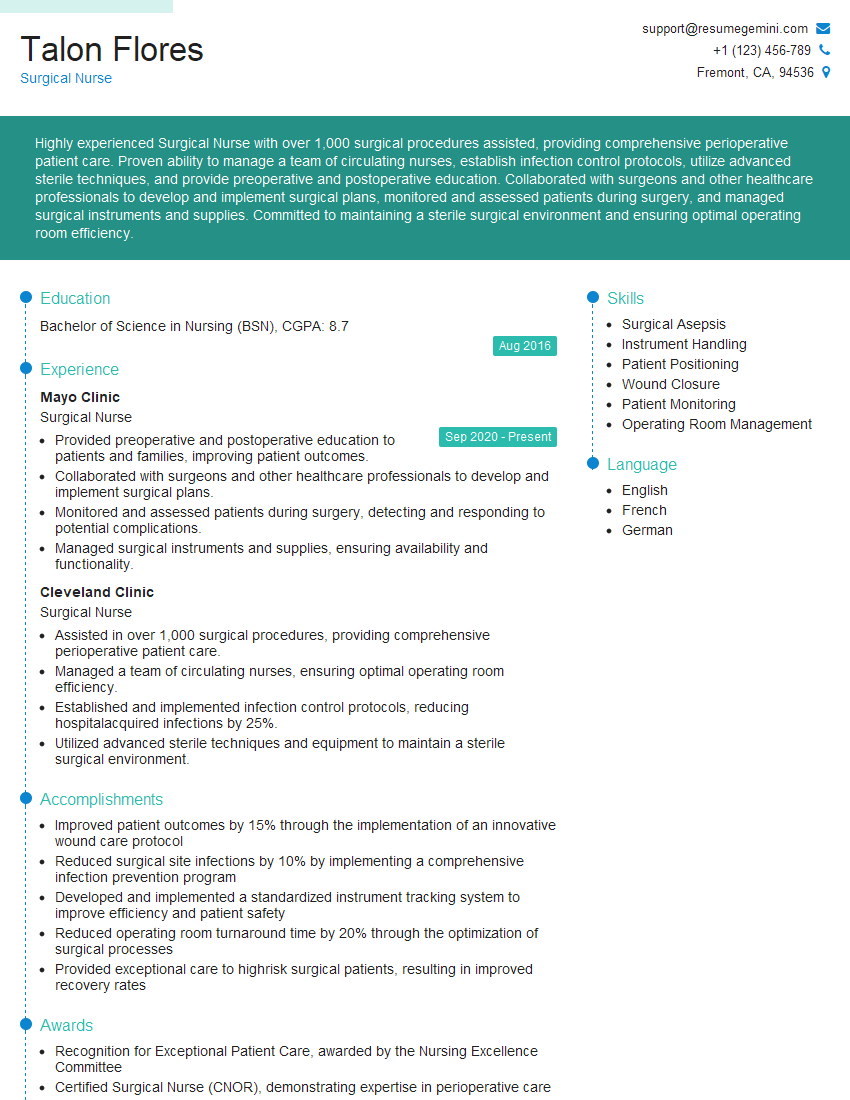
Surgical Nurse Resume Sample
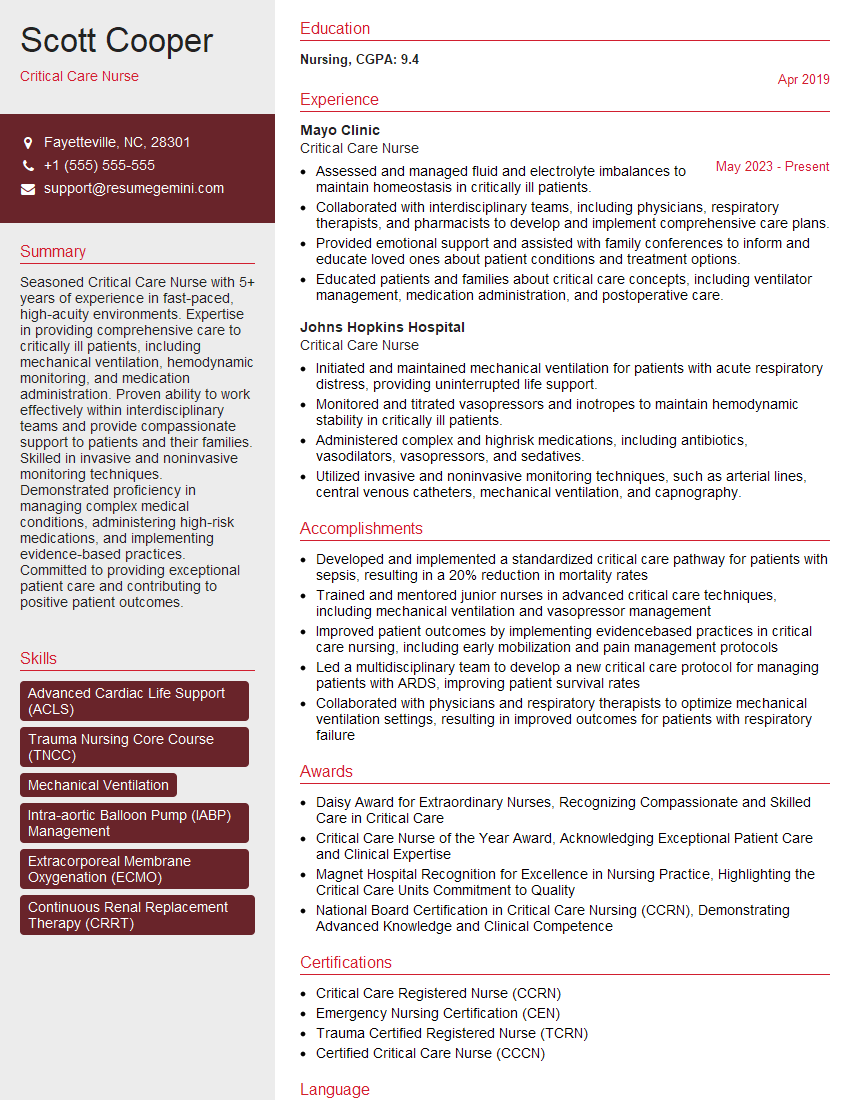
Critical Care Nurse Resume Sample
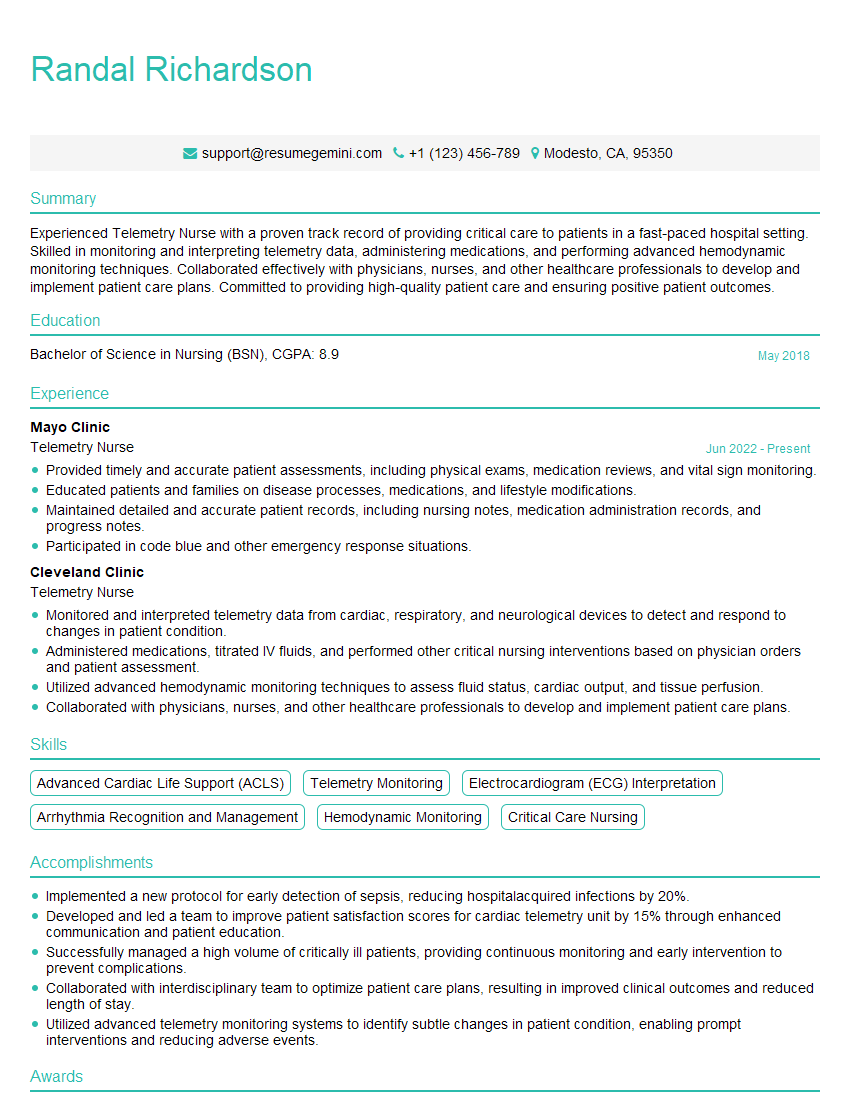
Telemetry Nurse Resume Sample
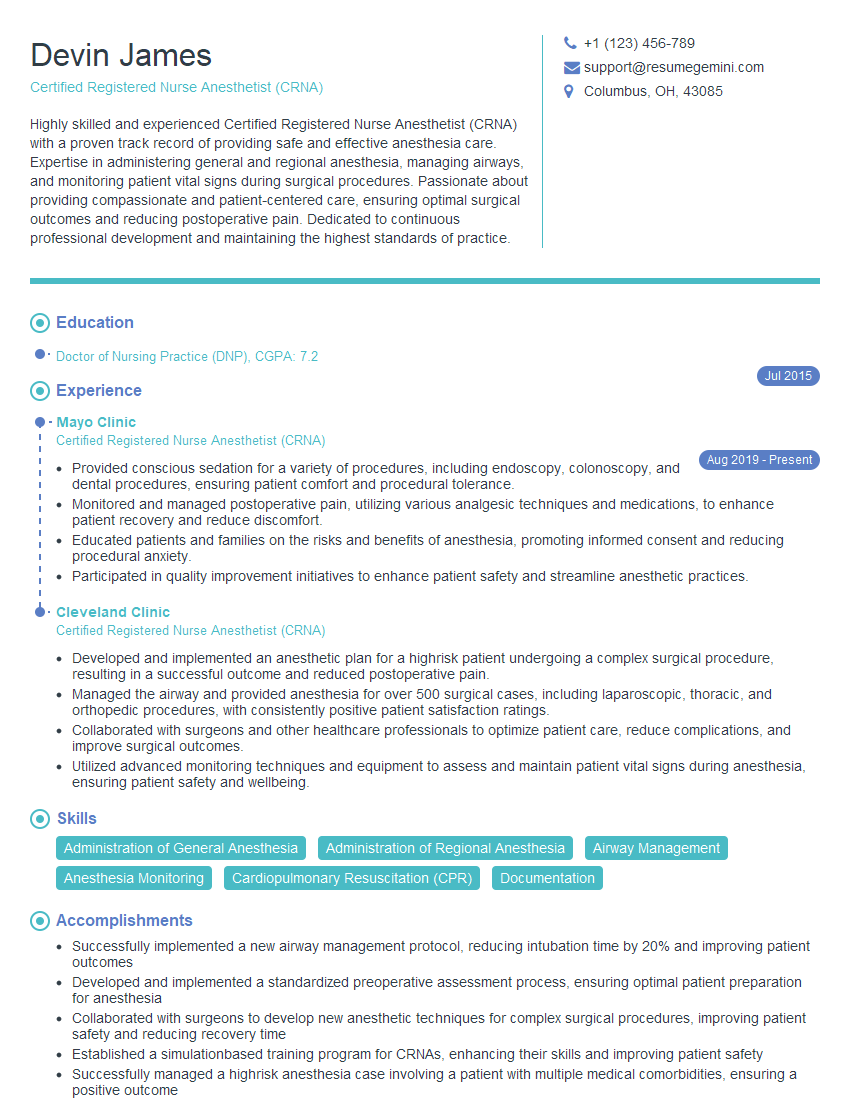
Certified Registered Nurse Anesthetist (CRNA) Resume Sample
Explore more articles
Users Rating of Our Blogs
Share Your Experience
We value your feedback! Please rate our content and share your thoughts (optional).
What Readers Say About Our Blog
To the interviewgemini.com Webmaster.
Very helpful and content specific questions to help prepare me for my interview!
Thank you
To the interviewgemini.com Webmaster.
This was kind of a unique content I found around the specialized skills. Very helpful questions and good detailed answers.
Very Helpful blog, thank you Interviewgemini team.