Interviews are more than just a Q&A session—they’re a chance to prove your worth. This blog dives into essential Chemical and Physical Wastewater Treatment Processes interview questions and expert tips to help you align your answers with what hiring managers are looking for. Start preparing to shine!
Questions Asked in Chemical and Physical Wastewater Treatment Processes Interview
Q 1. Explain the difference between primary, secondary, and tertiary wastewater treatment.
Wastewater treatment is a multi-stage process designed to remove pollutants from wastewater before it’s discharged into the environment. It’s broadly categorized into primary, secondary, and tertiary treatment, each focusing on different pollutant types and removal mechanisms.
Primary treatment is the initial physical process of removing large solids and grit. Imagine a strainer in your kitchen sink – it catches the large food particles. Similarly, primary treatment uses screens, grit chambers, and sedimentation tanks to remove about 60% of suspended solids. It’s a relatively simple and inexpensive method but leaves many dissolved and smaller suspended pollutants in the water.
Secondary treatment focuses on removing dissolved and suspended organic matter through biological processes. Think of it as cleaning the strainer more thoroughly with soap and water. Here, microorganisms, mostly bacteria, are used to consume the organic pollutants. This stage can remove about 90% of the remaining BOD (Biochemical Oxygen Demand) and suspended solids. Common secondary treatment processes include activated sludge and trickling filters.
Tertiary treatment, also known as advanced wastewater treatment, aims to remove remaining pollutants such as nutrients (nitrogen and phosphorus), pathogens, and dissolved solids, pushing the removal efficiency to nearly 100%. This stage involves more advanced and often more expensive technologies like membrane filtration, activated carbon adsorption, and disinfection. It’s crucial for water reuse or discharge into sensitive environments.
Q 2. Describe the coagulation-flocculation process in wastewater treatment.
Coagulation-flocculation is a crucial physical-chemical process in wastewater treatment, particularly effective in removing suspended solids and colloidal particles too small to settle out on their own. It works in two stages:
Coagulation involves adding a chemical coagulant, such as aluminum sulfate (alum) or ferric chloride, to the wastewater. These coagulants destabilize the negatively charged colloidal particles, allowing them to clump together. Imagine adding glue to a bunch of tiny balloons – the glue helps them stick together.
Flocculation is the subsequent process where gently mixed wastewater allows these destabilized particles to collide and aggregate into larger, heavier flocs. These larger flocs are easily removed through sedimentation or filtration. Think of the balloons clumping together to form a larger, easier-to-handle mass. The gentle mixing promotes collisions without breaking up the flocs.
The effectiveness of coagulation-flocculation depends on several factors, including the type and dose of coagulant, pH, temperature, and mixing intensity. Careful optimization of these parameters is essential to achieve high removal efficiencies.
Q 3. What are the common types of physical separation techniques used in wastewater treatment?
Several physical separation techniques are employed in wastewater treatment to remove solid particles and other pollutants:
- Screening: Removes large debris using bar screens or mesh screens. It’s like using a sieve to separate larger particles from smaller ones.
- Sedimentation: Allows suspended solids to settle out under gravity in sedimentation tanks. This is similar to letting sand settle at the bottom of a glass of water.
- Filtration: Uses media filters (sand, gravel, anthracite) or membrane filters to remove smaller suspended particles. This is analogous to filtering coffee grounds from coffee using a filter.
- Flotation: Introduces air bubbles to attach to suspended solids, making them float to the surface for removal (dissolved air flotation or DAF).
The choice of technique depends on the characteristics of the wastewater and the desired level of treatment.
Q 4. Explain the role of activated sludge in secondary wastewater treatment.
Activated sludge is the heart of many secondary wastewater treatment systems. It’s a biological process where microorganisms, predominantly bacteria, consume dissolved and suspended organic matter in the wastewater. This process significantly reduces the BOD and improves water quality.
An activated sludge system typically involves an aeration tank where wastewater is mixed with a concentrated suspension of microorganisms (the activated sludge). Oxygen is supplied to support the aerobic metabolism of these microorganisms, which break down organic pollutants. This is like using a compost pile to break down organic materials. The microorganisms consume the waste and produce cleaner water and a more stable sludge.
After aeration, the mixture passes through a clarifier where the sludge settles, forming a concentrated biomass. A portion of this sludge is recycled back to the aeration tank to maintain a high concentration of microorganisms, while the excess sludge is disposed of or further processed. The clarified effluent, now significantly cleaner, is discharged or sent for tertiary treatment.
Q 5. Describe the principles of biological nutrient removal in wastewater treatment.
Biological nutrient removal (BNR) is a crucial aspect of advanced wastewater treatment aimed at eliminating excess nutrients, primarily nitrogen and phosphorus, that can cause eutrophication in receiving waters (excessive algae growth). BNR leverages the metabolic capabilities of specific microorganisms.
Nitrogen removal typically involves two processes: nitrification and denitrification. Nitrification converts ammonia to nitrate by aerobic bacteria, while denitrification converts nitrate to nitrogen gas (N2) by anaerobic bacteria. This is a two-step biological process requiring controlled oxygen levels.
Phosphorus removal often involves biological uptake by microorganisms, enhanced by chemical precipitation with chemicals such as lime or ferric chloride. The phosphorus is incorporated into the biomass and removed with the excess sludge.
BNR systems are often designed to optimize the conditions for both nitrogen and phosphorus removal, ensuring the efficient and effective removal of these nutrients from wastewater.
Q 6. How does the activated carbon adsorption process remove pollutants from wastewater?
Activated carbon adsorption is a powerful tertiary treatment process that uses activated carbon, a highly porous material with a large surface area, to adsorb a wide range of pollutants from wastewater. Imagine a sponge with incredibly tiny pores that trap various substances.
Pollutants in the wastewater are attracted to the surface of the activated carbon particles and are held there by van der Waals forces or chemical bonding. This process is particularly effective in removing organic compounds, pesticides, and other dissolved contaminants that are difficult to remove using other methods. The adsorption capacity of the activated carbon depends on factors such as the type of carbon, the characteristics of the pollutants, and the temperature of the water.
After adsorption, the activated carbon needs to be regenerated or replaced. Regeneration involves heating or using chemical solvents to release adsorbed pollutants, extending the life of the carbon. Spent activated carbon can be disposed of in landfills or potentially be used in other applications.
Q 7. What are the different types of membrane filtration used in wastewater treatment?
Membrane filtration is a versatile tertiary treatment technology using semi-permeable membranes to separate pollutants from wastewater. Different types of membranes are used depending on the size and type of pollutants to be removed:
- Microfiltration (MF): Removes suspended solids and larger microorganisms, typically with pore sizes in the range of 0.1 to 10 μm.
- Ultrafiltration (UF): Removes smaller suspended solids, colloids, and some dissolved organic matter, with pore sizes typically ranging from 0.01 to 0.1 μm.
- Nanofiltration (NF): Removes dissolved salts, multivalent ions, and some organic molecules, with pore sizes in the range of 0.001 to 0.01 μm.
- Reverse Osmosis (RO): Removes virtually all dissolved salts and organic molecules, producing high-quality water with pore sizes smaller than 0.001 μm.
Membrane filtration offers high removal efficiency and can be used for various applications, including water reuse and desalination. However, membrane fouling and high operational costs are important considerations.
Q 8. Explain the process of disinfection in wastewater treatment and common disinfectants used.
Disinfection is the final stage of wastewater treatment, aimed at eliminating or significantly reducing harmful pathogens like bacteria, viruses, and protozoa to protect public health and the environment. It’s crucial because even after the removal of organic matter and nutrients, these microorganisms can still pose a risk. Common disinfectants fall into several categories:
- Chlorine-based disinfectants: These are widely used and effective, including hypochlorite (bleach), chlorine gas, and chloramines. They are relatively inexpensive and readily available, but can form disinfection byproducts (DBPs) like trihalomethanes (THMs) which are potentially carcinogenic. Careful monitoring is crucial.
- UV disinfection: Ultraviolet light disrupts the DNA of microorganisms, rendering them unable to reproduce. UV is a chemical-free alternative, avoiding DBP formation, but requires careful lamp maintenance and is less effective against some resistant pathogens.
- Ozone disinfection: Ozone is a powerful oxidant that effectively inactivates pathogens. It’s highly effective but requires on-site generation, adds to operational costs and can be unstable. Residual ozone needs to be carefully managed.
- Other methods: These include chlorine dioxide, which is effective and forms fewer DBPs than chlorine, and advanced oxidation processes (AOPs) which can be very effective at destroying pathogens and emerging contaminants, but often at a higher cost.
The choice of disinfectant depends on factors like effluent quality, regulatory requirements, cost considerations, and potential environmental impacts. For example, a municipality with stringent DBP regulations might opt for UV or ozone disinfection, while a smaller plant might choose chlorine due to its lower cost.
Q 9. What are the key parameters monitored in wastewater treatment plants, and why?
Several key parameters are continuously monitored in wastewater treatment plants to ensure efficient operation and compliance with discharge permits. These parameters can be broadly categorized into:
- Influent parameters: These represent the wastewater entering the plant and include flow rate (volume of wastewater entering per unit time), BOD (Biochemical Oxygen Demand, measuring the amount of oxygen needed by bacteria to decompose organic matter), COD (Chemical Oxygen Demand, a more comprehensive measure of organic matter), TSS (Total Suspended Solids), pH, and ammonia.
- Process parameters: These reflect the performance of the treatment units and include mixed liquor suspended solids (MLSS) in activated sludge processes, dissolved oxygen (DO) levels, sludge age, and various enzyme activities.
- Effluent parameters: These parameters measure the quality of the treated wastewater before discharge and include BOD, COD, TSS, ammonia, nitrates, phosphates, and various pathogens (depending on the level of treatment).
Monitoring these parameters helps operators make adjustments to the treatment process to maintain optimal performance, prevent malfunctions, and comply with environmental regulations. For instance, low DO levels in an activated sludge tank might indicate a need to increase aeration. High effluent BOD suggests the biological treatment is not effective and needs troubleshooting. Regular monitoring is vital for efficient and environmentally responsible operation.
Q 10. How do you calculate the hydraulic retention time (HRT) of a wastewater treatment process?
Hydraulic retention time (HRT) is the average time wastewater spends in a treatment unit. It’s a critical design parameter that influences the efficiency of the treatment process. Calculating HRT is straightforward:
HRT = Volume of the tank (or unit) / Flow rate
Where:
- Volume of the tank is expressed in cubic meters (m³), gallons (gal), or other appropriate units.
- Flow rate is expressed in cubic meters per day (m³/d), gallons per day (gal/d), or other consistent units.
Example: A clarifier has a volume of 500 m³ and receives a flow rate of 100 m³/d. The HRT is:
HRT = 500 m³ / 100 m³/d = 5 days
This means the wastewater remains in the clarifier for an average of 5 days. The appropriate HRT varies depending on the treatment process. For example, activated sludge processes typically have HRTs ranging from several hours to a few days, while anaerobic digesters can have much longer HRTs, sometimes weeks or months.
Q 11. Explain the concept of sludge thickening and dewatering.
Sludge thickening and dewatering are essential steps in wastewater treatment for managing the biosolids (sludge) produced during the treatment process. These steps reduce the volume and water content of the sludge, making it easier and cheaper to transport and dispose of, or potentially recover resources.
Sludge thickening concentrates the sludge by removing water. Common methods include:
- Gravity thickening: Sludge is allowed to settle under gravity, concentrating the solids at the bottom.
- Polymer assisted thickening: Polymers are added to enhance the settling and reduce the water content.
Sludge dewatering further reduces the water content, typically to below 80%. Common methods include:
- Belt filter presses: Sludge passes between filter belts, squeezing out the water.
- Centrifuges: Sludge is spun at high speed, separating the solids from the water.
- Vacuum filters: A vacuum draws water through a filter cloth, leaving behind the dewatered sludge.
- Anaerobic digestion: While primarily a stabilization method, this process also reduces sludge volume and moisture content.
The choice of method depends on the sludge characteristics, budget, and available space. Effective sludge thickening and dewatering are crucial for reducing disposal costs and minimizing environmental impacts.
Q 12. What are the common types of sludge digesters used in wastewater treatment?
Sludge digesters are used to stabilize sludge, reducing its volume and odor, and potentially producing biogas. Common types include:
- Anaerobic digesters: These operate in the absence of oxygen, using microorganisms to break down organic matter in the sludge. The process produces biogas (a mixture of methane and carbon dioxide), which can be used for energy generation. Anaerobic digesters are further categorized into:
- Covered anaerobic lagoons: Large, covered basins allowing slow digestion.
- High-rate anaerobic digesters: These have better mixing and temperature control for faster digestion.
- Completely mixed anaerobic digesters: These provide uniform conditions for improved digestion efficiency.
- Aerobic digesters: These operate in the presence of oxygen, using aerobic microorganisms. They produce less biogas than anaerobic digesters but require more energy for aeration. They are often used for smaller quantities of sludge.
The choice of digester type depends on the sludge characteristics, energy needs, and available land. Large plants often use anaerobic digesters to produce biogas, while smaller plants may opt for aerobic digestion due to simpler operation.
Q 13. Describe the different types of chemical precipitation processes used for phosphorus removal.
Chemical precipitation is a widely used method for phosphorus removal in wastewater treatment. It involves adding chemicals to the wastewater to form insoluble phosphorus compounds that can be removed through sedimentation or filtration.
- Lime precipitation: Adding lime (calcium hydroxide, Ca(OH)2) increases the pH, causing the precipitation of calcium phosphate. It’s cost-effective but can generate large amounts of sludge.
- Alum precipitation: Aluminum sulfate (Al2(SO4)3) reacts with phosphate to form aluminum phosphate, which precipitates. Alum is effective but can be more expensive than lime.
- Ferric chloride precipitation: Ferric chloride (FeCl3) reacts with phosphate to form ferric phosphate, which precipitates. It’s highly effective but also more expensive than lime or alum.
- Ferrous sulfate precipitation: Similar to ferric chloride, but less effective and typically used in combination with other processes.
The choice of chemical depends on several factors, including the concentration of phosphorus in the wastewater, the pH of the wastewater, the cost of chemicals, and the amount of sludge produced. For example, lime is often preferred for its low cost, particularly in areas where it’s readily available, but may necessitate additional sludge management. In situations requiring high phosphorus removal efficiency, ferric chloride might be the more suitable choice.
Q 14. What are the advantages and disadvantages of using different types of filters in wastewater treatment?
Various filters are used in wastewater treatment to remove suspended solids, and in some cases, dissolved substances. Each filter type has its advantages and disadvantages:
- Sand filters: These are simple, inexpensive, and effective for removing suspended solids. However, they require frequent backwashing and may not remove smaller particles effectively.
- Dual media filters: Combine sand and anthracite coal, offering better particle removal efficiency than sand filters alone. They also require backwashing.
- Membrane filters (microfiltration, ultrafiltration): Offer superior removal of suspended solids and even some dissolved substances, but are more expensive and can be prone to fouling, requiring more maintenance.
- Activated carbon filters: Used for removing dissolved organic matter and other pollutants through adsorption. Activated carbon filters are effective for odor control and removal of specific chemicals, but the carbon needs to be replaced periodically and they can be relatively costly.
Advantages and Disadvantages Summary:
| Filter Type | Advantages | Disadvantages |
|---|---|---|
| Sand | Simple, inexpensive | Limited efficiency, frequent backwashing |
| Dual Media | Improved efficiency | Requires backwashing |
| Membrane | High efficiency | Expensive, prone to fouling |
| Activated Carbon | Excellent for dissolved contaminants, odor control | Expensive, carbon replacement required |
The choice of filter type depends on the effluent quality goals, available budget, and the type and concentration of pollutants to be removed. For example, a plant needing to meet stringent discharge limits for suspended solids might opt for membrane filtration, while a smaller plant might choose sand filtration for its simplicity and lower cost.
Q 15. Explain the principles of anaerobic digestion.
Anaerobic digestion is a natural process where microorganisms break down organic matter in the absence of oxygen. Think of it like composting on a much larger scale. The process involves several stages. First, hydrolysis breaks down complex organic polymers (like carbohydrates, proteins, and lipids) into simpler monomers. Then, acidogenesis occurs where these monomers are fermented by acidogenic bacteria, producing volatile fatty acids (VFAs), hydrogen, and carbon dioxide. Next, in acetogenesis, these VFAs are converted into acetate, hydrogen, and carbon dioxide. Finally, in methanogenesis, methanogenic archaea use acetate, hydrogen, and carbon dioxide to produce methane (biogas) and carbon dioxide. The biogas is a valuable byproduct that can be used for energy generation. The remaining digestate is a nutrient-rich fertilizer. In a wastewater treatment plant, anaerobic digestion is crucial for reducing sludge volume, producing renewable energy, and minimizing environmental impact.
For example, a municipal wastewater treatment plant might use anaerobic digestion to treat the thickened sludge from the secondary clarifier, reducing its volume by 50% or more while producing biogas to fuel plant operations. The resulting digestate can then be used as a soil amendment.
Career Expert Tips:
- Ace those interviews! Prepare effectively by reviewing the Top 50 Most Common Interview Questions on ResumeGemini.
- Navigate your job search with confidence! Explore a wide range of Career Tips on ResumeGemini. Learn about common challenges and recommendations to overcome them.
- Craft the perfect resume! Master the Art of Resume Writing with ResumeGemini’s guide. Showcase your unique qualifications and achievements effectively.
- Don’t miss out on holiday savings! Build your dream resume with ResumeGemini’s ATS optimized templates.
Q 16. Describe the different types of oxidation processes used in wastewater treatment.
Several oxidation processes are used in wastewater treatment, all aimed at breaking down organic matter. These processes primarily differ in the way oxygen is introduced and the type of microorganisms involved.
- Activated Sludge Process: This is a common aerobic process where microorganisms are suspended in the wastewater and consume organic matter in the presence of oxygen supplied by aeration. Think of it as a biological ‘super-cleaner’.
- Trickling Filters: In this process, wastewater is trickled over a bed of media (like rocks or plastic) coated with a biofilm of microorganisms. Oxygen diffuses from the air into the biofilm, supporting the oxidation process. It’s like a natural filter.
- Rotating Biological Contactors (RBCs): These are rotating disks partially submerged in wastewater. A biofilm grows on the disks, and as they rotate, they are exposed to air, promoting aerobic oxidation. Imagine a constantly self-cleaning wheel.
- Aerated Lagoons: These are large, shallow ponds where wastewater is aerated to promote aerobic decomposition. It’s a simpler, more cost-effective approach but requires larger land areas.
- Oxidation Ditches: Similar to aerated lagoons, but often rectangular with a mechanical aerator to ensure thorough mixing and oxygenation. The design optimizes oxygen transfer efficiency.
The choice of oxidation process depends on factors such as wastewater characteristics, available land, budget, and desired effluent quality.
Q 17. How do you control the pH in a wastewater treatment plant?
pH control is critical in wastewater treatment as it significantly impacts the efficiency of biological processes and the effectiveness of chemical treatments. Most biological processes function optimally within a narrow pH range (typically 6.5-8.5). Adjustments are made using either acids or bases.
- Acids: Sulfuric acid (H2SO4) or hydrochloric acid (HCl) are commonly used to lower pH when it’s too high.
- Bases: Sodium hydroxide (NaOH) or lime (Ca(OH)2) are used to raise pH when it’s too low.
pH is continuously monitored using probes, and automated control systems adjust the addition of acids or bases accordingly. For example, if the pH drops below the optimal range, the system automatically adds lime to raise it. Manual adjustments may be needed in some cases, especially during periods of significant process upset.
Q 18. What are the common causes of foaming in activated sludge processes?
Foaming in activated sludge processes is a common nuisance and can severely impair treatment efficiency. Several factors can contribute to this issue.
- Excessive Organic Loading: High concentrations of soluble microbial products (SMPs) and extracellular polymeric substances (EPS) can lead to foaming.
- Nutrient Imbalance: Inadequate nitrogen or phosphorus can disrupt microbial balance and promote foam formation.
- Presence of Surfactants: Synthetic detergents and other surfactants in the wastewater can stabilize foam and make it more persistent.
- Specific Microbial Populations: Certain types of bacteria, such as those producing large amounts of lipids, can contribute to foaming.
- Low Dissolved Oxygen (DO): Insufficient aeration can alter microbial communities and favor foam-producing bacteria.
Troubleshooting foam involves identifying and addressing the underlying cause. This might include adjusting the organic loading, optimizing nutrient levels, enhancing aeration, or using anti-foaming agents. A thorough investigation into the incoming wastewater quality and plant operational parameters is crucial.
Q 19. How do you troubleshoot issues related to poor settling in a clarifier?
Poor settling in a clarifier indicates a problem within the activated sludge process. It usually means that the sludge is not settling properly, resulting in a cloudy effluent. Several causes can lead to this.
- High Solids Concentration: An excessively high concentration of mixed liquor suspended solids (MLSS) can lead to poor settling.
- Bulking Sludge: The growth of filamentous bacteria can interfere with settling, leading to a fluffy, non-compacting sludge.
- Toxic Inlets: The presence of toxic substances can disrupt the microbial communities and impair settling.
- Nutrient Deficiency: Lack of essential nutrients can affect microbial metabolism and reduce sludge settling.
- Poor Mixing: Inadequate mixing in the aeration tank can lead to uneven distribution of oxygen and nutrients.
Troubleshooting this issue often begins with examining the MLSS concentration and performing a microscopic analysis of the sludge to identify the presence of filamentous bacteria. Adjusting the food-to-microorganism (F/M) ratio, improving aeration, or adding nutrients might solve the problem. In cases of toxic shock, identifying and eliminating the source of toxicity is paramount. Regular monitoring of MLSS concentration, sludge volume index (SVI), and effluent quality is vital in preventing such issues.
Q 20. Explain the role of aeration in wastewater treatment.
Aeration is the process of introducing oxygen into wastewater. It’s crucial for maintaining aerobic conditions in many wastewater treatment processes, particularly activated sludge.
The primary role of aeration is to provide dissolved oxygen (DO) to aerobic microorganisms that break down organic matter. Without sufficient oxygen, the microorganisms shift to anaerobic metabolism, producing undesirable byproducts like hydrogen sulfide, which leads to foul odors and potential process instability. Adequate aeration is vital for efficient biological oxidation, nutrient removal, and minimizing unpleasant smells. Aeration also helps to mix the wastewater, ensuring even distribution of oxygen and nutrients throughout the treatment process.
Different aeration methods exist, including diffused aeration (using air diffusers), surface aeration (using mechanical aerators), and other specialized systems. The choice depends on factors such as tank design, wastewater characteristics, and energy efficiency considerations.
Q 21. Describe the process of equalization and neutralization in wastewater treatment.
Equalization and neutralization are crucial pretreatment steps in wastewater treatment, especially for industrial wastewater, which can have highly variable flow rates and pH levels.
Equalization involves storing wastewater in a tank to even out variations in flow rate. This creates a more consistent flow to subsequent treatment processes, improving process stability and efficiency. Imagine a water reservoir—it smooths out the peaks and troughs of water flow.
Neutralization is the process of adjusting the pH of wastewater to a neutral or near-neutral range (typically 6.5-8.5). This is essential for protecting downstream biological processes, as extreme pH levels can harm or even kill the microorganisms responsible for treatment. This often involves adding chemicals like lime (for acidic wastewater) or acid (for alkaline wastewater). The analogy here is like balancing a chemical equation; we add the necessary element to bring the pH to a desirable level.
Both equalization and neutralization enhance the overall efficiency and stability of the wastewater treatment system, improving the quality of the treated effluent.
Q 22. What are the regulatory requirements for wastewater discharge?
Wastewater discharge regulations vary significantly depending on location (national, regional, and local levels) and the type of discharge. Generally, these regulations aim to protect receiving water bodies (like rivers, lakes, and oceans) from pollution. They usually specify limits on pollutants like:
- Biochemical Oxygen Demand (BOD): Measures the amount of oxygen consumed by microorganisms as they break down organic matter. High BOD indicates high organic pollution, depleting oxygen levels in the receiving water, harming aquatic life.
- Chemical Oxygen Demand (COD): Measures the total amount of oxygen required to chemically oxidize organic and inorganic matter in the water. It provides a broader picture of organic pollution than BOD.
- Suspended Solids (SS): Represents the total amount of solid particles suspended in the water, which can cloud the water, harm aquatic life, and clog waterways.
- Nutrients (Nitrogen and Phosphorus): Excess nutrients can cause eutrophication, leading to algal blooms, oxygen depletion, and the death of aquatic organisms.
- pH: Measures the acidity or alkalinity of the water, with strict limits to protect aquatic life.
- Specific Pollutants: Depending on the industry, regulations might specify limits for toxic substances like heavy metals (e.g., lead, mercury) or specific organic chemicals.
To comply, wastewater treatment plants must employ appropriate treatment processes to reduce pollutant concentrations below the legally permitted limits. Non-compliance can result in hefty fines and legal actions.
Q 23. How do you calculate the Biochemical Oxygen Demand (BOD) and Chemical Oxygen Demand (COD)?
Both BOD and COD are measures of the oxygen-demanding capacity of wastewater, but they differ in their methods.
BOD (Biochemical Oxygen Demand) is determined by measuring the amount of dissolved oxygen consumed by aerobic microorganisms while they decompose organic matter in a sample over a specific period (typically 5 days at 20°C). This is done in a BOD bottle, a sealed bottle filled with a diluted wastewater sample and incubated in the dark. The difference in dissolved oxygen concentration before and after incubation gives the BOD5 value (BOD over 5 days) in mg/L (milligrams per liter).
COD (Chemical Oxygen Demand) uses strong chemical oxidation (usually potassium dichromate in sulfuric acid) to oxidize both biodegradable and non-biodegradable organic matter. The amount of oxidant consumed is directly proportional to the COD, which is also expressed in mg/L. A reflux method is typically used for analysis in a laboratory setting.
Imagine BOD as a biological ‘cleanup crew’ consuming organic waste and COD as a powerful chemical cleaner oxidizing everything in its path. COD value is always higher or equal to BOD value because it measures more pollutants.
Q 24. Explain the importance of solids handling in wastewater treatment.
Solids handling is crucial in wastewater treatment because untreated solids can clog pipes, cause anaerobic conditions (leading to odor problems and the production of harmful gases like methane), and overload downstream treatment processes. Effective solids handling ensures efficient treatment and minimizes environmental impact.
It involves several key steps:
- Screening: Removing large debris (sticks, rags, etc.) using screens or bar screens.
- Grit Removal: Settling out inorganic materials like sand and grit.
- Primary Sedimentation: Allowing larger solids to settle out by gravity.
- Secondary Sedimentation: Settling out biological floc (a mixture of microorganisms and organic matter) produced in the biological treatment processes.
- Sludge Thickening and Dewatering: Concentrating and removing water from the sludge (settled solids) to reduce its volume before disposal or further treatment (e.g., anaerobic digestion, land application).
Poor solids handling can lead to operational inefficiencies, environmental violations, and higher treatment costs. For example, sludge buildup in digesters can significantly impact biogas production and overall efficiency.
Q 25. What are the different types of sensors and instruments used for monitoring wastewater quality?
Numerous sensors and instruments monitor wastewater quality parameters continuously or at regular intervals, providing real-time data for efficient plant operation and regulatory compliance. Some common examples include:
- Dissolved Oxygen (DO) probes: Measure the concentration of dissolved oxygen in the water, crucial for aerobic biological treatment processes.
- pH sensors: Measure the acidity or alkalinity, influencing microbial activity and chemical reactions.
- Turbidity sensors: Measure water clarity, indicating the presence of suspended solids.
- Conductivity meters: Measure the ability of water to conduct electricity, reflecting the total dissolved solids content.
- Flow meters: Measure the flow rate of wastewater entering and leaving the plant, crucial for process control.
- UV-Vis spectrophotometers: Measure the absorbance of light at specific wavelengths, used to quantify various pollutants.
- Gas chromatographs (GCs) and mass spectrometers (MSs): Used for the identification and quantification of specific volatile and semi-volatile organic compounds.
- Ion-selective electrodes (ISEs): Measure the concentration of specific ions such as nitrates, phosphates, and heavy metals.
Data from these instruments are often integrated into supervisory control and data acquisition (SCADA) systems, providing a comprehensive overview of the plant’s performance and facilitating real-time adjustments to maintain optimal treatment efficiency.
Q 26. How do you deal with shock loads in a wastewater treatment plant?
Shock loads, sudden increases in pollutant concentration or flow rate, can severely disrupt wastewater treatment processes. Strategies to mitigate their impact include:
- Equalization basins: These large tanks store incoming wastewater, allowing for flow and concentration equalization over time, reducing the impact of sudden surges.
- Process redundancy: Implementing backup systems or treatment trains allows the plant to continue functioning even if one part is overwhelmed by a shock load.
- Increased aeration: In biological treatment, increased aeration can help microorganisms cope with higher organic loads.
- Chemical adjustments: Adjusting chemical dosing (e.g., coagulants, flocculants) to improve solids removal.
- Bypass systems: In extreme cases, a portion of the wastewater can be temporarily bypassed around parts of the treatment system, though this practice should be minimized to avoid environmental consequences.
- Pre-treatment improvements: Upgrading pre-treatment facilities to reduce the frequency and severity of shock loads.
Effective shock load management relies on careful monitoring of influent quality, prompt detection of abnormal conditions, and a robust treatment system designed to handle variations in wastewater characteristics.
Q 27. Describe the concept of sustainable wastewater management.
Sustainable wastewater management focuses on minimizing the environmental impact of wastewater treatment while maximizing resource recovery. It goes beyond simply treating wastewater to meet regulatory standards; it aims to create a closed-loop system where treated water and recovered resources are reused or recycled.
Key principles include:
- Resource recovery: Recovering valuable resources from wastewater, such as energy (biogas), nutrients (for fertilizers), and water (for irrigation or industrial reuse).
- Water reuse: Treating wastewater to a high quality and reusing it for non-potable purposes, like irrigation, industrial processes, or toilet flushing.
- Minimizing energy consumption: Optimizing treatment processes to reduce energy demand and use renewable energy sources.
- Reducing sludge production: Implementing strategies to minimize the amount of sludge generated and developing sustainable sludge disposal or reuse methods.
- Lifecycle assessment: Evaluating the environmental impacts of wastewater treatment processes throughout their entire life cycle, from construction and operation to disposal.
- Community engagement: Engaging the community in decision-making processes to ensure the sustainable wastewater management plan aligns with local needs and priorities.
Sustainable wastewater management is essential for preserving water resources, reducing pollution, and creating a more environmentally friendly society.
Q 28. Explain the principles of membrane bioreactors (MBRs).
Membrane bioreactors (MBRs) integrate a membrane filtration process with a conventional activated sludge biological treatment system. This combination provides enhanced treatment efficiency and produces high-quality effluent.
The principles are:
- Biological Treatment: Wastewater undergoes biological treatment in an aeration tank, where microorganisms break down organic matter. This is similar to conventional activated sludge processes.
- Membrane Filtration: After biological treatment, the effluent passes through a membrane (typically microfiltration or ultrafiltration) that physically removes suspended solids, microorganisms, and other pollutants. This results in a much clearer and cleaner effluent.
- Sludge Retention: The membrane retains the biomass (microorganisms) within the aeration tank, resulting in a higher concentration of microorganisms and improved treatment efficiency. This also reduces sludge production compared to conventional activated sludge systems.
- Enhanced Treatment: The combination of biological treatment and membrane filtration achieves a higher level of treatment than either process alone, resulting in a superior effluent quality suitable for reuse or discharge into sensitive environments.
MBRs are particularly advantageous for treating wastewater with high suspended solids concentrations or when a high-quality effluent is required. However, they require higher capital costs due to the membrane system and have higher energy consumption compared to conventional activated sludge systems.
Key Topics to Learn for Chemical and Physical Wastewater Treatment Processes Interview
- Chemical Treatment Processes: Understanding coagulation, flocculation, and sedimentation; chemical oxidation and disinfection (chlorination, UV, ozone); nutrient removal (nitrogen and phosphorus); the role and selection of different chemical agents.
- Practical Application (Chemical): Analyzing wastewater characteristics to determine appropriate chemical treatment strategies; designing and optimizing chemical dosing systems; troubleshooting issues related to chemical treatment efficiency and residuals.
- Physical Treatment Processes: Screening, grit removal, sedimentation (primary and secondary); filtration (media filtration, membrane filtration); air flotation; understanding the principles of hydraulics and flow control in treatment plants.
- Practical Application (Physical): Sizing and designing physical treatment units; calculating hydraulic retention times; performing routine maintenance and troubleshooting on physical treatment equipment.
- Process Control and Instrumentation: Understanding the role of sensors, controllers, and SCADA systems in monitoring and controlling treatment processes; data interpretation and troubleshooting based on process monitoring data.
- Waste Sludge Management: Methods for handling and disposing of generated sludge; thickening, dewatering, and digestion processes; understanding relevant environmental regulations.
- Safety and Regulations: Familiarization with relevant safety protocols and regulations related to wastewater treatment; understanding permit requirements and reporting procedures.
- Advanced Treatment Technologies: Exposure to emerging technologies like membrane bioreactors (MBRs), advanced oxidation processes (AOPs), and constructed wetlands; understanding their applications and advantages/disadvantages.
- Problem-Solving and Troubleshooting: Developing a systematic approach to identifying and resolving issues in wastewater treatment processes; applying fundamental engineering principles to troubleshoot operational problems.
Next Steps
Mastering Chemical and Physical Wastewater Treatment Processes is crucial for a successful and rewarding career in environmental engineering. A strong understanding of these processes opens doors to diverse and impactful roles within the industry. To maximize your job prospects, crafting a compelling and ATS-friendly resume is essential. ResumeGemini offers a trusted platform to build a professional and effective resume that highlights your skills and experience effectively. Examples of resumes tailored specifically to Chemical and Physical Wastewater Treatment Processes are available to help you showcase your expertise and land your dream job. Take the next step in your career journey today!
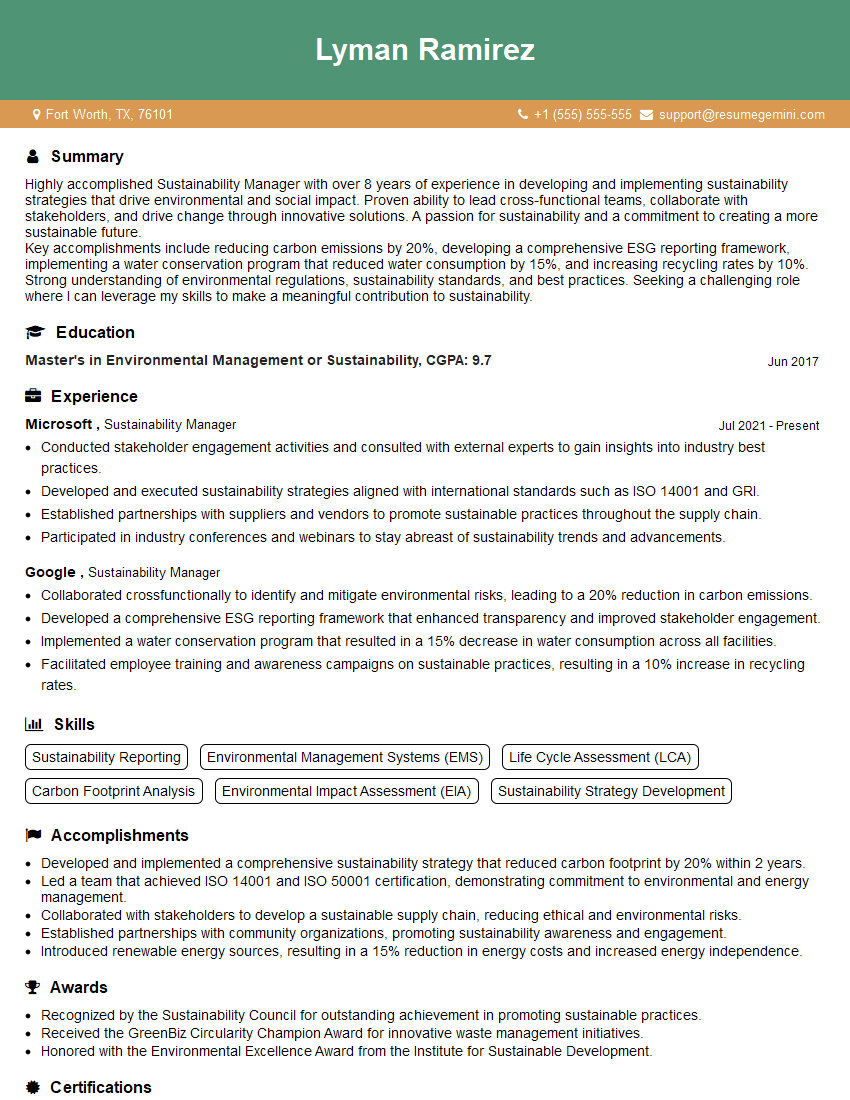
Sustainability Manager Resume Sample
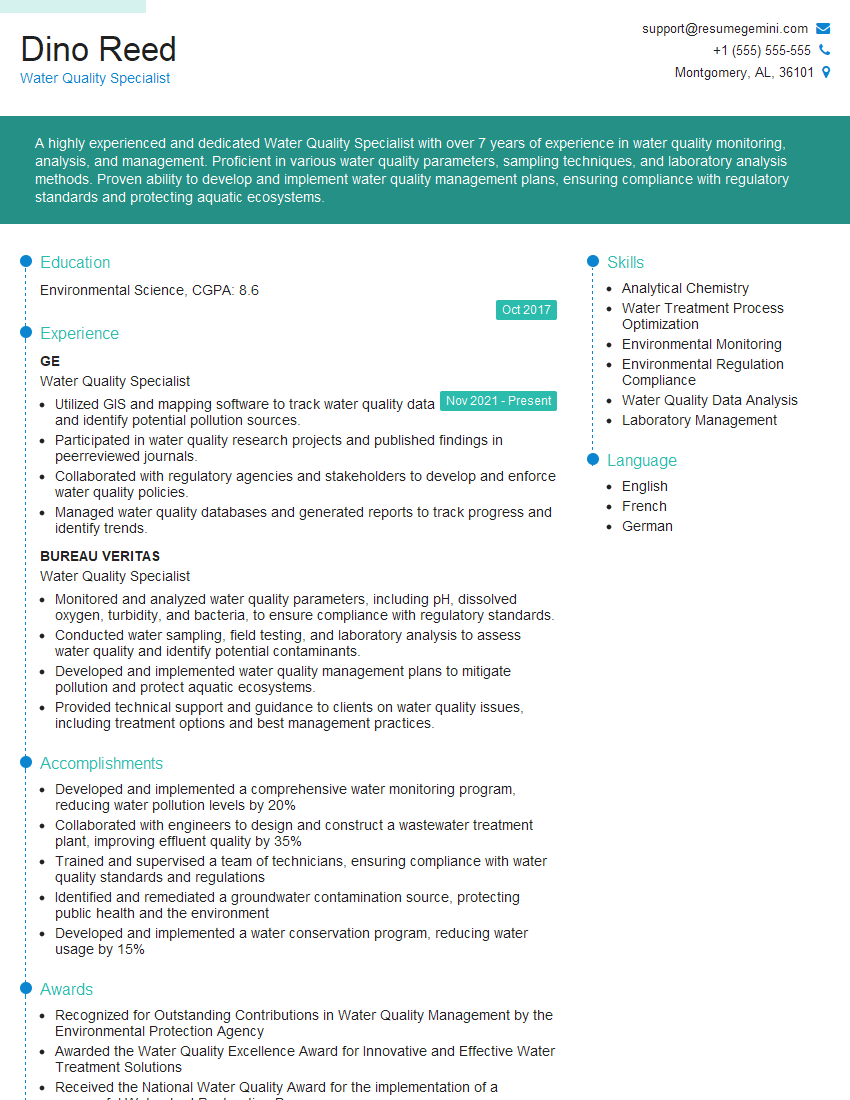
Water Quality Specialist Resume Sample
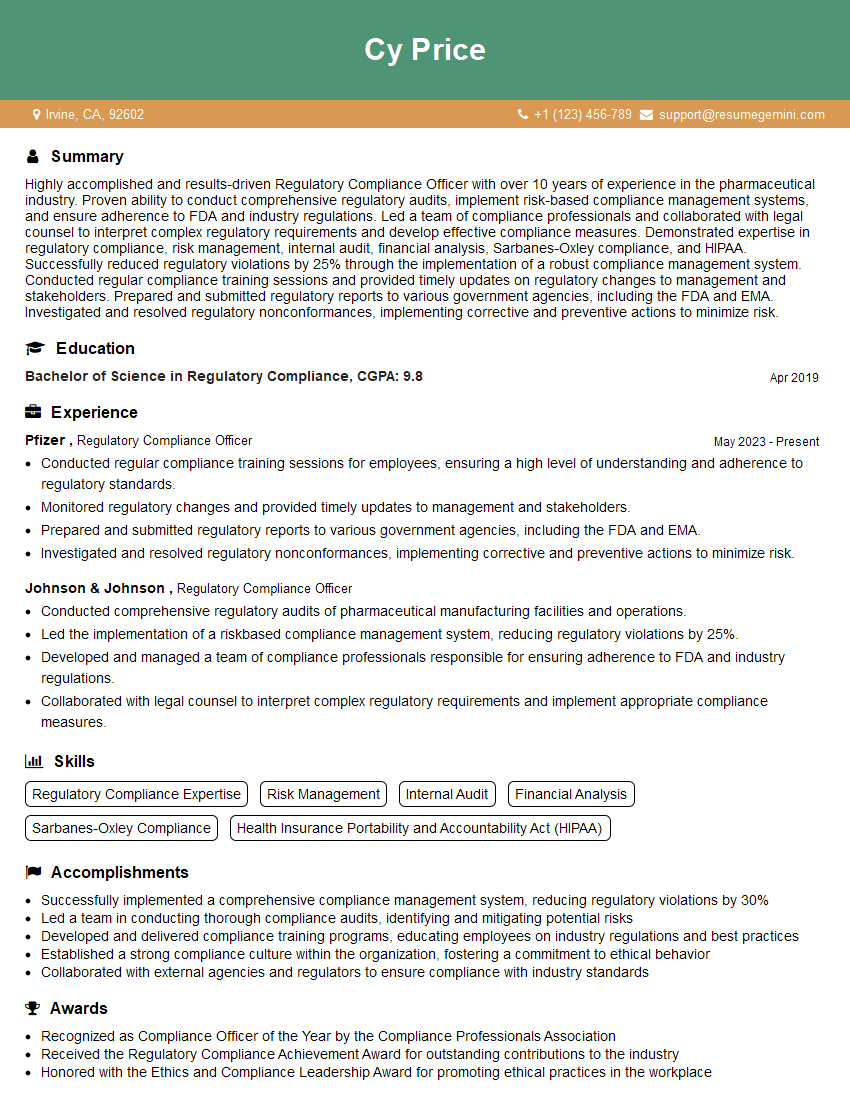
Regulatory Compliance Officer Resume Sample
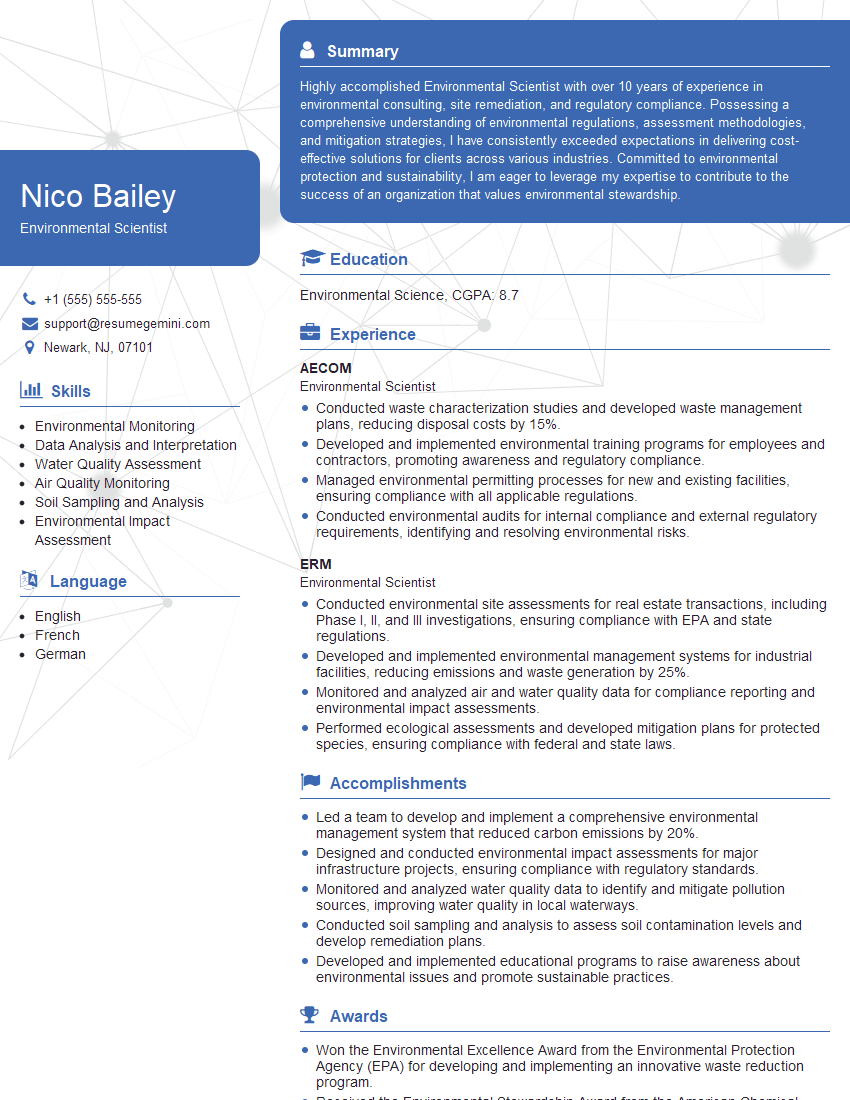
Environmental Scientist Resume Sample
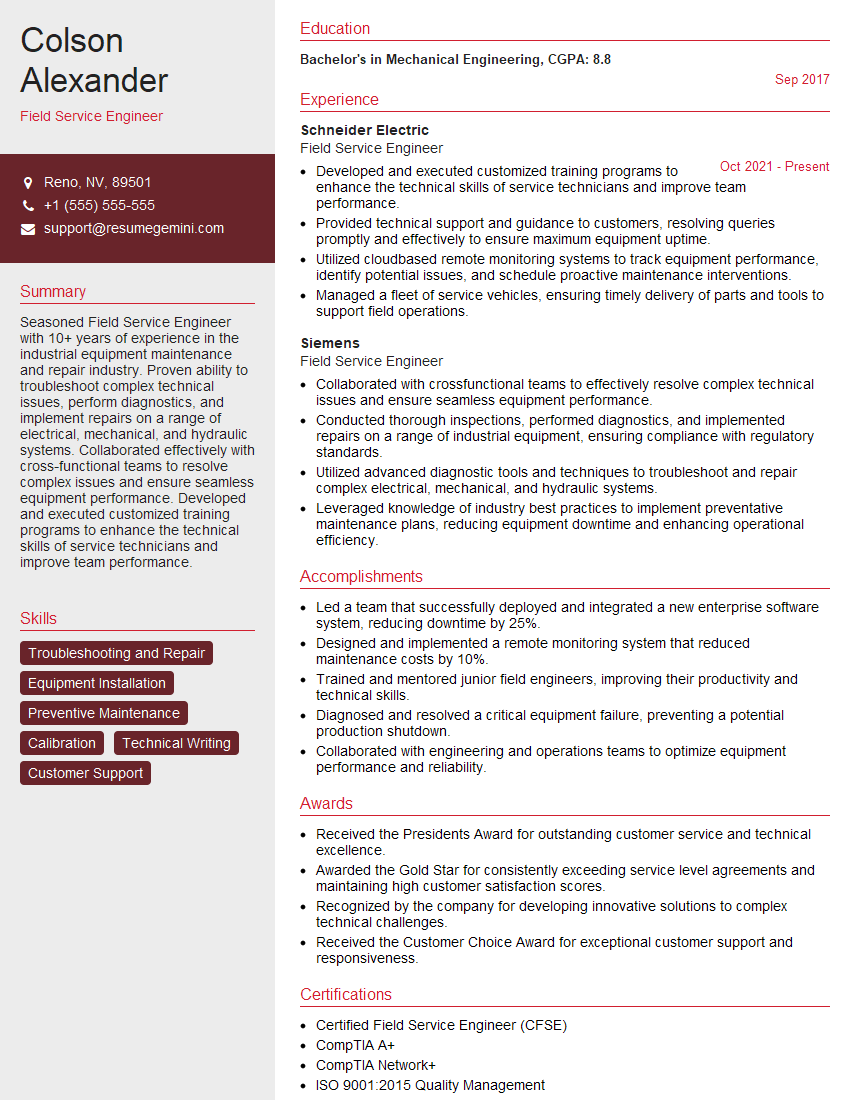
Field Service Engineer Resume Sample
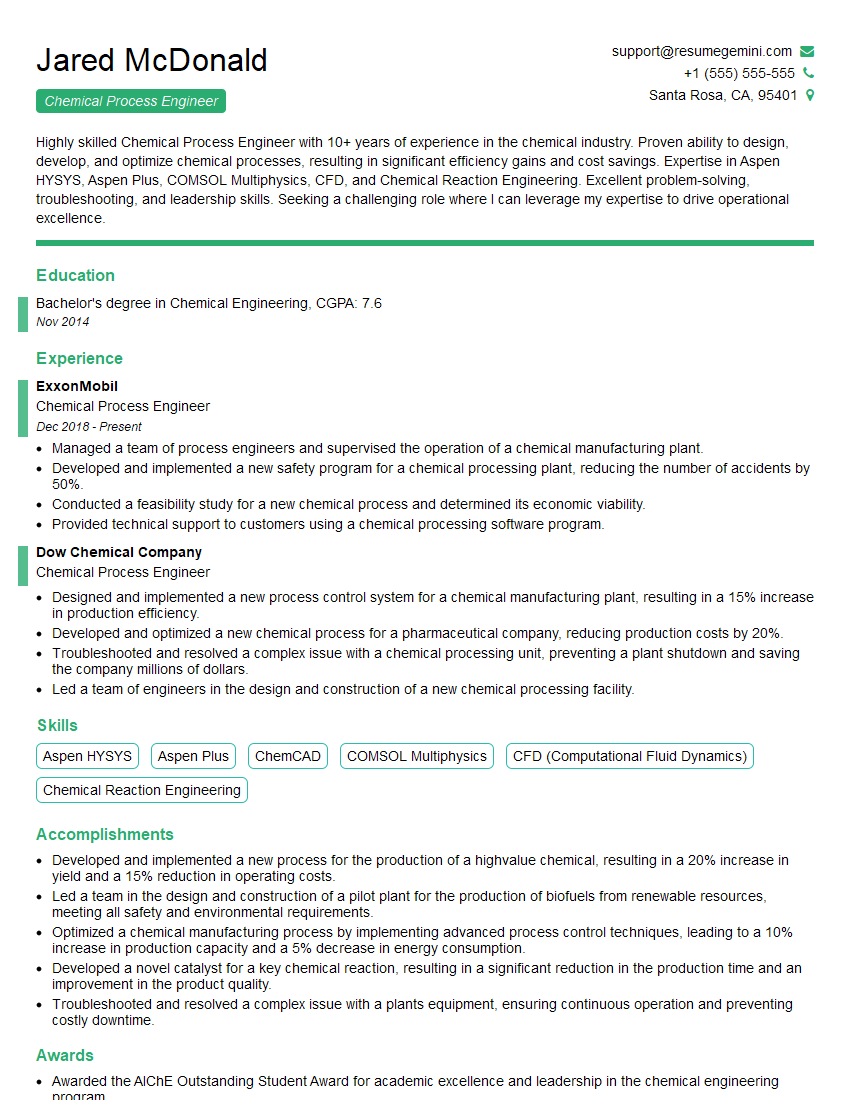
Chemical Process Engineer Resume Sample
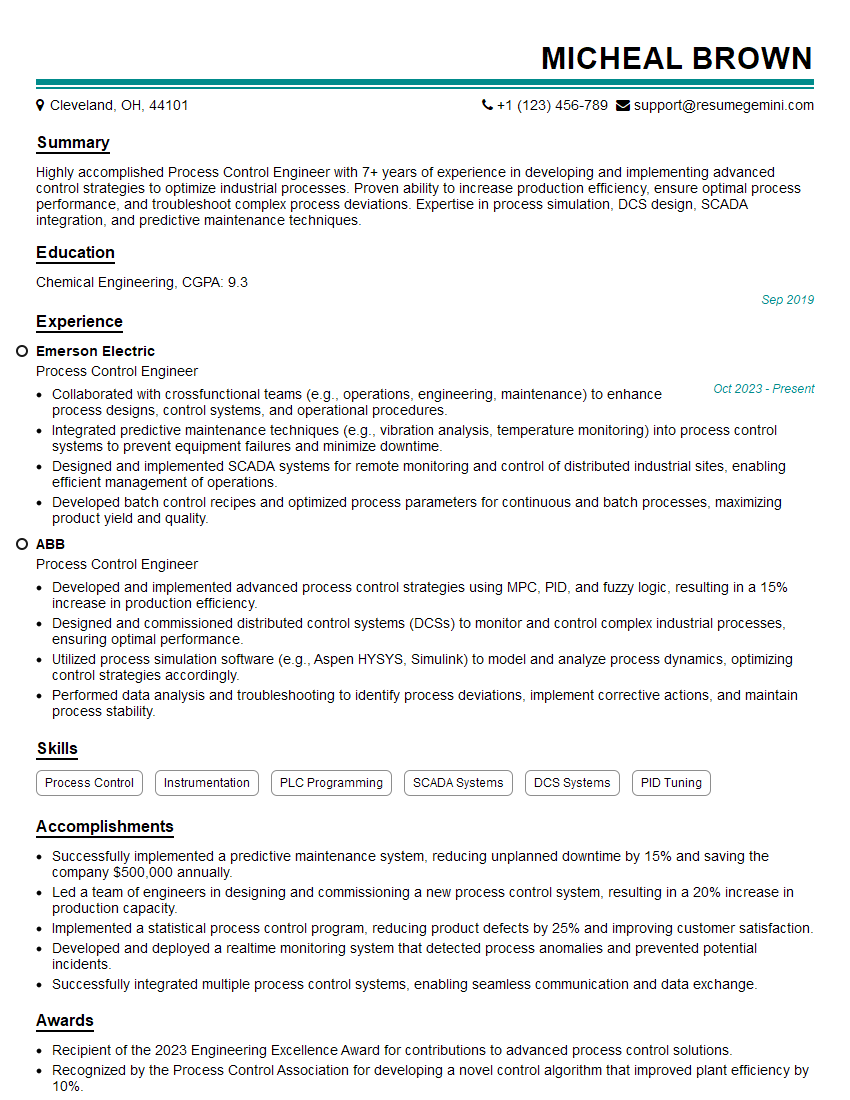
Process Control Engineer Resume Sample
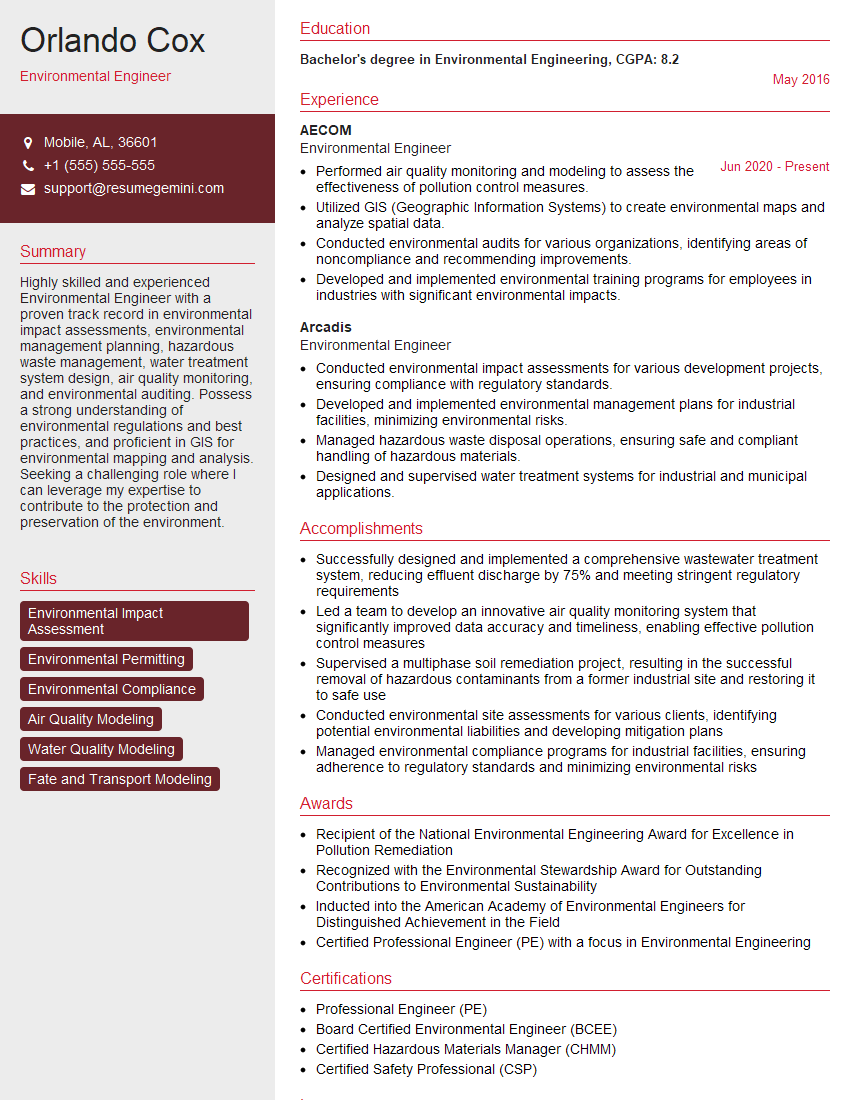
Environmental Engineer Resume Sample
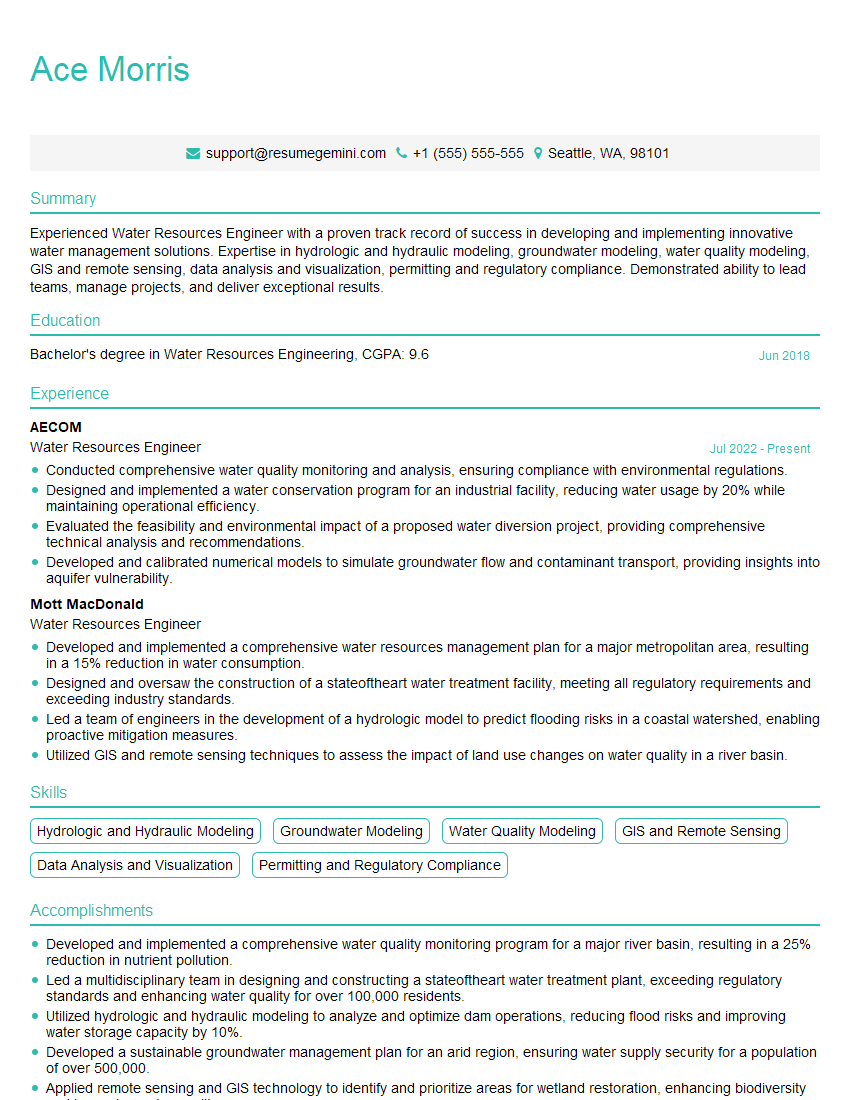
Water Resources Engineer Resume Sample
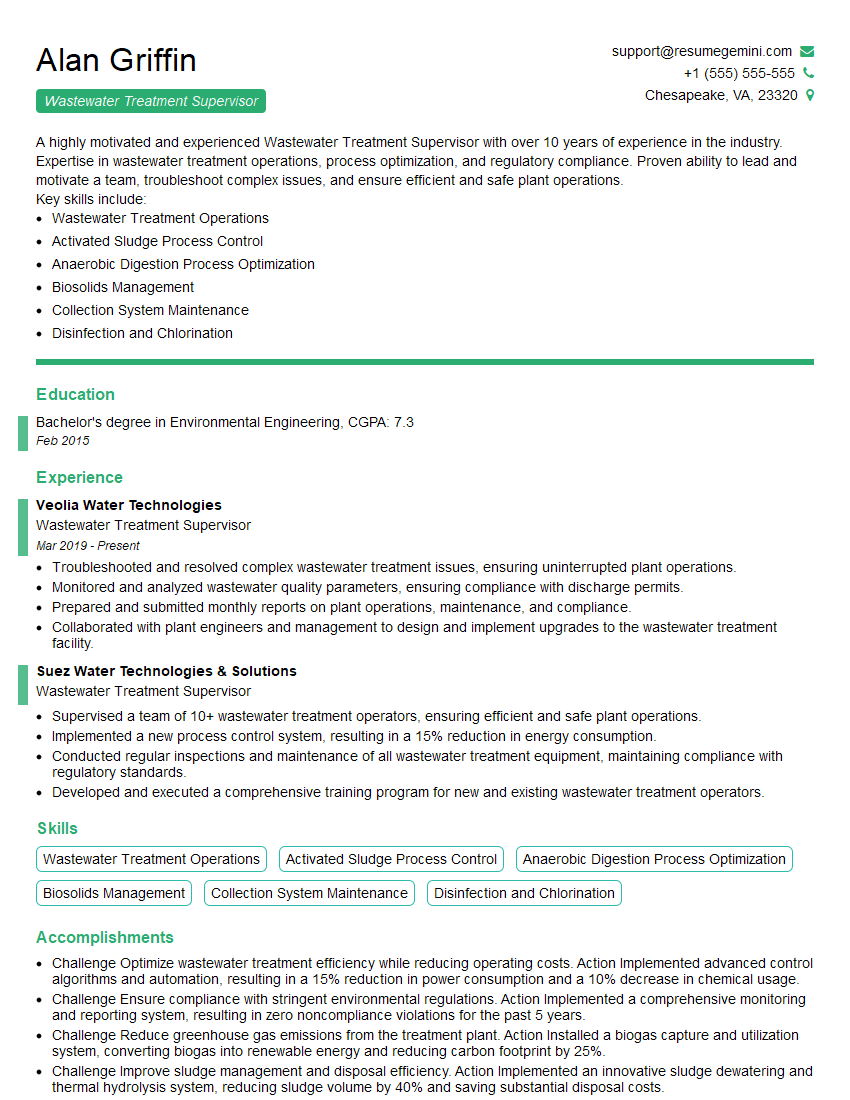
Wastewater Treatment Supervisor Resume Sample
Explore more articles
Users Rating of Our Blogs
Share Your Experience
We value your feedback! Please rate our content and share your thoughts (optional).
What Readers Say About Our Blog
To the interviewgemini.com Webmaster.
Very helpful and content specific questions to help prepare me for my interview!
Thank you
To the interviewgemini.com Webmaster.
This was kind of a unique content I found around the specialized skills. Very helpful questions and good detailed answers.
Very Helpful blog, thank you Interviewgemini team.