Feeling uncertain about what to expect in your upcoming interview? We’ve got you covered! This blog highlights the most important Child Custody Evaluation interview questions and provides actionable advice to help you stand out as the ideal candidate. Let’s pave the way for your success.
Questions Asked in Child Custody Evaluation Interview
Q 1. Describe your experience conducting child custody evaluations.
I have over 15 years of experience conducting child custody evaluations. My work involves a comprehensive assessment of family dynamics to provide the court with recommendations in the best interests of the child. This includes working with diverse family structures and addressing complex issues such as parental alienation, domestic violence, and substance abuse. I’ve conducted hundreds of evaluations, ranging from relatively straightforward cases to those involving high conflict and significant allegations of abuse or neglect. This extensive experience has allowed me to develop a nuanced understanding of child development, family systems, and the legal framework governing custody decisions.
For instance, I recently worked on a case involving a family relocating internationally. My evaluation included a detailed analysis of the potential impact on the child’s well-being, considering factors such as the child’s social network, educational opportunities, and cultural adjustment. The ultimate recommendation was crafted to balance the parents’ desires with the child’s best interests.
Q 2. What assessment methods do you utilize to evaluate parental fitness?
My assessment of parental fitness is multifaceted and relies on a combination of methods. It’s not about finding the ‘better’ parent, but rather determining which parenting plan best serves the child’s needs.
- Interviews: I conduct in-depth interviews with both parents, exploring their parenting styles, their understanding of the child’s needs, and their capacity for co-parenting.
- Observations: I observe parent-child interactions, noting the quality of their relationship, the level of emotional support provided, and the overall parenting skills displayed.
- Psychological Testing: Depending on the case, I may utilize standardized psychological tests to assess personality traits, parenting attitudes, and cognitive abilities relevant to parenting. These tests help to gain a more objective understanding of each parent’s strengths and weaknesses.
- Review of Collateral Information: This includes reviewing school records, medical records, police reports, and any other relevant documentation that helps paint a complete picture of the family’s situation.
For example, in one case, a parent’s scores on a parenting stress index revealed significant levels of anxiety which impacted their ability to effectively manage their child’s behaviour. This finding, in conjunction with observational data, helped inform recommendations regarding support services for the parent and parenting strategies.
Q 3. How do you assess the child’s best interests in custody cases?
Assessing a child’s best interests is paramount in every custody case. It’s a holistic process that goes beyond simply identifying the ‘better’ parent. I consider several factors, all viewed through the lens of what promotes the child’s physical, emotional, and psychological well-being.
- The child’s wishes: While not determinative, a child’s preferences (especially for older children) are carefully considered, recognizing their developmental stage and capacity for reasoned judgment.
- Parent-child relationship: The strength and quality of the bond between each parent and child are crucial. I assess the level of emotional support, security, and connection provided by each parent.
- Parenting plans: I evaluate the practicality and feasibility of proposed parenting plans, considering factors such as scheduling, logistics, and the potential for conflict between parents. A well-structured plan minimizes disruptions to the child’s life.
- Home environment: The safety and stability of each parent’s home are key considerations. This includes assessing the physical environment, the presence of any potential risks, and the overall family dynamic.
- Level of parental conflict: High levels of conflict between parents can negatively impact a child. I assess the parents’ ability to co-parent effectively and minimize conflict in the child’s presence.
Imagine a scenario with two parents engaged in constant conflict. Even if one parent is a seemingly better caregiver individually, a recommendation might prioritize a schedule that minimizes the parents’ interaction to protect the child from the harmful effects of the ongoing dispute.
Q 4. Explain your understanding of the legal standards governing child custody decisions.
My understanding of the legal standards governing child custody decisions is grounded in the best interests of the child. While the specific legal frameworks vary by jurisdiction, the overarching principle remains consistent. I am familiar with various legal doctrines, such as the presumption of joint custody (where applicable) and the considerations given to factors like domestic violence, parental substance abuse, and parental alienation. I meticulously document my findings and conclusions, ensuring they align with the legal requirements of the court. I always stay updated on any legislative or case law changes that impact custody decisions.
For example, in jurisdictions that favor joint custody, I will focus on assessing the parents’ ability to cooperate and communicate effectively to maintain a shared parenting arrangement. However, in cases where domestic violence is involved, this changes dramatically, as the safety of the child is paramount, and the court typically prioritizes the child’s safety above considerations of shared parenting.
Q 5. Describe your approach to interviewing children in custody cases.
Interviewing children in custody cases requires a sensitive and developmentally appropriate approach. My primary goal is to gather information from the child while minimizing stress and ensuring their safety and well-being. I use age-appropriate language and techniques to build rapport and encourage open communication. I avoid leading questions and focus on creating a safe space for the child to share their experiences and perspectives.
- Age-appropriate communication: The interview style and content adjust based on the child’s age and developmental level. Younger children may require more play-based interactions, while older children can engage in more direct conversations.
- Building rapport: Establishing trust is crucial. I begin with neutral, non-threatening topics to create a comfortable atmosphere before addressing more sensitive issues.
- Open-ended questions: I utilize open-ended questions that encourage the child to express their thoughts and feelings without feeling pressured to provide specific answers.
- Careful documentation: I meticulously document the interview process, including the child’s statements, nonverbal cues, and any observations made during the interaction.
For example, with a younger child, I might use puppets or drawings to help them express their feelings about their parents. With an older child, I might engage in more direct conversation, ensuring I am sensitive to the emotional burden this process can represent.
Q 6. How do you handle cases involving allegations of domestic violence or child abuse?
Allegations of domestic violence or child abuse require a thorough and cautious approach. The safety and well-being of the child are paramount. My evaluation in such cases prioritizes a detailed investigation of these allegations, relying heavily on multiple sources of information to verify the claims. I collaborate with other professionals, such as child protective services and law enforcement, to obtain comprehensive data. I am trained to recognize the dynamics of abuse and to understand how these affect children’s behavior and development. My reports clearly detail the findings of this investigation, including recommendations for the child’s protection and safety.
I might use validated risk assessment tools to gauge the likelihood of future abuse. The goal isn’t to determine guilt or innocence, but rather to determine the level of risk to the child and develop recommendations that ensure their safety. This often includes recommendations for supervised visitation, protective orders, or participation in therapeutic interventions.
Q 7. What are the ethical considerations in conducting child custody evaluations?
Ethical considerations are central to my work. Maintaining objectivity, impartiality, and confidentiality are paramount. I adhere to strict ethical guidelines that prioritize the child’s best interests above all else. This includes:
- Avoiding conflicts of interest: I carefully screen for any potential conflicts of interest before accepting a case.
- Maintaining confidentiality: I strictly adhere to confidentiality rules, releasing information only to authorized individuals and with appropriate legal authorization.
- Objectivity and impartiality: My evaluations are guided by a commitment to objectivity and impartiality. I strive to avoid bias and to base my recommendations on the evidence gathered.
- Competence: I only undertake evaluations within my area of expertise. If a case requires specialized knowledge, I will refer the case to a more appropriate professional.
- Respectful communication: I always strive to communicate respectfully and compassionately with all parties involved, including parents and children.
A key ethical principle is that my role is to serve the court, not the parents. My ultimate allegiance is to the well-being of the child, and I make this clear to all parties at the beginning of the process. Any potential bias towards a particular outcome is constantly monitored and mitigated through rigorous documentation and adherence to established professional standards.
Q 8. Explain your understanding of different custody arrangements (sole, joint, etc.).
Custody arrangements are legal decisions determining how parents share responsibility for their children after separation or divorce. They range from one parent having complete legal and physical custody to both parents sharing these responsibilities in various ways.
- Sole Custody: One parent has primary responsibility for the child’s care, education, and well-being. The other parent may have visitation rights, often defined in a parenting plan. This isn’t necessarily about ‘winning’ or ‘losing’; it’s about what’s best for the child, particularly in cases of domestic violence or parental substance abuse.
- Joint Legal Custody: Both parents share the right to make major decisions concerning the child’s life, such as education, healthcare, and religious upbringing. This requires effective co-parenting, and disagreements are usually resolved through negotiation or mediation.
- Joint Physical Custody: Both parents share the child’s physical presence. This can take many forms: 50/50 time split, alternating weeks, or a schedule tailored to the child’s and parents’ needs and routines. Successful joint physical custody hinges on effective communication and cooperation.
- Shared Legal and Physical Custody: This combines both joint legal and joint physical custody, offering the most significant level of parental involvement and decision-making shared equally.
The choice of custody arrangement always prioritizes the child’s best interests, considered within the context of individual family dynamics. In my evaluations, I assess various factors to recommend the most suitable arrangement.
Q 9. How do you address parental alienation in your evaluations?
Parental alienation is a serious issue where one parent systematically turns a child against the other. It’s not simply a disagreement; it’s a pattern of behavior aimed at damaging the child’s relationship with the other parent. In my evaluations, I carefully assess:
- Communication Patterns: I examine the quality and frequency of communication between parents, looking for evidence of negativity, insults, or manipulation directed towards the other parent in the child’s presence.
- Child’s Statements and Behavior: I conduct interviews with the child, sensitive to their developmental stage, paying close attention to their feelings and expressions towards each parent. Unexpectedly negative attitudes towards one parent, especially when not supported by factual evidence, raise a red flag.
- Parental Behaviors: I observe parental behaviors during sessions and assess whether they engage in behaviors designed to undermine the other parent’s relationship with the child, such as controlling visitation or making disparaging remarks.
I use validated assessment tools, and I always consult with mental health professionals if I suspect more extensive intervention is required. The goal is to identify the alienation and, where appropriate, recommend interventions to support the child’s healthy relationship with both parents.
Q 10. Describe your experience working with diverse families and cultural backgrounds.
My experience encompasses a wide range of family structures and cultural backgrounds. I understand that cultural norms significantly influence parenting styles and family dynamics. I am committed to conducting culturally sensitive evaluations, which means:
- Respecting Cultural Differences: I avoid imposing my own cultural values or biases on the families I work with. I strive to understand each family’s unique cultural context and how it affects their parenting practices.
- Utilizing Culturally Appropriate Methods: I adapt my assessment strategies to be culturally appropriate. This may involve using interpreters or modifying communication styles to ensure clear understanding.
- Seeking Cultural Consultation: When faced with unfamiliar cultural contexts, I consult with relevant experts to ensure my evaluations are informed and unbiased. For example, I collaborate with cultural consultants, religious leaders, or other professionals who have expertise in specific cultural practices and beliefs.
Example: I recently evaluated a family from a collectivist culture where extended family played a significant role in childcare. My approach involved interviewing extended family members to understand their influence on the children and the overall family dynamic, ensuring a comprehensive understanding of the child’s environment.
Q 11. How do you handle conflicting information from parents or other sources?
Conflicting information is common in custody evaluations. My approach involves a systematic process of triangulation. This means I gather information from multiple sources to identify patterns and inconsistencies:
- Multiple Interviews: I conduct separate interviews with each parent and the child(ren) as well as other relevant individuals such as teachers, therapists, and extended family members (with parental consent).
- Document Review: I review court records, medical records, school records, and other relevant documentation to corroborate or refute information provided by the parties involved.
- Observation: I observe the interactions between parents and children during sessions to assess their dynamics, communication patterns, and overall relationship quality.
- Psychological Testing: In some cases, psychological testing may be necessary to assess the parents’ psychological functioning or to obtain a clearer picture of the child’s emotional and cognitive development.
By using multiple sources, I build a comprehensive picture, allowing me to identify patterns and biases and evaluate the credibility of information. Any discrepancies are carefully examined in the context of all gathered information.
Q 12. Explain your report-writing process and its adherence to legal standards.
My report-writing process is rigorous and adheres to the highest legal and ethical standards. It includes:
- Detailed Summary of the Case: I provide a complete background of the case, including the legal history and the issues under dispute.
- Comprehensive Description of Methods: I thoroughly describe all assessment methods used, including interviews, observations, and any psychological testing employed.
- Objective Presentation of Findings: I present my findings in an unbiased manner, supporting them with specific examples and evidence from the data collected.
- Clear and Concise Recommendations: I provide clear recommendations regarding custody and visitation arrangements, supporting my recommendations with a thorough explanation based on my findings.
- Compliance with Legal and Ethical Standards: My reports strictly adhere to all relevant legal and ethical guidelines and standards, emphasizing the child’s best interests.
The report is written in a clear and concise style, avoiding jargon where possible. I ensure that all information is presented accurately and professionally to be easily understood by the court and the involved parties.
Q 13. How do you ensure objectivity and avoid bias in your evaluations?
Objectivity and the avoidance of bias are paramount in my evaluations. I employ several strategies:
- Self-Reflection and Awareness: I am constantly aware of my own potential biases and actively work to mitigate their influence. Regular supervision helps in this process.
- Structured Assessment Tools: I utilize standardized assessment tools whenever appropriate, reducing reliance on subjective interpretation.
- Multiple Data Sources: As mentioned previously, using multiple data sources (interviews, observations, records) helps to cross-validate information and reduces the potential impact of any single biased source.
- Consultation with Colleagues: I regularly consult with colleagues to discuss complex cases and ensure that my interpretations are grounded in sound professional judgment and are free from personal biases.
Maintaining a neutral stance, carefully documenting all information, and providing a transparent and detailed rationale for my conclusions are crucial in achieving an objective evaluation.
Q 14. Describe your experience testifying in court regarding your findings.
I have extensive experience testifying in court. My preparation involves:
- Thorough Review of the Report: Before testifying, I carefully review my evaluation report, ensuring I am thoroughly familiar with all aspects of the case and my findings.
- Anticipation of Questions: I anticipate potential questions from both attorneys and prepare detailed answers, supporting my responses with specific examples from the case.
- Maintaining Objectivity and Professionalism: During testimony, I maintain a calm, objective, and professional demeanor, clearly and concisely answering questions while remaining respectful to the court and all parties involved.
- Clear and Concise Communication: I communicate my findings in a clear, concise, and understandable manner, avoiding technical jargon or overly complex explanations.
My goal in court is to provide the court with clear, unbiased, and well-supported information to assist in making the best possible decision for the child. I’m prepared to defend my findings while being open to clarification and further questioning.
Q 15. How do you manage challenging or emotionally charged interactions with parents?
Managing challenging interactions with parents in child custody evaluations requires a delicate balance of empathy and firm boundaries. I approach these situations with a structured, professional demeanor, establishing clear expectations from the outset. This includes outlining the evaluation’s purpose, confidentiality limits, and the importance of respectful communication. I actively listen to each parent’s concerns, validating their feelings while remaining impartial. If emotions escalate, I might employ techniques like reframing negative statements, gently redirecting conversations that become unproductive, or taking short breaks to allow everyone to de-escalate. For instance, if a parent becomes overly aggressive, I might say something like, “I understand your frustration, and I want to hear your concerns, but let’s focus on [specific topic] to ensure we stay productive.” In severe cases of disruptive behavior that impacts the evaluation process, I may need to reschedule or consult with legal counsel.
It’s crucial to remember that my role is not to mediate conflict but to gather information objectively. Maintaining professional distance prevents emotional entanglement while still ensuring parents feel heard. This creates a more collaborative environment, even in high-conflict cases, leading to a more comprehensive and accurate evaluation.
Career Expert Tips:
- Ace those interviews! Prepare effectively by reviewing the Top 50 Most Common Interview Questions on ResumeGemini.
- Navigate your job search with confidence! Explore a wide range of Career Tips on ResumeGemini. Learn about common challenges and recommendations to overcome them.
- Craft the perfect resume! Master the Art of Resume Writing with ResumeGemini’s guide. Showcase your unique qualifications and achievements effectively.
- Don’t miss out on holiday savings! Build your dream resume with ResumeGemini’s ATS optimized templates.
Q 16. What are the limitations of psychological testing in child custody evaluations?
While psychological testing is a valuable tool in child custody evaluations, it has limitations. Tests do not provide definitive answers about custody arrangements; instead, they offer insights into a parent’s psychological functioning, which can then be considered alongside other information. One crucial limitation is the potential for test bias. Cultural factors, language barriers, and test anxiety can significantly influence results, potentially leading to misinterpretations. For instance, a child from a non-English speaking background might underperform on a verbal IQ test, not because of lower intelligence, but due to language difficulties. Furthermore, the tests themselves are measuring a snapshot in time. A person’s psychological state can change, and a test administered today may not reflect their functioning in six months’ time.
Another important consideration is that psychological testing alone cannot determine the best parenting plan. It’s vital to combine test results with information from interviews, observations, collateral contacts (teachers, doctors), and an overall assessment of the family dynamics to reach a comprehensive understanding. Over-reliance on test results, without considering the broader context, would be a significant error in the evaluation.
Q 17. How do you ensure the safety and well-being of the child during the evaluation process?
Ensuring the child’s safety and well-being is paramount throughout the evaluation process. This starts with obtaining informed consent from parents, clearly explaining the evaluation’s purpose and procedures in language appropriate for both parents and child. I also create a safe and comfortable environment for the child, making sure they feel heard and respected. For younger children, play therapy techniques might be incorporated to gather information naturally. During interviews, I adapt my questioning to the child’s developmental level, avoiding leading questions that could influence their responses.
If there are any concerns about the child’s safety (e.g., potential for abuse or neglect), I have a mandated reporting obligation and will follow the required procedures to report the concern to the appropriate authorities immediately. My primary role is not just to gather information but to safeguard the child’s best interests, taking appropriate action if any harm or risk is identified.
Q 18. How do you address parental conflict during the evaluation?
Addressing parental conflict is crucial as it significantly impacts the child’s well-being. I begin by acknowledging the conflict’s existence and its impact on the family. I strive to create a structured environment that minimizes unnecessary interaction between parents during the evaluation, using separate interviews or structured observation periods. My focus remains on objectively assessing each parent’s parenting skills and capacity, not mediating their disputes.
When parents are unable to communicate directly, I often employ indirect communication methods such as written summaries of observations or findings. If the conflict is severe or involves allegations of abuse or neglect, I involve other professionals, like therapists or mediators, to aid in conflict resolution while continuing the evaluation process to ensure the child’s needs are being adequately met.
Q 19. Describe your understanding of attachment theory and its relevance to custody.
Attachment theory posits that early childhood experiences significantly shape a child’s emotional development and relationships. Secure attachment, characterized by consistent and responsive caregiving, fosters emotional security and resilience in children. Conversely, insecure attachment, resulting from inconsistent or neglectful caregiving, can lead to behavioral problems, emotional difficulties, and relationship challenges. In custody evaluations, understanding attachment is crucial because the quality of a child’s relationship with each parent influences their overall well-being.
A child’s attachment to each parent is assessed through observation of interactions, interviews, and sometimes through standardized measures. The goal isn’t to judge which parent is better, but to understand the nature of the child’s attachment to each and how these relationships might impact their adjustment in the proposed custody arrangement. For example, if a child has a strong, secure attachment to one parent and a more conflicted relationship with the other, the evaluation will consider how to facilitate continued contact with the parent to whom the child is securely attached, even if it’s not a primary custody arrangement. The goal is always to promote the child’s healthy development and well-being by fostering secure attachments whenever possible.
Q 20. What are some common pitfalls to avoid when conducting child custody evaluations?
Several pitfalls should be avoided in child custody evaluations. One major pitfall is bias. Evaluators must remain objective, avoiding personal judgments or letting their own values influence their conclusions. Another is focusing solely on the parents’ conflict without adequately considering the child’s needs and experiences. It’s essential to give equal weight to the child’s perspective, through age-appropriate interviews and observations.
Over-reliance on a single source of information is also a common mistake. The evaluation should integrate data from multiple sources including interviews, observations, testing, and collateral information to form a well-rounded picture. Finally, failure to adequately document the evaluation process, including methodology and rationale, can weaken the report’s credibility and its impact in court. Maintaining thorough records ensures that each step of the process is clear and supports the conclusions reached.
Q 21. How do you incorporate collateral information (e.g., school records, medical records) into your evaluations?
Collateral information, such as school records, medical records, and reports from therapists or teachers, plays a vital role in supplementing the information gathered directly from parents and the child. This information provides an independent perspective on the child’s functioning in different environments, offering valuable context. For example, a child’s school records can reveal academic performance, social interactions, and behavioral patterns, which can be compared to parental reports of their child’s behavior at home. Medical records, including mental health diagnoses and treatment histories, can be essential for understanding the child’s emotional and physical well-being, and providing a baseline to determine if the parenting arrangements adequately meet the child’s unique needs.
I carefully review all collateral information, assessing its relevance and reliability. When inconsistencies arise between collateral information and parental accounts, I investigate further using appropriate interviewing and observational techniques to clarify discrepancies. This holistic approach, integrating direct and collateral data, builds a comprehensive understanding of the family dynamics and supports evidence-based recommendations regarding custody arrangements.
Q 22. How do you handle situations where parents lack cooperation?
Lack of parental cooperation significantly complicates custody evaluations. My approach involves a multi-pronged strategy. First, I clearly define the evaluation’s purpose and process to both parents during the initial consultation, emphasizing the importance of their collaboration for the child’s best interest. I highlight the potential negative consequences of non-cooperation on the evaluation timeline and its potential impact on the outcome.
Secondly, I employ various communication techniques tailored to each parent’s style. This might involve individual meetings to address concerns, written correspondence to clarify misunderstandings, or even mediation sessions with a neutral third party. For instance, if one parent consistently refuses to provide necessary information, I might document this refusal and explain its implications to the court. If the refusal persists and compromises the evaluation’s integrity, I will clearly state the limitations in my report.
Finally, I maintain meticulous documentation of all communication attempts and responses, including any instances of non-cooperation or obstruction. This detailed record ensures transparency and accountability throughout the process. For example, I would record the date, time, and method of communication (email, phone, meeting), along with a summary of the interaction and any relevant notes.
Q 23. Describe your experience with different types of custody evaluations (e.g., high conflict, reunification).
My experience encompasses a wide range of custody evaluations, each requiring a unique approach. High-conflict cases often involve intense parental animosity and require careful management of emotional volatility. My strategies include establishing clear boundaries, ensuring a safe and neutral evaluation environment, and focusing on the child’s needs above parental disputes. I might utilize specialized techniques like parallel parenting plans or co-parenting mediation to foster more constructive communication between parents.
Conversely, reunification evaluations are focused on reintegrating a child with a parent after a period of separation, perhaps due to neglect, abuse or a foster care placement. These cases require a more sensitive approach, emphasizing the child’s emotional well-being and gradual reintegration. Assessments focus on the parent’s ability to provide a stable and nurturing environment, the child’s attachment to the parent, and the potential risks and benefits of reunification. I frequently collaborate with social workers and other professionals involved in the child’s care.
Q 24. How do you ensure confidentiality and protect the privacy of those involved?
Confidentiality is paramount in child custody evaluations. I adhere strictly to ethical guidelines and legal requirements regarding the protection of personal information. All records are stored securely, both physically and electronically, with access limited to authorized personnel only. Client information is never discussed outside the context of the evaluation, except when legally mandated to do so, such as providing a report to the court.
I obtain informed consent from all parties involved, clearly outlining the limits of confidentiality, such as mandated reporting of child abuse or neglect. I utilize HIPAA compliant systems for electronic record keeping and securely store physical records in locked cabinets. Anonymization techniques are used whenever possible in written reports to protect identities.
Q 25. What are your strategies for managing time effectively during a complex custody evaluation?
Effective time management in complex custody evaluations is crucial. I utilize a structured approach, beginning with a detailed project plan that outlines all tasks, timelines, and deadlines. This plan is regularly reviewed and adjusted as needed. For example, I allocate specific time blocks for interviews, testing, report writing, and court appearances.
I prioritize tasks based on their importance and urgency, ensuring that critical aspects of the evaluation are addressed promptly. Utilizing technology such as scheduling software and project management tools also helps improve efficiency. For instance, I might use a calendar to schedule interviews and appointments, reducing the risk of scheduling conflicts. Finally, I maintain clear communication with all parties to manage expectations and prevent delays. Regular progress updates ensure everyone is informed and involved in the process.
Q 26. Describe your experience with different legal frameworks concerning child custody.
My experience spans various legal frameworks concerning child custody, including best-interest-of-the-child standards, parental rights and responsibilities legislation, and specific state laws governing custody arrangements. I am familiar with different custody models such as sole custody, joint legal custody, joint physical custody, and parallel parenting. I understand how these frameworks influence the evaluation process and how to incorporate the relevant legal requirements into my recommendations.
I’m aware that best interest standards can vary from state to state, impacting how I weigh different factors in my assessment. For example, in some jurisdictions, a parent’s demonstrated substance abuse will heavily influence the custody decision, while in others, the emphasis may be more on the child’s stability and the parenting plan’s practicality. I regularly review and update my knowledge on evolving legal precedents and legislative changes to ensure my evaluations are legally sound and informed.
Q 27. How do you communicate complex psychological concepts to non-professionals?
Communicating complex psychological concepts to non-professionals requires clear, concise language and relatable examples. I avoid technical jargon and utilize analogies or metaphors to explain abstract ideas. For example, instead of saying “the child exhibits insecure attachment,” I might explain that “the child has difficulty trusting others and finding consistent comfort.”
Visual aids, such as charts or diagrams, can also enhance understanding. I explain findings in a straightforward manner, focusing on the practical implications for parenting and child well-being. I encourage questions and provide opportunities for clarification to ensure everyone understands the information. I also provide a summary at the end of any explanation to reiterate key points. Crucially, I always tailor my communication to the audience’s level of understanding and ensure they feel comfortable asking questions.
Q 28. What are your professional development goals related to child custody evaluations?
My professional development goals focus on staying abreast of the latest research and best practices in child custody evaluations. I plan to pursue advanced training in areas such as trauma-informed care, high-conflict resolution, and cultural competency. This will allow me to better serve diverse families and address the complex needs of children in challenging situations.
I also aim to expand my network of collaborating professionals, including therapists, social workers, and attorneys, to enhance the effectiveness of my evaluations. Regular participation in professional conferences and workshops is a key part of this ongoing learning process. Continuous learning ensures I remain at the forefront of the field, providing the most comprehensive and ethically sound evaluations possible.
Key Topics to Learn for Child Custody Evaluation Interview
- Child Development Theories & Their Application: Understanding key developmental milestones and how they influence parenting styles and child well-being is crucial. Consider how different theoretical frameworks inform your assessment strategies.
- Best Interest of the Child Standard: Explore the legal and ethical considerations surrounding this core principle. Practice applying it to diverse family structures and conflict scenarios.
- Assessment Methods and Techniques: Gain proficiency in various assessment tools, including interviews, observations, psychological testing, and collateral information gathering. Develop your skills in interpreting data and formulating comprehensive reports.
- Ethical Considerations & Legal Frameworks: Understand the ethical guidelines governing child custody evaluations. Familiarize yourself with relevant legal statutes and precedents in your jurisdiction.
- High-Conflict Families & Conflict Resolution: Develop strategies for navigating highly charged emotional situations and fostering effective communication between parents. Explore mediation and other conflict resolution techniques.
- Cultural Sensitivity & Bias Awareness: Understand the impact of cultural and societal factors on family dynamics and assessment practices. Develop strategies to minimize bias and ensure culturally competent evaluations.
- Report Writing & Communication: Master the art of crafting clear, concise, and objective reports that effectively communicate your findings to legal professionals and the involved parties. Practice explaining complex information in a readily understandable manner.
- Case Management & Collaboration: Understand the practical aspects of case management, including scheduling, communication with parties, and collaboration with other professionals (e.g., attorneys, therapists).
Next Steps
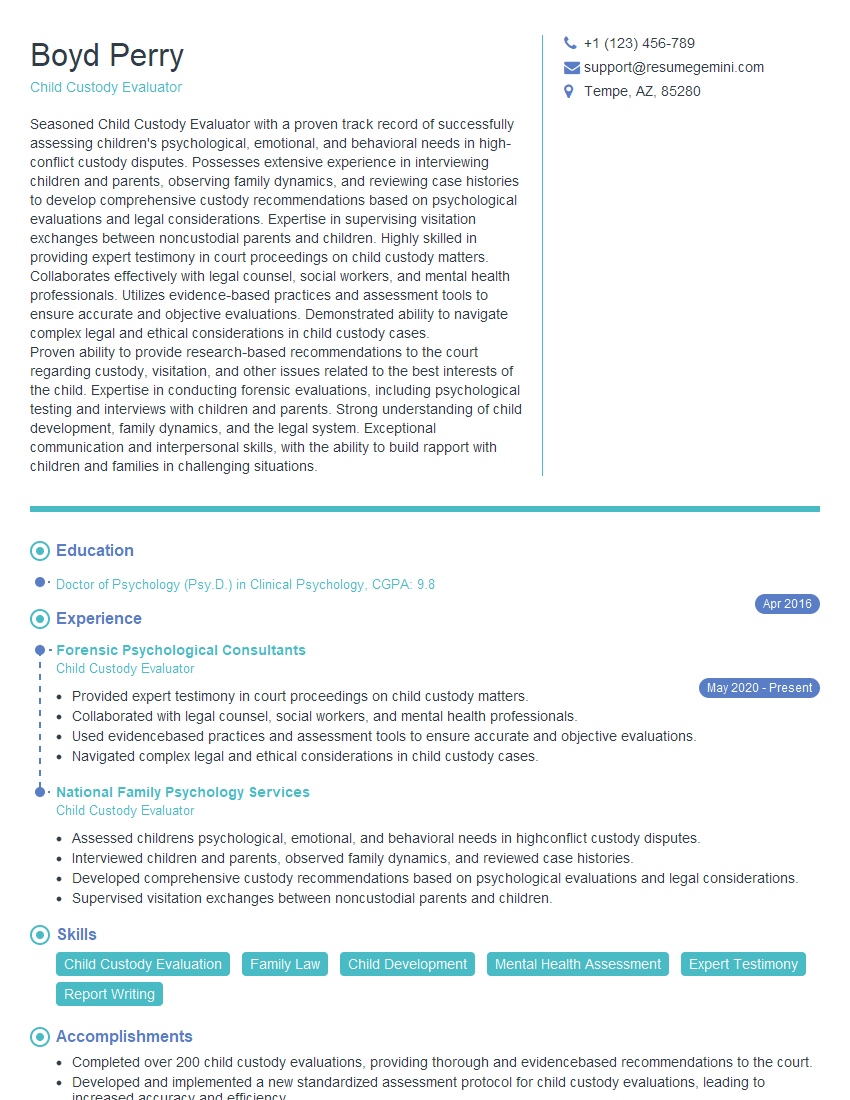
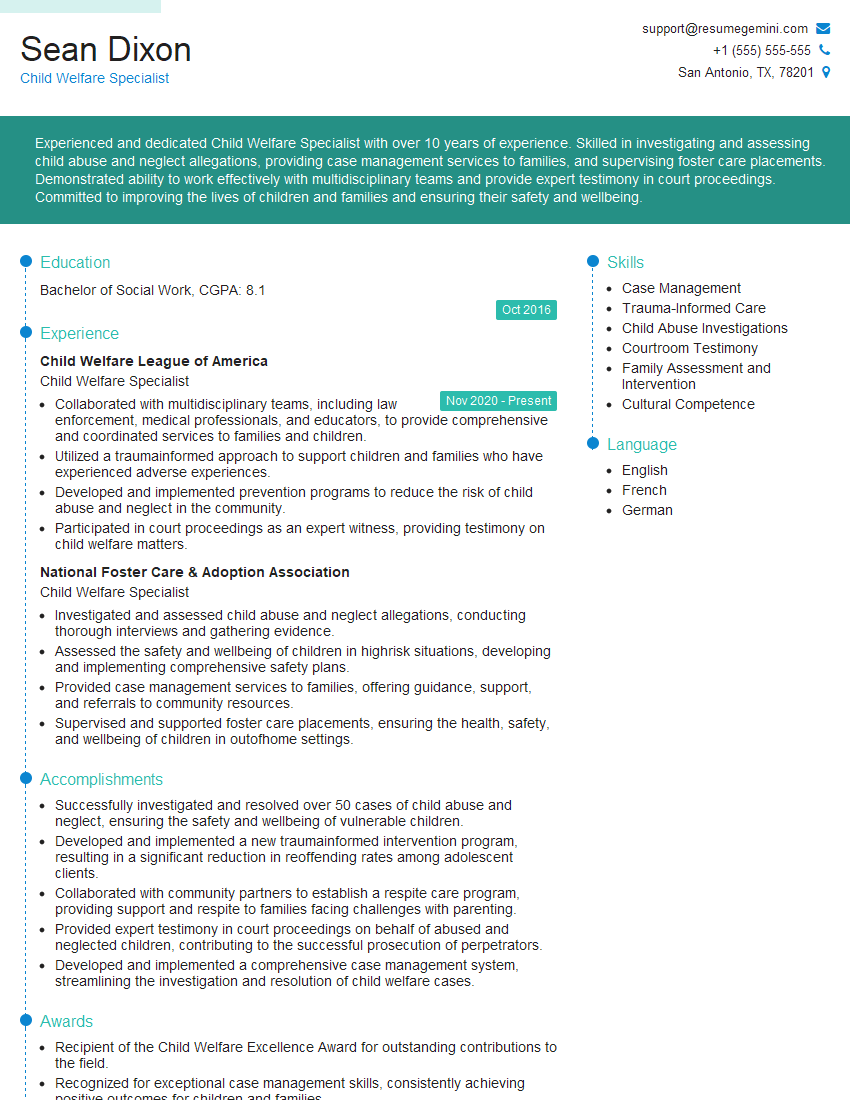
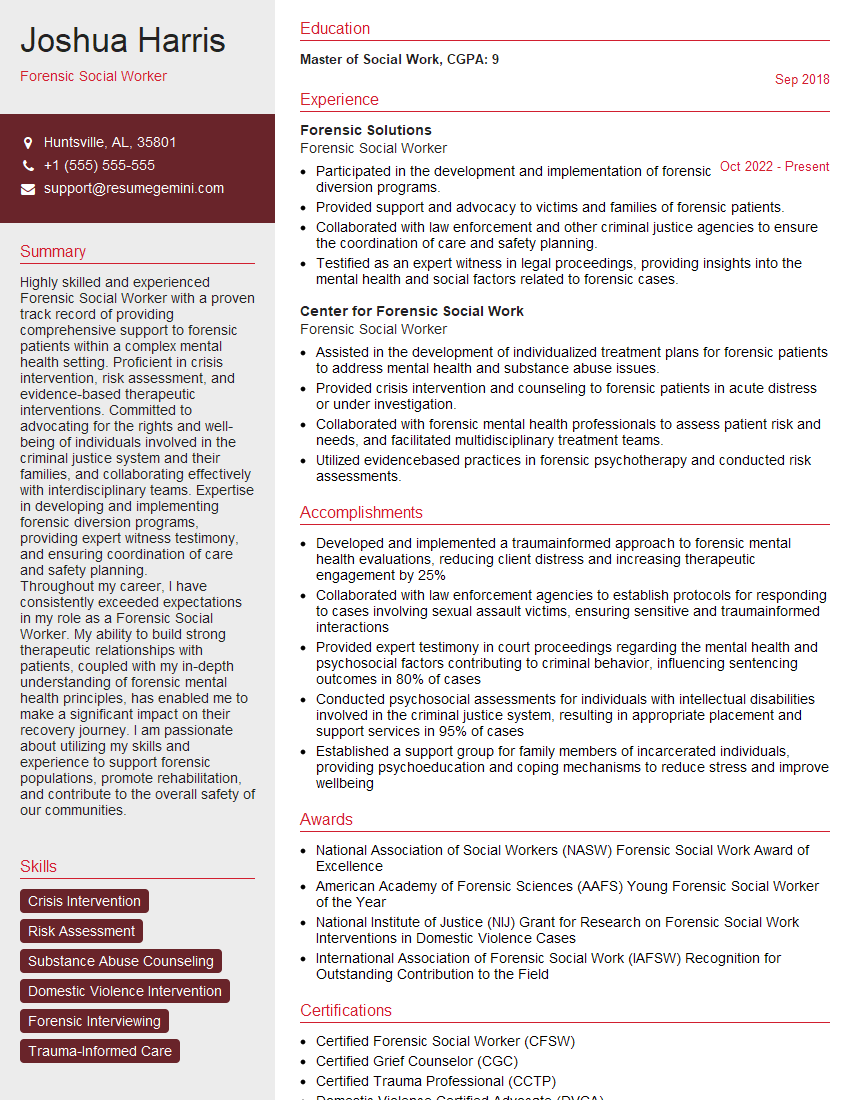
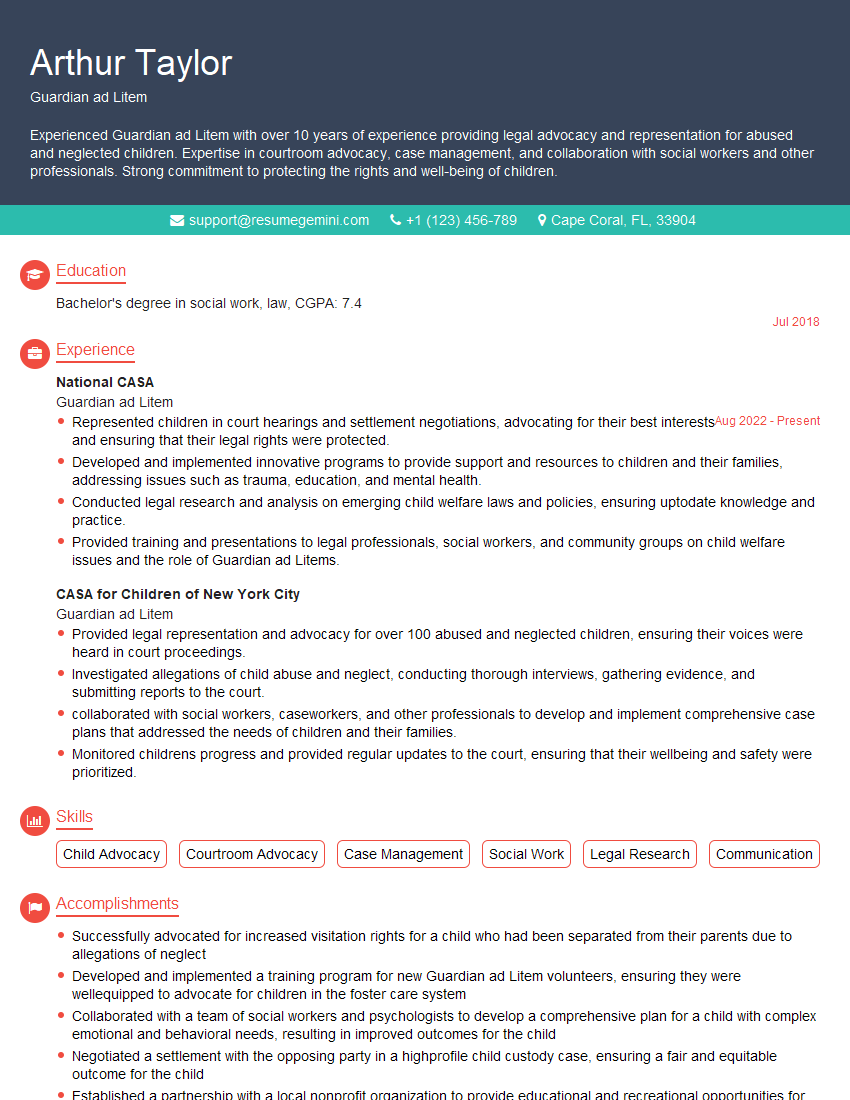
Mastering Child Custody Evaluation opens doors to rewarding and impactful careers, offering significant professional growth and the ability to make a real difference in children’s lives. To enhance your job prospects, focus on creating an ATS-friendly resume that highlights your skills and experience effectively. ResumeGemini is a trusted resource to help you build a professional resume tailored to the specifics of Child Custody Evaluation roles. Examples of resumes specifically designed for this field are available to guide you.
Explore more articles
Users Rating of Our Blogs
Share Your Experience
We value your feedback! Please rate our content and share your thoughts (optional).
What Readers Say About Our Blog
To the interviewgemini.com Webmaster.
Very helpful and content specific questions to help prepare me for my interview!
Thank you
To the interviewgemini.com Webmaster.
This was kind of a unique content I found around the specialized skills. Very helpful questions and good detailed answers.
Very Helpful blog, thank you Interviewgemini team.