Interviews are more than just a Q&A session—they’re a chance to prove your worth. This blog dives into essential Climate Change Assessment interview questions and expert tips to help you align your answers with what hiring managers are looking for. Start preparing to shine!
Questions Asked in Climate Change Assessment Interview
Q 1. Explain the greenhouse effect and its contribution to climate change.
The greenhouse effect is a natural process that warms the Earth’s surface. When the Sun’s energy reaches the Earth’s atmosphere, some of it is reflected back to space and the rest is absorbed and re-radiated by greenhouse gases (GHGs). These gases, such as carbon dioxide, methane, and nitrous oxide, trap heat, keeping the planet warm enough to support life. However, human activities, primarily the burning of fossil fuels and deforestation, have significantly increased the concentration of GHGs in the atmosphere, leading to an enhanced greenhouse effect and global warming. This amplified warming is the primary driver of climate change, resulting in rising temperatures, melting ice caps, and changes in weather patterns.
Think of it like a car parked in the sun: the windows act like greenhouse gases, trapping heat inside and making the car warmer than the surrounding air. The more GHGs we add to the atmosphere, the more heat is trapped, leading to a warmer planet.
Q 2. Describe the different types of climate models and their limitations.
Climate models are complex computer programs that simulate the Earth’s climate system. They incorporate various factors like atmospheric circulation, ocean currents, ice dynamics, and land surface processes. There are several types, including:
- Global Climate Models (GCMs): These are the most comprehensive, simulating the entire Earth’s climate at a relatively coarse resolution. They provide a global perspective on climate change but lack detail at the regional level.
- Regional Climate Models (RCMs): These models focus on smaller geographical areas, providing higher-resolution simulations. They often ‘nest’ within GCMs, using the larger model’s output as boundary conditions to simulate regional climate with greater accuracy.
- Earth System Models (ESMs): These are even more comprehensive than GCMs, incorporating biogeochemical cycles, such as the carbon cycle and the nitrogen cycle. This allows for a more holistic understanding of the Earth’s climate system and its feedback mechanisms.
Limitations of climate models include uncertainties in representing complex processes, incomplete data, and limitations in computational power. For instance, accurately simulating cloud formation and its impact on radiative forcing remains a challenge. Therefore, model outputs are typically presented as ensembles (multiple runs with slightly different parameters) to provide a range of possible future scenarios rather than a single definitive prediction.
Q 3. How do you assess the vulnerability of a community to climate change impacts?
Assessing community vulnerability to climate change involves understanding their exposure, sensitivity, and adaptive capacity.
- Exposure: This refers to the community’s physical proximity to climate hazards (e.g., sea-level rise, extreme heat, droughts). We use geographic information systems (GIS) and hazard maps to determine exposure.
- Sensitivity: This reflects the community’s susceptibility to climate impacts. Factors considered include demographics (age, poverty), infrastructure (housing quality, healthcare access), and economic dependence on climate-sensitive sectors (agriculture, tourism). We use socio-economic data and interviews with community members to assess sensitivity.
- Adaptive Capacity: This refers to the community’s ability to cope with and adapt to climate change. It includes resources (financial, human, technological), governance structures, and social networks. We assess this through surveys, focus groups, and analysis of institutional frameworks.
Vulnerability is typically represented as a composite index combining these three elements. For example, a coastal community with limited resources and aging infrastructure (high sensitivity and low adaptive capacity) exposed to sea-level rise (high exposure) would be considered highly vulnerable. This assessment informs targeted adaptation strategies.
Q 4. What are the key indicators used to monitor climate change?
Key indicators used to monitor climate change fall into several categories:
- Temperature: Global average surface temperature is the most widely used indicator, showing a clear warming trend. Data from weather stations, satellites, and ocean buoys are used.
- Sea Level: Rising sea levels are a consequence of thermal expansion of water and melting ice. Tide gauges and satellite altimetry provide data.
- Greenhouse Gas Concentrations: Atmospheric concentrations of CO2, methane, and nitrous oxide are measured at various monitoring stations globally.
- Ocean Acidification: The absorption of CO2 by oceans increases acidity, impacting marine life. Ocean pH measurements are used.
- Extreme Weather Events: Changes in the frequency and intensity of heatwaves, droughts, floods, and storms are monitored.
- Glacier and Ice Sheet Mass Balance: Measurements of ice mass loss from glaciers and ice sheets provide evidence of warming.
These indicators are tracked over time and compared to historical baselines to reveal patterns and trends of climate change.
Q 5. Explain the concept of climate change adaptation and mitigation.
Climate change mitigation focuses on reducing greenhouse gas emissions to limit the extent of future climate change. This involves transitioning to renewable energy sources (solar, wind), improving energy efficiency, adopting sustainable transportation methods, and implementing sustainable land-use practices. It’s about tackling the root cause of the problem.
Climate change adaptation focuses on adjusting to the current and future impacts of climate change. This includes measures like building seawalls to protect against sea-level rise, developing drought-resistant crops, improving water management systems, and creating early warning systems for extreme weather events. It’s about managing the consequences we already face.
Both mitigation and adaptation are crucial for effectively addressing climate change. Mitigation reduces the future risks, while adaptation helps us manage the unavoidable impacts.
Q 6. Describe different methods for quantifying greenhouse gas emissions.
Quantifying greenhouse gas emissions involves a combination of methods, depending on the source and scale. Common methods include:
- Tier 1: This uses emission factors (grams of GHG per unit of activity) from databases like the IPCC (Intergovernmental Panel on Climate Change) guidelines. It’s simple but less accurate. For example, calculating emissions from driving a car based on fuel consumption and standard emission factors for gasoline vehicles.
- Tier 2: This employs more detailed activity data and emission factors specific to the source. This provides greater accuracy than Tier 1. For example, using data on vehicle type, fuel type, and driving distance to calculate emissions more precisely.
- Tier 3: This involves direct measurements using equipment such as infrared gas analyzers, and it’s the most accurate method, often used for point sources. It is also the most expensive and labor intensive method.
- Process-Based Models: These models are used for complex systems such as forests or landfills, simulating the biogeochemical processes to estimate emissions.
The choice of method depends on data availability, resources, and the desired level of accuracy. Often, a combination of methods is used to produce a comprehensive emission inventory.
Q 7. How do you conduct a life cycle assessment (LCA) of a product or process?
A Life Cycle Assessment (LCA) is a comprehensive analysis of the environmental impacts of a product or process throughout its entire life cycle, from raw material extraction to disposal. It follows a structured framework:
- Goal and Scope Definition: Clearly define the purpose of the LCA, the product or process being assessed, the functional unit (e.g., 1 kg of plastic), and the system boundaries.
- Inventory Analysis: Quantify the inputs and outputs of materials and energy throughout the life cycle. This involves data collection on resource use, emissions, and waste generation.
- Impact Assessment: Evaluate the environmental impacts of the inputs and outputs, considering factors like global warming potential, acidification, eutrophication, and resource depletion. Software tools are often used for this step.
- Interpretation: Analyze the results and draw conclusions about the environmental performance of the product or process, identifying hotspots (stages with the most significant impacts). This also includes identifying limitations of the study.
For example, an LCA of a plastic bottle might analyze the energy use in plastic production, transportation, usage, and recycling or disposal. The results might show that the greatest environmental impact is associated with the production of the plastic itself. This information can then be used to improve the product’s design or manufacturing process to reduce its environmental footprint. The LCA methodology helps to make informed decisions and identify opportunities for sustainability improvements.
Q 8. What are the key elements of a climate risk assessment?
A climate risk assessment systematically identifies, analyzes, and evaluates potential climate change impacts on a specific system, such as a community, infrastructure, or business. It’s like a comprehensive health check-up for a system, but instead of looking at physical health, we assess its vulnerability to climate-related hazards.
- Hazard Identification: This involves pinpointing potential climate-related threats, such as sea-level rise, extreme heat, floods, droughts, and wildfires. For instance, a coastal city might identify sea-level rise and storm surges as key hazards.
- Vulnerability Assessment: This step explores the system’s susceptibility to these hazards. A vulnerable community might be one with aging infrastructure, a high percentage of low-income residents, or a lack of emergency preparedness plans.
- Exposure Assessment: This defines the elements of the system at risk and their proximity to hazards. For example, the number of homes in a flood plain, or the number of people who rely on agriculture susceptible to drought.
- Impact Analysis: This analyzes the potential consequences of the hazards on the system. This could involve economic losses, health impacts, social disruption, or ecological damage. A coastal city might analyze the potential cost of seawall construction or the loss of tourism revenue due to flooding.
- Risk Characterization: This combines hazard, vulnerability, and exposure to provide a comprehensive understanding of the overall risk. This often involves creating risk maps or probabilistic models.
- Risk Management and Adaptation Strategies: Finally, the assessment proposes strategies to reduce or manage the identified risks. This could include investments in infrastructure, early warning systems, land-use planning, or community-based adaptation measures.
For example, a comprehensive climate risk assessment for a municipality might involve modeling future flood scenarios based on various climate change projections and then using this information to prioritize investments in flood defenses and evacuation plans.
Q 9. Explain the role of carbon offsets in climate change mitigation.
Carbon offsets are projects that reduce greenhouse gas emissions elsewhere to compensate for emissions that are difficult or impossible to eliminate elsewhere. Think of it as a trade-off: if you can’t avoid emitting a certain amount of carbon, you can ‘offset’ that emission by investing in a project that removes an equivalent amount from the atmosphere.
These projects often focus on activities such as reforestation (planting trees), afforestation (planting trees in previously treeless areas), renewable energy development, and methane capture from landfills or livestock. A company that can’t immediately reduce its operational emissions might invest in a reforestation project in another area to offset its carbon footprint.
However, it’s crucial to note that carbon offsets are not a replacement for emission reduction. They should be viewed as a supplementary strategy to reach ambitious climate goals. The effectiveness of carbon offsets relies heavily on the quality and verification of the projects. Ensuring that these projects are verifiable, permanent, and truly reduce emissions is critical to prevent ‘greenwashing,’ where companies falsely claim environmental benefits.
For example, a verified project might involve planting trees in a deforested area, and a third-party organization would meticulously track and verify the carbon sequestration achieved by the project. This data is then used to issue carbon credits that can be purchased by companies or individuals to offset their emissions.
Q 10. What are the main drivers of deforestation and its impact on climate change?
Deforestation, the clearing of forests for other land uses, is a significant driver of climate change. This is mainly due to the release of stored carbon dioxide, a major greenhouse gas, from trees and soil when forests are cut down and burned. It also reduces the planet’s capacity to absorb atmospheric carbon dioxide.
- Agricultural Expansion: The most significant driver is the conversion of forests into agricultural land for crops like soybeans, palm oil, and cattle ranching. This is particularly prevalent in the Amazon rainforest and other tropical regions.
- Logging: The harvesting of timber for construction, paper production, and furniture manufacturing contributes to deforestation.
- Mining: Mining operations, especially for minerals and fossil fuels, often involve clearing vast areas of forest.
- Infrastructure Development: The construction of roads, dams, and urban areas leads to deforestation.
- Forest Fires: Both natural and human-induced forest fires contribute to deforestation and the release of greenhouse gases.
The impact of deforestation on climate change is multifaceted. The loss of trees diminishes the Earth’s capacity to absorb carbon dioxide from the atmosphere, leading to increased atmospheric concentrations and global warming. Deforestation also affects the water cycle, leading to changes in rainfall patterns and increased risk of drought. Moreover, it causes loss of biodiversity, further disrupting ecosystems.
For instance, the Amazon rainforest plays a crucial role in regulating global climate, and its ongoing deforestation significantly increases the rate of climate change. The loss of this vital carbon sink has global implications.
Q 11. How do you evaluate the effectiveness of climate change policies?
Evaluating the effectiveness of climate change policies requires a multi-faceted approach. We can’t simply look at one metric; we need a range of indicators to understand the impact.
- Emission Reductions: The most crucial metric is the actual reduction in greenhouse gas emissions. This can be measured by analyzing national inventories, comparing emissions data before and after policy implementation, and using independent verification methods.
- Policy Implementation and Enforcement: An effective policy needs to be properly implemented and enforced. This includes assessing the level of compliance by various sectors and the effectiveness of regulatory mechanisms.
- Economic Impacts: Analyzing the economic consequences of the policy is crucial. This involves assessing the costs of implementing the policy, the potential impacts on economic growth, and the distribution of benefits and costs across different sectors and populations.
- Social Impacts: Policies often impact different social groups differently. It’s essential to assess the social equity implications of the policy, including its effects on vulnerable populations.
- Environmental Impacts: Besides emissions, the environmental impacts (beyond greenhouse gas reductions) should also be assessed. For example, a policy aimed at promoting renewable energy may also impact biodiversity, water usage, and land use.
- International Cooperation and Collaboration: For global climate action, the success of national policies depends partly on international cooperation and collaboration. Assessing the level of cooperation and its impact on achieving the desired outcomes is also important.
A robust evaluation combines quantitative data (e.g., emission reduction figures) with qualitative assessments (e.g., interviews with stakeholders) to gain a holistic understanding of the policy’s performance. For example, evaluating a carbon tax policy requires examining not only the reduction in emissions but also its impact on inflation, job creation, and the distribution of tax revenue.
Q 12. Describe the different climate scenarios used in climate change projections.
Climate change projections use various scenarios to explore the potential range of future climate conditions. These scenarios are based on different assumptions about future greenhouse gas emissions, population growth, technological advancements, and socio-economic developments.
The most commonly used framework is the Representative Concentration Pathways (RCPs), which were developed for the fifth Assessment Report of the Intergovernmental Panel on Climate Change (IPCC). These RCPs describe different pathways of radiative forcing (the difference between incoming and outgoing energy in the Earth’s climate system) by the end of the 21st century. Some examples include:
- RCP 2.6: Represents a very ambitious mitigation scenario, leading to a stabilization of greenhouse gas concentrations and relatively low warming.
- RCP 4.5: Illustrates a moderate mitigation scenario, with moderate warming by the end of the century.
- RCP 6.0: Shows a scenario with less ambitious mitigation, resulting in higher warming.
- RCP 8.5: Represents a high-emissions scenario, leading to substantial warming and significant climate change impacts.
These scenarios aren’t predictions; rather, they are plausible pathways illustrating the potential range of climate futures depending on our actions. Climate models use these scenarios to simulate future climate conditions, providing projections of temperature, precipitation, sea level, and other climate variables. Scientists use these projections to inform decision-making about climate change adaptation and mitigation.
The Shared Socioeconomic Pathways (SSPs) are another set of scenarios that complement the RCPs by providing detailed storylines about socio-economic developments. These narratives provide context for understanding how different societal factors influence greenhouse gas emissions and the impacts of climate change.
Q 13. What are the potential impacts of climate change on water resources?
Climate change poses significant threats to global water resources, affecting both the quantity and quality of available water.
- Changes in Precipitation Patterns: Climate change alters precipitation patterns, leading to increased intensity and frequency of extreme rainfall events in some regions and more frequent and severe droughts in others. This creates challenges for water management, increasing the risk of floods and water scarcity.
- Glacier and Snowpack Melt: The melting of glaciers and snowpack, crucial sources of freshwater for many regions, reduces the availability of water in downstream areas, especially during dry seasons. This has severe implications for agriculture, hydropower generation, and water supplies for communities reliant on glacial meltwater.
- Sea-Level Rise: Sea-level rise contaminates freshwater aquifers with saltwater, making them unusable for drinking and irrigation. Coastal communities face increased risks of saltwater intrusion into their water sources.
- Increased Evaporation: Higher temperatures lead to increased evaporation from water bodies, reducing water storage in reservoirs and lakes. This exacerbates water scarcity, especially in arid and semi-arid regions.
- Changes in Water Quality: Climate change can negatively impact water quality through increased runoff carrying pollutants, the proliferation of harmful algal blooms due to warmer water temperatures, and the spread of waterborne diseases.
The impacts on water resources are highly location-specific. For instance, regions reliant on glacial meltwater, such as parts of Asia and the Andes, face a particularly high risk of water scarcity due to accelerated glacial melt. Coastal communities are vulnerable to sea-level rise and saltwater intrusion. Changes in rainfall patterns disproportionately affect agricultural regions, impacting food security and livelihoods.
Q 14. How do you assess the economic costs of climate change?
Assessing the economic costs of climate change is a complex task, requiring the integration of various methodologies and data sources. It’s not simply about calculating the damage from specific events; it’s about capturing the broader and long-term economic implications.
- Damage Costs: This involves assessing the economic losses from climate-related events such as floods, droughts, wildfires, and storms. This can include damage to infrastructure, property losses, and disruptions to economic activity. Estimating these costs often involves using econometric models and damage functions based on historical data.
- Impacts on Productivity: Climate change impacts agricultural yields, labor productivity, and human health, leading to reduced economic output. For example, heat stress can reduce worker productivity, while changes in precipitation can impact agricultural yields, leading to economic losses.
- Costs of Adaptation and Mitigation: Implementing adaptation measures (like building seawalls or developing drought-resistant crops) and mitigation efforts (like transitioning to renewable energy) entail significant economic costs. These costs need to be considered when assessing the overall economic burden of climate change.
- Discounting Future Costs: Future costs of climate change need to be discounted to their present value, which means converting future costs into today’s monetary equivalent. The choice of discount rate significantly impacts the overall assessment.
- Uncertainty and Risk: Significant uncertainty exists concerning future climate change impacts and the economic costs involved. Risk analysis techniques need to be employed to incorporate uncertainty into the cost estimations.
Many integrated assessment models are used to quantify the economic costs of climate change. These models integrate climate projections with economic models to estimate the overall costs under various scenarios. The results of these assessments highlight the significant economic benefits of taking early and decisive action to mitigate climate change, as the costs of inaction far outweigh the costs of investing in solutions.
Q 15. Explain the concept of climate justice.
Climate justice recognizes that climate change disproportionately affects vulnerable populations, even though they often contribute the least to the problem. It’s about fairness and equity in both the causes and consequences of climate change. This means addressing historical injustices, ensuring equitable distribution of resources and burdens related to mitigation and adaptation, and promoting the rights of those most at risk.
For example, island nations facing sea-level rise are experiencing devastating consequences despite contributing minimally to global greenhouse gas emissions. Climate justice advocates for international cooperation to support these nations’ adaptation efforts and to hold major emitters accountable for their contributions to the crisis. It’s not just about reducing emissions; it’s about ensuring a just transition to a low-carbon future that benefits all, especially the most marginalized communities.
Career Expert Tips:
- Ace those interviews! Prepare effectively by reviewing the Top 50 Most Common Interview Questions on ResumeGemini.
- Navigate your job search with confidence! Explore a wide range of Career Tips on ResumeGemini. Learn about common challenges and recommendations to overcome them.
- Craft the perfect resume! Master the Art of Resume Writing with ResumeGemini’s guide. Showcase your unique qualifications and achievements effectively.
- Don’t miss out on holiday savings! Build your dream resume with ResumeGemini’s ATS optimized templates.
Q 16. What are the key challenges in implementing climate change adaptation measures?
Implementing climate change adaptation measures faces several key challenges. These include:
- Financial constraints: Adaptation projects often require significant upfront investment, which can be challenging for developing nations or regions with limited resources.
- Lack of capacity and expertise: Many regions lack the technical expertise and institutional capacity to effectively plan and implement adaptation strategies.
- Uncertainty about future climate impacts: Predicting the precise nature and magnitude of future climate impacts makes it difficult to design effective, long-term adaptation plans.
- Political and governance challenges: Successful adaptation requires strong political will, effective governance, and coordinated action across different sectors and levels of government.
- Equity and social justice concerns: Adaptation measures must be designed and implemented in a way that is equitable and addresses the needs of vulnerable populations.
For instance, a coastal community might struggle to fund seawalls to protect against rising sea levels, or a farming community may lack the knowledge and resources to adapt their crops to changing weather patterns. Overcoming these challenges requires international collaboration, technology transfer, capacity building, and equitable resource allocation.
Q 17. How can remote sensing be used in climate change assessment?
Remote sensing plays a crucial role in climate change assessment by providing valuable data on various aspects of the Earth’s system. Satellites equipped with sensors collect data from a distance, offering a synoptic view over large areas and time periods, which is often impossible with ground-based measurements alone. This data helps us monitor changes in:
- Temperature: Satellites measure surface and atmospheric temperatures, revealing global warming trends and regional variations.
- Sea level: Precise measurements of sea level rise are crucial for understanding coastal vulnerability and predicting future inundation.
- Glacier and ice sheet melt: Satellites monitor changes in the extent and volume of glaciers and ice sheets, providing insights into their contribution to sea level rise.
- Vegetation changes: Satellite imagery tracks changes in vegetation cover, providing information on deforestation, desertification, and the impact of climate change on ecosystems.
- Ocean currents and temperatures: Remote sensing helps monitor ocean currents and temperatures, which are key indicators of climate change and play a significant role in global weather patterns.
For example, satellite data on deforestation can be used to assess carbon emissions from land use change and monitor the effectiveness of reforestation efforts. Combining remote sensing data with other sources of information, like climate models, strengthens our understanding of climate change and facilitates evidence-based decision-making.
Q 18. What is the role of technology in mitigating climate change?
Technology plays a vital role in both mitigating and adapting to climate change. In mitigation, technologies like renewable energy (solar, wind, geothermal), carbon capture and storage (CCS), and energy-efficient appliances help reduce greenhouse gas emissions. In adaptation, technologies like drought-resistant crops, early warning systems for extreme weather events, and improved water management systems help communities cope with climate impacts.
For example, the development of more efficient solar panels reduces reliance on fossil fuels and decreases carbon emissions. Smart grids optimize energy distribution, reducing waste and improving resilience. Precision agriculture utilizes technology to optimize water and fertilizer use, reducing environmental impact. Early warning systems for extreme weather events, powered by advanced weather forecasting technology, provide critical time for preparation and evacuation, saving lives and minimizing economic losses. The continued development and deployment of these technologies is essential for effective climate action.
Q 19. Discuss the importance of stakeholder engagement in climate change adaptation and mitigation.
Stakeholder engagement is paramount for successful climate change adaptation and mitigation. It ensures that policies and projects are relevant, effective, and equitable. Key stakeholders include governments, businesses, communities, indigenous peoples, scientists, and non-governmental organizations (NGOs).
Effective engagement involves:
- Participatory planning: Involving stakeholders in the design and implementation of climate change strategies from the outset.
- Capacity building: Providing stakeholders with the knowledge and skills to participate effectively in climate action.
- Knowledge sharing: Facilitating the exchange of information and best practices among stakeholders.
- Transparent communication: Ensuring that information about climate change risks and responses is readily accessible to all stakeholders.
- Conflict resolution: Addressing potential conflicts among stakeholders in a fair and equitable manner.
For example, involving local communities in the design of adaptation projects ensures that these projects meet the specific needs and priorities of the community, increasing their likelihood of success. Engaging the private sector can mobilize innovation and investment in climate-friendly technologies. The collaboration and cooperation among stakeholders are crucial for building resilience and driving progress towards a sustainable future.
Q 20. How do you communicate complex climate change information to a non-technical audience?
Communicating complex climate change information to a non-technical audience requires clear, concise, and relatable language. Avoid jargon and technical terms whenever possible. Use analogies and storytelling to make the information more accessible and engaging.
Here are some effective strategies:
- Use visuals: Graphs, charts, and images can help illustrate key concepts and make data more understandable.
- Focus on local impacts: Connecting climate change to specific local impacts can make it more relevant and meaningful to the audience.
- Use narratives and storytelling: Sharing personal stories or case studies can help illustrate the human side of climate change.
- Keep it simple: Avoid overwhelming the audience with too much information at once.
- Be interactive: Encourage questions and discussion to ensure that the audience understands the information.
For example, instead of saying “anthropogenic greenhouse gas emissions are driving global warming,” you could say “human activities, like burning fossil fuels, are causing the Earth to heat up.” Using relatable scenarios, such as increased flooding in a local area or changes in local weather patterns, makes the impact more immediate and understandable.
Q 21. Explain the concept of climate tipping points.
Climate tipping points refer to critical thresholds in the Earth’s climate system, beyond which abrupt and irreversible changes can occur. These changes can have cascading effects on the entire system, potentially leading to significant and harmful consequences.
Examples of potential climate tipping points include:
- Melting of the Greenland and West Antarctic ice sheets: This could lead to several meters of sea level rise over centuries.
- Disruption of the Atlantic Meridional Overturning Circulation (AMOC): This major ocean current plays a crucial role in regulating global climate patterns and its disruption could have severe consequences.
- Dieback of the Amazon rainforest: Deforestation and climate change could push the Amazon beyond a point of no return, leading to widespread ecosystem collapse.
- Thawing of permafrost: This would release large amounts of methane, a potent greenhouse gas, accelerating global warming.
Crossing these tipping points could have catastrophic and irreversible impacts, highlighting the urgency of reducing greenhouse gas emissions and implementing adaptation measures to build resilience to the unavoidable changes already underway. The exact timing and likelihood of these tipping points are still subject to scientific uncertainty, but the potential risks warrant immediate attention and action.
Q 22. What is the Paris Agreement and its key goals?
The Paris Agreement is a landmark international treaty on climate change, adopted by 196 Parties at the 21st Conference of the Parties (COP 21) to the United Nations Framework Convention on Climate Change (UNFCCC) in Paris in 2015. Its overarching goal is to limit global warming to well below 2 degrees Celsius, preferably to 1.5 degrees Celsius, compared to pre-industrial levels.
Key goals include:
- Mitigation: Substantially reducing global greenhouse gas emissions to achieve the temperature targets. This involves transitioning to cleaner energy sources, improving energy efficiency, and adopting sustainable land use practices.
- Adaptation: Building resilience to the unavoidable impacts of climate change. This includes investing in infrastructure that can withstand extreme weather events, developing drought-resistant crops, and implementing early warning systems.
- Finance: Providing financial support to developing countries to help them mitigate and adapt to climate change. Developed countries committed to mobilizing $100 billion annually by 2020, a target that has yet to be fully met.
- Transparency and Accountability: Establishing a framework for countries to regularly report their emissions and progress on their climate commitments. This ensures transparency and helps build trust among nations.
The agreement is built on the principle of common but differentiated responsibilities and respective capabilities, recognizing that developed countries bear a greater historical responsibility for climate change and have a greater capacity to take action.
Q 23. How do you assess the resilience of ecosystems to climate change impacts?
Assessing ecosystem resilience to climate change impacts involves evaluating their capacity to absorb disturbances, maintain their functions, and adapt to changing conditions. It’s not a single metric, but rather a multi-faceted process. Think of it like assessing the strength of a tree in a storm – a healthy tree with deep roots will withstand more than a shallow-rooted, diseased one.
We use several approaches:
- Species Composition and Diversity: Diverse ecosystems tend to be more resilient. A high biodiversity provides functional redundancy – if one species is affected, others can fill its role.
- Functional Diversity: This examines the range of ecological processes occurring within an ecosystem. For example, the presence of species with different nutrient cycling strategies enhances resilience to changes in nutrient availability.
- Connectivity and Landscape Structure: Fragmented landscapes are less resilient. Well-connected ecosystems allow species to migrate and adapt to changing conditions.
- Stress Tolerance: Evaluating the tolerance of key species and ecosystem functions to climate stressors like drought, heat waves, or sea level rise. This often involves field studies, experiments, and remote sensing data analysis.
- Adaptive Capacity: This assesses the ability of the ecosystem to adapt to changing conditions. Factors such as genetic diversity, evolutionary potential, and the ability of species to adjust their life cycles are important.
For example, a coral reef with high species diversity and a healthy population of keystone species (like the sea urchin) will be more resilient to coral bleaching events than a reef with low diversity and degraded populations.
Q 24. What are the different methodologies for assessing carbon sequestration?
Assessing carbon sequestration involves quantifying the amount of carbon dioxide (CO2) absorbed and stored by ecosystems. This is crucial for understanding carbon sinks and developing strategies for climate change mitigation.
Methodologies include:
- Inventory-Based Methods: These rely on field measurements of biomass (e.g., tree height, diameter, and density for forests) and soil organic carbon content. Allometric equations – statistical relationships between easily measured tree dimensions and total biomass – are often used to estimate total carbon stored.
- Remote Sensing: Satellite imagery and aerial photography are used to estimate vegetation cover, biomass, and other relevant variables over large areas. This provides a cost-effective way to monitor changes in carbon sequestration over time.
- Modeling Approaches: Process-based models simulate the carbon cycle within ecosystems, incorporating factors such as photosynthesis, respiration, and decomposition. They are often used to predict future carbon sequestration under various climate change scenarios.
- Eddy Covariance Measurements: These directly measure the exchange of CO2 between the ecosystem and the atmosphere using specialized towers. This provides highly accurate, but localized, measurements of carbon fluxes.
- Isotopic Analysis: Carbon isotopes (13C and 14C) can be used to trace the origin and fate of carbon within an ecosystem, helping determine sources and sinks.
Choosing the appropriate methodology depends on the scale of the study, the available resources, and the specific research questions.
Q 25. Explain the concept of climate change feedback loops.
Climate change feedback loops describe processes where a change in one component of the climate system triggers a subsequent change in another component, which then amplifies or dampens the initial change. Imagine a snowball rolling downhill – it starts small but gets bigger and faster as it goes.
There are two main types:
- Positive Feedback Loops: These amplify the initial change, leading to a runaway effect. For example, melting permafrost releases methane, a potent greenhouse gas, which further warms the planet and leads to more permafrost melting. This is a positive feedback loop because the initial change (warming) causes a further increase in warming.
- Negative Feedback Loops: These dampen the initial change, stabilizing the system. For example, increased atmospheric CO2 can lead to increased plant growth, which removes CO2 from the atmosphere. This is a negative feedback loop because the initial change (increased CO2) leads to a reduction in CO2 levels.
Understanding feedback loops is crucial for accurate climate projections, as they can significantly influence the overall magnitude and rate of climate change.
Q 26. How do you evaluate the accuracy and reliability of climate change data?
Evaluating the accuracy and reliability of climate change data is paramount. It involves a multi-step process focusing on data quality, source credibility, and methodological rigor.
Key aspects include:
- Data Source Assessment: Determining the reliability of the source, including the methods used for data collection, quality control procedures, and potential biases.
- Data Quality Control: Checking for errors, outliers, and inconsistencies in the data. This may involve statistical analysis and comparison with other datasets.
- Uncertainty Quantification: Acknowledging and quantifying the uncertainties associated with the data. This involves assessing both measurement errors and model uncertainties.
- Data Homogenization: Adjusting data from different sources to ensure consistency and comparability. This is crucial when combining data from various locations and time periods.
- Cross-Validation: Comparing the data with independent datasets or models to validate the findings.
For instance, we might compare temperature data from multiple weather stations across a region, ensuring consistency and identifying potential errors in individual station records. We also rely on multiple independent lines of evidence—like ice core data, tree rings, and historical records—to corroborate findings. Transparency and open access to data are crucial for effective evaluation.
Q 27. What are the ethical considerations in climate change assessment?
Ethical considerations in climate change assessment are significant and multifaceted. They impact data collection, analysis interpretation, and communication.
Key ethical considerations include:
- Equity and Justice: Recognizing that the impacts of climate change are not evenly distributed, with vulnerable populations disproportionately affected. Assessments should explicitly address these inequalities and propose solutions that promote climate justice.
- Transparency and Openness: Ensuring that data, methods, and findings are openly accessible and transparent, allowing for scrutiny and reproducibility.
- Data Privacy: Protecting the privacy of individuals whose data is used in climate change assessments. This is particularly important when dealing with sensitive data, such as health records or socioeconomic information.
- Scientific Integrity: Maintaining high standards of scientific rigor and avoiding conflicts of interest. This includes avoiding bias and ensuring that the assessment is objective and unbiased.
- Communication and Engagement: Communicating climate change information clearly and effectively to the public, policymakers, and stakeholders. This involves avoiding overly technical language and tailoring messages to the audience.
For example, when assessing the impact of climate change on vulnerable communities, it’s crucial to involve these communities in the assessment process and ensure that their voices are heard.
Q 28. Describe your experience with climate change modeling software (e.g., ArcGIS, R, Python).
I have extensive experience using various climate change modeling software packages. My work frequently involves:
- ArcGIS: For spatial analysis of climate data, mapping climate change impacts (e.g., sea-level rise, changes in precipitation patterns), and visualizing spatial relationships between environmental variables and climate change vulnerability.
- R: For statistical analysis of climate data, development of custom statistical models, and creating visualizations. I often utilize packages like
ggplot2for creating publication-quality graphs andrasterfor working with raster data like satellite imagery. - Python: For processing large climate datasets, developing custom algorithms, and integrating data from multiple sources. Libraries like
pandas,numpy, andxarrayare essential tools in my workflow. I also use Python for creating automated workflows and automating data analysis tasks.
For example, I recently used ArcGIS to map projected changes in drought severity across a region, using climate model outputs as input. In another project, I employed R to analyze trends in temperature and precipitation data, and Python to perform spatial downscaling of climate model outputs to a finer resolution for impact assessments. My proficiency in these tools allows me to conduct comprehensive and robust climate change assessments.
# Example R code snippet for calculating trends: library(ggplot2) # ... data loading and preprocessing ... trend <- lm(temperature ~ time, data = data) summary(trend) ggplot(data, aes(x = time, y = temperature)) + geom_point() + geom_smooth(method = 'lm')Key Topics to Learn for Climate Change Assessment Interview
- Greenhouse Gas Inventories: Understanding methodologies for quantifying emissions and removals, including national and corporate accounting standards. Practical application: Analyzing inventory data to identify emission hotspots and inform mitigation strategies.
- Climate Modeling and Projections: Familiarity with different climate models (GCMs, RCMs) and their limitations. Practical application: Interpreting climate projections to assess future risks and vulnerabilities in specific regions or sectors.
- Climate Change Impacts and Vulnerability Assessment: Identifying and evaluating the potential impacts of climate change on various systems (e.g., ecosystems, water resources, human health). Practical application: Conducting vulnerability assessments to inform adaptation planning and prioritize interventions.
- Climate Risk Assessment and Management: Analyzing climate-related risks, including physical and transition risks. Practical application: Developing risk management strategies for businesses or communities to enhance resilience.
- Adaptation and Mitigation Strategies: Understanding the principles and approaches to both reducing greenhouse gas emissions (mitigation) and adjusting to the effects of climate change (adaptation). Practical application: Evaluating the effectiveness of different adaptation and mitigation options.
- Data Analysis and Visualization: Proficiency in statistical analysis and data visualization techniques to communicate complex climate data effectively. Practical application: Creating compelling presentations and reports to effectively communicate assessment findings.
- Policy and Regulatory Frameworks: Understanding international agreements (e.g., Paris Agreement) and national policies related to climate change. Practical application: Analyzing the implications of policies on emission reduction targets and adaptation efforts.
Next Steps
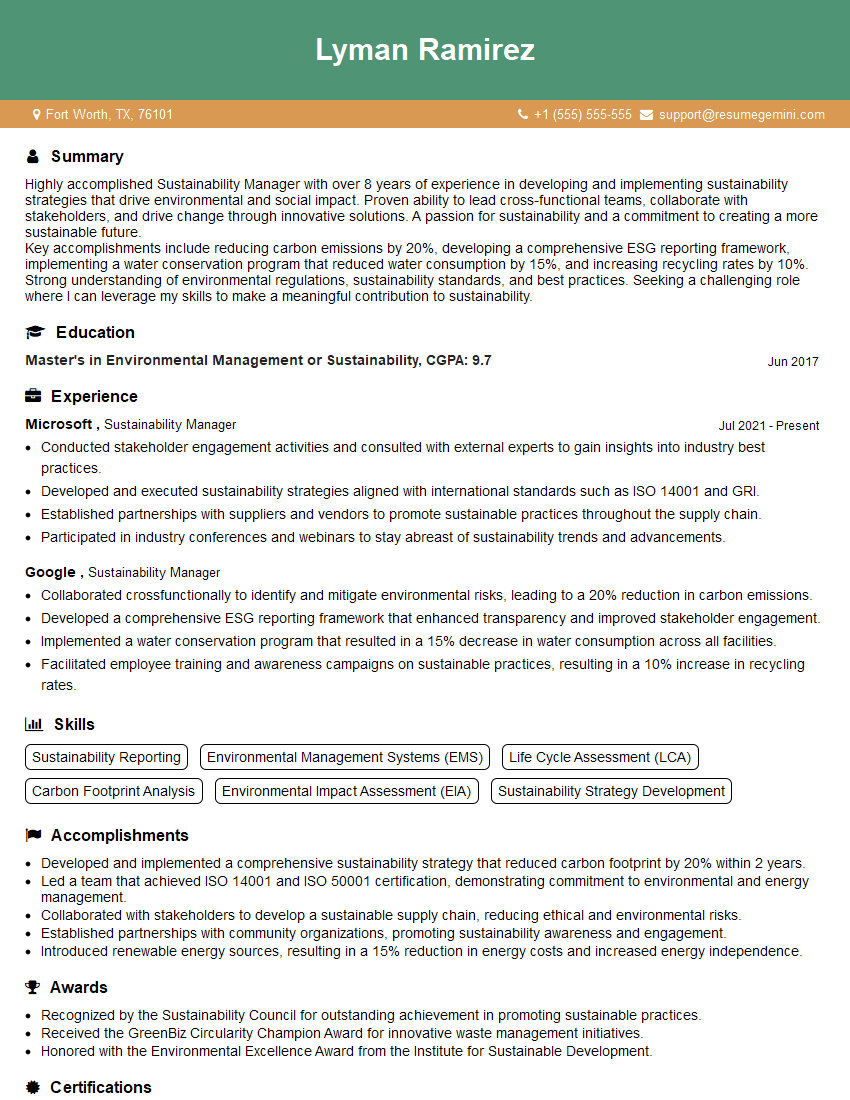
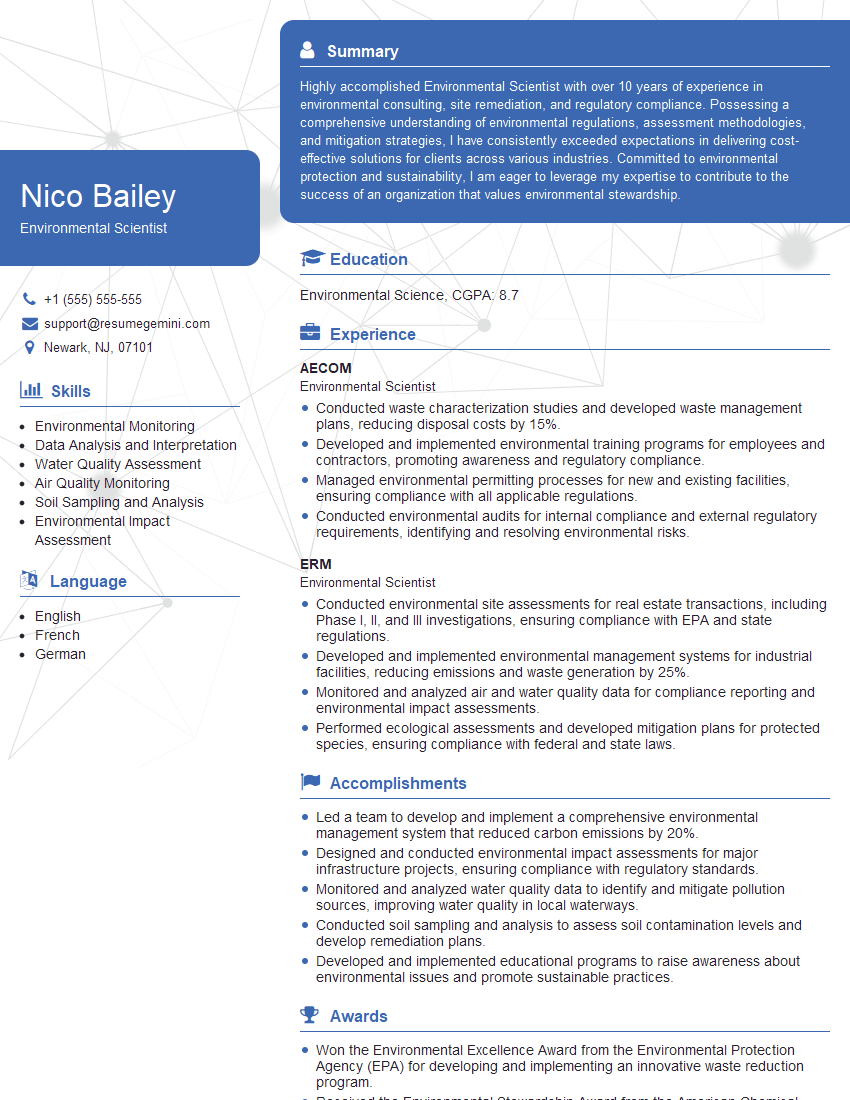
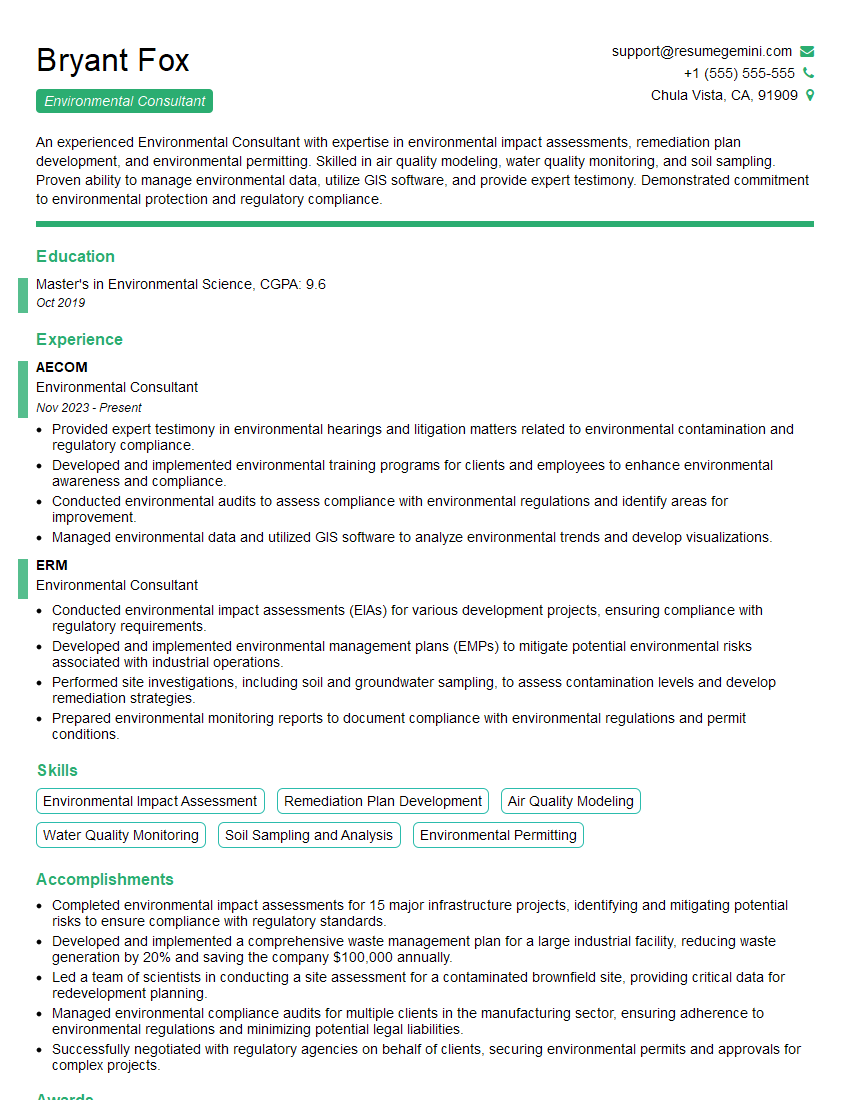
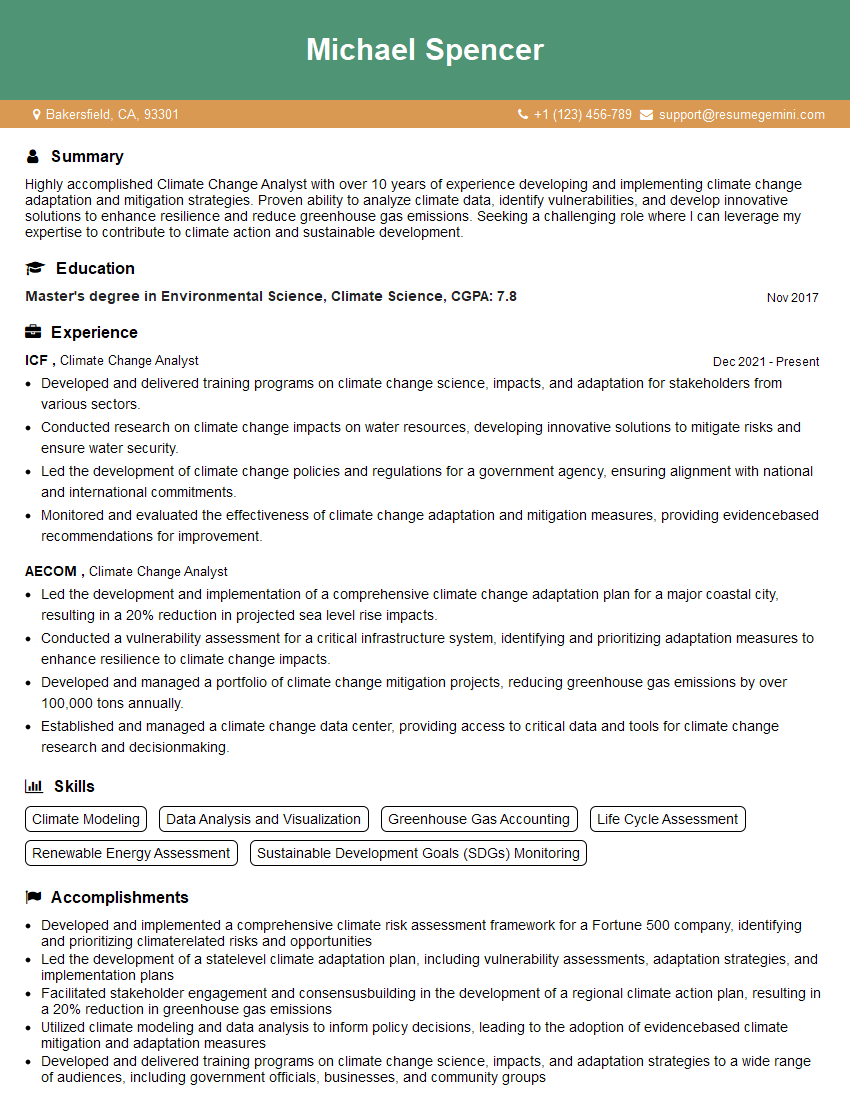
Mastering Climate Change Assessment is crucial for a successful and impactful career in a field addressing one of the most pressing challenges of our time. It opens doors to diverse roles within government, academia, the private sector, and non-profit organizations. To significantly boost your job prospects, focus on creating an ATS-friendly resume that showcases your skills and experience effectively. We highly recommend using ResumeGemini, a trusted resource for building professional resumes. ResumeGemini provides examples of resumes specifically tailored to Climate Change Assessment roles to help you create a compelling application.

Explore more articles
Users Rating of Our Blogs
Share Your Experience
We value your feedback! Please rate our content and share your thoughts (optional).
What Readers Say About Our Blog
To the interviewgemini.com Webmaster.
Very helpful and content specific questions to help prepare me for my interview!
Thank you
To the interviewgemini.com Webmaster.
This was kind of a unique content I found around the specialized skills. Very helpful questions and good detailed answers.
Very Helpful blog, thank you Interviewgemini team.