Preparation is the key to success in any interview. In this post, we’ll explore crucial Climate Governance interview questions and equip you with strategies to craft impactful answers. Whether you’re a beginner or a pro, these tips will elevate your preparation.
Questions Asked in Climate Governance Interview
Q 1. Explain the difference between mitigation and adaptation in climate change.
Climate change mitigation and adaptation are two key strategies for addressing the impacts of a changing climate. Think of it like this: mitigation is preventing the problem, while adaptation is dealing with the consequences.
Mitigation focuses on reducing greenhouse gas emissions to slow down or prevent climate change. This involves transitioning to renewable energy sources (like solar and wind power), improving energy efficiency, and adopting sustainable land use practices. For example, investing in electric vehicles is a mitigation strategy.
Adaptation, on the other hand, involves adjusting to the current and future effects of climate change. It’s about preparing for and managing the risks associated with a changing climate. This could include building seawalls to protect coastal communities from rising sea levels, developing drought-resistant crops, or implementing early warning systems for extreme weather events. For example, constructing a resilient infrastructure that can withstand floods is an adaptation strategy.
While distinct, mitigation and adaptation are complementary. Successful climate action requires a comprehensive approach that integrates both strategies. Reducing emissions (mitigation) will ultimately lessen the severity of future climate impacts, making adaptation easier and less costly. However, some level of adaptation is already necessary because some level of climate change is inevitable, given the current level of greenhouse gas emissions already in the atmosphere.
Q 2. Describe the Paris Agreement and its key goals.
The Paris Agreement, adopted in 2015, is a landmark international treaty on climate change. Its primary goal is to limit global warming to well below 2, preferably to 1.5 degrees Celsius, compared to pre-industrial levels. This ambitious goal recognizes the severe consequences of exceeding these thresholds.
Key Goals:
Limit Global Warming: The agreement aims to significantly reduce greenhouse gas emissions to achieve the temperature targets.
National Determined Contributions (NDCs): Each country submits its own plan outlining its emission reduction targets and strategies. These NDCs are meant to be progressively strengthened over time.
Transparency and Accountability: The agreement establishes a framework for monitoring, reporting, and verifying countries’ progress towards their goals, promoting transparency and accountability.
Climate Finance: Developed countries are committed to providing financial support to developing countries to help them adapt to climate change and transition to low-carbon economies. This involves significant financial contributions for both mitigation and adaptation initiatives.
Adaptation and Resilience: The agreement recognizes the importance of helping vulnerable countries adapt to the unavoidable impacts of climate change, enhancing resilience and building capacity to cope with such effects.
The Paris Agreement is notable for its inclusive approach, involving nearly every country in the world. While it doesn’t mandate specific emission reduction targets, the pressure of collective global commitment incentivizes participating nations to enhance their climate actions to reach the shared goal.
Q 3. What are the main components of a robust carbon accounting system?
A robust carbon accounting system tracks greenhouse gas (GHG) emissions across all sources, sectors and stages of a process. It’s crucial for organizations, governments, and individuals to understand their carbon footprint and work towards reduction.
Emission Inventories: The first step is creating a comprehensive inventory of all GHG emissions, using established methodologies like the Greenhouse Gas Protocol. This involves identifying emission sources (e.g., energy consumption, transportation, waste management), measuring emissions using appropriate methodologies, and using standardized units (usually tonnes of CO2 equivalent).
Data Collection and Verification: Accurate and reliable data are essential. Data needs to be collected consistently and systematically, often using monitoring tools, energy meters, and other technological methods. Independent verification processes are often used to enhance the credibility of the results.
Reporting and Transparency: Results must be reported transparently and in a standardized manner, allowing for comparison and tracking of progress over time. Reporting frameworks, such as the Global Reporting Initiative (GRI) or Task Force on Climate-related Financial Disclosures (TCFD), provide guidance for consistent reporting.
Scope 1, 2, and 3 Emissions: The system differentiates between different scopes of emissions: Scope 1 (direct emissions), Scope 2 (indirect emissions from purchased energy), and Scope 3 (all other indirect emissions in the company’s value chain). A comprehensive accounting system needs to cover all three scopes to fully assess the organization’s impact.
Data Analysis and Interpretation: The system should not only track emissions but also analyze the data to identify trends and areas for emission reduction. This requires advanced analytical techniques.
Examples of tools that can assist carbon accounting include specialized software, databases, and calculators.
Q 4. How do you assess climate-related financial risks for a company?
Assessing climate-related financial risks for a company requires a systematic approach. These risks can be physical (damage from extreme weather) or transition (related to policies aiming to decarbonize the economy). The Task Force on Climate-related Financial Disclosures (TCFD) provides a widely used framework.
Identify and Assess Climate-Related Risks: Start by identifying potential physical risks (e.g., flooding, wildfires, droughts impacting operations or supply chains) and transition risks (e.g., carbon pricing, changes in consumer preferences, stricter regulations). This often involves scenario analysis, looking at how different climate change scenarios could affect the company.
Quantify Potential Impacts: For example, how much revenue might be lost due to supply chain disruptions from extreme weather? What are the potential costs of adapting to new regulations or technologies? This may involve financial modeling and quantitative risk assessment.
Develop Strategies for Mitigation and Adaptation: How can the company reduce its emissions? How can it improve its resilience to climate impacts? This might involve investing in renewable energy, enhancing supply chain resilience, or developing climate-related insurance policies.
Monitor and Review: Climate-related risks are dynamic. Regular monitoring and review of the assessment is necessary to adapt strategies as needed. Continuous monitoring of the performance of mitigation and adaptation strategies is needed.
Disclosure and Transparency: The TCFD framework emphasizes the importance of transparently disclosing climate-related risks and strategies to investors and other stakeholders.
A real-world example might be an insurance company assessing the increased risk of payouts due to more frequent and severe weather events. By accurately assessing the risks, they can adjust premiums accordingly or develop new products and services tailored to climate resilience.
Q 5. What are the key elements of effective climate change policy?
Effective climate change policy requires a multi-faceted approach that addresses the complex nature of the problem. Here are some key elements:
Clear and Ambitious Goals: Policies need to set clear, measurable, achievable, relevant, and time-bound (SMART) goals, such as emission reduction targets and renewable energy targets. These goals should be aligned with international agreements like the Paris Agreement.
Economic Instruments: Carbon pricing mechanisms (carbon tax, emissions trading systems) are important for incentivizing emission reductions. Other economic instruments, such as subsidies for renewable energy, can help stimulate the growth of clean technologies.
Regulation and Standards: Regulations can set standards for emissions, fuel efficiency, and other environmental aspects. Standards can encourage the adoption of cleaner technologies and practices.
Investment in Research and Development: Government funding for research and development of clean technologies is vital to accelerate innovation.
International Cooperation: Climate change is a global issue requiring international collaboration. Agreements and partnerships between countries are essential to achieve global emission reduction targets.
Public Awareness and Engagement: Raising public awareness about climate change and its impacts is crucial to build political support for effective policies.
Adaptation Measures: Policies should also include adaptation strategies to address the unavoidable impacts of climate change, such as building resilience to extreme weather events.
Effective policies need to be well-designed, robust, and adaptable over time to achieve long-term climate goals.
Q 6. Explain the concept of carbon pricing and its various mechanisms.
Carbon pricing is a mechanism that puts a price on carbon emissions, making polluters pay for their contribution to climate change. This incentivizes businesses and individuals to reduce their emissions. There are two main mechanisms:
Carbon Tax: A direct tax levied on the carbon content of fuels or the emissions from a specific activity. The tax revenue can be used to fund various initiatives, like investing in renewable energy or providing tax breaks to businesses that reduce their emissions. For example, Sweden has implemented a relatively high carbon tax, and has seen a reduction of carbon emissions.
Emissions Trading Systems (ETS): Also known as cap-and-trade systems, ETS set a limit (cap) on total emissions. Companies receive allowances to emit a certain amount of carbon. They can then trade these allowances, creating a market for carbon emissions. Companies that reduce their emissions below their allowance can sell their surplus allowances, while those that exceed their allowance must buy more, incentivizing emissions reductions. The European Union Emissions Trading System (EU ETS) is a prominent example.
Both mechanisms aim to internalize the external costs of carbon emissions, making them visible in market prices. The choice between a carbon tax and an ETS depends on various factors, such as administrative feasibility, political considerations, and the desired level of emission reduction.
Q 7. Describe different renewable energy sources and their comparative advantages.
Renewable energy sources offer a sustainable alternative to fossil fuels, helping to mitigate climate change. Several key sources exist, each with its own advantages:
Solar Power: Uses photovoltaic cells to convert sunlight into electricity. Advantages include abundant resource (sunlight), decreasing costs, and suitability for distributed generation (rooftop solar panels). Disadvantages include intermittency (sunlight varies), land use requirements for large-scale solar farms, and dependence on weather conditions.
Wind Power: Converts wind energy into electricity using wind turbines. Advantages include relatively low cost, high capacity factors in favorable locations, and minimal land use impact compared to other sources. Disadvantages include intermittency (wind varies), visual impacts (some find wind turbines aesthetically displeasing), and noise pollution.
Hydropower: Uses the energy of flowing water to generate electricity. Advantages include high efficiency, low greenhouse gas emissions, and reliable power generation (relatively consistent). Disadvantages include environmental impacts on rivers and ecosystems, high upfront capital costs, and geographical limitations (suitable locations are not ubiquitous).
Geothermal Energy: Harnesses heat from the Earth’s interior to generate electricity or provide direct heating. Advantages include reliable and consistent energy supply, low emissions, and potential for geothermal heat pumps. Disadvantages include geographical limitations (geothermal resources are not found everywhere), high upfront costs, and potential for induced seismicity.
Biomass Energy: Uses organic matter (plants, wood) to generate energy through combustion or conversion into biofuels. Advantages include potential for carbon neutrality (if sustainably sourced), existing infrastructure for processing biomass, and potential for waste utilization. Disadvantages include potential for deforestation, food security concerns if food crops are used for biofuel production, and lower energy density compared to fossil fuels.
The best renewable energy source depends on specific geographical, economic, and environmental conditions. Often, a diversified portfolio of renewable energy sources is most effective to ensure reliable and sustainable power generation.
Q 8. How can businesses integrate ESG factors into their decision-making processes?
Integrating Environmental, Social, and Governance (ESG) factors into business decision-making is crucial for long-term sustainability and responsible operations. It’s not just about ticking boxes; it’s about fundamentally shifting how a company operates and values its impact. This involves a systematic approach across all levels.
- Materiality Assessment: Identify the ESG issues most relevant to your business and stakeholders. This involves analyzing your value chain, identifying potential risks and opportunities related to climate change, resource use, human rights, and more. For example, a fashion company might prioritize issues related to supply chain labor practices and textile waste.
- Data Collection and Measurement: Establish metrics and targets to track progress on key ESG issues. This could involve measuring carbon emissions, water usage, waste generation, employee satisfaction, and diversity metrics. Setting Science-Based Targets (SBTs) for greenhouse gas emissions reduction is a common and impactful step.
- Integration into Strategy and Operations: Embed ESG considerations into all aspects of your business strategy, from product development and supply chain management to marketing and investor relations. This requires cross-functional collaboration and potentially restructuring internal processes. For example, a construction company might prioritize sustainable building materials and energy-efficient designs.
- Reporting and Transparency: Regularly report on your ESG performance to stakeholders, using globally recognized frameworks like the Global Reporting Initiative (GRI) or the Sustainability Accounting Standards Board (SASB). This demonstrates accountability and builds trust.
- Stakeholder Engagement: Actively engage with stakeholders – employees, customers, investors, communities, and suppliers – to understand their concerns and expectations related to your ESG performance. This ensures that your efforts are aligned with broader societal goals.
By systematically incorporating these steps, businesses can demonstrate their commitment to ESG, manage risks, unlock opportunities, and enhance their reputation.
Q 9. What are the challenges in implementing climate change regulations?
Implementing climate change regulations presents several significant challenges. These often stem from a complex interplay of economic, political, and technological factors.
- Economic Costs and Competitiveness: Strict regulations can impose substantial costs on businesses, potentially impacting competitiveness, especially if regulations are not harmonized internationally. Industries with high carbon footprints may face disproportionate burdens.
- Political Resistance: Implementing ambitious climate policies often encounters political opposition from vested interests, leading to delays or watered-down regulations. Lobbying efforts by fossil fuel industries are a prime example.
- Technological Limitations: The current availability of low-carbon technologies might not always be sufficient to meet ambitious climate targets within specific timeframes. Developing and deploying clean technologies at scale requires significant investment and innovation.
- Enforcement and Monitoring: Ensuring compliance with regulations requires robust monitoring and enforcement mechanisms, which can be challenging and resource-intensive, especially in large or geographically dispersed industries. Accurate measurement of emissions is also crucial but complex.
- International Cooperation: Climate change is a global problem requiring international cooperation. Reaching consensus on ambitious climate targets and effective policies among diverse nations with varying levels of development and priorities is often difficult.
Successfully navigating these challenges requires a holistic approach involving collaborative efforts between governments, businesses, and civil society, coupled with clear policy frameworks, financial incentives, and technological advancements.
Q 10. What are some strategies for improving energy efficiency in buildings?
Improving energy efficiency in buildings is crucial for mitigating climate change and reducing energy costs. A multifaceted strategy is essential.
- Building Envelope Improvements: Enhancing insulation in walls, roofs, and floors minimizes heat loss in winter and heat gain in summer. This can involve using high-performance materials, improving window seals, and adding external wall insulation.
- High-Efficiency HVAC Systems: Installing energy-efficient heating, ventilation, and air conditioning (HVAC) systems, such as heat pumps, significantly reduces energy consumption. Regular maintenance is crucial for optimal performance.
- Energy-Efficient Lighting: Replacing traditional incandescent bulbs with LED lighting drastically reduces energy consumption and extends bulb lifespan. Smart lighting systems can further optimize energy use.
- Smart Building Technologies: Employing building management systems (BMS) allows for real-time monitoring and control of energy consumption, optimizing HVAC systems based on occupancy and weather conditions. This promotes data-driven energy management.
- Renewable Energy Integration: Installing solar panels on rooftops or connecting to district heating networks powered by renewable sources can significantly reduce reliance on fossil fuels. Green building certifications (like LEED) often incentivize these measures.
A combination of these strategies, coupled with careful design and construction practices, can significantly improve a building’s energy efficiency and its overall environmental footprint.
Q 11. How can climate resilience be incorporated into infrastructure planning?
Incorporating climate resilience into infrastructure planning means designing and building infrastructure that can withstand the impacts of climate change, such as sea-level rise, extreme weather events, and changing rainfall patterns. This requires a proactive and holistic approach.
- Risk Assessment: A thorough assessment of potential climate-related risks specific to the location is the first step. This should consider projected changes in temperature, precipitation, sea levels, and the frequency and intensity of extreme weather events.
- Design for Resilience: Infrastructure designs should incorporate climate-resilient features. This might involve elevating structures to account for sea-level rise, using flood-resistant materials, designing for stronger winds, or incorporating natural solutions such as green infrastructure to manage stormwater.
- Adaptive Capacity: Designing infrastructure with the ability to adapt to future changes is crucial. This might involve using modular designs that can be easily modified or upgraded, or incorporating sensors and monitoring systems to track performance and allow for timely interventions.
- Nature-Based Solutions: Integrating natural systems, such as wetlands and green spaces, can enhance resilience. These can provide natural buffers against flooding, reduce erosion, and improve air quality.
- Lifecycle Considerations: The entire lifecycle of the infrastructure, from design and construction to operation and maintenance, should consider climate resilience. This includes using sustainable materials and minimizing embodied carbon emissions during construction.
By systematically integrating these considerations, we can create infrastructure systems that are not only functional but also resilient to the challenges posed by a changing climate.
Q 12. What are some effective methods for engaging stakeholders in climate action?
Engaging stakeholders in climate action is crucial for achieving effective and sustainable outcomes. This involves a multi-pronged approach.
- Transparent Communication: Clearly communicate the urgency of climate change and the benefits of action using accessible language and data visualizations. Highlight the impacts on different stakeholder groups.
- Participatory Processes: Involve stakeholders in decision-making processes through consultations, workshops, and public forums. This empowers them and builds ownership.
- Targeted Outreach: Tailor communication strategies to specific stakeholder groups, considering their unique concerns and interests. For example, engage businesses by focusing on economic opportunities in the green economy.
- Capacity Building: Provide training and resources to help stakeholders understand climate change, its impacts, and potential solutions. This is particularly important for communities vulnerable to climate change.
- Incentives and Recognition: Develop and implement incentive programs to reward and recognize efforts toward climate action. This can include financial incentives, awards, and public recognition.
Successful stakeholder engagement fosters collaboration, trust, and a shared sense of responsibility, making climate action more effective and sustainable.
Q 13. Explain the role of carbon offsets in climate change mitigation.
Carbon offsets represent a mechanism to compensate for unavoidable greenhouse gas emissions by investing in projects that remove or reduce emissions elsewhere. While they play a role in climate change mitigation, it’s crucial to understand their limitations.
How they work: A company or individual calculates its carbon footprint. To offset those emissions, they invest in verified projects that remove carbon dioxide (CO2) from the atmosphere or prevent its release (e.g., reforestation, renewable energy projects). These projects generate ‘carbon credits’ representing the amount of CO2 reduced or removed. One carbon credit usually equals one ton of CO2.
Limitations: The effectiveness of carbon offsets hinges on the quality and verification of the offset projects. Concerns include the potential for ‘greenwashing’ – where companies overstate the impact of their offsetting efforts. Additionally, offsets should not be used as a substitute for reducing emissions at the source; they should complement, not replace, emissions reductions.
Examples: Afforestation projects (planting trees), renewable energy projects (wind or solar farms), and methane capture from landfills are common types of carbon offset projects.
Conclusion: Carbon offsets can contribute to climate change mitigation, but they are not a panacea. They should be used responsibly and transparently, as part of a broader strategy focused on emission reductions. The focus should always be on reducing emissions directly, and offsets should only be used to address residual unavoidable emissions.
Q 14. Describe the concept of a circular economy and its relevance to sustainability.
The circular economy is an economic model aimed at minimizing waste and maximizing the use of resources. Instead of a linear ‘take-make-dispose’ model, it emphasizes reducing, reusing, and recycling materials to keep them in use for as long as possible.
Key Principles:
- Design out waste and pollution: Products are designed from the outset to be durable, repairable, and recyclable. Materials are selected to minimize environmental impact.
- Keep products and materials in use: Extending the lifespan of products through reuse, repair, refurbishment, and remanufacturing.
- Regenerate natural systems: Using natural resources responsibly and restoring ecosystems. This includes reducing reliance on virgin materials.
Relevance to Sustainability: The circular economy is directly linked to sustainability because it addresses resource depletion, pollution, and climate change. By reducing waste and maximizing resource utilization, it contributes to a more sustainable and resilient economic system.
Examples: Companies that offer product repair services, companies that use recycled materials in their products, and initiatives focused on waste reduction and resource recovery are all examples of the circular economy in action.
Conclusion: Transitioning towards a circular economy requires systemic changes across industries, from product design and manufacturing to waste management and consumer behavior. But the benefits—reduced environmental impact, resource security, and economic opportunities—make it a crucial strategy for building a sustainable future.
Q 15. How do you measure the success of a climate change initiative?
Measuring the success of a climate change initiative requires a multifaceted approach, going beyond simple metrics. It’s about assessing progress toward a clearly defined goal, whether it’s reducing emissions by a specific percentage, increasing renewable energy adoption, or enhancing community resilience to climate impacts. We need to consider both quantitative and qualitative aspects.
- Quantitative Measures: These involve numerical data. Examples include tons of CO2 emissions reduced, the number of renewable energy projects implemented, hectares of land reforested, or the increase in energy efficiency in buildings. We might track changes in carbon intensity (emissions per unit of GDP) or the percentage of energy from renewable sources.
- Qualitative Measures: These assess changes in behavior, attitudes, and policies. For example, we can measure the level of public awareness about climate change, the adoption of sustainable practices by businesses, or the strength of climate-related policies implemented by governments. Surveys, interviews, and case studies can be useful here.
- Impact Assessment: Crucially, we must analyze the actual impact of the initiative on the environment and society. This might involve studying changes in air quality, water availability, or public health, all potentially influenced by the climate change mitigation or adaptation effort.
For instance, a successful reforestation project wouldn’t just be measured by the number of trees planted, but also by the observed improvement in biodiversity, soil health, and carbon sequestration capacity.
Career Expert Tips:
- Ace those interviews! Prepare effectively by reviewing the Top 50 Most Common Interview Questions on ResumeGemini.
- Navigate your job search with confidence! Explore a wide range of Career Tips on ResumeGemini. Learn about common challenges and recommendations to overcome them.
- Craft the perfect resume! Master the Art of Resume Writing with ResumeGemini’s guide. Showcase your unique qualifications and achievements effectively.
- Don’t miss out on holiday savings! Build your dream resume with ResumeGemini’s ATS optimized templates.
Q 16. What are the key performance indicators (KPIs) for sustainability programs?
Key Performance Indicators (KPIs) for sustainability programs are carefully selected metrics that track progress toward specific sustainability goals. They should be relevant, measurable, achievable, relevant, and time-bound (SMART). Examples vary depending on the program’s focus, but common KPIs include:
- Environmental KPIs: Greenhouse gas emissions (Scope 1, 2, and 3), energy consumption, water usage, waste generation, biodiversity impact, and resource depletion.
- Social KPIs: Employee satisfaction, community engagement, human rights performance, and diversity and inclusion metrics. These reflect the social impact of a program.
- Economic KPIs: Cost savings from energy efficiency, revenue generated from sustainable products or services, return on investment (ROI) for sustainability initiatives, and the creation of green jobs.
Imagine a company aiming to reduce its carbon footprint. Its KPIs might include a percentage reduction in Scope 1 and 2 emissions by a specific year, an increase in the use of renewable energy, and a decrease in waste sent to landfills. These KPIs should be regularly monitored and reported to track progress and make necessary adjustments.
Q 17. What are the ethical considerations in climate governance?
Ethical considerations in climate governance are paramount. Decisions related to climate change profoundly impact present and future generations, different communities, and even the planet itself. Key ethical dilemmas include:
- Intergenerational Equity: Balancing the needs of the current generation with the needs of future generations who will inherit the consequences of climate change. This raises questions about the level of climate action we should take today to avoid catastrophic impacts in the future.
- Climate Justice: Ensuring that the burdens and benefits of climate change action are distributed fairly across different groups of people, particularly considering that vulnerable populations often bear the brunt of climate impacts despite contributing the least to the problem.
- Transparency and Accountability: Ensuring that climate policies and actions are transparent, accountable, and subject to scrutiny. This includes open access to data, participatory decision-making processes, and effective mechanisms for holding actors responsible for their climate-related actions or inaction.
- Precautionary Principle: Acting proactively to mitigate potential climate risks even when scientific evidence is incomplete, particularly when there are potentially catastrophic consequences of inaction.
For example, a policy promoting carbon capture and storage technologies needs careful ethical review considering its potential environmental and social consequences, such as the risk of leakage or land use changes.
Q 18. How can technology be leveraged to address climate change?
Technology plays a vital role in addressing climate change, providing both mitigation and adaptation solutions.
- Mitigation Technologies: These aim to reduce greenhouse gas emissions. Examples include renewable energy technologies (solar, wind, geothermal), energy storage solutions (batteries, pumped hydro), carbon capture and storage (CCS), and energy efficiency improvements in buildings and transportation. Smart grids help optimize energy distribution, minimizing waste.
- Adaptation Technologies: These help us cope with the unavoidable impacts of climate change. Examples include drought-resistant crops, early warning systems for extreme weather events, flood defenses, and climate-resilient infrastructure. Precision agriculture uses technology to optimize resource use and minimize environmental impact.
- Monitoring and Modeling: Advanced technologies like remote sensing, satellite imagery, and climate models provide crucial data for monitoring climate change, predicting future impacts, and evaluating the effectiveness of climate policies.
For instance, the development and deployment of electric vehicles significantly reduce transportation emissions, while precision agriculture reduces the environmental footprint of farming through optimized water and fertilizer use.
Q 19. What are the major barriers to adopting renewable energy technologies?
Despite the clear benefits, several barriers hinder the adoption of renewable energy technologies:
- High Upfront Costs: The initial investment for renewable energy infrastructure can be substantial, often requiring significant capital investment.
- Intermittency: Renewable energy sources like solar and wind power are intermittent, meaning their output fluctuates depending on weather conditions. This requires effective energy storage or backup power solutions.
- Grid Integration Challenges: Integrating large-scale renewable energy sources into existing electricity grids can be technically challenging and require significant upgrades to grid infrastructure.
- Policy and Regulatory Barriers: Lack of supportive policies, regulations, and incentives can discourage investment in renewable energy. Permitting processes can also be slow and cumbersome.
- Land Use Concerns: Large-scale renewable energy projects, such as solar farms and wind farms, can require significant land areas, raising concerns about land use conflicts and ecological impacts.
- Public Acceptance: Concerns about visual impacts, noise pollution, or potential environmental effects of renewable energy projects can lead to public opposition.
Addressing these challenges requires a combination of technological innovation, supportive policies, public education, and efficient regulatory frameworks.
Q 20. Explain the concept of Scope 1, 2, and 3 greenhouse gas emissions.
Scope 1, 2, and 3 emissions categorize greenhouse gas emissions based on their source and relationship to an organization. They are crucial for understanding and managing an organization’s carbon footprint.
- Scope 1 Emissions: Direct emissions from sources owned or controlled by an organization. This includes emissions from company-owned vehicles, on-site energy generation (e.g., boilers), and fugitive emissions from equipment leaks. These are the easiest emissions to measure and control directly.
- Scope 2 Emissions: Indirect emissions from the generation of purchased electricity, heat, or steam consumed by the organization. These emissions occur outside the organization’s direct control, but they are still attributable to its operations. Many organizations can reduce Scope 2 emissions by switching to renewable energy sources.
- Scope 3 Emissions: All indirect emissions not included in Scope 2. These are the most challenging to manage and often the largest source of emissions for many organizations. Examples include emissions from upstream activities (e.g., supply chain, transportation of goods) and downstream activities (e.g., use of sold products by customers). Managing Scope 3 emissions requires engaging with suppliers and customers.
For example, a manufacturing company’s Scope 1 emissions might come from its factory’s boilers, Scope 2 from the electricity used in the factory, and Scope 3 from the transportation of raw materials and finished products.
Q 21. Describe different approaches to climate risk disclosure.
Climate risk disclosure refers to the process of companies and other organizations publicly reporting on their climate-related risks and opportunities. Several approaches exist:
- Task Force on Climate-related Financial Disclosures (TCFD): The TCFD framework, widely adopted globally, provides recommendations for disclosing climate-related financial risks and opportunities. It encourages organizations to disclose information on governance, strategy, risk management, and metrics and targets related to climate change.
- Sustainability Reporting Standards: Organizations may use sustainability reporting frameworks such as the Global Reporting Initiative (GRI) or the Sustainability Accounting Standards Board (SASB) to report on their environmental, social, and governance (ESG) performance, including climate-related impacts.
- Carbon Footprint Reporting: Organizations can disclose their carbon footprint, including Scope 1, 2, and 3 emissions, often through third-party verification to enhance credibility.
- Scenario Analysis: Organizations can conduct scenario analyses to assess how different climate scenarios might impact their business, allowing them to identify potential risks and opportunities and adapt their strategies accordingly.
The choice of approach often depends on the organization’s size, industry, and specific reporting requirements. Increasingly, regulators are mandating or incentivizing climate risk disclosure to enhance transparency and inform investment decisions.
Q 22. How can you ensure the transparency and accountability of climate action?
Ensuring transparency and accountability in climate action requires a multi-pronged approach focusing on data accessibility, robust monitoring mechanisms, and effective reporting processes. Think of it like a carefully audited financial statement for the planet.
- Open Data Initiatives: Governments and organizations should make climate-related data – emissions inventories, mitigation and adaptation plans, and financial flows – publicly available in accessible formats. This allows for independent verification and analysis by researchers, civil society groups, and the public. Imagine a publicly accessible dashboard showing real-time emissions data.
- Independent Monitoring and Verification: Establishing independent bodies to track progress towards climate targets is crucial. These bodies should employ rigorous methodologies and provide regular, transparent reports on achievements and shortcomings. This is like having an external auditor reviewing a company’s sustainability claims.
- Strengthened Reporting Frameworks: Clear and standardized reporting frameworks, such as those mandated by international agreements like the Paris Agreement, are essential. These frameworks must require detailed reporting on actions taken, challenges faced, and results achieved. This ensures consistent and comparable information across different actors.
- Citizen Engagement: Active engagement of civil society and the public in monitoring and evaluating climate action is vital. This can involve public hearings, participatory budgeting processes, and access to information requests, fostering a culture of transparency and accountability.
Without these measures, climate action remains vulnerable to greenwashing and a lack of genuine progress. Transparency and accountability are the cornerstones of trust and effective climate governance.
Q 23. What are the potential impacts of climate change on supply chains?
Climate change poses significant risks to global supply chains, impacting everything from raw material sourcing to product delivery. Think of it as a domino effect, where one disruption can trigger a cascade of problems.
- Extreme Weather Events: Hurricanes, floods, droughts, and wildfires can disrupt transportation networks, damage infrastructure, and destroy crops, impacting the availability and price of raw materials and finished goods. A hurricane crippling a major port, for example, could halt the flow of goods globally.
- Resource Scarcity: Changes in precipitation patterns and rising temperatures can reduce water availability for agriculture and industrial processes, leading to shortages of key resources. Imagine a drought impacting coffee production in a key growing region.
- Sea-Level Rise and Coastal Erosion: Rising sea levels and coastal erosion threaten ports, manufacturing facilities, and agricultural land, causing significant disruptions to supply chains. Coastal communities might face displacement due to rising sea levels, potentially disrupting local supply chains.
- Increased Transportation Costs: Extreme weather events and infrastructure damage can lead to increased transportation costs due to route disruptions and delays. The price of transporting goods could increase significantly as a result of damaged infrastructure and rerouting.
- Geopolitical Instability: Climate change can exacerbate existing geopolitical tensions and create new ones, potentially disrupting trade routes and access to resources. Competition for scarce water resources can lead to conflict and disrupt supply chains.
Businesses must adapt by diversifying their supply chains, investing in resilient infrastructure, and developing early warning systems to mitigate these risks. Ignoring these risks can lead to significant financial losses and operational disruptions.
Q 24. What are some examples of successful climate change adaptation strategies?
Successful climate change adaptation strategies focus on building resilience to the unavoidable impacts of climate change. They are proactive measures, preparing communities and systems for the changes already underway.
- Investing in Resilient Infrastructure: Building seawalls, flood defenses, and drought-resistant infrastructure can protect communities and critical assets from the impacts of extreme weather events. The Netherlands, with its extensive flood defenses, provides a good example.
- Developing Early Warning Systems: Implementing effective early warning systems for extreme weather events allows communities and businesses to prepare and respond more effectively, minimizing loss of life and damage. This could involve weather monitoring systems and community alert networks.
- Implementing Water Management Strategies: Strategies such as rainwater harvesting, efficient irrigation, and water conservation can reduce the impact of droughts and water scarcity. Israel’s innovative water management techniques are globally renowned.
- Promoting Climate-Smart Agriculture: Adapting farming practices to climate change involves using drought-resistant crops, improving soil health, and diversifying agricultural production. Agroforestry, for instance, combines trees and crops to improve resilience.
- Enhancing Coastal Protection: Implementing measures to protect coastal communities from sea-level rise and erosion, such as restoring mangroves and building coastal defenses, is crucial. Mangrove restoration efforts in Southeast Asia are an effective example.
Successful adaptation strategies are not one-size-fits-all and require context-specific planning and implementation, considering local vulnerabilities and resources.
Q 25. How can you assess the effectiveness of different climate policies?
Assessing the effectiveness of climate policies requires a multifaceted approach, looking at both their intended outcomes and unintended consequences. It’s like conducting a comprehensive health check for a policy initiative.
- Impact Assessment: Analyze the policy’s impact on greenhouse gas emissions, energy consumption, economic growth, and other relevant indicators. This often involves quantitative modeling and statistical analysis.
- Cost-Benefit Analysis: Evaluate the costs and benefits of the policy, considering both short-term and long-term perspectives. This ensures that the policy’s benefits outweigh its costs over time.
- Equity Analysis: Assess the policy’s distributional effects, considering whether it disproportionately benefits or burdens certain groups. This is a crucial aspect of climate justice.
- Monitoring and Evaluation: Establish a monitoring and evaluation framework to track the policy’s performance over time. Regular progress reports and evaluations can identify areas for improvement or necessary adjustments.
- Stakeholder Feedback: Involve relevant stakeholders in the assessment process, gathering feedback from businesses, communities, and other affected parties. This ensures a well-rounded perspective.
Combining these methods provides a comprehensive understanding of a policy’s effectiveness, guiding future policy design and implementation.
Q 26. Discuss the role of international cooperation in addressing climate change.
International cooperation is absolutely crucial in addressing climate change, as it’s a global problem demanding collective action. Think of it as a shared responsibility for our planet’s health.
- International Agreements: Agreements such as the Paris Agreement provide a framework for global climate action, setting targets for emissions reductions and promoting collaboration among nations.
- Technology Transfer and Capacity Building: Developed countries can support developing countries in accessing and adopting clean technologies and building the necessary capacity to implement climate policies. This involves financial and technical assistance.
- Financial Mechanisms: Establishing international financial mechanisms, such as the Green Climate Fund, is vital to channel funding to developing countries to support their climate mitigation and adaptation efforts. This is crucial for equitable climate action.
- Joint Research and Development: Collaborative research and development efforts can accelerate the development and deployment of innovative climate solutions, sharing knowledge and resources globally.
- Information Sharing and Best Practices: Sharing data, experiences, and best practices allows countries to learn from each other and improve the effectiveness of their climate policies. Collaboration is essential for efficiency and innovation.
Without strong international cooperation, achieving global climate goals will be extremely challenging, if not impossible. Collective action is the only way to tackle this global challenge effectively.
Q 27. How can you communicate climate change risks effectively to different audiences?
Communicating climate change risks effectively requires tailoring messages to different audiences, using clear and concise language, and emphasizing the relevance to their lives. It’s about making the abstract concepts relatable and actionable.
- Understand Your Audience: Identify the key concerns and knowledge levels of your target audience. A message tailored to scientists will differ significantly from one aimed at the general public.
- Use Clear and Concise Language: Avoid technical jargon and complex terminology. Use simple and relatable language that everyone can understand. Use visuals and storytelling to enhance understanding.
- Focus on Relevance: Emphasize the local impacts of climate change and connect them to the audience’s daily lives, concerns, and values. Show how climate change affects their health, economy, or community.
- Use Multiple Communication Channels: Utilize various channels such as social media, traditional media, community events, and educational programs to reach a broader audience. A multi-faceted strategy is more effective.
- Emphasize Solutions and Empowerment: Focus on actions individuals and communities can take to address climate change, highlighting success stories and inspiring hope. Emphasize the role everyone plays.
Effective communication is crucial for building public support for climate action and fostering a sense of collective responsibility.
Q 28. Explain the concept of climate justice and its implications for policy.
Climate justice recognizes that the impacts of climate change are not evenly distributed, with vulnerable populations often bearing the brunt of its effects despite contributing the least to the problem. It’s about fairness and equity in facing this global challenge.
- Historical Responsibility: Developed countries have historically contributed the most to greenhouse gas emissions, and therefore bear a greater responsibility for addressing climate change. This is based on the principle of ‘polluter pays’.
- Differential Vulnerability: Developing countries and marginalized communities are often more vulnerable to the impacts of climate change due to factors such as poverty, lack of infrastructure, and geographical location. They require support for adaptation and resilience.
- Equity in Mitigation and Adaptation: Climate policies should be designed and implemented in a way that is equitable, ensuring that the burden of mitigation and the benefits of adaptation are shared fairly among all countries and communities. A just transition from fossil fuels is crucial.
- Loss and Damage: Addressing loss and damage associated with unavoidable climate impacts is essential, providing support to vulnerable countries and communities that have suffered climate-related harm. This is a growing area of discussion in international climate negotiations.
- Participation and Voice: Marginalized communities should have a strong voice in the design and implementation of climate policies, ensuring that their needs and perspectives are taken into account. This promotes inclusivity and effective decision-making.
Integrating climate justice principles into climate policy is essential for achieving effective and sustainable solutions. Ignoring this aspect will undermine trust and result in ineffective policy.
Key Topics to Learn for Climate Governance Interview
- International Climate Agreements: Understand the frameworks of the Paris Agreement, Kyoto Protocol, and other significant international treaties. Consider their strengths, weaknesses, and implementation challenges.
- Climate Policy Design and Implementation: Explore the development and execution of national and regional climate policies, including carbon pricing mechanisms (e.g., carbon tax, cap-and-trade), renewable energy standards, and energy efficiency regulations. Analyze case studies of successful and unsuccessful policies.
- Climate Risk Assessment and Management: Learn how to identify, assess, and manage climate-related risks for businesses and governments. This includes understanding physical risks (e.g., extreme weather events) and transition risks (e.g., policy changes).
- Corporate Sustainability and ESG Reporting: Familiarize yourself with Environmental, Social, and Governance (ESG) reporting frameworks and their role in driving corporate climate action. Understand the challenges and best practices in accurate and transparent reporting.
- Climate Finance and Investment: Explore the various mechanisms for financing climate action, including public and private investment, green bonds, and carbon markets. Understand the role of financial institutions in driving the transition to a low-carbon economy.
- Climate Change Adaptation and Resilience: Investigate strategies for adapting to the unavoidable impacts of climate change, building resilience in communities and infrastructure, and managing climate risks effectively.
- Climate Governance Frameworks and Institutions: Analyze the role of various institutions, both governmental and non-governmental, in shaping climate governance. This includes understanding the interplay between national, regional, and international levels.
- Stakeholder Engagement and Collaboration: Understand the importance of effective communication and collaboration with diverse stakeholders (governments, businesses, civil society, and individuals) in advancing climate action.
- Data Analysis and Modeling: Develop your skills in analyzing climate data and using modeling techniques to assess climate impacts and evaluate policy options. This is crucial for evidence-based decision-making.
Next Steps
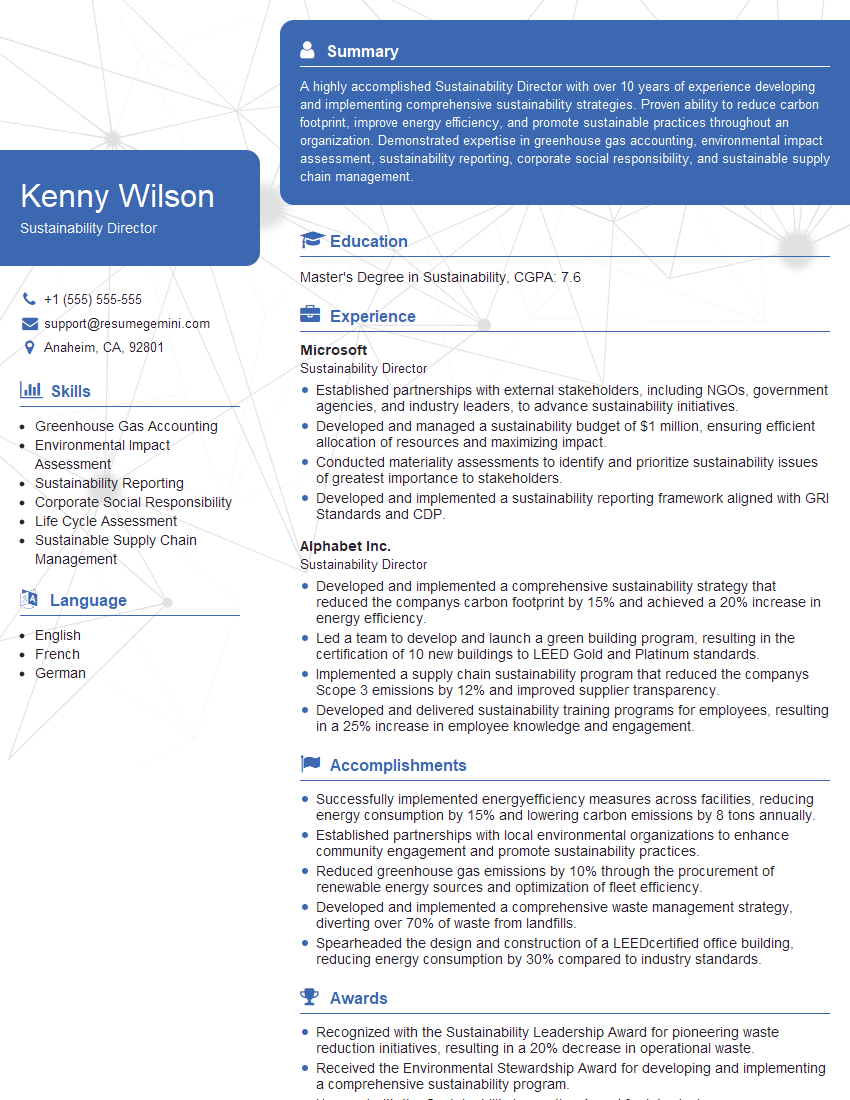
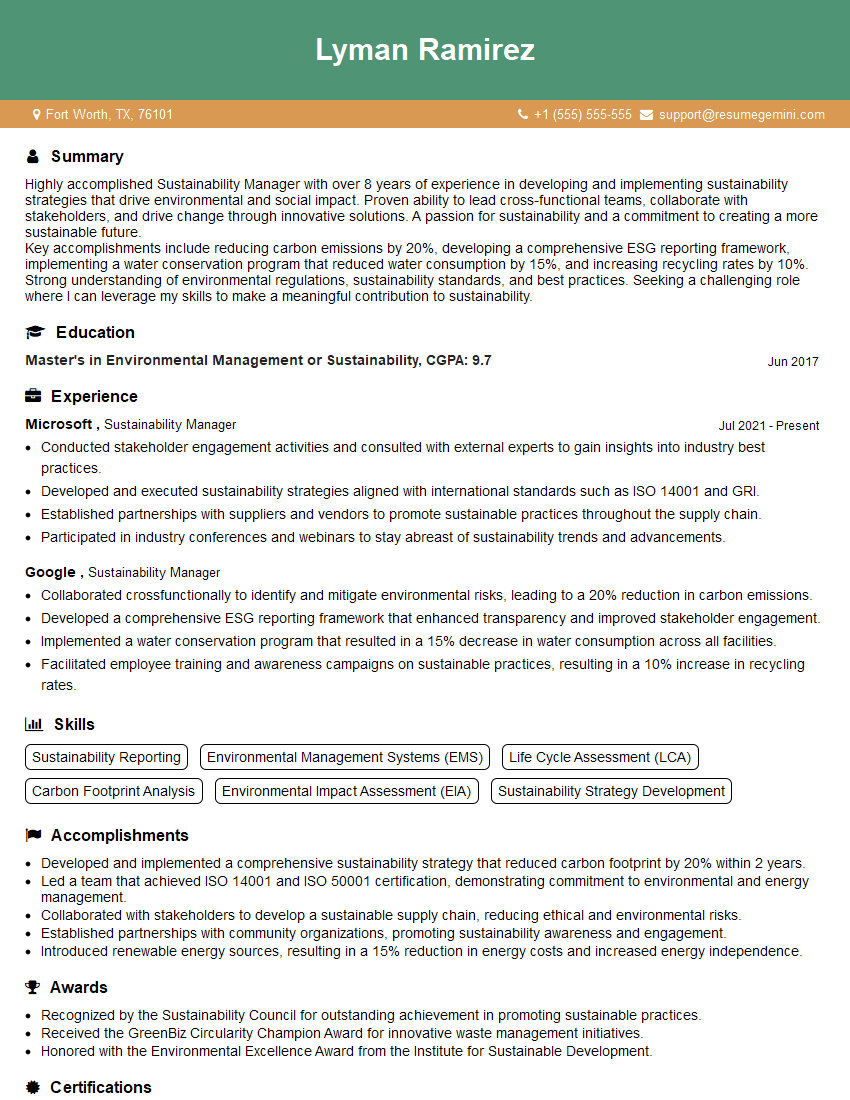
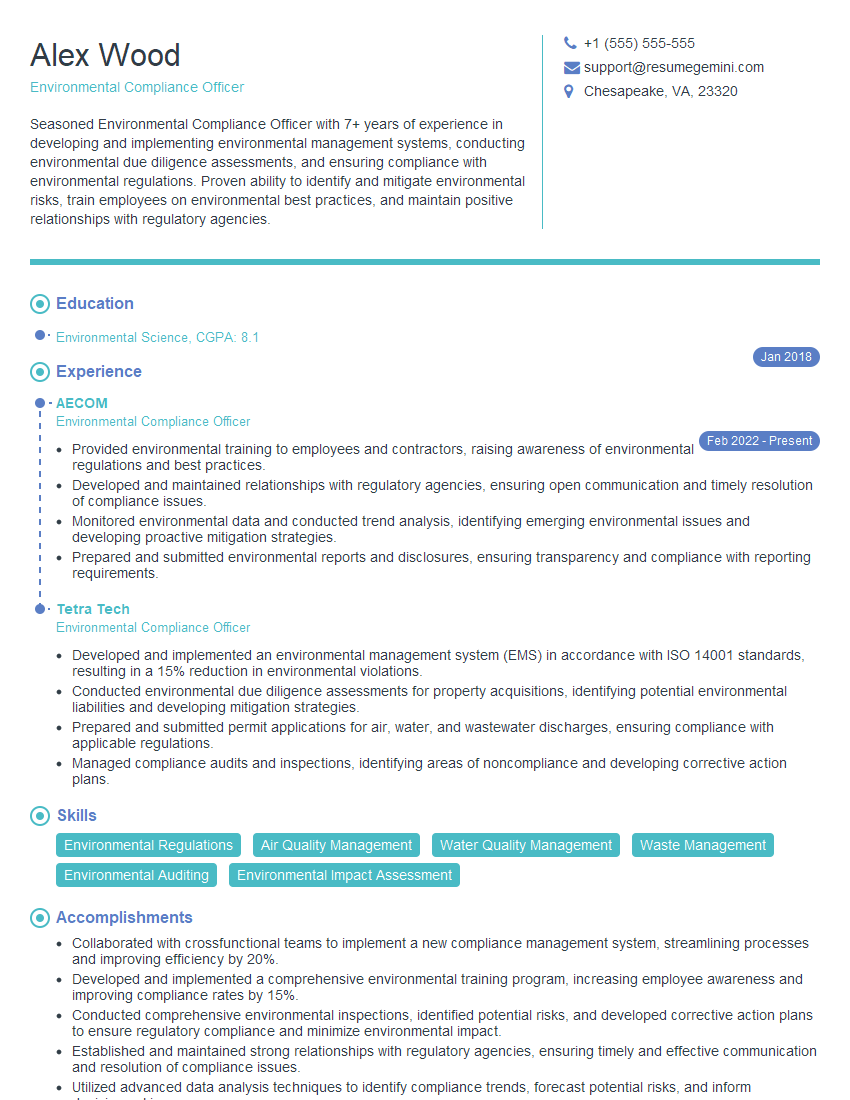
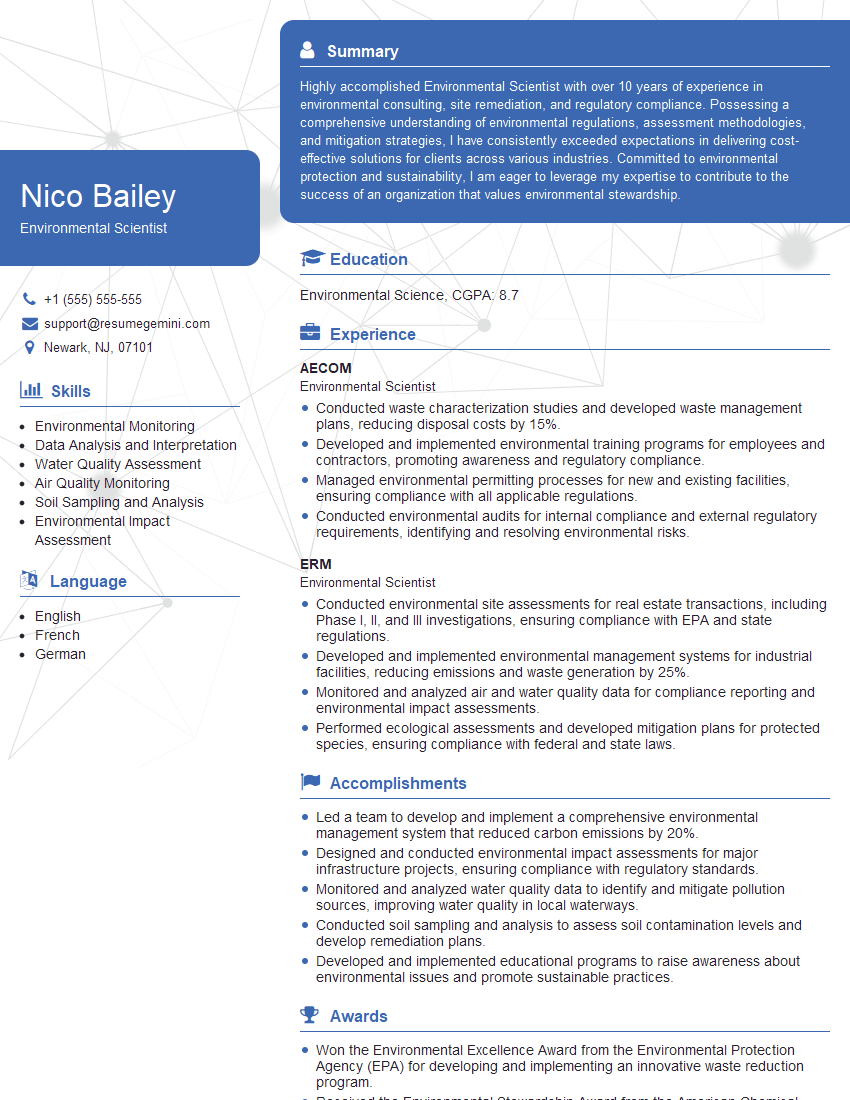
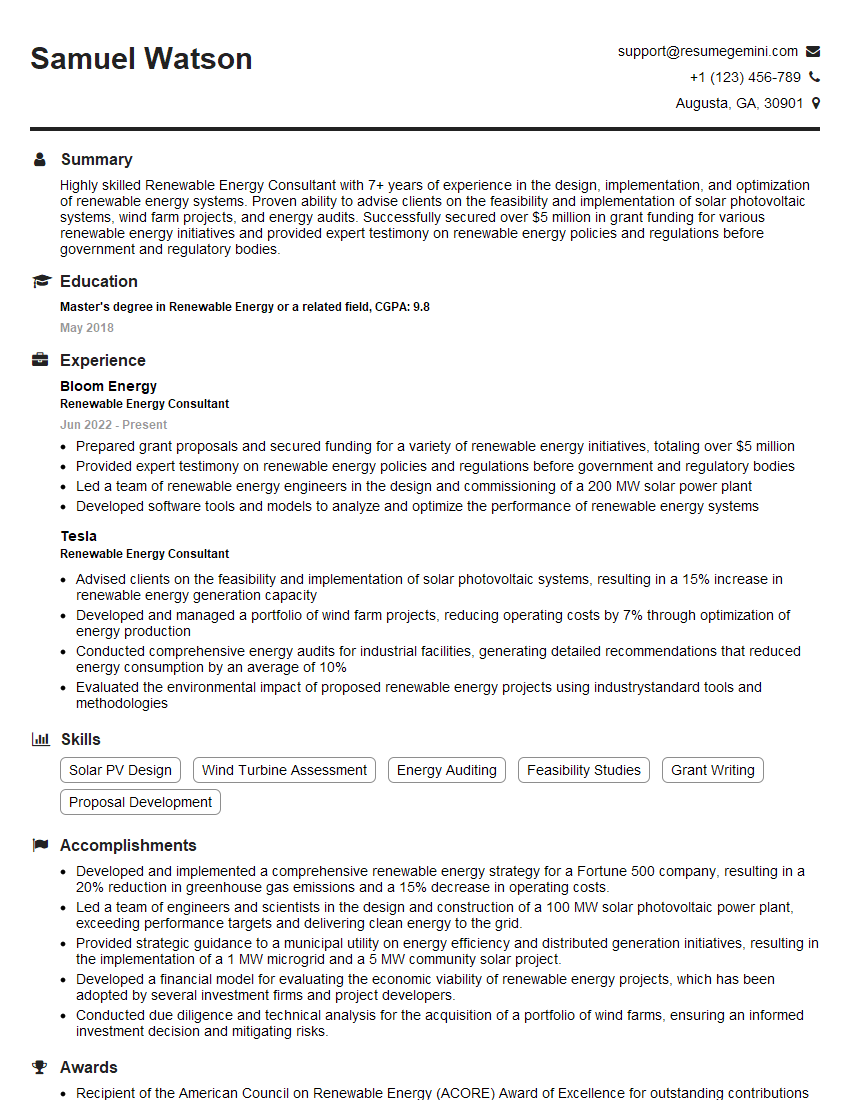
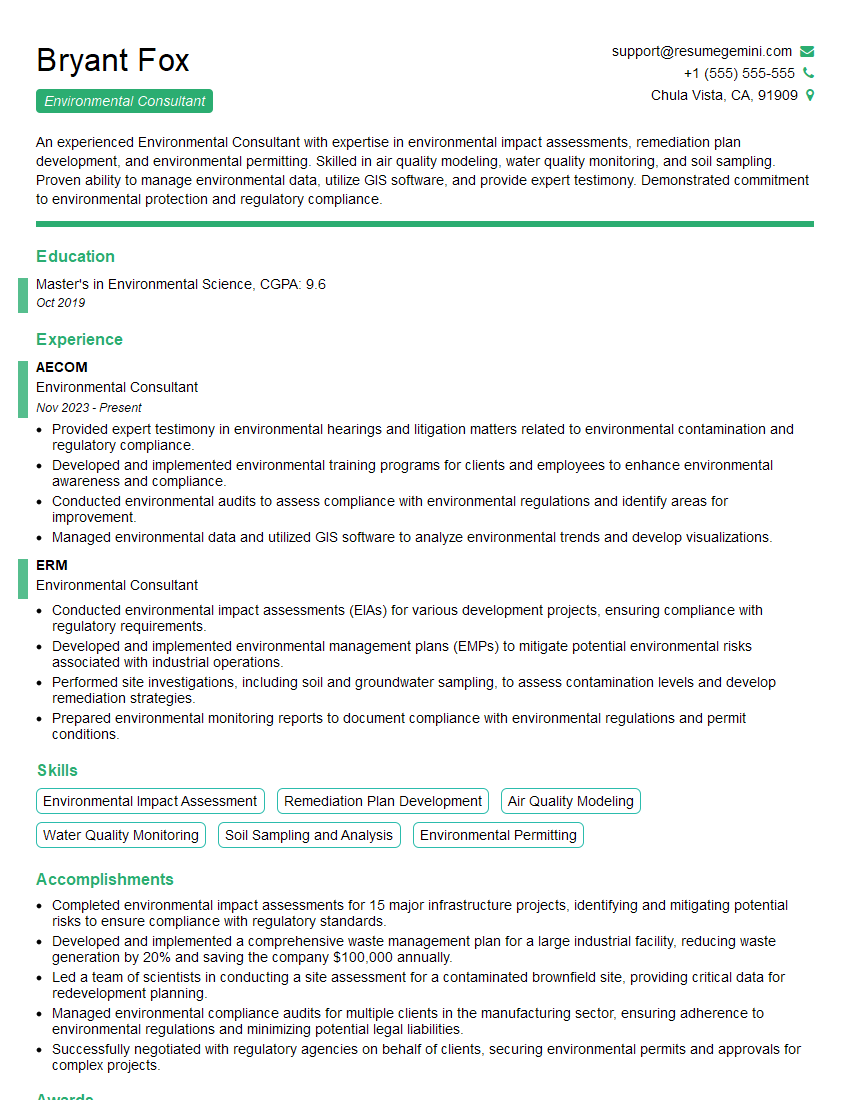
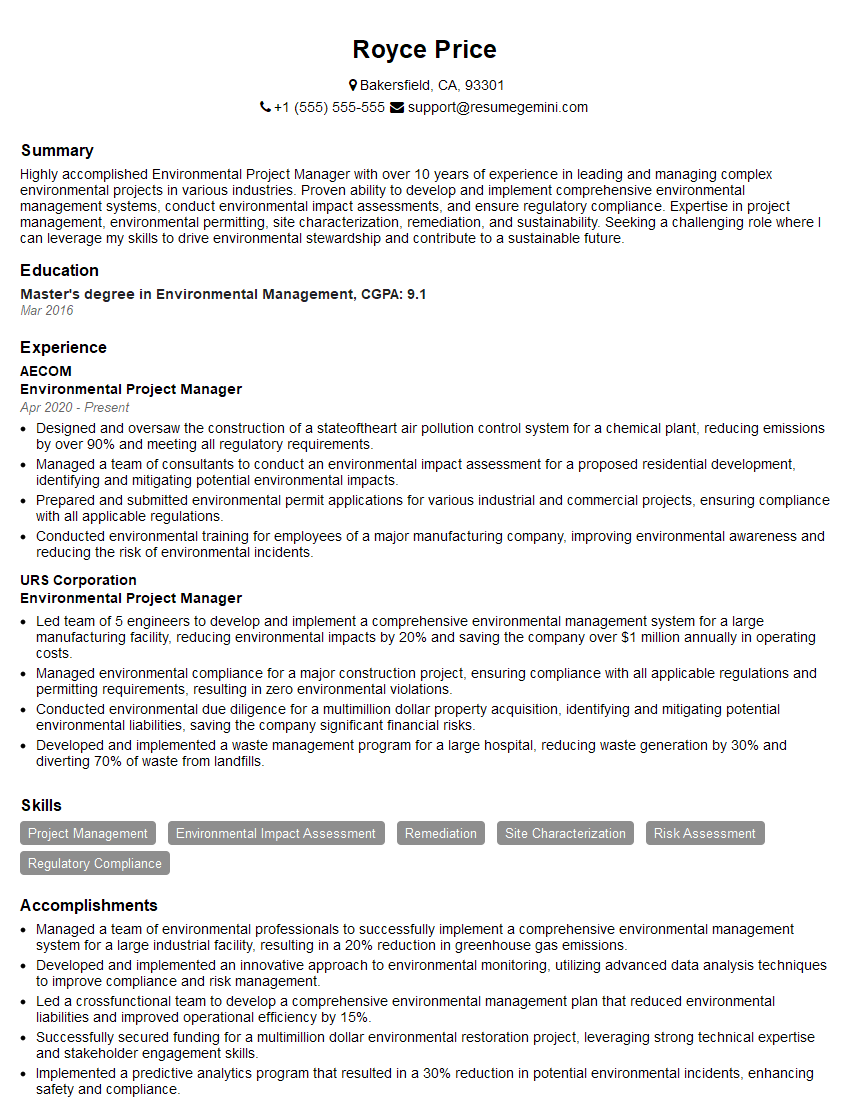
Mastering Climate Governance is crucial for a rewarding and impactful career, opening doors to leadership roles in both the public and private sectors. To maximize your job prospects, crafting an ATS-friendly resume is essential. ResumeGemini is a trusted resource that can help you build a professional and effective resume designed to get noticed by recruiters. We provide examples of resumes tailored specifically to the Climate Governance field to help you present your skills and experience in the best possible light. Invest in your future – invest in your resume.
Explore more articles
Users Rating of Our Blogs
Share Your Experience
We value your feedback! Please rate our content and share your thoughts (optional).
What Readers Say About Our Blog
To the interviewgemini.com Webmaster.
Very helpful and content specific questions to help prepare me for my interview!
Thank you
To the interviewgemini.com Webmaster.
This was kind of a unique content I found around the specialized skills. Very helpful questions and good detailed answers.
Very Helpful blog, thank you Interviewgemini team.