Preparation is the key to success in any interview. In this post, we’ll explore crucial Climate Impact Assessment interview questions and equip you with strategies to craft impactful answers. Whether you’re a beginner or a pro, these tips will elevate your preparation.
Questions Asked in Climate Impact Assessment Interview
Q 1. Explain the difference between climate change mitigation and adaptation.
Climate change mitigation and adaptation are two distinct but complementary approaches to addressing climate change. Mitigation focuses on reducing greenhouse gas emissions to lessen the severity of future climate change. Think of it as preventing the problem. Adaptation, on the other hand, involves adjusting to the current and unavoidable impacts of climate change. It’s about coping with the problem we already have.
For example, transitioning to renewable energy sources like solar and wind power is a mitigation strategy. Building seawalls to protect coastal communities from rising sea levels is an adaptation strategy. A city might mitigate by improving public transport to reduce car emissions while simultaneously adapting by developing heat-resistant infrastructure to combat urban heat island effects. They are two sides of the same coin – both essential for effective climate action.
Q 2. Describe the various methods used for quantifying greenhouse gas emissions.
Quantifying greenhouse gas emissions involves a multi-step process. We use various methods depending on the scale (e.g., individual building, city, nation) and the data available. Common methods include:
- Inventory methods: These rely on measuring emissions from various sources using activity data and emission factors. For example, calculating emissions from a power plant by knowing its fuel consumption and the carbon intensity of that fuel. This is often done through standardized frameworks like the IPCC guidelines.
- Emission modeling: More complex approaches use models to predict future emissions based on various scenarios of economic growth, technological advancements, and policy changes. These models, often integrated assessment models (IAMs), simulate interactions between different sectors of the economy and the environment.
- Remote sensing: Satellite observations can provide data on atmospheric concentrations of greenhouse gases, helping to verify and refine emission estimates.
- Direct measurements: Using equipment to directly measure emissions at specific points, like measuring methane leaks from pipelines.
Often, a combination of these methods provides the most comprehensive and accurate emission quantification. The data is usually reported in terms of carbon dioxide equivalent (CO2e) to account for the global warming potential of different greenhouse gases.
Q 3. What are the key steps involved in conducting a climate impact assessment?
A climate impact assessment (CIA) systematically evaluates the potential effects of climate change on a specific system or region. Key steps include:
- Defining the scope: Identify the geographical area, time horizon, and key sectors (e.g., agriculture, water resources, human health) to be analyzed.
- Climate projections: Obtain relevant climate change projections (temperature, precipitation, sea level rise) from climate models, tailored to the study area.
- Vulnerability assessment: Identify the sensitivity and adaptive capacity of the system or region to climate change impacts. This includes identifying potential stressors and the capacity of the community to adapt to them.
- Impact assessment: Evaluate the potential effects of climate change on various sectors and their interdependencies, using impact models or other quantitative and qualitative methods.
- Risk assessment: Integrate vulnerability and impact assessments to determine the overall risks associated with climate change.
- Adaptation planning: Develop strategies to reduce vulnerabilities and build resilience to climate change impacts.
- Reporting and communication: Clearly present the findings and communicate them to stakeholders in an accessible manner. This might include visualizations and maps to convey the findings.
Think of it like building a house: you need to plan the foundation (defining scope), get appropriate building materials (climate data), assess the structural integrity (vulnerability), predict potential damages (impacts), establish a safety plan (risk assessment), determine improvements (adaptation), and then share the blueprint (reporting).
Q 4. How do you assess the vulnerability of a community to climate change impacts?
Assessing community vulnerability to climate change involves evaluating their susceptibility to climate change impacts and their capacity to cope with them. It’s not just about the physical impacts, but also the social, economic, and political factors that influence resilience. We typically use a combination of qualitative and quantitative methods including:
- Exposure analysis: Identifying the physical elements of the community that are exposed to climate hazards (e.g., coastal communities exposed to sea-level rise).
- Sensitivity analysis: Evaluating the degree to which the community would be affected by these hazards. This might involve examining the community’s reliance on climate-sensitive resources (e.g., agriculture’s dependence on rainfall).
- Adaptive capacity analysis: Assessing the community’s ability to cope with and adapt to climate change, considering factors like economic resources, access to information, social networks, and governance structures. A community with strong social networks and access to resources will generally be better able to cope with shocks.
- Indicators: We use vulnerability indicators – measurable factors reflecting aspects of the community’s susceptibility and adaptive capacity. These indicators can range from poverty rates to the availability of early warning systems.
For example, a rural community heavily reliant on rain-fed agriculture with limited access to financial resources and irrigation infrastructure would be considered highly vulnerable to drought, compared to a community with diversified income sources, robust infrastructure, and access to insurance.
Q 5. Explain the concept of climate change tipping points.
Climate change tipping points refer to critical thresholds in the Earth’s climate system, beyond which abrupt and irreversible changes can occur. These changes can have cascading effects on other parts of the system and significantly alter the global climate. Examples include:
- Melting of the Greenland or West Antarctic ice sheets: Once these pass a certain point of melting, the process accelerates, leading to significant sea level rise.
- Disruption of the Atlantic Meridional Overturning Circulation (AMOC): This ocean current system plays a crucial role in regulating global climate. Significant weakening or shutdown could drastically alter weather patterns in the Northern Hemisphere.
- Die-off of the Amazon rainforest: Deforestation and climate change could push the Amazon rainforest past a critical threshold, leading to a large-scale die-off and release of significant carbon into the atmosphere.
- Thawing of permafrost: Release of large quantities of methane, a potent greenhouse gas, trapped in permafrost could further accelerate global warming.
Reaching a tipping point doesn’t mean an immediate catastrophic event, but it does signify a shift towards a new climate state with potentially severe and long-lasting consequences. Understanding and avoiding these tipping points are critical aspects of climate change mitigation.
Q 6. What are the limitations of climate models?
Climate models are powerful tools but have inherent limitations. These limitations arise from:
- Incomplete understanding of climate processes: The Earth’s climate system is incredibly complex, and our understanding of some processes (e.g., cloud formation, interactions between different parts of the system) is still incomplete. This leads to uncertainties in model output.
- Computational limitations: Simulating the entire global climate system with high resolution requires immense computing power. This often necessitates simplifications and compromises in the model’s representation of processes.
- Data limitations: The accuracy of climate model projections is dependent on the quality and quantity of input data. We have limited historical data in certain areas and for certain variables.
- Uncertainty in future emissions: Climate model projections depend on assumptions about future greenhouse gas emissions, which are highly uncertain and depend on economic, technological, and policy decisions.
It’s crucial to recognize that climate models are not perfect predictions, but rather probabilistic projections that help us understand the potential range of future climate changes. Scientists use ensembles of models and evaluate their uncertainties to improve confidence in the projections.
Q 7. Discuss the role of uncertainty in climate impact assessments.
Uncertainty is inherent in climate impact assessments. It stems from various sources, including uncertainties in climate projections, vulnerability assessments, and impact models. Effectively managing uncertainty is crucial for robust and reliable assessments.
We address uncertainty in several ways:
- Scenario planning: Using multiple climate change scenarios (e.g., different greenhouse gas emission pathways) to assess the range of potential impacts.
- Probabilistic analysis: Quantifying uncertainty using probability distributions rather than single-point estimates. This allows us to express the likelihood of different outcomes.
- Sensitivity analysis: Assessing how sensitive the results are to changes in model parameters or assumptions. This helps to identify the key drivers of uncertainty.
- Expert elicitation: Gathering expert judgments to assess subjective uncertainties, particularly when data are limited.
- Transparency and communication: Clearly communicating uncertainties and limitations of the assessment to stakeholders is essential for informed decision-making.
Acknowledging uncertainty doesn’t invalidate the findings of climate impact assessments; rather, it helps to understand the range of possible outcomes and to make more robust and flexible adaptation plans.
Q 8. How do you integrate climate change projections into infrastructure planning?
Integrating climate change projections into infrastructure planning is crucial for building resilience and ensuring long-term viability. We can’t afford to design and build infrastructure that will become obsolete or dangerous due to climate impacts. This involves a multi-step process.
- Scenario Planning: We start by using climate models and projections (like those from the IPCC) to understand the range of possible future climate conditions in the region where the infrastructure will be located. This considers changes in temperature, precipitation, sea-level rise, and extreme weather events.
- Risk Assessment: Next, we identify the specific climate-related risks that could affect the infrastructure. For example, a coastal highway might be threatened by sea-level rise and storm surges, while a dam could be vulnerable to increased rainfall and flooding.
- Design & Construction Considerations: This information directly informs the design and construction phase. For instance, bridges might need higher foundations to accommodate sea-level rise, or buildings might incorporate features to withstand more intense heat waves. Materials resilient to changing conditions are also prioritized.
- Adaptive Management: Climate impacts are uncertain, so we need adaptable designs. That might mean incorporating flexibility into infrastructure design to allow for future modifications or upgrades as climate changes unfold.
Example: When designing a new water treatment plant, we’d consider projected changes in rainfall patterns and water demand driven by population growth and climate-induced droughts. This might lead to a larger reservoir capacity or the incorporation of water-efficient technologies.
Q 9. Explain different climate change scenarios (e.g., RCPs, SSPs) and their relevance.
Climate change scenarios help us understand the potential range of future climate conditions. Two prominent frameworks exist: Representative Concentration Pathways (RCPs) and Shared Socioeconomic Pathways (SSPs).
- RCPs: These describe different greenhouse gas concentration trajectories throughout the 21st century. RCP8.5 represents a high emissions scenario, while RCP2.6 represents a low emissions scenario. They focus solely on atmospheric concentrations.
- SSPs: SSPs expand on RCPs by incorporating different socioeconomic developments. They explore various pathways of population growth, economic development, technology adoption, and governance. SSP1, for example, represents a sustainable development pathway, while SSP5 represents a fossil fuel-intensive development pathway. SSPs provide a broader context for climate change impacts.
Relevance: These scenarios aren’t predictions; they are tools for exploring potential futures. By using different scenarios in our impact assessments, we can evaluate the sensitivity of infrastructure, ecosystems, and economies to different climate change pathways and develop more robust adaptation strategies.
Imagine planning coastal defenses: using RCP8.5 and SSP5 would lead to planning for far more extensive sea-level rise and storm surges than using RCP2.6 and SSP1. The choice of scenario fundamentally alters the design and cost of the project.
Q 10. What are the key indicators used to measure climate change impacts on ecosystems?
Measuring climate change impacts on ecosystems requires a suite of indicators that capture changes in biodiversity, ecosystem functions, and overall health. Here are key examples:
- Species distribution shifts: Tracking changes in the geographic range of plant and animal species.
- Changes in phenology: Observing shifts in the timing of seasonal events, such as migration, flowering, or breeding.
- Biodiversity loss: Measuring declines in the number and abundance of species, genetic diversity, and ecosystem-level diversity.
- Ecosystem productivity: Assessing changes in the amount of biomass produced by an ecosystem (e.g., forest growth, crop yields).
- Water resources: Monitoring changes in water availability, quality, and flow regimes.
- Carbon sequestration: Measuring the capacity of ecosystems to absorb and store carbon dioxide from the atmosphere.
- Extreme event impacts: Assessing damage from wildfires, floods, droughts, and storms.
These indicators are often combined to provide a holistic picture of ecosystem responses to climate change. For instance, we might use species distribution modeling alongside changes in forest productivity to understand the impact of rising temperatures on a specific forest ecosystem.
Q 11. Describe different methods for assessing the economic costs of climate change.
Assessing the economic costs of climate change is complex, involving diverse methodologies:
- Damage Cost Assessment: This directly estimates the costs of specific climate impacts, such as damage from hurricanes, droughts, or heat waves. This often involves damage surveys and economic modeling.
- Integrated Assessment Modeling: These large-scale models combine climate science, economic models, and other factors to project future climate change impacts and their economic costs. They often consider a range of scenarios and uncertainties.
- Cost-Benefit Analysis: This evaluates the economic costs and benefits of different climate change mitigation and adaptation options, helping to prioritize investments.
- Computable General Equilibrium (CGE) Modeling: CGE models assess the economy-wide effects of climate change, considering changes in productivity, resource allocation, and trade patterns.
Challenges: Quantifying the economic costs of climate change is fraught with uncertainties. Many impacts are difficult to monetize (e.g., loss of biodiversity, human health impacts). Further, it’s difficult to project long-term costs accurately due to uncertain future emissions and adaptation responses.
Example: A damage cost assessment might estimate the economic losses caused by a recent hurricane, while an integrated assessment model might project the future costs of sea-level rise on coastal communities over the next century.
Q 12. How do you incorporate stakeholder engagement into a climate impact assessment?
Stakeholder engagement is essential for successful climate impact assessments. It ensures the assessment is relevant, credible, and leads to effective action. Here’s how it’s incorporated:
- Identifying Stakeholders: This involves identifying all individuals, groups, or organizations that are affected by or have an interest in the climate change impacts being assessed. This includes communities, businesses, governments, NGOs, and indigenous groups.
- Communication and Consultation: This might involve public forums, workshops, surveys, interviews, and focus groups to understand stakeholder perspectives and concerns.
- Participatory Modeling: Stakeholders can be involved in the development and application of models used to project climate change impacts, ensuring their insights are incorporated.
- Capacity Building: Providing stakeholders with the information and skills they need to understand and respond to climate change.
- Transparency and Accountability: Ensuring that the assessment process is transparent and that stakeholders are held accountable for their actions.
Example: When conducting a climate risk assessment for a coastal community, we would engage with residents, local businesses, and government officials to understand their vulnerabilities, concerns, and preferences for adaptation options. Their feedback would then be incorporated into the final assessment.
Q 13. Explain the concept of climate justice.
Climate justice recognizes that climate change disproportionately affects vulnerable populations, particularly those in developing countries and marginalized communities. It acknowledges that those who have contributed least to the problem often suffer the most severe consequences.
Key Aspects:
- Equity: Climate justice demands a fair distribution of the burdens and benefits of climate change mitigation and adaptation.
- Responsibility: It emphasizes the responsibility of developed nations, which have historically emitted the most greenhouse gases, to take action to reduce emissions and assist developing nations.
- Vulnerability: It addresses the particular vulnerabilities of marginalized communities to climate change impacts, such as poverty, lack of access to resources, and social inequality.
Example: Small island developing states, which have contributed minimally to greenhouse gas emissions, are facing existential threats from sea-level rise and extreme weather events. Climate justice calls for international cooperation to support their adaptation efforts and reduce global emissions.
Q 14. What are the key challenges in communicating climate change risks to the public?
Communicating climate change risks effectively to the public presents significant challenges:
- Complexity: Climate science is inherently complex, making it difficult to convey key messages simply and clearly.
- Uncertainty: Climate projections involve uncertainties, which can be used to downplay the risks or to sow confusion.
- Psychological Barriers: People may find climate change a psychologically challenging topic, leading to denial, apathy, or fatalism.
- Political Polarization: Climate change has become a highly politicized issue, making it difficult to reach consensus and foster effective action.
- Information Overload: The public is bombarded with information from many sources, making it difficult to discern credible from unreliable information.
Effective Strategies:
- Focus on local impacts: Relate climate change to specific local risks and vulnerabilities.
- Use relatable language and stories: Avoid jargon and technical terms, and use personal anecdotes to make the information more engaging.
- Highlight solutions: Focus on positive actions that can be taken to address climate change.
- Build trust: Use credible sources and communicate with transparency.
- Engage different communication channels: Use various media platforms to reach diverse audiences.
Example: Instead of focusing on global average temperature increases, one might highlight how climate change is increasing the frequency and intensity of local heat waves, impacting public health and infrastructure.
Q 15. How do you assess the effectiveness of climate change adaptation measures?
Assessing the effectiveness of climate change adaptation measures requires a multifaceted approach. We can’t simply declare a measure a success or failure; instead, we need to analyze its impact across various dimensions.
Key Steps in Assessment:
- Defining success metrics: Before implementation, clear, measurable, achievable, relevant, and time-bound (SMART) goals must be established. For example, if we’re implementing a coastal defense system, a success metric could be a reduction in the number of homes flooded during a specific storm intensity. For a drought-resistant crop initiative, it might be increased yield despite reduced rainfall.
- Baseline data collection: Before implementing a measure, we need baseline data to compare against post-implementation results. This includes environmental data, socio-economic indicators, and vulnerability assessments.
- Monitoring and evaluation: This involves ongoing data collection and analysis after the adaptation measure has been deployed. This could involve field surveys, remote sensing, statistical analysis, and stakeholder interviews. For example, we might monitor changes in coastal erosion rates following implementation of a coastal protection scheme.
- Impact assessment: Analyzing the effects on the intended beneficiaries (e.g., communities, ecosystems) is crucial. Were the projected benefits achieved? Were there any unintended consequences? A cost-benefit analysis could help weigh the effectiveness against the economic resources invested.
- Adaptive management: The process isn’t static. Climate change is dynamic, and adaptation measures may need adjustments. Regular evaluation allows for adaptive management, incorporating lessons learned to improve the measure’s effectiveness over time. For example, changes in rainfall patterns might necessitate adjustments to a drought-resistant crop’s planting schedule.
Example: Consider a community implementing early warning systems for floods. Success would be measured by the reduction in casualties and economic losses, demonstrated through comparisons of pre- and post-implementation data. Failure might be indicated by insufficient warning time or low community participation.
Career Expert Tips:
- Ace those interviews! Prepare effectively by reviewing the Top 50 Most Common Interview Questions on ResumeGemini.
- Navigate your job search with confidence! Explore a wide range of Career Tips on ResumeGemini. Learn about common challenges and recommendations to overcome them.
- Craft the perfect resume! Master the Art of Resume Writing with ResumeGemini’s guide. Showcase your unique qualifications and achievements effectively.
- Don’t miss out on holiday savings! Build your dream resume with ResumeGemini’s ATS optimized templates.
Q 16. Discuss the role of technology in climate change mitigation and adaptation.
Technology plays a crucial, dual role in tackling climate change – both in mitigating its causes (reducing greenhouse gas emissions) and adapting to its unavoidable impacts.
Mitigation:
- Renewable energy technologies: Solar, wind, hydro, geothermal power generation are rapidly advancing, becoming more efficient and cost-effective. This leads to a reduction in reliance on fossil fuels.
- Carbon capture, utilization, and storage (CCUS): Technologies that capture CO2 emissions from power plants and industrial processes and either store them underground or utilize them in other products are crucial for limiting atmospheric CO2.
- Energy efficiency technologies: Smart grids, energy-efficient buildings, and advanced manufacturing processes can significantly reduce energy consumption and therefore emissions.
- Precision agriculture: Technologies like GPS-guided machinery, soil sensors, and data analytics can optimize farming practices, reducing fertilizer and pesticide use, thereby lowering emissions from the agricultural sector.
Adaptation:
- Climate modeling and prediction: Sophisticated models help predict future climate scenarios, allowing for informed decision-making on adaptation strategies.
- Early warning systems: For extreme weather events like floods, droughts, and heat waves, these systems help communities prepare and minimize damage.
- Remote sensing and GIS: These technologies provide valuable data on environmental changes, aiding in monitoring and managing natural resources and assessing vulnerabilities.
- Drought-resistant crops and water management technologies: Genetic engineering and advanced irrigation techniques improve resilience to changing climate conditions.
Example: The use of drones in precision agriculture allows for targeted pesticide application, reducing overall chemical use and its environmental impact. This showcases technology’s potential in both mitigation (reduced emissions) and adaptation (optimized resource use).
Q 17. Explain the concept of carbon sequestration and its role in climate change mitigation.
Carbon sequestration is the process of capturing and storing atmospheric carbon dioxide (CO2). It’s a critical strategy for climate change mitigation because it directly addresses the increasing concentration of greenhouse gases in the atmosphere, the primary driver of global warming.
Natural Sequestration:
- Forests and vegetation: Plants absorb CO2 during photosynthesis, storing it in their biomass (leaves, stems, roots) and in the soil. This is known as biological carbon sequestration.
- Oceans: The oceans absorb a significant amount of atmospheric CO2, but their capacity is limited, and ocean acidification is a concerning consequence.
- Soils: Healthy soils act as significant carbon sinks, particularly those rich in organic matter.
Technological Sequestration:
- Bioenergy with carbon capture and storage (BECCS): This involves growing biomass, using it for energy, and capturing the resulting CO2 emissions for storage.
- Direct air capture (DAC): This technology directly removes CO2 from the atmosphere using chemical processes. It’s still at an early stage of development and is energy-intensive.
- Ocean fertilization: This involves adding nutrients to the ocean to stimulate phytoplankton growth, thereby increasing CO2 absorption. However, it’s controversial due to potential ecological side effects.
Role in Mitigation: Carbon sequestration helps to reduce the net amount of CO2 in the atmosphere, slowing down the rate of global warming. While it can’t completely reverse climate change on its own, it’s a valuable tool when integrated into broader mitigation strategies. It’s important to note that maximizing natural sequestration (e.g., through forest conservation and sustainable land management) should be prioritized due to its lower cost and environmental impact compared to technological approaches.
Q 18. What are the main principles of sustainable development?
Sustainable development is the pursuit of meeting the needs of the present without compromising the ability of future generations to meet their own needs. It’s a balancing act between economic growth, social equity, and environmental protection. There isn’t one universally agreed-upon list of principles, but some core elements consistently emerge:
- Environmental Protection: Protecting ecosystems, biodiversity, and natural resources is paramount. This includes minimizing pollution, conserving resources, and promoting sustainable resource management practices.
- Social Equity: Ensuring fair and just access to resources and opportunities for all members of society, regardless of their social, economic, or geographic background. This includes promoting human rights, health, and education.
- Economic Viability: Economic systems must be sustainable in the long term, meaning they can generate wealth without depleting natural capital or creating unsustainable levels of inequality.
- Intergenerational Equity: The needs of future generations should not be sacrificed to satisfy the wants of the present. This requires careful planning and management of resources.
- Precautionary Principle: In cases of scientific uncertainty, the potential risks to the environment or society should be given priority. This often leads to erring on the side of caution.
- Common but Differentiated Responsibilities: Developed nations bear a greater responsibility for addressing climate change and other environmental issues due to their historical contributions to the problem.
Example: A sustainable city would incorporate green building practices, efficient public transportation, renewable energy sources, and community-based initiatives that promote social inclusion and environmental awareness.
Q 19. How do you assess the environmental impact of renewable energy projects?
Assessing the environmental impact of renewable energy projects requires a thorough life-cycle assessment (LCA), considering all stages from manufacturing and construction to operation and decommissioning.
Key Impacts to Consider:
- Habitat loss and fragmentation: Large-scale projects like wind farms or hydroelectric dams can disrupt ecosystems and wildlife habitats.
- Water use: Some renewable energy technologies, particularly hydropower and bioenergy, have significant water requirements.
- Material use and waste generation: Manufacturing renewable energy technologies requires the extraction and processing of raw materials, leading to waste and potential pollution.
- Greenhouse gas emissions: While renewable energy sources produce fewer emissions during operation compared to fossil fuels, emissions can occur during manufacturing, transportation, and construction.
- Visual and noise pollution: Wind turbines can have visual impacts, and some renewable energy projects can generate noise pollution.
- Impacts on biodiversity: Bird and bat mortality can be associated with wind turbines, while hydroelectric dams can alter river ecosystems.
Assessment Methods:
- Environmental Impact Statements (EIS): Detailed assessments required before project approval, usually including public consultations.
- Life-cycle assessment (LCA): Comprehensive analysis of environmental impacts over the entire life cycle of a project.
- Environmental monitoring: Ongoing assessment of environmental impacts during and after the project’s operational phase.
Example: A wind farm’s environmental impact assessment would consider habitat loss due to turbine placement, bird and bat mortality rates, noise pollution affecting nearby residents, and the carbon footprint of turbine manufacturing and transportation. Mitigation strategies, such as choosing suitable locations, implementing bird deterrent systems, and using recycled materials, would be explored to minimize negative impacts.
Q 20. What are some of the ethical considerations in climate change research?
Ethical considerations in climate change research are crucial to ensure fairness, responsibility, and the equitable application of research findings. Key ethical dilemmas include:
- Justice and Equity: Climate change disproportionately affects vulnerable populations, particularly in developing countries. Research should address these disparities and prioritize equitable solutions. This includes ensuring that research is conducted in a way that empowers marginalized communities and that their knowledge and perspectives are incorporated into the research process.
- Data Privacy and Security: Climate research often involves collecting sensitive data on individuals and communities. Strict adherence to data protection principles is essential.
- Transparency and Openness: Research data, methods, and findings should be transparent and accessible to promote scrutiny and reproducibility. This helps to prevent biases and ensures that research results are trustworthy.
- Conflict of Interest: Researchers should avoid conflicts of interest that could compromise the integrity of their work. This includes declaring any financial or other relationships that could influence their research.
- Benefit Sharing: The benefits of climate research should be shared fairly among all stakeholders, including local communities and developing countries. This might involve technology transfer, capacity building, and equitable access to research results.
- Indigenous Knowledge: Integrating traditional ecological knowledge and the perspectives of Indigenous communities is crucial for effective and culturally sensitive climate research. Failing to do so can lead to the marginalization of valuable insights.
Example: A study on the impact of climate change on agriculture in a developing country must ensure that the research is collaborative, incorporating local farmers’ knowledge and ensuring that any technological solutions developed are accessible and affordable for them. The researchers should also work to address potential power imbalances and prioritize the needs of the community.
Q 21. Explain the concept of climate refugees.
Climate refugees are people who are forced to leave their homes and communities due to the adverse effects of climate change. This isn’t a legally recognized term like “refugee” under international law, but it captures a growing reality.
Causes of Displacement:
- Sea-level rise: Coastal erosion and inundation forces people to relocate from low-lying areas.
- Extreme weather events: Hurricanes, floods, droughts, and wildfires can destroy homes and livelihoods, leading to displacement.
- Desertification and land degradation: Loss of arable land renders communities unable to sustain themselves.
- Water scarcity: Reduced water availability due to climate change can lead to conflict and displacement.
Challenges:
- Legal status: There is no international legal framework specifically protecting climate refugees, leaving them vulnerable and without adequate assistance.
- Access to resources: Climate refugees often lack access to essential resources like food, water, shelter, and healthcare.
- Social integration: Integrating into new communities can be difficult, often leading to social and economic marginalization.
Example: Island nations facing sea-level rise are experiencing displacement, with people forced to relocate to other countries or regions. These individuals are facing significant challenges in securing legal status, finding employment, and accessing basic necessities in their new homes. This underscores the urgent need for international cooperation to address the humanitarian crisis associated with climate-induced displacement.
Q 22. Describe the role of international agreements in addressing climate change.
International agreements play a crucial role in coordinating global efforts to mitigate and adapt to climate change. They establish common goals, frameworks, and mechanisms for countries to collaborate. These agreements are essential because climate change is a transboundary problem; greenhouse gas emissions from one country affect the entire planet.
- The Paris Agreement, for instance, is a landmark accord where nearly every nation committed to limiting global warming to well below 2, preferably to 1.5 degrees Celsius, compared to pre-industrial levels. It sets targets, encourages reporting, and facilitates financial and technological support for developing nations.
- The Kyoto Protocol, a precursor to the Paris Agreement, established legally binding emission reduction targets for developed countries. While it had limitations, it was a significant step towards international cooperation on climate change.
- These agreements drive policy changes at national levels. They influence national climate action plans (NDCs), which detail countries’ strategies for reducing emissions and adapting to climate impacts.
The success of these agreements depends on robust monitoring, transparency, and mutual accountability. They also need to adapt to evolving scientific understanding and technological advancements. While not perfect, international agreements provide the vital scaffolding for global climate action.
Q 23. How can you use GIS software for climate change impact assessment?
Geographic Information Systems (GIS) software is indispensable for climate change impact assessment. It allows us to visualize, analyze, and model spatial data related to climate change impacts. We can overlay various datasets—climate projections, elevation data, population density, infrastructure locations—to understand the vulnerability of different areas and populations.
- Vulnerability Mapping: We can combine projected changes in temperature and rainfall with maps of population density to identify regions most susceptible to heat stress or drought.
- Impact Modeling: GIS allows us to model the potential spread of vector-borne diseases based on projected climate change, considering factors such as temperature, rainfall, and habitat suitability.
- Infrastructure Assessment: We can assess the vulnerability of infrastructure, like transportation networks or coastal communities, to sea-level rise, floods, or extreme weather events.
- Adaptation Planning: GIS supports adaptation planning by identifying suitable locations for climate adaptation measures, such as building seawalls, relocating settlements, or improving water management systems.
For example, I recently used ArcGIS to model the potential impacts of sea-level rise on coastal communities in a specific region. By integrating high-resolution elevation data with projected sea-level rise scenarios, we could create precise maps showing areas at risk of inundation, informing evacuation plans and coastal protection strategies.
Q 24. Explain different data sources used for climate impact assessment (e.g., remote sensing, in-situ measurements).
Climate impact assessment relies on a variety of data sources, each with its own strengths and limitations. A robust assessment typically integrates multiple sources to improve accuracy and reduce uncertainty.
- Remote Sensing: Satellites provide valuable data on a large scale, including land surface temperature, vegetation indices (NDVI), sea surface temperature, and ice cover. These data are crucial for monitoring changes in ecosystems, land use, and sea level. For example, Landsat satellite imagery helps monitor deforestation and land degradation.
- In-situ Measurements: These are ground-based observations collected at specific locations using instruments like weather stations, river gauges, and soil moisture sensors. They provide high-resolution data but often cover limited areas. Long-term weather records from meteorological stations, for example, are essential for understanding climate trends.
- Climate Models: Global Climate Models (GCMs) and Regional Climate Models (RCMs) simulate future climate scenarios based on different greenhouse gas emission pathways. These models are essential for projecting future climate conditions and their impacts.
- Socioeconomic Data: Data on population density, economic activity, infrastructure, and social vulnerability are crucial for assessing the human dimensions of climate change impacts. Census data and socioeconomic surveys provide valuable inputs.
Integrating these different data sources is crucial for a comprehensive assessment. For instance, combining satellite-derived land surface temperature with in-situ measurements of air temperature can provide a more accurate understanding of heat waves and their impacts.
Q 25. Describe your experience with specific climate impact assessment software or tools.
I have extensive experience with various climate impact assessment software and tools. My expertise includes:
- ArcGIS: I frequently use ArcGIS for spatial data analysis, visualization, and modeling. I’ve used it to create vulnerability maps, model the spread of diseases, and assess the impact of climate change on infrastructure.
- R Programming Language: R is essential for statistical analysis, data manipulation, and creating custom models. I use R packages like
raster,sp, andggplot2for analyzing climate data and creating visualizations. - Climate modeling software (e.g., CMIP6 data): I have experience working with outputs from global and regional climate models to assess future climate scenarios and their impacts on various sectors.
In a recent project, I used ArcGIS to integrate climate projections from CMIP6 with socioeconomic data to assess the vulnerability of coastal communities to sea-level rise. The analysis identified areas requiring immediate attention for adaptation measures.
Q 26. How do you handle conflicting data or interpretations in climate impact assessment?
Conflicting data or interpretations are common in climate impact assessment due to the complexity of the system and the uncertainties inherent in climate projections. Addressing this requires a systematic approach:
- Data Quality Assessment: I rigorously assess the quality, accuracy, and reliability of all data sources, considering factors like spatial and temporal resolution, uncertainties, and potential biases.
- Sensitivity Analysis: I conduct sensitivity analyses to determine how the results change with variations in input data or assumptions. This helps to understand the uncertainty range of the assessment.
- Uncertainty Quantification: I use statistical methods to quantify the uncertainty associated with the results. This involves reporting confidence intervals or probability distributions for key findings.
- Expert Elicitation: In cases of conflicting interpretations, I involve experts from relevant disciplines to discuss the evidence and reach a consensus.
- Transparent Reporting: I clearly document all data sources, methodologies, and uncertainties in the assessment report, allowing for scrutiny and replication.
For example, if two different climate models project different rainfall changes for a specific region, I would explain the differences in model methodologies and uncertainties, presenting both results and discussing their implications for decision-making.
Q 27. Explain your experience with analyzing climate change scenarios for specific sectors (e.g., agriculture, water resources).
I have significant experience analyzing climate change scenarios for various sectors, particularly agriculture and water resources.
- Agriculture: I’ve analyzed how changes in temperature, rainfall, and extreme weather events will affect crop yields, water requirements, and pest infestations. This often involves using crop models and integrating climate data with soil data and agricultural practices to project future agricultural productivity.
- Water Resources: My work in this area focuses on assessing the impact of climate change on water availability, water quality, and flood risks. This involves hydrological modeling, analysis of river flow data, and assessment of water infrastructure vulnerability.
In one project, I assessed the impact of climate change on rice production in a specific region. Using a crop model, I integrated climate projections to estimate changes in rice yields under different scenarios. The results showed significant reductions in yields under warmer and drier conditions, highlighting the need for adaptation strategies such as drought-resistant rice varieties and improved irrigation systems.
Q 28. How do you ensure the transparency and reproducibility of your climate impact assessment work?
Transparency and reproducibility are paramount in climate impact assessment. To ensure this, I follow rigorous practices:
- Open Data and Code: I strive to use open-source data and software whenever possible and make my code and data publicly available, allowing others to reproduce and verify my analysis. This increases the credibility and trustworthiness of my work.
- Detailed Documentation: I provide comprehensive documentation of all data sources, methodologies, assumptions, and limitations in a clear and accessible manner. This includes detailed descriptions of data pre-processing steps, model parameters, and analytical procedures.
- Version Control: I use version control systems (like Git) to track changes in my code and data over time. This allows for easy tracking of updates and revisits to previous versions.
- Peer Review: I actively seek peer review of my work to ensure the quality and rigor of the assessment. This process helps identify potential biases, errors, or areas for improvement.
By adhering to these principles, I aim to produce high-quality, credible, and reproducible assessments that can inform effective climate change adaptation and mitigation policies. This also fosters collaboration and builds confidence in the scientific findings.
Key Topics to Learn for Climate Impact Assessment Interview
- Greenhouse Gas Inventories: Understanding methodologies for quantifying emissions and removals, including direct and indirect sources, and the application of various accounting standards.
- Climate Change Scenarios and Projections: Working with Representative Concentration Pathways (RCPs) and Shared Socioeconomic Pathways (SSPs) to project future climate impacts. Applying this knowledge to vulnerability assessments.
- Impact Modeling and Assessment: Utilizing models (e.g., hydrological, ecological, economic) to simulate the impacts of climate change on specific sectors (e.g., agriculture, water resources, infrastructure).
- Vulnerability and Adaptation Assessments: Identifying vulnerable systems and communities, and evaluating adaptation options to minimize climate risks. Practical application involves case studies and risk management strategies.
- Climate Risk Management and Communication: Presenting complex climate information to diverse audiences, including stakeholders, policymakers, and the public. Demonstrate expertise in risk communication techniques and frameworks.
- Data Analysis and Visualization: Proficiency in handling and interpreting climate data, using statistical software, and creating clear and impactful visualizations to communicate findings. This includes an understanding of data quality and uncertainty.
- Policy and Regulatory Frameworks: Familiarity with relevant climate policies (e.g., nationally determined contributions (NDCs), carbon pricing mechanisms) and their implications for impact assessment.
- Life Cycle Assessment (LCA): Understanding the application of LCA to assess the environmental footprint of products, services, and projects within a climate change context.
Next Steps
Mastering Climate Impact Assessment is crucial for a successful and impactful career in environmental science, sustainability consulting, and related fields. The demand for professionals skilled in this area is rapidly growing, making it a highly sought-after expertise. To maximize your job prospects, creating an Applicant Tracking System (ATS)-friendly resume is essential. ResumeGemini is a trusted resource that can help you craft a compelling and effective resume tailored to the specific requirements of Climate Impact Assessment roles. Examples of resumes optimized for this field are available through ResumeGemini, ensuring your application stands out from the competition. Take the next step in your career journey today!
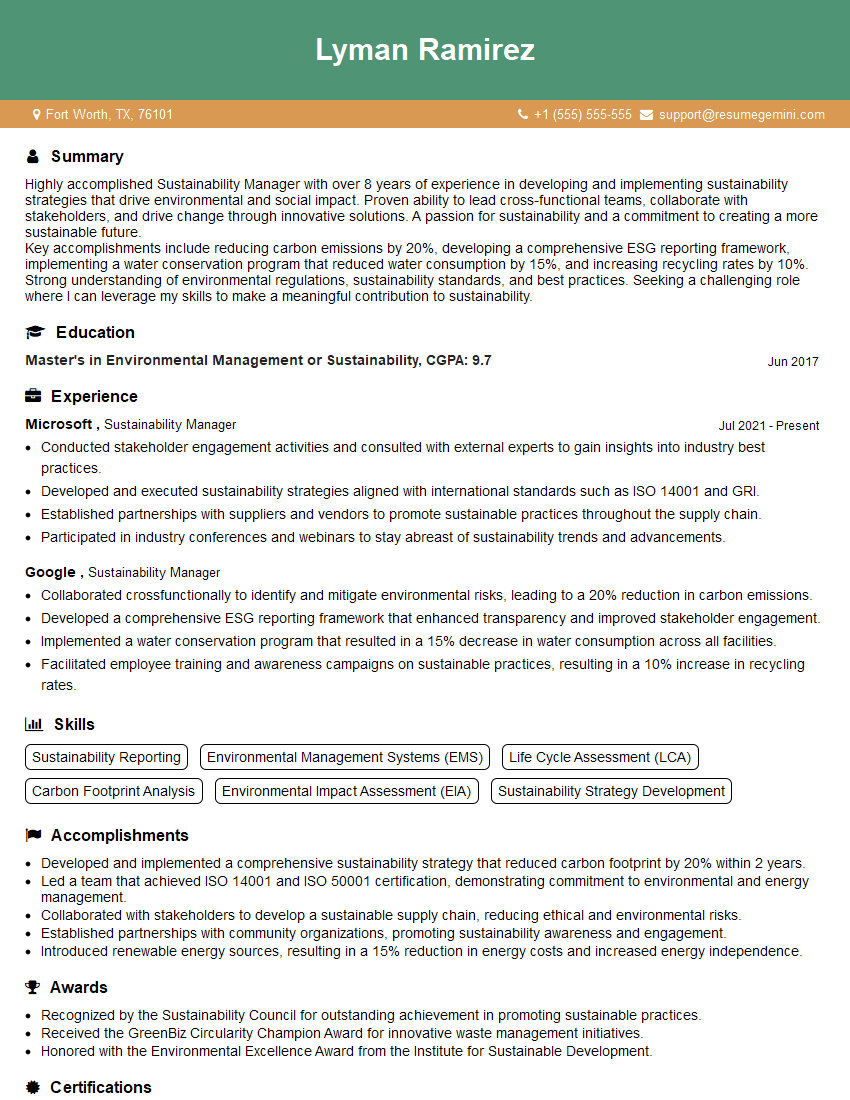
Sustainability Manager Resume Sample
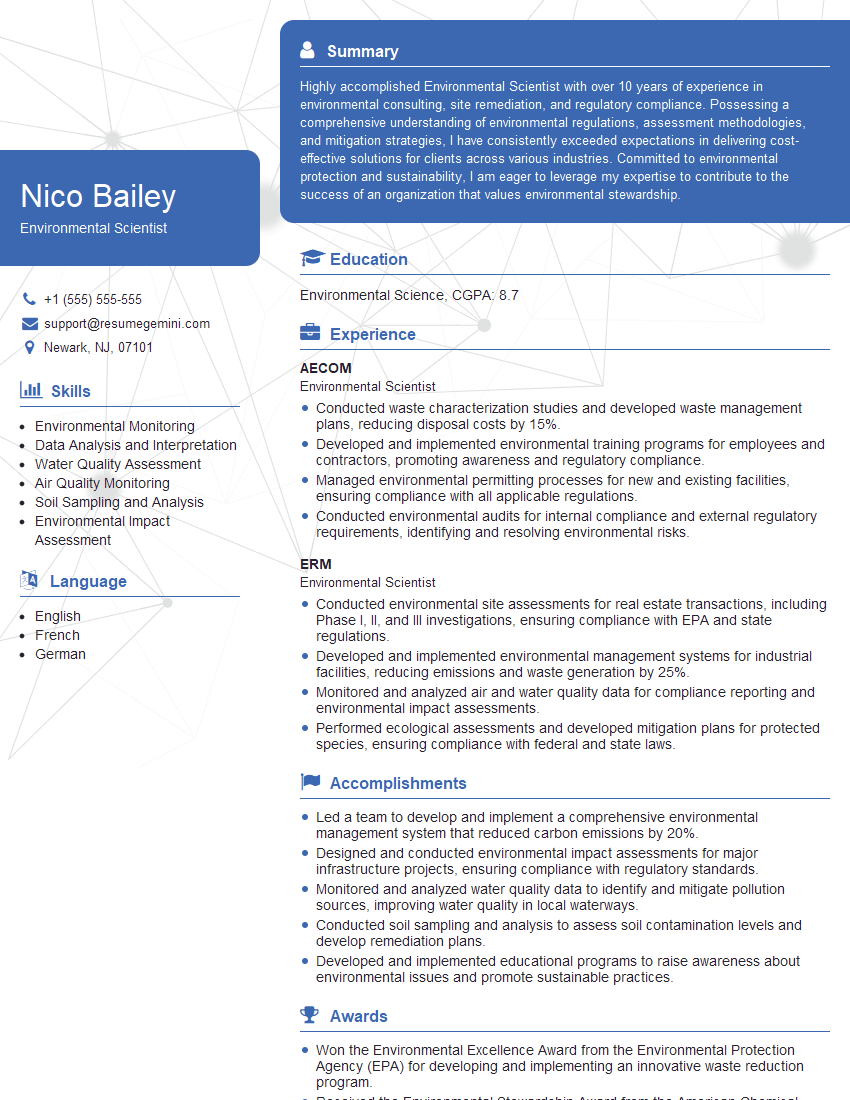
Environmental Scientist Resume Sample
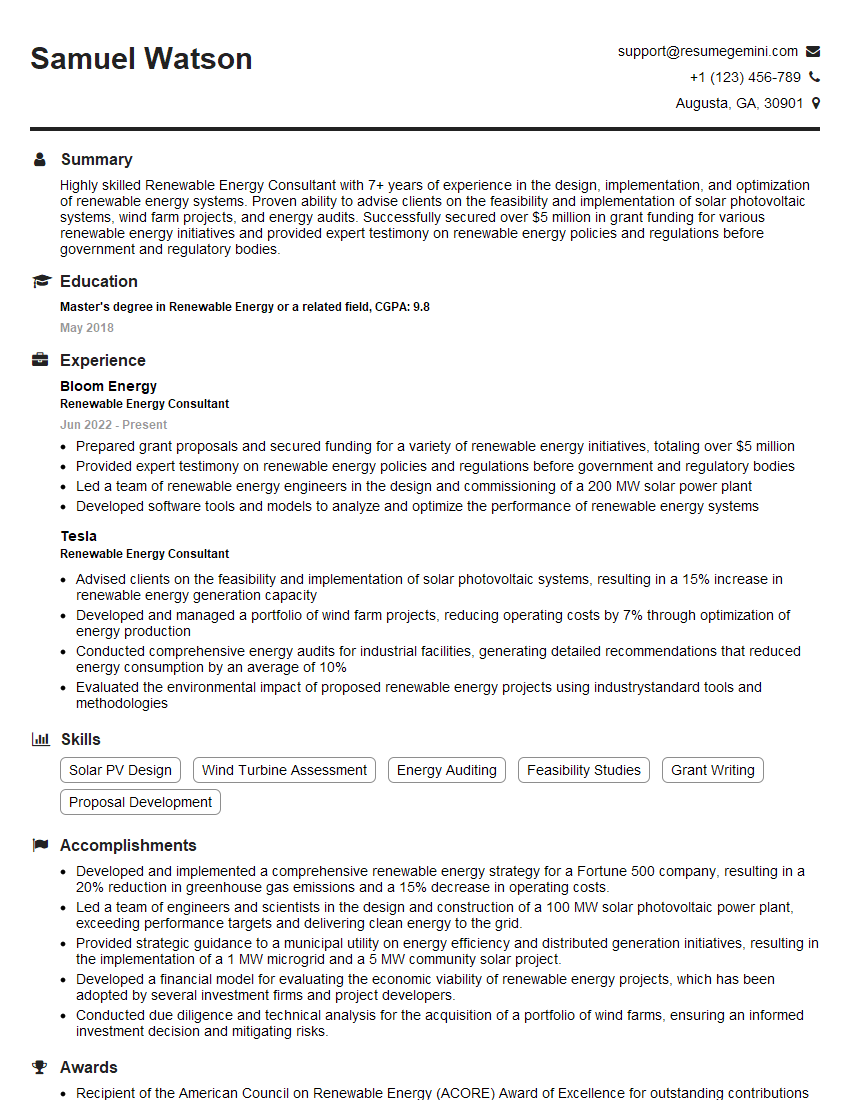
Renewable Energy Consultant Resume Sample

Sustainability Consultant Resume Sample
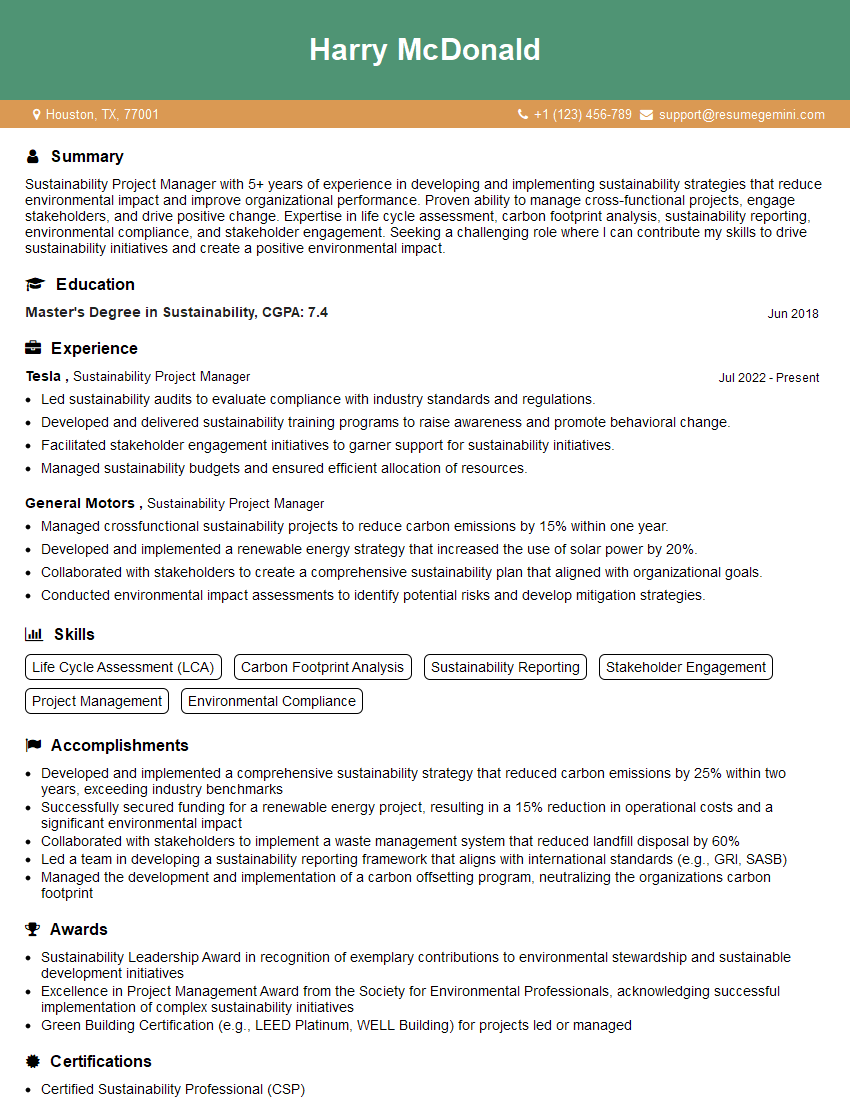
Sustainability Project Manager Resume Sample
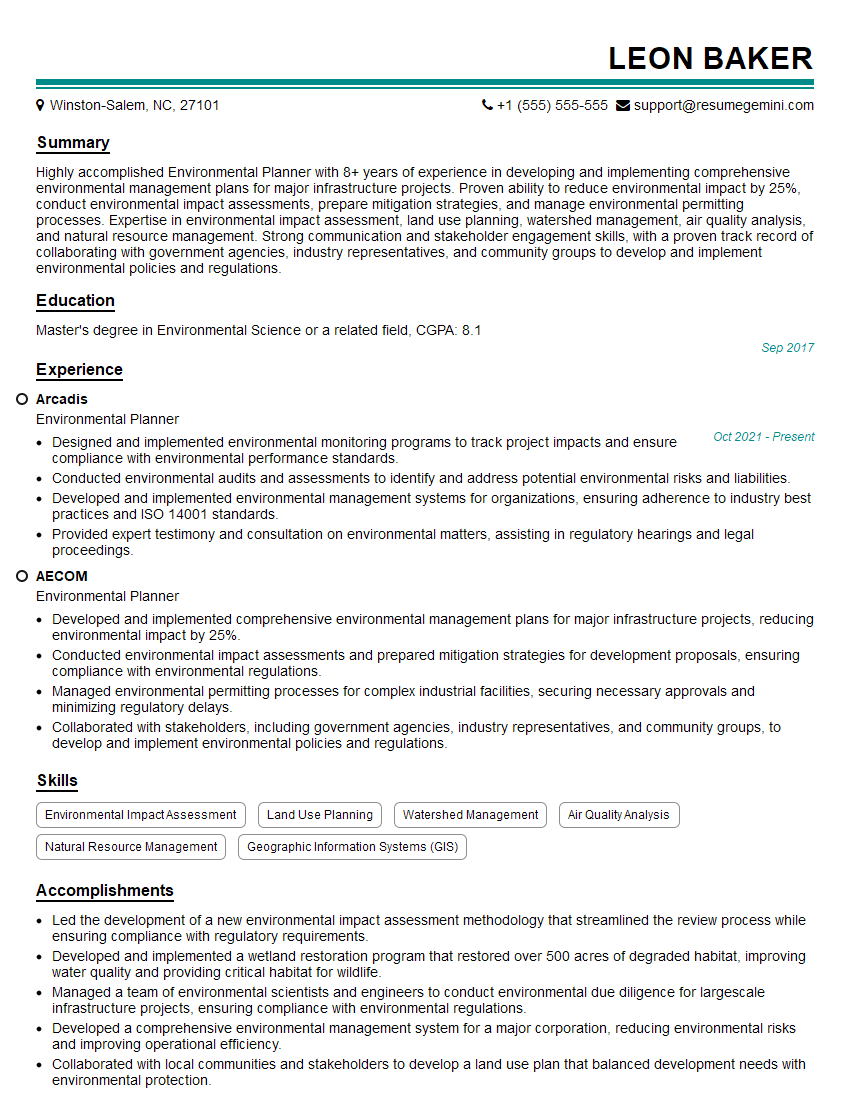
Environmental Planner Resume Sample
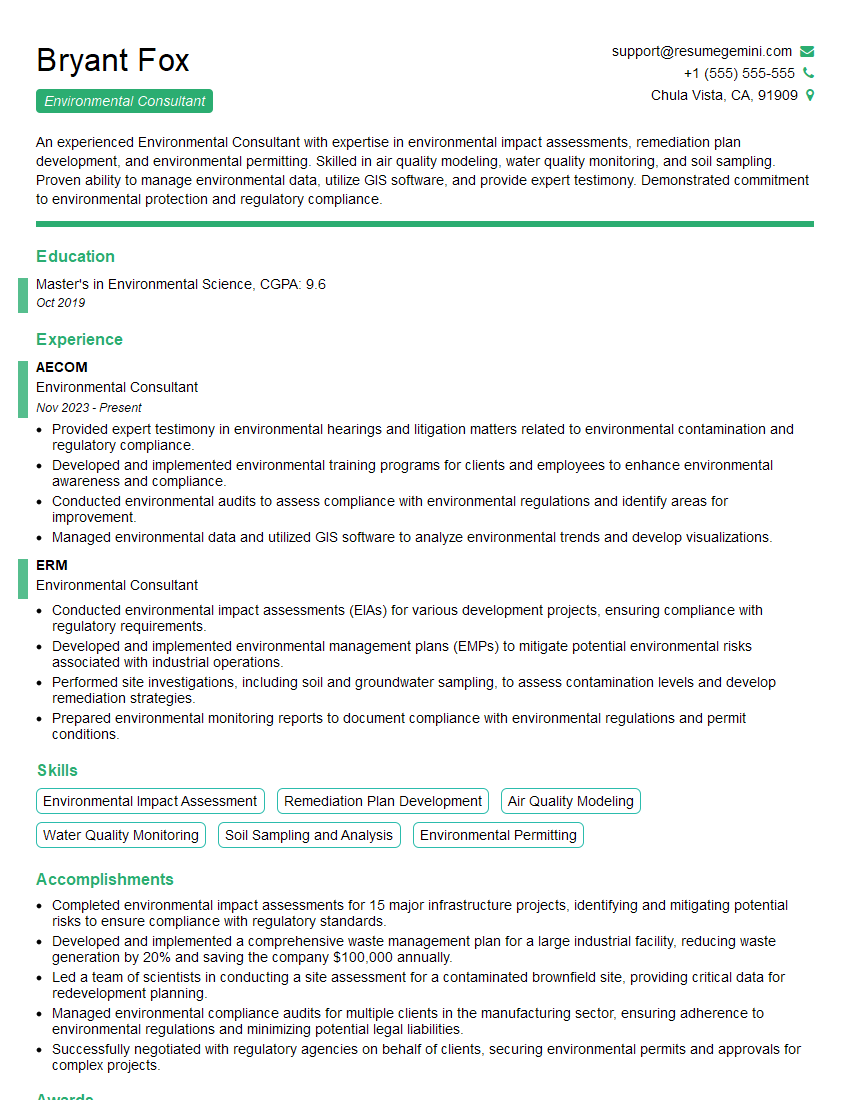
Environmental Consultant Resume Sample
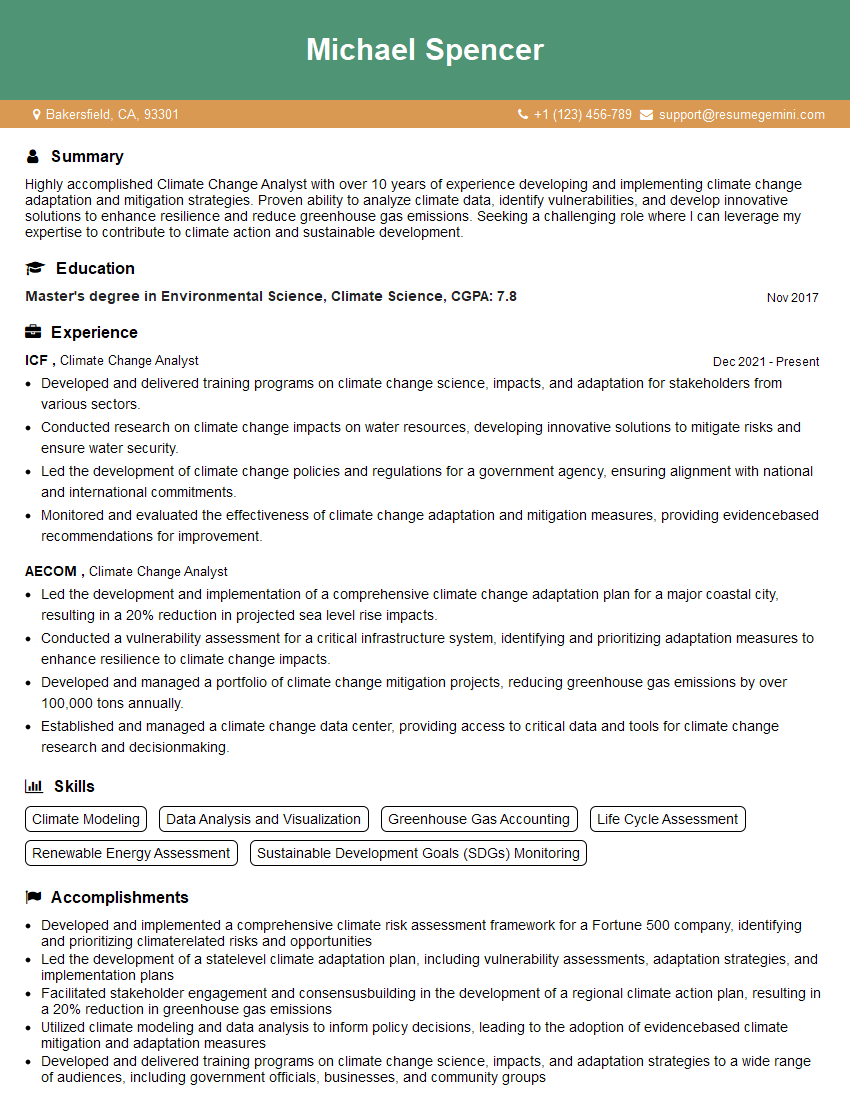
Climate Change Analyst Resume Sample
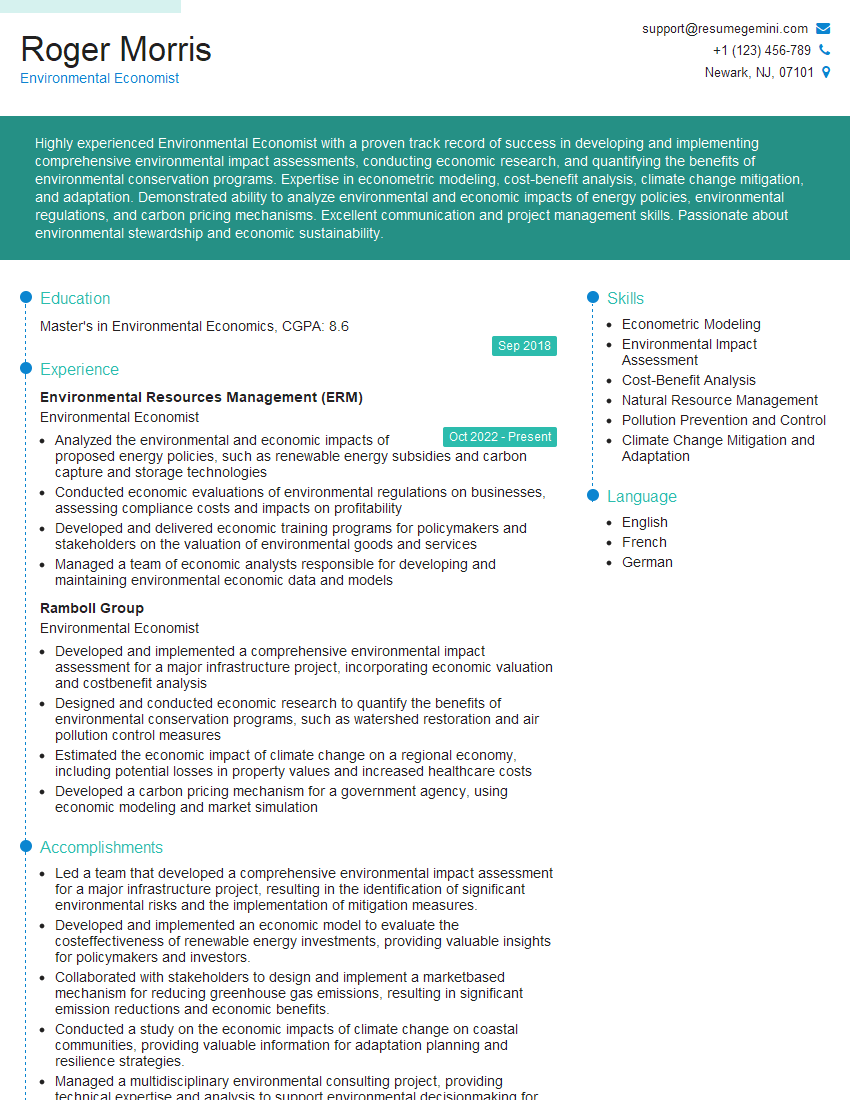
Environmental Economist Resume Sample
Explore more articles
Users Rating of Our Blogs
Share Your Experience
We value your feedback! Please rate our content and share your thoughts (optional).
What Readers Say About Our Blog
To the interviewgemini.com Webmaster.
Very helpful and content specific questions to help prepare me for my interview!
Thank you
To the interviewgemini.com Webmaster.
This was kind of a unique content I found around the specialized skills. Very helpful questions and good detailed answers.
Very Helpful blog, thank you Interviewgemini team.