Are you ready to stand out in your next interview? Understanding and preparing for Climate Policy Analysis interview questions is a game-changer. In this blog, we’ve compiled key questions and expert advice to help you showcase your skills with confidence and precision. Let’s get started on your journey to acing the interview.
Questions Asked in Climate Policy Analysis Interview
Q 1. Explain the difference between climate change mitigation and adaptation.
Climate change mitigation and adaptation are two distinct but complementary approaches to addressing climate change. Mitigation focuses on reducing greenhouse gas emissions to limit the extent of future warming. Think of it as preventing the problem. This involves transitioning to renewable energy, improving energy efficiency, and adopting sustainable land-use practices. Adaptation, on the other hand, focuses on adjusting to the effects of climate change that are already happening or are inevitable. This is about managing the consequences of the problem. Examples include building seawalls to protect against rising sea levels, developing drought-resistant crops, and improving disaster preparedness.
Imagine a rising tide: mitigation is trying to slow down or stop the tide from rising, while adaptation is about building better seawalls and moving valuable assets to higher ground. Both are crucial for effectively dealing with the climate crisis.
Q 2. Describe the key components of the Paris Agreement.
The Paris Agreement, adopted in 2015, is a landmark international accord aimed at limiting global warming to well below 2 degrees Celsius, preferably to 1.5 degrees Celsius, compared to pre-industrial levels. Its key components include:
- Nationally Determined Contributions (NDCs): Each country sets its own targets for reducing greenhouse gas emissions. These targets are voluntary but are intended to be ambitious and progressively strengthened over time.
- Global Stocktake: A process to assess collective progress towards the agreement’s goals every five years. This allows countries to review their NDCs and enhance ambition.
- Adaptation: Recognizes the importance of adapting to the impacts of climate change, and encourages countries to develop and implement adaptation plans.
- Finance: Developed countries commit to providing financial support to developing countries to help them mitigate and adapt to climate change.
- Transparency and Accountability: Requires countries to regularly report on their emissions and progress towards their NDCs, promoting transparency and accountability.
The agreement is built on the principle of common but differentiated responsibilities and respective capabilities, acknowledging that different countries have different capacities and historical contributions to greenhouse gas emissions.
Q 3. What are the main challenges in implementing a carbon tax?
Implementing a carbon tax, a fee imposed on the carbon content of fuels, presents several significant challenges:
- Political opposition: Carbon taxes can be unpopular, especially among businesses and individuals who fear increased costs. This leads to strong lobbying efforts against implementation.
- Economic impacts: A poorly designed carbon tax could disproportionately impact lower-income households who spend a larger share of their income on energy. Careful design with potential revenue recycling mechanisms (e.g., tax cuts elsewhere) is crucial.
- Carbon leakage: If a carbon tax is implemented only in one country or region, businesses might relocate to areas with less stringent regulations, negating the environmental benefits. International coordination is vital to avoid this.
- Revenue management: How the revenue generated from a carbon tax is used is crucial. Efficient and transparent use is necessary to maintain public support and maximize effectiveness. Options include investment in clean energy, tax reductions, or social programs.
- Complexity in design: Determining the appropriate carbon price, accounting for different emissions sources, and managing exemptions requires careful consideration. Too high a tax can stifle economic growth, while too low a tax may not incentivize sufficient emission reductions.
For example, the implementation of a carbon tax in France in 2018 led to widespread protests (‘yellow vest’ movement) due to perceived unfairness in its impact on lower-income citizens.
Q 4. How do cap-and-trade systems function, and what are their limitations?
Cap-and-trade systems, also known as emissions trading schemes, work by setting a limit (cap) on the total amount of greenhouse gas emissions allowed. Then, permits or allowances to emit a certain amount of greenhouse gases are allocated to businesses. These allowances can be traded among businesses. Companies that reduce their emissions below their allocated limit can sell their excess permits, while companies exceeding their limit must buy permits. This creates a market-based mechanism to incentivize emission reductions.
However, cap-and-trade systems have limitations:
- Setting the cap: Determining the appropriate cap is crucial. Too high a cap might not lead to sufficient emission reductions, while too low a cap might lead to high permit prices and economic hardship.
- Permit allocation: The initial allocation of permits can influence the distribution of costs and benefits, potentially leading to inequities.
- Market volatility: The price of permits can fluctuate depending on supply and demand, making it difficult for businesses to plan long-term investments.
- Enforcement and monitoring: Effective monitoring and enforcement are crucial to ensure that companies comply with the regulations.
The European Union Emissions Trading System (EU ETS) is a prominent example of a cap-and-trade system. Although it has contributed to emissions reductions in some sectors, it has also faced criticisms regarding its effectiveness and design.
Q 5. Discuss the role of renewable energy sources in mitigating climate change.
Renewable energy sources, such as solar, wind, hydro, geothermal, and biomass, play a vital role in mitigating climate change by providing clean alternatives to fossil fuels. They significantly reduce greenhouse gas emissions associated with electricity generation and transportation.
The transition to renewable energy involves:
- Scaling up renewable energy capacity: Significant investment is needed to expand the production and distribution of renewable energy infrastructure.
- Developing energy storage technologies: Renewable energy sources are often intermittent, requiring energy storage solutions such as batteries to ensure a reliable power supply.
- Improving grid infrastructure: Modernizing electricity grids to efficiently integrate intermittent renewable energy sources is crucial.
- Policy support: Governments can play a crucial role through policies such as renewable portfolio standards (RPS), feed-in tariffs, and tax incentives.
For example, countries like Denmark and Germany have achieved a high share of renewable energy in their electricity mix through significant investments and supportive policies.
Q 6. Explain the concept of carbon sequestration and its potential.
Carbon sequestration refers to the process of capturing and storing atmospheric carbon dioxide (CO2). This can occur naturally through processes like photosynthesis in plants and oceans, or it can be done artificially through technological means.
The potential of carbon sequestration to mitigate climate change is significant:
- Natural sequestration: Protecting and restoring forests, wetlands, and other ecosystems enhance their ability to absorb CO2 from the atmosphere. This is known as ‘natural climate solutions’.
- Technological sequestration: Methods such as bioenergy with carbon capture and storage (BECCS), direct air capture (DAC), and enhanced weathering offer potential for large-scale CO2 removal, although these technologies are still under development and face challenges in terms of cost and scalability.
While carbon sequestration offers a promising avenue for climate change mitigation, it’s crucial to remember that it shouldn’t replace emission reduction efforts. It should be considered a complementary strategy to help achieve net-zero emissions.
Q 7. What are some of the economic impacts of climate change?
Climate change has far-reaching economic impacts, affecting various sectors and regions differently:
- Increased frequency and intensity of extreme weather events: Hurricanes, floods, droughts, and wildfires cause significant damage to infrastructure, disrupt economic activity, and lead to increased insurance costs.
- Sea level rise: Coastal erosion and inundation threaten coastal communities, infrastructure, and tourism, resulting in significant economic losses.
- Changes in agricultural productivity: Shifting temperature and precipitation patterns can reduce crop yields and livestock production, affecting food security and prices.
- Impacts on human health: Heat waves, the spread of infectious diseases, and air pollution related to climate change impose significant health costs.
- Disruptions to supply chains: Extreme weather events can disrupt transportation networks and supply chains, leading to shortages and increased prices.
The Stern Review on the Economics of Climate Change, published in 2006, highlighted the potential for substantial economic damages if climate change is left unaddressed. The review underscored the economic benefits of taking early action to mitigate climate change.
Q 8. How can climate policy address social equity concerns?
Climate policy must go beyond simply reducing emissions; it needs to ensure a just transition. This means acknowledging that the impacts of climate change and the solutions implemented disproportionately affect vulnerable populations. Addressing social equity requires policies that:
- Protect vulnerable communities: This involves investing in resilient infrastructure in areas prone to climate impacts (like sea-level rise or extreme heat) and providing financial assistance to those who are most affected by climate-related disasters or economic shifts.
- Promote equitable access to clean energy: Policies should ensure that everyone, regardless of income or location, has access to renewable energy sources and energy efficiency improvements. This may involve targeted subsidies or community-based renewable energy projects.
- Create green jobs: The transition to a low-carbon economy should create jobs in renewable energy, energy efficiency, and sustainable agriculture, ensuring that these opportunities benefit marginalized communities.
- Consider distributional impacts of climate policies: Carbon pricing mechanisms, for example, can disproportionately affect low-income households. Policies should include mechanisms to mitigate these effects, such as carbon fee and dividend programs that return revenue from carbon taxes to citizens.
For example, a city might prioritize investing in public transportation in low-income neighborhoods, thus reducing their reliance on cars and improving air quality, while simultaneously creating jobs in the public transit sector.
Q 9. Describe the different types of climate risk assessments.
Climate risk assessments evaluate the potential negative impacts of climate change. They come in various forms, each serving a unique purpose:
- Hazard-based assessments: These focus on identifying and characterizing climate-related hazards like floods, droughts, heat waves, and sea-level rise. They typically project future changes in the frequency and intensity of these hazards based on climate models.
- Vulnerability assessments: These analyze the susceptibility of individuals, communities, and ecosystems to climate hazards. This involves considering factors like socioeconomic status, infrastructure, and the capacity to adapt.
- Impact assessments: These quantify the potential consequences of climate hazards on various sectors, such as agriculture, infrastructure, and human health. They may estimate economic losses, health impacts, or ecosystem damage.
- Risk assessments (combined): These integrate hazard, vulnerability, and impact assessments to provide a holistic picture of climate-related risk. They often present risk in a probabilistic framework, indicating the likelihood and potential severity of different outcomes.
A practical application would be a coastal city conducting a risk assessment to evaluate the threat of sea-level rise. This would involve projecting future sea levels, assessing the vulnerability of coastal infrastructure and populations, and estimating potential economic losses from flooding and displacement.
Q 10. Explain the concept of a Nationally Determined Contribution (NDC).
A Nationally Determined Contribution (NDC) is a national climate action plan submitted by countries under the Paris Agreement. It outlines a country’s commitments to reducing greenhouse gas emissions and adapting to the impacts of climate change. Think of it as a country’s pledge to global efforts in tackling climate change.
NDCs typically include:
- Targets for reducing greenhouse gas emissions: These may specify a percentage reduction compared to a baseline year or an absolute emission level to be achieved by a certain date.
- Adaptation measures: These detail the actions a country will take to prepare for and adapt to the effects of climate change, such as investing in drought-resistant crops or building seawalls.
- Policies and measures: This section describes the specific policies and programs the country will implement to reach its targets, such as carbon pricing, renewable energy incentives, or energy efficiency standards.
- Financial needs: Some NDCs articulate the financial resources required to implement the planned actions.
NDCs are reviewed and updated regularly to reflect evolving scientific understanding and national circumstances. The success of the Paris Agreement heavily relies on countries setting ambitious and credible NDCs and actively working toward achieving them.
Q 11. What are some policy instruments for promoting energy efficiency?
Promoting energy efficiency involves encouraging the reduction of energy consumption for a given service. Numerous policy instruments can be utilized:
- Building codes and standards: These mandate minimum energy efficiency levels for new buildings and renovations, encouraging the use of energy-efficient materials and technologies.
- Appliance and equipment standards: These set minimum efficiency standards for household appliances (like refrigerators and washing machines) and industrial equipment, leading to lower energy consumption for these products over their lifespan.
- Financial incentives: These include rebates, tax credits, and low-interest loans to encourage homeowners and businesses to invest in energy-efficient upgrades.
- Information and education campaigns: These aim to raise public awareness of energy efficiency benefits and provide guidance on how to reduce energy consumption.
- Performance-based standards: These incentivize energy efficiency improvements by setting targets for energy consumption reduction in specific sectors, industries, or buildings.
- Carbon pricing: While primarily focused on emission reduction, carbon pricing indirectly incentivizes energy efficiency by making energy consumption more expensive.
For instance, a government might offer tax credits for installing solar panels, or a utility company might offer rebates for energy audits and efficiency upgrades.
Q 12. How can climate policies integrate with sustainable development goals?
Climate policies and Sustainable Development Goals (SDGs) are intrinsically linked. Addressing climate change is crucial for achieving many SDGs, and conversely, pursuing sustainable development can enhance climate action. Integration can be achieved through:
- Mainstreaming climate considerations into SDG implementation: Climate resilience should be integrated into development projects across all sectors, ensuring that investments are climate-proof and contribute to emissions reductions.
- Leveraging synergies between SDGs: For example, investments in renewable energy contribute to both climate change mitigation (SDG 7) and sustainable economic growth (SDG 8).
- Developing integrated policies: Policies addressing both climate change and sustainable development can be more effective and cost-efficient than siloed approaches.
- Promoting climate-smart agriculture: Practices that reduce emissions and enhance resilience in agriculture contribute to food security (SDG 2) and climate change mitigation.
- Investing in climate-resilient infrastructure: Developing infrastructure that is resistant to climate impacts contributes to sustainable cities (SDG 11) and disaster risk reduction (SDG 13).
For example, a development project in a coastal community might incorporate seawalls and mangrove restoration to protect against flooding (climate resilience) while also providing livelihoods through sustainable fishing and tourism (economic development).
Q 13. What are the key differences between command-and-control and market-based climate policies?
Command-and-control and market-based approaches represent two distinct policy strategies for climate change mitigation:
- Command-and-control policies involve government regulations that directly dictate emissions reduction targets, technologies to be used, or specific actions to be taken. Examples include emission standards for vehicles, mandatory renewable energy targets, or bans on certain polluting substances. They are prescriptive and leave less flexibility to actors.
- Market-based policies create economic incentives to reduce emissions, allowing actors to choose the most cost-effective ways to comply. Examples include carbon pricing (carbon tax or emissions trading schemes) and renewable portfolio standards. They offer more flexibility and potentially incentivize innovation.
The key difference lies in the level of government intervention. Command-and-control policies are top-down and highly prescriptive, while market-based policies are more decentralized and rely on market forces to drive change. Often, a combination of both approaches proves most effective in achieving ambitious climate goals.
Q 14. Discuss the role of international cooperation in addressing climate change.
International cooperation is absolutely critical for addressing climate change, as it’s a global problem requiring collective action. Effective international cooperation includes:
- Multilateral agreements: The Paris Agreement provides a framework for international cooperation, setting common goals and fostering collaboration among nations. It relies on countries setting and achieving their own NDCs.
- Technology transfer and capacity building: Developed nations can support developing countries in their climate mitigation and adaptation efforts through technology transfer, financial assistance, and capacity building initiatives.
- Joint research and development: Collaborative research efforts can advance clean energy technologies and improve our understanding of climate change impacts.
- Financial mechanisms: The Green Climate Fund and other financial mechanisms aim to mobilize financial resources to support developing countries in their climate actions.
- Information sharing and monitoring: International cooperation facilitates the sharing of best practices, data, and knowledge to improve policy effectiveness.
Imagine tackling climate change like cleaning a shared house: Each person (country) has a responsibility to contribute. International cooperation ensures that everyone works together efficiently and that those with greater resources assist those who need it most.
Q 15. Explain the concept of climate finance and its mechanisms.
Climate finance refers to the financial resources—both public and private—mobilized to support mitigation and adaptation actions to address climate change. Think of it as the money needed to transition to a low-carbon economy and build resilience to climate impacts.
Mechanisms include:
- Public funding: This comes from developed countries’ commitments under the UNFCCC (United Nations Framework Convention on Climate Change), often channeled through multilateral institutions like the Green Climate Fund (GCF) and the Global Environment Facility (GEF). These funds support developing countries in their climate efforts.
- Private sector investment: This involves investments from corporations and individuals in renewable energy, energy efficiency, and climate-resilient infrastructure. Incentives like carbon pricing mechanisms (e.g., carbon taxes or cap-and-trade systems) and government subsidies can drive this investment.
- Market-based mechanisms: These include carbon trading schemes where emissions permits are bought and sold, creating a financial incentive to reduce emissions. The Clean Development Mechanism (CDM) under the Kyoto Protocol is an example, though its effectiveness has been debated.
- Development finance institutions (DFIs): Organizations like the World Bank and regional development banks provide loans and grants for climate-related projects. They often play a crucial role in leveraging private sector investment.
For example, the GCF provides funding for projects like renewable energy installations in developing countries, helping them reduce their reliance on fossil fuels while simultaneously promoting sustainable development.
Career Expert Tips:
- Ace those interviews! Prepare effectively by reviewing the Top 50 Most Common Interview Questions on ResumeGemini.
- Navigate your job search with confidence! Explore a wide range of Career Tips on ResumeGemini. Learn about common challenges and recommendations to overcome them.
- Craft the perfect resume! Master the Art of Resume Writing with ResumeGemini’s guide. Showcase your unique qualifications and achievements effectively.
- Don’t miss out on holiday savings! Build your dream resume with ResumeGemini’s ATS optimized templates.
Q 16. What are some challenges in measuring and verifying greenhouse gas emissions?
Accurately measuring and verifying greenhouse gas (GHG) emissions is complex due to several challenges:
- Data availability and quality: Comprehensive and reliable emission data isn’t available for all sectors and countries. Data collection methods vary, leading to inconsistencies and uncertainties in estimates.
- Leakage: Policies implemented in one region might simply shift emissions to another region, making overall reductions appear smaller than they actually are. For instance, a carbon tax might lead to companies relocating to countries with less stringent regulations.
- Indirect emissions: Accounting for indirect emissions (Scope 3 emissions) – those in a company’s value chain – is incredibly challenging. This requires collaboration across entire supply chains and often involves complex data gathering and analysis.
- Technological limitations: Measuring emissions from certain sources, like methane from agriculture or fugitive emissions from fossil fuel extraction, can be technologically demanding and expensive.
- Methodological uncertainties: Different methodologies exist for calculating emissions, each with its own assumptions and limitations. This can lead to discrepancies in reported figures.
Imagine trying to measure all the CO2 released by cars globally. This requires monitoring every vehicle, considering fuel type, mileage, and maintenance. The difficulty is compounded when you consider other sources like deforestation and industrial processes.
Q 17. How can climate policy incentivize technological innovation?
Climate policy can powerfully incentivize technological innovation through several mechanisms:
- Carbon pricing: Putting a price on carbon makes low-carbon technologies more competitive. High carbon prices increase the profitability of renewable energy and energy efficiency improvements.
- Research and development (R&D) funding: Direct government investment in R&D for clean technologies accelerates innovation. This can include funding for basic research, developing prototypes, and deploying pilot projects.
- Technology standards and regulations: Mandating the use of specific technologies, such as fuel efficiency standards for vehicles, pushes innovation towards meeting those standards. Think of the California emissions standards that have driven innovation in the automotive industry.
- Government procurement policies: Governments can act as early adopters of new technologies, creating a market for them. Purchasing electric vehicles for public fleets or installing solar panels on government buildings demonstrates commitment and creates demand.
- Tax credits and subsidies: Providing financial incentives to businesses that invest in clean technologies can reduce the upfront costs and stimulate adoption.
For example, the rapid growth of solar power is partly due to government subsidies and tax credits that reduced the cost of solar panels and made them more accessible.
Q 18. Discuss the role of behavioral economics in designing effective climate policies.
Behavioral economics offers valuable insights for designing effective climate policies because it acknowledges that people don’t always act rationally when it comes to long-term issues like climate change. It recognizes psychological biases and cognitive limitations that influence decision-making.
Applications:
- Framing: How a policy is presented greatly impacts its acceptance. Framing climate change as a threat to health or economic opportunity can be more motivating than focusing solely on environmental concerns.
- Defaults: Setting default choices that encourage environmentally friendly behavior (e.g., automatically enrolling people in green energy programs) can increase participation.
- Social norms: Highlighting the widespread adoption of sustainable practices can encourage others to follow suit. Public awareness campaigns showcasing the popularity of cycling or energy-efficient appliances can be effective.
- Nudges: Subtle interventions that guide behavior without restricting choice can be powerful. For example, placing recycling bins prominently can increase recycling rates.
- Loss aversion: Framing the potential losses from inaction on climate change – rather than just the gains from action – can be more persuasive.
For instance, a city might implement a default opt-out system for green energy, making it easier for citizens to choose sustainable energy sources, rather than requiring them to actively sign up.
Q 19. Describe the importance of stakeholder engagement in climate policy development.
Stakeholder engagement is crucial for successful climate policy development because it ensures that policies are:
- Legitimate: Policies are more likely to be accepted and implemented when stakeholders have been involved in their design.
- Effective: Involving those affected by policies leads to better-tailored solutions and anticipates potential challenges.
- Equitable: Considering the diverse interests and perspectives of different stakeholders prevents disproportionate impacts on vulnerable groups.
Methods for effective stakeholder engagement include:
- Consultations: Holding public forums, surveys, and focus groups to gather input from various stakeholders.
- Participatory processes: Creating platforms where stakeholders can actively participate in policy design and decision-making.
- Transparency: Openly sharing information about policy development processes and decisions.
- Collaboration: Working with stakeholders to build consensus and find common ground.
Consider the development of a national renewable energy plan. Engaging energy companies, environmental groups, indigenous communities, and affected landowners ensures that the plan is feasible, respects local contexts, and minimizes negative consequences.
Q 20. How can climate policies be designed to be robust to uncertainty?
Climate policies face significant uncertainties—in future emissions, climate impacts, and technological advancements. Designing robust policies requires strategies to account for this:
- Adaptive management: Policies should be designed to be flexible and adaptable to new information. Regular monitoring and evaluation allow for adjustments based on changing circumstances. Think of a phased approach to carbon pricing, allowing for adjustments based on economic impacts.
- Scenario planning: Exploring a range of possible future scenarios (e.g., high emissions versus low emissions) allows policymakers to design policies that perform relatively well across different possibilities.
- Robust decision-making: This involves choosing policies that are relatively insensitive to uncertainties. For example, prioritizing strategies with high benefits regardless of the exact climate impact minimizes risk.
- Precautionary principle: When there is a potential for serious or irreversible harm, taking preventive action even in the face of scientific uncertainty is justified. This means erring on the side of caution when dealing with climate change.
- Policy portfolios: Implementing a mix of diverse policies that address climate change from multiple angles helps mitigate the risk of any single policy failing to deliver expected outcomes.
For instance, instead of relying solely on a single carbon tax, a country might implement a portfolio of policies including carbon taxes, renewable energy subsidies, and energy efficiency standards to build resilience against various uncertainties.
Q 21. Explain the concept of climate tipping points and their implications.
Climate tipping points refer to thresholds in the Earth’s climate system beyond which self-reinforcing feedback loops can lead to abrupt and irreversible changes. These are points of no return, where even if we stopped emitting greenhouse gases, the change would continue.
Examples:
- Melting of the Greenland ice sheet: As the ice sheet melts, it reduces the reflectivity of the Earth’s surface (albedo), leading to further warming and accelerating the melting process.
- Amazon rainforest dieback: Deforestation and climate change can cause the rainforest to dry out, making it more susceptible to wildfires and reducing its ability to absorb CO2.
- Disruption of the Atlantic Meridional Overturning Circulation (AMOC): Changes in ocean currents could disrupt weather patterns globally and significantly impact regional climates.
Implications:
- Sea level rise: Melting ice sheets and thermal expansion of water lead to rising sea levels, threatening coastal communities and infrastructure.
- Extreme weather events: Tipping points can exacerbate extreme weather events, increasing the frequency and intensity of heatwaves, droughts, floods, and storms.
- Ecosystem disruption: Abrupt changes in climate can disrupt ecosystems, leading to biodiversity loss and impacting food security.
Understanding these tipping points is critical because crossing them could have cascading effects with devastating consequences. The urgency of climate action is heightened by the potential for irreversible changes.
Q 22. What are some examples of successful climate policies from around the world?
Several countries have implemented successful climate policies, demonstrating that effective action is possible. Success, however, is context-dependent and requires a nuanced understanding of local conditions.
Carbon Pricing in Sweden: Sweden’s carbon tax, implemented progressively since 1991, has successfully reduced emissions while stimulating green innovation and economic growth. This demonstrates that pricing carbon can be a powerful tool, particularly when revenue is recycled to support green technologies and offset potential economic burdens on low-income households.
Renewable Energy Deployment in Germany (Energiewende): Germany’s Energiewende, a large-scale shift towards renewable energy sources, showcases the potential of ambitious policy targets. While challenges remain, Germany’s significant investment in solar and wind power has demonstrably increased renewable energy penetration in the electricity sector. This highlights the importance of sustained political commitment and financial incentives in driving the transition to cleaner energy.
China’s Investment in Renewable Energy: China’s massive investment in renewable energy technologies, particularly solar and wind, represents a significant global contribution to reducing emissions. Its success highlights the effectiveness of government-led initiatives, particularly when combined with industrial policy and economic incentives, in scaling up renewable energy infrastructure.
National Parks and Protected Areas Globally: The creation and expansion of protected areas across numerous countries exemplify the success of policies aiming to conserve biodiversity and carbon sinks. This demonstrates that protecting natural ecosystems plays a vital role in mitigating climate change and offers co-benefits such as enhanced biodiversity and ecosystem services.
It’s crucial to remember that the ‘success’ of a policy is multifaceted and requires evaluation across multiple dimensions, including emissions reductions, economic impacts, social equity, and environmental protection.
Q 23. How can you assess the effectiveness of a climate policy intervention?
Assessing the effectiveness of a climate policy intervention necessitates a multi-faceted approach. A single metric is rarely sufficient; instead, a combination of indicators is required to provide a comprehensive evaluation.
Emissions Reductions: This is the primary goal. We measure the change in greenhouse gas emissions (e.g., CO2, methane) before and after the policy’s implementation, using standardized accounting methodologies.
Economic Impacts: Analyze changes in GDP, employment, investment in relevant sectors (e.g., renewables), and the distribution of costs and benefits across different socio-economic groups.
Social Equity: Assess the policy’s impact on vulnerable populations, ensuring it doesn’t exacerbate existing inequalities. This often involves qualitative research, including surveys and stakeholder consultations.
Environmental Co-benefits: Explore any positive impacts beyond emissions reduction, such as improved air quality, biodiversity protection, or enhanced resilience to climate change impacts.
Effective assessment often involves using econometric models (e.g., difference-in-differences analysis, regression discontinuity design) to isolate the policy’s impact from other factors that may influence the outcome. Furthermore, robust monitoring and evaluation frameworks, including data collection and reporting mechanisms, are essential for ensuring transparency and accountability.
Q 24. Discuss the role of data analysis in informing climate policy decisions.
Data analysis plays a crucial role in informing climate policy decisions, enabling evidence-based policymaking.
Emission Inventories: Data on greenhouse gas emissions from various sectors (energy, transportation, industry, agriculture) are fundamental for understanding emission trends, identifying key sources, and setting realistic reduction targets. This data comes from direct measurements, modelling and estimations.
Climate Impact Projections: Sophisticated climate models help predict the future impacts of climate change under various scenarios, providing crucial information for adaptation planning and setting mitigation goals. The models consider various parameters like GHG concentrations, changes in land use and population changes.
Economic Modelling: Data on economic factors (GDP, energy prices, technology costs) are crucial for evaluating the economic feasibility and impacts of different climate policies. These models help simulate the effects of policy on various economic variables and inform policy decisions.
Social and Behavioral Data: Surveys, demographic data, and studies on public attitudes toward climate change inform the design of policies that encourage public engagement and behavioural changes. This helps in understanding the effectiveness and acceptance of a policy among population segments.
Advanced analytical techniques, including machine learning and artificial intelligence, are increasingly used to analyze large datasets, identify patterns, and improve the accuracy of climate projections and policy simulations. Access to reliable, high-quality data is crucial for effective climate policy analysis. Data visualization techniques play an important role in communicating complex data and insights to policymakers and the public.
Q 25. What are some ethical considerations in climate policy?
Ethical considerations in climate policy are paramount, ensuring fairness, justice, and equitable outcomes. The decisions made today will profoundly impact future generations.
Intergenerational Equity: Climate change impacts will disproportionately affect future generations. Policies must balance current economic needs with the long-term well-being of future generations. This requires careful consideration of the long-term impacts of short-term economic decisions.
Distributional Equity: Climate change impacts and mitigation costs are not evenly distributed. Policies should ensure that vulnerable populations, especially low-income communities and developing countries, are not disproportionately burdened. This includes targeted support measures and mechanisms for ensuring a just transition to a low-carbon economy.
Global Equity: Developed countries bear a larger historical responsibility for greenhouse gas emissions. Climate policies should recognize this historical responsibility and ensure that developed countries provide financial and technological support to developing countries for mitigation and adaptation. This includes international agreements and funding mechanisms to support climate action in developing countries.
Procedural Justice: Policy decisions should be transparent, inclusive, and participatory, ensuring that all stakeholders have a voice. This is achieved through robust consultation processes and mechanisms for stakeholder engagement.
Ignoring these ethical dimensions can lead to ineffective, unjust, and ultimately unsustainable climate policies.
Q 26. How can climate policy address climate migration and displacement?
Climate policy must explicitly address climate migration and displacement, which are expected to intensify as climate change impacts worsen.
Mitigation: The most effective way to reduce climate migration is to drastically reduce greenhouse gas emissions, thereby slowing down the pace of climate change. This requires ambitious global efforts to transition to a low-carbon economy.
Adaptation: Policies that enhance resilience to climate change impacts in vulnerable regions can reduce the need for displacement. This includes investments in infrastructure, early warning systems, drought-resistant crops, and water resource management.
Legal Frameworks: International and national legal frameworks are needed to protect the rights of climate migrants, ensuring access to safe havens, basic services, and protection from exploitation. This includes clarifying the status of climate migrants under international law and providing legal pathways for relocation.
Development Assistance: Financial and technical assistance to vulnerable countries can significantly reduce their vulnerability to climate change impacts and lessen the likelihood of large-scale displacement. This includes support for adaptation measures and capacity building.
Addressing climate migration requires a comprehensive approach that combines ambitious emissions reduction targets, robust adaptation strategies, and fair and humane policies for managing displacement. Ignoring this issue risks exacerbating humanitarian crises and undermining efforts to achieve climate justice.
Q 27. Describe your understanding of the IPCC reports and their significance.
The Intergovernmental Panel on Climate Change (IPCC) reports are comprehensive assessments of the scientific, technical, and socio-economic literature on climate change. They are the most authoritative source of information on the science of climate change and its impacts.
Synthesis Reports: The IPCC produces comprehensive synthesis reports that integrate findings from various working groups, providing a holistic overview of the state of climate science and the implications for policy.
Assessment Reports: These reports, typically published every six to seven years, assess the scientific evidence, assess the impacts of climate change, and examine options for mitigating and adapting to climate change.
The significance of the IPCC reports lies in their ability to provide policymakers with the most up-to-date scientific information on climate change, thereby informing policy decisions based on scientific evidence. They are critical in establishing a global consensus on the urgency and scale of action required to address climate change.
Q 28. How would you communicate complex climate policy issues to a non-technical audience?
Communicating complex climate policy issues to a non-technical audience requires careful planning and creative approaches.
Use simple language: Avoid jargon and technical terms. Explain concepts in plain language, using relatable analogies and examples.
Focus on the human story: Connect climate change to people’s lives and experiences. Share real-world stories of individuals affected by climate change or who are taking action.
Use visual aids: Graphs, charts, maps, and infographics can make complex information more accessible. Powerful visuals, especially images and videos, can convey emotion and connect with the audience.
Engage different communication channels: Use a variety of media, such as social media, videos, podcasts, and interactive presentations. Tailor the content to the audience and the channel.
Frame the message positively: Instead of focusing solely on the negative aspects of climate change, also highlight the opportunities and benefits of climate action, such as job creation in renewable energy, improved public health, or enhanced energy security.
Effective communication is crucial for building public support for climate action and ensuring that policy decisions are informed by public understanding and engagement.
Key Topics to Learn for Climate Policy Analysis Interview
- Climate Change Economics: Understanding the economic impacts of climate change, including cost-benefit analysis of mitigation and adaptation strategies, and the role of market mechanisms (e.g., carbon pricing).
- Policy Instruments & Design: Analyzing the effectiveness of various policy tools such as carbon taxes, cap-and-trade systems, regulations, subsidies, and technology standards. Consider case studies of successful and unsuccessful implementations.
- Climate Modeling & Data Analysis: Familiarity with integrated assessment models (IAMs) and other tools used to project climate impacts and evaluate policy scenarios. This includes understanding data sources, statistical analysis, and model limitations.
- Environmental Justice & Equity: Analyzing the disproportionate impacts of climate change and climate policies on vulnerable populations and developing equitable solutions.
- International Climate Policy: Understanding the UNFCCC, Paris Agreement, and other international frameworks for climate action, including the complexities of global cooperation and negotiation.
- Policy Evaluation & Impact Assessment: Developing methods for evaluating the effectiveness of climate policies, including quantitative and qualitative assessment techniques and considering unintended consequences.
- Climate Governance & Policy Processes: Understanding the political and institutional aspects of climate policymaking, including stakeholder engagement, advocacy, and policy implementation challenges.
Next Steps
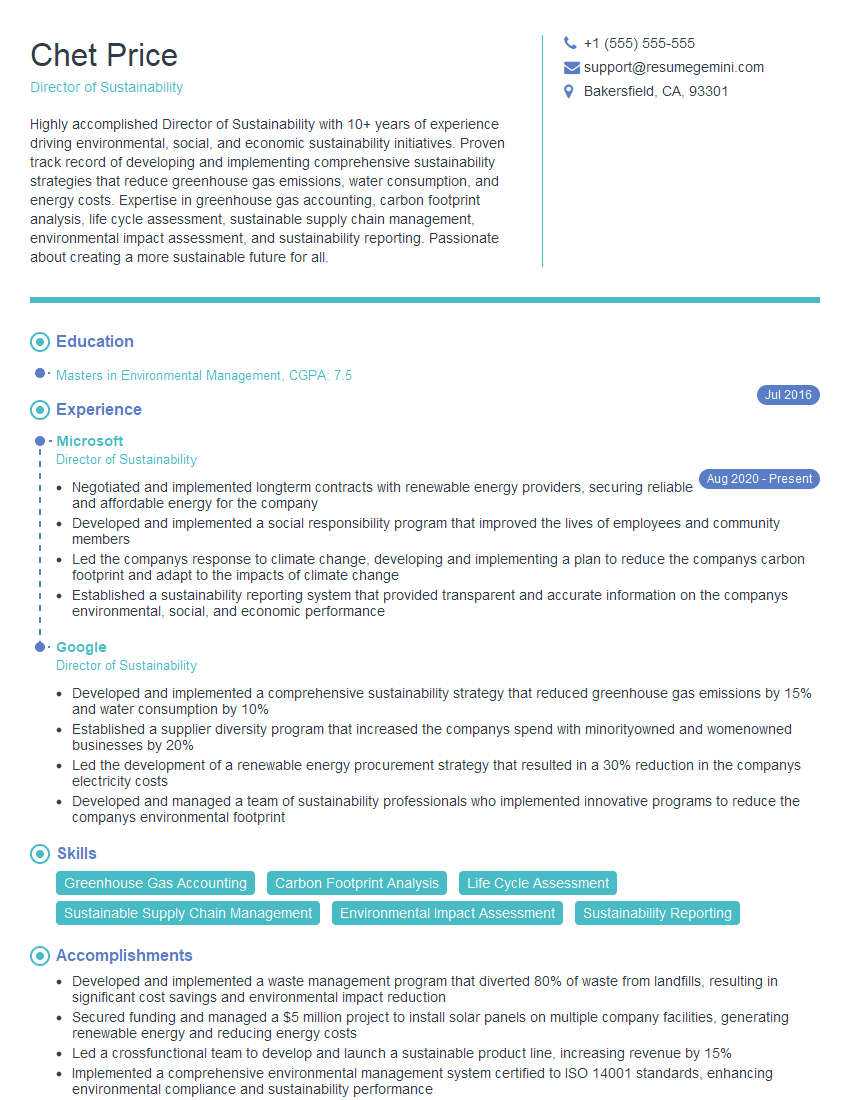
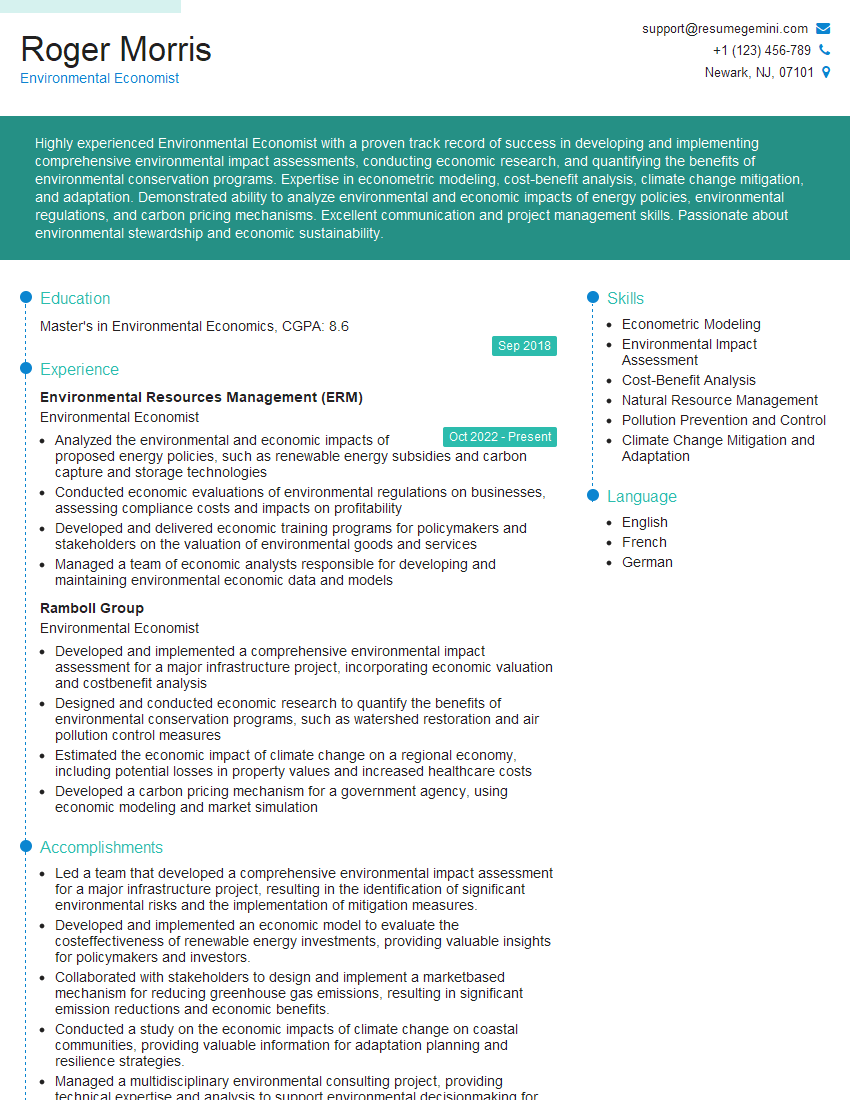
Mastering Climate Policy Analysis opens doors to impactful careers shaping our planet’s future. Your expertise in this field is highly sought after by governments, NGOs, research institutions, and the private sector. To maximize your job prospects, create a compelling, ATS-friendly resume that highlights your skills and experience. ResumeGemini can help you build a professional resume that stands out. Use ResumeGemini’s tools and resources to craft a targeted resume; examples of resumes tailored to Climate Policy Analysis are available to guide you. Let your passion for creating a sustainable future shine through your application materials!

Explore more articles
Users Rating of Our Blogs
Share Your Experience
We value your feedback! Please rate our content and share your thoughts (optional).
What Readers Say About Our Blog
To the interviewgemini.com Webmaster.
Very helpful and content specific questions to help prepare me for my interview!
Thank you
To the interviewgemini.com Webmaster.
This was kind of a unique content I found around the specialized skills. Very helpful questions and good detailed answers.
Very Helpful blog, thank you Interviewgemini team.