Cracking a skill-specific interview, like one for Clinical Interviewing, requires understanding the nuances of the role. In this blog, we present the questions you’re most likely to encounter, along with insights into how to answer them effectively. Let’s ensure you’re ready to make a strong impression.
Questions Asked in Clinical Interviewing Interview
Q 1. Describe the different types of clinical interviews.
Clinical interviews vary widely depending on the purpose and theoretical orientation. However, some common types include:
- Structured Interviews: These use standardized questions and scoring systems, ensuring consistency across assessments. They’re particularly useful for diagnostic purposes, like determining if someone meets criteria for a specific disorder. For example, a structured interview for diagnosing depression would ask a specific set of questions about mood, sleep, appetite, and other symptoms, with predetermined scoring criteria to classify severity.
- Semi-structured Interviews: These offer a balance between structure and flexibility. They begin with a pre-defined set of questions but allow the interviewer to deviate based on the client’s responses, exploring relevant details in more depth. This approach is common in many therapeutic settings, allowing for a more natural flow of conversation while still maintaining a systematic approach.
- Unstructured Interviews: These are highly flexible and conversational. The interviewer adapts their questions based on the client’s responses, allowing for a spontaneous and personalized dialogue. While offering great depth, this type can lead to less consistency across different clinicians.
- Motivational Interviewing (MI): This approach focuses on eliciting the client’s own motivation for change, rather than directly confronting resistance. The interviewer uses specific techniques like reflective listening and open-ended questions to help the client explore their ambivalence and discover their own solutions.
The choice of interview type depends on the clinical setting, goals of the interview, and the client’s needs.
Q 2. Explain the importance of establishing rapport in a clinical interview.
Establishing rapport is crucial for a successful clinical interview because it fosters trust and collaboration, encouraging the client to feel comfortable and safe sharing sensitive information. Think of it as building a bridge to facilitate open communication. Without rapport, the client may feel judged, defensive, or unwilling to engage fully. This could significantly hinder the accuracy and effectiveness of the assessment or therapy.
Building rapport involves active listening, empathy, genuine warmth, and respecting the client’s autonomy. It’s about demonstrating that you care about their experience and are genuinely interested in understanding their perspective. Small gestures, such as making eye contact (culturally appropriate), using appropriate nonverbal communication, and showing respect for their time, can make a big difference.
For example, starting the session by asking about their day or their preferred name, showing genuine interest in their responses, and reflecting their emotions can go a long way in fostering a connection. I often use phrases like, “That sounds incredibly challenging,” or “I can understand why you’d feel that way,” to demonstrate empathy.
Q 3. How do you ensure confidentiality during a clinical interview?
Confidentiality is paramount in clinical interviews. I explain the limits of confidentiality upfront, clearly stating what information will be shared and with whom (e.g., mandated reporting of child abuse or suicidal ideation). I always obtain informed consent before beginning the interview, ensuring the client understands their rights and the process involved. Furthermore, I maintain secure records, adhering strictly to HIPAA regulations or relevant ethical guidelines in my professional setting. In some cases, I might consult with colleagues to gain a better understanding or to discuss treatment options; however, such consultations are conducted ethically and with respect for client privacy.
It is essential to build trust by being transparent about the limits of confidentiality. For example, I would clearly communicate that while most of our conversations are private, there are exceptions, such as if a client expresses intent to harm themselves or others. This transparency empowers the client and ensures they understand the boundaries within which I can maintain confidentiality.
Q 4. What techniques do you use to manage resistance during a clinical interview?
Resistance in clinical interviews manifests in various ways, from silence and avoidance to overt hostility. My approach focuses on understanding the source of resistance. Often, it stems from fear, mistrust, or a sense of shame. I use a collaborative approach, avoiding confrontation and instead focusing on empathy and understanding. Techniques I employ include:
- Reflective Listening: I carefully listen to what the client says, both verbally and nonverbally, and reflect their feelings back to them. This shows I’m hearing them and validating their experience. For instance, if a client says, “I don’t want to talk about this,” I might respond, “It sounds like you’re feeling uncomfortable discussing this right now.”
- Open-Ended Questions: Instead of using leading questions, I use open-ended ones that encourage elaboration and exploration. For instance, instead of asking, “Are you depressed?”, I might ask, “Tell me about how you’ve been feeling lately.”
- Collaboration: I emphasize shared decision-making, allowing clients to feel in control of the process. I explain the purpose of the interview clearly and work with them to adjust our approach if needed.
- Gentle Confrontation (when appropriate): When there is a significant discrepancy between a client’s behavior and their self-report, I might gently address the incongruence. This is done with respect and empathy, avoiding judgment.
Ultimately, managing resistance requires patience, sensitivity, and the ability to adapt my approach based on the individual client’s needs and communication style.
Q 5. How do you handle a client who is reluctant to share information?
Reluctance to share information often stems from fear, mistrust, or a lack of perceived safety. My approach is built on creating a secure and trustworthy environment. I begin by building rapport (as described earlier), emphasizing the importance of collaboration and the client’s agency in the process. I assure the client that there is no pressure to disclose anything they are uncomfortable sharing. I might start with less sensitive topics to build trust before addressing more difficult areas.
I also use techniques like normalization (“Many people find this difficult to talk about”), and open-ended questions to gently encourage disclosure without pressuring the client. I might say, “It’s okay if you don’t feel ready to talk about everything today. Is there anything you feel comfortable discussing?” This shows respect for their pace and boundaries.
If the reluctance persists, I might explore the reasons behind it through gentle inquiry, always keeping in mind that the client has the right to decide what they share.
Q 6. Describe your approach to assessing a client’s risk of suicide or self-harm.
Assessing suicide risk is a serious and multifaceted process. I use a structured approach incorporating several factors. This includes directly asking about suicidal ideation, including thoughts, plans, and attempts. I assess the lethality of any plans, the availability of means, and the client’s history of self-harm. I also explore the client’s current mental state, including their mood, hopelessness, impulsivity, and the presence of any other risk factors such as substance abuse, isolation, or recent trauma.
I use standardized risk assessment tools when appropriate, supplementing them with clinical judgment and an understanding of the client’s unique circumstances. Crucially, I always communicate openly and honestly with the client throughout the assessment, creating a safe space for them to discuss their feelings without judgment. If a significant risk is identified, I develop a safety plan with the client, which might involve contacting family, friends, or crisis services. If the risk is deemed imminent, hospitalization might be necessary.
This isn’t a one-size-fits-all approach; every assessment is tailored to the individual and their specific context.
Q 7. How do you incorporate cultural considerations into your clinical interviews?
Cultural considerations are essential for conducting effective clinical interviews. Ignoring cultural differences can lead to misinterpretations, misdiagnosis, and ineffective treatment. My approach involves being mindful of various factors, including:
- Communication Styles: Different cultures have distinct communication styles. Some cultures are more direct, while others are more indirect. Understanding these nuances helps tailor my approach to each client.
- Nonverbal Communication: Eye contact, personal space, and touch all have different meanings across cultures. Being aware of these differences prevents misinterpretations.
- Family and Community Influences: Understanding the role of family and community in the client’s life is crucial. In some cultures, family involvement is essential in the treatment process.
- Cultural Beliefs about Mental Illness: Cultural beliefs about mental illness vary significantly. Some cultures may stigmatize mental health issues, leading to reluctance to seek help. Addressing these beliefs with sensitivity and cultural competence is essential.
- Language Barriers: If there is a language barrier, I ensure appropriate interpretation services are utilized to ensure accurate communication.
I strive to learn about the client’s cultural background and incorporate this knowledge into the interview process. I actively solicit information about their cultural values, beliefs, and experiences. This collaborative approach ensures a respectful and culturally sensitive assessment.
Q 8. What are the ethical considerations involved in clinical interviewing?
Ethical considerations in clinical interviewing are paramount. They center around respecting the patient’s autonomy, confidentiality, and dignity. This includes obtaining informed consent before the interview begins, ensuring the patient understands the purpose, process, and potential risks and benefits. Confidentiality is crucial; information shared should be protected unless legally mandated to be disclosed (e.g., child abuse, imminent harm to self or others). The interviewer must avoid any biases, prejudices, or discriminatory practices that might influence their assessment or treatment recommendations. Maintaining professional boundaries is also vital, avoiding dual relationships (e.g., becoming friends with a patient) and ensuring the patient’s safety and well-being remain the priority. For example, if a patient reveals suicidal ideation, the clinician has an ethical obligation to take appropriate steps to ensure their safety, which might include hospitalizing the patient or contacting emergency services.
- Informed Consent: Obtaining explicit permission to conduct the interview and explaining the process clearly.
- Confidentiality: Protecting the privacy of the patient’s information.
- Objectivity: Avoiding personal biases and prejudices in assessment.
- Boundaries: Maintaining professional relationships and avoiding dual relationships.
- Duty to Protect: Taking action when a patient is at risk of harming themselves or others.
Q 9. How do you differentiate between symptoms of different mental health disorders during a clinical interview?
Differentiating between symptoms is complex and requires careful consideration of several factors. It’s not a simple checklist, but a process of pattern recognition based on the specific constellation of symptoms, their intensity, duration, and impact on the individual’s functioning. For example, while both depression and anxiety involve sadness and worry, depression is characterized by persistent low mood, loss of interest, and changes in sleep or appetite, whereas anxiety often manifests as excessive worry, fear, and physical symptoms like palpitations or shortness of breath. The interviewer should use a structured approach, systematically exploring different symptom domains to avoid misinterpretations. This might involve using standardized assessment tools or symptom checklists to help guide the interview and ensure thoroughness. Furthermore, considering the individual’s personal history, developmental milestones, and social context is important, as these factors can influence symptom presentation.
Imagine two individuals presenting with sadness. One may describe a persistent low mood, lack of energy lasting for months, and inability to enjoy activities they previously loved – suggestive of major depressive disorder. Another might describe intense fear related to a specific event, difficulty sleeping for the last few weeks, and feeling easily startled – pointing toward a possible anxiety disorder. Careful listening and a systematic exploration of their experiences are key to making this distinction.
Q 10. Explain the difference between structured and unstructured clinical interviews.
Structured and unstructured interviews differ significantly in their approach to data collection. A structured interview follows a predetermined set of questions and procedures, ensuring consistency and comparability across interviews. It typically uses a standardized interview schedule, often with specific prompts and scoring systems, making it more reliable for research or diagnostic purposes. Think of it like a recipe – every ingredient and step are clearly defined. In contrast, an unstructured interview is more flexible, allowing for open-ended questions and exploration of topics as they emerge during the conversation. It is guided by the interviewer’s clinical judgment and allows for more in-depth exploration of specific themes, and the interviewer adjusts the questioning based on the patient’s responses. Think of it as a conversation where the interviewer is guided by the patient’s responses. Both have their uses; structured interviews provide reliability and comparability, while unstructured interviews allow for greater flexibility and depth. The choice between them depends on the purpose of the interview.
Q 11. Describe the process of formulating a diagnostic impression based on a clinical interview.
Formulating a diagnostic impression is a multi-step process involving careful integration of information gathered during the interview. It’s not merely checking off symptoms but rather understanding the context in which they appear. The process typically begins by reviewing the patient’s presenting complaint, then systematically exploring relevant symptoms, their onset, course, and impact on their daily life. The interviewer should consider the patient’s personal history, including medical, psychiatric, social, and family history. This data is then analyzed within the framework of established diagnostic criteria (like the DSM-5 or ICD-11). It’s crucial to avoid premature closure and consider differential diagnoses (alternative diagnoses that could explain the patient’s symptoms). Often, the clinician will use a hierarchical approach, ruling out certain diagnoses before focusing on the most likely possibility. This is a complex process requiring careful clinical judgment and a strong understanding of diagnostic criteria. For instance, if a patient presents with low mood, fatigue, and sleep disturbances, the clinician might initially consider major depressive disorder, but should also rule out other possibilities like hypothyroidism or grief before arriving at a final diagnosis.
Q 12. How do you use nonverbal cues to enhance your understanding during a clinical interview?
Nonverbal cues are invaluable in clinical interviewing, often revealing more than what is explicitly stated. These include body language (posture, facial expressions, gestures), eye contact, tone of voice, and even the pace and rhythm of speech. For instance, a patient who avoids eye contact might be feeling ashamed, anxious, or deceptive. Similarly, fidgeting might indicate nervousness or discomfort, while slumped posture might suggest depression or low energy. A clinician needs to be attentive to these cues, but avoid making assumptions based on them alone. Rather, these cues should be integrated with the verbal content of the interview to achieve a comprehensive understanding. Interpreting nonverbal cues requires careful observation and contextual understanding, considering the individual’s cultural background and personality. For example, a patient’s silence might represent contemplation and reflection in one cultural context, while in another it might signal disrespect or discomfort.
Q 13. How do you effectively manage your own emotions and countertransference during an interview?
Managing emotions and countertransference is essential for effective clinical interviewing. Countertransference refers to the clinician’s emotional reaction to the patient, often stemming from their own unresolved issues or past experiences. It can manifest in various ways, such as feeling unusually angry, protective, or attracted to a patient. Recognizing and managing these feelings is vital to prevent them from interfering with objectivity and the therapeutic alliance. Strategies include self-reflection, supervision, and maintaining healthy personal boundaries. Self-awareness is key; clinicians should regularly reflect on their emotional responses during and after interviews. Supervision from experienced professionals can provide valuable feedback and guidance in navigating difficult emotional situations. Setting clear professional boundaries is also crucial, ensuring that the relationship remains focused on the patient’s needs.
For example, if a clinician feels intense anger towards a patient, it’s important to explore the source of this anger – is it a reaction to the patient’s behavior, or is it a reflection of the clinician’s own unresolved anger? Seeking supervision to process these feelings can help maintain objectivity and ensure the patient receives appropriate care.
Q 14. What are the limitations of clinical interviews?
Clinical interviews, despite their importance, have limitations. They are susceptible to subjective biases, both on the part of the interviewer and the interviewee. The patient’s recall and self-awareness might be limited, leading to inaccurate or incomplete information. Social desirability bias (the tendency to present oneself in a favorable light) can also distort the information provided. Additionally, clinical interviews alone cannot provide a complete picture of the individual’s mental state; they need to be complemented by other assessment methods, such as psychological testing, observation, and collateral information from family members or other professionals. Finally, the interview is inherently limited by the interaction between two individuals, and what is communicated is not always what is truly experienced. The information revealed may be influenced by the rapport and trust that is established between interviewer and patient.
Q 15. What are some common biases to be aware of during clinical interviewing?
Clinical interviewing requires constant awareness of potential biases that can skew our perception and understanding of the client. These biases can be conscious or unconscious, influencing our questions, interpretations, and overall assessment.
- Confirmation bias: This is the tendency to seek out information that confirms pre-existing beliefs and to ignore information that contradicts them. For example, if I suspect a patient is experiencing depression, I might focus on questions confirming that diagnosis and overlook symptoms suggesting anxiety.
- Anchoring bias: Over-reliance on the first piece of information received. Hearing a client’s initial statement about their problem might unduly influence the rest of the interview, making it harder to consider alternative explanations.
- Halo effect: Allowing a positive impression in one area to influence our perception in other unrelated areas. A client who is articulate and engaging might be perceived as more reliable or credible even if their statements lack evidence.
- Cultural bias: Our own cultural background and beliefs can shape our interpretations of the client’s behavior and experiences. For example, misinterpreting silence or direct eye contact based on cultural norms.
To mitigate these biases, we need to actively reflect on our own assumptions, practice open-mindedness, and actively seek out diverse perspectives through careful questioning and open communication. Regular supervision and self-reflection are crucial.
Career Expert Tips:
- Ace those interviews! Prepare effectively by reviewing the Top 50 Most Common Interview Questions on ResumeGemini.
- Navigate your job search with confidence! Explore a wide range of Career Tips on ResumeGemini. Learn about common challenges and recommendations to overcome them.
- Craft the perfect resume! Master the Art of Resume Writing with ResumeGemini’s guide. Showcase your unique qualifications and achievements effectively.
- Don’t miss out on holiday savings! Build your dream resume with ResumeGemini’s ATS optimized templates.
Q 16. How do you handle interruptions or distractions during a clinical interview?
Interruptions are inevitable in clinical settings. Handling them professionally is vital for maintaining the therapeutic alliance and preserving the interview’s flow.
- Acknowledge the interruption politely: ‘Excuse me, I need a moment to address this.’
- Briefly address the interruption, if possible: Quickly handle administrative tasks or answer urgent calls without losing context of the interview.
- Return to the client: Reassure the client that you are back and summarize the point of discussion before continuing.
- Explain to the client the need for interruption: For example, you could say, ‘I apologize for the interruption. There’s an emergency I need to briefly address, but I’ll be right back to continue our conversation.’
- If the interruption cannot be dealt with immediately, schedule a break or reschedule.
If possible, choose a quiet and private setting for the interview to minimize distractions. It is always better to reschedule or find an alternative time if it will result in a poor quality interview.
Q 17. How do you document the information gathered during a clinical interview?
Documentation is critical for legal, ethical, and clinical reasons. Accurate and thorough records protect both the client and the clinician.
My approach to documentation includes:
- Objective and factual reporting: Focus on observable behaviors and direct quotes (when appropriate) rather than subjective interpretations. For instance, instead of writing ‘The client seemed anxious,’ I’d record ‘The client reported feeling nervous and exhibited fidgeting and rapid speech.’
- Using a standardized format: Following the guidelines of my organization and adhering to relevant professional standards. This might include a specific template for intake interviews or progress notes.
- Maintaining confidentiality: Using appropriate codes and storage methods to protect client privacy following HIPAA guidelines and relevant regulations.
- Regular review and updating: Ensuring the documentation is kept up to date and that any new information or changes are documented promptly.
I utilize electronic health records (EHRs) but always prioritize maintaining the confidentiality and privacy of my clients.
Q 18. How do you adapt your interviewing style to accommodate clients with different communication styles?
Adaptability is key in clinical interviewing. Clients have diverse communication styles influenced by factors such as personality, culture, cognitive abilities, and emotional state.
My approach emphasizes flexibility:
- Adjusting pace and language: Slowing down my speech, using simpler language for clients who have difficulty understanding complex terms, or adapting my vocabulary and communication style to better match the client’s communication style.
- Nonverbal communication: Paying close attention to nonverbal cues – body language, facial expressions, tone of voice. For clients who are less verbal, I might focus on observing their nonverbal communication more closely and responding accordingly.
- Building rapport: Creating a comfortable and safe environment, actively listening and showing empathy. This helps build trust and enables more open communication, regardless of the client’s communication style.
- Using different question types: Employing open-ended questions to encourage narrative and closed-ended questions to clarify specific details. Adapting the types of questions depending on the client’s communication preference and how much information I require.
- Involving interpreters or support personnel when necessary: If there are language or communication barriers, it’s important to use appropriate support.
For example, I might use more visual aids or simpler language with a client who has cognitive impairments, or allow more time for responses from a client who is hesitant or introverted.
Q 19. How do you ensure you’re actively listening during a clinical interview?
Active listening goes beyond simply hearing words; it involves fully engaging with the client’s message, both verbally and nonverbally.
Techniques I use include:
- Paying attention to both verbal and nonverbal cues: Observing body language, facial expressions, and tone of voice, along with the content of what the client is saying.
- Reflecting back what I hear: Summarizing the client’s statements to show that I’m understanding and to ensure clarity. For instance, “So, if I understand correctly, you’re saying that you feel overwhelmed by the recent changes in your life?”
- Asking clarifying questions: Seeking clarification when needed to ensure a complete understanding. For example, “Can you tell me more about that?” or “What do you mean by…?”
- Minimal encouragers: Using verbal and nonverbal cues such as nodding, “uh-huh,” or “I see” to show that I’m listening attentively.
- Avoiding interruptions: Letting the client fully express themselves before responding. This fosters a sense of trust and safety, promoting open communication.
Active listening demonstrates empathy and respect, building a strong therapeutic relationship essential for successful clinical interviews.
Q 20. What is the role of open-ended vs. closed-ended questions in a clinical interview?
Open-ended and closed-ended questions serve different purposes in a clinical interview. The effective use of both is crucial for gathering comprehensive information.
- Open-ended questions: These encourage detailed, narrative responses. They begin with words like “how,” “what,” “tell me about,” and “describe.” Examples include: “Tell me about your childhood,” or “How are you feeling today?” They are valuable for exploring the client’s perspective and understanding their experiences in their own words.
- Closed-ended questions: These elicit short, specific answers, usually “yes” or “no,” or a single word or phrase. Examples include: “Do you have any siblings?” or “Have you experienced any suicidal thoughts?” They are useful for clarifying specific details or confirming information.
A good interview balances both types. I usually start with open-ended questions to encourage the client to share their story, then use closed-ended questions to clarify specific points, gather factual information, and ensure I have understood their response correctly. The skillful interplay of both types allows me to build a complete picture of the client’s situation.
Q 21. How do you assess the reliability and validity of information obtained in a clinical interview?
Assessing the reliability and validity of information gathered during a clinical interview is vital for accurate diagnosis and treatment planning. This is never a perfect process, but using multiple approaches helps.
Here are some strategies:
- Triangulation: Comparing information from multiple sources, such as the client’s self-report, collateral information from family members or other professionals, and observational data during the interview. Inconsistencies might indicate areas needing further clarification.
- Assessing the client’s insight and judgment: Evaluating the client’s awareness of their own mental state and their ability to make sound judgments. A client lacking insight might provide unreliable information.
- Considering the context: Understanding the client’s situation, including their emotional state, cultural background, and potential biases, can help in evaluating the reliability of information.
- Observational data: Comparing the client’s self-report with their observable behavior and nonverbal cues during the interview. Discrepancies raise questions about the accuracy of self-reported information. For example, a client who reports feeling calm might be exhibiting nervous body language.
- Seeking clarification and follow-up: If there are inconsistencies or uncertainties, I would revisit the topic with the client in a non-judgmental manner to clarify any confusion or obtain more information. I might use different phrasing or approaches to elicit a fuller response.
It’s important to remember that no single source of information is completely reliable. A comprehensive assessment relies on multiple methods and careful consideration of the client’s circumstances.
Q 22. Describe a situation where you had to modify your interview approach due to client needs.
Adapting my interview approach is crucial for effective client interaction. I always aim for a collaborative, client-centered approach, but sometimes, a rigid structure simply won’t work. For instance, I once interviewed a young adult with severe anxiety. My initial plan involved a structured assessment with specific questions. However, the client became visibly distressed halfway through. I recognized this as a sign to adjust my technique. I paused the formal assessment and shifted to a more conversational style, focusing on building rapport and allowing the client to lead the discussion. We talked about their hobbies, their favourite things, creating a calming, less pressured environment. Once they felt more comfortable, I gently reintroduced some of the assessment questions, but in a much more relaxed and flexible manner. This approach allowed me to gather important information while prioritizing the client’s well-being and reducing their anxiety.
Q 23. How do you ensure the client feels safe and comfortable during the interview process?
Creating a safe and comfortable environment is paramount. It begins even before the interview starts, with clear communication about the purpose, confidentiality, and the client’s right to refuse to answer any question. During the interview, I use active listening techniques, showing genuine interest and empathy through nonverbal cues like maintaining eye contact (unless culturally inappropriate), nodding, and using open body language. I create a calm and private setting free from distractions, ensuring the interview takes place in a comfortable room with appropriate lighting and temperature. I explicitly state my commitment to confidentiality and explain the limits of confidentiality (e.g., mandated reporting). I regularly check in with the client to ensure they’re comfortable with the pace and content of the conversation, providing opportunities to take breaks if needed. The language I use is also carefully chosen to be accessible and non-judgmental. For example, instead of saying ‘Why did you do that?’, I might ask ‘Can you tell me more about that situation?’
Q 24. What is your process for obtaining informed consent for a clinical interview?
Obtaining informed consent is a critical ethical and legal step. I begin by explaining the purpose of the interview, outlining what information I’ll be gathering and how it will be used. I clearly describe the process, including the anticipated duration and any potential risks or discomforts. I explain the confidentiality principles and any limitations (e.g., mandated reporting of child abuse or harm to self or others). I answer any questions the client might have thoroughly and patiently, ensuring they fully understand what they’re agreeing to. Only after this comprehensive explanation do I ask them to sign a consent form, which I ensure they understand fully. The form itself summarizes all the elements discussed, including their right to withdraw consent at any point without penalty. I always ensure the client’s understanding is confirmed before proceeding, and I offer the form in a language they understand and in a format that accommodates their literacy level or any disability.
Q 25. How do you handle sensitive or emotionally charged topics during a clinical interview?
Handling sensitive or emotionally charged topics requires a delicate touch and exceptional empathy. I approach such discussions with sensitivity and respect, ensuring the client feels safe to share their experiences. I use validating statements to acknowledge their feelings (‘That sounds incredibly difficult’) and avoid interrupting or judging. I create space for silence, allowing the client time to process their emotions. I might use reflective listening to summarize their statements and ensure my understanding. For example, if discussing trauma, I might say, ‘So it sounds like this experience has had a significant impact on your sense of safety’. If the client shows signs of becoming overwhelmed, I immediately adjust the pace and offer a break or reassurance. It’s crucial to maintain a non-judgmental stance and to prioritize the client’s well-being above all else. I focus on building rapport and trust to facilitate open communication. If the client reveals a significant risk to themselves or others, I follow established protocols for safety and mandated reporting.
Q 26. Describe your experience using different assessment tools in conjunction with clinical interviews.
Integrating assessment tools with clinical interviews enhances the accuracy and comprehensiveness of my evaluations. For example, I might use the Beck Depression Inventory (BDI-II) to quantitatively assess the severity of depression after conducting a clinical interview that explores the client’s subjective experience of their mood. This combination provides a richer understanding of the client’s condition: the interview helps contextualize the BDI-II scores, providing qualitative insights that the quantitative scores alone cannot capture. I might also use projective tests, like the Thematic Apperception Test (TAT), with caution and interpretation guided by the information obtained in the clinical interview. The interview helps contextualize responses and avoid misinterpretations of projective test data. It’s important to always select appropriate tools tailored to the client’s specific needs and cultural background, and to interpret the results cautiously, integrating them with other information obtained in the interview process.
Q 27. How do you manage the time effectively during a clinical interview?
Effective time management in clinical interviews involves careful planning and flexible execution. Before the session, I review the client’s referral information and formulate a general outline of topics to cover. However, I remain flexible to adapt the interview based on the client’s needs and responses. I prioritize the most important aspects of the assessment while leaving room for the client to discuss relevant issues that emerge spontaneously. I use time-management techniques like setting a clear agenda at the beginning, providing time estimates for different sections of the interview, and consistently checking in with the client on how they’re doing and if they feel rushed. When time is limited, I might focus on the most critical information while scheduling a follow-up interview for a more in-depth assessment. The key is to balance structure and flexibility to achieve an efficient yet thorough interview.
Q 28. What is your approach to ending a clinical interview?
Ending a clinical interview is as important as the beginning. I typically start by summarizing the key points discussed, providing the client with an opportunity to correct or add anything. I explicitly address any questions the client may have and answer them as thoroughly as possible. I provide a clear plan for follow-up, specifying the next steps, scheduling any further appointments or tests, and discussing how they can reach me if needed. I conclude by thanking them for their time and openness, reinforcing their strengths and resilience. I always ensure a respectful and collaborative conclusion, confirming that they feel heard and understood. Leaving the client feeling supported and informed is a crucial aspect of successful clinical interviewing.
Key Topics to Learn for Clinical Interviewing Interview
- Building Rapport and Establishing Trust: Understand the importance of nonverbal communication, active listening, and creating a safe and comfortable environment for the interviewee. Practical application: Practice techniques for mirroring body language and demonstrating empathy.
- Open-Ended Questioning Techniques: Master the art of formulating open-ended questions that encourage detailed responses and reveal valuable insights. Practical application: Develop a repertoire of open-ended questions suitable for various clinical settings and patient populations.
- Active Listening and Reflective Statements: Learn to effectively listen, paraphrase, and summarize client statements to ensure understanding and build rapport. Practical application: Practice summarizing complex information concisely and accurately while demonstrating empathy.
- Assessing Mental Status: Understand the components of a mental status exam and how to subtly integrate these assessments into the interview process. Practical application: Develop a framework for observing and documenting relevant behaviors and verbalizations.
- Ethical Considerations and Boundaries: Grasp the ethical implications of clinical interviewing, including confidentiality, informed consent, and professional boundaries. Practical application: Role-play challenging scenarios that require careful navigation of ethical dilemmas.
- Cultural Competence and Sensitivity: Learn to conduct interviews in a culturally sensitive manner, recognizing and respecting diverse backgrounds and perspectives. Practical application: Research and understand common cultural factors that may influence communication styles and interpretations.
- Crisis Intervention and Safety Planning: Understand how to identify and respond to individuals in crisis, and develop safety plans to mitigate risk. Practical application: Practice responding to simulated crisis situations, focusing on de-escalation and appropriate referrals.
Next Steps
Mastering clinical interviewing is paramount for career advancement in any clinical setting. Strong interviewing skills demonstrate your ability to connect with patients, build trust, gather crucial information, and provide effective care. To significantly boost your job prospects, crafting an ATS-friendly resume is essential. ResumeGemini is a trusted resource that can help you create a professional, impactful resume that highlights your skills and experience effectively. Examples of resumes tailored to Clinical Interviewing are provided to guide you in showcasing your unique qualifications. Take the next step toward your dream career today!
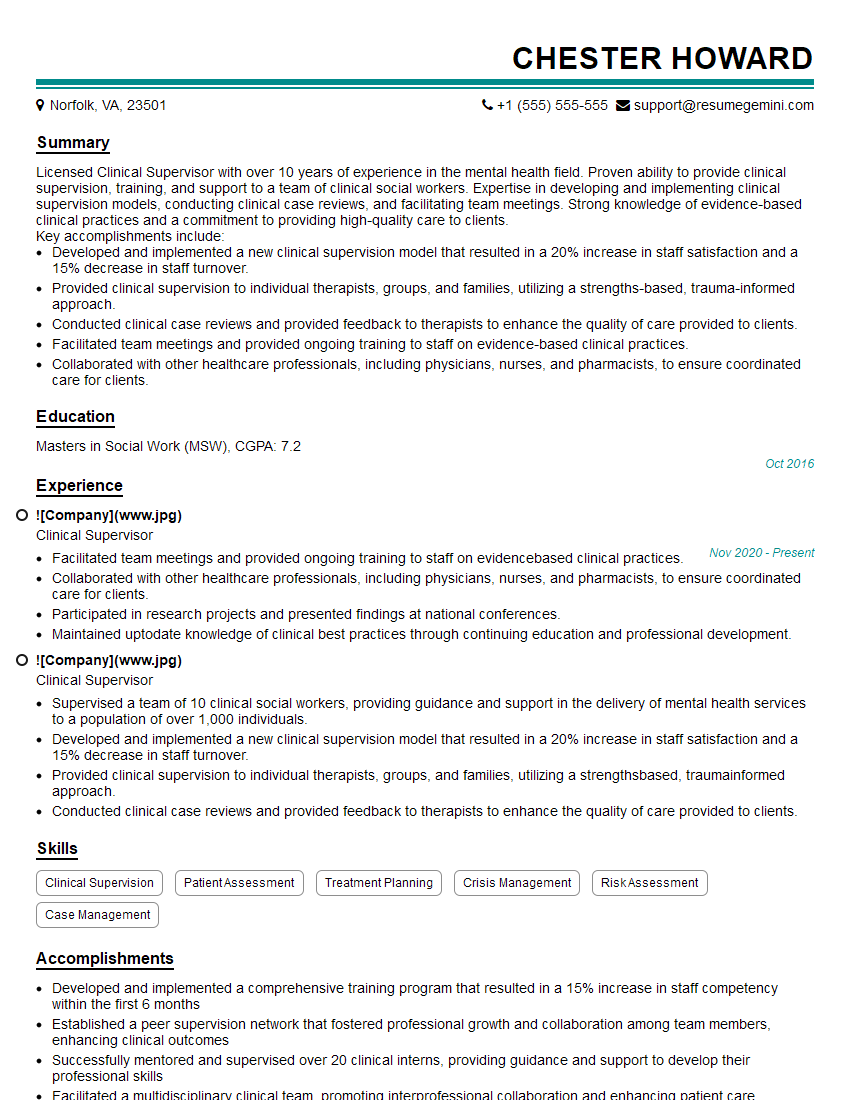
Clinical Supervisor Resume Sample
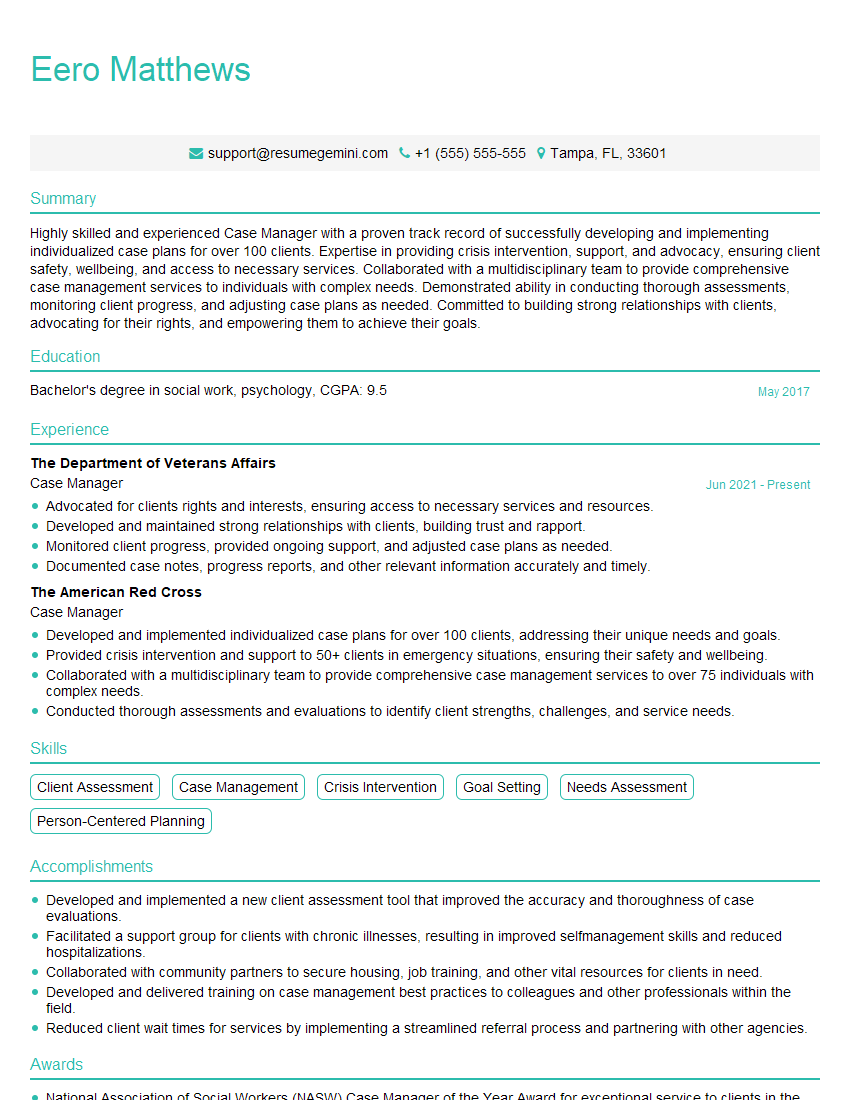
Case Manager Resume Sample
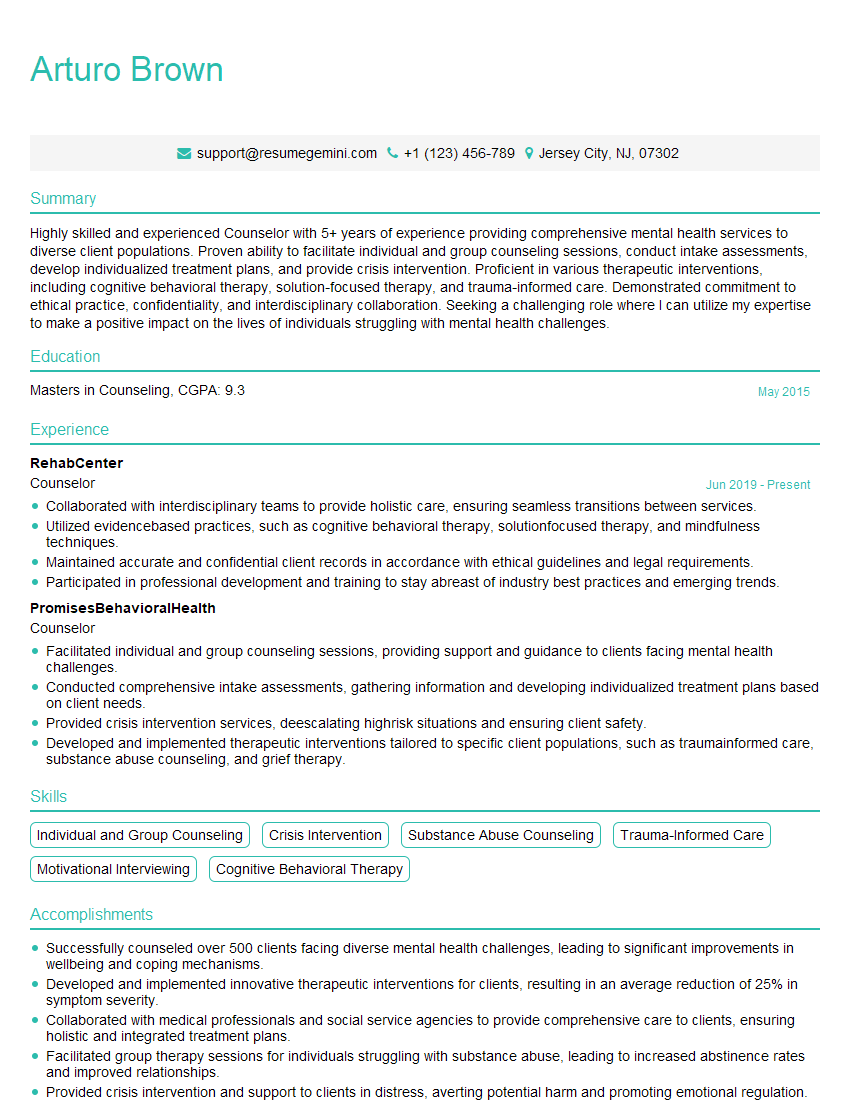
Counselor Resume Sample
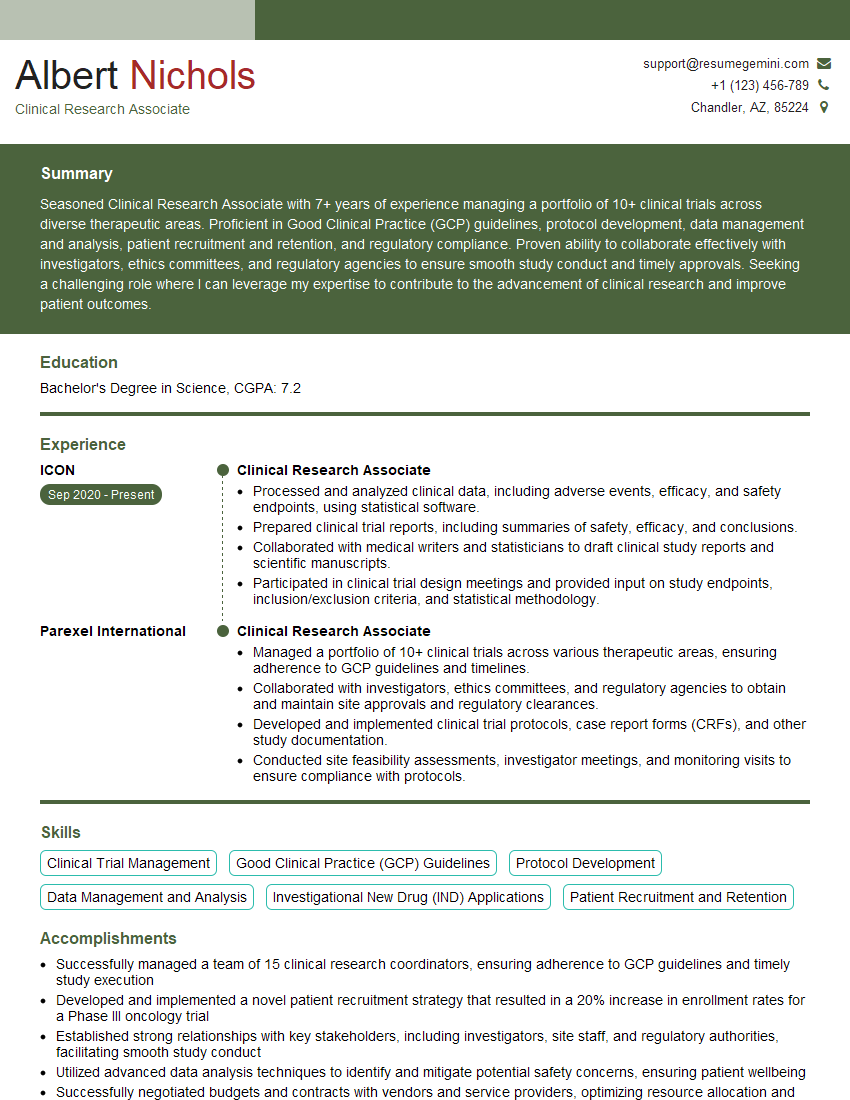
Clinical Research Associate Resume Sample
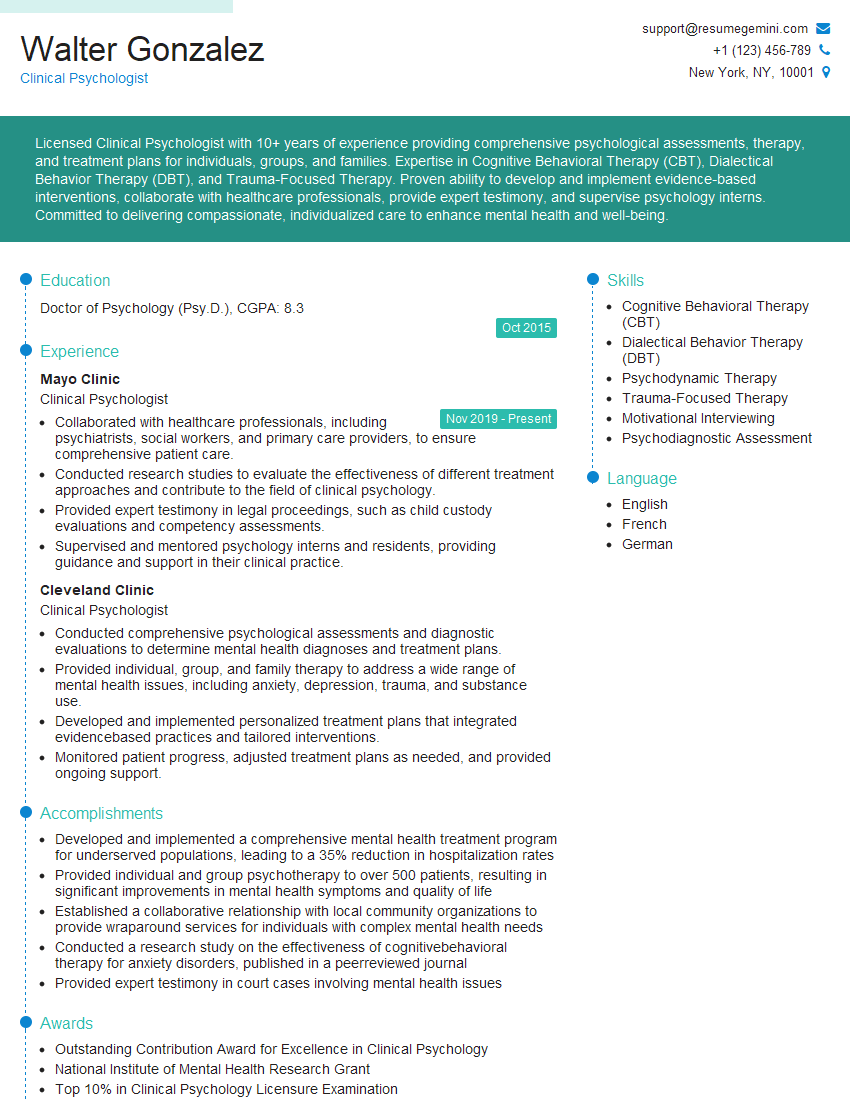
Clinical Psychologist Resume Sample
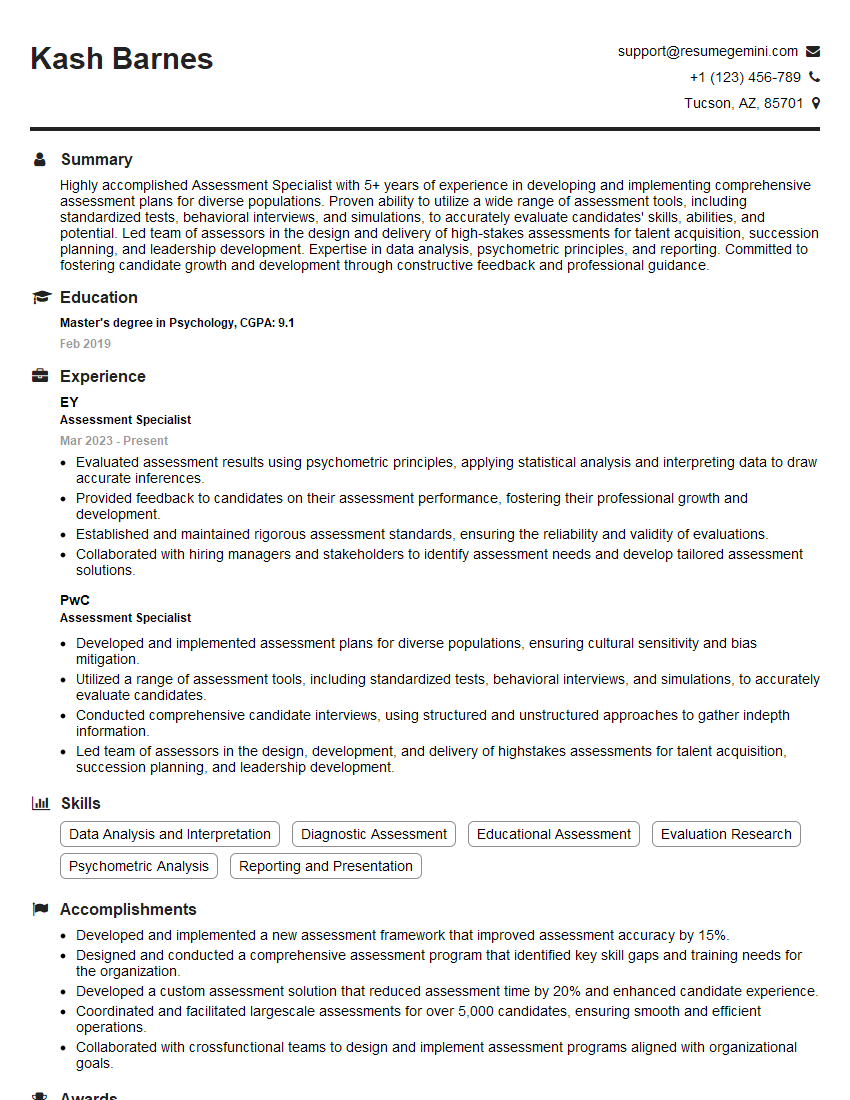
Assessment Specialist Resume Sample
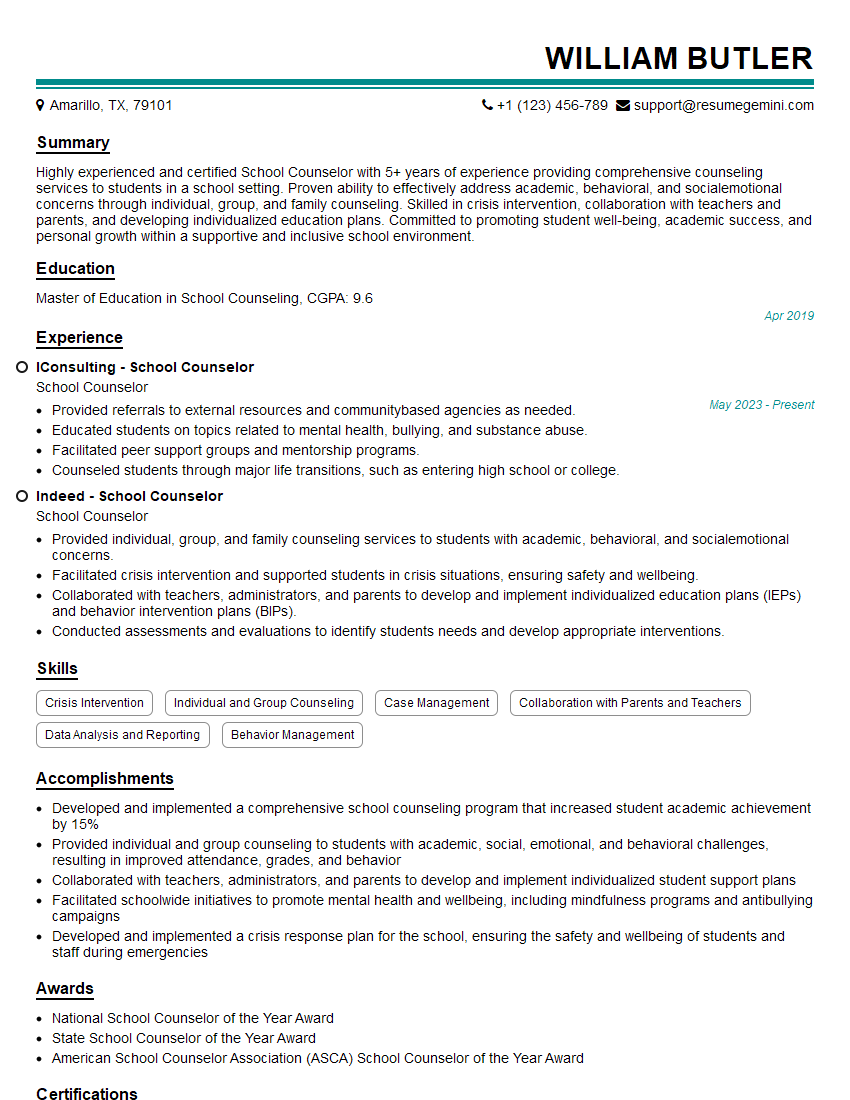
School Counselor Resume Sample
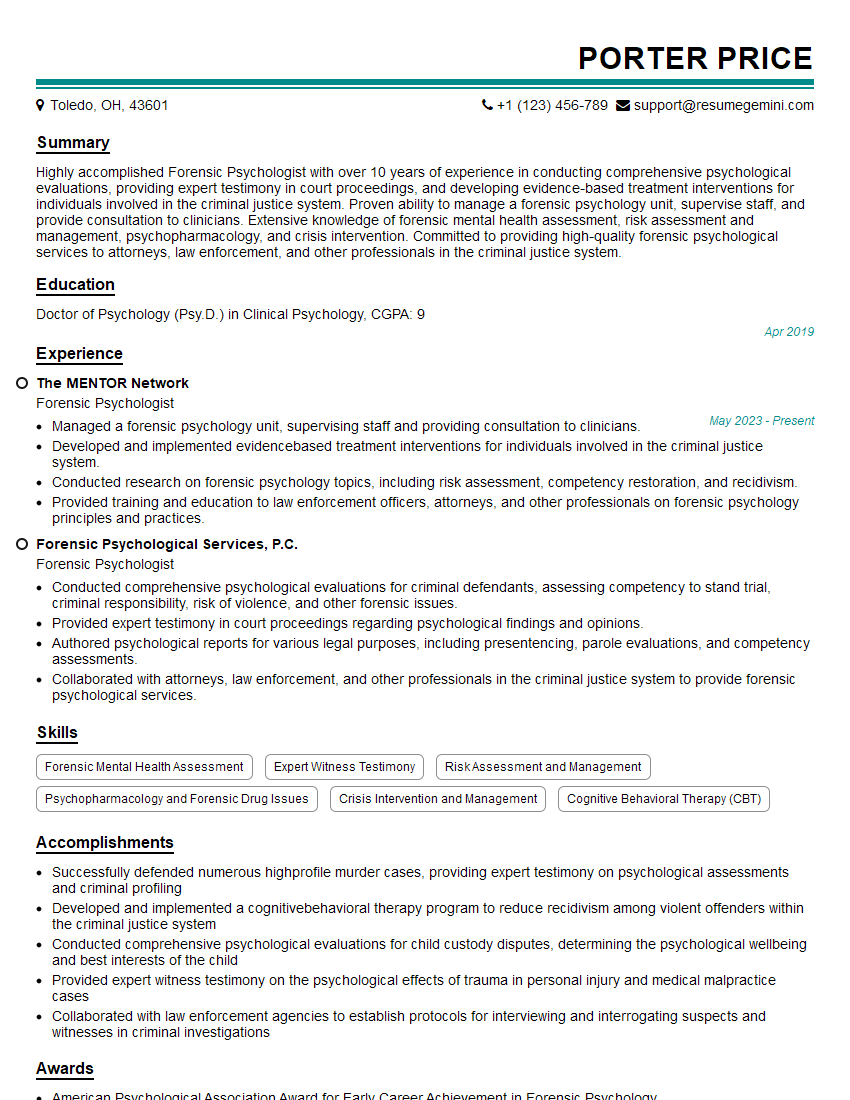
Forensic Psychologist Resume Sample
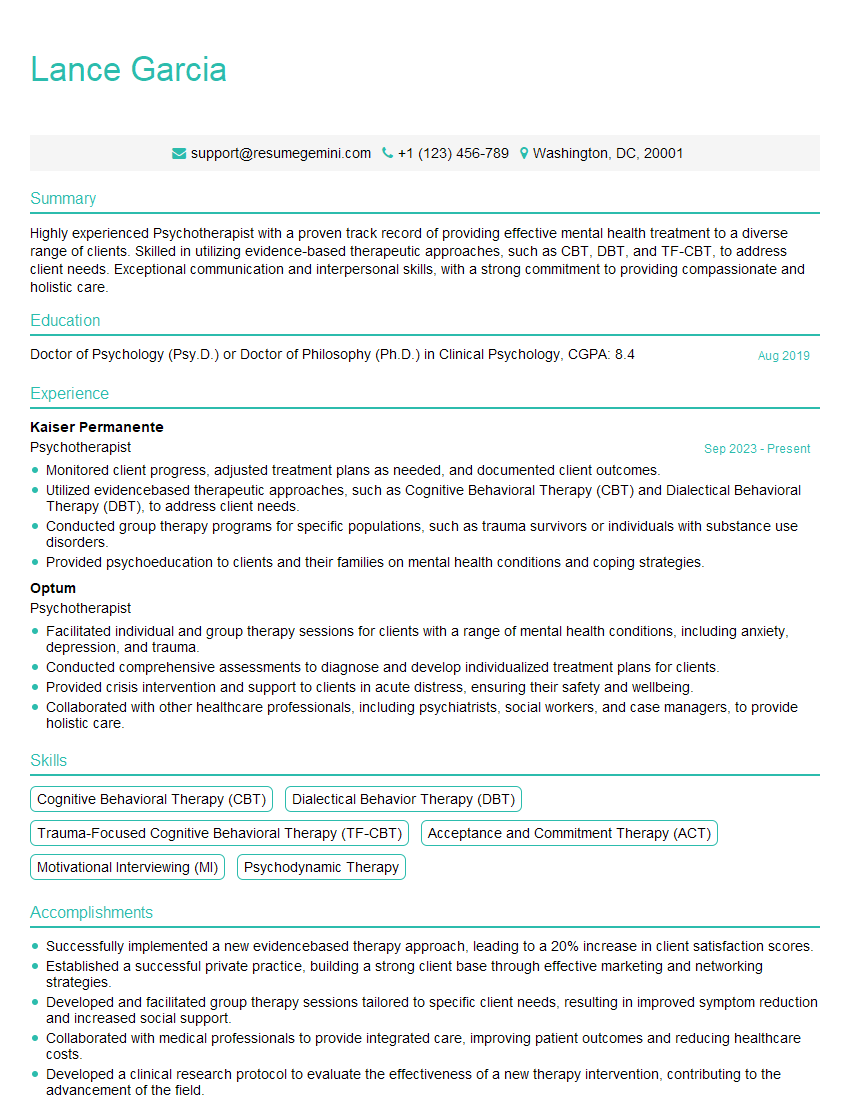
Psychotherapist Resume Sample
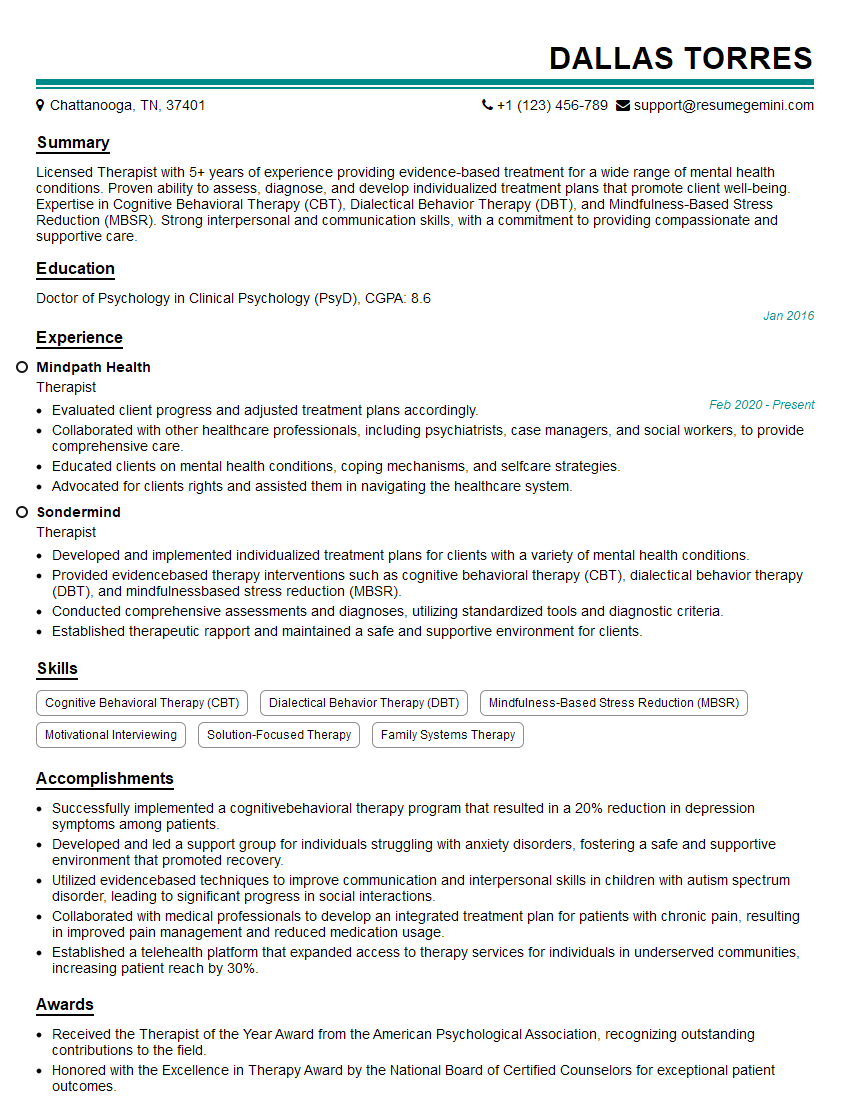
Therapist Resume Sample
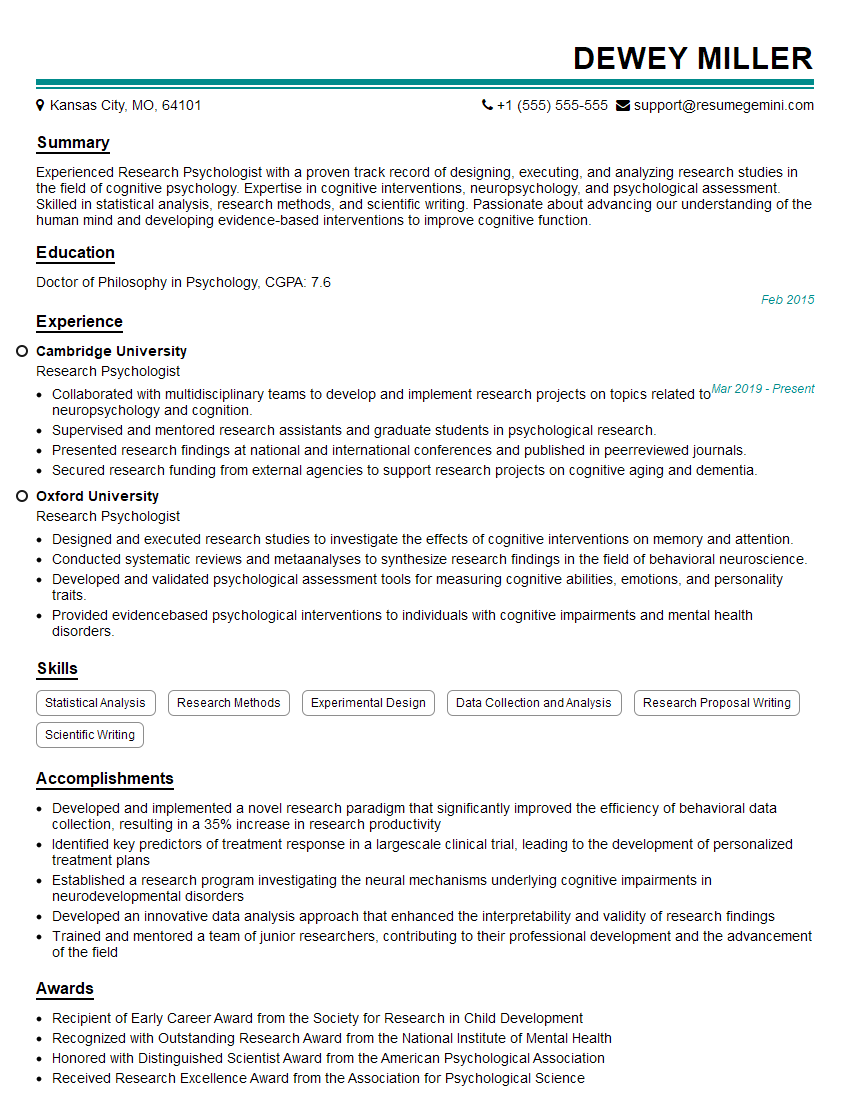
Research Psychologist Resume Sample
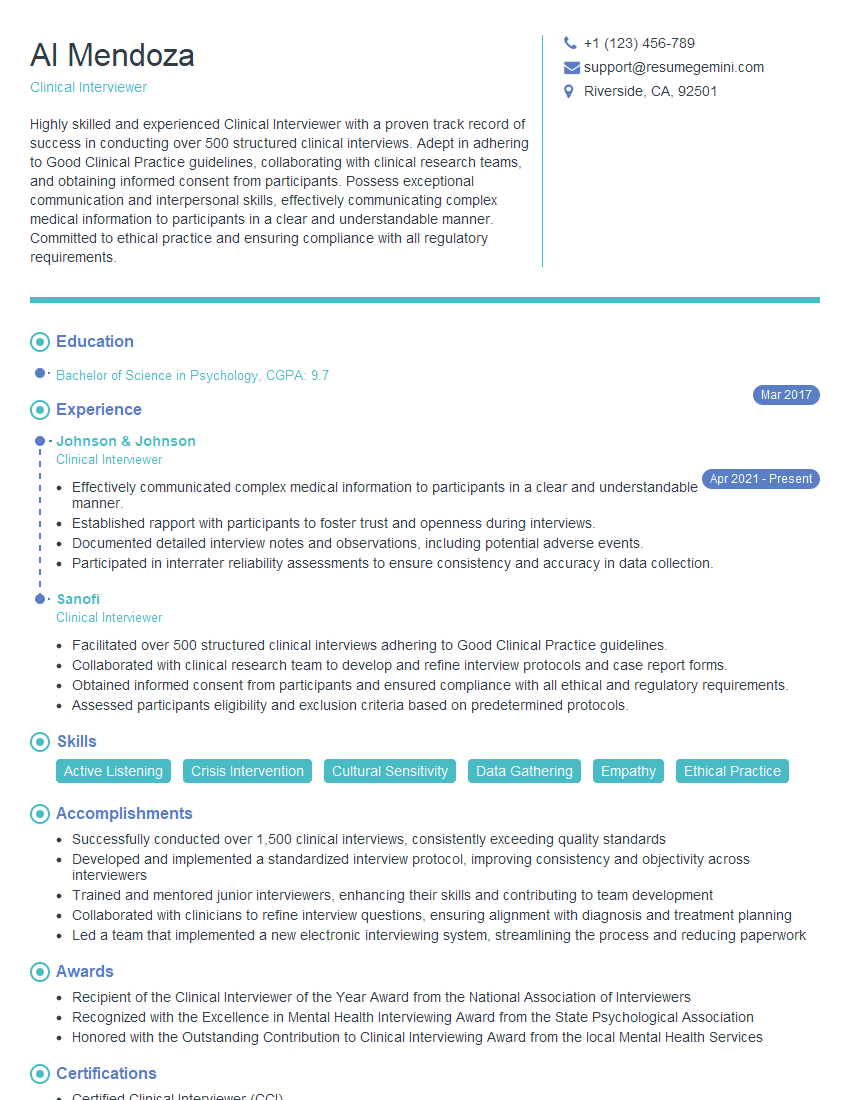
Clinical Interviewer Resume Sample

Mental Health Counselor Resume Sample
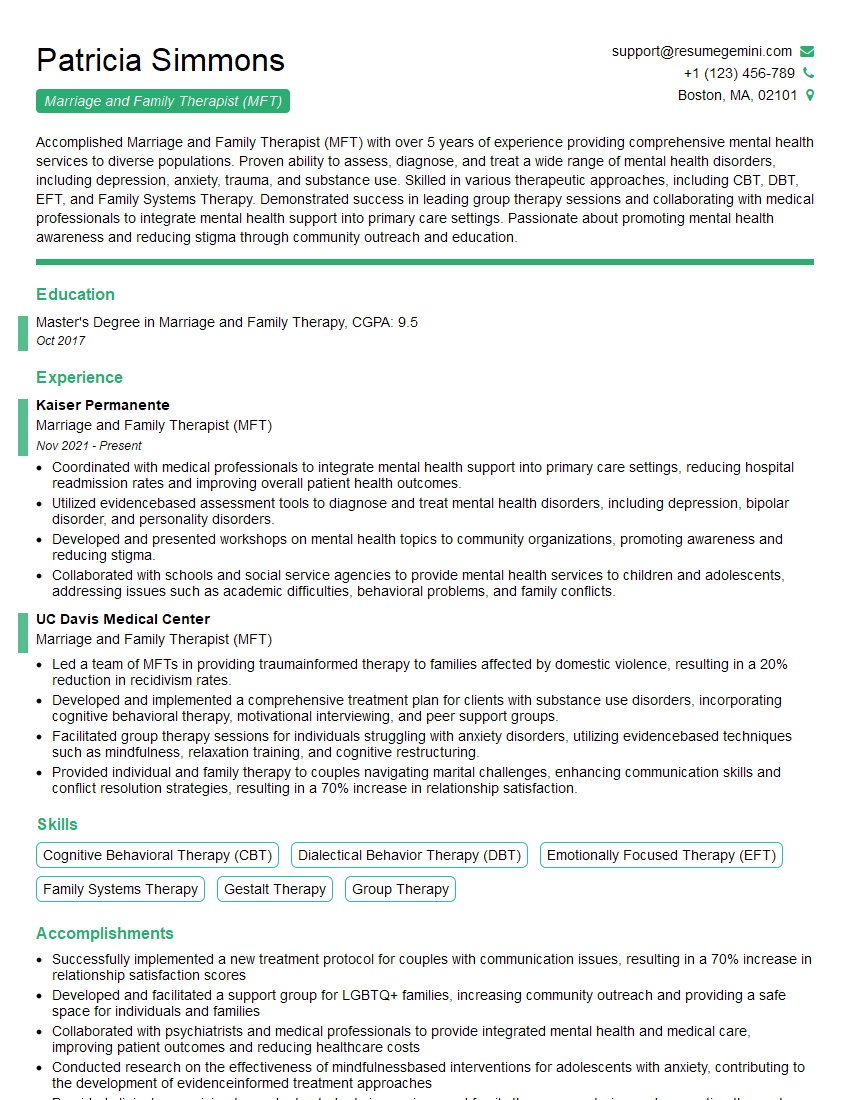
Marriage and Family Therapist (MFT) Resume Sample

Rehabilitation Counselor Resume Sample
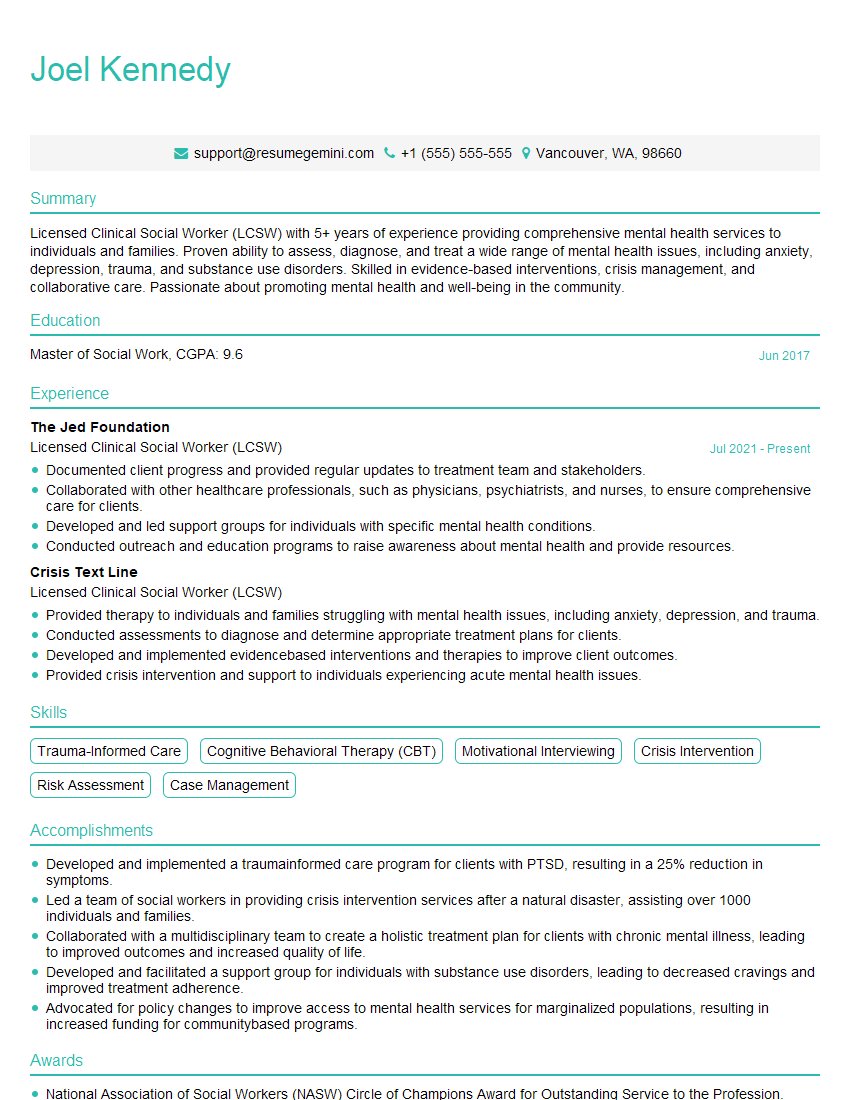
Licensed Clinical Social Worker (LCSW) Resume Sample
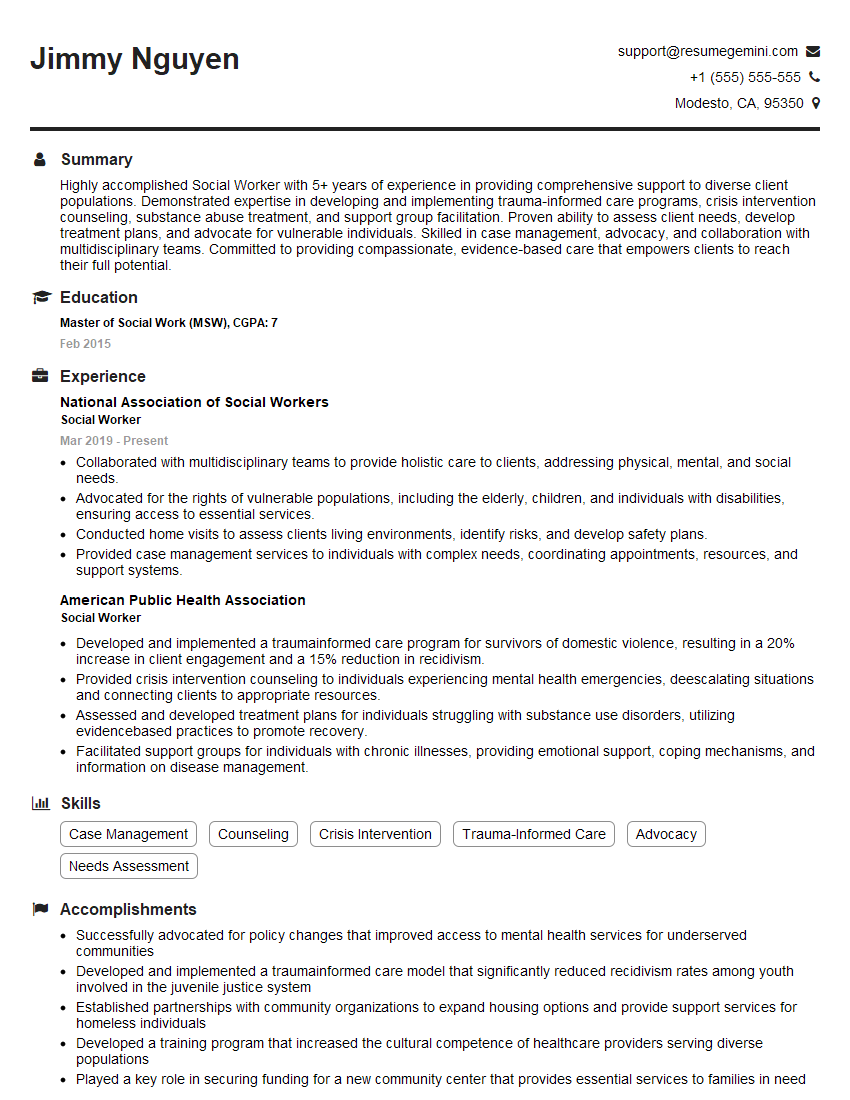
Social Worker Resume Sample
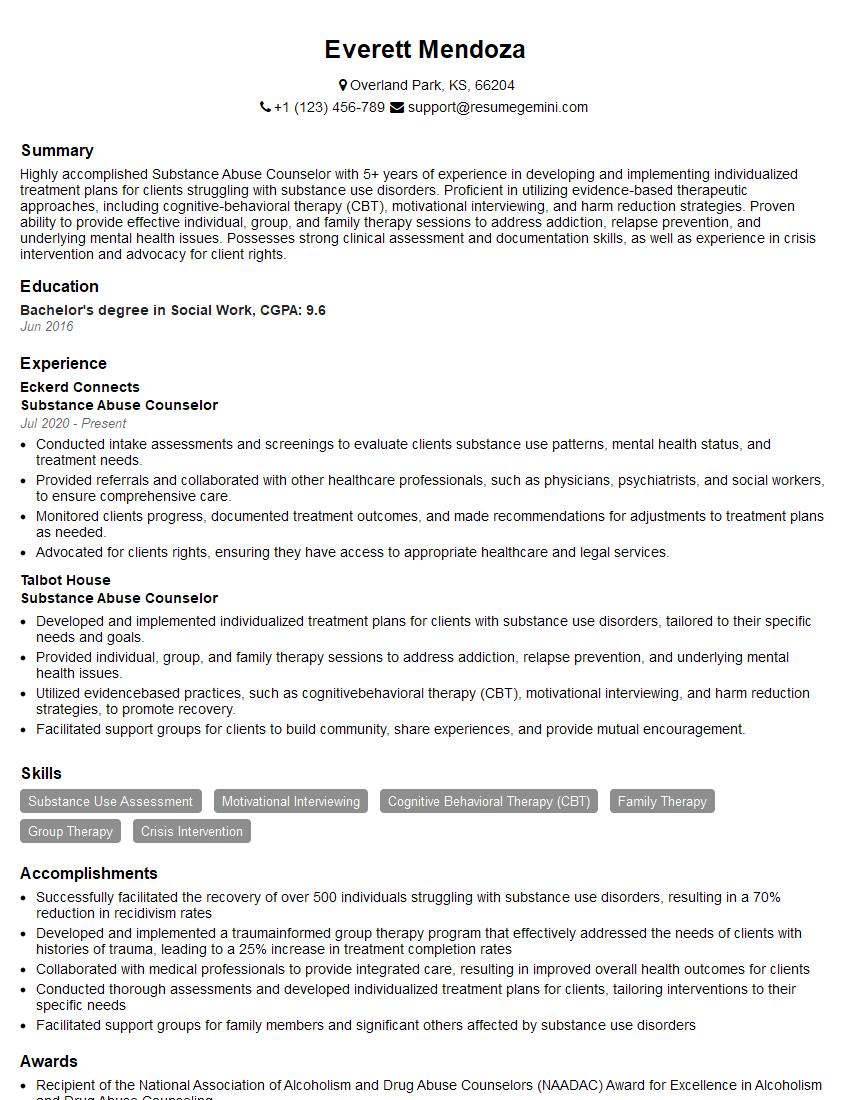
Substance Abuse Counselor Resume Sample
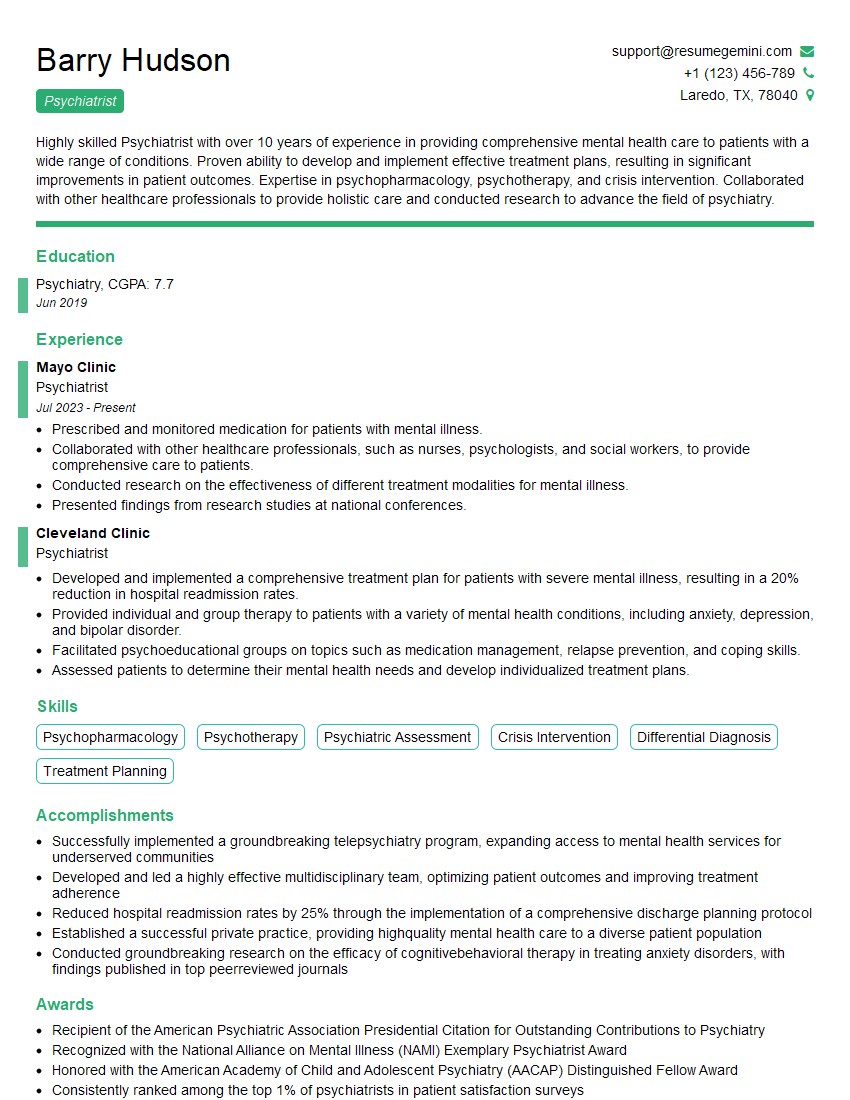
Psychiatrist Resume Sample
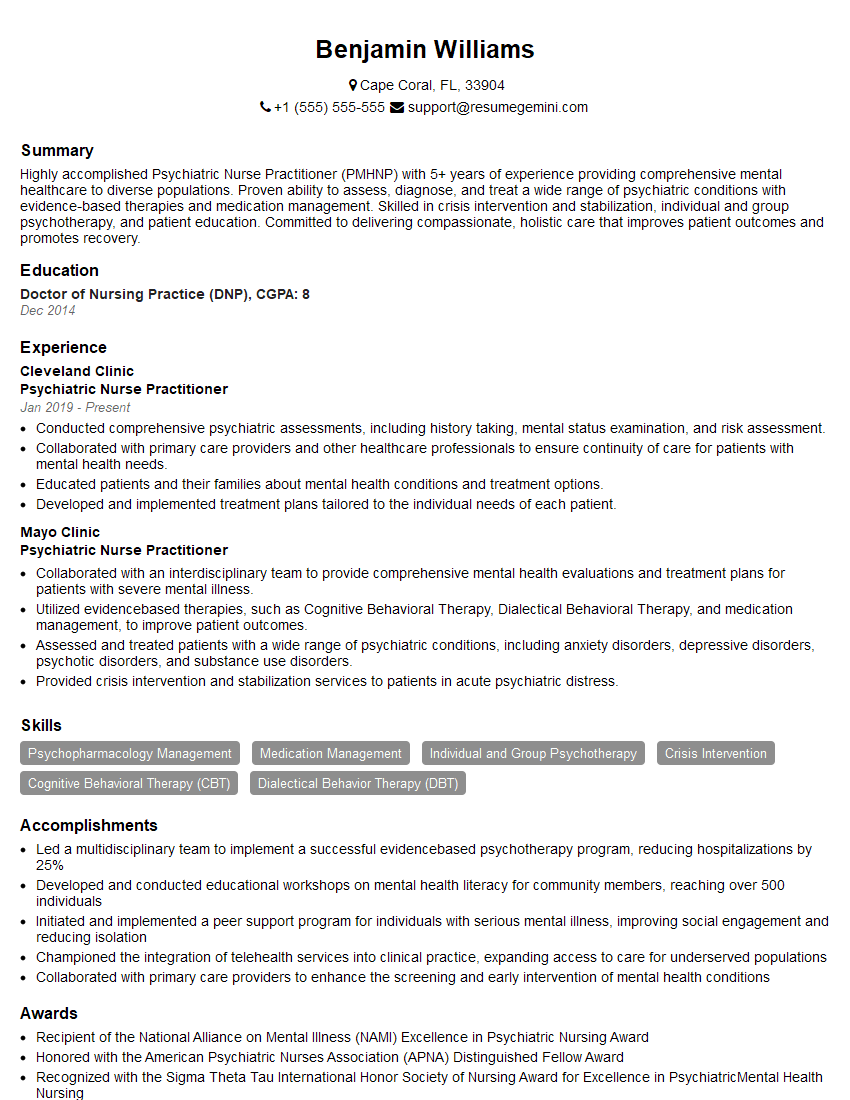
Psychiatric Nurse Practitioner Resume Sample
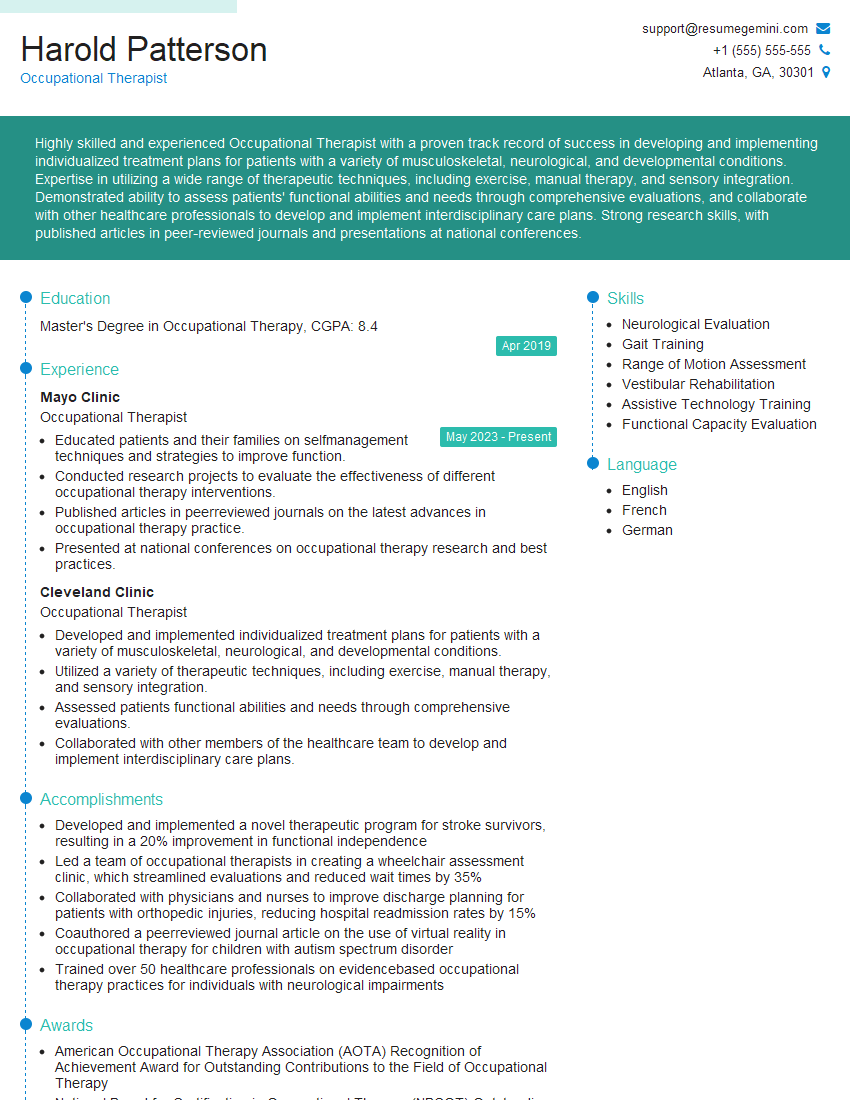
Occupational Therapist Resume Sample
- Clinical Supervisor
- Case Manager
- Counselor
- Clinical Research Associate
- Clinical Psychologist
- Assessment Specialist
- School Counselor
- Forensic Psychologist
- Psychotherapist
- Therapist
- Research Psychologist
- Clinical Interviewer
- Mental Health Counselor
- Marriage and Family Therapist (MFT)
- Rehabilitation Counselor
- Licensed Clinical Social Worker (LCSW)
- Social Worker
- Substance Abuse Counselor
- Psychiatrist
- Psychiatric Nurse Practitioner
- Occupational Therapist
Explore more articles
Users Rating of Our Blogs
Share Your Experience
We value your feedback! Please rate our content and share your thoughts (optional).
What Readers Say About Our Blog
To the interviewgemini.com Webmaster.
Very helpful and content specific questions to help prepare me for my interview!
Thank you
To the interviewgemini.com Webmaster.
This was kind of a unique content I found around the specialized skills. Very helpful questions and good detailed answers.
Very Helpful blog, thank you Interviewgemini team.