The right preparation can turn an interview into an opportunity to showcase your expertise. This guide to Code of Federal Regulations (CFR) and Local Crane Regulations interview questions is your ultimate resource, providing key insights and tips to help you ace your responses and stand out as a top candidate.
Questions Asked in Code of Federal Regulations (CFR) and Local Crane Regulations Interview
Q 1. What are the key sections of the CFR Title 29, Part 1926, Subpart CC, related to cranes and derricks?
CFR Title 29, Part 1926, Subpart CC, covers cranes and derricks in construction. Key sections focus on different aspects of safe crane operation. For example, §1926.1400 outlines general requirements, emphasizing the importance of qualified personnel and proper equipment maintenance. §1926.1402 specifically addresses the selection and assembly of cranes. This section highlights the need to match the crane’s capacity to the load and ensures proper ground conditions. §1926.1403 delves into the operation and inspection procedures, including pre-operational and periodic inspections. §1926.1404 describes specific requirements for crane signals, ensuring clear communication between the operator and the signal person. Finally, §1926.1405 covers the use of cranes near power lines, highlighting the critical safety precautions necessary to prevent electrical hazards.
- §1926.1400: General requirements, qualified personnel, and maintenance.
- §1926.1402: Crane selection, assembly, and ground conditions.
- §1926.1403: Operation, inspection, and procedures.
- §1926.1404: Crane signals and communication.
- §1926.1405: Working near power lines.
Q 2. Explain the difference between a qualified and competent person regarding crane operations.
While both ‘qualified’ and ‘competent’ refer to individuals with the necessary knowledge and skills, there’s a key distinction. A qualified person, as defined in the CFR, possesses specific documented credentials, such as certifications or licenses, demonstrating their expertise. This individual typically undergoes rigorous training and testing. Think of a certified crane operator who has passed a formal examination. A competent person, on the other hand, has the necessary knowledge and experience through on-the-job training and practical application, but may not have formal certification. Their competence is demonstrated through their proven ability to perform the task safely and effectively. Imagine a seasoned rigger who’s worked with cranes for years, consistently demonstrating safe practices, but may not hold a formal certification. Both roles are crucial for safe crane operations, but the qualified person holds a higher level of verifiable competency.
Q 3. Describe the requirements for crane operator certification and licensing in your state/region.
Specific requirements for crane operator certification and licensing vary significantly by state and region. In many jurisdictions, operator certification is mandated by law for specific crane types and lifting capacities. This usually involves completing an accredited training program, passing a written and practical examination, and obtaining a state-issued license. The licensing body often conducts periodic re-certification to ensure continued competency. For example, a state may require a separate license for operating a tower crane compared to a mobile crane. The tests cover subjects like safe operating procedures, load charts interpretation, rigging techniques, and emergency response. Failing to obtain the necessary license can result in significant fines and project shutdowns.
Note: Since the question doesn’t specify a state/region, I’m providing a general overview. You’ll need to consult the specific regulations of your target location.
Q 4. What are the critical components of a pre-operational inspection of a crane?
A thorough pre-operational crane inspection is crucial for preventing accidents. This inspection should be conducted before each shift and after any significant event, such as a storm or major repair. It involves a visual and functional check of critical components. Key elements include:
- Structural inspection: Checking for damage to the boom, jib, main frame, and other structural members. Look for cracks, bends, or any signs of wear and tear.
- Mechanical inspection: Testing the brakes, hoisting mechanism, slewing mechanism, and other moving parts. Ensure proper function and responsiveness.
- Electrical systems: Inspecting the wiring, controls, and safety devices for any signs of damage or malfunction.
- Hydraulic systems: Checking for leaks, proper fluid levels, and the integrity of hydraulic lines and cylinders.
- Safety devices: Verifying the functionality of limit switches, overload protection, and emergency stops.
- Load indicators: Ensuring the load indicator is working correctly and displaying accurate readings.
- Documentation: Completing a detailed inspection checklist and recording any findings or deficiencies.
A good analogy is a pre-flight checklist for an airplane – a comprehensive inspection ensures all systems are functioning correctly before operation.
Q 5. How do you identify and address potential hazards during crane operations?
Identifying and addressing hazards during crane operations requires a proactive and multi-faceted approach. This includes:
- Jobsite assessment: Conducting a thorough site survey to identify potential hazards such as overhead obstructions, unstable ground conditions, and nearby traffic.
- Risk assessment: Evaluating the specific risks associated with the planned lift, considering factors such as the load weight, height, and weather conditions.
- Safe operating procedures: Establishing and enforcing clear and concise operating procedures, including communication protocols between the operator and signal person.
- Proper rigging: Selecting appropriate slings, chains, and other rigging equipment for the load and ensuring they are properly attached and secured.
- Load capacity checks: Verifying that the crane’s load chart is consulted and that the load weight is within the crane’s capacity for the specified radius and configuration.
- Emergency response plan: Developing and practicing a comprehensive emergency response plan to deal with potential accidents or equipment malfunctions.
- Regular communication: Maintaining constant communication between the crane operator, signal person, and ground crew to ensure coordination and address any emerging issues.
Think of it as a layered approach to safety, with multiple measures working together to minimize risks.
Q 6. What are the limitations of using a crane in high-wind conditions?
High-wind conditions significantly limit crane operations due to the increased risk of structural damage and load instability. The wind can exert considerable forces on the crane boom, jib, and the suspended load. Exceeding the crane’s rated wind speed, often specified in the crane’s operating manual, can lead to structural failure or load sway, potentially causing accidents. The limitations are determined by factors such as crane type, boom length, load weight, and wind speed. Many crane operators will cease operations even below the absolute rated wind speed depending on their experience and judgement, and the perceived impact of the wind on the jobsite.
It’s crucial to consult the crane’s operating manual for specific wind speed limitations and to follow any local regulations or site-specific requirements. Never operate a crane in high winds unless explicitly authorized and the risk has been thoroughly assessed.
Q 7. Describe the procedures for load testing a crane.
Load testing a crane is a critical procedure to verify its lifting capacity and structural integrity. This is typically performed after assembly, major repairs, or modifications. The procedure involves gradually increasing the load until it reaches the crane’s rated capacity or a specified test load. The load is carefully monitored for any signs of structural deformation or equipment malfunction. This requires qualified personnel, precise measurement equipment, and strict adherence to safety procedures. The test load typically exceeds the crane’s rated capacity by a small percentage, within limits defined by regulations and standards. Detailed records of the test, including load measurements, observations, and any deviations from expected behavior must be meticulously documented.
The specific procedures for load testing are often detailed in the crane’s operating manual or relevant industry standards. Failure to conduct proper load testing can compromise the safety of the crane and potentially lead to catastrophic failure.
Q 8. Explain the significance of load charts and how they should be used.
Load charts are the lifeline of safe crane operation. They provide crucial information on the crane’s lifting capacity under various conditions – boom length, radius, and angle. Think of it as a detailed instruction manual for your crane, showing its limits.
How to Use Them: Before any lift, you must consult the load chart specific to your crane model and configuration. Identify the boom length and radius of your lift. Find the intersection on the chart to determine the maximum safe load. Always factor in the weight of the rigging equipment (hooks, slings, etc.) which adds to the total load. Never exceed the rated capacity indicated on the chart. Consider environmental factors like wind speed; strong winds significantly reduce the crane’s capacity. Always err on the side of caution; if unsure, consult a qualified crane operator or supervisor.
Example: A load chart might show that with a 100-foot boom at a 30-degree angle and a 50-foot radius, the maximum safe load is 10,000 lbs. If you attempt to lift 11,000 lbs under these conditions, you risk catastrophic failure.
Q 9. What are the responsibilities of a crane signal person?
The crane signal person is the crucial link between the crane operator and the ground crew. They are responsible for ensuring safe and efficient crane operations by communicating clear and concise signals to the operator. Their role is paramount to preventing accidents.
Responsibilities: This includes carefully observing the load, the path of the load, the surroundings (power lines, obstructions), and communicating any potential hazards to the operator. They must be thoroughly trained in standardized hand signals or use a communication system, ensuring clear understanding. They must also have a solid grasp of the load’s weight and center of gravity to direct safe placement. They also have the authority to stop any lift if they perceive a safety issue.
Example: A signal person might use hand signals to indicate lift, lower, swing, and hoisting speed. They might also stop a lift if they notice a power line too close to the load.
Q 10. Discuss the proper procedures for rigging and unrigging loads.
Rigging and unrigging are critical procedures that directly impact load stability and safety. Proper techniques ensure the load is securely attached and safely detached from the crane hook.
Rigging: This involves selecting appropriate rigging hardware (slings, shackles, hooks) based on the load’s weight, shape, and material. Ensure all hardware is inspected for damage before each use. Attach slings symmetrically to distribute the load evenly. Keep slings clear of sharp edges to prevent cuts. Use proper hitching techniques to avoid slippage. Always double-check all connections before lifting.
Unrigging: Carefully lower the load to the designated area. Once the load is safely supported, remove the slings gradually and methodically. Check that the load is stable before completely detaching the last sling. Ensure proper storage of rigging equipment after use.
Example: Using a choker hitch for a cylindrical load ensures the load won’t slip, whereas a basket hitch is suitable for a load with multiple lifting points. Using damaged slings is unacceptable.
Q 11. Explain the different types of crane accidents and their common causes.
Crane accidents are serious events, often resulting in significant injury or property damage. Understanding common causes allows for preventative measures.
Types of Accidents:
- Tip-overs: Caused by exceeding the crane’s capacity, uneven load distribution, or unstable ground conditions.
- Structural Failures: Resulting from overloading, inadequate maintenance, or damage to the crane structure.
- Load Drops: Caused by rigging failures, operator error, or inadequate communication between the operator and signal person.
- Collisions: Occurring due to inadequate site planning or insufficient clearance for the load’s swing radius.
- Electrocutions: Resulting from contact with overhead power lines.
Common Causes: Operator error (inexperience, fatigue, or disregard for safety protocols), inadequate training, poor maintenance, improper rigging, and lack of communication are frequently implicated in crane accidents.
Q 12. What are the requirements for maintaining crane logs and records?
Maintaining accurate and comprehensive crane logs and records is essential for demonstrating compliance with safety regulations and for identifying potential issues.
Requirements: Regulations typically require detailed records of crane inspections (daily, monthly, and annual), maintenance performed, repairs made, operator certifications, and incident reports. These records must be readily accessible to authorized personnel and retained for a specified period (usually several years). Inspection reports should document the condition of the crane, highlighting any defects or necessary repairs. Maintenance logs track servicing and parts replacement, demonstrating adherence to a preventative maintenance schedule. Operator certification records confirm that the crane operators are qualified and competent.
Example: A daily inspection log would note any unusual noises, leaks, or visible damage. A maintenance log would document oil changes, inspections, and any repairs.
Q 13. What are the employer’s responsibilities under OSHA regarding crane safety?
Under OSHA (Occupational Safety and Health Administration), employers bear significant responsibility for ensuring crane safety. It’s not just about providing the equipment; it’s about establishing a culture of safety.
Employer Responsibilities: These include providing proper training to crane operators and signal persons, establishing safe operating procedures, conducting regular inspections and maintenance, ensuring proper rigging equipment is used and maintained, implementing emergency procedures, and providing personal protective equipment (PPE). Employers must also ensure compliance with all applicable federal and local regulations and maintain detailed records. Failure to do so can lead to serious penalties, including fines and legal action.
Example: An employer must ensure that their crane operator has the appropriate certification and has received training on safe operating procedures. They are responsible for providing and maintaining the equipment needed to perform the job safely.
Q 14. How do you ensure compliance with both federal and local crane regulations?
Ensuring compliance with both federal (like OSHA) and local crane regulations requires a multi-faceted approach. Federal regulations set minimum safety standards, while local jurisdictions may have additional or more stringent requirements.
Compliance Strategy:
- Thorough Research: Identify all applicable federal and local regulations. This often requires contacting your local authority and reviewing relevant codes.
- Develop a Safety Program: Create a comprehensive safety plan outlining procedures, training protocols, and inspection schedules. This program needs to reflect both federal and local requirements.
- Training and Certification: Ensure all personnel involved in crane operations receive adequate training and hold the necessary certifications.
- Regular Inspections and Maintenance: Establish a preventative maintenance schedule and conduct regular inspections to identify and address potential hazards. Keep thorough records.
- Record Keeping: Meticulously maintain all necessary documentation to demonstrate compliance.
- Stay Updated: Regulations can change. Regularly review and update your safety program to reflect current requirements.
Example: A company operating in a city with stricter wind speed limitations than those specified in OSHA regulations must adhere to the stricter local standards.
Q 15. Describe your experience with incident investigation related to crane accidents.
My experience in crane accident investigations involves a multi-faceted approach, adhering to both federal regulations (like OSHA 29 CFR 1926 Subpart CC) and local ordinances. I begin by securing the scene, ensuring the safety of all personnel. Then, I systematically document the accident through detailed photographs, witness statements, and a thorough examination of the crane itself, including its operational logs and maintenance records. I analyze the sequence of events leading to the accident, identifying contributing factors such as mechanical failures, operator error, inadequate training, or environmental conditions. For example, in one investigation, we discovered a cracked boom resulting from fatigue, which highlighted the crucial need for stricter preventative maintenance schedules. My reports incorporate findings, root cause analysis, and recommendations to prevent similar incidents, often focusing on specific CFR violations or local code discrepancies.
Career Expert Tips:
- Ace those interviews! Prepare effectively by reviewing the Top 50 Most Common Interview Questions on ResumeGemini.
- Navigate your job search with confidence! Explore a wide range of Career Tips on ResumeGemini. Learn about common challenges and recommendations to overcome them.
- Craft the perfect resume! Master the Art of Resume Writing with ResumeGemini’s guide. Showcase your unique qualifications and achievements effectively.
- Don’t miss out on holiday savings! Build your dream resume with ResumeGemini’s ATS optimized templates.
Q 16. What is the role of a crane inspector in ensuring safety?
A crane inspector plays a pivotal role in ensuring workplace safety. Their responsibilities encompass regular inspections to identify potential hazards before they lead to accidents. This involves a thorough visual examination of the crane’s structure, components (like hooks, cables, and brakes), and operating systems. They verify compliance with relevant regulations, including OSHA standards (29 CFR 1926) and local codes, checking for proper documentation, certification, and maintenance records. For example, a crane inspector might identify fraying on a wire rope, necessitating immediate replacement, preventing a catastrophic failure during operation. They are also responsible for ensuring that operators are properly trained and qualified, verifying their certifications and operational knowledge. Think of them as the ‘safety guardians’ of the crane, ensuring its safe and legal operation.
Q 17. Explain different types of cranes and their applications.
Cranes are classified into various types based on their design and operational mechanisms. Common types include:
- Tower Cranes: Tall, freestanding cranes used in large construction projects, ideal for lifting heavy loads to significant heights.
- Mobile Cranes: Self-propelled cranes offering flexibility and mobility on construction sites. These include rough-terrain cranes for uneven terrain and all-terrain cranes for diverse surfaces.
- Overhead Cranes: Fixed cranes running on overhead tracks, commonly found in factories and warehouses for material handling.
- Articulated Boom Cranes: Characterized by their ability to bend at multiple points, providing maneuverability in confined spaces. Often utilized for specialized lifting needs.
- Crawler Cranes: Cranes that move using tracks, ideal for handling extremely heavy loads on uneven or soft ground.
The application of each crane type depends heavily on the specific job requirements, load capacity needed, site conditions, and accessibility. For instance, a tower crane is perfect for a skyscraper construction, while a mobile crane might be more suitable for a smaller project on uneven ground.
Q 18. Discuss the importance of regular crane maintenance and inspections.
Regular crane maintenance and inspections are paramount for ensuring safety and preventing catastrophic accidents. This is mandated by federal and local regulations. Neglecting maintenance can lead to component failure, jeopardizing both the crane and personnel. A proactive approach includes daily inspections by operators to check for obvious defects, regular servicing by qualified technicians, and periodic thorough inspections by certified crane inspectors (frequency determined by usage and local regulations). These inspections check for wear and tear, hydraulic leaks, electrical issues, and structural integrity. Proper maintenance records are crucial, demonstrating compliance and facilitating effective preventive maintenance strategies. Think of it like regular car maintenance—preventative care prevents major problems down the road and ensures safe operation.
Q 19. What are the emergency procedures to follow in case of a crane malfunction?
Emergency procedures for crane malfunctions should be clear, concise, and readily available to all personnel. These procedures typically involve:
- Immediate shutdown: The operator should immediately shut down the crane, using the emergency stop button if necessary.
- Evacuation: Clear the area under and around the crane to prevent injury from falling objects or crane collapse.
- Alerting authorities: Notify emergency services (fire department, paramedics) and the crane’s owner or supervisor.
- Securing the scene: Prevent unauthorized access to the affected area.
- Initiating investigation: Begin documenting the incident through photographs, witness statements, and a record of the malfunction.
Regular drills and training are essential to ensure personnel are well-versed in these procedures. A well-rehearsed emergency response can significantly minimize the impact of a crane malfunction.
Q 20. How do you handle conflicts between different safety regulations?
Conflicts between different safety regulations—for example, discrepancies between OSHA CFR 1926 and local ordinances—require a careful and systematic approach. The most stringent regulation always takes precedence. This typically involves a thorough review and interpretation of all applicable regulations, often with the help of legal counsel if needed. A hierarchy of regulations might be established, prioritizing federal regulations over state and then local regulations. Clear documentation of the decision-making process is essential, demonstrating a clear understanding and adherence to the most protective standards. In practice, this might involve implementing the more conservative requirement, for example, using a higher safety factor than mandated by one code but required by another.
Q 21. Describe your experience conducting crane safety training programs.
My experience in conducting crane safety training programs emphasizes hands-on, practical instruction alongside theoretical knowledge. Programs I have developed include classroom sessions covering relevant regulations (OSHA 29 CFR 1926 Subpart CC, for example), crane operation principles, pre-operational checks, and emergency procedures. A significant portion of the training is dedicated to hands-on practice with simulators and real cranes (when appropriate), under the supervision of experienced instructors. This allows trainees to develop the practical skills needed to safely operate the equipment and respond effectively to emergency situations. Post-training assessments ensure the trainees have grasped the essential concepts and are able to demonstrate safe operation techniques. The training is tailored to the specific type of crane being operated and the trainee’s experience level, resulting in a more effective and safer workforce.
Q 22. How do you stay updated on changes to CFR and local crane regulations?
Staying current with CFR and local crane regulations requires a multi-pronged approach. I subscribe to official publications and updates from relevant government agencies like OSHA (Occupational Safety and Health Administration) and my local jurisdiction’s regulatory bodies. This ensures I receive direct notifications of amendments and new regulations. Beyond official channels, I actively participate in industry conferences and workshops, networking with peers and experts. These events offer valuable insights into emerging trends and regulatory interpretations. Furthermore, I maintain subscriptions to reputable industry journals and online resources dedicated to crane safety and compliance, providing up-to-date information on best practices and case studies. Finally, I regularly review and update our internal company safety manuals, incorporating any necessary changes based on these updates. This systematic approach ensures we’re consistently operating under the most current and compliant guidelines.
Q 23. Explain the concept of a critical lift plan.
A critical lift plan is a detailed, documented procedure outlining the safe execution of a lift deemed unusually complex or risky. This isn’t just for exceptionally heavy loads; factors like proximity to obstacles, environmental conditions (wind, temperature), or unique lifting configurations can trigger the need for a critical lift plan. It’s essentially a comprehensive risk assessment and mitigation strategy. A typical plan will include:
- A detailed description of the lift, including the load weight, dimensions, center of gravity, and rigging configuration.
- A thorough site assessment, noting potential hazards like overhead obstructions, ground conditions, and the proximity of energized power lines.
- Crane specifications and capacity verification, ensuring the chosen crane is suitable for the lift.
- Step-by-step lifting procedures, assigning specific responsibilities to personnel involved.
- Emergency procedures, defining actions to take in case of equipment malfunction or unforeseen events.
- A list of all personnel involved, including their certifications and experience.
For instance, lifting a massive piece of equipment onto a high-rise building would necessitate a critical lift plan due to the involved risks. A thorough plan minimizes risk and ensures a successful and safe lift.
Q 24. Describe your experience working with different types of crane load-handling attachments.
My experience encompasses a wide range of crane load-handling attachments, including:
- Standard hook blocks: These are the most common and are used for general lifting applications. Understanding their capacity and limitations is fundamental.
- Spreader beams: Essential for handling long or awkward loads, requiring precise positioning and load distribution to prevent damage.
- Magnet attachments: Used for handling ferrous materials, requiring consideration of the magnetic force and the material’s weight and shape.
- Vacuum lifters: Ideal for handling delicate or sensitive materials, demanding careful selection based on surface properties and load weight.
- Specialized grapples: These are used for particular materials like lumber, logs or scrap metal. They require careful selection and operation based on the material’s characteristics.
I’ve worked with each of these in diverse projects, selecting and using the appropriate attachment based on load characteristics, environment, and safety regulations. For example, when lifting precast concrete panels, using a spreader beam with appropriate load straps ensures even weight distribution, reducing the risk of cracking or damage.
Q 25. How do you determine the appropriate capacity for a given lift?
Determining appropriate lift capacity involves a multi-step process. First, the exact weight of the load must be precisely determined, often requiring weight surveys. Next, I consider the crane’s rated capacity chart, factoring in factors like boom length, radius, and angle. It’s crucial to account for the weight of the rigging equipment (hooks, chains, slings), as this adds to the total load. Environmental factors such as wind speed, and any potential swing or sway of the load also reduce the safe working load and need to be factored in. Furthermore, I adhere to the ‘80% rule’ – never exceeding 80% of the crane’s rated capacity to account for uncertainties and ensure a significant safety margin. Lastly, I always double-check my calculations and consult with experienced colleagues to verify the assessment before proceeding with the lift. Incorrect capacity assessment can lead to catastrophic crane failure.
Q 26. What are the factors that influence crane stability?
Crane stability is paramount and depends on several interacting factors:
- Ground conditions: A firm, level surface is crucial. Soft or uneven ground can lead to instability. Proper outrigger setup is essential for mobile cranes.
- Crane configuration: Boom length, radius, and angle all impact stability. Longer booms and larger radii decrease stability. This needs to be accounted for when using the crane’s capacity chart.
- Load distribution: Unevenly distributed loads can shift the crane’s center of gravity, reducing stability. Proper rigging techniques are vital.
- Wind conditions: High winds can significantly impact stability, especially when lifting heavy loads. Wind speed limits are usually provided in the crane’s manuals and should be strictly adhered to.
- Counterweight: Sufficient counterweight is essential for balancing the load. Improper counterweight can lead to tipping.
Imagine trying to balance a seesaw; the same principles apply to cranes. A proper balance is crucial, and any deviation from optimal conditions needs to be carefully evaluated. Ignoring these factors can lead to a serious accident.
Q 27. How do you ensure the safe operation of cranes near power lines?
Operating cranes near power lines necessitates extreme caution and strict adherence to safety protocols. I always ensure a minimum safe distance is maintained, as specified by both OSHA and local regulations (these distances are usually clearly defined and depend on voltage levels). Before any lift commences, a thorough assessment of the power line proximity is performed, which often involves measuring the distance using specialized equipment to ensure that no contact is possible. Furthermore, I require a spotter dedicated to monitoring the crane’s movement and the proximity of the power lines during the operation. If a power line is close, we use a qualified electrician to de-energize the lines temporarily, if possible. A detailed risk assessment is conducted before undertaking any work near power lines, and emergency procedures are clearly defined for immediate action in case of a power line contact incident. Ignoring these safety protocols can result in electrocution or fatal accidents.
Q 28. Describe your experience in developing and implementing a comprehensive crane safety program.
Developing and implementing a comprehensive crane safety program involves a systematic approach. First, a thorough risk assessment is crucial, identifying potential hazards specific to our operations. This involves reviewing past incidents, performing site inspections, and considering the specific types of cranes and loads used. Next, a detailed safety manual is created, outlining procedures, responsibilities, and emergency plans. This manual covers aspects like pre-lift inspections, operator training, rigging techniques, and communication protocols. Regular training sessions are mandatory for all crane operators and riggers. This includes both classroom instruction and hands-on practice, ensuring proficiency in safe operating procedures. Furthermore, the program incorporates regular inspections and maintenance of cranes and associated equipment, keeping detailed records of all inspections and repairs. Finally, a reporting system is in place for incident tracking and analysis, allowing us to identify areas for improvement and proactively mitigate future risks. This holistic approach ensures a culture of safety and reduces the likelihood of accidents. I’ve successfully implemented similar programs in previous roles, resulting in significant improvements in safety performance and a reduction in incidents.
Key Topics to Learn for Code of Federal Regulations (CFR) and Local Crane Regulations Interview
- CFR Title 29, Part 1926 Subpart CC: Understanding the specific regulations concerning cranes and derricks in construction. Focus on practical application of these rules to real-world scenarios.
- Crane Inspection and Maintenance: Thoroughly grasp the procedures for regular inspections, preventative maintenance, and identifying potential hazards. Be prepared to discuss different types of inspections and their frequency.
- Load Capacity and Stability Calculations: Demonstrate your understanding of load charts, weight distribution, and the factors affecting crane stability. Be ready to explain how to calculate safe working loads.
- Signalpersons and Communication: Explain the importance of clear and effective communication between crane operators and signalpersons. Discuss standard hand signals and communication protocols.
- Emergency Procedures: Detail the steps to take in case of equipment malfunctions, accidents, or emergencies. Highlight your knowledge of emergency shutdown procedures and safety protocols.
- Local Crane Regulations: Research and understand how local ordinances and permits might differ from or supplement federal regulations. Be prepared to discuss the process of obtaining necessary permits and licenses.
- Risk Assessment and Mitigation: Explain your approach to identifying potential hazards associated with crane operation and implementing effective mitigation strategies.
- OSHA Requirements and Reporting: Understand OSHA reporting requirements for accidents and incidents involving cranes. Be familiar with record-keeping and documentation procedures.
Next Steps
Mastering Code of Federal Regulations (CFR) and Local Crane Regulations is crucial for advancing your career in this specialized field. A strong understanding of these regulations demonstrates your commitment to safety and compliance, making you a highly desirable candidate. To enhance your job prospects, create an ATS-friendly resume that highlights your relevant skills and experience. ResumeGemini is a trusted resource that can help you build a professional and impactful resume tailored to the specific requirements of this industry. Examples of resumes tailored to Code of Federal Regulations (CFR) and Local Crane Regulations are available to guide you through the process. Invest time in crafting a compelling resume—it’s your first impression on potential employers.

Superintendent Resume Sample

Quality Control Manager Resume Sample

Construction Project Manager Resume Sample

Safety Director Resume Sample

Compliance Officer Resume Sample

Risk Manager Resume Sample

Regulatory Affairs Specialist Resume Sample

Compliance Auditor Resume Sample
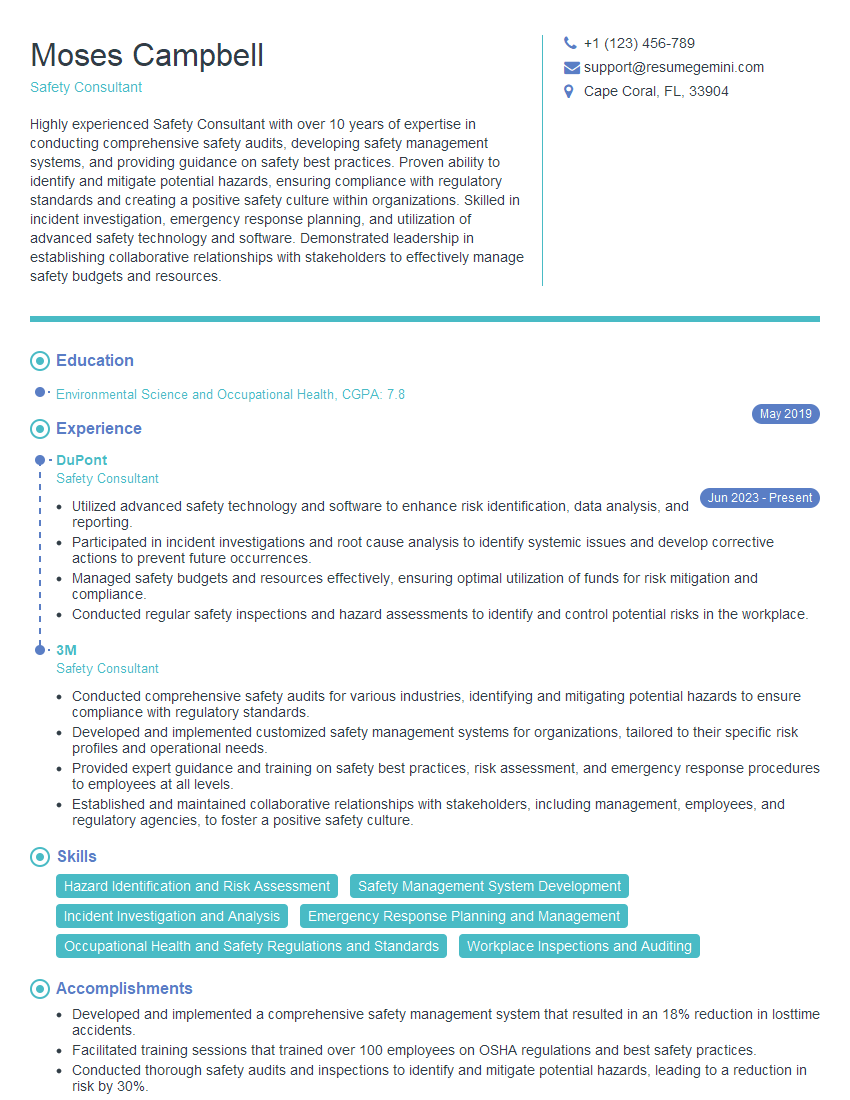
Safety Consultant Resume Sample

Safety Engineer Resume Sample

Foreman Resume Sample

Rigging Supervisor Resume Sample
Explore more articles
Users Rating of Our Blogs
Share Your Experience
We value your feedback! Please rate our content and share your thoughts (optional).
What Readers Say About Our Blog
To the interviewgemini.com Webmaster.
Very helpful and content specific questions to help prepare me for my interview!
Thank you
To the interviewgemini.com Webmaster.
This was kind of a unique content I found around the specialized skills. Very helpful questions and good detailed answers.
Very Helpful blog, thank you Interviewgemini team.