Every successful interview starts with knowing what to expect. In this blog, we’ll take you through the top Collaboration with Architects, Engineers, and Builders interview questions, breaking them down with expert tips to help you deliver impactful answers. Step into your next interview fully prepared and ready to succeed.
Questions Asked in Collaboration with Architects, Engineers, and Builders Interview
Q 1. Describe your experience managing communication between architects, engineers, and contractors.
Managing communication between architects, engineers, and contractors requires a proactive and structured approach. It’s like orchestrating a symphony – each instrument (team) plays a crucial role, and the conductor (project manager) ensures harmonious performance. My experience involves establishing clear communication channels from the outset. This includes regular meetings, leveraging collaborative platforms (discussed later), and defining clear roles and responsibilities. For instance, on a recent high-rise project, I instituted weekly progress meetings with representatives from architecture, structural engineering, MEP engineering, and the general contractor. These meetings focused on addressing potential clashes, reviewing submittals, and ensuring alignment on the project schedule. We also utilized a shared online document repository for drawings, specifications, and meeting minutes, ensuring everyone had access to the most up-to-date information. This transparency minimized misunderstandings and improved overall efficiency.
Q 2. Explain your approach to resolving conflicts between design and construction teams.
Resolving conflicts between design and construction teams requires a diplomatic yet firm approach. It’s crucial to understand the root cause of the conflict, which often stems from miscommunication, unrealistic expectations, or schedule pressures. My approach is collaborative and focuses on finding mutually beneficial solutions. I initiate a meeting involving all relevant parties, ensuring a neutral environment where everyone feels comfortable expressing their concerns. We analyze the issue systematically, examining drawings, specifications, and the project schedule to identify the point of divergence. Then, we brainstorm solutions together, considering the implications on cost, time, and quality. For example, on a recent project where a design change impacted structural integrity, I facilitated a meeting between the architect, structural engineer, and contractor. Through open discussion, we explored alternative design solutions that met both aesthetic and structural requirements without significantly delaying the project. The key is to remain objective, listen actively, and focus on finding a solution that satisfies all stakeholders, rather than assigning blame.
Q 3. How do you utilize Building Information Modeling (BIM) to facilitate collaboration?
Building Information Modeling (BIM) is an invaluable tool for facilitating collaboration. Think of it as a central repository of project data, accessible to all stakeholders. My experience shows that utilizing BIM significantly reduces errors and conflicts. We use BIM to create a 3D model of the project, integrating architectural, structural, and MEP designs. This allows us to identify clashes (where elements of different disciplines intersect) early in the design phase, preventing costly rework during construction. Furthermore, we use BIM for quantity takeoffs, cost estimation, and scheduling. For example, on a recent hospital project, using BIM enabled us to identify a clash between ductwork and structural steel before construction began. This prevented delays and saved significant costs by resolving the issue early. The model also provides a clear visualization of the project for all stakeholders, making communication more efficient and transparent.
Q 4. What strategies do you employ to ensure timely project completion while maintaining effective collaboration?
Ensuring timely project completion while maintaining effective collaboration requires careful planning and proactive management. My strategy focuses on establishing a clear project schedule from the outset, using tools like Gantt charts to visualize task dependencies and timelines. Regular progress meetings are held to track milestones and address potential delays. Early identification of potential problems is key; therefore, we employ proactive risk management strategies to anticipate and mitigate challenges. Open communication and transparency are vital. I find that fostering a collaborative environment where all stakeholders feel comfortable raising concerns contributes significantly to successful project delivery. For instance, on a recent renovation project, we identified a potential delay due to supplier issues. By communicating this proactively to all parties involved, we were able to collaborate on finding alternative solutions, mitigating the delay’s impact on the overall schedule. Regular communication also ensures everyone is aligned and works towards common goals.
Q 5. How do you handle changes in design or specifications during the construction process?
Handling changes in design or specifications during construction requires a formalized process to manage costs and maintain schedules. My approach involves documenting all change requests formally, including justification, impact assessment, and cost implications. These requests are then reviewed and approved by relevant stakeholders – typically the architect, engineer, owner, and contractor. A change order is issued, outlining the modifications, revised schedule, and adjusted cost. This systematic approach ensures transparency and avoids misunderstandings. We also incorporate the changes into the BIM model, ensuring consistency across all project documentation. For example, on a recent commercial project, a client requested a change in the facade material. We documented the change request, assessed the cost and schedule implications, obtained approval, and issued a change order. This ensured the change was managed effectively without impacting the overall project success.
Q 6. Describe your experience with different collaboration software and platforms.
I have extensive experience with various collaboration software and platforms, including BIM 360, Autodesk Collaboration for Revit, and Procore. These platforms offer a centralized environment for sharing project documents, models, and communication tools. For example, BIM 360 allows for real-time collaboration on BIM models, facilitating efficient clash detection and resolution. Procore is excellent for tracking progress, managing submittals, and facilitating communication. My choice of platform depends on the specific needs and size of the project, but the common thread is the emphasis on real-time communication and streamlined workflow. Each platform is evaluated for its integration capabilities, ease of use, and ability to accommodate all stakeholders’ needs. The selection process considers factors such as user experience, data security, and compatibility with existing project management systems.
Q 7. Explain how you ensure clear communication of project goals and expectations to all stakeholders.
Ensuring clear communication of project goals and expectations requires a multi-pronged strategy. I begin with a well-defined project brief outlining objectives, scope, budget, and schedule. This document is shared with all stakeholders, followed by a kick-off meeting where goals are clearly articulated and expectations are set. Regular progress meetings, both formal and informal, maintain momentum and ensure everyone is aligned. I leverage visual aids like charts and diagrams to convey complex information clearly and concisely. Open communication channels are established, encouraging feedback and questions. For example, on a recent project, I created a detailed project schedule visualization, accompanied by a concise summary of key performance indicators, which was distributed to all teams. This allowed everyone to clearly understand their roles, responsibilities, and timelines, thereby enhancing communication and fostering team collaboration. I also find regular one-on-one meetings valuable to address any individual concerns.
Q 8. How do you manage risks and potential conflicts that may arise during interdisciplinary collaboration?
Managing risks and conflicts in interdisciplinary collaboration is crucial for project success. It requires proactive planning and a robust communication strategy. My approach is threefold: Proactive Risk Assessment, Collaborative Risk Mitigation, and Transparent Conflict Resolution.
Proactive Risk Assessment involves identifying potential clashes early in the design phase through workshops and regular meetings involving architects, engineers, and builders. We use tools like SWOT analysis and risk registers to document potential problems (e.g., material sourcing delays, design changes, differing interpretations of codes) and assign probabilities and impacts.
Collaborative Risk Mitigation focuses on developing contingency plans. For example, if a specific material has a long lead time, we explore alternatives, pre-order materials, or adjust the schedule accordingly. This often involves brainstorming sessions with the entire team to identify creative solutions.
Transparent Conflict Resolution is essential. Any disputes are addressed openly and immediately using a structured approach. We might utilize mediation techniques or establish a clear escalation path for unresolved issues. Documentation of decisions is key to avoid future misunderstandings.
For instance, on a recent high-rise project, we anticipated potential conflicts regarding structural design and façade integration. By involving structural engineers and architects early in the façade design process, we identified and resolved potential clashes before they impacted construction. This prevented costly delays and redesigns.
Q 9. Describe your experience with value engineering processes and their impact on collaboration.
Value engineering is a crucial process for optimizing project costs without sacrificing quality or functionality. My experience shows that its successful implementation heavily relies on collaborative efforts. I’ve found that integrating value engineering early, during the schematic design phase, yields the best results.
The process typically starts with a thorough understanding of the project’s goals and the client’s priorities. Then, we involve all disciplines in a brainstorming session focusing on identifying potential cost reductions. This might involve exploring alternative materials, simplifying design elements, or optimizing construction methods.
For example, on a recent hospital project, the team initially specified a high-end, custom-fabricated curtain wall system. Through value engineering, we explored alternative systems and found a prefabricated modular system that offered comparable aesthetic qualities at a significantly lower cost, without compromising energy efficiency or longevity. The savings were substantial and allowed us to incorporate additional features the client valued.
The success of value engineering depends on open communication and a willingness to challenge established norms. It also requires detailed cost estimations and thorough documentation to demonstrate the value proposition of any changes.
Q 10. How do you ensure the accuracy of cost estimates considering input from various disciplines?
Ensuring accurate cost estimates with input from various disciplines requires a structured and collaborative approach. I use a combination of methods including detailed quantity take-offs, parametric estimating, and bottom-up cost aggregation.
Detailed quantity take-offs involves breaking down the project into its individual components and quantifying materials, labor, and equipment needed. This requires close collaboration with architects to ensure design accuracy and with builders to account for construction methods and site conditions.
Parametric estimating uses software tools to model cost variations based on different design choices or construction methods. This allows us to evaluate the financial implications of design alternatives before finalizing the plans.
Bottom-up cost aggregation involves systematically combining the individual cost estimates from each discipline. This involves regular review meetings to identify and resolve inconsistencies between estimates from different disciplines. I utilize specialized software to streamline this process and ensure transparency.
Regular checks and balances are critical. We cross-reference estimates against historical data and industry benchmarks to detect potential outliers or errors. Any significant discrepancies are investigated and resolved collaboratively. This process ensures a robust and reliable cost estimate that builds confidence among stakeholders.
Q 11. How do you facilitate regular communication and progress updates among project teams?
Facilitating regular communication and progress updates involves utilizing a multi-pronged approach. This includes regular team meetings, digital collaboration platforms, and consistent reporting mechanisms.
Regular Team Meetings: We hold weekly meetings involving key personnel from all disciplines. These meetings provide a forum to discuss progress, address challenges, and coordinate activities. The agenda is pre-distributed, and minutes are meticulously documented and shared.
Digital Collaboration Platforms: We leverage project management software (like Asana, Monday.com, or similar) to centralize communication, share documents, and track tasks. This ensures everyone has access to the latest information regardless of their location.
Consistent Reporting Mechanisms: Regular progress reports are generated and shared with all stakeholders. These reports include key performance indicators (KPIs), potential risks, and planned mitigation strategies. This ensures transparency and provides a clear picture of the project’s health.
For instance, on a recent renovation project, using a digital platform allowed us to seamlessly share design revisions, construction schedules, and any necessary approvals, significantly improving communication speed and reducing potential misunderstandings.
Q 12. What are your preferred methods for documenting and managing project decisions?
Documenting and managing project decisions requires a systematic approach to ensure clarity, consistency, and accountability. I employ a combination of methods to achieve this.
Centralized Document Repository: We use a cloud-based document management system (like Dropbox, Sharepoint, or similar) to store all project-related documents in an organized manner. This ensures easy access to information for all team members.
Meeting Minutes: Detailed minutes are taken during all meetings and distributed promptly to all participants. These minutes should summarize key discussions, decisions made, and action items assigned to specific individuals.
Decision Log: A dedicated decision log is maintained, which records all significant project decisions, including the date, decision-makers, rationale, and any associated documentation. This log is regularly updated and serves as a valuable reference for resolving future disputes or misunderstandings.
Version Control: For design documents, we utilize version control systems to track changes, prevent conflicts, and provide a clear audit trail. This is especially important for architectural and engineering drawings.
By implementing these methods, we guarantee that all significant decisions are documented, auditable, and accessible to all stakeholders, minimizing the risk of misunderstandings and improving overall project control.
Q 13. Describe your approach to conflict resolution in a multi-disciplinary team setting.
Conflict resolution in a multi-disciplinary team setting requires a collaborative and respectful approach. My strategy is based on open communication, active listening, and finding mutually acceptable solutions.
Firstly, I encourage open communication from all parties involved. I create a safe space where individuals feel comfortable expressing their concerns and perspectives without fear of judgment.
Secondly, active listening is paramount. I ensure that I understand each party’s point of view before proposing solutions. This includes asking clarifying questions and paraphrasing to ensure mutual understanding.
Thirdly, I facilitate collaborative problem-solving. I encourage the team to work together to brainstorm alternative solutions that address the concerns of all parties involved. The aim is to find a solution that is mutually agreeable, rather than imposing a decision.
If necessary, I might facilitate a formal mediation session to help the parties reach a consensus. In some cases, involving a neutral third party (e.g., a senior manager or external consultant) can be beneficial. The objective is always to maintain a positive working relationship and achieve project goals.
For example, on a recent project, a conflict arose between the structural engineer and the architect regarding the design of a key structural element. By facilitating a structured discussion where both parties had the opportunity to explain their viewpoints, we jointly identified an alternative design solution that satisfied both technical requirements and aesthetic considerations.
Q 14. How do you ensure that the design aligns with the construction budget and schedule?
Aligning design with the construction budget and schedule necessitates a proactive and iterative approach that begins early in the design process. This involves close collaboration between architects, engineers, and builders throughout the project lifecycle.
Early Cost Estimation and Budgeting: Accurate cost estimations are crucial. We prepare detailed budget breakdowns during the design development phase. This informs design decisions and helps identify potential cost overruns early.
Design Iteration and Value Engineering: The design is refined iteratively based on cost and schedule constraints. Value engineering exercises are conducted regularly to explore cost-effective alternatives without compromising project goals.
Constructability Reviews: Builders are involved from an early stage to provide feedback on constructability issues and suggest more efficient construction methods. This reduces potential delays and cost escalations during the construction phase.
Regular Monitoring and Control: Close monitoring of progress and costs against the baseline plan is essential. Any deviations from the plan are investigated and addressed promptly to prevent slippage. This often involves updating the schedule and budget as needed.
For instance, on a large-scale commercial project, through regular value engineering sessions and constructability reviews, we were able to identify and implement design changes that resulted in substantial cost savings, without impacting project quality or delivery schedule.
Q 15. How do you leverage technology to enhance collaboration and improve efficiency?
Technology is paramount to efficient collaboration in AEC projects. We leverage several tools to enhance communication and workflow. For example, Building Information Modeling (BIM) software such as Revit, ArchiCAD, or Tekla Structures allows architects, engineers, and contractors to work on a shared 3D model, detecting clashes early and minimizing costly rework.
Cloud-based platforms like Autodesk BIM 360 or Procore provide centralized project hubs for document sharing, communication, and issue tracking. This eliminates email chains and ensures everyone has access to the most up-to-date information. We also utilize virtual reality (VR) and augmented reality (AR) technologies to improve visualization and stakeholder engagement, facilitating better understanding and decision-making. Finally, project management software like Asana or Monday.com helps track tasks, deadlines, and progress, promoting accountability and keeping the project on schedule.
Career Expert Tips:
- Ace those interviews! Prepare effectively by reviewing the Top 50 Most Common Interview Questions on ResumeGemini.
- Navigate your job search with confidence! Explore a wide range of Career Tips on ResumeGemini. Learn about common challenges and recommendations to overcome them.
- Craft the perfect resume! Master the Art of Resume Writing with ResumeGemini’s guide. Showcase your unique qualifications and achievements effectively.
- Don’t miss out on holiday savings! Build your dream resume with ResumeGemini’s ATS optimized templates.
Q 16. What is your experience with LEED or other sustainability certifications and how does this affect collaboration?
I have extensive experience with LEED (Leadership in Energy and Environmental Design) certification and other sustainability standards like WELL and BREEAM. These certifications significantly impact collaboration by requiring a highly integrated approach. From the initial design phase, we involve sustainability consultants to guide material selection, energy modeling, and waste management strategies. This demands close collaboration between architects, engineers (especially MEP engineers), and contractors to ensure design choices align with certification requirements.
For instance, incorporating renewable energy sources necessitates coordination between the structural, electrical, and architectural teams. Achieving LEED points for water efficiency requires close collaboration with landscape architects and plumbing engineers. The collaborative process is iterative and requires transparent communication, frequent meetings, and a shared commitment to sustainability goals.
Q 17. How do you ensure compliance with building codes and regulations throughout the design and construction process?
Ensuring compliance with building codes and regulations is a crucial aspect of my work, and we employ a multi-pronged approach. First, we engage specialized consultants experienced in code interpretation who review design plans at various stages. We utilize code-checking software that flags potential discrepancies early. Second, we establish a system for regularly updating the project team on relevant code requirements and incorporating any changes into the design. Third, we maintain detailed records of all code compliance approvals, inspections, and related documentation. This is crucial for preventing delays and avoiding costly revisions later in the project.
Open communication with the building authorities is essential. We proactively schedule meetings and presentations to ensure our design meets their requirements and address any potential concerns.
Q 18. Explain your experience with preparing and presenting project progress reports to stakeholders.
Preparing and presenting project progress reports is a key responsibility. We use a combination of visual and quantitative data to create comprehensive reports. These reports typically include a project schedule update, a summary of completed tasks, key milestones reached, and a breakdown of any outstanding issues. We utilize charts and graphs to illustrate progress against the baseline schedule and budget.
For instance, I regularly prepare presentations that use BIM software to show the model’s progress, highlighting completed sections and areas requiring attention. We always tailor the level of detail and technicality to the specific audience. Reports for senior management focus on key performance indicators, while reports for the project team are more detailed and technical. We often incorporate photos or videos to enhance visual understanding of progress.
Q 19. How do you handle disagreements or differing opinions among design professionals?
Disagreements are inevitable in collaborative projects. My approach focuses on constructive conflict resolution. We encourage open discussion and brainstorming sessions where all viewpoints are heard and respected. I act as a facilitator, ensuring all voices contribute and that discussions remain focused on achieving the project goals.
When necessary, we use formal conflict resolution techniques like mediation or collaborative problem-solving. We document all decisions and compromises reached to avoid future misunderstandings. The ultimate goal is to arrive at a solution that balances the different perspectives while maintaining the project’s integrity and timeline.
Q 20. Describe a situation where effective collaboration prevented a project delay or cost overrun.
On a recent high-rise project, a potential clash between the HVAC system and structural elements was identified early through BIM clash detection. Without effective collaboration, this could have led to significant delays and cost overruns. However, proactive communication among the architectural, structural, and MEP engineers enabled us to identify and resolve the issue during the design phase, before construction began.
We collaboratively revised the design, adjusting the HVAC layout to avoid the conflict. This proactive approach saved considerable time and resources. The ability to anticipate and resolve these issues collaboratively showcased the power of team collaboration, prevented significant delays, and averted substantial cost overruns that would have resulted from reworking the structure during construction.
Q 21. How do you ensure that all project team members are working towards the same goals?
Aligning the project team on shared goals starts with a clear project vision and defined objectives. We establish a Project Charter that outlines project goals, scope, deliverables, timelines, and budget. This document serves as a guiding framework for the entire team. Regular project meetings, both formal and informal, facilitate communication and reinforce these goals.
We use key performance indicators (KPIs) to track progress against the established objectives, fostering transparency and accountability. Open communication channels, including regular updates and feedback sessions, help ensure everyone understands the project’s direction and their role in achieving its success. Regularly revisiting and adapting the project charter based on feedback and evolving conditions ensures the team stays focused and aligned.
Q 22. How do you manage the expectations of clients and stakeholders in a collaborative environment?
Managing client and stakeholder expectations in a collaborative construction environment is crucial for project success. It’s about proactive communication, transparency, and realistic goal-setting from the outset. I begin by establishing clear communication channels and regular meetings. These meetings aren’t just updates; they’re opportunities for open dialogue, addressing concerns proactively, and managing expectations through realistic timelines and budget projections.
For example, I’ve found using visual aids like 3D models and progress reports significantly improves understanding and reduces misunderstandings. I also emphasize the collaborative nature of the project, highlighting how input from each stakeholder is valued and incorporated. This fosters a sense of ownership and buy-in, making it easier to manage any potential conflicts or disagreements.
Should changes arise, which is common in construction, I clearly outline their impact on the project’s timeline and budget, securing agreements before proceeding. This commitment to transparency builds trust and minimizes surprises, leading to a more collaborative and successful project.
Q 23. Explain your understanding of the roles and responsibilities of each member of the design and construction team.
A successful construction project relies on clear roles and responsibilities within the design and construction team. The Architect is responsible for the aesthetic design, functionality, and adherence to building codes. The Engineer focuses on the structural integrity, systems design (mechanical, electrical, plumbing), and ensuring the building meets safety standards. The Builder is responsible for the actual construction process, including managing subcontractors, materials, and the project timeline and budget.
Beyond these core roles, other key team members might include a Project Manager (overseeing the entire project), Quantity Surveyor (managing costs), and various consultants (specialists in geotechnical engineering, sustainability, etc.). Clear communication protocols and regular meetings, often facilitated by the Project Manager, ensure everyone understands their individual tasks and how they contribute to the overall project goals. Without this clarity, overlaps, conflicts, and delays are inevitable.
In one project, we established a shared online platform where everyone could access drawings, schedules, and communication logs. This dramatically improved transparency and accountability, significantly enhancing collaboration.
Q 24. Describe your experience with different contract types and their impact on collaboration.
Different contract types significantly influence the collaborative dynamic on a construction project. A traditional Design-Bid-Build approach, where design and construction are separate phases with distinct contracts, can sometimes create a less collaborative environment due to the potential for adversarial relationships between the designer and builder. Changes or clarifications often become contentious, potentially leading to delays and cost overruns.
In contrast, Design-Build contracts, where one entity is responsible for both design and construction, can foster a much more collaborative approach. This integrated approach allows for greater flexibility and faster problem-solving, as the design and construction teams are working together from the outset. This often results in more innovative solutions and improved efficiency.
I’ve also experienced Integrated Project Delivery (IPD), where all stakeholders share risk and reward, leading to unparalleled collaboration. In this model, early involvement of all parties allows for proactive problem-solving, leading to more efficient and effective solutions.
Q 25. How do you balance the creative vision of the architects with the practical constraints of the engineers and builders?
Balancing the architect’s creative vision with the engineer’s and builder’s practical constraints requires strong communication, open dialogue, and a collaborative problem-solving approach. It’s about finding creative solutions that maintain the architect’s design intent while adhering to structural, safety, and budget limitations.
This often involves regular design review meetings where all parties discuss potential challenges and brainstorm solutions. For example, if the architect’s design requires an unusual material, the engineer might assess its structural viability, and the builder evaluates its cost and availability. The team works together to find an alternative material or design modification that meets both aesthetic and practical needs.
Successful negotiation is key. Using Value Engineering techniques can help identify opportunities to optimize design choices without sacrificing quality or aesthetics. This collaborative effort ensures that the final product reflects the client’s vision within realistic constraints.
Q 26. How do you address technical challenges or unforeseen issues that arise during construction?
Unforeseen issues are an inherent part of construction. My approach is built on proactive risk management and a well-defined process for addressing unforeseen challenges. Firstly, a robust change management process is established at the beginning of a project. This outlines the steps for identifying, evaluating, documenting, and approving any changes.
When issues arise, I convene a meeting of the relevant stakeholders to assess the situation, determine the cause, and develop possible solutions. This often involves consulting specialists, if necessary. We carefully weigh the impact of each solution on the project schedule, budget, and overall quality.
Detailed documentation is crucial at every step. This includes photographs, meeting minutes, and updated drawings, ensuring transparency and accountability. This methodical approach helps maintain project momentum and minimize the impact of unforeseen challenges.
Q 27. Describe your experience in using project management software to facilitate collaboration.
Project management software is indispensable for facilitating collaboration in construction. I’ve extensively used platforms like BIM 360, Procore, and PlanGrid to manage documents, track progress, and facilitate communication amongst the project team. These platforms offer centralized repositories for drawings, specifications, and other project documents, ensuring everyone has access to the most up-to-date information.
Furthermore, these tools enable efficient communication through integrated messaging systems, reducing reliance on emails and improving overall response times. Features like task management, progress tracking, and issue logging provide valuable insights into project performance, helping us to identify potential problems early on.
For instance, using BIM 360’s issue tracking module, we were able to swiftly address and resolve a clash between mechanical and electrical systems in a high-rise building, avoiding potential costly delays.
Q 28. How do you measure the success of collaborative efforts on a construction project?
Measuring the success of collaborative efforts on a construction project involves considering various factors, extending beyond simply completing the project on time and within budget. Key metrics include:
- On-time and within-budget completion: This is a fundamental measure of project success.
- Client satisfaction: Regular feedback from the client helps gauge their satisfaction with the process and the final outcome.
- Team collaboration and communication: Assessing the effectiveness of communication channels and the overall collaborative spirit within the team.
- Number and resolution of conflicts: Tracking the number of conflicts and how effectively they were resolved reflects the effectiveness of the collaborative approach.
- Innovation and problem-solving: Did the collaboration lead to creative solutions and innovative approaches to challenges?
By analyzing these metrics, we can gain a holistic understanding of the success of our collaborative efforts. Post-project reviews, involving all stakeholders, are invaluable for identifying areas for improvement in future projects.
Key Topics to Learn for Collaboration with Architects, Engineers, and Builders Interview
- Understanding Project Delivery Methods: Explore different project delivery methods like Design-Bid-Build, Design-Build, Construction Management at Risk, and Integrated Project Delivery (IPD). Understand their advantages, disadvantages, and when each is most appropriate.
- Effective Communication Strategies: Practice clear and concise communication techniques for conveying technical information across disciplines. This includes active listening, conflict resolution, and utilizing visual aids effectively in meetings and presentations.
- BIM (Building Information Modeling) Proficiency: Demonstrate knowledge of BIM software and its role in coordinating design and construction. Understand how BIM facilitates collaboration and improves project outcomes.
- Risk Management and Mitigation: Discuss strategies for identifying, assessing, and mitigating potential risks throughout the project lifecycle. This includes understanding the role of each discipline in risk management.
- Contractual Relationships and Responsibilities: Understand the legal and contractual framework governing relationships between architects, engineers, builders, and other stakeholders. Be prepared to discuss common contractual issues and solutions.
- Problem-Solving and Decision-Making in Collaborative Environments: Practice approaches to collaborative problem-solving, particularly in situations involving conflicting priorities or technical challenges. Highlight your ability to find consensus and drive positive outcomes.
- Sustainable Design and Construction Practices: Demonstrate understanding of sustainable building principles and how these impact the collaboration process between architects, engineers, and builders. Discuss LEED certification or other green building initiatives.
- Technological Advancements and their Impact on Collaboration: Discuss how new technologies (e.g., drones, 3D printing, virtual reality) are changing the way architects, engineers, and builders collaborate.
Next Steps
Mastering collaboration among architects, engineers, and builders is crucial for career advancement in the construction and design industries. Strong collaboration skills demonstrate your ability to work effectively in complex projects, manage diverse teams, and deliver successful outcomes. To significantly boost your job prospects, it’s vital to create an ATS-friendly resume that highlights these skills effectively. ResumeGemini is a trusted resource that can help you build a professional and impactful resume. We offer examples of resumes tailored to showcase experience in collaborating with architects, engineers, and builders. Use ResumeGemini to refine your resume and increase your chances of landing your dream job.
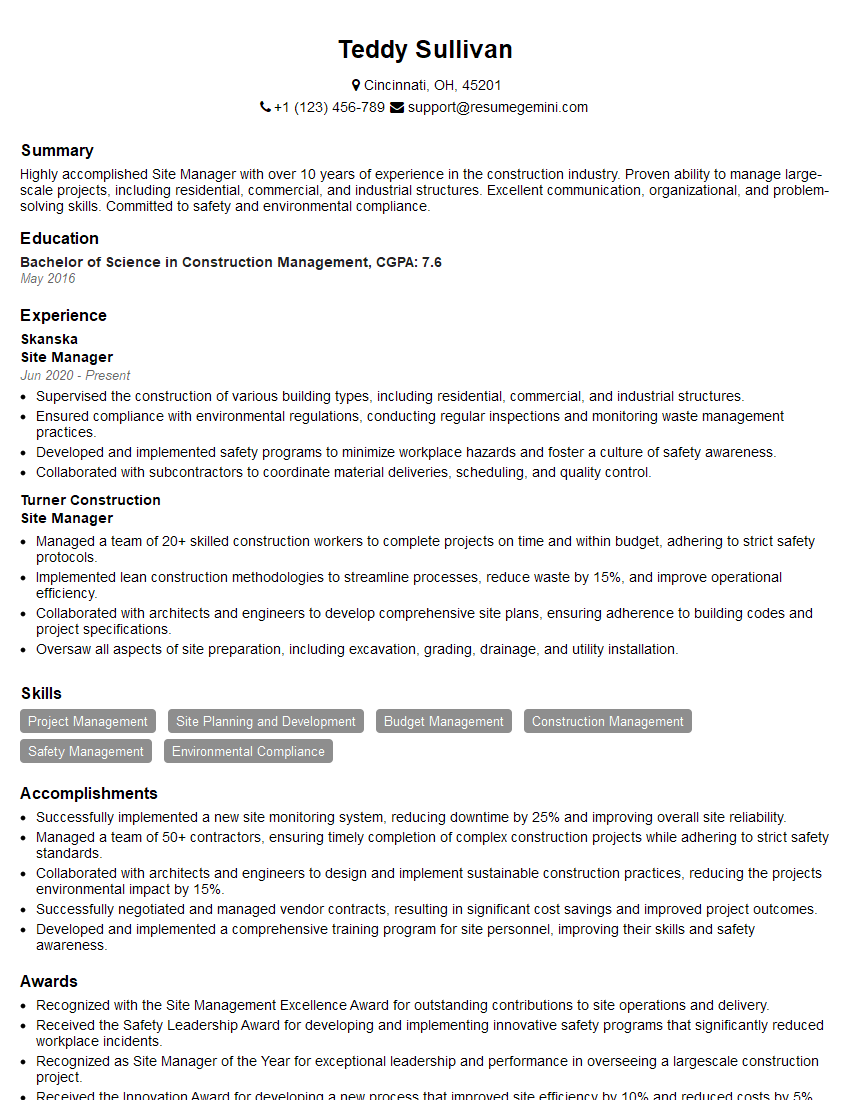
Site Manager Resume Sample
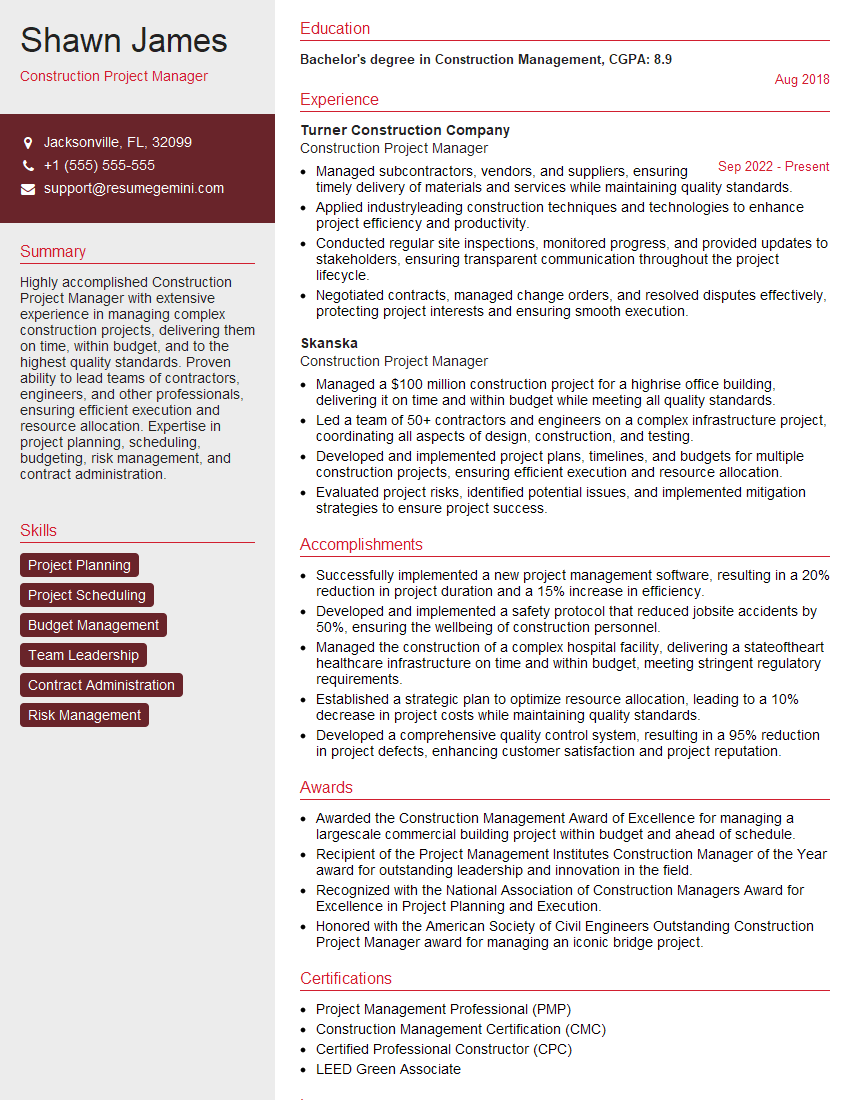
Construction Project Manager Resume Sample

Construction Superintendent Resume Sample
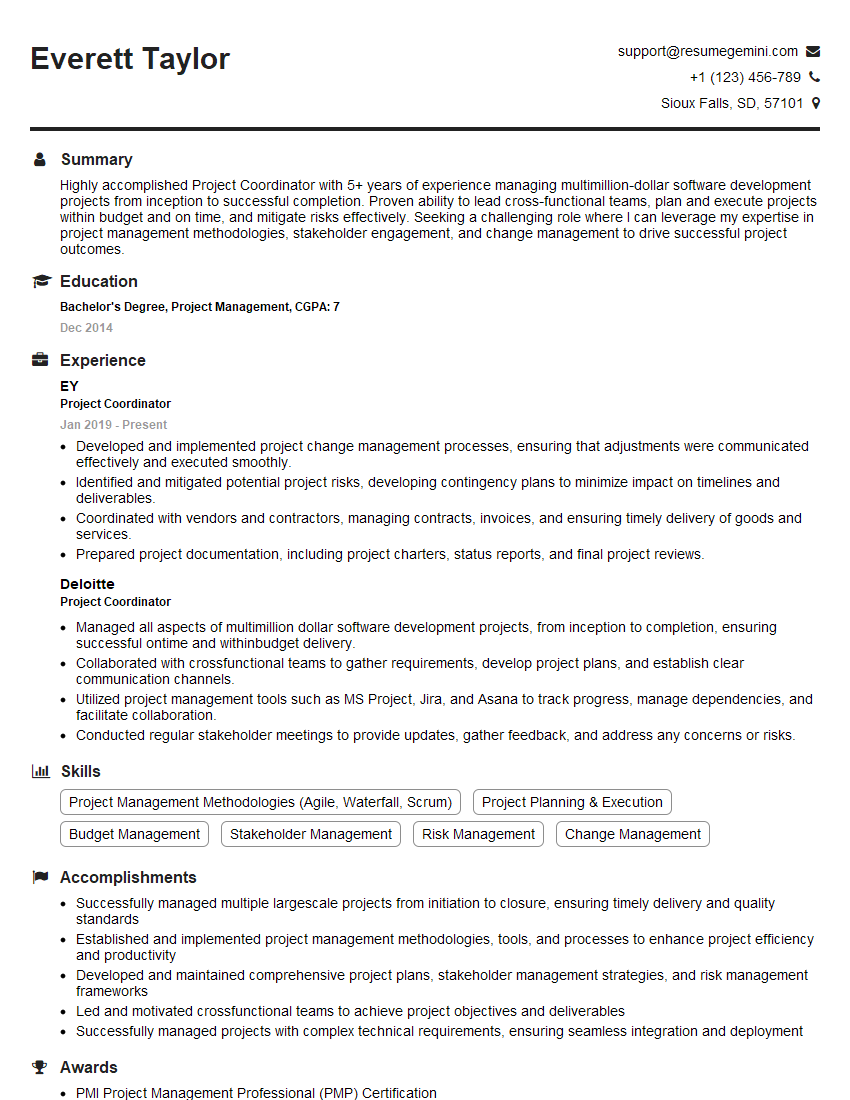
Project Coordinator Resume Sample
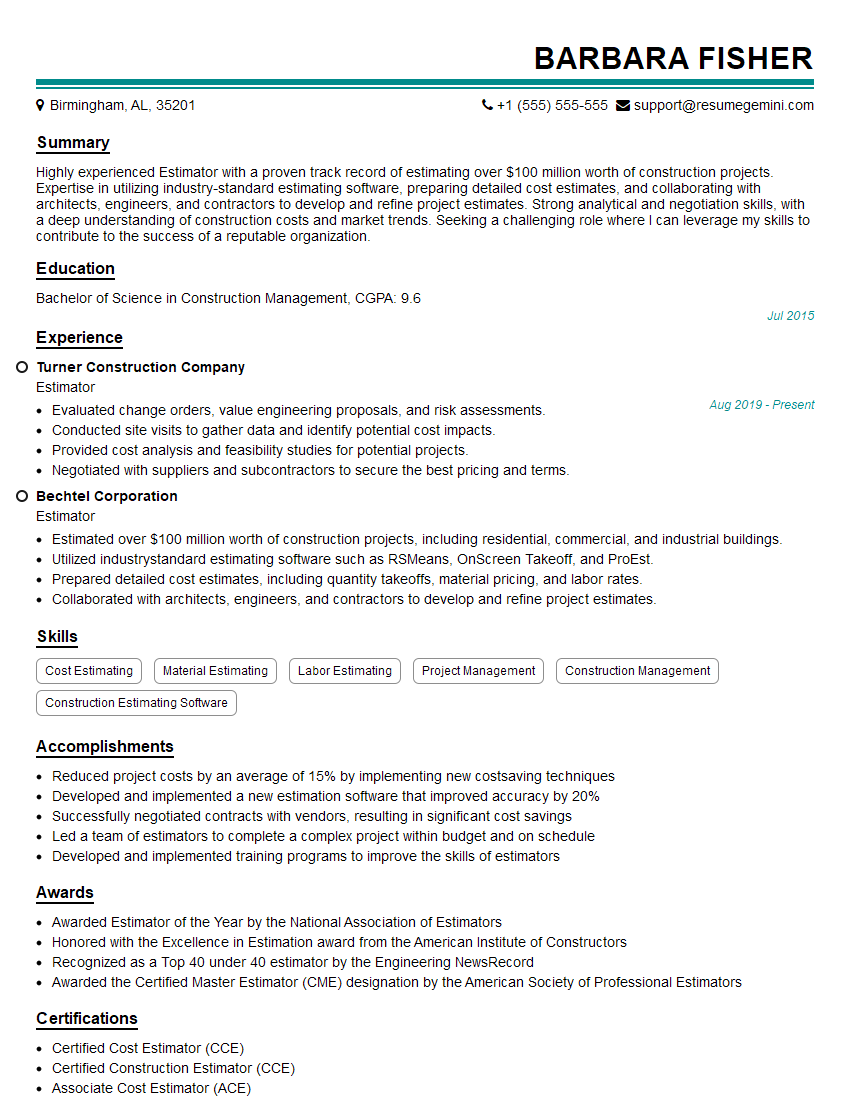
Estimator Resume Sample
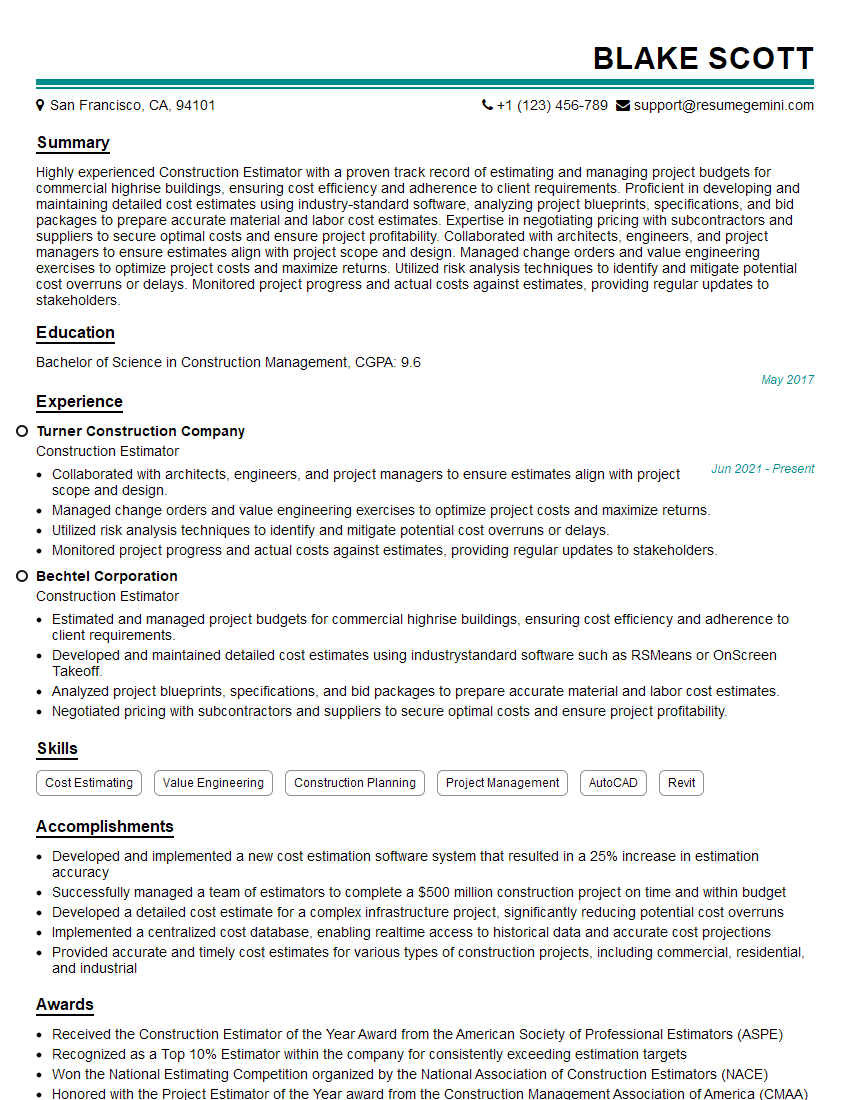
Construction Estimator Resume Sample
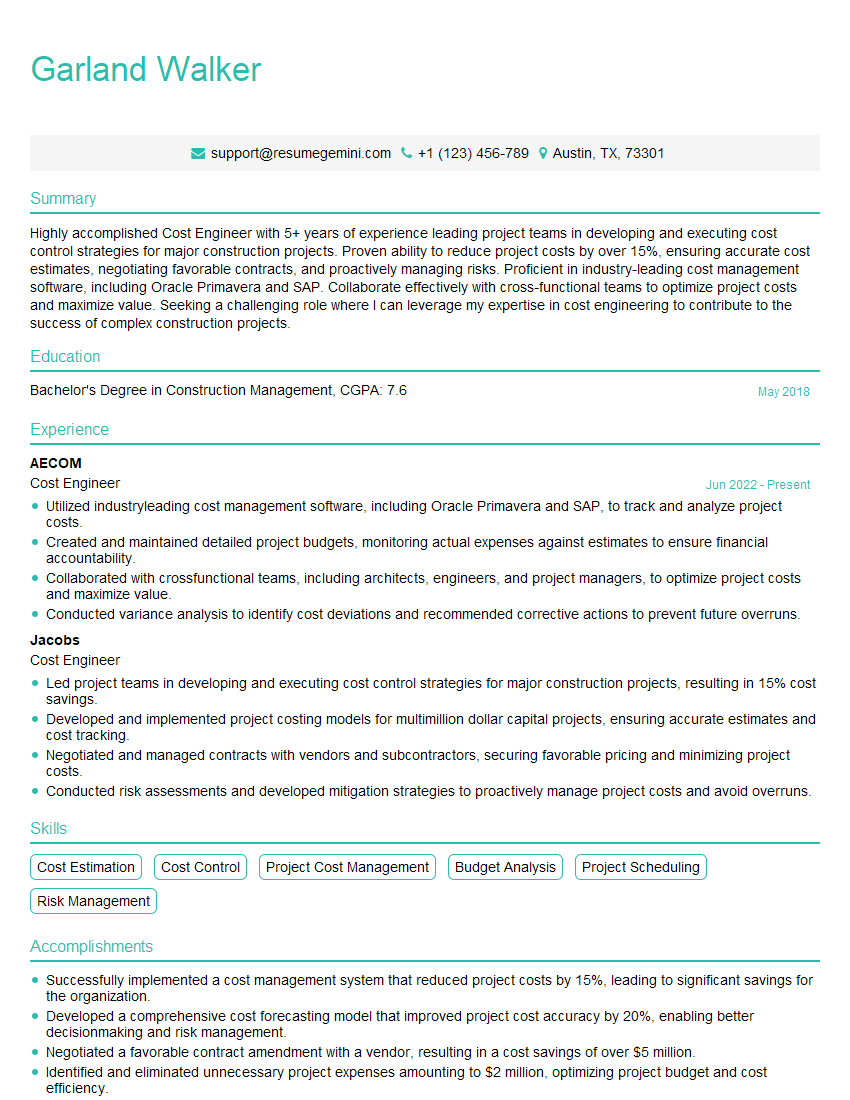
Cost Engineer Resume Sample
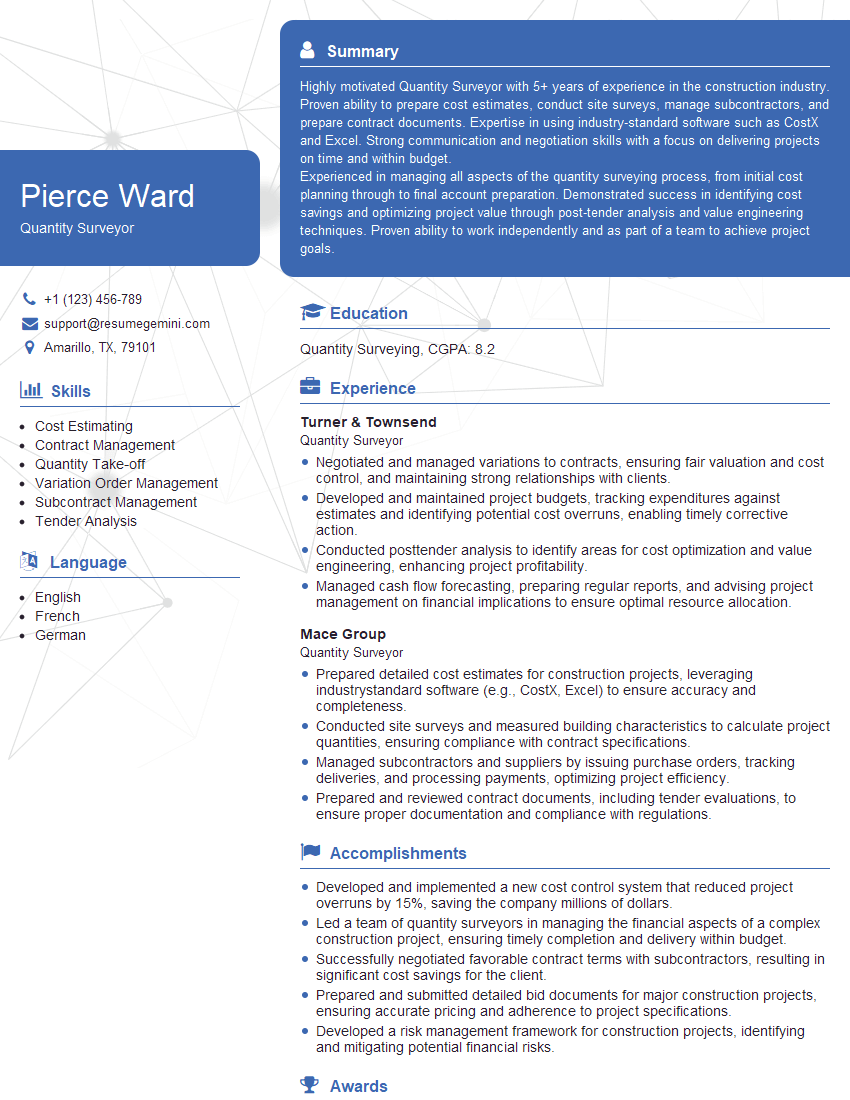
Quantity Surveyor Resume Sample

Sustainability Consultant Resume Sample
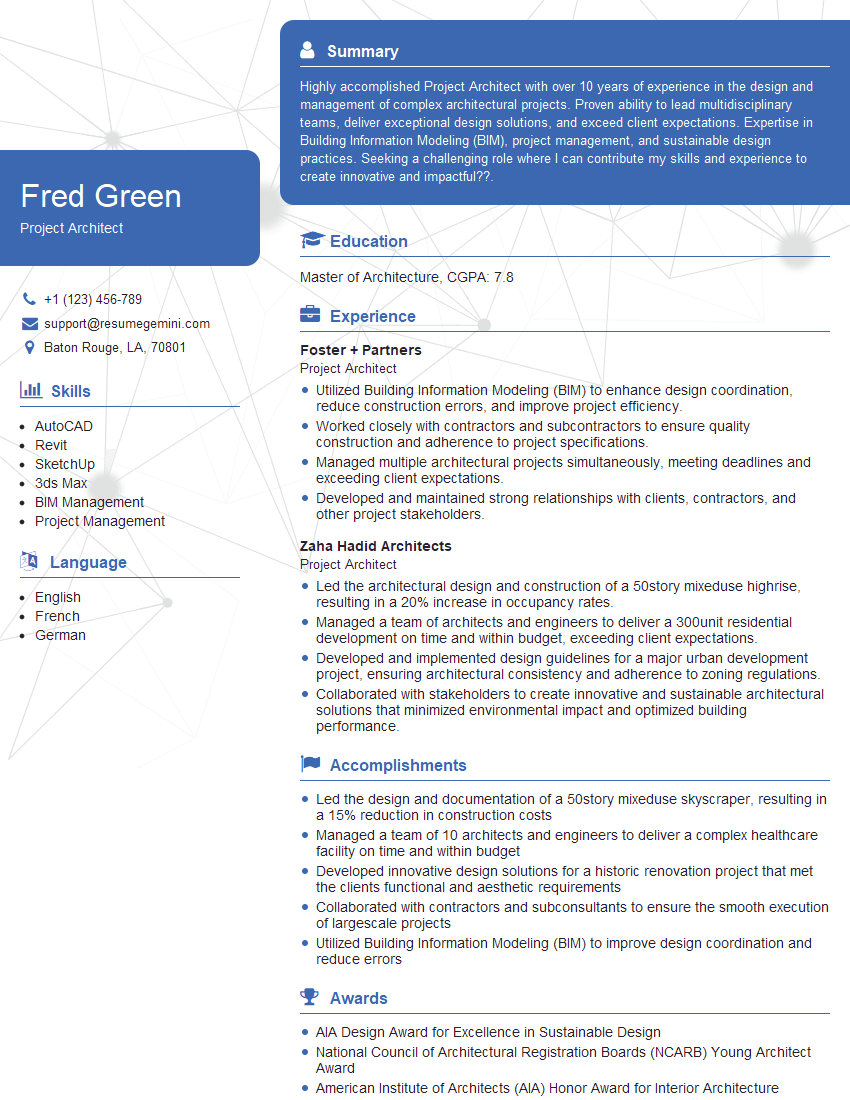
Project Architect Resume Sample
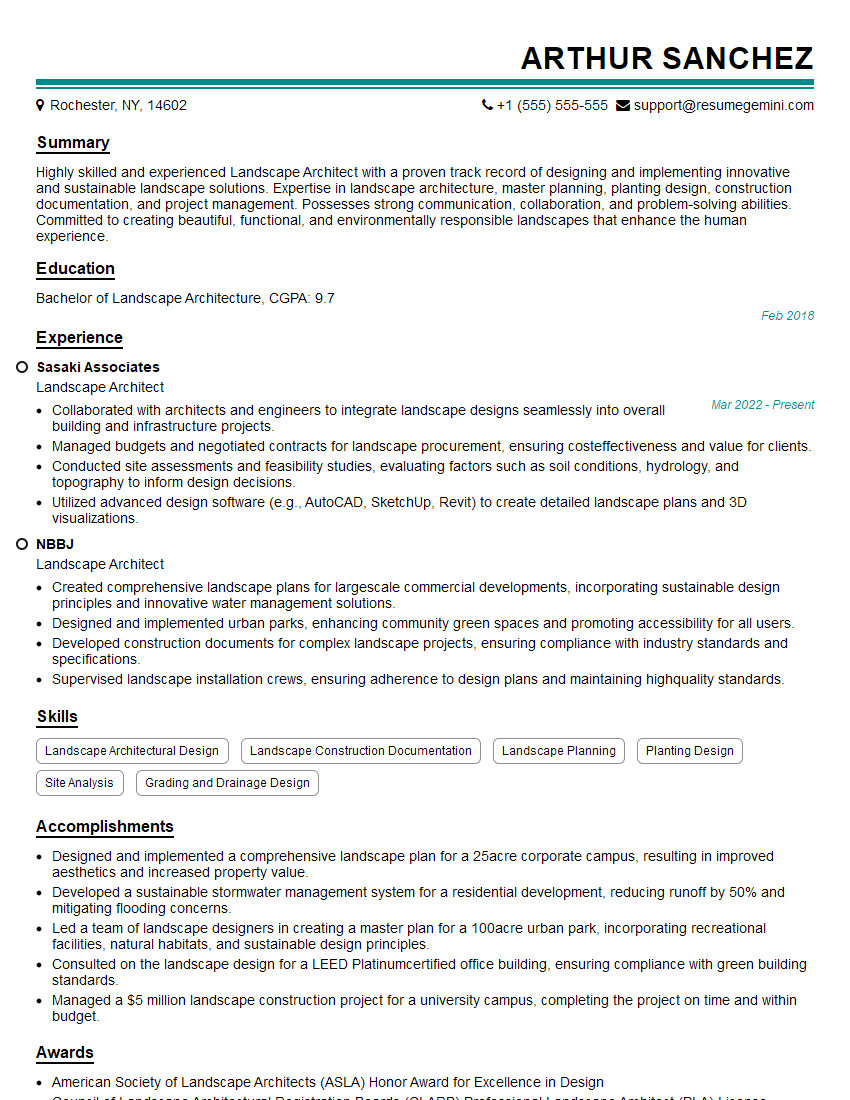
Landscape Architect Resume Sample
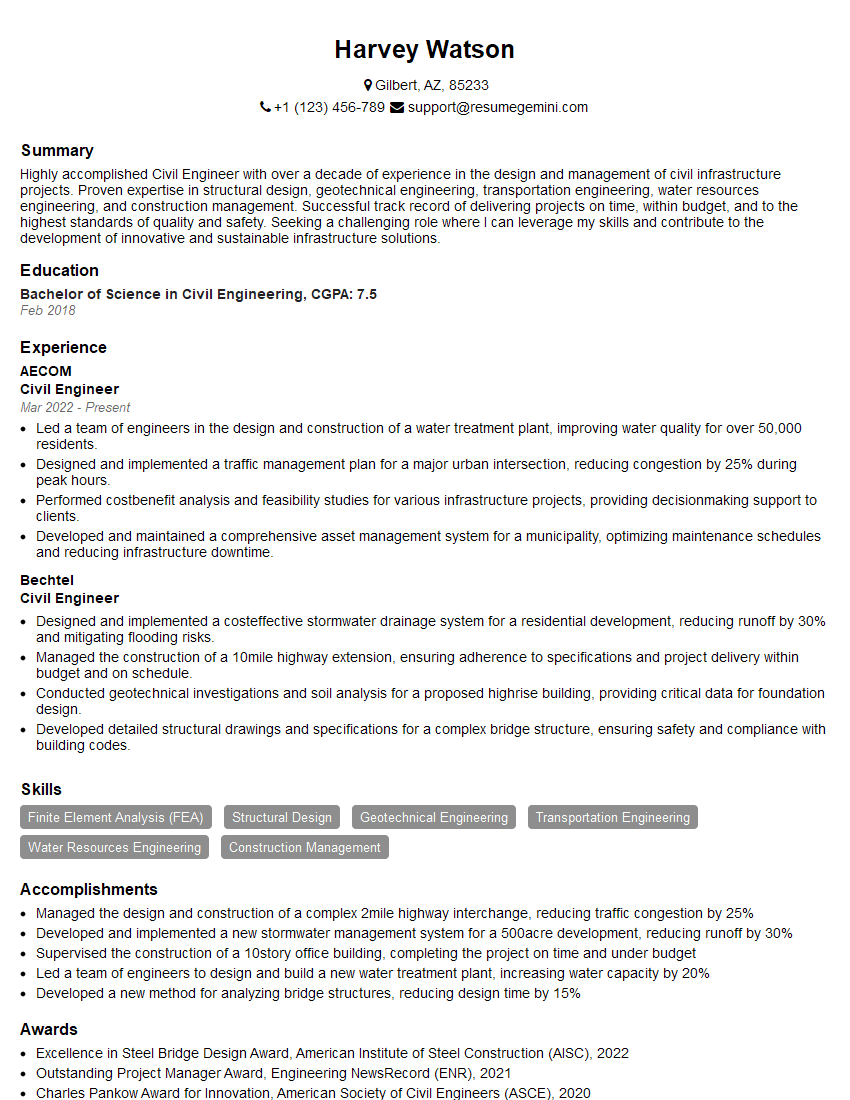
Civil Engineer Resume Sample
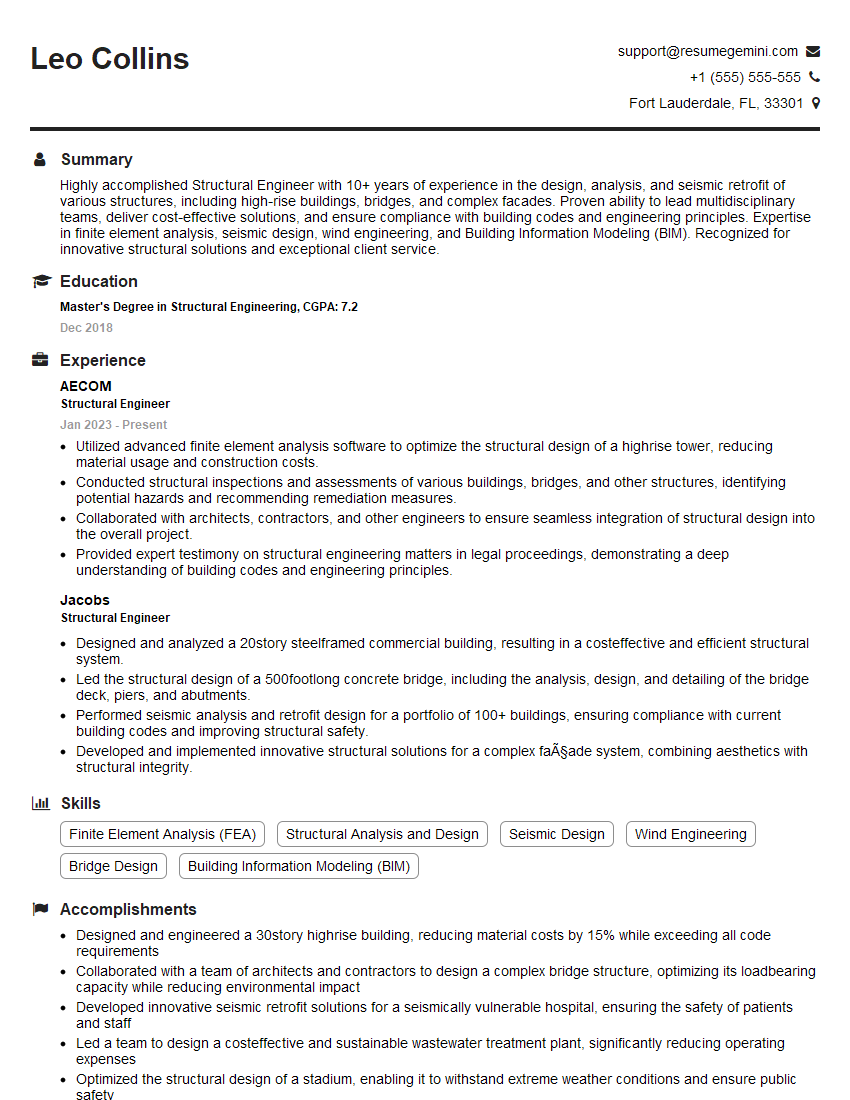
Structural Engineer Resume Sample
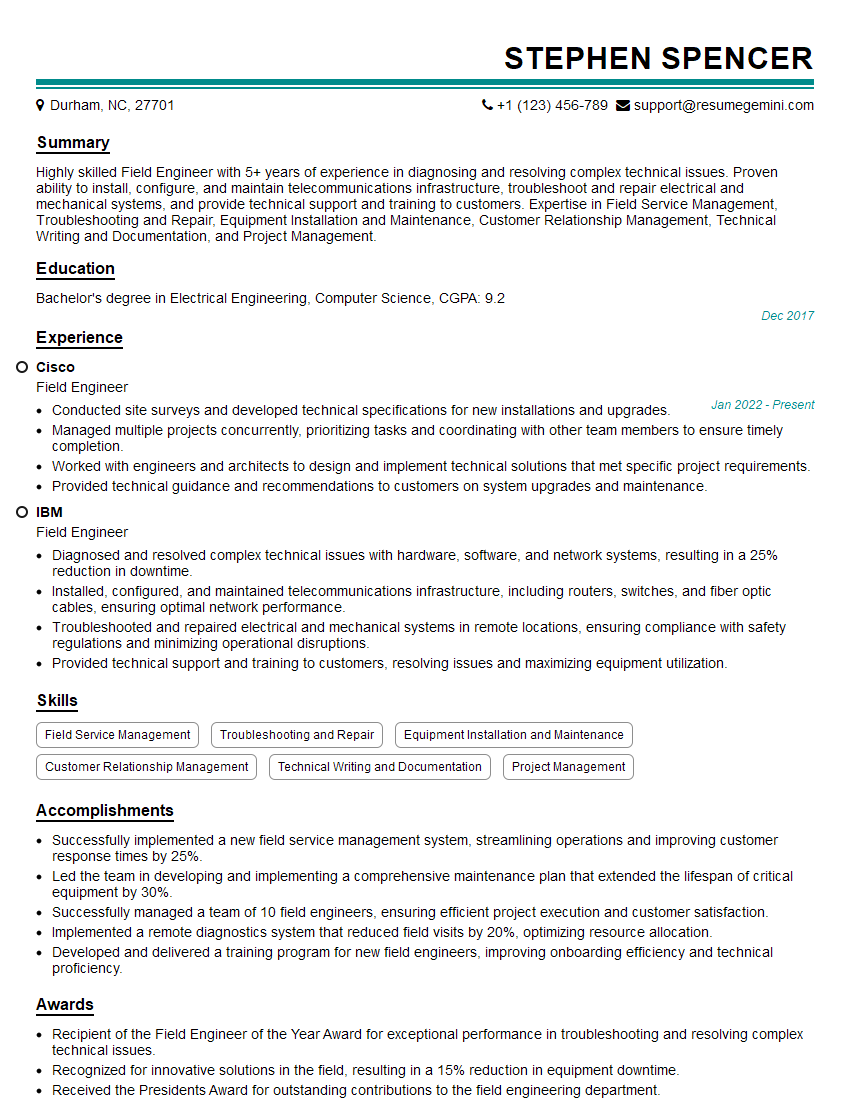
Field Engineer Resume Sample
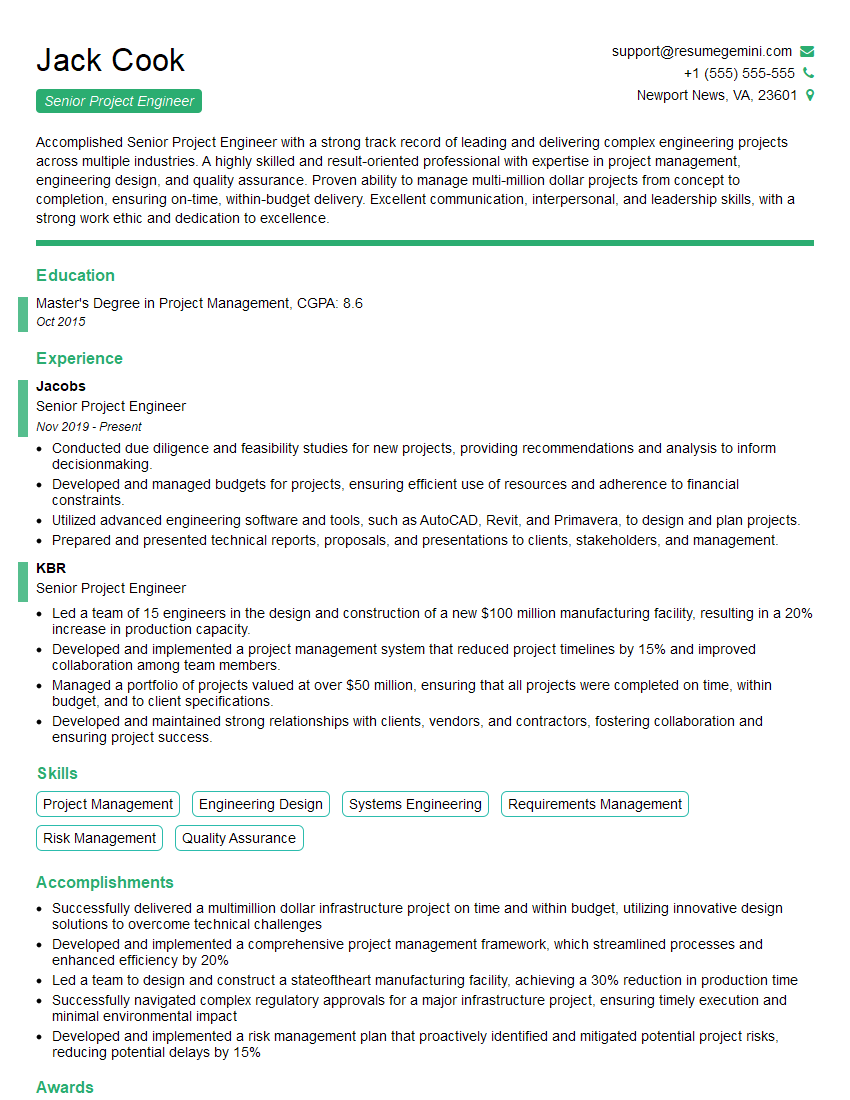
Senior Project Engineer Resume Sample
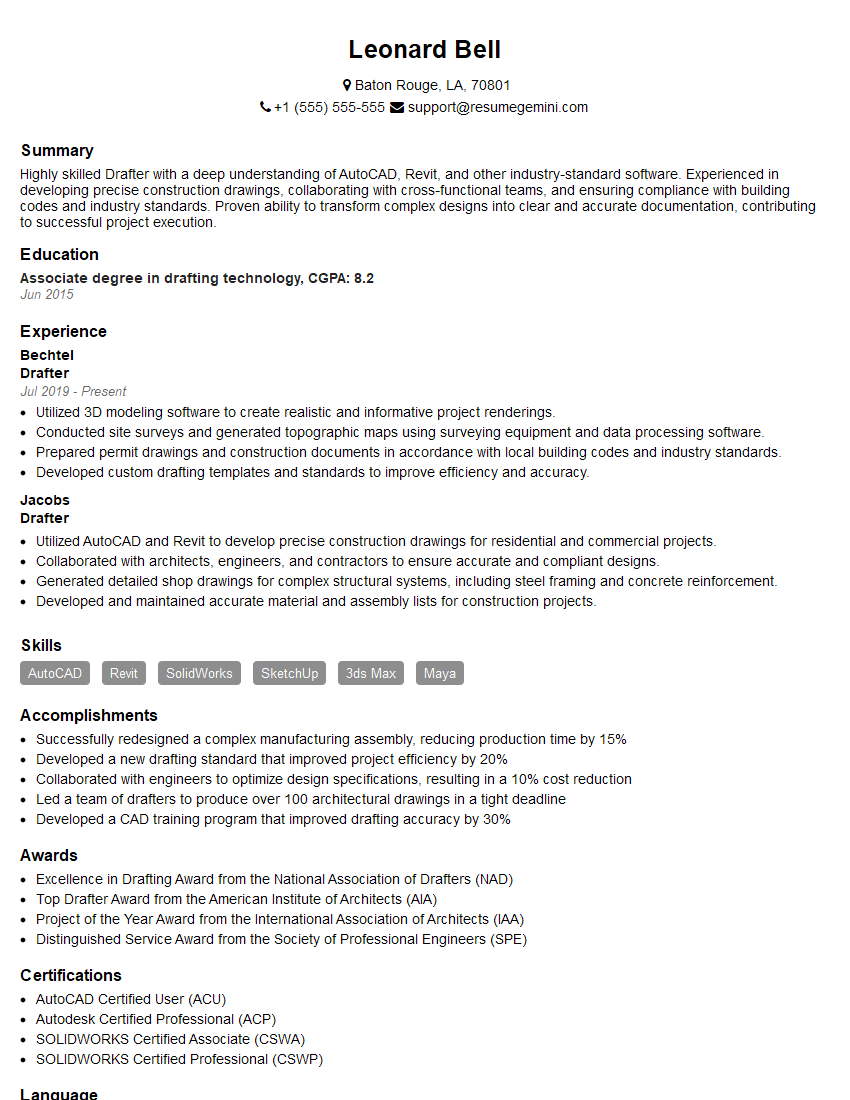
Drafter Resume Sample
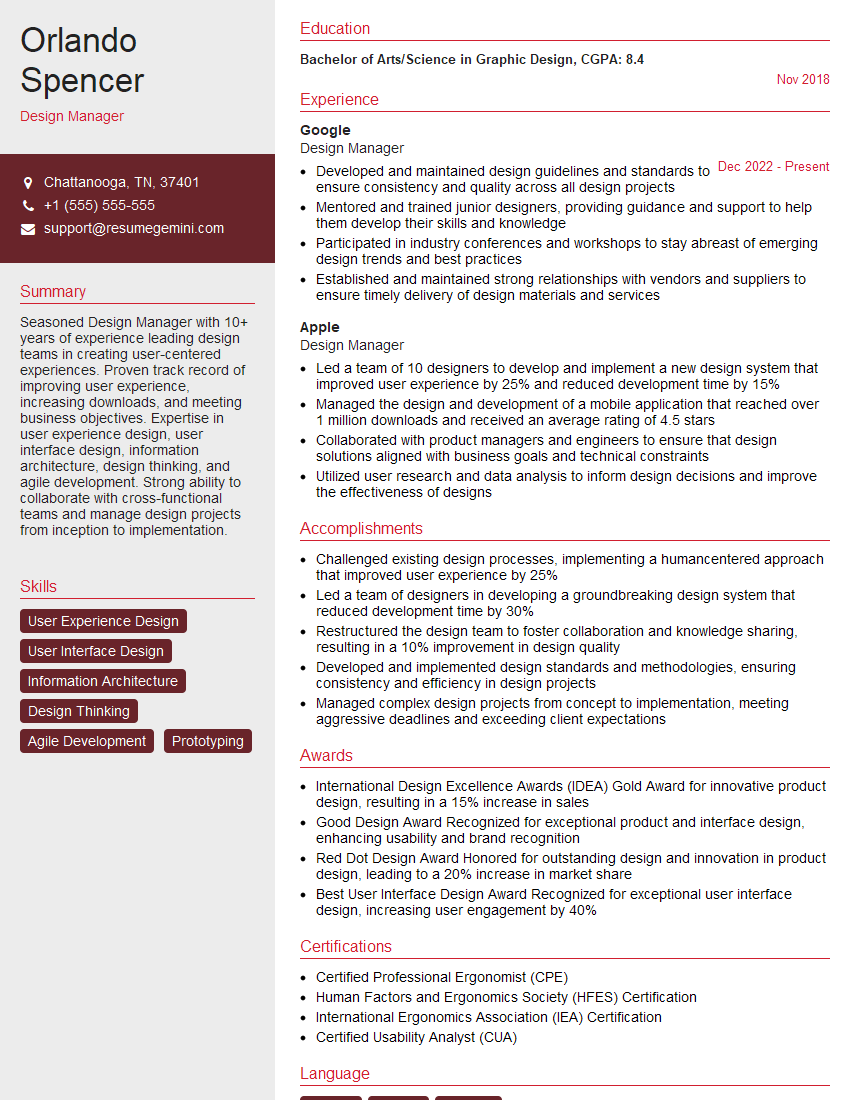
Design Manager Resume Sample
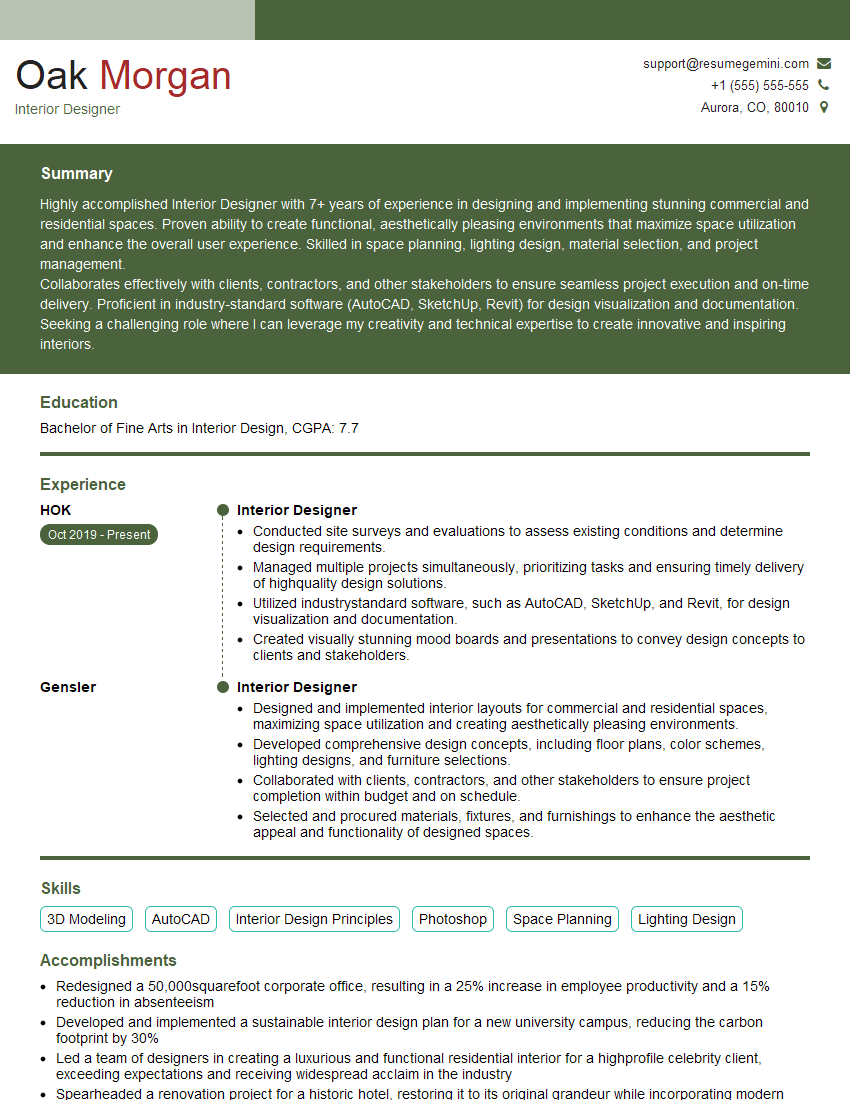
Interior Designer Resume Sample
- Site Manager
- Construction Project Manager
- Construction Superintendent
- Project Coordinator
- Estimator
- Construction Estimator
- Cost Engineer
- Quantity Surveyor
- Sustainability Consultant
- Project Architect
- Landscape Architect
- Civil Engineer
- Structural Engineer
- Field Engineer
- Senior Project Engineer
- Drafter
- Design Manager
- Interior Designer
Explore more articles
Users Rating of Our Blogs
Share Your Experience
We value your feedback! Please rate our content and share your thoughts (optional).
What Readers Say About Our Blog
To the interviewgemini.com Webmaster.
Very helpful and content specific questions to help prepare me for my interview!
Thank you
To the interviewgemini.com Webmaster.
This was kind of a unique content I found around the specialized skills. Very helpful questions and good detailed answers.
Very Helpful blog, thank you Interviewgemini team.