Unlock your full potential by mastering the most common Collaborative Care with Psychiatrists and Other Providers interview questions. This blog offers a deep dive into the critical topics, ensuring you’re not only prepared to answer but to excel. With these insights, you’ll approach your interview with clarity and confidence.
Questions Asked in Collaborative Care with Psychiatrists and Other Providers Interview
Q 1. Describe your experience implementing collaborative care models in a primary care setting.
Implementing collaborative care in primary care involves integrating behavioral health services directly into the primary care setting. This isn’t simply referring patients; it’s about creating a team where psychiatrists, primary care physicians (PCPs), care managers, and other staff work together to manage patients’ mental health needs. In my experience, successful implementation hinges on several key elements:
- Team Formation and Training: Establishing clear roles and responsibilities, and investing in comprehensive training for all team members on collaborative care principles, shared decision-making, and the specific care models being implemented (e.g., integrated behavioral health, collaborative care management).
- System Integration: Ensuring seamless communication through electronic health records (EHRs), regular team meetings, and established protocols for care coordination. This often involves modifications to existing workflows within the primary care practice.
- Care Management: Employing care managers to actively coordinate patient care, schedule appointments, provide education and support, and monitor treatment adherence. This enhances patient engagement and improves overall treatment outcomes.
- Data Collection and Monitoring: Implementing robust data collection systems to track key metrics like patient outcomes, treatment adherence, and resource utilization. This enables ongoing evaluation and improvement of the collaborative care model.
For instance, in a previous role, we implemented a collaborative care model for managing depression and anxiety in a large urban primary care clinic. We saw a significant improvement in patient outcomes, as measured by reductions in depression and anxiety symptom scores, increased medication adherence, and a decrease in hospitalizations within a year of model implementation.
Q 2. Explain the role of a psychiatrist in a collaborative care team.
The psychiatrist in a collaborative care team plays a crucial consultative and supervisory role. They don’t typically provide direct individual therapy for every patient seen by the PCP. Instead, their contributions include:
- Consultation: Providing guidance to PCPs and other team members on diagnosis, treatment planning, medication management, and complex cases.
- Supervision: Overseeing the work of care managers and ensuring the quality of care delivered to patients.
- Medication Management: Prescribing and monitoring psychotropic medications, working collaboratively with the PCP on medication adjustments as needed.
- Education: Providing training and support to PCPs and other staff on mental health topics relevant to primary care.
- Direct Patient Care (as needed): Sometimes, psychiatrists may directly see patients who require specialized psychiatric expertise or interventions, such as patients with severe mental illness or those needing complex medication management.
Think of the psychiatrist as the expert consultant who provides support and guidance, allowing the PCP to focus on their core expertise while still providing excellent mental health care.
Q 3. How would you address communication challenges between psychiatrists and other healthcare providers?
Communication breakdowns between psychiatrists and other healthcare providers are common in healthcare settings. To address this, several strategies can be implemented:
- Structured Communication Tools: Utilizing standardized forms, templates, or EHR functionalities designed for efficient information sharing. This might include shared care plans, progress notes, or secure messaging systems within the EHR.
- Regular Team Meetings: Holding regular team meetings to discuss challenging cases, share information, and address any concerns. These meetings should have a structured agenda to ensure efficient use of time.
- Clear Communication Protocols: Establishing clear communication protocols that specify how and when different types of information should be shared. This might include guidelines for urgent vs. routine communication.
- Effective Use of EHRs: Leveraging EHR features like progress notes, secure messaging, and care coordination tools to enhance communication and track patient information.
- Interprofessional Education and Training: Ensuring that all team members receive training on effective communication strategies and shared decision-making processes.
For example, in one collaborative care model, we implemented a system where care managers used standardized templates to communicate patient progress and concerns to the psychiatrist, ensuring all relevant information was readily available for consultation.
Q 4. Describe your experience using electronic health records (EHRs) to support collaborative care.
EHRs are essential for supporting collaborative care. They facilitate efficient communication, data sharing, and monitoring of patient progress. My experience demonstrates the following benefits:
- Secure Messaging: Facilitates easy and timely communication between team members, protecting patient confidentiality.
- Shared Care Plans: Allows PCPs, psychiatrists, and care managers to access and update a patient’s care plan simultaneously, ensuring everyone is on the same page.
- Progress Notes: Provides a centralized location for documenting patient interactions, assessments, and treatment responses, improving visibility of patient progress across team members.
- Clinical Decision Support Tools: Some EHRs offer built-in tools to assist with medication management, treatment selection, and identification of patients who might benefit from collaborative care.
- Reporting and Analytics: Enables the generation of reports to track key metrics, allowing for evaluation and improvement of the collaborative care model’s effectiveness.
For instance, the ability to quickly access a patient’s medication list and progress notes during a team meeting significantly improved our ability to make informed treatment decisions.
Q 5. How do you ensure patient confidentiality within a collaborative care team?
Maintaining patient confidentiality in a collaborative care team is paramount. This is achieved through:
- HIPAA Compliance: Strict adherence to HIPAA regulations and other relevant privacy laws. This includes proper security measures for electronic health records and physical files.
- Need-to-Know Basis: Sharing patient information only with team members who have a legitimate need to know the information for providing care.
- Secure Communication Channels: Utilizing secure messaging systems within the EHR, rather than using unsecured email or other methods.
- Data Encryption: Ensuring all electronic health records and data are encrypted to protect against unauthorized access.
- Regular Training and Audits: Providing regular training to team members on privacy and security protocols, and conducting regular audits to ensure compliance.
In our practice, we had clear guidelines outlining which team members had access to specific patient information, and we regularly reminded staff of the importance of maintaining patient confidentiality.
Q 6. What strategies do you employ to manage patient workload effectively in a collaborative care setting?
Effective patient workload management in collaborative care requires a multi-faceted approach:
- Prioritization: Prioritizing patients based on their clinical needs and risk factors. This often involves using risk stratification tools to identify patients requiring more intensive interventions.
- Care Management: Employing care managers to coordinate patient care, reducing the burden on psychiatrists and PCPs.
- Workload Allocation: Distributing workload among team members according to their roles and expertise.
- Technology Utilization: Leveraging EHR functionality for efficient communication, scheduling, and task management.
- Regular Team Meetings: Using team meetings to discuss workload distribution, case complexity, and potential areas for improvement.
For example, in our clinic, care managers were responsible for scheduling appointments, conducting patient outreach, and monitoring treatment adherence, allowing psychiatrists and PCPs to focus on more complex patient needs.
Q 7. How do you measure the effectiveness of collaborative care interventions?
Measuring the effectiveness of collaborative care interventions is crucial to demonstrate impact and ensure continuous improvement. We use a variety of methods:
- Patient-Reported Outcomes: Using standardized questionnaires to measure changes in patient symptoms (e.g., depression, anxiety) and functional status (e.g., work productivity, social functioning). Examples include PHQ-9 for depression and GAD-7 for anxiety.
- Clinical Outcomes: Tracking clinical indicators, such as medication adherence, hospitalization rates, and emergency room visits.
- Process Measures: Monitoring aspects of care delivery, such as the number of patient contacts, timeliness of care, and the percentage of patients completing treatment.
- Cost-Effectiveness Analysis: Assessing the cost of collaborative care compared to usual care, considering both healthcare expenditures and patient productivity.
- Patient Satisfaction Surveys: Gathering feedback from patients on their experience with the collaborative care team.
By combining these different measures, we gain a comprehensive understanding of the impact of our collaborative care model and can identify areas for improvement.
Q 8. Explain your understanding of shared decision-making in collaborative care.
Shared decision-making (SDM) in collaborative care is a cornerstone of patient-centered care. It’s not just about the psychiatrist dictating a treatment plan; it’s about a collaborative conversation involving the patient, psychiatrist, and other members of the care team (like a therapist, primary care physician, or case manager). The goal is to empower the patient to actively participate in choosing the treatment options that best align with their values, preferences, and goals. This involves presenting the patient with evidence-based treatment options, discussing the potential benefits and risks of each, and jointly arriving at a treatment plan that everyone feels comfortable with.
For example, when discussing treatment for depression, the team might present options like medication, therapy, or a combination of both. We’d discuss the effectiveness of each approach for the individual patient, considering factors like their previous experiences, personal preferences, and potential side effects. The patient then plays an integral role in determining the best path forward, fostering a sense of ownership and commitment to the treatment plan.
Q 9. Describe your experience with medication management within a collaborative care team.
Medication management within a collaborative care team is a carefully coordinated process. The psychiatrist typically leads the medication prescribing and monitoring, but the team plays a crucial role in supporting adherence and managing side effects. For instance, the primary care provider might monitor for physical side effects, and the therapist might help the patient manage any emotional or behavioral challenges related to medication. Regular communication between team members is essential to track the patient’s progress, make necessary adjustments to the medication regimen, and address any concerns promptly.
In my experience, we use a system where the psychiatrist initiates the prescription, and the primary care provider follows up with the patient, monitoring for physical side effects. Regular progress notes are shared electronically, and we have regular team meetings to discuss individual cases and ensure everyone is aligned on the patient’s care. This integrated approach significantly improves medication adherence and patient outcomes.
Q 10. How do you handle disagreements among members of the collaborative care team?
Disagreements within a collaborative care team are inevitable, but they are opportunities for growth and improvement in patient care. We address disagreements through respectful and open communication. Our process usually involves a structured discussion, with each team member expressing their perspective and rationale. We focus on finding common ground and a solution that benefits the patient, leveraging each member’s expertise. If a consensus cannot be reached, we involve a more senior team member or a supervisor to help mediate and facilitate a decision. The key is to prioritize the patient’s best interests and maintain a collaborative, professional atmosphere even amidst differing opinions.
For example, if there’s a disagreement on the choice of medication, we’d review the evidence together, considering the patient’s specific needs and preferences. We might consult additional resources or specialists to gain further insights. The ultimate goal is to ensure that we collectively arrive at the most informed and appropriate treatment plan for the individual patient.
Q 11. What are the key elements of a successful collaborative care team?
A successful collaborative care team hinges on several key elements: clearly defined roles and responsibilities for each team member, effective communication and information sharing through regular meetings and electronic health records, shared goals and a common vision centered on patient well-being, a strong team leader who fosters collaboration and manages conflict, and a system for regular monitoring and evaluation of patient outcomes. Furthermore, a culture of mutual respect, trust, and open communication is crucial for success.
Think of a sports team: each player has a specific role, they communicate effectively on the field, they share a common goal (winning the game), and they have a coach to guide them. A collaborative care team operates similarly, with everyone working together towards a shared goal of improving patient health.
Q 12. Describe your experience working with diverse patient populations in a collaborative care setting.
Working with diverse patient populations is a critical aspect of collaborative care. My experience highlights the importance of cultural sensitivity, linguistic competence, and a thorough understanding of the social determinants of health. We strive to create a culturally safe and inclusive environment by providing interpreters when needed, incorporating cultural values into treatment planning, and addressing potential barriers to care, such as transportation or financial constraints. It involves actively listening to and valuing each patient’s unique perspective and experience.
For example, we might adjust our communication style depending on a patient’s cultural background, and ensure we’re incorporating their values and beliefs into their treatment plan. We may also work with community organizations to address social barriers and improve access to resources.
Q 13. How would you handle a situation where a patient is non-compliant with their treatment plan?
Patient non-compliance is a complex issue requiring a multifaceted approach. It’s crucial to avoid judgment and instead explore the underlying reasons for non-compliance. This often involves open and honest conversations with the patient, focusing on empathy and understanding. We need to explore potential barriers like side effects, cost, lack of understanding of the treatment plan, or other life stressors. Addressing these barriers often involves adjusting the treatment plan, providing additional support, or connecting the patient with resources to address their concerns.
For instance, if a patient isn’t taking their medication due to side effects, we might explore alternative medications or strategies to manage those side effects. If it’s a financial barrier, we might help them explore cost-saving options or connect them with financial assistance programs. The key is to work collaboratively with the patient to create a treatment plan that is both effective and sustainable.
Q 14. Explain your experience with care coordination and referral processes.
Care coordination and referral processes are essential in collaborative care. These involve seamless communication and information sharing among team members and with external providers. We use a variety of methods, such as electronic health records, secure messaging systems, and regular team meetings, to ensure that everyone has access to the most up-to-date information. We proactively identify the need for referrals to specialists (such as substance abuse treatment or occupational therapy) and assist patients with the referral process, acting as a patient advocate. We also follow up to ensure the referral was completed and integrated into the patient’s overall care plan.
For example, if a patient needs additional support for anxiety, we’d facilitate a referral to a therapist, providing the therapist with the necessary background information to ensure continuity of care. We’d then follow up with both the patient and therapist to monitor progress and ensure the referral was effective.
Q 15. How do you ensure continuity of care for patients transitioning between care settings?
Ensuring continuity of care during transitions is paramount in collaborative care. It’s like a well-orchestrated relay race – each team member needs to know exactly where the baton (patient information and care plan) is being passed and to whom. We achieve this through several key strategies.
- Comprehensive handover documentation: We utilize standardized, detailed transfer summaries that include the patient’s current mental health status, treatment plan (including medications, therapies, and goals), recent progress, and any anticipated challenges. This is crucial to inform the next provider involved.
- Regular communication between providers: This involves scheduled meetings, phone calls, or secure messaging platforms to discuss patient progress and coordinate care adjustments. For instance, if a patient is transitioning from inpatient care to outpatient therapy, we schedule a joint meeting with the inpatient psychiatrist and the outpatient therapist to align treatment goals.
- Patient-centered transition plans: We actively involve patients in their transition planning. This may include educating them on their new treatment setting, connecting them with support resources, and scheduling follow-up appointments in a timely manner.
- Utilization of electronic health records (EHRs): Our EHR system allows for seamless access to patient information across various settings, enhancing communication and coordination of care.
For example, I recall a patient transitioning from a residential treatment program. By utilizing a comprehensive handover document, and scheduling a pre-transition meeting with the outpatient therapist and the patient, we minimized disruption to their recovery journey.
Career Expert Tips:
- Ace those interviews! Prepare effectively by reviewing the Top 50 Most Common Interview Questions on ResumeGemini.
- Navigate your job search with confidence! Explore a wide range of Career Tips on ResumeGemini. Learn about common challenges and recommendations to overcome them.
- Craft the perfect resume! Master the Art of Resume Writing with ResumeGemini’s guide. Showcase your unique qualifications and achievements effectively.
- Don’t miss out on holiday savings! Build your dream resume with ResumeGemini’s ATS optimized templates.
Q 16. Describe your experience utilizing telehealth for collaborative care.
Telehealth has revolutionized our collaborative care approach, expanding access and improving efficiency. It’s like having a virtual clinic, connecting providers and patients regardless of geographical limitations.
- Virtual meetings: We use telehealth platforms for regular team meetings with psychiatrists, therapists, and care managers to discuss patient cases, review treatment plans, and address concerns. This saves time and travel expenses.
- Remote patient monitoring: We’ve incorporated tools for tracking patient progress between in-person visits, such as symptom trackers and mood diaries accessible via secure telehealth platforms. This enables early identification of potential problems.
- Patient education and therapy sessions: Telehealth facilitates provision of remote therapy sessions, patient education, and medication management support, significantly extending access for individuals with mobility or transportation limitations.
For instance, we successfully implemented a telehealth program for a rural population, significantly improving access to psychiatric care and reducing wait times. The remote monitoring tools also allowed for early detection of an impending relapse in one patient, allowing us to intervene proactively.
Q 17. What ethical considerations are relevant to collaborative care?
Ethical considerations are central to collaborative care. It’s about balancing patient autonomy, beneficence (doing good), non-maleficence (avoiding harm), and justice (fair and equitable care).
- Informed consent: Patients must fully understand the collaborative care model, the roles of each provider, and how their information will be shared.
- Confidentiality: Strict adherence to HIPAA regulations and other relevant privacy laws is critical to maintain patient trust and protect sensitive information. Sharing information should be limited to what is necessary for coordinating care and always with the patient’s consent.
- Conflicts of interest: Transparency and avoidance of conflicts of interest among providers is crucial. For example, financial incentives should not compromise the quality or appropriateness of care.
- Cultural competence: Providers must be culturally sensitive and aware of individual patient needs and preferences to ensure equitable access to care.
An example: In a case where a patient was hesitant to share certain information due to cultural factors, we adapted our approach, ensuring culturally sensitive communication to build rapport and trust before proceeding.
Q 18. How do you address patient privacy concerns in a collaborative care setting?
Addressing patient privacy is non-negotiable. It’s about building trust and maintaining confidentiality through robust security measures and ethical practices.
- HIPAA compliance: We strictly adhere to HIPAA regulations to protect Protected Health Information (PHI). This includes secure electronic health records, secure communication methods, and staff training on privacy protocols.
- Data encryption: All electronic data, including patient records and communication, is encrypted to prevent unauthorized access.
- Access control: Access to patient information is restricted to authorized personnel on a need-to-know basis. Strict password policies are in place.
- Transparent communication: We clearly communicate with patients about how their data is used and protected.
For example, all our telehealth platforms utilize end-to-end encryption, ensuring that patient conversations are protected. We also provide patients with clear information about our privacy policy.
Q 19. What are the challenges associated with implementing collaborative care models?
Implementing collaborative care models presents several challenges, akin to building a complex machine with many interdependent parts.
- Integration challenges: Integrating different healthcare systems and electronic health records can be complex and time-consuming. Data compatibility issues and interoperability problems need to be addressed.
- Funding and reimbursement: Securing adequate funding and reimbursement for collaborative care services can be challenging. Different payment models and insurance coverage policies can create barriers.
- Staffing and training: Recruiting and training qualified staff, including psychiatrists, therapists, care managers, and administrative personnel, is essential. Ensuring adequate staffing levels to meet patient needs can be a constant challenge.
- Coordination and communication: Effective coordination and communication among team members is crucial, but requires strong leadership and established workflows. Without clear communication protocols, confusion and delays can arise.
For example, we experienced difficulties initially with data sharing between our EHR system and the referral network. We addressed this by investing in enhanced interoperability solutions and establishing clear data transfer protocols.
Q 20. Describe your experience developing and maintaining relationships with psychiatrists and other healthcare providers.
Building and maintaining strong relationships with psychiatrists and other providers is the cornerstone of effective collaborative care. It’s about fostering trust, mutual respect, and open communication.
- Regular team meetings: We conduct regular team meetings to discuss patient cases, update treatment plans, and coordinate care. This fosters collaboration and shared understanding.
- Open communication channels: We utilize secure messaging systems and regular phone calls to maintain consistent communication between team members, ensuring prompt responses to patient needs.
- Shared goals and objectives: We establish common goals and objectives to ensure alignment in patient care. This includes developing clear treatment guidelines and shared decision-making processes.
- Mutual respect and trust: I value each provider’s expertise, recognizing that different disciplines offer unique perspectives on patient care. This mutual respect is essential for productive collaboration.
For instance, I developed a strong working relationship with a psychiatrist by proactively seeking her input on challenging cases, respecting her expertise, and demonstrating my commitment to collaborative decision-making. This led to improved patient outcomes and enhanced team dynamics.
Q 21. How do you prioritize patient needs in a busy collaborative care environment?
Prioritizing patient needs in a busy collaborative care environment requires a systematic approach, much like air traffic control prioritizes planes based on urgency and safety.
- Triaging patients based on urgency: We use a standardized triage system to prioritize patients based on the severity of their symptoms and the risk of harm. This ensures that patients with acute needs receive immediate attention.
- Utilizing care coordination tools: We utilize care coordination tools, such as task management systems and electronic health records, to track patient progress and ensure timely completion of tasks. This helps avoid critical deadlines being missed.
- Regular team meetings: We use team meetings to review patient cases, address concerns, and make adjustments to treatment plans as needed. This promotes efficient and effective use of resources.
- Efficient communication protocols: We utilize efficient communication channels to ensure that all team members are informed of urgent patient needs and can respond promptly. This allows timely follow-up and coordination of care.
For example, a patient experiencing severe suicidal ideation would be immediately prioritized over a patient needing a routine medication check-up. Our triage system helps us allocate resources effectively to address the most pressing needs.
Q 22. What are your strengths and weaknesses in relation to collaborative care?
My strengths in collaborative care lie in my excellent communication and interpersonal skills, enabling me to build strong relationships with psychiatrists, other providers, and patients. I’m adept at navigating diverse perspectives and fostering a team environment focused on shared goals. My experience with data analysis allows me to contribute to outcome measurement and program improvement. A weakness I’ve identified is delegating tasks effectively, sometimes taking on more than I can comfortably manage. I’m actively addressing this through improved time management techniques and more effectively utilizing the skills of team members.
Q 23. How do you stay current with best practices in collaborative care?
Staying current with best practices in collaborative care involves a multi-pronged approach. I regularly attend professional conferences and webinars, focusing on presentations and workshops related to integrated behavioral health, care coordination, and evidence-based treatments. I also actively participate in continuing medical education (CME) courses and subscribe to relevant journals such as the Journal of the American Medical Association (JAMA) and the American Journal of Psychiatry. Membership in professional organizations, like the American Psychiatric Nurses Association (APNA) or similar groups, provides access to the latest research and networking opportunities. Finally, I maintain a dedicated time each week for reviewing scholarly articles and guidelines to ensure I’m staying informed about advancements in treatment modalities and collaborative care models.
Q 24. What is your approach to conflict resolution within a collaborative care team?
My approach to conflict resolution is built on open communication and active listening. I believe in creating a safe space where team members feel comfortable expressing their concerns without fear of judgment. When conflict arises, I facilitate a structured discussion, focusing on identifying the root cause of the disagreement, rather than assigning blame. We collaboratively brainstorm solutions, aiming to find a consensus that respects everyone’s perspectives. If the conflict persists, I advocate for mediation or facilitation by an experienced conflict resolution specialist to ensure a fair and equitable outcome. For example, in a recent situation involving differing opinions on treatment plans, I facilitated a meeting using a collaborative problem-solving model, resulting in a mutually agreed-upon plan that prioritized the patient’s needs and incorporated input from all team members.
Q 25. How do you advocate for patients’ needs within a collaborative care setting?
Advocating for patients’ needs within a collaborative care setting involves several strategies. First, I ensure that the patient’s voice is central to all decision-making processes. I actively listen to their concerns, preferences, and goals for treatment. I then clearly communicate these needs to the psychiatrist and other members of the team. If there are barriers to accessing care, such as financial constraints or transportation difficulties, I actively work to find solutions, possibly coordinating with social workers or case managers. I also advocate for appropriate levels of care and services, ensuring patients receive the most effective treatments based on the best available evidence. This might involve navigating insurance authorizations or appealing denials of care. For example, I recently helped a patient secure medication assistance through a patient assistance program, allowing them to continue with their prescribed treatment.
Q 26. Describe your experience with data collection and analysis in collaborative care.
My experience with data collection and analysis in collaborative care is extensive. I’m proficient in utilizing electronic health records (EHRs) to collect data on patient outcomes, including symptom severity, medication adherence, and quality of life. I’m familiar with various data analysis techniques, including descriptive statistics, regression analysis, and effect size calculations, to understand treatment effectiveness and identify areas for improvement. I use this data to track progress, identify trends, and inform modifications to our collaborative care model. For instance, by analyzing data on medication adherence, we identified a need for improved patient education and support, leading to the implementation of a new intervention program with demonstrably positive results.
Q 27. What are your long-term career goals related to collaborative care?
My long-term career goals involve advancing the field of collaborative care through research and leadership. I aspire to conduct research on innovative collaborative care models to improve access and effectiveness of mental health services. I am particularly interested in exploring technology-enabled solutions, such as telehealth and mHealth interventions, to reach underserved populations. I also want to assume a leadership role in developing and implementing these improved models within larger healthcare systems, positively impacting the lives of countless patients and shaping the future of integrated care.
Q 28. How do you handle stressful situations in a collaborative care environment?
Handling stressful situations in a collaborative care environment requires a proactive and strategic approach. I prioritize self-care, including maintaining a healthy work-life balance and practicing stress-reduction techniques such as mindfulness or exercise. When faced with a stressful situation, I take a structured approach by identifying the source of the stress, assessing available resources, and developing a plan to address the problem. This might involve seeking support from colleagues, supervisors, or mentors. Open communication is key; I ensure I’m transparent with team members about my workload and challenges. Moreover, I prioritize debriefing after challenging situations to process the experience and learn from it. This reflective practice helps me build resilience and improve my ability to manage future stressful events. Think of it like a fire drill: having a plan in place makes the response more efficient and reduces panic.
Key Topics to Learn for Collaborative Care with Psychiatrists and Other Providers Interview
- The Collaborative Care Model: Understanding the core principles, structure, and benefits of this integrated approach to mental healthcare.
- Role of Different Providers: Clearly defining the roles and responsibilities of psychiatrists, primary care physicians, care managers, and other team members within the collaborative care model. This includes understanding referral pathways and communication protocols.
- Patient-Centered Care in Collaborative Care: Demonstrate your understanding of how this model prioritizes patient needs and preferences, emphasizing shared decision-making and personalized treatment plans.
- Measurement & Outcomes: Discuss the importance of data-driven decision-making in collaborative care, including common outcome measures and the use of data to improve treatment effectiveness and efficiency.
- Treatment Protocols & Guidelines: Familiarity with evidence-based guidelines and treatment protocols used within collaborative care settings, including medication management, psychotherapy integration, and addressing specific mental health conditions.
- Addressing Barriers & Challenges: Discuss potential challenges in implementing collaborative care, such as logistical hurdles, reimbursement issues, provider communication, and patient engagement strategies to overcome them.
- Ethical Considerations: Understanding and articulating the ethical implications of collaborative care, including issues of patient confidentiality, informed consent, and cultural competence.
- Technology & Data Management in Collaborative Care: Discuss how technology supports efficient communication, data sharing, and patient monitoring within a collaborative care setting.
Next Steps
Mastering Collaborative Care principles is crucial for career advancement in today’s integrated healthcare landscape. It demonstrates your commitment to patient-centered care and your ability to work effectively within a multidisciplinary team. To significantly boost your job prospects, focus on creating a strong, ATS-friendly resume that highlights your relevant skills and experience. ResumeGemini is a trusted resource that can help you build a professional and impactful resume tailored to the specific requirements of Collaborative Care roles. Examples of resumes specifically designed for Collaborative Care positions with Psychiatrists and other Providers are available for review.
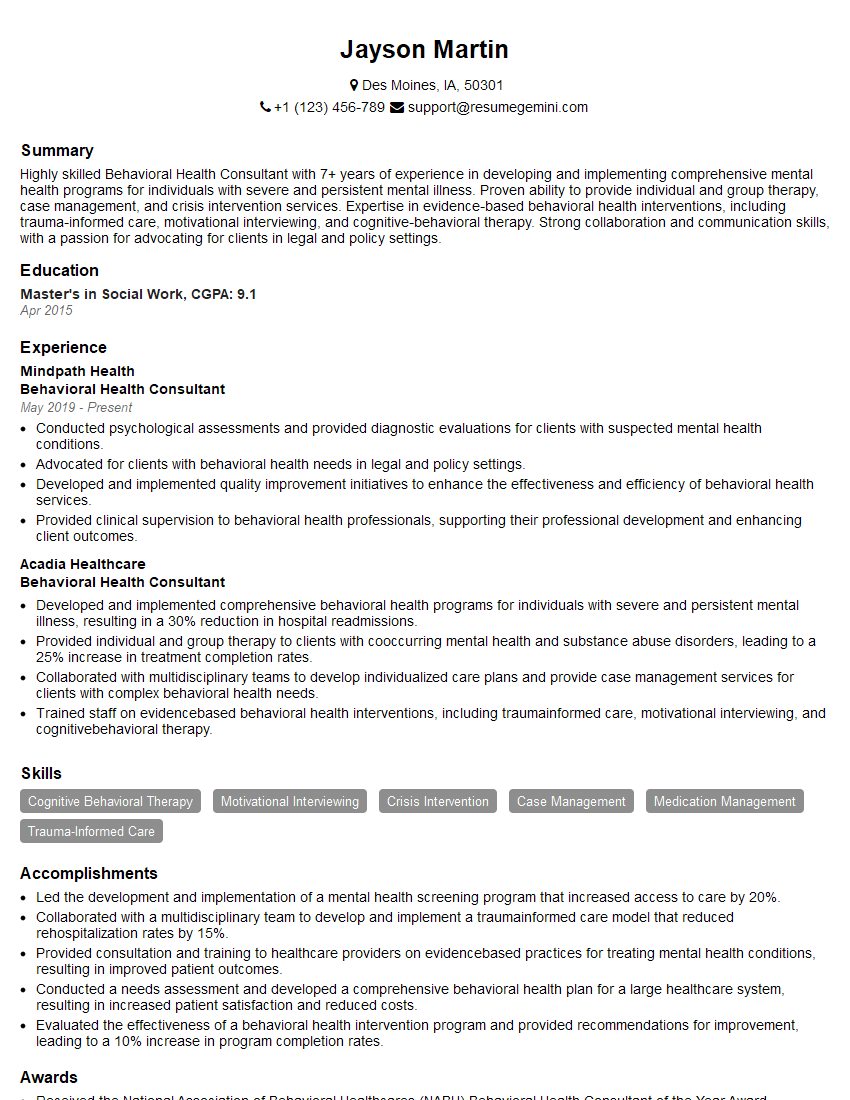
Behavioral Health Consultant Resume Sample
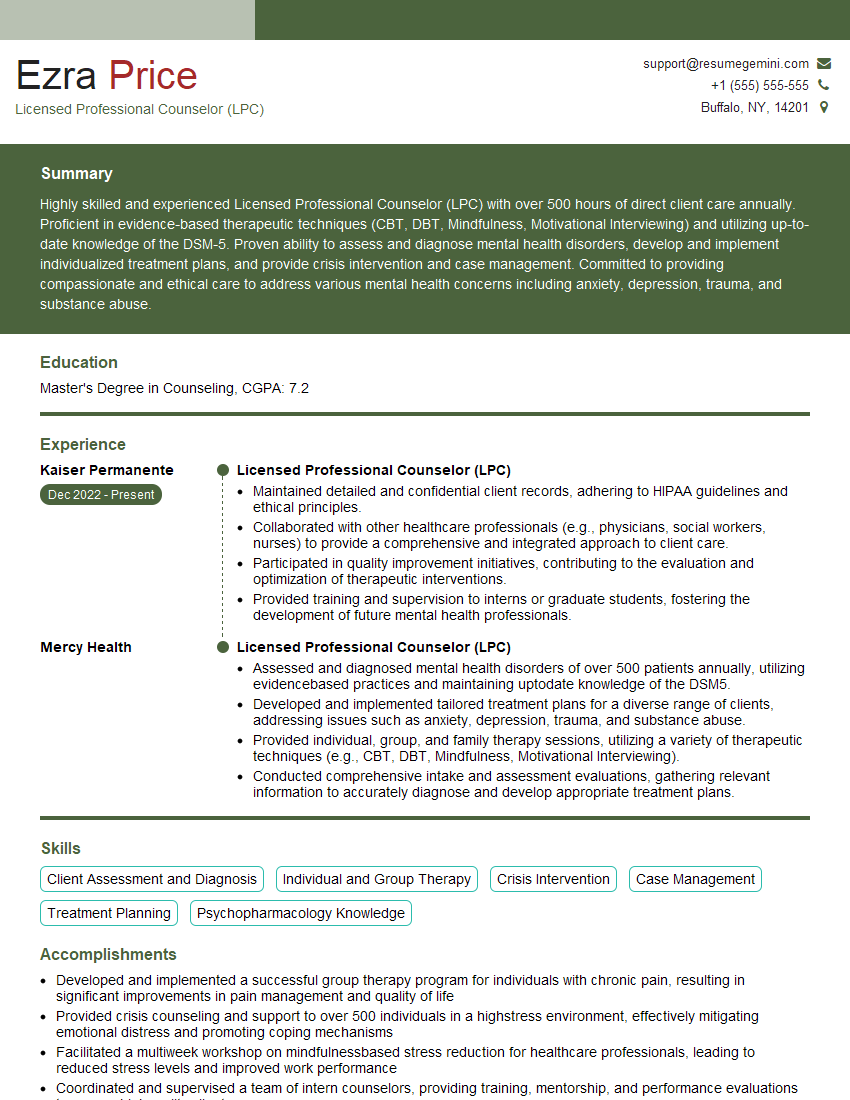
Licensed Professional Counselor (LPC) Resume Sample
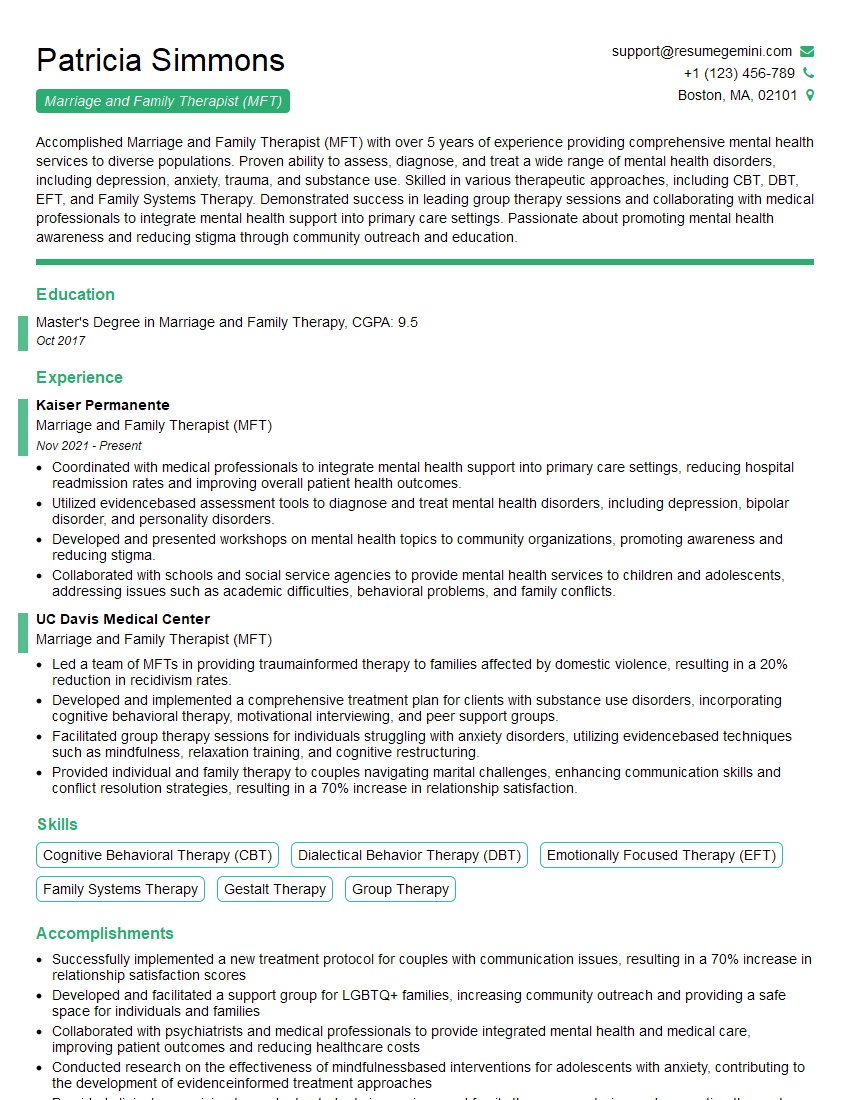
Marriage and Family Therapist (MFT) Resume Sample
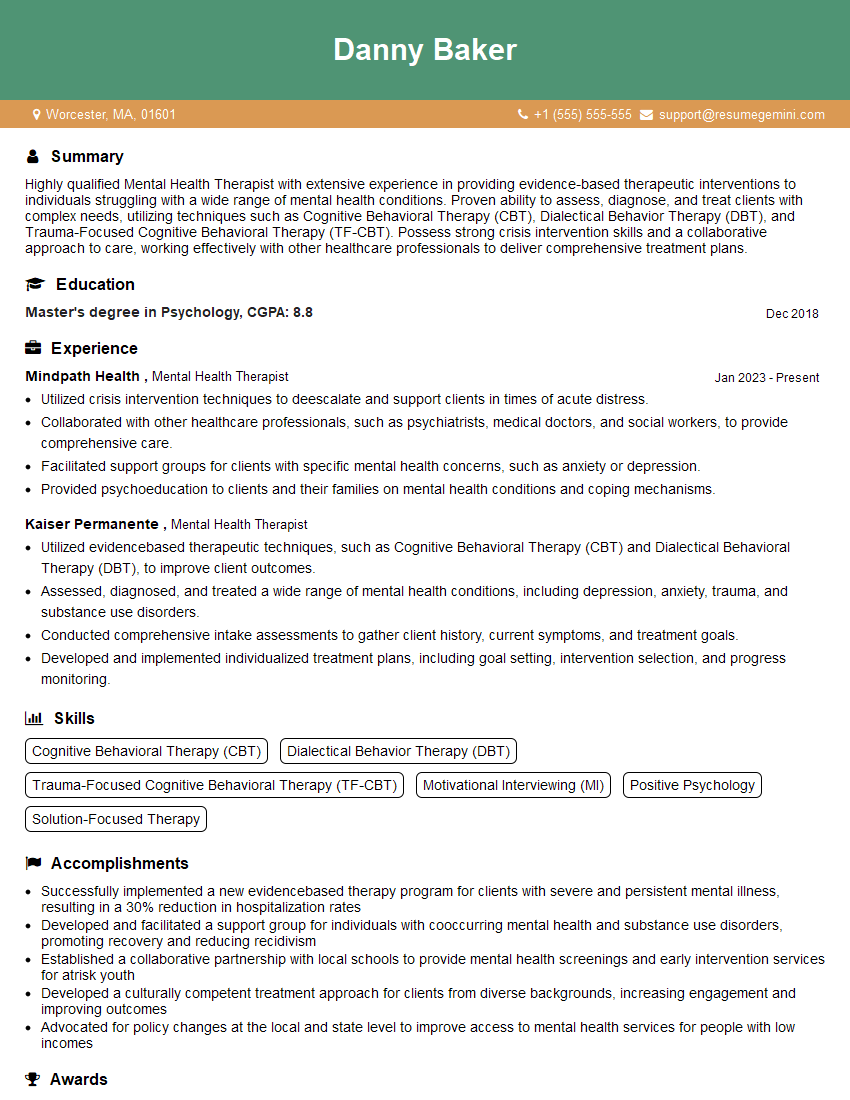
Mental Health Therapist Resume Sample
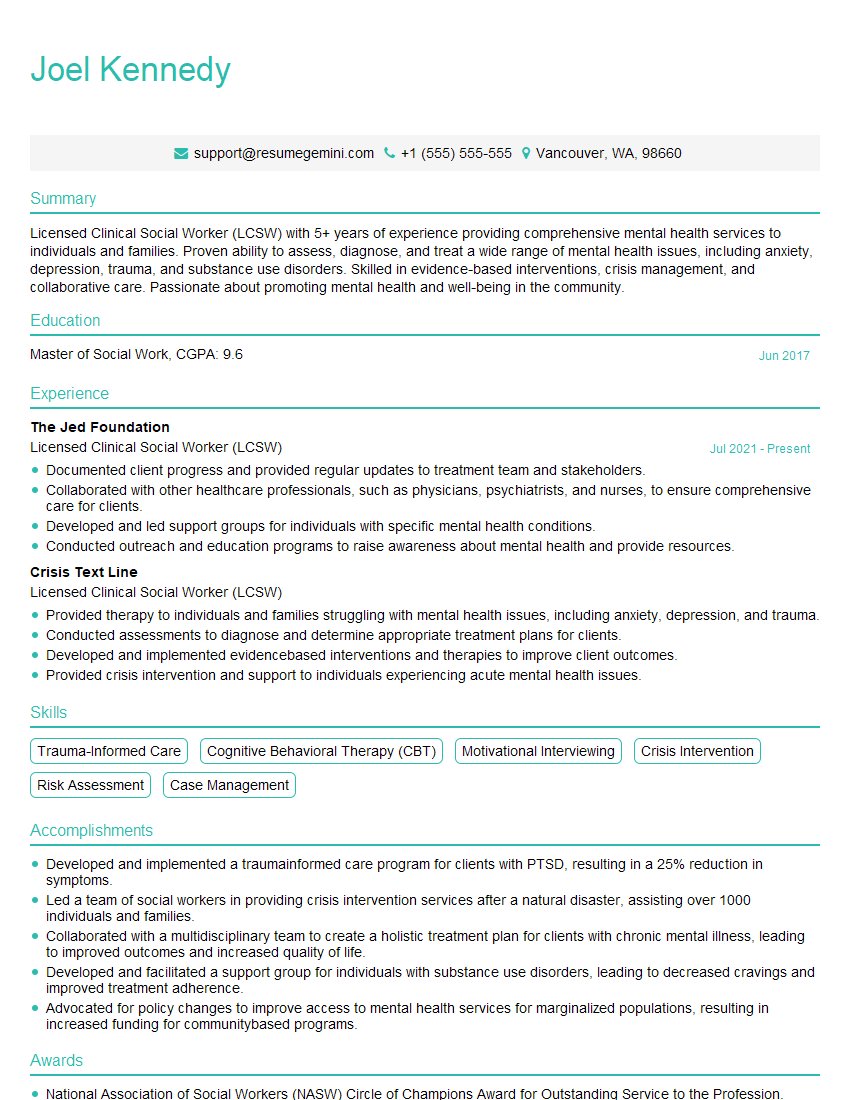
Licensed Clinical Social Worker (LCSW) Resume Sample
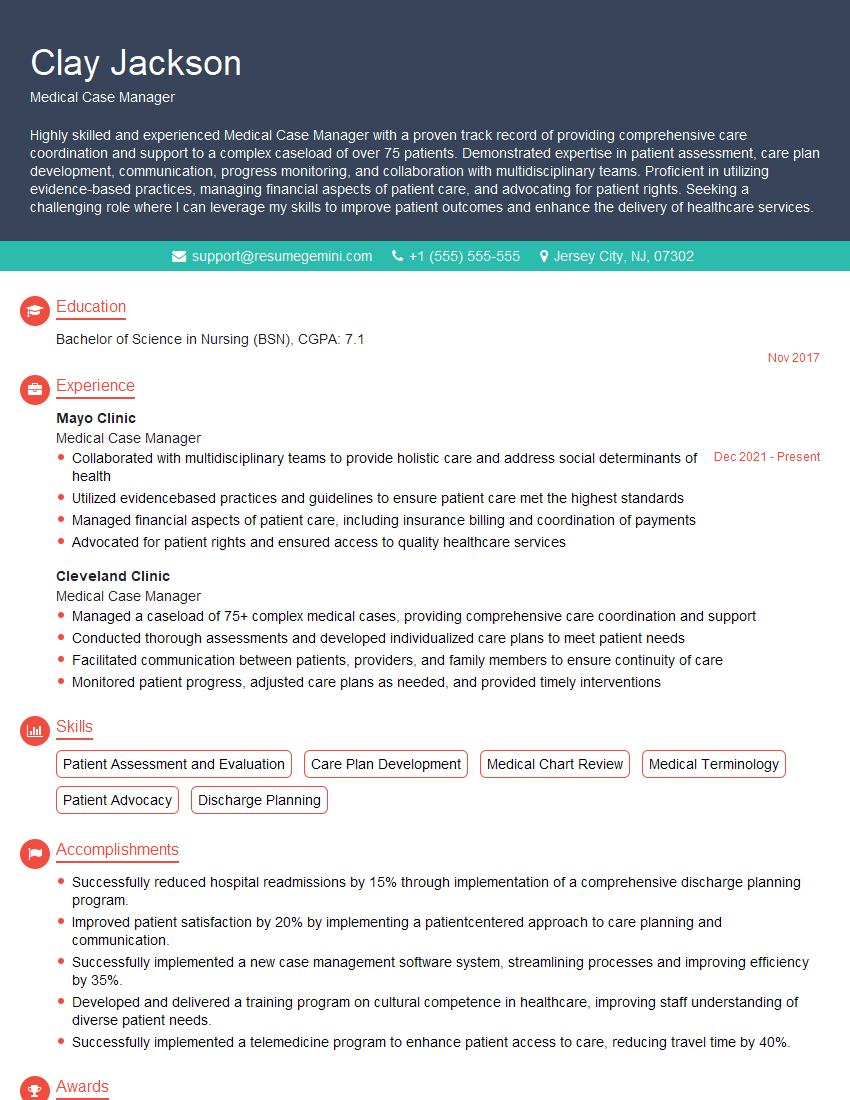
Medical Case Manager Resume Sample
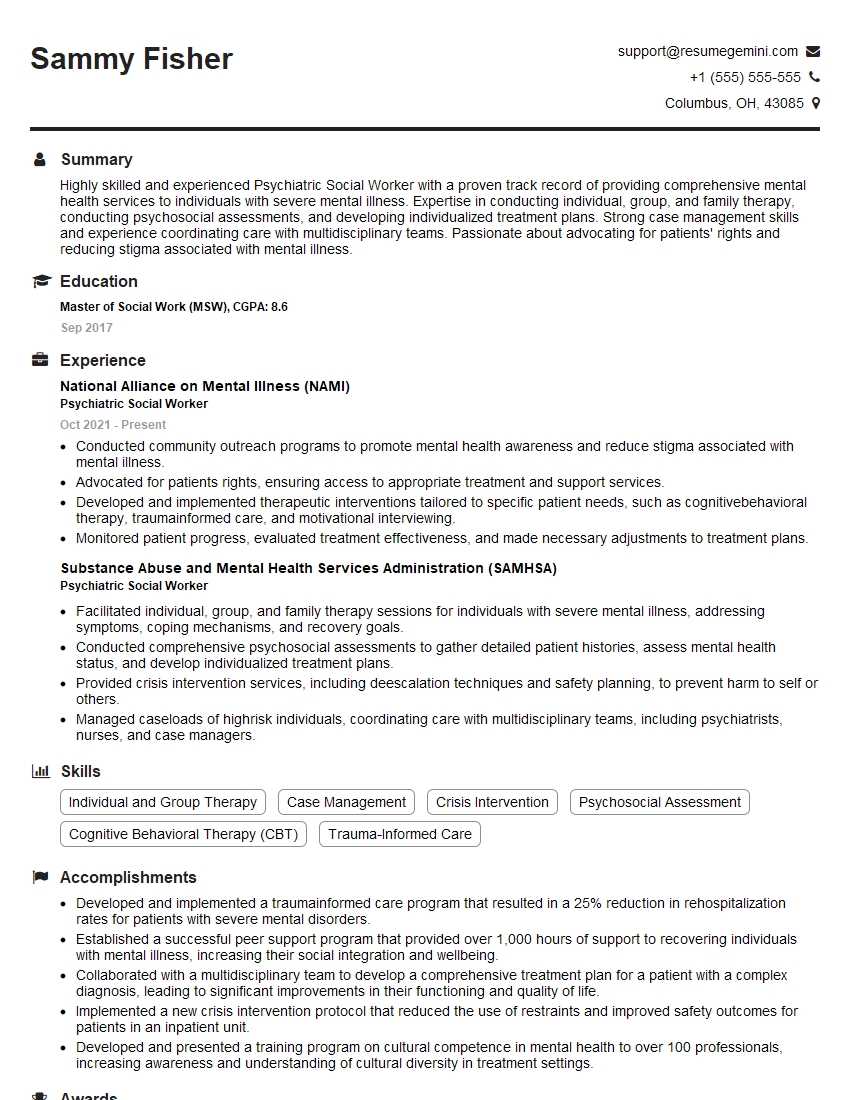
Psychiatric Social Worker Resume Sample
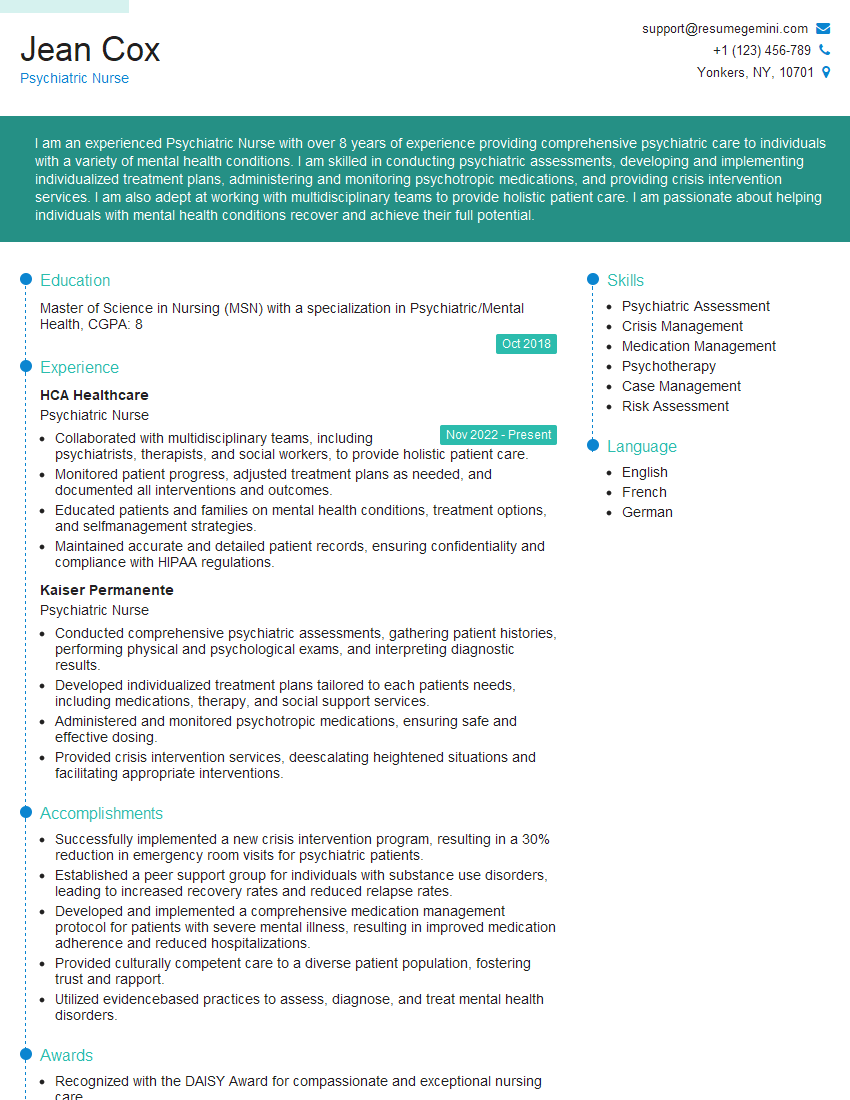
Psychiatric Nurse Resume Sample
Explore more articles
Users Rating of Our Blogs
Share Your Experience
We value your feedback! Please rate our content and share your thoughts (optional).
What Readers Say About Our Blog
To the interviewgemini.com Webmaster.
Very helpful and content specific questions to help prepare me for my interview!
Thank you
To the interviewgemini.com Webmaster.
This was kind of a unique content I found around the specialized skills. Very helpful questions and good detailed answers.
Very Helpful blog, thank you Interviewgemini team.