Preparation is the key to success in any interview. In this post, we’ll explore crucial Collaborative Goal Setting interview questions and equip you with strategies to craft impactful answers. Whether you’re a beginner or a pro, these tips will elevate your preparation.
Questions Asked in Collaborative Goal Setting Interview
Q 1. Describe your process for facilitating collaborative goal setting within a team.
My process for facilitating collaborative goal setting starts with a clear understanding of the team’s context and objectives. I begin by creating a safe and inclusive environment where everyone feels comfortable sharing their ideas. This often involves an initial icebreaker activity to foster connection. Then, I guide the team through a structured process, typically involving these steps:
- Define the overall vision: We collaboratively establish a shared understanding of the team’s purpose and long-term aspirations.
- Identify key areas: We brainstorm key areas needing improvement or opportunities for growth. This is often done using mind mapping or a similar collaborative technique.
- Brainstorm potential goals: We generate a wide range of possible goals related to those key areas. I encourage diverse perspectives and avoid premature judgment.
- Prioritize and refine goals: We evaluate each proposed goal based on factors like feasibility, impact, and alignment with the overall vision. This process usually involves discussions, voting, or ranking exercises.
- Develop SMART goals: We refine the prioritized goals, ensuring they are Specific, Measurable, Achievable, Relevant, and Time-bound (SMART). This makes tracking progress and celebrating success much easier.
- Assign ownership and accountability: We clarify roles and responsibilities for each goal, ensuring clear ownership and accountability.
- Create an action plan: We outline specific steps, timelines, and resources needed to achieve each goal.
- Regular check-ins: Finally, we schedule regular check-in meetings to track progress, address challenges, and make necessary adjustments.
This structured approach ensures everyone’s voice is heard and contributes to a shared sense of ownership over the team’s goals.
Q 2. How do you handle conflicting priorities during collaborative goal setting?
Conflicting priorities are inevitable during collaborative goal setting. My approach involves a structured prioritization process that focuses on transparency and collaboration. First, I encourage open discussion of all priorities, ensuring everyone understands the rationale behind each one. Then, I guide the team through a prioritization framework. Techniques include:
- MoSCoW Method: Categorizing goals as Must have, Should have, Could have, and Won’t have. This helps clarify essential versus desirable goals.
- Prioritization Matrix: Using a matrix that plots goals against criteria like impact and effort, allowing for visual prioritization.
- Weighted Scoring: Assigning weights to different criteria (impact, urgency, feasibility) and scoring each goal accordingly.
The key is to find a system that the team agrees upon and feels comfortable using. Sometimes, compromise is necessary. This might involve breaking down larger goals into smaller, more manageable ones or adjusting timelines. The goal is to reach a consensus that balances conflicting priorities while maintaining the team’s overall objectives.
Q 3. Explain a time you successfully mediated disagreements during a goal-setting session.
During a goal-setting session for a marketing team, two individuals had strongly opposing views on the focus of our upcoming campaign. One advocated for a social media-centric approach, while the other pushed for a more traditional print-based strategy. The disagreement was becoming quite heated. I intervened by first acknowledging the validity of both perspectives. Then, I facilitated a structured discussion, guiding them to identify the underlying reasons for their preferences. It turned out their concerns stemmed from differing analyses of target audience demographics. I suggested we investigate further, and we collaboratively organized a quick market research project to gather more data. By working together to gather factual information, they found common ground, leading to a blended strategy that integrated both social media and a print component—a far better solution than either had originally proposed. The data-driven approach not only resolved the conflict but also strengthened team collaboration and trust.
Q 4. What techniques do you use to ensure all team members actively participate in goal setting?
Ensuring active participation from all team members is crucial. I employ a variety of techniques to achieve this, tailored to the specific team dynamics:
- Round-robin brainstorming: Giving each member a chance to share their ideas without interruption, fostering a sense of equal contribution.
- Nominal group technique: Individuals silently write down their ideas, then share and discuss as a group, avoiding dominance by vocal members.
- Visual aids and collaborative tools: Using whiteboards, online collaboration platforms, or mind-mapping software to engage visual learners and facilitate easy sharing of ideas.
- Active listening and encouraging participation: Creating a safe space where members feel comfortable sharing their thoughts and concerns. I actively encourage quiet members to participate, making sure to value everyone’s input.
- Rotating facilitation: Involving different team members in leading certain parts of the goal-setting process to encourage leadership development and shared responsibility.
By using diverse methods and creating a supportive environment, I can ensure that all team members contribute actively and feel valued during the goal-setting process.
Q 5. How do you measure the effectiveness of collaboratively set goals?
Measuring the effectiveness of collaboratively set goals requires a multi-faceted approach. It’s not enough to simply check if goals were met; we need to assess the impact and process. My approach includes:
- Regular progress tracking: Using dashboards, spreadsheets, or project management software to monitor progress against established metrics.
- Qualitative feedback: Gathering feedback through surveys, team meetings, or one-on-one conversations to understand the team’s perspective on the goal-setting process and its outcomes.
- Key performance indicators (KPIs): Establishing specific, measurable KPIs aligned with each goal to quantify progress and measure success.
- Post-project reviews: Conducting thorough reviews once goals are achieved (or not achieved) to identify successes, lessons learned, and areas for improvement in future goal-setting cycles.
By using a combination of quantitative and qualitative methods, I get a comprehensive understanding of how effectively the collaboratively set goals were achieved and the overall effectiveness of the process itself. This feedback is essential for iterative improvement.
Q 6. How do you adapt your goal-setting approach to different team dynamics?
Adapting my approach to different team dynamics is crucial. I observe team dynamics closely before and during the goal-setting process. This involves considering aspects like:
- Team size and structure: Adjusting my methods to suit the scale and organizational structure of the team.
- Communication styles: Understanding the team’s preferred communication style (e.g., direct, indirect, formal, informal) to tailor my approach.
- Levels of experience and expertise: Differentiating the level of guidance and involvement needed depending on team members’ experience.
- Existing relationships: Assessing the pre-existing relationships within the team to address any potential conflicts or power dynamics.
For example, a highly experienced, independent team might benefit from a more streamlined, less structured approach, while a newer team may require more guidance and support. Flexibility and adaptability are key to ensuring that the goal-setting process is effective and inclusive for all team members, regardless of their backgrounds or experiences.
Q 7. Describe your experience using collaborative goal-setting frameworks (e.g., SMART goals).
I have extensive experience using the SMART goals framework (Specific, Measurable, Achievable, Relevant, and Time-bound) and other goal-setting frameworks in collaborative settings. The SMART framework provides a concrete structure to ensure goals are well-defined and easily tracked. For example, instead of a vague goal like “improve customer satisfaction,” a SMART goal might be: “Increase customer satisfaction scores by 15% within the next quarter, as measured by our post-purchase survey, by implementing a new customer feedback system and improving our response time to customer inquiries.” Example: Increase customer satisfaction scores (measurable) by 15% (specific) within the next quarter (time-bound), by implementing a new customer feedback system and improving our response time to customer inquiries (achievable, relevant).
Beyond SMART goals, I’ve also successfully applied other frameworks such as OKRs (Objectives and Key Results) and Agile methodologies to collaborative goal setting, adapting them as needed to the specific context. The choice of framework depends heavily on the team’s size, structure, and the complexity of the objectives. The important point is to always select a framework that promotes transparency, accountability, and shared ownership among team members.
Q 8. How do you ensure that collaboratively set goals are aligned with overall organizational objectives?
Aligning collaboratively set goals with organizational objectives is crucial for success. It prevents teams from working in silos and ensures everyone contributes to the bigger picture. We achieve this through a top-down and bottom-up approach. First, we start with clearly defined organizational objectives, breaking them down into smaller, more manageable strategic goals. Then, we engage teams in a facilitated workshop where we discuss how their work contributes to those strategic goals. We use a visual tool like a goal mapping exercise to show the connections. For example, if the overarching organizational objective is to increase market share by 15%, we might break that down into improving customer satisfaction (team A’s goal), launching a new product line (team B’s goal), and enhancing digital marketing (team C’s goal). Each team’s goals are then directly linked to the higher-level strategic goal, ensuring alignment.
This process isn’t just a one-time exercise; we regularly revisit the alignment during progress reviews to identify any deviations and make necessary adjustments. We also use a robust reporting system that tracks progress towards both team and organizational objectives, ensuring transparency and accountability.
Q 9. How do you manage the expectations of stakeholders involved in collaborative goal setting?
Managing stakeholder expectations is key to successful collaborative goal setting. Transparency and consistent communication are paramount. We start by clearly defining roles and responsibilities for each stakeholder group. This clarifies who is responsible for what and minimizes confusion. Regular updates on progress are vital. We use a combination of formal presentations, informal check-ins, and visual dashboards to keep stakeholders informed about progress, challenges, and any necessary adjustments to the plan. We also foster open dialogue; creating a safe space for stakeholders to voice their concerns and suggestions. This proactive approach minimizes surprises and helps build consensus around goals.
For instance, if a stakeholder anticipates a certain level of resource allocation, and that’s not possible, we address it upfront, explaining the constraints and exploring alternative solutions collaboratively. This honest and transparent approach builds trust and manages expectations effectively.
Q 10. What are some common challenges you’ve encountered during collaborative goal setting, and how did you overcome them?
One common challenge is overcoming differing priorities among team members. In one project, we had conflicting viewpoints between the marketing and sales teams regarding the target audience for a new product. To address this, we facilitated a joint workshop using a ‘prioritization matrix’ to objectively compare the value and feasibility of different options. This helped highlight the common ground and find mutually acceptable goals.
Another challenge is the lack of commitment from some team members. We tackle this through participatory goal setting, ensuring that every member feels ownership of the goals. This includes actively involving them in the goal-setting process and providing them with the resources and support they need to succeed. We also emphasize the importance of celebrating successes to build motivation and engagement.
Q 11. How do you incorporate feedback effectively into the collaborative goal-setting process?
Incorporating feedback effectively is about creating a culture of continuous improvement. We establish clear channels for feedback, such as regular team meetings, surveys, and individual check-ins. We actively solicit feedback at multiple stages of the goal-setting process – during goal definition, planning, execution, and review. Feedback is not just collected, it’s analyzed and acted upon. We use a structured feedback mechanism, perhaps a simple feedback form, to ensure we capture relevant information. Then, we prioritize the feedback based on impact and feasibility.
For example, if the feedback suggests a goal is unrealistic, we might revise the target or timeline. This iterative process ensures that the collaboratively set goals are dynamic and responsive to real-time input, reflecting the evolving needs and insights of the team and stakeholders.
Q 12. How do you ensure that collaboratively set goals remain relevant and adaptable over time?
Keeping collaboratively set goals relevant and adaptable requires a proactive approach. Regular reviews and adjustments are crucial. We schedule periodic review meetings (e.g., monthly or quarterly) to assess progress and address any changes in the environment. This includes considering internal factors like resource availability and team capacity, and external factors like market trends and competitive pressures.
We use a flexible goal-setting framework that allows for adjustments without undermining the overall objectives. For instance, we might use a ‘rolling forecast’ approach, where we regularly update our goals for the next quarter, based on past performance and current predictions. This ensures that the goals remain aligned with current realities and challenges.
Q 13. Explain your experience with using tools or technologies to support collaborative goal setting.
I have extensive experience using various tools and technologies to support collaborative goal setting. We utilize project management software like Asana or Trello for task management, progress tracking, and communication. These platforms facilitate real-time collaboration, allowing team members to update their progress, share documents, and communicate effectively. We also use collaborative goal-setting software such as (insert a few popular examples here, avoiding specific brand mentions to remain general). These tools help visualize goals, track progress, and facilitate discussions among team members.
Furthermore, we use visual collaboration tools like Miro or Mural for brainstorming sessions, goal mapping, and strategic planning. These platforms allow for interactive sessions, promoting engagement and participation. The choice of technology depends on the project’s complexity, team size, and preferences.
Q 14. How do you balance individual goals with team goals in a collaborative setting?
Balancing individual goals with team goals requires a thoughtful approach. We ensure alignment by first clearly defining team objectives and then encouraging individuals to identify how their personal goals contribute to those objectives. This involves a structured discussion where individual aspirations are mapped against team goals. For instance, if a team goal is to improve customer satisfaction, an individual might set a personal goal to improve their communication skills or product knowledge, thereby directly supporting the team’s objective.
We encourage individual goal setting using a SMART framework (Specific, Measurable, Achievable, Relevant, Time-bound), ensuring that these individual goals are both ambitious and supportive of the larger team goals. We also emphasize the importance of open communication and mutual support within the team. Regular check-ins and feedback sessions help maintain alignment and address any conflicts or discrepancies that may arise.
Q 15. How do you motivate team members to commit to collaboratively set goals?
Motivating team members to commit to collaboratively set goals requires fostering a sense of ownership and shared purpose. It’s not just about assigning tasks; it’s about creating a collective vision.
- Involve everyone in the process: From brainstorming initial ideas to prioritizing and defining specific, measurable, achievable, relevant, and time-bound (SMART) goals, ensure every team member has a voice. This creates buy-in and a sense of shared responsibility.
- Highlight the benefits: Clearly articulate how achieving these goals will benefit each team member and the organization as a whole. Connect the goals to individual career aspirations and team success metrics.
- Use collaborative tools: Employ platforms that facilitate shared document editing, goal tracking, and progress updates. This transparency promotes accountability and makes collaboration more seamless.
- Celebrate successes: Regularly acknowledge milestones reached and recognize individual contributions. This positive reinforcement motivates continued engagement and commitment.
- Address concerns proactively: Create a safe space for team members to voice concerns or challenges. Addressing these issues promptly helps prevent frustration and maintains momentum.
For example, in a marketing team, collaboratively setting goals for a new product launch might involve each team member defining their specific contributions and how their success ties directly to the overall launch goals. Regular check-ins and celebrations of successful milestones reinforce commitment throughout the process.
Career Expert Tips:
- Ace those interviews! Prepare effectively by reviewing the Top 50 Most Common Interview Questions on ResumeGemini.
- Navigate your job search with confidence! Explore a wide range of Career Tips on ResumeGemini. Learn about common challenges and recommendations to overcome them.
- Craft the perfect resume! Master the Art of Resume Writing with ResumeGemini’s guide. Showcase your unique qualifications and achievements effectively.
- Don’t miss out on holiday savings! Build your dream resume with ResumeGemini’s ATS optimized templates.
Q 16. Describe a time when collaboratively set goals were not met. What were the contributing factors?
In a previous project, a cross-functional team failed to meet its collaboratively set goals for developing a new software feature. Several factors contributed to this outcome:
- Unclear roles and responsibilities: While we established overall goals, the individual roles and responsibilities were not clearly defined, leading to confusion and duplicated efforts.
- Insufficient communication: Team members lacked sufficient communication channels and opportunities for regular updates, causing critical issues to go unnoticed until late in the project lifecycle.
- Lack of accountability: While goals were set collaboratively, the mechanisms for tracking progress and holding individuals accountable were weak. This resulted in missed deadlines and unmet objectives.
- Scope creep: The initial goals were not sufficiently specific, and new, unprioritized tasks kept being added, stretching the team’s resources too thin.
- External factors: Unexpected delays from third-party vendors also impacted the project timeline and contributed to the team not meeting its goals.
This experience highlighted the importance of clear communication, well-defined roles, robust accountability mechanisms, and a well-defined scope to prevent similar setbacks in future collaborative projects.
Q 17. How do you document and track progress towards collaboratively set goals?
Documenting and tracking progress towards collaboratively set goals is crucial for maintaining transparency and accountability. I utilize a multi-faceted approach:
- Centralized Goal Document: A shared document (e.g., Google Doc, Confluence page) outlines the goals, individual responsibilities, milestones, deadlines, and key performance indicators (KPIs).
- Progress Tracking Tools: Project management software (e.g., Asana, Trello, Jira) is used to assign tasks, monitor progress, and track deadlines. Visual dashboards can help teams see the overall progress at a glance.
- Regular Check-ins: Regular team meetings (weekly or bi-weekly) are held to discuss progress, address roadblocks, and make necessary adjustments to plans.
- Progress Reports: Formal progress reports are created periodically to share updates with stakeholders and to identify areas that require attention.
For example, using a project management tool, each task contributing to a collaborative goal can be assigned to a team member, its progress visually represented, and deadlines automatically flagged. This allows for real-time monitoring and identification of potential roadblocks.
Q 18. How do you handle situations where team members are resistant to collaborative goal setting?
Resistance to collaborative goal setting often stems from a lack of understanding, fear of change, or past negative experiences. Addressing this requires empathy and a strategic approach:
- Understand the resistance: Openly communicate with resistant individuals to understand their concerns. Are they feeling overwhelmed, lacking the necessary skills, or unsure of their role in the process?
- Address concerns directly: Once the root cause of resistance is identified, address it directly and collaboratively. Provide training, resources, or mentorship as needed.
- Emphasize the benefits: Reiterate how collaborative goal setting can benefit the individual and the team, such as increased autonomy, shared responsibility, and a sense of accomplishment.
- Involve them in the process: Actively involve the resistant individuals in the goal-setting process to provide them with a sense of ownership and control.
- Demonstrate success: Show how collaborative goal setting has successfully worked in past projects to build trust and confidence.
If resistance persists, consider seeking mediation from a neutral third party to facilitate open communication and conflict resolution.
Q 19. How do you ensure accountability for collaboratively set goals?
Accountability is built into the collaborative goal-setting process from the start. It’s not about blame but about shared responsibility and continuous improvement:
- Clearly Defined Roles and Responsibilities: Each team member should have a clear understanding of their specific contributions and how their work contributes to the overall goals.
- Regular Progress Reviews: Regular check-ins and progress reports ensure everyone is on track and address potential issues before they escalate.
- Transparent Communication: Open and honest communication keeps everyone informed about progress and challenges.
- Performance Metrics: Track progress against clearly defined KPIs to measure success and identify areas for improvement.
- Feedback Mechanisms: Establish a system for regular feedback, both among team members and between the team and management.
For example, using a project management tool with progress tracking features, each team member’s contributions to the goal can be directly measured and monitored, allowing for transparency and timely identification of performance gaps.
Q 20. What are the key differences between individual and collaborative goal setting?
The key difference between individual and collaborative goal setting lies in the involvement and shared responsibility:
- Individual Goal Setting: Focuses on individual objectives, performance, and development. The goals are primarily driven by individual aspirations and aligned with broader organizational objectives.
- Collaborative Goal Setting: Focuses on shared objectives and requires teamwork, communication, and shared responsibility. Goals are collectively defined, prioritized, and tracked, emphasizing synergy and mutual support.
Imagine a sales team: individual goal setting might focus on each salesperson’s individual sales targets. Collaborative goal setting, however, would focus on the team’s overall sales target, along with specific roles and contributions of each team member to reach that collective target. The latter fosters teamwork and shared success.
Q 21. What are the benefits of collaborative goal setting compared to other approaches?
Collaborative goal setting offers several advantages over other approaches:
- Increased Buy-in and Commitment: Team members are more likely to commit to goals they helped create.
- Enhanced Teamwork and Collaboration: The process itself fosters stronger teamwork and communication.
- Improved Problem-Solving: Diverse perspectives contribute to more creative and effective solutions.
- Greater Accountability: Shared responsibility promotes accountability and ownership.
- Increased Motivation and Engagement: Working towards shared goals motivates team members and increases overall job satisfaction.
- Better Results: The synergistic effect of teamwork often leads to superior results.
For instance, a product development team using collaborative goal setting might produce a superior product than one where goals are simply assigned. The collaborative process leverages the team’s collective knowledge and experience, leading to innovative solutions and a higher-quality product.
Q 22. How do you identify the key stakeholders who should participate in collaborative goal setting?
Identifying key stakeholders for collaborative goal setting is crucial for success. It’s not just about who has power, but who has influence and a vested interest in the outcome. My approach is multi-faceted.
- Impact Analysis: I start by mapping out who will be directly affected by the goals. This might include individuals, teams, departments, or even external partners.
- Influence Mapping: Next, I identify those who can influence the achievement of the goals, either positively or negatively. These might be decision-makers, resource controllers, or individuals with significant expertise.
- Stakeholder Engagement Matrix: I use a matrix to categorize stakeholders based on their level of influence and interest. This allows me to prioritize engagement with high-influence, high-interest individuals and groups, while still keeping lower-influence stakeholders informed.
For example, in a project to improve customer satisfaction, stakeholders would include customer service representatives (high influence, high interest), marketing (high influence, moderate interest), and product development (moderate influence, high interest). Ignoring any of these groups would lead to incomplete goals or lack of buy-in.
Q 23. What is your preferred method for prioritizing goals within a collaborative setting?
Prioritizing goals collaboratively requires a structured and transparent process. My preferred method involves a combination of techniques:
- MoSCoW Method: This is a simple yet effective technique. We categorize goals as Must have, Should have, Could have, and Won’t have. This helps the team focus on the most critical goals first.
- Prioritization Matrix: We use a matrix that considers both the value or importance of each goal and the effort required to achieve it. Goals are then plotted on this matrix, allowing for quick identification of high-value, low-effort items that should be prioritized.
- Voting and Discussion: Once goals are identified and categorized, we use a collaborative voting system (e.g., dot voting) to allow each stakeholder to express their preferences. This is followed by an open discussion to address any disagreements and reach consensus.
For instance, if a team is working on a new software release, using the MoSCoW method might prioritize core features as ‘Must have’, while less critical features might be ‘Should have’ or even ‘Could have’ depending on the time constraints and resources.
Q 24. Describe your experience with facilitating goal-setting workshops or meetings.
I have extensive experience facilitating goal-setting workshops and meetings, both in person and virtually. My approach is to create a safe and inclusive environment that encourages open communication and collaboration.
- Structured Agenda: I always start with a well-defined agenda that includes icebreakers, goal identification, prioritization, and action planning.
- Interactive Techniques: I use various interactive techniques such as brainstorming, mind mapping, and visual aids to engage participants and foster creativity.
- Active Listening & Facilitation: My role is to guide the discussion, ensuring everyone has a chance to contribute and that decisions are made collaboratively. I actively manage conflicts and ensure that everyone feels heard.
- Documentation & Follow-up: I ensure that all agreed-upon goals and action plans are clearly documented and shared with all participants after the meeting. I typically schedule a follow-up meeting to monitor progress and address any challenges.
For example, in a recent workshop with a marketing team, we used a mind map to brainstorm potential goals, followed by a dot voting exercise to prioritize them. The resulting goals were then broken down into smaller, actionable steps with assigned owners and deadlines.
Q 25. How do you ensure that collaboratively set goals are specific, measurable, achievable, relevant, and time-bound (SMART)?
Ensuring goals are SMART (Specific, Measurable, Achievable, Relevant, and Time-bound) is paramount. This is achieved through a series of checks and discussions during the collaborative process.
- Specificity: We ensure each goal is clearly defined, leaving no room for ambiguity. Instead of ‘Improve customer satisfaction,’ we’d aim for ‘Increase customer satisfaction scores by 15%’.
- Measurability: We identify quantifiable metrics to track progress. This could involve using key performance indicators (KPIs), surveys, or other data collection methods.
- Achievability: Goals need to be challenging but realistic. We assess resource availability, timelines, and potential obstacles to ensure the goals are attainable.
- Relevance: The goals must align with the organization’s overall strategic objectives and the team’s capabilities.
- Time-bound: Each goal needs a clear deadline. This creates urgency and accountability.
By consistently applying these criteria throughout the process and having open dialogue, we ensure that the collaboratively set goals are actionable and provide a clear path to success.
Q 26. How do you address potential biases during the collaborative goal-setting process?
Addressing potential biases is crucial for fair and effective collaborative goal setting. My strategy involves several steps:
- Awareness and Acknowledgement: We openly acknowledge that biases exist and can influence the goal-setting process. We encourage participants to be mindful of their own biases and those of others.
- Diverse Participation: A diverse group of stakeholders ensures a wider range of perspectives and helps mitigate the impact of any single bias.
- Structured Discussion: Using structured discussion methods, like the nominal group technique, ensures that all voices are heard and prevents dominant personalities from overshadowing others.
- Data-driven Decision Making: Relying on data and evidence helps minimize the influence of subjective opinions and biases.
- Regular Check-ins: Throughout the process, we conduct regular check-ins to identify and address any emerging biases or disagreements.
For example, if a goal-setting session is dominated by senior management’s perspective, I would actively solicit input from junior staff members to ensure a balanced view and avoid overlooking valuable insights.
Q 27. How do you use data and metrics to inform collaborative goal setting?
Data and metrics are essential for informing collaborative goal setting. They provide an objective basis for decision-making and help ensure that the goals are grounded in reality.
- Baseline Data: We begin by collecting baseline data to establish a current state. This provides a benchmark against which progress can be measured.
- Trend Analysis: We analyze historical data to identify trends and patterns. This helps us to anticipate challenges and opportunities.
- KPI Identification: We identify key performance indicators (KPIs) that will be used to track progress toward achieving the goals.
- Data Visualization: We use dashboards and other visual aids to communicate data effectively and promote transparency.
- Regular Reporting & Adjustments: We use data to monitor progress regularly, and make adjustments to goals or strategies as needed based on the insights.
For instance, if a sales team is setting goals for the next quarter, we would review historical sales data, market trends, and competitor analysis to establish a realistic and data-driven target.
Key Topics to Learn for Collaborative Goal Setting Interview
- Defining Shared Goals: Understanding the process of collaboratively defining achievable and measurable goals that align with organizational objectives. This includes techniques for active listening and incorporating diverse perspectives.
- Facilitating Group Discussions: Mastering effective communication strategies to encourage open dialogue, address conflicts constructively, and guide the group toward consensus on goals and action plans.
- Prioritization and Resource Allocation: Learning how to prioritize goals based on impact and feasibility, and effectively allocate resources (time, budget, personnel) to support their achievement.
- Developing Action Plans: Creating detailed, actionable plans that outline specific tasks, responsibilities, timelines, and key performance indicators (KPIs) for monitoring progress.
- Monitoring Progress and Adapting: Implementing strategies for tracking progress against goals, identifying roadblocks, and adapting the action plan as needed to ensure success. This includes understanding agile methodologies and their application in goal setting.
- Measuring Success and Celebrating Achievements: Establishing clear metrics to measure the success of collaborative goals and implementing strategies for recognizing and celebrating team accomplishments. This fosters team morale and encourages future collaboration.
- Conflict Resolution in Goal Setting: Addressing potential conflicts that may arise during the goal-setting process using effective conflict resolution techniques, fostering a collaborative and inclusive environment.
- Utilizing Collaborative Tools and Technologies: Familiarity with project management software and other collaborative tools that support the goal-setting and progress tracking process.
Next Steps
Mastering collaborative goal setting is crucial for career advancement. It demonstrates valuable teamwork, communication, and leadership skills highly sought after by employers. To significantly boost your job prospects, invest time in creating an ATS-friendly resume that showcases these skills effectively. ResumeGemini is a trusted resource that can help you build a compelling and impactful resume. Examples of resumes tailored to highlight Collaborative Goal Setting expertise are available through ResumeGemini to help guide your own creation. Take this opportunity to refine your resume and present yourself as the ideal candidate.
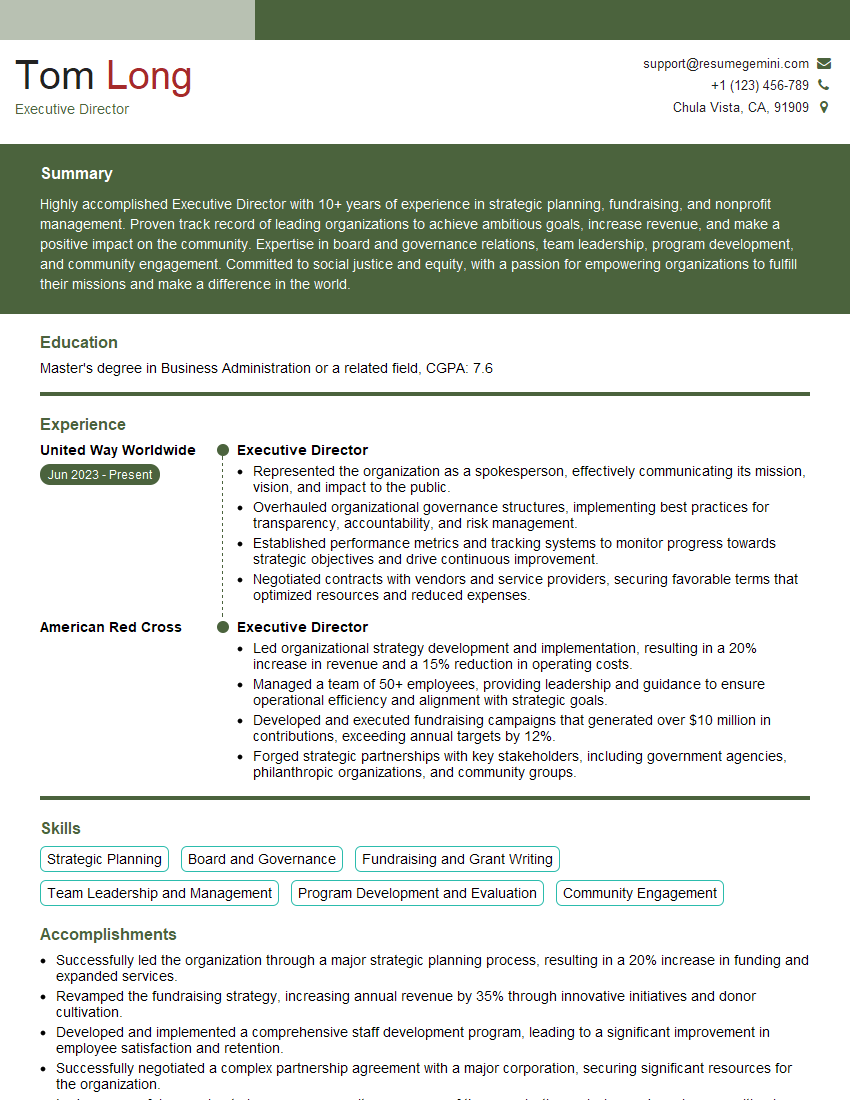
Executive Director Resume Sample
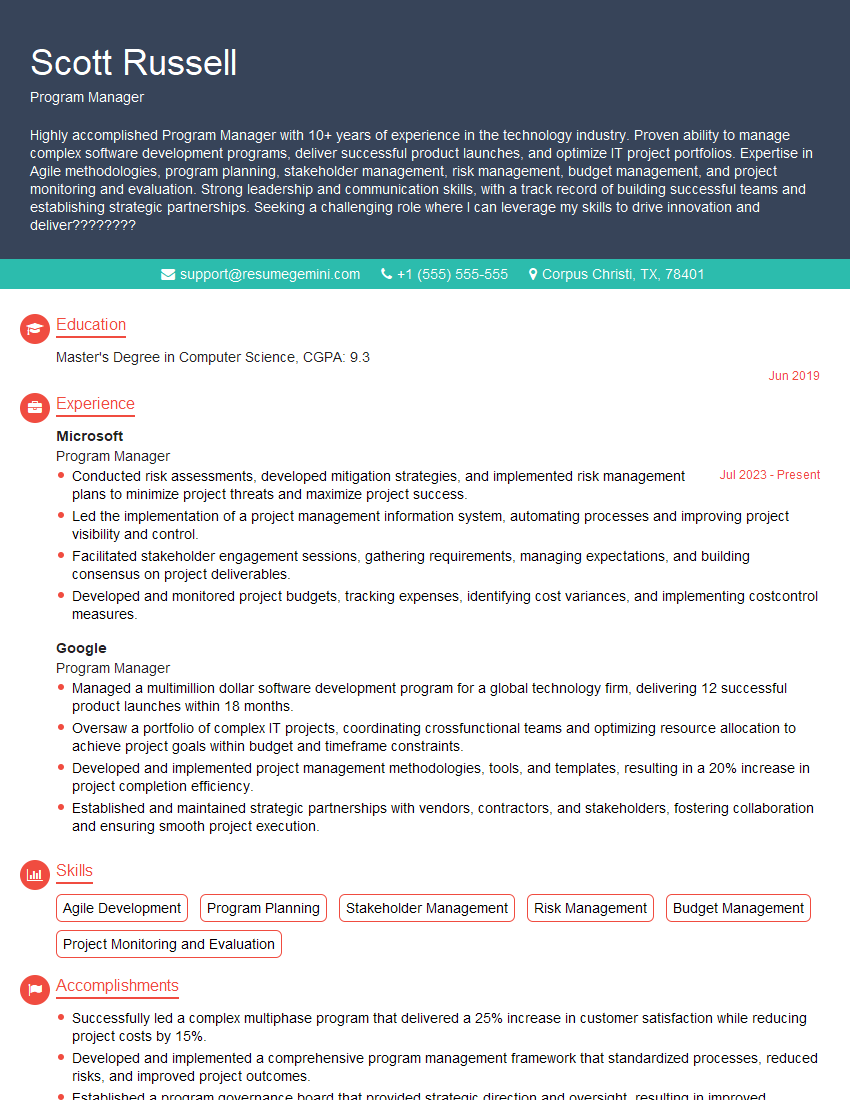
Program Manager Resume Sample
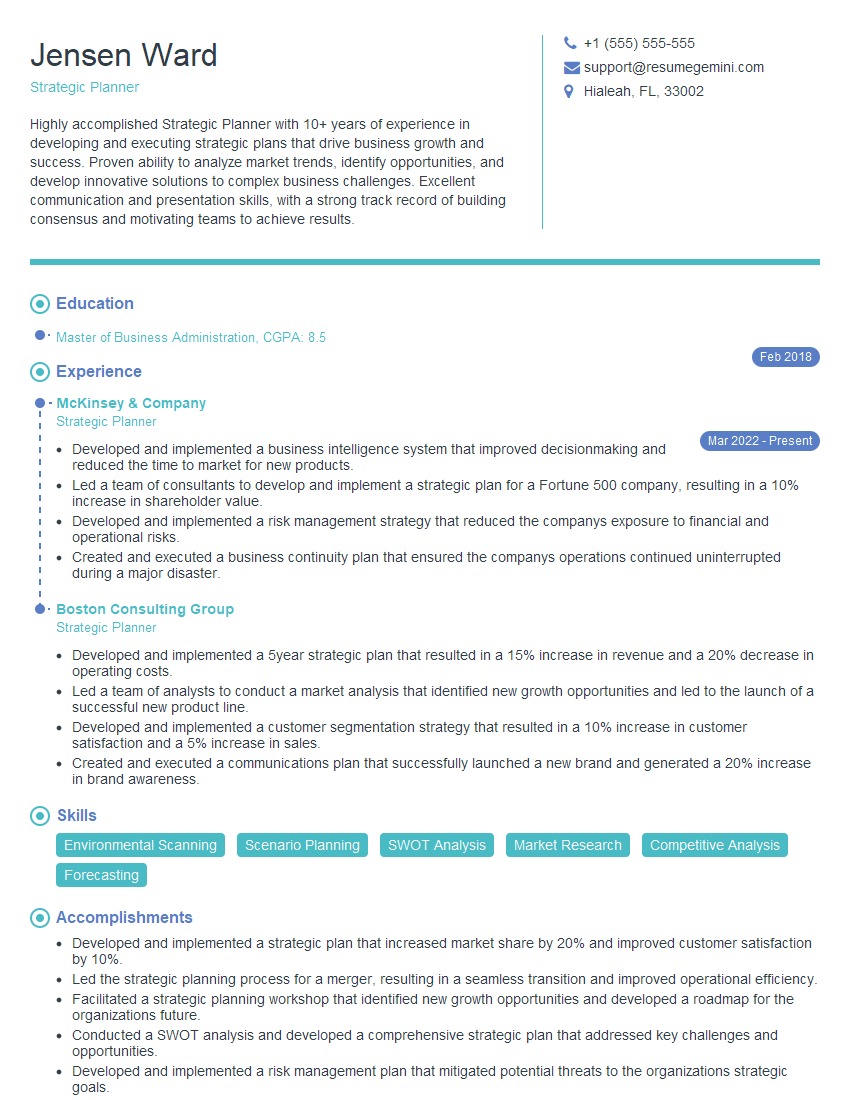
Strategic Planner Resume Sample

Operations Manager Resume Sample
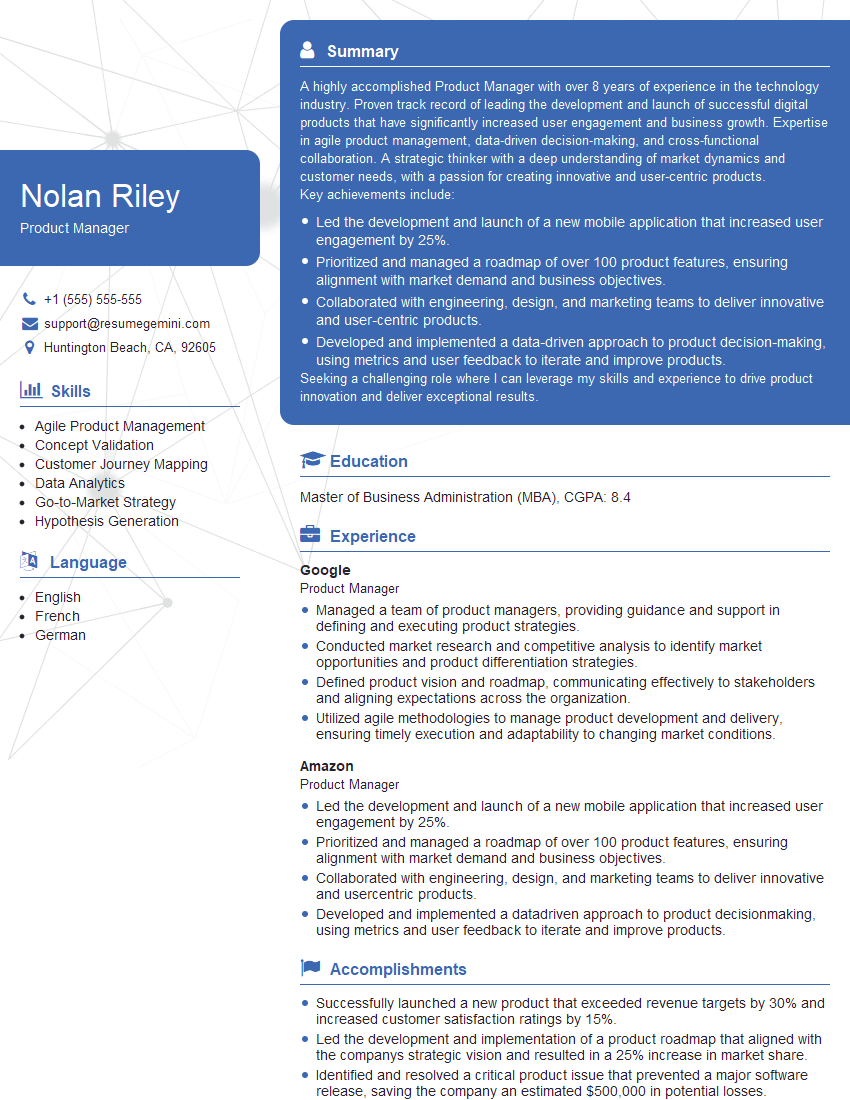
Product Manager Resume Sample
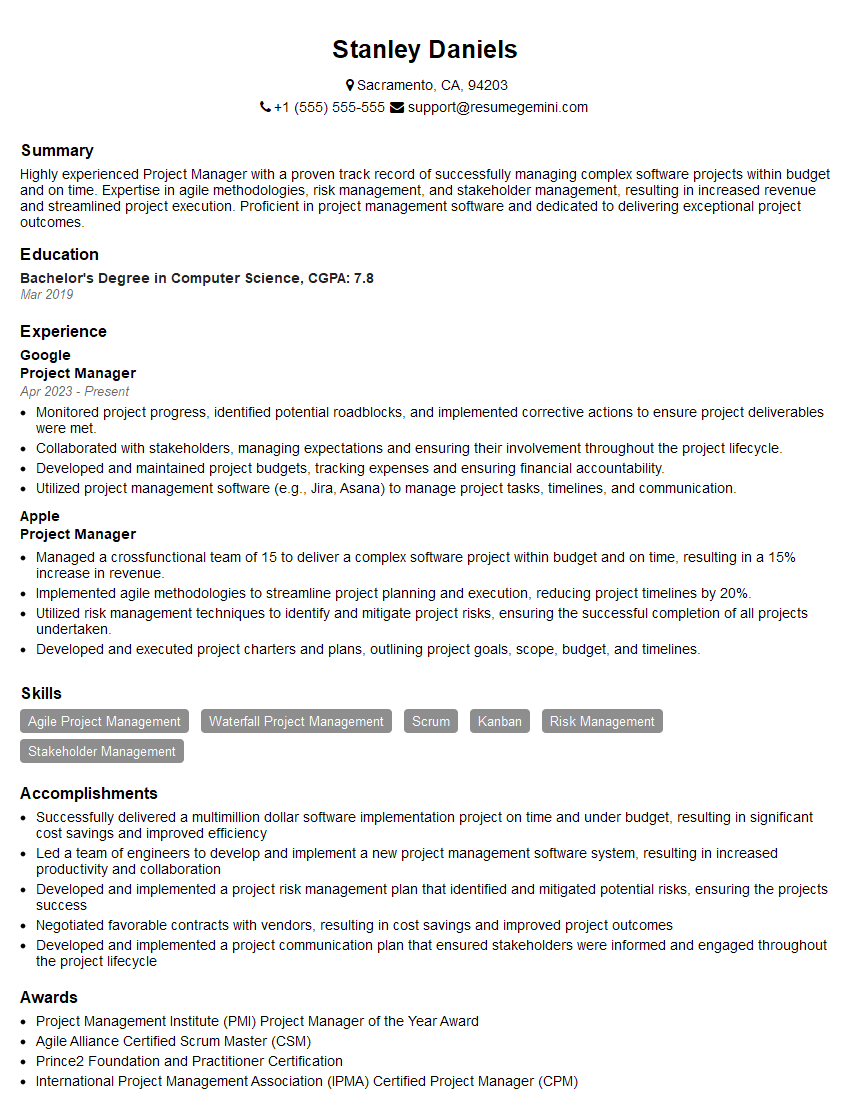
Project Manager Resume Sample
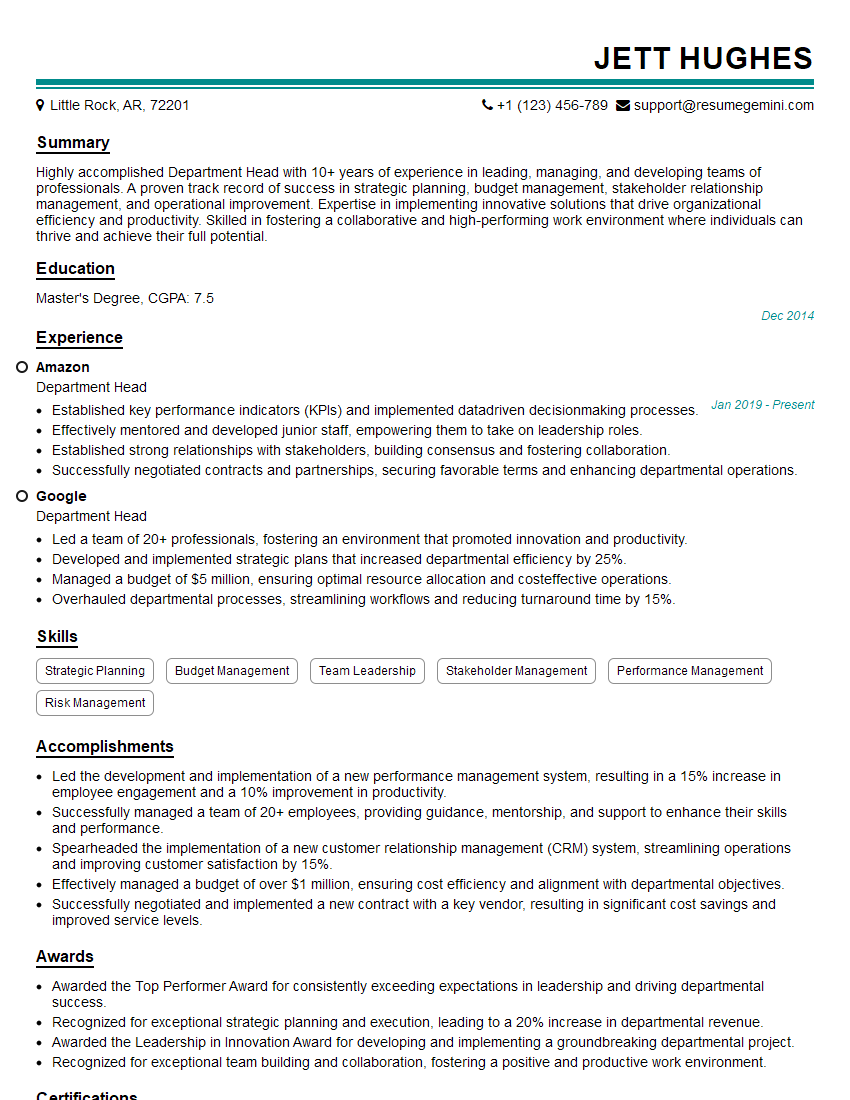
Department Head Resume Sample
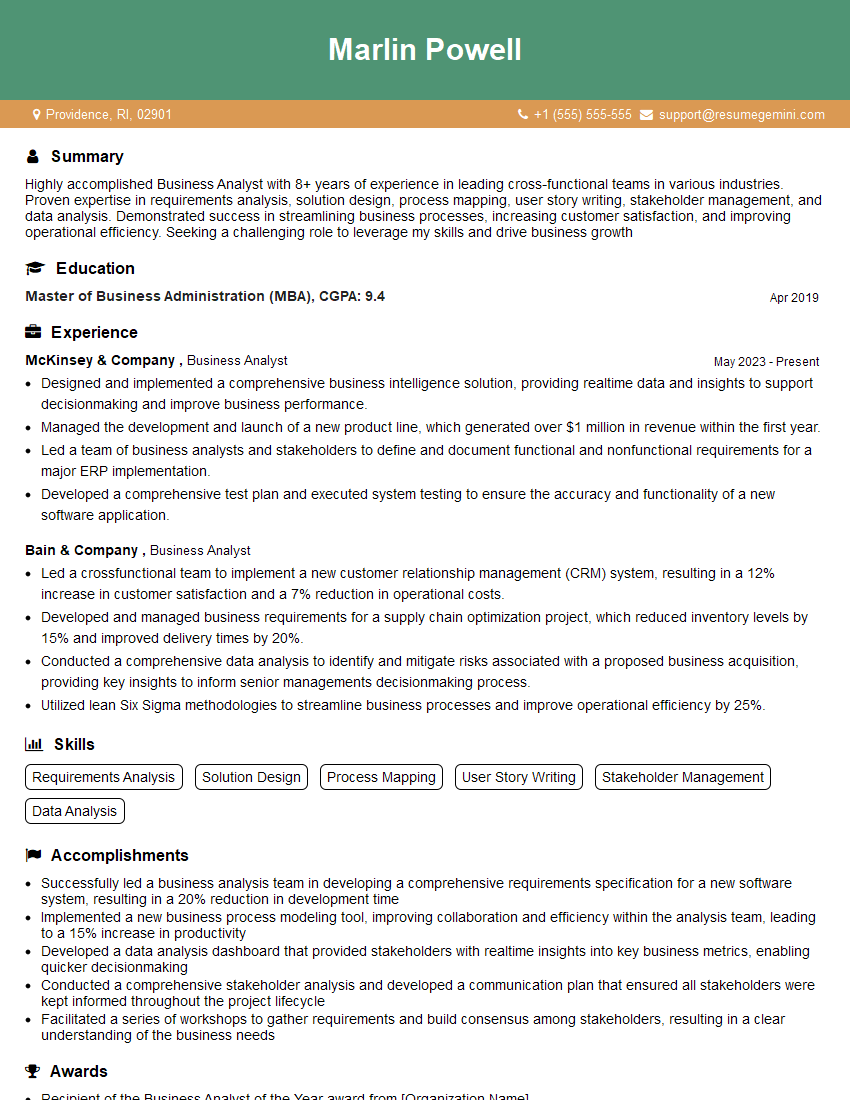
Business Analyst Resume Sample
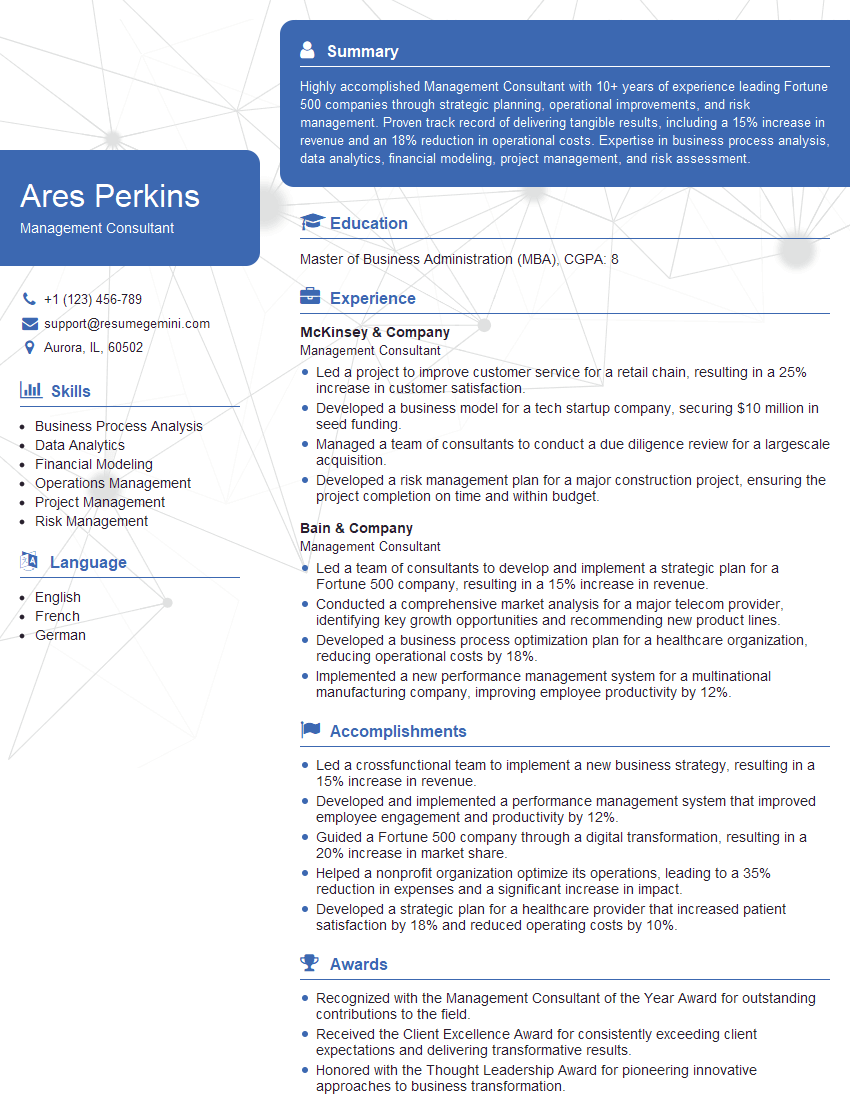
Management Consultant Resume Sample
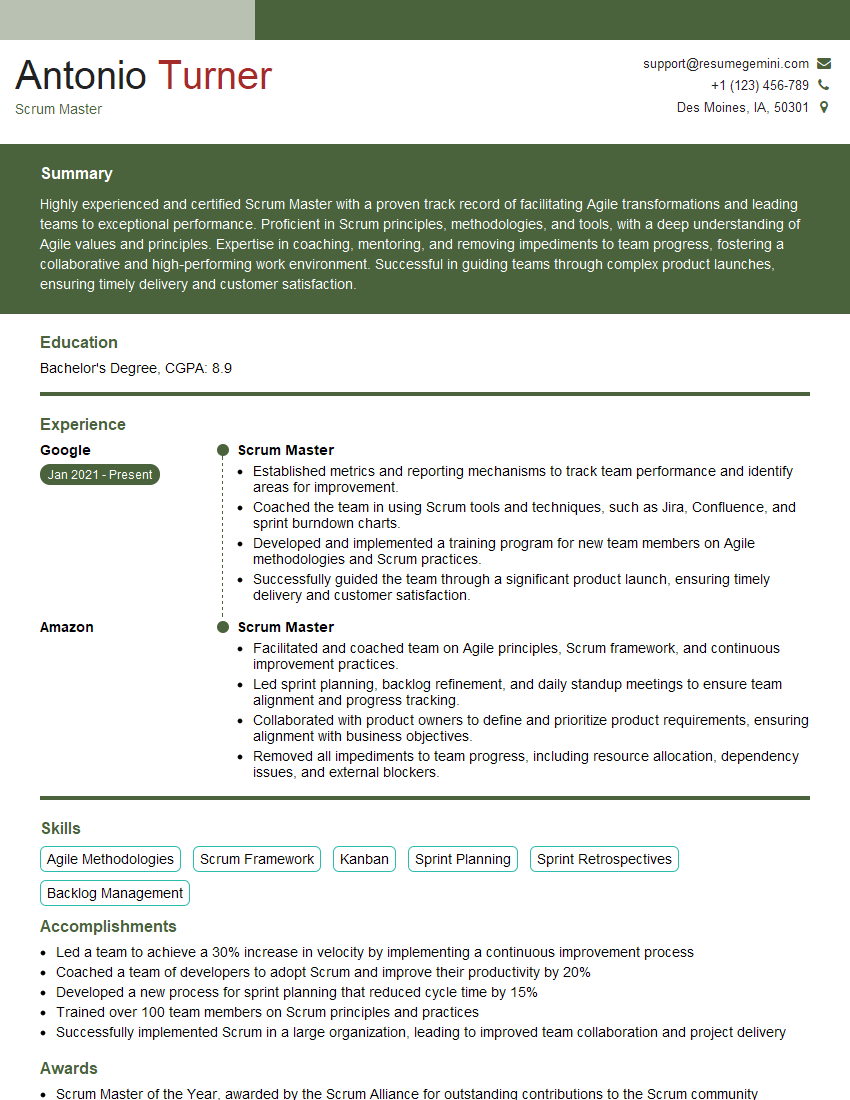
Scrum Master Resume Sample
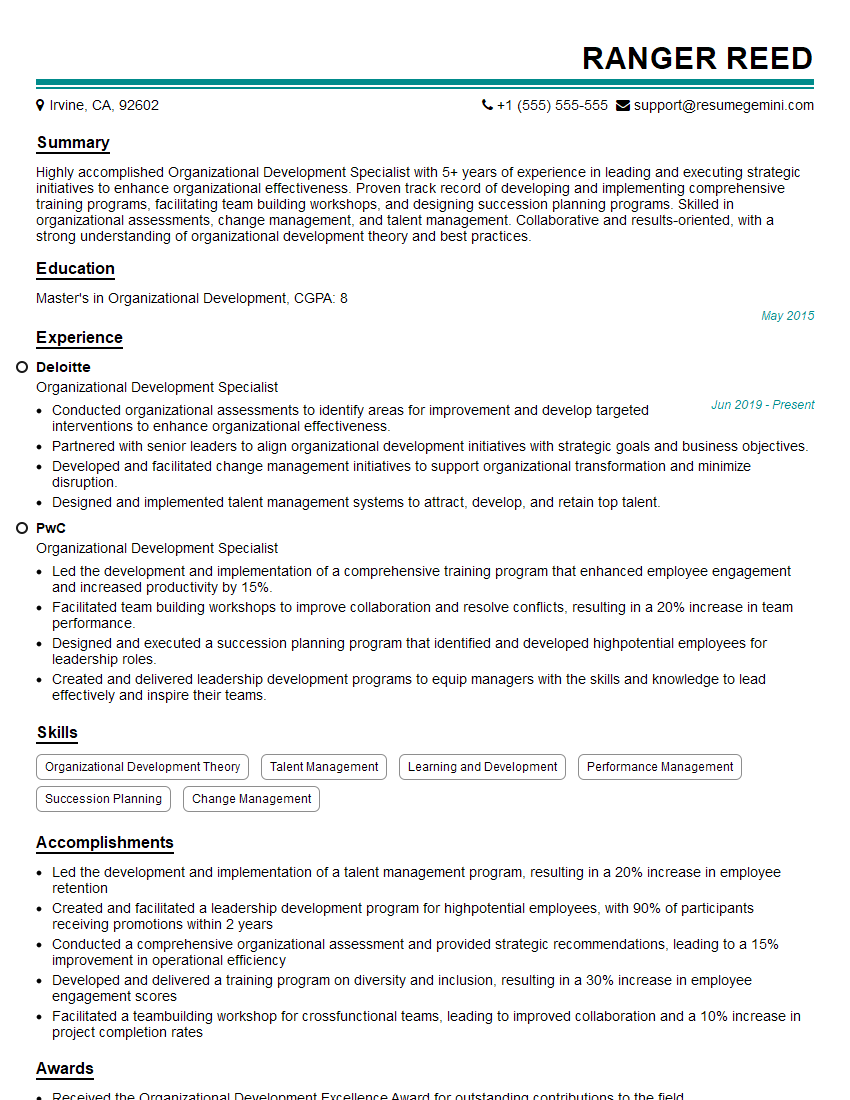
Organizational Development Specialist Resume Sample
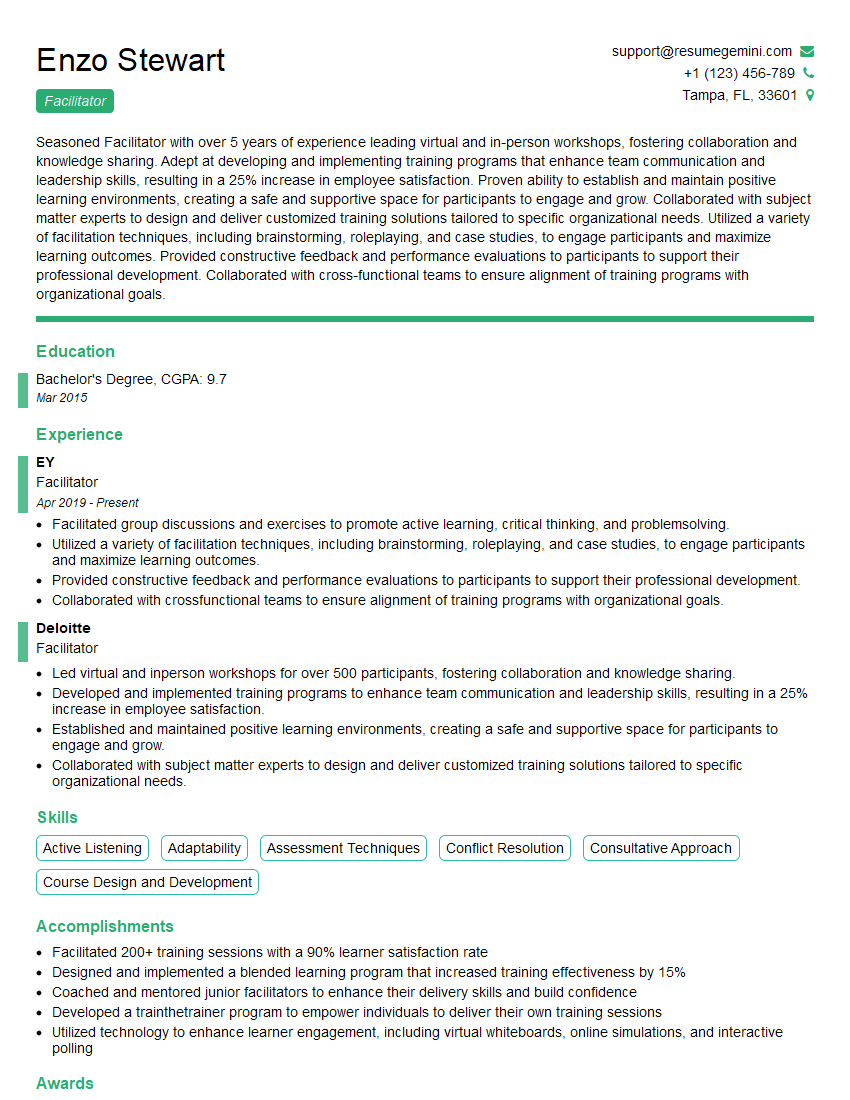
Facilitator Resume Sample
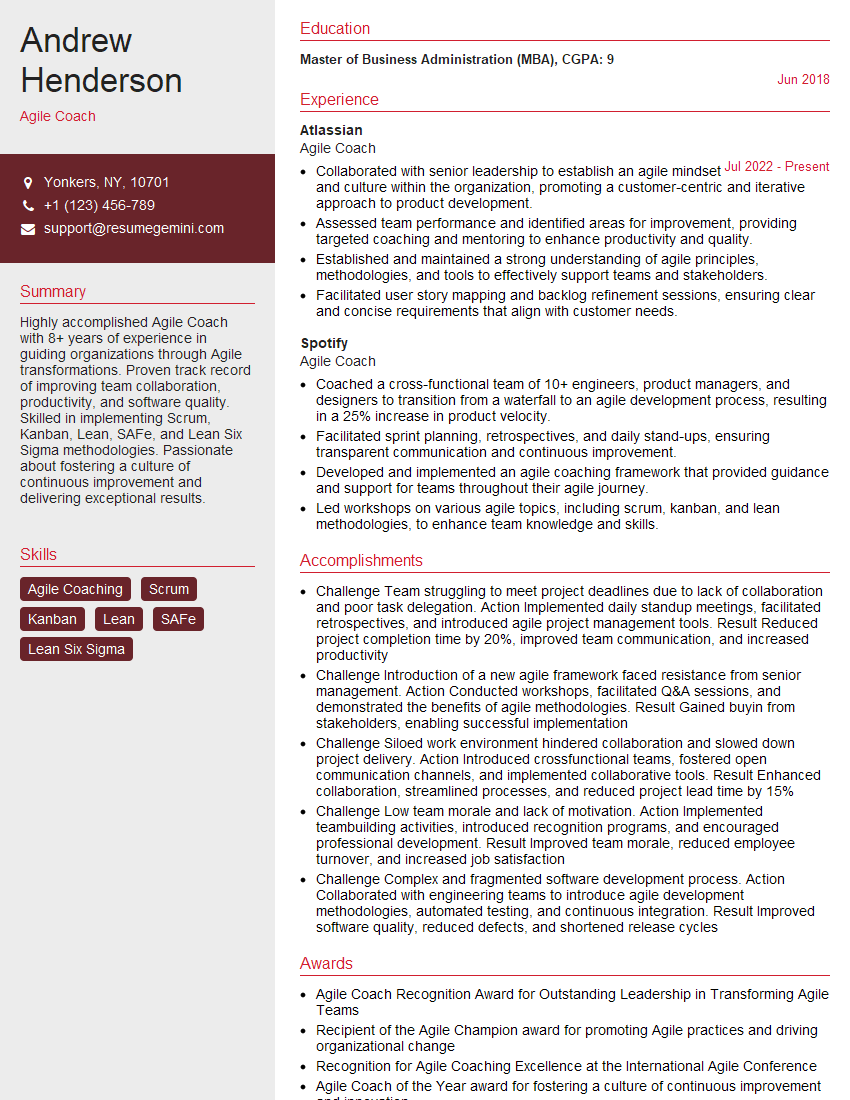
Agile Coach Resume Sample
Explore more articles
Users Rating of Our Blogs
Share Your Experience
We value your feedback! Please rate our content and share your thoughts (optional).
What Readers Say About Our Blog
To the interviewgemini.com Webmaster.
Very helpful and content specific questions to help prepare me for my interview!
Thank you
To the interviewgemini.com Webmaster.
This was kind of a unique content I found around the specialized skills. Very helpful questions and good detailed answers.
Very Helpful blog, thank you Interviewgemini team.