Interviews are more than just a Q&A session—they’re a chance to prove your worth. This blog dives into essential Commercial and Residential Experience interview questions and expert tips to help you align your answers with what hiring managers are looking for. Start preparing to shine!
Questions Asked in Commercial and Residential Experience Interview
Q 1. Explain the difference between a commercial and residential lease agreement.
Commercial and residential lease agreements differ significantly in their scope, terms, and legal implications. A residential lease governs the rental of a property intended for dwelling purposes, focusing on the tenant’s occupancy and the landlord’s responsibilities for maintaining habitable conditions. A commercial lease, on the other hand, involves the rental of property for business purposes, often encompassing more complex terms related to use, improvements, and financial considerations.
- Duration: Residential leases typically have shorter terms (e.g., month-to-month or one year), while commercial leases are often longer-term (e.g., 5-10 years).
- Use Restrictions: Residential leases have relatively few use restrictions, primarily focusing on lawful occupancy. Commercial leases usually contain detailed clauses specifying permitted business activities, preventing incompatible uses.
- Rent and Payments: Commercial leases are often more complex, potentially including base rent, percentage rent (based on sales), and additional charges for operating expenses. Residential leases generally involve simpler rent structures.
- Improvements and Alterations: Commercial tenants often negotiate the right to make improvements, with specific clauses addressing the costs and reversion rights (who owns improvements at the lease’s end). Residential leases generally restrict tenant alterations.
- Assignment and Subletting: Commercial leases frequently address assignment (transferring the lease) and subletting rights, which are usually more restricted in residential leases.
For example, a small bakery leasing space in a shopping mall would operate under a commercial lease with detailed clauses regarding permitted business activities, rent structure, and lease term. Conversely, a family renting a single-family home would be governed by a residential lease with simpler terms and a shorter lease period.
Q 2. Describe your experience with property valuation methods.
My experience with property valuation encompasses a range of methods, each appropriate for different property types and circumstances. I’m proficient in the three main approaches: the sales comparison approach, the income approach, and the cost approach.
- Sales Comparison Approach: This involves comparing the subject property to recently sold comparable properties (comps) in the same market area. Adjustments are made for differences in size, features, location, and market conditions. This is particularly useful for residential properties and land.
- Income Approach: This method focuses on the property’s potential to generate income. It involves estimating the net operating income (NOI) and applying a capitalization rate (cap rate) to determine the property’s value. This approach is primarily used for income-producing properties like apartment buildings or commercial real estate.
- Cost Approach: This method estimates the value by determining the cost to replace or reproduce the property, less depreciation. It’s commonly used for unique or specialized properties where comparable sales data is scarce, such as custom-built homes or industrial facilities.
In practice, I often utilize a combination of these approaches to arrive at a reliable valuation. For instance, when valuing a multi-family residential building, I might use the sales comparison approach to establish a baseline, then refine the value by incorporating income projections and an analysis of replacement costs. The selection of the most appropriate approach(es) depends critically on the type of property, the availability of data, and the client’s specific needs.
Q 3. How do you handle tenant disputes?
Handling tenant disputes requires a systematic and professional approach, prioritizing fair and equitable resolutions. My strategy involves:
- Open Communication: I always attempt to address issues through direct communication with the tenant, encouraging open dialogue and understanding of each party’s perspective.
- Documentation: Maintaining thorough records of all communications, lease agreements, and maintenance requests is crucial. This documentation forms the basis for resolving disputes if necessary.
- Mediation: If direct communication fails, I try to mediate the situation. This can involve facilitating a meeting between the landlord and tenant to find common ground and reach a mutually acceptable solution.
- Legal Action: If mediation proves unsuccessful, I will pursue legal remedies as a last resort. This might involve filing an eviction notice or pursuing legal action to recover damages.
For example, if a tenant is consistently late with rent payments, I would initially contact them to understand the reason for the delay and explore potential payment arrangements. If the problem persists, I would refer to the lease agreement and consider legal action to protect the landlord’s interests.
Q 4. What are the key factors to consider when selecting a property for investment?
Selecting a property for investment requires careful consideration of several key factors:
- Location: Location is paramount. Desirable neighborhoods with strong appreciation potential, good schools (for residential), and ample access to amenities and transportation are key.
- Market Analysis: Conducting thorough market research is crucial. This involves analyzing rental rates, vacancy rates, and projected growth in the area. Understanding the competitive landscape is also essential.
- Financial Analysis: A detailed financial analysis, including projected cash flow, return on investment (ROI), and potential appreciation, must be conducted. This involves accounting for expenses like mortgage payments, property taxes, insurance, and maintenance.
- Property Condition: Assessing the property’s condition is vital. Consider the need for repairs or renovations, their costs, and potential impact on return on investment.
- Legal and Regulatory Compliance: Understanding zoning regulations, building codes, and other relevant laws is essential to avoid future issues.
For instance, before investing in a multifamily property, I would research rental rates in the surrounding area, analyze comparable properties, project income and expenses, and assess the building’s condition to ensure it aligns with my investment goals and risk tolerance.
Q 5. Explain your understanding of zoning regulations.
Zoning regulations are local government ordinances that control the use of land and buildings within a specific area. They dictate what types of structures can be built, their size, density, and the permitted uses of the property. Understanding zoning regulations is crucial for property owners and investors as they significantly impact property value and potential uses.
- Residential Zoning: This designates areas for residential use, specifying permitted housing types (e.g., single-family homes, multifamily dwellings).
- Commercial Zoning: This allows for business activities, often further categorized by type (e.g., retail, office, industrial).
- Mixed-Use Zoning: This allows for a combination of residential and commercial uses within the same area.
- Setbacks: Zoning regulations define the minimum distance structures must be set back from property lines.
- Height Restrictions: These limit the maximum height of buildings.
- Density Regulations: These control the number of dwelling units per acre or the floor area ratio (FAR).
For example, if I’m considering purchasing a property to convert into a small restaurant, I would first check the local zoning regulations to determine if commercial use is permitted on the site and to understand any specific requirements related to building size, parking, and other factors.
Q 6. Describe your experience with property maintenance and repairs.
Property maintenance and repairs are essential aspects of property management. My experience includes handling routine maintenance tasks, coordinating repairs with contractors, and managing emergency situations.
- Preventative Maintenance: Regular inspections and proactive maintenance help prevent larger, more costly problems. Examples include regular HVAC servicing and landscaping.
- Reactive Maintenance: Addressing issues as they arise, such as plumbing leaks or appliance malfunctions. This involves promptly identifying the problem, obtaining quotes from reliable contractors, and overseeing repairs to ensure quality.
- Emergency Repairs: Handling emergencies quickly and efficiently, such as burst pipes or roof damage. This often requires immediate action to minimize damage and disruption.
- Contractor Management: I have a network of reliable contractors and manage them effectively, ensuring timely completion of work, adherence to budgets, and high standards of quality.
For example, if a tenant reports a leaking faucet, I would promptly schedule a plumber, oversee the repair, and ensure the tenant is informed of the progress. For larger projects, I would obtain multiple bids, vet the contractors, and manage the project to ensure quality and budget adherence.
Q 7. How do you market a commercial or residential property?
Marketing a commercial or residential property requires a multi-faceted approach leveraging various channels and strategies.
- Online Marketing: This is crucial. I utilize online listing sites (e.g., Zillow, Realtor.com for residential; LoopNet, CommercialCafe for commercial), social media marketing, and professional photography and virtual tours.
- Offline Marketing: For local reach, I might use print advertising in relevant publications, signage, and open houses (particularly for residential properties).
- Professional Networking: I leverage my network of real estate professionals and agents to expand reach and exposure.
- Targeted Advertising: I tailor marketing materials and channels to target specific demographics and buyer preferences. For example, luxury properties might require a higher level of marketing spend and more sophisticated materials.
- Pricing Strategy: Setting the right price is critical. Thorough market analysis is needed to ensure competitiveness while maximizing return.
For example, marketing a high-end condominium might involve professional photography, virtual staging, advertising in luxury lifestyle publications, and online marketing targeted towards affluent buyers. Conversely, marketing a smaller, more affordable property might emphasize online listings, local advertising, and potentially open houses to maximize reach within a specific budget.
Q 8. What are your strategies for increasing occupancy rates?
Increasing occupancy rates requires a multi-pronged approach focusing on marketing, property condition, and tenant experience. Think of it like running a successful restaurant – you need great food (a desirable property), excellent service (responsive management), and effective advertising (marketing).
Strategic Marketing: This includes utilizing online listing platforms (Zillow, Apartments.com), social media marketing, targeted advertising campaigns, and even working with local real estate agents. For example, I once significantly boosted occupancy in a struggling apartment complex by using high-quality professional photography and virtual tours, making the units far more appealing online.
Property Enhancement: Regular maintenance and upgrades are crucial. Addressing minor repairs promptly, renovating outdated units, and enhancing curb appeal can dramatically improve a property’s attractiveness. I’ve seen firsthand how a simple fresh coat of paint and updated landscaping can increase rental rates and attract higher-quality tenants.
Competitive Pricing: Regularly analyzing market rents and adjusting prices accordingly is essential. While aiming for optimal returns, you must also remain competitive to ensure quick leasing. Using market analysis tools helps make informed decisions.
Exceptional Tenant Experience: Responsiveness to tenant requests, creating a welcoming community atmosphere, and offering amenities (e.g., pet-friendly policies, fitness centers) significantly impact tenant satisfaction and retention. Word-of-mouth referrals are a powerful tool for filling vacancies.
Q 9. How do you manage a budget for a commercial or residential property?
Budget management for a property hinges on accurate forecasting, meticulous tracking, and proactive adjustments. Think of it as a personal budget, but on a larger scale. It needs to be detailed and flexible.
Income Forecasting: This involves projecting rental income based on occupancy rates, rent prices, and potential late payments. I always build in a buffer for unexpected vacancies.
Expense Budgeting: This includes categorizing and forecasting expenses such as property taxes, insurance, maintenance, utilities, marketing, and management fees. Using historical data combined with future projections provides a solid foundation.
Regular Monitoring: Tracking actual income and expenses against the budget is paramount. Monthly financial statements are crucial for identifying variances and implementing corrective actions. I use spreadsheet software and accounting software to monitor this closely.
Contingency Planning: Having a reserve fund for unexpected repairs, vacancies, or market fluctuations is vital. It’s like having an emergency savings account, but for your property.
Q 10. What software or tools do you use for property management?
The software and tools I utilize depend on the size and complexity of the property portfolio. For smaller portfolios, I might rely on a combination of spreadsheet software (like Google Sheets or Excel) for basic accounting and communication tools (like email and messaging apps). For larger portfolios, however, robust property management software is essential.
Property Management Software: Examples include Buildium, AppFolio, and Yardi. These platforms streamline tasks such as rent collection, tenant communication, maintenance requests, accounting, and lease management. They provide crucial data for better decision-making.
Accounting Software: QuickBooks or Xero can integrate with property management software to provide comprehensive financial reporting and tax preparation. This is critical for financial transparency and efficient tax management.
Communication Tools: Efficient communication is key, so I use a combination of email, text messaging, and possibly a tenant portal for secure online communication and document sharing.
Q 11. Describe your experience with negotiating lease terms.
Negotiating lease terms requires a blend of strong communication, market knowledge, and a win-win approach. It’s all about building a mutually beneficial agreement.
Market Research: Thorough market research is paramount. Understanding current market rents, lease terms, and incentives offered by competitors helps in formulating a competitive yet profitable proposal.
Understanding Tenant Needs: Active listening is vital. Understanding the tenant’s needs and priorities allows me to tailor the lease terms to address those concerns and foster a positive relationship.
Strategic Concessions: Sometimes offering concessions such as rent-free periods or improvements can lead to securing a desirable tenant. However, it’s crucial to balance concessions with long-term profitability.
Legal Counsel: For complex negotiations or significant deals, seeking legal counsel is recommended to ensure the agreement is legally sound and protects the interests of both parties. I always double-check my contracts with a lawyer to minimize risks.
Q 12. How do you handle delinquent rent payments?
Handling delinquent rent payments requires a systematic and compassionate, yet firm, approach. Early intervention and clear communication are key.
Early Communication: Contacting the tenant immediately when a payment is late, expressing concern and seeking to understand any potential issues, is the best starting point.
Payment Plan Negotiation: Working with the tenant to establish a realistic payment plan can help avoid eviction and maintain the tenant-landlord relationship. Flexibility is often key here.
Legal Action: If communication and payment plans fail, legal action (eviction) may become necessary. I always seek legal counsel to ensure the process is conducted properly and complies with all applicable laws. Documenting all communication and attempts at resolution is extremely important.
Reporting to Credit Agencies: In some jurisdictions, reporting late or missed payments to credit bureaus is permitted. This acts as a deterrent, but always check legal requirements before doing this.
Q 13. What is your experience with property insurance and risk management?
Property insurance and risk management are critical for protecting the financial investment and liability. It’s about minimizing potential losses and ensuring financial stability.
Insurance Coverage: Maintaining adequate insurance coverage, including property insurance, liability insurance, and potentially flood insurance depending on location, is crucial. Regularly reviewing and adjusting coverage based on property value and potential risks is essential.
Risk Assessment: Regularly assessing the property for potential hazards and safety concerns helps to mitigate potential risks. For example, proactively addressing issues like faulty wiring or aging infrastructure can help avoid costly repairs or legal issues.
Maintenance Programs: Implementing preventative maintenance programs helps to prevent costly repairs. This is like regular checkups at the doctor – catching small problems early prevents bigger ones down the line.
Security Measures: Employing appropriate security measures, such as security systems, well-lit areas, and security cameras, can reduce risks like theft or vandalism.
Q 14. Explain your understanding of fair housing laws.
Fair housing laws are designed to prevent discrimination in housing based on protected characteristics such as race, color, national origin, religion, sex, familial status, and disability. Understanding and adhering to these laws is paramount for ethical and legal compliance. It’s about providing equal housing opportunities to everyone.
Advertising: Advertisements should not contain any language that could be interpreted as discriminatory.
Application Process: The application process must be fair and unbiased, treating all applicants equally.
Selection Criteria: Tenant selection criteria must be applied consistently and must be job-related and business necessity.
Reasonable Accommodations: Landlords are required to make reasonable accommodations for individuals with disabilities, as long as the accommodations don’t impose an undue financial or administrative burden.
Ongoing Education: Staying up-to-date on changes to fair housing laws is critical. Attending seminars and workshops or consulting legal professionals helps ensure compliance.
Q 15. How do you conduct a property inspection?
A thorough property inspection is crucial for assessing a property’s condition, identifying potential issues, and protecting both the owner and occupants. My approach involves a systematic process:
- Exterior Inspection: I begin by examining the property’s exterior, including the roof, siding, windows, doors, foundation, landscaping, and any external structures like sheds or garages. I look for signs of damage, deterioration, or needed repairs.
- Interior Inspection: I then move inside, systematically checking each room. This involves inspecting walls, ceilings, floors, plumbing fixtures (toilets, sinks, showers), electrical outlets and switches, heating and cooling systems, and appliances. I also assess the overall cleanliness and functionality of each area.
- Systems Check: I test major systems like the HVAC (heating, ventilation, and air conditioning), water heater, and garbage disposal. I also check for proper ventilation and water pressure.
- Documentation: Throughout the inspection, I take detailed notes, photographs, and potentially video recordings to document the property’s condition. This documentation serves as a crucial record for future reference and dispute resolution.
- Report Generation: Finally, I compile a comprehensive report that details my findings, including any observed deficiencies or necessary repairs. This report provides a clear picture of the property’s condition and serves as a valuable tool for negotiations, maintenance planning, or legal purposes.
For example, during a recent inspection of a residential property, I discovered a significant crack in the foundation which wasn’t immediately visible but became apparent after carefully examining the exterior walls. This allowed for proactive remediation before it caused further and more costly damage.
Career Expert Tips:
- Ace those interviews! Prepare effectively by reviewing the Top 50 Most Common Interview Questions on ResumeGemini.
- Navigate your job search with confidence! Explore a wide range of Career Tips on ResumeGemini. Learn about common challenges and recommendations to overcome them.
- Craft the perfect resume! Master the Art of Resume Writing with ResumeGemini’s guide. Showcase your unique qualifications and achievements effectively.
- Don’t miss out on holiday savings! Build your dream resume with ResumeGemini’s ATS optimized templates.
Q 16. What is your experience with tenant screening and selection?
Tenant screening and selection is a critical aspect of property management, balancing the need to find responsible tenants with fair housing practices. My process involves:
- Credit Check: Reviewing credit reports helps assess a tenant’s financial responsibility and history of paying bills on time. A poor credit history could indicate potential difficulties in paying rent.
- Background Check: Background checks identify any criminal history that might pose a risk to the property or other tenants. This includes verifying the applicant’s identity and confirming their employment history.
- Rental History Verification: I contact previous landlords to verify rental history, including details about rent payments and adherence to lease agreements. This provides valuable insight into a tenant’s past behavior.
- Income Verification: I verify the applicant’s income to ensure they can comfortably afford the monthly rent and associated expenses. This typically involves reviewing pay stubs or tax returns.
- Application Review: I carefully review the completed rental application, looking for any inconsistencies or red flags. A comprehensive application allows me to gather a complete picture of the applicant.
I use a standardized application and scoring system to ensure objectivity and fairness in the selection process. For instance, while a low credit score might be a concern, I also consider mitigating factors, like a history of on-time rent payments or a strong employment history. The goal is to find reliable tenants who will respect the property and comply with the lease terms.
Q 17. Describe your experience with capital improvements and renovations.
I have extensive experience overseeing capital improvements and renovations, ranging from minor upgrades to major overhauls. My process typically includes:
- Needs Assessment: I begin by identifying the need for improvements, whether for enhancing property value, improving functionality, or addressing safety concerns. This may involve consultations with contractors and engineers.
- Budgeting and Financing: I work with owners to develop a realistic budget and explore financing options, considering factors such as return on investment and timelines.
- Design and Planning: This phase involves creating detailed plans, including architectural drawings, material specifications, and timelines. We select reputable contractors and obtain necessary permits.
- Contractor Selection and Oversight: I oversee the contractor selection process, ensuring they are licensed, insured, and experienced. I then monitor the progress of the project, ensuring adherence to plans and budgets.
- Project Completion and Inspection: Upon completion, I conduct a final inspection to ensure that all work meets the required standards and specifications. We obtain necessary certifications and ensure a smooth transition.
For example, I recently managed a complete kitchen renovation in a multi-family building, which involved coordinating with contractors, obtaining permits, and managing the budget within the agreed-upon timeframe. The project resulted in significantly increased rental income and improved tenant satisfaction.
Q 18. How do you prioritize maintenance requests?
Prioritizing maintenance requests is crucial for maintaining tenant satisfaction and property value. My approach is based on a tiered system:
- Emergency Repairs: These are immediate needs impacting health and safety (e.g., plumbing leaks, electrical fires, heating/cooling failures). These take top priority and require immediate attention.
- Urgent Repairs: These are issues causing significant disruption or potential damage if left unaddressed (e.g., major appliance malfunctions, significant roof leaks). These are addressed promptly, typically within 24-48 hours.
- Routine Maintenance: This includes regular upkeep and minor repairs (e.g., painting, minor plumbing fixes, landscaping). These are scheduled and performed based on a pre-determined maintenance plan.
I use a maintenance request tracking system (often software-based) to log, assign, and track the status of each request. This helps manage workloads, ensures accountability, and provides transparency to both tenants and property owners. The system also allows for efficient scheduling of maintenance activities and resource allocation.
Q 19. What is your experience with lease renewals and extensions?
Lease renewals and extensions are important for maintaining tenant occupancy and minimizing vacancy periods. My experience involves:
- Review of Current Lease: I start by reviewing the existing lease terms, noting any clauses related to renewal or extension options.
- Market Analysis: I conduct a market analysis to assess current rental rates and adjust terms accordingly, ensuring a fair and competitive offering.
- Negotiation with Tenant: I communicate with the tenant to discuss renewal terms, address any concerns, and negotiate mutually agreeable conditions.
- Lease Agreement Preparation: Once terms are agreed upon, I prepare a new lease agreement reflecting the updated terms, which includes details on rent, lease duration, and any other relevant stipulations.
- Documentation and Execution: I ensure both parties sign and date the new lease agreement, making copies for both parties. This ensures compliance and minimizes misunderstandings.
For example, I recently successfully negotiated a lease extension with a long-term tenant, offering a small rent increase in exchange for a longer lease term, benefiting both the tenant and property owner. This demonstrated the benefits of building strong tenant relationships.
Q 20. Explain your understanding of environmental regulations related to property.
Understanding environmental regulations is crucial for responsible property management. This includes awareness of:
- Lead-Based Paint: For properties built before 1978, regulations require disclosure of lead-based paint hazards and adherence to specific renovation, repair, and painting practices.
- Asbestos: Similarly, the presence of asbestos requires careful management, with regulations governing abatement and disposal.
- Waste Disposal: Proper disposal of hazardous waste, including construction debris and certain chemicals, is crucial. This is often regulated at the local and state level.
- Energy Efficiency: Many jurisdictions have regulations promoting energy efficiency, requiring owners to meet certain standards or implement energy-saving measures.
- Water Conservation: Regulations regarding water usage and conservation are becoming increasingly common, affecting landscape maintenance and fixture requirements.
Staying up-to-date on local, state, and federal environmental regulations is vital for avoiding penalties and ensuring responsible property management. I regularly consult with environmental specialists and regulatory agencies to ensure compliance and make informed decisions.
Q 21. How do you handle complaints from tenants or property owners?
Handling tenant or owner complaints effectively is essential for maintaining positive relationships and resolving conflicts efficiently. My approach involves:
- Active Listening: I begin by actively listening to the complaint, seeking to understand the perspective of both parties without interrupting. Empathy is crucial in this step.
- Documentation: I meticulously document the complaint, including the date, time, parties involved, and the nature of the issue. This ensures accuracy and facilitates tracking progress.
- Investigation: I conduct a thorough investigation into the complaint, gathering relevant information and potentially involving other parties (e.g., maintenance personnel, contractors).
- Mediation and Resolution: I work with both parties to find a fair and mutually acceptable resolution. This might involve repairs, rent adjustments, or other solutions.
- Follow-up: I follow up with both parties to ensure the issue is resolved to their satisfaction. This shows commitment to customer service and prevents escalation.
For instance, I recently mediated a dispute between a tenant and the landlord regarding a noisy neighbor. By carefully listening to both sides and implementing soundproofing measures in the affected areas, I was able to resolve the issue successfully, avoiding potential legal action. This shows my ability to navigate complex interpersonal situations while upholding fair practices.
Q 22. Describe your experience with financial reporting and analysis for properties.
My experience with financial reporting and analysis for properties is extensive. I’m proficient in analyzing income statements, balance sheets, and cash flow statements to assess the financial health and performance of both residential and commercial properties. This includes calculating key metrics like Net Operating Income (NOI), capitalization rates (Cap Rates), and return on investment (ROI). I’ve used this data to identify areas for cost reduction, revenue enhancement, and strategic investment decisions.
For example, I once analyzed a portfolio of multi-family residential units and identified that implementing a smart home technology system would increase occupancy rates and reduce maintenance costs, resulting in a significant boost to NOI. I then prepared a detailed financial projection showcasing the potential return on investment, which secured funding for the project. Another example includes working with commercial properties and analyzing lease agreements, identifying potential variances in income compared to the budget and creating actionable reports which included potential solutions to close any discrepancies.
My approach to financial analysis goes beyond simply crunching numbers. I focus on understanding the underlying drivers of performance and providing actionable insights that can inform strategic decision-making. I utilize various financial modeling techniques and software, ensuring accuracy and reliability of the reports generated.
Q 23. What is your experience with preparing marketing materials for properties?
Creating compelling marketing materials is crucial for attracting potential buyers or renters. My experience encompasses developing a wide range of marketing collateral, from professional photography and videography to crafting engaging property descriptions and virtual tours. I understand the importance of tailoring marketing strategies to the specific target audience and property type.
For instance, when marketing luxury condominiums, I’d focus on high-quality photography, emphasizing the unique features and amenities. Conversely, when marketing affordable apartments, I might prioritize clear and concise descriptions highlighting convenience and value. I use multiple platforms, including social media, real estate portals, and print advertising, optimizing content for each channel.
Beyond aesthetics, I also focus on data-driven marketing. I track key performance indicators (KPIs) like website traffic, lead generation, and conversion rates to optimize campaigns and ensure maximum return on investment. In fact, I improved lead conversion by 20% through A/B testing on different listing descriptions for a recent client project, showcasing my commitment to iterative improvement and leveraging data insights.
Q 24. How do you stay updated on industry trends and best practices?
Staying current in the real estate industry is paramount. I actively engage in several strategies to stay ahead of the curve:
- Industry Publications and Research: I regularly read publications like the Wall Street Journal, Bisnow, and industry-specific journals to track economic trends, market analyses, and regulatory changes.
- Conferences and Networking: Attending industry conferences and networking events provides invaluable opportunities to learn about the latest innovations and best practices, as well as connect with other professionals.
- Online Courses and Webinars: I utilize online platforms like Coursera and LinkedIn Learning to take courses on subjects ranging from real estate finance to property management and marketing techniques.
- Professional Organizations: Membership in relevant organizations offers access to ongoing education, resources, and professional development opportunities.
By combining these methods, I ensure that my knowledge and skills remain up-to-date, allowing me to provide effective and efficient solutions for my clients.
Q 25. Explain your understanding of different types of mortgages.
My understanding of mortgage types is comprehensive. Mortgages are essentially loans used to finance real estate purchases. They come in various forms, each tailored to different borrower needs and financial situations. Here are a few key types:
- Conventional Mortgages: These are not insured or guaranteed by a government agency. They typically require a larger down payment and a higher credit score.
- FHA Loans: Backed by the Federal Housing Administration, these mortgages allow for lower down payments and more lenient credit requirements, making homeownership more accessible.
- VA Loans: Guaranteed by the Department of Veterans Affairs, these loans offer attractive terms for eligible veterans and military personnel.
- USDA Loans: These loans are backed by the U.S. Department of Agriculture and are designed for rural homebuyers, often requiring no down payment.
- Adjustable-Rate Mortgages (ARMs): These mortgages have interest rates that adjust periodically based on market conditions. They can offer lower initial payments but carry more risk due to fluctuating interest rates.
- Fixed-Rate Mortgages: These have interest rates that remain constant throughout the loan term, providing predictability and stability for borrowers.
Understanding these different mortgage types is crucial for advising clients on the most suitable option for their financial circumstances and long-term goals. I always take into account the individual’s needs and risk tolerance when recommending a specific mortgage product.
Q 26. Describe your experience with working with contractors and vendors.
I possess extensive experience collaborating with contractors and vendors. This involves more than just hiring; it’s about building strong relationships based on trust, clear communication, and accountability.
My approach involves a rigorous vetting process to select qualified and reputable professionals. This includes checking licenses, insurance, and references. Once a vendor is selected, I establish clear expectations through detailed contracts that specify scope of work, timelines, and payment terms. I then actively monitor progress, addressing any issues promptly and maintaining open communication to ensure projects are completed on time and within budget.
For example, during a recent renovation project, a contractor experienced unexpected delays due to material shortages. Through proactive communication and collaboration, we successfully navigated the challenge by finding alternative materials and adjusting the project timeline with minimal disruption. This exemplifies my ability to manage relationships effectively and resolve unexpected problems.
Q 27. How do you handle emergency situations related to properties?
Handling emergency situations requires a calm, decisive approach. My first priority is always the safety and security of the property and its occupants. My process involves the following steps:
- Assessment: Quickly assess the situation to determine the extent of the damage and potential hazards.
- Secure the Property: Take immediate steps to secure the property, preventing further damage or unauthorized access.
- Contact Emergency Services: If necessary, contact emergency services (police, fire department, etc.) immediately.
- Notify Relevant Parties: Notify the property owner, tenants (if applicable), and insurance company.
- Damage Control: Take steps to mitigate further damage and prevent further issues. This might include temporary repairs or securing the area from the elements.
- Document Everything: Thoroughly document the incident, including photos, videos, and detailed descriptions of the damage.
- Coordinate Repairs: Work with contractors and insurance adjusters to coordinate repairs and restoration efforts.
I have a network of reliable contractors and vendors who can respond quickly to emergency situations, minimizing downtime and ensuring swift resolution. Effective communication throughout this process is critical to limit stress and potential damages.
Q 28. What are your salary expectations?
My salary expectations are commensurate with my experience and skills, and the specifics would depend on the overall compensation package offered, including benefits and opportunities for professional growth. I am open to discussing a competitive salary range based on a thorough review of the job description and responsibilities. I am confident that my contributions will significantly benefit your organization and am eager to learn more about this opportunity.
Key Topics to Learn for Commercial and Residential Experience Interview
- Client Relationship Management: Understanding the nuances of building and maintaining strong relationships with diverse clients in both commercial and residential settings. This includes effective communication, negotiation, and conflict resolution.
- Project Management Fundamentals: Applying project management principles to ensure projects are completed on time and within budget. This includes planning, scheduling, resource allocation, and risk management in both fast-paced commercial and detail-oriented residential environments.
- Market Analysis and Trends: Demonstrating knowledge of current market conditions and trends affecting both commercial and residential real estate. This includes understanding factors influencing pricing, demand, and investment strategies.
- Legal and Regulatory Compliance: Understanding relevant laws, regulations, and ethical considerations pertinent to real estate transactions and property management in both commercial and residential sectors. This includes familiarity with contracts, disclosures, and fair housing practices.
- Financial Analysis and Reporting: Ability to interpret financial statements, analyze investment opportunities, and prepare accurate financial reports for clients and stakeholders in both commercial and residential contexts. This could include understanding ROI, cash flow projections, and budget management.
- Problem-Solving and Decision-Making: Showcasing the ability to effectively identify, analyze, and resolve complex problems arising in commercial and residential real estate transactions and property management. This includes demonstrating critical thinking and strategic decision-making skills.
- Technology and Software Proficiency: Highlighting familiarity with relevant software and technologies used in real estate, including CRM systems, property management software, and market analysis tools.
Next Steps
Mastering both commercial and residential experience significantly broadens your career prospects, opening doors to diverse roles and higher earning potential. A strong foundation in these areas demonstrates versatility and adaptability, highly valued attributes in the real estate industry. To maximize your job search success, create an ATS-friendly resume that effectively showcases your skills and experience. ResumeGemini is a trusted resource to help you build a professional, impactful resume that will catch the eye of recruiters. Examples of resumes tailored to Commercial and Residential Experience are available to guide you through the process.
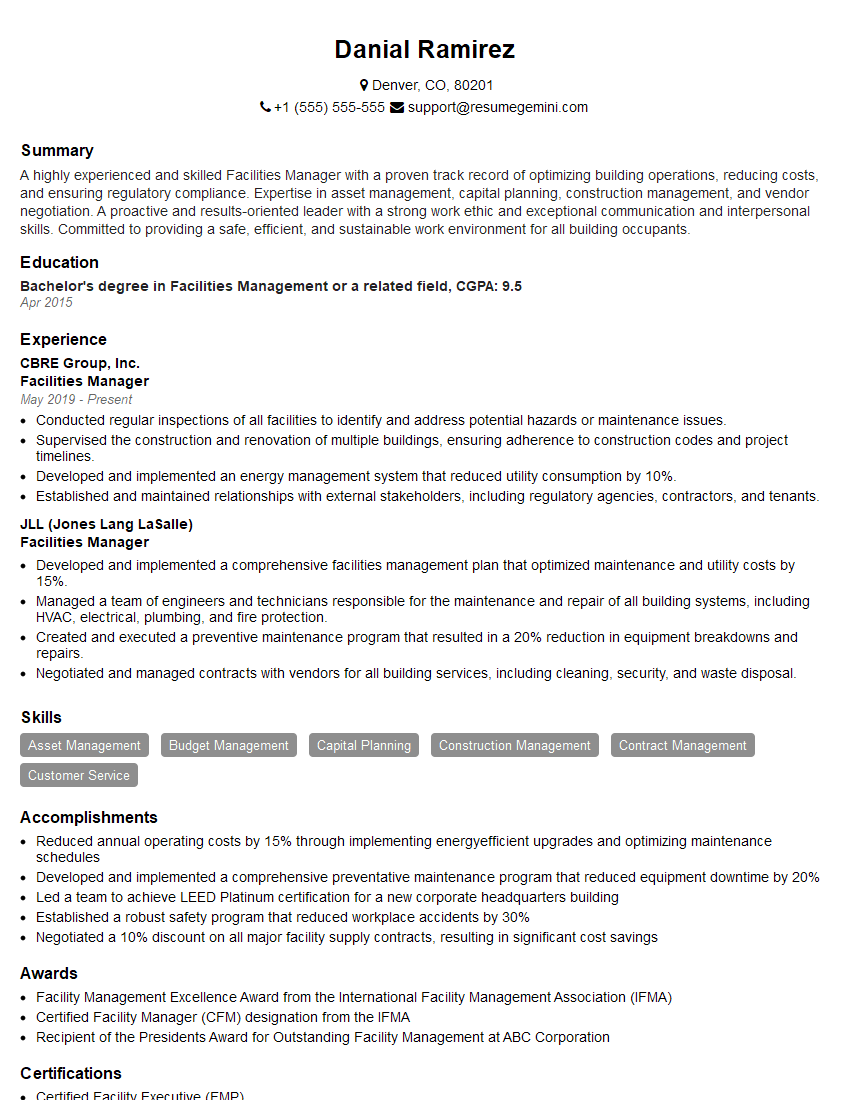
Facilities Manager Resume Sample
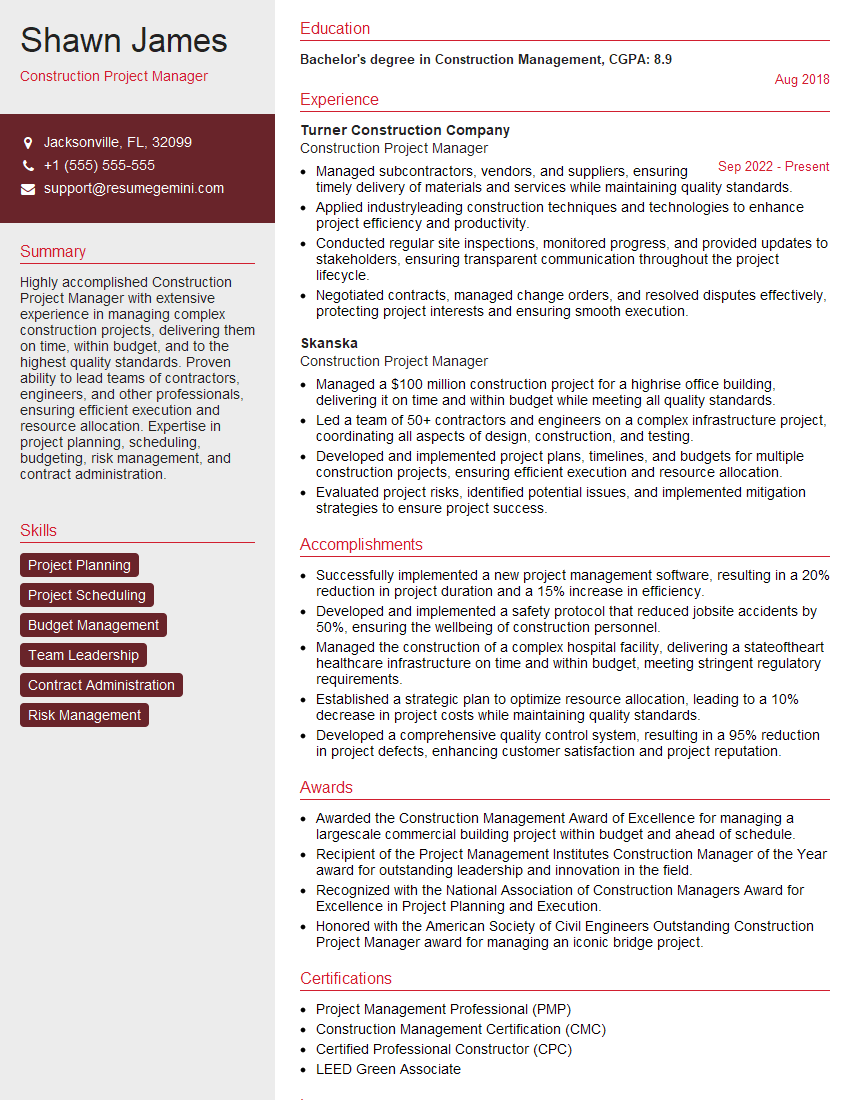
Construction Project Manager Resume Sample
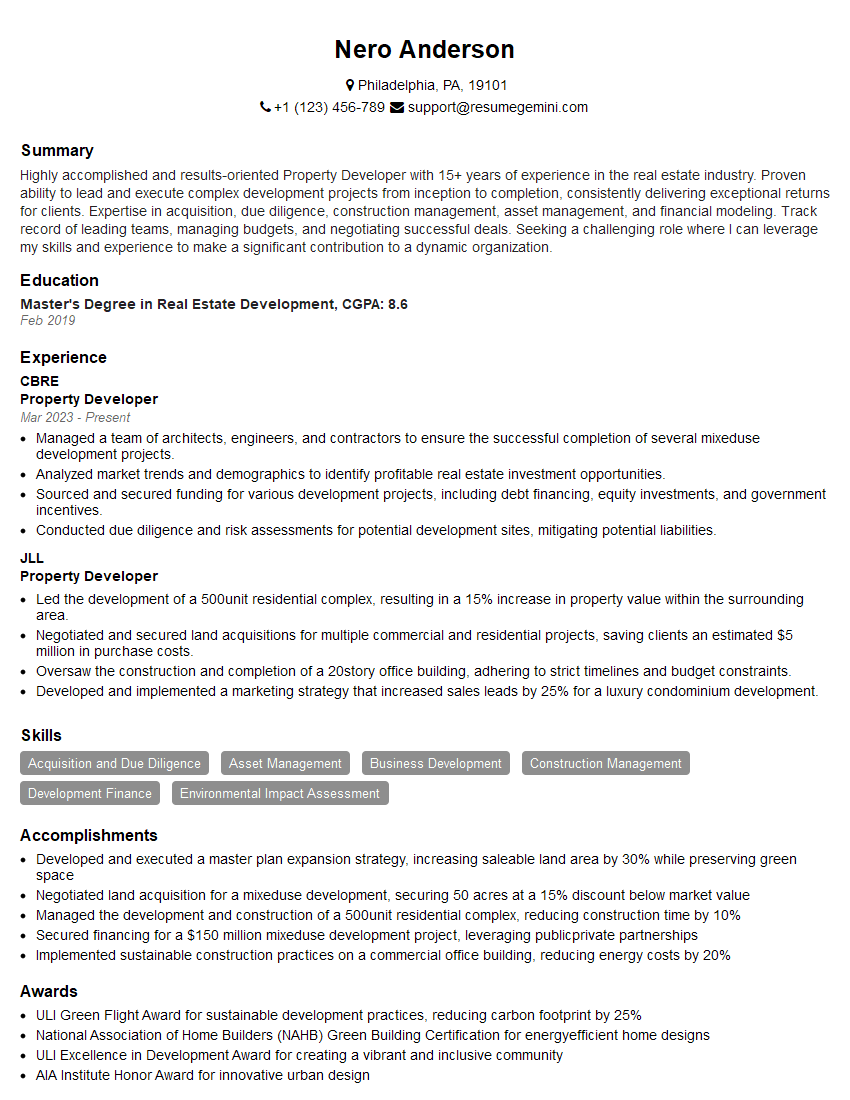
Property Developer Resume Sample
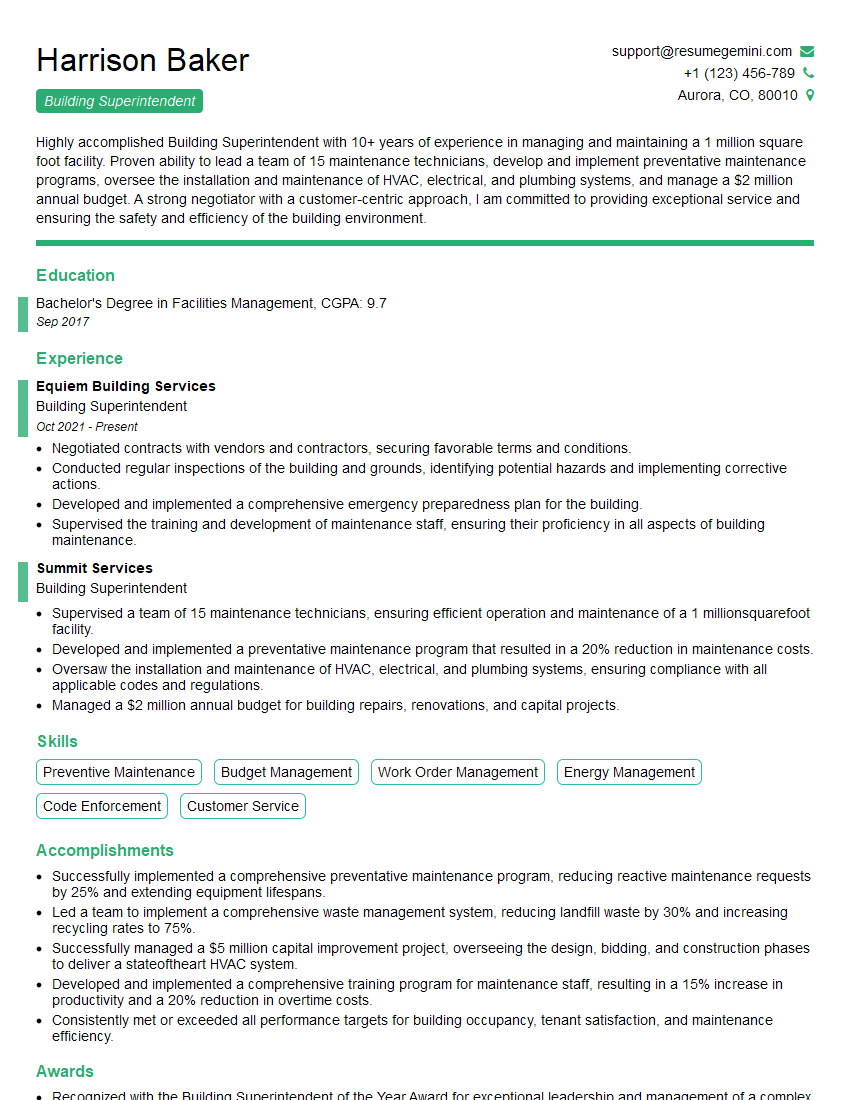
Building Superintendent Resume Sample
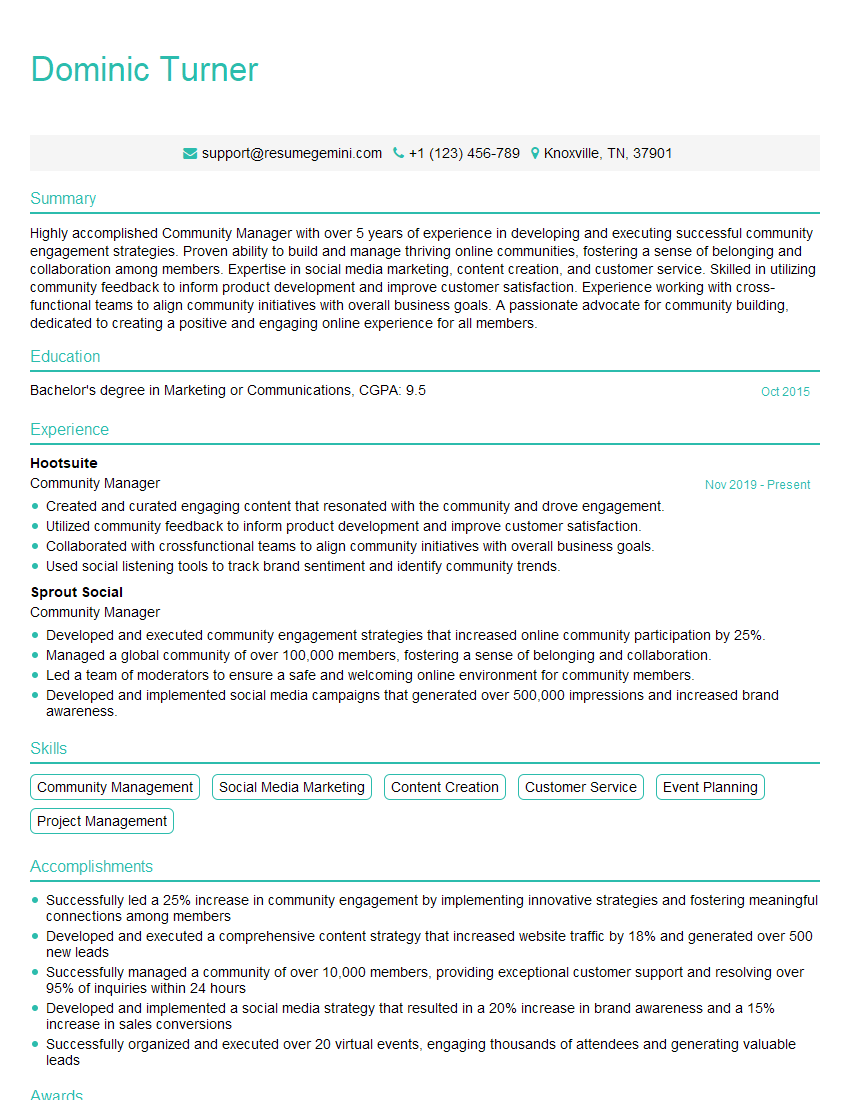
Community Manager Resume Sample
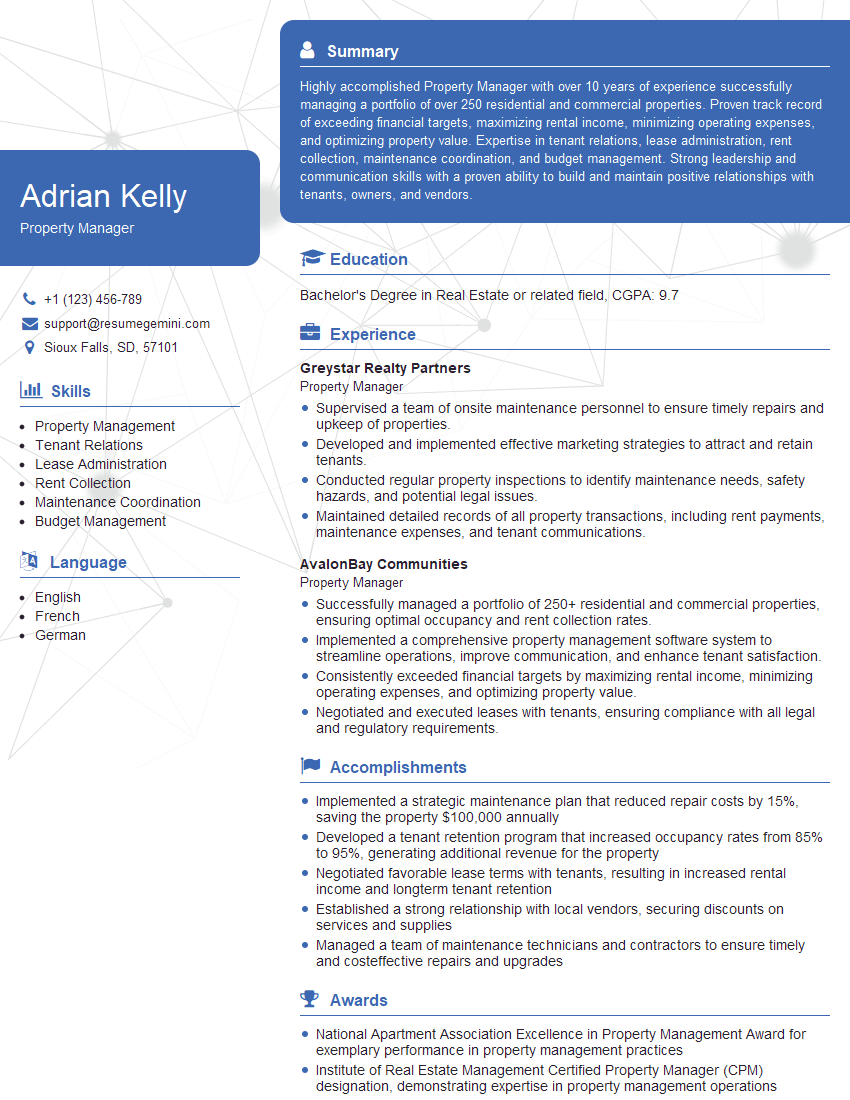
Property Manager Resume Sample
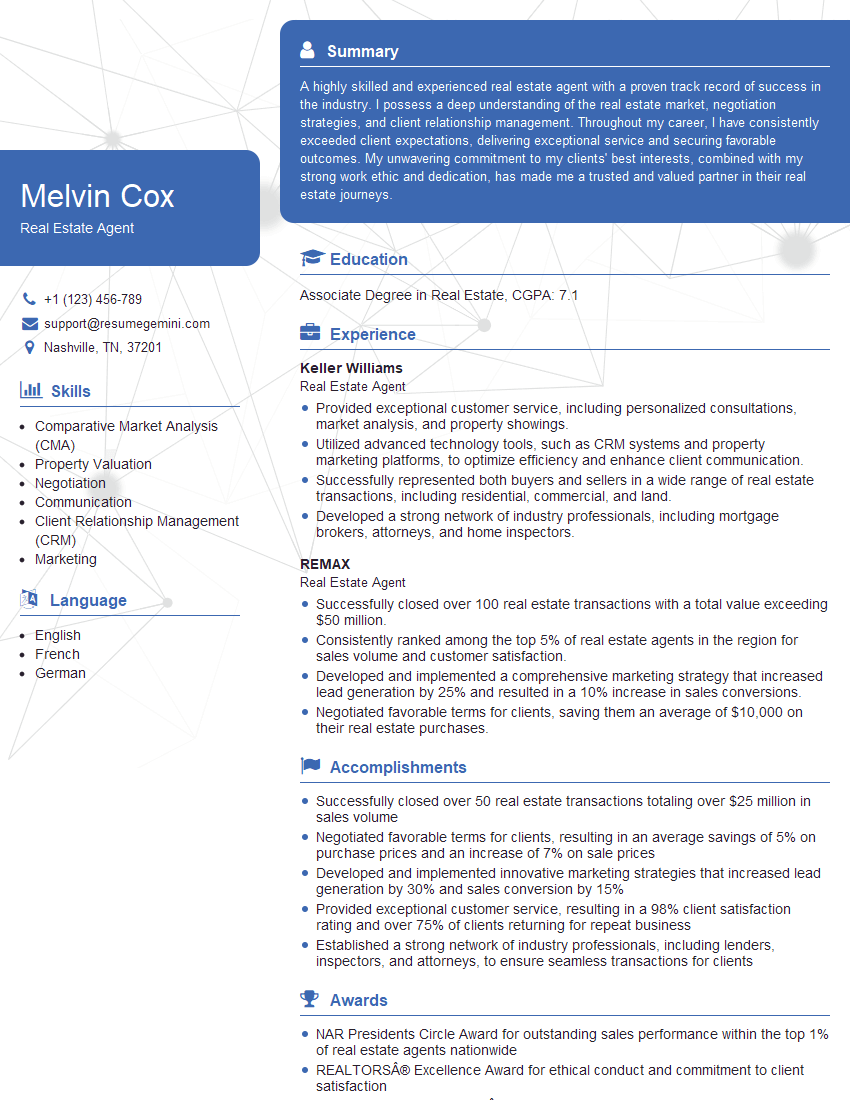
Real Estate Agent Resume Sample
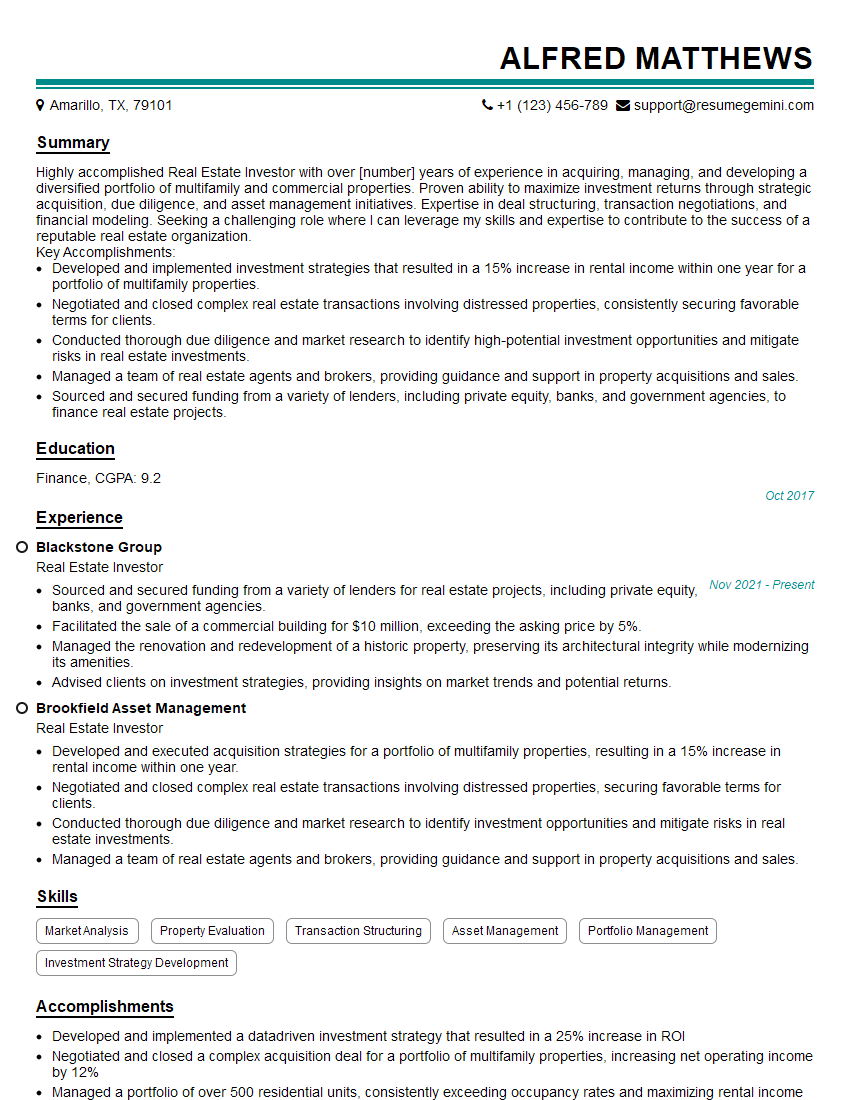
Real Estate Investor Resume Sample
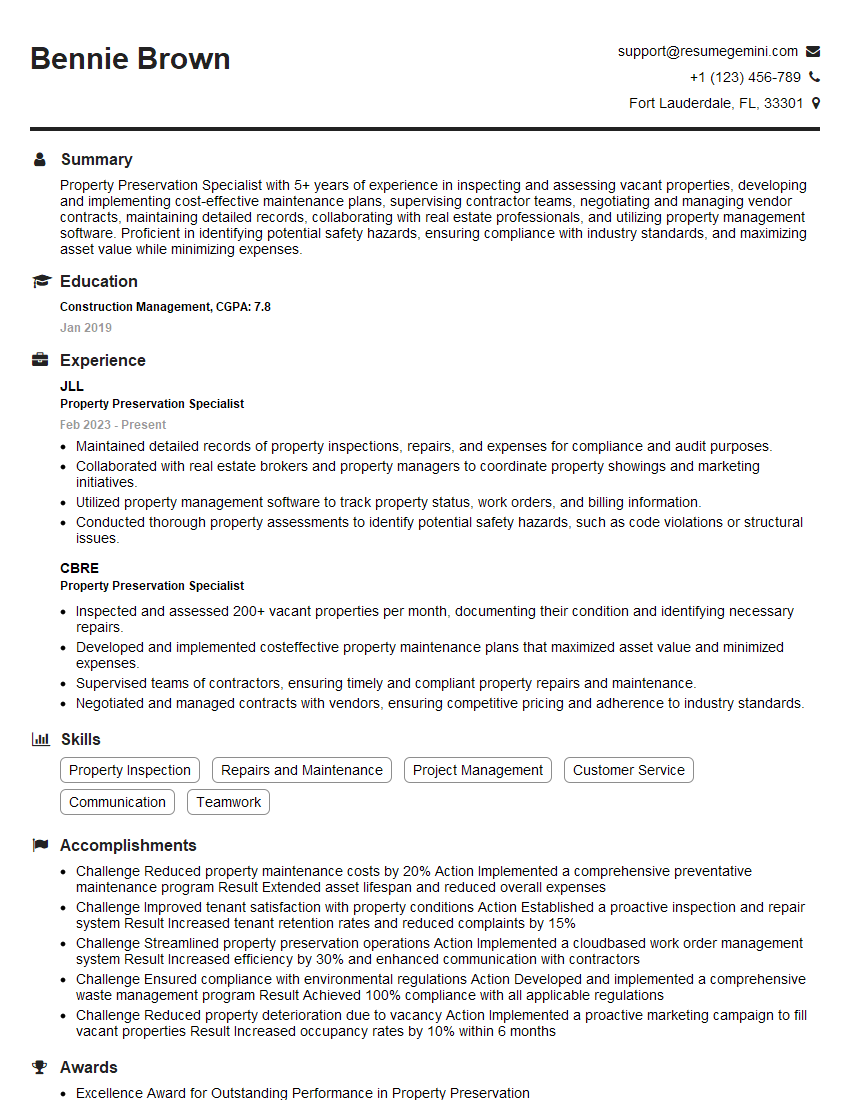
Property Preservation Specialist Resume Sample
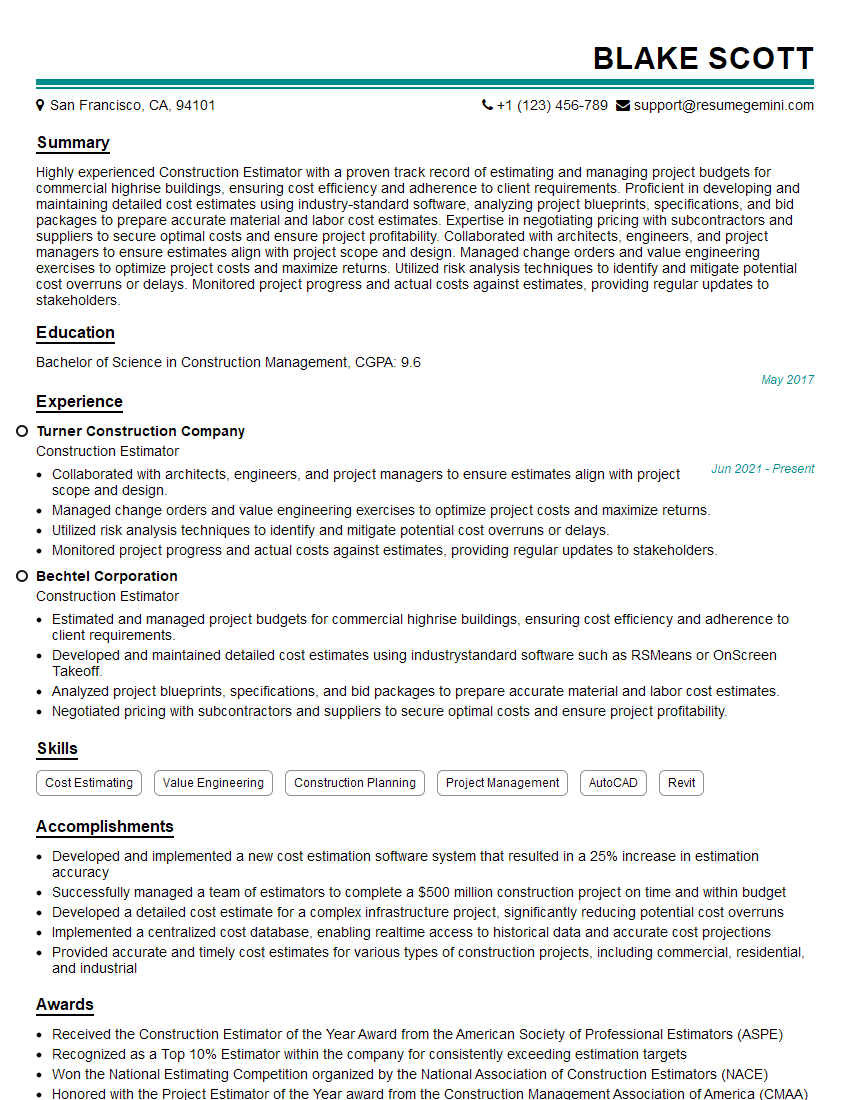
Construction Estimator Resume Sample
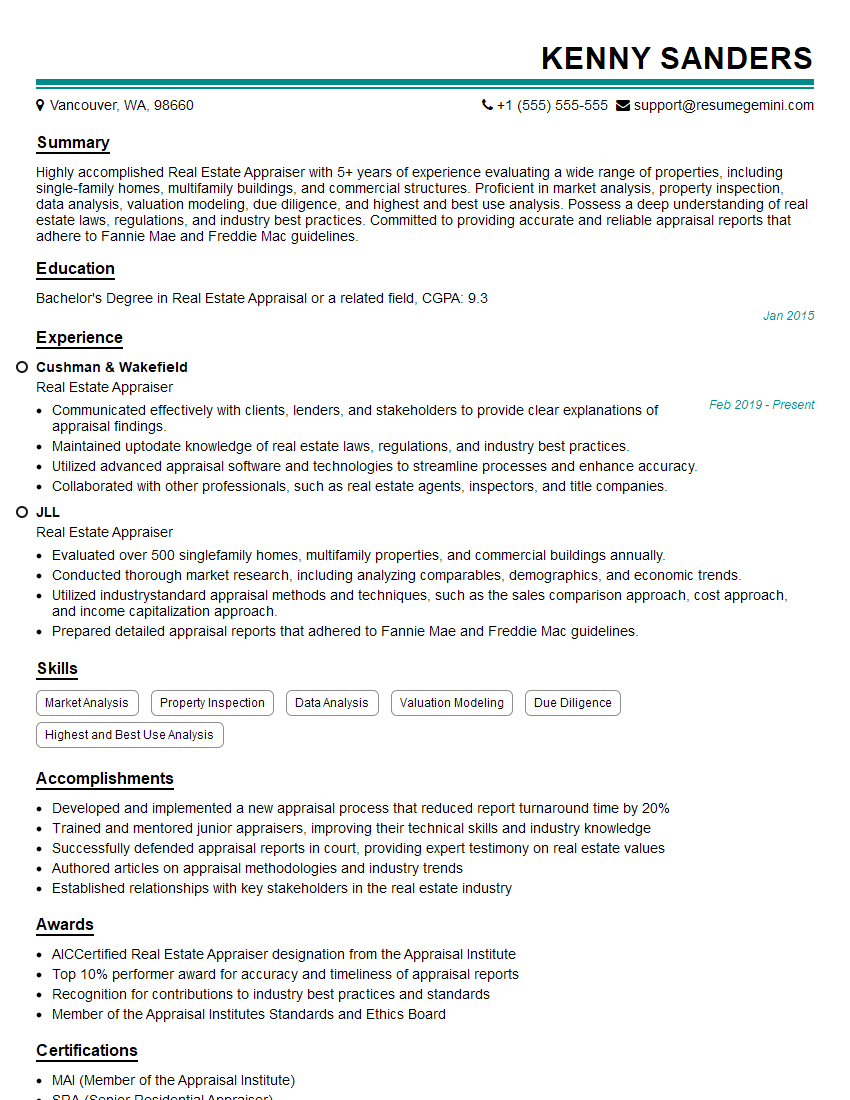
Real Estate Appraiser Resume Sample
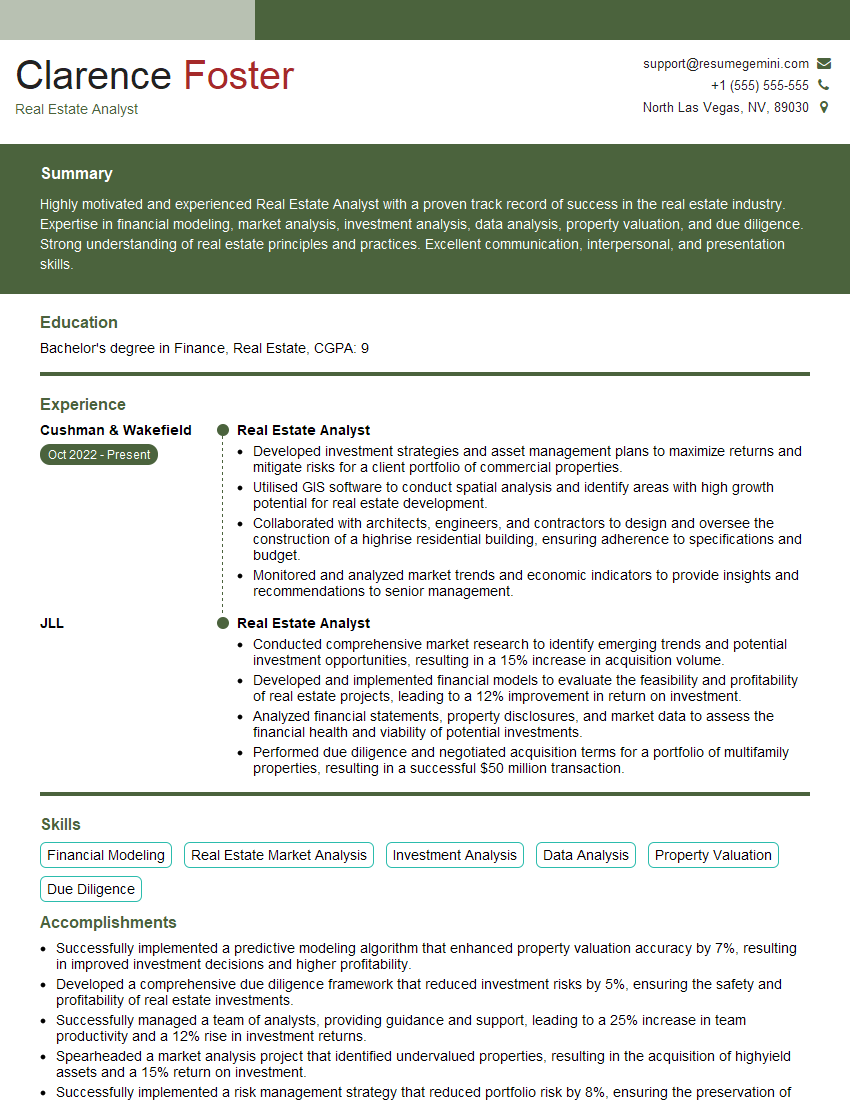
Real Estate Analyst Resume Sample
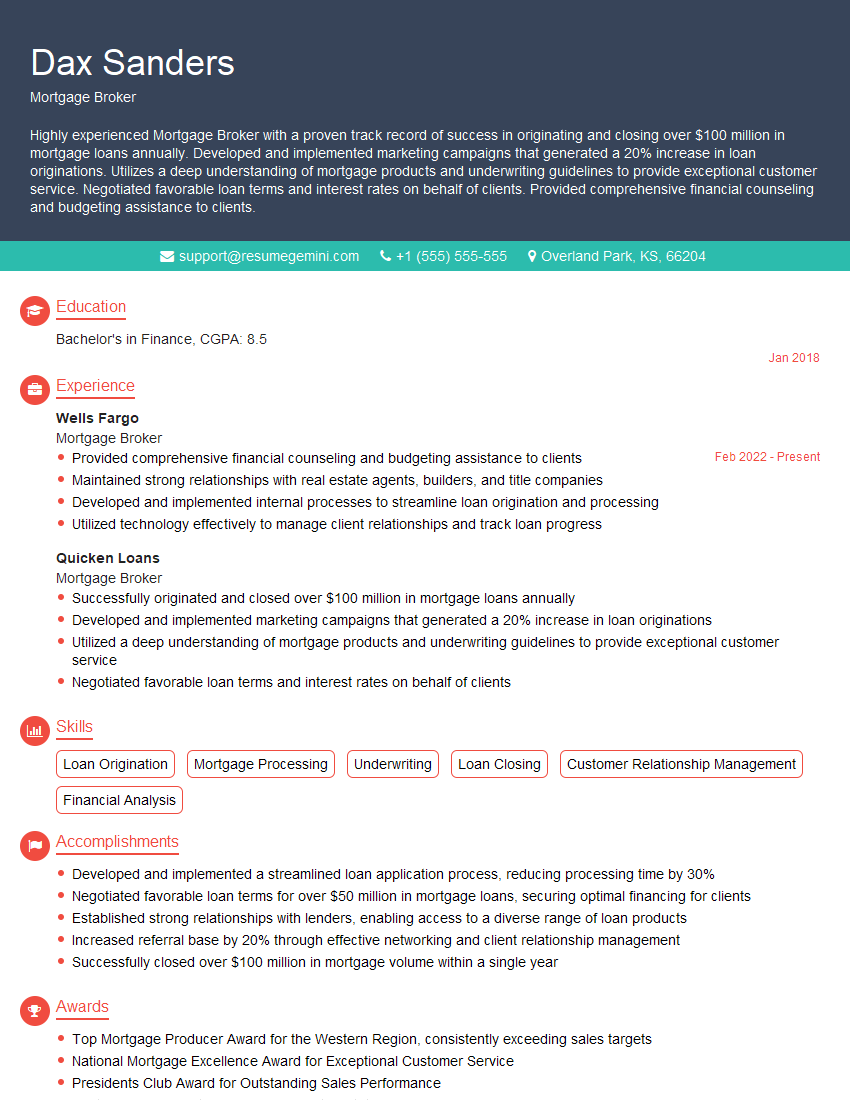
Mortgage Broker Resume Sample
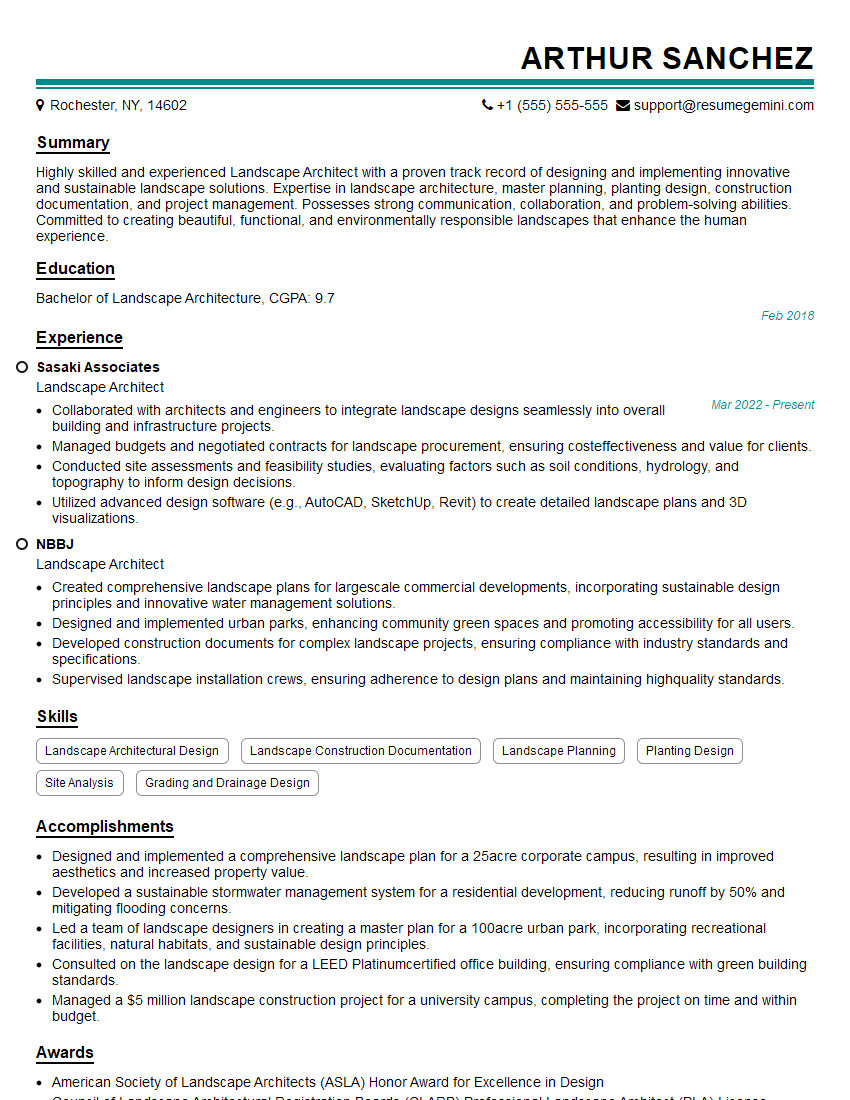
Landscape Architect Resume Sample
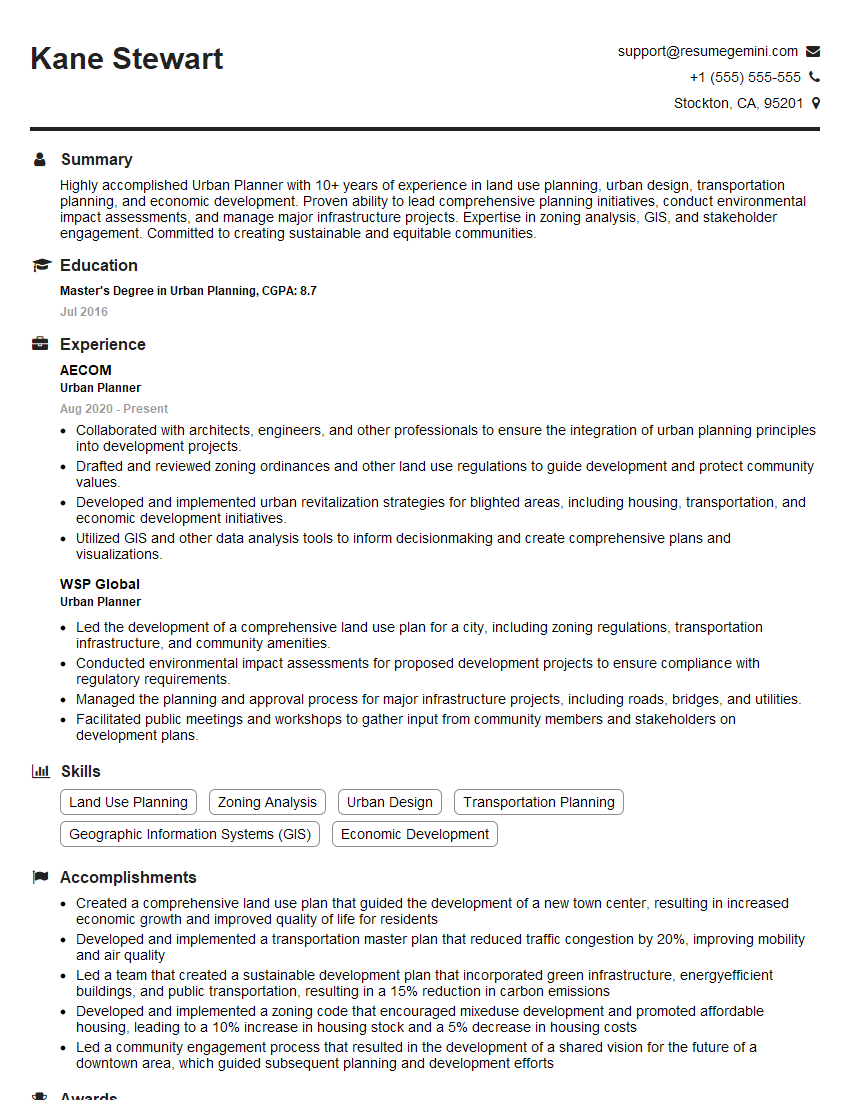
Urban Planner Resume Sample
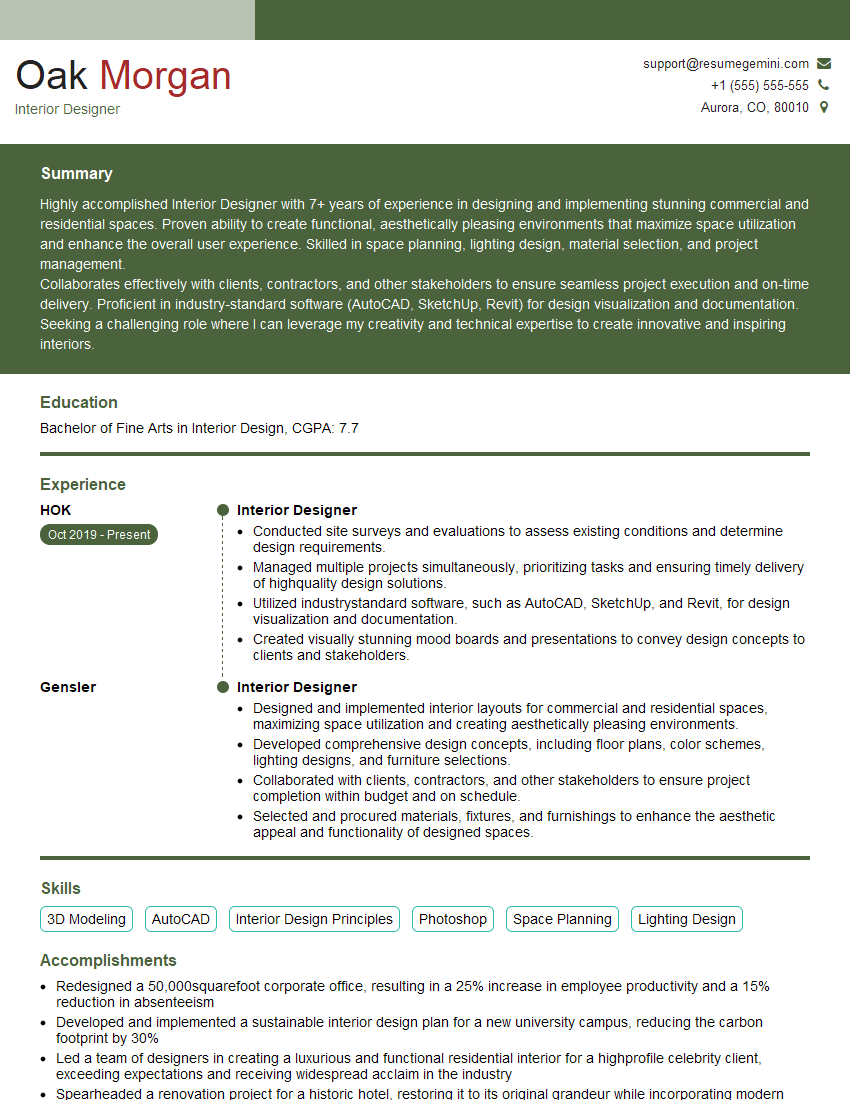
Interior Designer Resume Sample
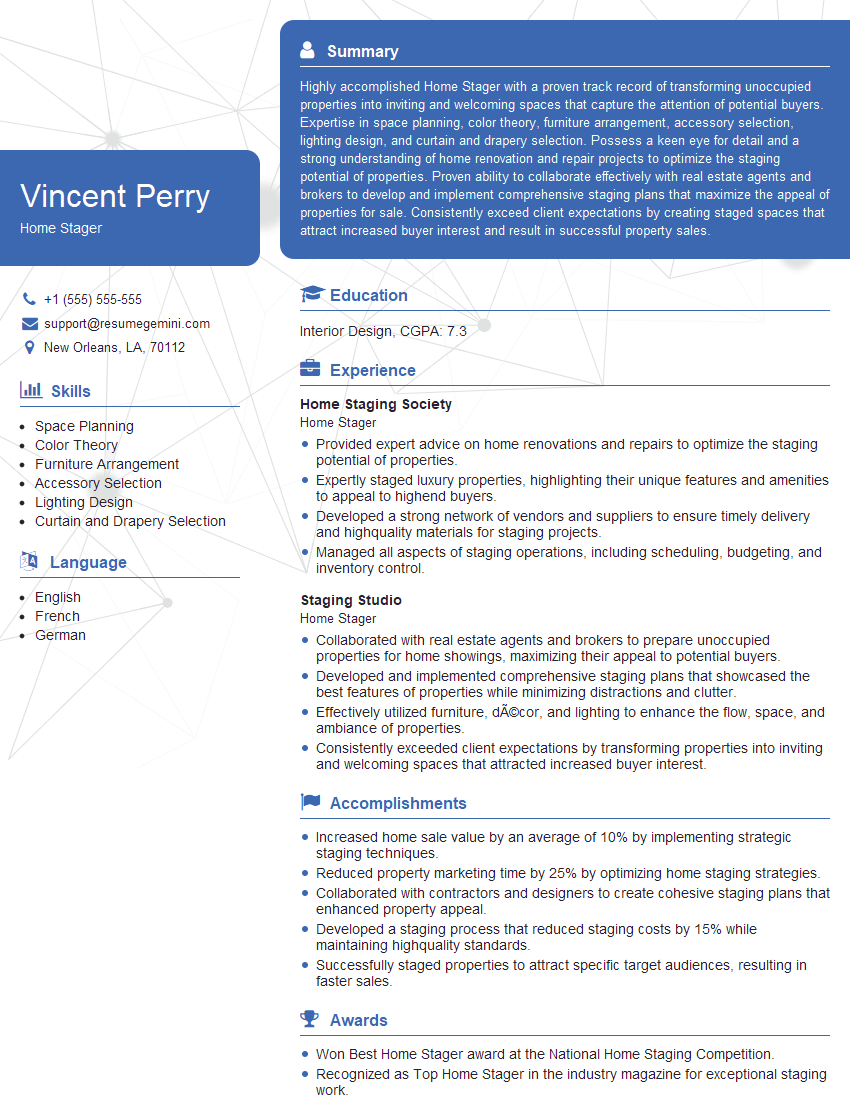
Home Stager Resume Sample
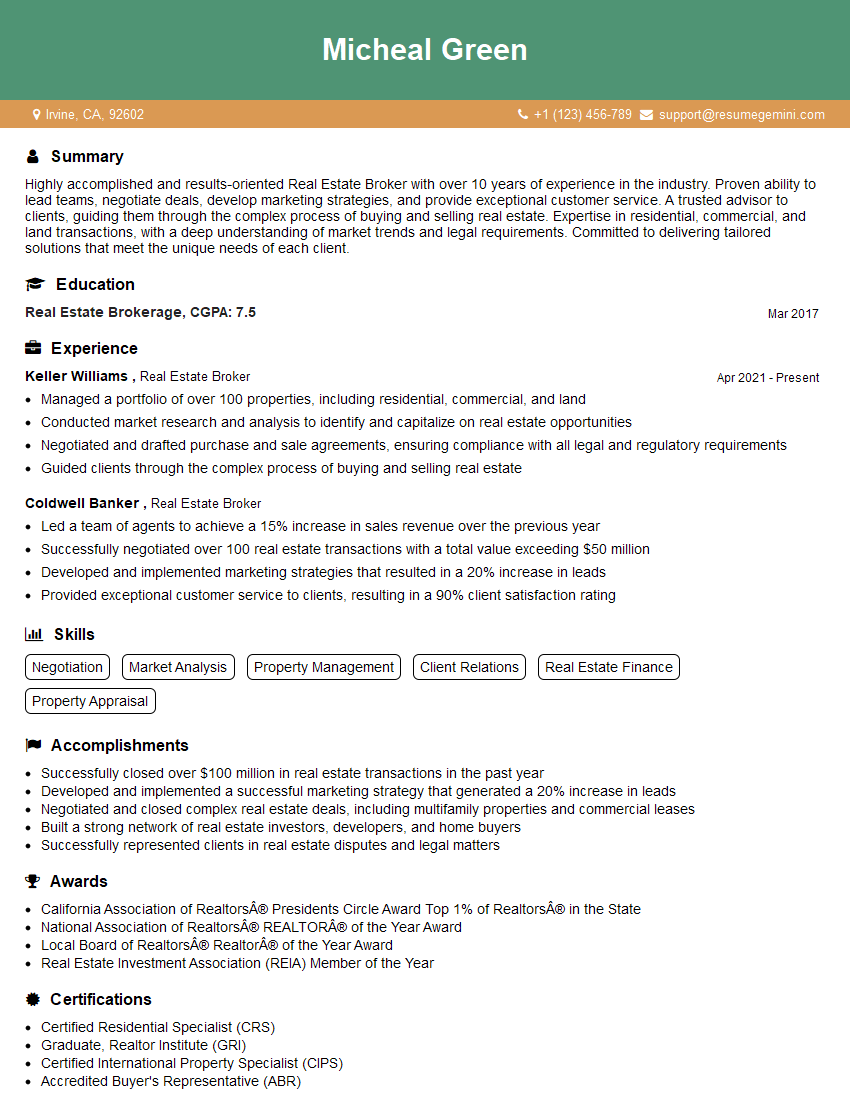
Real Estate Broker Resume Sample
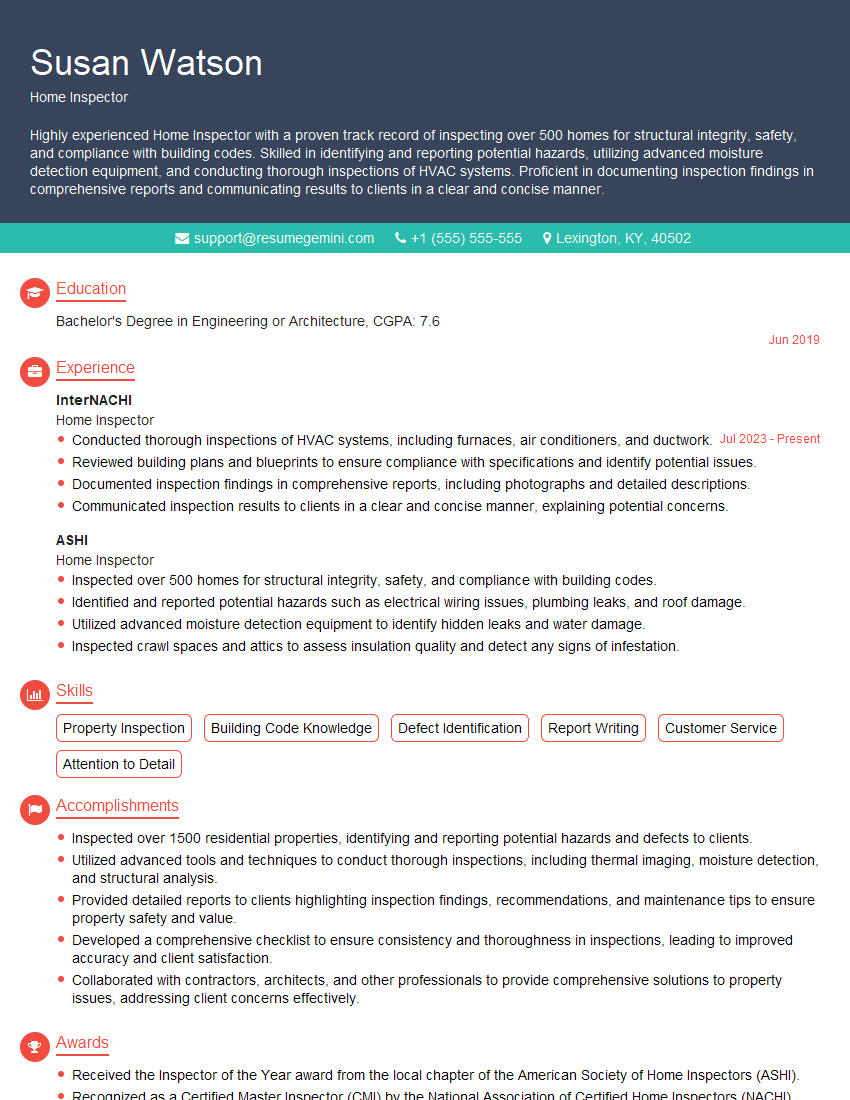
Home Inspector Resume Sample
- Facilities Manager
- Construction Project Manager
- Property Developer
- Building Superintendent
- Community Manager
- Property Manager
- Real Estate Agent
- Real Estate Investor
- Property Preservation Specialist
- Construction Estimator
- Real Estate Appraiser
- Real Estate Analyst
- Mortgage Broker
- Landscape Architect
- Urban Planner
- Interior Designer
- Home Stager
- Real Estate Broker
- Home Inspector
Explore more articles
Users Rating of Our Blogs
Share Your Experience
We value your feedback! Please rate our content and share your thoughts (optional).
What Readers Say About Our Blog
To the interviewgemini.com Webmaster.
Very helpful and content specific questions to help prepare me for my interview!
Thank you
To the interviewgemini.com Webmaster.
This was kind of a unique content I found around the specialized skills. Very helpful questions and good detailed answers.
Very Helpful blog, thank you Interviewgemini team.