The thought of an interview can be nerve-wracking, but the right preparation can make all the difference. Explore this comprehensive guide to Communication and Interpretation of Results interview questions and gain the confidence you need to showcase your abilities and secure the role.
Questions Asked in Communication and Interpretation of Results Interview
Q 1. Describe your approach to communicating complex data to a non-technical audience.
Communicating complex data to a non-technical audience requires translating technical jargon into plain language and focusing on the story the data tells, not just the numbers themselves. My approach involves several key steps:
- Understanding the audience: Before I even begin crafting the message, I spend time understanding their background, knowledge level, and what they need to know. This informs my choice of language, examples, and visuals.
- Simplifying the data: I avoid technical terms whenever possible. Instead, I use analogies, metaphors, and relatable examples to illustrate key points. For instance, instead of saying “the standard deviation is 2.5,” I might say, “most of the results fall within a range of 2.5 units around the average.”
- Visualizing the data: Charts and graphs are crucial. I choose the most appropriate visualization type depending on the data and the message – bar charts for comparisons, line charts for trends, etc. I make sure these visuals are clean, easy to understand, and appropriately labeled.
- Telling a story: Data is more engaging when presented as a narrative. I identify the key takeaways and structure my communication to tell a compelling story that highlights the significance of the findings.
- Iterative feedback: I always test my communication with a member of the target audience to get feedback and refine my approach until it’s clear and effective. This ensures the message resonates with the intended recipients.
For example, when explaining complex financial data to a board of directors, I wouldn’t use terms like ‘regression analysis’ or ‘p-value.’ Instead, I’d focus on the implications for the company’s bottom line, using clear, simple language and visuals to support my points.
Q 2. How do you identify biases in data analysis and reporting?
Identifying biases in data analysis and reporting is crucial for maintaining integrity and drawing accurate conclusions. My process involves:
- Awareness of common biases: I am acutely aware of various biases such as confirmation bias (seeking out information that confirms pre-existing beliefs), selection bias (choosing a non-representative sample), and publication bias (favoring the publication of positive results).
- Scrutinizing data sources: I carefully examine the origin and methodology of the data, considering potential limitations or influences. Are there any obvious sampling issues? Are there any missing data points that could skew the results?
- Reviewing the analysis methodology: I evaluate the statistical methods used, ensuring their appropriateness and ensuring that alternative analysis methods were considered and their limitations acknowledged.
- Considering alternative explanations: I actively seek alternative explanations for the observed results and assess the plausibility of competing hypotheses. This helps challenge assumptions and identify potential biases.
- Peer review and external validation: I strongly believe in the value of peer review and seek feedback from colleagues who can offer a fresh perspective. Wherever possible, I look to validate findings using independent data sources.
For instance, if I’m analyzing survey data on customer satisfaction, I’d check for response bias – if the survey only reached certain segments of the customer base, the results might not be representative of the whole population.
Q 3. Explain your process for determining the most effective communication channel for a specific message.
Selecting the right communication channel is critical for effective messaging. My decision-making process considers several factors:
- Audience accessibility: Which channels are most likely to reach my intended audience? Some audiences are more likely to check email than social media, for example.
- Message urgency and importance: A critical update may require a phone call or email, while a less urgent announcement could be suitable for a newsletter or company intranet.
- Message length and complexity: A short, simple message is suitable for a quick email or text. Longer, more complex information might necessitate a presentation, report, or meeting.
- Need for interaction: If I need immediate feedback or discussion, a meeting or video conference is preferable. A one-way communication, such as a written report, is appropriate when interaction isn’t necessary.
- Organizational context: Some organizations have preferred communication channels or guidelines that must be followed.
For instance, a quick update on a project milestone might be suitable for a quick email or Slack message, while presenting quarterly financial results demands a formal presentation to the stakeholders.
Q 4. How do you handle conflicting interpretations of data?
Conflicting interpretations of data are common and require a systematic approach to resolution. My process involves:
- Reviewing the data and methodology: I begin by thoroughly re-examining the raw data and the analytical methods used by each party. Are there errors or inconsistencies that need to be addressed?
- Identifying the source of the discrepancy: I pinpoint the specific points of divergence. Are the conflicting interpretations due to differences in data selection, analysis techniques, or underlying assumptions?
- Seeking additional data or analysis: If necessary, I gather additional data, conduct sensitivity analyses, or perform alternative statistical tests to clarify the findings.
- Facilitating discussion and collaboration: I organize a meeting to bring together those with conflicting interpretations to discuss their perspectives and work towards a common understanding. This often involves explaining the reasoning behind each interpretation and highlighting the strengths and limitations of the respective approaches.
- Documenting the process and conclusions: Once a consensus (or at least a well-defined understanding of the disagreements) is reached, I document the process, including the different interpretations and the reasons for the final conclusion. This is crucial for transparency and future reference.
Sometimes, there is no single ‘right’ answer, but by being methodical and collaborative, we can arrive at a clear understanding of the range of possibilities and implications.
Q 5. Describe a time you had to present negative results. How did you handle it?
Presenting negative results is a critical part of responsible data communication. In one project, we were developing a new marketing campaign and the initial A/B testing showed that the new campaign underperformed compared to the control group. I handled this by:
- Acknowledging the outcome: I began by directly and honestly stating the negative results without trying to downplay them.
- Focusing on the learning process: Instead of dwelling on the failure, I emphasized what we learned from the experiment. We were able to identify specific elements of the campaign that didn’t resonate with the target audience.
- Presenting concrete data and evidence: I presented the data in a clear and concise manner, showing the statistical significance of the results and demonstrating that it wasn’t just a random variation.
- Proposing next steps: Based on the results, I proposed concrete steps to address the shortcomings of the campaign. This showed that we were actively using the data to improve, not just to report failure.
- Maintaining a positive and constructive tone: Even with negative results, I maintained a positive and constructive tone, highlighting the value of the learning process and emphasizing our commitment to improvement.
This approach helped avoid defensiveness and fostered trust, and ultimately, led to a more effective campaign in the next iteration.
Q 6. How do you prioritize competing communication needs?
Prioritizing competing communication needs requires a structured approach. I use a framework that considers:
- Urgency: Which communications need immediate attention? For instance, a critical system failure demands immediate attention, unlike a routine monthly report.
- Impact: What is the potential impact of delaying each communication? A delay in reporting a safety concern has far greater implications than a delay in sharing project updates.
- Stakeholder importance: Communications involving senior management or clients usually take precedence over those with less impact on key relationships.
- Resource availability: I consider the resources available to fulfill each communication task, such as time and personnel.
- Strategic alignment: I ensure that communication efforts align with the overall goals and strategic priorities of the organization.
I often employ a prioritization matrix, ranking communication needs based on their urgency and impact. This matrix helps make objective decisions in situations with competing needs.
Q 7. How do you ensure accuracy and clarity in your communication?
Ensuring accuracy and clarity in communication is paramount. My approach involves:
- Data verification: I thoroughly verify the accuracy of the data before using it in any communication. This includes cross-checking data sources and employing appropriate quality control methods.
- Clear and concise language: I use simple, unambiguous language and avoid technical jargon unless the audience understands it. I also maintain a consistent style and tone.
- Appropriate visuals: I choose appropriate visuals, such as charts and graphs, to enhance understanding and avoid misinterpretation. Visuals should be clear, well-labeled, and easy to read.
- Peer review: I always have my communication reviewed by a colleague to identify any potential errors or areas for improvement before dissemination.
- Multiple channels of communication: For critical information, I might use multiple channels to ensure everyone receives the message. This could involve email, a presentation, or even a meeting.
By meticulously following these steps, I aim to deliver consistent, credible, and understandable messages.
Q 8. What metrics do you use to assess the effectiveness of your communication strategies?
Assessing the effectiveness of communication strategies requires a multifaceted approach, moving beyond simple gut feeling. We need quantifiable metrics to understand true impact. I typically use a combination of leading and lagging indicators.
Leading Indicators (predict future success): These measure the engagement and reach before a desired outcome. Examples include website traffic to relevant pages, social media engagement (likes, shares, comments), email open and click-through rates, and the number of people attending webinars or events.
Lagging Indicators (measure the result): These show the impact after the communication has taken place. These might include sales conversions, lead generation, changes in brand perception (measured through surveys), customer satisfaction scores, or even shifts in website bounce rates.
For instance, if we’re launching a new product, a leading indicator might be the number of people who downloaded a product brochure. A lagging indicator would be the number of actual sales generated.
It’s crucial to set clear, measurable goals at the outset of any communication campaign. Only then can we choose the right metrics to track progress and demonstrate success.
Q 9. How do you translate data into actionable insights?
Translating data into actionable insights is a critical skill. It’s not just about crunching numbers; it’s about understanding the story they tell. My process involves several key steps:
Data Cleaning and Preparation: This involves ensuring the data is accurate, complete, and consistent. This often includes identifying and handling outliers or missing values.
Exploratory Data Analysis (EDA): I use EDA techniques like creating histograms, scatter plots, and box plots to understand data distributions and relationships between variables. This helps identify trends and patterns.
Statistical Analysis (if needed): Depending on the data and the questions being asked, I might conduct hypothesis tests, regressions, or other statistical analyses to draw inferences.
Interpretation and Insight Generation: This is where the magic happens. I move beyond simple statistics and look for meaningful patterns and insights that answer the core business questions. What are the key drivers? What are the areas for improvement?
Actionable Recommendations: Finally, I translate these insights into specific, measurable, achievable, relevant, and time-bound (SMART) recommendations. These could be changes to marketing strategies, product development, or internal processes.
For example, if website analytics show a high bounce rate on a specific product page, the actionable insight might be to improve the page’s design or content to make it more engaging and user-friendly.
Q 10. Describe your experience with data visualization tools and techniques.
Data visualization is essential for effective communication. I’m proficient in a range of tools and techniques, including:
Software: Tableau, Power BI, and Google Data Studio are my go-to tools for creating interactive dashboards and visualizations. I also have experience with Python libraries like Matplotlib and Seaborn for custom visualizations.
Techniques: I utilize various chart types depending on the data and message, including bar charts, line charts, scatter plots, pie charts, heatmaps, and geographical maps. Choosing the right chart is crucial for clear and accurate communication.
Best Practices: I follow best practices for data visualization, focusing on simplicity, clarity, and accuracy. This includes using clear labels, appropriate scales, and avoiding chart junk.
For example, when presenting financial data, a well-designed line chart can clearly show trends over time, while a heatmap can highlight geographic variations in sales performance. The key is to choose the visualization that best tells the story.
Q 11. How do you use storytelling to present data effectively?
Storytelling is a powerful tool for making data engaging and memorable. It helps transform complex information into a narrative that resonates with the audience. I structure my presentations around a clear narrative arc:
Establish Context: Begin by setting the stage and introducing the problem or opportunity.
Build Tension: Present the data and highlight key findings. Use visuals to support the narrative.
Offer Resolution: Provide insights, recommendations, and a clear call to action.
Instead of simply stating “Sales increased by 15%”, I might say: “Last quarter, we faced a challenging market, but through innovative marketing strategies, we not only exceeded expectations but achieved a remarkable 15% sales increase, surpassing our competitors.” This approach connects the data to a human story.
I always tailor my storytelling to the specific audience. A technical audience might appreciate a more data-driven approach, while a business audience may benefit from a focus on the business implications.
Q 12. How do you adapt your communication style to different audiences?
Adapting communication style is crucial for effective delivery. I consider several factors when communicating with different audiences:
Audience Expertise: Technical audiences require detailed, data-driven explanations, while non-technical audiences need simpler, more concise summaries.
Audience Interests: I tailor the message to what’s most relevant and engaging for the specific audience. What are their needs and priorities?
Communication Channel: The format and style of communication changes based on the channel. A formal presentation will differ from an informal email.
Cultural Context: I’m mindful of cultural differences in communication styles and adjust accordingly to avoid misinterpretations.
For example, when presenting to a board of directors, I’ll focus on high-level strategic implications, while presenting to a team of data analysts will include more technical details. My language and tone shift accordingly.
Q 13. How do you stay updated on current communication trends?
Staying updated on communication trends is essential. I actively engage in several strategies:
Industry Publications and Blogs: I regularly read publications like the Harvard Business Review, and various marketing and communication blogs to stay informed about new techniques and best practices.
Conferences and Webinars: Attending industry conferences and webinars allows me to network with other professionals and learn about the latest advancements.
Online Courses and Certifications: I consistently participate in online courses and pursue certifications to enhance my skills and knowledge in data visualization, communication, and storytelling.
Professional Networks: Engaging with professional organizations and networking with peers helps me to stay abreast of emerging trends and best practices.
This proactive approach keeps my skills sharp and ensures I’m using the most effective communication strategies.
Q 14. How do you measure the impact of your communication efforts?
Measuring the impact of communication efforts is critical to understanding ROI. It involves tracking both qualitative and quantitative data:
Quantitative Metrics: These include website traffic, sales conversions, lead generation, social media engagement, and survey responses. They provide measurable data on the success of communication campaigns.
Qualitative Metrics: These involve gathering feedback through interviews, focus groups, and open-ended survey questions to understand audience perception, satisfaction, and overall impact.
By combining both quantitative and qualitative data, I get a holistic understanding of the communication’s effectiveness. For example, if a marketing campaign shows a significant increase in website traffic (quantitative) but customer feedback suggests confusion regarding messaging (qualitative), I can adjust future campaigns to improve clarity and target audience understanding.
Ultimately, impact measurement allows me to refine strategies, optimize resource allocation, and demonstrate the value of effective communication.
Q 15. How do you ensure your communication is both concise and comprehensive?
Achieving concise yet comprehensive communication is a balancing act. It requires a deep understanding of your audience and the information you need to convey. Conciseness avoids unnecessary detail, while comprehensiveness ensures all crucial information is included. I achieve this through a structured approach:
- Audience Analysis: Before writing or speaking, I consider my audience’s background and existing knowledge. This helps me tailor my language and level of detail appropriately. For example, a technical report for engineers will differ significantly from a presentation for executives.
- Information Prioritization: I identify the key takeaways and organize information in a logical flow, starting with the most important points. Think of it like building a pyramid – the most crucial information forms the base, with supporting details layered on top.
- Clear and Simple Language: I avoid jargon and technical terms unless absolutely necessary, and if I do use them, I provide clear definitions. Visual aids such as charts and graphs can also improve comprehension significantly.
- Iterative Refinement: I often draft multiple versions of my communication, constantly reviewing and refining for clarity and conciseness. Feedback from colleagues is invaluable in this process.
For instance, when presenting data analysis results, I’ll start with a summary of the key findings, followed by supporting evidence and any necessary context. I might use bullet points or numbered lists to further enhance clarity and conciseness.
Career Expert Tips:
- Ace those interviews! Prepare effectively by reviewing the Top 50 Most Common Interview Questions on ResumeGemini.
- Navigate your job search with confidence! Explore a wide range of Career Tips on ResumeGemini. Learn about common challenges and recommendations to overcome them.
- Craft the perfect resume! Master the Art of Resume Writing with ResumeGemini’s guide. Showcase your unique qualifications and achievements effectively.
- Don’t miss out on holiday savings! Build your dream resume with ResumeGemini’s ATS optimized templates.
Q 16. Describe a time you had to explain a complex technical issue to a non-technical stakeholder.
In a previous project involving a new software deployment, I had to explain the complexities of database migration to a group of non-technical stakeholders, primarily marketing and sales personnel. They were understandably concerned about potential disruptions to their workflow.
My strategy was threefold:
- Analogies and Metaphors: I compared the database migration to moving houses. The old house represented the old database, the new house the new one, and the process of moving furniture and belongings was analogous to transferring data. This made the concept immediately relatable.
- Visual Aids: I prepared a simple flowchart illustrating the migration steps and their timelines, highlighting key milestones and potential delays. This provided a visual representation that was much easier to grasp than technical jargon.
- Focus on Impact, Not Technical Details: Instead of diving into technical specifications, I focused on the benefits of the new system for them – improved data accuracy, faster report generation, and enhanced customer service capabilities.
By focusing on the practical impact and using relatable analogies, I successfully conveyed the essence of a complex technical process without overwhelming them with technical details. Their concerns were allayed, and they actively participated in the post-migration review.
Q 17. What software or tools are you proficient in for data analysis and reporting?
My proficiency in data analysis and reporting spans several software and tools. I’m highly skilled in:
- Statistical Software: R and Python (with libraries like pandas, NumPy, and scikit-learn) for data manipulation, statistical modeling, and visualization.
- Data Visualization Tools: Tableau and Power BI for creating interactive and insightful dashboards and reports. I leverage their capabilities to effectively communicate complex data patterns to both technical and non-technical audiences.
- Spreadsheet Software: Microsoft Excel and Google Sheets for data cleaning, basic analysis, and report generation. These tools are essential for everyday tasks and offer versatility in various settings.
- Database Management Systems (DBMS): SQL for querying and manipulating data in relational databases. This allows me to directly access and analyze raw data from various sources.
My expertise extends to selecting the appropriate tool based on the project’s needs and the audience’s technical expertise. For example, I might use R for complex statistical modeling but then translate the results into an easily digestible Tableau dashboard for stakeholders.
Q 18. How do you ensure data integrity and security in your work?
Data integrity and security are paramount in my work. My approach involves a multi-layered strategy:
- Data Validation and Cleaning: I meticulously check data for errors, inconsistencies, and outliers before analysis. This involves using both automated tools and manual checks, depending on the data’s nature and volume.
- Access Control and Authorization: I follow strict protocols to ensure only authorized personnel have access to sensitive data. This includes using secure passwords, implementing role-based access control, and adhering to company data governance policies.
- Data Encryption: I employ encryption techniques, both at rest and in transit, to protect sensitive information from unauthorized access. This is particularly important when dealing with Personally Identifiable Information (PII).
- Regular Backups: I regularly back up data to prevent data loss due to hardware failure or cyberattacks. I use robust backup solutions and regularly test the recovery process.
- Data Governance and Compliance: I am familiar with relevant data privacy regulations (such as GDPR or CCPA) and ensure my practices align with these guidelines.
For example, when dealing with customer data, I ensure all data is anonymized or pseudonymized wherever possible, before any analysis is conducted. I document all data handling procedures, ensuring traceability and accountability.
Q 19. How do you handle ambiguity and uncertainty when interpreting data?
Ambiguity and uncertainty in data interpretation are inevitable. My approach involves a systematic process:
- Explore Multiple Perspectives: I consider various explanations for the observed data patterns, avoiding premature conclusions. This involves exploring different analytical approaches and considering potential biases.
- Sensitivity Analysis: I assess the robustness of my findings by testing the impact of different assumptions and data variations. This helps to identify the uncertainty associated with my conclusions.
- Qualitative Data Integration: Where appropriate, I incorporate qualitative data (e.g., interviews, surveys) to enrich my understanding and contextualize quantitative findings. This can often shed light on the reasons behind observed patterns.
- Transparent Communication: I explicitly acknowledge uncertainties and limitations in my analysis and communicate these clearly to stakeholders. Transparency builds trust and avoids misinterpretations.
- Further Investigation: If the uncertainty is significant, I recommend further data collection or investigation to clarify ambiguous findings. This might involve refining the research question or gathering additional data.
For instance, if a correlation is observed but its causal mechanism is unclear, I’ll clearly state this limitation and explore potential explanations. I might suggest further experiments or data collection to confirm or refute any hypotheses.
Q 20. Explain your experience with different data analysis methodologies.
My experience encompasses a variety of data analysis methodologies, including:
- Descriptive Statistics: I use techniques such as mean, median, mode, standard deviation, and percentiles to summarize and describe datasets. This is a fundamental step in understanding the basic characteristics of the data.
- Inferential Statistics: I apply hypothesis testing, regression analysis, and ANOVA to draw inferences about populations based on sample data. This allows me to make predictions and test causal relationships.
- Predictive Modeling: I utilize techniques like linear regression, logistic regression, decision trees, and machine learning algorithms to build predictive models. This is crucial for forecasting future trends and making data-driven decisions.
- Exploratory Data Analysis (EDA): I routinely employ EDA techniques to uncover patterns, relationships, and anomalies in datasets. This often involves data visualization and summary statistics.
- Causal Inference: I utilize methods like randomized controlled trials (RCTs) or instrumental variables (IV) to establish causal relationships between variables, going beyond mere correlation.
The choice of methodology depends on the research question, the type of data available, and the desired level of inference. For example, when analyzing customer churn, I might use logistic regression to build a predictive model, while also employing EDA to understand the underlying factors contributing to churn.
Q 21. How do you deal with situations where data is incomplete or inconsistent?
Incomplete or inconsistent data is a common challenge in data analysis. My strategies for addressing this include:
- Data Imputation: I use various techniques to fill in missing values, such as mean imputation, median imputation, or more sophisticated methods like k-nearest neighbors imputation. The choice depends on the nature of the missing data and the potential bias introduced by each method.
- Data Cleaning and Transformation: I identify and address inconsistencies in the data through cleaning and transformation techniques. This might involve correcting errors, standardizing data formats, and handling outliers.
- Data Reconciliation: When dealing with multiple data sources, I reconcile discrepancies by comparing and verifying data across sources. This often involves identifying the reasons for inconsistencies and making informed decisions on how to resolve them.
- Sensitivity Analysis: I assess the impact of missing or inconsistent data on the analysis results through sensitivity analysis. This helps to determine the extent to which these issues might affect the conclusions.
- Data Reduction Techniques: If the missing data is substantial or the inconsistencies are pervasive, I may consider using data reduction techniques, such as feature selection or dimensionality reduction, to focus the analysis on the more reliable parts of the dataset.
For example, if a significant portion of a survey’s responses are missing, I might use imputation techniques to fill in the gaps, while also carefully documenting the limitations of the imputed data and acknowledging any potential bias this may introduce into the analysis.
Q 22. How do you identify and address potential misinterpretations of data?
Identifying and addressing potential misinterpretations of data is crucial for effective communication. It involves a multi-step process that begins with understanding the audience and their prior knowledge. We must consider potential biases, both in the data itself and in the audience’s interpretation.
- Understanding the Context: Before interpreting data, I thoroughly investigate the methodology used to collect it. This includes checking for sampling biases, measurement errors, and any limitations in the data collection process. For example, a survey with a low response rate might not be representative of the entire population.
- Considering Alternative Explanations: I avoid jumping to conclusions and actively look for alternative explanations for the observed patterns. Correlation doesn’t equal causation! If I see a strong correlation between two variables, I explore whether there might be a confounding variable influencing both.
- Transparency and Clarity: I communicate my findings clearly and transparently, acknowledging any limitations or uncertainties in the data or analysis. I use plain language, avoiding technical jargon whenever possible. If jargon is necessary, I provide clear definitions.
- Visual Aids: Visualizations like charts and graphs can help mitigate misinterpretations. A well-designed graph can immediately highlight key trends and patterns, minimizing ambiguity.
- Interactive Communication: I encourage questions and discussion to ensure the audience fully understands the data and its implications. I am open to feedback and address any concerns proactively.
For instance, if presenting data on customer satisfaction, I would make sure to specify the sample size, the methodology used to collect the data, and the confidence interval of the results, thus making the interpretation more nuanced and avoiding overgeneralization.
Q 23. How do you validate the accuracy of your interpretations?
Validating the accuracy of interpretations is a critical step. It’s not just about getting the numbers right; it’s about ensuring the conclusions drawn are supported by the evidence. My approach involves several strategies:
- Peer Review: I always seek feedback from colleagues with expertise in the relevant field. A fresh perspective can often identify flaws or biases that I might have missed.
- Cross-Validation: Wherever possible, I use multiple methods to analyze the data and compare the results. Consistency across different analytical approaches strengthens the validity of my interpretations.
- Data Triangulation: I might use multiple data sources to confirm my findings. If the conclusions are consistently supported by different datasets, the interpretation is more reliable.
- Sensitivity Analysis: I assess how sensitive my interpretations are to changes in the input data or assumptions. If minor changes lead to drastically different conclusions, it suggests the interpretation might be unstable and needs further investigation.
- Literature Review: I compare my findings to existing research in the field. Do my interpretations align with the broader scientific consensus? If there are discrepancies, I need to investigate why.
Imagine analyzing sales data. I wouldn’t just rely on a single regression model. Instead, I’d compare the results with trend analysis, time-series decomposition, and perhaps even qualitative data from customer interviews to build a more robust and valid conclusion.
Q 24. How do you balance the need for brevity with the need for thoroughness in your communication?
Balancing brevity and thoroughness is a constant challenge in communication. The key is to tailor the level of detail to the audience and the purpose of the communication.
- Knowing Your Audience: For a technical audience, more detail is usually needed. For a non-technical audience, I focus on the key takeaways and avoid overwhelming them with technical details.
- Executive Summaries: For reports or presentations, I start with a concise executive summary that highlights the key findings. This provides the main points upfront for those short on time. The body of the report can then provide more details for those who want a deeper understanding.
- Visualizations: Charts and graphs can convey a significant amount of information concisely. They can often replace lengthy descriptions, improving both brevity and clarity.
- Prioritization: I prioritize the most important information, focusing on the key insights and implications of the data. Less important details can be placed in appendices or omitted altogether.
- Interactive Elements: For presentations, interactive elements such as Q&A sessions allow for a more tailored approach. If the audience has follow-up questions, you can provide the necessary level of detail on demand.
For example, if I’m presenting market research to senior management, the presentation would focus on high-level trends and their strategic implications, whereas a detailed report with all the underlying data might be shared separately with the marketing team.
Q 25. Describe a time when your communication skills significantly impacted a project’s outcome.
In a previous project involving the analysis of customer churn, my communication skills played a pivotal role. The initial analysis revealed a high churn rate, and the team’s initial reaction was to implement drastic cost-cutting measures.
However, through careful analysis and clear communication, I was able to show that the high churn was primarily driven by a specific customer segment dissatisfied with a recent product update. I presented this information visually through segmented bar charts and supported it with qualitative data from customer feedback surveys. Instead of cost-cutting, we prioritized addressing customer concerns by improving the product update based on their feedback. This resulted in a significant improvement in customer retention and avoided unnecessary financial hardship.
My effective communication, which included data visualizations and transparent explanation of the root cause, not only prevented a potentially harmful decision but also facilitated a positive outcome, leading to enhanced customer satisfaction and improved company performance. The presentation of my findings was crucial in persuading the management to change their approach.
Q 26. How do you effectively present data through visual aids (charts, graphs)?
Effective presentation of data through visual aids is crucial for conveying complex information clearly and concisely. Here’s my approach:
- Choosing the Right Chart Type: I select the chart type that best represents the data. For example, bar charts are great for comparisons, line charts for trends over time, and scatter plots for correlations.
- Clear Labeling: Axes, titles, and legends must be clear and unambiguous. Units of measurement should be explicitly stated.
- Data Integrity: The visual representation must accurately reflect the underlying data. Avoid manipulating the axes or scales to distort the results.
- Visual Appeal: Use consistent colors, fonts, and styles to maintain a professional look. Avoid clutter. Less is often more.
- Contextualization: Don’t just present the charts. Provide context. Explain what the chart shows, the key findings, and their implications.
For example, instead of simply presenting a bar chart showing sales figures, I would add clear labels for each bar, provide the units (e.g., dollars), and include a title that summarizes the key message, such as “Sales Performance by Product Line – Q3 2024.” I would also explain the significance of the data, potentially highlighting a particular product’s strong performance or the need for improvements in another area.
Q 27. How do you incorporate feedback to improve your communication skills?
Incorporating feedback is essential for continuous improvement in communication skills. My process includes:
- Seeking Feedback Actively: I actively solicit feedback from colleagues, supervisors, and even the audience after presentations or reports. I use both formal and informal methods.
- Openness to Criticism: I approach feedback with an open mind, even if it’s critical. Constructive criticism is vital for growth.
- Specific Questions: I often ask specific questions to help others provide targeted feedback. For example, “Was the information easy to understand?”, “Did the visuals support the message effectively?”, “Was the pace appropriate?”
- Reflection and Analysis: After receiving feedback, I take time to reflect on my performance and identify areas for improvement. I note recurring patterns of criticism.
- Action Plan: I create an action plan to address identified weaknesses. This might involve practicing specific skills or seeking training.
For instance, if feedback suggests my presentations are too technical, I would focus on improving my ability to explain complex concepts in simpler terms. I might practice delivering presentations to a non-technical audience or seek mentorship from someone skilled in simplifying technical information.
Q 28. How do you use technology to enhance your communication effectiveness?
Technology plays a significant role in enhancing my communication effectiveness. I use a variety of tools to improve reach, clarity, and accessibility:
- Data Visualization Software: Tools like Tableau and Power BI allow me to create compelling and interactive visualizations that help audiences understand data easily. This is particularly helpful when presenting large datasets.
- Collaboration Platforms: Platforms like Microsoft Teams or Slack facilitate seamless communication and collaboration with colleagues and clients. This helps keep everyone updated and involved.
- Presentation Software: Software like PowerPoint or Google Slides allows for visually rich and engaging presentations. I use animation and multimedia to enhance audience engagement.
- Web Conferencing: Tools like Zoom or Google Meet enable remote presentations and meetings, expanding my reach to a wider audience.
- Project Management Software: Tools like Asana or Trello ensure projects are organized and that communication regarding progress is clear and efficient.
For instance, instead of sending a lengthy email explaining project updates, I can use a project management tool to provide a visual overview of progress, tasks, and deadlines. This keeps the team informed and avoids information silos.
Key Topics to Learn for Communication and Interpretation of Results Interview
- Data Visualization Techniques: Mastering charts, graphs, and other visual aids to effectively communicate complex data sets. Consider different audience needs when choosing the right visual representation.
- Statistical Significance and Error Analysis: Understand how to interpret p-values, confidence intervals, and margins of error to accurately assess the reliability and meaning of your findings. Be prepared to discuss limitations and potential biases.
- Clear and Concise Communication: Practice articulating complex information in a simple and understandable way for both technical and non-technical audiences. Develop strong storytelling skills to present your data compellingly.
- Adapting Communication Style: Understand how to tailor your communication based on the context and audience. This could involve adjusting your language, tone, and level of detail.
- Effective Presentation Skills: Practice delivering presentations that are engaging, informative, and persuasive. Be ready to field questions and handle challenging feedback constructively.
- Problem-solving using data: Demonstrate your ability to identify problems, formulate hypotheses, design studies, interpret findings, and communicate recommendations based on data analysis.
- Ethical Considerations in Data Interpretation: Discuss the importance of transparency, accuracy, and avoiding misleading interpretations of data. Be aware of potential biases and their impact on results.
Next Steps
Mastering the communication and interpretation of results is crucial for career advancement in virtually any field requiring data analysis. Employers highly value candidates who can effectively translate complex data into actionable insights and communicate those insights clearly and concisely. To maximize your job prospects, creating an ATS-friendly resume is essential. This ensures your application gets noticed and considered by recruiters and hiring managers. ResumeGemini is a trusted resource for building professional, impactful resumes that highlight your skills and experience effectively. We provide examples of resumes tailored to Communication and Interpretation of Results to help you craft a compelling application that showcases your expertise.
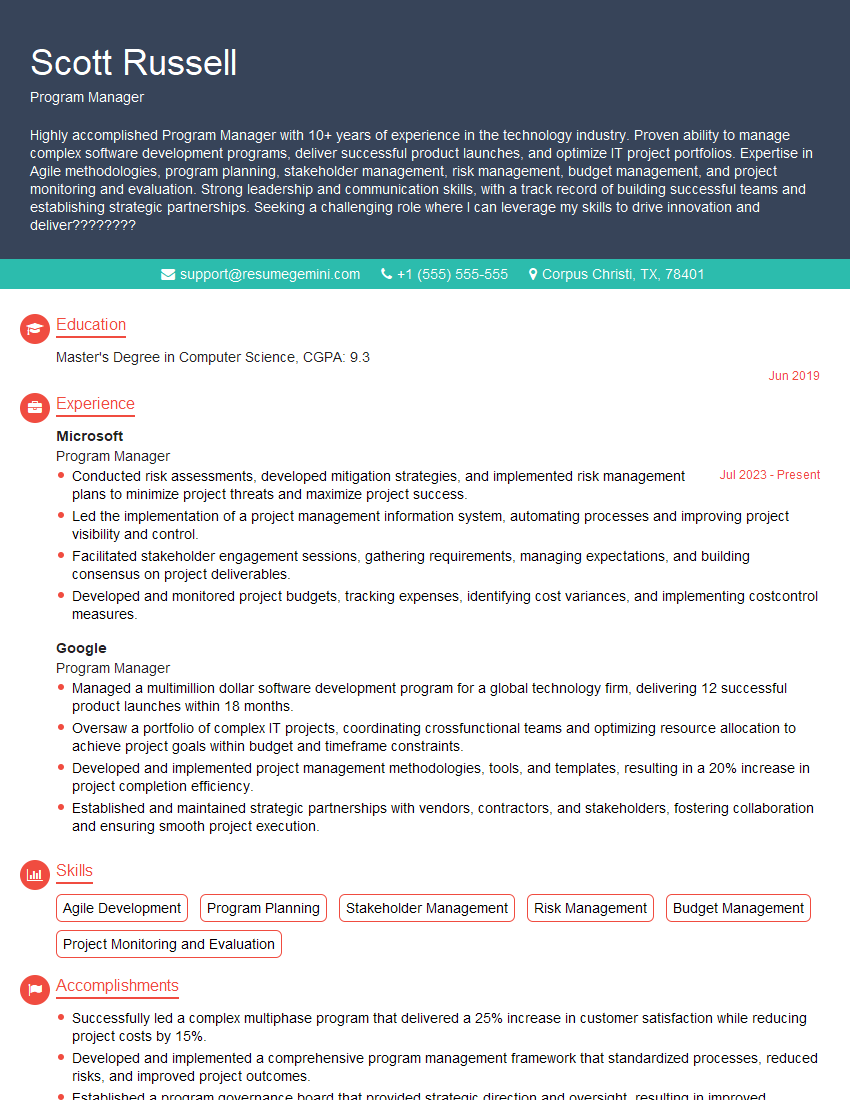
Program Manager Resume Sample
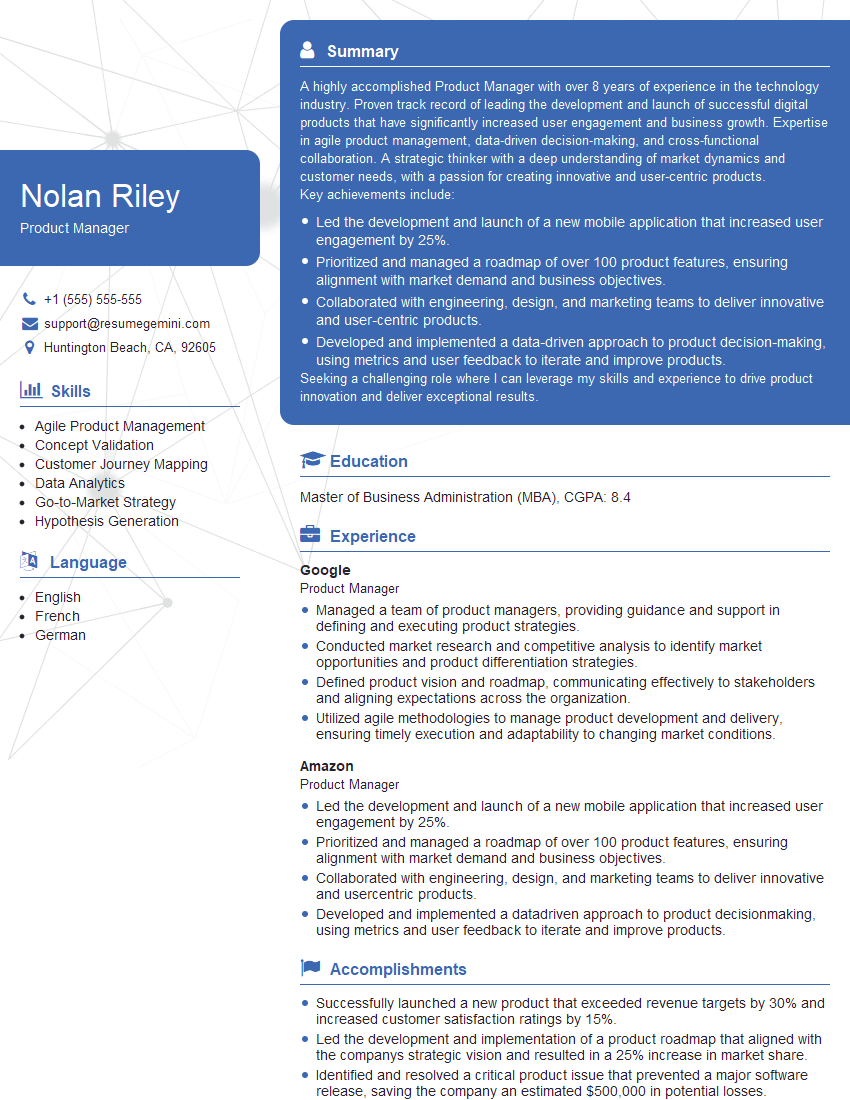
Product Manager Resume Sample

Communications Manager Resume Sample

Project Manager Resume Sample
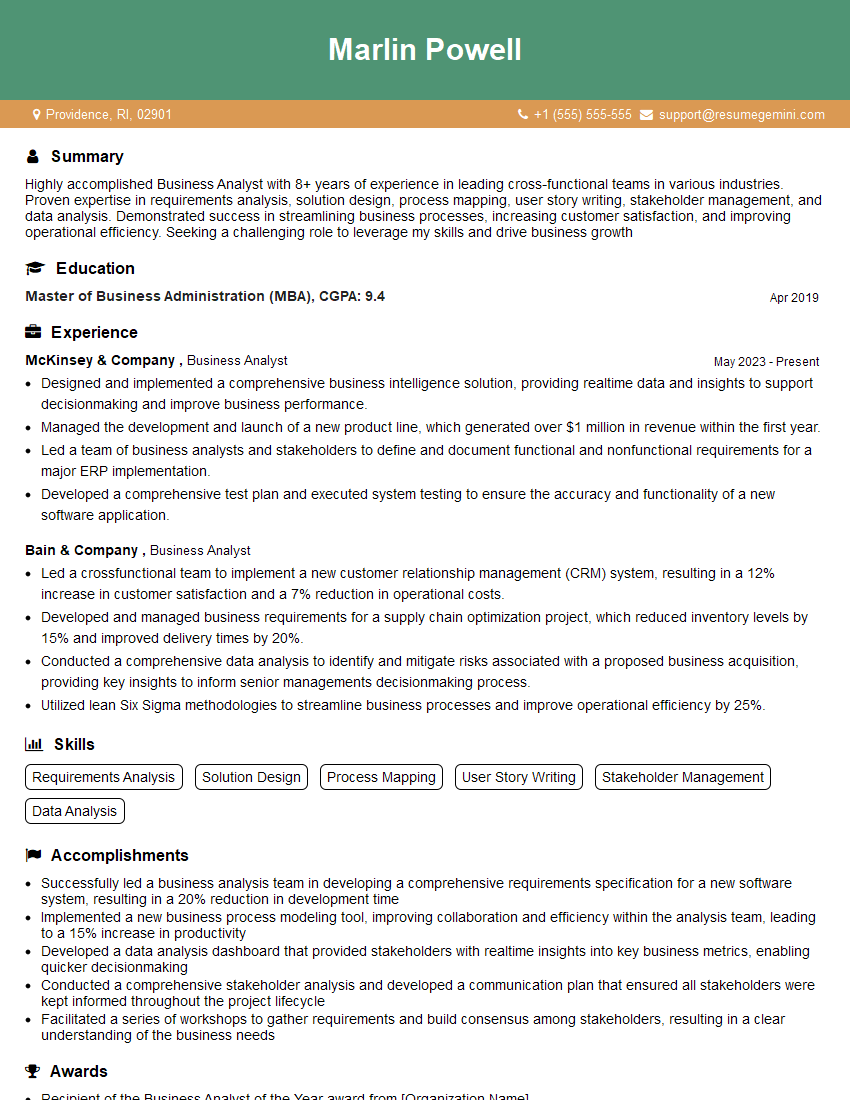
Business Analyst Resume Sample
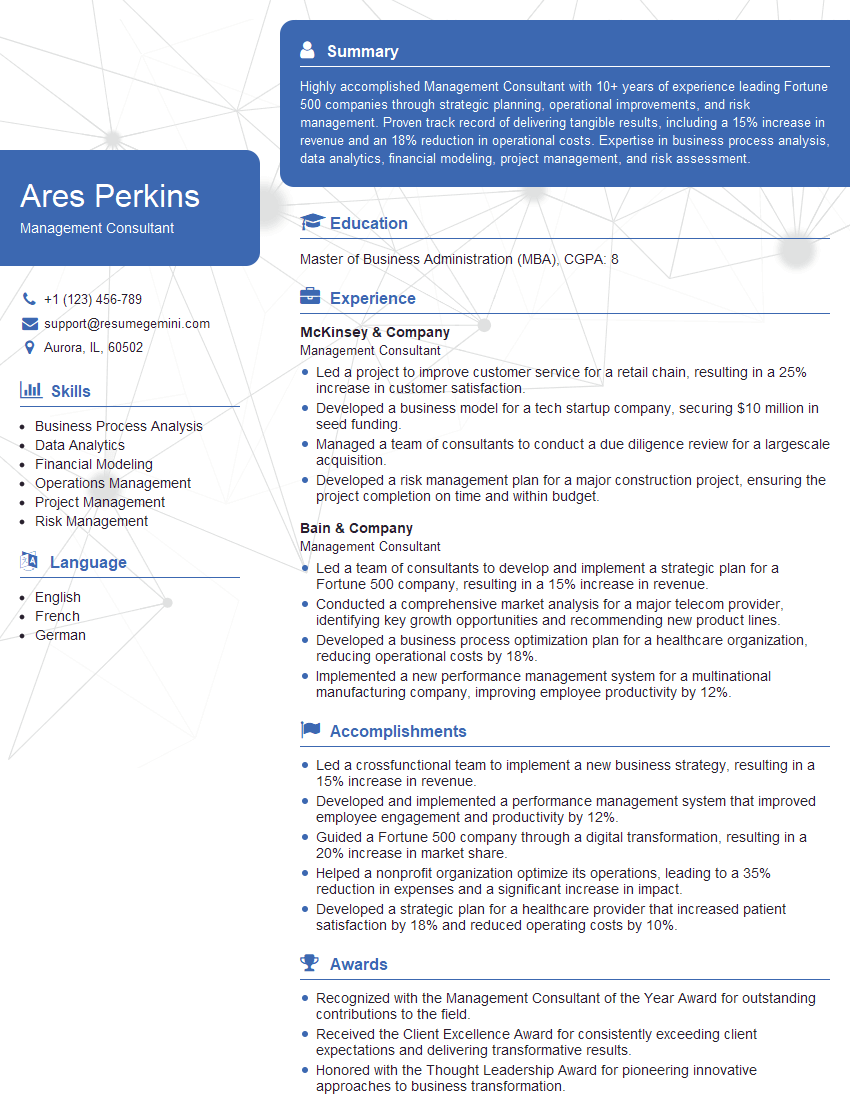
Management Consultant Resume Sample
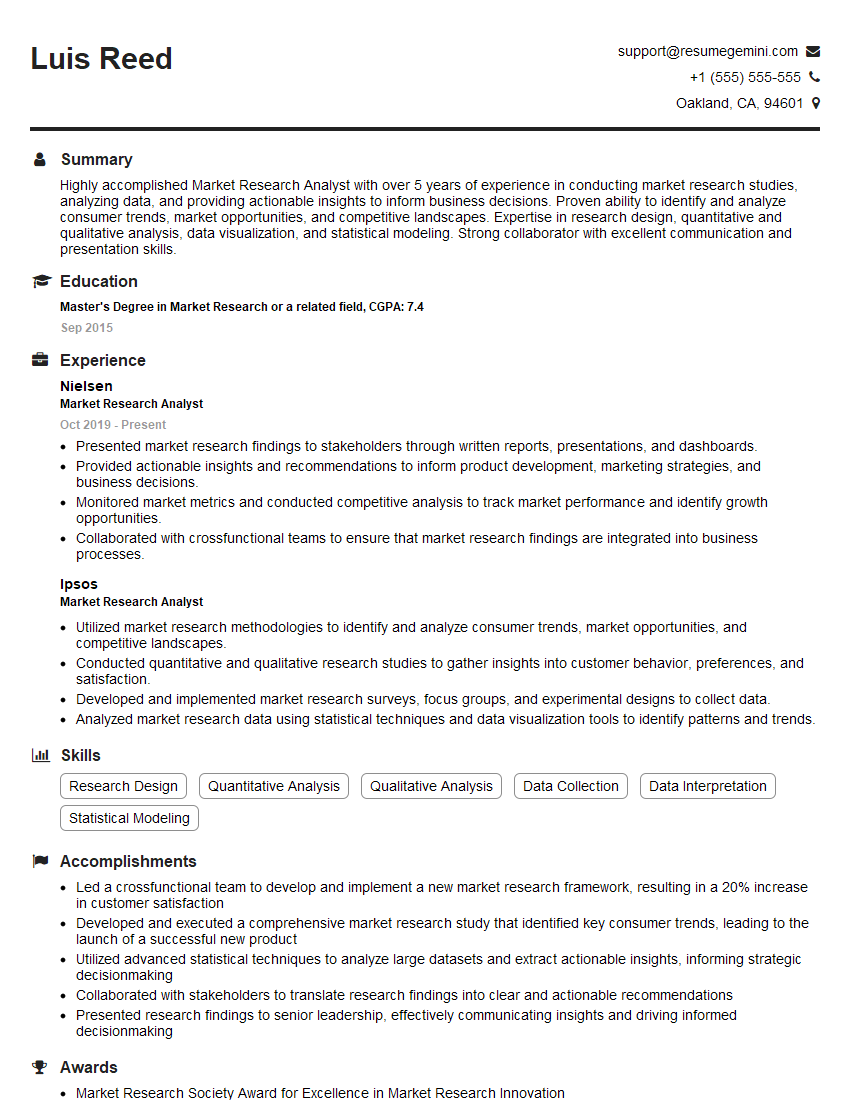
Market Research Analyst Resume Sample

Social Media Manager Resume Sample
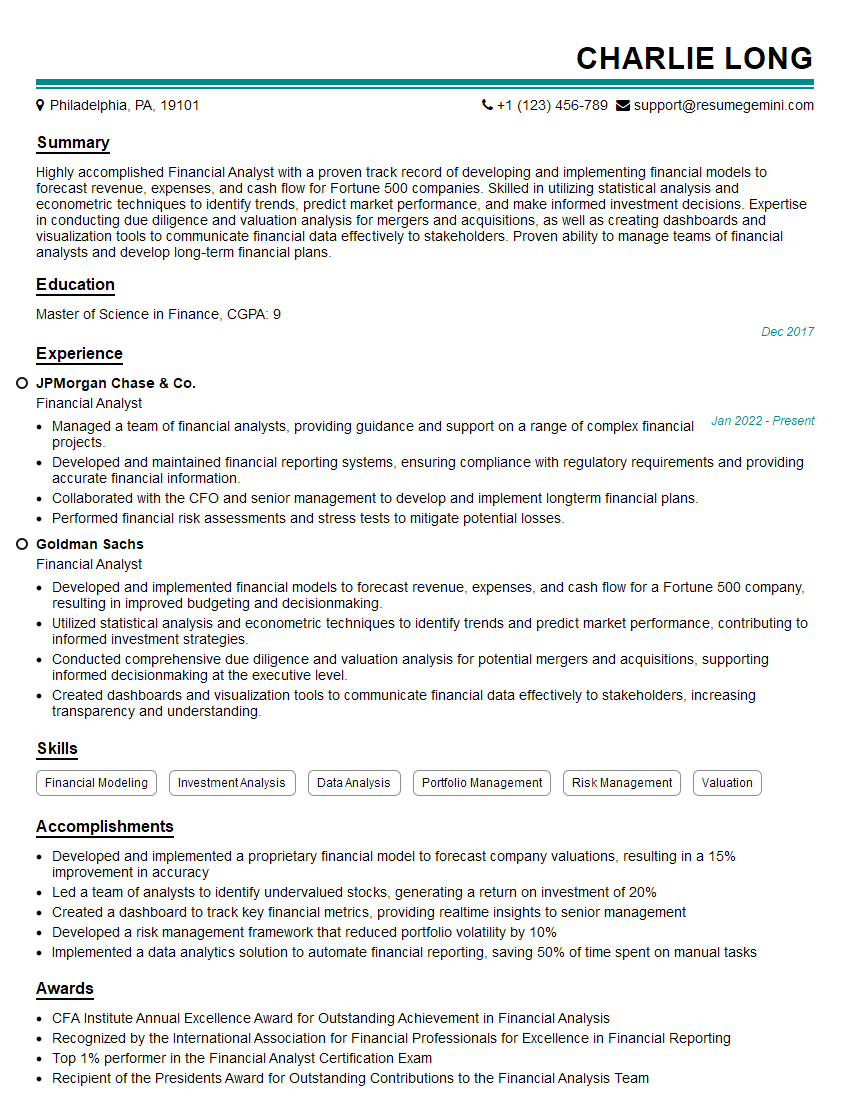
Financial Analyst Resume Sample
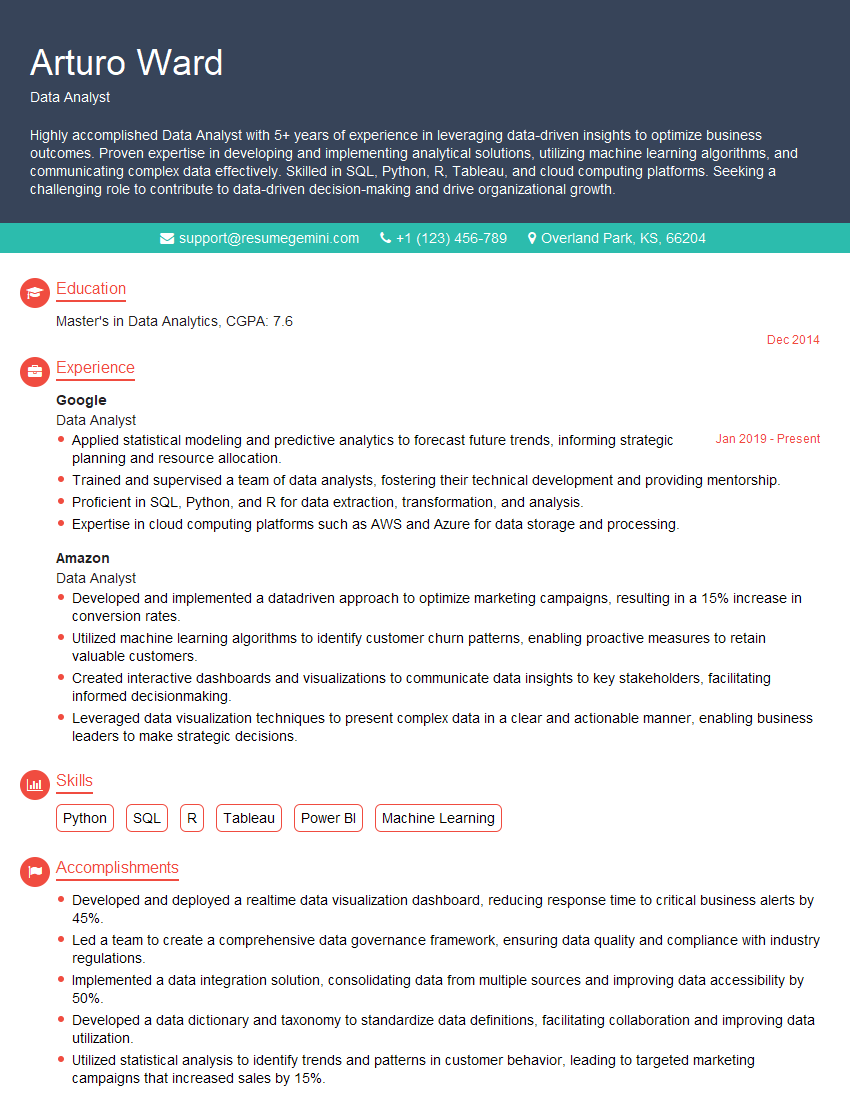
Data Analyst Resume Sample
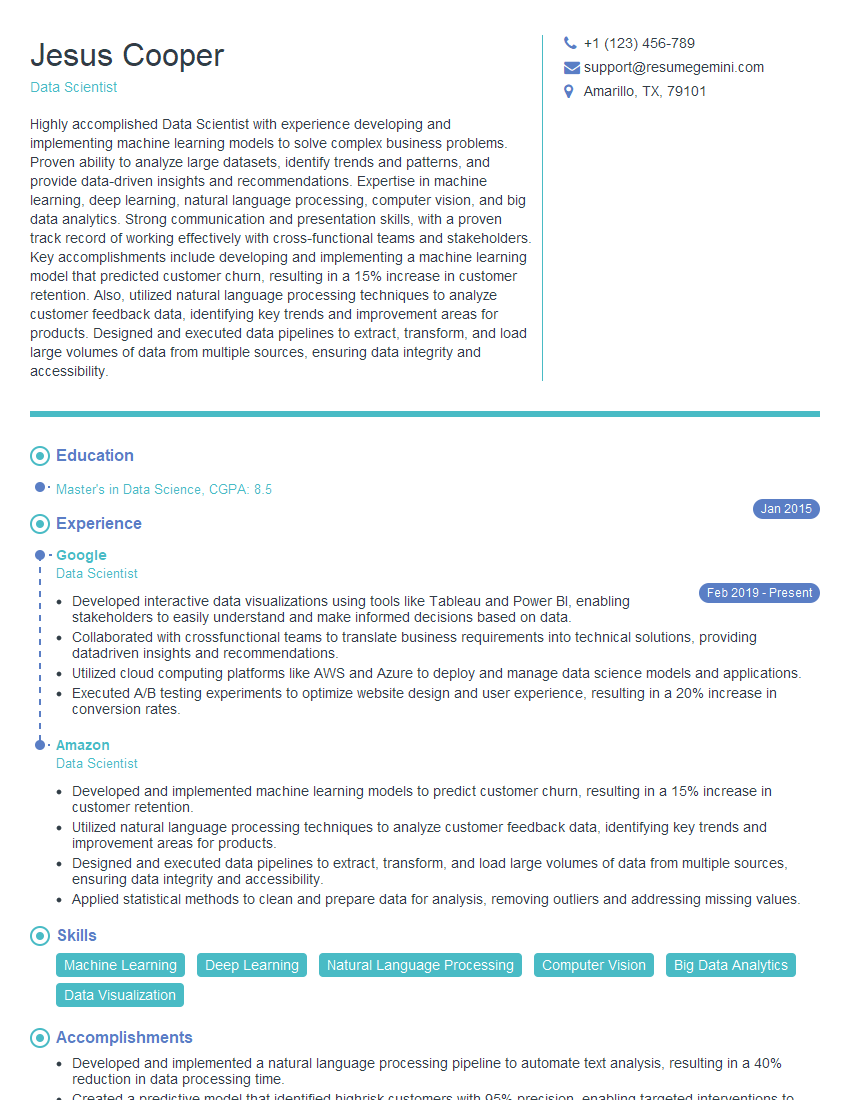
Data Scientist Resume Sample
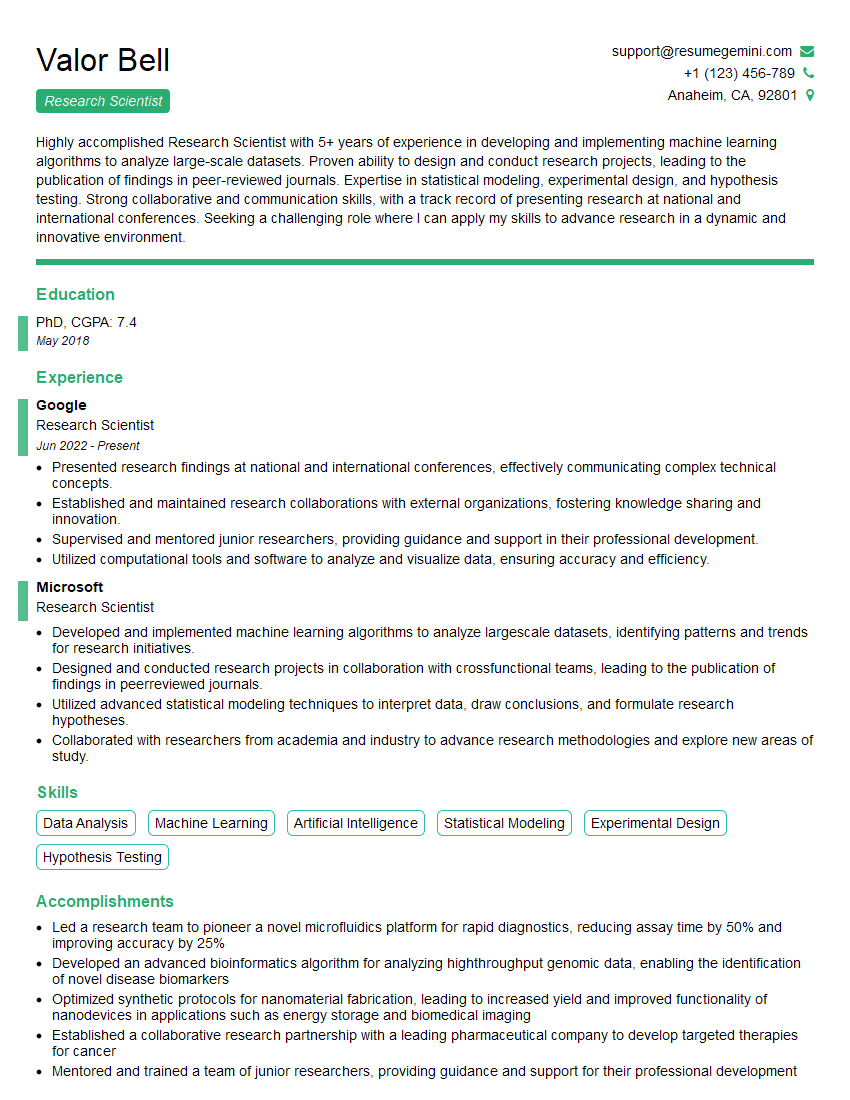
Research Scientist Resume Sample

Information Architect Resume Sample

Content Strategist Resume Sample
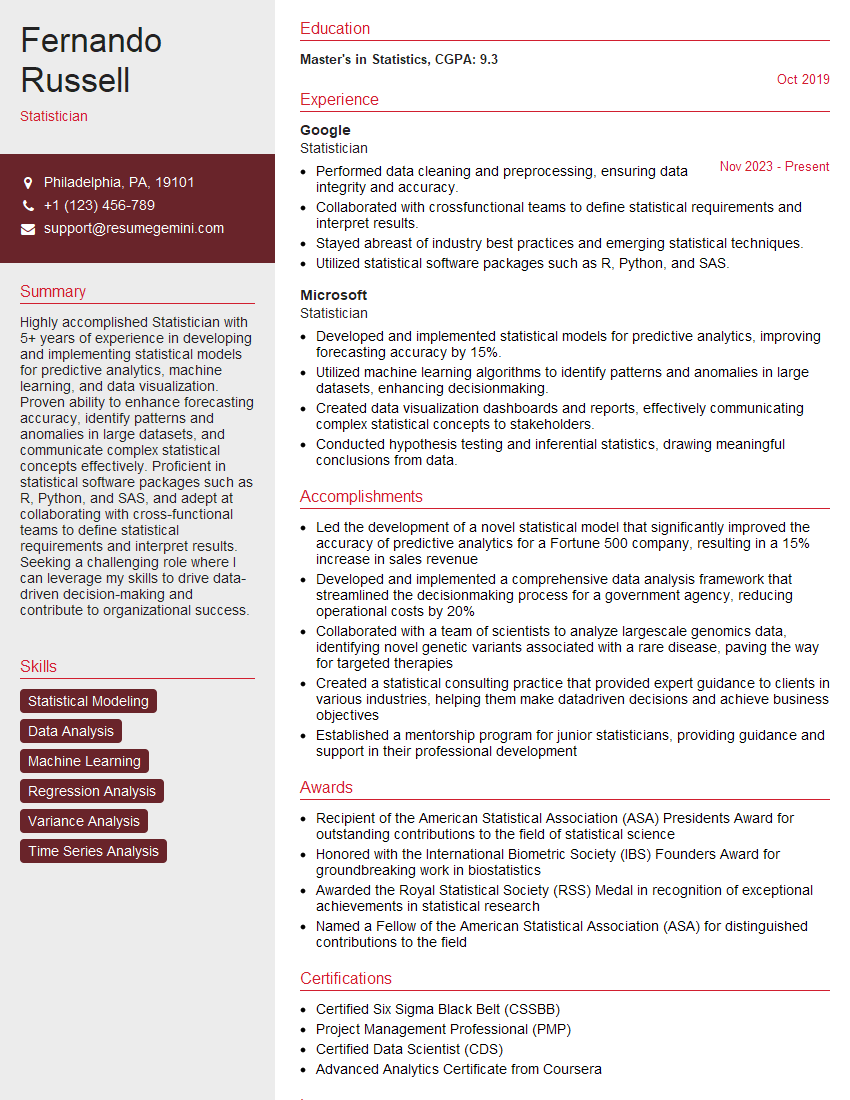
Statistician Resume Sample
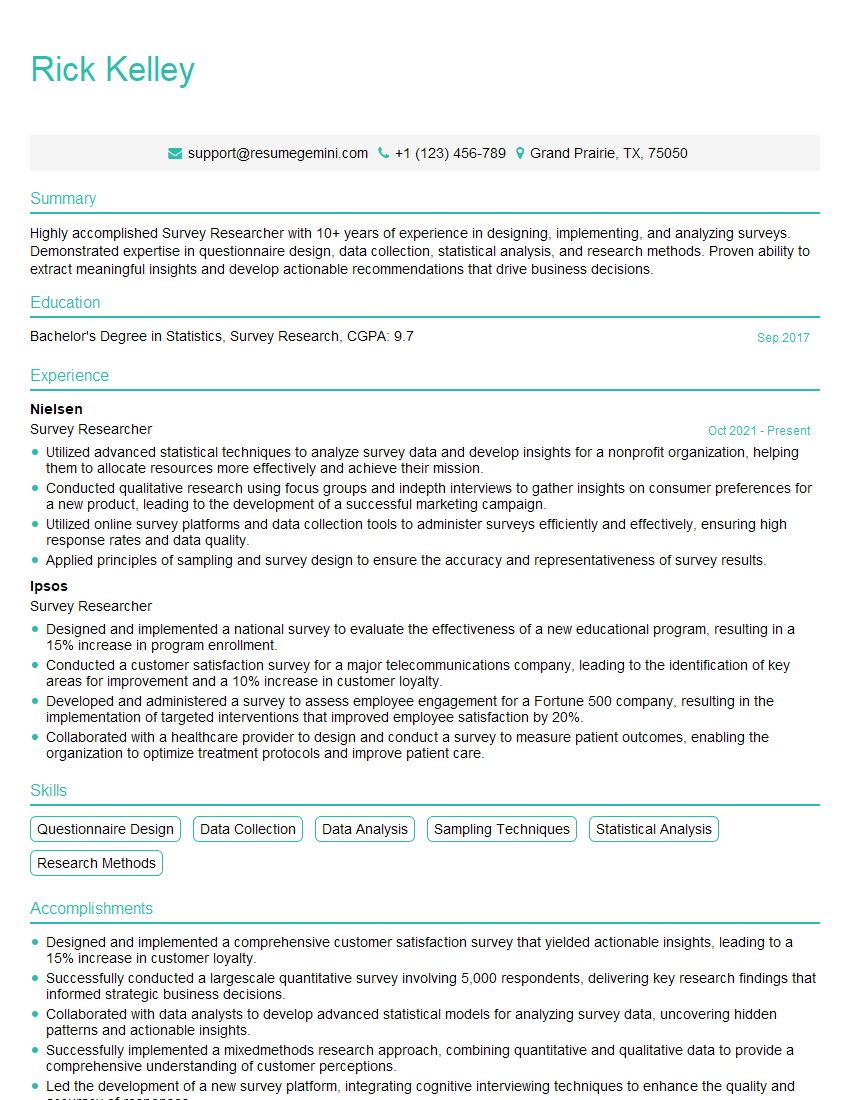
Survey Researcher Resume Sample
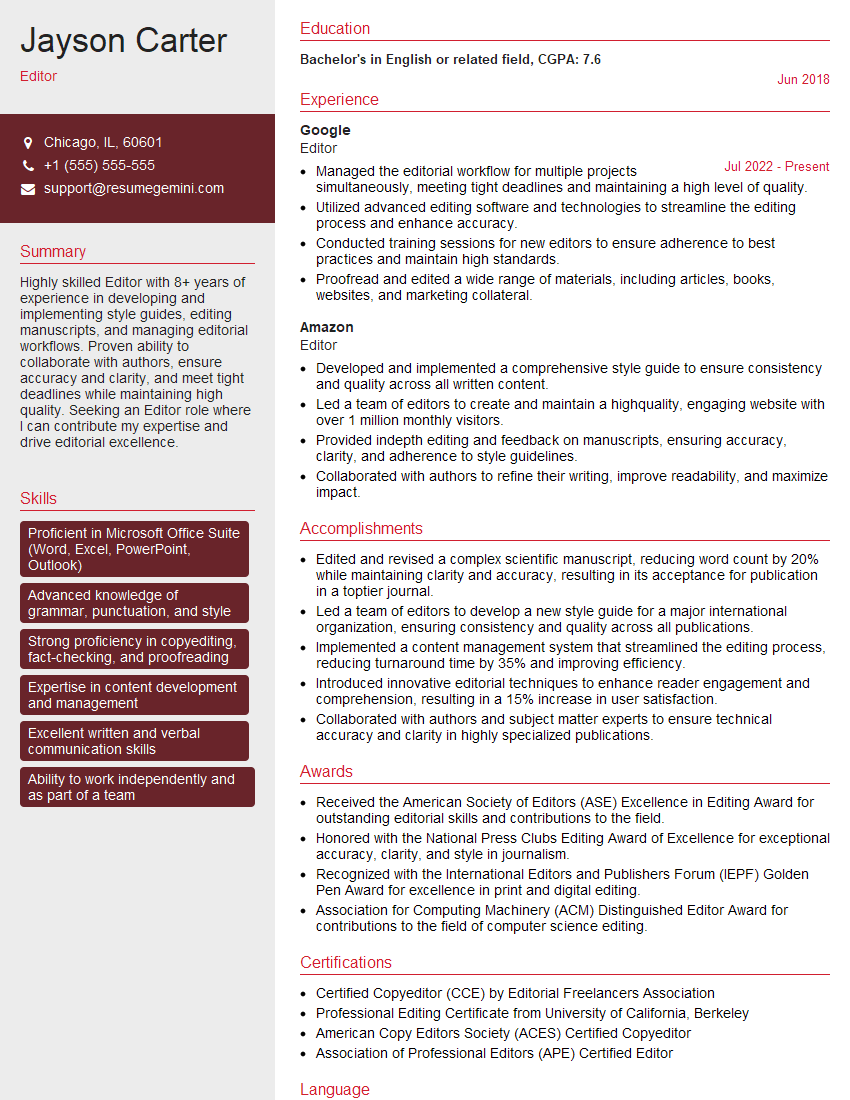
Editor Resume Sample
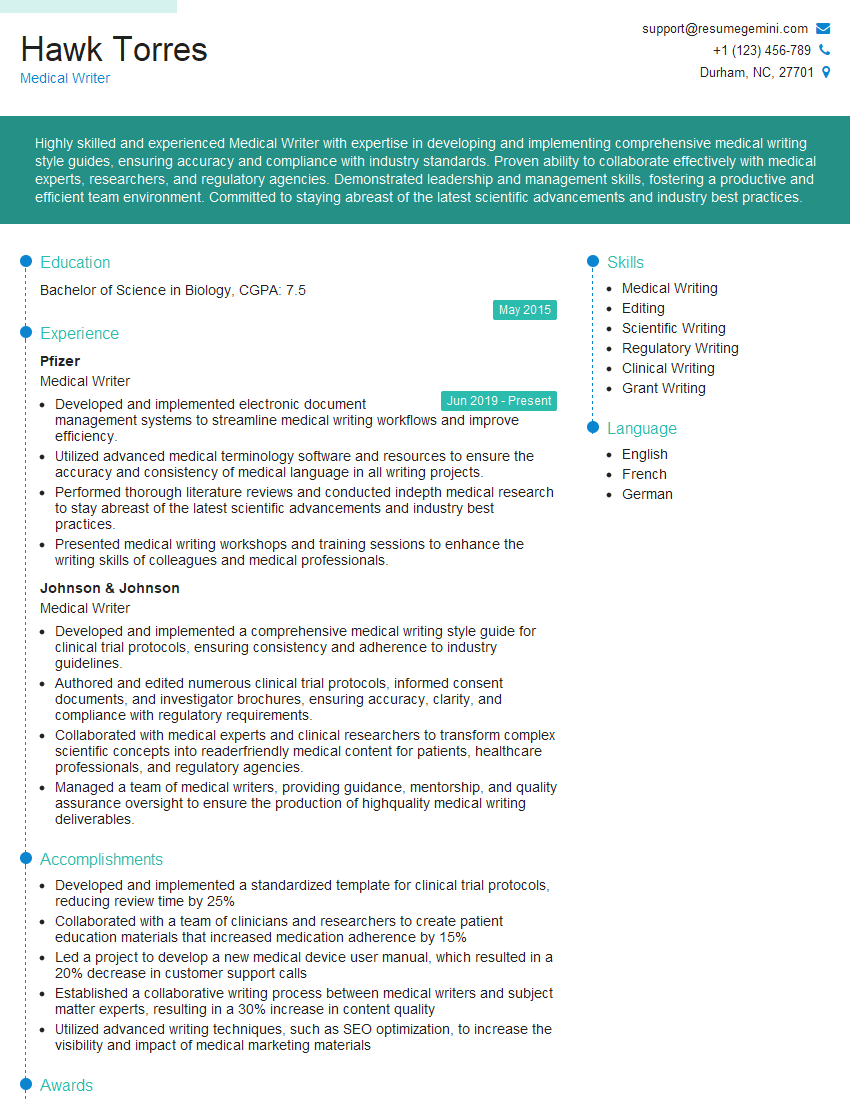
Medical Writer Resume Sample

Technical Writer Resume Sample

Copywriter Resume Sample
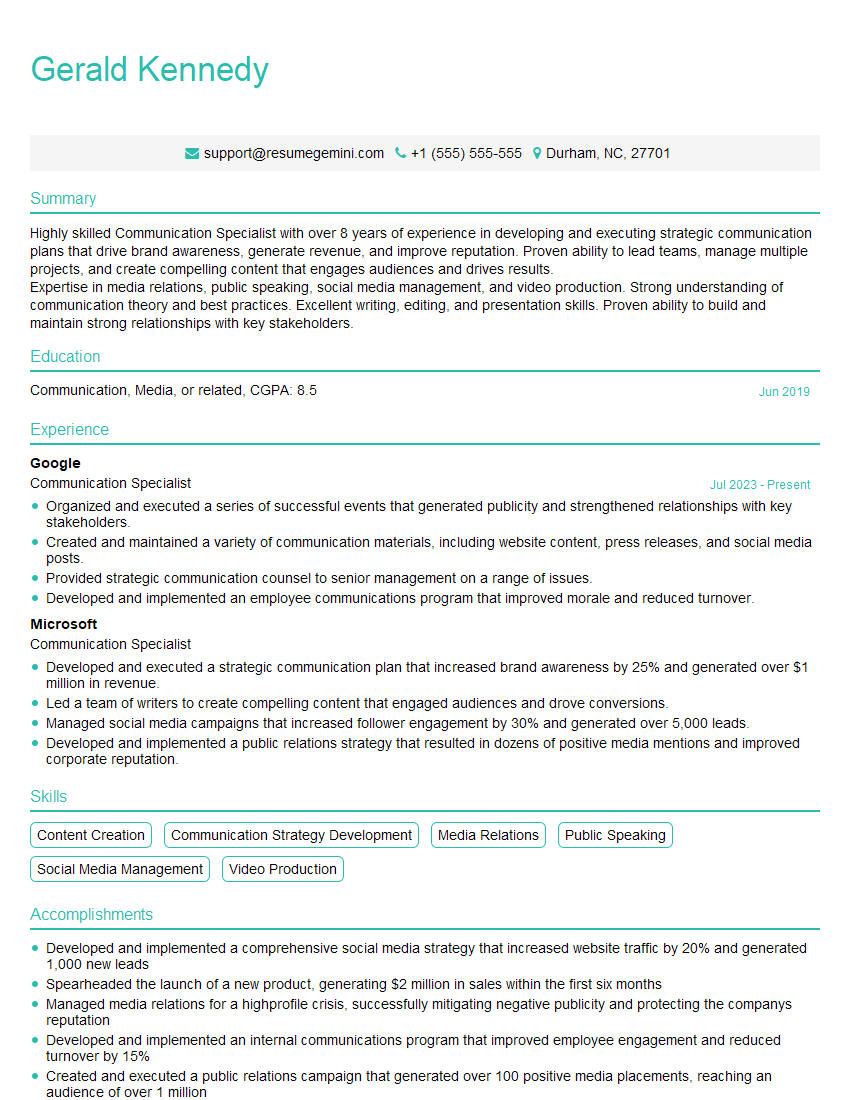
Communication Specialist Resume Sample
- Program Manager
- Product Manager
- Communications Manager
- Project Manager
- Business Analyst
- Management Consultant
- Market Research Analyst
- Social Media Manager
- Financial Analyst
- Data Analyst
- Data Scientist
- Research Scientist
- Information Architect
- Content Strategist
- Statistician
- Survey Researcher
- Editor
- Medical Writer
- Technical Writer
- Copywriter
- Communication Specialist
Explore more articles
Users Rating of Our Blogs
Share Your Experience
We value your feedback! Please rate our content and share your thoughts (optional).
What Readers Say About Our Blog
To the interviewgemini.com Webmaster.
Very helpful and content specific questions to help prepare me for my interview!
Thank you
To the interviewgemini.com Webmaster.
This was kind of a unique content I found around the specialized skills. Very helpful questions and good detailed answers.
Very Helpful blog, thank you Interviewgemini team.