Unlock your full potential by mastering the most common Communication (Technical and Non-Technical) interview questions. This blog offers a deep dive into the critical topics, ensuring you’re not only prepared to answer but to excel. With these insights, you’ll approach your interview with clarity and confidence.
Questions Asked in Communication (Technical and Non-Technical) Interview
Q 1. Describe your experience adapting communication styles for different audiences.
Adapting communication styles is crucial for effective communication. It involves understanding your audience and tailoring your message to resonate with their background, knowledge level, and communication preferences. This means choosing the right words, tone, and delivery method.
- Technical vs. Non-technical: When speaking to engineers, I use precise technical terminology; with executives, I focus on high-level summaries and key results.
- Formal vs. Informal: A presentation to a board of directors requires a formal tone and structured language, while a team brainstorming session calls for a more relaxed and conversational approach.
- Cultural nuances: I’m mindful of cultural differences in communication styles. Direct communication might be effective in some cultures, while indirect communication is preferred in others. For example, avoiding direct confrontation and using softer language might be crucial when working with international teams.
For example, when explaining a new software feature to developers, I would use technical jargon and diagrams. However, when presenting the same feature to sales personnel, I would focus on its benefits for customers and how it simplifies their workflow, using less technical terminology and focusing on the impact and benefits.
Q 2. Explain a time you had to simplify complex technical information for a non-technical audience.
Simplifying complex technical information requires translating jargon into plain language, using analogies, and focusing on the core message. A recent example involved explaining the intricacies of a new cloud security protocol to a group of non-technical executives.
Instead of delving into technical details like encryption algorithms and firewall configurations, I used a relatable analogy: “Imagine your company’s data as a valuable jewel. This new protocol is like a high-tech vault with multiple layers of security, ensuring that only authorized personnel can access it.”
I also focused on the key benefits – enhanced security and reduced risk – and used visuals like simple diagrams to illustrate the concept without overwhelming them with technicalities. I made sure to leave room for questions and tailored my answers to ensure complete comprehension.
Q 3. How do you handle communication breakdowns in a team setting?
Communication breakdowns in teams often stem from misunderstandings, conflicting priorities, or poor information flow. My approach involves a systematic process to address these issues:
- Identify the root cause: I actively listen to all parties involved, seeking to understand their perspectives and identify the source of the breakdown. This might involve open-ended questions like, “Can you tell me more about what happened?” or “What are your concerns?”
- Clarify misunderstandings: I ensure everyone is on the same page by restating key points and clarifying ambiguous terms. I encourage active listening and confirm understanding through paraphrasing.
- Find common ground: I facilitate a collaborative discussion to find a mutually acceptable solution. This might involve brainstorming alternative approaches or compromising on certain aspects.
- Establish clear communication protocols: To prevent future breakdowns, I advocate for the implementation of clear communication channels, regular team meetings, and documentation of key decisions and processes.
For instance, if a project falls behind schedule due to a communication gap between the design and development teams, I facilitate a meeting to identify the problem (perhaps differing interpretations of requirements), clarify expectations, and implement a more structured communication protocol, such as daily stand-up meetings and shared project management software.
Q 4. What strategies do you use to ensure clear and concise communication in written documents?
Clear and concise written communication is essential for efficient information transfer. My strategies include:
- Planning and outlining: Before writing, I create a clear outline to organize my thoughts and ensure a logical flow of information.
- Using plain language: I avoid jargon and technical terms whenever possible, substituting them with simple, easy-to-understand words. I also employ short sentences and paragraphs.
- Active voice and strong verbs: Using the active voice makes the writing more direct and engaging. For example, instead of writing, “The report was completed by John,” I write, “John completed the report.”
- Visual aids: I use visuals like tables, charts, and bullet points to break up large chunks of text and highlight key information.
- Proofreading and editing: I carefully review my writing for grammatical errors, typos, and clarity issues before sending it out.
For instance, when writing a technical report, I’d use headings and subheadings to structure the information, bullet points for key findings, and concise paragraphs that clearly explain the findings and their implications. I would also avoid overly technical jargon and define any specialized terms.
Q 5. Describe your process for creating engaging and informative presentations.
Creating engaging and informative presentations involves meticulous planning and a focus on audience engagement. My process includes:
- Understanding the audience: I tailor the content and style to the specific audience’s knowledge level and interests.
- Defining the objective: I clearly define the key message I want to convey.
- Structuring the content: I organize the information logically, using a clear introduction, body, and conclusion.
- Using visuals: I incorporate relevant visuals like charts, graphs, and images to enhance understanding and engagement.
- Practicing the delivery: I rehearse the presentation to ensure a smooth and confident delivery. This also allows me to refine the pacing and tone of the presentation.
- Gathering feedback: I solicit feedback on the presentation to identify areas for improvement before the final delivery.
For example, when presenting a complex project plan, I’d use a timeline to illustrate project phases, charts to show resource allocation, and visual metaphors to explain project risks. The delivery would be clear, concise, and engaging, and I’d incorporate Q&A to foster audience interaction.
Q 6. How do you prioritize different communication channels for optimal impact?
Prioritizing communication channels depends on the urgency, sensitivity, and formality of the message, as well as the audience’s preferences. For example:
- Urgent matters: For time-sensitive issues, I opt for immediate channels like phone calls or instant messaging.
- Sensitive information: Confidential information is best communicated through secure channels like encrypted email or in-person meetings.
- Formal communication: For formal announcements or reports, I prefer written communication like email or formal letters.
- Team updates: Project updates and team discussions are best handled through collaborative platforms like project management software or shared documents.
- Complex information: Presentations, detailed reports, or training materials are used for conveying complex information that warrants a thorough explanation.
Choosing the right channel ensures that the message reaches the intended audience effectively and efficiently. A crucial consideration is the audience’s preferred channel, ensuring accessibility and responsiveness.
Q 7. How do you handle constructive criticism related to your communication style?
Constructive criticism is invaluable for improving communication skills. I welcome feedback and use it as an opportunity to learn and grow. My approach involves:
- Active listening: I carefully listen to the feedback without interrupting or getting defensive.
- Seeking clarification: If something is unclear, I ask clarifying questions to ensure I understand the criticism fully.
- Reflecting on the feedback: I consider the feedback objectively, analyzing its validity and identifying areas for improvement.
- Implementing changes: I incorporate the feedback into my communication style, actively seeking to improve in the identified areas.
- Expressing gratitude: I thank the person for providing the feedback, acknowledging its value in my professional development.
For example, if feedback suggests I speak too quickly in presentations, I might practice slowing my pace, using pauses for emphasis, and incorporating visual aids to help the audience keep up. I actively seek opportunities to apply this improved communication style and solicit further feedback to track my progress.
Q 8. Explain your experience using different communication tools (e.g., email, video conferencing, instant messaging).
Throughout my career, I’ve extensively used various communication tools, adapting my approach based on the context and audience. Email remains crucial for formal communication and record-keeping. For instance, I use email to deliver project updates to stakeholders, ensuring a clear and concise summary with attachments as needed. Video conferencing, such as Zoom or Google Meet, is essential for collaborative meetings, presentations, and client interactions. The visual aspect aids in building rapport and fostering a more engaging discussion. I’ve leveraged features like screen sharing to demonstrate technical solutions and facilitate real-time problem-solving. Instant messaging tools like Slack or Microsoft Teams are invaluable for quick queries, informal discussions, and real-time collaboration on projects. For example, during a recent software bug fix, using instant messaging allowed for rapid information exchange between developers, significantly reducing resolution time. My proficiency extends to selecting the appropriate tool for the specific communication need, optimizing efficiency and clarity.
Q 9. How do you ensure the accuracy and clarity of technical documentation?
Ensuring accuracy and clarity in technical documentation is paramount. My approach involves a multi-step process: First, I thoroughly understand the target audience and their technical expertise. This allows me to tailor the language and complexity accordingly. Second, I utilize a structured writing approach, employing clear headings, subheadings, bullet points, and numbered lists to improve readability and comprehension. Third, I consistently apply style guides and templates to maintain consistency and professionalism. For example, when documenting API specifications, I use standardized formats like OpenAPI (formerly Swagger) to ensure accuracy and machine-readability. Fourth, I conduct rigorous reviews and testing, involving peer reviews and, when necessary, user testing to gather feedback and identify ambiguities or errors. Finally, I maintain a version control system (e.g., Git) to track changes and ensure that the most up-to-date and accurate version is always available. This systematic approach minimizes errors and improves the overall usability of the documentation.
Q 10. Describe a time you had to deliver difficult or negative news effectively.
In a previous role, I had to deliver the news of a significant project delay to a key client. This was challenging, as the delay had implications for their product launch. To handle this effectively, I prepared thoroughly, outlining the reasons for the delay clearly and concisely. I chose a private video conference setting to allow for a more personal and empathetic interaction. During the conversation, I acknowledged their disappointment and frustration, validating their concerns before explaining the situation transparently and providing alternative solutions. I focused on regaining their trust by outlining a revised project plan with clear milestones and communication protocols. The client appreciated my honesty and proactive approach, resulting in a maintained positive relationship. This experience taught me the importance of empathy, clear communication, and proactive problem-solving when delivering difficult news.
Q 11. How do you handle conflict arising from communication misunderstandings?
Communication misunderstandings often lead to conflict, and my approach to resolving such conflicts focuses on active listening and collaborative problem-solving. First, I strive to understand each party’s perspective by actively listening without interruption. Then, I clarify any ambiguous language or assumptions, using open-ended questions to encourage open communication. I facilitate a discussion where all parties can express their viewpoints and concerns without judgment. If necessary, I will help to reframe the problem, focusing on shared goals and common interests. Ultimately, we aim to reach a mutually agreeable solution through compromise and collaboration. For example, during a team disagreement about project priorities, I facilitated a meeting where each team member explained their rationale. We then worked collaboratively to prioritize tasks based on client needs and project deadlines, resulting in a unified and effective plan.
Q 12. What methods do you employ to actively listen and understand diverse perspectives?
Actively listening and understanding diverse perspectives is essential for effective communication. I employ several strategies: First, I focus intently on the speaker, paying attention not just to their words, but also their body language and tone. Second, I ask clarifying questions to ensure that I understand their perspective fully. Third, I summarize their points to confirm my understanding and provide them with an opportunity to correct any misinterpretations. Fourth, I practice empathy by attempting to see the situation from their point of view, even if I don’t agree with it. Fifth, I’m mindful of cultural differences and communication styles, adapting my approach accordingly. For instance, in a cross-cultural team meeting, I actively listened for nuances in verbal and nonverbal cues, ensuring that everyone felt heard and understood.
Q 13. How do you measure the effectiveness of your communication efforts?
Measuring communication effectiveness depends on the context and objectives. For technical documentation, metrics like user feedback, search analytics (if the documentation is online), and error rates can be indicators of success. For presentations or training sessions, post-training assessments and feedback surveys can assess comprehension and retention. For project communication, successful project completion on time and within budget can reflect effective communication. In all cases, I analyze both quantitative data (e.g., number of errors, survey scores) and qualitative data (e.g., feedback comments, observations) to gain a comprehensive understanding of my communication’s impact. Regular reflection on these metrics helps me adapt and improve my future communication strategies.
Q 14. How familiar are you with different communication models (e.g., Shannon-Weaver)?
I am familiar with various communication models, including the Shannon-Weaver model, which illustrates the basic elements of communication: sender, encoder, channel, decoder, receiver, and noise. Understanding this model helps me to identify potential points of failure in communication and proactively mitigate them. For example, I ensure the message is clearly encoded (using appropriate language and avoiding jargon) and transmitted through an appropriate channel. I also consider potential noise (interruptions, distractions, cultural differences) and strive to minimize its impact. Beyond the Shannon-Weaver model, I am also familiar with other models like the transactional model, which emphasizes the simultaneous exchange of information between sender and receiver, and the Schramm model, which highlights the importance of shared field of experience for successful communication. These models provide a framework for analyzing communication processes and improving my approach in various contexts.
Q 15. Explain your approach to managing communication during a crisis situation.
My approach to crisis communication hinges on a structured, proactive strategy emphasizing transparency and empathy. It’s not simply about reacting; it’s about controlling the narrative and minimizing damage.
- Immediate Assessment: First, I identify the core issue, its scope, and potential impact on stakeholders. This involves gathering information from multiple sources and prioritizing credible data.
- Develop Key Messages: Next, we craft concise, accurate, and consistent messages addressing the crisis directly. These messages should be empathetic, acknowledging concerns, and outlining actions being taken.
- Multi-Channel Communication Plan: We deploy these messages across all relevant channels – press releases, social media, internal memos, website updates, etc. – ensuring consistency and avoiding information silos. Speed and accuracy are paramount.
- Stakeholder Engagement: We proactively engage with stakeholders – employees, customers, the public, and regulatory bodies – providing regular updates and addressing their concerns. Transparency builds trust, even during challenging times.
- Monitoring and Adjustment: Continuous monitoring of media coverage and social sentiment allows for real-time adjustments to our communication strategy. We need to be agile and responsive to changing circumstances.
For example, during a product recall, we’d immediately halt sales, issue a clear recall notice, offer solutions for affected customers, and proactively address concerns on social media, maintaining consistent messaging across all channels.
Career Expert Tips:
- Ace those interviews! Prepare effectively by reviewing the Top 50 Most Common Interview Questions on ResumeGemini.
- Navigate your job search with confidence! Explore a wide range of Career Tips on ResumeGemini. Learn about common challenges and recommendations to overcome them.
- Craft the perfect resume! Master the Art of Resume Writing with ResumeGemini’s guide. Showcase your unique qualifications and achievements effectively.
- Don’t miss out on holiday savings! Build your dream resume with ResumeGemini’s ATS optimized templates.
Q 16. Describe your experience with storytelling in a professional setting.
Storytelling is a powerful tool in professional communication. It transforms data and complex information into engaging, memorable narratives that resonate with audiences on an emotional level. I use it to connect with stakeholders, build rapport, and reinforce key messages.
- Client Case Studies: I’ve used storytelling to showcase successful projects for clients. Instead of just listing accomplishments, I weave a narrative about the challenges, solutions, and positive outcomes. This humanizes the data and makes it relatable.
- Internal Communications: I’ve used storytelling to improve employee engagement. Sharing stories of company milestones, individual successes, or overcoming obstacles fosters a sense of shared identity and pride.
- Presentation Techniques: In presentations, I incorporate narratives to illustrate complex concepts or data. A compelling story can make a presentation far more memorable than a simple data-driven presentation.
For instance, when presenting project results to a client, I might start with a brief story about the initial challenges and how we overcame them. This sets the stage for a detailed explanation of the data, making the results feel more impactful.
Q 17. How do you adapt your communication style to different communication mediums?
Adapting communication style to different mediums requires understanding the unique characteristics of each platform. It’s about choosing the right message, tone, and format to resonate with the audience on that specific platform.
- Email: Formal, concise, and focused. Often used for detailed information, instructions, or formal communication.
- Social Media (Twitter, etc.): Brief, engaging, conversational. Uses hashtags, images, and videos to grab attention.
- Internal Memos: Direct, informative, clear. Focuses on internal updates, announcements, and instructions.
- Presentations: Visual, engaging, interactive. Uses slides, multimedia, and Q&A sessions.
- Blog Posts: In-depth, informative, engaging. Uses storytelling, visuals, and clear headings to maintain reader interest.
For instance, a complex technical explanation is better suited for a detailed email or blog post rather than a short tweet. A compelling visual story might be best suited for Instagram or a slide presentation.
Q 18. How do you leverage data to inform your communication strategies?
Data is crucial for informing effective communication strategies. It helps us understand our audience, measure the impact of our messages, and adapt our approach to maximize effectiveness.
- Audience Segmentation: Data like demographics, online behavior, and purchase history allows for audience segmentation. This ensures we tailor our messages to resonate with specific groups.
- Message Testing: A/B testing allows us to compare different versions of messages and visuals to determine which performs best. Data-driven decisions improve message effectiveness.
- Campaign Measurement: Data analysis helps us assess the success of our communication campaigns. Metrics like website traffic, social media engagement, and sales conversions reveal what’s working and what needs improvement.
- Feedback Analysis: Monitoring customer feedback through surveys, social media, and other channels provides valuable insights into audience perceptions and helps us refine our messaging.
For example, if website analytics show that a particular blog post has low engagement, we can use that data to revise the content, targeting a more specific audience or using different visuals.
Q 19. Describe your process for creating a communication plan.
Creating a communication plan involves a systematic approach to ensure effective and consistent messaging.
- Define Objectives: Clearly define the goals of the communication plan – what do you want to achieve? This provides a framework for all subsequent steps.
- Identify Target Audience: Determine who your key audiences are and understand their needs and preferences. This informs the tone, style, and channels you’ll use.
- Key Messages: Develop concise, clear, and compelling key messages that align with your objectives. Ensure these messages are consistent across all channels.
- Choose Communication Channels: Select the most appropriate channels to reach your target audience – email, social media, presentations, etc. Consider the strengths and limitations of each.
- Timeline and Budget: Establish a realistic timeline and allocate a budget that supports your chosen channels and activities.
- Evaluation Plan: Develop metrics to measure the success of your plan. How will you determine if your goals have been met?
For example, a product launch plan would outline specific target audiences (e.g., early adopters, tech enthusiasts), key messages (e.g., product benefits, features), and a timeline for press releases, social media campaigns, and website updates.
Q 20. How do you ensure consistent messaging across different platforms?
Ensuring consistent messaging across platforms requires careful planning and execution. This means delivering the same core message, with appropriate adaptations for each medium.
- Centralized Message Development: Create a central repository for all key messages and brand guidelines. This ensures everyone is working from the same source.
- Template Usage: Use templates for emails, social media posts, and presentations to ensure consistent formatting and branding.
- Style Guides: Establish clear style guides defining brand voice, tone, and visual elements. This guarantees consistency across all platforms.
- Review and Approval Process: Implement a review and approval process for all communication materials before they are published. This helps catch inconsistencies and ensures quality control.
- Training and Communication: Provide training to all team members involved in communication to ensure everyone understands the messaging and guidelines.
For example, using a centralized content management system to create and distribute marketing materials ensures consistency in messaging and branding across all platforms.
Q 21. What techniques do you use to build rapport and trust with your audience?
Building rapport and trust is essential for effective communication. It involves demonstrating empathy, understanding, and authenticity.
- Active Listening: Paying close attention to what your audience is saying, asking clarifying questions, and demonstrating genuine interest builds trust.
- Empathetic Communication: Acknowledging and validating the audience’s feelings and perspectives shows understanding and builds connection.
- Transparency and Honesty: Being open and honest about your intentions and limitations builds credibility.
- Storytelling: Sharing personal stories or relevant anecdotes can make you seem more approachable and relatable.
- Two-Way Communication: Encouraging feedback and actively responding to questions shows that you value your audience’s input.
For instance, when addressing concerns during a Q&A session, I aim to understand the audience’s perspective before offering a solution, demonstrating empathy and building trust. Active listening, a sincere tone, and acknowledging their concerns build connection.
Q 22. How do you identify and address communication barriers?
Identifying and addressing communication barriers is crucial for effective communication. It involves a systematic approach focusing on both the sender and receiver, and the message itself. I typically use a three-pronged approach: identifying the barrier, analyzing its root cause, and implementing a solution.
- Identifying the Barrier: This involves actively listening for misunderstandings, observing nonverbal cues (like lack of eye contact or fidgeting), and checking for comprehension through questions like, “Does that make sense?” Barriers can range from language differences and cultural nuances to noise, technical glitches, and differing perceptions. For example, using jargon with a non-technical audience creates a barrier.
- Analyzing the Root Cause: Once identified, I analyze the *why*. Is it a lack of clarity in the message? Is it emotional factors impacting perception? Is the communication channel unsuitable? For instance, complex technical details might be better communicated via a presentation rather than a short email.
- Implementing a Solution: This stage focuses on choosing the most appropriate solution. It could involve simplifying language, using visual aids, choosing a different communication channel, rephrasing the message, actively seeking clarification, or addressing emotional concerns. For instance, if the barrier is cultural, I would research the relevant cultural norms and adjust my communication accordingly.
Ultimately, proactive identification and addressing of barriers are key to ensuring a clear and effective communication process. It’s an iterative process, requiring constant monitoring and adjustment.
Q 23. Explain your experience with using visual aids to enhance communication.
Visual aids are incredibly powerful tools for enhancing communication. They help translate complex information into easily digestible formats, improving engagement and retention. My experience involves using a variety of visual aids, adapted to the audience and message.
- Presentations: I’ve used PowerPoint, Keynote, and Google Slides extensively to create visually appealing and informative presentations, incorporating charts, graphs, images, and videos to illustrate key points and statistics. For example, in presenting financial data, a well-designed chart is far more effective than a long table of numbers.
- Infographics: For complex processes or data, infographics are extremely useful. I’ve created infographics to explain technical workflows or company strategies, breaking down intricate details into easily understood visuals.
- Videos: Video is exceptionally effective for demonstrating procedures or conveying emotions. I’ve utilized screen recordings and explainer videos to improve comprehension of technical processes, often using tools like Camtasia or Loom.
The key is to ensure the visual aids are relevant, clear, and aesthetically pleasing. They should complement, not replace, the verbal message. Overusing or poorly designed visuals can be detrimental.
Q 24. How do you manage feedback and incorporate it into future communication strategies?
Feedback is invaluable for improving communication strategies. I actively seek and incorporate feedback using a structured approach.
- Active Listening: I actively listen to both verbal and nonverbal feedback, paying close attention to the tone and underlying message. This includes actively questioning to clarify concerns.
- Formal Feedback Mechanisms: I utilize surveys, questionnaires, and feedback forms to gather systematic feedback on my presentations, reports, and other communication materials. These provide quantifiable data to help identify areas for improvement.
- Informal Feedback: I encourage informal feedback from colleagues and stakeholders, actively seeking their insights and perspectives on my communication style and content.
- Implementation: Based on the feedback received, I adapt my communication strategies. This might involve changing my communication style, altering the structure of a message, using different visuals, or focusing on particular areas of weakness.
The goal is to create a continuous improvement loop, where feedback is consistently sought, analyzed, and acted upon to optimize future communication.
Q 25. Describe your experience collaborating with graphic designers or other creatives.
Collaboration with graphic designers and other creatives is essential for producing high-impact communication materials. My approach focuses on clear communication of objectives and fostering a collaborative environment.
- Clear Brief: I provide detailed briefs to designers, outlining the communication objectives, target audience, key messages, and desired style. This ensures alignment and prevents misunderstandings.
- Open Communication: I maintain open lines of communication throughout the design process, providing regular feedback and actively incorporating their suggestions. This collaborative approach ensures the final product meets both the aesthetic and informational goals.
- Iterative Process: I embrace an iterative design process, allowing for multiple revisions and adjustments to refine the final product. This collaborative approach allows for creative input while maintaining strategic alignment.
- Mutual Respect: I value the expertise of designers and other creatives, respecting their creative input and acknowledging their role in the overall communication success.
Successful collaboration relies on mutual respect, clear communication, and a shared understanding of the project goals. It’s a partnership that leverages diverse skills for superior outcomes.
Q 26. How do you stay up-to-date with the latest communication trends and technologies?
Keeping abreast of the latest communication trends and technologies is vital for maintaining effectiveness. My approach is multi-faceted:
- Professional Development: I participate in workshops, webinars, and conferences related to communication, design, and technology. These opportunities offer valuable insights into emerging trends and best practices.
- Industry Publications: I regularly read industry publications, blogs, and newsletters focused on communication, design, and technology. This helps me stay informed about new tools and techniques.
- Online Communities: I actively engage in online communities and forums related to communication, interacting with peers and experts to share knowledge and learn from others.
- Experimentation: I actively experiment with new tools and technologies, assessing their effectiveness and applicability to my work. This hands-on approach allows me to gain practical experience and identify what works best.
Continuous learning is paramount in this ever-evolving field. Staying up-to-date allows me to leverage the most effective tools and techniques to enhance communication effectiveness.
Q 27. How do you maintain a professional tone and etiquette across various communication channels?
Maintaining a professional tone and etiquette across various communication channels is crucial for building trust and credibility. My approach focuses on adapting my communication style while maintaining consistency in professionalism.
- Channel Awareness: I understand the nuances of each communication channel. Emails require a formal tone, while instant messaging allows for slightly more informal communication. However, even in informal channels, maintaining respect and avoiding slang or unprofessional language is crucial.
- Clarity and Conciseness: Regardless of the channel, I always strive for clear, concise messages, avoiding ambiguity and jargon whenever possible. This helps prevent misinterpretations and ensures efficient communication.
- Grammar and Spelling: I pay meticulous attention to grammar and spelling in all communications, as errors can undermine credibility and professionalism. Tools like Grammarly assist in maintaining accuracy.
- Prompt Responses: I aim to respond promptly to communications, showing respect for the other party’s time and indicating attentiveness.
- Respectful Language: I always use respectful and inclusive language, avoiding slang, offensive terms, and generalizations.
Consistent professionalism across all channels builds a positive image and fosters strong relationships with colleagues, clients, and stakeholders.
Q 28. Describe a situation where you had to effectively communicate technical information to senior management.
In a previous role, I had to explain a complex technical issue – a significant software bug impacting our primary product – to senior management. They lacked the technical background to fully grasp the problem’s intricacies.
- Simplified Language: I avoided technical jargon and instead used clear, concise language, focusing on the impact on the business rather than the technical details. I used analogies to relate the problem to familiar concepts. For instance, I likened the bug to a traffic jam, explaining its impact on the flow of work.
- Visual Aids: I created a simple visual representation of the system, highlighting the affected areas and explaining the bug’s impact using a flow chart. This allowed them to quickly visualize the problem.
- Focus on Business Impact: I emphasized the financial and reputational risks associated with the unresolved bug, connecting the technical issue to tangible business consequences. This framed the issue in terms that resonated with senior management.
- Proposed Solutions: I presented several solutions, outlining the pros and cons of each and providing timelines and cost estimates. This gave them a clear picture of potential remediation strategies.
By simplifying the technical details, focusing on the business impact, and providing clear solutions, I was able to effectively communicate the issue and gain support for its resolution. The key was to bridge the gap between technical complexity and business understanding.
Key Topics to Learn for Communication (Technical and Non-Technical) Interview
- Understanding Your Audience: Adapting your communication style based on the recipient’s technical expertise (technical vs. non-technical). This includes tailoring your language, level of detail, and chosen medium.
- Active Listening and Clarification: Demonstrating the ability to actively listen, ask clarifying questions, and summarize key points to ensure mutual understanding in both technical and non-technical conversations.
- Technical Communication Skills: Concisely explaining complex technical concepts to both technical and non-technical audiences. This includes using visuals, analogies, and avoiding jargon where appropriate.
- Non-Technical Communication Skills: Effectively conveying information, ideas, and perspectives in a clear, concise, and persuasive manner, fostering collaboration and building consensus.
- Written Communication: Crafting professional emails, reports, and presentations that are clear, concise, and grammatically correct, demonstrating attention to detail.
- Verbal Communication: Presenting information confidently and clearly, adapting your style to different settings (meetings, presentations, informal discussions).
- Conflict Resolution and Negotiation: Addressing disagreements constructively, finding common ground, and resolving conflicts effectively.
- Storytelling and Narrative: Using storytelling techniques to make complex information more engaging and memorable.
- Problem-Solving Communication: Clearly articulating problems, proposing solutions, and justifying your approach to both technical and non-technical stakeholders.
- Nonverbal Communication: Understanding and utilizing body language, tone of voice, and visual aids to enhance communication effectiveness.
- Cross-Cultural Communication: Considering cultural differences and adapting communication styles to work effectively across diverse teams and audiences.
Next Steps
Mastering both technical and non-technical communication is crucial for career advancement in any field. Effective communication fosters collaboration, builds trust, and ensures projects are completed successfully. To significantly boost your job prospects, focus on creating a resume that is both compelling and easily parsed by Applicant Tracking Systems (ATS). ResumeGemini is a trusted resource to help you build a professional, ATS-friendly resume that showcases your communication skills effectively. Examples of resumes tailored to Communication (Technical and Non-Technical) roles are provided to help guide you. Invest time in crafting a strong resume – it’s your first impression on potential employers.
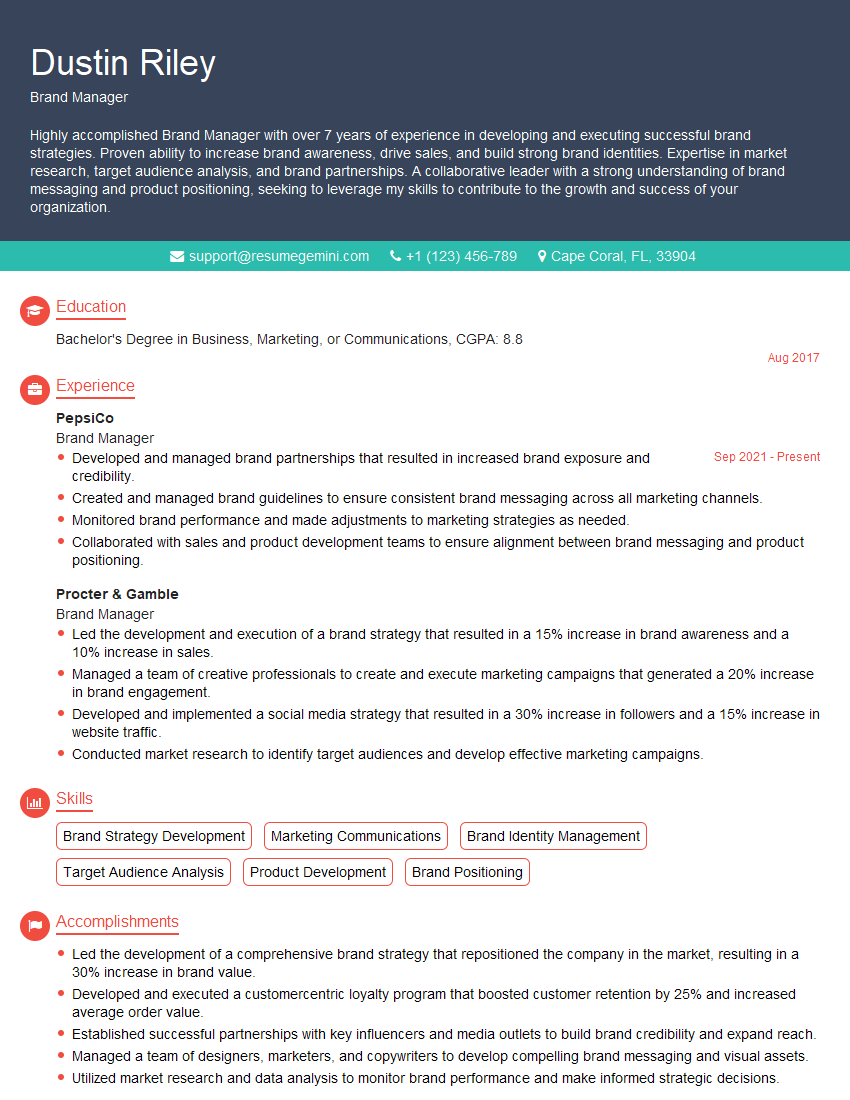
Brand Manager Resume Sample

Communications Manager Resume Sample

Marketing Communications Manager Resume Sample
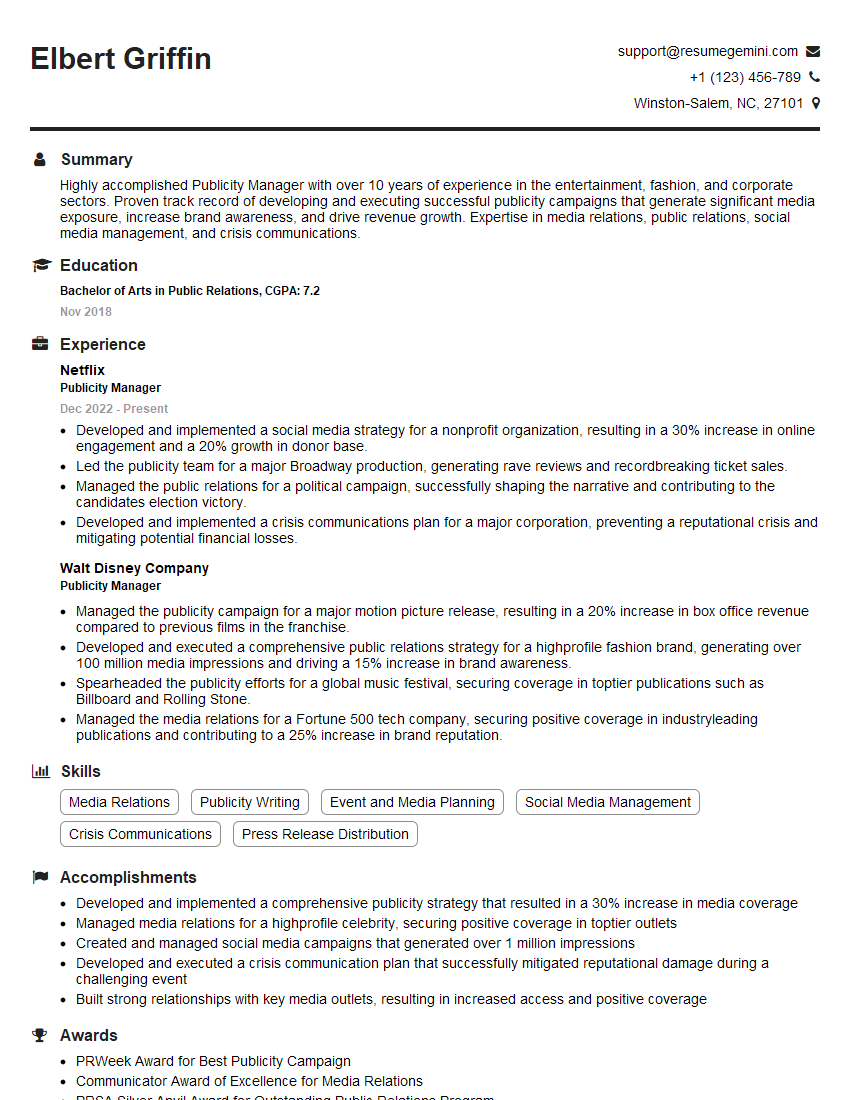
Publicity Manager Resume Sample
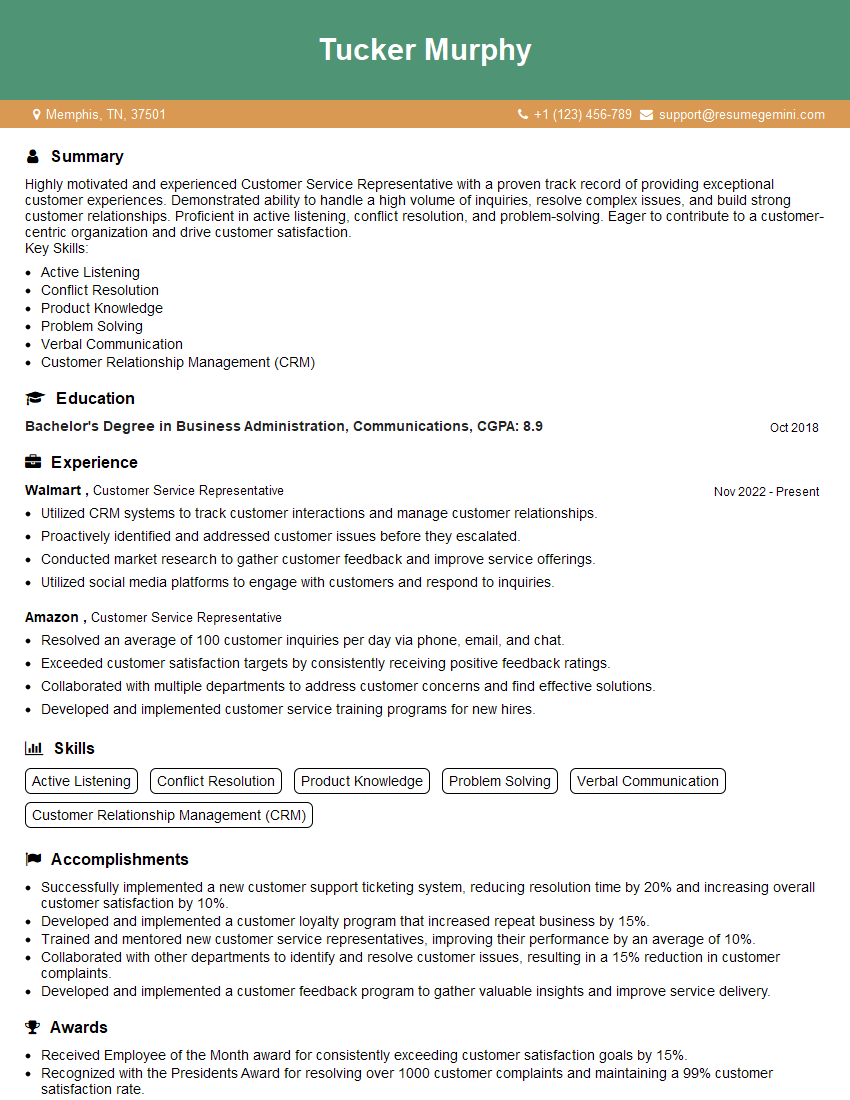
Customer Service Representative Resume Sample
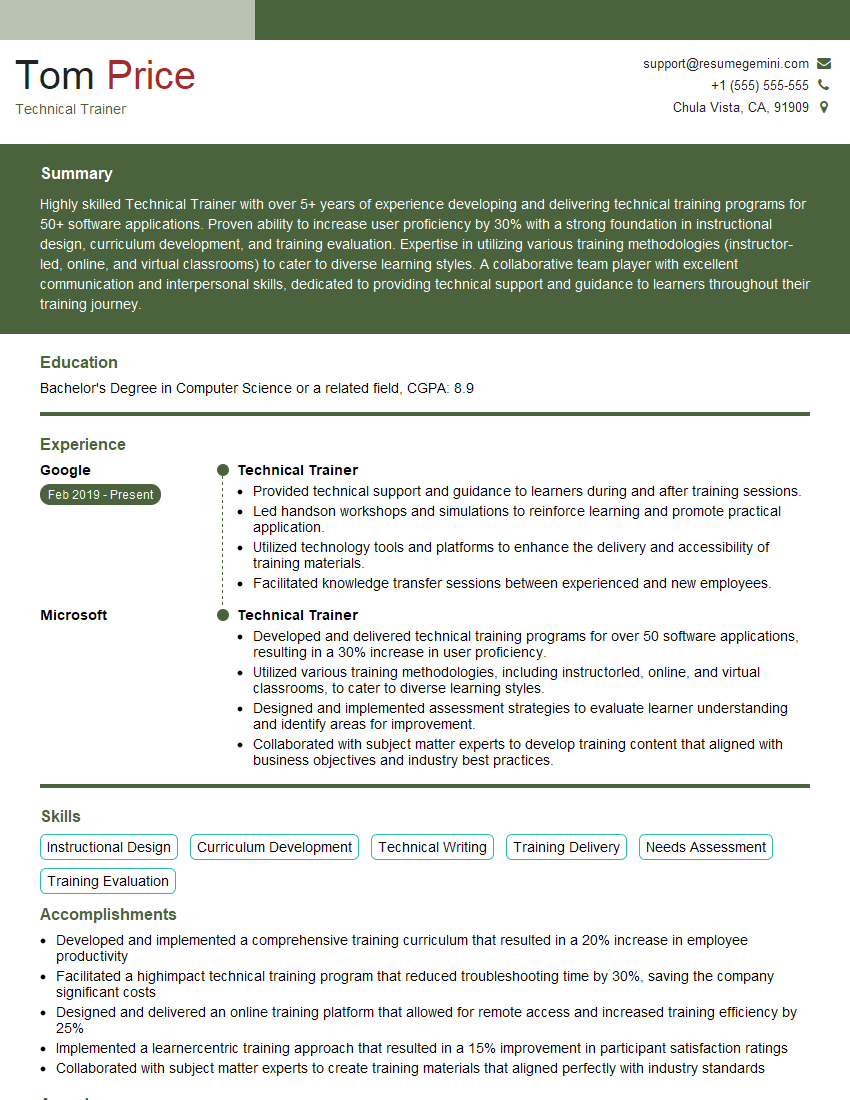
Technical Trainer Resume Sample
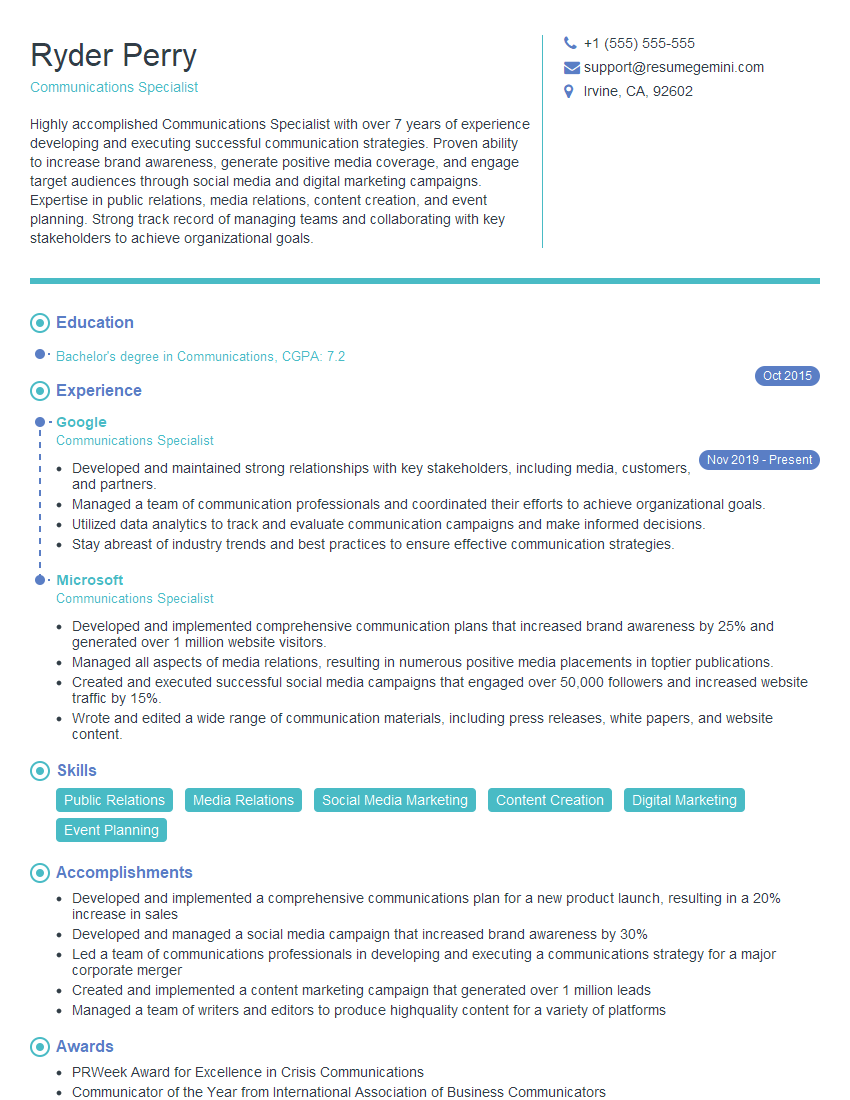
Communications Specialist Resume Sample

Social Media Manager Resume Sample

Information Architect Resume Sample
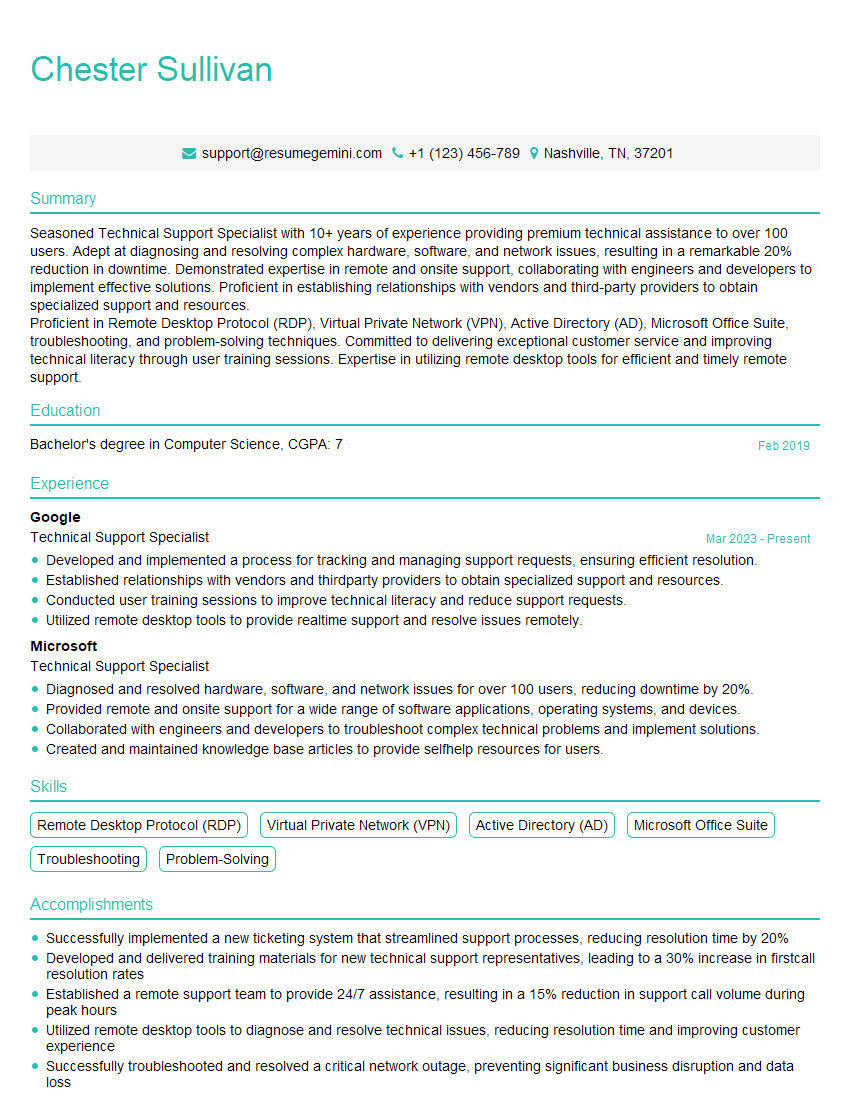
Technical Support Specialist Resume Sample
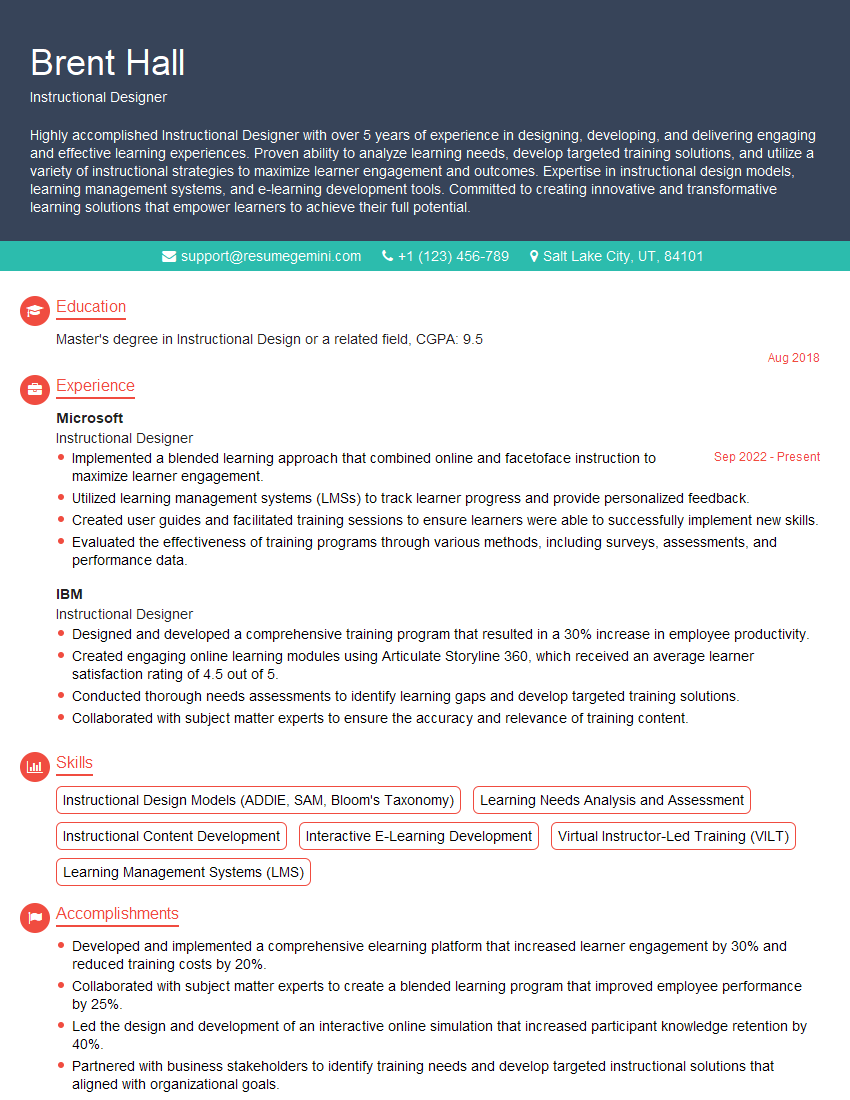
Instructional Designer Resume Sample
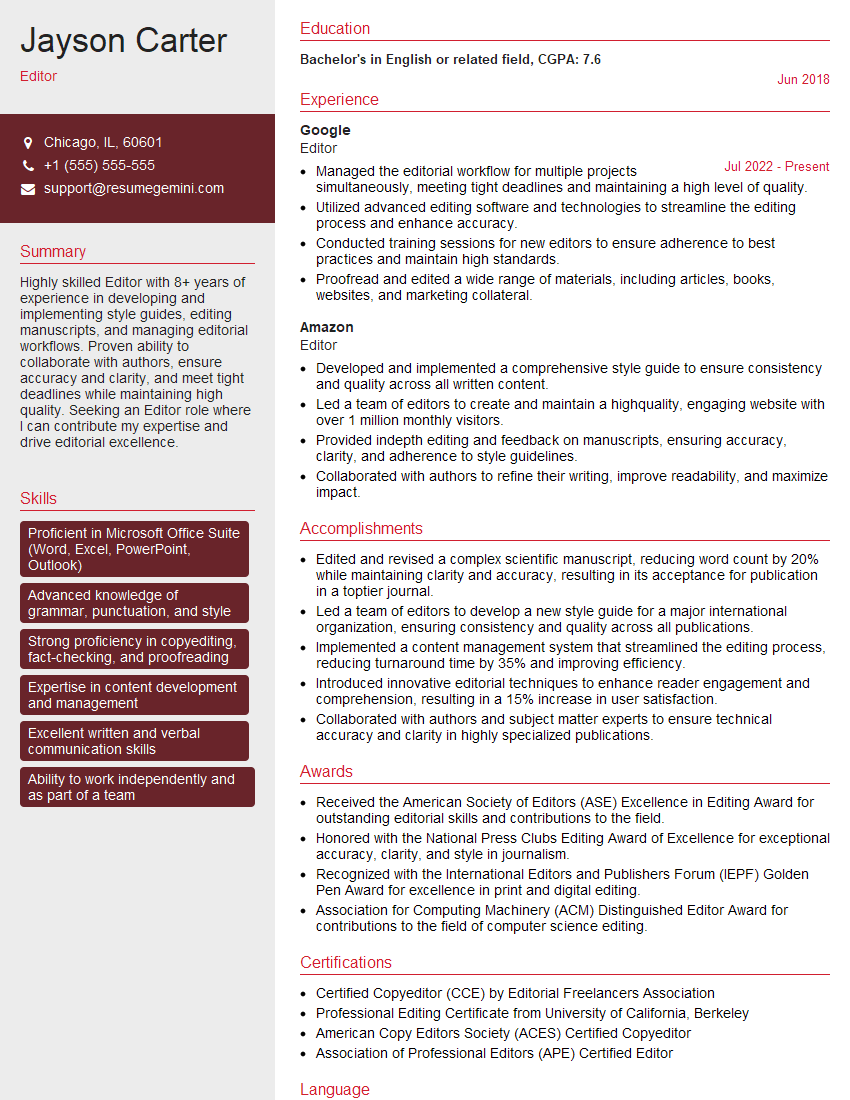
Editor Resume Sample
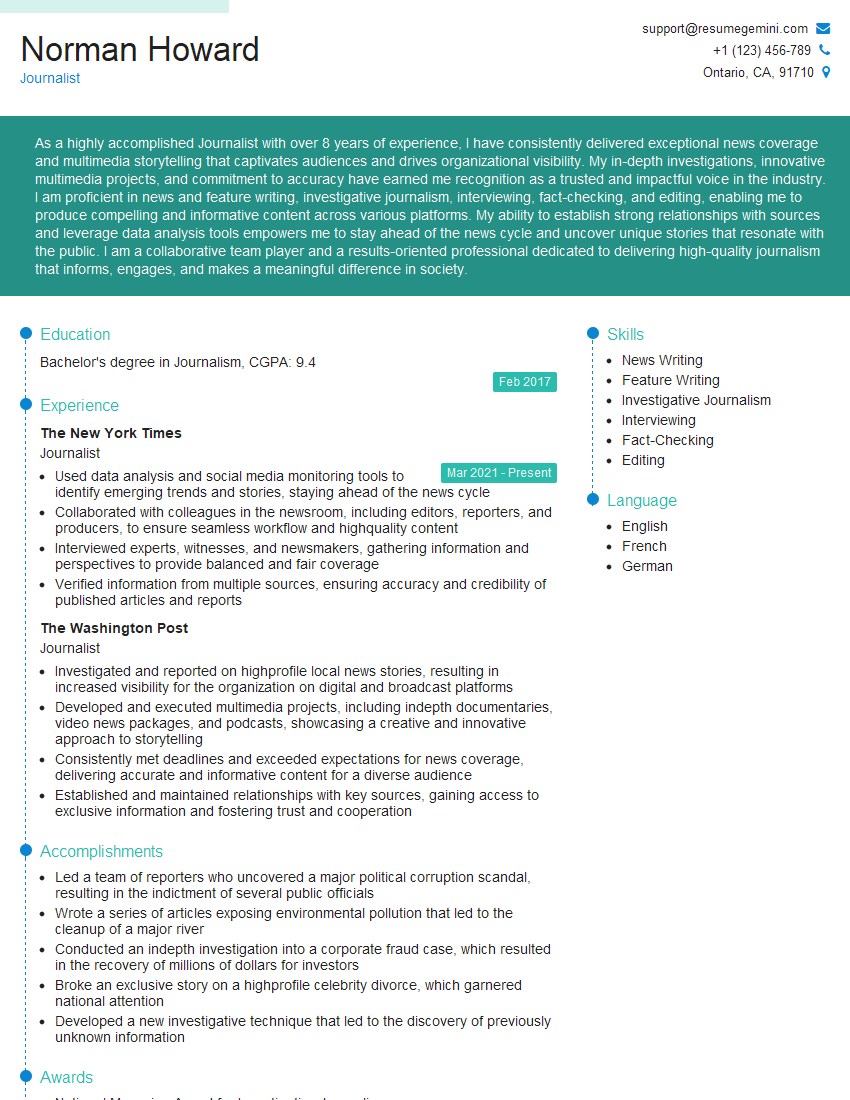
Journalist Resume Sample
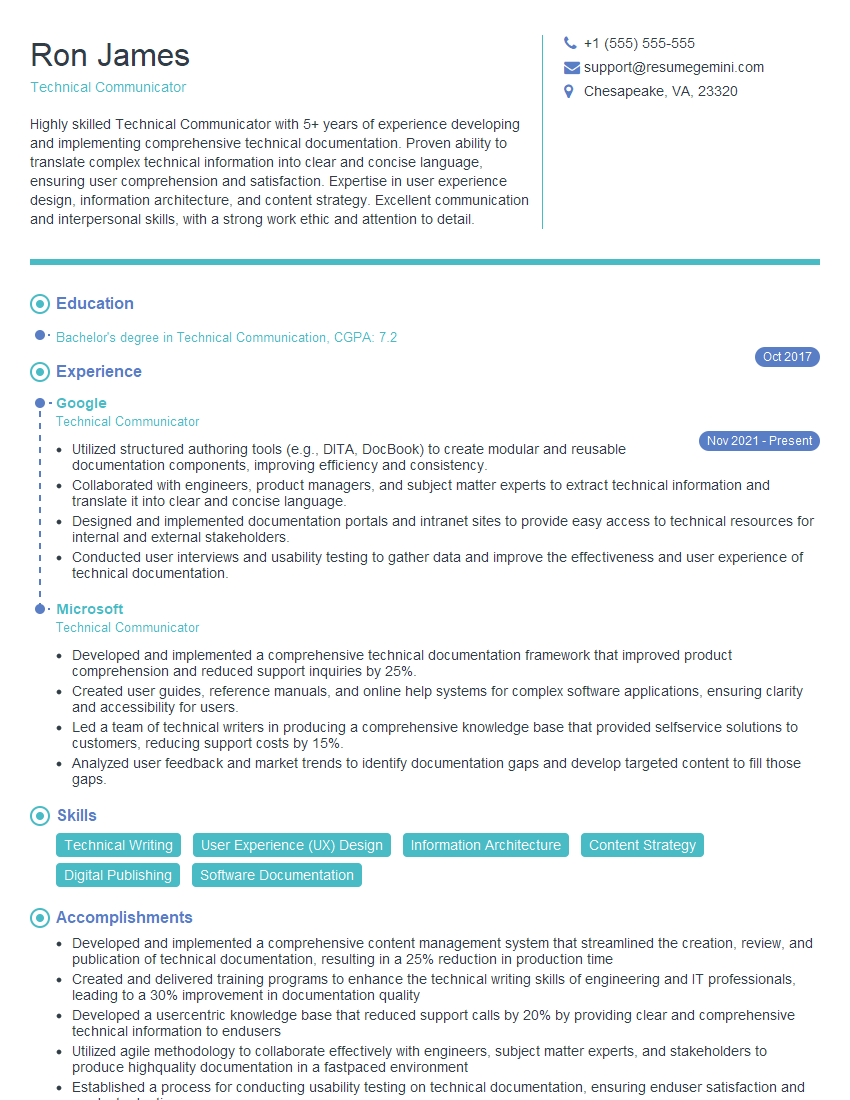
Technical Communicator Resume Sample

Technical Writer Resume Sample

Copywriter Resume Sample
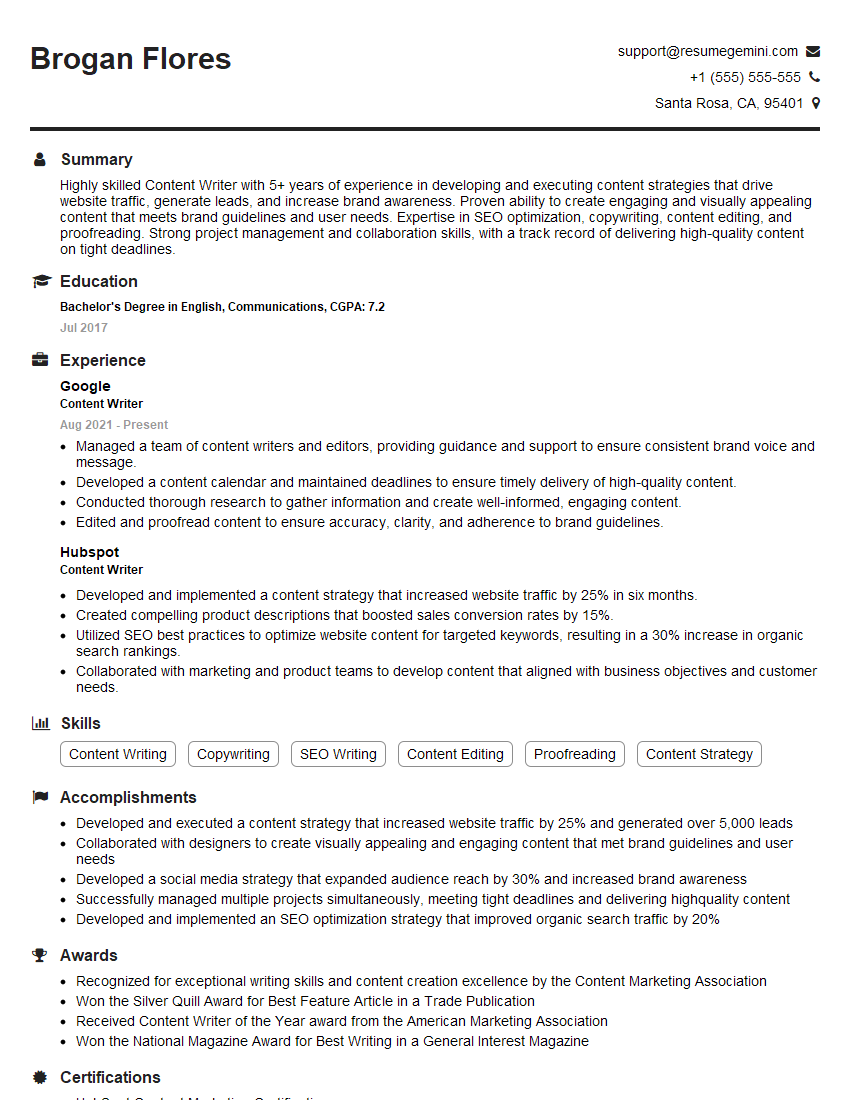
Content Writer Resume Sample
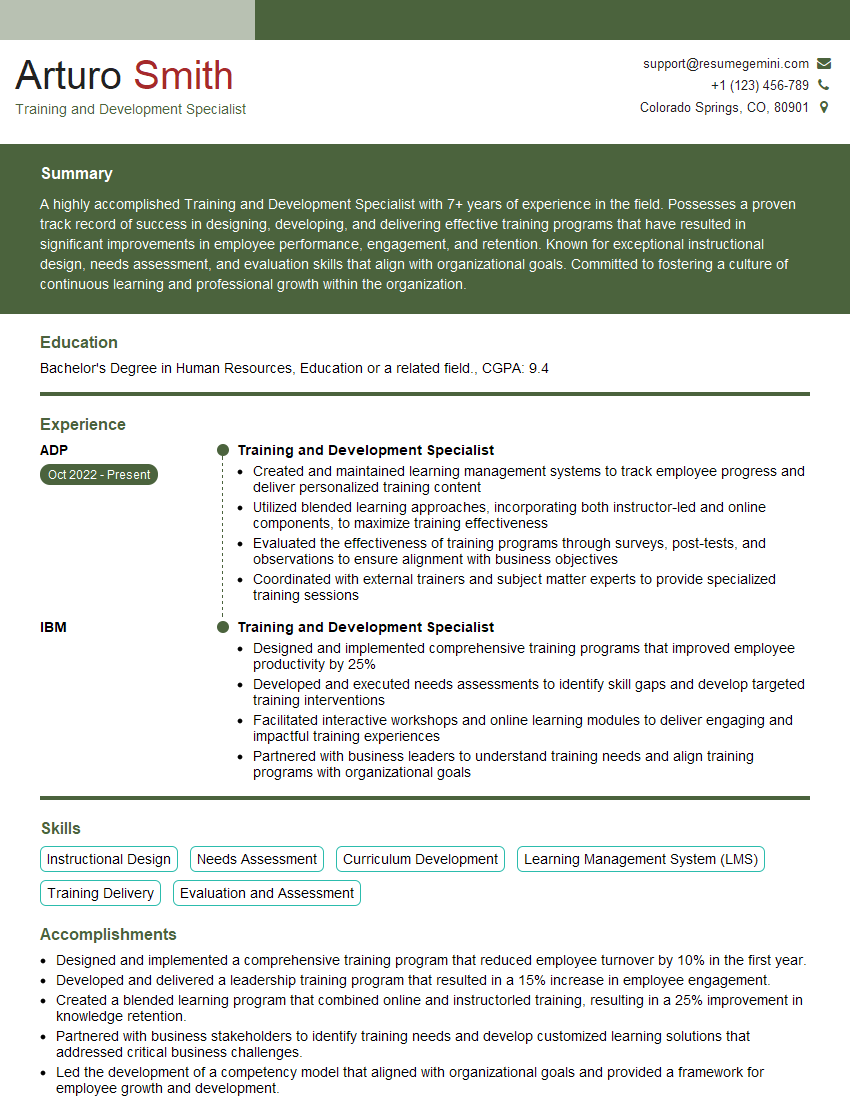
Training and Development Specialist Resume Sample
- Brand Manager
- Communications Manager
- Marketing Communications Manager
- Publicity Manager
- Customer Service Representative
- Technical Trainer
- Communications Specialist
- Social Media Manager
- Information Architect
- Technical Support Specialist
- Instructional Designer
- Editor
- Journalist
- Technical Communicator
- Technical Writer
- Copywriter
- Content Writer
- Training and Development Specialist
Explore more articles
Users Rating of Our Blogs
Share Your Experience
We value your feedback! Please rate our content and share your thoughts (optional).
What Readers Say About Our Blog
To the interviewgemini.com Webmaster.
Very helpful and content specific questions to help prepare me for my interview!
Thank you
To the interviewgemini.com Webmaster.
This was kind of a unique content I found around the specialized skills. Very helpful questions and good detailed answers.
Very Helpful blog, thank you Interviewgemini team.