Preparation is the key to success in any interview. In this post, we’ll explore crucial Conducting individual and group therapy sessions interview questions and equip you with strategies to craft impactful answers. Whether you’re a beginner or a pro, these tips will elevate your preparation.
Questions Asked in Conducting individual and group therapy sessions Interview
Q 1. Describe your experience conducting individual therapy sessions.
My experience in individual therapy spans over eight years, encompassing a wide range of client presentations and therapeutic goals. I’ve worked with individuals struggling with anxiety, depression, trauma, relationship issues, and life transitions. Each session is tailored to the client’s unique needs, utilizing a collaborative approach where we jointly identify goals and track progress. I find that building a strong therapeutic alliance is paramount – creating a safe and trusting space where clients feel comfortable exploring their vulnerabilities and challenging their belief systems. For example, I recently worked with a client experiencing severe anxiety related to public speaking. Through cognitive-behavioral techniques (CBT) and exposure therapy, we gradually desensitized her fear, culminating in her successfully delivering a presentation at a professional conference.
My sessions typically involve active listening, reflective questioning, and collaborative goal-setting. I incorporate evidence-based practices to ensure the effectiveness of our work. Beyond the core therapeutic techniques, I focus on fostering self-awareness and empowering clients to develop their own coping mechanisms and resilience strategies.
Q 2. What therapeutic approaches are you most proficient in?
My therapeutic approach is integrative, drawing upon several evidence-based modalities. I’m most proficient in Cognitive Behavioral Therapy (CBT), Dialectical Behavior Therapy (DBT), and psychodynamic therapy. CBT focuses on identifying and modifying maladaptive thoughts and behaviors. DBT is particularly useful for clients struggling with intense emotions and self-harm behaviors, providing them with skills for emotional regulation and distress tolerance. Psychodynamic therapy delves deeper into unconscious patterns and past experiences to understand the roots of current challenges. I often blend these approaches depending on the client’s needs and presenting issues. For instance, with a client experiencing both anxiety and past trauma, I might integrate CBT for managing present-day anxieties and psychodynamic techniques to process traumatic memories safely and effectively.
Q 3. How do you establish rapport with clients during the initial session?
Establishing rapport in the initial session is crucial. I begin by creating a comfortable and welcoming environment. I introduce myself, clearly explain the therapeutic process, and emphasize the importance of confidentiality. I then actively listen to the client’s concerns, validating their feelings and demonstrating empathy. Open-ended questions like, “Tell me more about what’s been bringing you in today,” encourage them to share their experiences without feeling pressured. I strive to understand their perspective and tailor my approach to resonate with their communication style. Body language is key – maintaining appropriate eye contact, using a calm and reassuring tone, and offering gentle nods of understanding can significantly enhance rapport. For example, if a client seems hesitant, I might offer a brief personal anecdote about starting therapy to normalize their experience and build trust.
Q 4. Explain your process for developing a treatment plan.
Developing a treatment plan is a collaborative process. We begin by clearly defining the client’s presenting problem and establishing measurable goals. I use the client’s self-assessment alongside my clinical observations to identify the contributing factors and select the most appropriate therapeutic techniques. The plan outlines specific interventions, the frequency of sessions, and expected outcomes. It’s not static; we regularly review and adjust it as needed, reflecting the dynamic nature of therapy. For instance, if a client initially presents with depression but during therapy reveals underlying trauma, we’ll adapt the plan to incorporate trauma-informed techniques. Regular progress monitoring ensures we remain on track towards achieving the client’s goals and making necessary modifications to optimize treatment effectiveness.
Q 5. Describe a challenging case and how you addressed it.
One particularly challenging case involved a young adult struggling with severe depression and self-harming behaviors. Initially, she presented with significant resistance to therapy, exhibiting defensiveness and a reluctance to engage. I addressed this by validating her feelings, acknowledging the difficulty of her situation, and emphasizing her agency in the therapeutic process. We slowly built trust by focusing on smaller, more attainable goals, such as improving sleep hygiene and practicing self-soothing techniques. As her trust in the therapeutic relationship grew, she gradually opened up about her traumatic past, allowing us to address the root causes of her depression. Throughout, I collaborated closely with her psychiatrist to manage her medication and ensure her safety. This case highlighted the importance of patience, flexibility, and a collaborative approach in addressing complex mental health challenges.
Q 6. How do you handle client resistance during therapy?
Client resistance can manifest in various ways, from missed sessions to verbal opposition. Instead of viewing resistance as an obstacle, I see it as valuable information that reveals underlying anxieties and fears. I address resistance by exploring the reasons behind it. This often involves reflective questioning, such as, “I notice you seem hesitant to discuss this topic. Can you tell me more about what’s making you feel uncomfortable?” I create a safe space for them to express their concerns and work collaboratively to address the underlying issues contributing to their resistance. Building a strong therapeutic alliance is essential in navigating resistance and fostering a positive therapeutic outcome.
Q 7. How do you maintain client confidentiality?
Maintaining client confidentiality is paramount, guided by ethical principles and legal regulations (HIPAA in the US). I explain the limits of confidentiality during the initial session, specifying situations where I might be legally required to disclose information (e.g., imminent harm to self or others, mandated reporting of child abuse). I only use client information for therapeutic purposes, storing records securely and utilizing appropriate data encryption when transmitting information electronically. I adhere strictly to professional guidelines to protect client privacy and maintain the integrity of the therapeutic relationship.
Q 8. What is your approach to ethical dilemmas in therapy?
Ethical dilemmas are inevitable in therapy. My approach involves a systematic process rooted in ethical codes and best practices. First, I identify the ethical conflict, clearly defining the competing values and potential consequences of different actions. Then, I consult relevant ethical guidelines, such as those provided by the American Psychological Association (APA), to understand the applicable rules and principles. I also consider the specific context of the situation, including the client’s needs and vulnerabilities. Next, I explore potential courses of action, weighing the benefits and harms of each option. This includes seeking consultation from experienced colleagues or supervisors when needed. Finally, I document my decision-making process thoroughly, including the rationale behind my chosen course of action. For example, if I face a potential confidentiality breach, I’d carefully weigh the client’s right to privacy against the potential risk of harm to themselves or others, seeking legal consultation if necessary. My commitment is to act in the best interest of my clients while upholding professional standards.
Q 9. Describe your experience conducting group therapy sessions.
I have extensive experience facilitating both open and closed group therapy sessions, working with diverse populations including individuals struggling with anxiety, depression, trauma, and relationship issues. My approach is collaborative and emphasizes the therapeutic power of shared experience. In a recent group focused on anxiety management, for example, we started with exercises to build trust and create a safe space. Members gradually shared their experiences, learned coping mechanisms from each other, and developed a sense of community. The group format allowed members to receive feedback from multiple perspectives and practice new skills in a supportive environment. I structure sessions around a clear theme or goal for each meeting, utilizing both structured activities and free-flowing discussions, adjusting my facilitation to suit the group’s evolving needs. I find that careful initial screening and group composition are crucial for success, ensuring compatibility among members and a good fit with the group’s overall focus.
Q 10. How do you manage group dynamics in a therapy setting?
Managing group dynamics is a continuous process requiring sensitivity and skillful intervention. I establish ground rules from the outset, focusing on respect, confidentiality, and active listening. I actively monitor the group’s interactions, paying close attention to nonverbal cues and power dynamics. Early on, I’ll address any potential dominance or exclusion of members. I might use techniques such as redirecting conversations, encouraging quieter members to participate, or gently challenging inappropriate behaviors. If a subgroup forms, I might facilitate discussions to integrate all members more fully. For example, if one member monopolizes the conversation, I might gently remind them that everyone has a chance to speak and encourage others to share. Maintaining a balance between structure and spontaneity is also vital; having a clear agenda provides structure while allowing space for organic group discussions. Regularly checking in with individual members to assess their experience also helps to identify and address potential issues early on.
Q 11. What techniques do you use to facilitate group interaction?
To facilitate group interaction, I use a variety of techniques tailored to the group’s needs and the session’s objectives. These include:
- Icebreaker activities: To help members get to know each other and feel comfortable.
- Role-playing: To practice new skills in a safe environment.
- Structured exercises: Such as questionnaires or creative tasks that encourage reflection and sharing.
- Open-ended questions: To stimulate discussion and exploration of themes.
- Summarization and reflection: To highlight key insights and connections.
- Feedback techniques: To help members learn from each other’s experiences.
Q 12. How do you handle conflict within a group therapy session?
Conflict is a natural part of group therapy and can be a valuable opportunity for growth. My approach to handling conflict involves several steps:
- Identify the source: Carefully listen to all sides to understand the nature of the conflict.
- Facilitate open communication: Encourage members to express their feelings and perspectives in a respectful way.
- Promote empathy and understanding: Help members see each other’s viewpoints.
- Mediate solutions: Guide members towards finding mutually acceptable solutions.
- Reinforce ground rules: Remind the group of the established norms for respectful interaction.
Q 13. What are the limitations of group therapy?
While group therapy offers many benefits, it also has limitations.
- Confidentiality concerns: Complete confidentiality is difficult to guarantee in a group setting.
- Power imbalances: Dominant personalities can overshadow quieter members.
- Lack of individual attention: Group therapy may not be suitable for clients needing intensive individual support.
- Group dynamics issues: Conflicts or negative group dynamics can hinder progress.
- Not suitable for all: Some clients may find the group format overwhelming or triggering.
Q 14. How do you ensure the safety and well-being of clients in a group setting?
Ensuring client safety and well-being in a group setting is paramount. This involves:
- Careful screening and selection: Matching clients to suitable groups based on their needs and compatibility.
- Establishing clear ground rules: Creating a safe and respectful environment from the start.
- Managing confidentiality: Clearly outlining limits of confidentiality and reinforcing the importance of respecting each other’s privacy.
- Monitoring group dynamics: Addressing any signs of conflict or distress promptly and appropriately.
- Providing resources and referrals: Offering appropriate support and resources to clients who may need additional assistance.
- Maintaining professional boundaries: Adhering to strict ethical guidelines and maintaining professional boundaries with all clients.
Q 15. How do you adapt your therapeutic approach to different client populations?
Adapting my therapeutic approach hinges on understanding that each individual, even within a specific population (e.g., adolescents, couples, trauma survivors), brings unique experiences, cultural backgrounds, and coping mechanisms. I don’t believe in a ‘one-size-fits-all’ approach.
For instance, when working with adolescents, I might use more collaborative and solution-focused techniques, focusing on building self-esteem and empowering them to navigate challenges. With adults experiencing trauma, a trauma-informed approach would be prioritized, emphasizing safety, trust, and collaboration at the client’s pace. This might involve techniques like EMDR or somatic experiencing. For couples, I often utilize systems-based interventions, focusing on improving communication and conflict-resolution skills.
My adaptation involves a flexible, evidence-based approach that draws upon various therapeutic modalities, tailoring the techniques to the individual’s needs and preferences. A thorough initial assessment is crucial for understanding their unique context and tailoring the therapeutic relationship accordingly.
Career Expert Tips:
- Ace those interviews! Prepare effectively by reviewing the Top 50 Most Common Interview Questions on ResumeGemini.
- Navigate your job search with confidence! Explore a wide range of Career Tips on ResumeGemini. Learn about common challenges and recommendations to overcome them.
- Craft the perfect resume! Master the Art of Resume Writing with ResumeGemini’s guide. Showcase your unique qualifications and achievements effectively.
- Don’t miss out on holiday savings! Build your dream resume with ResumeGemini’s ATS optimized templates.
Q 16. Explain your understanding of transference and countertransference.
Transference refers to the unconscious redirection of feelings from one person to another, often manifesting in the therapeutic relationship. Essentially, the client might project feelings and patterns from past relationships onto the therapist. For example, a client who had a controlling parent might unconsciously view the therapist as similarly controlling, even if the therapist isn’t. Understanding transference is vital to helping clients identify these patterns and break free from them.
Countertransference is the inverse – it’s the therapist’s unconscious emotional reaction to the client. This can stem from the client’s transference, the therapist’s own unresolved issues, or the intensity of the client’s experiences. For example, if a therapist has personal experiences with abandonment, a client discussing abandonment issues might trigger strong emotional responses in the therapist. Regular supervision and self-reflection are essential to manage countertransference effectively and prevent it from impacting the therapeutic process.
Recognizing and managing both transference and countertransference requires self-awareness, clinical skill, and a commitment to ongoing professional development.
Q 17. Describe your experience working with diverse client populations.
Throughout my career, I’ve had the privilege of working with a diverse range of clients, including individuals from various socioeconomic backgrounds, ethnicities, sexual orientations, and religious beliefs. This experience has profoundly enriched my understanding of the human condition and strengthened my ability to connect with clients from different walks of life.
For instance, I’ve worked with LGBTQ+ individuals navigating challenges related to identity and discrimination, collaborating with them to build resilience and self-acceptance. I’ve also supported immigrant families adjusting to a new culture, often addressing issues of acculturation stress and navigating the complexities of the healthcare system. Every client’s story has been unique, shaping my understanding of how social and cultural factors influence mental health.
Working with this diversity has instilled in me a deep commitment to culturally sensitive and inclusive practices, emphasizing collaboration and client empowerment.
Q 18. How do you integrate cultural considerations into your therapeutic practice?
Integrating cultural considerations is fundamental to ethical and effective therapy. It’s not simply about acknowledging differences; it’s about understanding how cultural values, beliefs, and practices shape individuals’ experiences and worldviews.
This includes understanding the impact of historical trauma, systemic oppression, and microaggressions on mental health. I assess cultural factors early in the therapeutic process, striving to understand the client’s cultural identity, family dynamics, and spiritual beliefs. This involves active listening, asking culturally sensitive questions, and being open to learning from the client’s unique perspectives. In some cases, it might involve seeking consultation with experts on specific cultural issues.
For example, if working with a client from a collectivist culture, I’d adapt my approach to be more family-oriented, possibly including family members in the therapy process when appropriate and with the client’s consent. It’s crucial to avoid imposing my own cultural biases and to work collaboratively with the client to create a culturally congruent therapeutic relationship.
Q 19. How do you assess client progress and make adjustments to the treatment plan?
Assessing client progress is an ongoing process, not a single event. I use a variety of methods, including regular check-ins, standardized assessment measures (like questionnaires), and observations of client behavior during sessions. We collaboratively set specific, measurable, achievable, relevant, and time-bound (SMART) goals at the outset of therapy.
For example, if a client’s goal is to reduce anxiety, I might track their anxiety levels using a self-report measure throughout the treatment. We might also discuss their progress towards their goals, looking at behavioral changes, emotional regulation, and overall well-being. If progress is slow or stalled, I might adjust the treatment plan, introducing new techniques, exploring alternative approaches, or reevaluating the client’s goals.
This collaborative approach allows me to make informed adjustments based on the client’s feedback and progress, ensuring the therapy remains effective and relevant to their evolving needs.
Q 20. What are your strategies for managing your own stress and burnout?
The therapeutic profession can be emotionally demanding, so self-care is not a luxury, but a necessity. My strategies for managing stress and burnout include maintaining a healthy work-life balance, engaging in regular self-reflection, and practicing mindfulness techniques.
I prioritize setting boundaries, including limiting my caseload and adhering to a consistent schedule. I also make sure to incorporate activities into my life that promote relaxation and rejuvenation, such as exercise, spending time in nature, and pursuing hobbies. Regular supervision with a trusted colleague provides a vital space to process challenging cases and gain support.
Importantly, I’m mindful of the importance of seeking support when needed, recognizing that seeking help is a sign of strength, not weakness. This might involve consulting with a therapist or engaging in peer support groups.
Q 21. How do you maintain professional boundaries with clients?
Maintaining professional boundaries is paramount to ensuring ethical and effective therapy. This involves clearly defining the therapeutic relationship and avoiding dual relationships, which could create conflicts of interest or exploit the power imbalance inherent in the therapist-client dynamic.
I avoid social contact with clients outside of therapy sessions. I am very clear about session time limitations and policies regarding missed appointments or cancellations. I am also careful not to disclose personal information about myself that could compromise the therapeutic process. This includes maintaining confidentiality, only sharing information with appropriate parties and adhering to all relevant legal and ethical guidelines.
If a client seeks to develop a relationship beyond professional boundaries, it is crucial to address this directly and gently reinforce the limits of the therapeutic relationship. This often involves setting clear expectations and, if needed, making appropriate referrals to other professionals.
Q 22. Describe your documentation process for therapy sessions.
My documentation process is meticulous and adheres to ethical and legal guidelines. I utilize a secure electronic health record (EHR) system to maintain comprehensive and confidential records for each client. For each session, I document the date, time, and duration. More importantly, I record the client’s presenting issues, key themes discussed, progress towards goals, interventions used, and any significant observations about their emotional state or behavior. I use progress notes that are concise, objective, and avoid subjective interpretations. For example, instead of writing “Client was very angry,” I might write “Client reported feeling intense frustration and expressed anger through elevated voice and clenched fists.” This approach ensures accuracy and avoids bias. I also document any relevant collateral information received from family members or other professionals only with the client’s informed consent. Finally, I regularly review and update the client’s record to ensure its accuracy and completeness. This thorough documentation process is vital for continuity of care, efficient collaboration with other professionals if needed, and protects both myself and my client legally.
Q 23. How do you handle crisis situations with clients?
Handling crisis situations requires immediate action and a calm, reassuring approach. My first priority is ensuring the client’s safety. This may involve assessing their immediate risk of harm to themselves or others. If there is imminent danger, I will initiate steps to ensure safety, which might involve contacting emergency services (911) or a mobile crisis team. If the situation is less urgent but still concerning, I will utilize crisis intervention techniques such as active listening, validation of feelings, and collaborative problem-solving. For example, if a client is experiencing a panic attack, I will help them regulate their breathing, encourage grounding techniques, and provide reassurance. Post-crisis, I would document the events thoroughly, reflect on my interventions, and make appropriate referrals for ongoing support, possibly involving hospitalization or connecting them with a psychiatric professional.
Q 24. What is your approach to termination of therapy?
Termination of therapy is a planned and collaborative process, not an abrupt ending. We begin discussing the possibility of termination well in advance, usually several sessions before the anticipated end. This allows us to review the client’s progress, identify any remaining goals, and develop a plan for maintaining progress after therapy ends. We might discuss strategies for coping with future challenges, such as relapse prevention for substance use disorders or identifying healthy support systems. The process includes summarizing key insights and achievements, revisiting initial goals, and exploring potential strategies for maintaining progress. I always offer the client the opportunity to schedule a follow-up session to discuss any emerging challenges or to simply check in. The goal is to empower clients to feel confident and capable of managing their lives independently. This ensures a positive and empowering conclusion to the therapeutic journey.
Q 25. How do you ensure the efficacy of your therapeutic interventions?
Ensuring the efficacy of my interventions involves a multifaceted approach. Firstly, I utilize evidence-based practices, grounding my interventions in research and best practices relevant to the client’s presenting problems. Secondly, I regularly assess client progress through structured interviews, rating scales, and continuous monitoring. For instance, if working with a client struggling with depression, I might use a standardized depression scale (like the PHQ-9) at regular intervals to track symptom reduction. Thirdly, I maintain ongoing collaboration with the client, involving them actively in the treatment planning and progress monitoring process. This ensures that the chosen interventions remain relevant and effective. I also regularly reflect on my own practice, seek supervision, and participate in continuing education to refine my skills and ensure I am using the most effective methods. Finally, I encourage open communication with the client and adjust my approach as needed, acknowledging that what works for one person may not work for another.
Q 26. How do you stay current with best practices in therapy?
Staying current with best practices is crucial in this ever-evolving field. I accomplish this through several avenues: regular attendance at professional conferences and workshops, participation in continuing education courses, reading relevant peer-reviewed journals and books, and actively engaging in professional supervision. I am a member of professional organizations such as the American Psychological Association (APA) and regularly review their publications and recommendations. I also maintain a network of colleagues with whom I discuss cases and share new learning. Continuous professional development keeps my knowledge and skills sharp, ensures ethical practice, and ultimately improves the quality of care I provide to my clients.
Q 27. Describe your experience with telehealth or virtual therapy.
My experience with telehealth has been overwhelmingly positive. Since the pandemic, I have integrated it seamlessly into my practice. I use HIPAA-compliant video conferencing platforms to ensure client confidentiality. While the in-person connection is invaluable, telehealth offers increased accessibility for clients who face geographical barriers or mobility challenges. It also allows for a certain level of comfort and convenience for some clients. To ensure effectiveness, I focus on building rapport virtually, making sure the technological aspects are streamlined, and paying close attention to non-verbal cues through the screen. I also thoroughly discuss the security and privacy measures in place with clients to address potential concerns about confidentiality. The success of telehealth relies heavily on a good internet connection for both the client and therapist to ensure smooth sessions.
Q 28. What are your salary expectations?
My salary expectations are commensurate with my experience, qualifications, and the prevailing market rate for licensed therapists in my region. I am confident that my skills and dedication make me a valuable asset to your team. I am open to discussing a competitive compensation package that aligns with the organization’s budgetary parameters and reflects the value I bring to the practice.
Key Topics to Learn for Conducting Individual and Group Therapy Sessions Interview
- Therapeutic Approaches: Understanding and applying various theoretical frameworks (e.g., Cognitive Behavioral Therapy (CBT), Dialectical Behavior Therapy (DBT), Psychodynamic therapy) to individual and group settings. Consider their strengths and limitations in different clinical presentations.
- Group Dynamics and Facilitation: Mastering the art of leading and managing group therapy sessions, including addressing conflict, fostering collaboration, and promoting a safe and supportive environment. Practice techniques for managing difficult group members and navigating power dynamics.
- Individual Session Techniques: Developing strong rapport-building skills, active listening techniques, and effective questioning strategies for individual therapy. Explore different intervention methods tailored to individual needs and presenting problems.
- Ethical Considerations: Deep understanding of ethical guidelines and professional boundaries in both individual and group therapy, including confidentiality, informed consent, and dual relationships.
- Assessment and Treatment Planning: Proficiently conducting assessments to identify client needs, developing individualized treatment plans, and measuring treatment progress. Demonstrate knowledge of various assessment tools and techniques.
- Crisis Intervention and Safety Planning: Understanding how to effectively respond to crises and develop safety plans to mitigate risks for both individual and group clients.
- Documentation and Record Keeping: Mastering accurate and comprehensive documentation practices that adhere to legal and ethical standards.
- Cultural Competence: Demonstrating awareness and sensitivity to diverse cultural backgrounds and their impact on mental health and treatment.
- Self-Care and Burnout Prevention: Articulating strategies for maintaining personal well-being and preventing burnout, a critical aspect of long-term success in this profession.
Next Steps
Mastering the art of conducting individual and group therapy sessions is crucial for career advancement in mental health. It demonstrates a comprehensive understanding of clinical practice and opens doors to a wider range of opportunities. To significantly enhance your job prospects, creating a strong, ATS-friendly resume is paramount. ResumeGemini is a trusted resource to help you build a professional and impactful resume that highlights your skills and experience effectively. Examples of resumes tailored to conducting individual and group therapy sessions are available to guide you in this process.
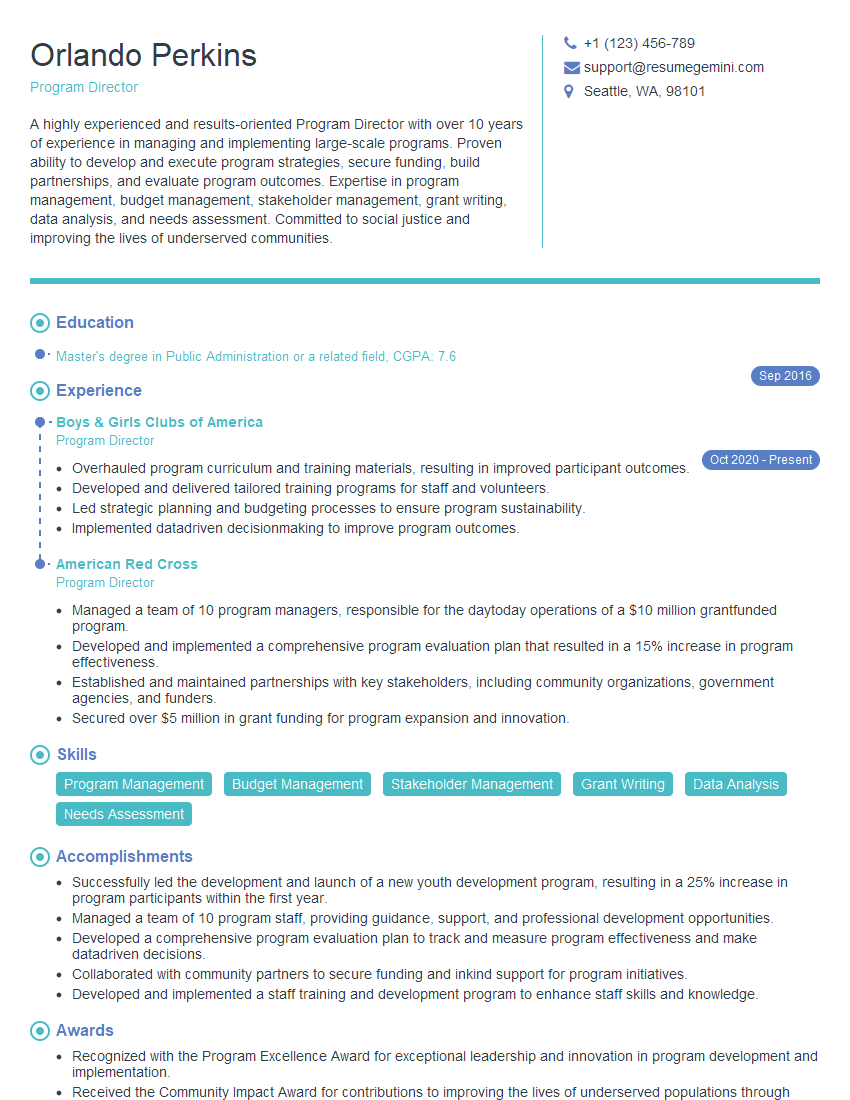
Program Director Resume Sample
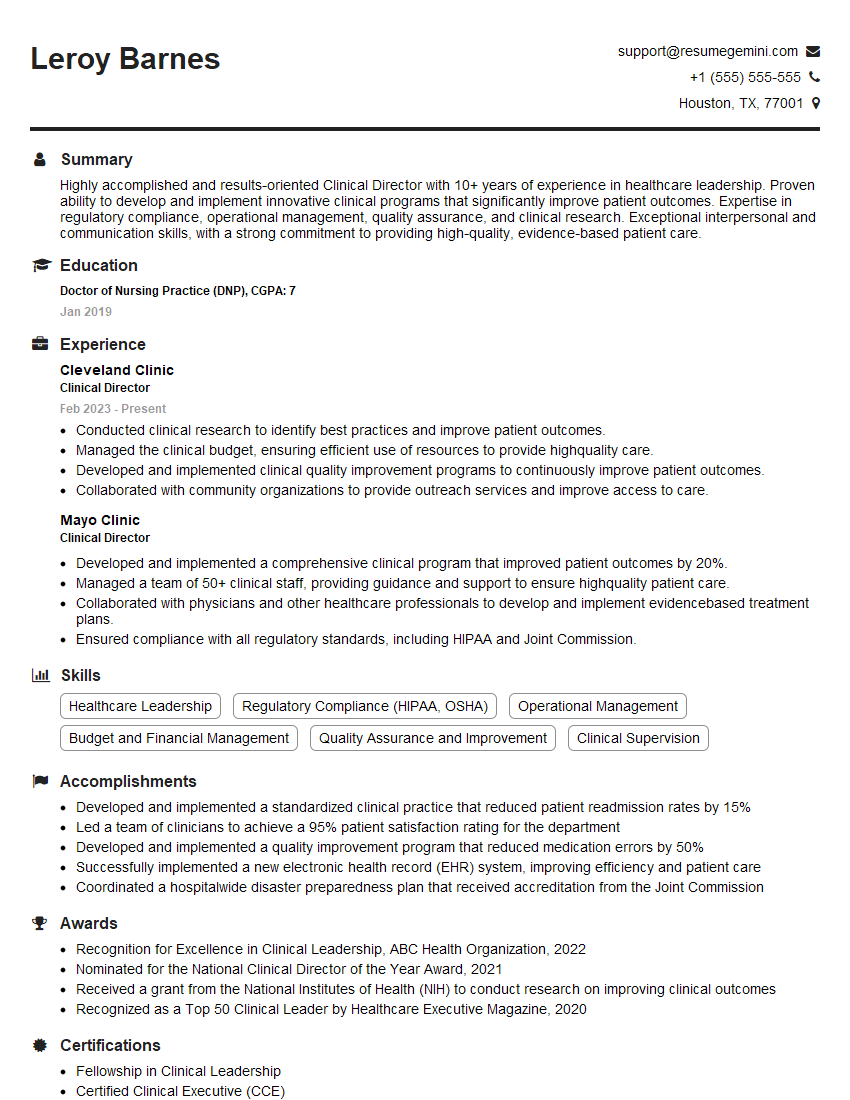
Clinical Director Resume Sample
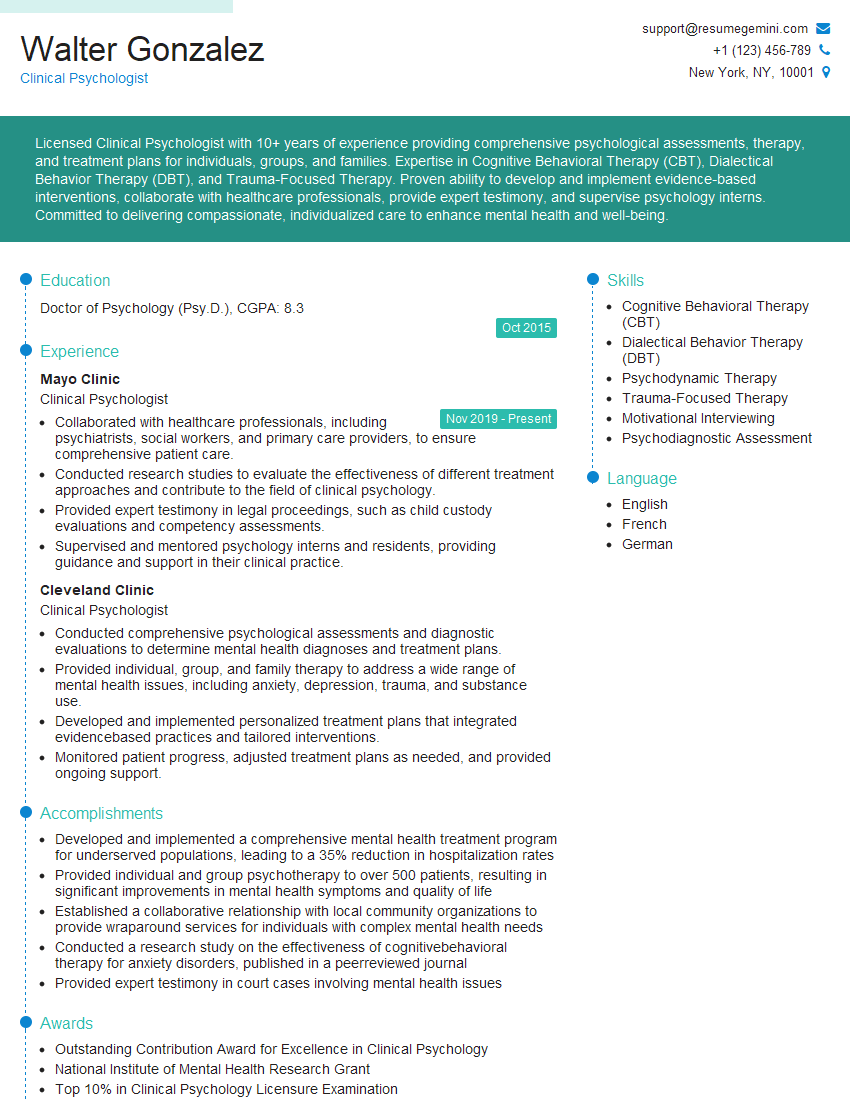
Clinical Psychologist Resume Sample
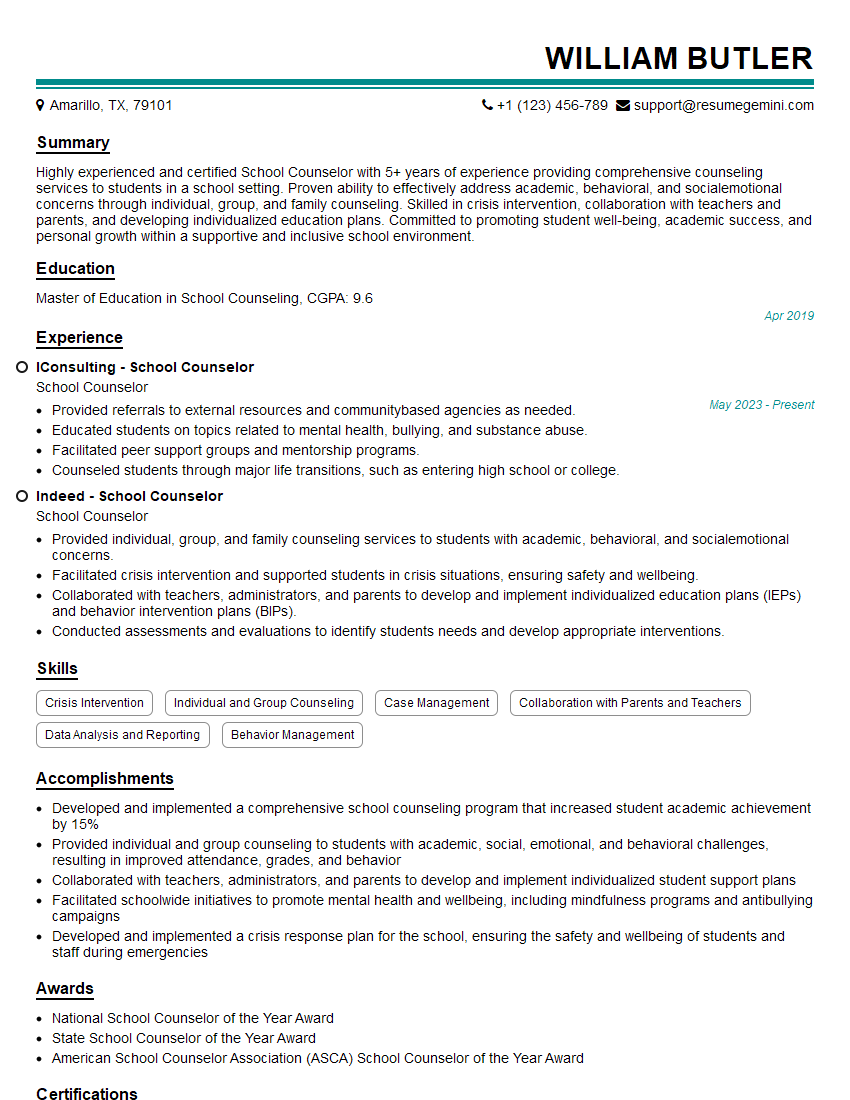
School Counselor Resume Sample
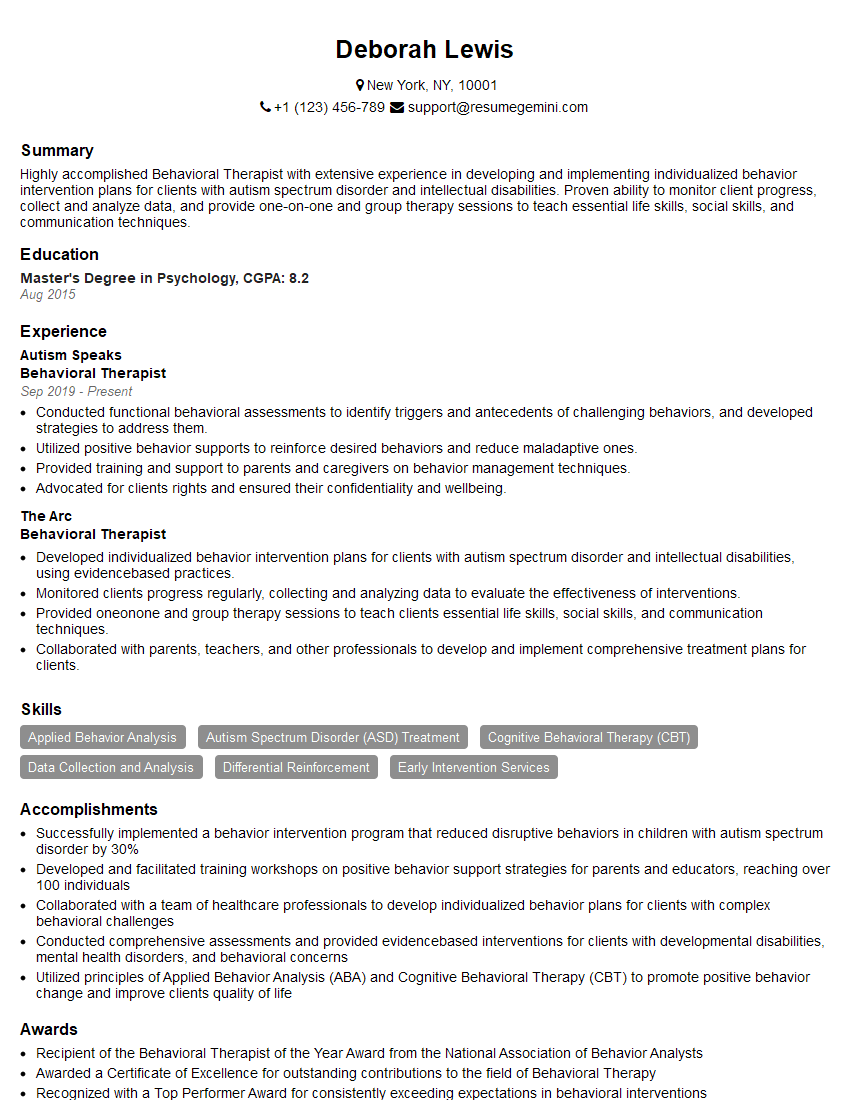
Behavioral Therapist Resume Sample
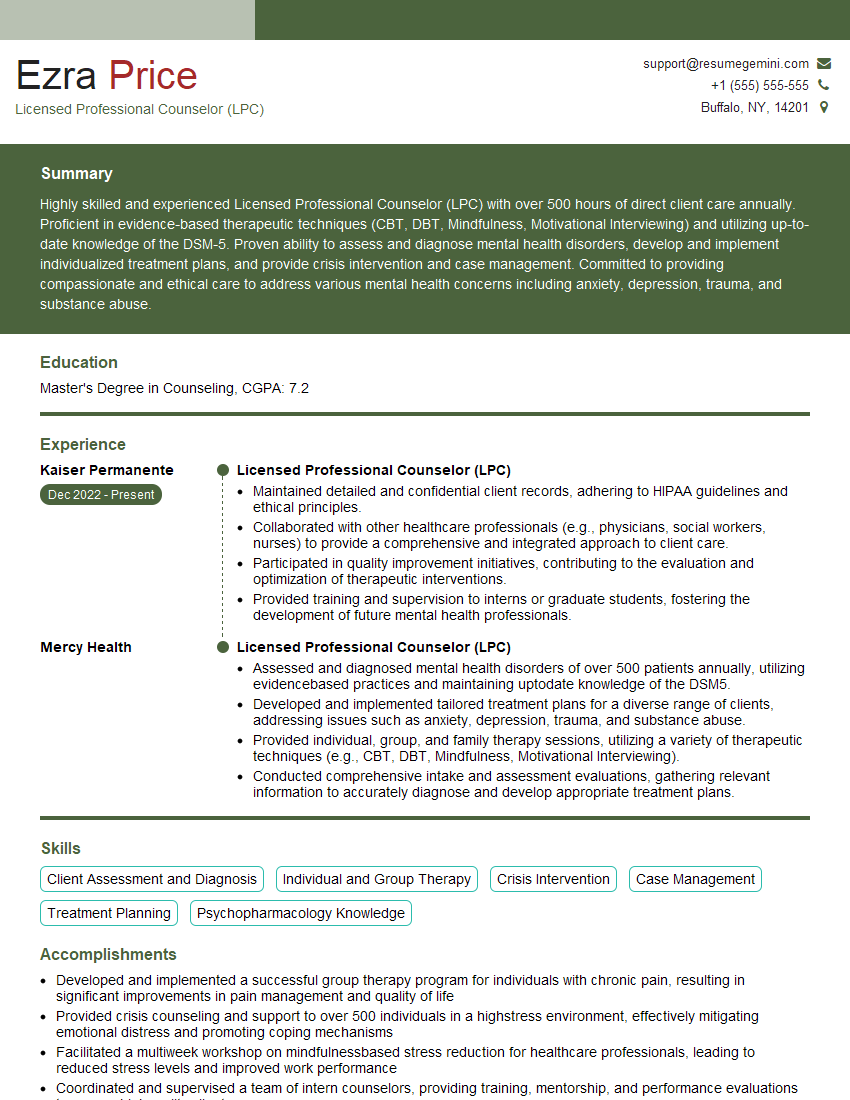
Licensed Professional Counselor (LPC) Resume Sample
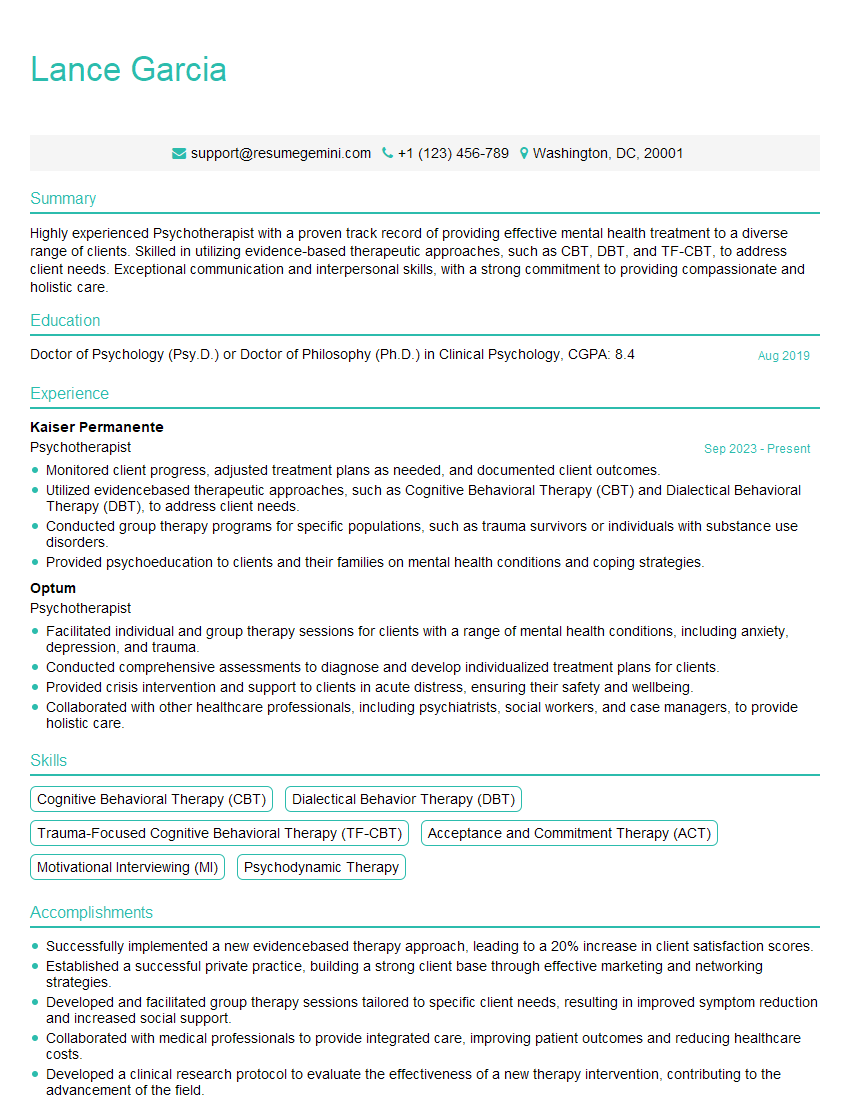
Psychotherapist Resume Sample

Mental Health Counselor Resume Sample
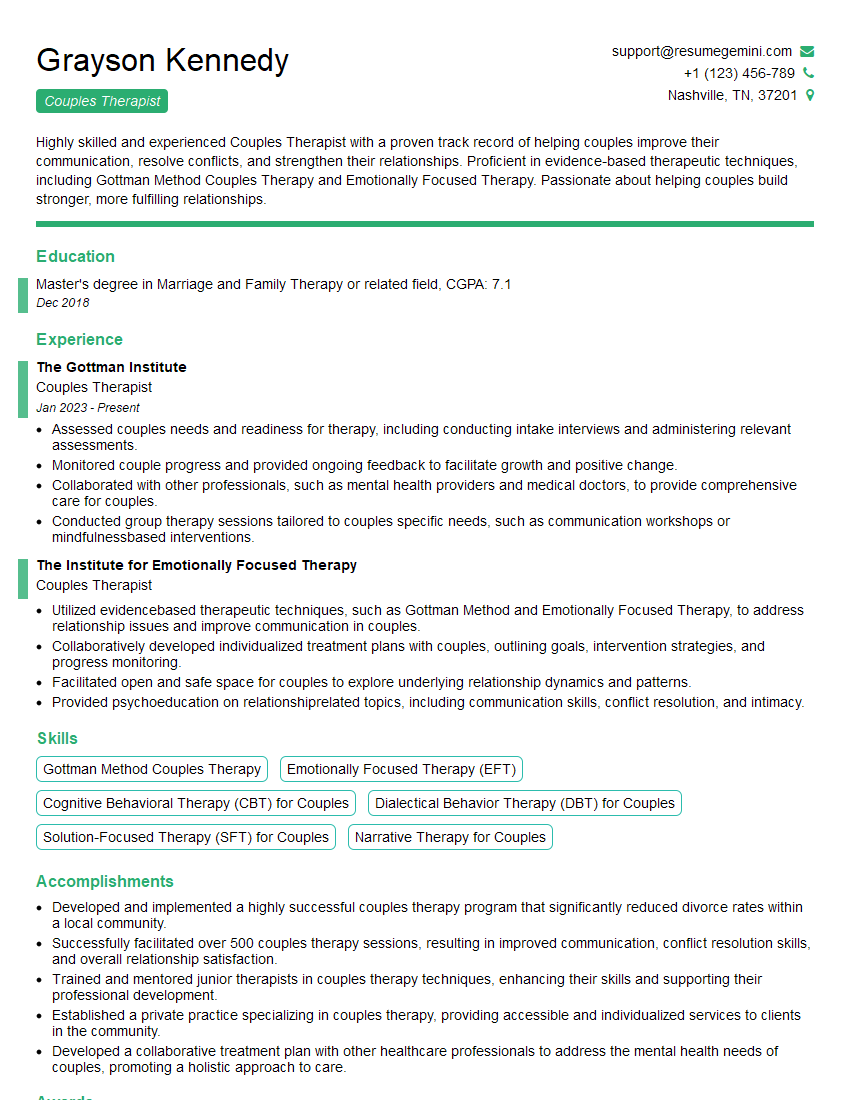
Couples Therapist Resume Sample
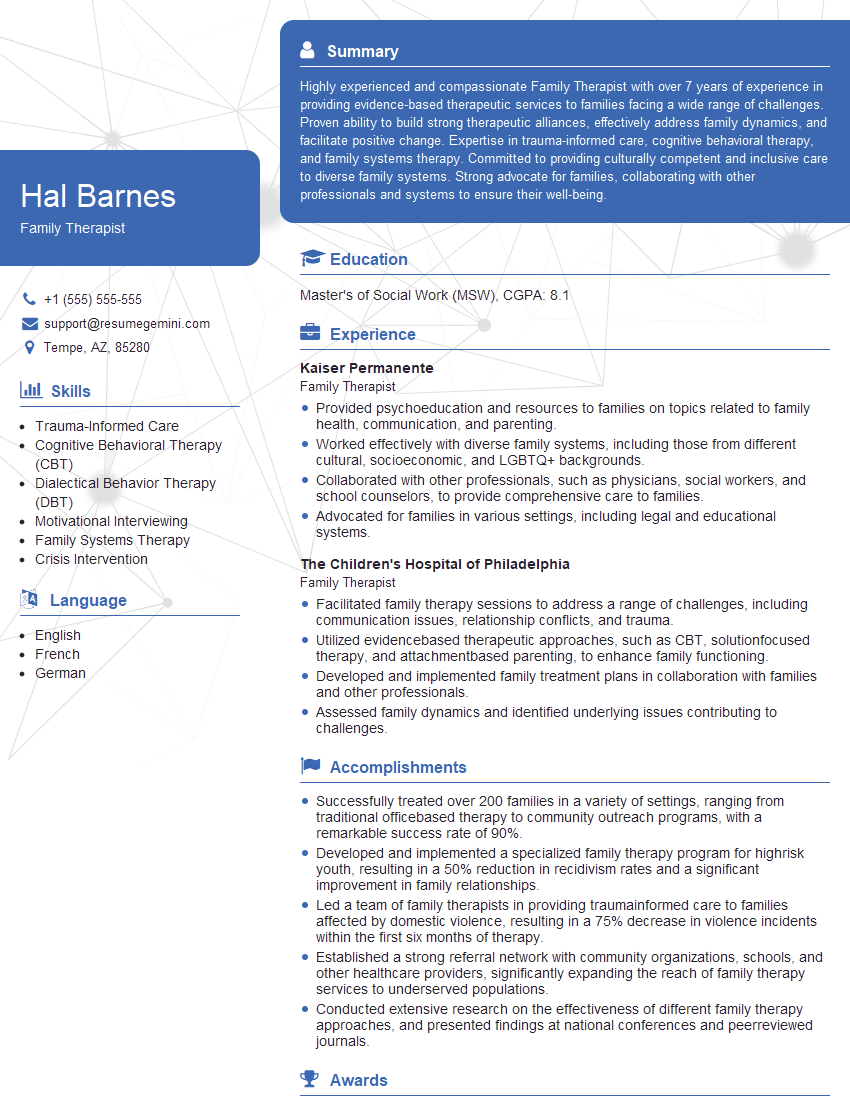
Family Therapist Resume Sample
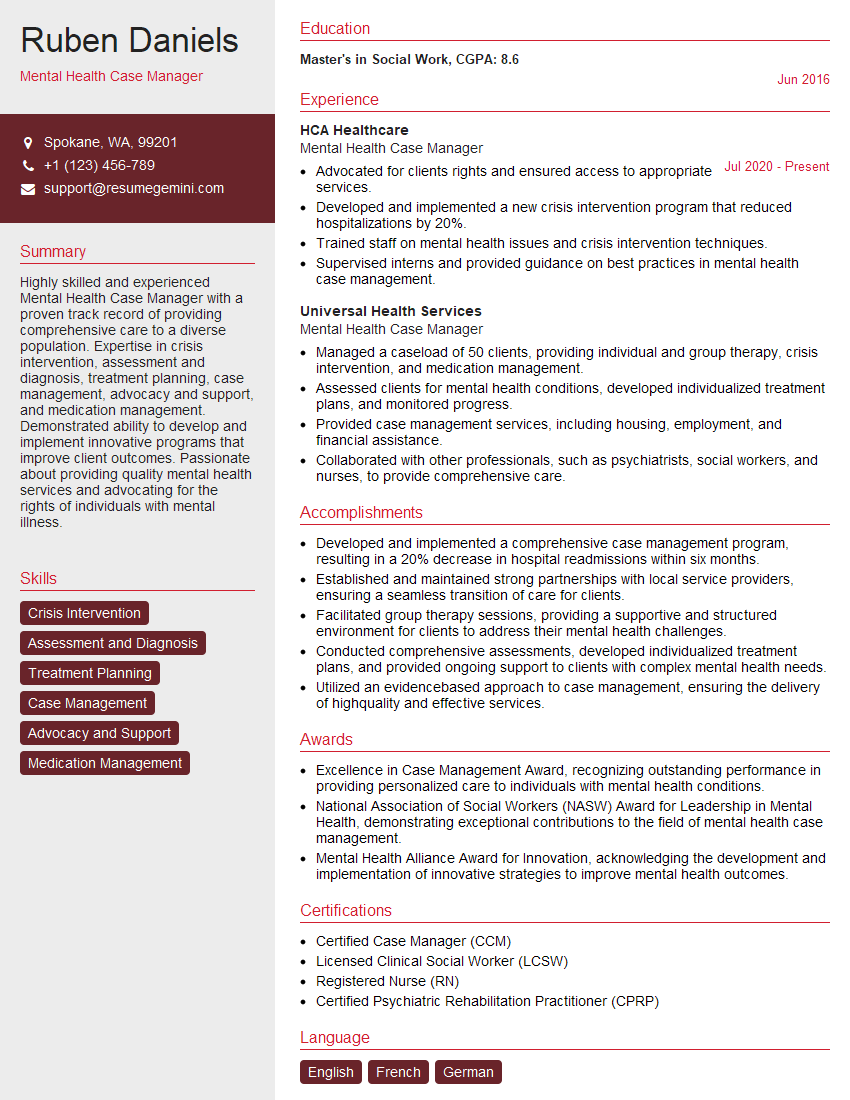
Mental Health Case Manager Resume Sample

Rehabilitation Counselor Resume Sample
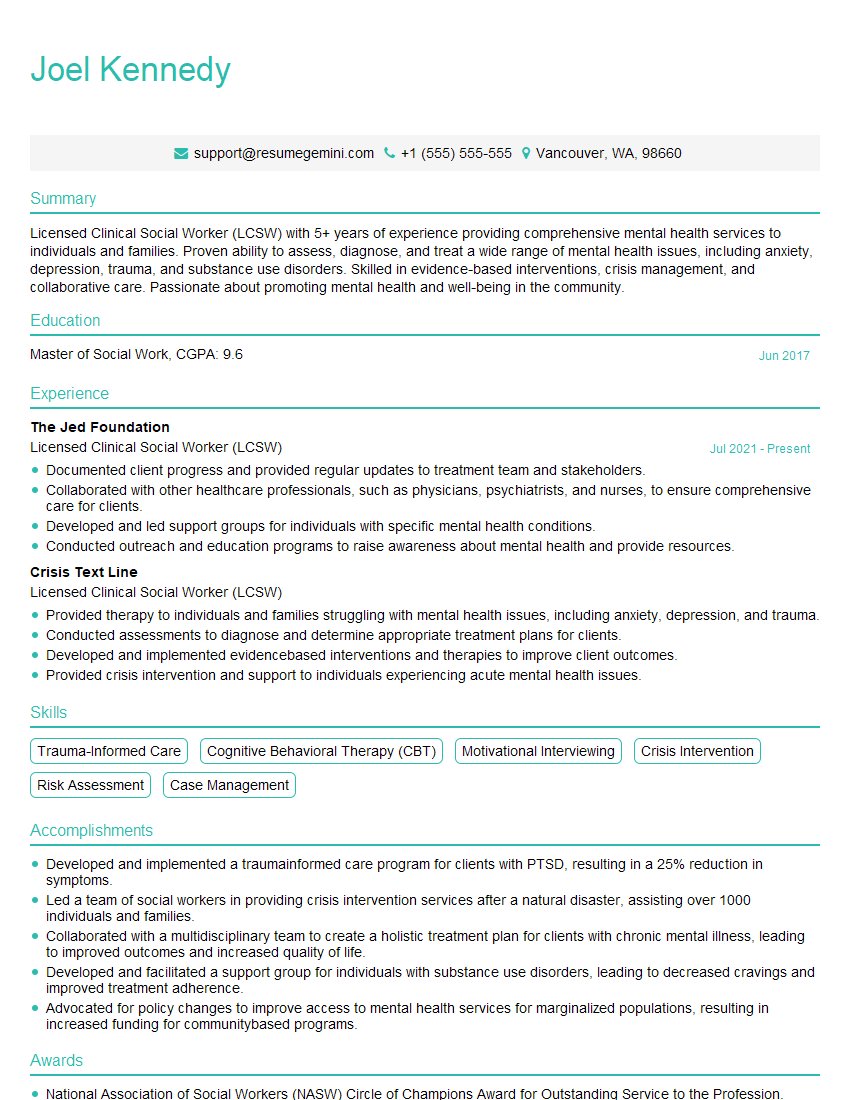
Licensed Clinical Social Worker (LCSW) Resume Sample
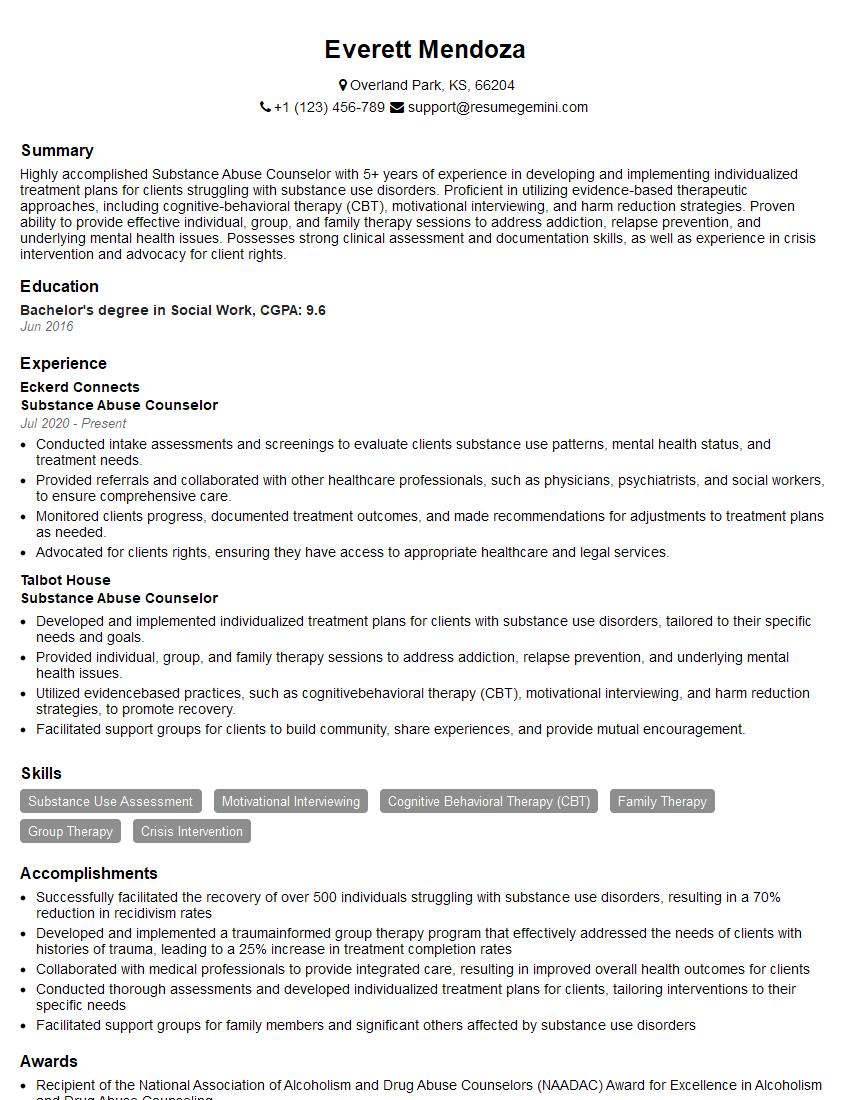
Substance Abuse Counselor Resume Sample
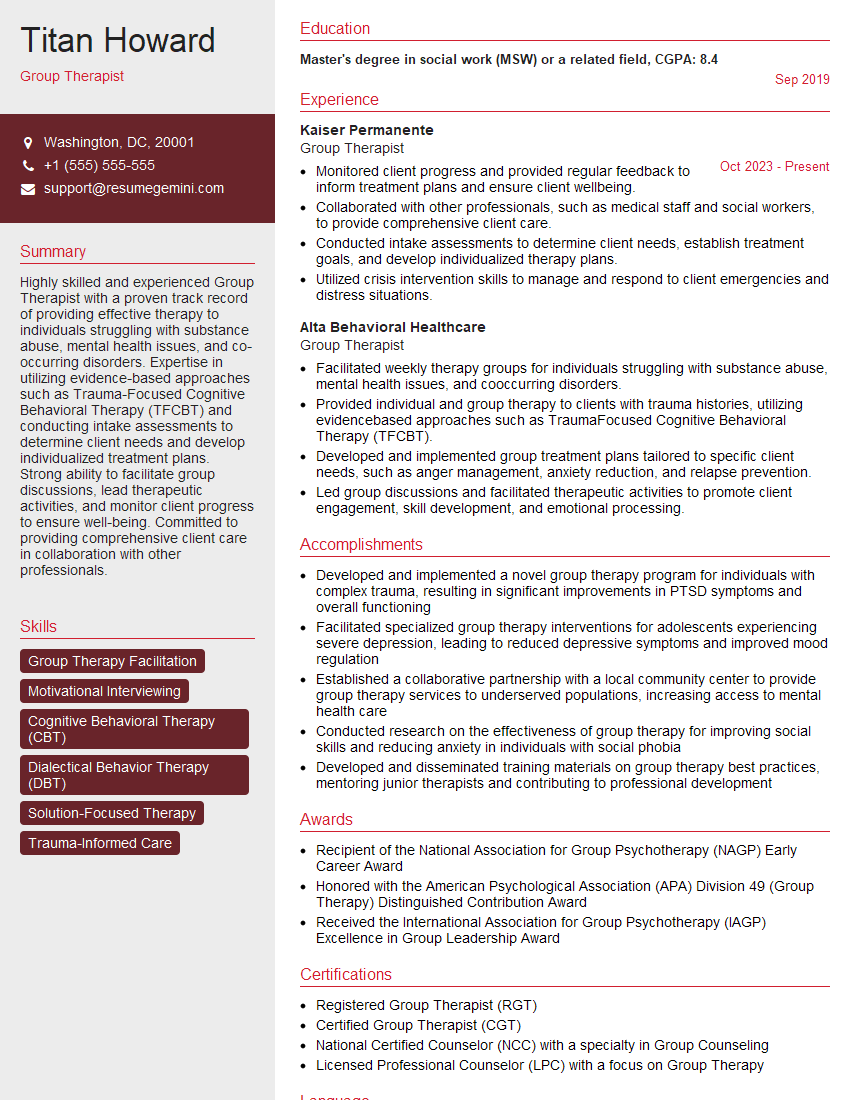
Group Therapist Resume Sample
- Program Director
- Clinical Director
- Clinical Psychologist
- School Counselor
- Behavioral Therapist
- Licensed Professional Counselor (LPC)
- Psychotherapist
- Mental Health Counselor
- Couples Therapist
- Family Therapist
- Mental Health Case Manager
- Rehabilitation Counselor
- Licensed Clinical Social Worker (LCSW)
- Substance Abuse Counselor
- Group Therapist
Explore more articles
Users Rating of Our Blogs
Share Your Experience
We value your feedback! Please rate our content and share your thoughts (optional).
What Readers Say About Our Blog
To the interviewgemini.com Webmaster.
Very helpful and content specific questions to help prepare me for my interview!
Thank you
To the interviewgemini.com Webmaster.
This was kind of a unique content I found around the specialized skills. Very helpful questions and good detailed answers.
Very Helpful blog, thank you Interviewgemini team.