Cracking a skill-specific interview, like one for Conducting Psychoeducational Groups, requires understanding the nuances of the role. In this blog, we present the questions you’re most likely to encounter, along with insights into how to answer them effectively. Let’s ensure you’re ready to make a strong impression.
Questions Asked in Conducting Psychoeducational Groups Interview
Q 1. Describe your experience facilitating psychoeducational groups.
My experience in facilitating psychoeducational groups spans over eight years, working with diverse populations including adolescents struggling with anxiety, adults managing chronic illness, and caregivers coping with stress. I’ve led groups focusing on various topics such as stress management, communication skills, and coping mechanisms for trauma. For example, in a group for adolescents with anxiety, we used Cognitive Behavioral Therapy (CBT) techniques to identify and challenge negative thought patterns. In a group for caregivers, we focused on self-care strategies and building support networks. I find the collaborative nature of group work incredibly rewarding, witnessing members learn from each other and build a sense of community.
Q 2. What are the key components of a successful psychoeducational group?
A successful psychoeducational group relies on several key components. Firstly, a clear focus and structure is essential. This means having well-defined learning objectives and a structured session plan with clear transitions. Secondly, a supportive and safe environment is crucial. This involves establishing ground rules, promoting confidentiality, and fostering mutual respect. Thirdly, active participation and engagement are paramount. This includes using interactive activities, encouraging sharing, and providing feedback. Finally, skilled facilitation is key. The facilitator needs to guide the group effectively, manage conflict, and ensure everyone feels heard and valued. Think of it like baking a cake – you need the right ingredients (structure, environment, participation) and the right chef (skilled facilitator) to achieve the desired outcome (successful group).
Q 3. How do you establish group rules and norms?
Establishing group rules and norms is a collaborative process, not a top-down directive. I typically begin by discussing the importance of respect, confidentiality, and active listening. Then, we brainstorm together, generating a list of rules that reflect the group’s needs and values. For instance, one rule might be ‘confidentiality is paramount, and discussions within this group stay within this group’. Another might be ‘all members will respect each other’s opinions, even if they disagree’. These rules are then documented, and I revisit and reinforce them throughout the sessions. This approach ensures buy-in from all participants and fosters a sense of ownership.
Q 4. Explain your approach to addressing conflict within a group setting.
My approach to addressing conflict involves a combination of mediation and education. I aim to create a space where members feel safe expressing their concerns. I encourage them to use ‘I’ statements to clearly express their feelings without blaming others. For example, instead of saying “You always interrupt me,” a member could say, “I feel unheard when I’m interrupted.” I guide the discussion, helping members understand different perspectives and find common ground. I also incorporate psychoeducational components, teaching conflict resolution skills such as active listening and compromise. The goal is not just to resolve the immediate conflict but also to equip members with the skills to navigate future disagreements constructively.
Q 5. How do you manage challenging group members?
Managing challenging group members requires a sensitive and strategic approach. It starts with understanding the root of the challenge. Is it due to personality, past trauma, or simply a lack of understanding of group dynamics? Once I identify the underlying issue, I tailor my response accordingly. This might involve private conversations to address specific concerns, setting clear boundaries, or adjusting group activities to better suit the needs of the group. For example, if a member consistently dominates the conversation, I might gently redirect them, reminding them of the importance of allowing others to share. If a member is consistently disruptive, I might work with them individually to understand their behavior and help them find ways to participate constructively.
Q 6. Describe your experience with different group therapy models.
My experience encompasses several group therapy models. I frequently use elements of Cognitive Behavioral Therapy (CBT), focusing on identifying and modifying maladaptive thoughts and behaviors. I also incorporate principles from Acceptance and Commitment Therapy (ACT), emphasizing mindfulness and value-based living. In groups focused on trauma, I’ve utilized Trauma-Informed Care principles, prioritizing safety, trust, and empowerment. I adapt my approach to the specific needs of the group and the chosen topic, drawing from different models as appropriate. The most important aspect is the ability to integrate different theoretical perspectives to meet the unique needs of each individual and the group as a whole.
Q 7. How do you ensure confidentiality within a group?
Confidentiality is paramount in group therapy. From the outset, I clearly explain the importance of confidentiality and what its limitations are (e.g., mandated reporting). We discuss what constitutes a breach of confidentiality and the potential consequences. I emphasize that while the content of our sessions remains confidential, the fact that someone is participating in the group is not necessarily confidential. Building trust through consistent adherence to the group rules and fostering a safe and respectful environment are vital for maintaining confidentiality. The group members also play an important role in reinforcing the importance of respecting each other’s privacy. Finally, having a clear understanding of ethical and legal obligations related to confidentiality is essential for the facilitator.
Q 8. How do you adapt your facilitation style to different group compositions?
Adapting my facilitation style to different group compositions is crucial for effective psychoeducational groups. I begin by assessing the group’s overall dynamics – considering factors such as age range, presenting problems, pre-existing relationships, and levels of comfort with group work. For example, a group of adolescents dealing with anxiety will require a different approach than a group of adults managing chronic pain.
With adolescents, I might incorporate more interactive activities, humor, and creative expression to foster engagement and build rapport. With adults, the approach might be more focused on structured discussions and skill-building exercises. I also adjust my communication style; using simpler language with less clinical jargon for groups with lower health literacy. I always aim to create a safe and inclusive environment where everyone feels comfortable participating. This might involve explicitly establishing group norms and addressing power imbalances.
For instance, in a group with a significant age gap, I’d proactively acknowledge and validate the diverse experiences represented. I might utilize small group activities to allow members to connect with peers who share similar challenges before coming back to the larger group discussion. This approach ensures that all members feel heard, understood, and respected, regardless of their background or experience.
Q 9. How do you assess group progress and effectiveness?
Assessing group progress and effectiveness involves a multifaceted approach. I use both quantitative and qualitative measures. Quantitatively, I might track attendance, participation levels, and completion of assigned homework or activities. Qualitative assessment is equally important and is conducted through observations of group dynamics, feedback from participants using anonymous surveys or informal check-ins, and analyzing the content of group discussions.
For instance, I carefully monitor whether the group goals – say, improving communication skills or managing stress – are being achieved. I look for shifts in participants’ behaviors and self-reported improvements in their daily lives. A significant indicator is if members are applying learned techniques outside the group setting. Changes in verbal and nonverbal communication, such as increased eye contact or improved active listening skills, are also positive signs. I also actively solicit feedback throughout the process, ensuring that the group remains relevant and helpful to its participants.
Analyzing the group’s overall climate is crucial. Is there a sense of trust, mutual respect, and collaborative problem-solving? If not, I’ll explore potential barriers and adjust my facilitation strategies accordingly. If some participants are dominating discussions, or others are disengaging, I’ll address these issues immediately.
Q 10. What are some common pitfalls to avoid when facilitating psychoeducational groups?
Several common pitfalls can hinder the effectiveness of psychoeducational groups. One significant issue is failing to establish clear group goals and expectations upfront. This leads to confusion and lack of focus. Another is neglecting to create a safe and supportive environment. Members need to feel comfortable sharing their experiences without judgment. This is especially crucial when discussing potentially sensitive issues.
- Lack of Structure: Groups need a clear structure to facilitate focused discussions and skill-building. Unscheduled or rambling sessions are unproductive.
- Ignoring Individual Needs: While the group setting is powerful, it’s crucial to be sensitive to the unique needs of each participant and provide appropriate individual attention when necessary.
- Uneven Participation: Some members might dominate the conversation, while others may remain silent. Active intervention is crucial to ensure balanced participation.
- Failure to Address Conflict: Conflicts inevitably arise. Failing to address them constructively can disrupt group cohesion and derail progress.
For example, if I fail to set clear boundaries regarding confidentiality, it can damage trust and deter open communication. Similarly, if I don’t actively manage power imbalances (e.g., a highly articulate member overshadowing quieter participants), the group’s overall effectiveness will be compromised.
Q 11. How do you handle a member’s disclosure of suicidal ideation?
The disclosure of suicidal ideation is a serious matter requiring immediate and careful attention. My first priority is to ensure the member’s safety. I would immediately validate their feelings, expressing empathy and concern. Then, I would engage in a direct, yet sensitive conversation to assess the risk level. This involves asking specific questions about their thoughts, plans, and access to means.
I would never leave the member alone. I would prioritize their safety by directly contacting a professional or their emergency contact. Depending on the immediate threat level, the session would be halted or immediately adjusted. The primary focus would shift from the pre-planned group activities towards ensuring their safety and connecting them with appropriate resources. This might involve reaching out to a crisis hotline, a family member, or the individual’s therapist. After ensuring their safety, I’d gently inform other members about the need to suspend the group for the session or to address the issue briefly and collectively. I would also debrief with the group afterwards to address any concerns and ensure members feel supported.
Q 12. How do you incorporate evidence-based practices into your group sessions?
Evidence-based practices are the cornerstone of effective psychoeducational groups. I incorporate these practices by grounding my interventions in established theories and research findings. For example, Cognitive Behavioral Therapy (CBT) techniques like cognitive restructuring and behavioral experiments are commonly used to address maladaptive thoughts and behaviors. Dialectical Behavior Therapy (DBT) skills training, such as mindfulness and distress tolerance, may be integrated to help members cope with intense emotions.
I select evidence-based curricula when feasible. For example, when leading a group on stress management, I might use a program developed and tested through clinical trials. I also frequently review recent research on best practices and incorporate new findings into my sessions. I track the effectiveness of interventions using both process and outcome measures, constantly adjusting my approach as needed to maximize positive outcomes. Moreover, I regularly attend professional development workshops to update my knowledge on the latest research and treatment approaches.
Q 13. Describe your experience working with diverse populations.
I have extensive experience working with diverse populations, including individuals from varying socioeconomic backgrounds, ethnicities, cultural identities, genders, sexual orientations, and abilities. I understand the importance of culturally sensitive and inclusive practices. My approach involves actively seeking to understand each individual’s unique experience within the broader context of their cultural and social environment. This includes actively listening to understand their perspectives, respecting their values, and adapting my communication style as necessary to ensure inclusivity.
For instance, in a group with individuals from different cultural backgrounds, I might use storytelling exercises to help members connect with each other’s experiences. I always make sure to utilize language that is accessible and avoid making assumptions about their values or beliefs. I’m also aware of potential microaggressions that might create discomfort or discrimination among group members, actively seeking to identify and address them. I ensure materials and activities are adapted to consider different levels of literacy and technology access.
Q 14. How do you maintain ethical boundaries when facilitating a group?
Maintaining ethical boundaries is paramount in group facilitation. This involves adhering to professional codes of ethics, ensuring confidentiality (within the limits of legal mandates), avoiding dual relationships, and managing potential conflicts of interest. Confidentiality is a key aspect; I clearly establish the limits of confidentiality during the initial group session, explaining situations where I might be legally required to disclose information (e.g., threat of harm to self or others).
I avoid engaging in dual relationships, such as providing personal or professional services outside of the group setting. I also proactively address potential conflicts of interest, ensuring transparency and avoiding situations where my personal biases or interests could influence my work with the group. Setting and maintaining appropriate boundaries helps to create a secure and trust-based environment where members feel safe to share their experiences without fear of judgment or exploitation.
In practice, this means I remain focused on the group’s therapeutic goals and avoid inappropriate personal disclosures. I maintain professional distance while still demonstrating empathy and support. This balancing act ensures a safe and effective group experience for everyone involved.
Q 15. What are your strategies for promoting active participation among group members?
Promoting active participation in a psychoeducational group requires a multifaceted approach. It’s not just about getting people to talk; it’s about creating a safe and engaging environment where everyone feels comfortable sharing.
- Structured Activities: I begin by using various structured activities like role-playing, brainstorming, and small group discussions to encourage interaction. For example, in a group focusing on anxiety management, we might role-play challenging social situations.
- Open-Ended Questions: Instead of yes/no questions, I employ open-ended prompts that encourage deeper reflection and sharing. For instance, ‘What strategies have you found helpful in managing your anxiety?’ encourages richer responses than ‘Do you use any coping mechanisms?’
- Building Rapport: Creating a sense of trust and camaraderie is crucial. I foster this through warm, empathetic communication, and by demonstrating genuine interest in each member’s experiences. I might start sessions with a brief check-in, asking about members’ weekends or how they’re feeling.
- Positive Reinforcement: I actively acknowledge and praise contributions, both big and small, to build confidence and encourage further participation. Saying something like, ‘That’s a really insightful observation, thank you for sharing,’ reinforces positive behavior.
- Addressing Barriers: I’m sensitive to individual differences. Some members might be shy or hesitant. I tailor my approach to accommodate different communication styles and comfort levels, perhaps offering private check-ins or providing alternative ways to participate, such as written responses.
Career Expert Tips:
- Ace those interviews! Prepare effectively by reviewing the Top 50 Most Common Interview Questions on ResumeGemini.
- Navigate your job search with confidence! Explore a wide range of Career Tips on ResumeGemini. Learn about common challenges and recommendations to overcome them.
- Craft the perfect resume! Master the Art of Resume Writing with ResumeGemini’s guide. Showcase your unique qualifications and achievements effectively.
- Don’t miss out on holiday savings! Build your dream resume with ResumeGemini’s ATS optimized templates.
Q 16. How do you ensure inclusivity and respect within the group?
Inclusivity and respect are paramount. It’s about creating a space where everyone feels valued, regardless of their background, beliefs, or experiences.
- Establishing Ground Rules: We collaboratively establish ground rules at the beginning of the group, emphasizing respect, confidentiality, and active listening. This process itself promotes a sense of ownership and shared responsibility.
- Addressing Microaggressions: I’m vigilant in identifying and addressing any microaggressions or instances of disrespect. This might involve gently redirecting a comment or facilitating a discussion about the impact of such behavior. A clear example would be addressing a comment that stereotypes a particular group of people.
- Promoting Diversity Awareness: I actively promote awareness of diversity and potential biases, incorporating relevant educational materials and discussions into the group’s curriculum. This could include learning about different cultural norms or communication styles.
- Individualized Approach: I recognize that some members might require more support or accommodations than others. I strive to create a flexible and adaptable environment where individual needs are met.
- Confidentiality: Maintaining confidentiality is crucial. I explicitly address this during the initial session and reinforce it throughout the process. I create a safe space where members feel comfortable sharing without fear of judgment or breach of trust.
Q 17. How do you deal with a member who is consistently disruptive?
Managing disruptive behavior requires a thoughtful and firm approach. It’s crucial to understand the root cause of the disruption.
- Private Conversation: I would first attempt a private conversation with the member to understand the underlying issues contributing to the disruption. Is it anxiety, frustration, or something else?
- Collaboration with Group: If the disruptive behavior continues, I might involve the group in a gentle discussion about maintaining a supportive environment. This empowers the group to address the issue collectively.
- Re-establishing Boundaries: I will clearly re-establish group norms and expectations, reminding the member of the established ground rules and the impact of their behavior on others.
- In-Session Interventions: Depending on the severity and nature of the disruption, I may use in-session interventions, like gently redirecting the member or reminding them to focus on the current topic.
- Referral: In extreme cases, where the behavior is significantly disruptive or harmful, I would consider recommending individual therapy or a more intensive intervention.
For example, if a member consistently interrupts others, I might gently remind them, ‘It seems you have a strong point to make; perhaps we can hear from others first, and then we can return to your thoughts.’
Q 18. Explain your understanding of transference and countertransference in group therapy.
Transference and countertransference are crucial concepts in group therapy. Transference refers to the unconscious redirection of feelings from one person to another, typically from a past relationship onto the therapist or other group members. Countertransference is the therapist’s unconscious emotional reaction to the client’s transference.
For example, a group member might unconsciously transfer feelings of anger towards a critical parent onto another group member, perceiving them as judgmental and hostile. The therapist might experience countertransference in the form of feeling defensive or irritated in response to the group member’s anger, perhaps mirroring unresolved conflicts from their own past. Understanding these dynamics is critical for effective therapy, as the therapist must be aware of their own responses and refrain from acting solely on those feelings, making sure to avoid reacting based on their own personal experience rather than the needs of the group member.
Addressing transference and countertransference involves careful observation, self-reflection by the therapist, and potentially addressing these feelings directly within the therapeutic process. It’s important to discuss these dynamics in a non-blaming way, helping the member understand the root of their feelings and facilitating healthy expression of them.
Q 19. How do you facilitate the development of therapeutic alliances within the group?
Therapeutic alliances are essential for successful group therapy. These are the collaborative relationships between the therapist and each group member, and also between members themselves.
- Creating a Safe Space: First, I focus on creating a safe and trusting environment where members feel comfortable expressing themselves honestly and openly. This involves establishing clear ground rules, ensuring confidentiality, and demonstrating empathy and respect.
- Active Listening & Validation: I actively listen to each member’s contributions, validating their feelings and experiences. Demonstrating genuine care for each member helps build trust.
- Collaboration: I work collaboratively with members, helping them to understand the group process and their role in it. A supportive and collaborative dynamic is important for growth.
- Feedback & Support: Providing constructive feedback and offering support to individual members helps them to build self-awareness and develop their interpersonal skills.
- Group Cohesion: Encouraging positive interaction among members helps build cohesiveness within the group. Activities designed to foster a sense of community can be effective.
For instance, I might facilitate discussions that encourage empathy, helping members understand each other’s perspectives. The goal is to build a supportive group dynamic where members not only feel comfortable with the therapist, but also with each other.
Q 20. Describe your process for evaluating the effectiveness of your psychoeducational interventions.
Evaluating the effectiveness of psychoeducational interventions involves a combination of qualitative and quantitative methods.
- Pre- and Post-Intervention Assessments: I use standardized measures to assess relevant variables before and after the group intervention. For example, if working with a group focused on depression, I might use the Beck Depression Inventory (BDI-II) at the beginning and end of the group.
- Qualitative Feedback: I also collect qualitative data through member feedback sessions, including individual interviews or group discussions about their experiences in the group and how they feel they have benefitted.
- Observation & Process Recording: I keep detailed process notes and observations throughout the sessions, noting changes in group dynamics, participation levels, and members’ overall progress. This allows me to identify areas of strength and areas for improvement.
- Follow-up Assessments: I conduct follow-up assessments after the group has concluded, to monitor long-term changes and sustainability of improvements. This could be a brief phone call or a written questionnaire.
- Goal Attainment Scaling (GAS): Sometimes, I also use GAS, a collaborative process where the therapist and the client identify specific, measurable goals. The client then rates their progress toward these goals at regular intervals. This provides a client-centered measure of effectiveness.
This comprehensive approach allows for a thorough evaluation of the intervention’s impact, providing valuable data for future program development and refinement.
Q 21. How do you handle members who drop out of the group?
When a member drops out of a group, it’s important to approach it with understanding and sensitivity. It’s rarely a simple matter, and often there are underlying reasons.
- Attempting Contact: If possible, I attempt to reach out to the member to understand the reasons for their withdrawal. This shows that I care and value their participation.
- Respecting Their Decision: It’s crucial to respect the member’s decision, even if I don’t fully understand it. Pressuring them will likely be counterproductive.
- Addressing the Group: I address the group’s response to the member’s departure, acknowledging their feelings and validating any sadness or concerns. This helps normalize such experiences and promotes a sense of group cohesion.
- Process Exploration: Within the group, I might explore the implications of the dropout. This can be a valuable learning experience for remaining members, fostering understanding and empathy.
- Documentation: I always document the member’s withdrawal, including the reasons (if known) and any relevant clinical information. This ensures accurate records and facilitates continuity of care, if necessary.
Sometimes, a member’s departure can be an opportunity for reflection within the group, prompting discussions about commitment, challenges in therapy, and the importance of self-care.
Q 22. How do you address power dynamics within a group setting?
Addressing power dynamics in a group setting is crucial for fostering a safe and equitable environment. It’s about acknowledging that inherent differences in age, social status, or even perceived expertise can create imbalances. My approach involves proactively establishing ground rules emphasizing respect and equal participation from the outset. This includes explicitly stating that all voices are valued and that interruptions or dominance will not be tolerated.
I use techniques like round-robin sharing to ensure everyone has an opportunity to speak, and I carefully monitor group interactions to identify and address any instances of one person overshadowing others. For example, if one member consistently monopolizes the conversation, I might gently redirect them, reminding the group of the importance of balanced participation. I also strive to create a culture of empathy where members feel comfortable calling out imbalances themselves, knowing their concerns will be respected. Ultimately, the goal is to create a level playing field where all members feel empowered to share their experiences and perspectives without fear of judgment or intimidation.
Q 23. What are some specific psychoeducational topics you have experience facilitating?
My experience spans a range of psychoeducational topics. I’ve facilitated groups focusing on stress management techniques, including mindfulness practices and cognitive behavioral strategies. I’ve also led groups on anxiety reduction, employing techniques such as relaxation exercises and exposure therapy principles in a group setting. Furthermore, I have extensive experience in groups centered around coping with depression, focusing on cognitive restructuring and behavioral activation. I’ve also conducted groups on communication skills, helping members develop assertive communication strategies and improve conflict resolution skills. Finally, I’ve worked with groups on grief and loss, providing a safe space for members to process their emotions and share their experiences.
Q 24. How do you utilize group process to promote healing and growth?
Group process itself is a powerful tool for healing and growth. I utilize it by creating opportunities for members to observe their own behavior and the dynamics within the group. For instance, noticing how their communication styles affect others or recognizing patterns in their interactions. This self-awareness is key. I facilitate discussions around the group’s emergent themes, encouraging members to reflect on the shared experiences and insights. This can be as simple as asking, “What patterns are you noticing in our conversations today?” or “How do you think this interaction reflects what’s happening outside of the group?”
The process of witnessing others’ struggles and triumphs, and witnessing the support they receive, can be deeply impactful. For example, a member struggling with social anxiety might see another member overcome a similar challenge, providing hope and inspiration. The shared experience fosters a sense of community and validation, which is crucial for healing. I also focus on modeling healthy communication and conflict resolution techniques during group interactions, which serves as a powerful teaching tool for the participants.
Q 25. Explain your understanding of informed consent within the context of group therapy.
Informed consent in group therapy is paramount. It’s not just about signing a form; it’s about ensuring members fully understand the nature of the group, its goals, and potential risks. This process begins well before the group starts. I provide potential members with detailed information about the group’s focus, structure, confidentiality limits (understanding that confidentiality is limited in a group setting), and the expected level of participation.
I answer all their questions thoroughly and ensure they feel comfortable asking anything. I emphasize that participation is voluntary and that they can leave the group at any time without penalty. I specifically address the limitations of confidentiality in a group setting, explaining that while I will maintain professional ethics, complete confidentiality cannot be guaranteed. I also discuss the possibility of experiencing discomfort or emotional distress during the group process and how we will address such situations. Obtaining truly informed consent is an ongoing process throughout the group’s duration, ensuring members continue to feel empowered and safe in their participation.
Q 26. How do you ensure the safety and well-being of group members?
Ensuring safety and well-being is my top priority. This begins with carefully screening potential members to assess if the group is a suitable environment for them. I establish clear ground rules at the first session, emphasizing respect, empathy, and responsible self-disclosure. These rules address topics like maintaining confidentiality within the limits discussed, avoiding personal attacks, and respecting diverse perspectives. I actively monitor group interactions during each session, watching for signs of distress or conflict among members.
If a member displays signs of distress, I immediately intervene, offering support and potentially suggesting individual sessions outside the group. I also make sure members know they can contact me outside of session times if needed, and I provide resources for accessing crisis support as needed. The group environment itself needs to be safe and supportive, a space where vulnerability is accepted and encouraged without exploitation or manipulation. Regular check-ins and open communication are key to fostering this secure environment.
Q 27. What are your strategies for promoting a sense of community and support within the group?
Building community and support is integral to the effectiveness of a psychoeducational group. I start by creating a welcoming and inclusive environment from the first session. Icebreaker activities and opportunities for informal introductions help members connect with one another. I encourage members to share their experiences and perspectives, fostering empathy and understanding between them. I facilitate activities that promote collaboration and mutual support, such as group problem-solving exercises or peer support assignments.
Regularly reinforcing positive interactions and praising the support shown by members reinforces this sense of camaraderie. For example, I might say, “I really appreciate how you listened empathetically to Sarah earlier.” I also structure activities to encourage members to offer each other support and encouragement. This could involve creating a ‘buddy system’ or encouraging the members to check in with one another between sessions. The goal is to transform the group into a network of support, where members feel a sense of belonging and mutual understanding.
Q 28. How do you utilize documentation and record keeping in your work with psychoeducational groups?
Documentation and record-keeping are vital for ethical and professional practice. My approach involves maintaining detailed session notes that are concise, objective, and reflect the major themes and key events of each group session. These notes include attendance records, summaries of member contributions, significant interactions, and any interventions I made. I am careful to avoid subjective opinions or interpretations in my notes, adhering to ethical guidelines on client confidentiality.
Additionally, I maintain separate files for each member, including relevant background information obtained with consent and any significant changes in their participation or well-being. This documentation allows for consistent and thorough monitoring of the group’s progress and individual members’ journeys. It’s also essential for maintaining professional accountability, particularly if any concerns or challenges arise that might need to be addressed further. All documentation is stored securely and confidentially, in accordance with all relevant ethical and legal requirements.
Key Topics to Learn for Conducting Psychoeducational Groups Interview
- Group Dynamics and Stages of Group Development: Understanding Tuckman’s stages (forming, storming, norming, performing, adjourning) and how to facilitate group cohesion and manage conflict effectively.
- Therapeutic Factors in Groups: Applying concepts like universality, altruism, interpersonal learning, and instillation of hope to enhance the group experience and achieve therapeutic goals.
- Ethical Considerations in Group Therapy: Addressing confidentiality, informed consent, dual relationships, and cultural competence within a group setting.
- Structuring and Leading Group Sessions: Developing clear agendas, using effective communication techniques (active listening, reflective statements), managing time efficiently, and employing various group activities and exercises.
- Assessment and Treatment Planning in Group Context: Tailoring group interventions to meet the specific needs and goals of individual members within the larger group framework. This includes understanding the nuances of group versus individual approaches.
- Common Challenges in Group Facilitation: Addressing resistance, managing disruptive behaviors, dealing with sensitive topics, and navigating power dynamics within the group.
- Utilizing Specific Psychoeducational Models: Demonstrating familiarity with various models applicable to psychoeducational groups (e.g., cognitive-behavioral, psychodynamic, solution-focused approaches).
- Documentation and Record Keeping: Understanding ethical and legal requirements for documenting group sessions and maintaining client confidentiality.
- Self-Reflection and Supervision: The importance of continuous professional development, seeking supervision, and engaging in self-reflection to enhance your skills and effectiveness as a group facilitator.
Next Steps
Mastering the art of conducting psychoeducational groups significantly enhances your career prospects, opening doors to diverse and fulfilling roles within mental health and related fields. A well-crafted resume is crucial for showcasing your skills and experience effectively to potential employers. Creating an ATS-friendly resume will help your application stand out and increase your chances of landing an interview. To achieve this, we strongly encourage you to leverage the power of ResumeGemini, a trusted resource for building professional and impactful resumes. ResumeGemini offers examples of resumes tailored to Conducting Psychoeducational Groups, providing you with invaluable templates and guidance to craft a compelling application that highlights your expertise.
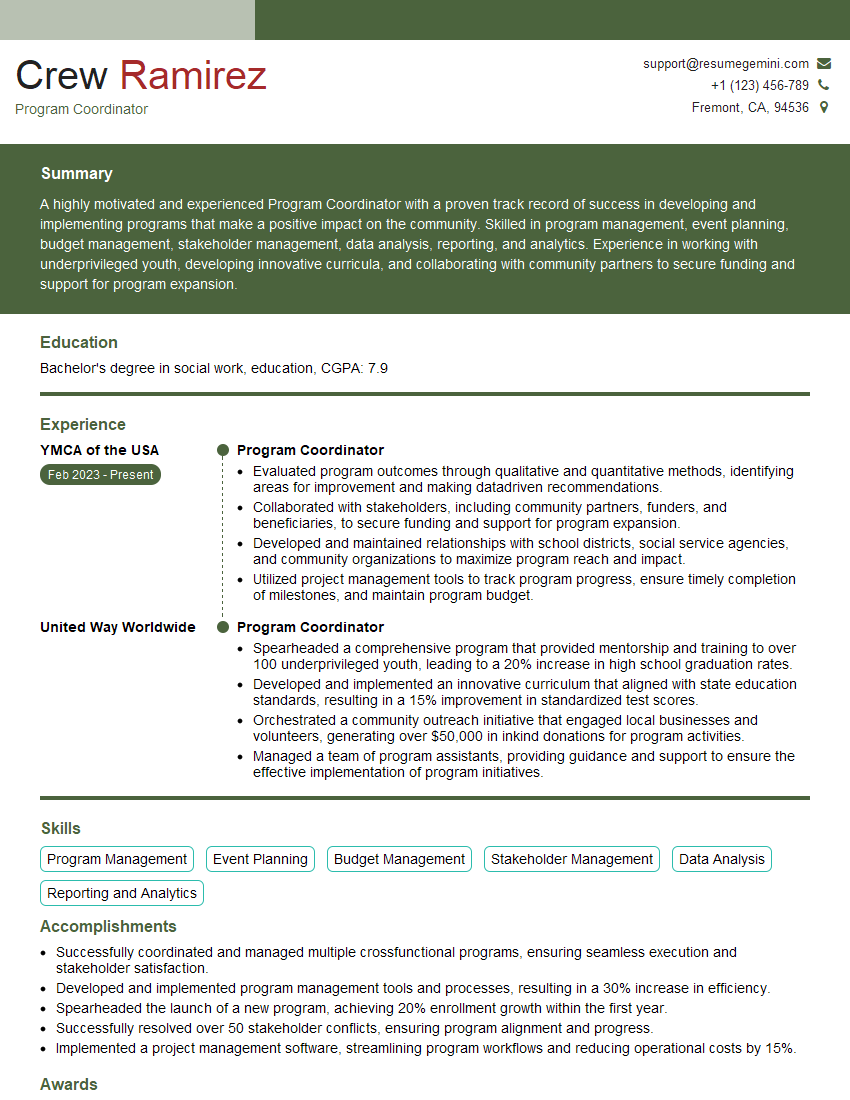
Program Coordinator Resume Sample
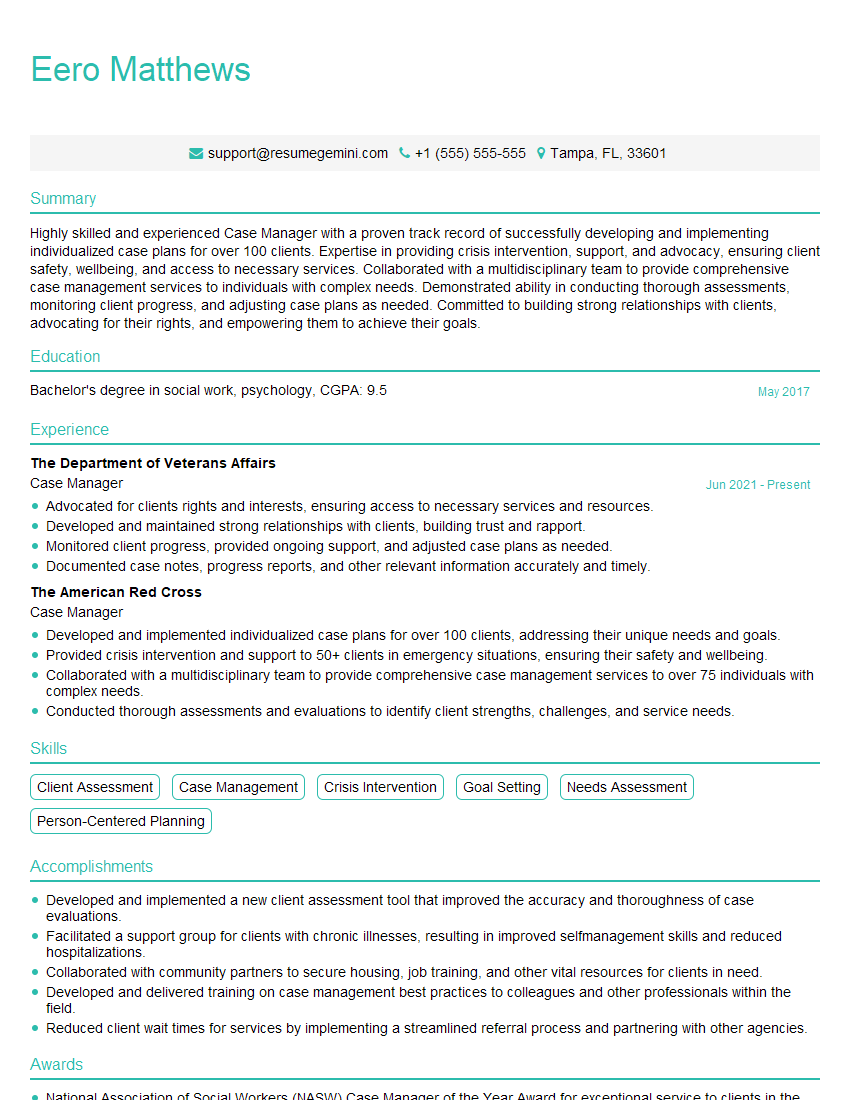
Case Manager Resume Sample
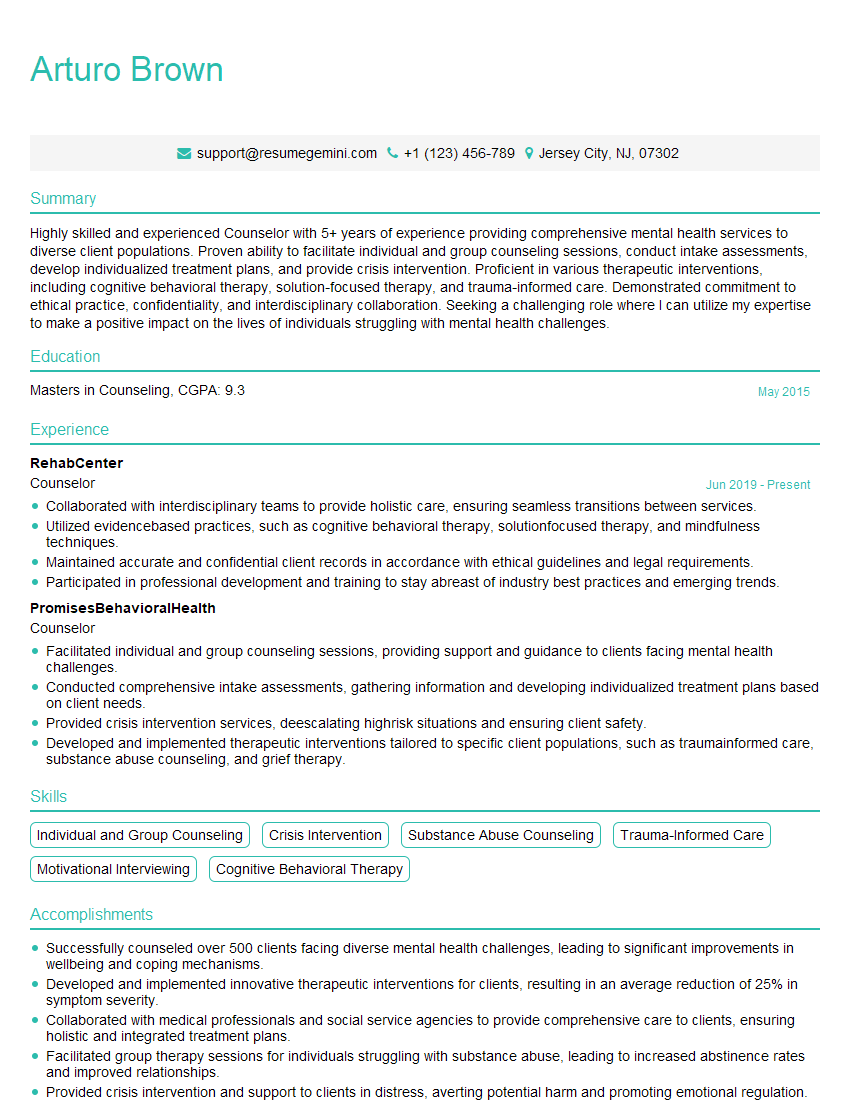
Counselor Resume Sample
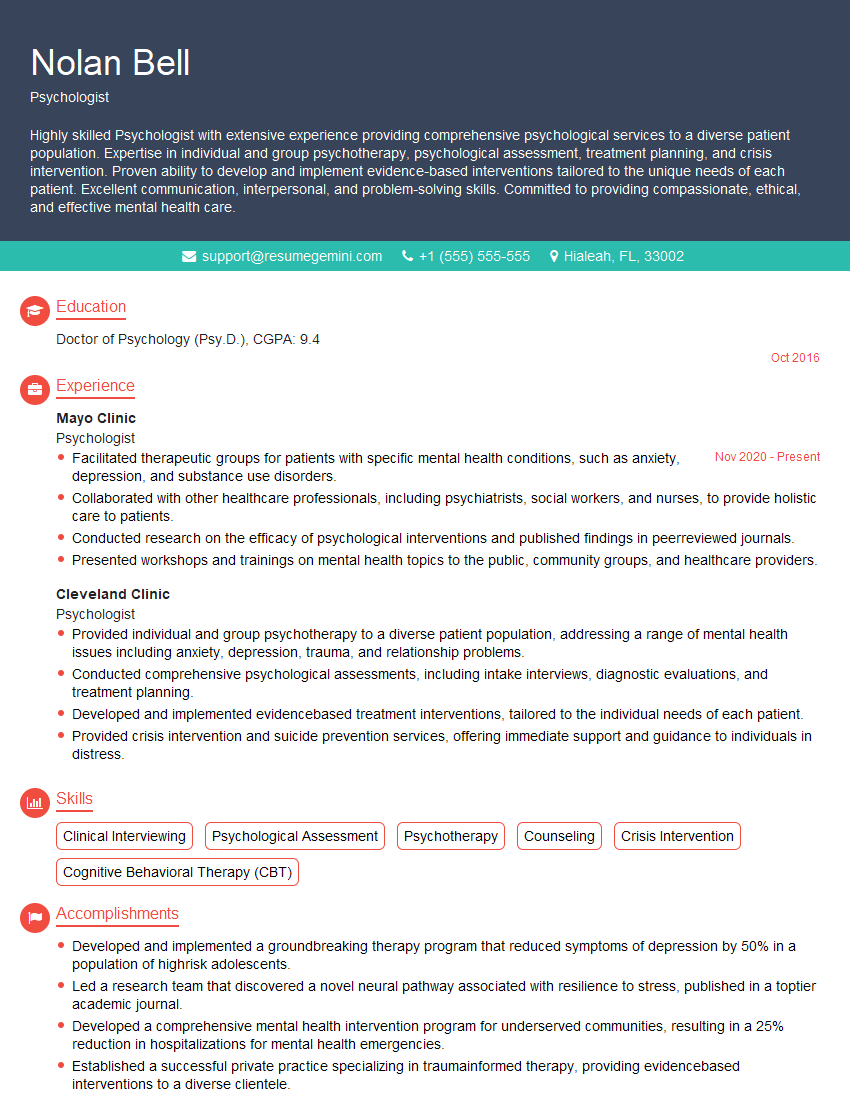
Psychologist Resume Sample
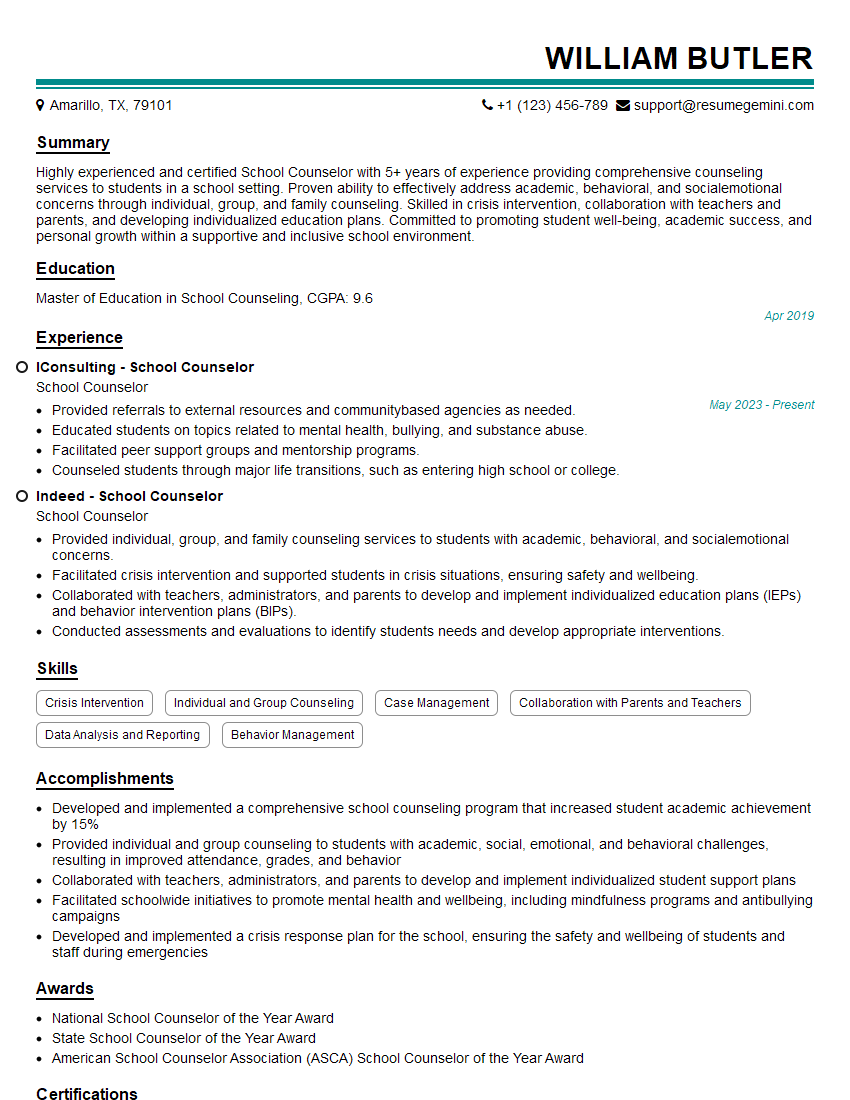
School Counselor Resume Sample
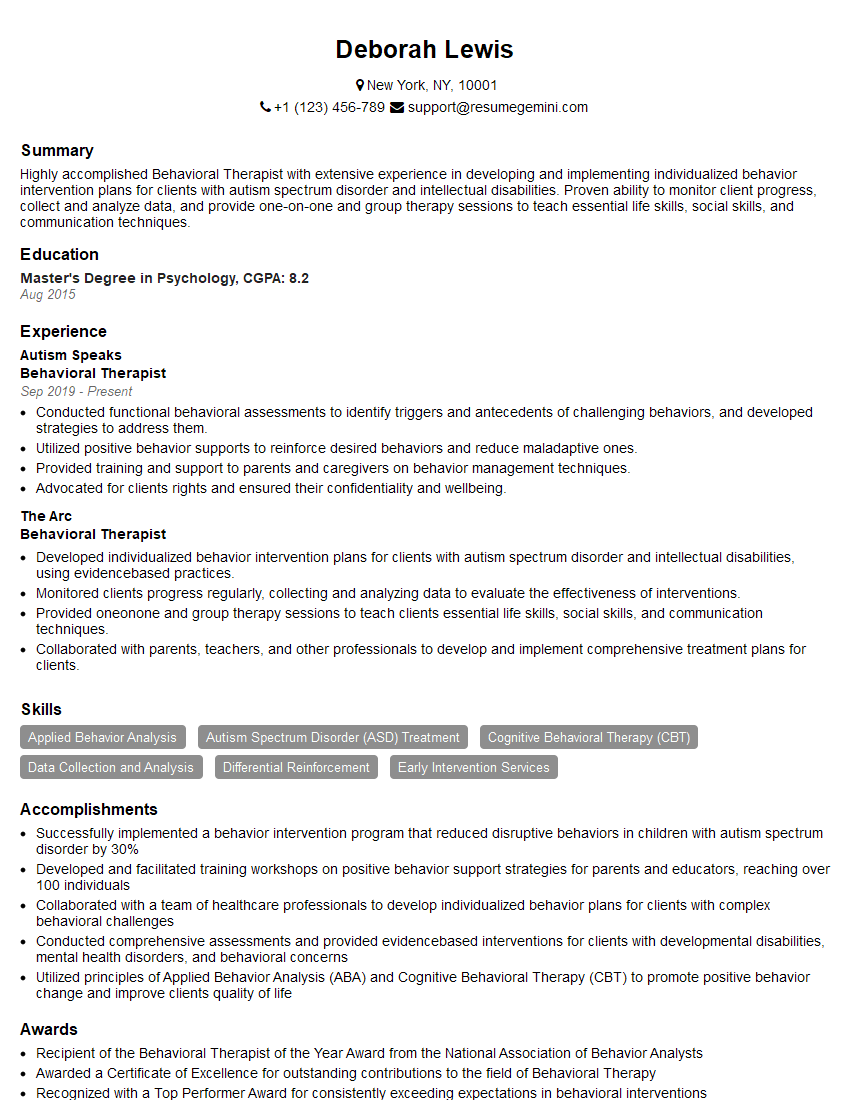
Behavioral Therapist Resume Sample
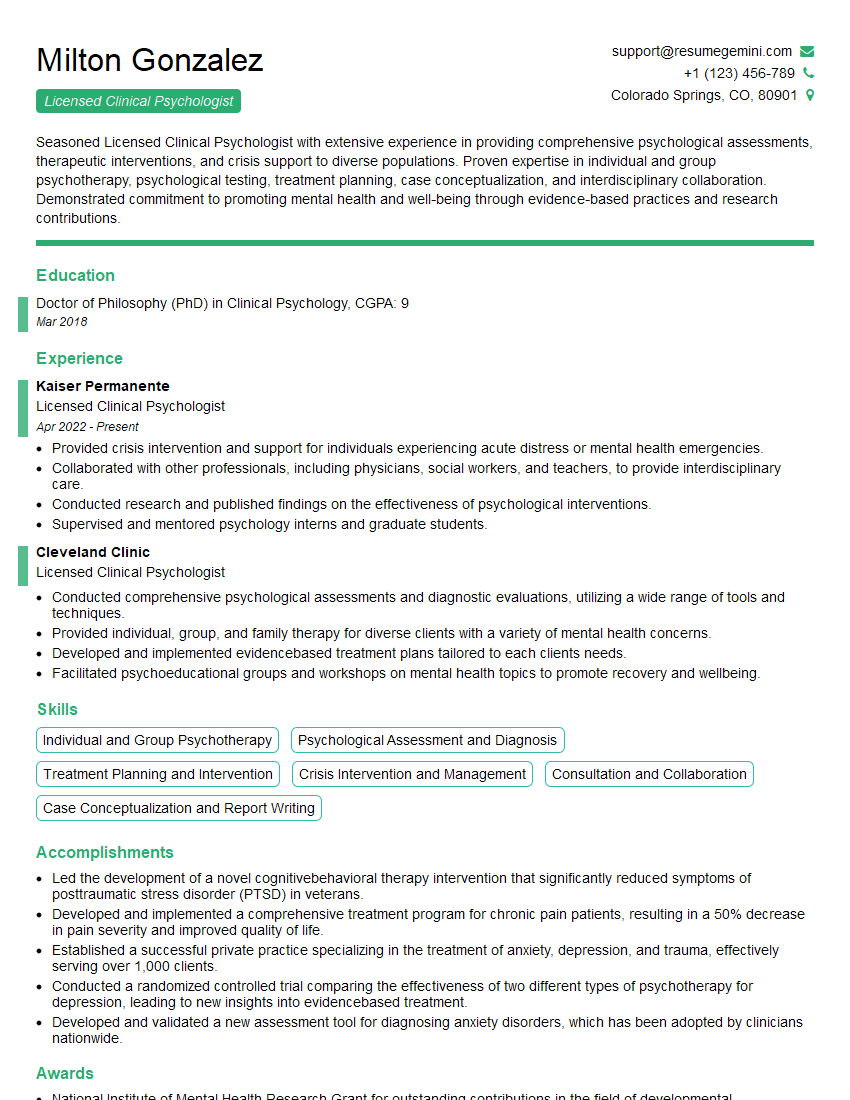
Licensed Clinical Psychologist Resume Sample
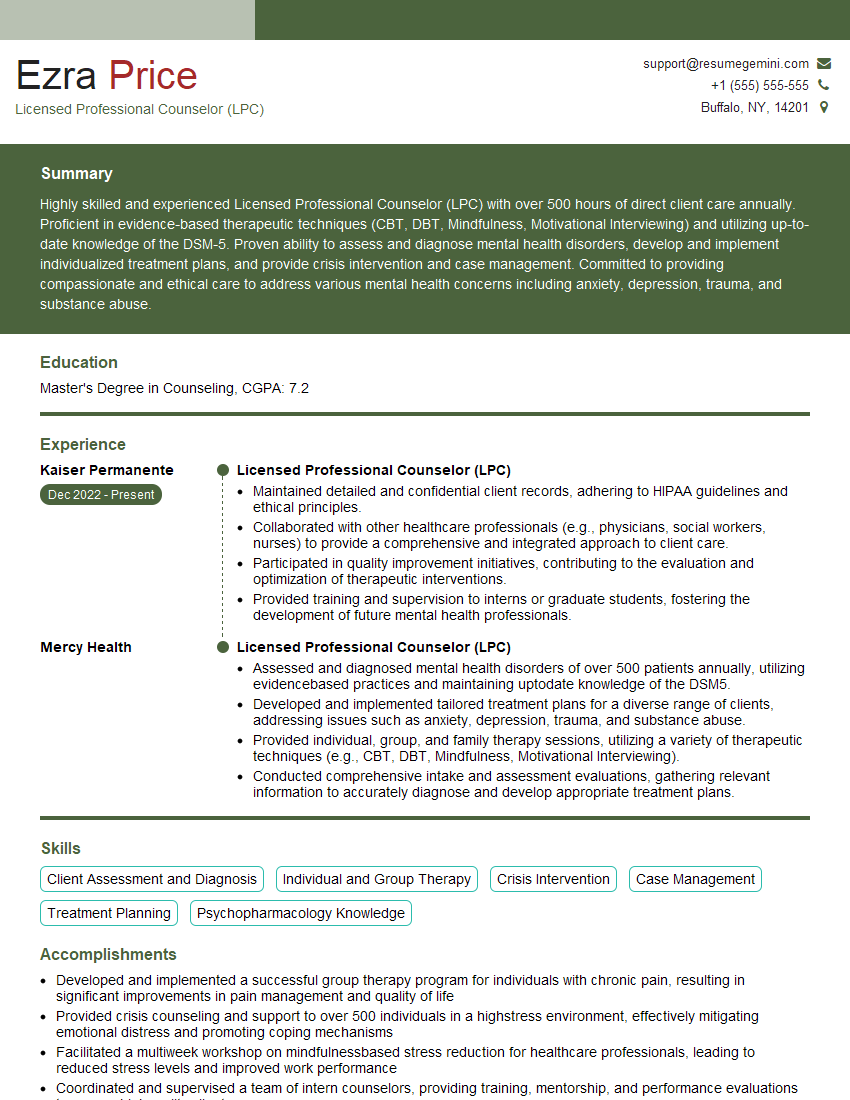
Licensed Professional Counselor (LPC) Resume Sample
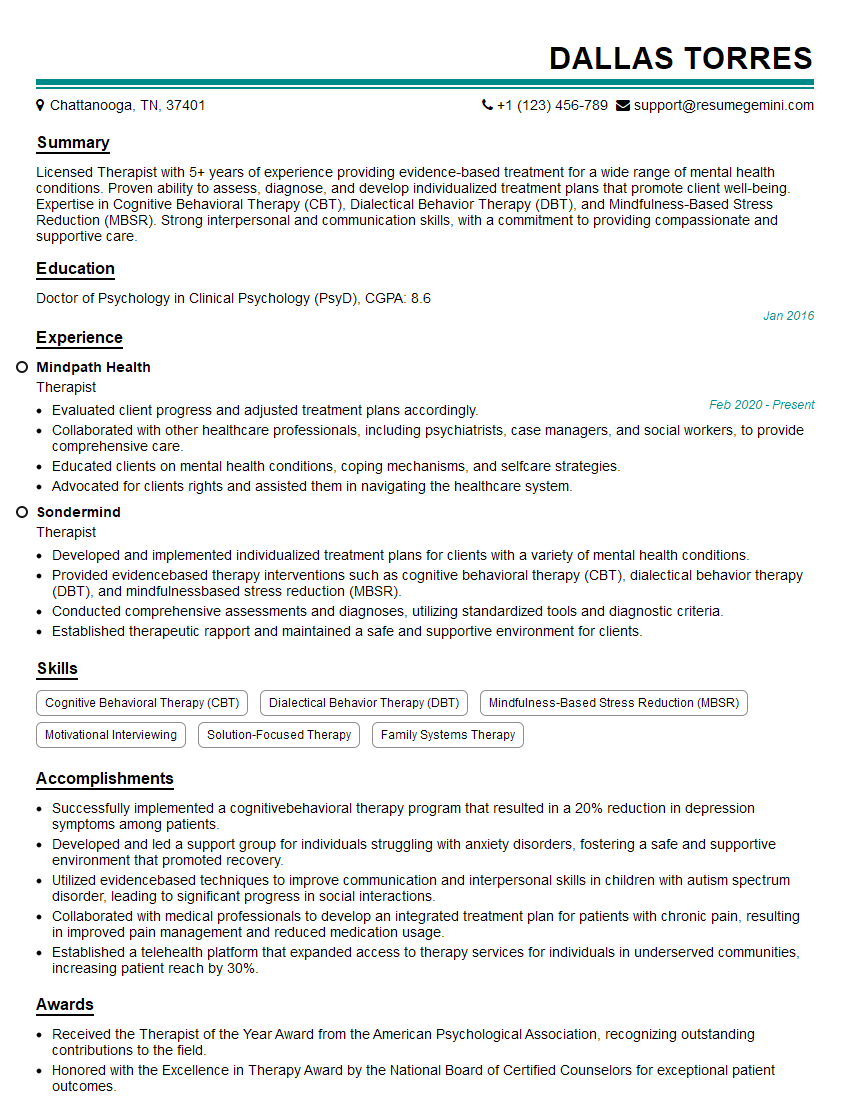
Therapist Resume Sample

Mental Health Counselor Resume Sample
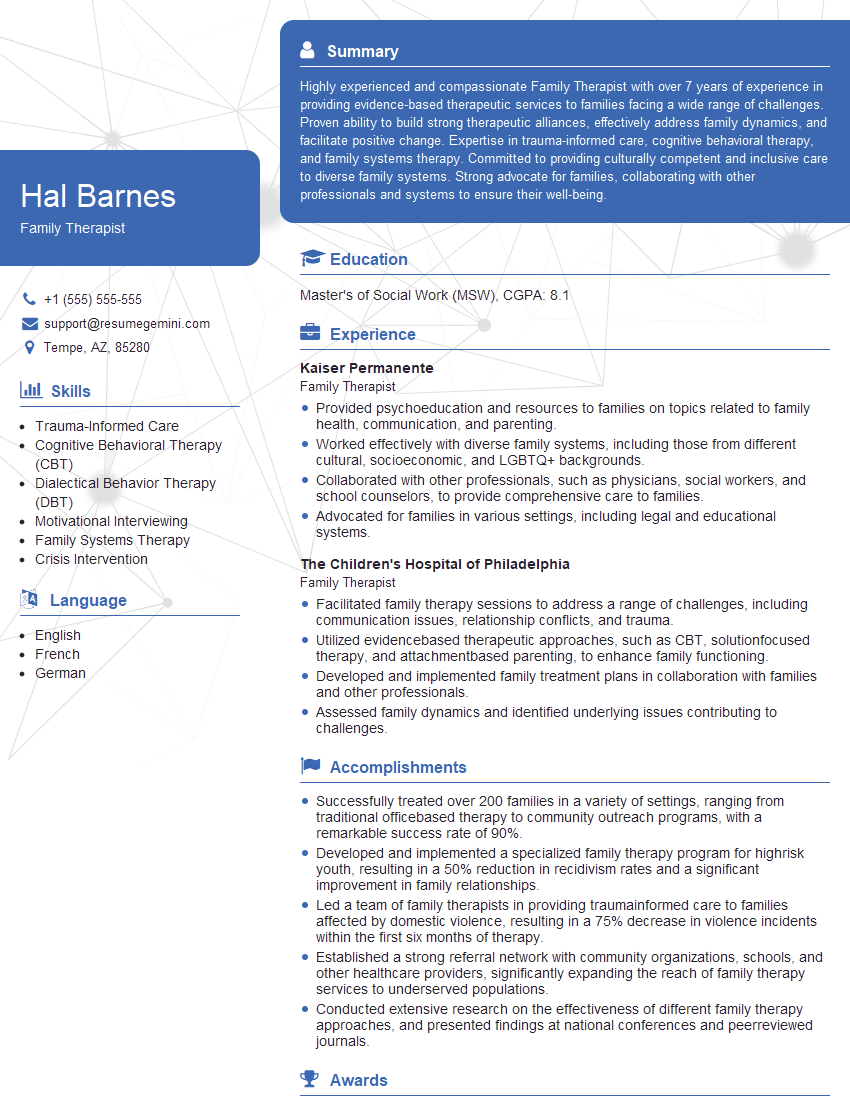
Family Therapist Resume Sample
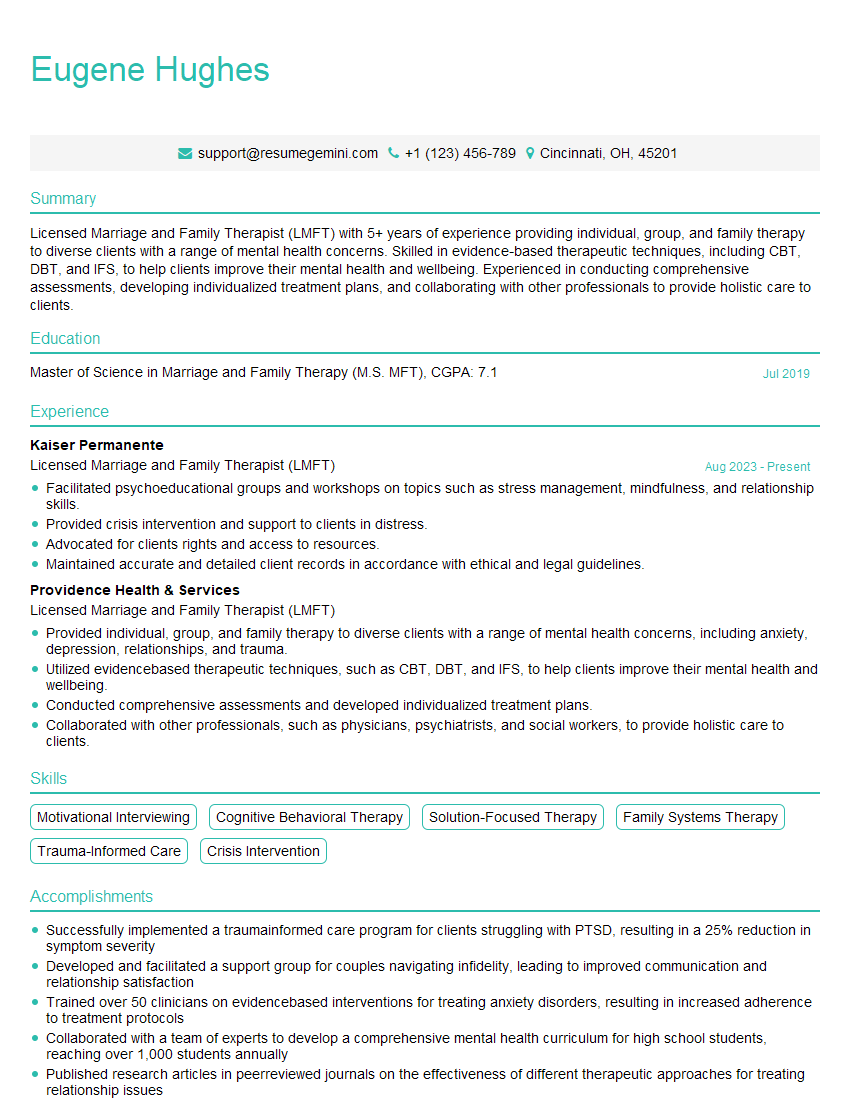
Licensed Marriage and Family Therapist (LMFT) Resume Sample
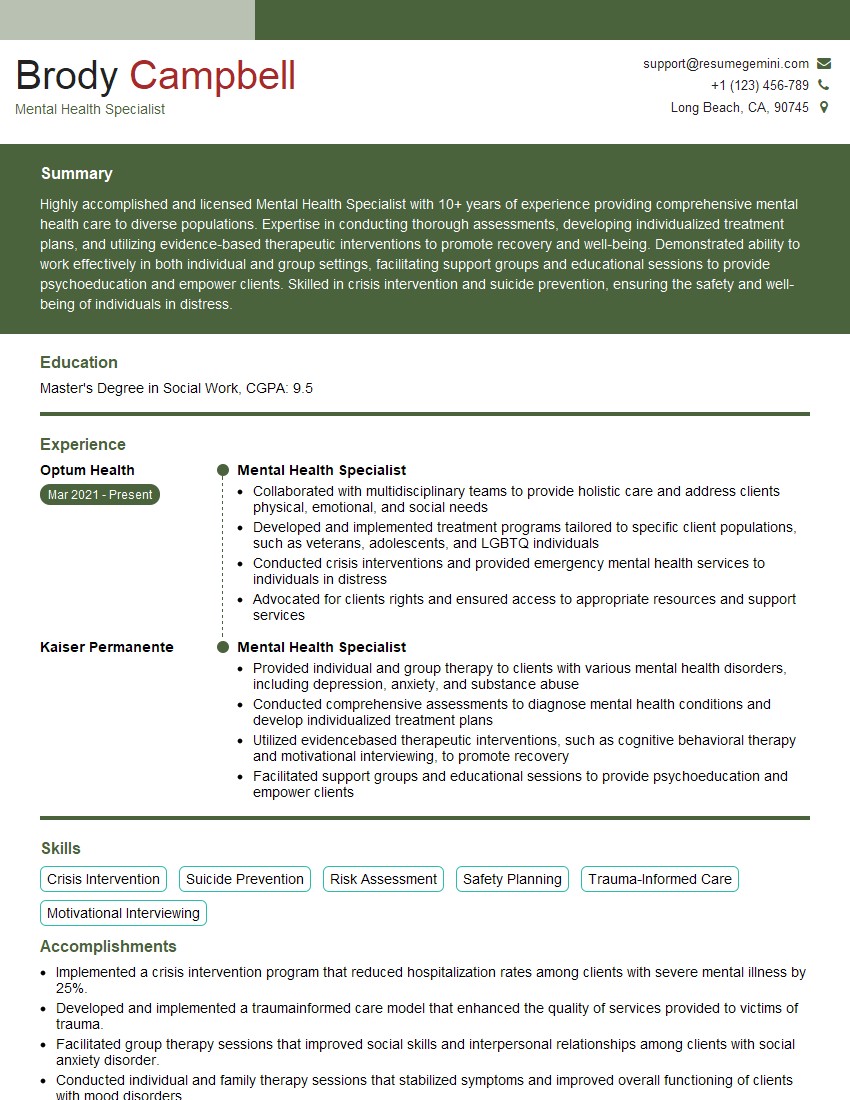
Mental Health Specialist Resume Sample

Rehabilitation Counselor Resume Sample
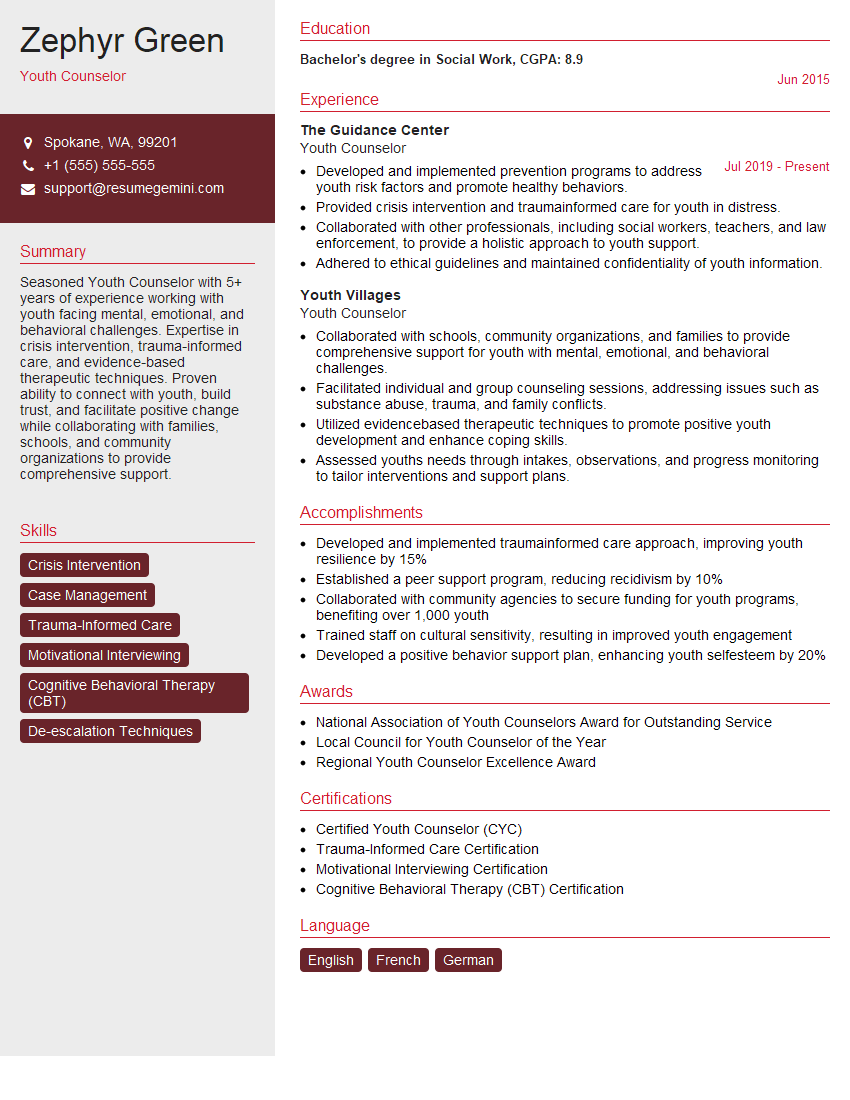
Youth Counselor Resume Sample
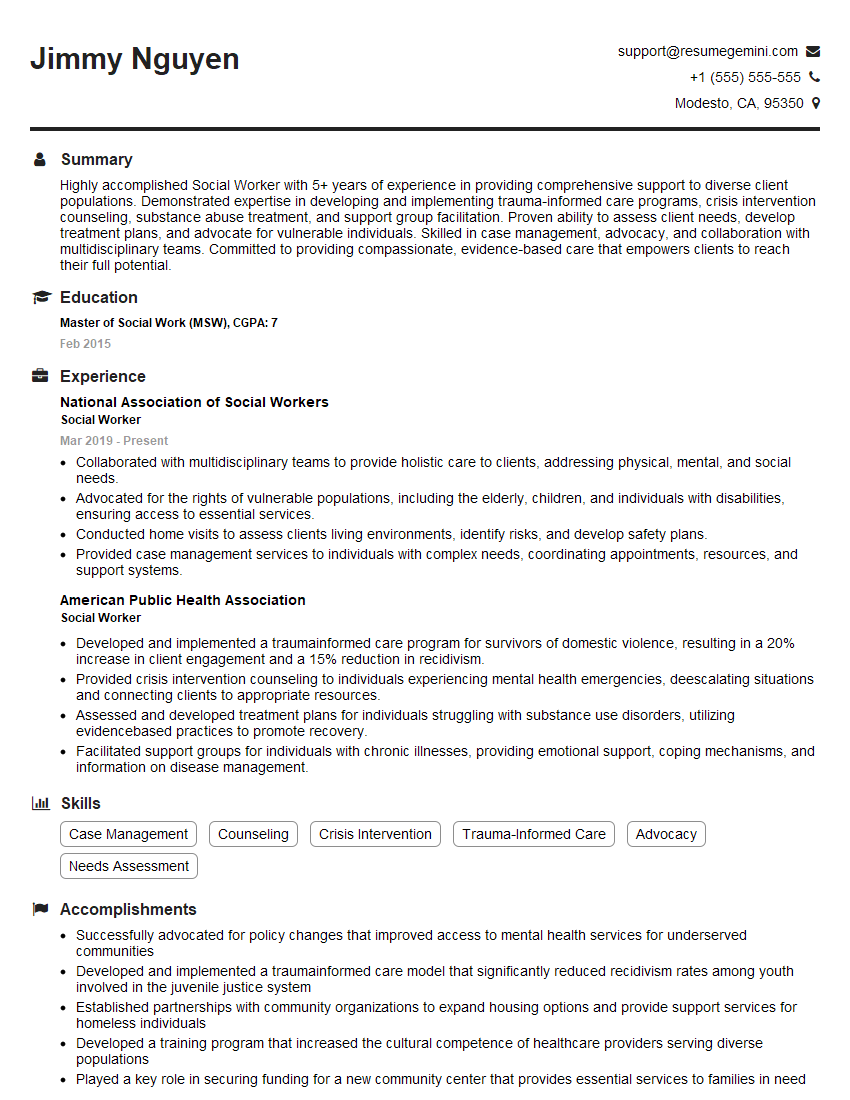
Social Worker Resume Sample
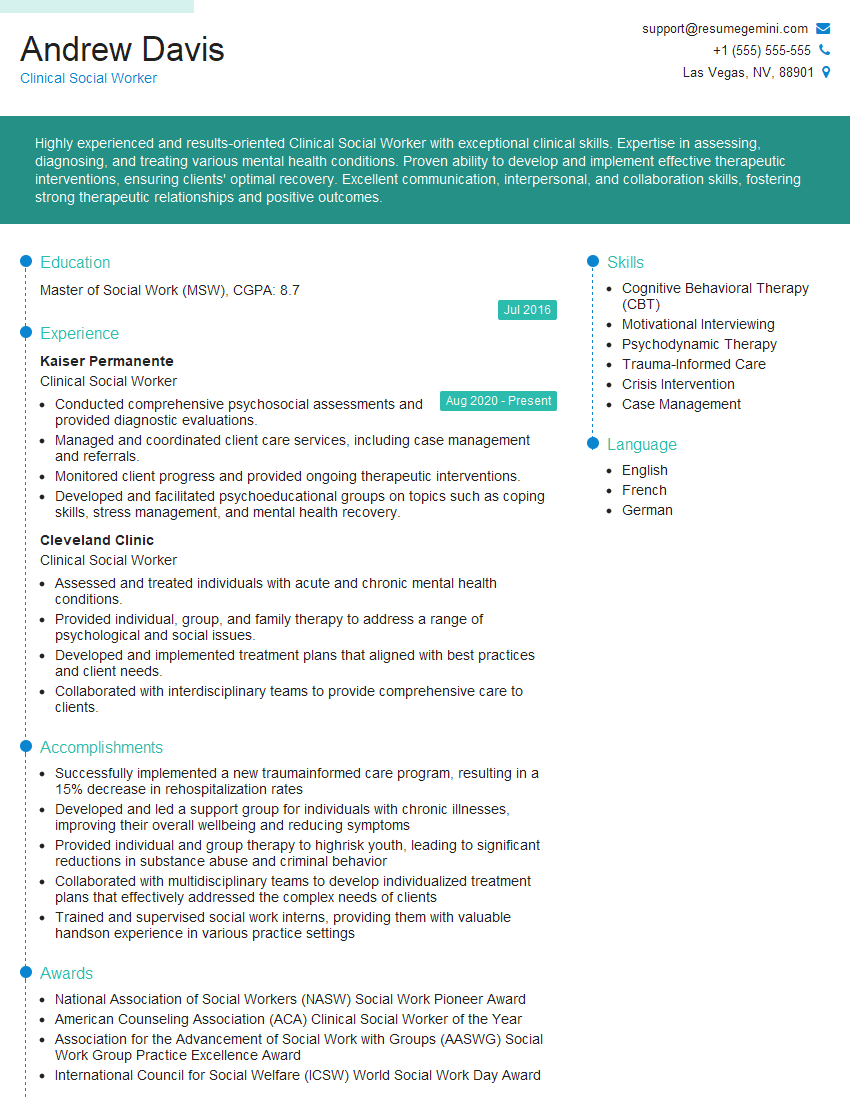
Clinical Social Worker Resume Sample

Outreach Specialist Resume Sample
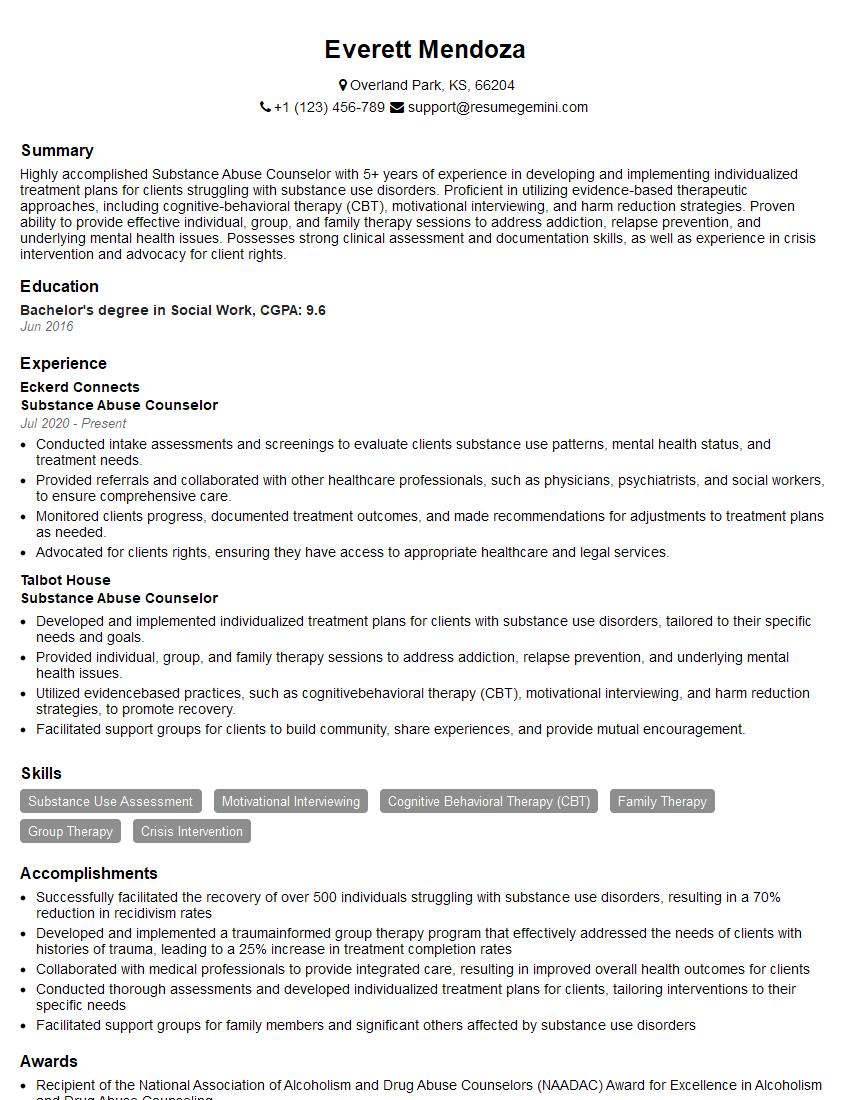
Substance Abuse Counselor Resume Sample
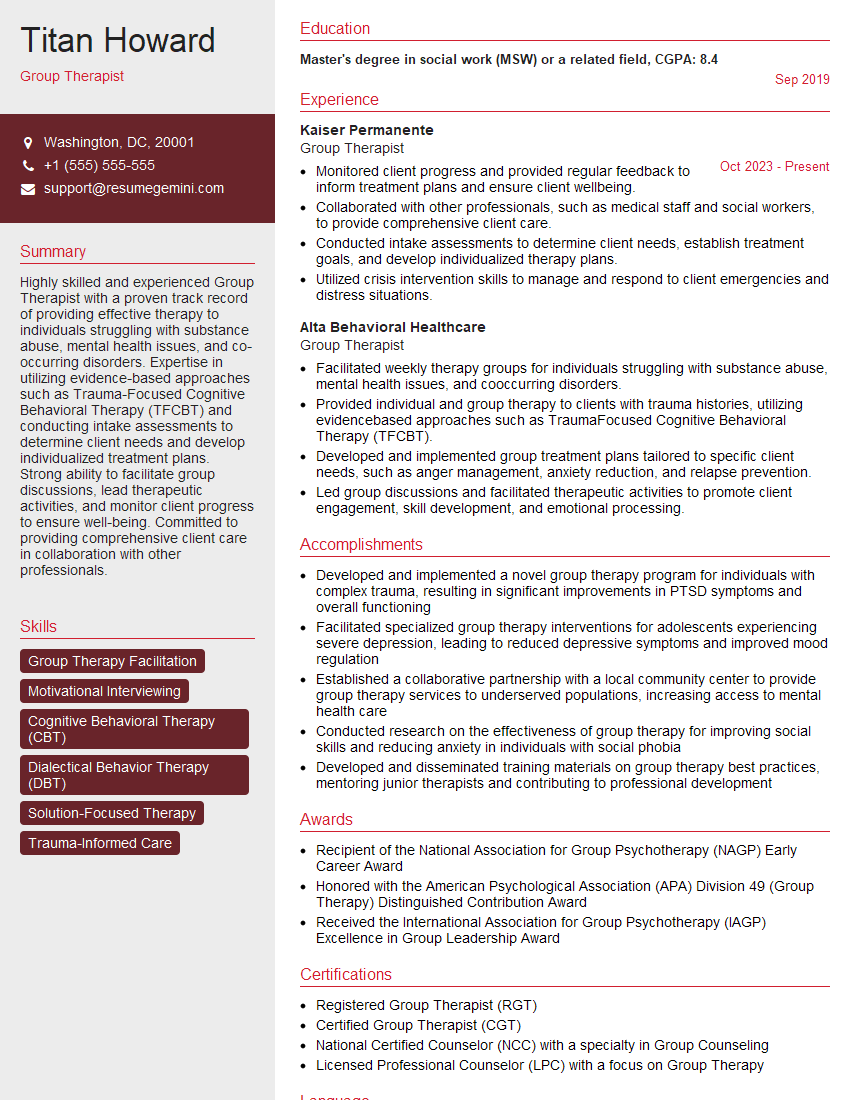
Group Therapist Resume Sample
- Program Coordinator
- Case Manager
- Counselor
- Psychologist
- School Counselor
- Behavioral Therapist
- Licensed Clinical Psychologist
- Licensed Professional Counselor (LPC)
- Therapist
- Mental Health Counselor
- Family Therapist
- Licensed Marriage and Family Therapist (LMFT)
- Mental Health Specialist
- Rehabilitation Counselor
- Youth Counselor
- Social Worker
- Clinical Social Worker
- Outreach Specialist
- Substance Abuse Counselor
- Group Therapist
Explore more articles
Users Rating of Our Blogs
Share Your Experience
We value your feedback! Please rate our content and share your thoughts (optional).
What Readers Say About Our Blog
To the interviewgemini.com Webmaster.
Very helpful and content specific questions to help prepare me for my interview!
Thank you
To the interviewgemini.com Webmaster.
This was kind of a unique content I found around the specialized skills. Very helpful questions and good detailed answers.
Very Helpful blog, thank you Interviewgemini team.