Feeling uncertain about what to expect in your upcoming interview? We’ve got you covered! This blog highlights the most important Construction and Maintenance Best Practices interview questions and provides actionable advice to help you stand out as the ideal candidate. Let’s pave the way for your success.
Questions Asked in Construction and Maintenance Best Practices Interview
Q 1. Describe your experience with preventative maintenance scheduling.
Preventative maintenance scheduling is the cornerstone of extending the lifespan of any asset, be it a building, machinery, or even software. It’s all about proactively identifying potential problems before they become costly emergencies. My approach involves a multi-step process:
Asset Assessment: First, I meticulously catalog all assets, noting their age, usage, and manufacturer specifications. This includes everything from HVAC systems to structural components.
Risk Assessment: I then assess the risk associated with each asset’s failure. A critical component like a fire suppression system requires more frequent and thorough checks than, say, an exterior light fixture.
Maintenance Schedule Creation: Based on the risk assessment and manufacturer recommendations, I create a customized maintenance schedule. This isn’t just a list of tasks; it incorporates specific intervals, required inspections, and responsible personnel. For example, a CMMS (Computerized Maintenance Management System) like Fiix or UpKeep is used to track and schedule preventative maintenance tasks and generate reports to monitor performance.
Schedule Optimization: The schedule is regularly reviewed and optimized. We analyze historical data to identify recurring issues and adjust the maintenance schedule accordingly. This is a continuous improvement process. Sometimes, we may need to adjust the schedule due to extreme weather conditions or increased usage.
Documentation and Reporting: All maintenance activities are meticulously documented, including dates, tasks performed, and any identified issues. Regular reports are generated to track progress, identify trends, and ensure accountability.
For example, in a recent project managing a large apartment complex, we implemented a preventative maintenance schedule that reduced repair costs by 15% within the first year by addressing minor issues before they escalated into major problems.
Q 2. Explain your approach to managing construction projects within budget.
Managing construction projects within budget requires a proactive, detailed approach that starts long before the first shovel hits the ground. It’s not just about cutting corners; it’s about strategic planning and meticulous execution.
Detailed Budgeting: We create a comprehensive budget breakdown, accounting for every aspect of the project, from materials and labor to permits and contingencies. This includes buffer for unexpected costs.
Value Engineering: We actively seek opportunities to reduce costs without compromising quality. This involves exploring alternative materials, construction methods, or designs that achieve the same results more efficiently.
Regular Monitoring: We meticulously track expenses throughout the project lifecycle. We compare actual costs against the budgeted amounts, identify variances early, and implement corrective actions. This often involves utilizing project management software, such as MS Project or Primavera P6.
Effective Procurement: Strategic sourcing and competitive bidding for materials and subcontractors play a significant role in keeping costs under control. We negotiate favorable contracts and build strong relationships with reliable suppliers.
Change Management: Any changes to the original scope of work are carefully evaluated and costed before implementation. This prevents scope creep and its associated cost overruns.
For example, on a recent school renovation project, we implemented a value engineering exercise that identified a less expensive but equally effective roofing system, saving the client over $20,000 without impacting the project’s quality or timeline.
Q 3. How do you handle unexpected maintenance issues and emergencies?
Unexpected maintenance issues and emergencies require a swift and organized response. My approach emphasizes preparedness and efficient problem-solving:
Emergency Response Plan: We have a detailed emergency response plan that outlines procedures for various scenarios, such as equipment failures, water leaks, or structural damage. This plan designates responsible personnel and contact information.
24/7 Availability: We ensure that key personnel are available around the clock to respond to emergencies promptly. We utilize on-call systems and readily available communication channels.
Rapid Assessment: Upon receiving a report of an emergency, we conduct a rapid assessment to determine the nature and extent of the problem. This may involve site visits or remote diagnostics.
Prioritization and Containment: We prioritize the most critical issues to minimize damage and disruption. We implement immediate measures to contain the problem, preventing further damage or injury.
Repairs and Remediation: We mobilize resources to effect repairs or remediation as quickly as possible. This may involve contracting specialized services or using our in-house expertise.
Post-Incident Analysis: After the emergency is resolved, we conduct a thorough post-incident analysis to determine the root cause of the problem and prevent recurrence. This often involves root cause analysis (RCA) methodologies.
For instance, during a severe storm, we responded to a major water leak in a commercial building by quickly isolating the affected area, preventing further water damage, and arranging for emergency repairs. A post-incident analysis later revealed a deteriorated pipe that was addressed through preventative maintenance to prevent similar future leaks.
Q 4. What safety protocols are essential on your construction sites?
Safety is paramount on every construction site. Our safety protocols are comprehensive and strictly enforced. They go beyond simply complying with regulations; they aim to foster a safety-conscious culture on site.
Site-Specific Safety Plan: Each project has a tailored safety plan specific to its unique hazards. This includes risk assessments, hazard identification, and control measures.
Personal Protective Equipment (PPE): We provide and enforce the use of appropriate PPE, including hard hats, safety glasses, high-visibility vests, and hearing protection. Regular PPE inspections are conducted to ensure proper functionality.
Training and Education: All personnel receive thorough safety training, covering topics such as hazard recognition, safe work practices, and emergency procedures. Regular refresher training and toolbox talks are mandatory.
Regular Inspections: We conduct daily safety inspections to identify and correct potential hazards before they lead to incidents. Inspections cover everything from scaffolding and ladders to electrical systems and machinery.
Incident Reporting and Investigation: A robust system is in place for reporting and investigating any incidents or near misses. We use the findings to improve our safety procedures and prevent future occurrences.
Emergency Procedures: Clear and well-rehearsed emergency procedures are in place, covering scenarios such as fires, medical emergencies, and evacuations. Regular drills ensure personnel are prepared.
For example, our strict adherence to fall protection protocols on a recent high-rise construction project resulted in a zero-incident record throughout the project’s duration.
Q 5. Explain your experience with various construction materials and their properties.
My experience encompasses a wide range of construction materials, each with its unique properties and applications. Understanding these properties is crucial for making informed decisions regarding material selection, design, and construction methods.
Concrete: I’m well-versed in different concrete mixes and their strengths, durability, and workability. I understand how factors like aggregate type, water-cement ratio, and admixtures affect the final product.
Steel: I understand the various grades of steel and their respective yield strengths and tensile strengths. I know how to specify the appropriate grade for different structural applications.
Wood: I’m familiar with different types of wood, their structural properties, and susceptibility to decay and insect infestation. I understand the importance of proper treatment and preservation techniques.
Masonry: I have experience with various masonry materials, including brick, block, and stone. I understand their strengths, weaknesses, and appropriate applications.
Composite Materials: I’m familiar with modern composite materials, such as fiber-reinforced polymers (FRP), and their increasing use in construction for their strength-to-weight ratio and durability.
For example, in a recent project involving a bridge rehabilitation, my knowledge of high-strength steel allowed us to optimize the design, reducing the overall weight and cost while maintaining structural integrity.
Q 6. How do you ensure quality control throughout a construction or maintenance project?
Quality control is a continuous process that begins with the initial design phase and extends through to project completion and beyond. It’s not just about catching defects; it’s about building a culture of quality throughout the entire project lifecycle.
Quality Management Plan: We develop a comprehensive quality management plan that outlines the procedures, standards, and responsibilities for ensuring quality. This plan is tailored to each project.
Material Inspection: We inspect all incoming materials to ensure they meet the specified standards and requirements. This includes checking for defects, verifying certifications, and ensuring proper storage.
Workmanship Inspections: Regular inspections are conducted during the construction process to verify that the work is being performed according to the plans and specifications. This involves checking for conformance to standards and identifying any defects early.
Testing and Analysis: We utilize appropriate testing methods to verify the quality of materials and workmanship. This may involve laboratory testing, non-destructive testing, or other quality control procedures.
Documentation and Record Keeping: Meticulous record-keeping is essential for demonstrating compliance with quality standards. This includes maintaining inspection reports, test results, and other relevant documentation.
Continuous Improvement: We use a continuous improvement approach, analyzing quality data to identify areas for improvement and implementing corrective actions.
For example, on a recent high-end residential project, our rigorous quality control procedures ensured that the final product exceeded the client’s expectations, resulting in a very satisfied client and positive reviews.
Q 7. Describe your experience with different types of construction contracts.
I have experience with various construction contract types, each with its own strengths, weaknesses, and implications for risk allocation. Understanding the nuances of each type is critical for successful project delivery.
Lump Sum Contracts: These contracts specify a fixed price for the entire project. They’re suitable for projects with well-defined scopes and relatively low risk.
Cost-Plus Contracts: These contracts reimburse the contractor for actual costs incurred plus a fee, typically a percentage of the costs or a fixed fee. They’re suitable for projects with uncertain scopes or high risk.
Unit Price Contracts: These contracts specify prices per unit of work, like cubic yards of excavation or square feet of flooring. They’re suitable for projects with variable quantities of work.
Design-Build Contracts: These contracts combine design and construction services under a single contract. They streamline the project delivery process and can reduce conflicts.
Construction Management Contracts: These contracts engage a construction manager to oversee the project, typically without taking on direct construction responsibilities. They’re suitable for large or complex projects.
I’ve successfully managed projects under all these contract types, adapting my approach to the specific requirements and risks associated with each. Understanding the specific terms and conditions, including payment schedules, change orders, and dispute resolution mechanisms, is crucial for successful execution of projects under any contract type.
Q 8. How familiar are you with building codes and regulations?
Building codes and regulations are the cornerstone of safe and compliant construction. My familiarity extends to a deep understanding of International Building Code (IBC), local ordinances, and specialized codes depending on the project type (e.g., fire codes, accessibility codes, electrical codes). I’m adept at interpreting these codes, ensuring all designs and construction activities adhere to the relevant regulations. For instance, I’ve worked on projects requiring compliance with LEED (Leadership in Energy and Environmental Design) standards, necessitating a thorough grasp of sustainable building practices as codified in relevant building codes. This includes understanding requirements for energy efficiency, water conservation, and the use of sustainable materials. I regularly consult updated code books and attend continuing education courses to stay abreast of any changes or new regulations.
Q 9. What software or tools do you use for project management and maintenance tracking?
For project management and maintenance tracking, I utilize a combination of software and tools tailored to specific needs. For large-scale projects, I rely on Project Management software like Primavera P6 or Microsoft Project for scheduling, resource allocation, and cost control. These tools help me visualize project timelines, track progress, and identify potential delays. For maintenance tracking, I’ve successfully implemented Computerized Maintenance Management Systems (CMMS) like UpKeep or Fiix. These systems allow for efficient scheduling of preventative maintenance, tracking of repairs, and managing inventory of spare parts. In smaller projects, I might utilize simpler tools like spreadsheets and project management apps like Asana or Trello, which provide effective organization and collaboration. The choice of tool always depends on the project scope and complexity.
Q 10. How do you prioritize maintenance tasks in a multi-building environment?
Prioritizing maintenance tasks in a multi-building environment requires a systematic approach. I typically employ a combination of methods, including:
- Risk-based prioritization: Identifying critical systems (e.g., HVAC, fire safety) and prioritizing their maintenance to minimize risks.
- Condition-based maintenance: Regularly inspecting buildings and equipment to assess their condition and schedule maintenance based on identified needs.
- Preventative maintenance scheduling: Setting up regular maintenance schedules for all equipment and systems, minimizing unexpected breakdowns.
- Using a CMMS: A CMMS system allows for a visual overview, automating work orders, and assigning tasks based on urgency and risk levels. This provides a centralized platform for tracking and prioritizing maintenance across all buildings.
Q 11. Describe your experience with risk assessment and mitigation in construction.
Risk assessment and mitigation are integral parts of every construction project. My process typically involves:
- Identifying potential hazards: This includes site-specific risks (e.g., soil conditions, weather), material-related risks (e.g., hazardous materials), and construction process risks (e.g., working at heights, heavy machinery).
- Analyzing the likelihood and impact of each risk: A risk matrix helps quantify the potential severity of each risk, guiding mitigation strategies.
- Developing mitigation plans: This involves outlining specific actions to reduce or eliminate the identified risks. For instance, using personal protective equipment (PPE), implementing safety protocols, and employing fall protection measures for working at heights.
- Monitoring and reviewing: Regularly reviewing the effectiveness of mitigation measures and adapting them as needed throughout the project.
Q 12. How do you handle conflicts between different stakeholders on a construction site?
Conflict resolution is crucial in construction. My approach involves fostering open communication and collaboration. I start by actively listening to each stakeholder’s concerns and perspectives. Then, I facilitate a collaborative discussion, ensuring all parties feel heard and understood. I focus on finding common ground and identifying mutually agreeable solutions. Mediation techniques can be employed if necessary to help resolve conflicts. It’s essential to document all agreements and decisions made to ensure clarity and prevent future disputes. Ultimately, the goal is to preserve relationships while ensuring the project’s success. For example, I once successfully mediated a dispute between a subcontractor and the client regarding a change order, resulting in a fair compromise acceptable to both parties.
Q 13. Explain your experience with sustainable construction practices.
Sustainable construction practices are essential for minimizing environmental impact. My experience includes incorporating various sustainable strategies, including:
- Using sustainable materials: Selecting materials with low embodied carbon and recycled content, such as reclaimed wood or recycled steel.
- Improving energy efficiency: Implementing energy-efficient designs, incorporating renewable energy sources (solar panels), and employing high-performance building envelopes.
- Water conservation: Installing low-flow fixtures, rainwater harvesting systems, and water-efficient landscaping.
- Waste reduction and management: Implementing a robust waste management plan to minimize waste generation and maximize recycling and reuse.
Q 14. How do you manage a team of construction workers or maintenance technicians?
Managing a construction team requires strong leadership and communication skills. I focus on creating a positive and productive work environment. This involves:
- Clear communication: Regularly providing updates and feedback to team members, ensuring they understand their roles and responsibilities.
- Delegation and empowerment: Assigning tasks based on individual skills and experience, empowering team members to take ownership of their work.
- Training and development: Providing opportunities for skill enhancement and professional development.
- Motivation and recognition: Recognizing and rewarding good work and fostering a sense of team spirit.
- Conflict resolution: Addressing conflicts promptly and fairly, ensuring a harmonious work environment.
Q 15. Describe a time you had to troubleshoot a complex maintenance problem.
One of the most challenging maintenance issues I encountered involved a sudden and complete failure of the HVAC system in a large office building during a heatwave. The initial diagnosis pointed to a compressor failure, but replacing it didn’t resolve the problem. The building was sweltering, and tenants were understandably agitated.
My troubleshooting involved a systematic approach. First, I carefully reviewed the system’s operational history, checking maintenance logs and sensor readings for any anomalies preceding the failure. This revealed inconsistent pressure readings a few weeks prior. Next, I meticulously inspected every component of the system, from the condenser coils to the ductwork, searching for any signs of leaks, blockages, or damage. I discovered a small but significant crack in a refrigerant line, hidden behind a section of ductwork. This was the root cause of the pressure issues, ultimately leading to the compressor failure. We repaired the line, recharged the system, and brought the HVAC back online, averting significant disruption and discomfort to the tenants. This experience highlighted the importance of meticulous record-keeping and comprehensive system inspections in effective troubleshooting.
Career Expert Tips:
- Ace those interviews! Prepare effectively by reviewing the Top 50 Most Common Interview Questions on ResumeGemini.
- Navigate your job search with confidence! Explore a wide range of Career Tips on ResumeGemini. Learn about common challenges and recommendations to overcome them.
- Craft the perfect resume! Master the Art of Resume Writing with ResumeGemini’s guide. Showcase your unique qualifications and achievements effectively.
- Don’t miss out on holiday savings! Build your dream resume with ResumeGemini’s ATS optimized templates.
Q 16. What is your experience with blueprint reading and interpretation?
I have extensive experience reading and interpreting blueprints, a crucial skill for any construction professional. My proficiency extends beyond simply understanding the drawings; I can visualize the three-dimensional structures from 2D plans, identify potential clashes between different trades, and understand the structural details, electrical layouts, and MEP (Mechanical, Electrical, and Plumbing) systems. I regularly use blueprints to plan tasks, order materials, and communicate with subcontractors, ensuring everyone is working from the same comprehensive plan. For instance, during a recent renovation project, I used the blueprints to determine the exact location of electrical conduits before demolition began, preventing costly accidental damage and potential safety risks.
Q 17. How do you ensure the timely completion of construction projects?
Ensuring timely project completion hinges on proactive planning and meticulous execution. My approach begins with a detailed project schedule, utilizing tools like Gantt charts to visualize task dependencies and deadlines. Regular progress meetings with the team, including subcontractors, are crucial for identifying potential delays and resolving issues promptly. This allows for proactive adjustments to the schedule and resource allocation. Furthermore, I utilize critical path analysis to pinpoint the most time-sensitive tasks, allowing us to prioritize resources and mitigate risks effectively. For example, on a recent school construction project, we used a phased approach – completing essential infrastructure elements early to allow for parallel work on other areas. This streamlined the overall timeline, keeping the project on schedule and within budget.
Q 18. How do you identify and address potential safety hazards?
Identifying and addressing safety hazards is a paramount concern in construction and maintenance. My approach is multifaceted and proactive. It begins with a thorough site survey, identifying potential risks like trip hazards, exposed wires, and unsafe equipment. Then, I implement stringent safety protocols, ensuring everyone follows established safety procedures, including the use of proper personal protective equipment (PPE). Regular safety meetings, toolbox talks, and training sessions are critical for reinforcing safe work practices and addressing potential hazards proactively. I also maintain detailed records of safety inspections and incidents. For example, we use a comprehensive checklist for daily site inspections and instantly rectify any issues found.
Q 19. Explain your experience with cost estimation and budgeting for construction projects.
Accurate cost estimation and budgeting are the cornerstones of successful construction projects. My experience encompasses various estimation methods, including detailed quantity takeoffs, parametric estimation, and unit-price methods. I’m proficient in using specialized software for cost estimation and resource allocation. I always include contingency budgets to account for unforeseen expenses, crucial for minimizing financial risks. During a recent warehouse construction project, I used a combination of detailed quantity takeoffs and parametric estimation, factoring in material costs, labor rates, and equipment rentals. This provided a remarkably accurate budget, enabling the project to stay within financial parameters.
Q 20. How do you maintain accurate records and documentation for construction and maintenance tasks?
Maintaining accurate records and documentation is vital for transparency, accountability, and efficient project management. I use a combination of digital and physical methods, depending on the specific requirements. Digital records are stored in a secure, centralized system with version control. This includes project plans, specifications, permits, inspection reports, and maintenance logs. Physical documentation, like blueprints and as-built drawings, is kept in organized files. A digital filing system allows for easy retrieval and sharing of information, streamlining collaboration and reducing errors. For example, our digital system automatically generates reports on maintenance history for each building component, which is extremely useful for predictive maintenance.
Q 21. What is your approach to managing inventory and supplies for maintenance operations?
Efficient inventory management is crucial for minimizing downtime and optimizing maintenance operations. I utilize a combination of techniques, including Just-in-Time (JIT) inventory for frequently used items and a system of regular stock checks and automated reordering systems for slower-moving parts. I employ inventory management software to track stock levels, monitor consumption rates, and predict future needs, reducing waste and ensuring timely replenishment of supplies. We regularly conduct inventory audits to verify accuracy and identify any discrepancies. This approach ensures we have the necessary materials readily available while minimizing storage costs and waste. Think of it like a well-stocked pantry – you have what you need readily available but not so much that it spoils or takes up unnecessary space.
Q 22. Describe your experience with different types of construction equipment.
My experience with construction equipment spans a wide range, encompassing both heavy machinery and smaller tools. I’m proficient in operating and maintaining equipment like excavators, bulldozers, cranes, loaders, and backhoes. My expertise extends to understanding their functionalities, limitations, and safety protocols. For instance, I’ve managed excavation projects using GPS-guided excavators, ensuring precision and minimizing environmental impact. I also have hands-on experience with smaller equipment such as concrete saws, jackhammers, and various hand tools crucial for various construction phases. Regular maintenance checks, including fluid levels, tire pressure, and component inspections, are a standard part of my workflow to prevent costly breakdowns and ensure safety on-site. This ensures smooth project completion, minimizing delays and maximizing productivity.
Furthermore, I understand the importance of operator training and safety procedures. I’ve implemented and enforced safety protocols on various projects, resulting in a zero-accident record. I’m familiar with different manufacturer specifications and maintenance schedules, which helps in optimizing equipment lifecycle and reducing operational costs.
Q 23. How do you ensure compliance with environmental regulations?
Ensuring environmental compliance is paramount in any construction project. My approach involves a proactive strategy beginning with the initial planning stages. This includes conducting thorough environmental impact assessments (EIAs) to identify potential risks and develop mitigation plans. We meticulously follow all relevant local, state, and federal environmental regulations, including those pertaining to waste management, air and water quality, and habitat protection.
For example, on a recent project near a wetland, we implemented strict erosion and sediment control measures, utilizing silt fences and strategically placed vegetation to prevent runoff contamination. We also partnered with a certified waste management company to ensure proper disposal of construction debris, prioritizing recycling and reducing landfill waste. Regular monitoring and reporting are integral to our compliance efforts. We maintain detailed records of all environmental activities and submit reports to regulatory agencies as required. Proactive environmental stewardship is not just a regulatory requirement; it’s a cornerstone of responsible construction practices.
Q 24. How do you handle client communication and expectations during construction projects?
Effective client communication is crucial for successful project delivery. I establish clear communication channels from the outset, using a combination of regular meetings, email updates, and project management software to keep clients informed about project progress, potential challenges, and cost implications. I emphasize transparency and proactive communication, addressing any concerns promptly and professionally.
For instance, I’ve successfully managed client expectations on a project where unforeseen delays occurred due to inclement weather. By providing timely updates and outlining alternative solutions, I maintained a positive working relationship and ultimately delivered a satisfactory outcome. I firmly believe in active listening and understanding client needs and priorities. Regular feedback sessions allow me to tailor the project approach to meet their specific requirements and address any evolving needs or concerns, fostering a strong and trusting relationship.
Q 25. What is your experience with project closeout procedures?
Project closeout is a critical phase demanding meticulous attention to detail. My experience encompasses all aspects of this process, starting with the completion of construction activities, followed by thorough documentation and verification of work. This includes obtaining all necessary inspections and approvals from relevant authorities. I meticulously compile ‘as-built’ drawings, operation and maintenance manuals, and warranty information. These documents provide a complete and accurate record of the project, ensuring a smooth transition to the owner.
Beyond documentation, I ensure that all financial aspects are settled, including final payments to subcontractors and suppliers. I also manage the process of removing construction equipment and debris from the site, leaving it in a clean and safe condition. In one instance, a thorough closeout process allowed for a timely project handover and avoided any potential disputes or liabilities later on, highlighting the significance of a systematic and comprehensive closeout procedure.
Q 26. Describe your experience with different types of maintenance strategies (predictive, preventive, corrective).
I have extensive experience implementing various maintenance strategies, each tailored to specific asset types and operational needs. Corrective maintenance is reactive, addressing failures as they occur. While necessary, it’s often costly and disruptive. Preventive maintenance involves scheduled inspections and servicing to prevent failures. This is proactive and cost-effective in the long run. For example, regular oil changes for heavy equipment prevent engine damage. Finally, predictive maintenance utilizes data analysis, sensors, and other technologies to predict potential failures before they occur. This is the most advanced and efficient strategy, allowing for timely interventions and minimizing downtime.
In a recent project involving a large industrial facility, we implemented a combination of these strategies. Preventive maintenance ensured the regular servicing of critical equipment. We also deployed sensors on key machinery to collect operational data for predictive maintenance analysis, helping to identify potential issues and schedule repairs before they became major problems. This hybrid approach maximized equipment uptime and significantly reduced maintenance costs.
Q 27. How familiar are you with building information modeling (BIM)?
I’m highly proficient in Building Information Modeling (BIM). BIM is a process involving the generation and management of digital representations of physical and functional characteristics of places. My expertise extends to using BIM software to create and manage 3D models of buildings and infrastructure, facilitating better visualization, coordination, and collaboration among project stakeholders.
I’ve utilized BIM to detect clashes and errors in design before construction begins, minimizing costly rework. I also use BIM for quantity takeoffs, cost estimation, and scheduling. For instance, in a recent high-rise construction project, the use of BIM enabled us to identify and resolve design conflicts early, saving considerable time and resources. The 3D models helped visualize the complex structure, improving collaboration between architects, engineers, and contractors.
Q 28. Explain your experience with lifecycle cost analysis for buildings and infrastructure.
Lifecycle cost analysis (LCCA) is crucial for making informed decisions about the design, construction, and operation of buildings and infrastructure. LCCA is a method for evaluating the total cost of an asset throughout its lifespan, from design and construction to operation, maintenance, and eventual disposal or demolition. My experience in LCCA involves using specialized software and analytical techniques to model and predict all associated costs. I consider factors like initial construction costs, energy consumption, maintenance expenses, repair costs, and eventual demolition or replacement costs.
For example, I assisted in an LCCA for a proposed school building. By considering various design options and materials, the analysis revealed that while an initially more expensive, energy-efficient design would have higher upfront costs, the long-term savings in energy consumption would outweigh this increase, resulting in lower overall lifecycle costs and demonstrating a strong return on investment for the sustainable option. This data-driven approach helps prioritize cost-effective solutions that maximize value over the entire lifecycle of the asset.
Key Topics to Learn for Construction and Maintenance Best Practices Interview
- Safety Regulations and Procedures: Understanding and applying OSHA standards, identifying and mitigating workplace hazards, implementing safety protocols for various tasks.
- Preventive Maintenance Strategies: Developing and implementing preventative maintenance schedules, utilizing predictive maintenance techniques, optimizing equipment lifespan through proactive care.
- Quality Control and Assurance: Implementing quality checks throughout the construction and maintenance processes, ensuring compliance with building codes and specifications, documenting and addressing quality issues effectively.
- Project Management Fundamentals: Understanding project timelines, budgeting, resource allocation, and risk management within construction and maintenance projects. Knowing how to track progress and manage potential delays.
- Materials Selection and Handling: Understanding the properties of various construction materials, selecting appropriate materials for specific applications, ensuring proper storage and handling to avoid damage or spoilage.
- Troubleshooting and Problem-Solving: Identifying and diagnosing equipment malfunctions, implementing effective repair strategies, applying critical thinking skills to resolve unexpected issues on-site.
- Teamwork and Communication: Effective collaboration with colleagues, supervisors, and clients, clearly communicating technical information, managing conflict resolution within a team environment.
- Sustainability and Environmental Considerations: Understanding and implementing environmentally friendly construction practices, minimizing waste, reducing carbon footprint through sustainable material choices and energy-efficient techniques.
- Documentation and Reporting: Maintaining accurate records of maintenance activities, inspections, and repairs, generating clear and concise reports for management and clients.
Next Steps
Mastering Construction and Maintenance Best Practices is crucial for career advancement in this dynamic field. Demonstrating a strong understanding of these principles will significantly improve your interview performance and job prospects. To further enhance your chances of success, focus on building an ATS-friendly resume that highlights your skills and experience effectively. ResumeGemini is a trusted resource that can help you create a professional and impactful resume tailored to the Construction and Maintenance industry. Examples of resumes tailored to Construction and Maintenance Best Practices are available, providing valuable templates and guidance for your resume creation. Use this opportunity to showcase your expertise and secure your dream role.
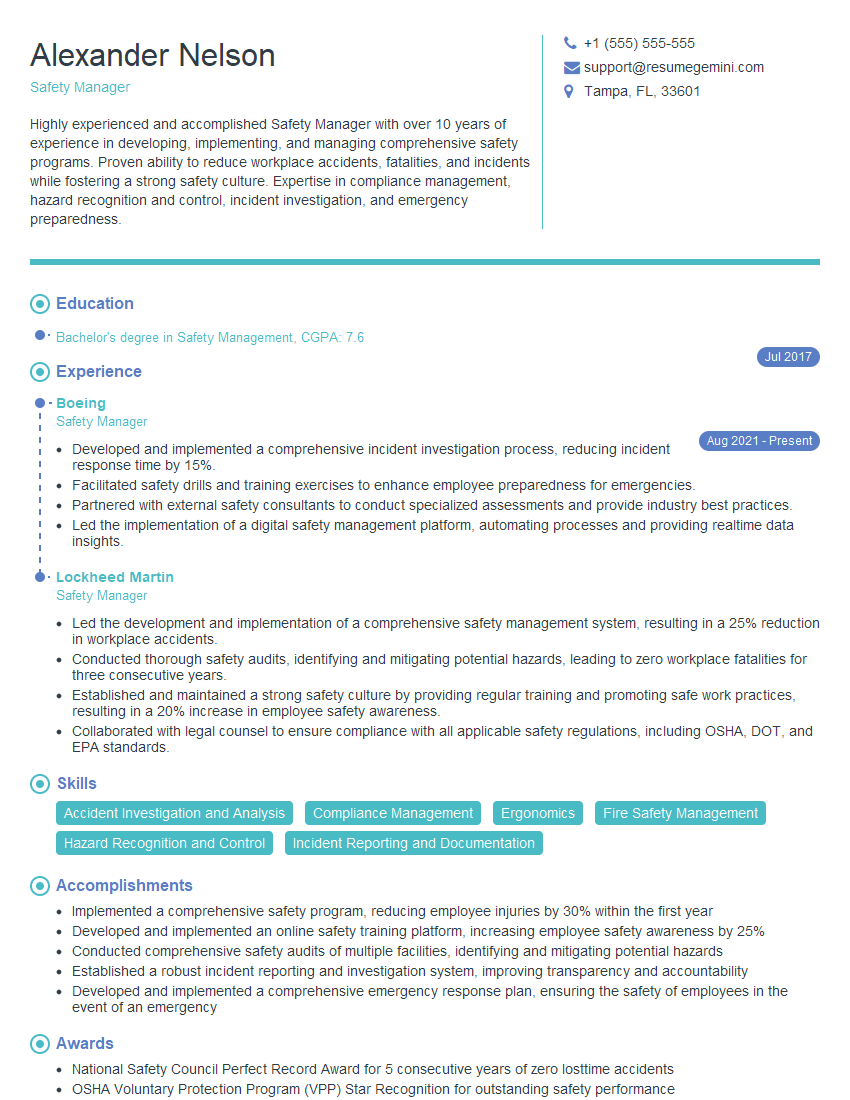
Safety Manager Resume Sample
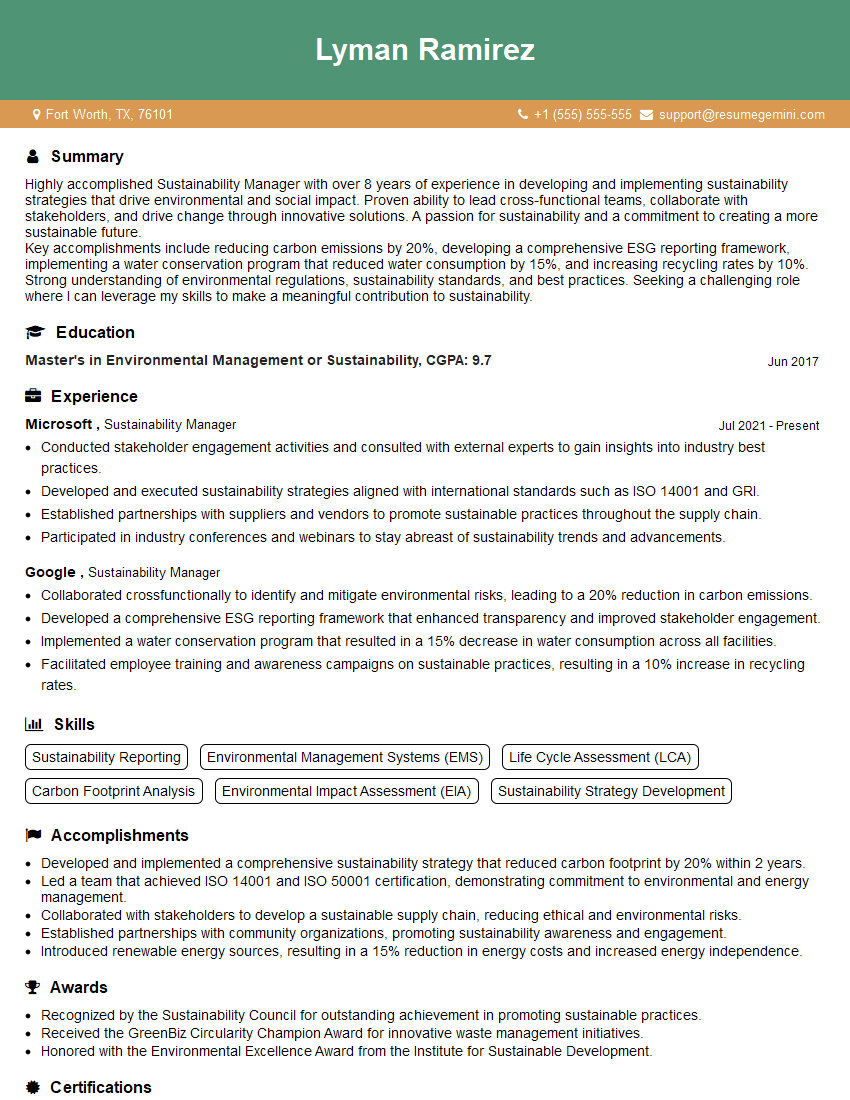
Sustainability Manager Resume Sample
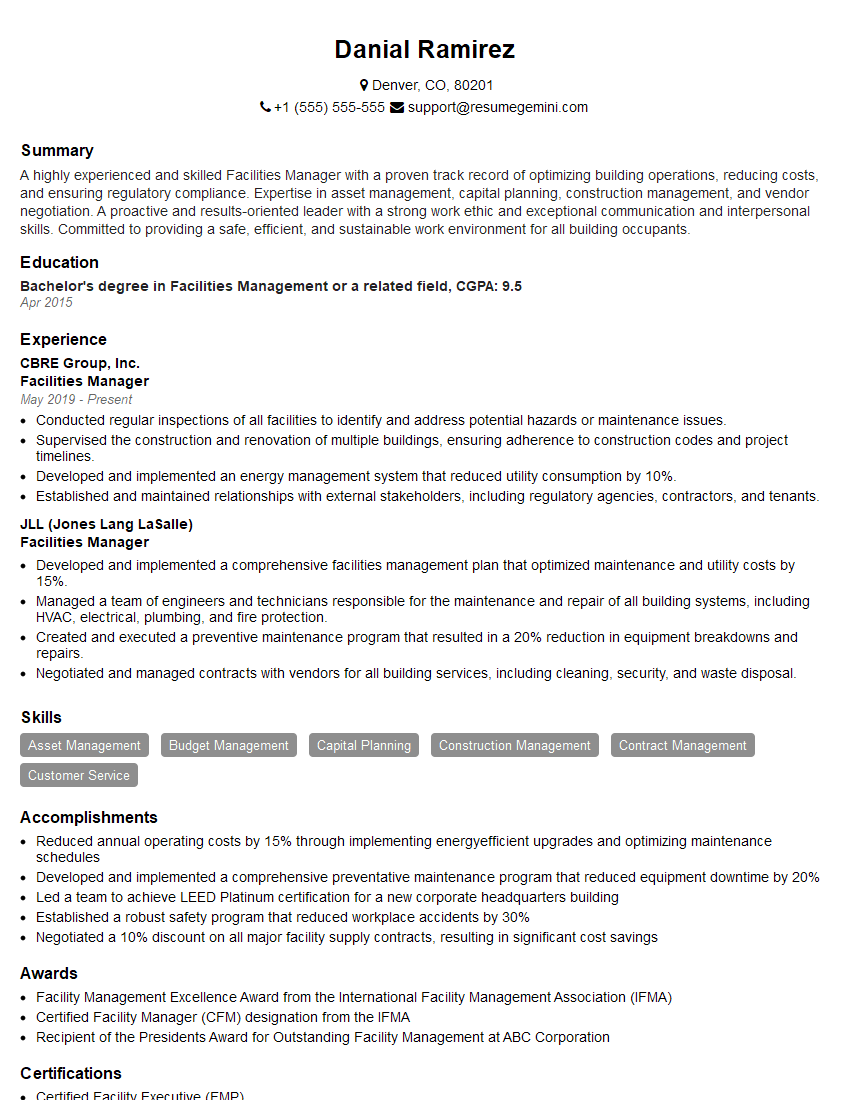
Facilities Manager Resume Sample
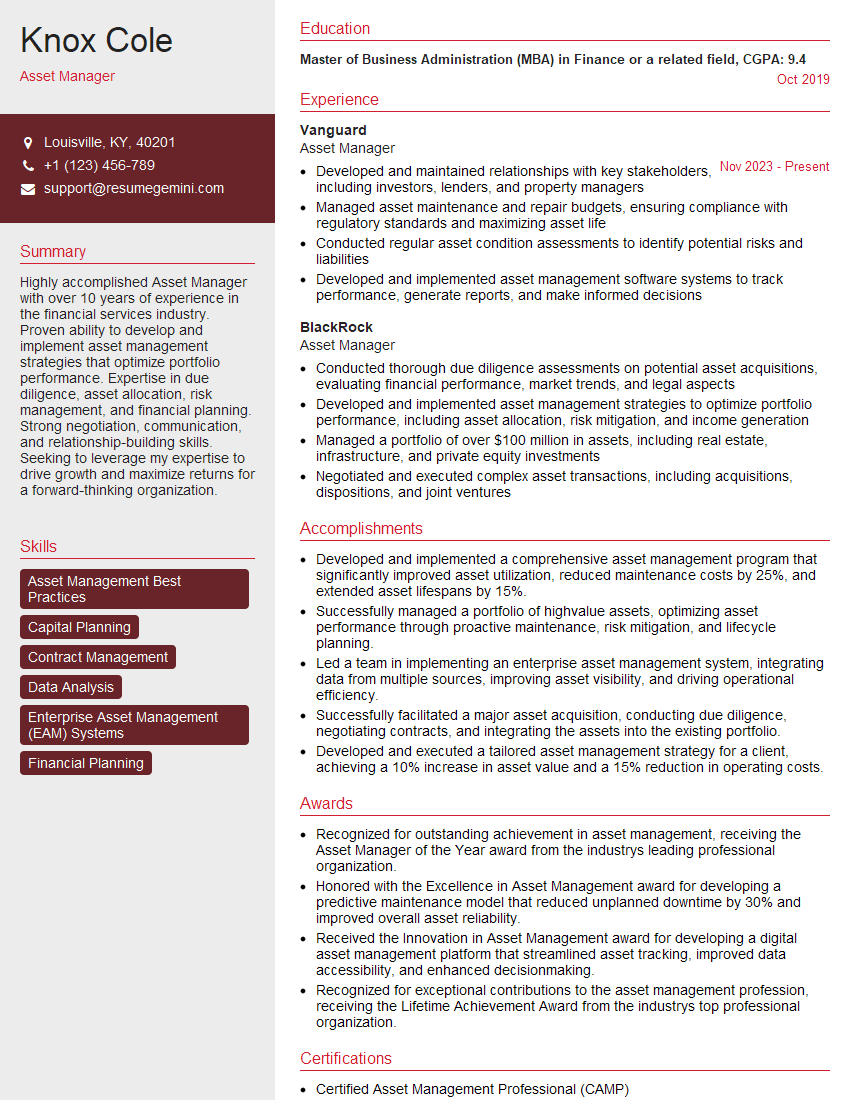
Asset Manager Resume Sample
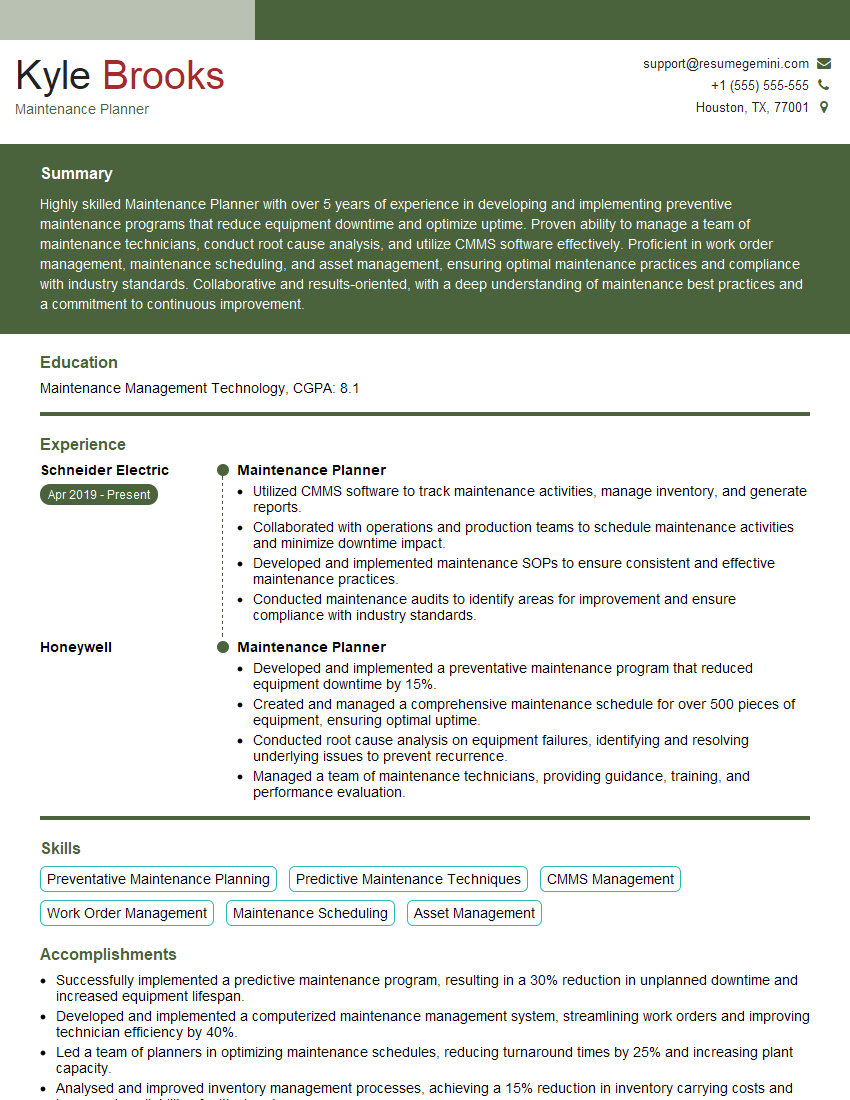
Maintenance Planner Resume Sample
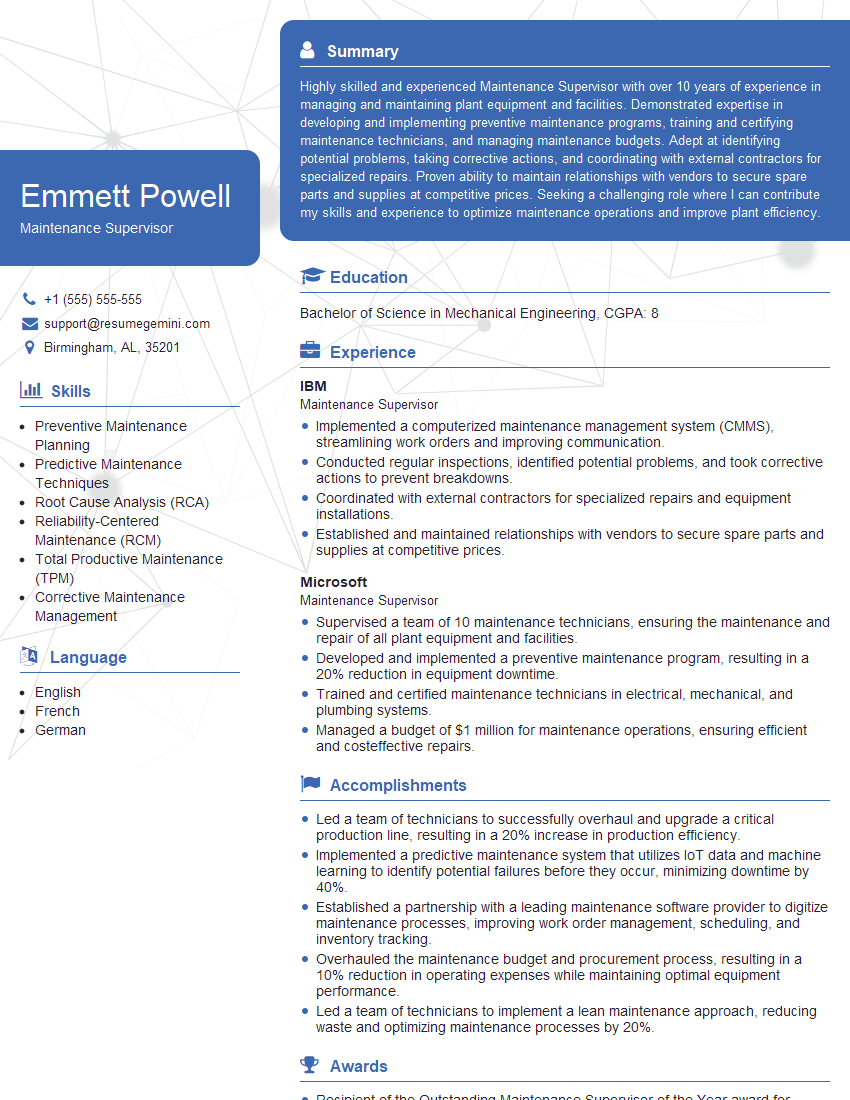
Maintenance Supervisor Resume Sample
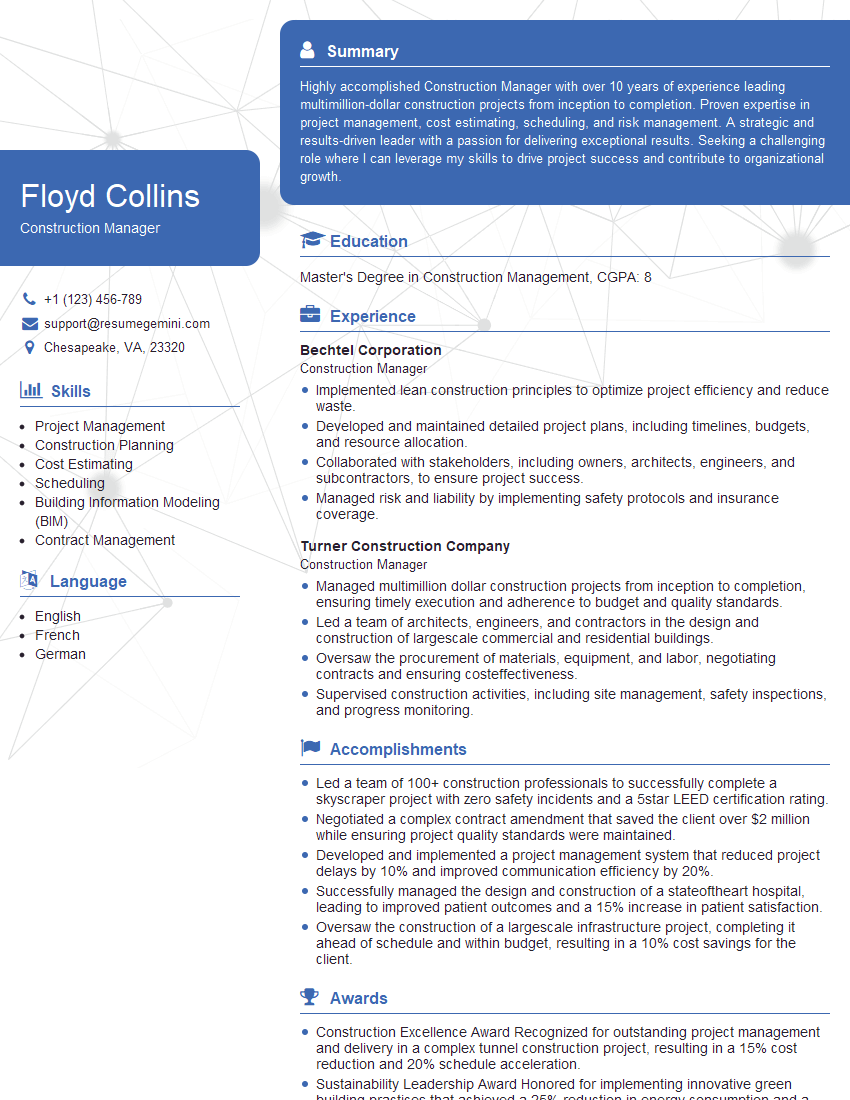
Construction Manager Resume Sample
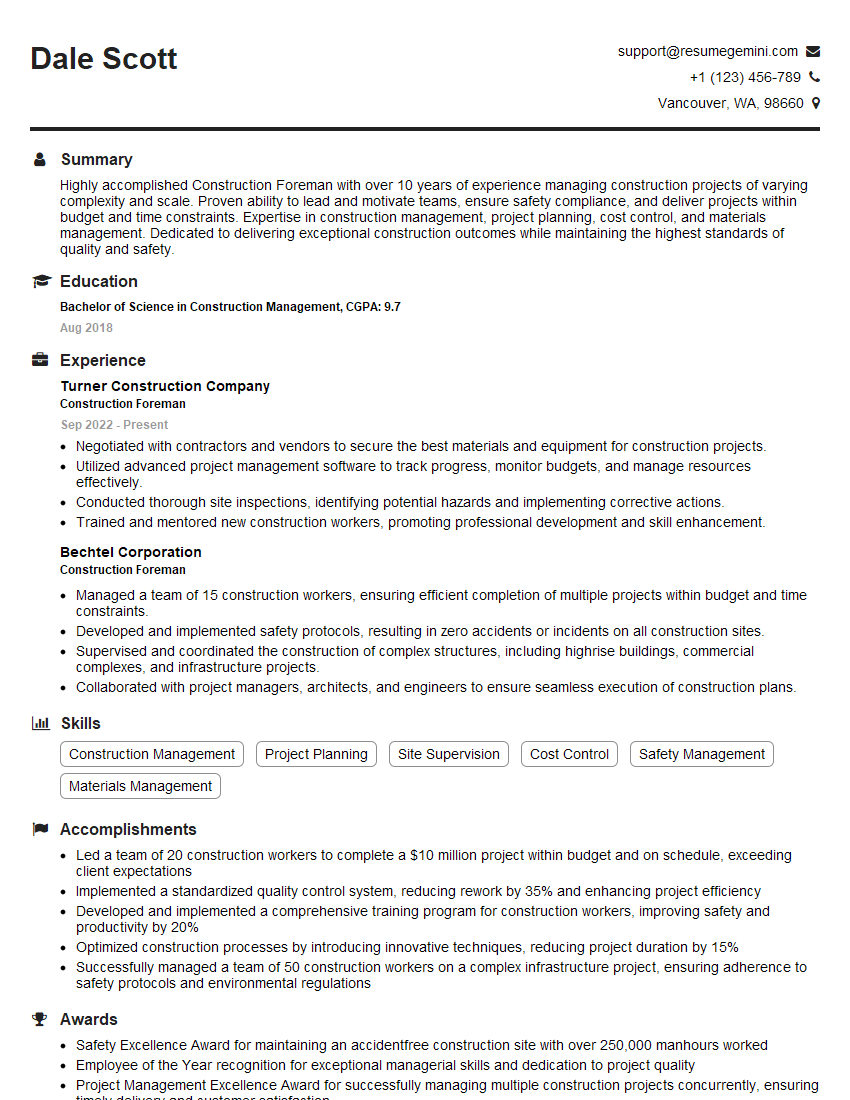
Construction Foreman Resume Sample

Construction Superintendent Resume Sample
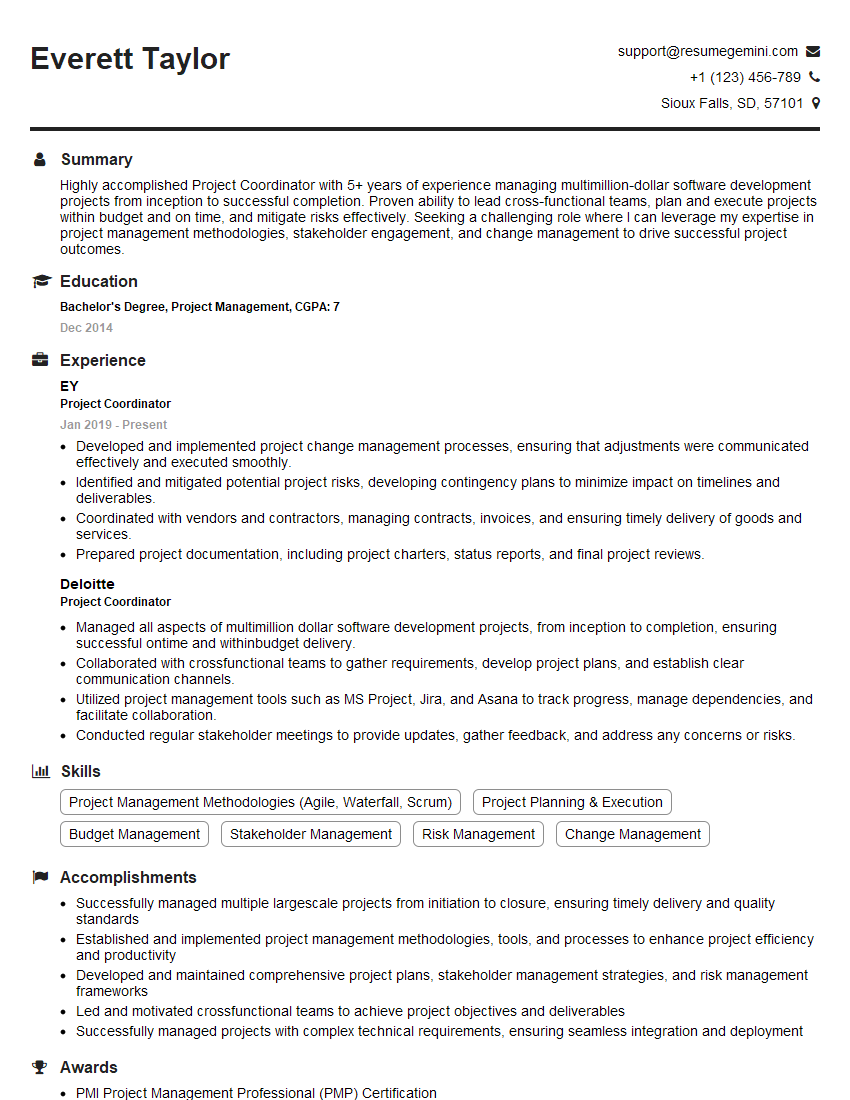
Project Coordinator Resume Sample

Project Engineer Resume Sample
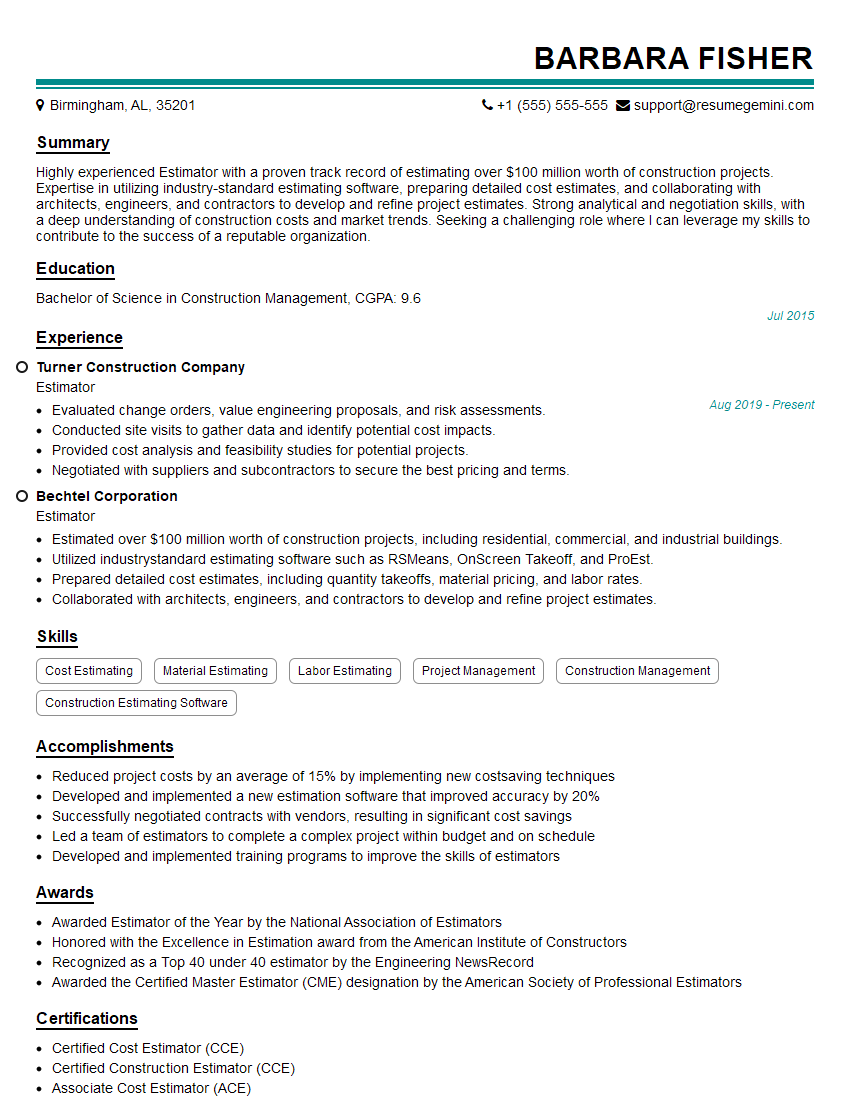
Estimator Resume Sample
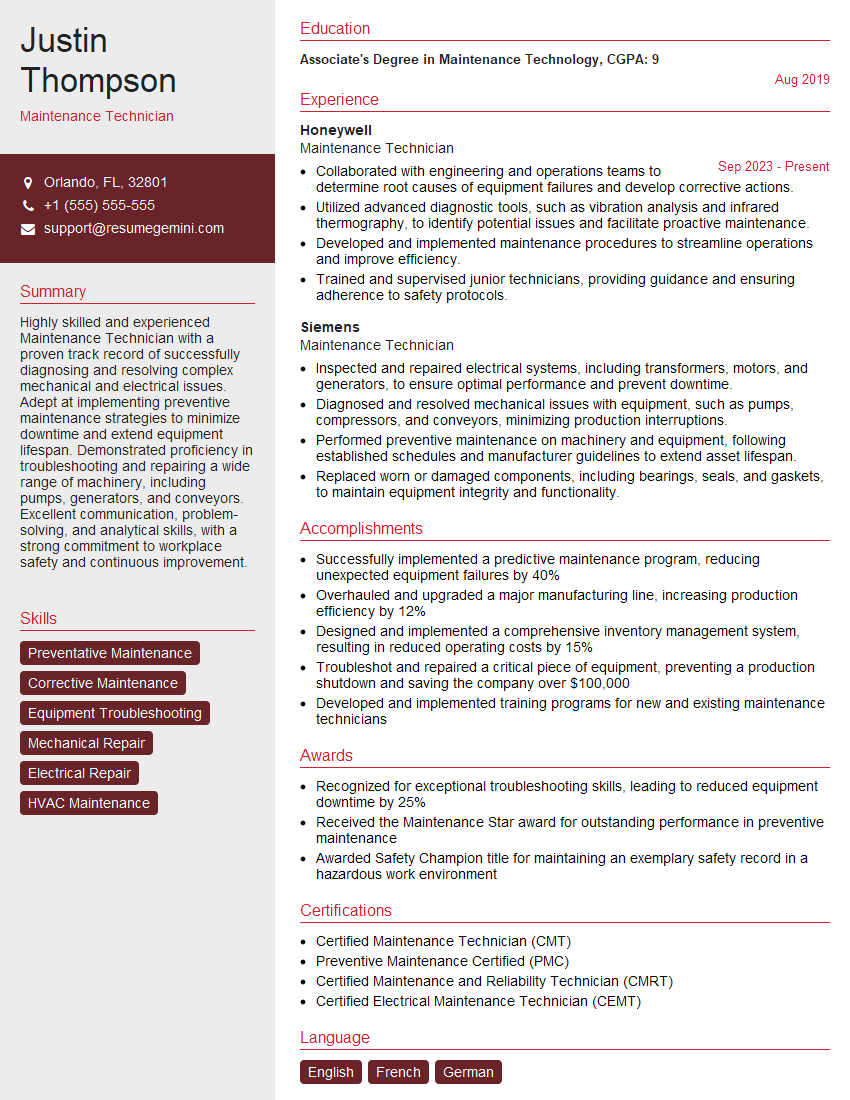
Maintenance Technician Resume Sample
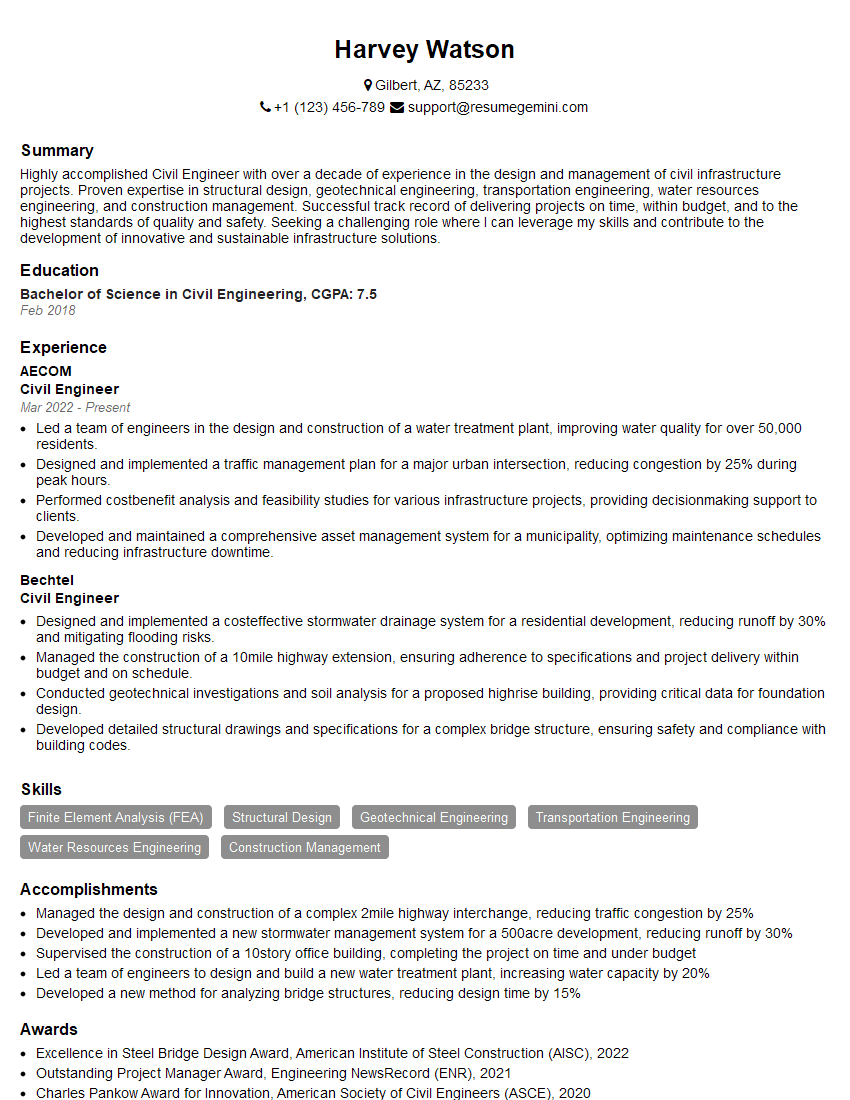
Civil Engineer Resume Sample
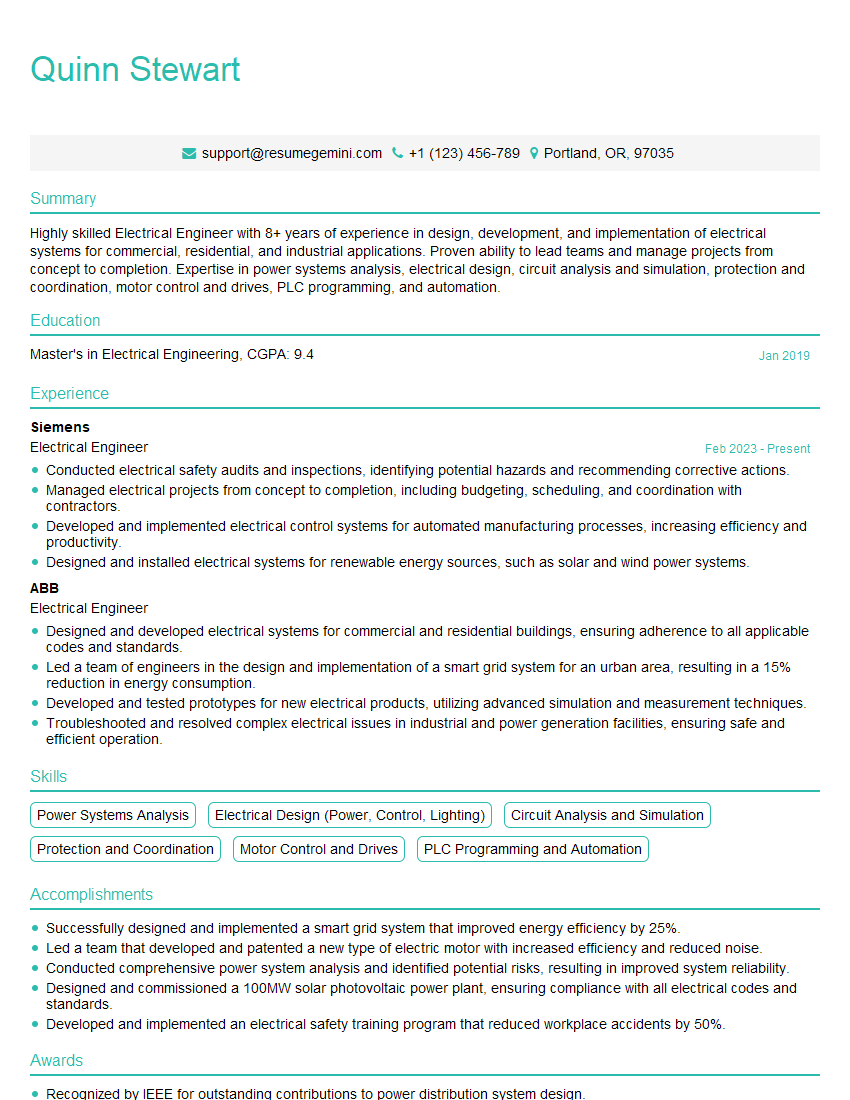
Electrical Engineer Resume Sample
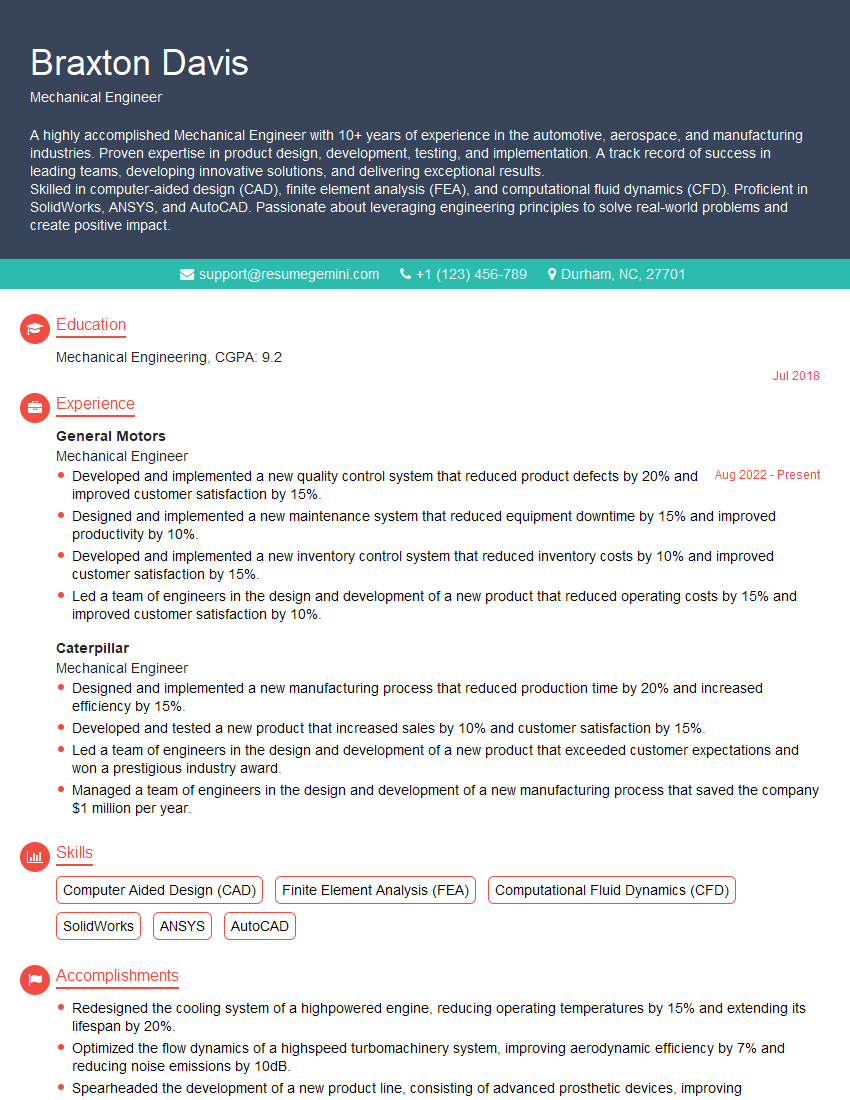
Mechanical Engineer Resume Sample
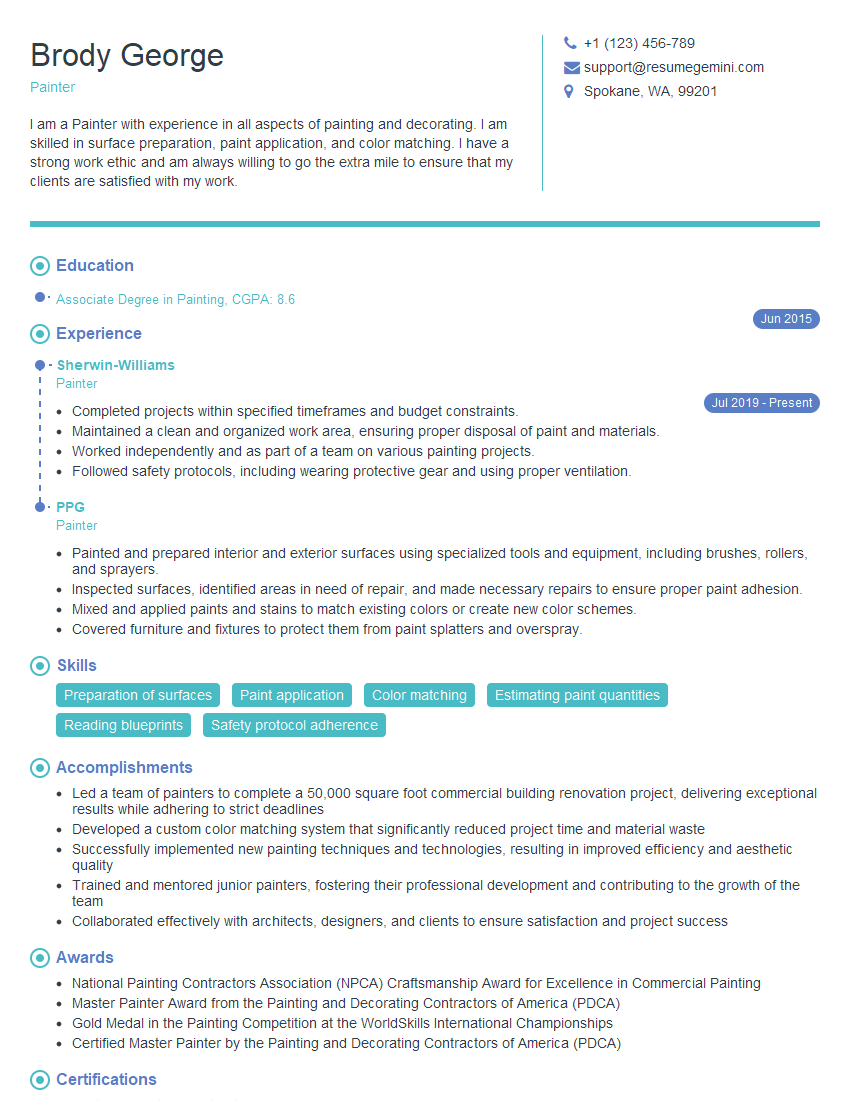
Painter Resume Sample
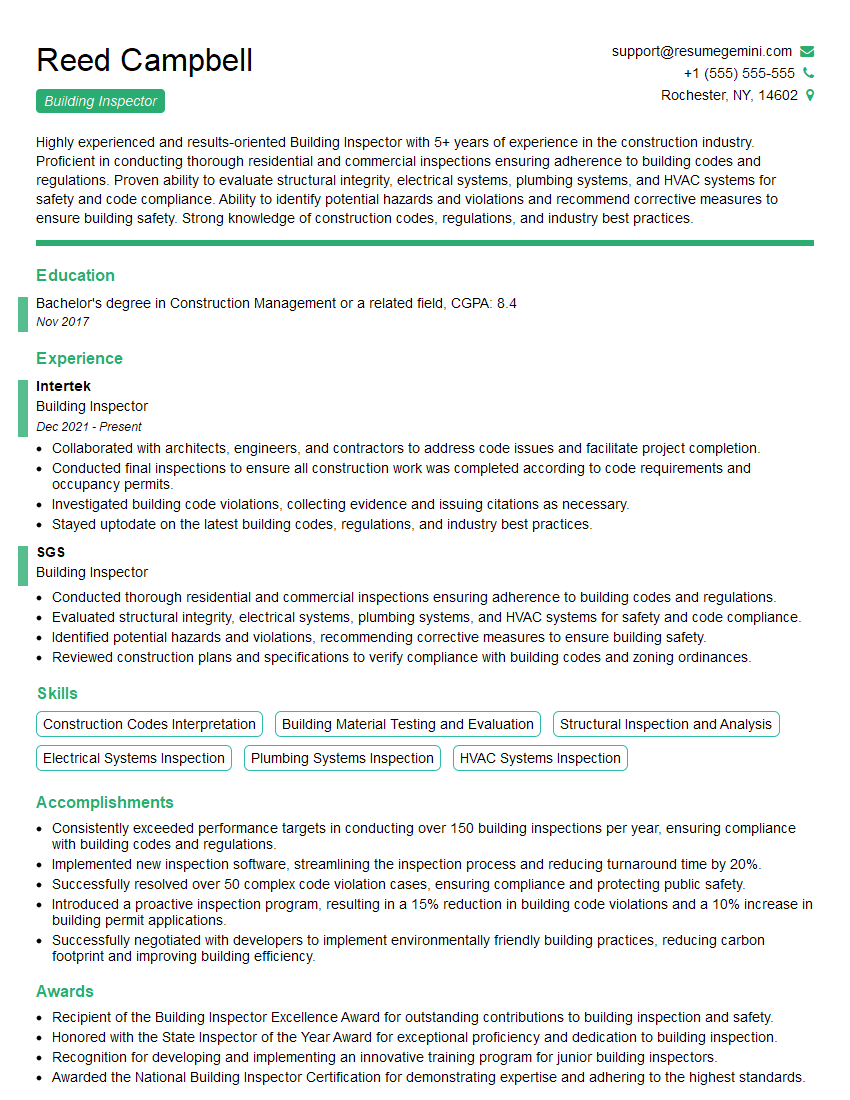
Building Inspector Resume Sample
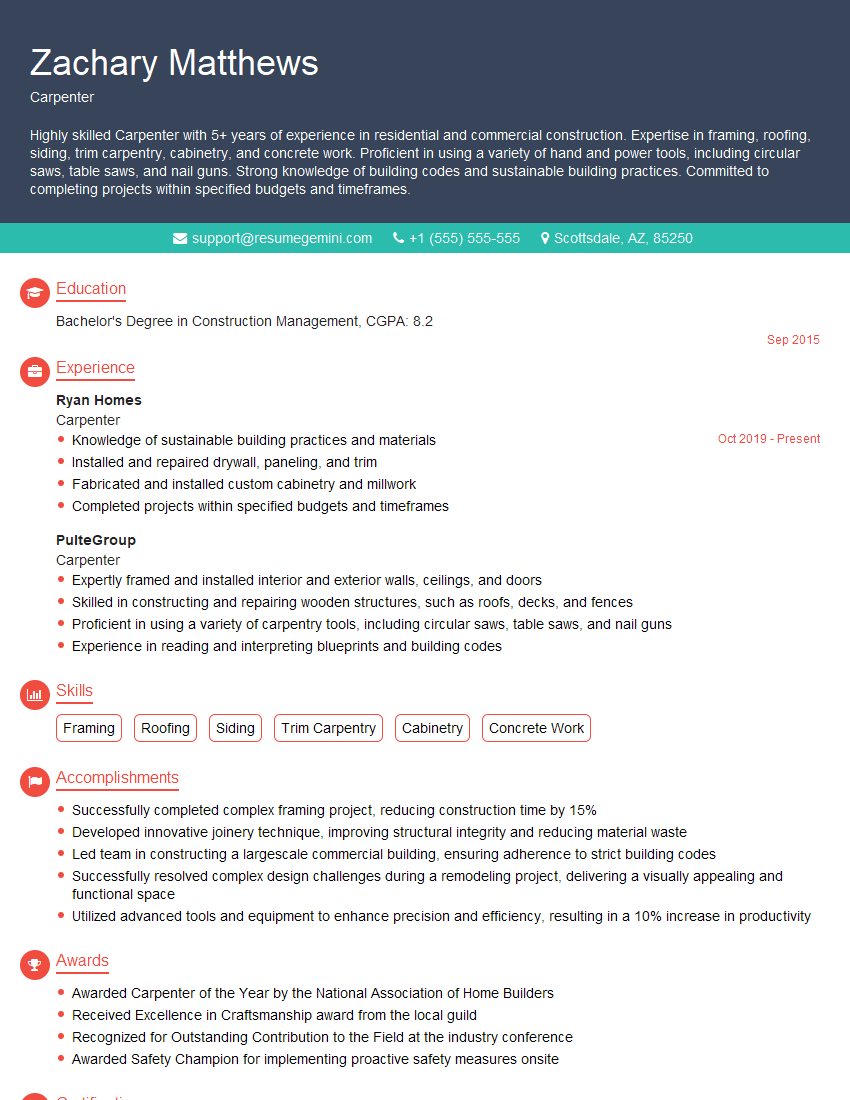
Carpenter Resume Sample
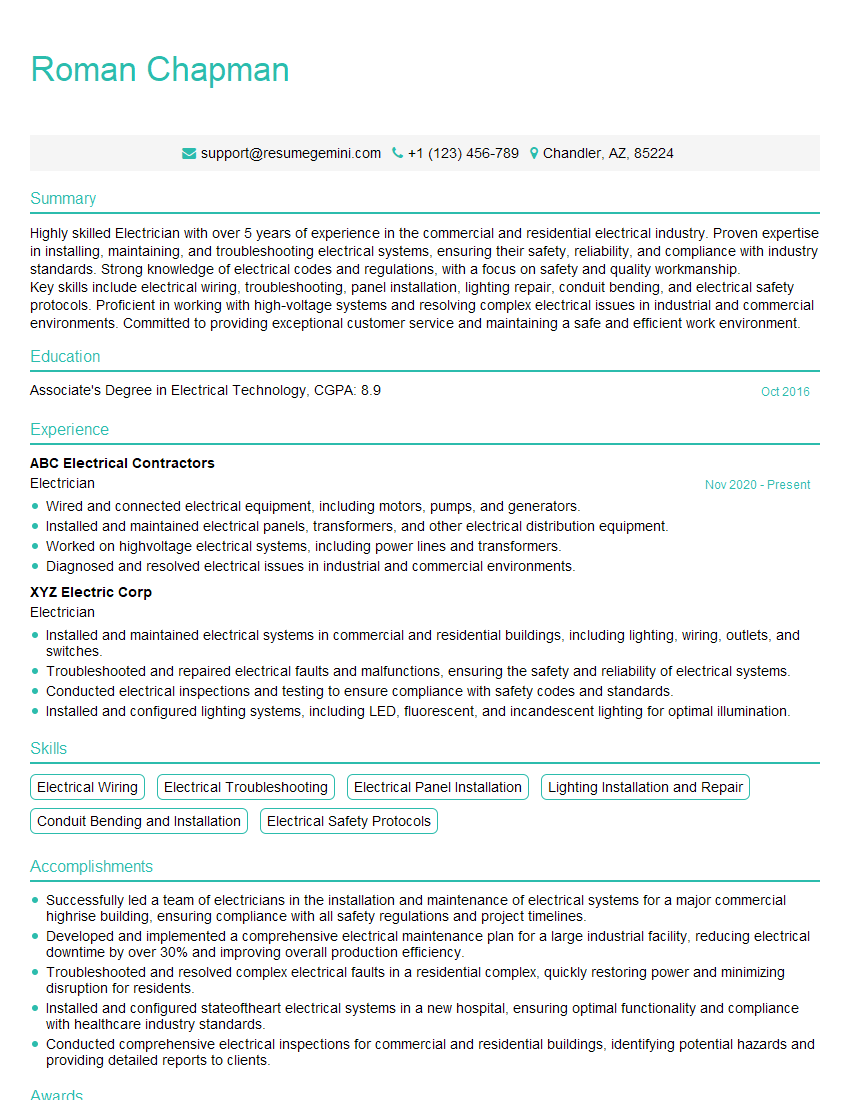
Electrician Resume Sample
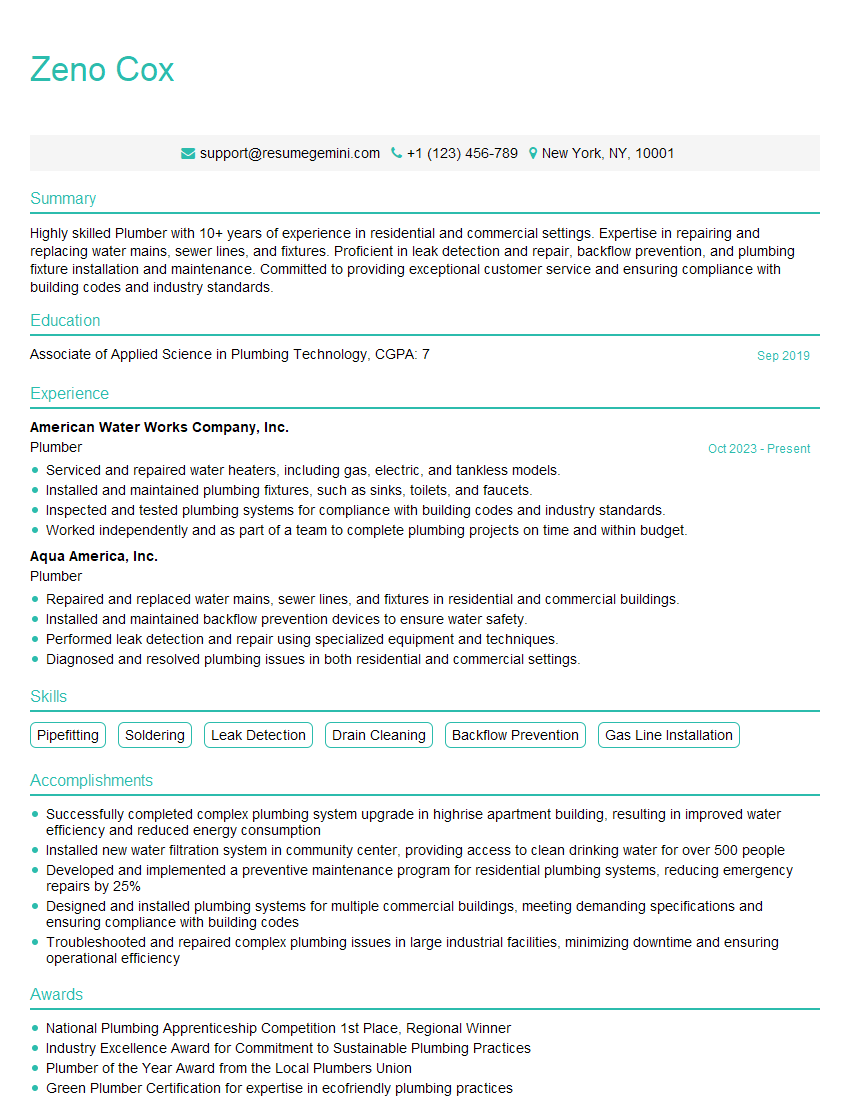
Plumber Resume Sample
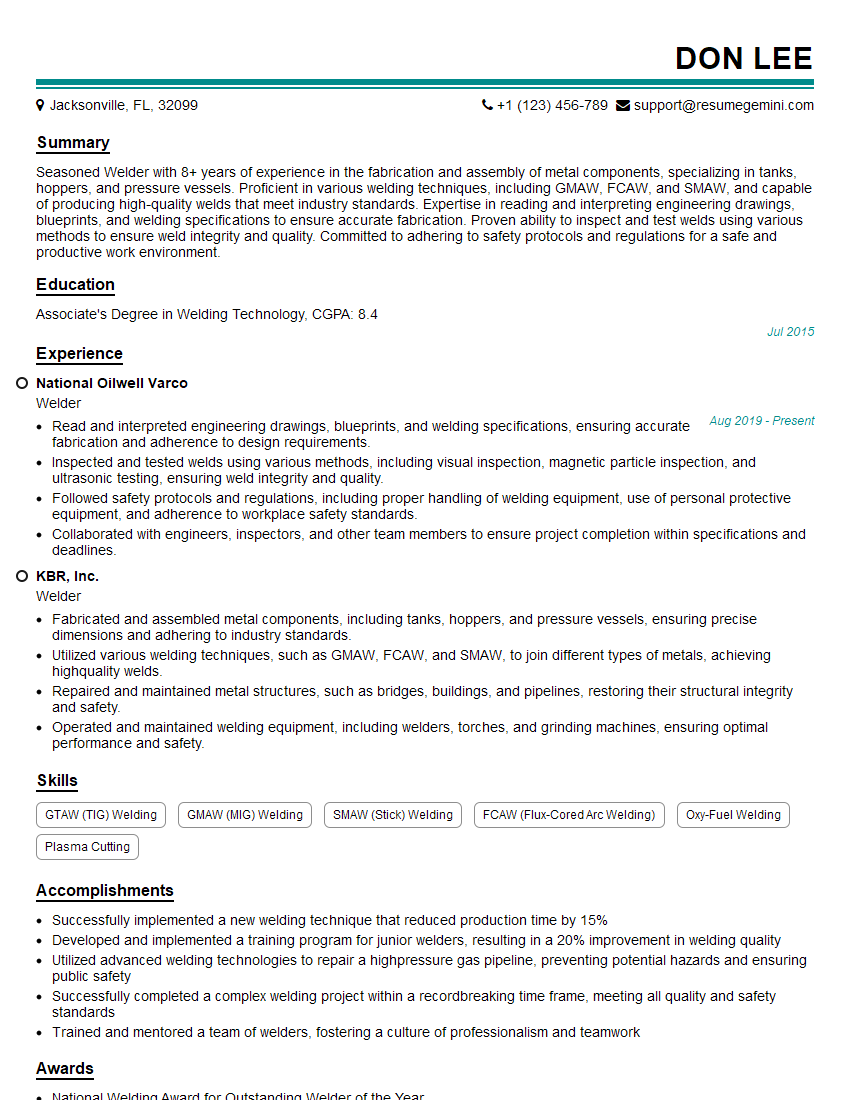
Welder Resume Sample
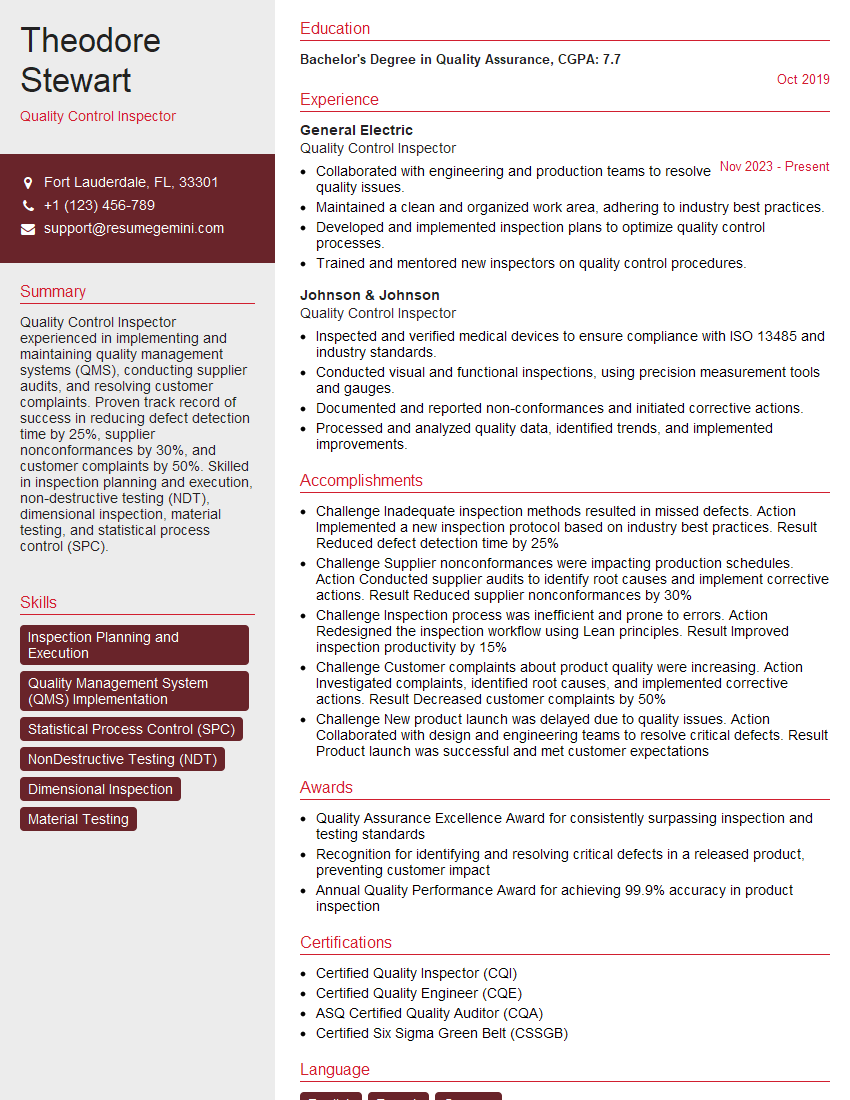
Quality Control Inspector Resume Sample
- Safety Manager
- Sustainability Manager
- Facilities Manager
- Asset Manager
- Maintenance Planner
- Maintenance Supervisor
- Construction Manager
- Construction Foreman
- Construction Superintendent
- Project Coordinator
- Project Engineer
- Estimator
- Maintenance Technician
- Civil Engineer
- Electrical Engineer
- Mechanical Engineer
- Painter
- Building Inspector
- Carpenter
- Electrician
- Plumber
- Welder
- Quality Control Inspector
Explore more articles
Users Rating of Our Blogs
Share Your Experience
We value your feedback! Please rate our content and share your thoughts (optional).
What Readers Say About Our Blog
To the interviewgemini.com Webmaster.
Very helpful and content specific questions to help prepare me for my interview!
Thank you
To the interviewgemini.com Webmaster.
This was kind of a unique content I found around the specialized skills. Very helpful questions and good detailed answers.
Very Helpful blog, thank you Interviewgemini team.