Interviews are opportunities to demonstrate your expertise, and this guide is here to help you shine. Explore the essential Consultation and collaboration with clinicians interview questions that employers frequently ask, paired with strategies for crafting responses that set you apart from the competition.
Questions Asked in Consultation and collaboration with clinicians Interview
Q 1. Describe your experience collaborating with clinicians on complex patient cases.
Collaborating with clinicians on complex patient cases requires a multifaceted approach centered on shared decision-making and a deep understanding of each clinician’s expertise. My experience involves actively listening to their perspectives, integrating their clinical observations with relevant data, and formulating a comprehensive treatment strategy. I often employ a collaborative problem-solving model, leveraging visual aids like flowcharts or decision trees to clarify complex diagnostic or treatment pathways. For example, in a case involving a patient with treatment-resistant depression, I worked closely with a psychiatrist, a psychologist, and a neurologist. By integrating their individual assessments—psychiatric evaluations, psychological testing results, and neurological imaging data—we developed a personalized treatment plan incorporating medication adjustments, psychotherapy, and neuromodulation therapies. This collaborative effort significantly improved the patient’s outcome.
Q 2. Explain your approach to resolving disagreements between clinicians regarding treatment plans.
Resolving disagreements among clinicians requires a facilitative approach prioritizing open communication and respect for differing opinions. My strategy begins with creating a safe space for each clinician to articulate their perspectives and the rationale behind their recommendations. I actively listen to all viewpoints, identify the points of convergence and divergence, and synthesize this information to highlight areas of common ground. If a consensus isn’t readily achievable, I facilitate a structured discussion, encouraging clinicians to explore alternative options and prioritize the patient’s best interests. We might use evidence-based guidelines or relevant research findings to inform the decision-making process. In cases of persistent disagreement, I might suggest a second opinion or a multidisciplinary team meeting to ensure a holistic perspective. Ultimately, the goal is to find a treatment plan that aligns with the available evidence and respects the patient’s values and preferences.
Q 3. How do you ensure effective communication with clinicians from diverse backgrounds?
Effective communication with clinicians from diverse backgrounds hinges on cultural sensitivity, mindful language, and active listening. I start by acknowledging and respecting cultural differences in communication styles, recognizing that directness, formality, and nonverbal cues can vary significantly across cultures. I always strive to use clear and concise language, avoiding medical jargon unless it’s absolutely necessary and explaining technical terms in plain language. Active listening is paramount—I pay close attention not only to what clinicians say but also to their nonverbal communication. I tailor my communication style to accommodate individual preferences; for example, I might utilize visual aids for clinicians who are visually oriented or engage in more informal discussions with clinicians who prefer a less formal setting. Furthermore, I actively seek feedback on my communication style to ensure that I’m meeting the needs of each clinician.
Q 4. Describe a situation where you had to adapt your communication style to meet the needs of a specific clinician.
I once worked with a senior clinician who preferred a more concise and direct communication style. Initially, I provided comprehensive, detailed reports. However, I noticed this clinician often seemed overwhelmed and impatient during our consultations. I adapted by providing shorter, more focused summaries that highlighted key findings and recommendations. Instead of lengthy narratives, I used bullet points, tables, and visual graphs to convey information more efficiently. This adjustment resulted in improved communication and quicker decision-making, demonstrating the importance of flexibility and responsiveness in adapting communication styles to meet the unique needs of individual clinicians.
Q 5. How do you utilize data and analytics to inform clinical consultations and recommendations?
Data and analytics are integral to informing clinical consultations and recommendations. I utilize various data sources, including electronic health records (EHRs), clinical registries, and research databases, to identify trends, patterns, and potential risks in patient populations. For instance, I might analyze EHR data to assess the effectiveness of specific treatments, identify patients at high risk of adverse events, or track the overall health outcomes of specific patient cohorts. This data-driven approach informs my recommendations, ensuring that clinical decisions are aligned with the available evidence. I also use statistical tools and predictive models to assess risks, predict outcomes, and personalize treatment strategies. For example, I might use a predictive model to identify patients who are at high risk of developing a specific complication, allowing for proactive intervention and improved patient management.
Q 6. How do you stay current with the latest research and clinical guidelines in your area of expertise?
Staying current with the latest research and clinical guidelines is a continuous process crucial to providing effective consultation. I regularly review peer-reviewed journals, attend professional conferences and webinars, and participate in continuing medical education (CME) activities. I subscribe to relevant journals and utilize online databases such as PubMed to access the latest research findings. I actively engage in professional networks and participate in online forums to stay updated on emerging trends and best practices. Furthermore, I regularly review and incorporate updated clinical guidelines from reputable organizations into my consultation practices to ensure that my recommendations align with current standards of care.
Q 7. Explain your process for providing constructive feedback to clinicians.
Providing constructive feedback to clinicians is a critical aspect of collaborative practice. My approach prioritizes a supportive and respectful environment, focusing on specific behaviors and outcomes rather than making personal criticisms. I use the ‘sandwich’ method, starting with positive feedback, followed by constructive criticism, and concluding with more positive feedback. For example, I might say, “I really appreciate your thorough patient assessment,” then follow with “I noticed that the documentation could be more concise and focused on key clinical findings,” and finish with “Your commitment to patient care is exceptional.” I frame my feedback in a solution-oriented manner, offering suggestions for improvement and focusing on actionable steps. I also ensure that feedback is timely and delivered privately to maintain respect and avoid embarrassment. The goal is to empower clinicians to enhance their performance and improve patient care.
Q 8. Describe a time you had to manage a challenging interaction with a clinician.
Managing challenging interactions with clinicians requires a blend of empathy, clear communication, and conflict-resolution skills. One instance involved a senior physician who consistently resisted adopting a new electronic health record (EHR) system. He felt it was cumbersome and interfered with his established workflow.
My approach involved several steps:
- Active Listening: I began by actively listening to his concerns, validating his frustrations with the system’s complexities. This showed respect for his experience and expertise.
- Collaborative Problem-Solving: Instead of imposing a solution, I facilitated a discussion focusing on identifying the specific pain points. We collaboratively explored workarounds and modifications within the system to alleviate his concerns.
- Highlighting Benefits: I demonstrated how the new EHR could streamline aspects of his work, such as improved data accessibility and reduced administrative burden. I focused on the long-term benefits for patient care and his overall efficiency.
- Offering Training and Support: We arranged for additional one-on-one training tailored to his specific needs. This demonstrated our commitment to supporting his successful transition to the new system.
Ultimately, through a patient and collaborative approach, we were able to address his concerns and ensure a smooth transition to the new EHR. The key was recognizing the human element – respecting his expertise and addressing his concerns with understanding and support.
Q 9. How do you prioritize competing demands and deadlines when working with multiple clinicians?
Prioritizing competing demands when working with multiple clinicians necessitates a structured approach. I utilize a combination of techniques to ensure efficient task management and avoid burnout. Think of it like conducting an orchestra – each musician (clinician) has their own part, but the conductor (me) ensures harmony and timely performance.
- Project Prioritization Matrix: I employ a matrix prioritizing tasks based on urgency and importance (Eisenhower Matrix). This helps to identify urgent, critical tasks requiring immediate attention from time-sensitive, less critical ones.
- Regular Communication & Coordination Meetings: Scheduling regular meetings ensures open communication and allows me to assess progress, address roadblocks, and adjust priorities as needed. This approach fosters teamwork and prevents misunderstandings.
- Clear Communication & Defined Roles: Ensuring clear communication about deadlines and individual responsibilities prevents conflicts and duplication of effort. Clear role definitions ensure everyone understands their contribution and accountability.
- Utilizing Project Management Tools: Tools like task management software (Asana, Trello) aid in tracking tasks, setting deadlines, and managing overall workflow. These tools provide a visual representation of project progress and enhance collaboration.
By consistently employing these strategies, I successfully manage diverse demands, ensuring timely completion of projects and maintaining positive working relationships with all clinicians involved.
Q 10. Describe your experience with different clinical documentation systems.
My experience spans several clinical documentation systems, ranging from legacy systems to the latest cloud-based EHRs. This experience highlights the crucial role of effective data management in healthcare.
- Legacy Systems: I’ve worked with older, less user-friendly systems, highlighting the challenges of navigating complex interfaces and inefficient data retrieval. This experience underscores the importance of adaptability and efficient workaround strategies.
- Modern EHRs (Epic, Cerner): I’m proficient in modern EHRs, appreciating their ability to streamline workflows, improve data accessibility, and enhance patient care through integrated features. However, the learning curve and implementation challenges cannot be ignored.
- Specialized Software: I have familiarity with specialized software tailored to particular clinical needs (e.g., radiology imaging software, pathology reporting systems). This highlights the need for understanding different software ecosystems and their specific functionalities.
My experience demonstrates adaptability and a willingness to learn new technologies. The ability to seamlessly navigate various systems is critical for efficient data management, ensuring seamless patient care and facilitating effective clinical collaboration.
Q 11. How do you ensure confidentiality and patient privacy when collaborating with clinicians?
Confidentiality and patient privacy are paramount in clinical collaboration. I adhere to strict protocols and regulations (like HIPAA in the US) to protect sensitive patient information. It’s like handling a precious artifact – requiring utmost care and attention.
- HIPAA Compliance: I’m thoroughly familiar with HIPAA regulations regarding Protected Health Information (PHI) and adhere strictly to them. This includes secure communication channels, limited access to patient data, and proper data disposal procedures.
- Secure Communication Methods: I utilize secure communication channels such as encrypted email and secure messaging platforms to share patient information. This prevents unauthorized access and data breaches.
- Data Minimization: I access only the necessary patient data required for the specific task, adhering to the principle of data minimization. This limits potential exposure and protects patient privacy.
- Training and Education: I actively participate in regular training sessions on data security and privacy protocols to stay updated on best practices and emerging threats.
My commitment to confidentiality and patient privacy is unwavering. It’s not just about following rules; it’s about upholding the ethical responsibility of protecting vulnerable individuals.
Q 12. Explain your understanding of ethical considerations in clinical consultation.
Ethical considerations in clinical consultation are central to my professional practice. They guide my actions and ensure the well-being and autonomy of patients are always prioritized. It’s about making decisions that are both clinically sound and morally right.
- Patient Autonomy: I always respect patient autonomy, ensuring they are fully informed and involved in decisions concerning their care. This means clearly explaining options, answering their questions, and respecting their choices.
- Beneficence and Non-maleficence: I strive to act in the best interests of the patient (beneficence) and avoid causing harm (non-maleficence). This means carefully weighing risks and benefits of any recommended intervention.
- Justice and Equity: I ensure equitable access to care and avoid bias in my recommendations. Every patient deserves the same level of high-quality care.
- Confidentiality: Maintaining patient confidentiality is crucial, as discussed earlier. It’s essential for building trust and fostering open communication.
Navigating ethical dilemmas requires careful consideration, potentially involving consultation with colleagues or ethics committees. Upholding these principles is not just a matter of compliance but a reflection of my commitment to ethical and responsible clinical practice.
Q 13. Describe your experience with change management within a clinical setting.
My experience with change management in clinical settings emphasizes the importance of a collaborative and well-planned approach. Change initiatives, whether introducing new technologies or restructuring workflows, require thoughtful consideration to avoid disruption and foster buy-in from the clinical staff. Think of it as carefully renovating a house – minimizing disruption while maximizing the positive outcomes.
- Needs Assessment: Before initiating any change, a thorough assessment identifies the need for change, its potential impact, and the specific needs of the clinicians.
- Stakeholder Engagement: Engaging clinicians early and often is essential. This involves actively listening to their concerns, addressing them transparently, and incorporating their feedback in the implementation plan.
- Phased Rollout: A phased rollout allows for testing, feedback, and iterative improvements, minimizing disruption and allowing for adjustments based on real-world experiences.
- Training and Support: Comprehensive training programs and ongoing support are vital to ensure clinicians are equipped to effectively use new systems or processes.
- Monitoring and Evaluation: Regular monitoring and evaluation are crucial to track progress, identify areas for improvement, and ensure the changes are meeting their intended goals.
Successful change management requires strong leadership, clear communication, and a commitment to collaboration. By employing a systematic approach, resistance can be minimized, and the positive effects of change can be realized.
Q 14. How do you facilitate teamwork and collaboration amongst clinical staff?
Facilitating teamwork and collaboration among clinical staff requires a combination of leadership skills, communication strategies, and a focus on creating a supportive work environment. It’s about building a team that works together effectively, like a well-oiled machine.
- Clearly Defined Roles & Responsibilities: Ensuring clear roles and responsibilities minimizes confusion and prevents duplication of effort. This promotes accountability and ensures everyone understands their contributions.
- Open Communication & Regular Meetings: Establishing open channels of communication through regular meetings and informal check-ins promotes transparency, information sharing, and the identification and resolution of conflicts.
- Conflict Resolution Strategies: Effective conflict resolution strategies, including mediation and facilitation, are crucial for addressing disagreements respectfully and constructively, fostering a positive work environment.
- Team Building Activities: Team-building activities can foster camaraderie and improve team cohesion. These activities can be formal or informal and should be tailored to the team’s dynamics and needs.
- Recognition and Appreciation: Acknowledging and appreciating individual and team accomplishments boosts morale and motivates continued collaboration. This fosters a culture of recognition and positive reinforcement.
By fostering a culture of mutual respect, open communication, and collaboration, I create a team environment where clinicians feel supported, valued, and empowered to contribute to optimal patient care.
Q 15. How do you handle conflicts of interest when consulting with clinicians?
Handling conflicts of interest is paramount in clinical consultations. It’s about maintaining objectivity and ensuring the patient’s best interests always come first. My approach is proactive and transparent. I begin by disclosing any potential conflicts, no matter how seemingly insignificant. This might include financial interests in specific companies, past professional relationships with referring physicians, or even personal relationships with patients or their families.
For instance, if a pharmaceutical company offered me a consulting fee for recommending a particular drug, I would disclose that to the clinician and the patient before offering any recommendations. If the conflict cannot be mitigated, I would recuse myself from the consultation entirely. This transparency fosters trust and ensures ethical practice. I adhere strictly to my organization’s conflict of interest policies and utilize a conflict of interest disclosure form for every new engagement. This process ensures that any potential bias is recognized and addressed appropriately.
Career Expert Tips:
- Ace those interviews! Prepare effectively by reviewing the Top 50 Most Common Interview Questions on ResumeGemini.
- Navigate your job search with confidence! Explore a wide range of Career Tips on ResumeGemini. Learn about common challenges and recommendations to overcome them.
- Craft the perfect resume! Master the Art of Resume Writing with ResumeGemini’s guide. Showcase your unique qualifications and achievements effectively.
- Don’t miss out on holiday savings! Build your dream resume with ResumeGemini’s ATS optimized templates.
Q 16. Explain your experience with different healthcare delivery models.
My experience spans various healthcare delivery models, including traditional fee-for-service, managed care organizations (MCOs), accountable care organizations (ACOs), and integrated delivery systems (IDSs). In fee-for-service, the focus is on individual patient encounters, while MCOs emphasize cost-effectiveness and efficiency through contracts and networks. ACOs and IDSs, on the other hand, focus on collaborative care and population health management.
For example, in an MCO setting, I’ve worked with clinicians to optimize treatment protocols to stay within budgetary constraints while maintaining quality care. In an ACO, I helped develop population health initiatives focusing on preventative care and disease management to reduce overall healthcare costs and improve patient outcomes. My understanding of these different models allows me to tailor my consultation style and approach to the specific needs and priorities of each setting.
Q 17. Describe your process for evaluating the effectiveness of clinical consultations.
Evaluating the effectiveness of clinical consultations is a multifaceted process. It’s not just about immediate results, but also long-term impact on patient outcomes and the efficiency of the healthcare system. My process incorporates both quantitative and qualitative measures.
- Quantitative Measures: This involves tracking changes in patient clinical indicators (e.g., blood pressure, blood sugar levels, symptom scores) before, during, and after the consultation. We may also measure factors like length of hospital stay, readmission rates, and overall healthcare costs.
- Qualitative Measures: This involves gathering feedback from clinicians and patients through surveys, interviews, and chart reviews. We assess the clinician’s perceived improvement in their understanding of the case, their confidence in management, and their satisfaction with the consultation process. Patient feedback focuses on their understanding of their condition and treatment plan and their overall satisfaction with care.
For example, in a case involving a complex patient with multiple comorbidities, we’d track key metrics such as blood glucose control and medication adherence. Qualitative feedback from both the clinician and the patient helps refine future strategies and ensures the consultation effectively addressed the specific needs and concerns.
Q 18. How do you identify and address potential risks and complications in clinical care?
Identifying and addressing potential risks and complications is crucial for patient safety. My approach is proactive and systematic, relying on a combination of risk assessment tools, clinical guidelines, and communication.
Firstly, I thoroughly review the patient’s medical history, current medications, and lab results to identify existing risk factors. Secondly, I consider the proposed treatment plan and its potential complications, utilizing evidence-based guidelines to guide my assessment. Finally, I maintain open communication with the clinician, explaining potential risks and discussing strategies for mitigation and early detection of complications. For example, if a patient is at high risk of bleeding during surgery, I would collaboratively discuss ways to reduce this risk and monitor the patient closely post-operatively. This may include pre-operative blood work and close post-operative monitoring for signs of bleeding. My strategy is to build a shared understanding of risks and create a collaborative plan for managing them effectively.
Q 19. Explain your understanding of regulatory requirements related to clinical consultations.
Understanding regulatory requirements for clinical consultations is critical. These vary depending on jurisdiction and the type of consultation, but generally include HIPAA (Health Insurance Portability and Accountability Act) regulations for maintaining patient confidentiality, licensing and credentialing requirements for healthcare professionals involved, and adherence to specific professional guidelines and standards.
For instance, in the US, I am very familiar with HIPAA regulations and ensure all consultations are conducted in accordance with these guidelines. This includes securing electronic health records, obtaining appropriate authorizations for information sharing, and adhering to strict confidentiality protocols. I also regularly update myself on any changes in legislation or guidelines impacting clinical practice. Compliance is not just a legal obligation; it’s a cornerstone of ethical and trustworthy healthcare practice.
Q 20. How do you build and maintain positive relationships with clinicians?
Building and maintaining positive relationships with clinicians relies on mutual respect, trust, and effective communication. I strive to be a valuable resource and collaborative partner, not just a consultant.
- Active Listening: I listen carefully to their concerns and perspectives, showing genuine interest in their needs and challenges.
- Clear Communication: I communicate my recommendations clearly and concisely, ensuring they understand the rationale and implications of my advice.
- Respectful Collaboration: I value their expertise and actively involve them in the decision-making process.
- Ongoing Feedback: I solicit and act upon their feedback to continuously improve my consultation services.
A positive working relationship builds trust and facilitates better patient care. For example, regularly checking in with the referring clinician after the consultation allows for continued collaboration and addressing any emerging concerns.
Q 21. Describe your experience using telehealth technology to support clinical consultations.
Telehealth technology has significantly enhanced the delivery of clinical consultations. My experience includes utilizing video conferencing platforms to conduct remote consultations, providing real-time clinical support to clinicians in various settings.
Using telehealth, I’ve successfully supported clinicians in rural areas with limited access to specialists, provided second opinions on complex cases, and facilitated the efficient management of chronic conditions. For example, during the COVID-19 pandemic, telehealth became essential. I used video conferencing to review imaging studies with radiologists and discuss treatment plans with oncologists, all from a remote location, ensuring continuity of care for patients who could not easily visit a hospital. Secure platforms and adherence to data privacy regulations are paramount when using telehealth to maintain patient confidentiality and data security.
Q 22. How do you measure the impact of your clinical consultations on patient outcomes?
Measuring the impact of clinical consultations on patient outcomes requires a multi-faceted approach. It’s not enough to simply ask patients how they feel; we need objective data. I employ a combination of methods to gain a comprehensive understanding.
Quantitative Data: This includes tracking key metrics like changes in patients’ vital signs (e.g., blood pressure, heart rate), lab results, scores on standardized questionnaires assessing symptoms or quality of life (like the SF-36 for general health), and readmission rates. For example, if I’m consulting on diabetes management, I’d track HbA1c levels before and after the consultation series. A decrease indicates improved glucose control.
Qualitative Data: Patient feedback is crucial. I use structured interviews or surveys to gather subjective information about their experiences, perceived improvements in their health, and satisfaction with the consultation process. This provides valuable context for the quantitative data. For instance, a patient might report feeling more empowered to manage their condition after receiving education and support.
Longitudinal Tracking: To truly understand the long-term impact, I follow up with patients at regular intervals. This allows me to identify sustained improvements or any setbacks, refining our approach and ensuring continuous improvement. For example, I might schedule follow-up appointments at 3 months, 6 months, and 1 year post-consultation.
By combining quantitative and qualitative data and tracking outcomes over time, I can demonstrate the value and effectiveness of my consultations and identify areas for improvement in our clinical strategies.
Q 23. How do you adapt your consultation style to meet the needs of different clinical specialties?
Adapting my consultation style is paramount. Each clinical specialty has its own unique language, priorities, and information needs. My approach involves understanding the specific context of the case and tailoring my communication accordingly.
Cardiology: When consulting with cardiologists, my language is precise and data-driven. Discussions center on hemodynamic parameters, ECG interpretations, and treatment protocols. I’ll focus on evidence-based practice and the latest research findings specific to cardiac conditions.
Oncology: In oncology, the focus shifts to a patient’s emotional well-being alongside their physical health. My consultations involve empathetic listening, sensitive communication about prognosis, and exploring the patient’s psychosocial needs alongside their medical treatment plan.
Geriatrics: Working with geriatric clinicians requires consideration of age-related physiological changes, polypharmacy (the use of multiple medications), and cognitive function. I adjust my communication to be clear, concise, and mindful of potential communication barriers.
I also adapt my approach based on the clinical question. Sometimes a quick phone call is sufficient; other times, a comprehensive in-person meeting or a series of consultations is needed. Flexibility is key to effective collaboration.
Q 24. Explain your experience with quality improvement initiatives in a clinical setting.
I have extensive experience participating in and leading quality improvement (QI) initiatives. My approach is rooted in the Plan-Do-Study-Act (PDSA) cycle, a widely accepted framework for continuous improvement.
Example: Reducing Medication Errors: In a previous role, we noticed a concerning rate of medication errors on a particular ward. We initiated a QI project using PDSA. We planned by defining the problem, identifying potential root causes (e.g., unclear medication orders, inadequate staffing), and implementing a new checklist for medication administration. We then did a pilot test of the checklist on a small group of patients. We studied the results, analyzing the error rate before and after implementing the checklist. Finally, we acted by refining the checklist based on our findings and rolling it out ward-wide. This resulted in a significant reduction in medication errors.
Data-Driven Decision Making: All QI projects rely heavily on data. I’m proficient in using various data analysis techniques to identify areas for improvement, track progress, and evaluate the impact of implemented changes. We use both quantitative data (e.g., error rates, patient satisfaction scores) and qualitative data (e.g., staff interviews, patient feedback) to gain a comprehensive understanding.
My focus in QI projects is always on patient safety and improving the overall quality of care. This often involves close collaboration with clinicians, nurses, and other healthcare professionals.
Q 25. How do you utilize technology to improve the efficiency and effectiveness of clinical consultations?
Technology plays a vital role in enhancing the efficiency and effectiveness of clinical consultations. I leverage several technologies to achieve this.
Telemedicine: Telemedicine platforms allow for remote consultations, expanding access to care and reducing travel time for both patients and clinicians. This is particularly beneficial for patients in remote areas or with mobility challenges. We use secure video conferencing and electronic health record (EHR) integration for seamless data sharing.
Electronic Health Records (EHRs): EHRs are essential for efficient documentation, information sharing, and tracking patient progress. I utilize EHR features like secure messaging, order entry, and progress note templates to streamline communication and reduce administrative burden.
Clinical Decision Support Systems (CDSS): CDSSs can provide clinicians with real-time guidance and alerts based on patient data and clinical guidelines. This helps to ensure consistency of care and reduce diagnostic errors. For example, a CDSS might alert a physician to a potential drug interaction or warn about an abnormal lab result.
By embracing these technologies, we improve the quality of care, enhance patient safety, and save valuable time for healthcare professionals.
Q 26. Describe a time you had to implement a new clinical guideline or protocol.
I was involved in implementing new guidelines for managing sepsis, a life-threatening condition. The new guidelines emphasized early recognition, rapid response, and aggressive treatment.
Challenges: The initial challenge was overcoming resistance to change. Some clinicians were hesitant to adopt the new protocol due to concerns about the increased workload or perceived complexity. To address this, we held several training sessions and provided ample opportunities for questions and discussion. We also highlighted the potential benefits of the new guidelines in terms of improved patient outcomes and reduced mortality.
Implementation Strategies: We used a phased approach to rollout, starting with a pilot program on a single ward before implementing it hospital-wide. We tracked key metrics like time to antibiotic administration and mortality rates to monitor the effectiveness of the new protocol. Regular feedback sessions with clinicians allowed us to address any issues or concerns promptly.
Success: Through a collaborative approach and consistent monitoring, the new sepsis protocol was successfully implemented, leading to a noticeable improvement in patient outcomes. This reinforced the importance of clearly communicating the rationale for the change, providing adequate training, and actively seeking feedback during the implementation process.
Q 27. How do you ensure the appropriate use of resources in clinical consultations?
Ensuring appropriate resource use in clinical consultations is crucial for maintaining cost-effectiveness and efficiency. This includes both human resources and material resources.
Prioritization: I prioritize consultations based on urgency and clinical need. I use clinical judgment to determine which cases require immediate attention and which can be addressed later. This involves prioritizing patients with the most severe or time-sensitive conditions.
Efficient Use of Time: I optimize my time by utilizing structured templates for note-taking, leveraging technology (e.g., EHRs, telemedicine), and practicing efficient communication strategies. Clear communication helps to avoid unnecessary repetition and ensures that all stakeholders understand the plan.
Evidence-Based Decision Making: I make decisions based on the best available evidence, avoiding unnecessary tests or procedures. This is crucial for minimizing costs and preventing overutilization of resources. For instance, if a patient’s symptoms suggest a common cold, I would avoid ordering extensive tests unless there are specific reasons to suspect something more serious.
Ultimately, responsible resource utilization requires a balance between providing high-quality care and being mindful of the overall healthcare system’s constraints.
Q 28. Explain your approach to mentoring or training junior clinicians.
Mentoring and training junior clinicians is a significant part of my role. My approach is based on a combination of formal teaching and practical, hands-on experience.
Structured Training: I utilize a combination of formal lectures, workshops, and case studies to convey theoretical knowledge and clinical guidelines. I emphasize interactive learning, encouraging questions and open discussions.
Shadowing and Observation: I encourage junior clinicians to shadow me during consultations, allowing them to observe my approach and learn through practical experience. This provides a valuable opportunity to learn communication skills, clinical reasoning, and decision-making processes.
Feedback and Mentorship: I provide regular feedback on their performance, focusing on both strengths and areas for improvement. This includes constructive criticism, supportive encouragement, and guidance on how to address identified weaknesses. I create a supportive and encouraging environment where junior clinicians feel comfortable seeking guidance and asking questions.
Role Modeling: I strive to be a role model, demonstrating professionalism, ethical conduct, and a commitment to continuous learning. By leading by example, I inspire junior clinicians to develop similar qualities.
My ultimate goal is to empower junior clinicians to become competent, confident, and compassionate healthcare providers.
Key Topics to Learn for Consultation and Collaboration with Clinicians Interview
- Effective Communication Strategies: Understanding and utilizing various communication styles to build rapport with clinicians, actively listening, and clearly conveying information.
- Interprofessional Collaboration Models: Familiarity with different models of interprofessional collaboration (e.g., shared decision-making, team-based care) and their practical application in diverse healthcare settings.
- Understanding Clinical Workflow & Processes: Knowledge of typical clinical workflows, including patient intake, diagnosis, treatment planning, and follow-up, to effectively integrate your role and contributions.
- Conflict Resolution and Negotiation: Developing skills in addressing disagreements constructively, navigating differing opinions, and finding mutually agreeable solutions within a team environment.
- Ethical Considerations & Professional Boundaries: Understanding and applying relevant ethical principles and maintaining professional boundaries in collaborative clinical settings.
- Data Analysis & Interpretation for Clinical Decision-Making: Ability to interpret clinical data, identify trends, and contribute to evidence-based decision-making in collaboration with clinicians.
- Technological Proficiency in Clinical Settings: Familiarity with electronic health records (EHRs) and other relevant technologies used in clinical practice and how to effectively utilize them in collaboration.
- Case Study Analysis & Problem-Solving: Ability to analyze hypothetical or real-life clinical scenarios, identify challenges, and propose effective solutions through collaboration.
Next Steps
Mastering consultation and collaboration with clinicians is crucial for career advancement in healthcare. Strong collaborative skills are highly valued, leading to increased opportunities for professional growth and impactful contributions to patient care. To significantly boost your job prospects, focus on creating a compelling and ATS-friendly resume that highlights your relevant skills and experiences. ResumeGemini is a trusted resource to help you build a professional resume that stands out. We provide examples of resumes tailored to roles emphasizing consultation and collaboration with clinicians to help guide your resume creation process.
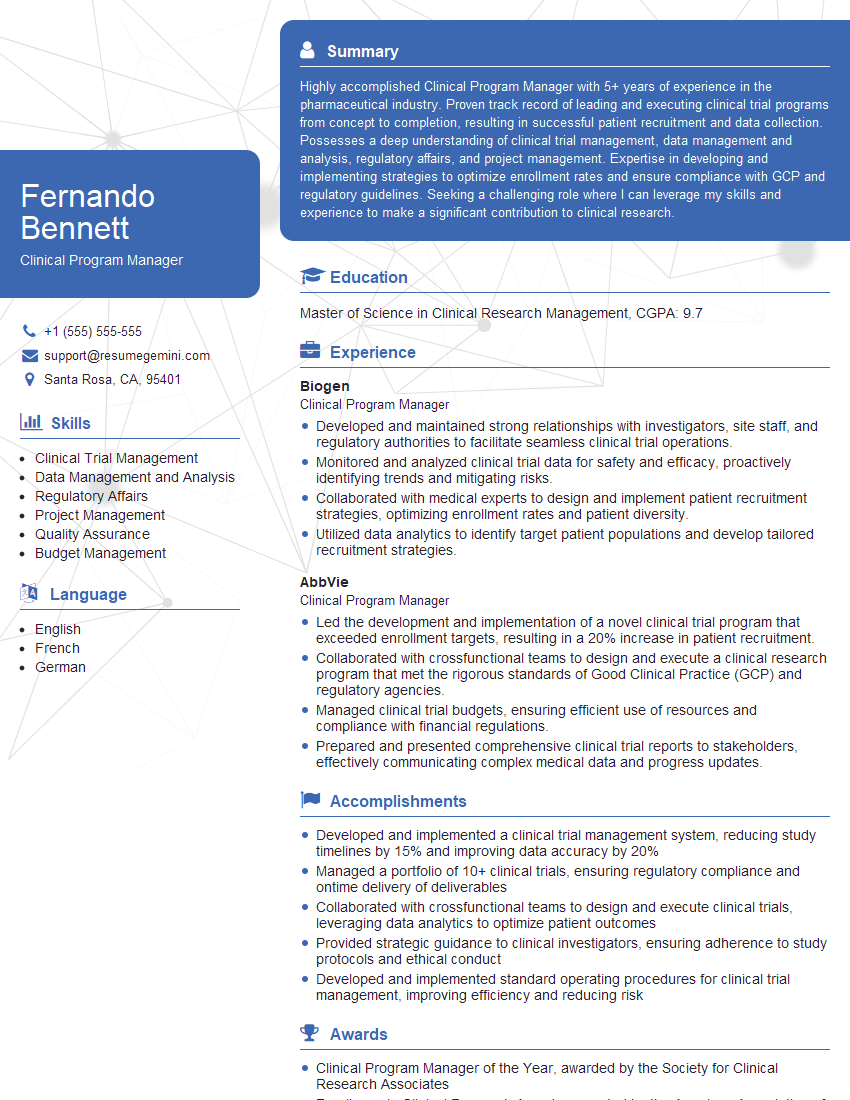
Clinical Program Manager Resume Sample
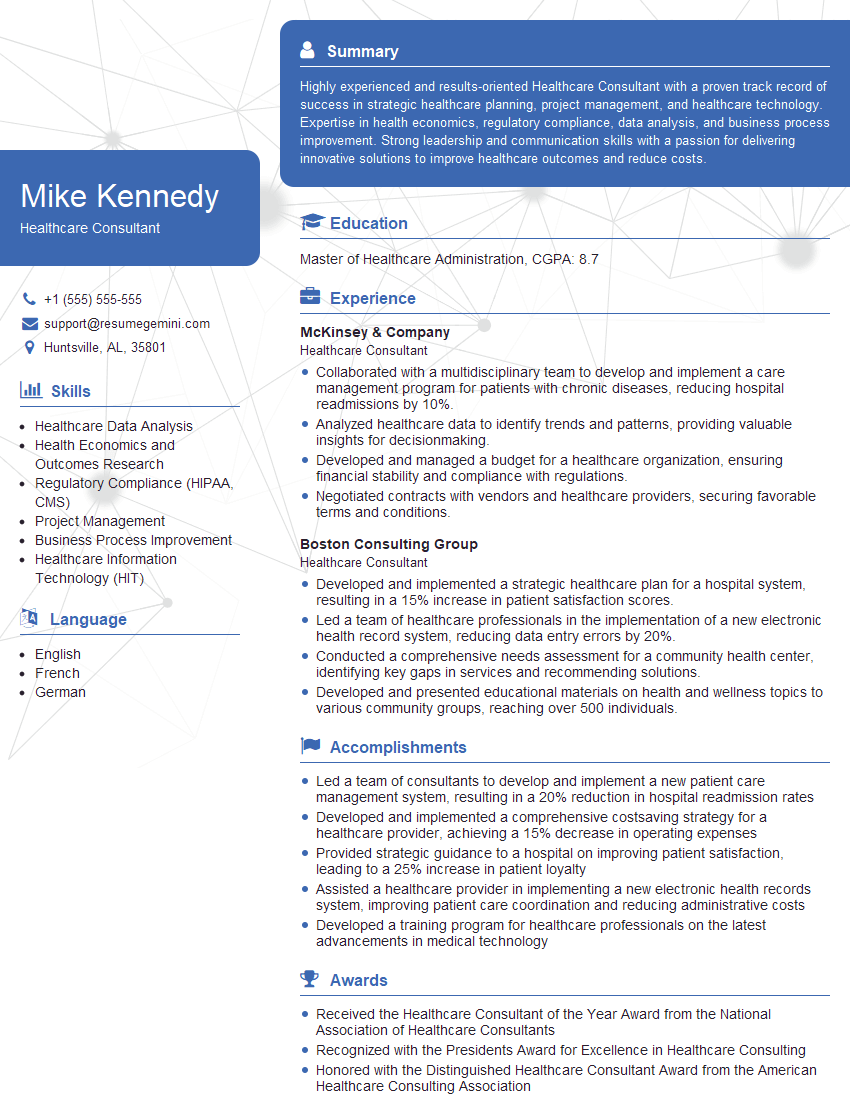
Healthcare Consultant Resume Sample
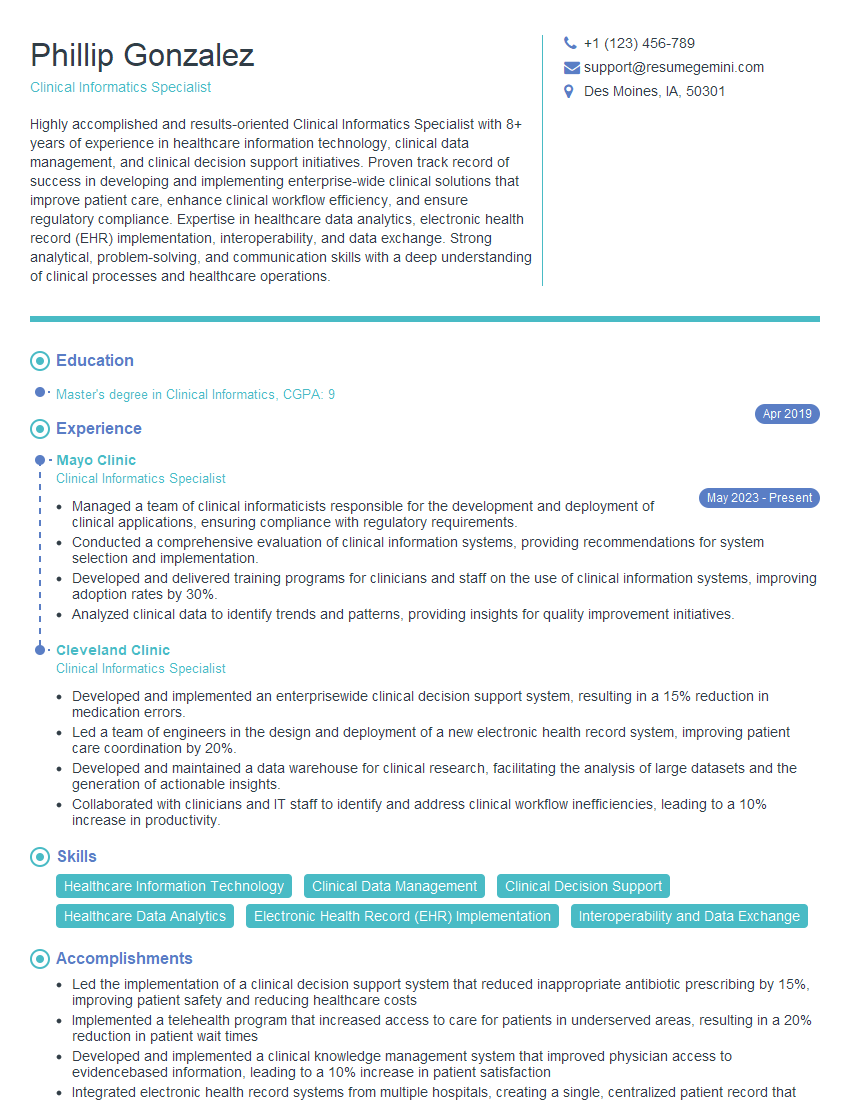
Clinical Informatics Specialist Resume Sample
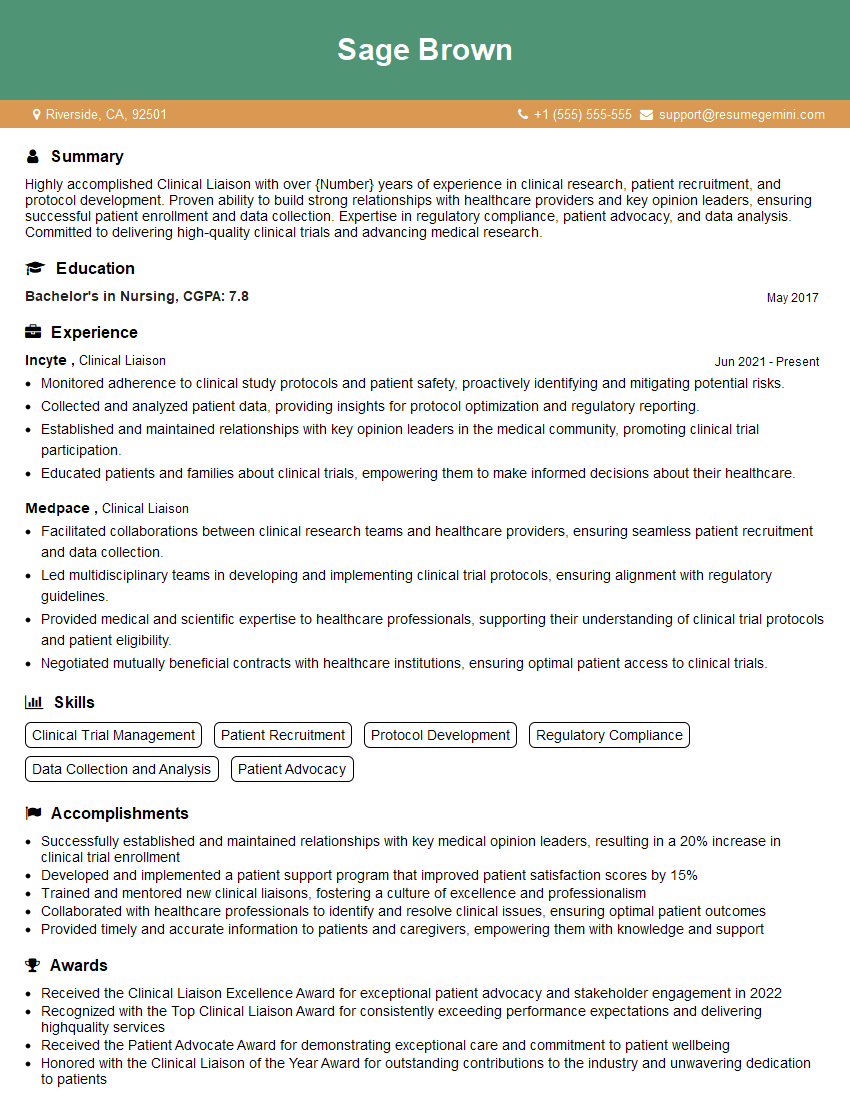
Clinical Liaison Resume Sample
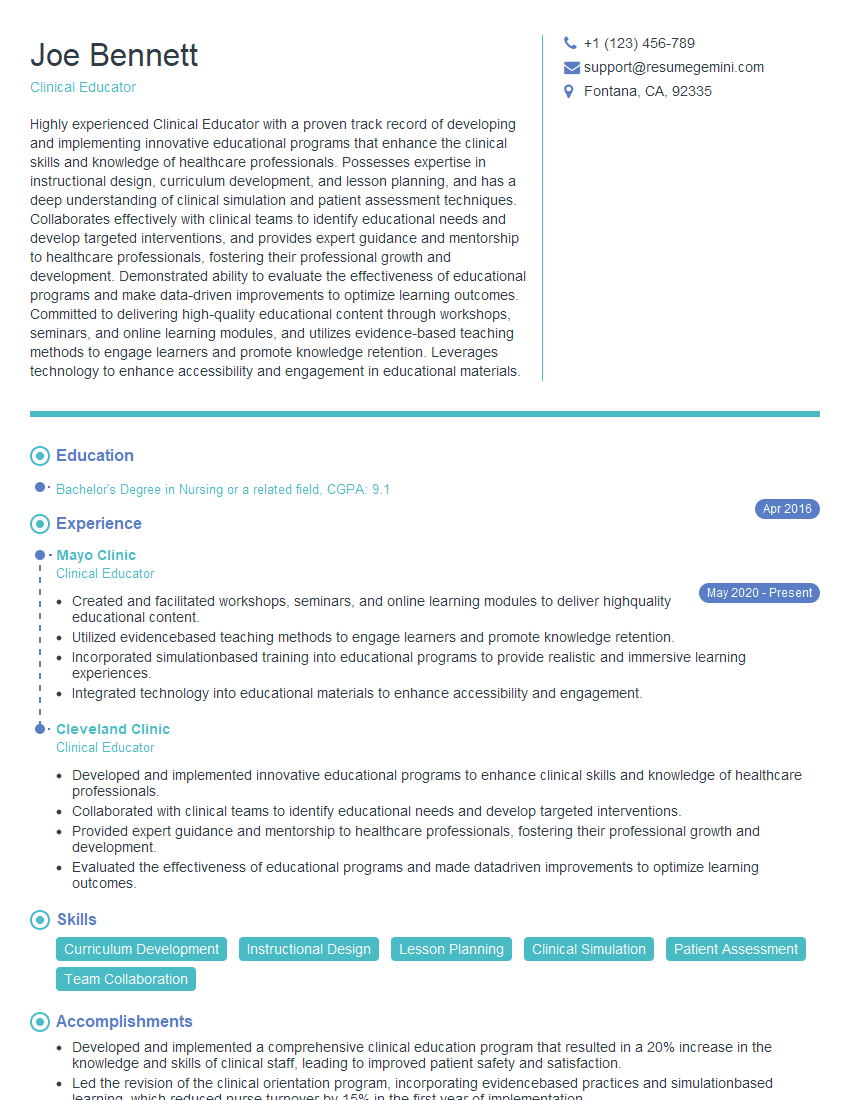
Clinical Educator Resume Sample
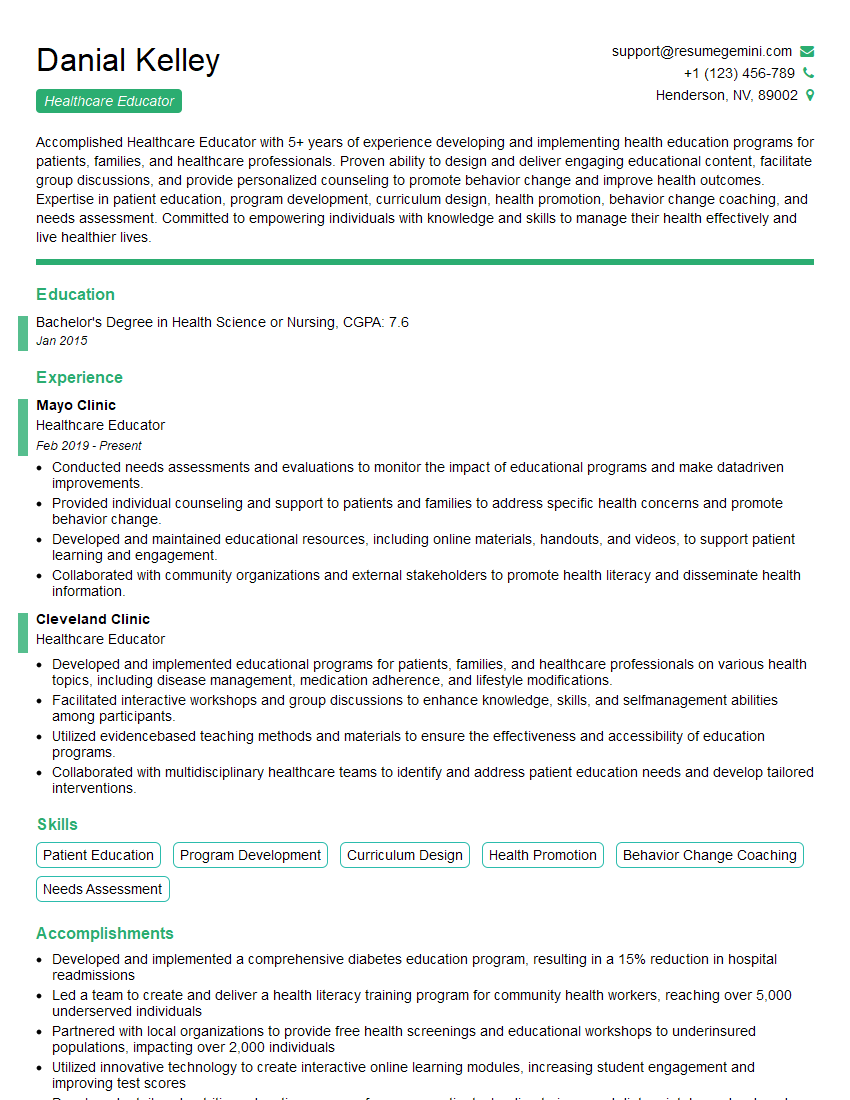
Healthcare Educator Resume Sample
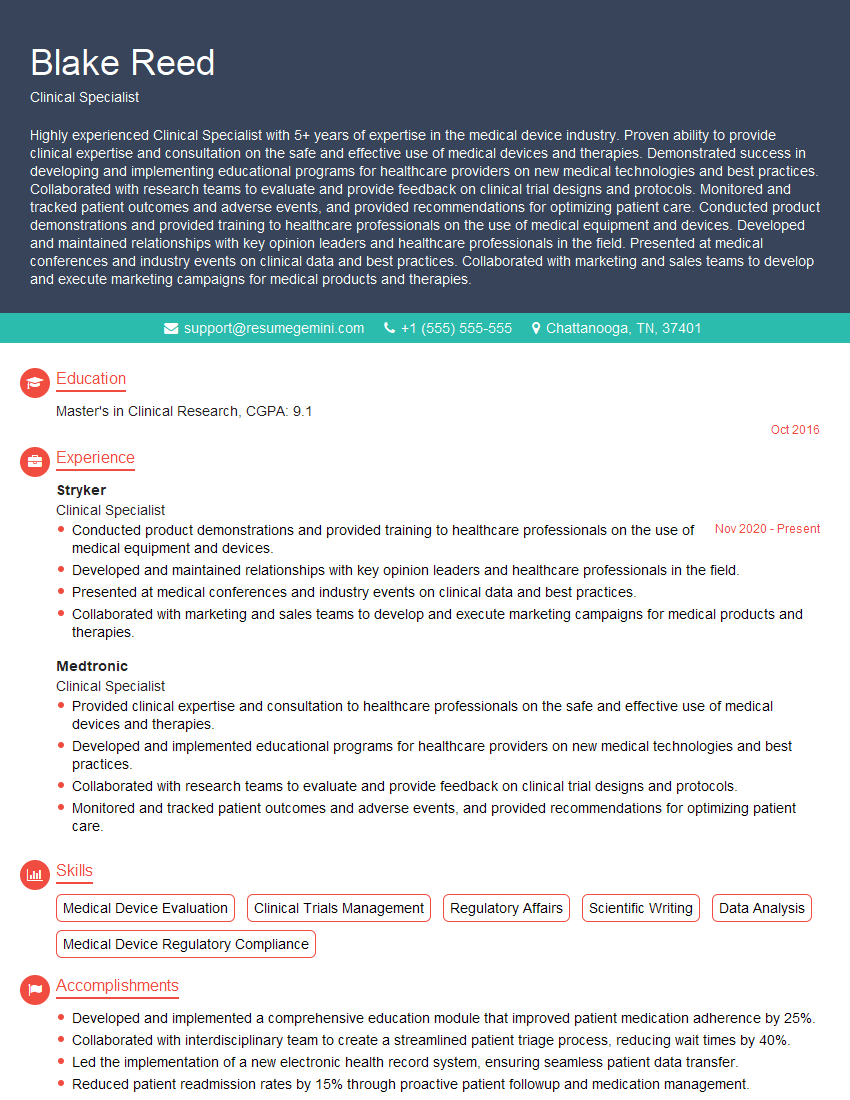
Clinical Specialist Resume Sample
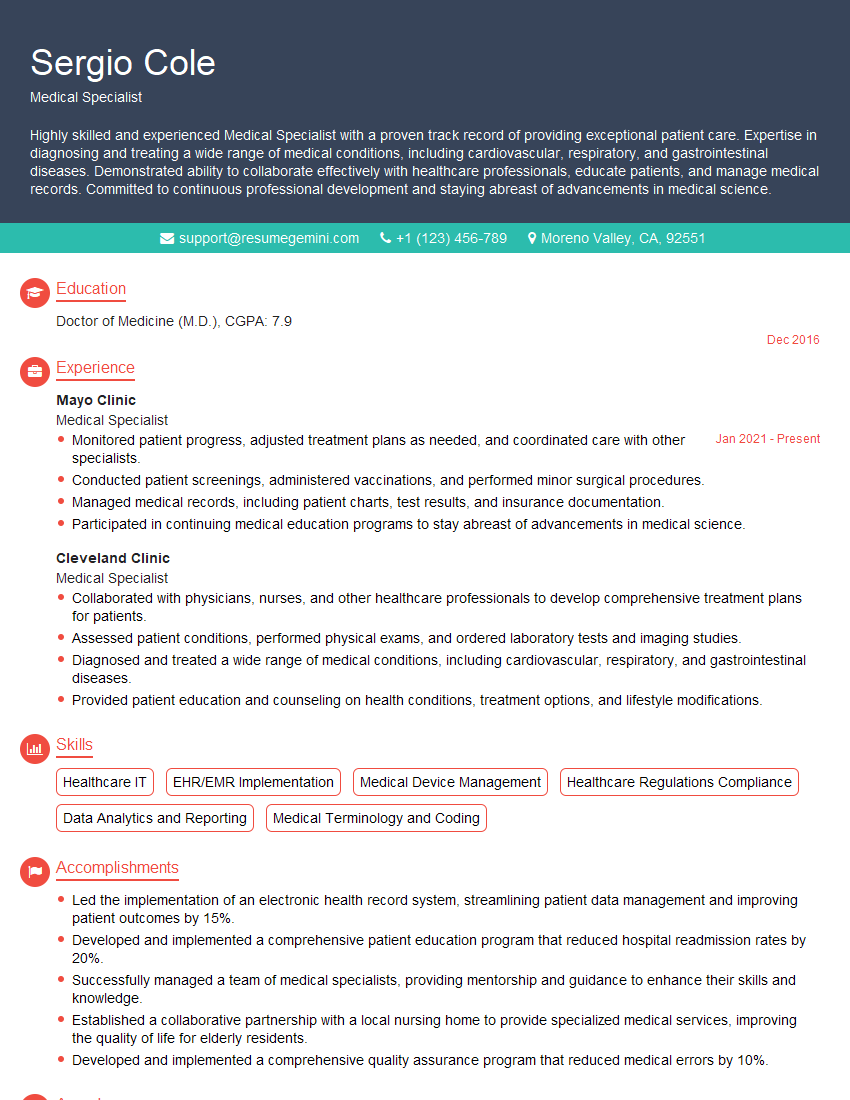
Medical Specialist Resume Sample
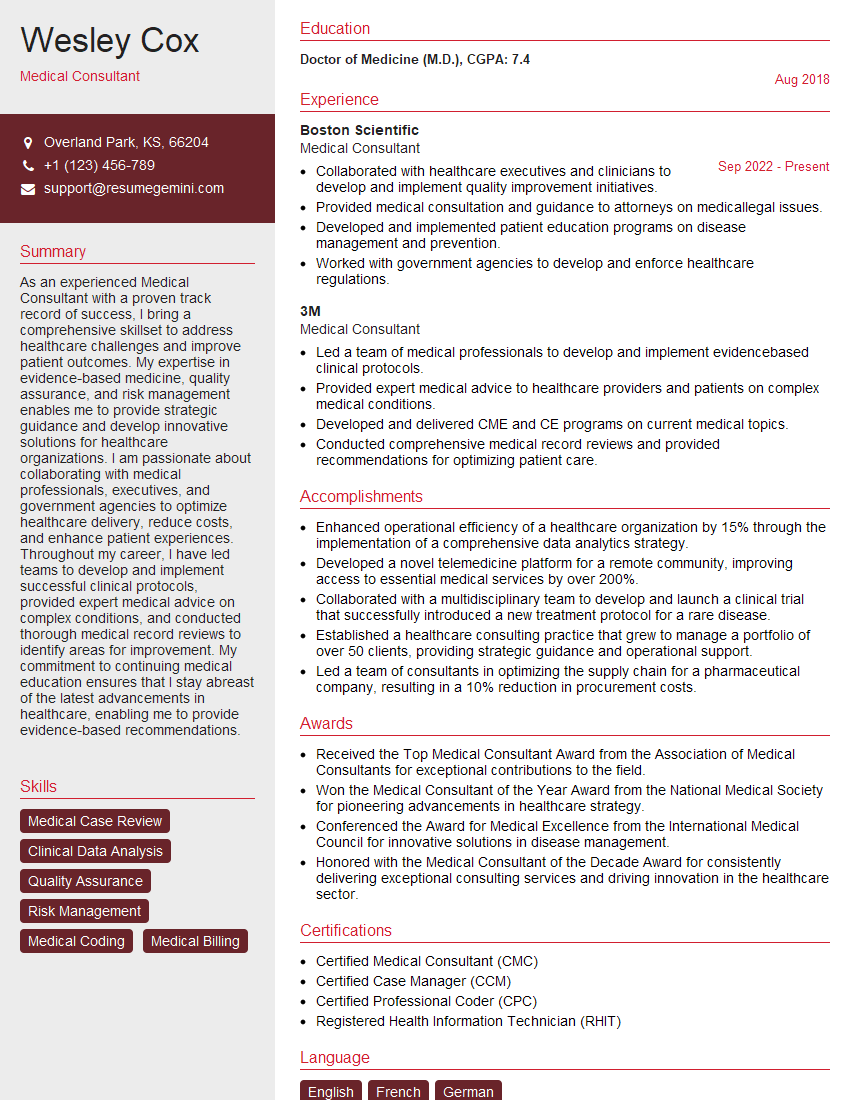
Medical Consultant Resume Sample
Explore more articles
Users Rating of Our Blogs
Share Your Experience
We value your feedback! Please rate our content and share your thoughts (optional).
What Readers Say About Our Blog
To the interviewgemini.com Webmaster.
Very helpful and content specific questions to help prepare me for my interview!
Thank you
To the interviewgemini.com Webmaster.
This was kind of a unique content I found around the specialized skills. Very helpful questions and good detailed answers.
Very Helpful blog, thank you Interviewgemini team.