Every successful interview starts with knowing what to expect. In this blog, we’ll take you through the top Consultation with Parents, Teachers, and Other Professionals interview questions, breaking them down with expert tips to help you deliver impactful answers. Step into your next interview fully prepared and ready to succeed.
Questions Asked in Consultation with Parents, Teachers, and Other Professionals Interview
Q 1. Describe your approach to building rapport with parents during consultations.
Building rapport with parents is crucial for successful consultations. My approach focuses on creating a safe and welcoming environment where parents feel heard and respected. I begin by introducing myself warmly and clearly stating the purpose of the meeting. I actively listen to their concerns, using verbal and nonverbal cues like nodding and maintaining eye contact to show attentiveness. I avoid interrupting and instead ask clarifying questions to ensure I understand their perspectives fully. For example, instead of immediately offering solutions, I might say, “So, if I understand correctly, your main concern is…” This validates their feelings and builds trust. I also strive to personalize the conversation, making connections between their child’s experiences and their own values and goals for their child’s education. This might involve asking about their child’s interests or hobbies to build a more holistic understanding of the child.
Furthermore, I make a conscious effort to communicate in clear, non-technical language, avoiding educational jargon. I use positive language focusing on strengths and areas for growth rather than solely on challenges. Finally, I always end the meeting by summarizing key points and outlining next steps, ensuring parents feel informed and empowered.
Q 2. How do you effectively communicate complex educational concepts to parents with varying levels of understanding?
Communicating complex educational concepts effectively requires adapting to the parents’ individual understanding and learning styles. I start by assessing their existing knowledge base. I gauge their familiarity with educational terminology and concepts through open-ended questions and careful listening. I avoid overwhelming them with too much information at once. Instead, I break down complex topics into smaller, manageable chunks using simple language and clear, concise explanations. For example, rather than discussing ‘differentiated instruction,’ I might explain, “We tailor the teaching methods to meet your child’s specific needs, focusing on their strengths while addressing areas where they need extra support.”
Visual aids, like charts, graphs, or even simple drawings, can be incredibly helpful in clarifying abstract concepts. I also incorporate real-life examples and analogies relevant to their child’s learning experience. For instance, if discussing reading comprehension, I might use the analogy of building a house – each sentence is a brick, and understanding the paragraph is the completed wall. Finally, I always check for understanding, using questions like “Does that make sense?” and encouraging them to ask questions throughout the discussion.
Q 3. Explain your process for identifying and addressing the root causes of student learning challenges.
Identifying the root causes of student learning challenges requires a multi-faceted approach. I begin by gathering information from multiple sources: the student themselves (when age-appropriate), teachers, parents, and any relevant educational records (IEPs, 504 plans, etc.). I use a combination of techniques including observation in the classroom (with permission), reviewing academic work, and conducting structured interviews to gather a comprehensive understanding of the challenges the student faces. The goal is not just to identify symptoms (like poor grades), but to uncover the underlying reasons for these symptoms.
This often involves exploring various factors: academic skills (e.g., reading fluency, math skills), social-emotional factors (e.g., anxiety, motivation, social skills), environmental factors (e.g., home environment, learning support at home), and learning styles. I use data-driven assessments to pinpoint specific academic weaknesses and use this information to construct a comprehensive picture of the student’s strengths and challenges. Once I’ve gathered sufficient data, I collaboratively analyze the information with teachers and parents to formulate a hypothesis regarding the root cause(s). This process forms the basis for developing effective and targeted interventions.
Q 4. How do you collaborate with teachers to develop and implement effective intervention strategies?
Collaboration with teachers is essential for creating and implementing effective interventions. I believe in a team-based approach, viewing teachers as partners rather than recipients of my recommendations. I start by establishing clear communication channels and regular meetings to discuss student progress and challenges. During these meetings, I actively listen to the teacher’s perspectives and experiences with the student, gathering their insights on teaching strategies and classroom dynamics. This collaborative approach not only ensures that the chosen interventions align with the classroom setting but also allows for shared responsibility and accountability.
The intervention strategies we develop are always data-driven, reflecting the student’s unique needs. We document specific, measurable, achievable, relevant, and time-bound (SMART) goals, regularly monitoring progress and adapting strategies as needed. We might collaboratively develop a behavior management plan, a modified curriculum, or implement specific instructional techniques. Consistent communication and regular feedback loops between the teacher and me ensure that adjustments are made in a timely manner, maximizing the effectiveness of the intervention plan.
Q 5. Describe a time you had to mediate a conflict between parents and teachers. What was your approach?
In one instance, I had to mediate a conflict between parents who felt their child was unfairly graded and the teacher who believed the grading was accurate. The parents were highly emotional, expressing frustration and distrust in the teacher’s assessment. The teacher, while maintaining professionalism, felt their authority and expertise were being challenged. My approach began by creating a safe space for everyone to express their perspectives without interruption. I actively listened to each side, acknowledging their feelings and validating their concerns. This involved summarizing their points to ensure mutual understanding.
Next, I focused on facilitating a constructive dialogue, encouraging both parties to see the situation from each other’s perspective. For example, I helped the parents understand the teacher’s grading rubric and the teacher to acknowledge the parents’ concerns regarding their child’s effort. I didn’t attempt to judge who was right or wrong but rather emphasized finding a common ground. We reviewed the student’s work together, focusing on specific examples of the grading and discussing strategies to improve the student’s understanding and performance. Finally, we collaboratively developed a plan for ongoing communication and monitoring of the student’s progress, emphasizing mutual respect and understanding.
Q 6. How do you handle situations where parents disagree with your recommendations?
When parents disagree with my recommendations, I approach the situation with empathy and respect. I begin by actively listening to their concerns and validating their feelings. I avoid becoming defensive, instead attempting to understand their perspective and the reasons behind their disagreement. This might involve exploring their values, concerns about the potential impact on their child, or their past experiences with similar situations. I then work to collaboratively find common ground, seeking areas of agreement and highlighting the shared goal of supporting their child’s success.
I might revise the recommendations, perhaps offering alternative approaches that address their concerns. I may also provide additional information or clarify any misunderstandings. If agreement still cannot be reached, I emphasize that the ultimate decision rests with the parents while offering continued support and alternative avenues to help their child. This process is about empowering parents to make informed choices while ensuring they understand the rationale behind the recommendations. I document the entire process, including the parents’ concerns, my recommendations, any modifications made, and the final decisions reached, emphasizing transparency and collaboration throughout the process.
Q 7. What strategies do you use to ensure confidentiality and ethical practices in your consultations?
Maintaining confidentiality and ethical practices is paramount in my work. I strictly adhere to all relevant legal and professional guidelines regarding data privacy and confidentiality. This includes only accessing and sharing information with individuals who have a legitimate educational need to know. Before any consultation begins, I clearly communicate my confidentiality policy to parents, explaining what information will be shared and with whom. I obtain informed consent before discussing any information that might be considered sensitive or private.
I utilize secure systems for storing and transmitting sensitive information. All student records are handled according to district policies and FERPA regulations. In situations where I’m faced with ethical dilemmas, like suspected child abuse or neglect, I follow mandated reporting procedures, prioritizing the safety and well-being of the child. I always strive to maintain objectivity and impartiality, ensuring that my professional judgment is not influenced by personal biases or conflicts of interest. My professional conduct is guided by a commitment to fairness, honesty, and respect for all individuals involved.
Q 8. How do you tailor your communication style to meet the individual needs of parents and teachers?
Tailoring communication is crucial for effective consultation. I adapt my style based on the individual’s communication preferences, understanding that parents and teachers have diverse backgrounds and experiences.
For example, with a parent who prefers concise information, I’ll use bullet points and summaries, focusing on key concerns and actionable steps. With a teacher who appreciates detailed analysis, I’ll provide more in-depth reports and data-driven insights. I actively listen to understand their communication style, mirroring their tone and pace to build rapport and ensure they feel heard and understood. This might involve using less formal language with some parents, and more formal, professional language with others, always maintaining respect and professionalism. I also adjust the level of technical jargon used, ensuring clarity for all participants.
I might start a conversation with a teacher by saying something like, “I’ve reviewed the student’s recent work, and I’d love to discuss some strategies to further support their progress,” while with a parent I might start with, “How is your child doing outside of school, and what are you seeing at home?” This helps me establish a strong collaborative relationship.
Q 9. How familiar are you with various learning disabilities and their impact on student learning?
I have extensive familiarity with a wide range of learning disabilities, including dyslexia, dysgraphia, dyscalculia, ADHD, autism spectrum disorder (ASD), and others. Understanding these disabilities is fundamental to providing effective consultations. My knowledge extends beyond simple definitions; I understand their varied presentations, the impact they have on different academic areas, and the associated emotional and social challenges students may face.
For instance, I understand that dyslexia impacts reading fluency and comprehension, while dysgraphia affects writing skills. Recognizing these specific challenges allows me to collaboratively develop strategies with parents and teachers to support students’ individual needs. I’m also aware of the co-occurrence of learning disabilities, such as a student having both ADHD and dyslexia, which necessitates a holistic approach in consultation.
My understanding is informed by ongoing professional development and a deep engagement with current research on learning differences.
Q 10. Describe your experience with Individualized Education Programs (IEPs) or 504 plans.
I possess considerable experience working with Individualized Education Programs (IEPs) and 504 plans. I understand the legal requirements and processes involved in developing, implementing, and monitoring these plans. This includes understanding the different components, such as present levels of performance (PLP), goals, accommodations, and modifications.
In my experience, I’ve collaborated with IEP and 504 teams, including parents, teachers, administrators, specialists (such as psychologists and occupational therapists), and the student (when appropriate) to create comprehensive and effective plans. I can facilitate meetings, ensure all parties’ voices are heard, and help to translate complex educational terminology into easily understood language.
I’ve also assisted in tracking progress toward IEP goals, analyzing data to make informed adjustments to the plan as needed, and advocating for students’ access to appropriate resources and support. For example, I once helped a team revise a student’s IEP to include additional support for executive functioning skills after reviewing data showing persistent challenges with organizational tasks.
Q 11. How do you assess a student’s strengths and weaknesses to inform consultation recommendations?
Assessing a student’s strengths and weaknesses involves a multi-faceted approach. I use a combination of methods, including reviewing academic records (grades, standardized test scores, classroom work), observing student behavior in the classroom or during other activities, and utilizing formal and informal assessments (such as teacher-created tests, curriculum-based measurements, and observations). I also heavily value input from parents and teachers regarding their observations of the student.
For example, I might review a student’s writing samples to identify strengths in vocabulary and creativity, but also weaknesses in organization and grammar. I might then observe the student during a classroom activity to assess their attention span and participation level. This information, combined with teacher and parental feedback, provides a comprehensive profile of the student’s learning characteristics and areas needing support. I then use this data to inform targeted recommendations for interventions and support strategies that build on the student’s strengths while addressing their weaknesses.
Q 12. Explain your understanding of different parenting styles and how they influence student success.
My understanding of parenting styles, such as authoritative, authoritarian, permissive, and uninvolved, is critical in my work. I recognize how these styles can significantly impact a student’s academic success, social-emotional development, and overall well-being.
For example, authoritative parenting, characterized by high warmth and high control, is often associated with positive outcomes, as children in these environments receive both support and clear expectations. Conversely, uninvolved parenting, marked by low warmth and low control, can negatively impact students’ motivation and achievement.
During consultations, I avoid judgment and aim to understand the context of each family’s situation. I acknowledge that parents’ approaches are often shaped by their own experiences, cultural background, and available resources. My goal is to collaboratively explore strategies to support positive parent-child interactions and create a home environment that fosters learning and growth. I often use research-based information and resources to inform parents about the effects of different parenting strategies on their children’s development.
Q 13. How do you utilize data to inform your consultations and track student progress?
Data is essential for informing my consultations and tracking student progress. I utilize various data sources, including academic transcripts, standardized test scores, classroom assessments, attendance records, and behavioral data. I also collect data through direct observation and parent and teacher feedback.
I analyze this data to identify trends and patterns in student performance, and to determine the effectiveness of interventions. For example, I might track a student’s reading fluency scores over time to assess their progress in response to specific reading interventions. I might also analyze classroom behavior data to identify patterns of disruptive behavior and develop strategies to improve the student’s classroom behavior.
This data-driven approach ensures that consultations are targeted and effective, and that progress is closely monitored. I present the data clearly to parents and teachers, using graphs and charts to illustrate trends and support my recommendations.
Q 14. How do you ensure that your consultations are culturally sensitive and responsive to diverse family backgrounds?
Cultural sensitivity and responsiveness are paramount in my consultations. I acknowledge that families come from diverse backgrounds with unique cultural values, beliefs, and communication styles. I strive to create a safe and inclusive space where all voices are valued and respected.
I achieve this by actively seeking to understand the family’s cultural context, their perspectives, and their expectations for their child’s education. I avoid making assumptions, and instead engage in open-ended questions to encourage dialogue and ensure I’m fully understanding their viewpoints. I also use culturally relevant examples and materials when applicable, and am mindful of potential language barriers.
For example, I might adapt my communication style to reflect the family’s preferred communication style, use a translator when necessary, and seek input from community members or cultural experts as needed. I also prioritize building trust and rapport by demonstrating respect for their beliefs and practices.
Q 15. Describe your experience working with diverse populations of students and families.
Throughout my career, I’ve had the privilege of working with incredibly diverse student populations and their families, encompassing various cultural backgrounds, socioeconomic statuses, and learning styles. This diversity has enriched my understanding of the multifaceted factors influencing a child’s educational journey. For instance, I’ve worked with families who are recent immigrants navigating a new school system, families facing economic hardship, and families with children who have diverse learning needs, including gifted students and students with disabilities. Understanding each family’s unique context is paramount to effective consultation.
My approach involves actively listening to their perspectives, respecting their cultural beliefs and practices, and tailoring my communication style to foster trust and open dialogue. I actively seek to understand the family’s strengths and resources, recognizing them as valuable partners in their child’s education. For example, with a family from a collectivist culture, I might adapt my communication to encourage family-based problem-solving and incorporate extended family members in our discussions. Conversely, with a family that values independence, I might emphasize strategies that empower the child to take ownership of their learning.
Career Expert Tips:
- Ace those interviews! Prepare effectively by reviewing the Top 50 Most Common Interview Questions on ResumeGemini.
- Navigate your job search with confidence! Explore a wide range of Career Tips on ResumeGemini. Learn about common challenges and recommendations to overcome them.
- Craft the perfect resume! Master the Art of Resume Writing with ResumeGemini’s guide. Showcase your unique qualifications and achievements effectively.
- Don’t miss out on holiday savings! Build your dream resume with ResumeGemini’s ATS optimized templates.
Q 16. What resources do you recommend to parents seeking support for their child’s educational needs?
Parents seeking support for their child’s educational needs have access to a wealth of resources. The best recommendation often involves a multi-pronged approach.
- School Resources: Begin by connecting with the school’s special education staff, guidance counselors, or learning support specialists. They can provide assessments, individualized education programs (IEPs), and access to in-school support services.
- Community Organizations: Many communities offer non-profit organizations and support groups dedicated to education, child development, or specific learning differences. These organizations often provide workshops, mentoring, and resources tailored to diverse family needs.
- Online Resources: Reputable websites and online platforms offer valuable information and resources on various aspects of education and child development. However, it’s crucial to verify the credibility and reliability of online sources.
- Professional Therapists and Specialists: For children with more complex needs, consulting with educational psychologists, speech-language pathologists, or occupational therapists can be beneficial. These professionals can provide comprehensive assessments and targeted interventions.
It’s crucial to emphasize that finding the right resource often involves a collaborative process. I encourage parents to start by discussing their concerns with their child’s teacher and school administrator to identify the best pathway to support their child.
Q 17. How do you navigate challenging family dynamics that impact a child’s learning?
Navigating challenging family dynamics requires sensitivity, empathy, and a strong understanding of family systems theory. It’s critical to avoid taking sides and instead focus on the child’s educational well-being. I employ several strategies:
- Individual Meetings: Meeting with parents individually before joint meetings can help identify each parent’s perspectives and concerns, fostering a more productive group discussion later.
- Active Listening and Validation: Showing empathy and understanding towards each family member’s feelings, even if they are in conflict, creates a safer space for communication. I strive to validate each person’s experience without necessarily agreeing with their actions or perspectives.
- Focus on Solutions: I guide conversations towards collaborative problem-solving, focusing on strategies that improve the child’s learning and overall well-being, rather than dwelling on conflicts.
- Referral to Family Therapy: In cases of severe family conflict significantly affecting the child’s learning, I would strongly recommend family therapy as a means to address underlying issues and promote healthier family dynamics.
The goal is to create a collaborative environment where parents can work together, despite their differences, to support their child’s education. Remember, the child is the central focus, and all efforts should be aimed at improving their academic success and overall development.
Q 18. Describe a situation where you had to adapt your consultation style to meet a specific family’s needs.
I once worked with a family where the parents spoke limited English, and the child was struggling with reading comprehension. My initial approach, relying heavily on written reports and formal meetings, proved ineffective. I recognized the need to adapt. I arranged for a translator to facilitate our communication and incorporated visual aids like pictures and diagrams to help convey information more clearly. I also scheduled meetings at times convenient for the family, considering their work schedules and cultural norms.
Furthermore, I involved the child more directly in the process, utilizing techniques like drawing and storytelling to assess their learning style and comprehension. This adaptable approach resulted in improved communication, a stronger collaborative relationship with the family, and ultimately, positive progress in the child’s reading skills. This experience highlighted the importance of tailoring consultation strategies to the unique needs and cultural contexts of each family.
Q 19. How do you maintain professional boundaries while building strong relationships with parents and teachers?
Maintaining professional boundaries while building strong relationships with parents and teachers is a delicate balance. It’s about establishing trust while preserving the professional nature of the interaction. I achieve this by:
- Clear Communication of Roles and Responsibilities: I clearly outline my role as a consultant and the limitations of my expertise, emphasizing the collaborative nature of the process. I clarify the roles of parents and teachers, encouraging them to contribute their expertise.
- Confidentiality: I maintain strict confidentiality regarding information shared during consultations, respecting the privacy of all individuals involved.
- Professional Demeanor: While maintaining a warm and approachable manner, I ensure my interactions remain professional. This includes appropriate language, dress, and punctuality.
- Avoiding Dual Relationships: I avoid social relationships outside of the professional consultation to prevent any conflict of interest or blurring of boundaries.
- Regular Self-Reflection: I regularly reflect on my interactions, ensuring my boundaries remain intact and my approach remains ethically sound.
Building a strong relationship does not mean becoming a friend. It is about mutual respect, trust, and a shared commitment to the child’s success.
Q 20. What are your strategies for managing time effectively during consultations and follow-ups?
Effective time management during consultations and follow-ups is crucial for maintaining efficiency and providing quality service. I employ several strategies:
- Structured Agenda: I create a clear agenda for each consultation, outlining the topics to be discussed and allocating specific time slots for each. This ensures we stay focused and achieve our objectives within the allotted time.
- Time Blocking: I use a scheduling system that blocks out specific time slots for consultations, follow-ups, and administrative tasks. This helps me manage my workload effectively and minimizes scheduling conflicts.
- Efficient Communication: I use concise and focused communication, avoiding unnecessary digressions. I also utilize email and other digital tools for efficient communication between consultations.
- Prioritization: I prioritize tasks based on urgency and importance, focusing on activities that directly contribute to the success of the consultations and follow-up actions.
- Regular Review and Adjustment: I regularly review my scheduling and time management strategies to identify areas for improvement and adjust my approach as needed.
By employing these strategies, I ensure that I allocate sufficient time for each consultation and follow-up, minimizing delays and maximizing the effectiveness of my services.
Q 21. How do you prioritize competing demands and manage multiple cases simultaneously?
Managing multiple cases simultaneously requires organization, prioritization, and efficient workflow management. I use a combination of strategies:
- Case Management System: I utilize a comprehensive case management system to organize client information, track progress, and schedule appointments. This might involve using a digital calendar, a database, or a dedicated case management software.
- Prioritization Matrix: I utilize a prioritization matrix (like the Eisenhower Matrix—urgent/important) to categorize cases based on urgency and importance. This helps me focus on the most critical cases first and allocate resources effectively.
- Delegation (When Applicable): If possible, I delegate tasks that can be handled by others, such as administrative duties or data entry, to free up time for direct client work.
- Regular Review and Adjustment: I regularly review my caseload and adjust my workload as needed. This ensures I don’t become overwhelmed and maintain a sustainable pace.
- Self-Care: Finally, I prioritize self-care activities to prevent burnout and maintain my effectiveness. This includes adequate rest, exercise, and activities that help me de-stress.
Juggling multiple cases effectively requires a proactive and organized approach. By implementing these strategies, I ensure I am providing high-quality services to all my clients without compromising my own well-being.
Q 22. Describe your proficiency in using technology to facilitate parent-teacher communication.
I’m highly proficient in using technology to enhance parent-teacher communication. My approach is multifaceted and adapts to the preferences and technological literacy of the parents involved. I utilize a variety of tools, including:
School communication platforms: I’m adept at using platforms like ClassDojo, Remind, or Seesaw to share updates, announcements, and assignments. I use these platforms to send targeted messages to parents, ensuring they receive only relevant information.
Email and scheduling tools: Email remains a core communication tool, and I utilize scheduling tools like Calendly to streamline appointment setting for consultations.
Video conferencing: Platforms like Zoom or Google Meet are invaluable for conducting virtual consultations, especially for parents who have scheduling constraints or geographical limitations. I’m skilled at making these virtual sessions engaging and productive.
Learning Management Systems (LMS): I leverage LMS platforms like Canvas or Moodle to share resources, track student progress, and provide parents with insights into their child’s learning journey. I always ensure the information presented is clear and user-friendly.
For instance, I recently used Seesaw to showcase a student’s art project to their parents, fostering a sense of pride and highlighting their learning achievements. The visual platform proved far more engaging than a simple email update.
Q 23. How do you document consultation sessions and share information with relevant parties?
Documentation and information sharing are crucial for effective consultation. My process involves several key steps:
Detailed notes: Immediately after each consultation, I create comprehensive notes that capture key discussion points, action items, and agreements made. This includes documenting parent concerns, observations shared by teachers, and collaboratively devised strategies for support.
Secure storage: These notes are stored securely in accordance with school and district regulations, often using password-protected electronic files or secure physical filing systems.
Summary reports: I prepare concise summary reports, summarizing key findings and recommendations from the consultation. This ensures consistency in information relayed to all relevant parties.
Information sharing: I distribute relevant information selectively, ensuring confidentiality is maintained. For example, a summary of the consultation focusing on academic needs may be shared with the school counselor, whereas information concerning behavioral issues may be shared with the school psychologist. I obtain appropriate consent before sharing any personal information.
Follow-up communication: I send follow-up emails or messages to both parents and teachers to confirm action items and ensure everyone is on the same page.
Imagine a situation where a student is struggling with reading. My notes would include details of the student’s current reading level, strategies discussed with the teacher and parents, agreed-upon homework support, and a follow-up timeline for monitoring progress.
Q 24. What are your strategies for promoting parent involvement in their child’s education?
Promoting parent involvement is paramount to student success. My strategies are designed to be inclusive and cater to diverse family circumstances:
Open communication: I foster a welcoming environment where parents feel comfortable asking questions and sharing concerns without judgment. Regular communication, including newsletters, emails, and parent-teacher conferences, keeps parents informed and involved.
Meaningful opportunities: I offer various opportunities for participation, such as volunteering in the classroom, attending workshops on parenting or educational topics, and participating in school events. These activities create a sense of community and shared responsibility.
Personalized communication: I tailor my communication style to suit each parent’s needs and preferences. Some parents prefer face-to-face interactions, while others may prefer email or phone calls. I ensure everyone feels heard and respected.
Parent education: I provide resources and information to help parents understand their child’s learning style, developmental milestones, and educational goals. This empowers them to support their child’s learning effectively at home.
Celebrating successes: Highlighting student achievements and progress reinforces the positive impact of parental involvement and encourages continued engagement.
For instance, I once organized a workshop on effective study skills for parents, which was incredibly well-received. This practical approach demonstrated my commitment to collaborative learning.
Q 25. How do you measure the effectiveness of your consultations?
Measuring the effectiveness of consultations is crucial for continuous improvement. My approach uses a combination of quantitative and qualitative measures:
Student progress: Tracking student achievement through assessments, grades, and teacher observations helps evaluate whether the agreed-upon strategies are having a positive impact. Improved grades or test scores in a subject area, for example, would indicate effectiveness.
Parent feedback: I solicit feedback from parents through surveys or informal conversations to gauge their satisfaction with the consultation process and whether their concerns were addressed adequately. This offers valuable insights into the effectiveness of communication and support.
Teacher feedback: I also seek feedback from teachers about the implementation of strategies and the overall impact on the student’s learning and behavior in the classroom.
Follow-up meetings: Scheduling follow-up meetings provides a platform to assess progress, adjust strategies as needed, and celebrate successes. This iterative approach ensures continuous improvement.
By using a multi-faceted approach, I can get a holistic understanding of the effectiveness of my consultations and refine my practices accordingly.
Q 26. How would you handle a situation where a parent is emotionally distressed during a consultation?
Handling emotionally distressed parents requires empathy, patience, and a structured approach:
Validate their feelings: The first step is to acknowledge and validate the parent’s emotions. Using phrases like “I understand this must be difficult for you” or “I can see how upset you are” shows empathy and creates a safe space.
Active listening: I focus on actively listening to understand their perspective and concerns without interruption. This allows me to build rapport and gain a clearer understanding of the situation.
Create a calm environment: I ensure the setting is conducive to a calm conversation. This might involve offering a drink of water or adjusting the seating arrangement.
Collaborate on solutions: Once the parent feels heard and understood, I collaboratively work with them to identify potential solutions and strategies to address their concerns.
Referrals if needed: If the distress is severe or ongoing, I may suggest seeking support from a counselor, therapist, or other appropriate professional. This ensures the parent receives the necessary help.
For example, if a parent is overwhelmed by their child’s behavioral challenges, I might suggest a referral to a family therapist while simultaneously providing practical strategies they can implement at home.
Q 27. Describe your understanding of legal and ethical considerations related to parent-teacher consultation.
Legal and ethical considerations are paramount in parent-teacher consultations. My practice is guided by:
Confidentiality: I maintain strict confidentiality, sharing only necessary information with relevant parties and obtaining consent whenever appropriate. Student privacy is a top priority.
Data privacy: I comply with all relevant data privacy laws and regulations, ensuring that sensitive student information is protected.
Informed consent: Parents must provide informed consent before any information is shared with other professionals. They need to understand what information is being shared and with whom.
Cultural sensitivity: I am aware of and sensitive to the cultural backgrounds and beliefs of all families I work with and I adapt my approach accordingly to ensure inclusivity and respect.
Fairness and impartiality: I strive to maintain fairness and impartiality in my interactions with all parties. I avoid making biased judgments and ensure decisions are based on objective observations and data.
Professional boundaries: I maintain professional boundaries in my interactions with parents and teachers, avoiding conflicts of interest and inappropriate relationships.
Understanding and adhering to these principles ensures ethical and legally sound practice.
Q 28. How do you stay current with best practices in parent-teacher consultation and related fields?
Staying current with best practices is crucial in this ever-evolving field. My professional development strategy includes:
Professional development courses: I actively participate in workshops, conferences, and online courses focused on effective parent-teacher communication, child development, and educational best practices. This ensures I stay updated on new methodologies and research.
Reading professional journals: I regularly read professional journals and publications related to education, child psychology, and family studies. This provides insights into the latest research and trends in the field.
Networking with colleagues: I participate in professional networks and collaborate with colleagues to share experiences, best practices, and challenges. This collaborative environment fosters continuous improvement.
Mentorship: I seek mentorship from experienced professionals in the field to learn from their expertise and gain valuable insights.
By proactively engaging in these activities, I ensure my skills and knowledge remain current and relevant, allowing me to provide the best possible support to students, parents, and teachers.
Key Topics to Learn for Consultation with Parents, Teachers, and Other Professionals Interview
- Effective Communication Strategies: Mastering active listening, clear articulation, and non-verbal communication to build rapport and trust.
- Building Collaborative Partnerships: Understanding the roles and perspectives of parents, teachers, and other professionals, and fostering a collaborative approach to support student success.
- Addressing Sensitive Issues with Diplomacy and Empathy: Developing strategies for handling challenging conversations and difficult situations with sensitivity and professionalism.
- Data-Driven Decision Making: Utilizing student data and assessments to inform consultations and develop effective intervention strategies. This includes interpreting and presenting data clearly and concisely.
- Confidentiality and Ethical Considerations: Understanding and adhering to ethical guidelines and legal requirements related to confidentiality and data privacy.
- Problem-solving and Conflict Resolution: Developing and applying strategies for resolving conflicts and finding mutually acceptable solutions in collaborative settings.
- Cultural Competence and Sensitivity: Recognizing and respecting diverse cultural backgrounds and communication styles when working with parents and other professionals.
- Advocacy and Support: Understanding how to effectively advocate for students’ needs and provide appropriate support to parents and other professionals.
- Documentation and Record Keeping: Maintaining accurate and comprehensive records of consultations and interventions.
Next Steps
Mastering the art of consultation with parents, teachers, and other professionals is crucial for career advancement in education and related fields. It demonstrates essential skills in communication, collaboration, and problem-solving, highly valued by employers. To significantly enhance your job prospects, focus on crafting an ATS-friendly resume that highlights these skills effectively. ResumeGemini is a trusted resource that can help you build a professional and impactful resume. We offer examples of resumes tailored to showcase experience in Consultation with Parents, Teachers, and Other Professionals to guide you in the process.
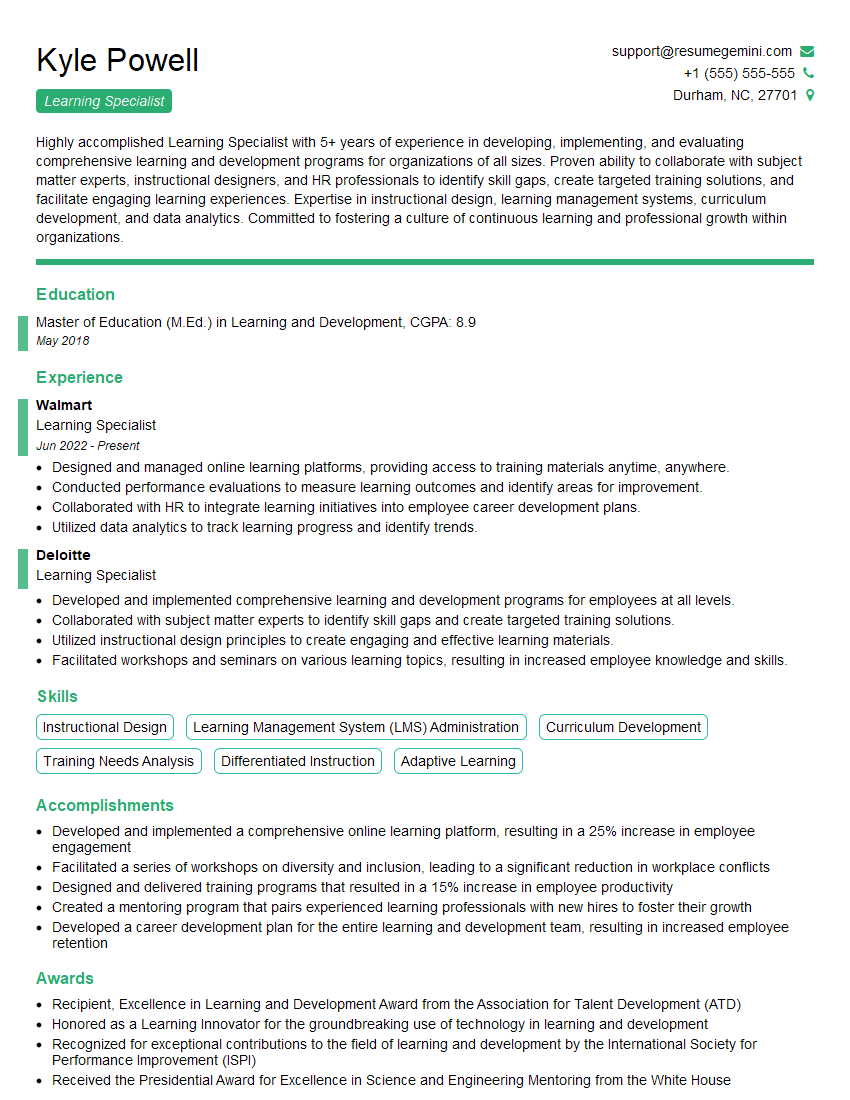
Learning Specialist Resume Sample
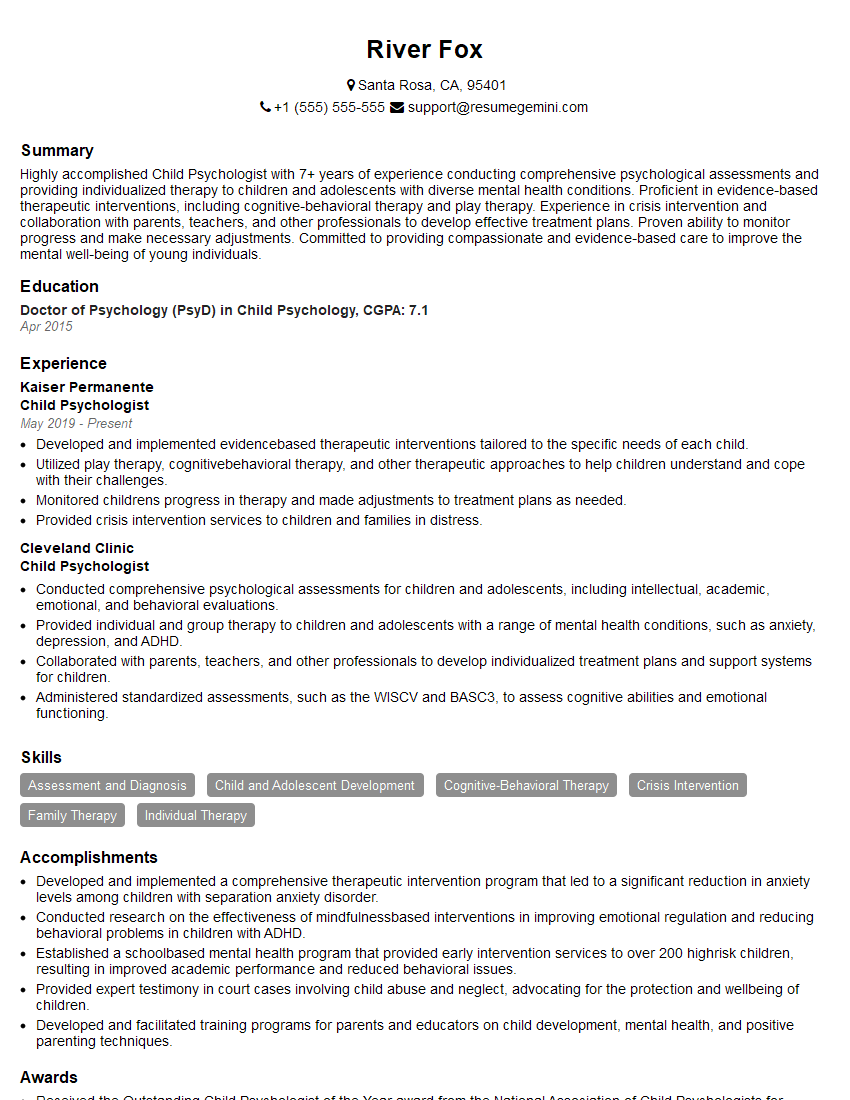
Child Psychologist Resume Sample
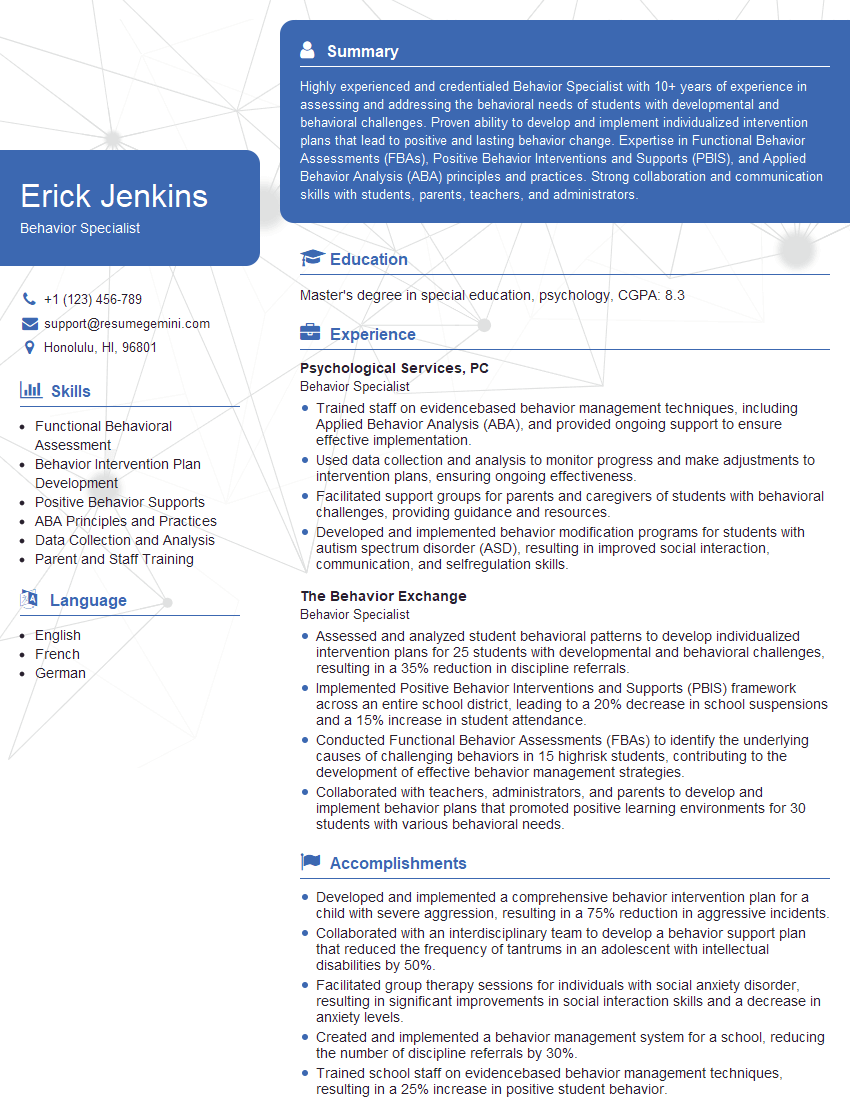
Behavior Specialist Resume Sample
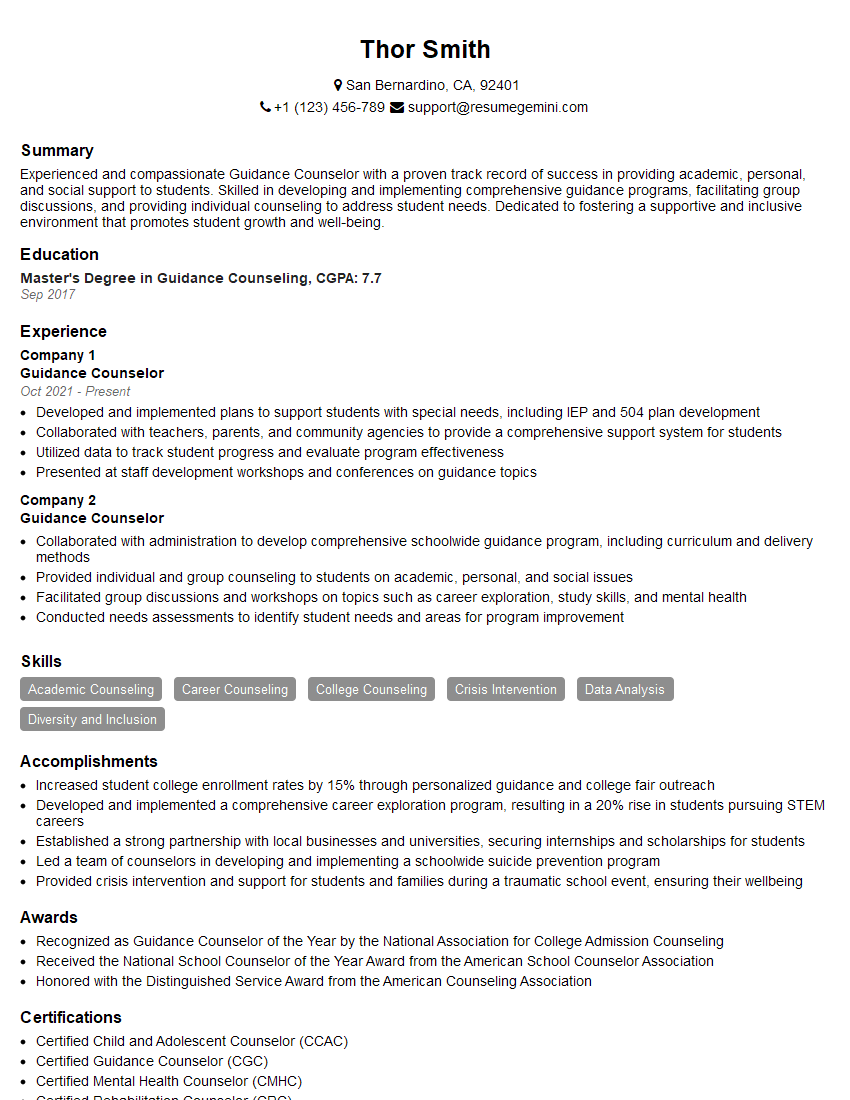
Guidance Counselor Resume Sample
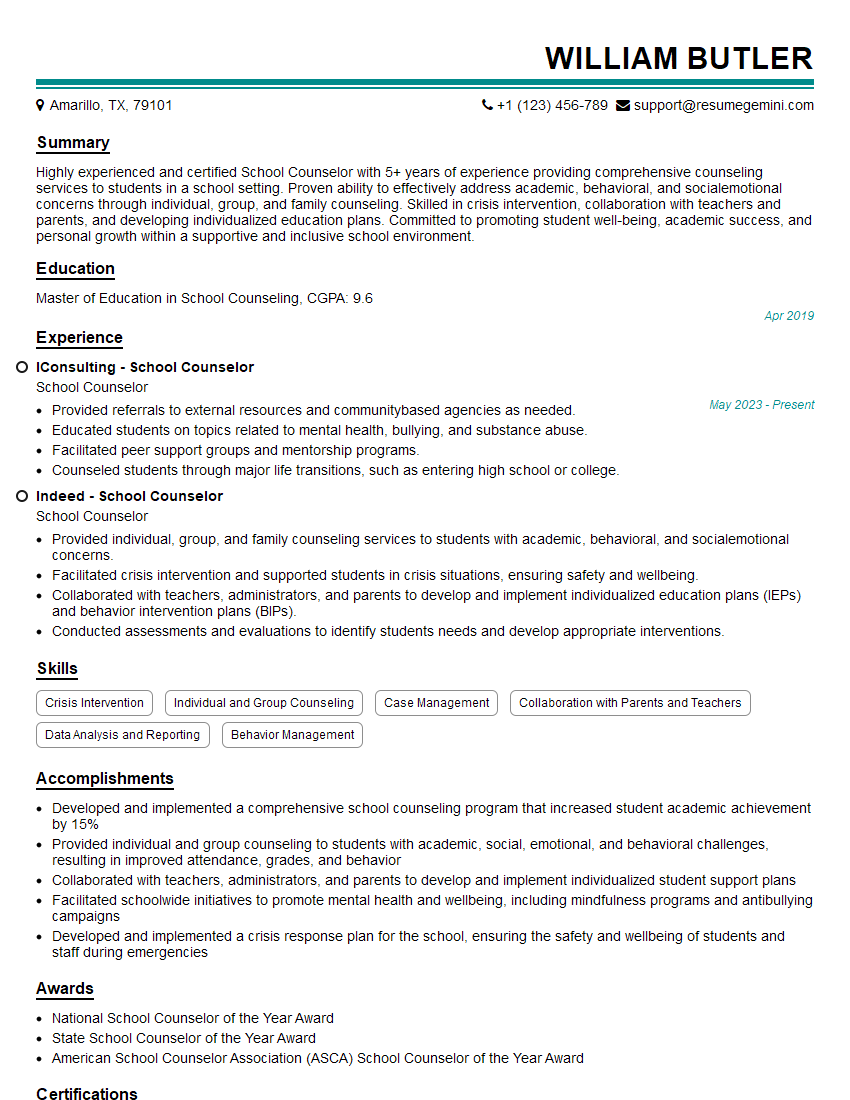
School Counselor Resume Sample
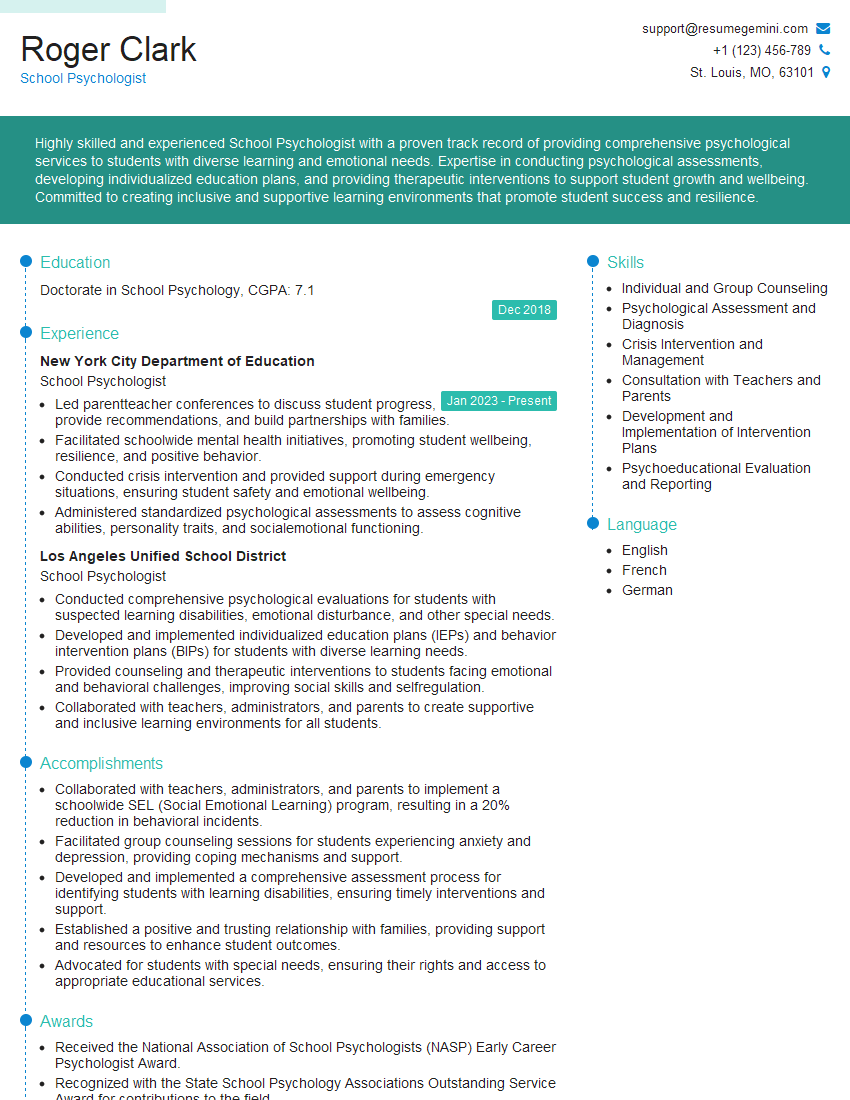
School Psychologist Resume Sample

Mental Health Counselor Resume Sample
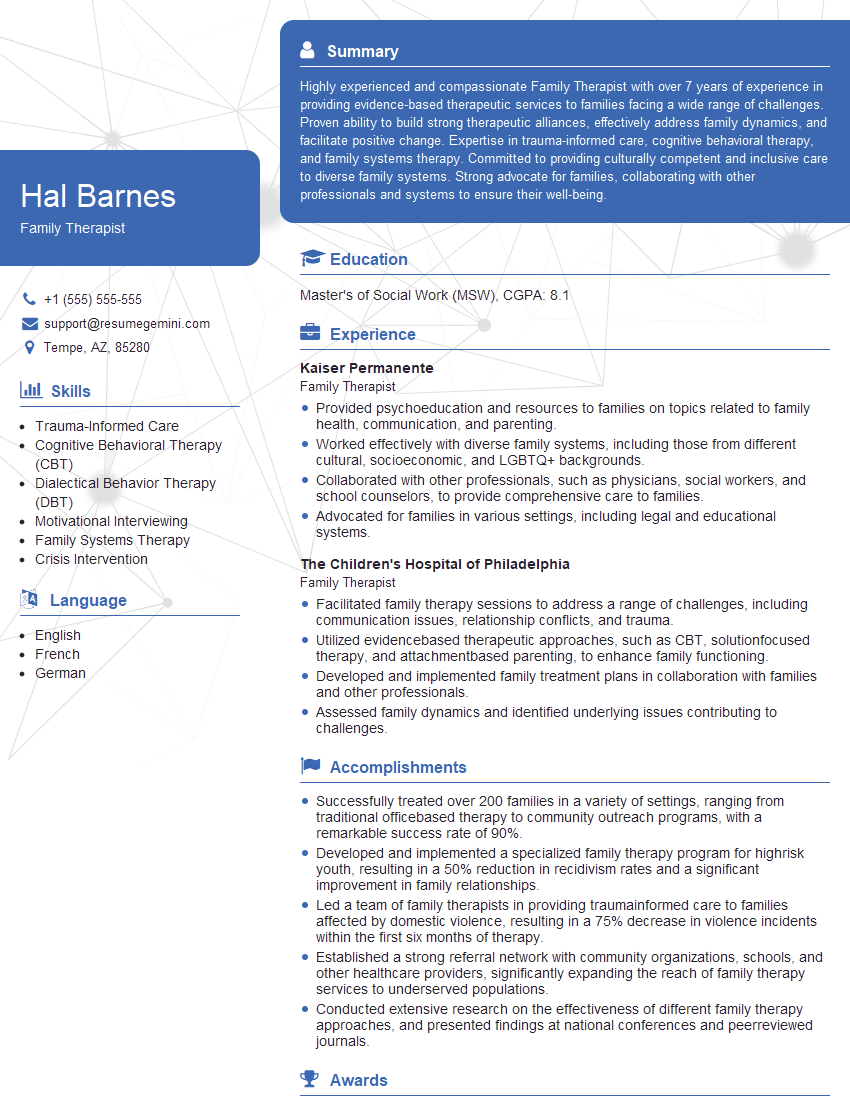
Family Therapist Resume Sample
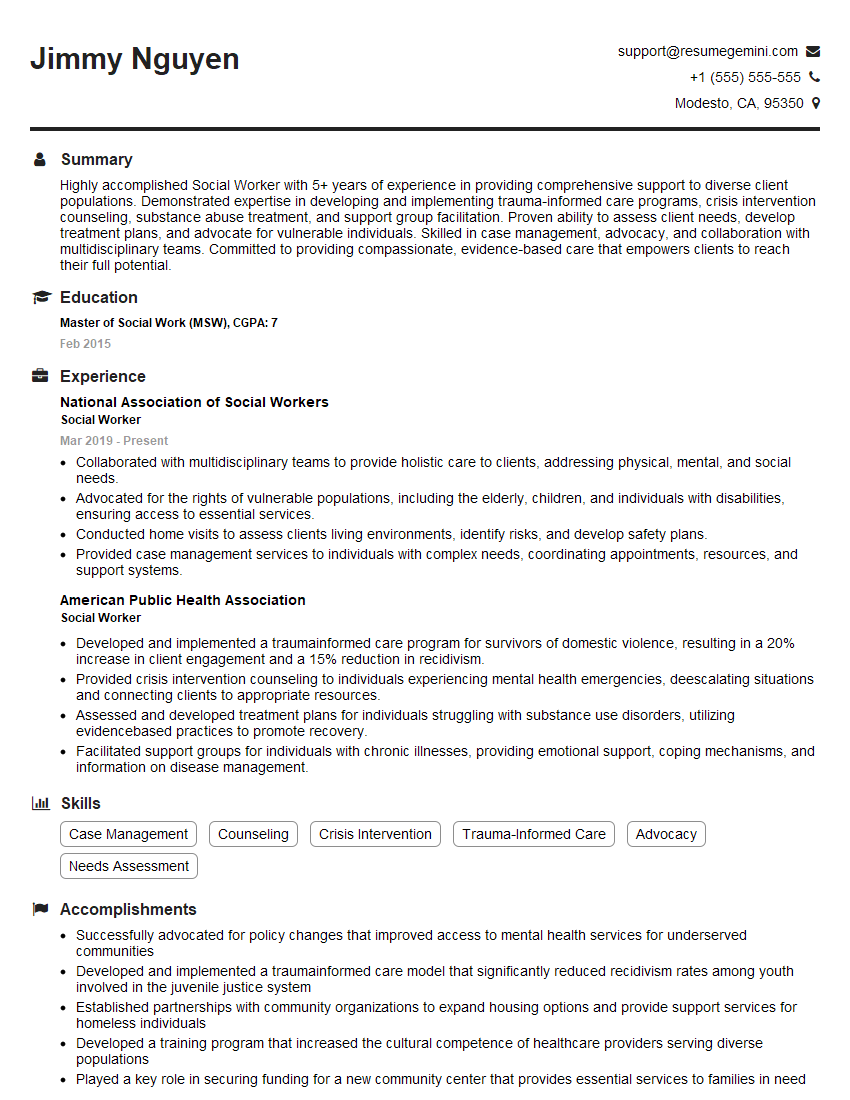
Social Worker Resume Sample
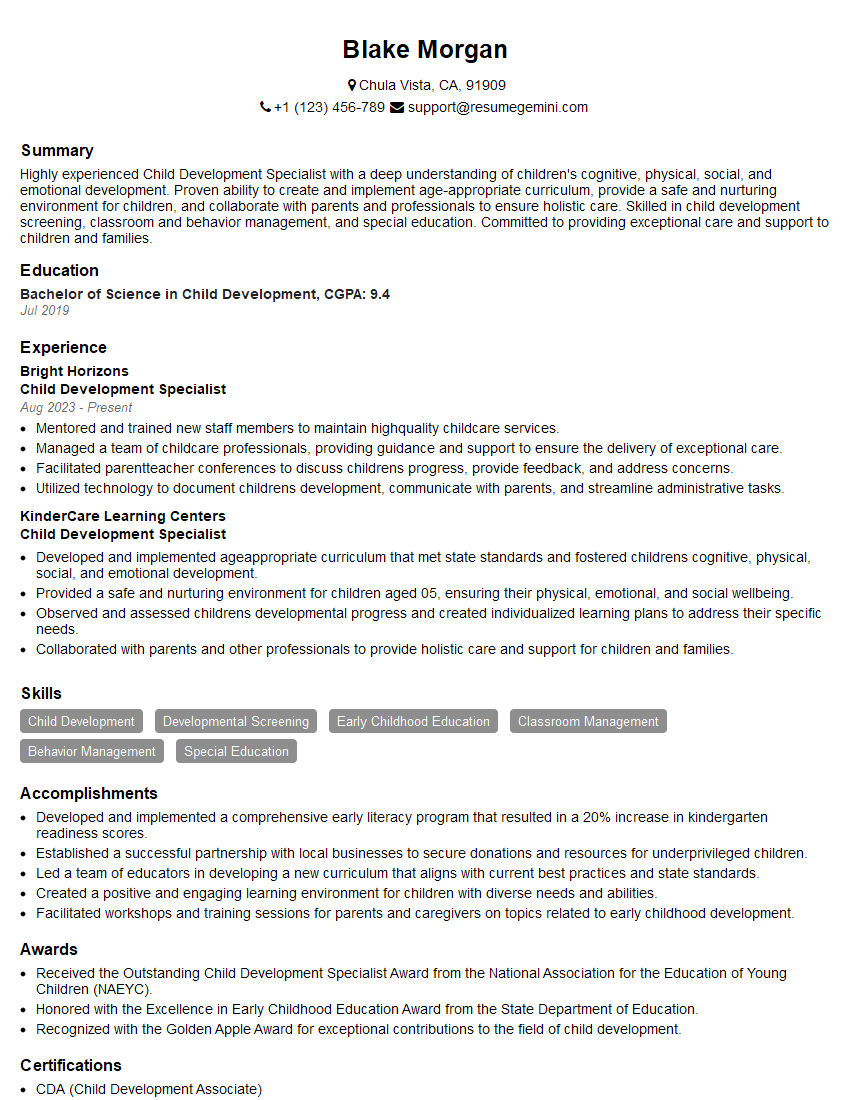
Child Development Specialist Resume Sample
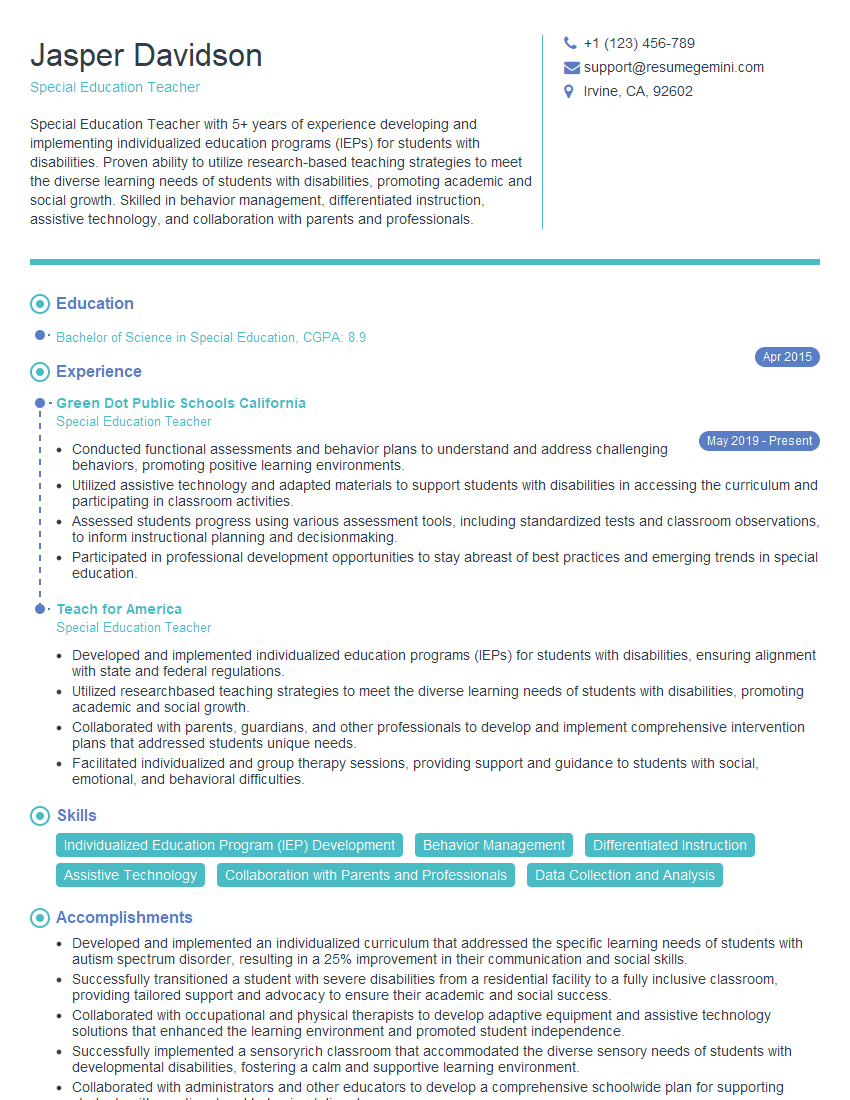
Special Education Teacher Resume Sample
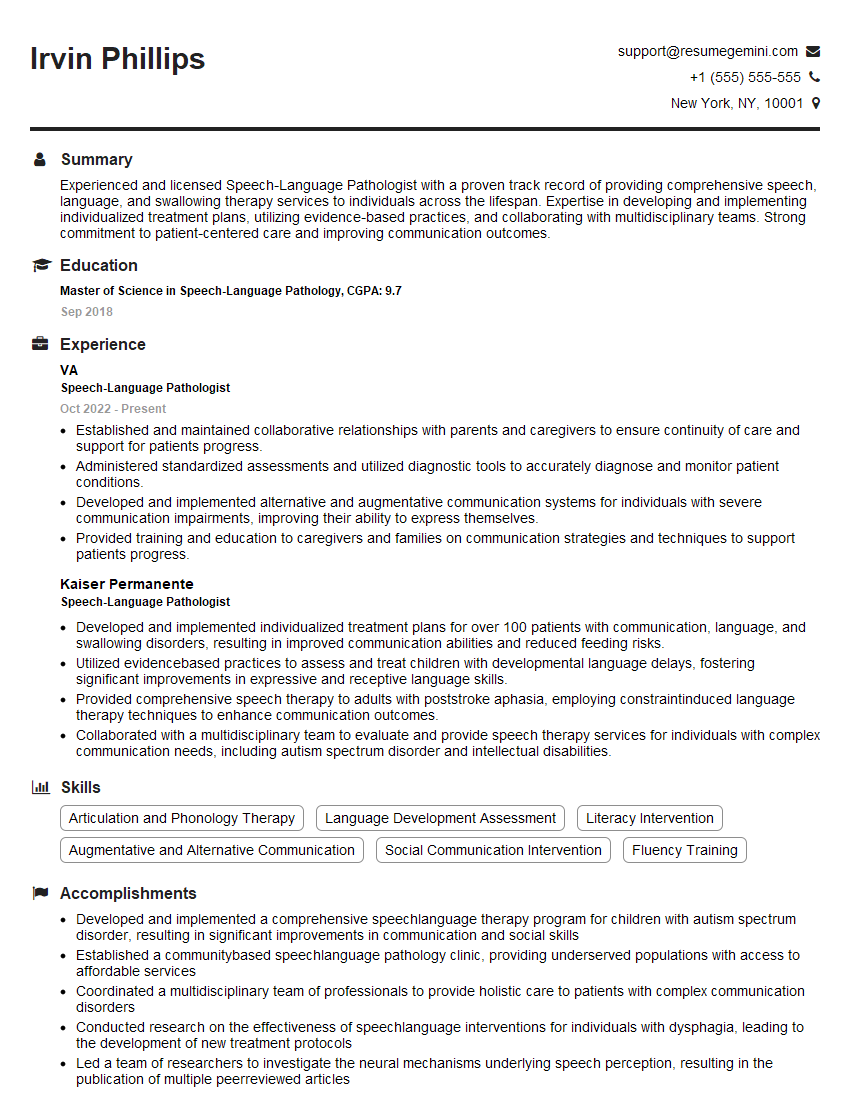
Speech-Language Pathologist Resume Sample
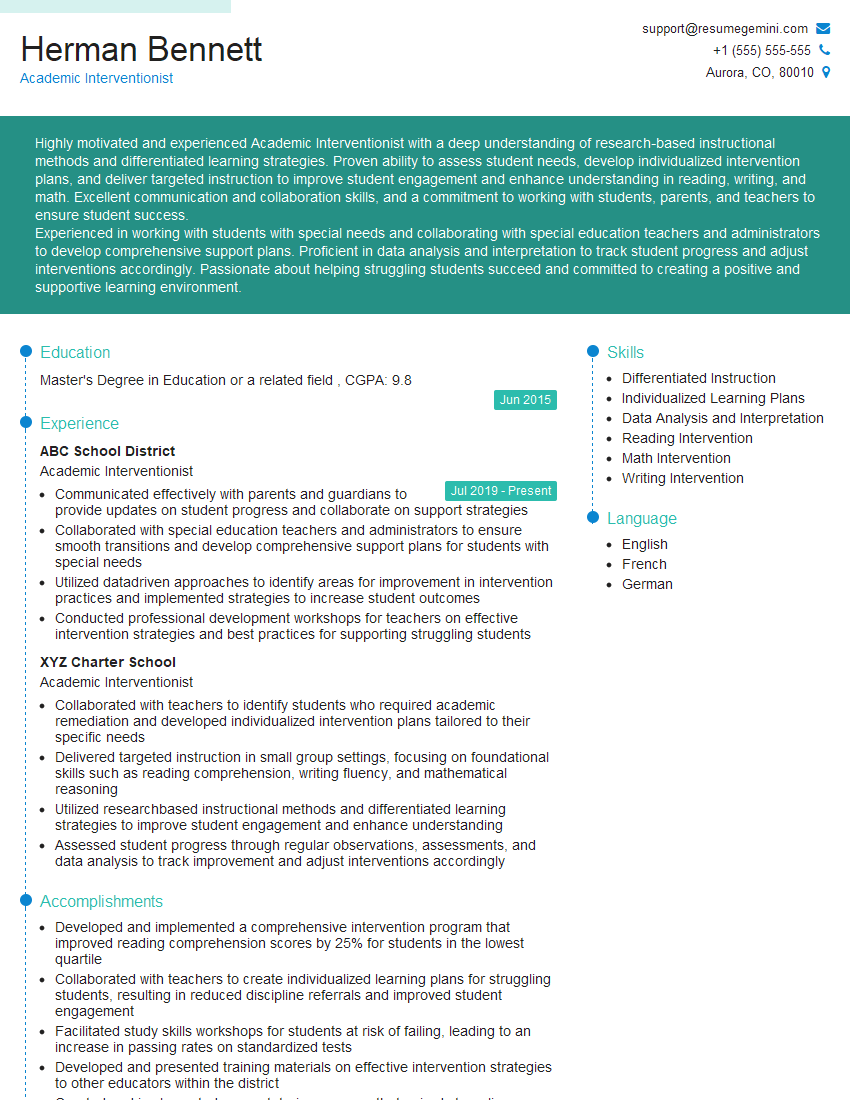
Academic Interventionist Resume Sample
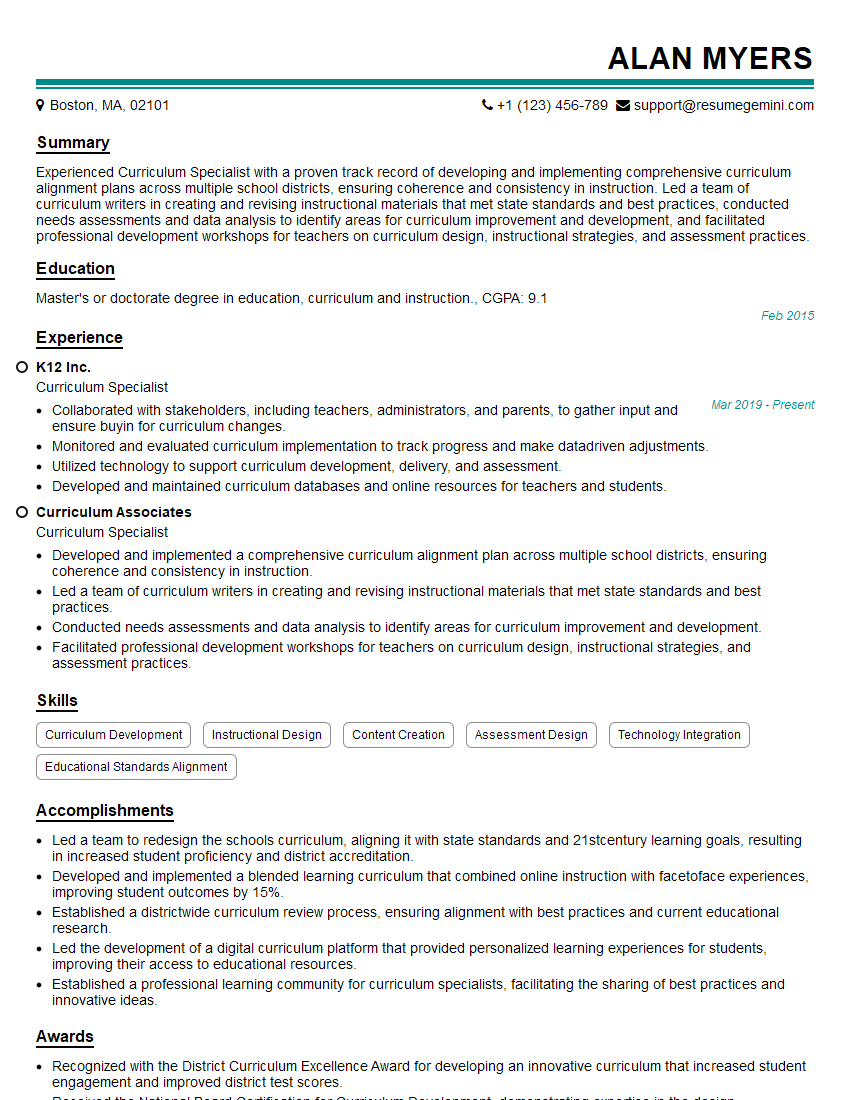
Curriculum Specialist Resume Sample
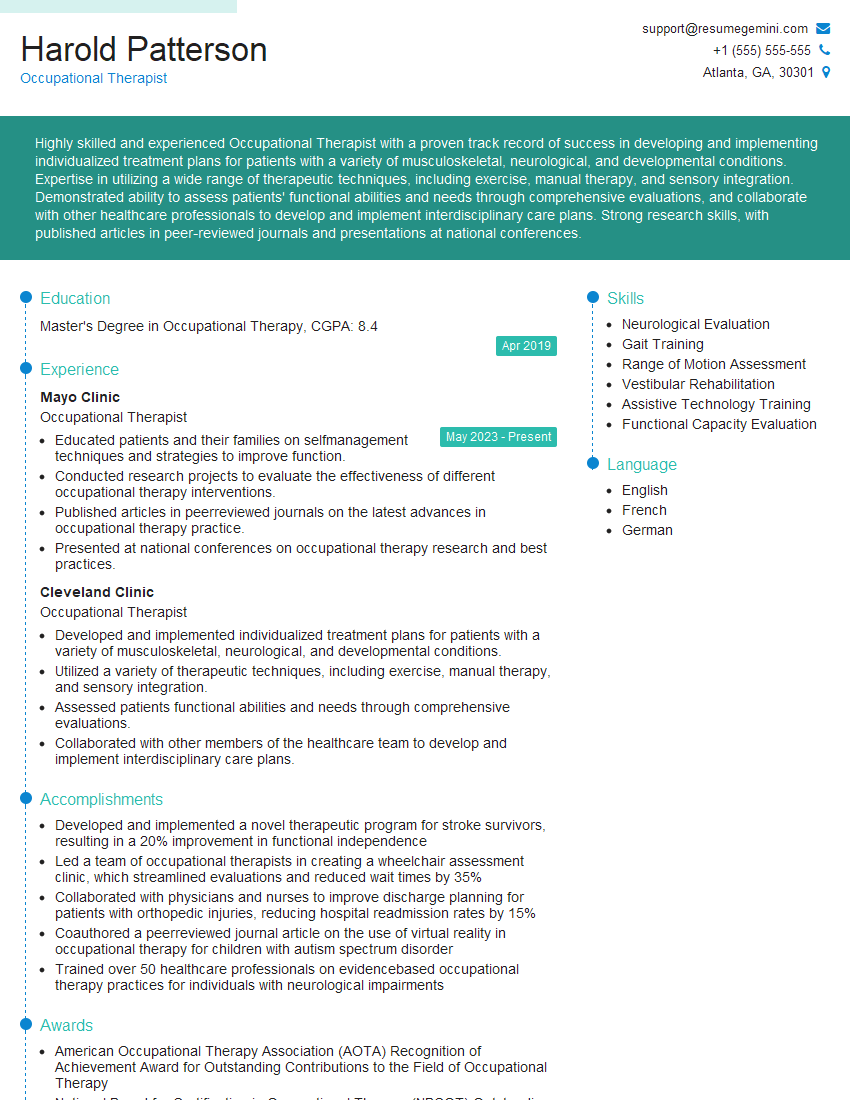
Occupational Therapist Resume Sample
- Learning Specialist
- Child Psychologist
- Behavior Specialist
- Guidance Counselor
- School Counselor
- School Psychologist
- Mental Health Counselor
- Family Therapist
- Social Worker
- Child Development Specialist
- Special Education Teacher
- Speech-Language Pathologist
- Academic Interventionist
- Curriculum Specialist
- Occupational Therapist
Explore more articles
Users Rating of Our Blogs
Share Your Experience
We value your feedback! Please rate our content and share your thoughts (optional).
What Readers Say About Our Blog
To the interviewgemini.com Webmaster.
Very helpful and content specific questions to help prepare me for my interview!
Thank you
To the interviewgemini.com Webmaster.
This was kind of a unique content I found around the specialized skills. Very helpful questions and good detailed answers.
Very Helpful blog, thank you Interviewgemini team.