Preparation is the key to success in any interview. In this post, we’ll explore crucial Counseling Individuals interview questions and equip you with strategies to craft impactful answers. Whether you’re a beginner or a pro, these tips will elevate your preparation.
Questions Asked in Counseling Individuals Interview
Q 1. Describe your experience with Cognitive Behavioral Therapy (CBT).
Cognitive Behavioral Therapy (CBT) is a highly effective, evidence-based approach that focuses on the interconnectedness of thoughts, feelings, and behaviors. It helps clients identify and challenge negative or unhelpful thought patterns and replace them with more realistic and adaptive ones. My experience with CBT spans several years, working with diverse populations across a range of issues, including anxiety, depression, and trauma. I’ve utilized CBT techniques such as cognitive restructuring, behavioral experiments, and exposure therapy. For instance, with a client experiencing social anxiety, we might collaboratively identify negative automatic thoughts like “Everyone will judge me,” then test the validity of these thoughts through gradual exposure to social situations and by examining evidence that contradicts the negative belief. The process involves tracking thoughts, feelings, and behaviors to identify patterns and develop coping mechanisms. I find CBT particularly effective because it empowers clients to become active participants in their own therapy, learning practical skills they can use long after our sessions conclude.
Q 2. Explain the difference between anxiety and depression.
While anxiety and depression often co-occur, they are distinct conditions. Anxiety is characterized by excessive worry, fear, and apprehension, often accompanied by physical symptoms like rapid heartbeat, sweating, and trembling. These feelings are typically centered around future threats or perceived dangers. Imagine someone constantly worrying about a presentation at work – that’s anxiety. Depression, on the other hand, is marked by persistent sadness, loss of interest or pleasure, feelings of hopelessness, and changes in sleep, appetite, and energy levels. It’s a pervasive sense of low mood and lack of motivation, often focused on the past or present. Think of someone experiencing prolonged sadness and withdrawing from social activities – that reflects depressive symptoms. Crucially, both conditions require professional help, and accurate diagnosis is essential for effective treatment, as treatment approaches differ based on the specific diagnosis.
Q 3. How do you handle a client experiencing suicidal ideation?
Suicidal ideation is a serious concern requiring immediate attention. My first priority is ensuring the client’s safety. This involves a thorough assessment of the risk level, including the presence of a plan, access to means, and the intensity of suicidal thoughts. I would use validated risk assessment tools to guide my evaluation. If the client is deemed to be at immediate risk of self-harm, hospitalization or other emergency interventions may be necessary. I would collaborate with the client to create a safety plan, which includes identifying warning signs, coping mechanisms, and emergency contacts. This plan serves as a structured approach to manage risk and promote safety. Throughout this process, I maintain open communication, emphasizing empathy, validation of their feelings, and a collaborative approach to problem-solving. It’s crucial to remember that hope can be cultivated, even amidst intense despair, and building a therapeutic alliance is paramount in helping the client navigate their crisis.
Q 4. What are your strategies for building rapport with clients?
Building rapport is fundamental to effective therapy. It involves creating a safe, trusting, and empathetic environment where clients feel comfortable sharing their experiences. I prioritize active listening, demonstrating genuine interest in the client’s story and validating their emotions. This includes using nonverbal cues like maintaining eye contact (culturally sensitive, of course), nodding, and reflecting their feelings back to them. I create space for clients to feel understood and accepted without judgment. For example, I might begin by asking open-ended questions like “Tell me about what brought you in today.” or “What’s important for you to get out of therapy?” I strive to tailor my approach to each individual’s personality and communication style, building a relationship based on mutual respect and collaboration. The goal is to create a therapeutic alliance where the client feels seen, heard, and empowered to work towards their goals.
Q 5. Describe your approach to working with clients from diverse backgrounds.
Working with clients from diverse backgrounds requires cultural sensitivity and humility. I recognize that cultural values, beliefs, and experiences profoundly influence a person’s worldview and their understanding of mental health. I avoid imposing my own cultural framework and instead strive to understand the client’s unique perspective within their cultural context. This involves actively engaging in cultural self-reflection, seeking supervision or consultation when needed, and seeking resources tailored to specific cultural groups. For instance, I may adapt therapeutic techniques based on a client’s cultural preferences and communication styles. I also prioritize finding culturally competent clinicians for referral when needed. It’s crucial to acknowledge potential power imbalances inherent in the therapist-client relationship and actively work to create a just and equitable therapeutic space. This includes actively addressing issues of systemic oppression and social injustice that may be impacting the client’s well-being.
Q 6. How do you maintain client confidentiality?
Maintaining client confidentiality is paramount. It’s both an ethical and legal obligation. I adhere to strict confidentiality guidelines, explained fully to the client at the outset of treatment. This includes only disclosing information with the client’s informed consent, except in mandated reporting situations (such as suspected child abuse or imminent danger to self or others). I comply with all relevant laws and regulations regarding the storage and handling of client records. These records are kept securely, both physically and electronically, and access is limited to authorized personnel. I ensure all electronic communication is encrypted to protect sensitive information, and I engage in regular professional development to stay up-to-date on best practices for data privacy and security. Client confidentiality is the cornerstone of a strong and trustworthy therapeutic relationship.
Q 7. Explain your understanding of ethical dilemmas in counseling.
Ethical dilemmas in counseling are inevitable. They arise when conflicting ethical principles or values need to be considered. For example, a client might disclose illegal activities, creating conflict between confidentiality and legal obligations. Another scenario could involve a client’s request for information outside the scope of my professional competence. Navigating these situations requires careful consideration of ethical codes and guidelines, such as those established by professional organizations like the American Counseling Association. I often engage in consultation with supervisors or colleagues to explore different perspectives and make informed decisions. A systematic approach involves identifying the ethical issues, consulting relevant guidelines, considering potential consequences, and selecting the course of action that best protects the client’s well-being and upholds professional integrity. Documentation of the decision-making process is crucial for transparency and accountability. Ethical dilemmas emphasize the importance of continual professional development and self-reflection.
Q 8. How do you handle a client who is resistant to treatment?
Client resistance is a common challenge in therapy. It’s crucial to understand that resistance isn’t necessarily defiance, but often a manifestation of underlying anxieties, fears, or a lack of trust. My approach focuses on building a strong therapeutic alliance and exploring the reasons behind the resistance.
- Collaboration and Empathy: I start by validating the client’s feelings and perspectives. For example, I might say, “I understand that change can be difficult, and it’s okay to feel hesitant.” This creates a safe space for open communication.
- Gentle Inquiry: Instead of directly confronting resistance, I gently inquire about the client’s concerns. I might ask, “What are your thoughts about our work together so far? Is there anything that’s making it difficult for you to engage?”
- Exploring Resistance: We explore the root cause of resistance. Is it fear of vulnerability, past negative experiences in therapy, or discomfort with certain therapeutic techniques? This understanding informs a tailored approach.
- Adjusting Techniques: If a particular technique isn’t working, I’m flexible and adapt my approach. For instance, if a client struggles with direct confrontation, I might use a more indirect method like metaphors or storytelling.
- Setting Realistic Goals: Collaborative goal setting is vital. Unrealistic expectations can lead to resistance. We work together to establish manageable, achievable steps.
For example, I once worked with a client who was resistant to discussing a traumatic event. By focusing on building trust through active listening and validating her reluctance, we eventually reached a point where she felt safe enough to share her experience.
Q 9. What is your experience with crisis intervention?
Crisis intervention is a vital skill for any counselor. My experience encompasses working with clients experiencing acute distress, such as suicidal ideation, severe anxiety attacks, or immediate trauma responses. I’m proficient in utilizing techniques designed to stabilize the situation, ensuring client safety, and connecting them to necessary resources.
- Assessment and Safety Planning: Immediate assessment of the client’s risk level is paramount. This involves determining the lethality of their thoughts and behaviors and developing a safety plan to minimize immediate danger.
- Active Listening and Validation: Creating a calm and empathetic environment is crucial. Active listening helps the client feel heard and understood, reducing their feeling of isolation and panic.
- Grounding Techniques: I utilize grounding techniques to help the client connect with the present moment and reduce overwhelming emotions. These might include deep breathing exercises, sensory awareness activities, or focusing on their physical surroundings.
- Collaboration and Resource Connection: Depending on the situation, I collaborate with emergency services (911, crisis hotlines, mobile crisis teams) to ensure the client’s immediate safety and long-term support.
I’ve successfully managed several crisis situations involving clients experiencing suicidal thoughts. Through careful assessment, immediate safety planning, and collaboration with crisis teams, I’ve helped these individuals navigate their immediate crisis and access ongoing care.
Q 10. Describe a time you had to adapt your approach to meet a client’s needs.
Adaptability is essential in counseling. I recall working with a client who was non-verbal due to a severe communication disorder. My initial approach, heavily reliant on verbal communication, proved ineffective.
I adapted by incorporating alternative communication methods. We started using a communication board with pictures and symbols, allowing him to express his thoughts and feelings effectively. I also incorporated art therapy, as he displayed a strong preference for visual expression. Through this flexible approach, we achieved meaningful progress in addressing his anxieties and building self-esteem. This experience reinforced the importance of continuously assessing client needs and tailoring therapeutic interventions accordingly.
Q 11. How do you manage your own stress and burnout?
Self-care is not a luxury but a necessity for mental health professionals. Burnout is a significant risk, and proactive measures are crucial. My self-care strategy involves a multifaceted approach:
- Maintaining Boundaries: Setting clear boundaries between my professional and personal life is vital. This includes limiting work outside of designated hours and avoiding emotional over-involvement with clients.
- Regular Supervision and Consultation: Engaging in regular supervision sessions provides a safe space to process complex cases and gain support from experienced colleagues.
- Mindfulness and Stress Reduction Techniques: Practicing mindfulness techniques like meditation and yoga helps manage stress and promote emotional well-being.
- Hobbies and Social Connections: Prioritizing hobbies and maintaining strong social connections outside of work creates a balanced lifestyle and prevents isolation.
- Seeking Personal Therapy: I believe in the power of personal therapy, and I actively engage in self-reflection and personal growth to maintain my own mental health.
By prioritizing these self-care strategies, I ensure that I’m well-equipped to provide effective and compassionate care to my clients while safeguarding my own well-being.
Q 12. What are your preferred assessment tools?
My choice of assessment tools depends on the client’s presenting concerns and the specific goals of therapy. I utilize a variety of evidence-based measures, integrating both quantitative and qualitative data.
- Standardized Assessments: For example, I might use the Beck Depression Inventory (BDI-II) to assess the severity of depressive symptoms or the Minnesota Multiphasic Personality Inventory (MMPI-2-RF) for a comprehensive personality assessment.
- Clinical Interviews: Structured and unstructured clinical interviews are fundamental for gathering comprehensive information about the client’s history, current functioning, and presenting problems.
- Projective Techniques: In certain cases, projective techniques like the Thematic Apperception Test (TAT) may be utilized to explore unconscious patterns and themes.
- Observational Data: Nonverbal cues and behavioral observations during sessions provide valuable qualitative data that supplements standardized measures.
It’s crucial to select assessment tools that are culturally sensitive and appropriate for the individual client, ensuring that the results accurately reflect their experience.
Q 13. Explain your understanding of trauma-informed care.
Trauma-informed care is an approach that recognizes the pervasive impact of trauma and prioritizes understanding the client’s experiences within a framework of safety, trustworthiness, choice, collaboration, and empowerment.
It emphasizes recognizing the signs and symptoms of trauma, avoiding retraumatization, and building a therapeutic relationship based on trust and respect. This involves creating a safe and predictable environment, empowering clients to make choices, and collaborating with them to establish their therapeutic goals. It also involves being sensitive to potential triggers and avoiding potentially retraumatizing language or approaches. The goal is not only to treat the symptoms but to address the root causes of the trauma and foster resilience.
Q 14. How do you document client sessions effectively?
Accurate and thorough documentation is crucial for ethical practice, continuity of care, and legal protection. My documentation adheres to HIPAA regulations and best practice guidelines.
- Client Demographics and Presenting Problem: Initial documentation includes essential demographic information, the reason for seeking therapy, and a summary of the client’s presenting concerns.
- Session Summary: Each session is summarized concisely, including key themes discussed, significant emotional expressions, and any significant behavioral observations.
- Treatment Plan: A collaboratively developed treatment plan outlines the goals, strategies, and interventions employed throughout therapy. This plan is regularly reviewed and updated to reflect the client’s progress.
- Progress Notes: Regular progress notes document client changes, challenges, and responses to the interventions. These notes serve as a record of the treatment process and guide future sessions.
- Objective and Subjective Data: I ensure to record both objective (observable behaviors) and subjective (client’s self-reported experiences) data, presenting a holistic view of the client’s progress.
All documentation is maintained securely, adhering to confidentiality guidelines and best practices.
Q 15. How do you collaborate with other professionals?
Collaboration is crucial in providing holistic care. I regularly consult with psychiatrists, social workers, and other therapists, especially when a client’s needs extend beyond my expertise. For example, if a client presents with severe depression alongside substance abuse, I would collaborate with a psychiatrist for medication management and a substance abuse specialist for a comprehensive treatment plan. This collaborative approach ensures the client receives the most effective and coordinated care possible. We utilize secure platforms like electronic health records to share information, ensuring HIPAA compliance and maintaining client confidentiality. Regular case conferences and interdisciplinary meetings allow us to discuss treatment progress, challenges, and adjust strategies as needed, promoting the best outcomes for our clients.
Career Expert Tips:
- Ace those interviews! Prepare effectively by reviewing the Top 50 Most Common Interview Questions on ResumeGemini.
- Navigate your job search with confidence! Explore a wide range of Career Tips on ResumeGemini. Learn about common challenges and recommendations to overcome them.
- Craft the perfect resume! Master the Art of Resume Writing with ResumeGemini’s guide. Showcase your unique qualifications and achievements effectively.
- Don’t miss out on holiday savings! Build your dream resume with ResumeGemini’s ATS optimized templates.
Q 16. What is your approach to working with families?
My approach to family therapy is systemic, focusing on the interactions and dynamics within the family unit. I believe that understanding the family’s history, communication patterns, and roles is key to addressing individual issues. I use techniques like genograms (family diagrams) to map out family relationships and identify recurring patterns. For instance, if a child is struggling with anxiety, I might explore the family’s communication style and coping mechanisms to see how they contribute to the child’s anxiety. I empower families to identify their strengths and build healthier communication skills. The sessions often involve active listening, facilitating family dialogues, and creating a safe space for open communication and conflict resolution. The goal is to strengthen family bonds and equip them with tools to manage conflicts effectively and support each other’s well-being.
Q 17. How do you address countertransference in therapy?
Countertransference, the therapist’s emotional reaction to the client, is a normal, albeit potentially problematic, aspect of therapy. Addressing it requires self-awareness and professional supervision. I regularly engage in personal reflection and supervision sessions to identify and process my emotional responses to clients. For example, if I find myself feeling unusually irritated by a client’s behavior, I’d examine my own reactions in supervision, looking for potential triggers or unresolved issues within myself that might be influencing my responses. This process helps me maintain objectivity, avoid projecting my emotions onto the client, and ensure I’m providing ethical and effective care. Maintaining strong professional boundaries and utilizing appropriate self-care strategies are also essential in mitigating countertransference.
Q 18. Describe your experience with different therapeutic modalities.
My therapeutic approach is eclectic, drawing upon various modalities to tailor treatment to each client’s unique needs. I have extensive experience in Cognitive Behavioral Therapy (CBT), which helps clients identify and change negative thought patterns and behaviors. I also utilize person-centered therapy, focusing on creating a safe and empathetic environment to foster self-discovery and personal growth. In addition, I incorporate elements of solution-focused brief therapy, aiming to help clients quickly identify and implement solutions to their problems. My experience spans working with diverse populations and addressing a wide range of issues including anxiety, depression, trauma, and relationship problems. I believe flexibility and adaptability are key to successful therapy, and I continuously seek to expand my knowledge and skills through continuing education and professional development.
Q 19. How do you ensure client safety?
Client safety is my paramount concern. I adhere strictly to ethical guidelines and legal regulations, including HIPAA regulations regarding confidentiality. If a client expresses suicidal or homicidal ideation, I take immediate action. This involves thorough risk assessment, developing a safety plan with the client, notifying relevant parties if necessary (with the client’s consent, or when legally mandated), and potentially involving emergency services. I maintain a safe and supportive therapeutic environment, establishing clear boundaries, and ensuring all sessions are conducted in a private and secure setting. Furthermore, I regularly evaluate the client’s safety and progress throughout the therapeutic process and make adjustments to the treatment plan as needed to ensure their well-being.
Q 20. What are your strengths and weaknesses as a counselor?
My strengths lie in my ability to build strong therapeutic rapport with clients, creating a trusting and safe space for them to explore their challenges. I am a good listener, empathetic, and possess excellent communication skills. My ability to adapt my therapeutic approach to meet diverse needs is another key strength. However, I recognize that perfection is unattainable. A potential area for improvement is managing my workload more effectively to avoid burnout and maintain consistent high-quality care for all my clients. I actively address this through ongoing professional development, prioritizing self-care, and seeking support from colleagues and supervisors when needed.
Q 21. How do you handle difficult conversations with clients?
Handling difficult conversations requires careful preparation and skillful communication. I begin by creating a safe and empathetic space, ensuring the client feels heard and understood. I use active listening techniques to fully comprehend their perspective before responding. I frame my communication in a collaborative and respectful manner, focusing on solutions and mutual understanding. For example, if I need to address a client’s missed appointments, I would approach the conversation with empathy, understanding potential reasons for the missed sessions, and collaboratively working toward finding a solution that works for both of us. If necessary, I clearly communicate the potential consequences of continued missed appointments, always striving to maintain a positive therapeutic alliance.
Q 22. Explain your experience with case management.
Case management in counseling involves coordinating various services and resources to support a client’s overall well-being. It’s not just about therapy sessions; it’s about addressing the whole person’s needs within their environment. My experience encompasses assessing client needs, developing individualized care plans, connecting clients with appropriate community resources (housing, healthcare, financial assistance, etc.), monitoring progress, and advocating for their best interests.
For example, I worked with a client struggling with substance abuse and homelessness. My case management involved securing a detox placement, linking them with a halfway house, assisting with their application for disability benefits, and helping them navigate the complexities of accessing medical care. Regular check-ins and progress reviews ensured they stayed on track and received the support they needed throughout their recovery journey. I also actively communicated with the various service providers involved, ensuring a collaborative approach to their care.
Q 23. How do you deal with ethical conflicts?
Ethical conflicts are inevitable in counseling. My approach prioritizes adhering to the ethical guidelines established by professional organizations. When a conflict arises, I systematically address it. First, I carefully identify the specific ethical dilemma, considering all relevant factors and stakeholders. Then, I consult relevant ethical codes, relevant case law, and seek consultation with supervisors or experienced colleagues. This process aids in clarifying the ethical principles at stake and exploring potential solutions. Finally, I choose the course of action that best protects client well-being while upholding my professional integrity, always prioritizing the client’s best interests. Documenting the entire process is critical for accountability and transparency.
For instance, if a client disclosed a plan to harm another individual, I would be ethically obligated to breach confidentiality and take appropriate protective measures, such as contacting the potential victim and relevant authorities. These steps would be thoroughly documented, explaining the rationale and actions taken.
Q 24. Describe your experience working with specific populations (e.g., children, adolescents, adults).
My experience spans working with diverse populations, including children, adolescents, and adults. With children, I utilize play therapy and creative techniques to facilitate communication and address emotional challenges. For adolescents, I adapt my approach to navigate developmental complexities, focusing on identity formation, peer relationships, and navigating academic pressures. With adults, I employ various therapeutic modalities to address a wider range of issues including anxiety, depression, relationship problems, and trauma. My approach is always tailored to the specific developmental stage and unique needs of each individual.
For example, I worked with a child who experienced trauma through art therapy, allowing them to express their feelings in a safe and non-threatening way. With an adolescent struggling with anxiety, I used cognitive-behavioral therapy (CBT) techniques to help them challenge negative thought patterns and develop coping mechanisms. Working with adults has involved exploring relational dynamics and implementing solution-focused strategies to resolve interpersonal conflicts.
Q 25. What are your thoughts on evidence-based practices in counseling?
Evidence-based practices are crucial in counseling. They involve utilizing interventions supported by empirical research demonstrating their effectiveness. I believe in integrating evidence-based practices into my work because they provide a framework for effective and ethical treatment. However, it’s also crucial to consider the individual client’s unique needs and preferences. A rigid adherence to evidence-based practices without considering individual circumstances can be detrimental.
For instance, while CBT is an evidence-based approach for anxiety, its application might need adjustment depending on the client’s cultural background, learning style, and personal preferences. The therapist must thoughtfully integrate empirically supported practices with a flexible, client-centered approach, fostering a strong therapeutic alliance.
Q 26. Explain your understanding of the DSM-5.
The DSM-5 (Diagnostic and Statistical Manual of Mental Disorders, 5th Edition) is a widely used classification system for mental disorders. It provides a standardized framework for diagnosing mental health conditions based on specific criteria. Understanding the DSM-5 is crucial for accurately assessing clients, developing appropriate treatment plans, and communicating effectively with other professionals. It’s essential, however, to remember that it’s a tool and not a definitive explanation of a person’s experience; diagnoses must be carefully considered within the context of the individual’s unique life and cultural background.
Using the DSM-5, a therapist might identify a client’s symptoms as meeting the criteria for Major Depressive Disorder. This diagnosis informs the treatment plan by guiding the choice of interventions, such as medication, therapy, or a combination. However, it’s imperative to avoid reducing the client solely to their diagnosis; their individual narrative and strengths are equally important aspects of treatment.
Q 27. How do you measure the effectiveness of your interventions?
Measuring the effectiveness of interventions is vital for ensuring quality care and improving practice. I use a multi-faceted approach to measure effectiveness. This includes regularly assessing client progress through standardized measures, such as symptom rating scales and outcome questionnaires. Additionally, I track client self-reported progress, paying close attention to qualitative feedback and observations during sessions. Objective data, client feedback, and my clinical judgment all contribute to a comprehensive evaluation of treatment success.
For example, in addressing depression, I might use the Beck Depression Inventory (BDI) to track symptom severity. Coupled with the client’s feedback on their mood and functional capacity, the BDI data helps monitor the effectiveness of the interventions and determine necessary adjustments to the treatment plan. The ultimate measure of success is the client’s improved functioning and overall well-being.
Q 28. What are your professional development goals?
My professional development goals focus on continuous learning and skill enhancement to better serve my clients. I aim to expand my expertise in trauma-informed care by completing a specialized training program and further exploring the use of somatic experiencing techniques. I also plan to deepen my understanding of culturally sensitive counseling practices by seeking out supervision and attending workshops focused on diversity, equity, and inclusion. I recognize that the field of counseling is constantly evolving, so staying abreast of current research, best practices, and technological advancements is vital to my continued growth as a professional.
Maintaining licensure and engaging in regular continuing education activities ensures my proficiency in current clinical practices. This commitment to professional growth is critical to provide high-quality and effective services to my clients.
Key Topics to Learn for Counseling Individuals Interview
- Ethical Considerations in Counseling: Understanding confidentiality, informed consent, boundaries, and dual relationships is paramount. Practical application involves analyzing case studies and role-playing ethical dilemmas.
- Theoretical Approaches to Counseling: Familiarize yourself with major theoretical orientations (e.g., Cognitive Behavioral Therapy (CBT), Person-Centered Therapy, Psychodynamic Therapy) and their practical applications in different client populations. Be prepared to discuss the strengths and limitations of each approach.
- Assessment and Diagnosis: Understand the process of conducting a thorough assessment, including gathering information from various sources and using appropriate diagnostic tools. This involves practical application in identifying client needs and developing treatment plans.
- Treatment Planning and Goal Setting: Mastering the art of collaboratively creating measurable and achievable goals with clients is crucial. Practical application involves developing realistic and evidence-based treatment plans.
- Crisis Intervention Techniques: Learn to identify and effectively manage crises using appropriate intervention strategies. This includes recognizing warning signs and developing safety plans.
- Cultural Competence and Diversity: Develop a strong understanding of how cultural background, beliefs, and values impact mental health and the therapeutic process. Practical application involves adapting your approach to meet the diverse needs of your clients.
- Case Management and Collaboration: Understand the importance of coordinating care with other professionals (e.g., psychiatrists, social workers) and navigating the complexities of the healthcare system. Practical application involves creating referral networks and advocating for clients.
- Self-Care and Professional Development: Demonstrate awareness of the importance of maintaining your own well-being and engaging in ongoing professional development to enhance your skills and knowledge.
Next Steps
Mastering the art of Counseling Individuals is essential for a rewarding and impactful career. It opens doors to a variety of roles, offering opportunities for professional growth and making a tangible difference in the lives of others. To significantly boost your job prospects, it’s crucial to create an ATS-friendly resume that effectively highlights your skills and experience. ResumeGemini is a trusted resource that can help you build a professional and compelling resume, ensuring your application stands out from the competition. Examples of resumes tailored to Counseling Individuals are available to guide you through the process.
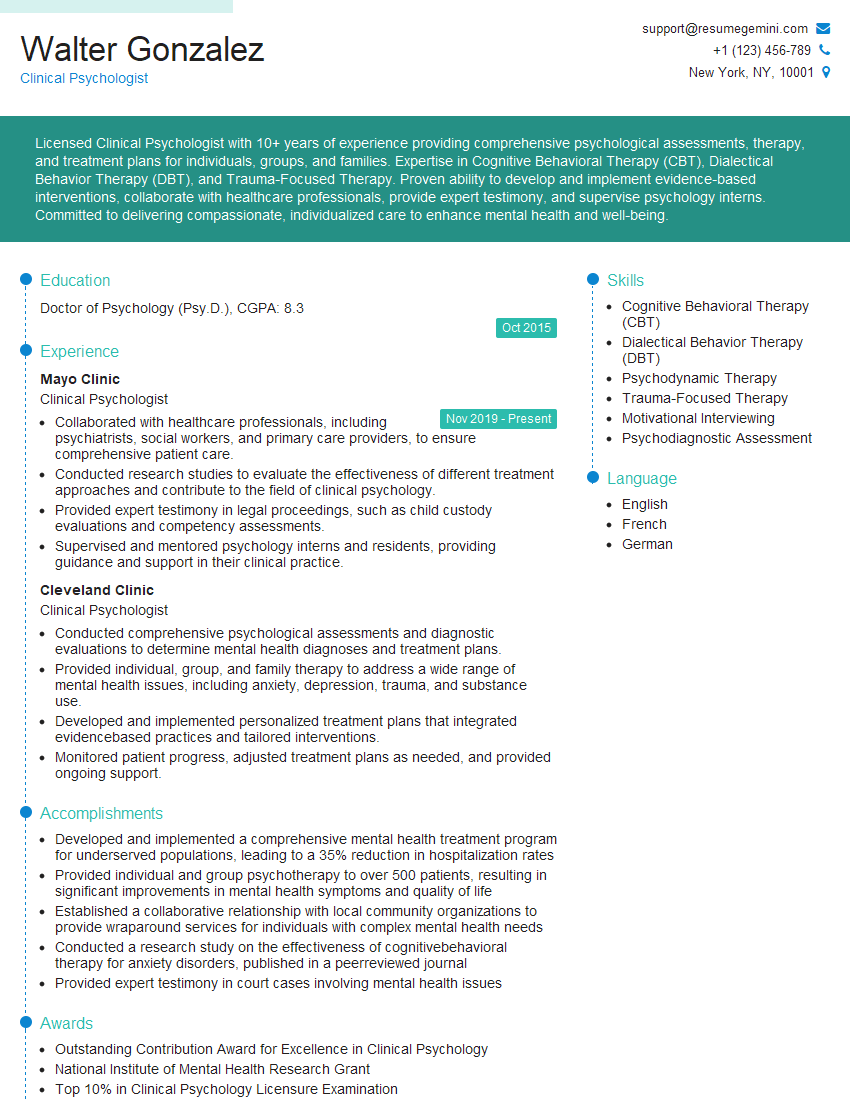
Clinical Psychologist Resume Sample
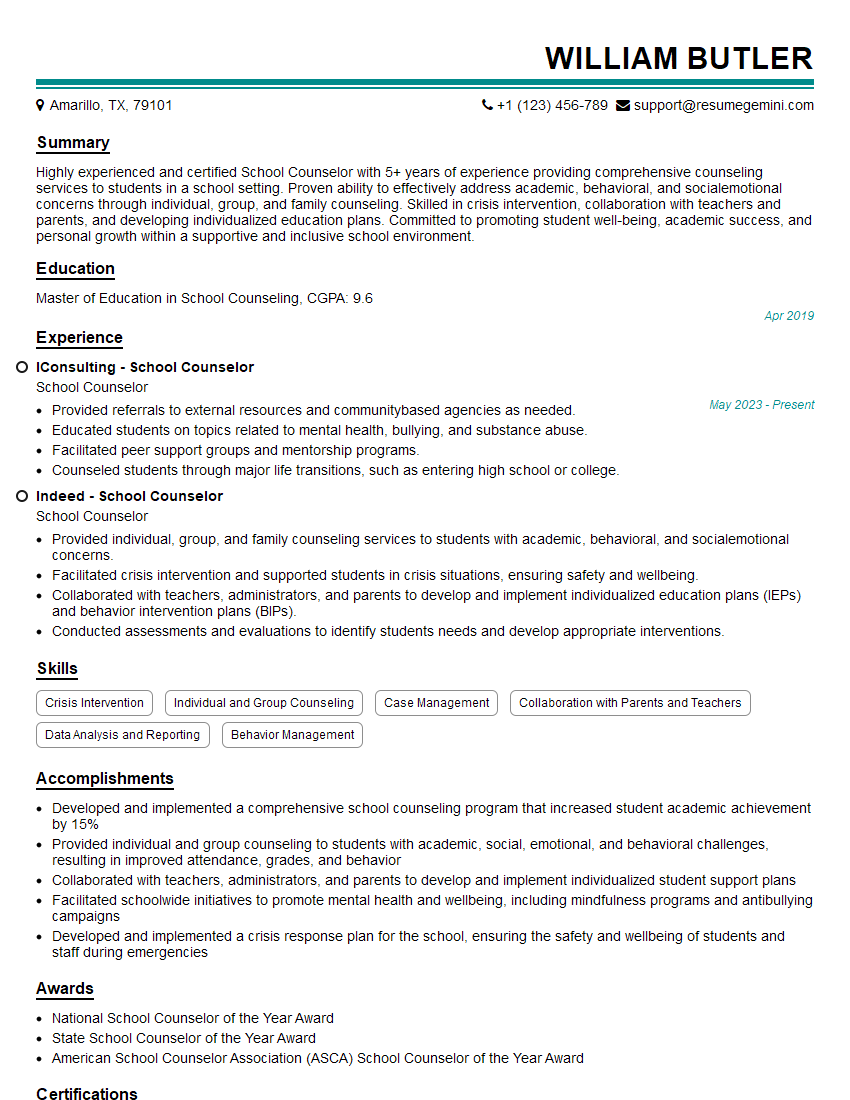
School Counselor Resume Sample
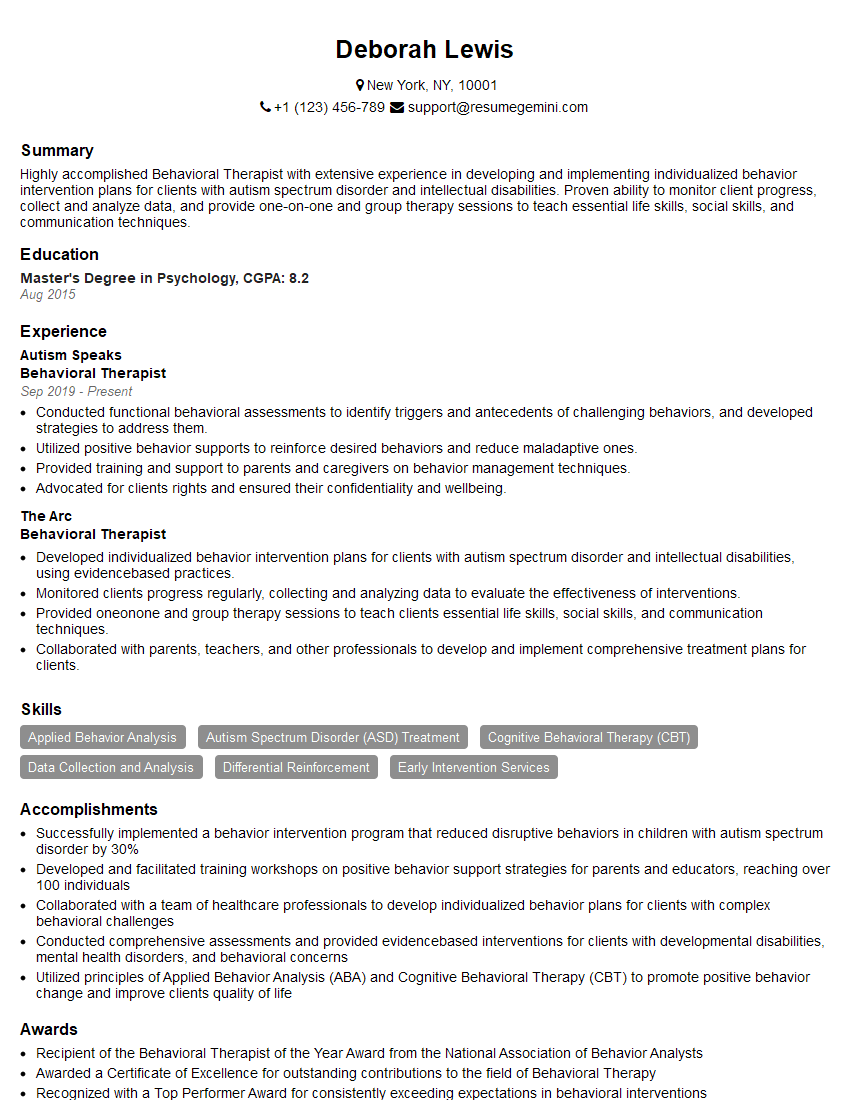
Behavioral Therapist Resume Sample
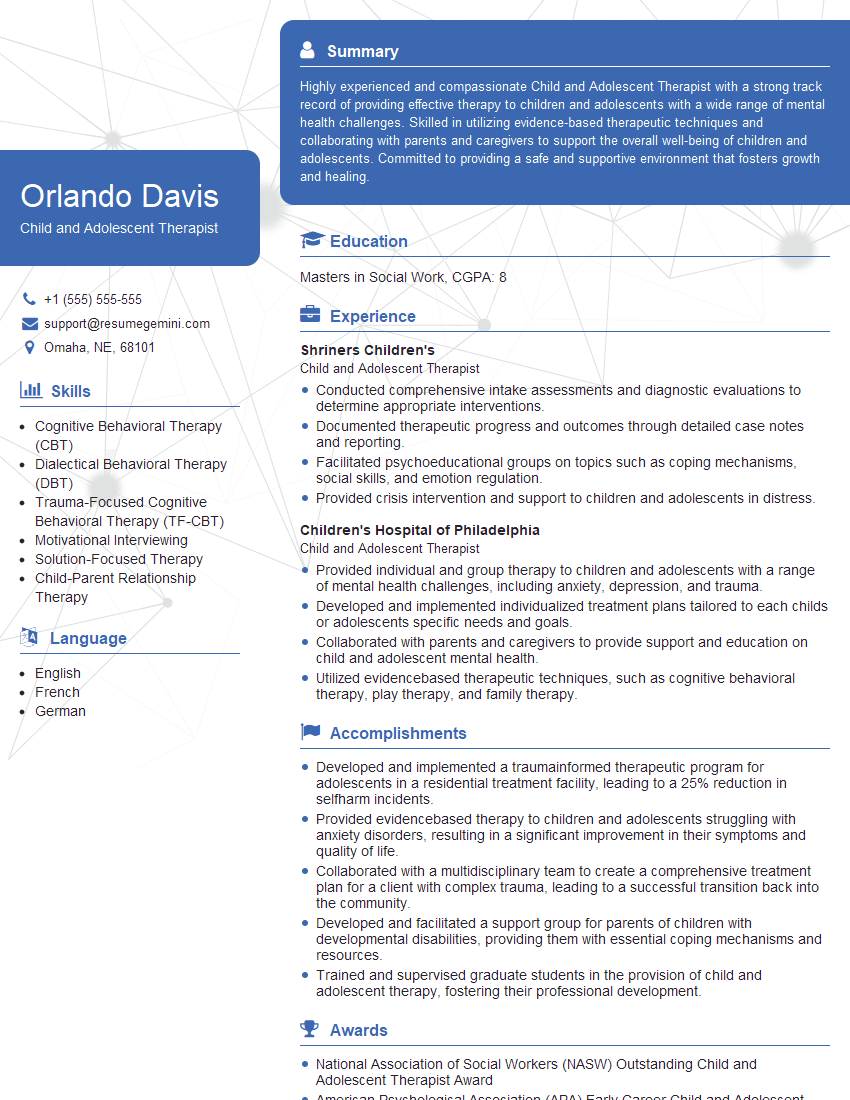
Child and Adolescent Therapist Resume Sample
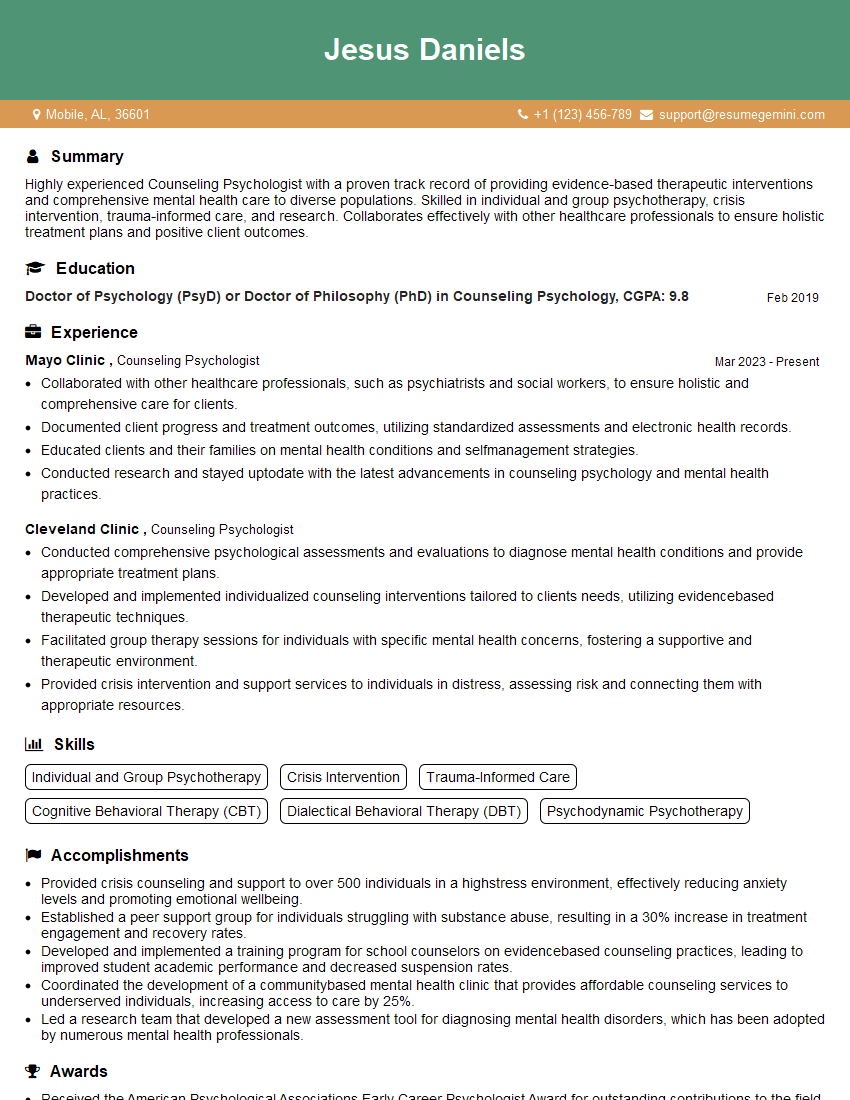
Counseling Psychologist Resume Sample
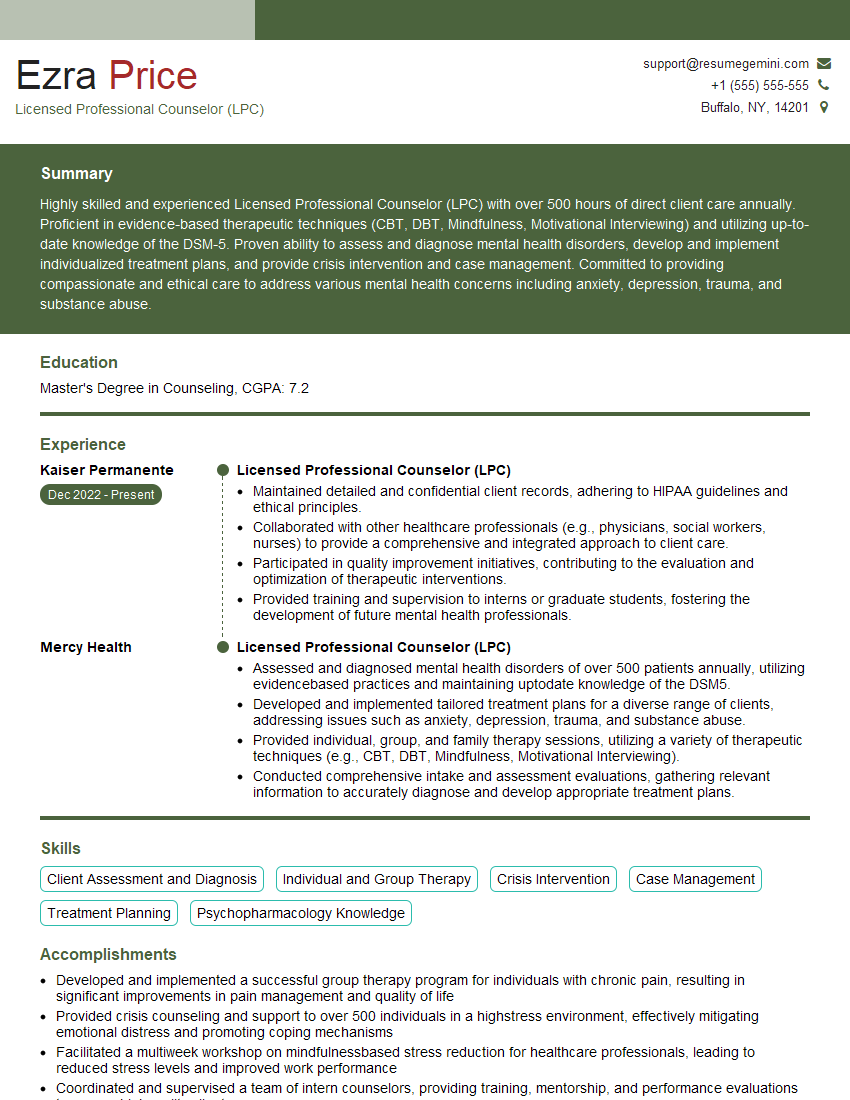
Licensed Professional Counselor (LPC) Resume Sample

Addictions Counselor Resume Sample
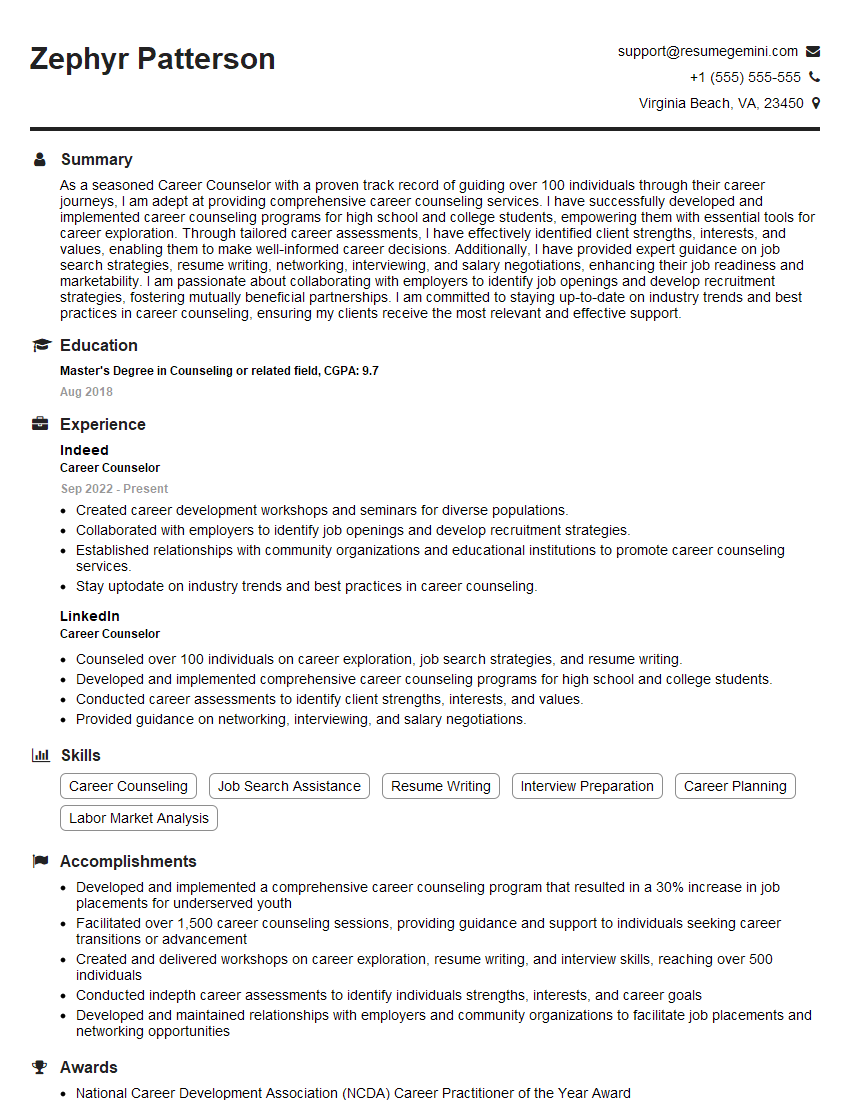
Career Counselor Resume Sample

Mental Health Counselor Resume Sample
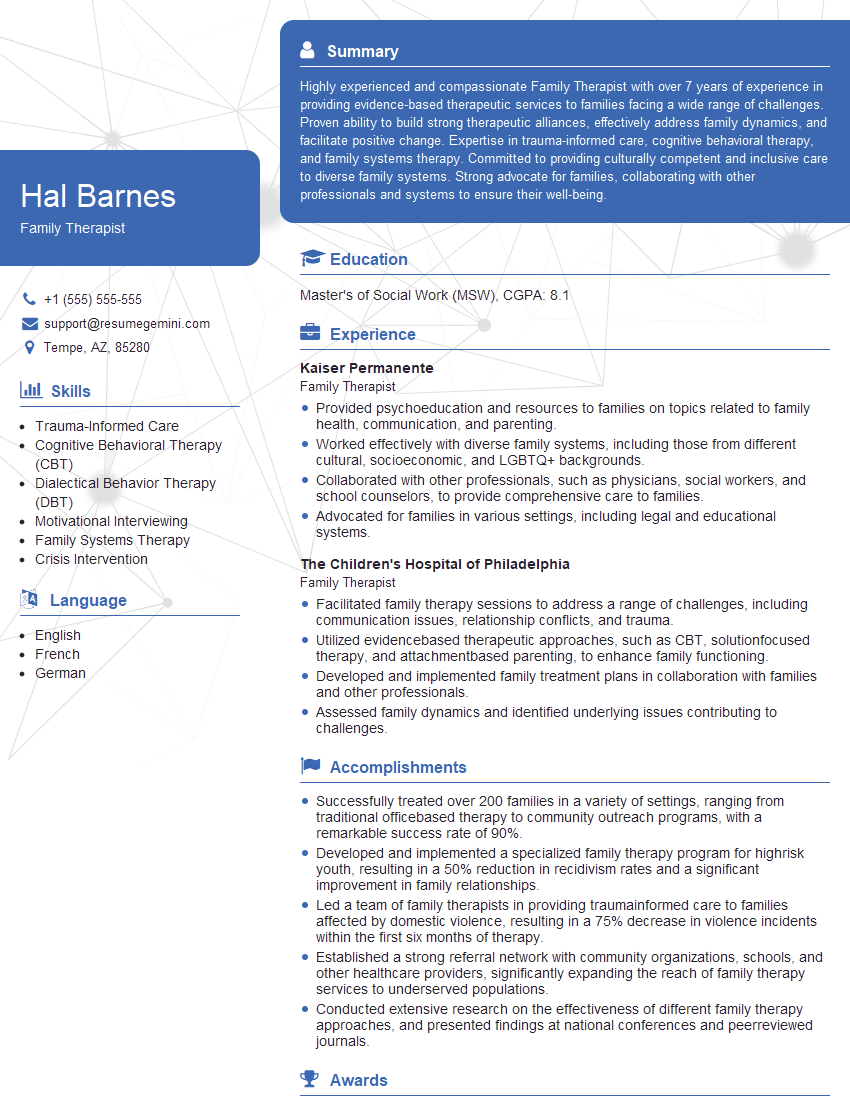
Family Therapist Resume Sample
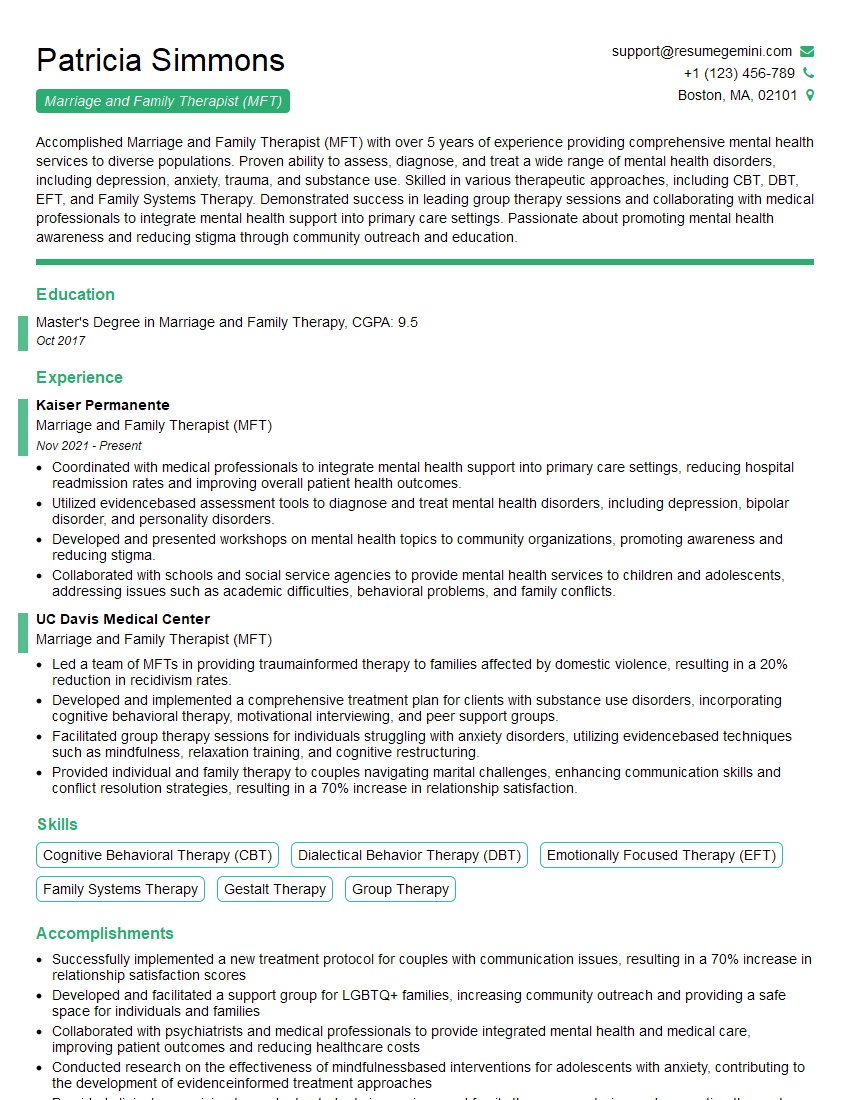
Marriage and Family Therapist (MFT) Resume Sample
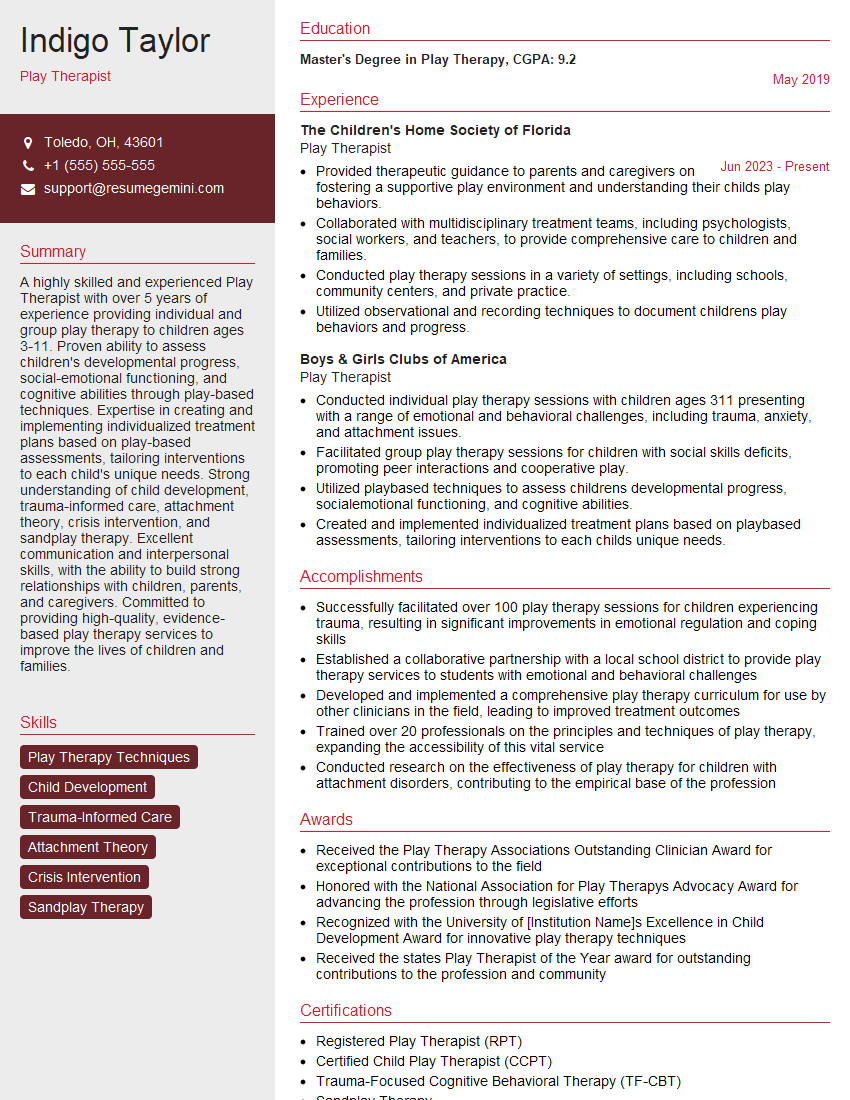
Play Therapist Resume Sample
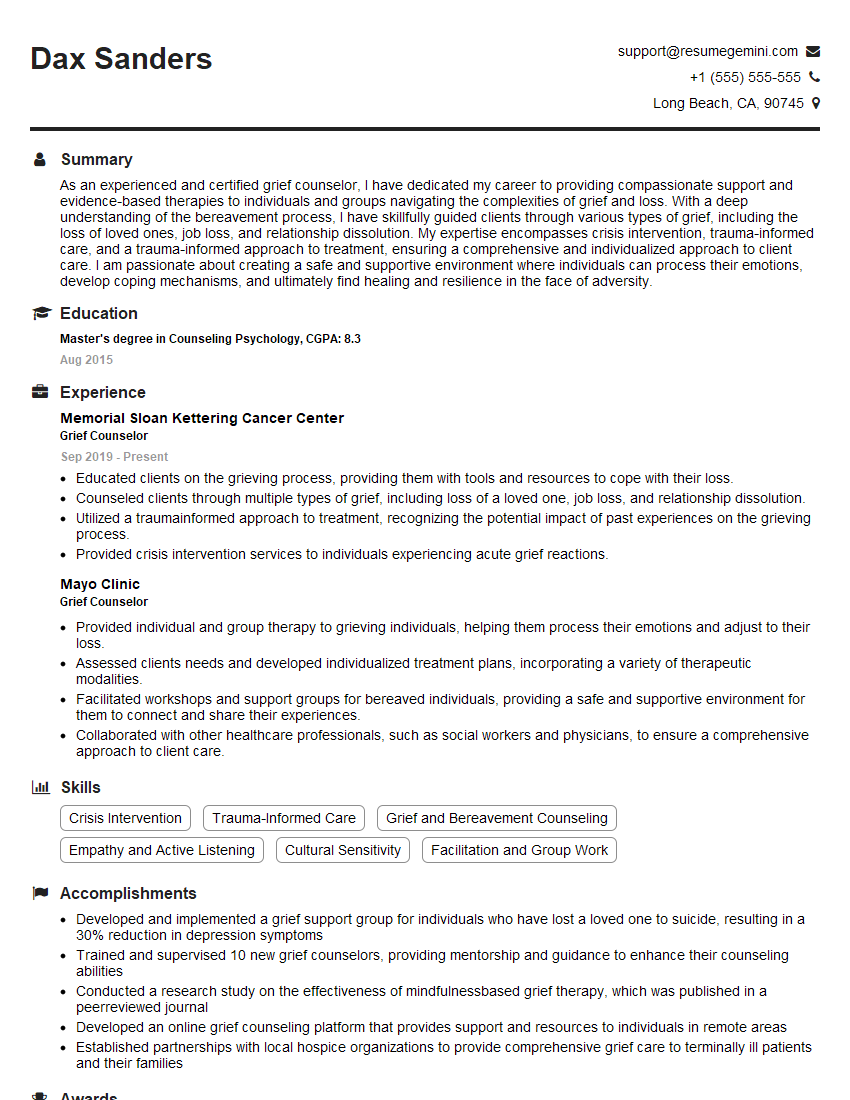
Grief Counselor Resume Sample

Rehabilitation Counselor Resume Sample
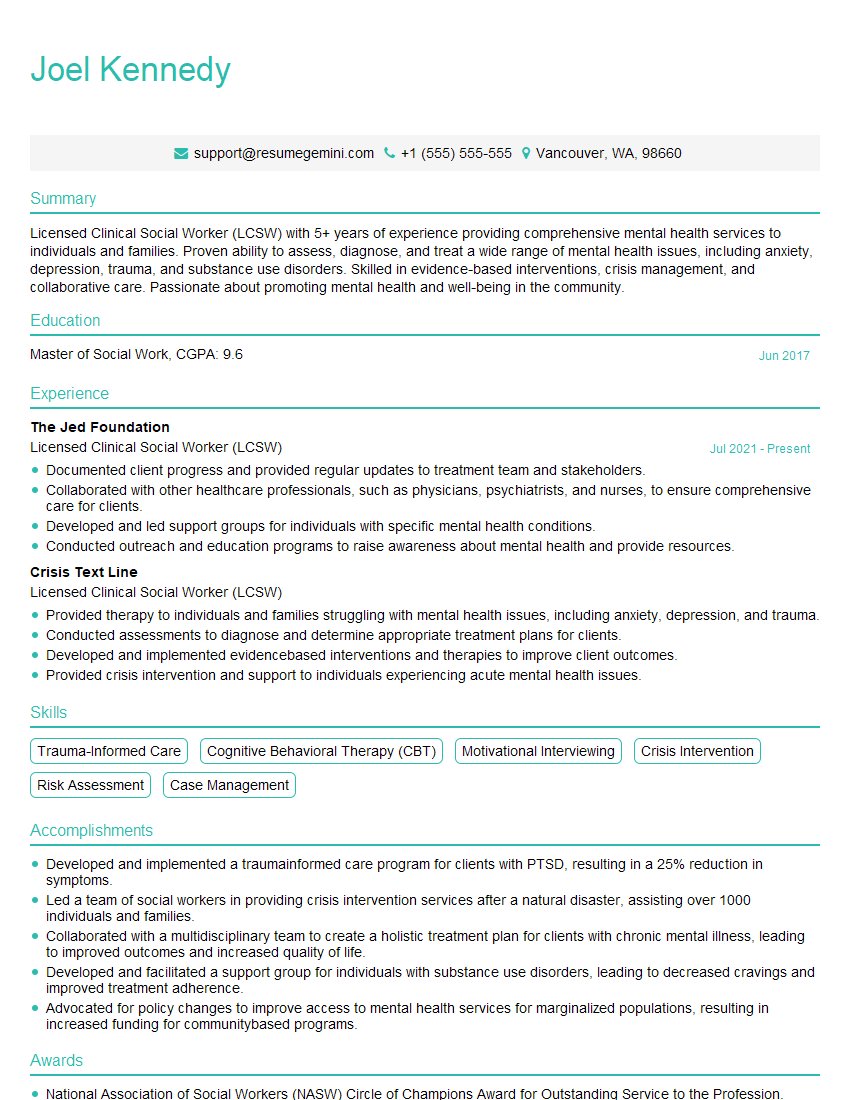
Licensed Clinical Social Worker (LCSW) Resume Sample
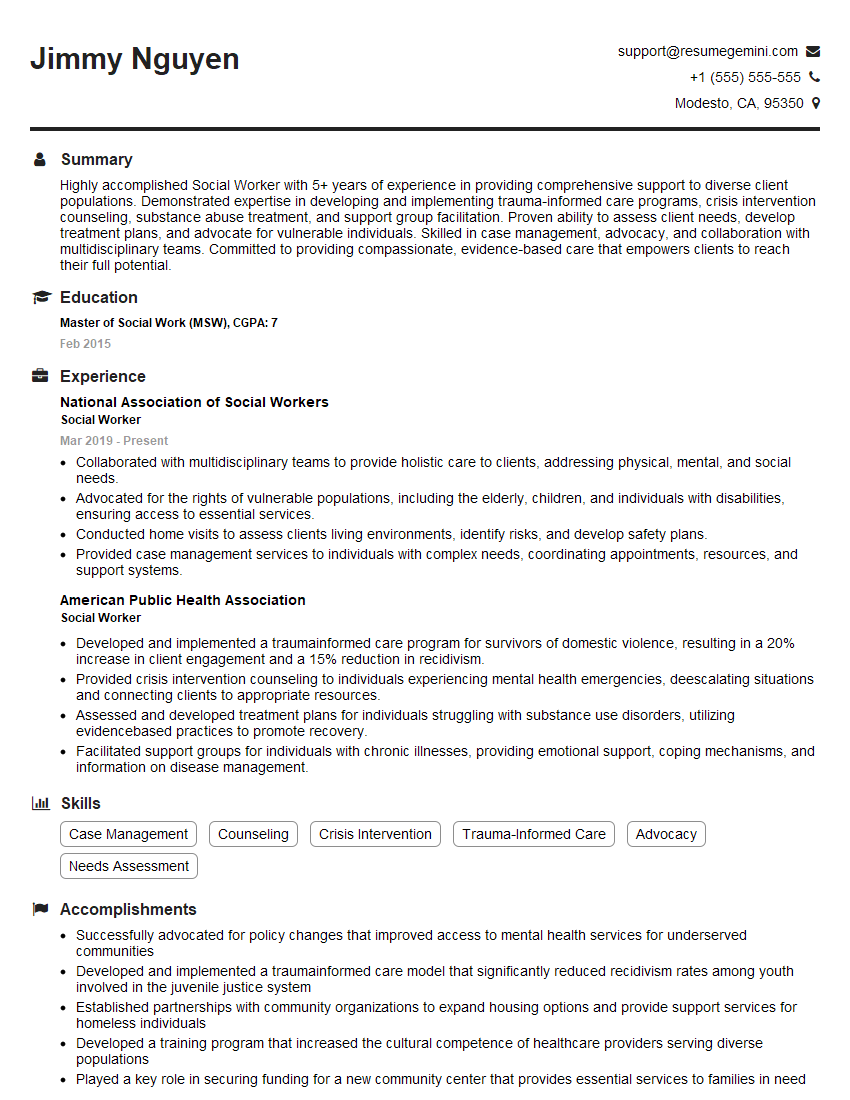
Social Worker Resume Sample
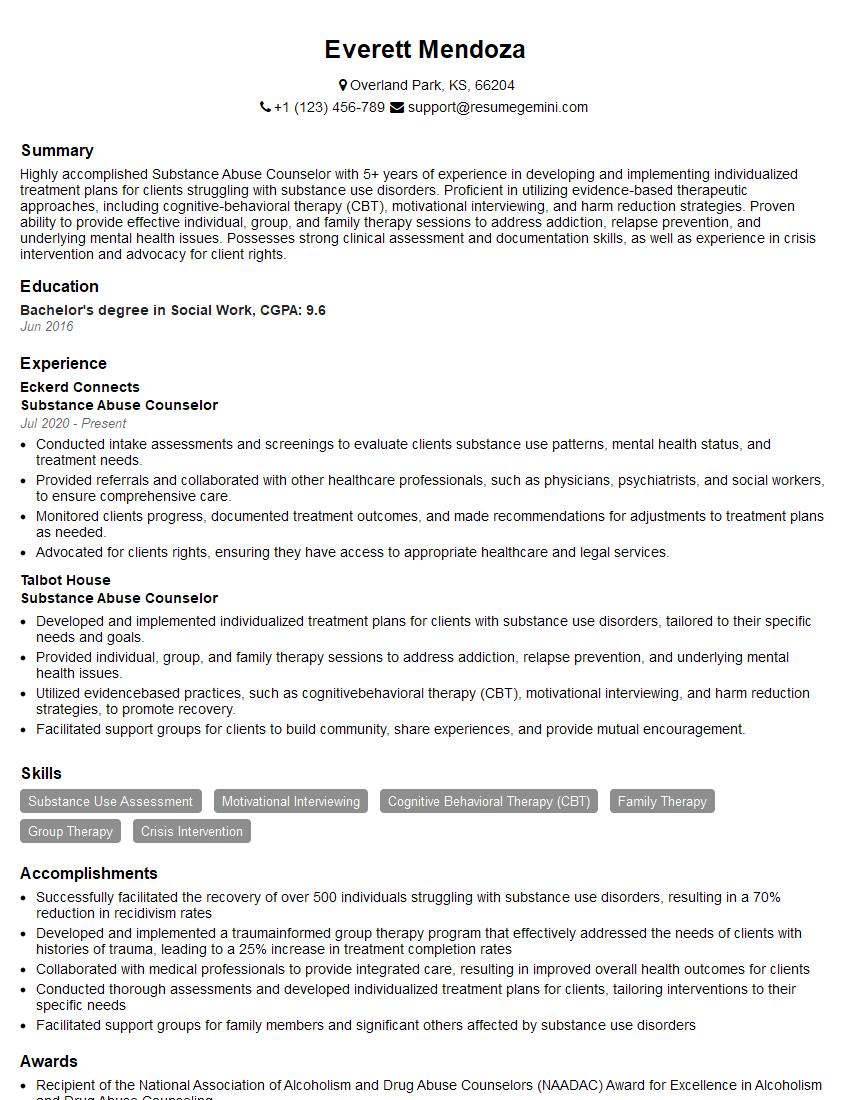
Substance Abuse Counselor Resume Sample
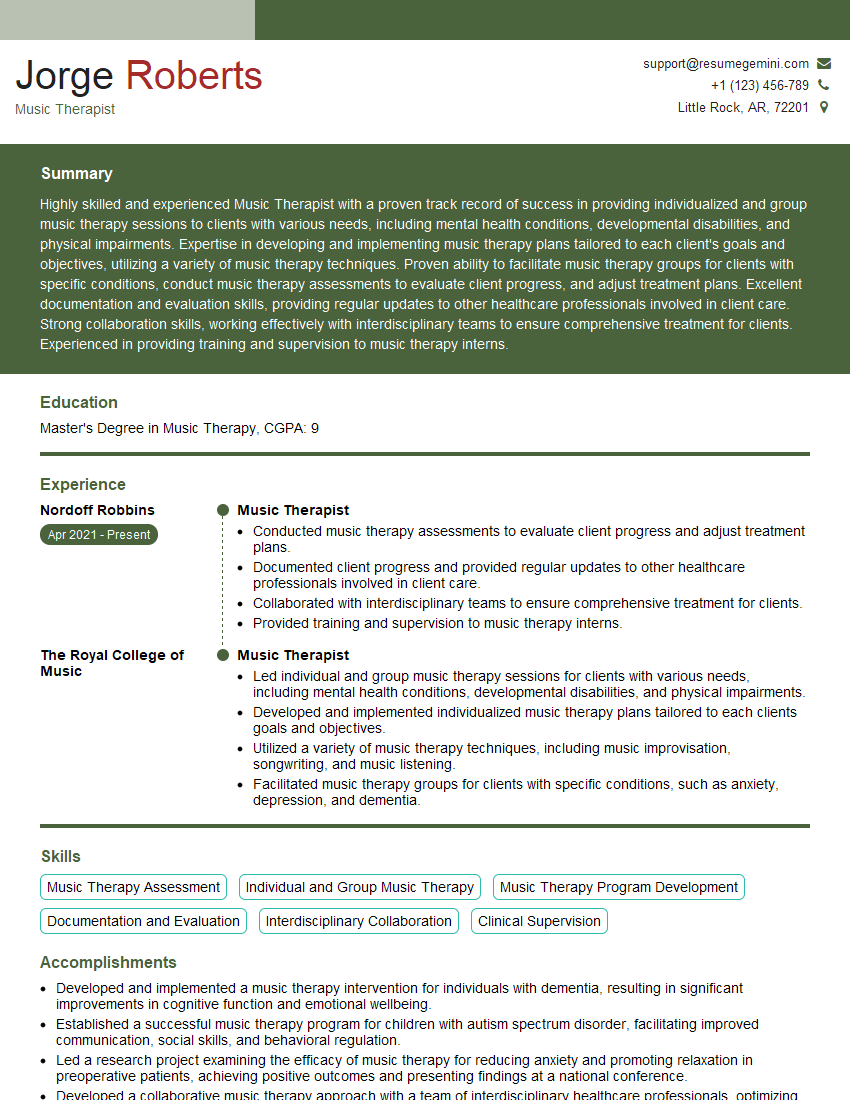
Music Therapist Resume Sample
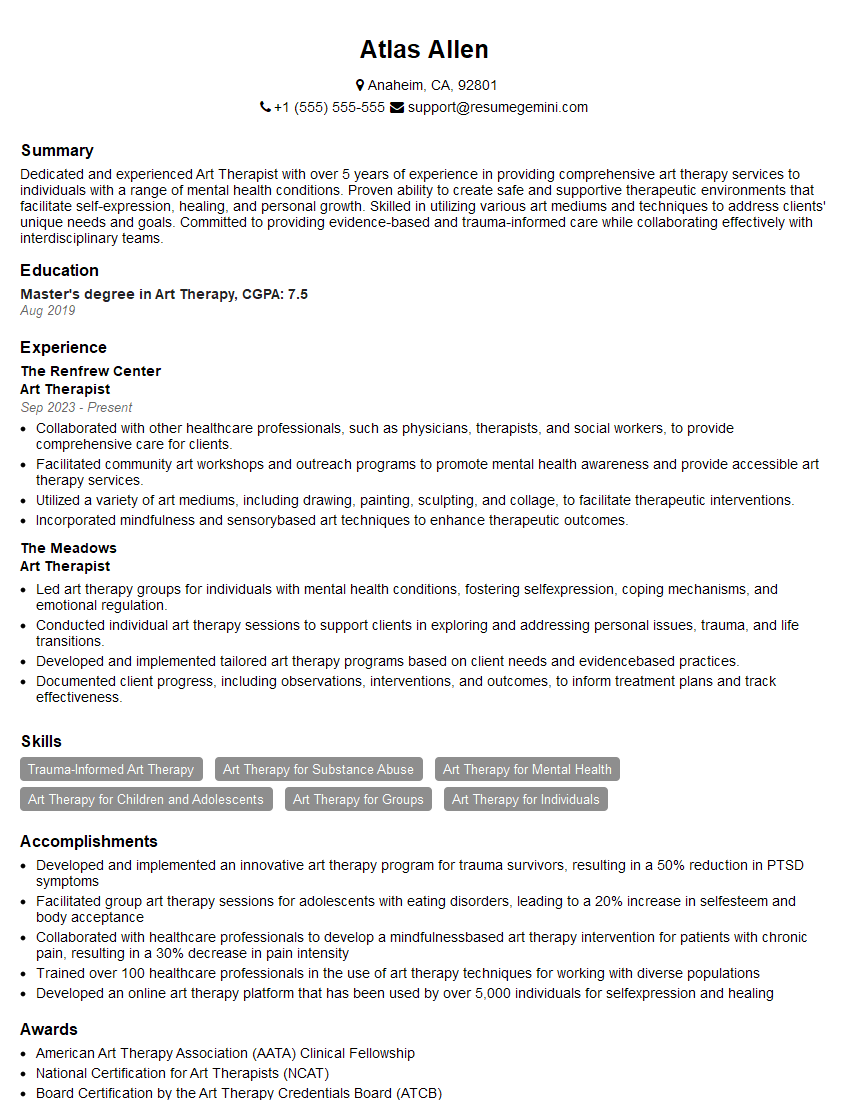
Art Therapist Resume Sample
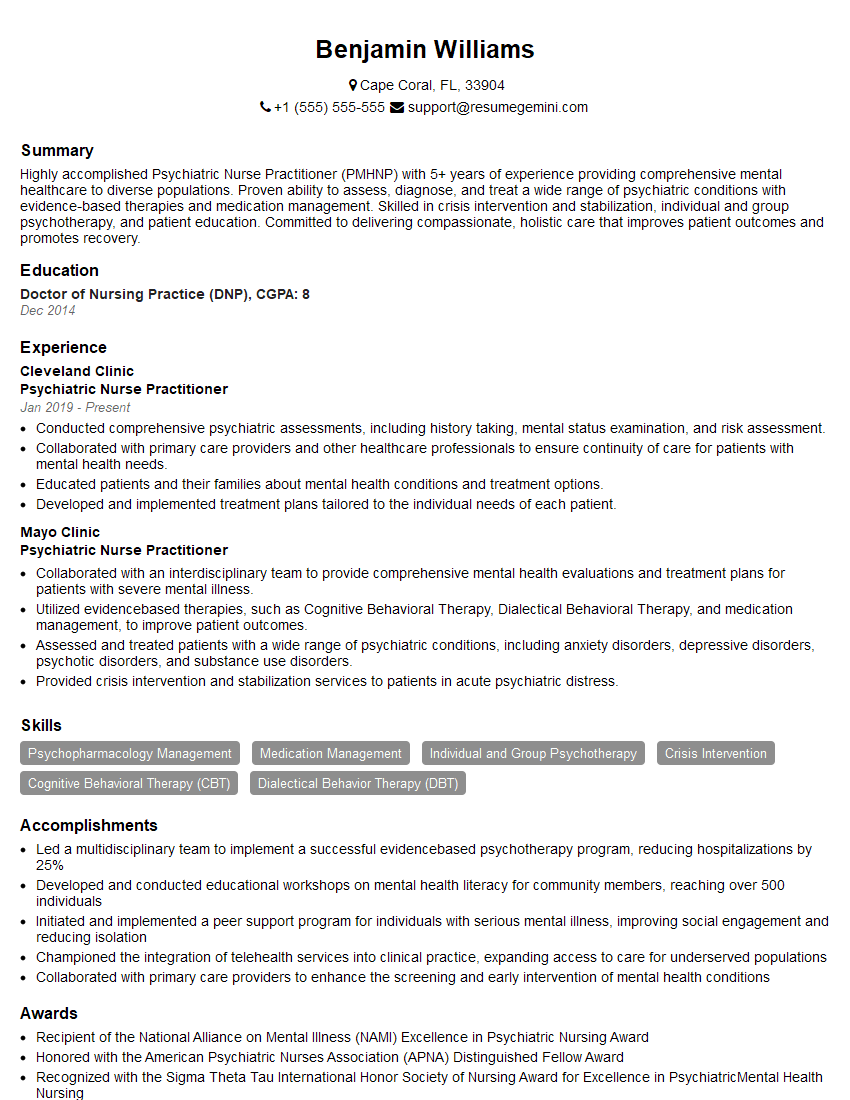
Psychiatric Nurse Practitioner Resume Sample
- Clinical Psychologist
- School Counselor
- Behavioral Therapist
- Child and Adolescent Therapist
- Counseling Psychologist
- Licensed Professional Counselor (LPC)
- Addictions Counselor
- Career Counselor
- Mental Health Counselor
- Family Therapist
- Marriage and Family Therapist (MFT)
- Play Therapist
- Grief Counselor
- Rehabilitation Counselor
- Licensed Clinical Social Worker (LCSW)
- Social Worker
- Substance Abuse Counselor
- Music Therapist
- Art Therapist
- Psychiatric Nurse Practitioner
Explore more articles
Users Rating of Our Blogs
Share Your Experience
We value your feedback! Please rate our content and share your thoughts (optional).
What Readers Say About Our Blog
To the interviewgemini.com Webmaster.
Very helpful and content specific questions to help prepare me for my interview!
Thank you
To the interviewgemini.com Webmaster.
This was kind of a unique content I found around the specialized skills. Very helpful questions and good detailed answers.
Very Helpful blog, thank you Interviewgemini team.