Feeling uncertain about what to expect in your upcoming interview? We’ve got you covered! This blog highlights the most important Crystallizer Process LOPA interview questions and provides actionable advice to help you stand out as the ideal candidate. Let’s pave the way for your success.
Questions Asked in Crystallizer Process LOPA Interview
Q 1. Describe the Layer of Protection Analysis (LOPA) methodology.
Layer of Protection Analysis (LOPA) is a qualitative risk assessment methodology used to determine the necessary safety layers to reduce the risk of hazardous events to an acceptable level. Think of it like building a safety net – each layer is a safeguard, and the more layers you have, the less likely a serious accident is to occur. Unlike quantitative risk assessments that use precise numbers, LOPA focuses on identifying potential hazards and estimating the likelihood and severity of their consequences, leading to a more holistic and practical approach to safety.
Q 2. Explain the steps involved in conducting a LOPA for a crystallizer process.
Conducting a LOPA for a crystallizer process involves these key steps:
- Identify Hazards: This involves brainstorming potential hazards related to the crystallizer, such as runaway reactions, overpressure, equipment failures, and human error.
- Identify Initiating Events: For each hazard, pinpoint the specific events that could trigger it (e.g., pump failure leading to overpressure).
- Identify Existing Protective Layers: List all the existing safety features (e.g., high-level alarms, pressure relief valves, emergency shutdown systems) designed to prevent or mitigate each initiating event.
- Evaluate Layer Effectiveness: Assess the reliability of each protective layer, considering its probability of failure on demand (PFD). This often involves reviewing historical data, maintenance records, and engineering specifications.
- Evaluate Risk Reduction: Quantify the risk reduction achieved by each layer. LOPA often uses a qualitative approach, estimating risk reduction based on factors such as the layer’s design, integrity, and effectiveness. For example, a pressure relief valve will reduce the risk of overpressure considerably, but its effectiveness depends on proper maintenance and correct sizing.
- Determine Additional Layers (if needed): If the residual risk after considering all existing layers is unacceptable, additional layers are identified and designed to further mitigate the risk.
- Document the LOPA: All findings and decisions are thoroughly documented in a LOPA report.
A well-executed LOPA for a crystallizer ensures that adequate safety measures are in place to manage the inherent risks of the process and prevent major incidents.
Q 3. What are the key hazards associated with crystallizer operations?
Crystallizer operations present several key hazards:
- Overpressure: A buildup of pressure within the crystallizer can lead to vessel rupture or other equipment damage.
- Runaway Reactions: Exothermic reactions within the crystallizer can lead to temperature increases and potentially explosive conditions.
- Dust Explosions: Fine crystal dust can form explosive mixtures in the air, particularly if there is an ignition source.
- Equipment Failures: Failures of pumps, valves, or other equipment can disrupt the process, leading to hazardous situations.
- Material Handling Hazards: Handling of chemicals involved in crystallization can pose risks to workers’ health and safety.
- Thermal Burns: Hot solutions, steam, or heated surfaces pose risks of burns to personnel.
- Toxic Releases: Leaks or spills of toxic materials from the crystallizer can pose serious environmental and health hazards.
Q 4. How do you identify and quantify the risk associated with a specific hazard in a crystallizer?
Identifying and quantifying the risk associated with a specific hazard in a crystallizer involves a combination of qualitative and quantitative methods within the LOPA framework. For example, let’s consider the hazard of overpressure due to pump failure:
- Frequency: Estimate the frequency of pump failure based on historical data, maintenance records, and equipment reliability statistics. This might be expressed as a failure rate per year (e.g., 0.01 failures/year).
- Severity: Assess the severity of the consequences of a pump failure leading to overpressure. This is often done qualitatively, using a scale (e.g., catastrophic, major, minor). Catastrophic would indicate potential for fatalities or major environmental damage.
- Consequences: Describe the potential outcomes: vessel rupture, release of hazardous materials, fire, injury to personnel, environmental impact.
- Risk Reduction: Consider the effectiveness of existing safety layers such as high-level alarms, pressure relief valves, emergency shutdown systems. Assign a qualitative risk reduction factor (e.g., high, medium, low) for each layer.
- Residual Risk: After considering all layers, estimate the residual risk— the risk that remains after implementing all safeguards. This would usually be presented qualitatively in the LOPA as a risk ranking (e.g., tolerable, ALARP – As Low As Reasonably Practicable, intolerable).
This process is repeated for all identified hazards to create a comprehensive risk profile for the crystallizer.
Q 5. What are the different types of safety layers used in crystallizers?
Crystallizers utilize various safety layers, categorized as:
- Inherent Safety: Design choices to minimize the hazard, such as using less hazardous materials or reducing the process operating pressure.
- Passive Safety Systems: Physical barriers or design features that don’t require external power or active intervention (e.g., pressure relief valves, rupture disks).
- Active Safety Systems: Systems requiring external power and active intervention (e.g., high-level alarms, emergency shutdown systems, level control systems).
- Procedural Safeguards: Operating procedures, training, and work permits designed to prevent hazardous events (e.g., lockout/tagout procedures).
- Administrative Controls: Management systems, training programs, safety reviews to manage risk. (e.g., regular equipment inspections, emergency response plans).
The specific safety layers implemented will depend on the crystallizer design, the materials being processed, and the overall risk assessment.
Q 6. How do you determine the Safety Integrity Level (SIL) for safety instrumented systems (SIS) in a crystallizer?
Determining the Safety Integrity Level (SIL) for Safety Instrumented Systems (SIS) in a crystallizer is a crucial part of the LOPA process. The SIL is a measure of the risk reduction required from an SIS. It’s determined by considering the:
- Severity: The potential consequences of a failure (e.g., fatalities, major injuries, environmental damage).
- Frequency: The likelihood of a hazardous event occurring.
- Risk Reduction Required: The level of risk reduction needed to make the residual risk acceptable.
Using standards like IEC 61508 or IEC 61511, the risk is categorized into SIL levels (SIL 1 to SIL 4, with SIL 4 being the highest integrity level needed for the most critical safety functions). The SIL level dictates the required performance and reliability standards for the SIS. For instance, a SIL 3 system necessitates much higher reliability and a lower probability of failure on demand compared to a SIL 1 system. This influences the design, procurement, testing, and maintenance of the SIS.
Q 7. Explain the concept of probability of failure on demand (PFD) in the context of LOPA.
Probability of Failure on Demand (PFD) represents the probability that a safety instrumented function will fail to perform its required function when demanded. In the context of LOPA, it’s a crucial parameter to assess the reliability of the safety layers. For example, a PFD of 10-3 means there’s a 0.1% chance the safety system will fail to operate when needed. Lower PFD values indicate higher reliability. LOPA uses the PFD to estimate the risk reduction achieved by safety systems. A lower PFD contributes to a more substantial risk reduction. During a LOPA, the PFD of each safety layer (e.g., the emergency shutdown system) is considered to estimate the overall risk reduction and determine if further safety layers are necessary to achieve the acceptable risk level.
Q 8. How do you account for human error in your LOPA analysis?
Human error is a significant contributor to process incidents, and ignoring it in a LOPA (Layer of Protection Analysis) is unacceptable. We address it systematically by identifying potential human actions that could lead to deviations from safe operating procedures. This involves reviewing standard operating procedures (SOPs), operator training programs, and past incident reports. We then use Human Reliability Analysis (HRA) techniques, such as THERP (Technique for Human Error Rate Prediction) or HEART (Human Error Assessment and Reduction Technique), to estimate the probability of these errors occurring. These probabilities are then incorporated into the LOPA’s risk assessment, influencing the overall risk level and the necessary layers of protection.
For example, in a crystallization process, an operator might mistakenly add the wrong chemical or fail to monitor a critical parameter like temperature. Using HRA, we would estimate the probability of these errors, considering factors such as the complexity of the task, the operator’s experience, and the effectiveness of available safeguards (like alarms or interlocks). This probability then informs the calculation of the risk associated with the hazard. This helps us prioritize safeguards, such as improved alarm systems, better training, or additional safety procedures, to mitigate the risk posed by human error.
Q 9. What are the limitations of LOPA?
LOPA, while a powerful risk assessment tool, has limitations. It’s primarily qualitative and relies on expert judgment, making it susceptible to biases. The accuracy of the analysis depends heavily on the quality of the input data and the expertise of the team conducting the study. Complex scenarios with multiple interacting hazards can be difficult to model accurately using LOPA. It also focuses mainly on the frequency of hazardous events, neglecting the potential severity of consequences beyond what’s captured in predefined consequence categories. Furthermore, LOPA doesn’t explicitly assess the effectiveness of individual layers of protection in detail; it assumes a certain level of performance for each layer. This is something that a detailed HAZOP analysis might go further into.
Q 10. How does LOPA compare to HAZOP?
Both HAZOP (Hazard and Operability Study) and LOPA are valuable risk assessment techniques, but they serve different purposes and have distinct approaches. HAZOP is a systematic, qualitative technique used to identify potential hazards and operability problems across the entire process. It uses guide words (e.g., ‘no,’ ‘more,’ ‘less,’ ‘part of’) to explore deviations from design intent. LOPA, on the other hand, focuses on quantifying the risk associated with identified hazards and evaluating the effectiveness of the safety layers in place to mitigate them. In essence, HAZOP helps identify the hazards, and LOPA assesses the risk and the protective layers. It’s common practice to use HAZOP to identify hazards, then use LOPA to assess the risk level of those hazards and determine if additional safety measures are needed.
Think of it this way: HAZOP is like a brainstorming session to find all possible problems, while LOPA is like a detailed evaluation of how well the defenses against those problems are working. They complement each other.
Q 11. How do you validate the results of your LOPA study?
Validating LOPA results is crucial to ensure reliability. This involves a multi-step approach. First, we thoroughly review the study methodology and data to verify accuracy and consistency. We compare the LOPA’s assumptions and results with historical data, such as incident reports and process performance data. Independent review by a team with different expertise is essential for catching potential errors or biases. Sensitivity analysis is vital; we systematically vary the input parameters (e.g., frequency of initiating events, effectiveness of safety layers) to evaluate how these changes affect the overall risk. This helps assess the robustness of the conclusions. We also compare the results with other risk assessments, if available, for consistency. Finally, the LOPA should be updated and reviewed periodically, as processes change and new data becomes available.
Q 12. Describe your experience with different types of crystallizers (e.g., evaporative, MSMPR).
My experience encompasses various crystallizer types, including evaporative crystallizers and MSMPR (Mixed Suspension Mixed Product Removal) crystallizers. Evaporative crystallizers remove solvent to induce crystallization, often used for salt production. I’ve worked on projects optimizing the evaporation rate and controlling supersaturation to achieve desired crystal size and morphology. MSMPR crystallizers, which operate under steady-state conditions, maintain a constant crystal size distribution. In these systems, my focus has been on modeling the crystal growth kinetics, controlling the nucleation rate, and ensuring consistent product quality. I’ve also worked with other designs such as draft tube baffled crystallizers and fluidized bed crystallizers, each with its own unique challenges in terms of process control and safety.
Each type presents different challenges for LOPA. For example, in an evaporative crystallizer, the risk of runaway evaporation leading to overheating and potential explosions needs careful assessment. In MSMPR crystallizers, the focus is on maintaining stable operation and preventing unwanted nucleation or agglomeration.
Q 13. What are the critical process parameters that need to be monitored and controlled in a crystallizer?
Critical process parameters (CPPs) in crystallizers that require close monitoring and control are numerous and depend on the specific crystallizer design and the material being crystallized. However, some key CPPs consistently include:
- Temperature: Temperature directly influences solubility and affects crystal growth rate and nucleation.
- Supersaturation: Precise control of supersaturation is critical to prevent uncontrolled nucleation and achieve the desired crystal size distribution. It’s often monitored indirectly through temperature and concentration.
- Concentration: Solvent concentration impacts supersaturation and crystal growth rate. Precise concentration control is crucial to achieve target product purity.
- Agitation/Mixing: Proper mixing ensures uniform supersaturation and prevents localized high supersaturation regions, which can lead to unwanted nucleation or agglomeration.
- Crystal Size Distribution (CSD): Real-time monitoring of CSD is essential to maintain product quality and consistency.
- pH (if applicable): pH can significantly affect solubility and crystal morphology.
Careful monitoring of these parameters is essential for safe and efficient operation. Deviations from setpoints can trigger alarms, initiate automatic corrective actions, or necessitate operator intervention.
Q 14. How do you handle uncertainties in input parameters during LOPA analysis?
Uncertainties in input parameters are inherent in LOPA. We address these using sensitivity analysis, as mentioned earlier, and by assigning appropriate ranges or probability distributions to these parameters rather than using single point estimates. For example, instead of assuming a precise value for the frequency of a pump failure, we might assign a range (e.g., 0.01 to 0.05 failures per year) or a probability distribution based on historical data or manufacturer’s specifications. We then use Monte Carlo simulations to generate multiple scenarios with varying parameters within their uncertainty bounds and evaluate the resulting risk distribution. This helps to understand the impact of uncertainty on the overall risk assessment and to identify areas where reducing uncertainty is most crucial for better decision making. Transparency about these uncertainties and their potential impact on the LOPA conclusions is vital in the final report.
Q 15. Explain the importance of documenting the LOPA study.
LOPA study documentation is paramount for several reasons. It serves as a crucial record of the hazards identified, the risk reduction measures implemented, and the residual risks accepted. This documentation provides a clear audit trail, demonstrating compliance with safety regulations and internal policies. Moreover, it facilitates effective communication across different teams and stakeholders, ensuring everyone understands the inherent risks and the mitigation strategies employed. A well-documented LOPA study also allows for easy review and updating as the process changes or new information becomes available, ensuring the ongoing effectiveness of the safety management system. Imagine a scenario where a modification to a crystallizer process is made without updating the LOPA – a potentially dangerous oversight that proper documentation would prevent.
A comprehensive LOPA document should include details such as the process description, the identified hazards, the risk assessment methodology (including frequency and consequence estimations), proposed safeguards, residual risks, and assigned responsibilities. It should be clear, concise, and easily accessible to all relevant personnel.
Career Expert Tips:
- Ace those interviews! Prepare effectively by reviewing the Top 50 Most Common Interview Questions on ResumeGemini.
- Navigate your job search with confidence! Explore a wide range of Career Tips on ResumeGemini. Learn about common challenges and recommendations to overcome them.
- Craft the perfect resume! Master the Art of Resume Writing with ResumeGemini’s guide. Showcase your unique qualifications and achievements effectively.
- Don’t miss out on holiday savings! Build your dream resume with ResumeGemini’s ATS optimized templates.
Q 16. What software tools have you used for LOPA analysis?
Throughout my career, I’ve utilized various software tools to support LOPA analysis. These include dedicated process safety software packages like PHA-Pro and Risk Spectrum, which provide structured workflows and calculation capabilities for estimating frequencies and consequences. I also have experience using spreadsheet software like Microsoft Excel for simpler LOPA studies, where calculations are less complex. The choice of software depends greatly on the complexity of the process and the available resources. For example, for a large-scale crystallizer with numerous interacting hazards, dedicated software is preferred for its robust capabilities. For smaller, simpler crystallizers, spreadsheets might suffice, especially when combined with a well-defined methodology.
Q 17. Describe your experience with process safety management (PSM) standards.
My experience with Process Safety Management (PSM) standards is extensive. I’m intimately familiar with OSHA’s PSM standard (29 CFR 1910.119) in the US and equivalent standards in other regions. I understand the importance of hazard identification, risk assessment, and mitigation strategies as integral parts of a comprehensive PSM system. In my work, I’ve consistently ensured that LOPA studies are conducted in accordance with these standards, contributing to the development and implementation of effective safety management systems for crystallizer processes. Specifically, I’ve worked on developing and updating safety procedures, conducting risk assessments, and participating in incident investigations, all within the framework of PSM regulations. One example is using LOPA to identify and mitigate the risk of runaway reactions in a crystallizer by implementing effective temperature control and safety relief systems – a crucial element of compliance with PSM standards.
Q 18. How do you integrate LOPA with other process safety activities?
LOPA is not an isolated activity; it’s intricately linked to other process safety initiatives. It forms a critical part of the overall hazard identification and risk assessment process. The outputs from HAZOP (Hazard and Operability Study) and other hazard identification techniques provide crucial inputs for the LOPA, helping to define the hazards and scenarios to be analyzed. Similarly, the results of the LOPA inform the design and implementation of safety instrumented systems (SIS) and other safeguards, ensuring that the risk is reduced to an acceptable level. For instance, a high-level risk identified during a HAZOP study might require a detailed LOPA to evaluate the effectiveness of various safety measures, leading to the specification of a new SIS or improved operating procedures for the crystallizer.
Furthermore, LOPA results are frequently incorporated into safety management system documentation, incident investigation reports, and management of change procedures. This integration ensures a consistent and comprehensive approach to process safety across the organization.
Q 19. How do you communicate the results of a LOPA study to stakeholders?
Communicating LOPA results effectively is crucial for stakeholder buy-in and implementation of safety measures. I employ a multi-faceted approach. First, a concise summary report is prepared, highlighting key findings, including the identified hazards, residual risks, and proposed mitigation strategies. This report is tailored to the audience, using clear and non-technical language where appropriate. For technical stakeholders, I provide more detailed information, including the underlying calculations and justifications. Then, I conduct presentations to different stakeholder groups, using visuals and interactive elements to ensure effective understanding. For example, I may use risk matrices or charts to visually represent the risks and the impact of different mitigation measures.
Following the presentations, open dialogue and Q&A sessions are essential to address any concerns or questions. Finally, the complete LOPA documentation is made available to all stakeholders for review and reference.
Q 20. What are the common causes of incidents in crystallizer processes?
Incidents in crystallizer processes stem from a range of causes. Common issues include:
- Equipment failure: This could include failures in agitators, pumps, temperature sensors, or level controls, leading to undesirable operating conditions and potential hazards.
- Human error: Incorrect operation, inadequate training, or procedural deviations can significantly increase the risk of incidents.
- Process upsets: Sudden changes in feed composition, temperature, or flow rates can destabilize the crystallization process, potentially leading to blockages, runaway reactions, or product quality issues.
- Lack of effective monitoring: Inadequate monitoring and alarming systems can prevent timely detection of process deviations, escalating minor issues into major incidents.
- Material handling issues: Problems with material transfer or storage, such as spills or leaks, can create additional hazards.
Understanding these common causes is critical for proactively identifying and mitigating risks during LOPA analysis.
Q 21. How do you incorporate lessons learned from past incidents into your LOPA analysis?
Lessons learned from past incidents are invaluable for improving future LOPA analyses. A thorough investigation of any incident involving a crystallizer should be carried out. This investigation should identify the root causes of the incident and the contributing factors. This information is then used to update the LOPA, refining the hazard identification process and improving the accuracy of risk estimations. For instance, if a past incident revealed a weakness in the emergency shutdown system, this information would be incorporated into the LOPA, potentially resulting in changes to the safety instrumented system design or operational procedures. It’s vital to ensure that the lessons learned are systematically incorporated into future risk assessments to prevent similar incidents from occurring.
A database of past incidents, coupled with a robust system for documenting and sharing lessons learned, is vital for ensuring that this crucial information is effectively integrated into the ongoing process safety management system.
Q 22. Describe your experience with risk reduction strategies in crystallizer processes.
Risk reduction in crystallizer processes involves systematically identifying hazards and implementing controls to mitigate their potential consequences. My experience encompasses a wide range of strategies, from inherent safety design principles to sophisticated process control systems. For example, in one project involving a vacuum crystallizer, we identified a potential for runaway reactions due to supersaturation. We mitigated this risk by implementing a sophisticated control system with multiple safety interlocks, including temperature and pressure sensors that automatically shut down the process if parameters exceeded predefined limits. Another example involves implementing procedures for managing crystallization seeding and antisolvent addition, preventing uncontrolled nucleation and potential runaway exothermic reactions. This includes detailed standard operating procedures (SOPs) and operator training.
Other key strategies include:
- Improved Process Design: Implementing designs that minimize the inventory of hazardous materials, using less hazardous materials, or simplifying the process to reduce complexity.
- Safety Instrumented Systems (SIS): Utilizing automated systems to detect and respond to hazardous situations, like high-pressure or temperature excursions.
- Process Control Strategies: Implementing advanced control systems like model predictive control (MPC) to maintain optimal operating conditions and prevent excursions.
- Alarm Management: Designing effective alarm systems to promptly alert operators to developing problems, preventing alarm fatigue.
- Operator Training and Procedures: Developing comprehensive training programs and standard operating procedures (SOPs) for safe process operation and emergency response.
Q 23. How do you manage changes to the crystallizer process and their impact on safety?
Managing changes in crystallizer processes requires a rigorous and systematic approach to ensure ongoing safety. We use a formalized management of change (MOC) process that involves a thorough hazard analysis of proposed changes, considering both their direct and indirect impacts. This often involves updating the LOPA (Layer of Protection Analysis) to assess the remaining risk after implementing the change. For example, a change to the crystallizer’s cooling system would require a review of potential impacts on temperature control, the risk of equipment failure, and the potential for runaway reactions. The MOC process includes a formal review and approval process, ensuring that all stakeholders are aware of and approve the changes before implementation. Post-implementation review is crucial to confirm effectiveness and identify any unforeseen issues.
The MOC process typically involves these steps:
- Identify the Change: Document the proposed change clearly and completely.
- Assess the Risk: Conduct a thorough hazard analysis to identify potential safety impacts of the change.
- Develop Controls: Implement necessary controls to mitigate identified risks.
- Review and Approval: Obtain formal approval from relevant stakeholders before implementing the change.
- Implementation: Implement the change according to the approved plan.
- Verification: Verify that the change was implemented correctly and that the controls are effective.
- Post-Implementation Review: Conduct a review after the change is implemented to evaluate effectiveness and identify any further actions needed.
Q 24. Explain your understanding of the regulatory requirements related to process safety in crystallizer operations.
Regulatory requirements for process safety in crystallizer operations vary depending on the jurisdiction and specific industry but generally align with internationally recognized standards such as those from OSHA (Occupational Safety and Health Administration) in the US or equivalent agencies globally. These regulations typically focus on hazard identification, risk assessment, and the implementation of appropriate safety measures. Key regulatory aspects include:
- Process Hazard Analysis (PHA): Conducting a thorough PHA, such as a LOPA, to identify and evaluate potential hazards.
- Safety Instrumented Systems (SIS): Designing, implementing, and maintaining SIS to mitigate the risk of major accidents.
- Emergency Response Planning: Developing and regularly testing emergency response plans to handle potential incidents.
- Operator Training: Providing adequate training to operators on safe operating procedures and emergency response protocols.
- Permit-to-Work Systems: Implementing permit-to-work systems for high-risk tasks.
- Incident Reporting and Investigation: Establishing procedures for reporting and thoroughly investigating incidents to learn from mistakes and prevent recurrence.
Staying compliant requires ongoing monitoring and updating of safety procedures to align with any evolving regulations and best practices.
Q 25. Describe your experience with different types of risk matrices.
My experience encompasses various risk matrices, each offering unique perspectives for risk assessment. The most common include:
- Qualitative Risk Matrices: These use subjective judgment to rank risks based on the likelihood and severity of potential consequences. They are often represented as tables with categories like ‘low,’ ‘medium,’ and ‘high’ for both likelihood and severity, leading to a matrix of risk levels.
- Quantitative Risk Matrices: These use numerical data (e.g., frequency and consequence values) to provide a more precise risk assessment. They allow for more objective comparisons of risks and facilitate the prioritization of risk reduction efforts. This may involve using frequency data from historical incidents, failure rates from component reliability data, or even probabilistic modeling.
- Bow-Tie Analysis: A visual representation of the hazard, the initiating events, and the layers of protection (both preventative and mitigative) to prevent the hazard from escalating into a major incident. This provides a comprehensive visualization of the risks and controls in place.
The choice of risk matrix depends on the context, available data, and the level of detail needed. Qualitative matrices are useful for initial screening and preliminary assessments, while quantitative matrices are more suitable for detailed analysis and prioritization of risk reduction efforts. Bow-Tie analysis is useful to integrate diverse information and visualize process safety comprehensively.
Q 26. How do you handle conflicting risk reduction recommendations from different stakeholders?
Handling conflicting risk reduction recommendations requires a structured approach emphasizing communication, collaboration, and a focus on achieving the overall safety goal. I typically use a process that involves:
- Documenting all Recommendations: Clearly documenting all recommendations from different stakeholders, including the rationale behind each.
- Facilitating a Collaborative Discussion: Organizing a meeting with all relevant stakeholders to discuss the conflicting recommendations in detail.
- Identifying Underlying Assumptions and Data Sources: Examining the assumptions and data used to develop each recommendation to understand the reasons for the discrepancies.
- Evaluating the Cost-Benefit of Each Recommendation: Assessing the cost-effectiveness of each recommendation, including the cost of implementation and the potential benefits in terms of risk reduction.
- Reaching a Consensus: Facilitating discussion to reach a consensus on the best approach, which might involve a combination of the various recommendations or a new approach entirely. This might require prioritization based on overall risk reduction benefit or cost effectiveness.
- Documenting the Decision and Rationale: Clearly documenting the final decision, including the rationale behind the selection and any dissenting opinions.
This process ensures that all perspectives are considered, and the final decision is based on a thorough evaluation of the available information and the overall safety goals.
Q 27. What are the ethical considerations related to process safety in crystallizer operations?
Ethical considerations in process safety for crystallizer operations are paramount. They center on the responsibility to protect human health, the environment, and the community from harm. Key ethical considerations include:
- Transparency and Honesty: Openly communicating all risks and uncertainties to stakeholders, including employees, management, and regulatory agencies.
- Prioritizing Safety Over Profit: Making safety decisions based on ethical principles, even if they lead to increased costs or reduced profits.
- Respect for Workers’ Rights: Ensuring that workers have a safe and healthy working environment and are provided with the necessary training and resources to perform their jobs safely.
- Environmental Stewardship: Minimizing the environmental impact of crystallizer operations, including the responsible disposal of waste materials.
- Accountability and Responsibility: Taking responsibility for safety outcomes and implementing corrective actions promptly when necessary.
A strong ethical framework ensures that safety decisions are not only compliant with regulations but also align with a commitment to protecting people and the environment. It’s a matter of responsible stewardship.
Q 28. How do you stay up-to-date with the latest advancements in process safety and LOPA methodology?
Staying current with advancements in process safety and LOPA methodology is crucial for maintaining best practices. I employ several methods:
- Professional Development: Actively participating in professional organizations like the AIChE (American Institute of Chemical Engineers) and attending relevant conferences and workshops.
- Industry Publications and Journals: Regularly reading industry publications and journals such as Process Safety Progress and other relevant journals to stay informed about new research, best practices, and emerging technologies.
- Online Resources and Training: Utilizing online resources, webinars, and training courses to enhance knowledge and skills.
- Networking: Engaging with other process safety professionals through networking events and online forums to share knowledge and best practices.
- Staying Updated with Regulatory Changes: Monitoring regulatory changes and updates issued by relevant agencies, ensuring compliance with updated standards.
Continuous learning is critical to staying abreast of the ever-evolving field of process safety and ensuring that I apply the most up-to-date methods and best practices in my work.
Key Topics to Learn for Crystallizer Process LOPA Interview
- Crystallization Principles: Understanding nucleation, growth, and the factors influencing crystal size and shape. This includes theoretical models and their practical limitations.
- LOPA Methodology in Crystallization: Applying Layer of Protection Analysis (LOPA) specifically to identify and mitigate hazards within crystallizer processes. This involves hazard identification, risk assessment, and safety layer analysis.
- Process Hazards: Identifying potential hazards within crystallizers, such as runaway reactions, dust explosions, equipment failures (e.g., agitator, pumps, filters), and process upsets.
- Safety Instrumented Systems (SIS): Understanding the role of SIS in mitigating identified hazards within the crystallizer process. This includes analyzing SIS design, testing, and maintenance.
- Process Control and Instrumentation: Understanding the instrumentation and control systems used in crystallizer operations and their importance in maintaining safe and efficient operation. This also covers troubleshooting strategies related to instrumentation.
- Data Analysis and Interpretation: Analyzing process data to identify trends, anomalies, and potential hazards. Proficiency in interpreting data from various sensors and instruments is critical.
- Case Studies and Practical Applications: Analyzing real-world examples of LOPA application in crystallizer processes to understand practical challenges and solutions. This demonstrates your ability to apply theoretical knowledge to real-world scenarios.
- Regulatory Compliance: Familiarity with relevant safety regulations and standards applicable to crystallizer operations and LOPA methodologies.
Next Steps
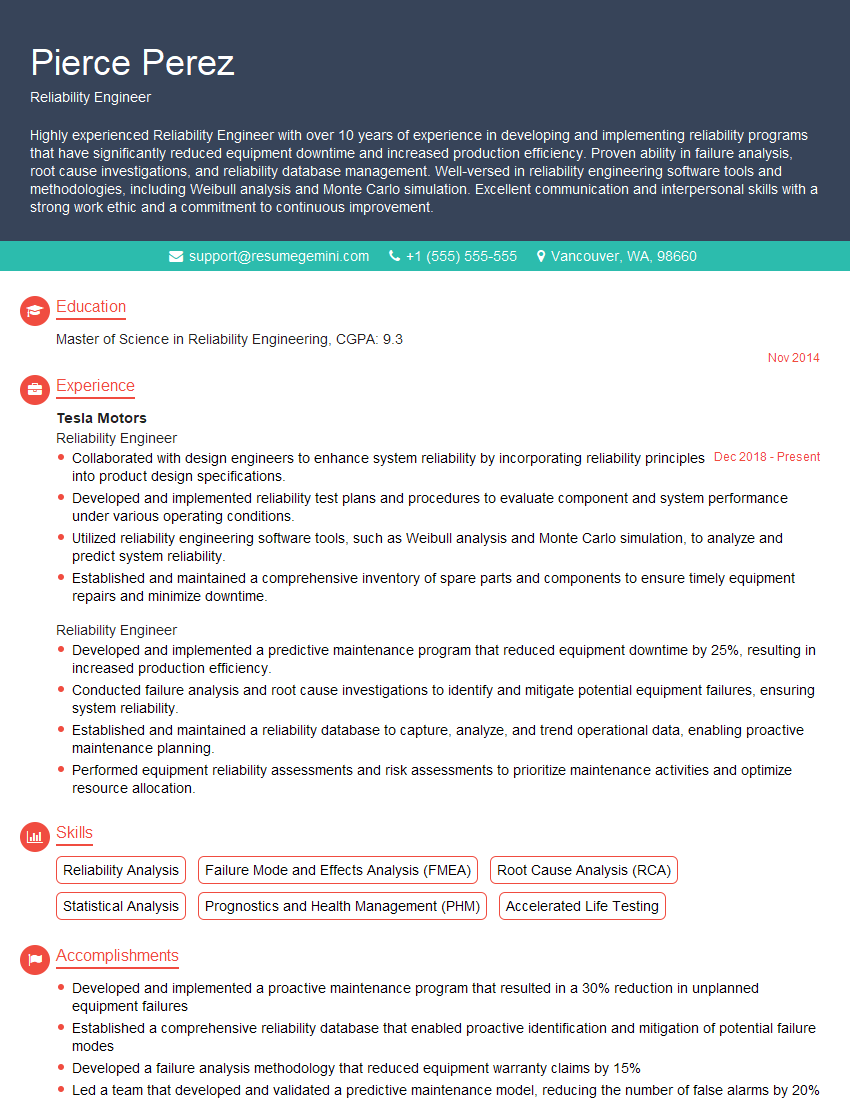
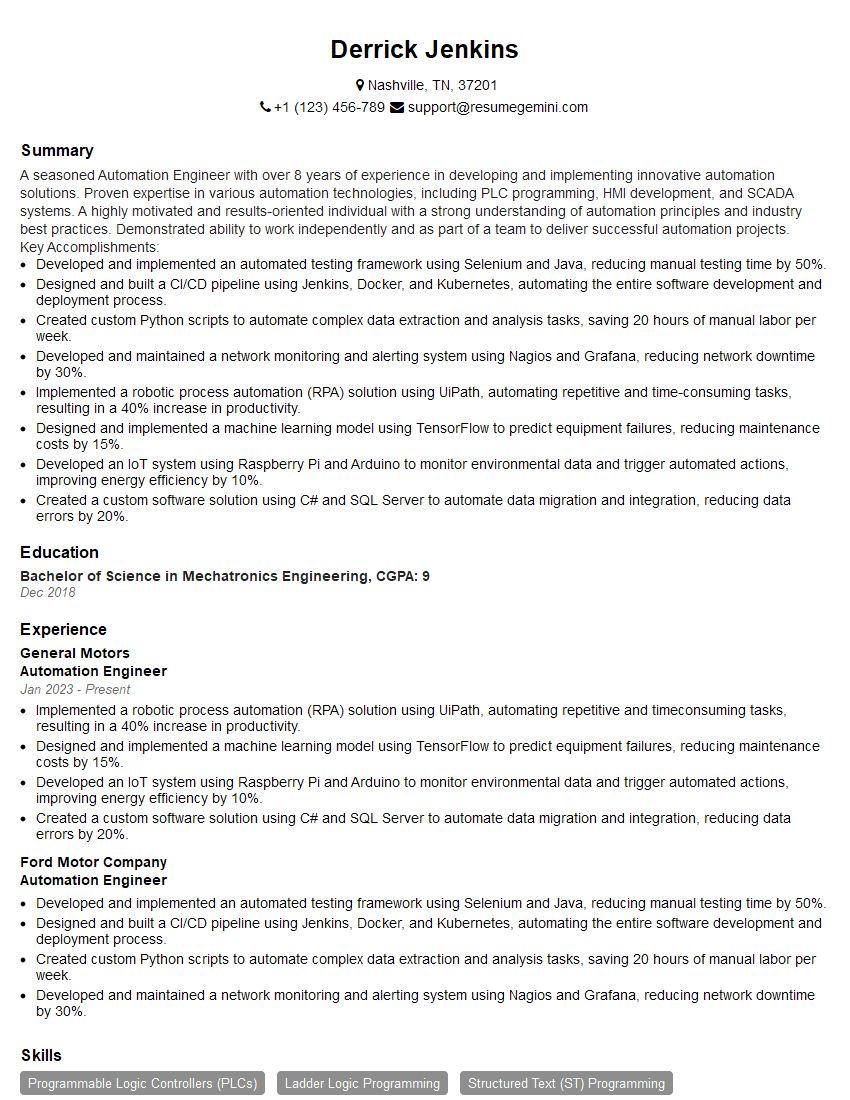
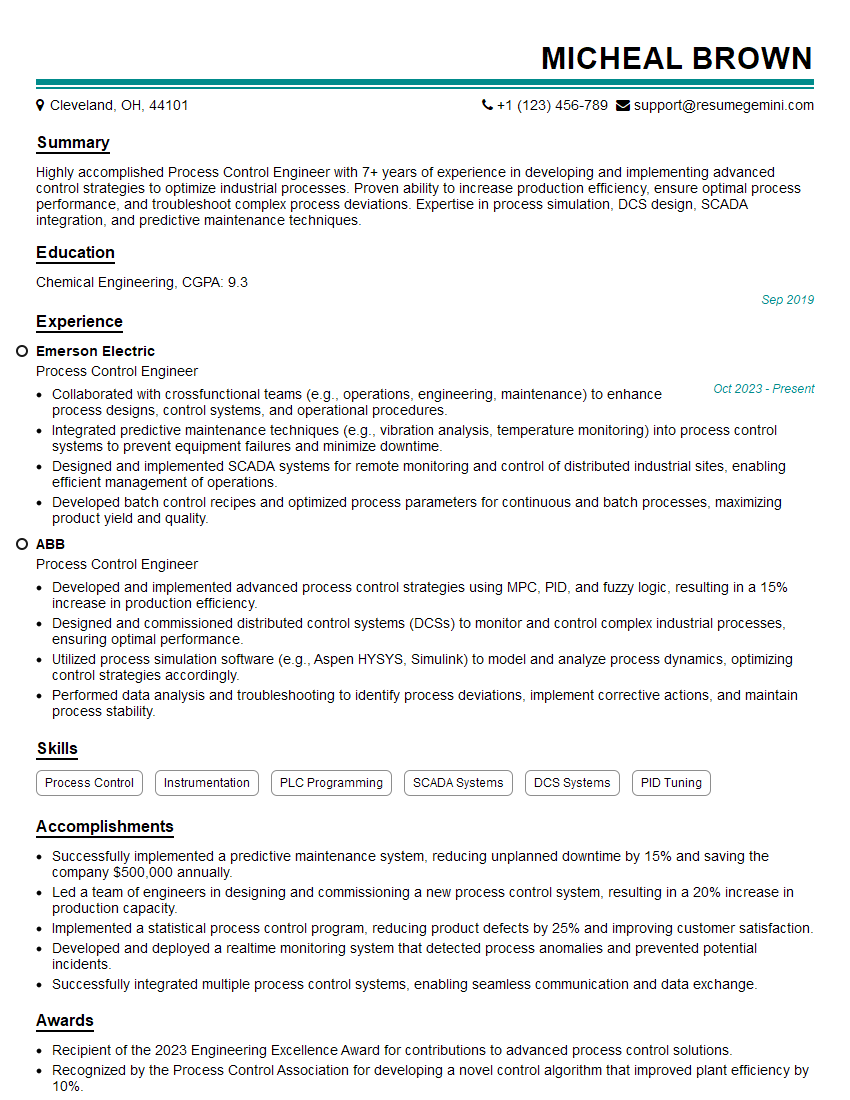
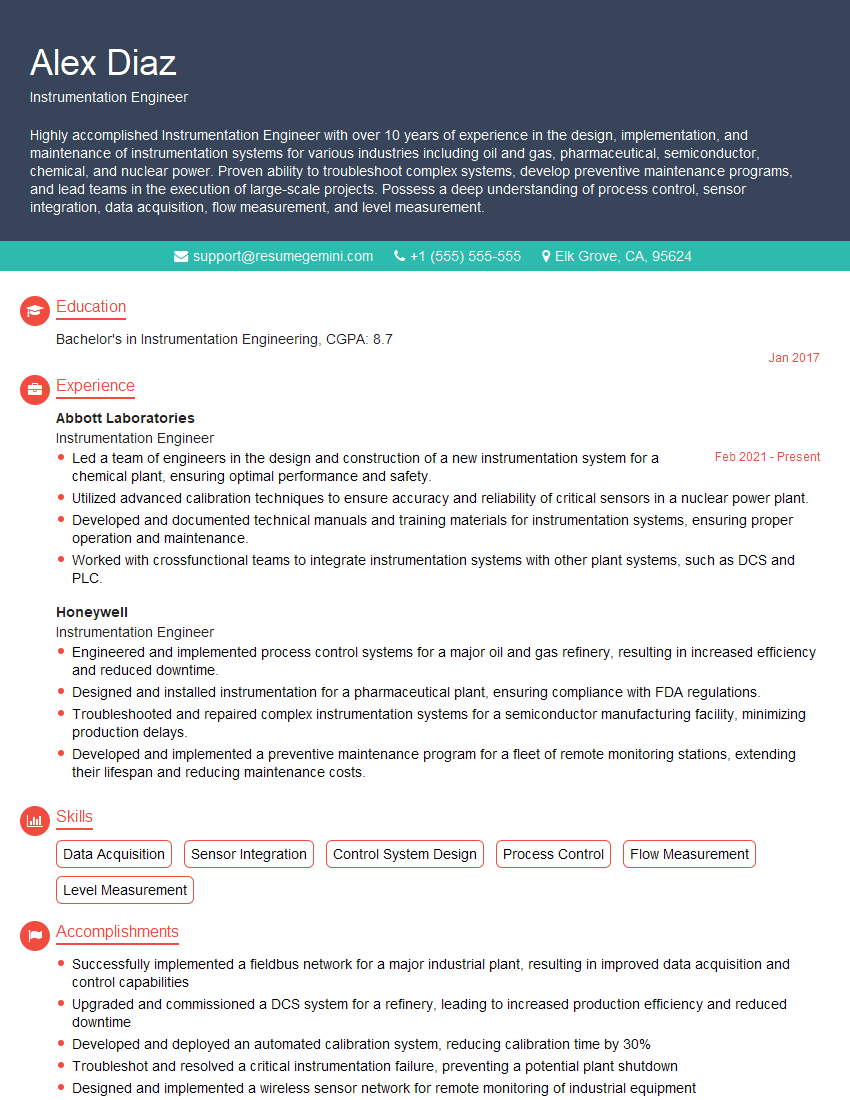
Mastering Crystallizer Process LOPA significantly enhances your expertise in process safety and opens doors to advanced roles in process engineering, safety engineering, and project management. A strong understanding of these concepts makes you a highly valuable asset to any organization. To further boost your job prospects, create an ATS-friendly resume that effectively highlights your skills and experience. ResumeGemini is a trusted resource that can help you build a professional resume that stands out. Examples of resumes tailored to Crystallizer Process LOPA are available to guide you. Take the next step and craft a resume that showcases your expertise and secures your dream job.


Explore more articles
Users Rating of Our Blogs
Share Your Experience
We value your feedback! Please rate our content and share your thoughts (optional).
What Readers Say About Our Blog
To the interviewgemini.com Webmaster.
Very helpful and content specific questions to help prepare me for my interview!
Thank you
To the interviewgemini.com Webmaster.
This was kind of a unique content I found around the specialized skills. Very helpful questions and good detailed answers.
Very Helpful blog, thank you Interviewgemini team.