Preparation is the key to success in any interview. In this post, we’ll explore crucial Debridement and Fasciotomy interview questions and equip you with strategies to craft impactful answers. Whether you’re a beginner or a pro, these tips will elevate your preparation.
Questions Asked in Debridement and Fasciotomy Interview
Q 1. Describe the different types of debridement techniques.
Debridement is the surgical removal of dead, damaged, or infected tissue to improve healing. There are several techniques, chosen based on the extent and nature of the injury:
- Sharp Debridement: This is the most common and involves using surgical instruments like scalpels, scissors, and forceps to precisely remove necrotic tissue. Think of it like carefully carving away rotten wood from a piece of furniture to reveal the healthy wood underneath. It’s effective, but requires surgical skill and precision.
- Enzymatic Debridement: This uses topical enzymes to break down necrotic tissue. Imagine nature’s own tiny ‘cleanup crew’ dissolving away the dead material. This is less invasive than sharp debridement, but slower and may not be suitable for all types of wounds.
- Mechanical Debridement: This involves physically removing necrotic tissue, often using techniques like wet-to-dry dressings, wound irrigation, or hydrotherapy. This is like gently scrubbing away loose debris from a wound – less precise than sharp debridement but useful for less severe cases.
- Autolytic Debridement: The body’s natural process of removing necrotic tissue through the action of its own enzymes and cells. It’s a slower, less invasive option, ideal for small, clean wounds. Think of it as the body’s self-healing process.
The choice of debridement technique depends on factors such as the type and extent of the wound, the patient’s overall health, and available resources.
Q 2. What are the indications for fasciotomy?
Fasciotomy is a surgical procedure to relieve pressure caused by swelling within a closed fascial compartment (a space surrounded by tough connective tissue). This pressure, known as compartment syndrome, can compromise blood supply to muscles and nerves, leading to permanent damage. Indications for fasciotomy include:
- Compartment Syndrome: This is the primary indication. Symptoms include severe pain out of proportion to the injury, pallor (pale skin), paresthesia (numbness or tingling), pulselessness, and paralysis. Early recognition is crucial.
- Severe crush injuries: These injuries often cause significant swelling and compromise blood flow within compartments.
- Burns: Deep burns can lead to significant swelling and compartment syndrome.
- Trauma with significant soft tissue damage: Any injury that causes extensive swelling and pressure within a compartment can necessitate a fasciotomy.
Essentially, when there’s dangerously high pressure within a muscle compartment threatening the viability of tissues, fasciotomy becomes necessary.
Q 3. Explain the contraindications for fasciotomy.
Contraindications to fasciotomy are relatively rare but include:
- Lack of compartment syndrome: A fasciotomy should only be performed when there’s clear evidence of compartment syndrome. Performing it unnecessarily carries risks without benefit.
- Severe coagulopathy (bleeding disorder): The procedure involves cutting through tissue, and a bleeding disorder significantly increases the risk of excessive blood loss.
- Extensive tissue necrosis (tissue death): If the tissue is already extensively necrotic, a fasciotomy may not improve the situation and might even increase the risk of infection.
- Patient refusal: Like any surgical procedure, informed consent is crucial, and a patient’s refusal must be respected.
Careful assessment is paramount to avoid unnecessary surgery.
Q 4. How do you assess the need for debridement?
The need for debridement is assessed through a combination of clinical examination and sometimes imaging. Factors to consider include:
- Presence of necrotic tissue: This is the primary indicator. Necrotic tissue is dead and will not heal, so it needs to be removed to prevent infection and promote healing.
- Signs of infection: Purulent drainage (pus), erythema (redness), warmth, swelling, and pain can all indicate infection, necessitating debridement.
- Wound assessment: The depth, size, and location of the wound, along with the presence of foreign bodies, influence the decision to debride.
- Patient’s overall health: Debridement can be a significant procedure, so the patient’s medical status needs to be considered.
Sometimes, imaging such as an X-ray or ultrasound might be used to assess the extent of damage and presence of foreign bodies before deciding on the debridement approach.
Q 5. What are the potential complications of debridement?
Potential complications of debridement include:
- Bleeding: Especially with sharp debridement.
- Infection: Although debridement aims to prevent infection, it can sometimes introduce bacteria into the wound if not performed meticulously.
- Pain: The procedure itself can be painful, although this is usually managed with anesthesia.
- Nerve damage: Accidental damage to nerves is possible, especially with sharp debridement.
- Scarring: Extensive debridement can result in significant scarring.
Proper surgical technique, meticulous attention to asepsis (sterility), and appropriate pain management are crucial to minimize these risks.
Q 6. What are the potential complications of fasciotomy?
Fasciotomy, while life-saving in compartment syndrome, carries potential complications:
- Bleeding: Significant bleeding can occur, requiring blood transfusions.
- Infection: A large incision increases the risk of wound infection.
- Nerve damage: Injury to nerves can cause permanent sensory or motor deficits.
- Skin necrosis: In severe cases, the skin overlying the fasciotomy site may die.
- Contractures: The wound may heal with contractures (tightening) limiting movement.
- Chronic pain: Some patients experience persistent pain in the affected area.
Meticulous surgical technique, wound care, and postoperative management are critical to minimizing these risks.
Q 7. How do you manage postoperative pain after debridement and fasciotomy?
Postoperative pain management after debridement and fasciotomy is crucial for patient comfort and healing. A multi-modal approach is generally employed, including:
- Analgesics: Opioids, NSAIDs (non-steroidal anti-inflammatory drugs), and acetaminophen are used for pain relief, often in combination.
- Nerve blocks: Regional anesthesia, such as peripheral nerve blocks, can provide more effective and longer-lasting pain relief.
- Wound care: Proper wound care, including dressings and regular cleaning, minimizes pain.
- Physiotherapy: Early mobilization and physiotherapy help improve function, reduce stiffness, and promote healing. The physiotherapist plays a crucial role in restoring range of motion and reducing contractures.
- Patient-controlled analgesia (PCA): Allows patients to self-administer analgesics as needed, promoting better pain control and patient satisfaction.
Regular pain assessments are necessary to adjust the pain management strategy accordingly and to ensure optimal patient comfort and facilitate a successful recovery.
Q 8. Describe the appropriate wound care following debridement.
Post-debridement wound care is crucial for preventing infection and promoting healing. The approach is tailored to the specific wound, but generally involves:
Wound Cleansing: Gentle irrigation with sterile saline solution is paramount to remove any remaining debris. Aggressive cleaning can damage healthy tissue, so a delicate touch is essential. Think of it like gently washing a delicate piece of fabric.
Dressing Selection: The type of dressing depends on the wound’s depth and exudate level. Options include alginate dressings for heavily exuding wounds, hydrocolloids for moderate exudate, and foams for light exudate. The goal is to maintain a moist wound environment while protecting it from further contamination.
Pain Management: Debridement can be painful, so appropriate analgesia is crucial. This could involve oral pain relievers, local anesthetic infiltration, or nerve blocks in severe cases.
Monitoring for Infection: Close observation for signs of infection, such as increased pain, redness, swelling, warmth, purulent drainage, and fever is a daily routine. Any sign of infection warrants immediate attention.
Regular Dressing Changes: The frequency of dressing changes depends on the wound’s characteristics, but it’s typically daily or every other day. This involves careful assessment of wound healing progress and adjustments in wound management as needed.
Patient Education: Educating the patient on proper wound care at home, including hand hygiene, signs of infection, and follow-up appointments, ensures a smooth recovery process.
Q 9. How do you monitor a patient post-fasciotomy for compartment syndrome?
Monitoring for compartment syndrome after fasciotomy involves vigilant assessment of the affected limb. We use the 6 Ps:
Pain: Disproportionate pain that is not relieved by analgesics. This is often described as a deep, throbbing, intense pain out of proportion to the injury.
Paresthesia: Numbness, tingling, or altered sensation in the affected area. This indicates nerve compression.
Pallor: Pale skin color due to compromised blood supply. The limb may appear unusually white or pale compared to the other limb.
Paralysis: Weakness or loss of movement in the affected muscles. This is a late and serious sign.
Pulselessness: Absence of palpable pulses in the affected extremity. This is a very late and ominous sign.
Pressure: Increased compartment pressure, usually measured using a Stryker pressure monitor to quantify compartment pressure.
Regularly checking capillary refill time, monitoring pulses, assessing skin temperature and color, and frequently evaluating the patient’s neurovascular status are essential. Immediate surgical intervention is critical if compartment syndrome is suspected.
Q 10. What are the signs and symptoms of compartment syndrome?
Compartment syndrome arises when pressure within a muscle compartment rises and compromises the blood supply to the muscles and nerves within. The hallmark signs and symptoms include:
Severe pain: Pain that’s disproportionate to the injury and intensifies with passive stretching of the involved muscles.
Paresthesia: Tingling, numbness, or burning sensation in the affected area.
Pallor: The skin over the affected compartment may appear pale or discolored.
Pulselessness: Loss of peripheral pulses in the affected extremity (a late sign).
Paralysis: Weakness or loss of function in the affected muscles (also a late sign).
Pressure: Increased tissue pressure within the compartment. This is measured objectively with a Stryker pressure monitor.
It’s important to note that the absence of all six Ps does not rule out compartment syndrome. Any combination of these symptoms warrants immediate attention and investigation.
Q 11. Explain the difference between sharp, enzymatic, and mechanical debridement.
Debridement aims to remove dead or infected tissue from a wound. Different methods exist:
Sharp Debridement: This is the most common method and involves using sharp instruments, such as scalpels, scissors, and forceps, to directly excise necrotic tissue. It’s precise and effective, but requires surgical skill.
Enzymatic Debridement: This utilizes topical enzymes that selectively break down necrotic tissue. It’s less invasive than sharp debridement, but it’s slower and may not be as effective in removing all the necrotic tissue. It’s like using a natural cleaning agent that targets only dead tissue.
Mechanical Debridement: This involves physically removing necrotic tissue using methods such as wet-to-dry dressings, wound irrigation, or hydrotherapy (whirlpool). It’s less precise than sharp debridement and can potentially damage healthy tissue if not performed carefully. Think of it as a scrubbing action to remove loose debris.
Q 12. When would you choose one type of debridement over another?
The choice of debridement method depends on several factors:
Wound characteristics: The size, depth, location, and type of necrotic tissue significantly influence the choice. Sharp debridement is often preferred for large, deep wounds with significant necrosis. Enzymatic debridement may be suitable for smaller wounds with less extensive necrosis. Mechanical debridement is best for removing loosely adherent debris.
Patient factors: Patient comorbidities, such as bleeding disorders or immunosuppression, may affect the suitability of certain methods. For instance, a patient with a bleeding disorder might not be a good candidate for sharp debridement.
Availability of resources: Access to specialized instruments and trained personnel influences the practicality of certain debridement methods.
Cost considerations: Enzymatic debridement can be more expensive than mechanical debridement.
Often, a combination of methods is used for optimal results. For example, sharp debridement may be used to remove the bulk of the necrotic tissue, followed by enzymatic debridement to address any remaining debris.
Q 13. How do you select the appropriate surgical approach for a fasciotomy?
The surgical approach for a fasciotomy depends on the location and extent of the compartment syndrome. The goal is to create adequate access to relieve pressure within the affected compartment. Common considerations include:
Anatomical location: The incision site is carefully chosen to minimize damage to nerves and blood vessels while maximizing access to the compartment. Incisions are often made longitudinally to allow for easy extension if necessary.
Extent of compartment involvement: If multiple compartments are involved, multiple incisions might be required.
Previous surgeries: The surgeon must consider any previous surgeries that may influence the surgical approach.
Minimally invasive techniques: In certain cases, less invasive techniques such as endoscopic fasciotomies might be considered.
Preoperative planning, often including imaging studies such as CT scans or ultrasound, helps identify the involved compartments and optimize the surgical approach.
Q 14. Describe the steps involved in performing a fasciotomy.
Performing a fasciotomy involves:
Incision: A longitudinal incision is made over the affected compartment, typically following the natural skin creases to minimize scarring. The length of the incision is determined by the extent of the compartment involved and the need for adequate decompression.
Fascial Exposure: The subcutaneous tissue is carefully dissected to expose the underlying fascia. Meticulous hemostasis (control of bleeding) is crucial throughout the procedure.
Fasciotomy: The fascia is incised using a sharp instrument such as a scalpel or scissors. This incision must be sufficiently long to provide adequate decompression. The goal is to create a full-thickness incision through the fascia.
Exploration and Debridement: The surgeon will inspect the compartment for necrotic muscle, remove any necrotic tissue, and potentially explore adjacent compartments.
Wound Closure: While typically left open to ensure adequate decompression, the wound may be partially closed in certain cases using a variety of wound closure techniques. A dressing is then applied.
Postoperative Care: This includes pain management, monitoring for compartment syndrome recurrence, and wound care. Serial dressing changes, frequent neurovascular assessments, and potentially split-thickness skin grafting or other reconstructive procedures are part of the postoperative care.
Q 15. How do you prevent infection after debridement and fasciotomy?
Preventing infection after debridement and fasciotomy is paramount. It’s a multi-pronged approach focusing on meticulous surgical technique and postoperative care.
- Surgical Technique: Maintaining a sterile field during the procedure is crucial. This involves using sterile drapes, instruments, and gloves, along with appropriate surgical scrubbing and gowning protocols. Careful irrigation of the wound with sterile saline solution helps remove any remaining debris and bacteria.
- Wound Closure: The choice of wound closure depends on the wound characteristics and the surgeon’s assessment. Sometimes, the wound is left open to allow for drainage and healing by secondary intention. Other times, delayed primary closure or other techniques are employed.
- Postoperative Antibiotics: Prophylactic antibiotics are often administered before and after the procedure, targeting likely pathogens. The choice of antibiotics depends on factors such as local resistance patterns and the patient’s medical history.
- Wound Dressings: Appropriate wound dressings are essential to protect the wound from further contamination. These dressings might include absorbent materials to manage drainage, and those that promote moist wound healing.
- Pain Management: Adequate pain control helps reduce patient stress, improves their overall health, and can aid in wound healing.
- Patient Education: Educating the patient about wound care, hygiene, and recognizing signs of infection (increased pain, swelling, redness, pus) is vital for early intervention.
For example, a patient undergoing fasciotomy for compartment syndrome might receive broad-spectrum antibiotics pre- and post-operatively, have the wound left open initially for drainage, and be closely monitored for signs of infection. Regular wound assessments and dressing changes are crucial elements in this postoperative care.
Career Expert Tips:
- Ace those interviews! Prepare effectively by reviewing the Top 50 Most Common Interview Questions on ResumeGemini.
- Navigate your job search with confidence! Explore a wide range of Career Tips on ResumeGemini. Learn about common challenges and recommendations to overcome them.
- Craft the perfect resume! Master the Art of Resume Writing with ResumeGemini’s guide. Showcase your unique qualifications and achievements effectively.
- Don’t miss out on holiday savings! Build your dream resume with ResumeGemini’s ATS optimized templates.
Q 16. What are the different types of fasciotomy incisions?
Fasciotomy incisions are strategically placed to adequately release the constricting fascia. The exact location and type of incision depend on the compartment involved and the surgeon’s preference. There isn’t a single ‘best’ incision; it’s individualized.
- Midline Incisions: These are often used for anterior compartment syndrome of the leg, providing access to multiple compartments.
- Lateral Incisions: These might be used for the lateral compartment of the leg.
- Medial Incisions: These can be used for the medial compartment of the leg.
- Incisions for Specific Compartments: The forearm, for example, might require separate incisions to release the anterior, posterior, and radial compartments. The exact location and length of these incisions are tailored to the situation.
Imagine a compartment like a water balloon that’s too full; the incisions are like strategically placed cuts to relieve that pressure.
Q 17. How do you assess the effectiveness of debridement?
Assessing debridement effectiveness involves a combination of visual inspection and clinical assessment. The goal is to remove all non-viable tissue while preserving healthy tissue.
- Visual Inspection: The wound bed should appear healthy and pink, with a good blood supply. The presence of necrotic (dead) tissue, slough (yellowish-gray tissue), or eschar (dark, leathery tissue) indicates incomplete debridement.
- Clinical Assessment: This involves checking for signs of infection (redness, swelling, pus), assessing wound healing progression, and monitoring the patient’s overall clinical status. Pain reduction is also a good indicator of successful debridement in many cases.
- Repeat Debridement: If areas of non-viable tissue persist, further debridement might be necessary. This process can be repeated until a healthy wound bed is achieved.
For example, after debridement, if the wound still shows areas of black eschar, you know the debridement was incomplete. A repeat procedure might be needed to completely remove the necrotic tissue.
Q 18. How do you manage bleeding during a fasciotomy?
Bleeding during a fasciotomy is managed using standard surgical techniques. The key is to identify the bleeding source and control it effectively.
- Direct Pressure: Applying direct pressure to the bleeding site with gauze is the first step.
- Hemostasis: Surgical techniques such as electrocautery, ligation (tying off vessels), or the use of clips can help achieve hemostasis (stopping bleeding).
- Wound Packing: In cases of significant bleeding or oozing, the wound might be packed with gauze to control the hemorrhage.
- Monitoring: Postoperatively, the patient’s vital signs (blood pressure, heart rate) are closely monitored for any signs of significant blood loss.
For example, if a significant artery is severed during a fasciotomy, ligation or the application of specialized clamps may be necessary. The approach is tailored to the specifics of the bleeding.
Q 19. What are the key elements of pre-operative patient assessment for debridement and fasciotomy?
Preoperative assessment for debridement and fasciotomy is crucial for ensuring patient safety and optimizing outcomes. It involves a comprehensive evaluation of the patient’s overall health and the specific wound or condition requiring intervention.
- Wound Assessment: A detailed examination of the wound, including its size, depth, location, and the presence of infection or necrotic tissue is done. Imaging studies (X-rays, CT scans) may help assess the extent of damage.
- Medical History: A complete medical history is essential, including any allergies, comorbidities (like diabetes, heart disease), current medications, and previous surgeries.
- Laboratory Tests: Blood tests are typically ordered to assess the patient’s overall health, including complete blood count, coagulation studies, and blood chemistries.
- Imaging: Imaging studies, such as X-rays, CT scans, or MRIs, are often used to assess the extent of injury or infection, especially in cases of fasciotomy for compartment syndrome.
- Anesthesia Assessment: Anesthesiology consults are crucial to assess the patient’s suitability for anesthesia and to plan for the perioperative period.
For instance, a patient with diabetes requiring debridement might need more rigorous assessment of their blood glucose control before the surgery to minimize the risk of postoperative wound complications.
Q 20. How do you determine the appropriate depth of debridement?
Determining the appropriate depth of debridement is a clinical judgment based on visual inspection and tactile assessment. The goal is to remove all non-viable tissue while preserving as much healthy tissue as possible. This balance is crucial to optimize wound healing.
- Visual Assessment: The surgeon assesses the wound bed visually, identifying areas of healthy versus unhealthy tissue. The transition between healthy pink tissue and necrotic tissue is carefully evaluated.
- Tactile Assessment: The surgeon uses a scalpel or other instruments to gently explore the depth of the wound, feeling for firmness and consistency of tissues. Firm, healthy tissue will feel different from soft, necrotic tissue.
- Surgical Judgement: The depth of debridement will vary from case to case, depending on the type and extent of tissue damage. The surgeon’s experience is crucial in making this judgment.
Imagine sculpting a statue from clay. You carefully remove the excess clay until you reveal the underlying form. Debridement is similar; we remove the damaged tissue to expose healthy tissue that can heal.
Q 21. Describe the role of antibiotics in the management of wounds requiring debridement.
Antibiotics play a supporting role in the management of wounds requiring debridement, but they are not a substitute for proper surgical debridement. Their primary purpose is to prevent or treat infection.
- Prophylactic Antibiotics: These are often given before surgery to reduce the risk of infection, especially in cases with high contamination risk. The choice of antibiotic is guided by local resistance patterns and the type of procedure.
- Therapeutic Antibiotics: These are administered to treat an existing or suspected infection. Cultures and sensitivities of wound samples should guide the choice of antibiotic.
- Antibiotic Selection: The choice of antibiotic should be tailored to the specific type of infection. Broad-spectrum antibiotics are sometimes used initially, particularly when the causative organism is unknown, but once the infection is identified, the antibiotics are often narrowed to target the specific pathogen.
- Duration of Treatment: The duration of antibiotic treatment is determined by the severity of infection and the patient’s response. The course may last from several days to several weeks.
It’s important to remember that antibiotics are not a magic bullet. Effective wound debridement is the cornerstone of treatment, with antibiotics providing supportive therapy to fight infection. The use of antibiotics should always be considered cautiously to prevent contributing to the rise of antibiotic-resistant bacteria.
Q 22. Discuss the importance of meticulous surgical technique in preventing complications.
Meticulous surgical technique is paramount in debridement and fasciotomy to minimize complications. Think of it like a delicate art – every cut, every maneuver, affects the healing process. A precise approach reduces the risk of infection, bleeding, and nerve or tendon damage. For example, using sharp instruments to cleanly remove devitalized tissue minimizes trauma to healthy tissue, promoting better healing. Similarly, careful hemostasis (stopping bleeding) is crucial to prevent hematoma formation, a breeding ground for infection. A surgeon’s experience plays a significant role; a skilled surgeon can anticipate potential problems and adjust their technique accordingly, for instance, by employing specialized instruments or microsurgical techniques when necessary, especially in areas with intricate anatomy such as the hand or face.
In essence, meticulous technique minimizes tissue damage, decreases the risk of infection, and optimizes the healing potential. It’s about achieving the best possible outcome for the patient with the least amount of collateral damage.
Q 23. What are the signs and symptoms of necrotizing fasciitis?
Necrotizing fasciitis, often called ‘flesh-eating bacteria,’ is a severe, rapidly progressing infection that spreads along the fascial planes. Early recognition is vital because it’s a life-threatening condition. Symptoms can be subtle initially, often mimicking less serious infections. Key signs include:
- Severe pain disproportionate to the visible wound or swelling.
- Rapidly spreading swelling, erythema (redness), and warmth at the infection site.
- Systemic signs like fever, chills, and tachycardia (rapid heart rate).
- Blisters or bullae (fluid-filled blisters) that may be hemorrhagic (containing blood).
- Crepitus (a crackling sensation under the skin due to gas produced by bacteria).
- Changes in mental status, indicating possible sepsis.
Imagine a scenario: a patient presents with severe pain in their leg after a minor abrasion. While the wound seems small, the intense pain, rapidly spreading redness, and high fever should raise suspicion of necrotizing fasciitis. Delaying treatment even for a few hours can have life-altering consequences. Immediate diagnosis and aggressive treatment are absolutely crucial.
Q 24. How does the treatment of debridement differ in various anatomical locations?
Debridement, the surgical removal of dead or infected tissue, varies depending on the anatomical location due to the different structures and complexities involved. For instance, debridement of a hand wound requires extremely meticulous technique because of the intricate neurovascular structures and tendons. Surgical loupes (magnifying glasses) or even a surgical microscope might be used to precisely remove necrotic tissue while preserving healthy structures. In contrast, debridement of a larger wound on the leg, while still requiring precision, may allow for broader resection of tissue because the anatomy is generally less complex.
Another example: Debridement in the face needs special care to preserve facial aesthetics and function. The surgeon may utilize specialized techniques such as local flaps or skin grafts to achieve better cosmetic results. The choice of debridement techniques – sharp, blunt, or enzymatic – also depends on the location and the type of tissue involved.
Q 25. What are the common skin grafts used for post-debridement wound coverage?
Several skin grafts are used to cover wounds after debridement, depending on the size and location of the wound, and the patient’s overall health. The selection process involves considering factors like donor site availability, ease of harvesting, and the likelihood of graft take. Common options include:
- Split-thickness skin grafts (STSGs): These grafts consist of the epidermis and a portion of the dermis. They are readily available and easy to harvest from areas like the thigh.
- Full-thickness skin grafts (FTSGs): These include the entire epidermis and dermis. They provide better cosmetic results than STSGs but have a more limited donor site availability.
- Mesh skin grafts: STSGs are often meshed to increase the surface area that can be covered, useful for large wounds. However, meshing can lead to a more textured appearance.
- Cultured epithelial autografts (CEAs): These are grown in a laboratory from the patient’s own skin cells. They are helpful for treating extensive burn wounds or wounds with poor granulation tissue.
The choice of graft is a clinical decision made in collaboration with the plastic surgery team and is tailored to the individual needs of the patient and the characteristics of the wound.
Q 26. What imaging modalities are helpful in diagnosing the need for fasciotomy?
Imaging modalities are critical in diagnosing the need for fasciotomy, a surgical procedure to relieve pressure caused by compartment syndrome. The gold standard remains clinical examination (the 5 Ps: pain, pallor, paresthesia, paralysis, pulselessness), but imaging aids in confirming the diagnosis, especially in ambiguous cases. Key modalities include:
- Doppler ultrasound: This assesses blood flow in the affected compartment. Reduced or absent blood flow is a strong indicator of compartment syndrome.
- Computed tomography (CT) scan: CT scans can reveal muscle swelling and tissue necrosis (tissue death), providing more anatomical detail than ultrasound.
- Magnetic resonance imaging (MRI): MRI offers excellent soft-tissue contrast, allowing for detailed visualization of muscle edema (swelling) and fascial planes.
Often, a combination of clinical examination and imaging is used to make the decision. Delaying fasciotomy can lead to permanent muscle damage or limb loss.
Q 27. How do you assess the viability of tissue during debridement?
Assessing tissue viability during debridement is crucial for successful wound healing. This is a matter of surgical judgment based on several factors:
- Color: Healthy tissue is pink or red; dark red, brown, or black suggests necrosis (tissue death).
- Consistency: Healthy tissue is firm and elastic; necrotic tissue is soft, mushy, or friable (easily crumbled).
- Bleeding: Healthy tissue bleeds readily when incised; necrotic tissue does not bleed or bleeds minimally.
- Response to stimulation: Healthy tissue reacts to gentle probing or stimulation. Necrotic tissue is insensitive.
Experienced surgeons also use their knowledge of anatomy and the injury mechanism to guide their assessment. Imagine a scenario: a surgeon encounters tissue that is dark brown and doesn’t bleed. This is a strong indicator of necrosis and warrants its removal. The use of fluorescein dye can help delineate viable from non-viable tissue. The goal is always to remove all necrotic tissue while preserving as much healthy tissue as possible.
Q 28. Explain your understanding of the principles of tension-free wound closure.
Tension-free wound closure is a core principle in wound management, especially after debridement. It aims to close the wound without excessive tension on the skin edges. Excessive tension can disrupt blood supply to the wound edges, leading to delayed healing, wound dehiscence (opening), or even infection.
Consider this analogy: If you pull a rubber band too tightly, it will snap. Similarly, excessive tension on wound edges can prevent proper healing. Techniques used to achieve tension-free closure include undermining (loosening underlying tissue to allow for more laxity), skin grafting, local flaps, or delayed primary closure (allowing time for tissue relaxation before closure).
Achieving tension-free closure reduces the strain on the wound edges, improves blood supply, and significantly increases the chances of successful healing. This is particularly important in large wounds or those located in areas with limited skin laxity.
Key Topics to Learn for Debridement and Fasciotomy Interview
- Wound Assessment and Classification: Understanding different wound types, their characteristics, and appropriate classification systems (e.g., Wagner, Texas).
- Debridement Techniques: Mastering various debridement methods (sharp, enzymatic, autolytic, mechanical) and their appropriate applications based on wound characteristics and patient factors.
- Fasciotomy Indications and Techniques: Knowing the indications for fasciotomy, contraindications, and the surgical techniques involved in different approaches.
- Anesthesia and Pain Management: Understanding the anesthetic considerations specific to debridement and fasciotomy procedures, and effective pain management strategies for the patient.
- Post-operative Care and Wound Management: Familiarizing yourself with the post-operative care protocols, including wound dressings, infection prevention, and patient education.
- Complication Management: Anticipating and addressing potential complications such as infection, bleeding, nerve damage, and skin graft failure.
- Surgical Instruments and Equipment: Demonstrating familiarity with the specialized instruments and equipment used in debridement and fasciotomy procedures.
- Infection Control and Prevention: Understanding stringent infection control protocols and best practices to minimize risks during and after surgery.
- Case Studies and Problem Solving: Analyzing case studies to improve diagnostic and treatment decision-making skills in complex scenarios.
Next Steps
Mastering Debridement and Fasciotomy techniques significantly enhances your value as a skilled and versatile healthcare professional, opening doors to advanced roles and specialized opportunities. To maximize your job prospects, building a strong, ATS-friendly resume is crucial. ResumeGemini is a trusted resource that can help you craft a compelling resume tailored to highlight your expertise in Debridement and Fasciotomy. Take advantage of their services and access examples of resumes specifically designed for this field to showcase your skills effectively. Invest in your future and present yourself in the best possible light!
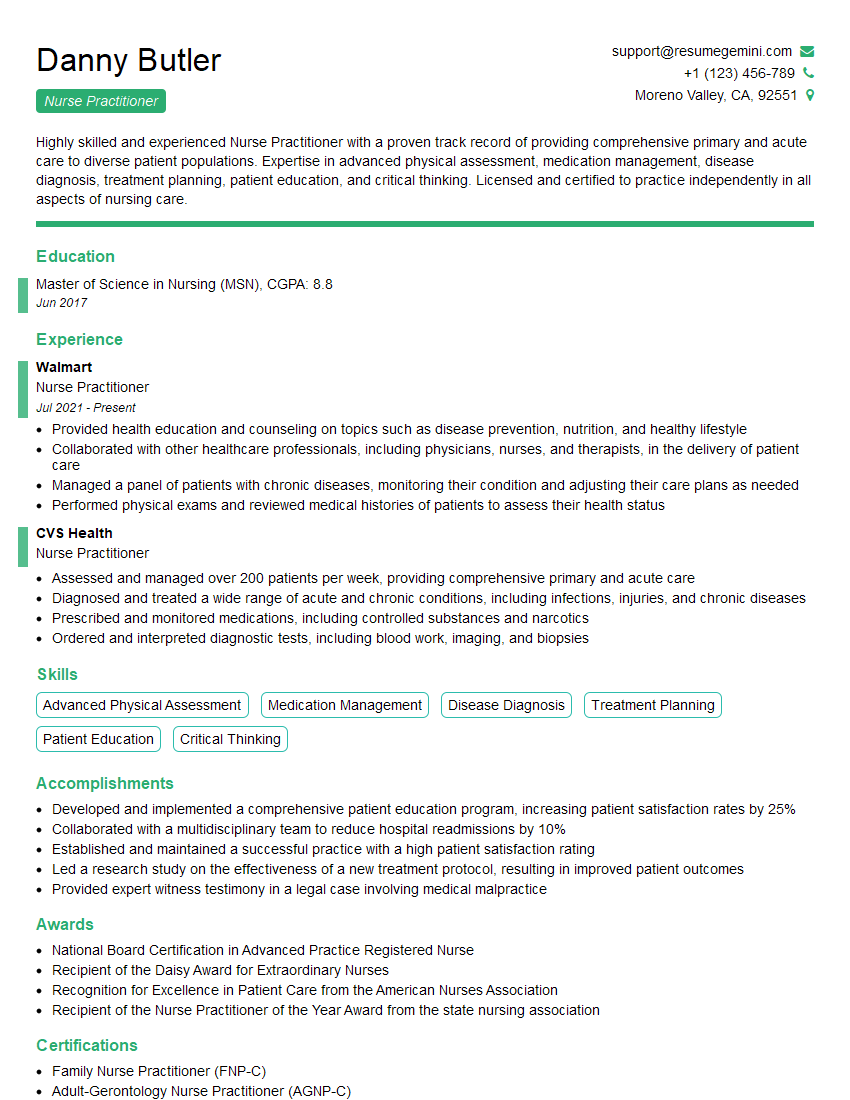
Nurse Practitioner Resume Sample

Physician Assistant Resume Sample
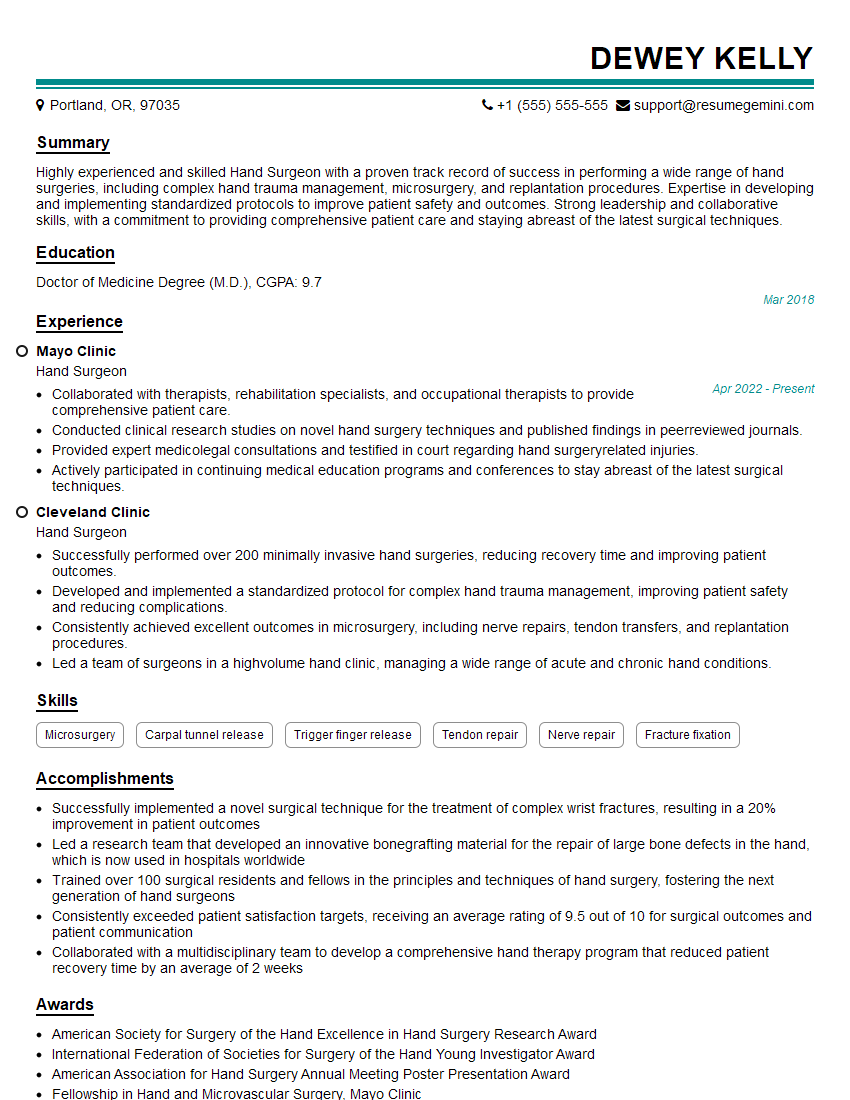
Hand Surgeon Resume Sample
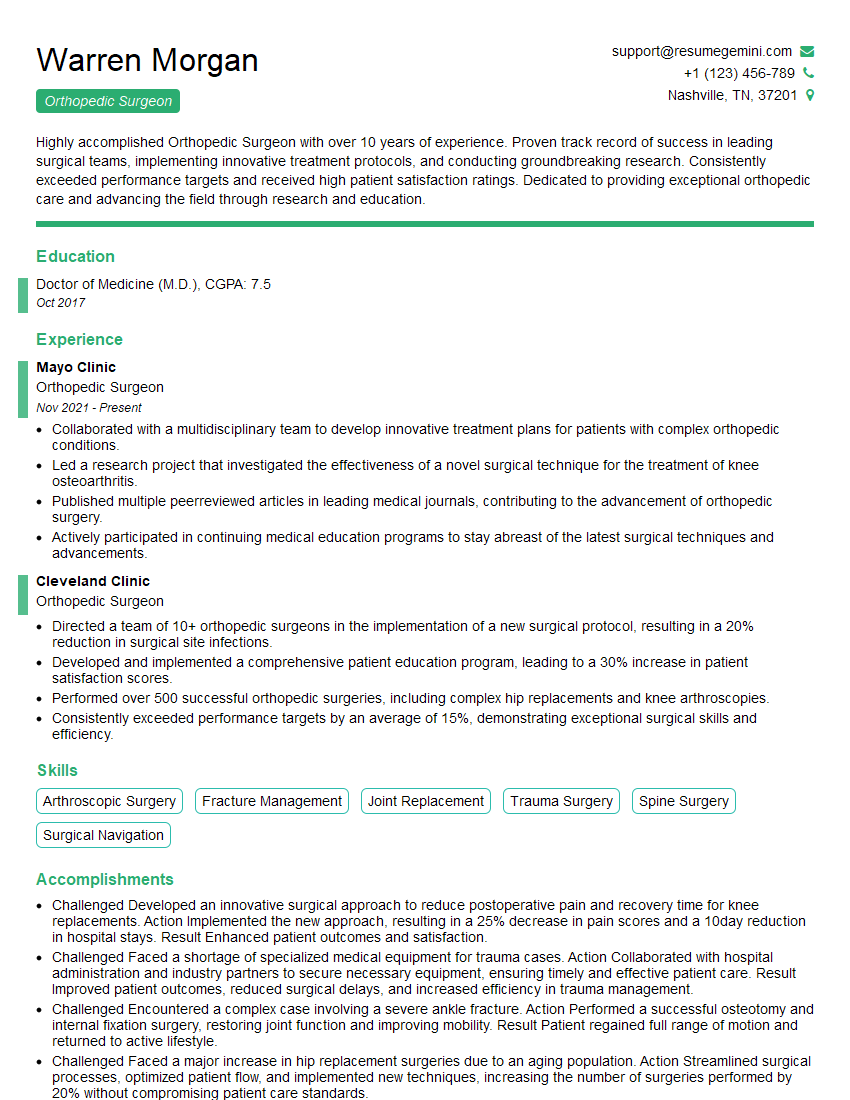
Orthopedic Surgeon Resume Sample
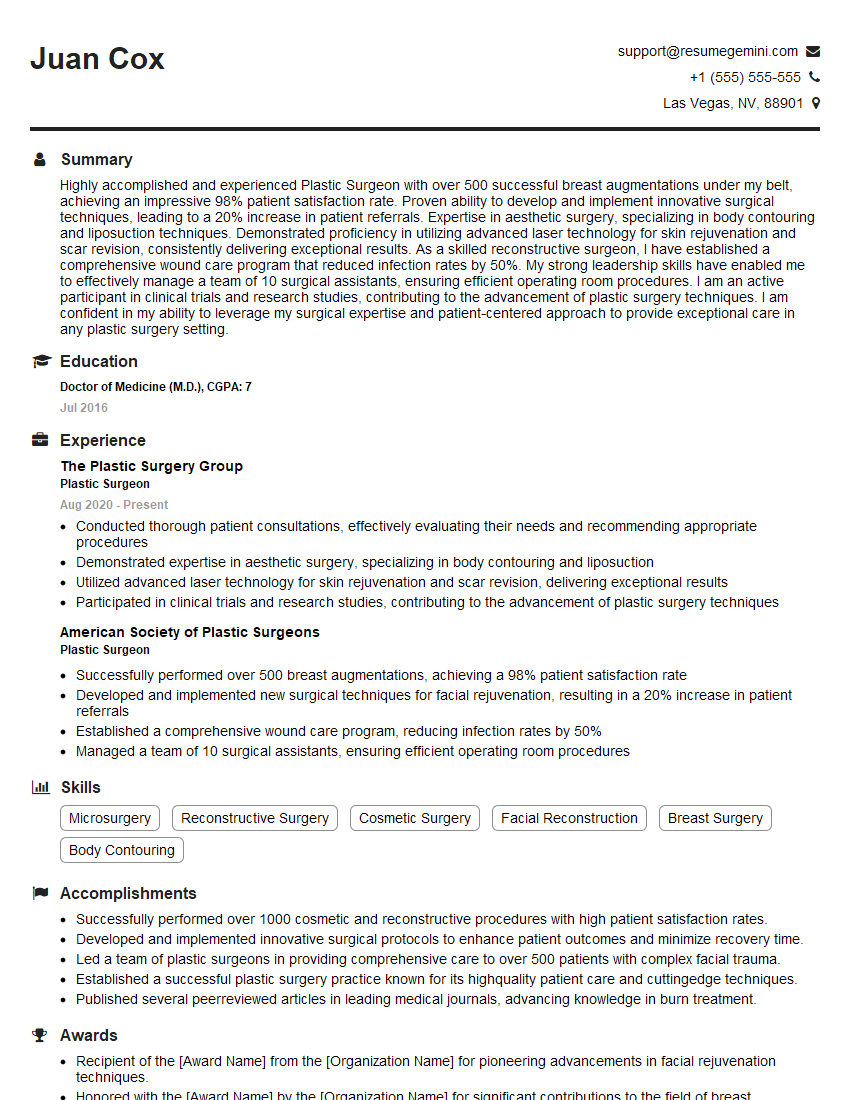
Plastic Surgeon Resume Sample
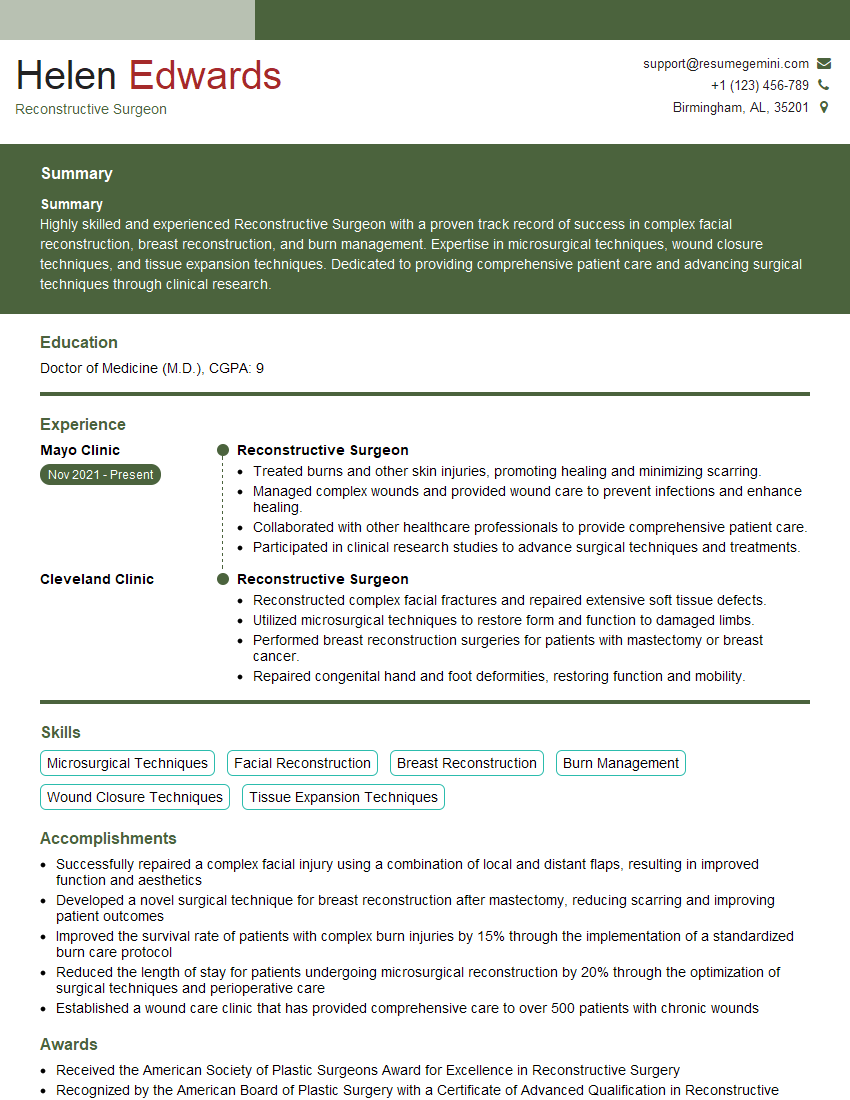
Reconstructive Surgeon Resume Sample
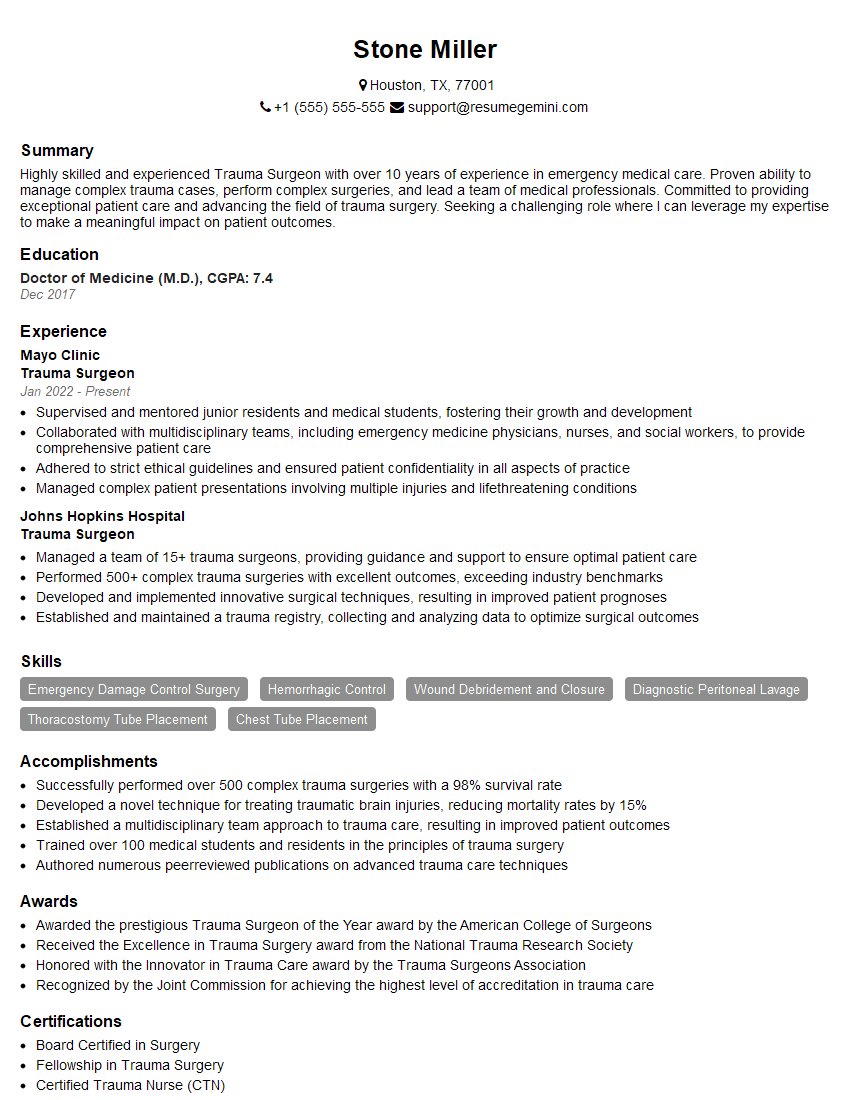
Trauma Surgeon Resume Sample
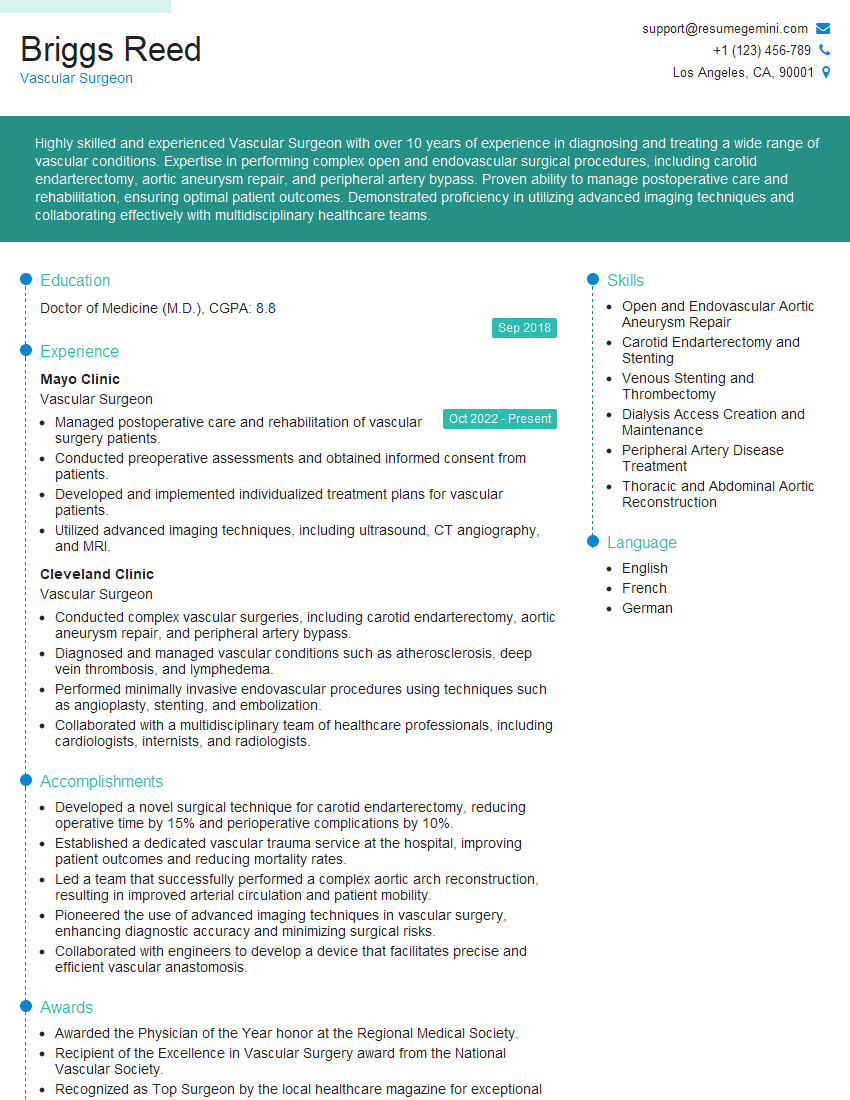
Vascular Surgeon Resume Sample
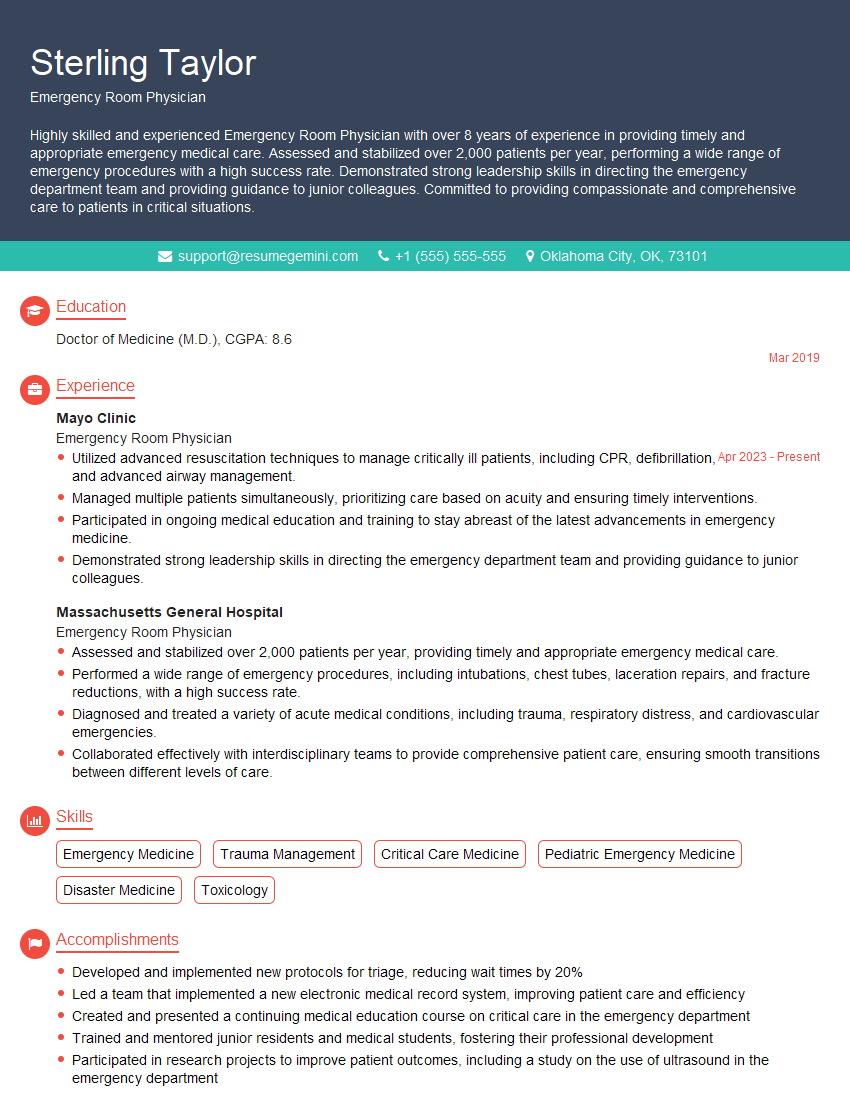
Emergency Room Physician Resume Sample
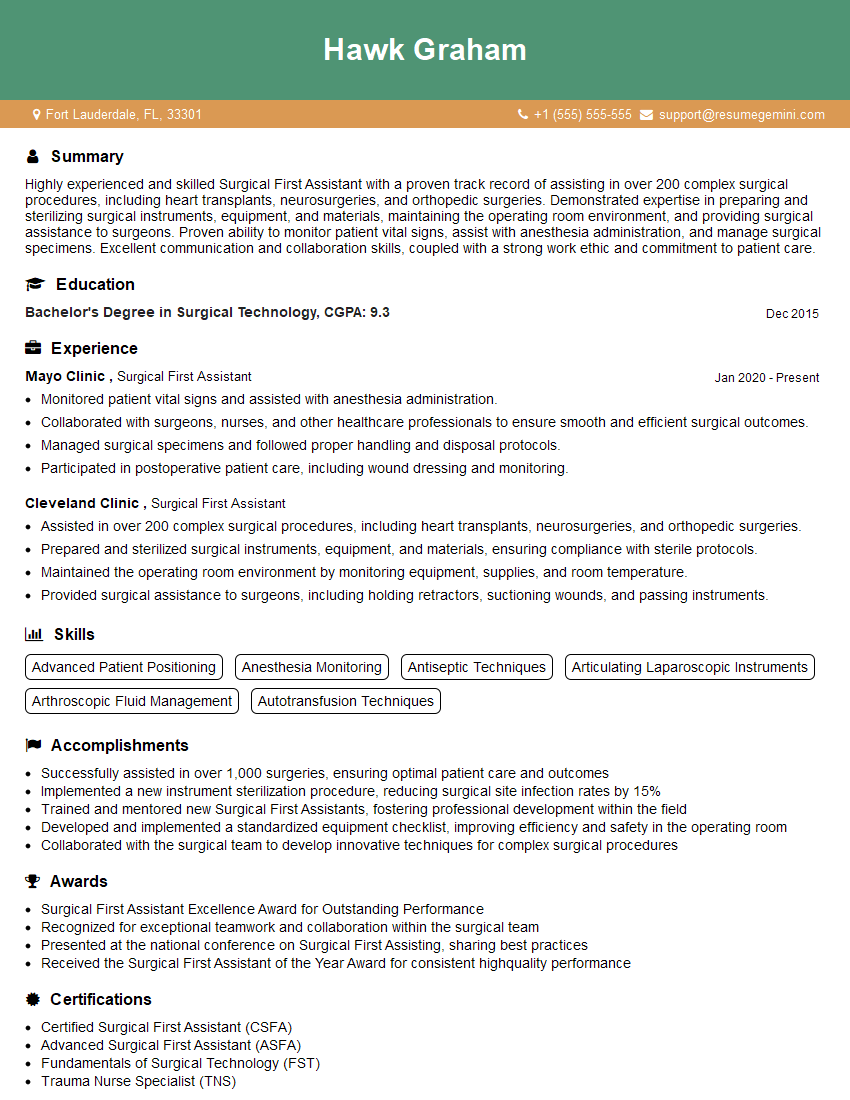
Surgical First Assistant Resume Sample
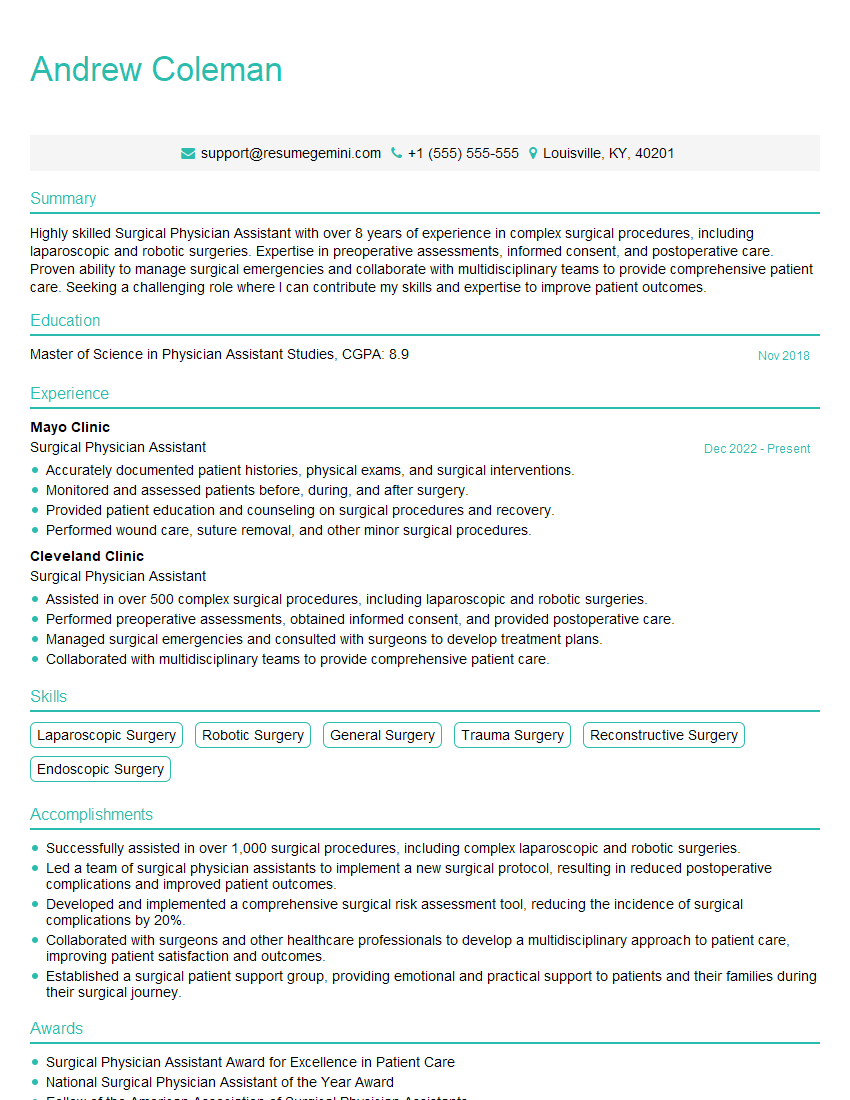
Surgical Physician Assistant Resume Sample
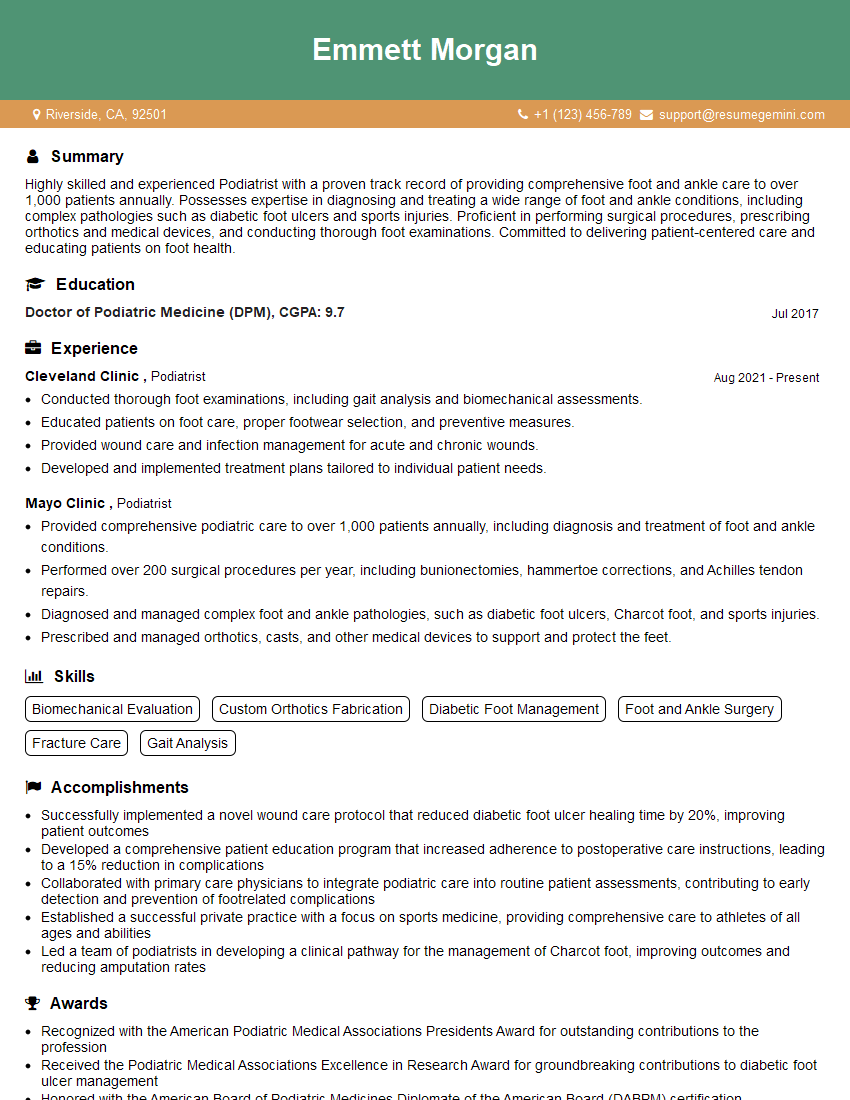
Podiatrist Resume Sample
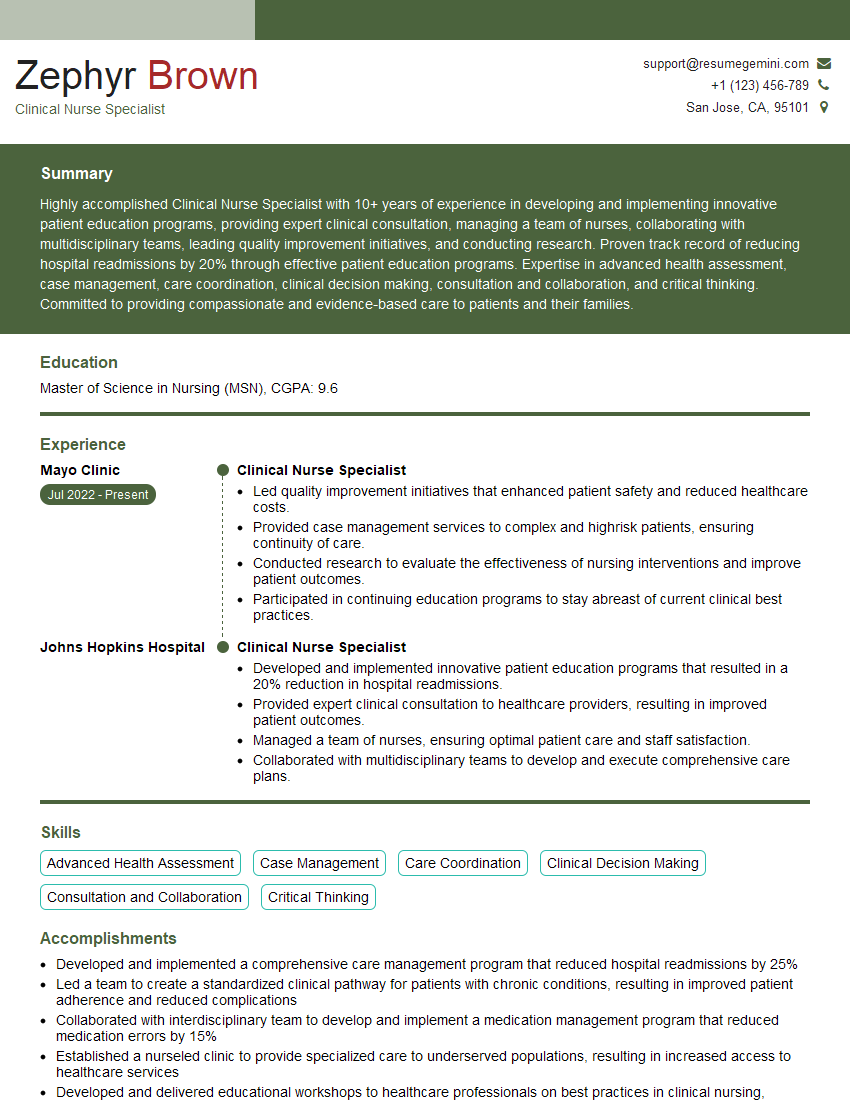
Clinical Nurse Specialist Resume Sample
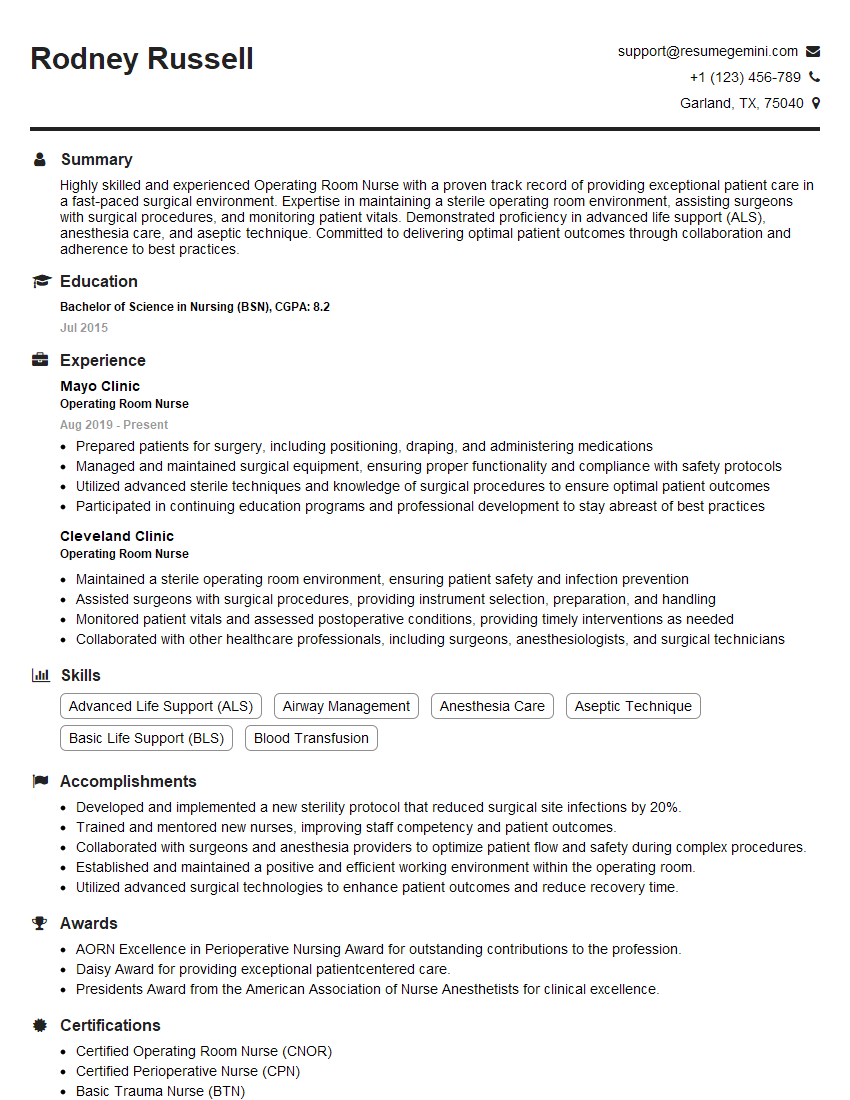
Operating Room Nurse Resume Sample
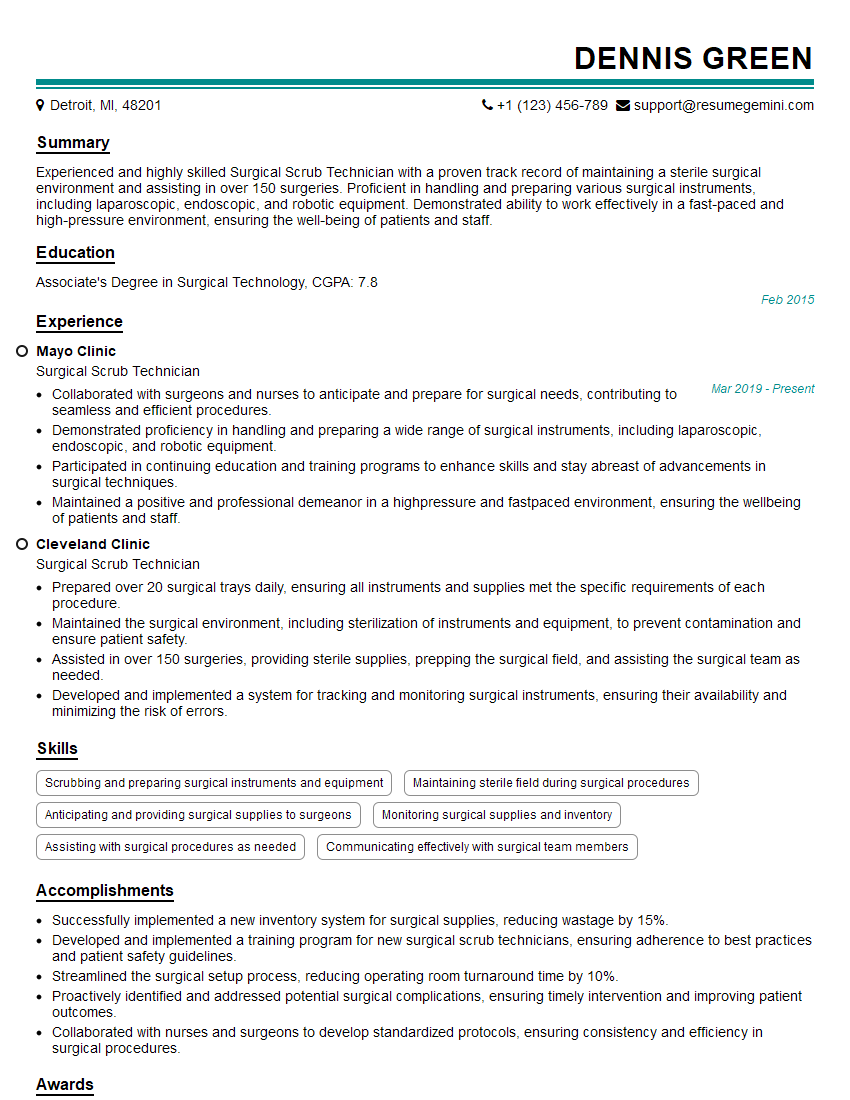
Surgical Scrub Technician Resume Sample
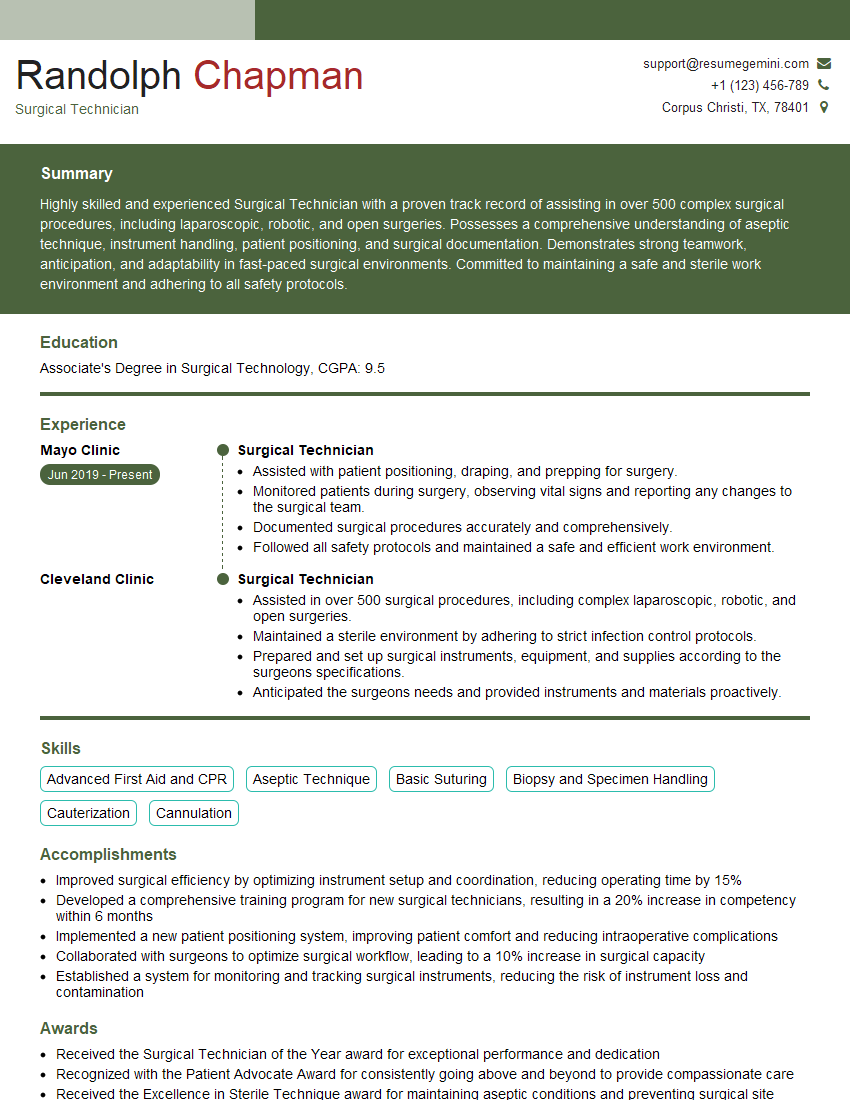
Surgical Technician Resume Sample
- Nurse Practitioner
- Physician Assistant
- Hand Surgeon
- Orthopedic Surgeon
- Plastic Surgeon
- Reconstructive Surgeon
- Trauma Surgeon
- Vascular Surgeon
- Emergency Room Physician
- Surgical First Assistant
- Surgical Physician Assistant
- Podiatrist
- Clinical Nurse Specialist
- Operating Room Nurse
- Surgical Scrub Technician
- Surgical Technician
Explore more articles
Users Rating of Our Blogs
Share Your Experience
We value your feedback! Please rate our content and share your thoughts (optional).
What Readers Say About Our Blog
To the interviewgemini.com Webmaster.
Very helpful and content specific questions to help prepare me for my interview!
Thank you
To the interviewgemini.com Webmaster.
This was kind of a unique content I found around the specialized skills. Very helpful questions and good detailed answers.
Very Helpful blog, thank you Interviewgemini team.