Interviews are more than just a Q&A session—they’re a chance to prove your worth. This blog dives into essential Detail-Oriented and Precise interview questions and expert tips to help you align your answers with what hiring managers are looking for. Start preparing to shine!
Questions Asked in Detail-Oriented and Precise Interview
Q 1. Describe a time you identified a crucial detail others missed.
Identifying crucial details often involves a keen eye for discrepancies and a systematic approach to reviewing information. In a previous role, our team was developing a marketing campaign. We had finalized the design and were about to send it to print. While everyone else was focused on the overall aesthetic, I noticed a minor, seemingly insignificant error in the contact information – a single digit was transposed in the phone number.
While others might have dismissed it as a trivial oversight, I knew that even a small error like that could significantly impact the campaign’s success. It could lead to lost leads and damage our brand’s credibility. I brought it to the team’s attention, and we corrected it before printing. This saved the company a substantial amount of money and potentially avoided a public relations nightmare. The success of this campaign hinged on meticulous attention to seemingly small details. This experience reinforced the importance of comprehensive review processes and questioning even the most seemingly innocuous elements.
Q 2. How do you ensure accuracy in your work?
Ensuring accuracy in my work is a multi-faceted process that begins with a thorough understanding of the task at hand and continues throughout its execution. It involves several key strategies:
- Double-checking and Verification: I consistently double-check my work, comparing my results against the original source material and cross-referencing information from multiple reliable sources. This helps to identify any inconsistencies or errors.
- Utilizing Checklists and Templates: Checklists and templates provide a structured approach, minimizing the chance of missing steps or key information. They act as a safeguard, ensuring consistency and completeness.
- Utilizing Technology: I leverage technology such as spell-checkers, grammar tools, and data validation software to identify and rectify potential errors. However, I understand that technology is not foolproof and rely on manual verification as well.
- Seeking Feedback: I actively seek feedback from colleagues and supervisors, utilizing a ‘second pair of eyes’ to identify any potential errors or areas for improvement. This collaborative approach enhances accuracy.
In essence, ensuring accuracy isn’t just about catching errors; it’s about building a robust process that minimizes the risk of making them in the first place.
Q 3. Explain your approach to proofreading or editing a document.
My approach to proofreading or editing is systematic and methodical, ensuring comprehensive review. I employ a multi-stage process:
- First Pass: A quick read-through, focusing on the overall flow, clarity, and general understanding of the content. This is about grasping the big picture.
- Second Pass: This focuses on grammar, spelling, punctuation, and sentence structure. I typically read backward, line by line, to catch small errors I might miss when reading forward. This helps improve focus on individual components.
- Third Pass: A final review focused on consistency, style, tone, and accuracy of facts and figures. I use a style guide to ensure consistency and cross-reference any data or statistics.
- Final Check: A final read-through after all corrections are made, ensuring the changes haven’t introduced new errors. Often this is done with a fresh mind a day or so later.
Think of it like building a house: The first pass is the blueprint, the second pass is the framing, and the third is the finishing touches. The final check is making sure everything is secure and ready for habitation.
Q 4. What strategies do you use to manage multiple tasks with high attention to detail?
Managing multiple tasks while maintaining a high attention to detail requires a structured and organized approach. I use a combination of strategies:
- Prioritization: I use methods like Eisenhower Matrix (urgent/important) to prioritize tasks effectively, focusing on the most crucial and time-sensitive items first.
- Time Blocking: I allocate specific blocks of time for each task, creating a schedule that promotes focused work without context switching.
- Task Breakdown: Complex tasks are broken down into smaller, more manageable sub-tasks. This prevents feeling overwhelmed and facilitates a more focused approach to each part.
- Regular Breaks: Short, regular breaks are essential to maintain focus and prevent burnout. These breaks help prevent errors resulting from fatigue.
- Digital Tools: I use project management software and to-do lists to organize and track my progress across multiple tasks. This provides a holistic view and prevents overlooking items.
Think of it as an orchestra; each musician plays their part with precision, and the conductor ensures everything works in harmony to achieve a perfect performance.
Q 5. How do you handle conflicting information or data discrepancies?
Handling conflicting information or data discrepancies requires a systematic and investigative approach. My process involves:
- Identify and Document: First, carefully document the conflicting information, noting the source of each piece of data.
- Source Verification: I investigate the credibility and reliability of the sources. Is one source more trustworthy or authoritative than another?
- Data Reconciliation: I try to reconcile the discrepancies by looking for patterns or explanations for the inconsistencies. This might involve checking for data entry errors or investigating potential biases.
- Expert Consultation: If the discrepancies remain unresolved, I consult with subject matter experts or other colleagues to get their input and insights.
- Documentation and Reporting: I document the process of investigation, including the findings and any decisions made regarding the conflicting data. Transparency is crucial.
Imagine being a detective; each piece of information is a clue, and the goal is to piece everything together to uncover the truth.
Q 6. Describe your experience with data entry or data analysis.
My experience with data entry and data analysis includes extensive work with large datasets, requiring meticulous attention to detail and accuracy.
In data entry, I’ve used various software applications to input data while maintaining high levels of precision. I prioritize accuracy over speed and implement regular checks to ensure the integrity of the data. I’m proficient in identifying and correcting inconsistencies or errors. For example, I once identified a pattern of incorrect data entry related to a specific field, resulting in significant reporting discrepancies. By pinpointing the source of the error (incorrect formatting within the source data), I implemented a standardized procedure to eliminate this issue moving forward.
In data analysis, I have used various tools (e.g., SQL, Excel, statistical software packages) to process and interpret information, again with a strong emphasis on validation and accuracy. My experience includes cleaning and preparing data for analysis, identifying outliers and anomalies, and generating accurate and meaningful reports.
Q 7. How do you prioritize tasks when faced with tight deadlines?
Prioritizing tasks under tight deadlines requires a combination of strategic planning and efficient execution. My approach involves:
- Understanding the Scope: I begin by clearly understanding the scope of each task and identifying any dependencies. This helps establish a logical workflow.
- Prioritization Matrix: I employ a prioritization matrix, such as the MoSCoW method (Must have, Should have, Could have, Won’t have), to classify tasks based on their importance and urgency.
- Time Estimation: I realistically estimate the time required for each task, factoring in potential delays or unexpected issues. This prevents over-commitment.
- Timeboxing: I allocate specific time blocks for each task, creating a focused and structured approach that helps manage time effectively.
- Delegation (if applicable): If possible, I delegate tasks that can be handled by others, freeing up my time for higher-priority items.
- Communication: I maintain open communication with stakeholders, keeping them informed of my progress and any potential challenges.
Effective prioritization under pressure is like navigating a challenging course; knowing which path to take and adapting to the terrain are key to success.
Q 8. How do you stay organized when working on complex projects?
Staying organized on complex projects is paramount. My approach is multifaceted, combining meticulous planning with flexible adaptation. I begin by breaking down large projects into smaller, manageable tasks. I use a project management tool, such as Jira or Asana, to create a detailed task list with assigned deadlines and dependencies. This allows me to visualize the entire project and track individual progress.
Furthermore, I utilize a color-coded system within these tools to prioritize tasks based on urgency and importance. This helps me focus my energy on the most critical aspects first. Regular review sessions (daily or weekly, depending on the project complexity) are crucial for identifying potential roadblocks and adjusting timelines as needed. Think of it like building a house – you wouldn’t start laying bricks before the foundation is set. Similarly, a well-structured project plan ensures a smooth and efficient workflow.
Finally, I maintain a comprehensive documentation system. This includes detailed notes, meeting minutes, and any relevant communication, all meticulously organized and easily accessible. This ensures that all information is readily available, reducing the risk of errors and improving collaboration.
Q 9. Have you ever had to correct a significant error? Explain the process.
In a previous role, I discovered a significant error in a financial report that miscalculated projected revenue by 15%. This was a critical error as it directly impacted strategic decision-making. My process for correcting this error was systematic and involved several key steps:
- Identification and Verification: I first independently verified the error, ensuring it wasn’t a simple oversight on my part. I cross-referenced data from multiple sources to confirm the discrepancy.
- Root Cause Analysis: I meticulously traced the error back to its source, identifying a faulty formula in the spreadsheet. This involved careful examination of each calculation step and comparing it to the expected results.
- Correction and Validation: Once the root cause was identified, I corrected the formula and re-ran the calculations, thoroughly validating the new results. This involved using independent verification methods to ensure accuracy.
- Documentation and Reporting: I documented the entire process, including the nature of the error, its cause, the correction implemented, and the validation steps taken. This detailed report was shared with my supervisor and relevant stakeholders.
- Preventive Measures: To prevent similar errors in the future, I suggested and implemented improvements to the spreadsheet’s formula design and introduced additional checks within the reporting process.
This experience highlighted the importance of thoroughness, verification, and documentation in maintaining data integrity.
Q 10. How do you ensure the consistency and accuracy of your work?
Ensuring consistency and accuracy is fundamental to my work. I employ several strategies: First, I use standardized templates and checklists wherever applicable. This provides a framework for consistent formatting and data entry. Second, I leverage technology where possible; for example, using automated tools for data validation and cross-checking. Third, I incorporate regular self-reviews and peer reviews into my workflow. This provides a fresh perspective and helps identify potential inconsistencies or errors that I might have missed.
Imagine baking a cake. A consistent recipe and precise measurements are essential for a successful outcome. Similarly, in my work, consistent processes and accurate data are crucial for delivering reliable results. The use of style guides, standard operating procedures and cross-referencing helps maintain this consistency.
Q 11. What methods do you use to track your progress on detailed tasks?
For detailed tasks, I employ a combination of methods to track progress. My project management tools, as mentioned earlier, are invaluable. I break down large tasks into smaller, easily measurable units, assigning each a specific deadline. I use progress bars and checkboxes within the tools to visually track completion. Additionally, I maintain a personal log to note my daily progress, challenges encountered, and any adjustments made to the schedule. This provides a detailed record of my work, allowing me to analyze my efficiency and identify areas for improvement. It’s like charting a course across the ocean – you need regular updates on your position to ensure you’re on track and reach your destination.
Q 12. Describe a situation where your attention to detail prevented a problem.
During a website development project, I noticed a minor discrepancy in the CSS code – a single misplaced semicolon. While seemingly insignificant, this tiny error would have resulted in a significant layout issue on different screen sizes, affecting the user experience. My attention to detail allowed me to catch this error during the testing phase, preventing potential customer complaints and reputational damage. This emphasizes the fact that even the smallest detail can have major consequences if overlooked.
Q 13. How do you approach tasks requiring meticulous precision?
When tackling tasks demanding meticulous precision, my approach is methodical and systematic. I always start by thoroughly understanding the requirements and specifications. This includes carefully reading instructions, clarifying any ambiguities, and seeking clarification when needed. I then create a detailed plan outlining the steps involved, breaking down the task into smaller, manageable components. I approach each step with a high degree of focus, employing verification checks at each stage to ensure accuracy. Think of it like assembling a complex piece of machinery – each part must be precisely placed for it to function correctly. A systematic approach is crucial to achieve the desired level of precision.
Q 14. How do you manage your time to complete detailed tasks efficiently?
Managing time effectively for detailed tasks requires careful planning and prioritization. I allocate time blocks for specific tasks, factoring in potential interruptions or unexpected delays. I utilize time-blocking techniques, scheduling dedicated periods for focused work without distractions. Regular breaks are incorporated to prevent burnout and maintain concentration. I avoid multitasking, instead focusing on one task at a time to maximize efficiency and minimize errors. Regular progress reviews help me identify any time constraints and adjust my schedule accordingly. It’s about working smarter, not harder; focused, dedicated time slots prove far more effective than haphazardly juggling multiple tasks.
Q 15. Explain your approach to quality control in your work.
My approach to quality control is multifaceted and proactive, not just reactive. It begins with a meticulous understanding of the project requirements. I break down complex tasks into smaller, manageable steps, each with its own checklist to ensure nothing is overlooked. This prevents errors from cascading through the process.
I utilize various verification methods depending on the task. For data entry, I employ double-checking and potentially even triple-checking critical data points. For document review, I use a systematic approach, checking for consistency in formatting, accuracy of information, and completeness against the requirements. For coding, I write unit tests to catch bugs early and conduct thorough code reviews, looking for potential vulnerabilities or inefficiencies. After completion, I conduct a final self-review before submitting the work.
Think of it like baking a cake – you wouldn’t just throw all the ingredients together and hope for the best. You meticulously follow the recipe, check measurements, and ensure each step is executed precisely. My approach to quality control is similarly structured and deliberate, guaranteeing high-quality results.
Career Expert Tips:
- Ace those interviews! Prepare effectively by reviewing the Top 50 Most Common Interview Questions on ResumeGemini.
- Navigate your job search with confidence! Explore a wide range of Career Tips on ResumeGemini. Learn about common challenges and recommendations to overcome them.
- Craft the perfect resume! Master the Art of Resume Writing with ResumeGemini’s guide. Showcase your unique qualifications and achievements effectively.
- Don’t miss out on holiday savings! Build your dream resume with ResumeGemini’s ATS optimized templates.
Q 16. How do you handle interruptions while working on detailed tasks?
Interruptions are inevitable, but I have developed strategies to minimize their impact on detailed tasks. Firstly, I communicate clearly about my concentration periods to colleagues, explaining that I’ll be less available during these times. Secondly, I use time management techniques like the Pomodoro Technique, working in focused bursts with short breaks. This allows me to maintain concentration and make the most of my uninterrupted time.
When an interruption does occur, I make a conscious effort to note exactly where I left off, often using bookmarks, placeholders, or temporary notes. Upon resuming, I quickly review my notes to re-establish context and prevent mistakes caused by lost concentration. If the interruption is complex or requires immediate attention, I consciously switch tasks, completing the interruption and then returning to the original task with a fresh perspective. The key is to acknowledge interruptions without letting them derail the process.
Q 17. Describe a time you had to make a critical decision based on detailed information.
In a previous role, we were deciding on the launch date for a major software update. The decision hinged on the results of rigorous testing, which included thousands of data points on system performance, user feedback, and bug reports. The data was spread across several spreadsheets and databases.
My role involved consolidating and analyzing this massive dataset. I noticed discrepancies in some performance metrics initially attributed to minor bugs. However, my detailed analysis revealed a more serious underlying issue with a key algorithm, potentially leading to system crashes under heavy load. This discovery, based on precise data examination, led to a delay in the launch, allowing engineers to address the problem. This seemingly minor delay prevented a major system failure after the release, saving the company significant costs and reputational damage.
Q 18. How do you use technology to improve accuracy and efficiency?
Technology plays a crucial role in enhancing accuracy and efficiency in my work. I use spreadsheet software (like Excel or Google Sheets) extensively for data manipulation, analysis, and presentation. I leverage formulas and functions to automate calculations and reduce the risk of human error. For instance, using SUMIF and COUNTIF functions helps ensure accurate aggregation of data.
I also rely on version control systems (like Git) for managing code and documents. This ensures that every change is tracked, facilitating easy recovery from mistakes and collaboration with colleagues. Database management systems help me store and manage data with integrity, ensuring data consistency and reducing risks associated with data loss or corruption. Additionally, I utilize project management software to track progress, set deadlines, and keep all relevant documents organized.
Q 19. How do you handle feedback that points out inaccuracies in your work?
Receiving feedback, even critical feedback pointing out inaccuracies, is a valuable opportunity for learning and improvement. My response is always professional and constructive. I carefully review the feedback to understand the nature and extent of the inaccuracies, verifying them against my original work and the underlying data or source materials.
I don’t take feedback personally; rather, I view it as a chance to refine my process and ensure future work is even more accurate. Once I’ve understood the feedback, I rectify the issues, clearly document the corrections, and communicate these corrections to the relevant stakeholders. This demonstrates ownership and a commitment to accuracy. I also use this feedback to identify potential weaknesses in my workflow and adapt my strategies accordingly. Learning from mistakes is key to continuous improvement.
Q 20. Describe a situation where your attention to detail impacted a project positively.
During a website redesign project, my attention to detail prevented a significant error. While reviewing the final design mockups, I noticed that a critical element – the online payment gateway integration – was missing from several key pages. This seemingly minor oversight could have resulted in customers being unable to complete purchases, severely impacting the company’s revenue.
Because I meticulously reviewed every page against the requirements document, I was able to identify this flaw before the site went live. Flagging this allowed the development team to swiftly address the issue, preventing potentially disastrous financial consequences. This situation highlighted the value of paying close attention to even the smallest details throughout the entire project lifecycle.
Q 21. What software or tools do you use to maintain accuracy in your work?
To maintain accuracy, I use a combination of software and tools tailored to the specific task. For data analysis, I rely on spreadsheet software like Microsoft Excel and Google Sheets, employing functions to verify calculations and data integrity. I use database management systems (like MySQL or PostgreSQL) for data storage and retrieval, ensuring data consistency and accuracy. For coding, I use Integrated Development Environments (IDEs) that provide features for debugging, code completion, and automated testing, greatly reducing the likelihood of errors. Beyond software, I use checklists, templates, and process documentation to ensure consistency and reduce the chance of human error. In essence, I adopt a multi-layered approach, combining technology with structured methodologies.
Q 22. How do you approach problem-solving when dealing with complex datasets?
Tackling complex datasets requires a systematic approach. I begin by thoroughly understanding the data’s structure, identifying variables, and noting any potential inconsistencies or missing values. This often involves exploratory data analysis (EDA), which uses visualization and summary statistics to reveal patterns and anomalies. Next, I define the specific problem I’m trying to solve—what insights am I aiming to extract? This focuses my analysis and prevents me from getting lost in the details. Then, I choose appropriate analytical techniques, considering the nature of the data and the research question. This might involve statistical modeling, machine learning algorithms, or simply careful data manipulation and aggregation. Throughout, meticulous documentation is crucial, ensuring reproducibility and enabling others to understand my process. Imagine trying to find a specific ingredient in a vast, disorganized pantry – a systematic approach, focusing on the ‘recipe’ (research question) ensures efficiency.
- Step 1: Data Understanding and Exploration – using tools like Pandas in Python for data cleaning and summary statistics.
- Step 2: Problem Definition – clearly articulating the goals of the analysis.
- Step 3: Method Selection – choosing appropriate analytical techniques (e.g., regression, clustering, etc.).
- Step 4: Analysis and Interpretation – carefully interpreting results and drawing conclusions.
- Step 5: Documentation – meticulously recording every step of the process.
Q 23. How do you balance speed and accuracy in your work?
Balancing speed and accuracy is a constant challenge, particularly in data-driven roles. It’s not about choosing one over the other; rather, it’s about finding the optimal balance. I achieve this through careful planning and prioritization. For instance, I might conduct a quick initial analysis to identify potential issues and high-priority areas requiring immediate attention. This allows for rapid progress while ensuring I don’t overlook crucial details. For more complex tasks, I break them down into smaller, manageable steps, regularly checking my work for accuracy at each stage. Automated checks and validation techniques are invaluable here – think of a spell checker for your data. This prevents accumulation of errors and significantly reduces the need for extensive revisions later. It’s akin to a chef preparing a complex meal – quick preparation for some components, careful attention to detail for others, all within a planned timeline.
# Example Python code for a quick check: import pandas as pd data = pd.read_csv('mydata.csv') print(data.isnull().sum()) #Check for missing valuesQ 24. Describe a time you had to analyze a large amount of data for accuracy.
In a previous role, I was tasked with analyzing sales data spanning five years for a large e-commerce company. The dataset was massive, containing millions of records with various fields like product ID, sales date, price, and customer information. The goal was to identify trends and anomalies that might impact future sales forecasting. My approach involved several steps. First, I cleaned and validated the data, addressing missing values and inconsistencies. This involved using data validation rules and outlier detection techniques to flag unusual entries. Then, I employed data visualization techniques like time-series plots and histograms to identify patterns and anomalies. I also used statistical methods to test hypotheses and confirm insights revealed by the visualizations. The process was iterative, meaning I continually refined my analysis as I discovered more insights, verifying and validating each step. Identifying a spike in returns for a specific product line during a particular month, for instance, required careful investigation to determine the root cause, which turned out to be a manufacturing defect.
Q 25. How do you ensure you understand all the requirements of a task before beginning?
Ensuring complete understanding of task requirements is paramount. My approach involves a multi-pronged strategy. First, I actively listen to the instructions, asking clarifying questions to eliminate any ambiguity. I then meticulously review any written documentation, including specifications, requirements documents, or previous work related to the task. Furthermore, I often create my own summary of the requirements to confirm my understanding. Finally, before commencing the task, I present my interpretation of the requirements to the relevant stakeholders for confirmation. This collaborative approach ensures we’re all on the same page and reduces the risk of misunderstandings. Think of it like building a house – you wouldn’t start without detailed blueprints and a thorough understanding of the client’s vision.
Q 26. Explain your process for verifying the accuracy of your work.
Verifying accuracy is an ongoing process, not a single step at the end. I employ several methods. First, I use automated checks, including data validation rules, unit tests, and consistency checks within my analysis code. Secondly, I perform manual spot checks, examining a sample of the data to ensure the results are consistent with my expectations. Thirdly, I employ cross-validation techniques, using different methods or datasets to verify the robustness of my findings. Finally, I critically review the results against existing knowledge and domain expertise. For example, if I’m analyzing financial data, I’d ensure that the results align with established financial principles. This layered approach significantly minimizes errors and enhances confidence in the accuracy of my work.
Q 27. How do you communicate findings when dealing with highly detailed information?
Communicating highly detailed information requires clear, concise, and well-structured communication. I typically start with a high-level summary, providing an overview of the key findings and their implications. Then, I present the detailed information in a logical and organized manner, often using visual aids like charts, graphs, and tables to make the information easier to digest. I tailor my communication style to the audience – using technical language with technical audiences and focusing on the implications and action items for non-technical audiences. I use clear and consistent terminology, avoiding jargon whenever possible, and I also ensure the information is easily accessible, often providing supporting documentation or interactive dashboards to facilitate further exploration. This structured approach makes even complex datasets readily understandable.
Q 28. How do you adapt your approach to detail-oriented tasks depending on the context?
My approach to detail-oriented tasks adapts based on context – specifically, the criticality of the task, the available time, and the potential consequences of errors. In high-stakes situations with limited time, I prioritize critical details and focus on the most impactful areas. I might use automated tools where possible to speed up the process, but with stringent quality control. For less critical tasks, I might adopt a more flexible approach, focusing on efficiency without compromising accuracy. The level of detail also depends on the audience – a technical report requires more granular details than a quick summary for a manager. It’s like adjusting the focus of a camera lens – zooming in for fine details when necessary, and widening the view for a broader perspective when appropriate.
Key Topics to Learn for Detail-Oriented and Precise Interview
- Understanding the Nuances: Explore the subtle differences between attention to detail and precision. Learn how to articulate your understanding of both concepts and their importance in various professional contexts.
- Practical Application in Problem-Solving: Practice demonstrating how you approach tasks requiring meticulous attention to detail. Consider examples where a small oversight could have significant consequences, and how your precision prevented such issues.
- Communicating Precision: Develop your ability to clearly and concisely communicate complex information, ensuring accuracy and avoiding ambiguity. Practice conveying technical details to both technical and non-technical audiences.
- Error Detection and Prevention: Discuss your strategies for identifying and preventing errors. Highlight examples where you implemented quality control measures or processes to ensure accuracy and precision.
- Data Analysis and Interpretation: Demonstrate your ability to analyze data with precision, drawing accurate conclusions and identifying patterns. Consider how you handle inconsistencies or conflicting data.
- Process Optimization: Explain how you approach improving processes to enhance efficiency and accuracy. Show how attention to detail and precision are crucial to optimizing workflows.
Next Steps
Mastering detail-orientation and precision is crucial for career advancement. Employers highly value candidates who demonstrate these qualities, as they contribute to higher quality work, reduced errors, and increased efficiency. To enhance your job prospects, creating an ATS-friendly resume is paramount. This ensures your qualifications are effectively communicated to hiring managers. ResumeGemini is a trusted resource to help you build a professional resume that showcases your skills and experience effectively. Examples of resumes tailored to highlight detail-oriented and precise skills are provided below to guide your preparation.
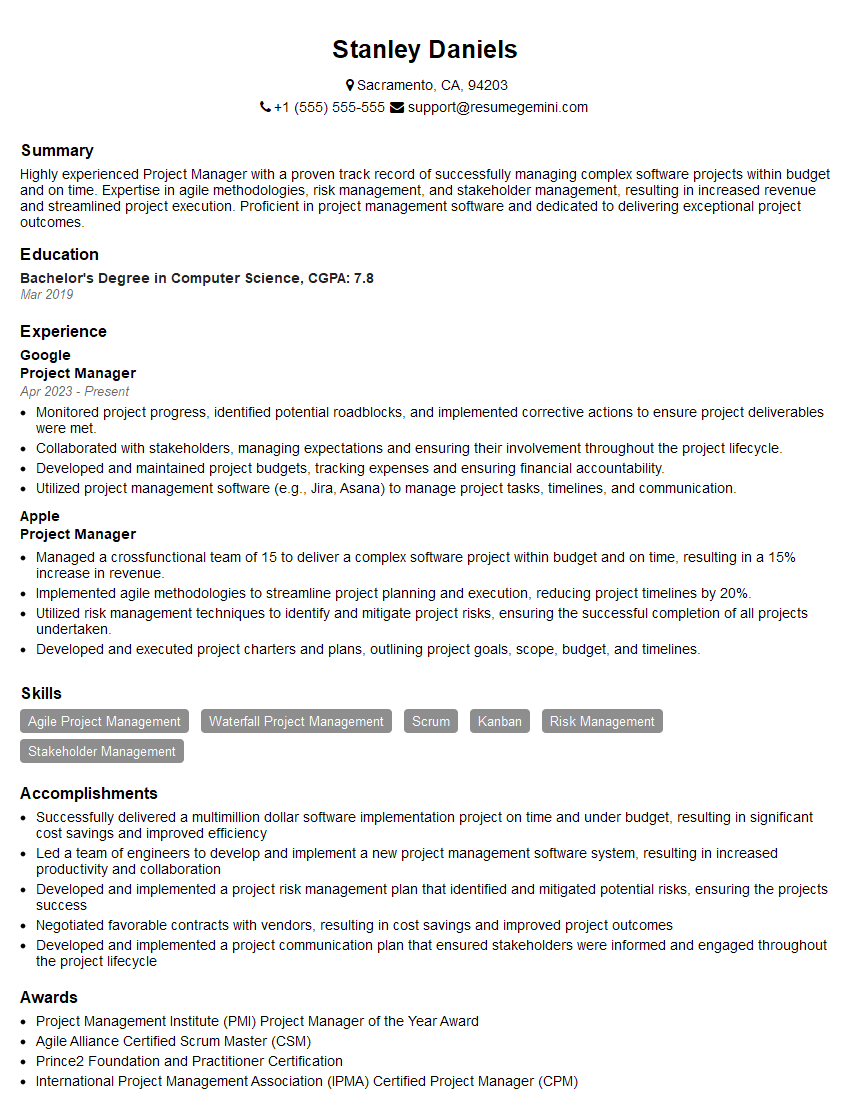
Project Manager Resume Sample

Compliance Officer Resume Sample
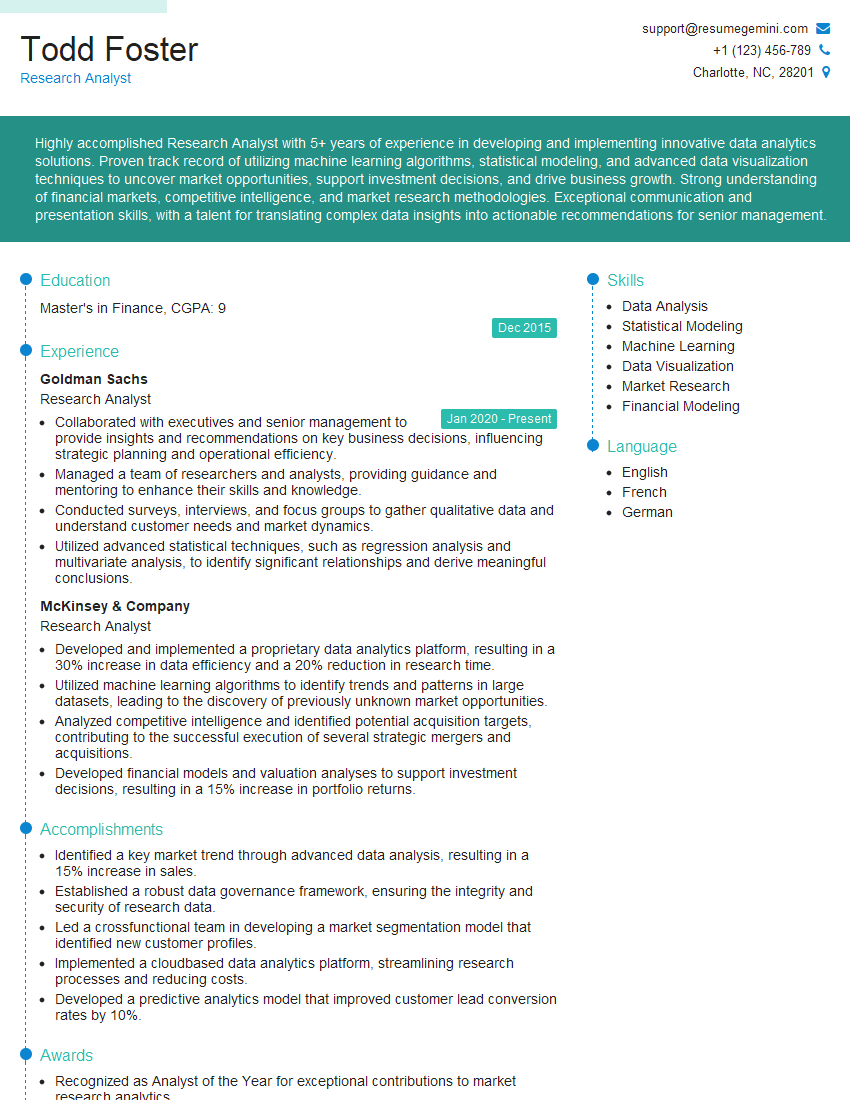
Research Analyst Resume Sample
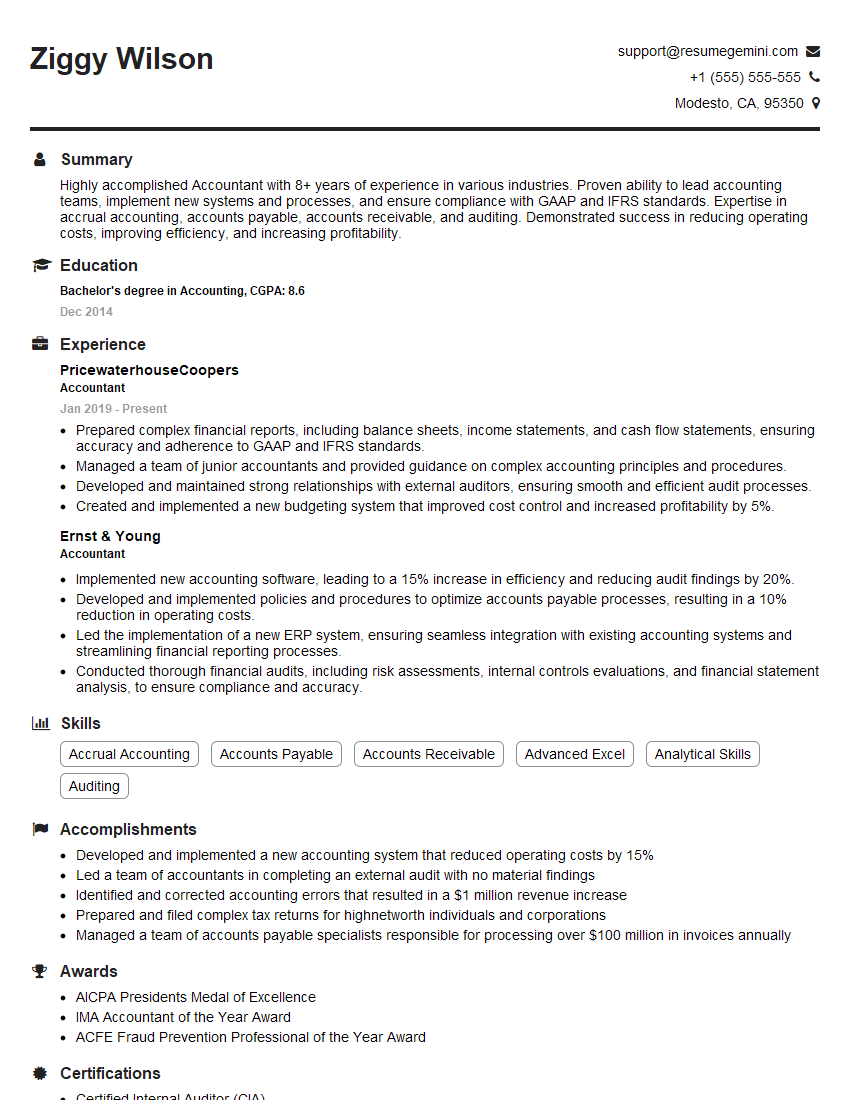
Accountant Resume Sample
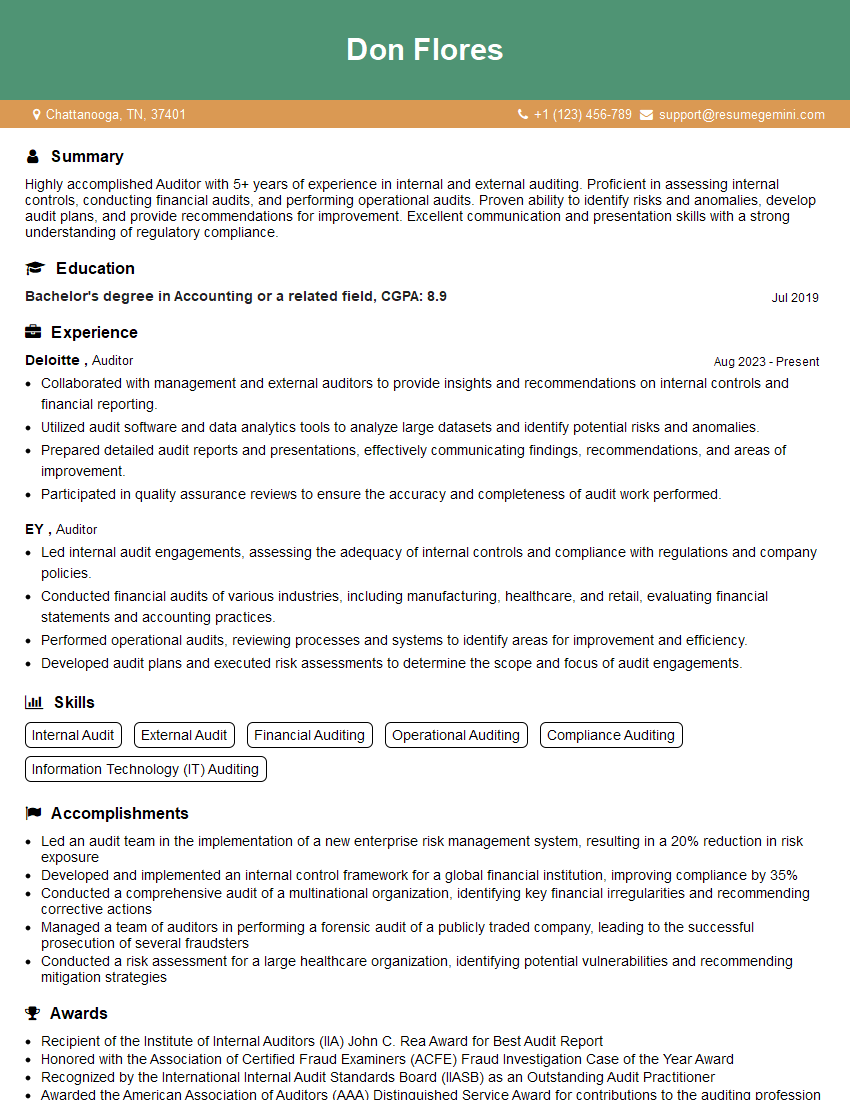
Auditor Resume Sample
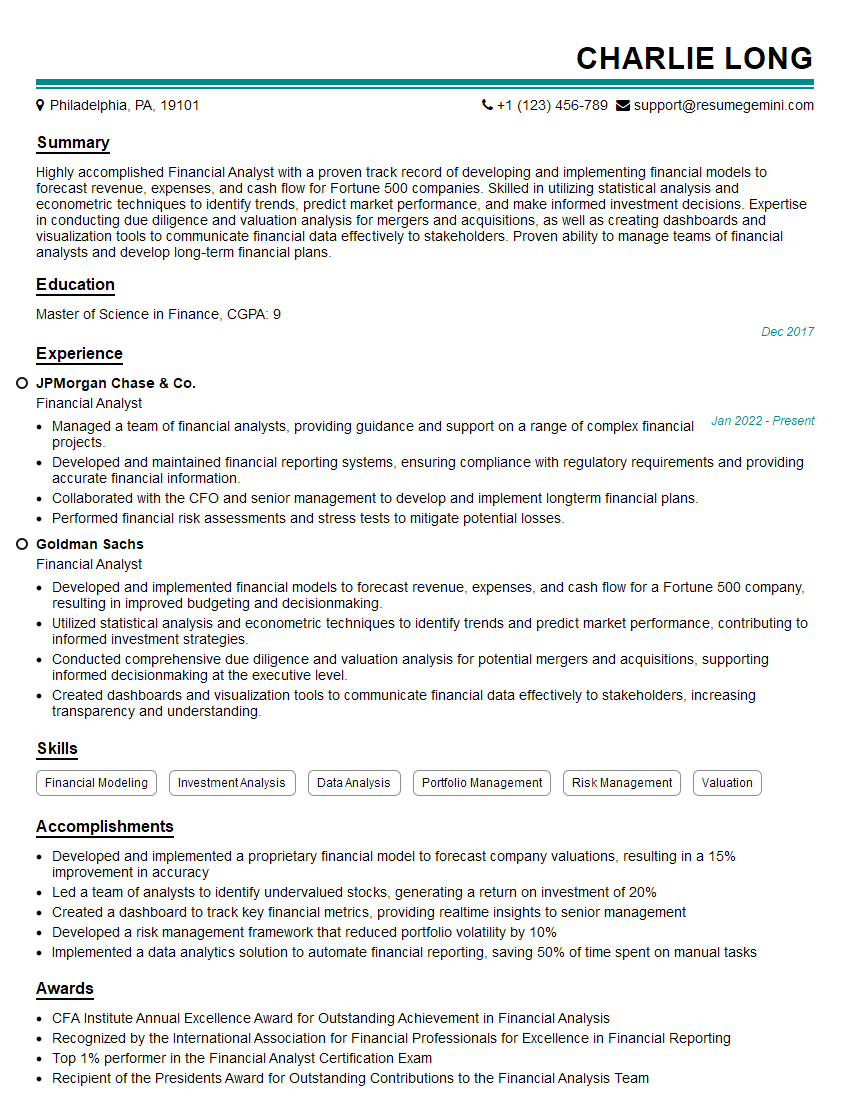
Financial Analyst Resume Sample
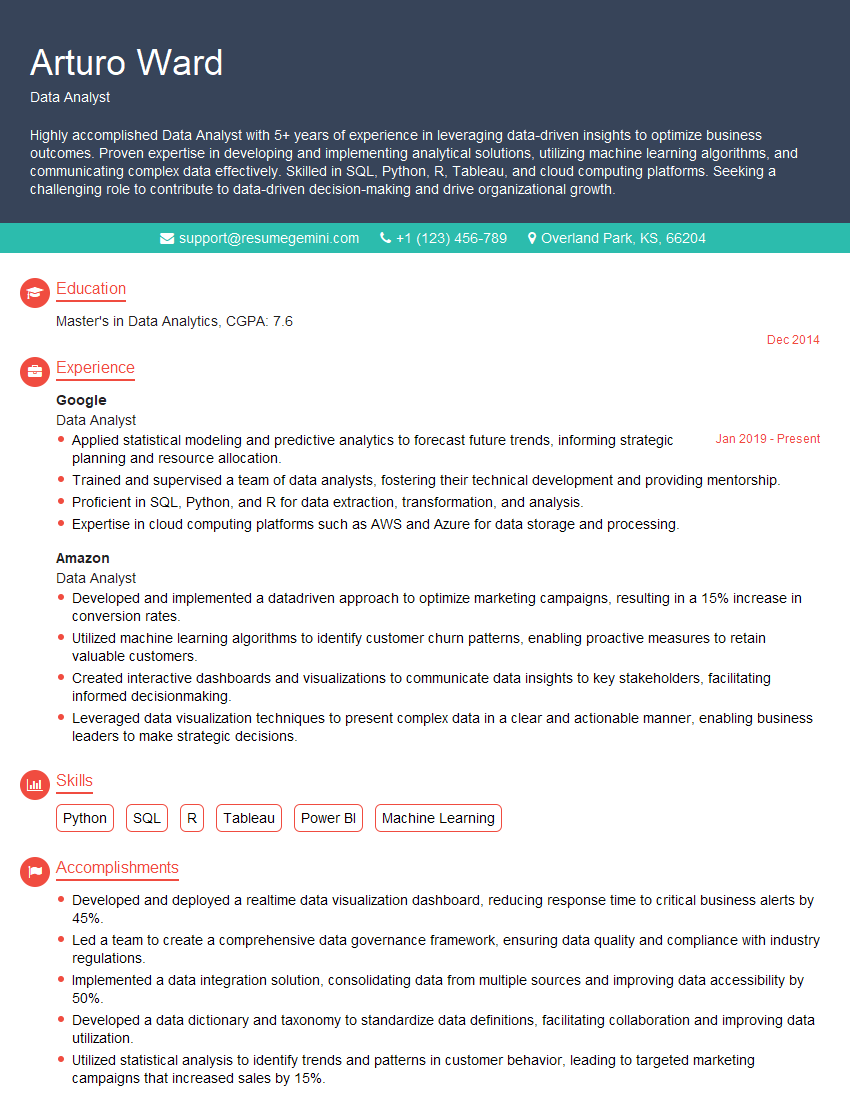
Data Analyst Resume Sample
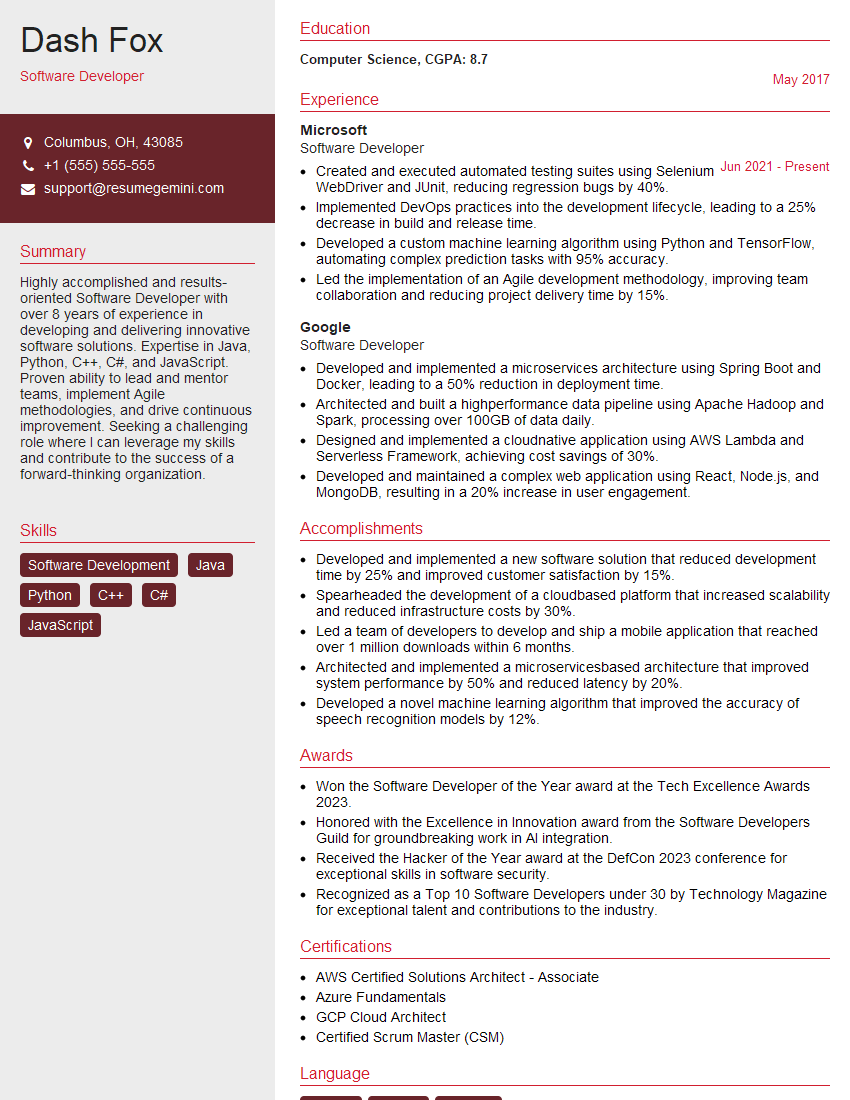
Software Developer Resume Sample
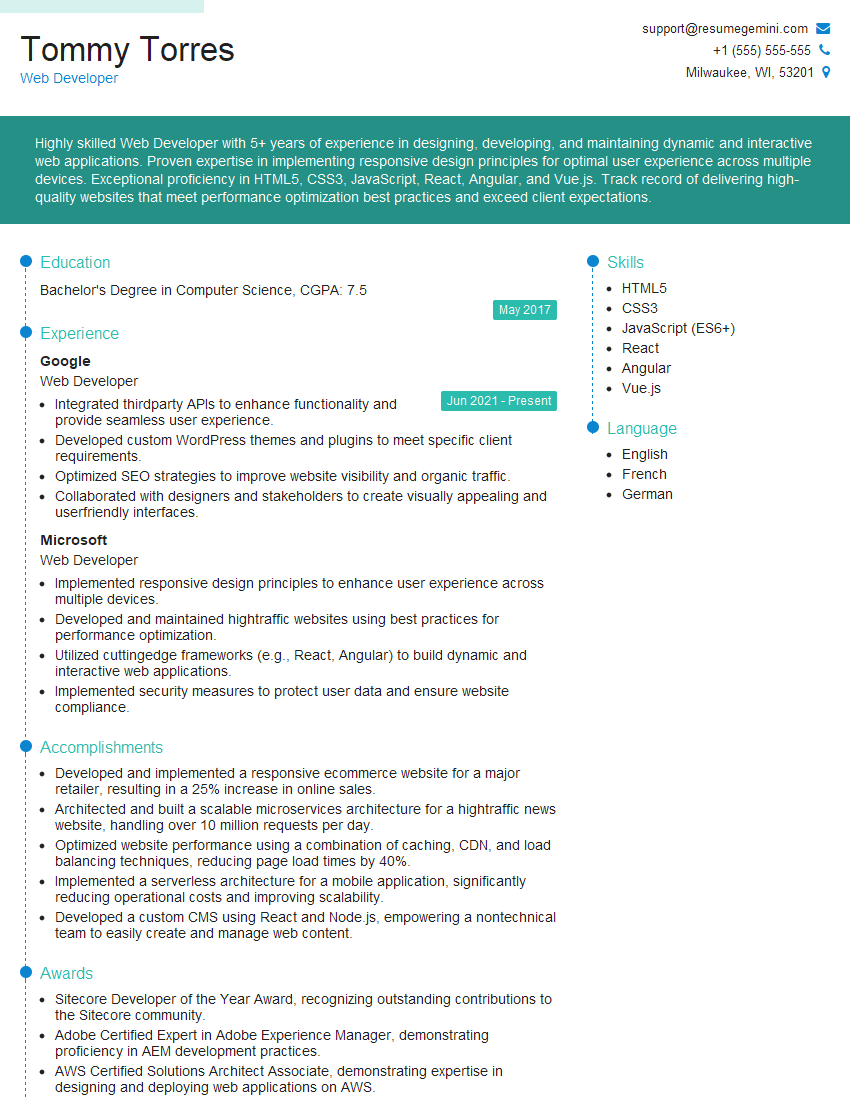
Web Developer Resume Sample
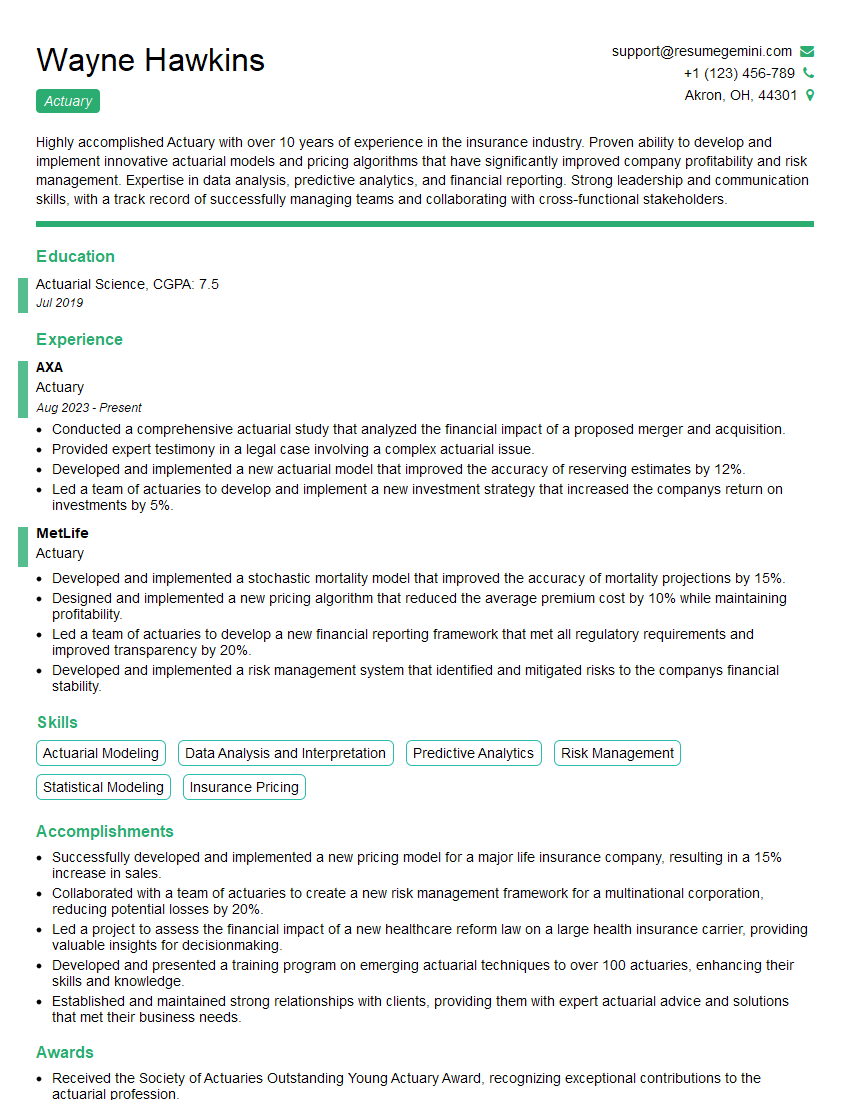
Actuary Resume Sample
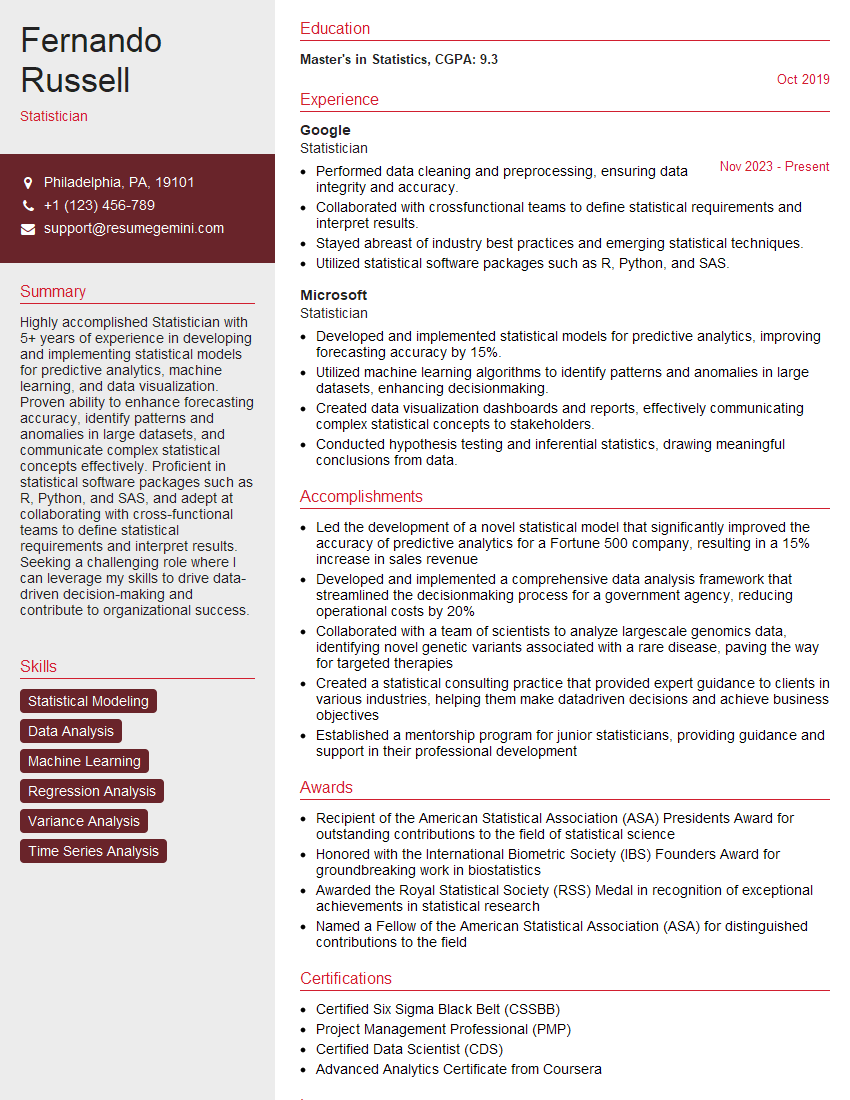
Statistician Resume Sample
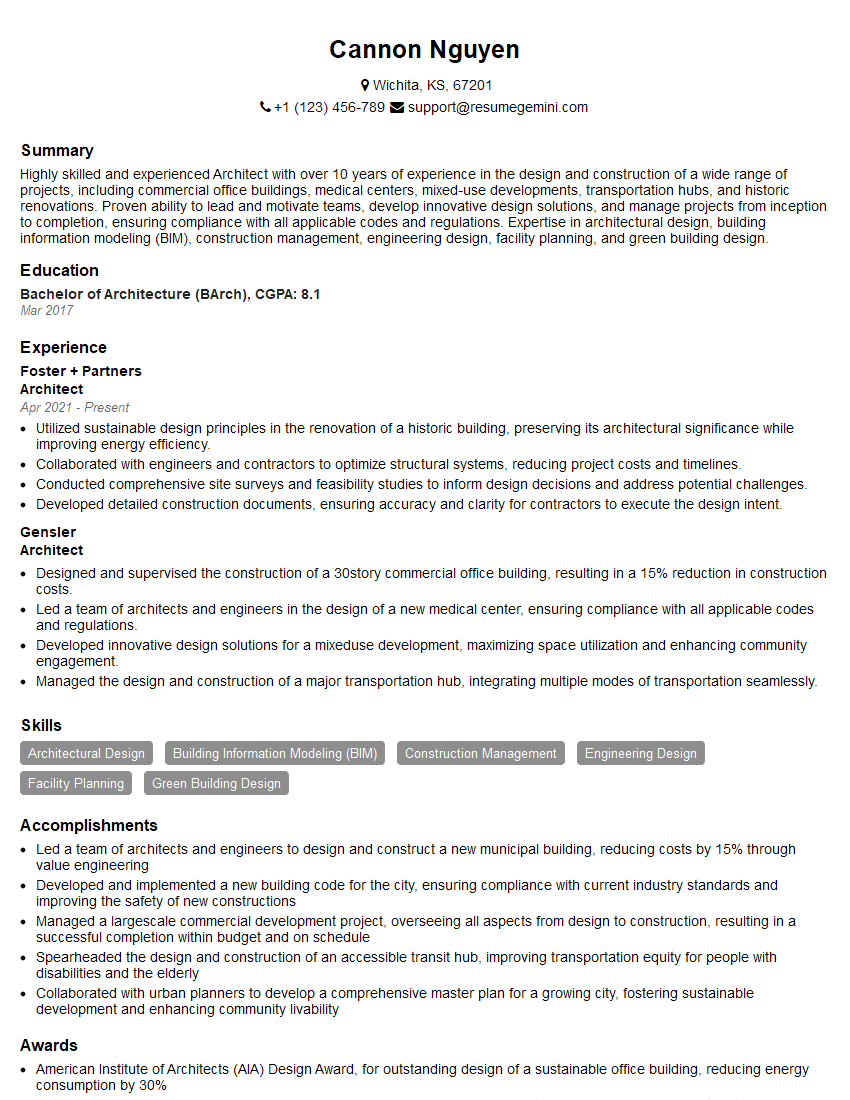
Architect Resume Sample
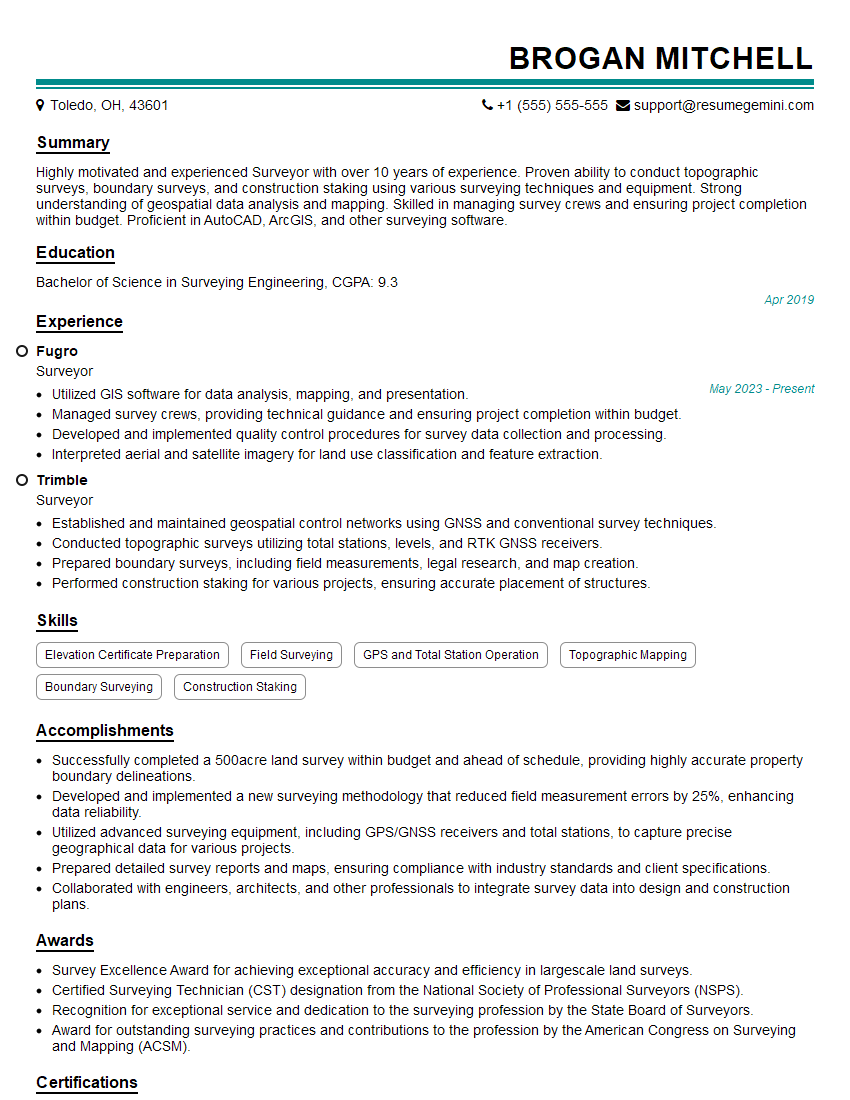
Surveyor Resume Sample
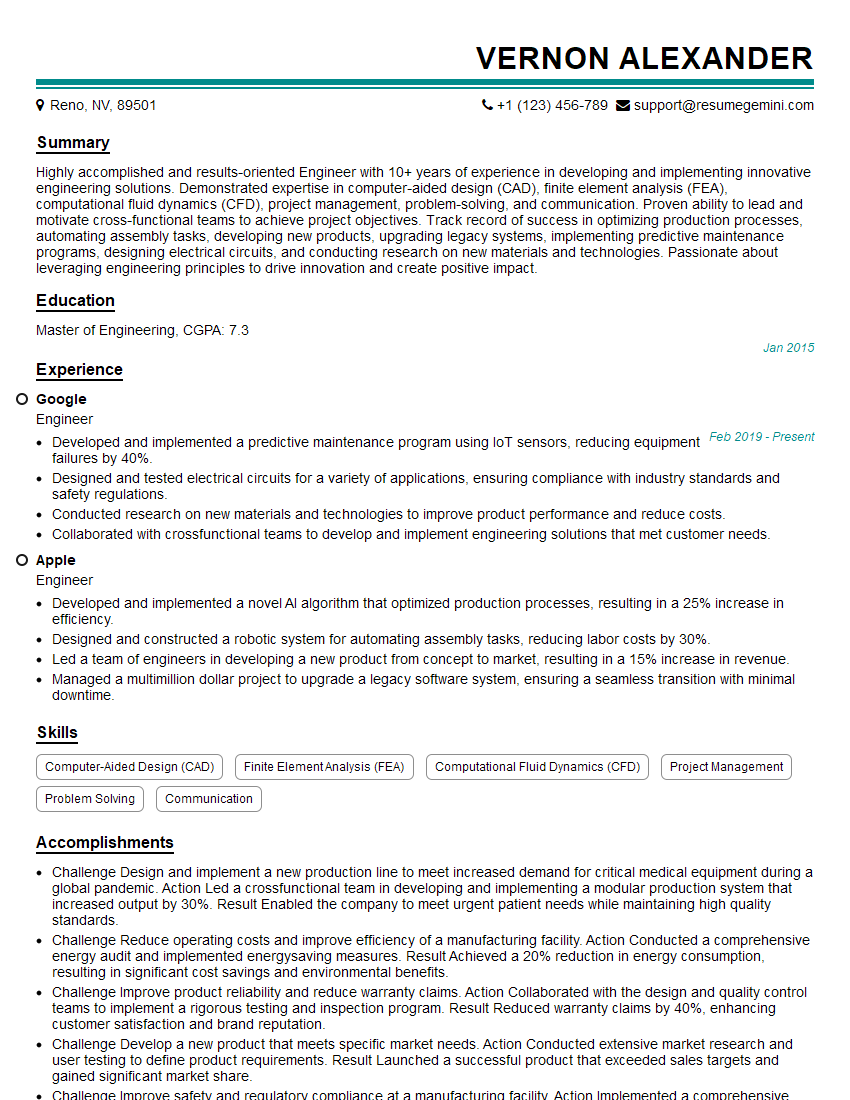
Engineer Resume Sample
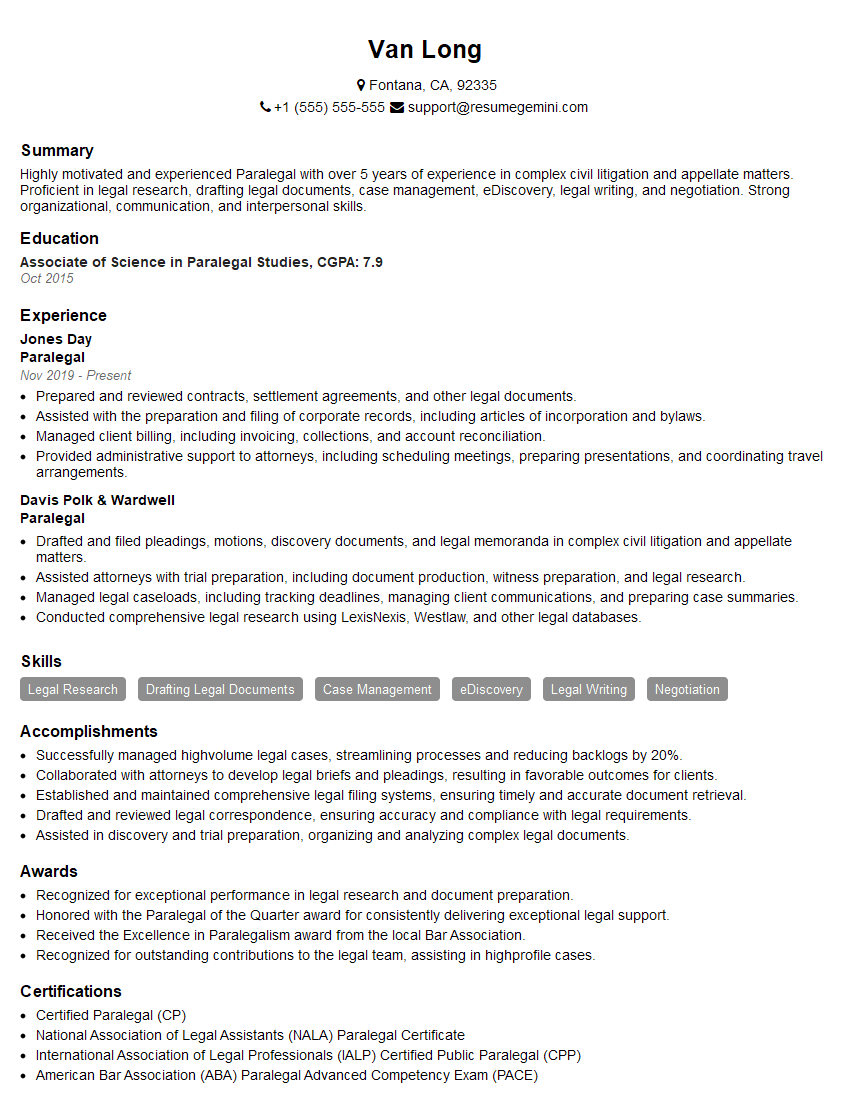
Paralegal Resume Sample
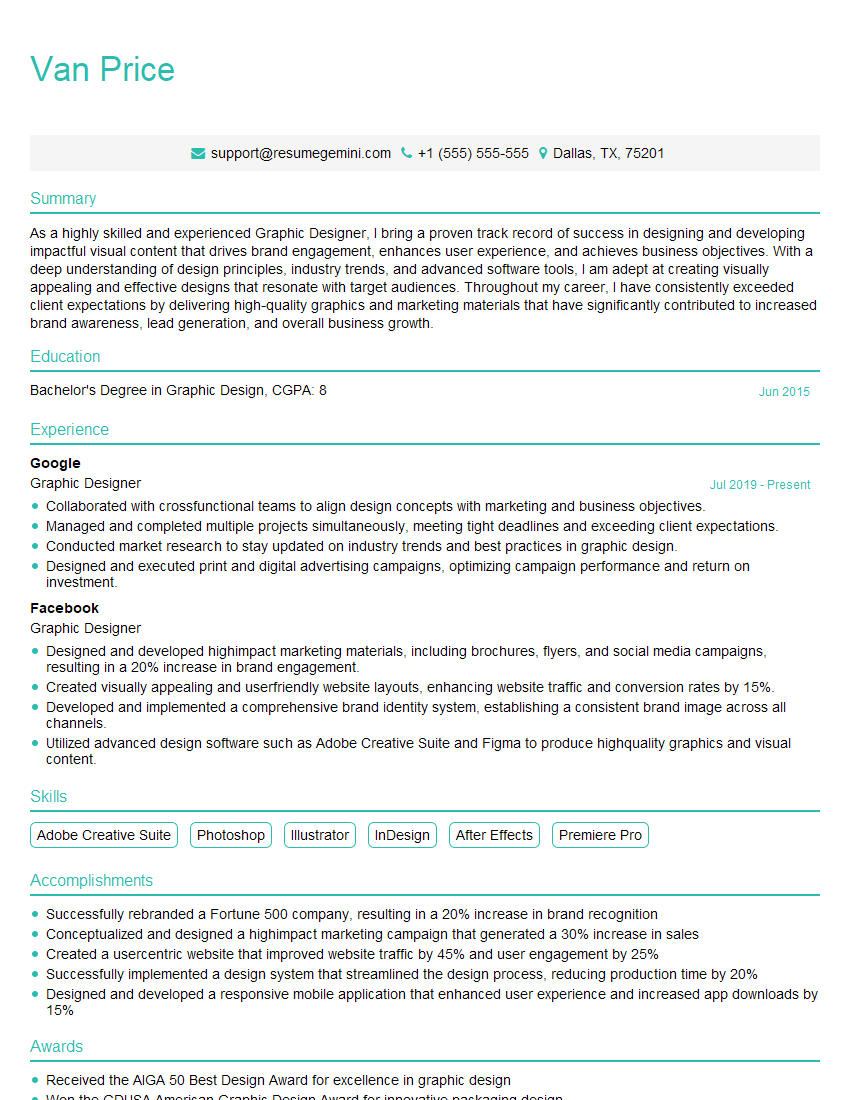
Graphic Designer Resume Sample
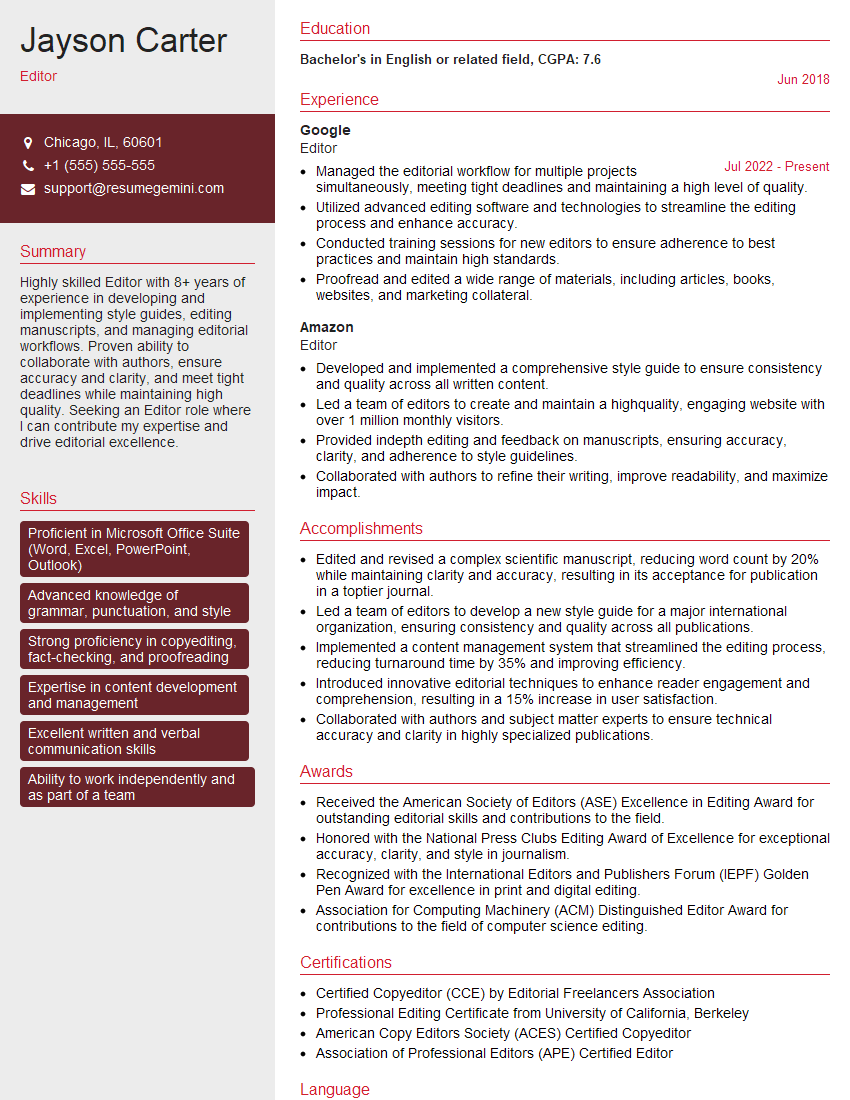
Editor Resume Sample
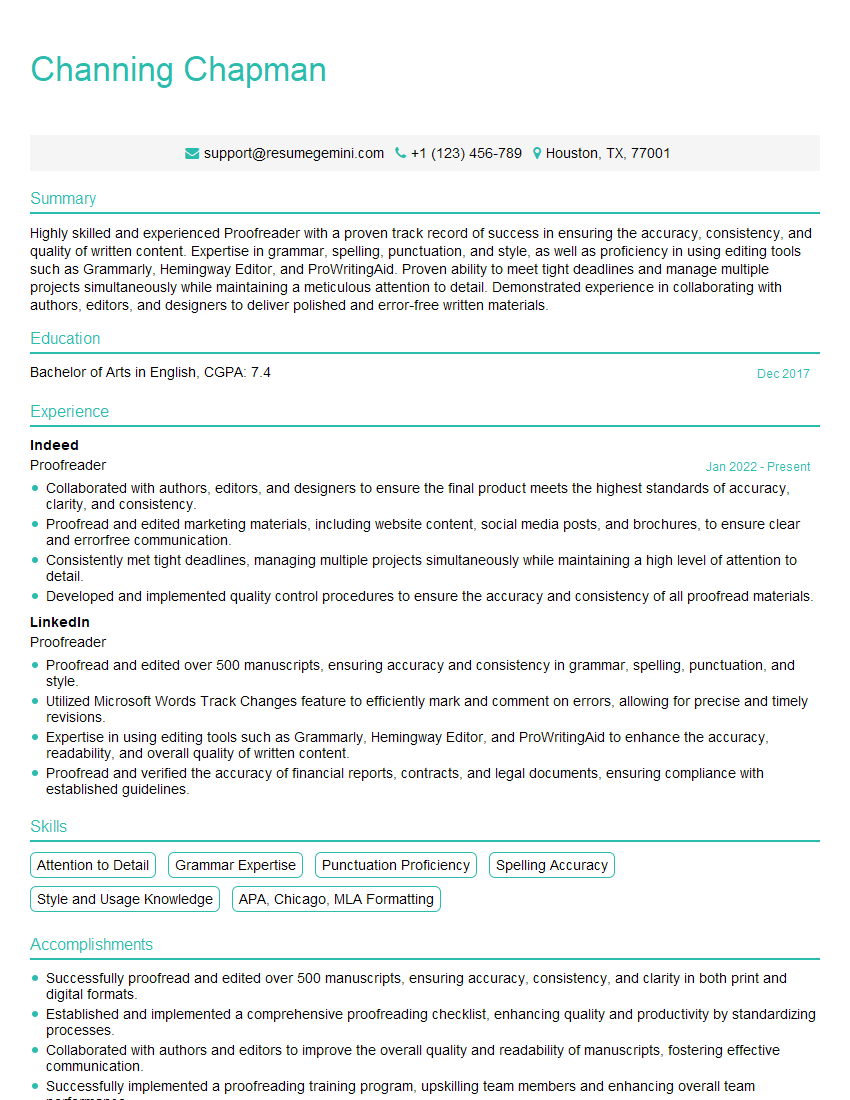
Proofreader Resume Sample

Technical Writer Resume Sample
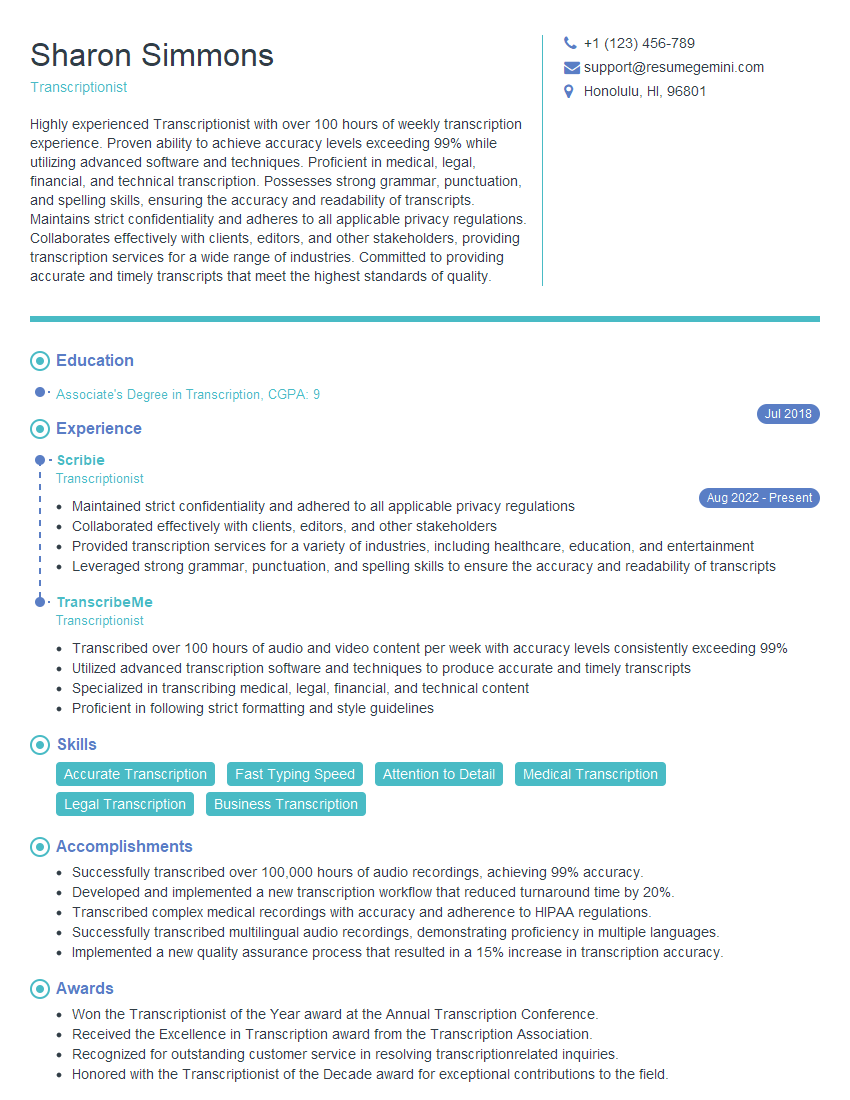
Transcriptionist Resume Sample
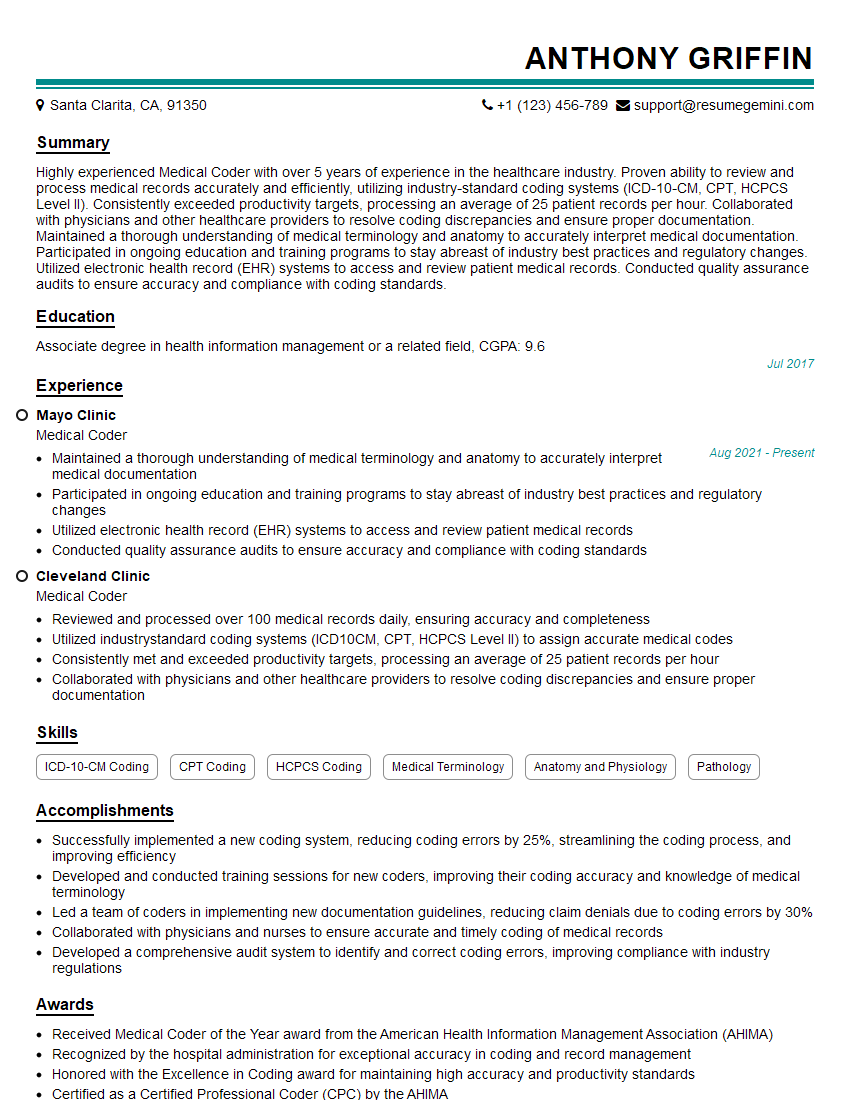
Medical Coder Resume Sample
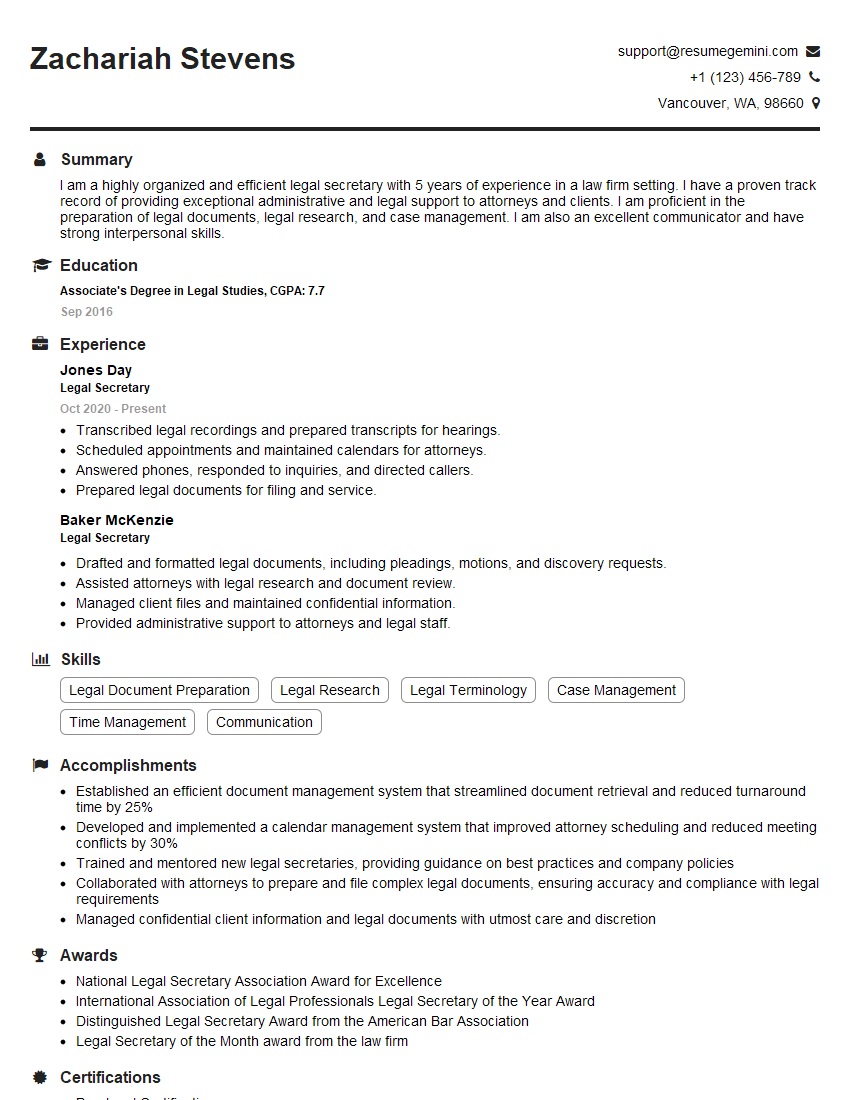
Legal Secretary Resume Sample
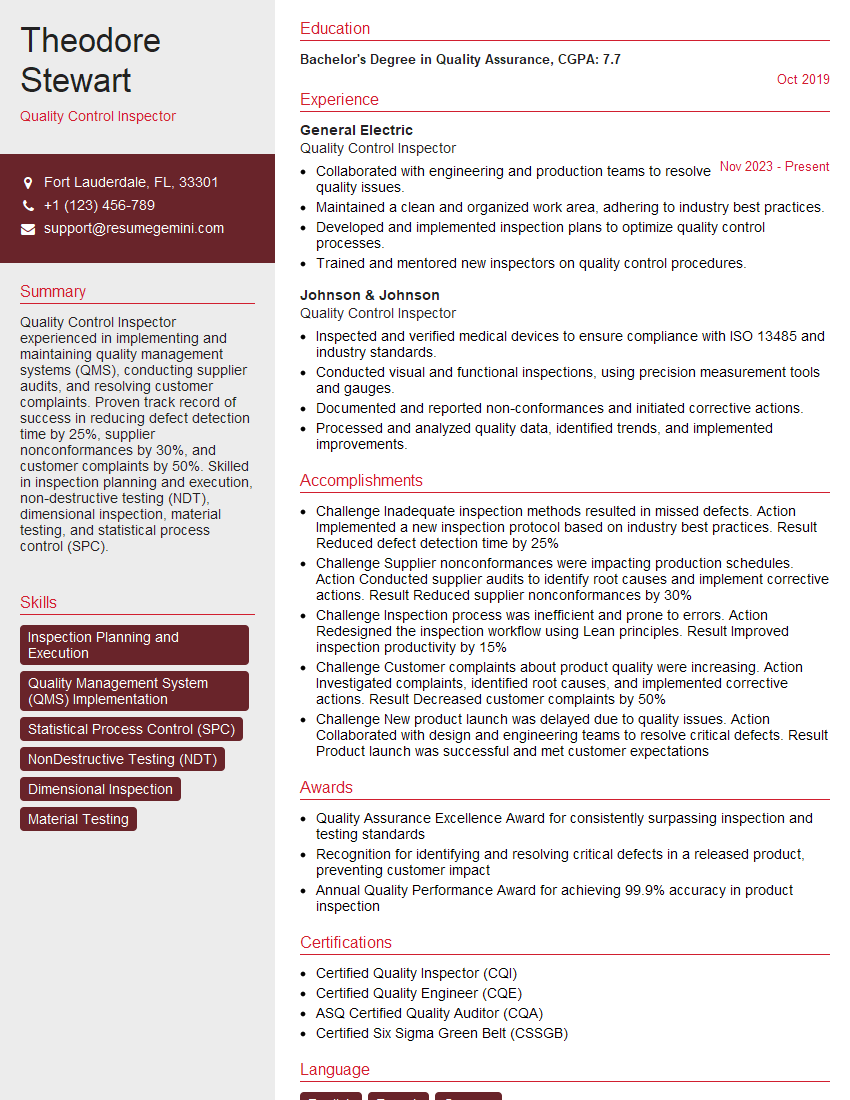
Quality Control Inspector Resume Sample
- Project Manager
- Compliance Officer
- Research Analyst
- Accountant
- Auditor
- Financial Analyst
- Data Analyst
- Software Developer
- Web Developer
- Actuary
- Statistician
- Architect
- Surveyor
- Engineer
- Paralegal
- Graphic Designer
- Editor
- Proofreader
- Technical Writer
- Transcriptionist
- Medical Coder
- Legal Secretary
- Quality Control Inspector
Explore more articles
Users Rating of Our Blogs
Share Your Experience
We value your feedback! Please rate our content and share your thoughts (optional).
What Readers Say About Our Blog
To the interviewgemini.com Webmaster.
Very helpful and content specific questions to help prepare me for my interview!
Thank you
To the interviewgemini.com Webmaster.
This was kind of a unique content I found around the specialized skills. Very helpful questions and good detailed answers.
Very Helpful blog, thank you Interviewgemini team.