Unlock your full potential by mastering the most common Disinfection and Chlorination interview questions. This blog offers a deep dive into the critical topics, ensuring you’re not only prepared to answer but to excel. With these insights, you’ll approach your interview with clarity and confidence.
Questions Asked in Disinfection and Chlorination Interview
Q 1. Explain the difference between disinfection and sterilization.
Disinfection and sterilization are both processes aimed at eliminating harmful microorganisms, but they differ in their scope. Disinfection reduces the number of viable microorganisms to a level considered safe for public health, while sterilization eliminates all forms of microbial life, including spores. Think of it like this: disinfection is like cleaning your kitchen counter – significantly reducing germs, making it safe for food preparation. Sterilization is like preparing a surgical instrument – completely eliminating all microbes to prevent infection. Disinfection is commonly employed in water treatment, whereas sterilization is usually required in settings like operating rooms or pharmaceutical manufacturing.
Q 2. What are the common methods of water disinfection besides chlorination?
While chlorination is a prevalent method, several other effective water disinfection techniques exist. These include:
- Ultraviolet (UV) disinfection: UV light damages the DNA of microorganisms, rendering them incapable of reproduction. This method is effective, environmentally friendly, and doesn’t introduce chemicals. It’s commonly used as a secondary disinfection stage after filtration.
- Ozone disinfection: Ozone (O3) is a powerful oxidizing agent that inactivates a wide range of microorganisms. It’s effective but less stable than chlorine, requiring on-site generation. It’s frequently used in Europe and increasingly in the US for drinking water treatment.
- Boiling: A simple, effective method for small-scale disinfection, particularly useful in emergencies where other methods aren’t available. Boiling water for one minute effectively kills most harmful bacteria and viruses.
- Membrane filtration: Physical removal of microorganisms using microfiltration or ultrafiltration membranes. This is increasingly utilized and it does not use chemicals, however it must be combined with other methods in most cases to eliminate all pathogens
The choice of method depends on factors like cost, water quality, available infrastructure, and regulatory requirements.
Q 3. Describe the process of chlorination in water treatment.
Chlorination in water treatment involves adding chlorine or chlorine-based compounds to kill harmful bacteria, viruses, and protozoa. The process typically includes several steps:
- Chlorine addition: Chlorine, in its various forms (discussed later), is added to the water at a specific point in the treatment process, usually after filtration. The dosage depends on several factors, including the water’s turbidity (cloudiness), temperature, and the desired residual chlorine level.
- Contact time: The chlorinated water is held in a contact chamber for a sufficient period (usually several minutes to hours), allowing the chlorine to effectively disinfect the water. Adequate contact time is crucial for the disinfection process to work properly.
- Residual monitoring: After the contact time, the residual chlorine level is carefully monitored. This residual ensures ongoing disinfection as the water travels through the distribution system to reach consumers.
The entire process is carefully controlled and monitored to guarantee water safety.
Q 4. What are the different forms of chlorine used in disinfection?
Several forms of chlorine are used in disinfection, each with its advantages and disadvantages:
- Gaseous chlorine (Cl2): A highly effective and cost-effective disinfectant, but it requires specialized handling equipment and poses significant safety risks.
- Sodium hypochlorite (NaOCl): Commonly known as bleach, it’s a liquid form of chlorine that’s relatively easy to handle and store, but it’s less potent than gaseous chlorine and can degrade over time.
- Calcium hypochlorite (Ca(OCl)2): Another solid form of chlorine, often used in granular form for smaller-scale applications. It’s less convenient to handle than bleach but provides higher chlorine concentration.
- Chloramines: Formed by the reaction of chlorine with ammonia. They provide a longer-lasting residual disinfection but are less effective than free chlorine against some microorganisms.
The choice of chlorine form depends on factors such as cost, safety considerations, storage facilities, and the specific application.
Q 5. Explain the concept of Chlorine Residual and its significance.
Chlorine residual refers to the concentration of chlorine remaining in the water after the disinfection process. It’s crucial because it ensures continued disinfection throughout the water distribution system, preventing recontamination from sources such as leaks or biofilm growth within the pipes. A sufficient residual protects consumers from exposure to harmful pathogens. The ideal residual is typically maintained between 0.2 and 2.0 mg/L and should not smell like chlorine. High residuals result in taste and odor issues as well as health problems, and low levels leave the water vulnerable to recontamination.
Q 6. How do you determine the appropriate chlorine dose for a specific application?
Determining the appropriate chlorine dose requires careful consideration of several factors. There is no single answer, instead a careful calculation is required. This typically involves:
- Water quality analysis: Testing the water for turbidity, pH, temperature, and the presence of organic matter and ammonia. These factors impact chlorine demand and effectiveness.
- Chlorine demand test: This laboratory procedure helps establish how much chlorine is needed to achieve the desired residual. The test determines the amount of chlorine the water will consume before any remains.
- Desired residual chlorine level: Regulatory standards and guidelines provide target residual levels that ensure effective disinfection without causing taste and odor problems.
- Contact time: The length of time the water is in contact with chlorine affects disinfection effectiveness. Longer contact times can allow for lower chlorine doses, with adequate disinfection.
Using a water treatment model often involves conducting a chlorine demand test. The ideal level often depends on the target pathogen and the local health authorities’ regulation.
Q 7. What are the safety precautions associated with handling chlorine?
Handling chlorine requires strict adherence to safety protocols because it’s a hazardous substance. Key precautions include:
- Proper ventilation: Gaseous chlorine is highly toxic and requires well-ventilated areas to prevent exposure.
- Personal protective equipment (PPE): This includes respirators, gloves, eye protection, and protective clothing to minimize skin and respiratory contact.
- Emergency response plan: Having a well-defined plan for spills or leaks is essential, including procedures for evacuation and emergency contact information.
- Safe storage: Chlorine should be stored in a cool, dry, and well-ventilated area away from incompatible materials.
- Training and awareness: All personnel handling chlorine must receive thorough training on safe handling procedures, emergency response, and the health hazards associated with chlorine exposure.
Compliance with local and national regulations governing chlorine storage, handling, and use is paramount.
Q 8. What are the potential health risks associated with insufficient chlorination?
Insufficient chlorination leaves water vulnerable to harmful microorganisms like bacteria, viruses, and parasites. This can lead to a range of waterborne illnesses, depending on the specific pathogen present. For example, insufficient chlorine can result in outbreaks of cholera, typhoid fever, giardiasis, and cryptosporidiosis. These illnesses can range from mild gastrointestinal discomfort to severe, life-threatening conditions, particularly for vulnerable populations like infants, the elderly, and immunocompromised individuals. Think of chlorine as a protective shield; without sufficient levels, the shield weakens, allowing harmful pathogens to thrive.
- Gastrointestinal illnesses: Diarrhea, vomiting, nausea, abdominal cramps.
- More serious infections: Typhoid fever, cholera, hepatitis A.
- Long-term health consequences: Dehydration, malnutrition, particularly in children.
Q 9. What are the potential health risks associated with excessive chlorination?
While chlorine is crucial for disinfection, excessive chlorination also poses health risks. High levels of chlorine can irritate the eyes, skin, and respiratory system, leading to discomfort and potential health issues. Furthermore, chlorine reacts with organic matter in water to form disinfection byproducts (DBPs), some of which are suspected or known carcinogens. These DBPs, such as trihalomethanes (THMs) and haloacetic acids (HAAs), are associated with an increased risk of bladder cancer, liver cancer, and other health problems. Imagine chlorine as a strong medicine: too little is ineffective, but too much can be harmful.
- Eye and skin irritation: Redness, itching, burning.
- Respiratory problems: Coughing, shortness of breath, especially in individuals with pre-existing conditions.
- Increased risk of cancer: Long-term exposure to certain DBPs.
Q 10. Describe the process of monitoring chlorine levels in a water system.
Monitoring chlorine levels is a critical aspect of ensuring safe and reliable water quality. This process involves continuous or regular measurements at various points within the water system. It begins at the treatment plant, where chlorine is added, and continues throughout the distribution network to the end-users’ taps. The frequency of monitoring depends on the size and complexity of the system, but generally includes regular checks using portable test kits and more frequent readings using online analyzers. Data is logged and analyzed to track trends, identify potential issues, and adjust chlorine dosing as needed to maintain optimal levels throughout the system. This continuous monitoring helps maintain water safety and prevent health risks associated with both insufficient and excessive chlorination.
For example, a large city water system might employ continuous online chlorine monitors at the treatment plant and at several key points in the distribution network. Additionally, they’d conduct regular spot checks using DPD colorimetric test kits at various locations to validate the accuracy of online monitoring.
Q 11. What are the common methods for testing chlorine levels?
Several methods exist for testing chlorine levels, ranging from simple field tests to sophisticated laboratory analyses. Common methods include:
- DPD Colorimetric Method: This is a widely used field test employing a reagent that reacts with chlorine to produce a color change, the intensity of which is proportional to the chlorine concentration. The color is then compared to a standard color chart to determine the chlorine level. This is easy to use and inexpensive, suitable for quick on-site assessment.
- Amperometric Titration: This laboratory method offers precise chlorine measurements, providing higher accuracy compared to colorimetric methods. It involves measuring the electrical current generated during a chemical reaction related to chlorine concentration.
- Photometric Methods: These instruments measure the absorbance of light by a sample after reaction with a reagent. These are often automated and used in continuous monitoring systems.
- Electrochemical Sensors: These sensors continuously monitor chlorine levels in real-time, providing immediate feedback and enabling automated adjustments in chlorination processes. They’re often used in large treatment plants.
The choice of method depends on factors like required accuracy, cost, and the setting (e.g., field testing vs. laboratory analysis).
Q 12. Explain the concept of chlorine demand.
Chlorine demand refers to the amount of chlorine consumed by organic and inorganic matter present in water before a residual chlorine level is achieved. Essentially, it’s the difference between the amount of chlorine added and the amount remaining after reactions with various substances in the water. These substances include bacteria, algae, iron, manganese, and other organic compounds. Imagine chlorine as a cleaning agent; some amount is used up in cleaning (demand), and the rest is left behind (residual). Determining chlorine demand is crucial to optimize chlorination processes and ensure effective disinfection while avoiding excessive chlorine levels.
For example, if you add 10 mg/L of chlorine to water and only 2 mg/L remains after a contact time, the chlorine demand is 8 mg/L (10 mg/L – 2 mg/L).
Q 13. How do you address chlorine residual issues in a water distribution system?
Chlorine residual issues, such as insufficient residual or excessive residual, require a systematic approach to resolve. Insufficient residual necessitates increasing the chlorine dosage, possibly by adjusting the chlorination equipment or optimizing contact time. Identifying the cause of low residual is crucial – is the chlorine demand higher than expected? Is there a leak in the system? Regular testing and monitoring are key to pinpointing these issues. Excessive residual, on the other hand, calls for reducing chlorine dosage, perhaps by adjusting the feed rate or using a different point of application. In certain cases, alternative disinfection methods may need to be evaluated to reduce reliance on chlorine. The specific solutions depend on the cause and location of the issue, requiring careful analysis and corrective measures.
For instance, if low residual is found to be due to high chlorine demand in a specific section of the distribution system, one might install additional chlorination points along that section.
Q 14. What are the factors that affect chlorine disinfection efficiency?
Several factors influence the efficiency of chlorine disinfection. These factors can be broadly categorized as:
- Water Quality: pH, temperature, turbidity (cloudiness), and the presence of organic matter and other interfering substances significantly impact chlorine effectiveness. Lower pH values improve chlorine efficacy, whereas higher pH levels reduce it. Similarly, warmer temperatures enhance disinfection, while colder temperatures reduce it. High turbidity can shield microorganisms from chlorine contact.
- Chlorine Concentration: The concentration of free chlorine available is directly proportional to its disinfection efficiency. Higher concentrations generally lead to faster and more complete disinfection, but excessive levels can create undesirable byproducts.
- Contact Time: Sufficient contact time between chlorine and microorganisms is necessary to achieve effective disinfection. Longer contact times allow for more complete inactivation of pathogens.
- Type of Chlorine: Different forms of chlorine, such as free chlorine (hypochlorous acid and hypochlorite ion) and combined chlorine (chloramines), exhibit varying disinfection efficiencies. Free chlorine is generally more effective.
Understanding and controlling these factors is crucial to achieving optimal disinfection results while minimizing the formation of harmful DBPs.
Q 15. Explain the importance of pH in the disinfection process.
pH plays a crucial role in chlorine disinfection. The effectiveness of chlorine as a disinfectant is heavily dependent on its chemical form. Chlorine exists in different forms in water, primarily hypochlorous acid (HOCl) and hypochlorite ion (OCl–). HOCl is significantly more effective at killing microorganisms than OCl–. The equilibrium between these two forms is determined by the pH of the water. At lower pH values (around 6.5 to 7.5), a greater proportion of chlorine exists as HOCl, leading to enhanced disinfection. As the pH increases, the equilibrium shifts towards OCl–, reducing disinfection efficiency. Think of it like this: HOCl is the ‘active’ ingredient, and a higher pH ‘dilutes’ its potency. Therefore, maintaining an optimal pH range is essential for maximizing chlorine’s disinfection capabilities and minimizing the amount of chlorine required.
For example, in a water treatment plant, if the incoming water has a high pH, adjustments might be made using acidification to bring the pH down to the optimal range before chlorination. Conversely, if the pH is too low, adjustments can be made using a base to increase the pH to the suitable range.
Career Expert Tips:
- Ace those interviews! Prepare effectively by reviewing the Top 50 Most Common Interview Questions on ResumeGemini.
- Navigate your job search with confidence! Explore a wide range of Career Tips on ResumeGemini. Learn about common challenges and recommendations to overcome them.
- Craft the perfect resume! Master the Art of Resume Writing with ResumeGemini’s guide. Showcase your unique qualifications and achievements effectively.
- Don’t miss out on holiday savings! Build your dream resume with ResumeGemini’s ATS optimized templates.
Q 16. What are the effects of temperature on chlorine disinfection?
Temperature significantly impacts chlorine disinfection. Higher temperatures generally accelerate the disinfection process, while lower temperatures slow it down. This is because higher temperatures increase the kinetic energy of the chlorine molecules and the microorganisms, leading to more frequent and energetic collisions, resulting in faster inactivation of pathogens. Conversely, lower temperatures reduce the frequency and effectiveness of these collisions, requiring longer contact times or higher chlorine doses to achieve the same level of disinfection.
Imagine it like cooking: food cooks faster at a higher temperature. Similarly, higher water temperatures lead to faster inactivation of bacteria and viruses by chlorine. However, remember that extremely high temperatures can also lead to chlorine loss through volatilization.
Q 17. What are some common disinfection by-products (DBPs) formed during chlorination?
Chlorination, while highly effective, produces several disinfection by-products (DBPs). These are formed through the reaction of chlorine with organic matter and other compounds present in the water. Some common DBPs include:
- Trihalomethanes (THMs): Chloroform, bromodichloromethane, dibromochloromethane, and bromoform are examples of THMs. These are formed from the reaction of chlorine with natural organic matter.
- Haloacetic acids (HAAs): These are another significant class of DBPs. They are formed similarly to THMs.
- Haloacetonitriles (HANs): These compounds are also formed during chlorination and are of concern due to their potential toxicity.
- Other DBPs: Many other DBPs exist, including chloramines, aldehydes, and ketones, each with varying levels of toxicity and health concerns.
The formation of DBPs is influenced by factors such as the amount of organic matter in the source water, the chlorine dose, and the pH and temperature of the water. It’s crucial to minimize their formation because many DBPs are suspected carcinogens or have other adverse health effects.
Q 18. How do you mitigate the formation of DBPs?
Mitigating DBP formation involves a multi-pronged approach:
- Optimize chlorine dosage: Using the minimum effective chlorine dose can significantly reduce DBP formation. Over-chlorination leads to increased DBP formation.
- Pre-oxidation with ozone or other oxidants: Treating water with ozone before chlorination can significantly reduce the amount of organic matter available to react with chlorine, thus lowering DBP formation.
- Enhanced coagulation and filtration: Removing organic matter through improved coagulation and filtration processes before chlorination minimizes the precursors for DBP formation.
- Alternative disinfectants: Exploring alternative disinfectants like UV radiation or chloramines, which produce fewer DBPs, can be considered. However, each has its own set of advantages and disadvantages.
- Blending water sources: If feasible, blending low-organic water with high-organic water may reduce the overall concentration of precursors for DBP formation.
The optimal strategy often involves a combination of these techniques, tailored to the specific characteristics of the water source and the treatment plant’s capabilities.
Q 19. What are the regulatory limits for chlorine and DBPs in drinking water?
Regulatory limits for chlorine and DBPs in drinking water vary depending on the country and governing agency. For example, in the US, the Environmental Protection Agency (EPA) sets Maximum Contaminant Levels (MCLs) for various DBPs under the Safe Drinking Water Act. These MCLs are based on health risk assessments and represent the maximum permissible level of these contaminants in drinking water. Typical parameters and their limits may include (but are not limited to):
- Total Trihalomethanes (TTHM): Often has an MCL of 80 µg/L (parts per billion).
- Haloacetic acids (HAA5): Usually regulated as a group, with an MCL.
- Free Chlorine Residual: Often maintained at a certain minimum level for residual disinfection in the distribution system, but this isn’t a DBP.
It’s crucial to note that these are examples, and the specific regulations and limits can vary significantly. Always consult the relevant regulations for your specific location and jurisdiction.
Q 20. Describe the process of breakpoint chlorination.
Breakpoint chlorination is a process where a sufficient amount of chlorine is added to water to oxidize all the reducing substances present, including ammonia and organic matter. Initially, chlorine reacts with these reducing agents, causing a decrease in the free chlorine residual. However, after a certain point (the breakpoint), further addition of chlorine results in a rapid increase in free chlorine residual. This point represents the complete oxidation of reducing substances, leaving only free chlorine in the water. This free chlorine is then available for disinfection.
Imagine it as a competition: chlorine is competing with reducing agents for electrons. At the breakpoint, chlorine ‘wins,’ completely oxidizing the other substances and dominating the water’s chemistry. This results in a stable free chlorine residual ideal for disinfection and prevents the formation of undesirable chloramines which are less effective disinfectants.
Q 21. What are the advantages and disadvantages of using chlorine for disinfection?
Chlorine offers several advantages as a disinfectant:
- High effectiveness: Chlorine is highly effective in killing a wide range of pathogens, including bacteria, viruses, and protozoa.
- Residual disinfection: Chlorine provides residual disinfection, meaning it continues to disinfect water in the distribution system.
- Cost-effective: Chlorine is relatively inexpensive compared to other disinfection methods.
- Established technology: Chlorination is a mature technology with well-understood processes and equipment.
However, chlorine also has some disadvantages:
- DBP formation: As discussed earlier, chlorine reacts with organic matter to form potentially harmful DBPs.
- Potential for taste and odor problems: High chlorine concentrations can lead to unpleasant taste and odor in water.
- Health concerns: While effective, excessive exposure to chlorine can have adverse health effects.
- Ineffective against some cysts: Chlorine may not be as effective against some resistant cysts, such as Cryptosporidium and Giardia.
The decision to use chlorine should consider these advantages and disadvantages and whether appropriate mitigation strategies are in place to address the downsides.
Q 22. What are some alternative disinfection methods to chlorine?
Chlorine is a highly effective disinfectant, but alternative methods exist, each with its strengths and weaknesses. The choice depends on factors like cost, water quality, and the specific application (drinking water, wastewater, swimming pools, etc.).
- UV Disinfection: Ultraviolet (UV) light inactivates microorganisms by damaging their DNA. It’s effective, doesn’t add chemicals, but requires careful monitoring of lamp intensity and requires pre-filtration to remove suspended solids that could block UV light.
- Ozone Disinfection: Ozone (O3) is a powerful oxidizing agent that kills pathogens quickly. It’s effective at lower concentrations than chlorine, but it’s less stable and requires on-site generation, increasing operational complexity. Its use is limited by its instability and potential safety risks.
- Chloramines: A combination of chlorine and ammonia, chloramines provide residual disinfection, but they are less effective than free chlorine and can produce taste and odor issues. They are often used as a secondary disinfectant after a primary disinfection stage with chlorine.
- Other Chemical Disinfection: Other chemical disinfectants include chlorine dioxide (ClO2), which is effective against a broad range of pathogens but requires careful handling due to its toxicity. Potassium permanganate is also used, but is less common for water disinfection.
- Boiling: For small-scale disinfection, boiling water for at least one minute is a simple and effective method of killing most harmful bacteria and viruses.
For example, a water treatment plant might use UV disinfection as a secondary barrier after chlorine treatment to ensure the highest level of disinfection.
Q 23. How do you handle a chlorine spill or leak?
Handling a chlorine spill or leak requires immediate and decisive action. Safety is paramount. The first step is to evacuate the area immediately, ensuring everyone is a safe distance away. Then, follow these steps:
- Call emergency services: Notify the appropriate authorities (fire department, emergency response team) immediately. They have specialized equipment and training for handling hazardous materials.
- Contain the spill: If possible and safe to do so, use absorbent materials like sand or vermiculite to contain the spill, preventing it from spreading. Avoid using materials that react with chlorine.
- Neutralization (if trained and equipped): Trained personnel, wearing appropriate personal protective equipment (PPE), such as respirators and chemical-resistant suits, might use a neutralizing agent like sodium thiosulfate to neutralize the chlorine. This should only be done by trained professionals.
- Ventilation: Ensure adequate ventilation to disperse any chlorine gas in the area.
- Decontamination: Once the spill is contained and neutralized, the affected area will require thorough decontamination.
- Documentation: Thoroughly document the incident, including the time, location, quantity spilled, actions taken, and any injuries.
Imagine a scenario where a chlorine tank ruptures at a swimming pool. The immediate response would be evacuation and calling emergency services, followed by containment and neutralization if it’s deemed safe.
Q 24. Describe your experience with maintaining and troubleshooting chlorination equipment.
My experience encompasses the full lifecycle of chlorination equipment, from installation and commissioning to routine maintenance and troubleshooting. I’m proficient in maintaining various types of chlorination systems, including gas chlorinators, hypochlorinator systems, and electrolytic generators.
- Routine Maintenance: This involves regular inspections, cleaning, and lubrication of pumps, valves, and other components. This proactive approach minimizes downtime and maximizes the lifespan of the equipment. For instance, regularly checking the chlorine gas level in a gas chlorinator prevents unexpected shortages and safety hazards.
- Troubleshooting: I can diagnose and resolve a wide range of issues, from clogged injectors to malfunctions in control systems. For example, low chlorine residuals might indicate a problem with the dosing pump, a leak in the system, or insufficient chlorine feed. I systematically investigate the cause, checking flow rates, pressure gauges, and chlorine concentration levels to identify the root cause and implement appropriate corrective actions.
- Calibration: Regular calibration of dosing equipment is crucial for accurate chlorine application. I’m adept at using appropriate calibration methods to ensure the system delivers the correct dosage, which is essential for effective disinfection and to avoid over- or under-chlorination.
I’ve successfully managed several situations where unexpected equipment failures were addressed promptly and efficiently, preventing serious disruptions to operations.
Q 25. How do you ensure the safety of workers involved in chlorination processes?
Worker safety is paramount in chlorination processes. A comprehensive safety program includes several key elements:
- Training: Thorough training on safe handling procedures for chlorine, including emergency response protocols, is essential. This training should cover PPE selection and use, proper handling and storage of chemicals, and recognition of chlorine exposure symptoms.
- Personal Protective Equipment (PPE): Appropriate PPE, including respirators, gloves, eye protection, and chemical-resistant clothing, must be provided and used consistently. This protects workers from chlorine exposure.
- Engineering Controls: Engineering controls, such as closed systems and automated chlorination equipment, minimize the risk of spills and exposure. Proper ventilation helps dissipate chlorine gas.
- Emergency Response Plans: Clear and well-rehearsed emergency response plans are crucial for handling spills and leaks. Workers must know evacuation procedures and how to access emergency equipment.
- Monitoring: Continuous monitoring of chlorine levels in the workplace is necessary to ensure worker safety and compliance with regulations.
- Regular Inspections: Regular safety inspections of equipment and work areas identify and rectify potential hazards before they can cause accidents.
For example, regular safety meetings reinforce safe practices and ensure that workers are comfortable reporting potential hazards.
Q 26. Explain your understanding of relevant regulations and standards for water disinfection.
My understanding of relevant regulations and standards for water disinfection is comprehensive. I’m familiar with regulations set by agencies like the Environmental Protection Agency (EPA) in the US, and equivalent organizations in other countries. These regulations set limits on the concentration of disinfectants in drinking water to protect public health and ensure water quality. These regulations address maximum contaminant levels (MCLs) for chlorine and other disinfectants, as well as disinfection by-products (DBPs) which can form when chlorine reacts with organic matter.
I also understand standards like those published by organizations such as the American Water Works Association (AWWA) which provide guidelines for water treatment plant design, operation, and maintenance. These standards cover aspects of disinfection and ensure optimal performance, reliability, and safety.
Compliance with these regulations and standards is crucial for protecting public health and preventing environmental damage. Understanding and implementing these requirements is an essential part of my professional practice.
Q 27. Describe your experience in performing water quality testing and analysis.
I have extensive experience performing water quality testing and analysis, including tests specifically related to disinfection. This involves both field testing and laboratory analysis.
- Field Testing: I’m proficient in using field test kits to quickly assess water quality parameters such as chlorine residual (free and total), pH, turbidity, and temperature. These tests provide immediate feedback and guide operational adjustments.
- Laboratory Analysis: I’m experienced in performing more comprehensive laboratory analyses, including microbiological tests (to detect the presence of coliform bacteria and other pathogens), and chemical analyses for various parameters, including DBPs. Precise laboratory analysis is crucial for verifying the effectiveness of disinfection processes and ensuring water quality meets regulatory requirements.
- Data Interpretation: I can interpret the results of water quality tests to assess the effectiveness of the disinfection process and identify any potential problems. This interpretation guides decisions on adjustments to the disinfection process, if needed.
For instance, consistently low chlorine residuals might indicate a problem with the chlorination system or increased organic matter in the water source, requiring an investigation and corrective action.
Q 28. How do you stay updated on the latest advancements in disinfection and chlorination technologies?
Staying current with advancements in disinfection and chlorination technologies is critical. I utilize several strategies to stay informed:
- Professional Organizations: Active participation in professional organizations such as AWWA and attending their conferences and workshops provides access to the latest research, best practices, and technological developments.
- Peer-Reviewed Publications: I regularly read peer-reviewed scientific journals and technical publications to stay abreast of new research findings and technological advancements in the field.
- Industry Trade Shows and Conferences: Attending industry trade shows and conferences allows me to learn about new products and technologies directly from manufacturers and experts.
- Online Resources: I use reputable online resources and databases to access the latest information on disinfection and chlorination technologies.
- Continuing Education: I participate in continuing education courses and training programs to maintain and enhance my expertise.
This continuous learning ensures that I’m equipped with the latest knowledge and best practices to optimize disinfection processes, enhance worker safety, and meet evolving regulatory requirements.
Key Topics to Learn for Disinfection and Chlorination Interviews
- Water Quality Parameters: Understanding key indicators like turbidity, pH, and temperature, and their impact on disinfection efficacy.
- Disinfection Mechanisms: Exploring the chemical reactions involved in chlorination, including oxidation and the formation of disinfection byproducts (DBPs).
- Chlorine Chemistry: Mastering the different forms of chlorine (e.g., free chlorine, combined chlorine, chloramines) and their respective strengths and weaknesses.
- Dosage and Contact Time: Calculating appropriate chlorine dosages based on water quality and flow rates, and understanding the importance of adequate contact time for effective disinfection.
- Disinfection Byproduct (DBP) Formation and Control: Understanding the formation of DBPs like trihalomethanes (THMs) and haloacetic acids (HAAs), and strategies for minimizing their formation.
- Alternative Disinfection Methods: Familiarizing yourself with UV disinfection, ozonation, and other advanced oxidation processes and their applications.
- Monitoring and Control: Understanding the importance of continuous monitoring of chlorine residuals and other water quality parameters, and implementing corrective actions when necessary.
- Safety and Handling Procedures: Knowing safe handling practices for chlorine and other disinfectants, including personal protective equipment (PPE) requirements.
- Regulatory Compliance: Familiarizing yourself with relevant regulations and standards related to water disinfection and treatment.
- Troubleshooting and Problem-Solving: Developing the ability to diagnose and resolve issues related to disinfection processes, such as chlorine demand and breakthrough.
Next Steps
Mastering disinfection and chlorination is crucial for career advancement in the water treatment and environmental industries. A strong understanding of these concepts demonstrates your technical expertise and problem-solving abilities, making you a highly valuable asset to any team. To significantly increase your job prospects, it’s vital to present your skills effectively. Create an ATS-friendly resume that highlights your key qualifications and accomplishments. ResumeGemini is a trusted resource that can help you build a professional and impactful resume tailored to the specific requirements of Disinfection and Chlorination roles. Examples of resumes optimized for these positions are available to guide you through the process.
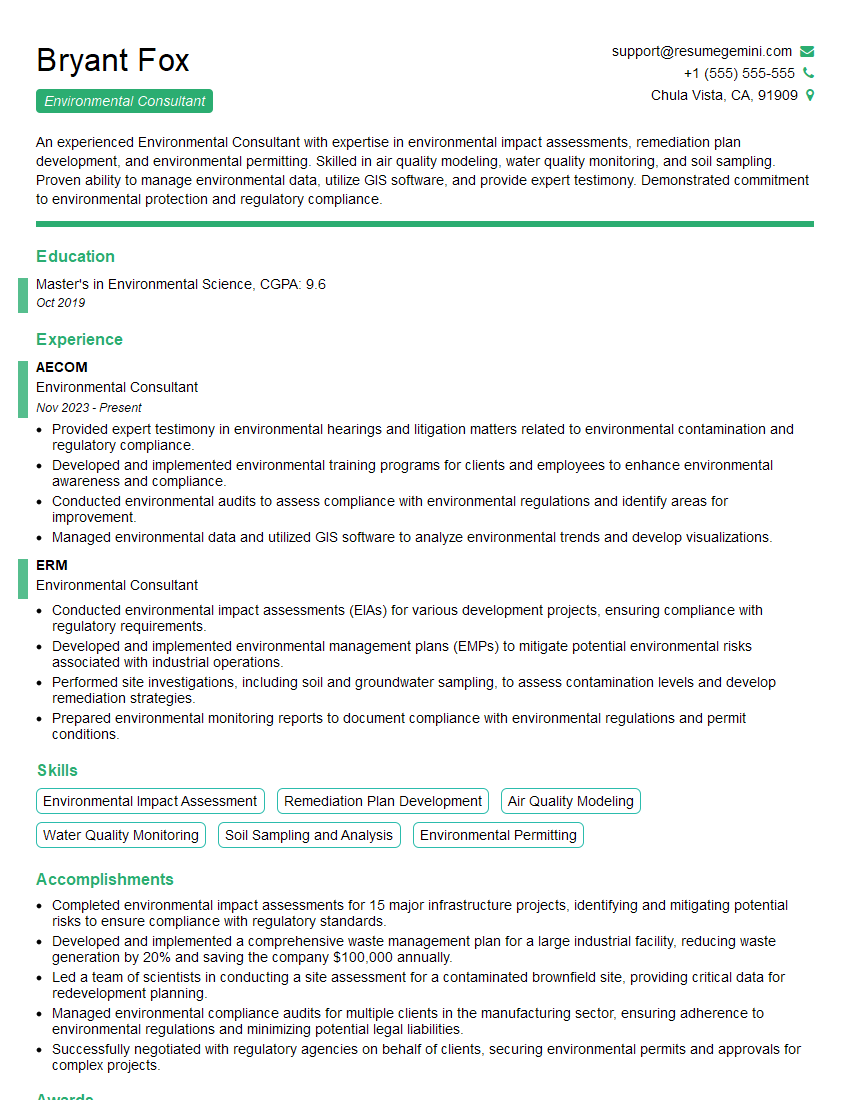
Environmental Consultant Resume Sample
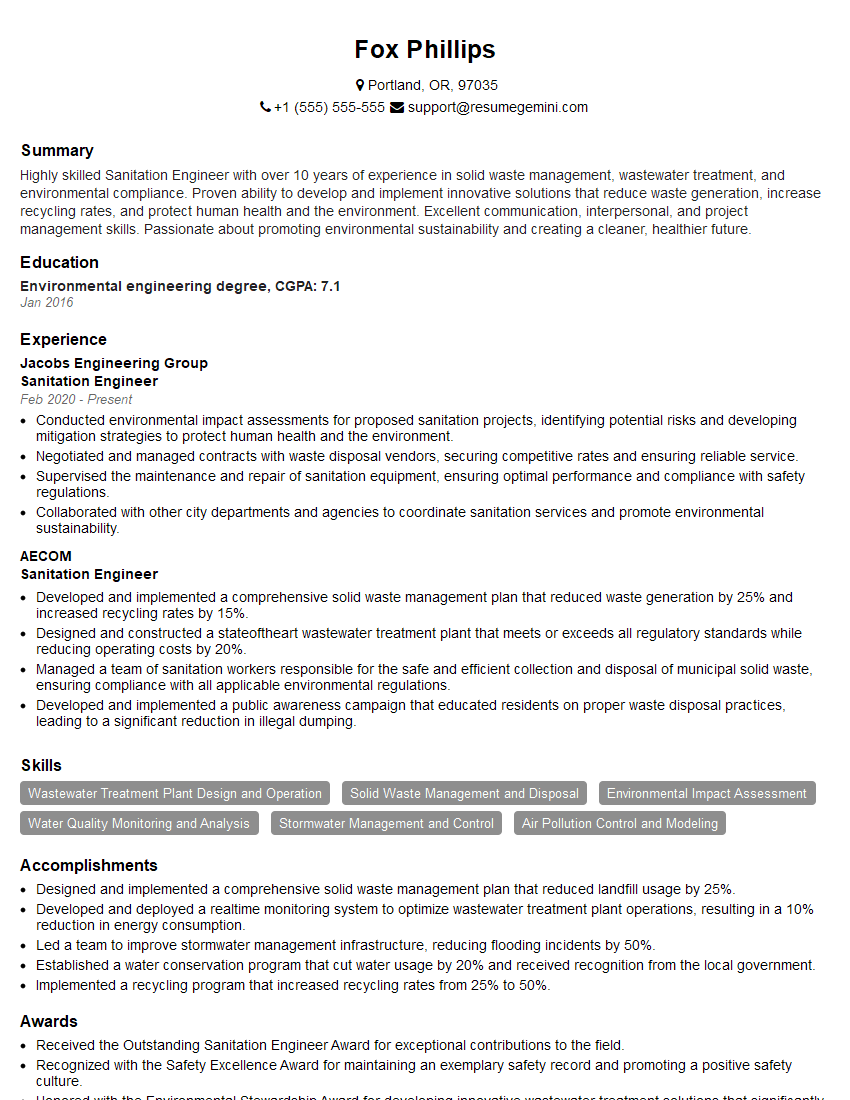
Sanitation Engineer Resume Sample
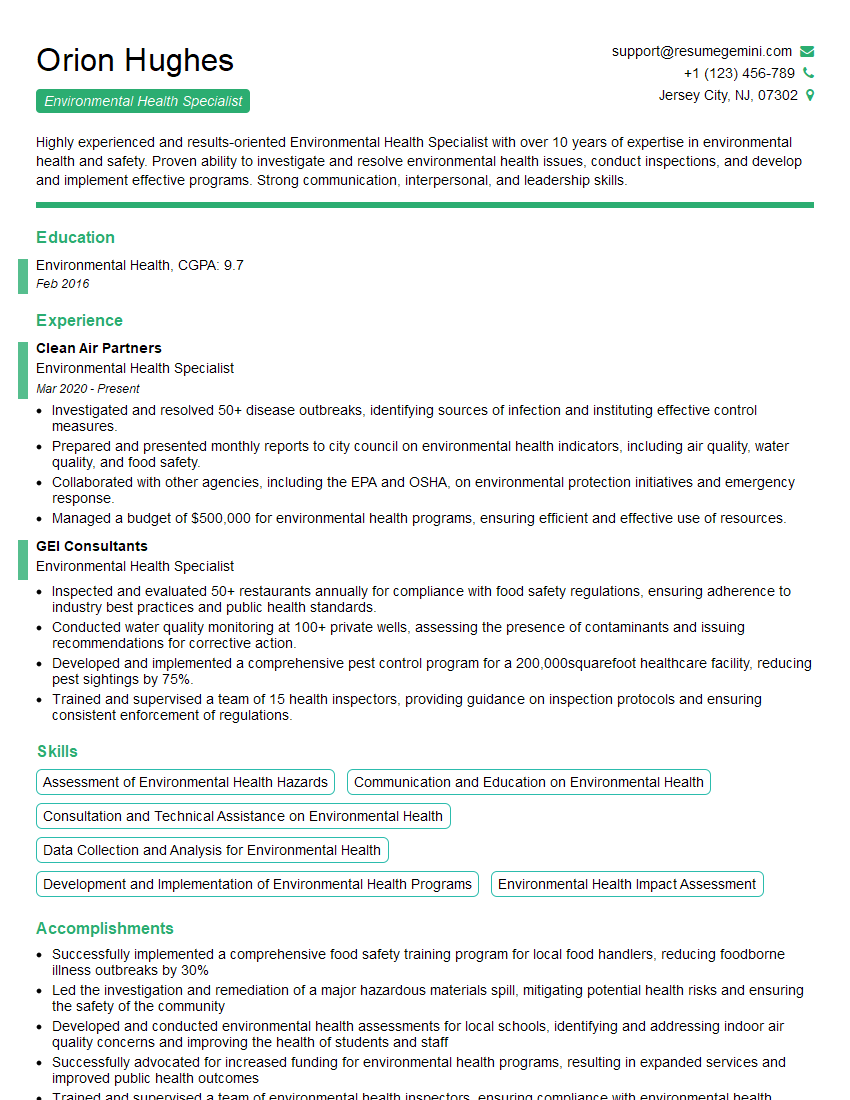
Environmental Health Specialist Resume Sample
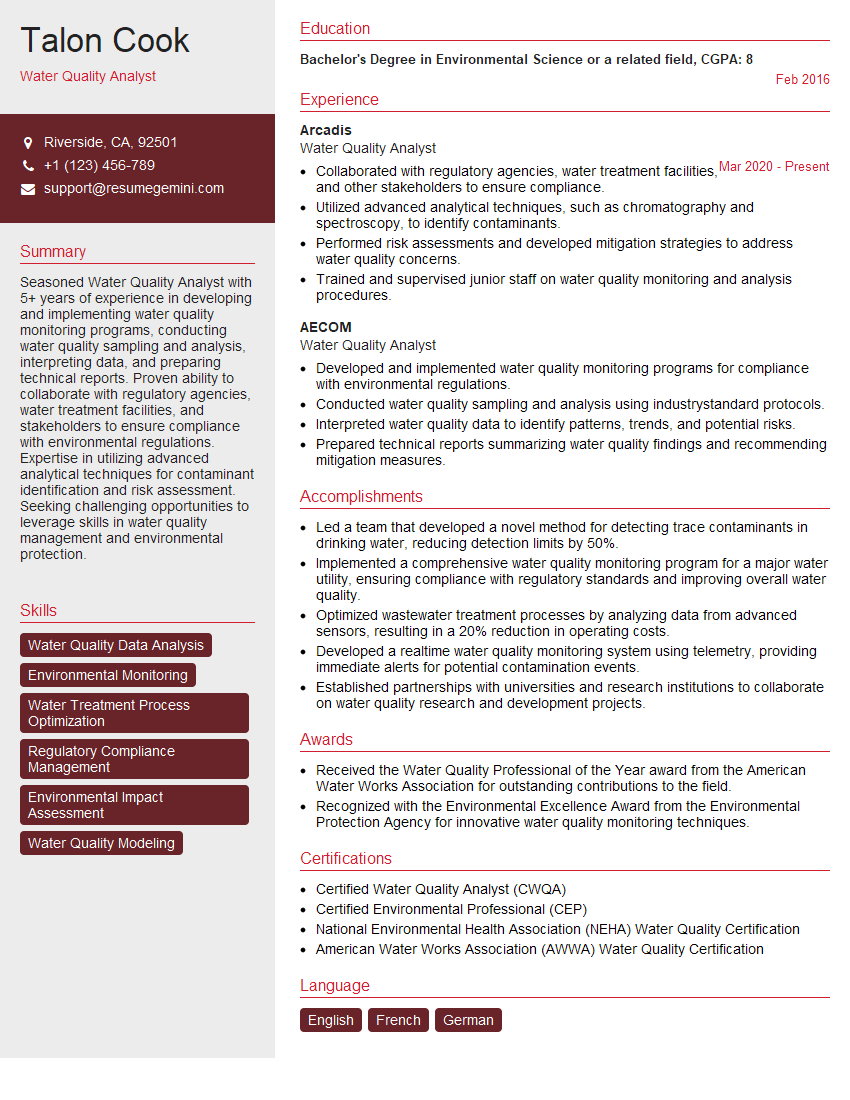
Water Quality Analyst Resume Sample
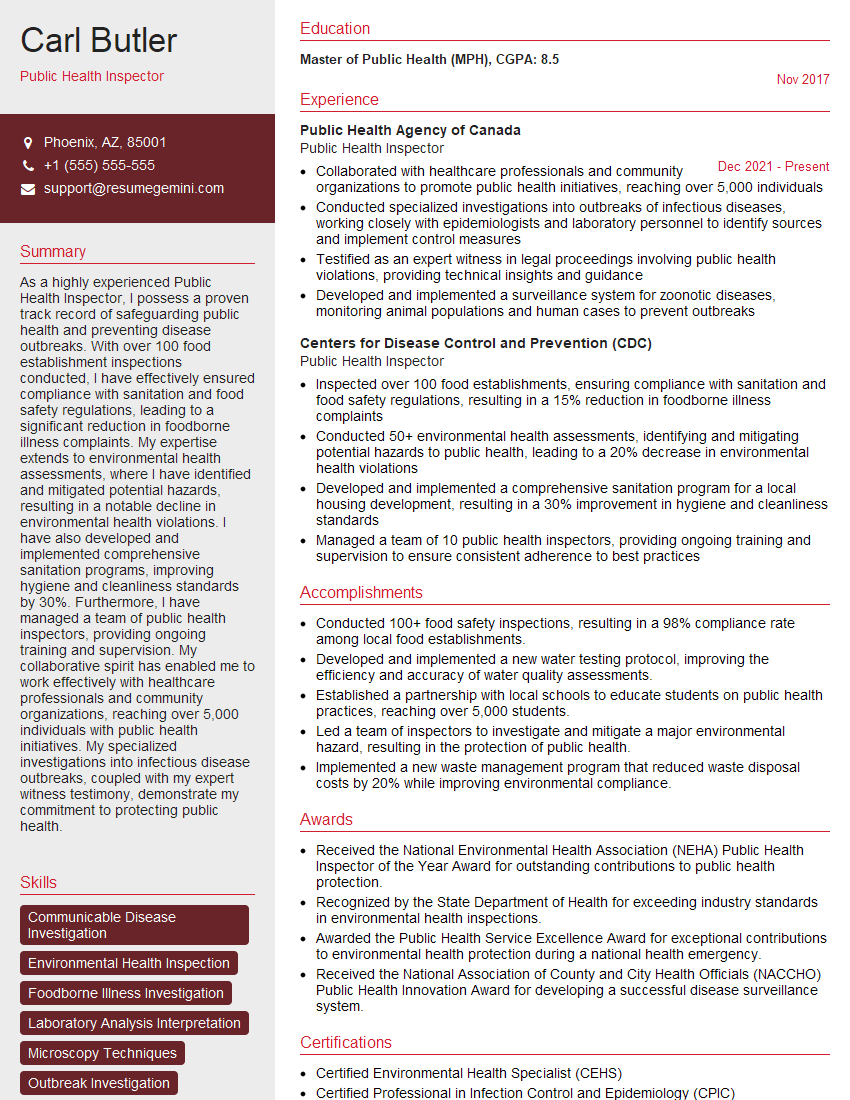
Public Health Inspector Resume Sample
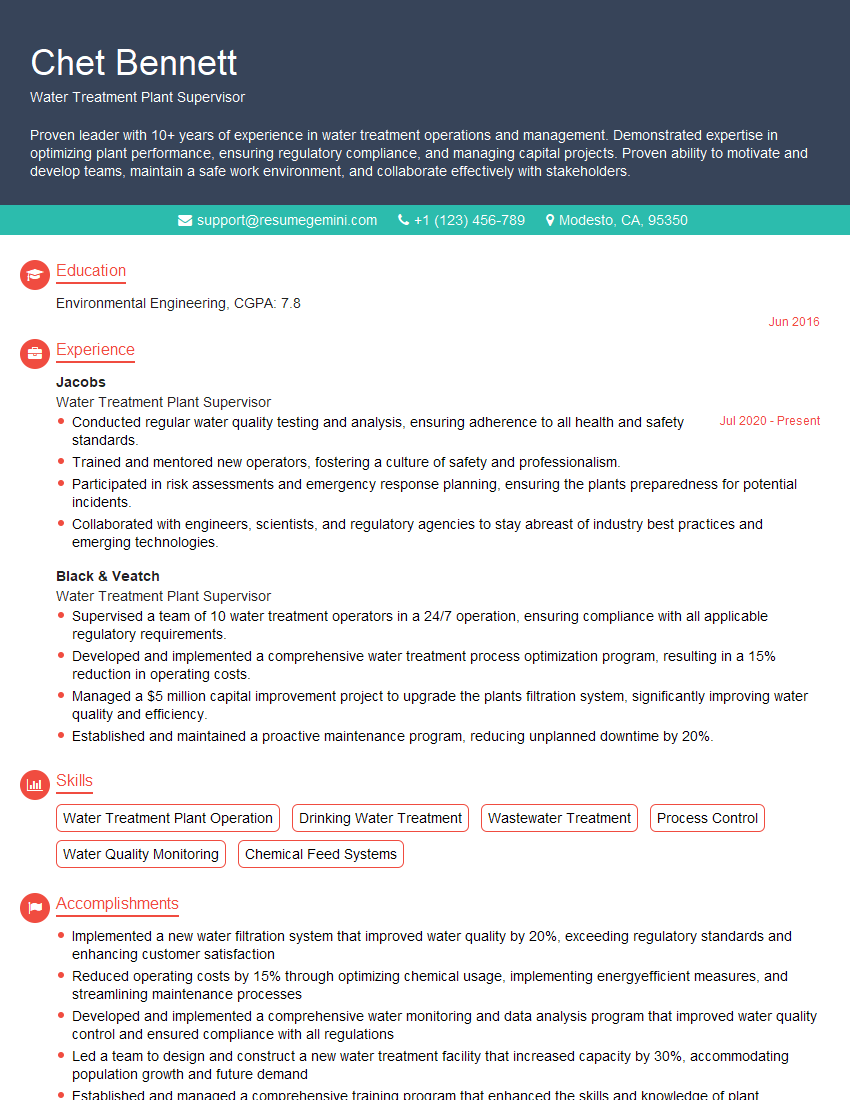
Water Treatment Plant Supervisor Resume Sample
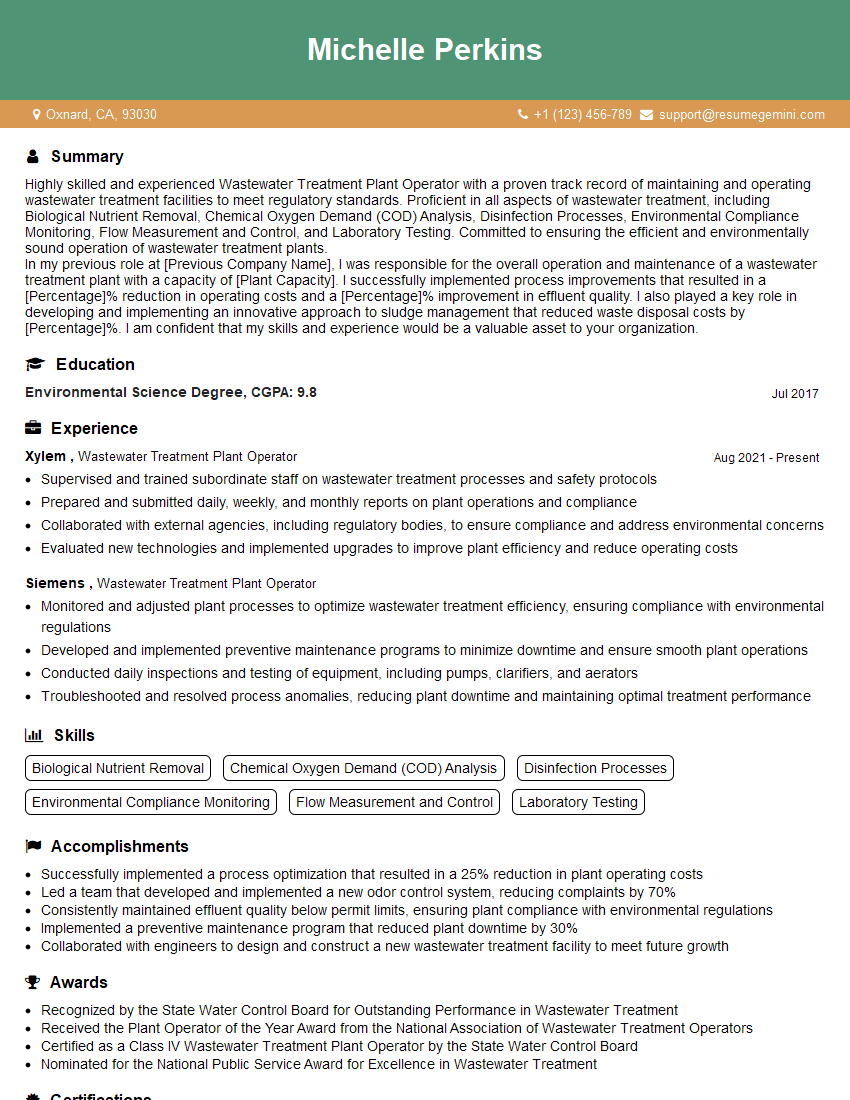
Wastewater Treatment Plant Operator Resume Sample
Explore more articles
Users Rating of Our Blogs
Share Your Experience
We value your feedback! Please rate our content and share your thoughts (optional).
What Readers Say About Our Blog
To the interviewgemini.com Webmaster.
Very helpful and content specific questions to help prepare me for my interview!
Thank you
To the interviewgemini.com Webmaster.
This was kind of a unique content I found around the specialized skills. Very helpful questions and good detailed answers.
Very Helpful blog, thank you Interviewgemini team.