The right preparation can turn an interview into an opportunity to showcase your expertise. This guide to Disinfection and Residual Control interview questions is your ultimate resource, providing key insights and tips to help you ace your responses and stand out as a top candidate.
Questions Asked in Disinfection and Residual Control Interview
Q 1. Explain the difference between disinfection and sterilization.
Disinfection and sterilization are both crucial processes aimed at reducing or eliminating microorganisms, but they differ significantly in their scope and outcome. Sterilization is the complete elimination or destruction of all forms of microbial life, including bacteria, viruses, fungi, and spores. Think of it as achieving a completely sterile environment, like in an operating room. In contrast, disinfection reduces the number of viable microorganisms to a safe level, but it doesn’t necessarily eliminate all of them. It targets the pathogenic (disease-causing) microorganisms, making the surface or object safer to handle. Imagine cleaning a kitchen counter – you’re disinfecting it, not sterilizing it. There might still be some non-pathogenic bacteria present, but the harmful ones are significantly reduced.
Q 2. Describe various disinfection methods and their applications.
Various methods exist for disinfection, each with its own strengths and limitations. These include:
- Chemical Disinfection: This is the most common approach, using chemical agents like chlorine, hydrogen peroxide, quaternary ammonium compounds (quats), and alcohols. Chlorine is frequently used in water treatment, while quats are common in household cleaners. Alcohols are effective against many bacteria and viruses but less effective against spores.
- Physical Disinfection: This involves using physical methods such as heat (boiling, autoclaving), ultraviolet (UV) radiation, or filtration. Heat is a highly effective method, particularly autoclaving, which uses high-pressure steam to achieve sterilization. UV radiation is useful for disinfecting surfaces and air but is less effective against microorganisms shielded from the UV light. Filtration physically removes microorganisms from liquids or gases.
- Thermal Disinfection: This method utilizes heat to kill microorganisms. Pasteurization, a common example, uses moderate heat to kill most harmful bacteria in liquids like milk, while not reaching sterilization levels. Boiling water is another example, effective against many vegetative bacteria but less so against spores.
The choice of method depends on the specific application, the type of microorganism to be controlled, and the material being disinfected. For example, heat sterilization is ideal for medical instruments, while chemical disinfection is suitable for surfaces in a hospital room.
Q 3. What factors influence the effectiveness of a disinfectant?
The effectiveness of a disinfectant is influenced by several critical factors:
- Concentration of the disinfectant: Higher concentrations generally lead to faster and more effective disinfection, but excessive concentrations may be harmful or environmentally unfriendly.
- Contact time: Sufficient contact time between the disinfectant and the target surface is crucial for effective killing of microorganisms. A shorter contact time requires a higher concentration.
- Temperature: Temperature affects the efficacy of many disinfectants. Generally, higher temperatures enhance disinfection, but it also depends on the disinfectant’s stability at those temperatures.
- pH: The acidity or alkalinity (pH) of the environment influences the effectiveness of many disinfectants. Optimum pH ranges are specific to each disinfectant.
- Presence of organic matter: Organic matter such as blood, feces, or soil can interfere with the action of disinfectants, reducing their effectiveness. This is why thorough cleaning before disinfection is always necessary.
- Type and number of microorganisms: Some microorganisms are inherently more resistant to disinfection than others. Spores, for example, are significantly more resistant than vegetative bacteria.
Q 4. How do you determine the appropriate disinfectant for a specific application?
Selecting the appropriate disinfectant involves a careful consideration of several factors:
- Target microorganisms: Identify the specific microorganisms you need to control (bacteria, viruses, fungi, spores).
- Surface material compatibility: Some disinfectants can damage certain materials. For example, strong acids or bleaches may corrode metals.
- Environmental impact: Consider the environmental implications of the disinfectant and choose an eco-friendly option whenever possible.
- Safety for users: Select disinfectants that are safe to handle and pose minimal risks to human health. Proper personal protective equipment (PPE) is always essential.
- Cost-effectiveness: Compare the cost-effectiveness of different disinfectants, considering both the initial cost and the long-term use.
- Regulatory compliance: Ensure the selected disinfectant meets all relevant regulations and guidelines.
Often, a risk assessment is conducted to evaluate potential hazards and select the most suitable and effective disinfectant.
Q 5. Explain the concept of residual disinfection.
Residual disinfection refers to the persistent antimicrobial activity of a disinfectant after its initial application. Instead of just killing microorganisms immediately, some disinfectants leave behind a residue that continues to inhibit microbial growth for a certain period. This is particularly important in environments where continuous disinfection is essential, such as hospitals, food processing plants, and water treatment facilities. The residual effect provides a prolonged level of protection against microbial contamination, reducing the frequency of disinfection and limiting microbial regrowth.
Q 6. How do you monitor and maintain effective residual levels of disinfectant?
Maintaining effective residual levels requires a multifaceted approach:
- Regular application: The disinfectant must be applied at appropriate intervals and concentrations to ensure continuous residual levels.
- Monitoring residual levels: Regular testing is crucial to verify the effectiveness of the disinfection process and ensure adequate residual levels are maintained. Methods include chemical tests or bioassays.
- Surface cleanliness: Ensure the surfaces are thoroughly cleaned before applying the disinfectant to remove organic matter that can interfere with its effectiveness.
- Environmental factors: Consider factors like temperature, humidity, and UV light, as they can affect the persistence of the disinfectant’s residual activity.
- Record-keeping: Maintain detailed records of disinfectant applications, testing results, and any corrective actions taken.
A proactive approach focusing on preventative measures, regular monitoring and prompt responses to deviations is critical for effective residual control.
Q 7. Describe different methods for testing residual disinfectant levels.
Several methods exist for testing residual disinfectant levels:
- Chemical tests: These involve using specific reagents to measure the concentration of the disinfectant in the solution or on the surface. For example, titrations can be used to determine chlorine levels in water.
- Bioassays: These methods assess the disinfectant’s effectiveness by exposing microorganisms to the treated surface or solution and measuring their survival rate. This can provide a more direct indication of the residual’s antimicrobial activity.
- ATP bioluminescence: This method measures adenosine triphosphate (ATP), a molecule found in all living cells. A low ATP reading indicates successful disinfection.
- Microbial testing: Involves culturing samples to look for the presence and quantity of viable microorganisms, indicating if residual levels are sufficient to control microbial growth.
The choice of method depends on the specific disinfectant used, the application, and the desired level of accuracy.
Q 8. What are the safety precautions associated with handling disinfectants?
Handling disinfectants requires meticulous attention to safety. These chemicals, while effective at killing microorganisms, can also be harmful to humans if not handled correctly. The key is to always follow the manufacturer’s instructions precisely. This includes wearing appropriate personal protective equipment (PPE), working in well-ventilated areas, and avoiding skin or eye contact.
- Always wear gloves: This protects your skin from direct contact and prevents accidental ingestion.
- Use eye protection: Disinfectants can cause serious eye irritation; safety glasses or goggles are essential.
- Ensure adequate ventilation: Many disinfectants release fumes that can be irritating or even toxic. Work in a well-ventilated area or use respiratory protection if necessary.
- Avoid mixing disinfectants: Mixing different disinfectants can create dangerous chemical reactions, producing harmful byproducts.
- Store disinfectants properly: Keep them in their original containers, away from children and pets, and in a cool, dry place.
- Wash hands thoroughly: After handling disinfectants, always wash your hands thoroughly with soap and water for at least 20 seconds.
For example, during a recent hospital disinfection procedure, a colleague inadvertently splashed bleach on their arm. Because they were wearing gloves, the exposure was minimal, and only minor skin irritation resulted. This highlights the critical importance of PPE in reducing risk.
Q 9. How do you handle spills of disinfectants?
Spills of disinfectants are serious incidents that require immediate and careful attention. The goal is to contain the spill, neutralize the disinfectant if possible, and clean the area thoroughly to prevent further exposure. The specific steps depend on the disinfectant involved, but the general procedure is as follows:
- Evacuate the area: Ensure that no one comes into contact with the spill. This includes both people and animals.
- Contain the spill: Use absorbent materials like paper towels, spill pads, or kitty litter to absorb the liquid. Avoid spreading the spill.
- Neutralize the disinfectant (if possible): For some disinfectants like bleach (sodium hypochlorite), you can use a neutralizing agent such as sodium thiosulfate. Always consult the Safety Data Sheet (SDS) for guidance.
- Clean the area: Once the spill is contained and neutralized, clean the affected area thoroughly with soap and water. Follow manufacturer’s instructions for specific disinfectant removal.
- Dispose of contaminated materials properly: Dispose of absorbent materials and cleaning supplies according to local regulations. This often involves treating them as hazardous waste.
- Document the incident: Record details of the spill, including the type and amount of disinfectant, the location, the date, and any corrective actions taken.
Imagine a spill of concentrated quaternary ammonium compound in a food processing facility. Following these steps meticulously will prevent contamination and ensure the facility remains safe for operations.
Q 10. Explain the importance of proper cleaning before disinfection.
Proper cleaning before disinfection is paramount. Disinfectants are designed to kill microorganisms, not remove them. If you don’t clean first, you’re essentially trying to kill microorganisms buried under layers of organic matter like dirt, grease, or blood. This creates a protective barrier, preventing the disinfectant from reaching its target and rendering the disinfection process ineffective.
Think of it like this: you can’t kill weeds that are hidden under a thick layer of mulch. You need to remove the mulch (clean) before you can apply herbicide (disinfect). Cleaning removes the organic load, allowing the disinfectant to penetrate and make contact with the microorganisms, thus maximizing its efficacy.
Effective cleaning generally involves several steps, including:
- Pre-cleaning: Removing gross soil and debris.
- Washing: Using soap and water to remove remaining organic matter.
- Rinsing: Thoroughly removing all soap residue.
- Drying: Allowing surfaces to dry completely before disinfection (where appropriate).
For instance, in a healthcare setting, cleaning surgical instruments before sterilization is crucial to ensure the sterilization process is effective. Failure to do so can lead to persistent contamination and pose a serious risk to patients.
Q 11. What are the common challenges in achieving effective disinfection?
Achieving effective disinfection presents various challenges. These challenges often stem from a combination of factors:
- Biofilm formation: Microorganisms often form biofilms – complex communities encased in a protective matrix. These biofilms are highly resistant to disinfectants.
- Improper contact time: Disinfectants require sufficient contact time to effectively kill microorganisms. Insufficient contact time reduces efficacy.
- Inadequate concentration of disinfectant: Using a disinfectant at a concentration lower than recommended will compromise its effectiveness.
- Presence of organic matter: As discussed earlier, organic matter can interfere with disinfectant action.
- Temperature and pH: Some disinfectants are more effective within specific temperature and pH ranges.
- Resistance to disinfectants: Microorganisms can develop resistance to disinfectants through mutations.
- Porous surfaces: Disinfectants may not penetrate porous surfaces effectively, leaving microorganisms hidden within.
Consider a scenario where a hospital experiences a persistent outbreak of a resistant bacteria. This could be due to inadequate cleaning, insufficient contact time with the disinfectant, or the evolution of disinfectant-resistant strains. Addressing these challenges requires a multi-faceted approach involving improved cleaning protocols, appropriate disinfectant selection, and potentially the use of multiple disinfectants or other control methods.
Q 12. How do you address resistant microorganisms?
Addressing resistant microorganisms requires a strategic and multifaceted approach. Simply switching to a different disinfectant may not be enough as resistance mechanisms are often broad, affecting multiple disinfectant classes.
- Rotation of disinfectants: Alternating between different classes of disinfectants can slow the development of resistance.
- Combination therapy: Using multiple disinfectants simultaneously can enhance efficacy and prevent the development of resistance.
- Higher concentrations of disinfectants: Following manufacturer’s recommendations meticulously ensures the correct concentration is used.
- Extended contact time: Allowing the disinfectant to remain in contact with the surface for longer than the manufacturer’s minimum recommendation can improve kill rates.
- Improved cleaning protocols: Thorough cleaning before disinfection is crucial to remove biofilms and organic matter, enhancing disinfectant effectiveness.
- Implementing new disinfection technologies: Exploring alternative disinfection methods, such as UV light or pulsed-light disinfection, can help overcome resistance.
- Surveillance and monitoring: Regular testing for antibiotic resistance and tracking of infection rates allows for proactive intervention.
For example, in a healthcare setting where resistant strains of Staphylococcus aureus are prevalent, a hospital might rotate between chlorine-based disinfectants and quaternary ammonium compounds while improving its cleaning protocols to minimize biofilm formation. Continuous monitoring of resistance patterns helps to adjust the disinfection strategy.
Q 13. Describe your experience with different types of disinfectants (e.g., chlorine, quaternary ammonium compounds, alcohols).
My experience encompasses a wide range of disinfectants, each with its strengths and weaknesses. Understanding their properties and limitations is crucial for effective disinfection.
- Chlorine-based disinfectants (e.g., sodium hypochlorite): These are broad-spectrum disinfectants effective against bacteria, viruses, and fungi. However, they are corrosive, unstable in solution, and can be affected by organic matter. They are also less effective against spores. I’ve utilized these extensively in wastewater treatment and hospital settings.
- Quaternary ammonium compounds (quats): These are commonly used disinfectants in many settings due to their relatively low toxicity and effectiveness against various microorganisms. However, they can be less effective against certain viruses and spores, and some microorganisms are developing resistance. I’ve used these in food processing facilities and healthcare.
- Alcohols (e.g., ethanol, isopropanol): These are effective against bacteria and enveloped viruses but are less effective against spores and non-enveloped viruses. Their rapid evaporation limits contact time and they’re effective mainly on clean surfaces. I’ve used alcohols for surface disinfection in laboratory settings and healthcare.
Selecting the appropriate disinfectant depends on the specific application and the types of microorganisms being targeted. It also involves considering factors like toxicity, cost, environmental impact, and ease of use.
Q 14. Explain the role of personal protective equipment (PPE) in disinfection.
Personal Protective Equipment (PPE) plays a vital role in disinfection, protecting the handler from potential hazards associated with disinfectants. The type of PPE required depends on the specific disinfectant and the task being performed.
- Gloves: Essential to protect skin from direct contact with disinfectants.
- Eye protection (goggles or safety glasses): Protects eyes from splashes or fumes.
- Respiratory protection (masks or respirators): Required when working with disinfectants that release significant fumes or aerosols.
- Protective clothing (aprons, gowns): Protects skin and clothing from splashes or spills.
Failure to use appropriate PPE can lead to skin irritation, eye damage, respiratory problems, or even more severe consequences. In a recent incident, a colleague who was not wearing a respirator while using a strong disinfectant experienced respiratory irritation that required medical attention. This incident highlighted the need for comprehensive PPE compliance.
Choosing the right PPE necessitates careful consideration of the risks associated with the specific disinfectant being used. Always consult the Safety Data Sheet (SDS) for detailed guidance on recommended PPE.
Q 15. How do you ensure compliance with relevant regulations and guidelines regarding disinfection?
Ensuring compliance with disinfection regulations is paramount. It involves a multi-faceted approach, starting with a thorough understanding of all applicable local, national, and potentially international regulations. This includes knowing specific standards for various pathogens, appropriate disinfectant types and concentrations, and reporting requirements.
- Regular Audits: We conduct regular internal audits to verify adherence to our established protocols and documented procedures. This includes checking disinfectant efficacy, equipment calibration, and personnel training records.
- Documentation Review: Comprehensive documentation is essential. This covers everything from training records for staff to batch numbers of disinfectants used, along with associated certificates of analysis and Material Safety Data Sheets (MSDS).
- External Audits and Inspections: We proactively participate in and welcome external audits and inspections by regulatory bodies to maintain transparency and identify potential areas for improvement. Any non-conformances are immediately addressed with corrective and preventative actions (CAPA).
- Staying Updated: The field of disinfection is constantly evolving. We actively monitor updates to regulations and guidelines, ensuring our practices remain current and compliant.
For example, in a healthcare setting, compliance might involve adhering to specific guidelines from organizations like the CDC or WHO, while a food processing facility would follow FDA regulations. These regulations dictate everything from the types of disinfectants allowed to the frequency of disinfection, impacting the overall program design.
Career Expert Tips:
- Ace those interviews! Prepare effectively by reviewing the Top 50 Most Common Interview Questions on ResumeGemini.
- Navigate your job search with confidence! Explore a wide range of Career Tips on ResumeGemini. Learn about common challenges and recommendations to overcome them.
- Craft the perfect resume! Master the Art of Resume Writing with ResumeGemini’s guide. Showcase your unique qualifications and achievements effectively.
- Don’t miss out on holiday savings! Build your dream resume with ResumeGemini’s ATS optimized templates.
Q 16. Describe your experience with validation and verification of disinfection processes.
Validation and verification are crucial for demonstrating that our disinfection processes consistently achieve the desired level of microbial reduction. Validation is the process of proving that a process will consistently produce the desired results, while verification confirms the process is performing as validated.
- Validation Methods: We use a variety of methods, including challenge testing (using known high concentrations of microorganisms) and bioburden monitoring (regular sampling to assess the microbial load on surfaces before and after disinfection). This data is then analyzed to demonstrate log reduction of targeted organisms.
- Verification Techniques: Verification relies on ongoing monitoring and sampling. This includes using ATP bioluminescence testing for rapid assessment of cleanliness, and more comprehensive microbiological sampling (culturing) for identification of specific organisms. Regular calibration and maintenance of equipment used in both validation and verification activities are critical.
- Documentation: All validation and verification activities are meticulously documented, including detailed protocols, results, and any deviations identified. This documentation provides a robust audit trail to demonstrate ongoing compliance.
Imagine validating a new automated disinfection system for a cleanroom. We’d conduct challenge studies using resistant bacterial spores to show a consistent 6-log reduction. Then, ongoing verification involves regular ATP testing and microbial sampling to ensure the system continues to maintain this effectiveness.
Q 17. How do you document and record disinfection procedures?
Documentation is the backbone of a robust disinfection program. We use a combination of electronic and paper-based systems, ensuring traceability and accessibility.
- Disinfection Logs: Detailed logs record each disinfection event, including the date, time, area disinfected, disinfectant used (including batch number and concentration), contact time, personnel involved, and any observations.
- Equipment Calibration and Maintenance Records: Records for all disinfection equipment (e.g., autoclaves, sprayers, etc.) detailing calibration dates, maintenance performed, and any repairs. This ensures equipment is functioning optimally.
- Personnel Training Records: Documentation of staff training, including certification of completion, to demonstrate competency in disinfection procedures and handling of chemicals.
- Non-Conformance Reports: Any deviations from standard operating procedures or unexpected results are documented in detailed non-conformance reports, leading to investigation and CAPA implementation.
A well-maintained electronic database allows easy retrieval of this information for audits or investigations. Data is usually stored in a secure, password-protected environment, conforming to data privacy standards where required. For instance, using a barcode scanner to log disinfection events improves accuracy and reduces manual errors.
Q 18. What are the key performance indicators (KPIs) for a disinfection program?
Key Performance Indicators (KPIs) are essential for measuring the effectiveness of a disinfection program. They provide quantifiable data to assess areas of strength and weakness.
- Microbiological Monitoring Results: The number of colony-forming units (CFUs) detected before and after disinfection, indicating the reduction achieved. Low CFU counts post-disinfection show effectiveness.
- Compliance Rate: The percentage of disinfection events completed according to standard operating procedures. This highlights adherence to protocols.
- Personnel Training Completion Rate: The percentage of personnel trained and certified on proper disinfection techniques. This shows the competency level of staff.
- Equipment Uptime: The percentage of time disinfection equipment is operational and available for use. Downtime can indicate potential problems with the overall process.
- Number of Non-Conformance Reports: A high number may signal a need for improvement in processes or training.
For example, consistently low CFU counts on environmental swabs in a hospital operating room demonstrates effective disinfection. A low compliance rate, however, might indicate a need for improved training or procedural clarity.
Q 19. How do you troubleshoot problems related to ineffective disinfection?
Troubleshooting ineffective disinfection requires a systematic approach to identify the root cause. It often involves a combination of observation, testing, and analysis.
- Review Disinfection Procedures: Begin by carefully reviewing the disinfection procedures followed, checking for any deviations from established protocols. Were correct dilutions and contact times used? Was the surface properly prepared (cleaned before disinfection)?
- Assess Disinfectant Efficacy: Verify the disinfectant is still effective. Has it expired? Was it stored correctly? Conduct testing to ensure the correct concentration is being used and that it remains active.
- Investigate Environmental Factors: Consider environmental factors influencing efficacy. Was the temperature, humidity, or presence of organic matter optimal for the disinfectant used?
- Evaluate Equipment Functionality: Check equipment (sprayers, autoclaves) is functioning correctly and is properly calibrated. Malfunctioning equipment can significantly compromise effectiveness.
- Microbiological Testing: Perform microbiological sampling to identify the specific organisms present and their resistance to the chosen disinfectant. This may require specialized testing to determine the cause of ineffective disinfection.
Imagine ineffective disinfection in a food processing plant. We might find that high organic load on surfaces (food residue) is neutralizing the disinfectant. The solution would involve improving pre-cleaning procedures before applying the disinfectant.
Q 20. Explain the principles of contact time in disinfection.
Contact time refers to the duration a disinfectant must remain in contact with a surface to effectively kill or inactivate microorganisms. It is crucial for achieving the desired level of disinfection. It’s not simply about applying the disinfectant, but about allowing it sufficient time to work.
The required contact time varies depending on several factors: the specific disinfectant used, the type and concentration of microorganisms present, the temperature, the presence of organic matter, and the surface material. Always refer to the disinfectant’s label for its recommended contact time under various conditions. Insufficient contact time will lead to inadequate disinfection.
Think of it like cooking – you can’t expect food to be cooked properly if you don’t let it simmer for the recommended time. Similarly, insufficient contact time with a disinfectant won’t allow it to completely eliminate microorganisms.
Q 21. What are the environmental factors that affect disinfectant efficacy?
Several environmental factors significantly impact disinfectant efficacy. Understanding these factors is critical for optimizing disinfection protocols and ensuring effectiveness.
- Temperature: Many disinfectants work more effectively at higher temperatures. Lower temperatures can slow down the disinfection process.
- pH: The acidity or alkalinity (pH) of the surface and the disinfectant itself can influence its effectiveness. Some disinfectants are more active at specific pH ranges.
- Humidity: High humidity can sometimes interfere with the effectiveness of some disinfectants, especially those that rely on evaporation.
- Organic Matter: The presence of organic matter (such as blood, feces, or food residues) can significantly interfere with disinfection by binding to and inactivating the disinfectant.
- Hard Water: Minerals in hard water can react with some disinfectants, reducing their effectiveness.
For example, a high organic load will hinder the penetration and action of a disinfectant, reducing its effectiveness. Therefore, thorough cleaning to remove organic matter is always recommended before disinfection.
Q 22. How do you manage the disposal of used disinfectants and contaminated materials?
Safe disposal of used disinfectants and contaminated materials is crucial for environmental protection and worker safety. It involves a multi-step process that depends heavily on the specific disinfectant and the nature of the contamination.
- Identification and Segregation: First, we accurately identify the type of disinfectant and the level of contamination. Different disinfectants have different disposal requirements. For instance, some may require neutralization before disposal, while others might be disposed of directly into a designated waste stream. Contaminated materials are segregated based on their risk level (e.g., sharps, soiled linen, etc.).
- Neutralization (if required): Certain disinfectants, like chlorine bleach, need neutralization to reduce their harmful effects before disposal. This often involves adding a specific chemical to counteract the disinfectant’s activity. For example, sodium thiosulfate can neutralize chlorine.
- Packaging and Labeling: All waste, whether liquid or solid, must be packaged securely in leak-proof containers with appropriate warning labels, clearly indicating the contents and hazards. This ensures the safety of waste handlers and prevents accidental spills.
- Disposal according to Regulations: Finally, the waste is disposed of according to all relevant local, regional, and national regulations. This may involve specialized waste contractors or specific designated disposal sites.
For example, in a healthcare setting, sharps are disposed of in puncture-resistant containers, while used cleaning solutions are treated before being discharged through a sanitary sewage system. Always adhering to Safety Data Sheets (SDS) for each chemical is paramount.
Q 23. Describe your experience with different disinfection equipment (e.g., autoclaves, UV sterilizers).
My experience encompasses a wide range of disinfection equipment. I’ve worked extensively with autoclaves, UV sterilizers, and other technologies.
- Autoclaves: I’m proficient in operating and maintaining various types of autoclaves, from gravity displacement to pre-vacuum models. This includes understanding the parameters like temperature, pressure, and sterilization time crucial for effective sterilization. I’ve used them for sterilizing surgical instruments, laboratory equipment, and other heat-resistant materials. Regular testing with biological indicators ensures optimal performance.
- UV Sterilizers: I have experience with both low-pressure and high-pressure UV sterilizers. I understand the importance of proper exposure time and lamp intensity for effective disinfection. UV sterilizers are particularly useful for surface disinfection and air purification. I’ve also worked with UV-C disinfection robots for large areas.
- Other Equipment: My experience also includes working with ultrasonic cleaners, hydrogen peroxide vaporizers, and other advanced disinfection technologies. Each technology has its own set of operating procedures and safety protocols that I carefully follow.
Regular calibration and maintenance of all equipment are vital to guarantee their effectiveness. For example, I routinely check the pressure gauges on autoclaves and the UV lamp intensity in UV sterilizers to ensure they are functioning within specified parameters.
Q 24. How do you train others on proper disinfection techniques?
Training others on proper disinfection techniques requires a multi-faceted approach that combines theoretical knowledge with hands-on practice. My training programs typically include:
- Theoretical Instruction: I begin with a comprehensive overview of microorganisms, infection control principles, and the mechanisms of different disinfection methods. I use clear, concise language and visual aids to ensure understanding.
- Practical Demonstrations: I conduct demonstrations showing correct procedures for using various disinfectants and equipment, emphasizing techniques for avoiding contamination and ensuring adequate contact time.
- Hands-on Training: Participants engage in hands-on practice, under my supervision, allowing them to apply what they’ve learned. This reinforces proper techniques and builds confidence.
- Assessment and Feedback: I use quizzes, practical exams, and observation to assess understanding and provide constructive feedback. This helps identify any knowledge gaps and reinforce learning.
- Continuing Education: I emphasize the importance of ongoing professional development and provide resources for staying updated on the latest advancements in disinfection techniques and regulations.
I tailor my training to the specific needs and roles of the trainees, ensuring that they understand the risks and responsibilities associated with their work.
Q 25. What are the limitations of different disinfection methods?
Disinfection methods, while effective, have inherent limitations. Understanding these limitations is crucial for selecting appropriate methods and interpreting results.
- Chemical Disinfectants: Their effectiveness depends on factors like concentration, contact time, temperature, pH, and the presence of organic matter. Some disinfectants are ineffective against certain types of microorganisms (e.g., spores). Residue can also pose environmental concerns.
- Heat Sterilization (Autoclaving): Heat is damaging to certain heat-sensitive materials. Incomplete sterilization can occur if the proper parameters aren’t met.
- UV Sterilization: UV light is effective for surface disinfection but has limited penetration and may not reach all areas. It is also less effective against shadowed areas or those covered by debris. UV lamps also lose intensity over time requiring regular replacement.
- Hydrogen Peroxide Vaporization: While effective, residual hydrogen peroxide needs to be appropriately managed. It can be corrosive to some materials.
Understanding these limitations allows me to select the most appropriate disinfection method for a given situation and implement appropriate control measures. For example, if dealing with heat-sensitive equipment, I might choose a chemical disinfectant or UV sterilization.
Q 26. Explain the impact of temperature and pH on disinfectant effectiveness.
Temperature and pH significantly influence disinfectant effectiveness. Many disinfectants work best within a specific temperature range and pH level.
- Temperature: Increased temperature generally accelerates chemical reactions, leading to faster disinfection. However, extremely high temperatures can degrade some disinfectants. The optimal temperature for a given disinfectant will be specified by its manufacturer.
- pH: The pH level affects the ionization state of the disinfectant, impacting its activity. Many disinfectants are more effective within a neutral or slightly alkaline pH range. Extreme pH values can either inactive or reduce the effectiveness of the disinfectant.
For instance, chlorine bleach is more effective at higher temperatures and slightly alkaline pH. Understanding these interactions allows for optimization of disinfection protocols. I regularly monitor and adjust the temperature and pH of disinfectant solutions to ensure optimal performance.
Q 27. How do you interpret and apply results from microbial testing?
Interpreting and applying results from microbial testing is a critical aspect of disinfection control. It involves understanding the methodology, evaluating the results against established standards, and taking appropriate corrective actions.
- Understanding the Methodology: It’s essential to know the specific testing method used (e.g., plate count, ATP bioluminescence). Each method has its limitations and sensitivities.
- Evaluating Results: The results are compared against acceptable limits set by regulatory bodies or internal standards. A higher-than-acceptable count indicates inadequate disinfection, requiring investigation and corrective action.
- Corrective Actions: Depending on the results, corrective actions may involve adjusting the disinfection process (e.g., increasing contact time, changing disinfectant), retesting, or further investigation of potential sources of contamination.
For example, if microbial testing reveals a high bacterial count in a specific area, I might investigate the cleaning and disinfection procedures used in that area, consider changing the disinfectant, or implement more frequent monitoring. Thorough documentation of all findings and actions is essential for accountability and continuous improvement.
Q 28. Describe a situation where you had to solve a problem related to disinfection.
In a previous role, we experienced persistently high bacterial counts in a specific surgical instrument sterilization cycle. Initial troubleshooting focused on the autoclave’s functionality, but all tests showed it was operating within acceptable parameters.
Following a systematic approach, we:
- Reviewed Procedures: We carefully examined the entire sterilization process, from instrument cleaning and preparation to loading and unloading of the autoclave. We identified a potential issue with the pre-cleaning process, where organic material wasn’t completely removed before sterilization.
- Implemented Changes: We introduced a more rigorous pre-cleaning protocol, including ultrasonic cleaning and enhanced instrument brushing techniques, to ensure thorough removal of organic matter.
- Retested: After implementing these changes, we conducted repeat microbial testing. The bacterial counts significantly decreased and remained within acceptable limits afterward.
This experience highlighted the importance of considering all aspects of the disinfection process, not just the equipment itself. A systematic approach to problem-solving, coupled with thorough investigation and meticulous record-keeping, was crucial in resolving the issue.
Key Topics to Learn for Disinfection and Residual Control Interview
- Disinfection Methods: Understanding various disinfection techniques (chemical, physical, etc.), their mechanisms of action, and appropriate applications in different settings.
- Residual Efficacy: Analyzing factors influencing the persistence of disinfectants over time (concentration, temperature, surface type, organic load), and methods for monitoring residual levels.
- Microbiology Fundamentals: Demonstrating a strong understanding of microbial growth, inactivation, and resistance mechanisms relevant to disinfection strategies.
- Safety and Regulations: Knowledge of relevant safety protocols, handling procedures, and regulatory compliance (e.g., OSHA, EPA guidelines) related to disinfectants and biocides.
- Practical Applications: Discussing real-world examples of disinfection and residual control in various industries (healthcare, food processing, water treatment, etc.). Be prepared to discuss specific case studies or scenarios.
- Equipment and Technology: Familiarity with different types of disinfection equipment (e.g., autoclaves, UV systems, fogging equipment) and their operational principles.
- Validation and Monitoring: Explaining methods for validating disinfection processes and monitoring effectiveness (e.g., microbial testing, ATP bioluminescence).
- Emerging Technologies: Staying up-to-date on advancements in disinfection technologies and their potential applications.
- Problem-Solving: Be ready to discuss how you would approach and solve real-world problems related to disinfection failures, contamination control, or optimizing disinfection protocols.
Next Steps
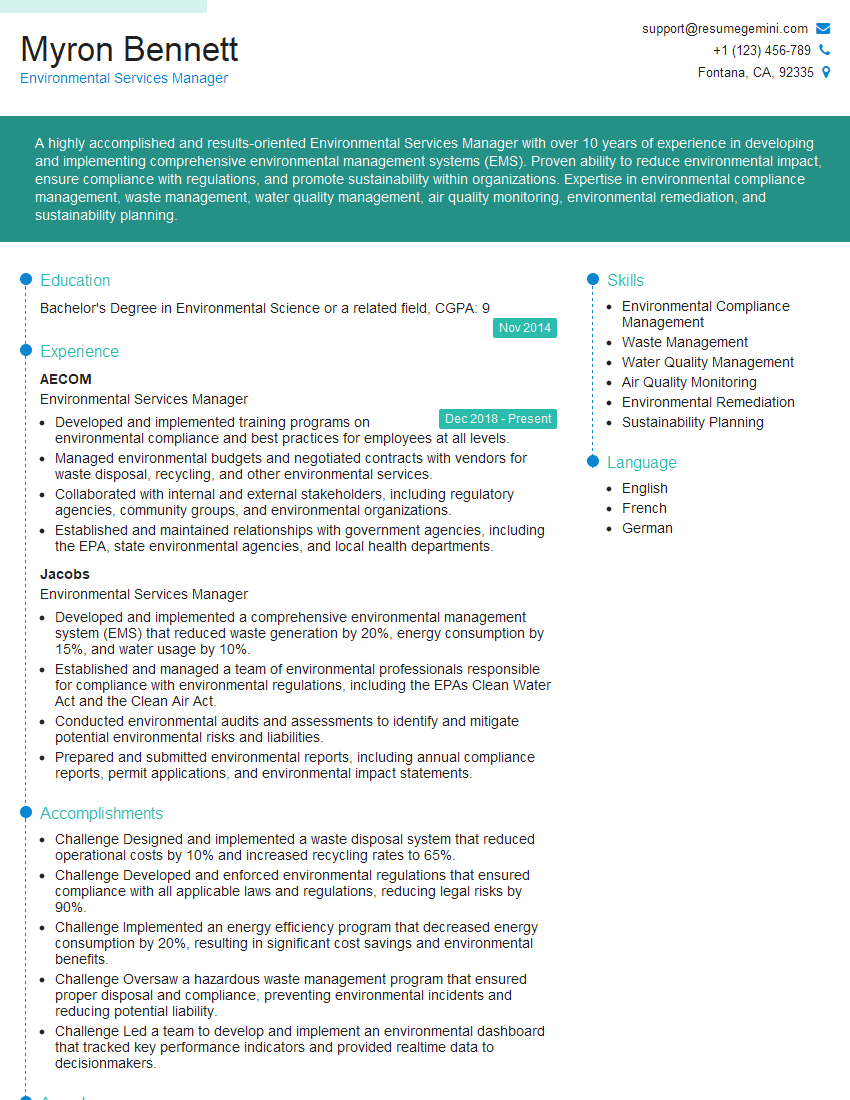
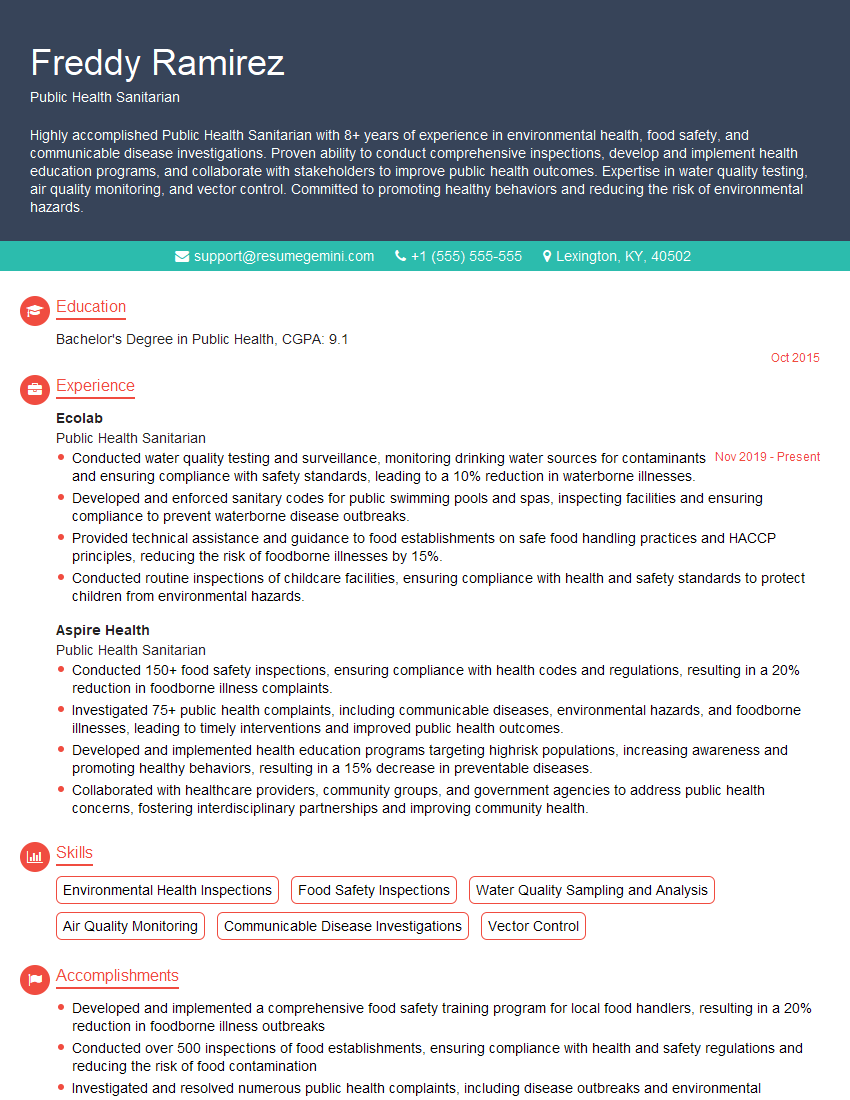
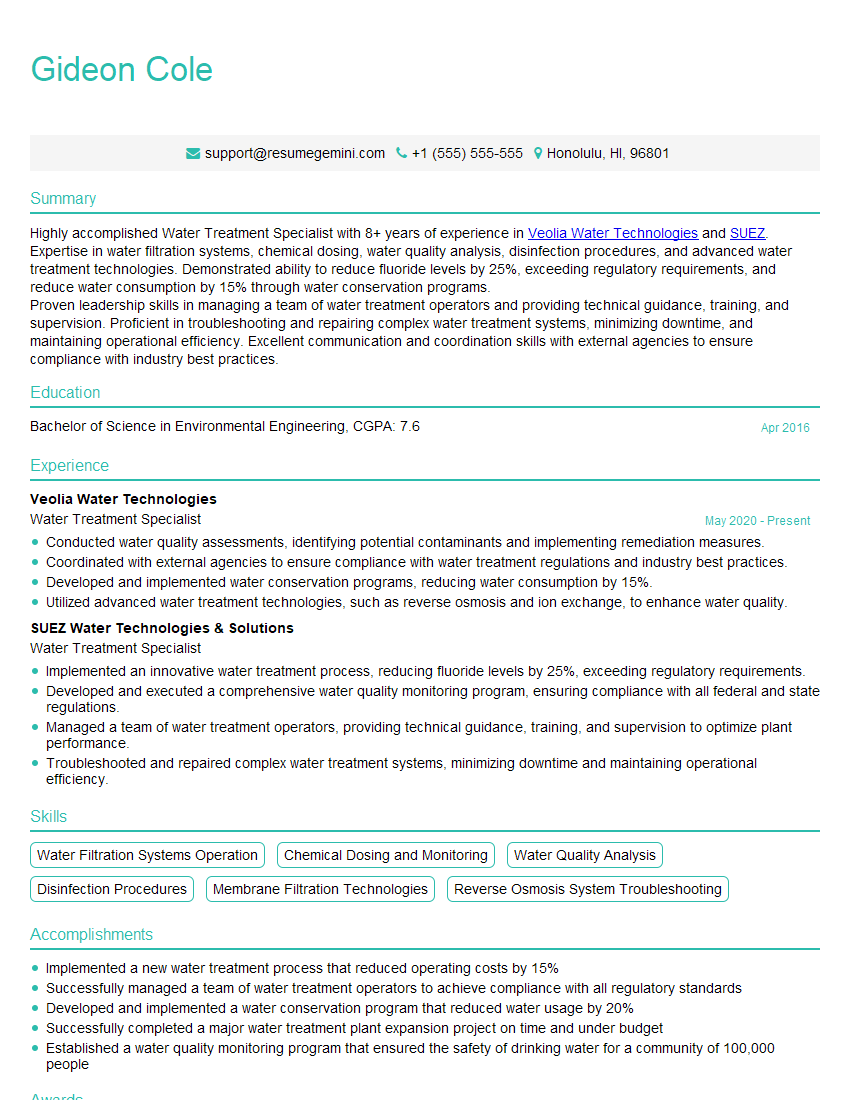
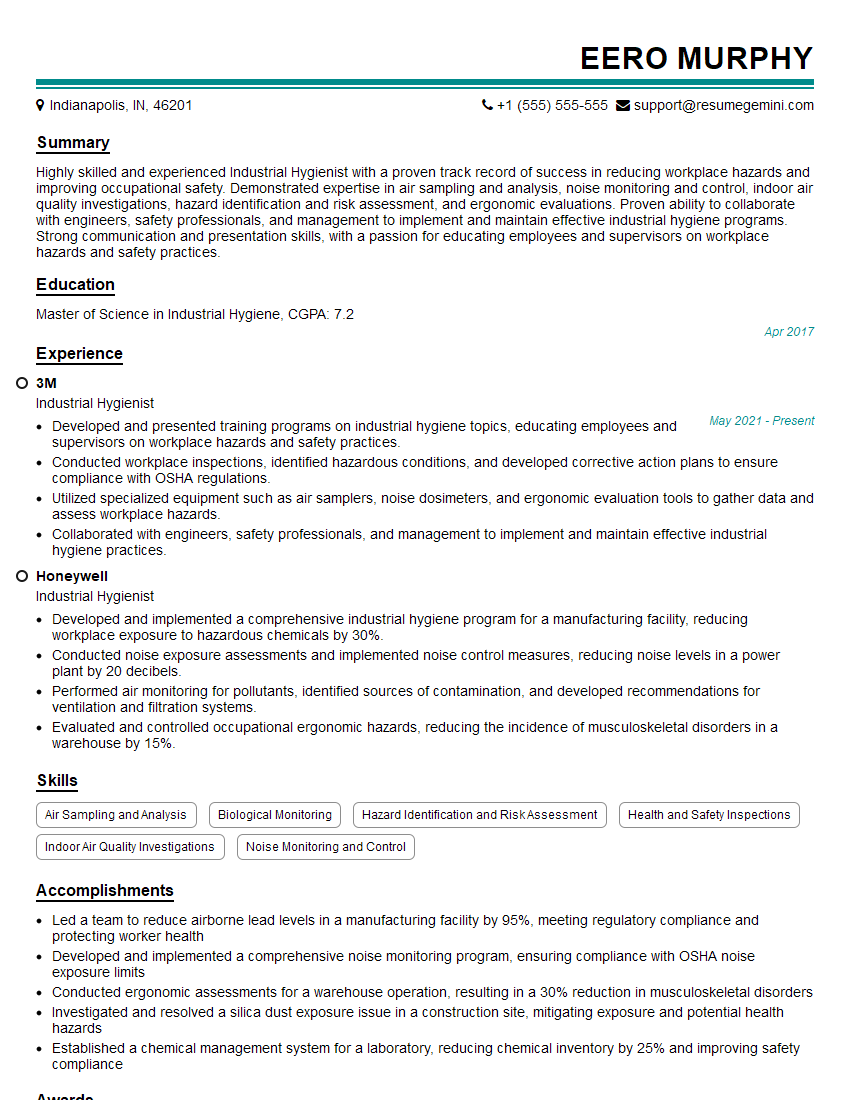
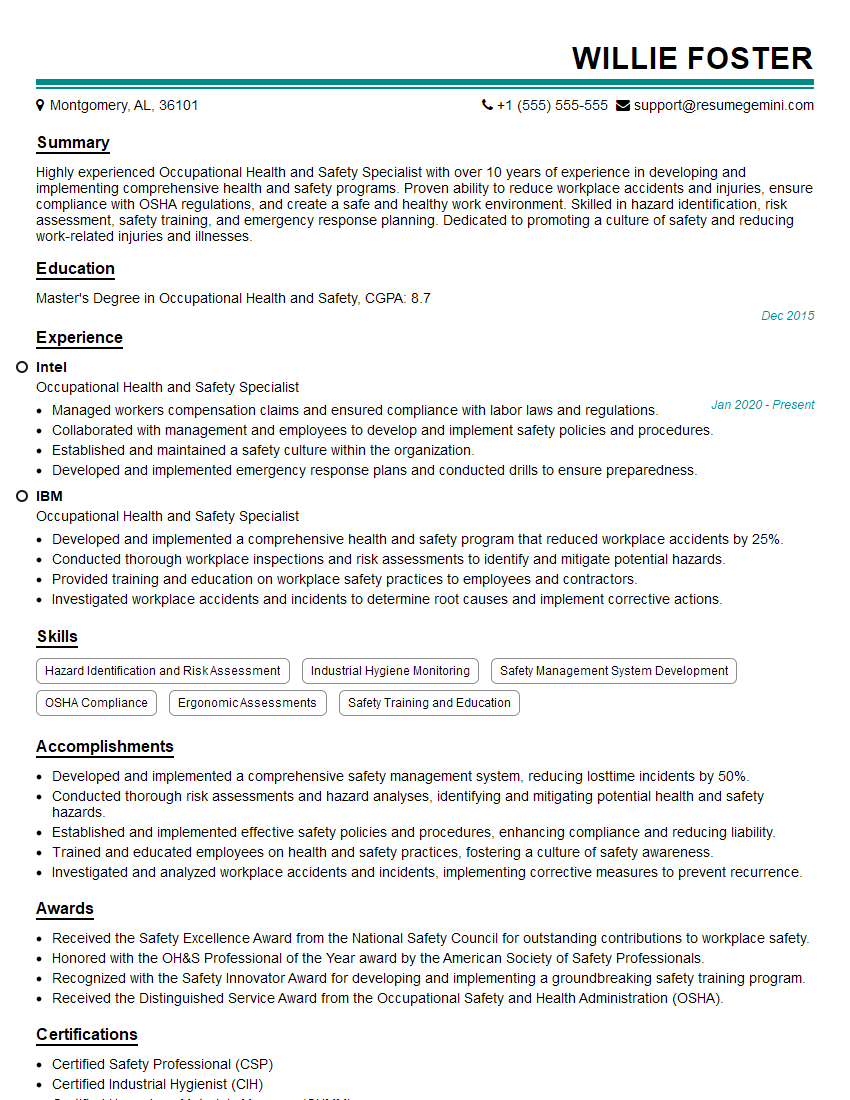
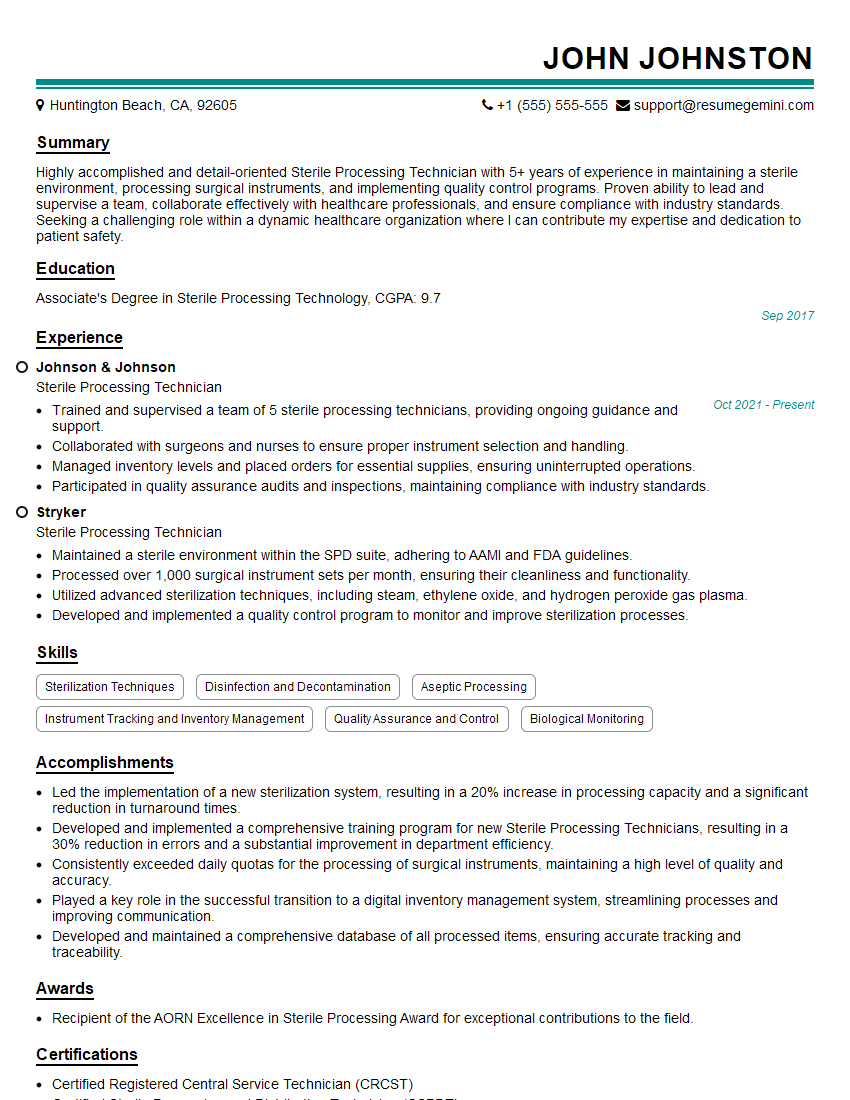
Mastering Disinfection and Residual Control opens doors to exciting career opportunities in diverse fields. A strong understanding of these principles is highly valued by employers seeking skilled professionals. To maximize your chances of landing your dream role, it’s crucial to present your skills effectively. Creating an ATS-friendly resume is essential to navigate Applicant Tracking Systems and ensure your application gets noticed. We strongly recommend leveraging ResumeGemini to build a professional and impactful resume tailored to the Disinfection and Residual Control field. ResumeGemini provides valuable resources and examples of resumes specifically designed for this industry, helping you showcase your expertise convincingly.
Explore more articles
Users Rating of Our Blogs
Share Your Experience
We value your feedback! Please rate our content and share your thoughts (optional).
What Readers Say About Our Blog
To the interviewgemini.com Webmaster.
Very helpful and content specific questions to help prepare me for my interview!
Thank you
To the interviewgemini.com Webmaster.
This was kind of a unique content I found around the specialized skills. Very helpful questions and good detailed answers.
Very Helpful blog, thank you Interviewgemini team.