Every successful interview starts with knowing what to expect. In this blog, we’ll take you through the top Drug Susceptibility Testing interview questions, breaking them down with expert tips to help you deliver impactful answers. Step into your next interview fully prepared and ready to succeed.
Questions Asked in Drug Susceptibility Testing Interview
Q 1. Explain the principles of Minimum Inhibitory Concentration (MIC) determination.
Minimum Inhibitory Concentration (MIC) is the lowest concentration of an antimicrobial agent that prevents visible growth of a bacterium in vitro. Imagine it like this: you’re trying to stop a group of bacteria from multiplying. The MIC is the smallest amount of medicine you need to add to completely stop them from growing, as observed visually.
MIC determination typically involves serial dilutions of the antimicrobial agent in a liquid growth medium (broth). A standardized inoculum of the bacterium is then added to each dilution. After incubation (usually 18-24 hours), the tubes are examined for turbidity (cloudiness), indicating bacterial growth. The lowest concentration of the antimicrobial that inhibits visible growth is defined as the MIC. This is usually expressed in micrograms per milliliter (µg/mL) or milligrams per liter (mg/L).
For example, if visible growth is present in tubes with 4 µg/mL and 8 µg/mL concentrations, but absent at 16 µg/mL, the MIC is 16 µg/mL. Different methods exist for MIC determination, including broth microdilution, agar dilution, and gradient methods. Each method has its strengths and limitations, affecting accuracy and speed.
Q 2. Describe the difference between MIC and Minimum Bactericidal Concentration (MBC).
While both MIC and Minimum Bactericidal Concentration (MBC) assess antimicrobial activity, they differ significantly in what they measure. The MIC determines the minimum concentration of an antibiotic to inhibit bacterial growth, while the MBC determines the minimum concentration of an antibiotic required to kill a specific percentage (usually 99.9%) of the bacterial population.
Think of it like this: MIC is like putting the bacteria to sleep – they’re not multiplying, but they’re still alive. MBC is like eliminating the bacteria entirely. To determine MBC, samples from the MIC test’s clear tubes (indicating no visible growth) are sub-cultured onto agar plates. The lowest concentration where no colonies appear signifies the MBC. MBC is typically higher than MIC, indicating that a greater concentration is often needed to kill bacteria compared to just stopping their growth. Understanding both MIC and MBC is crucial for selecting appropriate antibiotic therapy, especially in severe infections.
Q 3. What are the limitations of the Kirby-Bauer disk diffusion method?
The Kirby-Bauer disk diffusion method, while simple and widely used, has some limitations. This method assesses antimicrobial susceptibility by measuring the zones of inhibition around antibiotic disks placed on an agar plate inoculated with the bacteria. While it’s a useful screening tool, it doesn’t provide a precise MIC value.
- Subjectivity in zone size measurement: Determining the exact diameter of the zone of inhibition can be subjective, potentially leading to inconsistencies between different readers.
- Influence of media composition and depth: The agar’s composition and depth can affect the diffusion rate of the antibiotic, leading to variations in zone sizes.
- Limited applicability for certain bacteria: The method may not be suitable for all bacterial species, particularly those with slow growth rates or fastidious growth requirements.
- Inability to detect low-level resistance: The Kirby-Bauer method may not accurately detect low-level resistance, which can be clinically significant.
- Lack of quantitative data: It only provides qualitative results (susceptible, intermediate, or resistant), not the precise MIC value crucial for treatment decisions.
Despite these limitations, the Kirby-Bauer method remains a valuable tool for initial screening, particularly in resource-limited settings. However, confirmatory testing with more quantitative methods like MIC determination is often recommended.
Q 4. How do you interpret the results of a broth microdilution assay?
Interpreting broth microdilution assay results involves identifying the MIC. The assay typically uses a 96-well plate containing serial dilutions of an antimicrobial agent. Each well receives a standardized inoculum of the bacteria. After incubation, the lowest concentration of the antibiotic without visible growth is the MIC.
For example, if wells with concentrations of 0.5 µg/mL, 1 µg/mL, and 2 µg/mL show growth, while the 4 µg/mL and higher concentrations show no growth, the MIC is 4 µg/mL. The result is reported as MIC = 4 µg/mL. Clinical breakpoints (defined by organizations like CLSI and EUCAST) are then used to classify the isolate as susceptible, intermediate, or resistant based on the MIC value. This classification guides treatment choices. It’s important to use standardized procedures and interpret results within a clinical context, considering the patient’s clinical presentation and other factors.
Q 5. What are the advantages and disadvantages of automated susceptibility testing systems?
Automated susceptibility testing systems offer significant advantages over manual methods, primarily in terms of speed, standardization, and reduced labor. These systems use sophisticated technologies (like fluorescence or colorimetric detection) to measure bacterial growth inhibition.
- Advantages: Increased throughput, reduced turnaround time, improved standardization and reproducibility, minimized human error, and automated data analysis.
- Disadvantages: Higher initial capital cost compared to manual methods, potential for instrument malfunction or software errors, need for trained personnel for operation and maintenance, and possible limitations regarding unusual or fastidious organisms.
The choice between automated and manual systems depends on several factors, including the laboratory’s budget, workload, technical expertise, and the diversity of organisms tested. Larger laboratories with high volumes of testing often benefit from automated systems, whereas smaller laboratories may find manual methods more practical and cost-effective. Regularly performing quality control checks is essential for both automated and manual methods to ensure reliable and accurate results.
Q 6. Explain the role of quality control in Drug Susceptibility Testing.
Quality control (QC) in drug susceptibility testing is absolutely critical for ensuring the accuracy, reliability, and validity of the test results. Without robust QC, treatment decisions made based on inaccurate susceptibility data can lead to therapeutic failures, prolonged illness, and increased risk of antimicrobial resistance development. QC involves using standardized control strains with known susceptibility profiles to monitor the performance of the entire testing process—from media preparation and inoculum standardization to instrument calibration and interpretation of results.
QC strains (positive and negative controls) are tested in each batch of testing to ensure that the assay is performing as expected. If the QC results fall outside the pre-defined ranges, the entire batch of testing may need to be repeated. Regular QC monitoring is necessary to identify and address any problems, ensuring the reliability of the results and contributing to patient safety.
Q 7. How do you handle discrepancies between automated and manual DST results?
Discrepancies between automated and manual DST results require careful investigation. Such discrepancies can arise from various factors, including technical errors in either method, inherent variability in bacterial populations, or limitations of the methodologies themselves.
A systematic approach is crucial. First, review the methodologies used and identify any possible technical errors or deviations from the established protocols. Repeat testing with both automated and manual methods, using fresh cultures, should be performed. Consider using a different batch of media or reagents to exclude the possibility of media or reagent problems. If the discrepancy persists, consult relevant guidelines (like CLSI or EUCAST) and consider additional testing (e.g., Etest) for confirmation. It’s vital to ensure that the reported result is reliable and accurately reflects the isolate’s susceptibility pattern, minimizing the risk of inappropriate antibiotic treatment.
Q 8. Describe different methods used for detecting antibiotic resistance mechanisms.
Detecting antibiotic resistance mechanisms involves a multifaceted approach combining phenotypic and genotypic methods. Phenotypic methods assess the bacteria’s response to antibiotics, while genotypic methods directly examine the bacterial genes or mutations responsible for resistance.
- Phenotypic Methods: These include standard Drug Susceptibility Testing (DST) like broth microdilution, agar diffusion (Kirby-Bauer), and E-test, which reveal the Minimum Inhibitory Concentration (MIC) or zone of inhibition. Variations like detecting altered enzyme activity or efflux pumps can also indicate resistance.
- Genotypic Methods: These are more direct and offer specific identification of resistance genes. Examples include Polymerase Chain Reaction (PCR) to amplify specific resistance genes, whole-genome sequencing (WGS) to identify all genetic mutations, and microarray analysis to detect multiple genes simultaneously. For example, PCR can identify the mecA gene responsible for methicillin resistance in Staphylococcus aureus (MRSA).
Choosing the appropriate method depends on factors such as the suspected mechanism, resources available, and urgency of results. Often, a combination of methods provides the most comprehensive picture.
Q 9. What is the role of E-test in determining MIC?
The E-test is a gradient diffusion method that provides a more precise determination of the Minimum Inhibitory Concentration (MIC) compared to the Kirby-Bauer disk diffusion method. A plastic strip containing a gradient of antibiotic concentrations is placed on an agar plate inoculated with the bacteria. After incubation, an elliptical zone of inhibition forms. The MIC is read directly from the strip at the point where the ellipse intersects the strip.
Imagine it like a fine-tuned dial, unlike the Kirby-Bauer’s more general ‘yes/no’ response to resistance. This allows for a more nuanced understanding of the bacteria’s susceptibility, helping guide treatment choices by providing a specific numerical MIC value.
Q 10. Discuss the impact of pre-analytical variables on DST results.
Pre-analytical variables, those factors influencing the sample before testing, significantly affect DST results. Inaccurate or delayed processing can lead to misinterpretations. Key variables include:
- Time to processing: Delayed processing can lead to overgrowth of resistant subpopulations or death of susceptible organisms, skewing results.
- Inoculum size and density: An incorrect inoculum size can result in falsely susceptible or resistant results. This requires careful preparation and quality control.
- Type of culture media: Using inappropriate media can hinder bacterial growth or interact with the antibiotic, leading to false results.
- Antibiotic carryover: Residual antibiotics from prior treatments can mask resistance.
- Sample contamination: Contamination with other organisms can obscure results or create false positives.
Standardized protocols and careful attention to these details are crucial to ensure reliable DST results, avoiding misdiagnosis and ineffective treatment.
Q 11. How do you interpret a resistant result in the context of clinical treatment?
A resistant result indicates the bacteria are unlikely to be inhibited by the tested antibiotic at clinically achievable concentrations. This doesn’t automatically mean the antibiotic is useless, but it necessitates a different approach. Clinically, it implies:
- Alternative Antibiotics: The clinician needs to select an alternative antibiotic to which the bacteria are susceptible based on the susceptibility profile.
- Combination Therapy: Combining antibiotics with different mechanisms might overcome resistance.
- Dosage Adjustment: In some cases, increasing the dosage might be considered, although this should be carefully weighed against potential side effects.
- Source Control: Addressing the infection source, such as drainage of an abscess, is crucial in conjunction with antibiotic therapy.
For example, if E. coli shows resistance to ampicillin, treatment would shift to a different antibiotic like gentamicin, based on the susceptibility profile.
Q 12. Explain the concept of breakpoints in antimicrobial susceptibility testing.
Breakpoints in antimicrobial susceptibility testing are critical concentration thresholds that define categories of susceptibility (Susceptible, Intermediate, Resistant). These are determined by expert committees (like CLSI and EUCAST) based on extensive data considering pharmacokinetic/pharmacodynamic properties of the antibiotic, bacterial characteristics, and clinical outcomes.
Think of them as decision-making boundaries. If the MIC is below the susceptible breakpoint, the antibiotic is likely to be effective. If it’s above the resistant breakpoint, the antibiotic is unlikely to be effective at standard doses. Intermediate results require careful interpretation and may suggest the need for higher doses or combination therapy.
These breakpoints ensure consistent interpretation of DST results across different labs and regions, facilitating evidence-based treatment decisions.
Q 13. How do you report DST results to clinicians?
Reporting DST results to clinicians requires clarity, accuracy, and a standardized format. The report should clearly state:
- Patient identification: Unique identifiers to avoid confusion.
- Organism identified: Precise species and any relevant information (e.g., extended-spectrum beta-lactamase producing E. coli).
- Antibiotic tested: The specific antibiotics tested and their concentrations.
- MIC values or zone diameters: Quantitative results (MIC) or qualitative interpretations (zone size).
- Susceptibility categories: Susceptible, intermediate, or resistant for each antibiotic tested, ideally using a standardized format for easier understanding.
- Interpretation and recommendations (if appropriate): A concise summary of the findings and implications for treatment.
Many labs use standardized electronic reporting systems to ensure consistency and efficiency.
Q 14. What are the ethical considerations in reporting DST results?
Ethical considerations in reporting DST results are paramount. Accuracy and timeliness are critical to ensure appropriate patient care. Key ethical issues include:
- Accuracy and reliability: Ensuring the tests are performed correctly and results are interpreted accurately is non-negotiable. Any errors can have serious consequences.
- Confidentiality: Patient information must be kept confidential and handled in accordance with relevant regulations.
- Transparency and clarity: Results must be reported in a clear and understandable manner, avoiding technical jargon.
- Appropriate interpretation and counseling: Results should not be misinterpreted or oversimplified. Clinicians should be provided with necessary context and support for appropriate decision-making.
- Pre-test and post-test counseling: Patients should be informed about the implications of testing and results. This is especially important when dealing with resistance.
Maintaining high ethical standards ensures trust and helps make informed decisions for improved patient outcomes.
Q 15. Describe the challenges in testing for resistance to newer antibiotics.
Testing for resistance to newer antibiotics presents unique challenges compared to older agents. One major hurdle is the lack of standardized susceptibility testing methods for these newer drugs. Often, there isn’t enough clinical data to establish clear breakpoints – the concentrations that differentiate susceptible from resistant bacteria. This makes interpreting results ambiguous. For example, a new antibiotic might have a very narrow therapeutic index (the difference between the effective dose and a toxic dose), meaning a small shift in bacterial susceptibility could have significant clinical consequences. Furthermore, some newer antibiotics have complex mechanisms of action, making it difficult to design reliable tests. Consider the novel oxazolidinones; their mechanism is unlike any previously used antibiotic, hence needing new and specific techniques beyond simple broth dilution or disk diffusion.
Another challenge is the potential for resistance mechanisms that haven’t been fully characterized. The bacteria might use existing mechanisms in a novel way or employ entirely new methods to evade the antibiotic. This means existing tests may not detect all resistant strains. Think of the rapid emergence of carbapenem-resistant Enterobacteriaceae; early susceptibility tests were often insufficient to detect the full extent of resistance.
Finally, the inherent difficulties of working with newer agents often include limited access to the drug itself, requiring specialized procurement procedures and often limiting the testing capacity.
Career Expert Tips:
- Ace those interviews! Prepare effectively by reviewing the Top 50 Most Common Interview Questions on ResumeGemini.
- Navigate your job search with confidence! Explore a wide range of Career Tips on ResumeGemini. Learn about common challenges and recommendations to overcome them.
- Craft the perfect resume! Master the Art of Resume Writing with ResumeGemini’s guide. Showcase your unique qualifications and achievements effectively.
- Don’t miss out on holiday savings! Build your dream resume with ResumeGemini’s ATS optimized templates.
Q 16. Explain the importance of susceptibility testing in infection control.
Susceptibility testing (DST) plays a crucial role in infection control by guiding appropriate antibiotic therapy. Accurate DST results help healthcare professionals select the most effective antibiotic, minimizing the risk of treatment failure and promoting faster patient recovery. This directly impacts infection control by reducing the duration of infection and thus the shedding of infectious organisms into the environment. Inappropriate antibiotic use, guided by unreliable or absent DST, contributes to the spread of antibiotic resistance, a major threat to public health.
For example, imagine a patient with pneumonia. If DST reveals the bacterium causing the infection is resistant to common antibiotics like penicillin, then selecting a different, effective antibiotic prevents the spread of the resistant strain. The information also assists in the implementation of effective infection control measures like isolation precautions, tailored to the specific resistant organisms.
Furthermore, DST data at a broader level helps track antibiotic resistance trends within a hospital or community. This information enables infection control committees to implement targeted strategies such as antibiotic stewardship programs that promote rational antibiotic use, reducing the selective pressure for the development of resistance.
Q 17. How do you address potential sources of error in DST procedures?
Addressing potential errors in DST procedures requires a multi-faceted approach encompassing meticulous attention to detail at every stage. Errors can stem from various sources: inaccurate identification of the infecting microorganism, incorrect antibiotic concentrations, improper inoculation of the test medium, and faulty incubation conditions. Variations in the laboratory techniques and personnel training can also significantly influence the results.
- Quality Control: Implementing rigorous quality control measures is paramount. This includes using standardized protocols, regular calibration of equipment (e.g., spectrophotometers for broth dilution), and periodic testing with control strains (bacteria with known susceptibility patterns) to ensure accuracy and reliability. These control strains should be included on each batch of susceptibility testing.
- Pre-Analytical Factors: Proper specimen collection, transport, and storage are critical. Delays in processing can lead to altered bacterial physiology, leading to false results. The inoculum preparation should follow precise guidelines and avoid inconsistent bacterial concentrations. This often involves visual matching with turbidity standards (0.5 McFarland standard) or using automated instruments.
- Analytical Factors: Sticking to standardized protocols for each technique (broth microdilution, disk diffusion, etc.) is essential. Careful attention must be paid to ensuring the appropriate medium, incubation temperature, and incubation time. Proper interpretation of results requires knowledge of breakpoints and the limitations of each technique.
- Post-Analytical Factors: Data entry and reporting should be accurate and verified. The lab should have a quality management system for tracking and resolving any discrepancies.
Finally, regular proficiency testing by external organizations is necessary to assess the laboratory’s overall performance and identify areas for improvement. This process helps maintain high standards and ensure that the results are reliable and clinically relevant.
Q 18. Discuss the impact of antibiotic usage on the development of resistance.
The relationship between antibiotic usage and the development of resistance is a classic example of natural selection. Antibiotics exert selective pressure, favoring the survival and proliferation of resistant bacterial strains. When exposed to an antibiotic, susceptible bacteria are killed, while those with resistance mechanisms survive and reproduce, passing on the resistance genes to their offspring.
The more antibiotics are used, the greater the selective pressure. Broad-spectrum antibiotics, which target a wide range of bacteria, pose a greater risk because they kill many susceptible organisms, leaving a larger niche for resistant bacteria to colonize. Inappropriate antibiotic use, such as using antibiotics for viral infections where they are ineffective, further exacerbates the problem, providing unnecessary selective pressure without any clinical benefit.
For example, the widespread use of penicillin in the mid-20th century led to the rapid emergence of penicillin-resistant strains of Staphylococcus aureus. Similarly, the overuse of fluoroquinolones in agriculture has contributed to the spread of fluoroquinolone-resistant bacteria in both animals and humans. The inappropriate and excessive use of antibiotics in hospitals has also led to the increase in multidrug-resistant bacteria and the development of ‘superbugs’ that are resistant to most or all available antibiotics.
Q 19. Explain the role of pharmacodynamics in interpreting DST results.
Pharmacodynamics (PD) refers to the relationship between drug concentration and its effect on the bacteria. Understanding PD principles is crucial for interpreting DST results because it moves beyond simple susceptibility categorization (susceptible, intermediate, resistant) to provide a more nuanced understanding of the therapeutic potential of an antibiotic against a specific bacterial isolate. PD considers factors like the time the antibiotic concentration remains above the minimum inhibitory concentration (MIC) and the area under the curve (AUC) of the antibiotic concentration over time.
For example, time-dependent antibiotics (like β-lactams) require prolonged exposure above the MIC to achieve optimal efficacy. Therefore, even if a bacterium is categorized as ‘susceptible’ based on the MIC, treatment failure can occur if the antibiotic dosing regimen doesn’t maintain sufficient levels above the MIC for a sufficient duration. In contrast, concentration-dependent antibiotics (like aminoglycosides) primarily depend on achieving high peak concentrations to kill bacteria effectively.
By incorporating PD principles, clinicians can select appropriate dosing regimens to maximize the likelihood of therapeutic success and minimize the risk of treatment failure or the development of further resistance. This is especially important for treating serious infections caused by organisms with MICs near the breakpoint.
Q 20. How do you interpret results for polymicrobial infections?
Interpreting results for polymicrobial infections (infections caused by more than one microorganism) requires a careful and nuanced approach. Simply reporting the susceptibility patterns of each individual organism is insufficient; the interactions between the different organisms must be considered. For example, one organism might produce substances that inhibit the growth of another, or they may synergistically enhance the antibiotic’s effectiveness.
The most crucial step is accurate identification of all bacterial species present, employing various techniques like culture and molecular diagnostics. Once identified, individual susceptibility testing is performed for each organism using standard methods. However, the interpretation involves a clinical judgment, considering the organism’s virulence and relative abundance, and then deciding which organism is the priority for treatment. Sometimes, it might be necessary to test the combined effect of the pathogens on the chosen antibiotic in order to accurately reflect the clinical picture. In some cases, a combination therapy approach might be employed to target both organisms, taking into consideration the potential synergistic or antagonistic effects of the antibiotic combination.
Treatment of polymicrobial infections often needs a more pragmatic approach than monomicrobial infections. Clinicians must consider the clinical context and patient response, sometimes adapting the antibiotic strategy as the situation evolves. Monitoring the patient’s clinical progress and repeat susceptibility testing, if necessary, can help optimize treatment effectiveness.
Q 21. Describe the role of molecular techniques in detecting antimicrobial resistance.
Molecular techniques have revolutionized the detection of antimicrobial resistance, offering faster and more precise identification of resistance mechanisms compared to traditional phenotypic methods (e.g., DST). These techniques directly detect the genetic material responsible for resistance, providing insights that phenotypic methods cannot. This allows for rapid identification of resistance mechanisms even before phenotypic resistance is expressed.
Some commonly used molecular techniques include:
- Polymerase Chain Reaction (PCR): PCR can detect specific genes associated with resistance. For instance, it can identify the mecA gene in Staphylococcus aureus, indicating methicillin resistance (MRSA). Real-time PCR allows quantification of the resistance genes, further aiding in diagnosis and epidemiology.
- Whole Genome Sequencing (WGS): WGS provides a complete picture of the bacterial genome, including all genes related to resistance. This is a powerful tool for identifying novel resistance mechanisms and understanding the evolution of resistance. This is particularly useful for understanding the spread of carbapenemase-producing bacteria in hospital settings.
- Microarrays: Microarrays allow simultaneous detection of multiple resistance genes. These techniques are high-throughput and ideal for epidemiological studies to track the spread of resistance genes within a population.
Molecular methods offer several advantages: speed, higher accuracy in detecting resistance mechanisms compared to phenotypic methods, and the ability to detect resistance even before it’s detectable phenotypically. However, they are typically more expensive and require specialized equipment and expertise. The choice of technique depends on factors such as the specific organism, the suspected resistance mechanism, and the resources available.
Q 22. What are the different types of bacterial resistance mechanisms?
Bacterial resistance mechanisms are the strategies bacteria employ to survive the effects of antibiotics. These mechanisms are diverse and often involve multiple processes working in concert. Think of it like a fortress with multiple layers of defense.
- Inactivation of the antibiotic: Bacteria may produce enzymes that chemically modify or destroy the antibiotic, rendering it ineffective. For example, beta-lactamases break down penicillin and other beta-lactam antibiotics.
- Target modification: Bacteria can alter the structure of the antibiotic’s target site within the bacterial cell. This prevents the antibiotic from binding and exerting its effect. A classic example is the modification of penicillin-binding proteins in some bacteria, making them resistant to penicillin.
- Reduced permeability: Bacteria can change their cell wall or membrane to reduce the entry of the antibiotic into the cell. This acts like a wall preventing the antibiotic from even getting inside.
- Efflux pumps: Many bacteria possess efflux pumps, which are proteins that actively remove antibiotics from the cell before they can reach their target. Imagine these as tiny pumps constantly removing the antibiotic.
- Target overproduction or bypass pathways: Bacteria can increase the production of the antibiotic target or develop alternate metabolic pathways to circumvent the antibiotic’s effect. This is akin to having a backup system if the primary target is blocked.
Understanding these different mechanisms is critical for developing new antibiotics and strategies to combat resistance.
Q 23. How do you select appropriate antibiotics based on DST results?
Selecting appropriate antibiotics based on DST results is crucial for effective treatment and preventing the further spread of antibiotic resistance. The process involves a careful interpretation of the Minimum Inhibitory Concentration (MIC) values generated by the DST. The MIC is the lowest concentration of an antibiotic that inhibits the visible growth of a bacterium.
Clinicians use MIC values in conjunction with the breakpoints (defined by organizations like CLSI and EUCAST) to categorize bacteria as susceptible, intermediate, or resistant to specific antibiotics. Susceptible means the antibiotic is likely to be effective at the usual dosage. Resistant means the antibiotic is unlikely to be effective even at higher doses. Intermediate indicates the antibiotic may be effective depending on certain factors like the location of the infection.
For example, if the MIC of a bacterium for penicillin is below the breakpoint, it’s considered susceptible; if it’s above the breakpoint, it’s resistant. The choice of antibiotic should then consider the patient’s clinical condition, potential side effects of the antibiotic, and the overall spectrum of activity of the drug.
It’s crucial to select the antibiotic with the lowest MIC value that is still effective against the specific bacterial isolate, promoting effective treatment while minimizing selective pressure and avoiding unnecessary exposure to broad-spectrum antibiotics.
Q 24. Describe the workflow of a typical microbiology lab performing DST.
The workflow in a microbiology lab performing DST is a precise and meticulous process. It involves several key steps:
- Specimen collection and processing: A clinical specimen (e.g., blood, urine, sputum) is collected and processed to isolate the suspected bacterial pathogen.
- Bacterial identification: The isolated bacterium is identified using various methods such as Gram staining, biochemical tests, and molecular techniques (e.g., MALDI-TOF MS).
- Susceptibility testing setup: The identified bacterium is inoculated onto an appropriate growth medium (e.g., Mueller-Hinton agar) and then exposed to various antibiotics using standardized techniques like broth microdilution or disk diffusion methods.
- Incubation: The plates or broth are incubated under optimal conditions for bacterial growth, usually around 24-48 hours.
- Result interpretation: After incubation, the growth of the bacteria is assessed, and the MIC is determined. This involves measuring the zone of inhibition (for disk diffusion) or visually inspecting the bacterial growth in the broth (for broth microdilution).
- Reporting: The results are interpreted using CLSI or EUCAST breakpoints and reported to the clinician, providing a guide for selecting the most appropriate antimicrobial therapy.
Quality control measures are integrated throughout the workflow to ensure accuracy and reliability of the results.
Q 25. Explain how to troubleshoot common issues encountered in DST procedures.
Troubleshooting issues in DST procedures requires a systematic approach. Common problems and their solutions include:
- Incorrect inoculum density: If the bacterial inoculum is too high or too low, it can lead to inaccurate MIC results. Solution: Use standardized methods for inoculum preparation and ensure appropriate quality control checks.
- Contamination: Contamination by other microorganisms can skew results. Solution: Strictly follow aseptic techniques during sample handling and inoculation.
- Improper incubation conditions: Incorrect temperature or time can affect bacterial growth and MIC determination. Solution: Verify the incubator is set to the correct temperature and the duration is within the standardized guidelines.
- Antibiotic degradation or instability: Incorrect storage or handling of antibiotics can lead to reduced potency. Solution: Strictly adhere to the manufacturer’s instructions for antibiotic storage and handling.
- Incorrect interpretation of results: Misinterpretation of zones of inhibition or MIC values can occur. Solution: Ensure proper training of personnel and regular quality control measures.
Troubleshooting often involves reviewing the entire process, from sample collection to result reporting, to identify the source of error and implement corrective actions.
Q 26. What are the current trends and future directions in Drug Susceptibility Testing?
Current trends and future directions in DST are focused on improving speed, accuracy, and efficiency. Some key areas include:
- Automation: Automated systems are increasingly used to perform DST, reducing manual work and improving turnaround time.
- Molecular diagnostics: Techniques such as PCR and next-generation sequencing are being employed to detect resistance genes directly, offering faster results than traditional phenotypic methods.
- Point-of-care testing: Rapid diagnostic tests are being developed for use in resource-limited settings, providing results quickly to guide treatment decisions.
- Artificial intelligence and machine learning: AI and ML algorithms are being applied to analyze DST data and predict resistance patterns, improving the accuracy and efficiency of antibiotic selection.
- Novel methods: New technologies like microfluidics and biosensors are being explored to create more advanced and efficient DST platforms.
The future of DST will be shaped by these advancements, leading to more rapid and accurate diagnostic tools that are better suited to the challenges posed by antimicrobial resistance.
Q 27. Discuss the impact of emerging resistance mechanisms on global health.
The impact of emerging resistance mechanisms on global health is profound and far-reaching. The rise of multidrug-resistant (MDR) and extensively drug-resistant (XDR) bacteria threatens the effectiveness of many existing antibiotics, resulting in:
- Increased morbidity and mortality: Infections caused by resistant bacteria are more difficult to treat, leading to longer hospital stays, increased healthcare costs, and higher death rates.
- Limited treatment options: When antibiotics fail, there are often few or no alternative treatments available, leaving patients vulnerable to severe infections.
- Economic burden: The treatment of resistant infections is significantly more expensive due to the need for longer hospital stays, more intensive care, and the use of more expensive, last-resort antibiotics.
- Impact on healthcare systems: The emergence of drug resistance strains significant stress on healthcare systems, compromising their ability to provide effective and affordable care.
- Global health security: The spread of resistant bacteria across borders poses a significant threat to global health security, requiring international collaboration to address this growing challenge.
Addressing antibiotic resistance is crucial for ensuring access to effective treatment for infectious diseases and safeguarding global health.
Q 28. How do you stay updated with the latest advancements in DST techniques and guidelines?
Staying updated in the dynamic field of DST requires a multifaceted approach:
- Professional organizations: Actively participate in professional societies like the Clinical and Laboratory Standards Institute (CLSI) and the European Committee on Antimicrobial Susceptibility Testing (EUCAST). These organizations provide guidelines, updates, and educational resources on the latest developments.
- Scientific literature: Regularly review peer-reviewed journals like the Journal of Clinical Microbiology, Antimicrobial Agents and Chemotherapy, and the Lancet Infectious Diseases to stay abreast of the latest research and advancements.
- Conferences and workshops: Attend conferences and workshops focused on infectious diseases and microbiology to learn about new techniques and methodologies.
- Online resources: Utilize online resources such as the WHO website and other reputable websites dedicated to antimicrobial resistance.
- Continuing education: Enroll in continuing education courses and workshops to enhance knowledge and skills in DST techniques and interpretation.
Continuous learning and engagement are essential for maintaining expertise in this rapidly evolving field.
Key Topics to Learn for Drug Susceptibility Testing Interview
- Minimum Inhibitory Concentration (MIC) Determination: Understanding various methods (broth microdilution, agar dilution, Etest) and their applications, including interpretation of results and limitations.
- Antimicrobial Mechanisms of Action: Knowing how different drug classes inhibit bacterial growth (e.g., cell wall synthesis inhibitors, protein synthesis inhibitors) is crucial for interpreting susceptibility patterns.
- Quality Control in DST: Familiarize yourself with the importance of quality control measures, including positive and negative controls, to ensure reliable and accurate results. Understanding potential sources of error is vital.
- Interpreting Results and Reporting: Learn the standards and guidelines for reporting susceptibility results (e.g., susceptible, intermediate, resistant) and their clinical implications. Practice translating technical data into clear, concise reports.
- Breakpoints and Clinical Significance: Understand how MIC breakpoints are established and their role in guiding clinical treatment decisions. Be prepared to discuss the clinical relevance of susceptibility results.
- Emerging Resistance Mechanisms: Stay updated on the evolution of antibiotic resistance and the mechanisms driving it. This demonstrates your commitment to staying current in the field.
- Automated Systems and Technologies: Familiarity with automated DST systems and their advantages and limitations will showcase your practical knowledge and adaptability.
- Data Analysis and Interpretation: Practice analyzing susceptibility data sets, identifying trends, and drawing meaningful conclusions. This is crucial for research and clinical decision-making.
- Susceptibility Testing for Different Microbial Groups: Understand the nuances of testing different types of microorganisms (bacteria, fungi) and the variations in methods and interpretation.
Next Steps
Mastering Drug Susceptibility Testing is paramount for career advancement in microbiology, infectious disease, and pharmaceutical research. A strong understanding of these concepts will significantly enhance your interview performance and open doors to exciting opportunities. To maximize your job prospects, creating an ATS-friendly resume is essential. ResumeGemini is a trusted resource that can help you build a professional and impactful resume. ResumeGemini offers examples of resumes tailored to Drug Susceptibility Testing, providing a valuable template and inspiration for crafting your own compelling application materials.
Laboratory Manager Resume Sample

Project Manager Resume Sample

Research Associate Resume Sample
Regulatory Affairs Specialist Resume Sample

Quality Control Analyst Resume Sample

Data Analyst Resume Sample

Research Scientist Resume Sample
Biostatistician Resume Sample
Clinical Research Associate Resume Sample

Assistant Professor Resume Sample
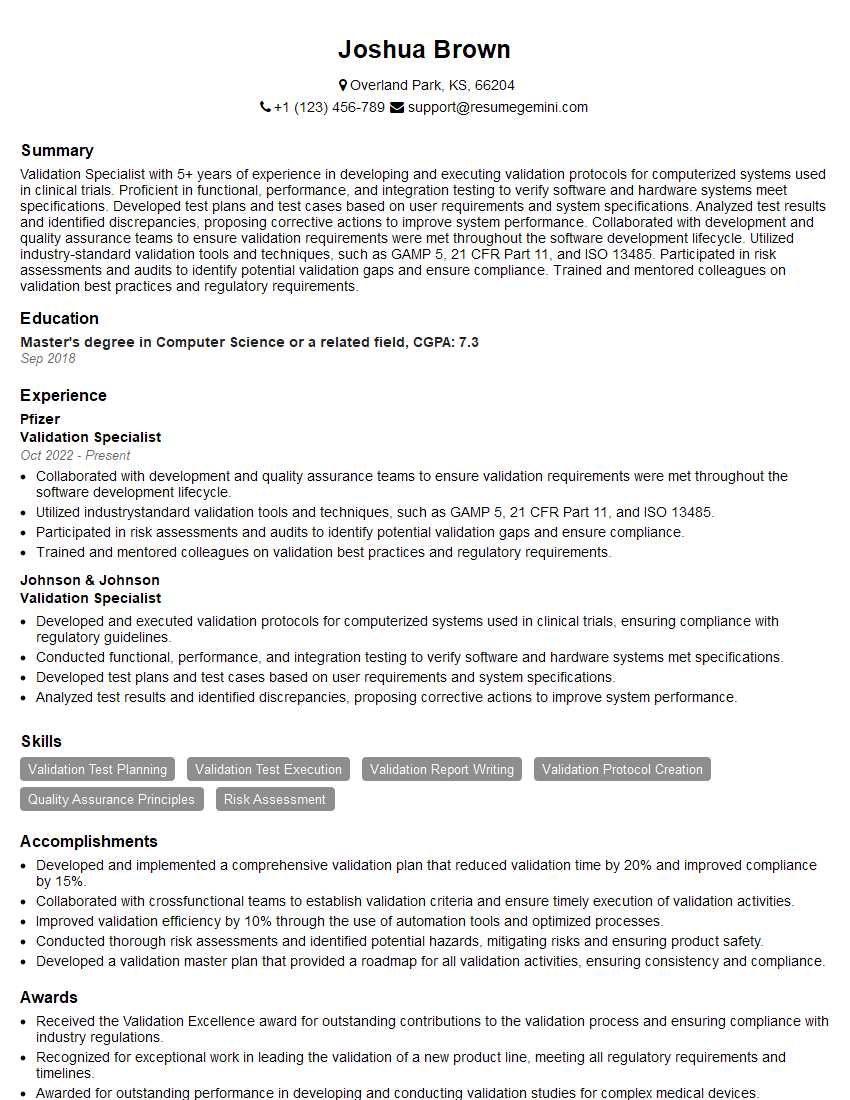
Validation Specialist Resume Sample

Automation Specialist Resume Sample

Laboratory Technician Resume Sample

Microbiologist Resume Sample
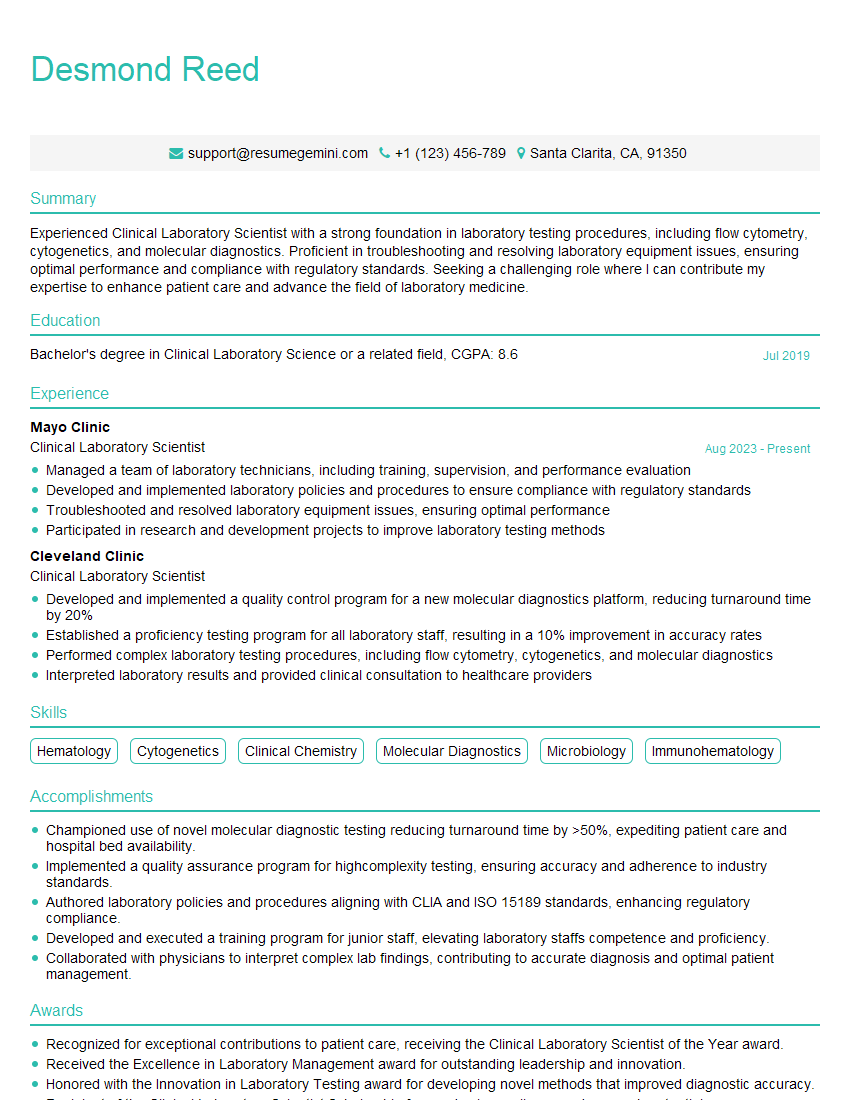
Clinical Laboratory Scientist Resume Sample
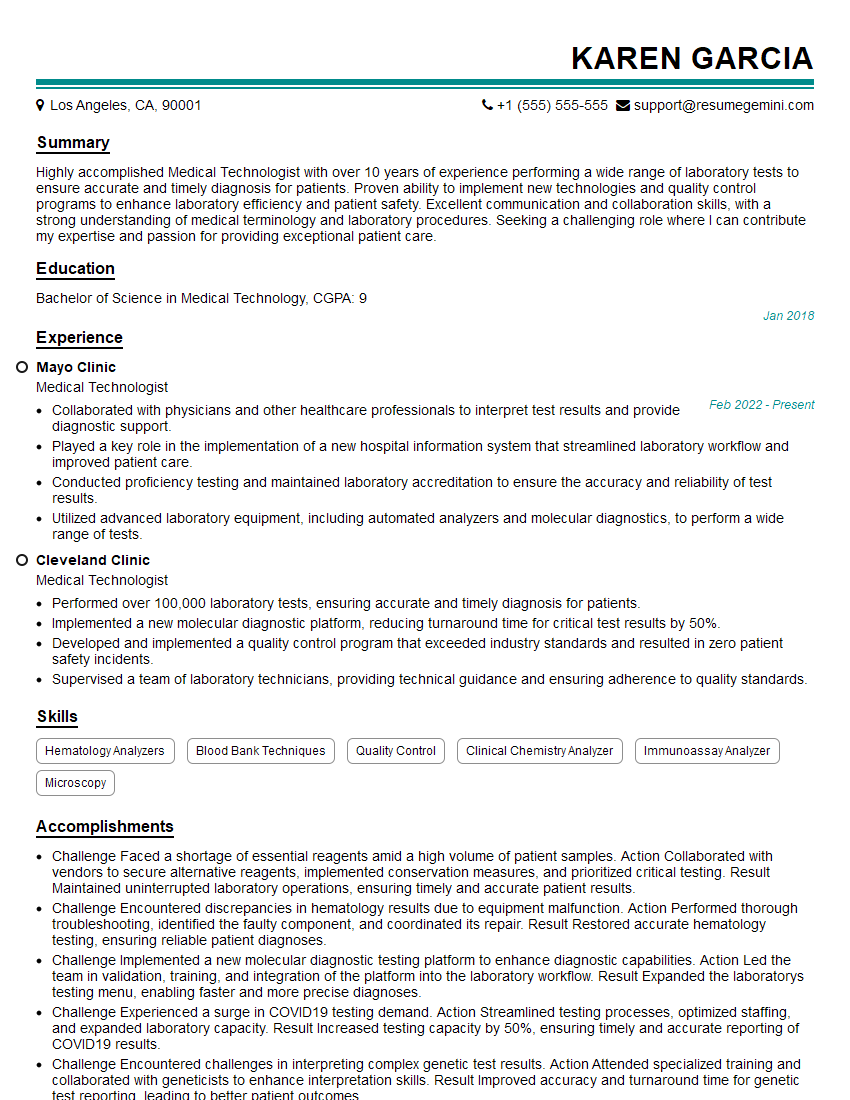
Medical Technologist Resume Sample

Lead Scientist Resume Sample
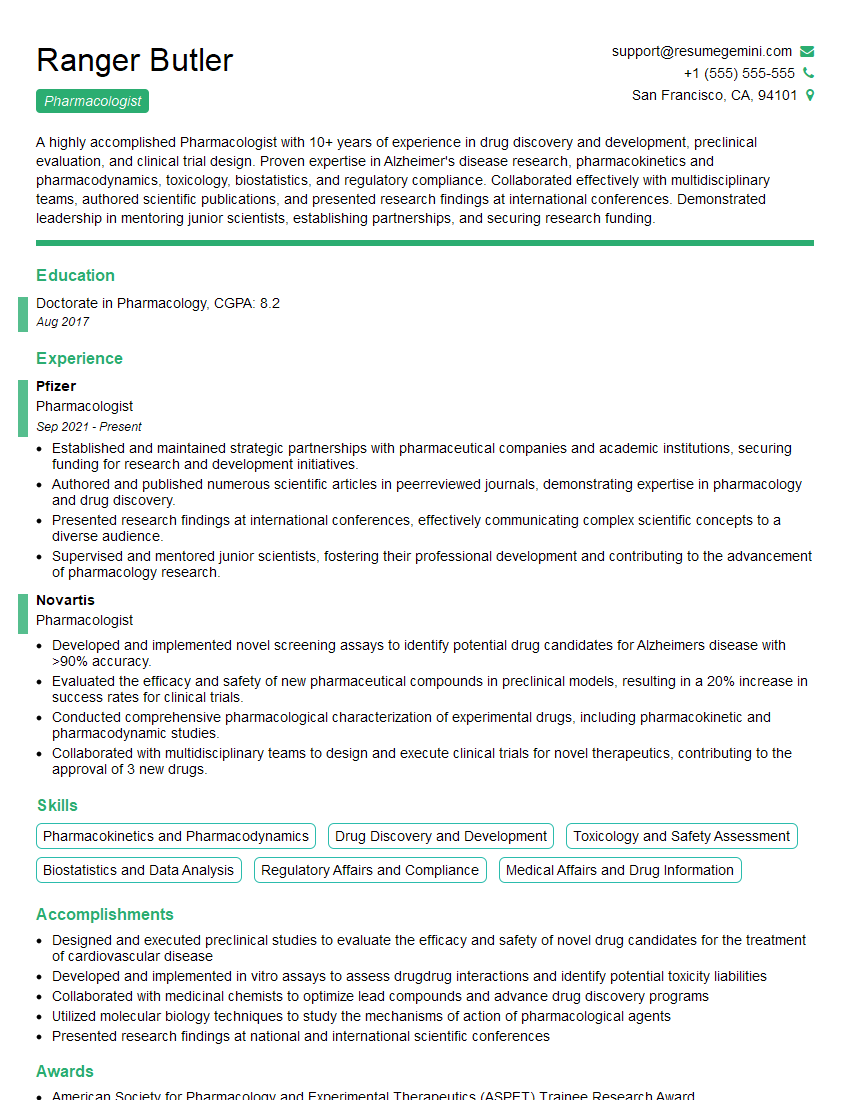
Pharmacologist Resume Sample

Principal Investigator Resume Sample

Technical Writer Resume Sample
- Laboratory Manager
- Project Manager
- Research Associate
- Regulatory Affairs Specialist
- Quality Control Analyst
- Data Analyst
- Research Scientist
- Biostatistician
- Clinical Research Associate
- Assistant Professor
- Validation Specialist
- Automation Specialist
- Laboratory Technician
- Microbiologist
- Clinical Laboratory Scientist
- Medical Technologist
- Lead Scientist
- Pharmacologist
- Principal Investigator
- Technical Writer
Explore more articles
Users Rating of Our Blogs
Share Your Experience
We value your feedback! Please rate our content and share your thoughts (optional).
What Readers Say About Our Blog
To the interviewgemini.com Webmaster.
Very helpful and content specific questions to help prepare me for my interview!
Thank you
To the interviewgemini.com Webmaster.
This was kind of a unique content I found around the specialized skills. Very helpful questions and good detailed answers.
Very Helpful blog, thank you Interviewgemini team.