Cracking a skill-specific interview, like one for Dyslipidemia Management, requires understanding the nuances of the role. In this blog, we present the questions you’re most likely to encounter, along with insights into how to answer them effectively. Let’s ensure you’re ready to make a strong impression.
Questions Asked in Dyslipidemia Management Interview
Q 1. Define dyslipidemia and its various subtypes.
Dyslipidemia is a condition characterized by abnormal levels of lipids (fats) in the blood. These lipids include cholesterol and triglycerides. Instead of thinking of it as one condition, it’s more helpful to see it as a cluster of different lipid abnormalities. The subtypes are defined by which lipid is primarily elevated or deficient. These include:
- Hypercholesterolemia: Elevated total cholesterol, often due to high LDL cholesterol.
- Hypertriglyceridemia: Elevated triglycerides.
- Low HDL cholesterolemia: Low levels of high-density lipoprotein cholesterol (HDL-C), the “good” cholesterol.
- Mixed dyslipidemia: A combination of elevated cholesterol and triglycerides, often with low HDL cholesterol. This is very common.
Understanding the specific subtype is crucial for tailoring treatment because different subtypes require different management strategies.
Q 2. Explain the role of LDL, HDL, triglycerides, and VLDL in cardiovascular disease.
The different lipid components play distinct roles in cardiovascular disease (CVD):
- LDL cholesterol (Low-density lipoprotein): Often called “bad” cholesterol, high LDL-C contributes to the formation of atherosclerotic plaques in the arteries. These plaques narrow the arteries, reducing blood flow and increasing the risk of heart attack and stroke. Think of LDL as the cholesterol that sticks to the artery walls.
- HDL cholesterol (High-density lipoprotein): Often called “good” cholesterol, HDL helps remove cholesterol from the arteries, transporting it back to the liver for excretion. HDL is like a cleanup crew, removing cholesterol buildup.
- Triglycerides: Elevated triglycerides are independently associated with an increased risk of CVD. They also contribute to the formation of atherosclerotic plaques and can increase the risk of pancreatitis.
- VLDL cholesterol (Very-low-density lipoprotein): VLDL is a precursor to LDL. High VLDL levels indicate the liver is producing too much cholesterol and triglycerides, increasing the risk of both high LDL and high triglycerides.
In essence, an imbalance favoring high LDL-C, high triglycerides, and low HDL-C significantly increases the risk of developing and progressing CVD.
Q 3. Describe the diagnostic criteria for dyslipidemia according to current guidelines.
Diagnostic criteria for dyslipidemia vary slightly based on the specific guidelines (e.g., National Cholesterol Education Program Adult Treatment Panel III [NCEP ATP III], American College of Cardiology/American Heart Association [ACC/AHA] guidelines). However, the core principle remains consistent: measuring lipid levels through a fasting lipid panel. This test typically includes total cholesterol, LDL cholesterol, HDL cholesterol, and triglycerides. Current guidelines emphasize the importance of considering individual risk factors and using risk assessment tools to determine the appropriate targets for lipid management. For instance, a patient with established CVD would have more stringent targets than someone with no CVD risk factors.
Specific thresholds for diagnosis vary and are not presented here, but rather are dependent on guidelines and patient specific factors like age and medical history. A clinician will interpret these results in the context of the patient’s risk profile to determine if treatment is necessary.
Q 4. What are the major risk factors for developing dyslipidemia?
Numerous factors increase the risk of developing dyslipidemia. These can be broadly categorized as:
- Dietary factors: A diet high in saturated and trans fats, cholesterol, and refined carbohydrates contributes significantly to elevated LDL-C and triglycerides.
- Lifestyle factors: Physical inactivity, obesity, and smoking are major risk factors.
- Genetic factors: Familial hypercholesterolemia is a genetic condition that causes significantly elevated LDL-C levels, often requiring aggressive management.
- Metabolic conditions: Diabetes, metabolic syndrome, and hypothyroidism often coexist with dyslipidemia.
- Medications: Some medications, such as certain diuretics and steroids, can elevate lipid levels.
It’s essential to understand that these factors often interact, meaning someone with a family history of hypercholesterolemia who also smokes and eats an unhealthy diet faces a much higher risk than someone with only one or two of these factors.
Q 5. Outline the initial management strategies for hypercholesterolemia.
Initial management of hypercholesterolemia always starts with lifestyle modifications, as these form the cornerstone of therapy. This includes:
- Dietary changes: Reducing saturated and trans fats, cholesterol intake, and increasing fiber and soluble fiber intake (like oatmeal). The DASH diet is often recommended.
- Weight management: Weight loss, even modest amounts, can improve lipid profiles significantly.
- Physical activity: Regular exercise (at least 150 minutes of moderate-intensity or 75 minutes of vigorous-intensity aerobic activity per week) helps lower LDL-C and raise HDL-C.
- Smoking cessation: Quitting smoking has numerous health benefits, including improving lipid levels.
If lifestyle modifications fail to achieve target lipid levels after 3-6 months, then medication is typically considered.
Q 6. Discuss the role of statins in dyslipidemia management, including indications and contraindications.
Statins are the first-line medication for most patients with hypercholesterolemia, especially those at high risk for CVD. They work by inhibiting HMG-CoA reductase, an enzyme essential for cholesterol synthesis in the liver. This results in a reduction in LDL-C, often by 20-60%, along with modest improvements in other lipids and may even have a plaque-stabilizing effect.
Indications for statin use include: established CVD, very high LDL-C levels, diabetes, and presence of multiple risk factors. The specific statin, dose, and intensity of therapy are tailored to individual patient risk and tolerability.
Contraindications are relatively few but include pregnancy, breastfeeding, active liver disease, and severe myopathy. Potential side effects include muscle aches (myalgia), which are usually mild and transient but can be serious in rare cases. Regular monitoring of liver function is recommended, particularly in the initial phase of treatment.
Q 7. Explain the use of other lipid-lowering medications (e.g., ezetimibe, PCSK9 inhibitors, fibrates).
Other lipid-lowering medications are often used in conjunction with or as an alternative to statins, particularly when statins are not tolerated or are insufficient to reach target lipid levels:
- Ezetimibe: Inhibits cholesterol absorption in the intestine, reducing LDL-C levels by approximately 15-20%. It’s often used in combination with statins.
- PCSK9 inhibitors: These injectable medications target PCSK9, a protein that degrades LDL receptors in the liver. They are highly effective at lowering LDL-C but are reserved for patients with very high risk of CVD or those who cannot tolerate or achieve target LDL-C levels with other therapies due to their cost and administration method.
- Fibrates (e.g., gemfibrozil, fenofibrate): Primarily used to lower triglycerides and raise HDL-C. They are particularly helpful for patients with hypertriglyceridemia.
The choice of additional lipid-lowering medications depends on the specific dyslipidemia subtype, the patient’s risk profile, and the response to initial therapy. Often, a combination approach is most effective.
Q 8. Describe the dietary recommendations for patients with dyslipidemia.
Dietary management is a cornerstone of dyslipidemia treatment. The goal is to reduce saturated and trans fats, increase soluble fiber, and manage overall caloric intake to achieve and maintain a healthy weight. Think of it like this: we’re aiming to ‘remodel’ the body’s lipid profile by carefully selecting the building blocks.
- Reduce Saturated and Trans Fats: These fats raise LDL cholesterol (‘bad’ cholesterol). Sources include red meat, full-fat dairy products, processed foods, and fried foods. We encourage patients to choose lean meats, low-fat dairy, and avoid or limit processed foods and fried foods.
- Increase Soluble Fiber: Soluble fiber binds to cholesterol in the digestive tract, helping to eliminate it from the body. Excellent sources include oats, barley, apples, beans, and lentils. A daily intake of 20-35 grams of fiber is generally recommended.
- Increase Unsaturated Fats: These fats, particularly monounsaturated and polyunsaturated fats, can help lower LDL and raise HDL (‘good’ cholesterol). Good sources include olive oil, avocados, nuts, and seeds.
- Limit Cholesterol Intake: Dietary cholesterol also contributes to blood cholesterol levels. We advise patients to limit their intake of foods high in cholesterol, such as egg yolks and organ meats.
- Weight Management: Obesity is strongly linked to dyslipidemia. Weight loss, even modest, can significantly improve lipid profiles. We often discuss strategies for creating a healthy calorie deficit through dietary changes and increased physical activity.
For instance, I might work with a patient to replace their usual breakfast of bacon and eggs with oatmeal with berries and nuts, a change that simultaneously reduces saturated fat and increases soluble fiber and healthy fats.
Q 9. How do you counsel patients on lifestyle modifications to improve lipid profiles?
Counseling patients on lifestyle modifications is a crucial part of dyslipidemia management. It requires a holistic approach, addressing dietary changes, increased physical activity, and stress management. It’s not just about giving instructions; it’s about empowering patients to make sustainable changes.
- Dietary Counseling: As previously discussed, we create a personalized dietary plan focusing on reducing saturated and trans fats, increasing soluble fiber and unsaturated fats, and managing weight. We often provide resources like cookbooks, websites, or referral to registered dietitians.
- Exercise Recommendations: We encourage at least 150 minutes of moderate-intensity aerobic exercise or 75 minutes of vigorous-intensity aerobic exercise per week, along with muscle-strengthening activities twice a week. We work with the patient to find activities they enjoy and can realistically incorporate into their routine. Small changes, like taking the stairs instead of the elevator or walking during lunch breaks, can accumulate over time.
- Stress Management Techniques: Stress can affect lipid levels. We discuss stress management techniques such as yoga, meditation, or mindfulness exercises. Referral to mental health professionals may be appropriate for those struggling with chronic stress.
- Smoking Cessation: Smoking significantly elevates LDL cholesterol and lowers HDL cholesterol. We strongly encourage smoking cessation and provide resources for quitting.
- Alcohol Moderation: Excessive alcohol consumption can negatively impact lipid profiles. We discuss responsible alcohol consumption guidelines.
For example, I might help a patient set realistic goals, such as increasing their daily steps by 2,000 steps per week or incorporating a 30-minute walk three times a week. We track progress, celebrate successes, and adjust strategies as needed, remembering that behavior change is a journey, not a race.
Q 10. What are the potential adverse effects of statin therapy?
Statin therapy is highly effective in lowering LDL cholesterol, but it’s not without potential side effects. These are generally mild and transient, but awareness is key for effective patient management and adherence.
- Myalgia/Myopathy: Muscle aches and pains are the most common side effects, ranging from mild discomfort to severe rhabdomyolysis (muscle breakdown). This risk is increased with higher doses and interactions with other drugs.
- Hepatotoxicity: Statins can rarely cause liver damage, indicated by elevated liver enzymes. Regular monitoring of liver function tests is crucial.
- Gastrointestinal Issues: Nausea, diarrhea, and constipation are relatively common, often resolving with continued use or dose adjustment.
- Neurological Effects: Some patients report headaches, dizziness, or memory problems. These are typically mild and transient.
- Increased risk of Diabetes: Statins may slightly increase the risk of developing type 2 diabetes. This risk is generally outweighed by their cardiovascular benefits, particularly in high-risk individuals.
- Elevated blood sugar and decreased Vitamin K levels: Statins also cause elevation of blood sugar and a reduction in Vitamin K levels
It’s essential to assess the patient’s risk factors and benefits before initiating statin therapy. Regular monitoring of liver function tests and muscle enzymes is also crucial for early detection and management of potential adverse effects.
Q 11. How do you monitor the efficacy of lipid-lowering therapy?
Monitoring the efficacy of lipid-lowering therapy involves regular assessment of lipid profiles and overall cardiovascular risk. It’s a continuous process, not a one-time event.
- Lipid Profile Monitoring: We typically measure total cholesterol, LDL cholesterol, HDL cholesterol, and triglycerides at baseline and then at regular intervals (usually every 3-6 months) after starting or adjusting therapy. The frequency of monitoring depends on the patient’s risk factors, response to therapy, and presence of complications.
- Clinical Assessment: We assess the patient for any side effects of the medication and overall cardiovascular health. This may include reviewing blood pressure, weight, and other relevant parameters. We regularly review patient adherence to lifestyle modification plans.
- Target Goals: Treatment success is judged based on achieving pre-defined lipid targets, which are individualised based on the patient’s risk profile. While there are general guidelines, optimal LDL-C goals can range from <70 mg/dL to <100 mg/dL depending on the risk. It is important to consider all cardiovascular risk factors, and the benefits need to outweigh the risks of the medication.
For instance, if a patient’s LDL cholesterol doesn’t decrease sufficiently after three months of statin therapy, we might increase the dose, add another lipid-lowering agent, or re-evaluate their adherence to lifestyle modifications. We consistently emphasize the importance of long-term adherence and regular monitoring to maximize cardiovascular health.
Q 12. How do you manage dyslipidemia in patients with diabetes?
Dyslipidemia management in patients with diabetes requires a more aggressive approach because they have an increased risk of cardiovascular disease. It’s about working in tandem with diabetes management.
- Aggressive Lipid Goals: We aim for more stringent LDL cholesterol targets in these patients, often aiming for LDL-C levels below 70 mg/dL. This is because the combination of hyperglycemia and dyslipidemia dramatically increases cardiovascular risk.
- Combination Therapy: Statin therapy is often the cornerstone, but we frequently use combination therapy, adding other lipid-lowering medications such as ezetimibe (to reduce cholesterol absorption) or PCSK9 inhibitors (to further lower LDL-C levels) if needed, depending on the level of risk and response to the initial treatment.
- Lifestyle Modifications: The importance of dietary changes, regular exercise, and weight management is magnified in this patient population. This is particularly important for blood sugar management and improving insulin sensitivity, which also influences lipid levels.
- Glycemic Control: Effective diabetes management through diet, exercise, and medications (oral or insulin) directly contributes to better lipid control. We work closely with endocrinology for optimized glycemic control.
For example, a patient with diabetes and high LDL cholesterol might start on a statin, with close monitoring of both blood glucose and lipid levels. If the LDL-C remains elevated, despite lifestyle changes, we may add ezetimibe or even consider a PCSK9 inhibitor.
Q 13. How do you manage dyslipidemia in patients with renal impairment?
Managing dyslipidemia in patients with renal impairment requires careful consideration because kidney function affects drug metabolism and excretion. We always need to check the eGFR, serum creatinine and albumin.
- Statin Choice and Dosage: Certain statins are preferentially excreted by the kidneys, so we may choose statins that are primarily metabolized by the liver. Dosage adjustments may be necessary based on the degree of renal impairment, often requiring lower doses to avoid accumulation and potential toxicity. We must carefully consider any interactions with other renal medications.
- Lipid-Lowering Agents: Other lipid-lowering agents, such as fibrates or ezetimibe, may be used as add-on therapy if needed. However, it’s important to consider their potential impact on kidney function as well.
- Monitoring: Close monitoring of renal function, lipid profiles, and for any adverse effects is crucial. We should regularly check for any worsening renal failure, any accumulation of lipid-lowering agents, or signs of rhabdomyolysis.
- Lifestyle Modifications: These remain essential, especially controlling blood pressure and weight.
For example, we might choose a statin like rosuvastatin, which is primarily hepatically metabolized, and adjust the dose downward based on the patient’s estimated glomerular filtration rate (eGFR). We might also closely monitor creatinine levels to detect any potential renal toxicity.
Q 14. How do you manage dyslipidemia in patients with hepatic impairment?
Managing dyslipidemia in patients with hepatic impairment requires a cautious approach due to the liver’s role in drug metabolism. The severity of the hepatic impairment will dictate the approach, and we always need to check ALT, AST, Bilirubin levels and the severity of the hepatic impairment.
- Statin Selection and Dosage: Statins are metabolized primarily by the liver, so their use in patients with hepatic impairment requires careful consideration. Some statins, like simvastatin, are extensively metabolized in the liver and should often be avoided or used at very low doses. We usually opt for statins with less hepatic metabolism, such as rosuvastatin or pravastatin, with close monitoring of liver function tests. A reduction in the statin dose is usually needed.
- Alternative Lipid-Lowering Agents: If statins are contraindicated or poorly tolerated, we might consider fibrates or ezetimibe. However, these drugs can also cause hepatotoxicity, so close monitoring is necessary.
- Close Monitoring: Regular monitoring of liver function tests is essential to detect any signs of hepatotoxicity. Dose reduction or cessation of the medication may be required based on these tests.
- Lifestyle Modifications: These play a critical role in managing dyslipidemia and are often adjusted based on the patient’s tolerance.
For example, a patient with mild hepatic impairment might be started on a low dose of pravastatin with close monitoring of liver function tests. If the patient develops elevated liver enzymes, the dose might be reduced or the medication stopped. In patients with severe hepatic impairment, statin therapy may be contraindicated altogether.
Q 15. Discuss the role of non-pharmacological interventions in managing dyslipidemia.
Non-pharmacological interventions are crucial for managing dyslipidemia, often forming the cornerstone of treatment, especially in milder cases or as adjuncts to medication. They focus on lifestyle modifications aimed at improving lipid profiles naturally.
- Dietary changes: This involves reducing saturated and trans fats, cholesterol intake, and increasing soluble fiber (found in oats, beans, apples). For example, swapping fried foods for grilled or baked options and choosing lean protein sources significantly impacts LDL cholesterol. A Mediterranean diet rich in fruits, vegetables, and healthy fats is highly recommended.
- Weight management: Even modest weight loss can substantially improve lipid profiles. Losing just 5-10% of body weight often leads to noticeable reductions in LDL cholesterol and triglycerides, while increasing HDL cholesterol. This can involve a combination of diet and exercise.
- Physical activity: Regular exercise, at least 150 minutes of moderate-intensity or 75 minutes of vigorous-intensity aerobic activity per week, is vital. Exercise not only improves lipid profiles but also reduces overall cardiovascular risk. Activities like brisk walking, swimming, or cycling are beneficial.
- Smoking cessation: Smoking significantly increases LDL cholesterol and decreases HDL cholesterol. Quitting smoking is one of the most impactful lifestyle changes a person can make to improve their lipid profile and overall health.
- Stress management: Chronic stress can negatively impact lipid levels. Stress reduction techniques like yoga, meditation, or deep breathing exercises can be incorporated to manage stress and improve lipid profiles.
Successfully implementing these lifestyle changes requires a collaborative approach between healthcare professionals and patients, often involving dietary counseling, exercise programs, and psychological support.
Career Expert Tips:
- Ace those interviews! Prepare effectively by reviewing the Top 50 Most Common Interview Questions on ResumeGemini.
- Navigate your job search with confidence! Explore a wide range of Career Tips on ResumeGemini. Learn about common challenges and recommendations to overcome them.
- Craft the perfect resume! Master the Art of Resume Writing with ResumeGemini’s guide. Showcase your unique qualifications and achievements effectively.
- Don’t miss out on holiday savings! Build your dream resume with ResumeGemini’s ATS optimized templates.
Q 16. Explain the importance of cardiovascular risk assessment in dyslipidemia management.
Cardiovascular risk assessment is paramount in dyslipidemia management because dyslipidemia is a major risk factor for cardiovascular disease (CVD), including heart attack and stroke. A comprehensive assessment helps determine the individual’s overall risk and guides treatment decisions.
This assessment typically involves:
- Lipid profile: Measuring total cholesterol, LDL cholesterol, HDL cholesterol, and triglycerides.
- Blood pressure: Hypertension is a significant risk factor, often coexisting with dyslipidemia.
- Smoking status: Smoking dramatically increases CVD risk.
- Diabetes mellitus: Diabetes substantially elevates CVD risk.
- Family history of CVD: A strong family history increases the likelihood of developing CVD.
- Age and gender: Risk increases with age, and men generally face a higher risk than women before menopause.
Risk assessment tools, such as the Framingham Risk Score or the Reynolds Risk Score, help quantify the individual’s 10-year risk of developing atherosclerotic cardiovascular disease. This helps determine the intensity of treatment needed—a higher risk necessitates more aggressive intervention, including medication, while a lower risk may allow for lifestyle modification to be the primary treatment approach.
Q 17. What are the current guidelines for managing familial hypercholesterolemia?
Familial hypercholesterolemia (FH) is a genetic disorder causing significantly elevated LDL cholesterol levels, leading to premature CVD. Management requires a multi-faceted approach:
- Lifestyle modifications: While essential, lifestyle changes alone are usually insufficient to achieve target LDL cholesterol levels in FH.
- Pharmacological therapy: Statins are the cornerstone of FH treatment. High-intensity statins are typically recommended, and if LDL targets are not reached, ezetimibe (which inhibits cholesterol absorption) or PCSK9 inhibitors (which reduce LDL-C production) may be added.
- Regular monitoring: Lipid levels, blood pressure, and cardiovascular health need consistent monitoring. Regular check-ups are crucial to ensure treatment effectiveness and adjust strategies as needed.
- Genetic counseling and cascade screening: Identifying and managing FH in family members is vital to prevent premature CVD in relatives. Genetic testing can identify those at risk.
- Apheresis: For individuals with extremely high LDL levels despite maximal medical therapy, LDL apheresis (a procedure to remove LDL cholesterol from the blood) can be considered.
The specific guidelines vary slightly depending on the specific clinical guidelines (e.g., ACC/AHA, European guidelines), the severity of the FH, and the presence of comorbidities. However, the overall principles of aggressive lipid-lowering therapy and careful monitoring remain constant.
Q 18. How do you differentiate between primary and secondary dyslipidemia?
Primary dyslipidemia refers to elevated lipid levels caused by genetic or metabolic factors without any underlying disease. Secondary dyslipidemia, on the other hand, is caused by another medical condition or medication.
Primary Dyslipidemia: This is often familial, meaning it runs in families. Examples include familial hypercholesterolemia (FH), familial combined hyperlipidemia (FCHL), and other genetic disorders impacting lipid metabolism. The root cause is an inherent defect in lipid metabolism.
Secondary Dyslipidemia: This is induced by other medical issues or medications. Examples include:
- Diabetes mellitus: Often leads to increased triglycerides and decreased HDL cholesterol.
- Hypothyroidism: Can cause elevated cholesterol.
- Kidney disease: Frequently associated with dyslipidemia.
- Certain medications: Some medications like some diuretics or beta-blockers can affect lipid profiles.
- Obesity: Often contributes to elevated triglycerides and low HDL cholesterol.
Differentiating between primary and secondary dyslipidemia requires a comprehensive history, physical examination, and laboratory investigations. Addressing the underlying condition in secondary dyslipidemia often improves the lipid profile.
Q 19. Describe the role of genetic testing in the diagnosis of dyslipidemia.
Genetic testing plays a crucial role in diagnosing dyslipidemia, especially in cases of suspected familial hypercholesterolemia (FH). While lipid profiles are essential, genetic testing confirms the underlying genetic cause.
Genetic testing helps identify specific gene mutations associated with FH (most commonly, mutations in the LDLR, APOB, or PCSK9 genes). This allows for earlier diagnosis, enabling timely intervention and targeted treatment strategies.
For instance, identifying a specific mutation in the LDLR gene can confirm a diagnosis of FH even if the patient’s LDL cholesterol is only moderately elevated. It also assists in cascade screening, identifying other family members who may carry the mutation and be at risk of developing FH.
However, genetic testing isn’t always necessary in all dyslipidemia cases. Its use is mainly indicated when there’s a strong suspicion of FH based on clinical presentation (high LDL-C levels, early-onset CVD, family history). It also helps to guide treatment decisions when considering more aggressive therapies.
Q 20. What are some common challenges encountered in managing dyslipidemia?
Managing dyslipidemia presents several challenges:
- Patient adherence: Lifestyle modifications (diet, exercise) require significant commitment and can be difficult to maintain long-term. Medication adherence can also be an issue due to side effects or lack of perceived benefit.
- Side effects of medications: Statins, the most commonly used lipid-lowering drugs, can have side effects, such as muscle aches (myalgia), which can lead to non-adherence.
- Comorbidities: Many patients with dyslipidemia also have other conditions (e.g., diabetes, hypertension), making management complex and requiring coordinated care.
- Cost of medications: The cost of lipid-lowering medications, particularly newer agents like PCSK9 inhibitors, can be substantial, impacting access to treatment.
- Limited access to care: Individuals in underserved communities may have limited access to healthcare professionals, diagnostic testing, and medications.
Addressing these challenges requires a multi-pronged approach involving patient education, counseling, support groups, careful medication selection, and addressing any barriers to access to care.
Q 21. How do you assess patient adherence to medication and lifestyle changes?
Assessing patient adherence to medication and lifestyle changes is crucial for successful dyslipidemia management. This involves a combination of methods:
- Medication adherence: This can be assessed through pill counts, electronic monitoring devices, and patient self-reporting. Laboratory tests to monitor lipid levels also indirectly assess medication effectiveness and adherence.
- Lifestyle adherence: This requires a more holistic approach. Regular follow-up appointments provide opportunities to discuss adherence to diet, exercise, and other lifestyle modifications. Dietary recalls or food diaries can help assess dietary adherence. Tracking physical activity using fitness trackers or self-reporting can monitor exercise habits. Regular feedback and encouragement are vital.
- Patient engagement: Enhancing patient engagement through shared decision-making improves adherence. Addressing patient concerns, educating them about the importance of treatment, and tailoring the plan to their lifestyle can significantly enhance adherence.
It’s important to approach this assessment with empathy and understanding. Non-adherence is often due to understandable reasons, such as side effects, cost concerns, or lack of support. Identifying and addressing these barriers is key to improving adherence.
Q 22. What are the current recommendations for screening for dyslipidemia?
Screening for dyslipidemia aims to identify individuals at risk for cardiovascular disease (CVD) due to abnormal lipid levels. Current recommendations vary slightly depending on the guidelines followed (e.g., ACC/AHA, European Society of Cardiology), but generally involve a lipid profile assessment at specific intervals. These recommendations are often stratified by age, risk factors, and pre-existing conditions.
- Adults aged 20-35 years with no risk factors: Screening is generally not routinely recommended unless there’s a family history of premature CVD or other risk factors.
- Adults aged 35-45 years: Screening should be considered, particularly if risk factors are present (such as smoking, hypertension, diabetes, obesity, or family history of premature CVD).
- Adults aged 45 years and older: Screening is recommended periodically.
- Individuals with known CVD or risk factors: Lipid profile should be checked more frequently and intensely, often annually, regardless of age.
The lipid profile typically includes measurements of total cholesterol, LDL cholesterol (‘bad’ cholesterol), HDL cholesterol (‘good’ cholesterol), and triglycerides.
It’s crucial to remember that screening is just the first step. Abnormal results warrant further evaluation and management, possibly including lifestyle modifications and/or medication.
Q 23. Explain the concept of residual risk in dyslipidemia management.
Residual risk refers to the persistent risk of cardiovascular events (like heart attack or stroke) in patients with dyslipidemia even after achieving optimal LDL cholesterol levels with statin therapy. This means that despite treatment, some individuals still have a higher risk than the general population.
Several factors contribute to residual risk, including:
- Non-LDL cholesterol particles: Small, dense LDL particles are particularly atherogenic, even when overall LDL cholesterol is within target ranges.
- Inflammation: Chronic inflammation plays a significant role in atherosclerosis progression, regardless of cholesterol levels.
- Other risk factors: Uncontrolled hypertension, diabetes, smoking, obesity, and family history independently increase CVD risk.
- Genetic predisposition: Some individuals have a genetic predisposition to higher CVD risk, despite treatment.
Managing residual risk involves a comprehensive approach beyond just LDL-C targets, focusing on addressing other modifiable risk factors like lifestyle changes, blood pressure control, blood sugar management, and potentially using non-statin therapies such as PCSK9 inhibitors or ezetimibe.
Q 24. How do you interpret lipid profiles, including cholesterol and triglyceride levels?
Interpreting lipid profiles requires understanding the significance of each component:
- Total Cholesterol: A high total cholesterol level (>200 mg/dL) indicates an increased risk of CVD. However, it’s essential to look at the individual components to determine the specific risk.
- LDL Cholesterol: ‘Bad’ cholesterol; high levels increase CVD risk. Optimal levels are generally <100 mg/dL for high-risk individuals, and <70 mg/dL for very high-risk individuals.
- HDL Cholesterol: ‘Good’ cholesterol; high levels are protective against CVD. Levels above 60 mg/dL are considered protective.
- Triglycerides: High levels (>150 mg/dL) are associated with increased CVD risk and pancreatitis. Very high levels can significantly increase risk of pancreatitis.
Interpretation is not based solely on isolated numbers; it requires considering the patient’s overall clinical picture, including age, other risk factors, and the presence of other conditions. For example, a person with diabetes might have different target levels than a healthy individual. The risk assessment is holistic, not just based on the lipid profile.
Q 25. Discuss the role of inflammation in the pathogenesis of atherosclerosis.
Inflammation is a crucial player in the pathogenesis of atherosclerosis. It’s not merely a consequence but an active participant in the process.
The process begins with endothelial dysfunction (damage to the inner lining of the arteries). This triggers an inflammatory response, leading to the recruitment of immune cells like monocytes and macrophages into the arterial wall. These cells ingest oxidized LDL cholesterol, transforming into foam cells that contribute to the formation of fatty streaks.
The inflammatory response continues, leading to the development of atherosclerotic plaques. These plaques are unstable and prone to rupture, which can cause thrombus formation (blood clot), leading to heart attack or stroke.
Markers of inflammation, such as high-sensitivity C-reactive protein (hs-CRP), are often used to assess CVD risk, even in patients with seemingly controlled cholesterol levels. This highlights the importance of considering inflammation in the overall management of atherosclerosis.
Q 26. What are the emerging trends in dyslipidemia management?
Several emerging trends are shaping dyslipidemia management:
- Personalized medicine: Genetic testing and advanced lipid profiling are enabling more tailored treatment approaches, targeting specific lipid subfractions and individual risk profiles.
- Focus on non-LDL cholesterol particles: Increased attention is paid to managing small, dense LDL particles and other atherogenic lipoproteins, beyond just LDL-C levels.
- Combination therapies: Using multiple medications (e.g., statins, PCSK9 inhibitors, ezetimibe) is increasingly common to reach treatment goals in high-risk patients.
- New drug developments: Research continues to explore novel therapies that target specific aspects of lipid metabolism and inflammation.
- Emphasis on lifestyle interventions: The importance of lifestyle modifications, such as diet and exercise, remains paramount. These are often the first line of defense and significantly contribute to overall CVD risk reduction.
These trends emphasize a shift from a simplistic, single-target approach to a more holistic and personalized strategy, aiming to address multiple aspects of CVD risk.
Q 27. Describe a case where you had to manage a challenging case of dyslipidemia.
I recall a patient, a 58-year-old male with a family history of premature CVD, who presented with severely elevated triglycerides (over 1000 mg/dL) and very low HDL cholesterol. He was also diabetic and hypertensive, putting him at extremely high risk. His LDL cholesterol was moderately elevated despite being on a statin.
The challenge was to manage his severe hypertriglyceridemia, which was causing him significant discomfort and placing him at immediate risk of pancreatitis. Simply increasing his statin dose wasn’t sufficient, given the extreme triglyceride levels.
My approach involved a stepwise strategy:
- Aggressive lifestyle modifications: Dietary changes with strict triglyceride reduction, increased physical activity, and weight management were emphasized.
- Fibrates: We initiated fibrate therapy to specifically target his hypertriglyceridemia.
- Omega-3 fatty acids: Supplementation was added to further help lower triglycerides.
- Close monitoring: Frequent lipid profile monitoring, along with regular assessments of his blood sugar and blood pressure, was vital to adjust the treatment plan as needed.
Through this multi-pronged approach, we successfully lowered his triglycerides to a safer range, reducing his immediate risk of pancreatitis. This case highlighted the importance of tailoring treatment based on individual needs and considering the interplay between various risk factors. He also benefited greatly from regular follow-ups where we helped guide his lifestyle changes through shared decision-making.
Key Topics to Learn for Dyslipidemia Management Interview
- Pathophysiology of Dyslipidemia: Understanding the different types of dyslipidemia (hypercholesterolemia, hypertriglyceridemia, etc.), their underlying mechanisms, and associated risk factors.
- Diagnostic Approaches: Mastering lipid profile interpretation, including LDL-C, HDL-C, triglycerides, and non-HDL-C. Knowing when to order additional testing and interpreting those results.
- Lifestyle Modifications: Discuss the role of diet (e.g., Mediterranean diet), exercise, and weight management in dyslipidemia management. Be prepared to discuss practical strategies for patient education and adherence.
- Pharmacotherapy: Thoroughly understand the different classes of lipid-lowering medications (statins, ezetimibe, fibrates, PCSK9 inhibitors), their mechanisms of action, indications, contraindications, adverse effects, and monitoring parameters. Be ready to discuss treatment algorithms and appropriate medication selection based on patient-specific factors.
- Risk Stratification and Cardiovascular Risk Assessment: Discuss the use of risk calculators and the importance of assessing individual patient risk to determine the intensity of therapy.
- Patient Counseling and Adherence: Discuss strategies for effective patient communication and addressing common barriers to medication adherence.
- Monitoring and Treatment Adjustments: Explain the importance of regular monitoring of lipid levels and adjusting treatment based on response and side effects.
- Special Populations: Understand the unique considerations for managing dyslipidemia in specific populations, such as pregnant women, children, and patients with specific comorbidities (e.g., diabetes).
- Current Guidelines and Research: Stay updated on the latest clinical guidelines and research findings related to dyslipidemia management. Be able to discuss controversies and evolving best practices.
- Case Study Analysis: Practice analyzing case studies to develop differential diagnoses, treatment plans, and monitor patient progress. This allows for demonstrating your problem-solving skills.
Next Steps
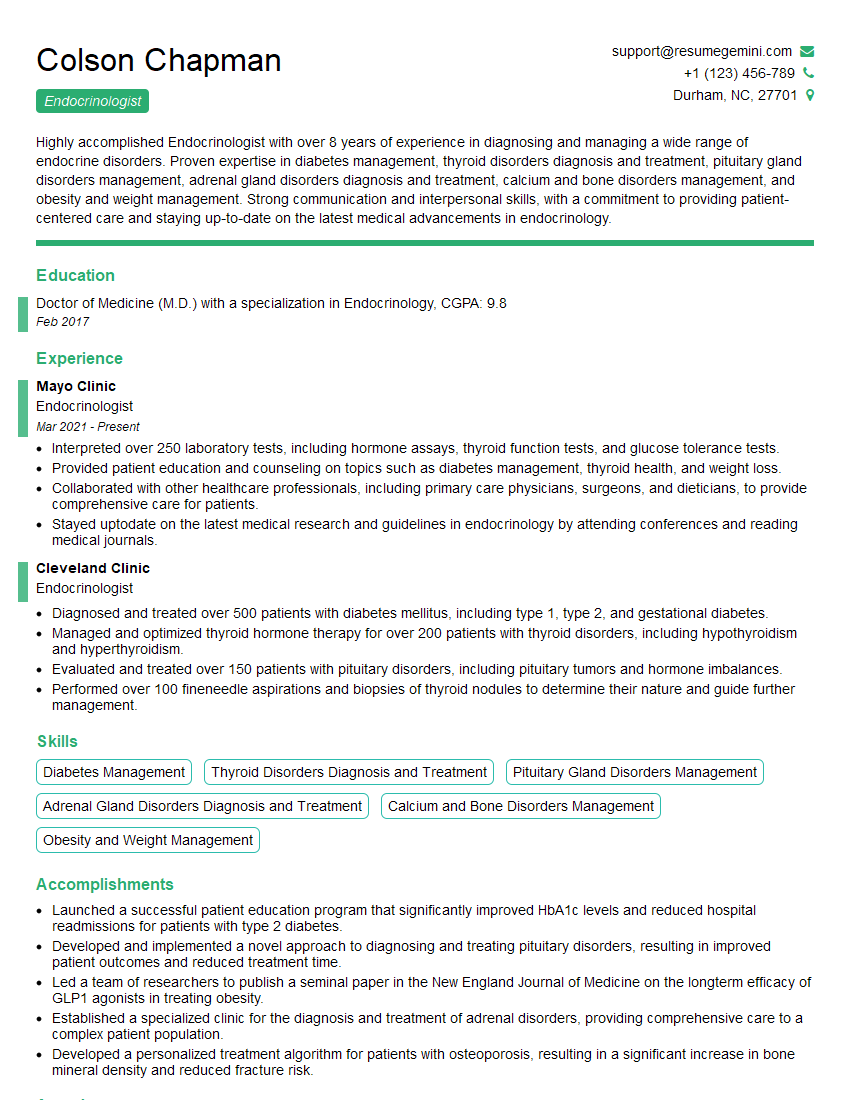
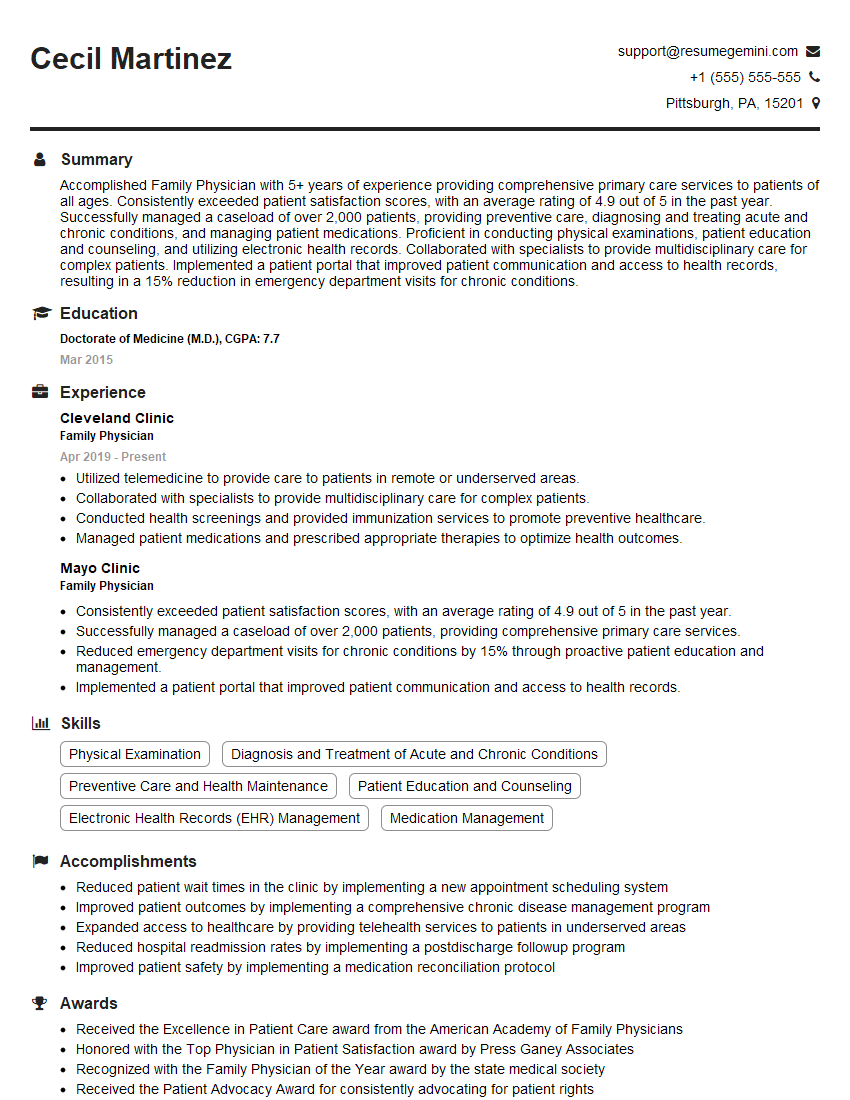
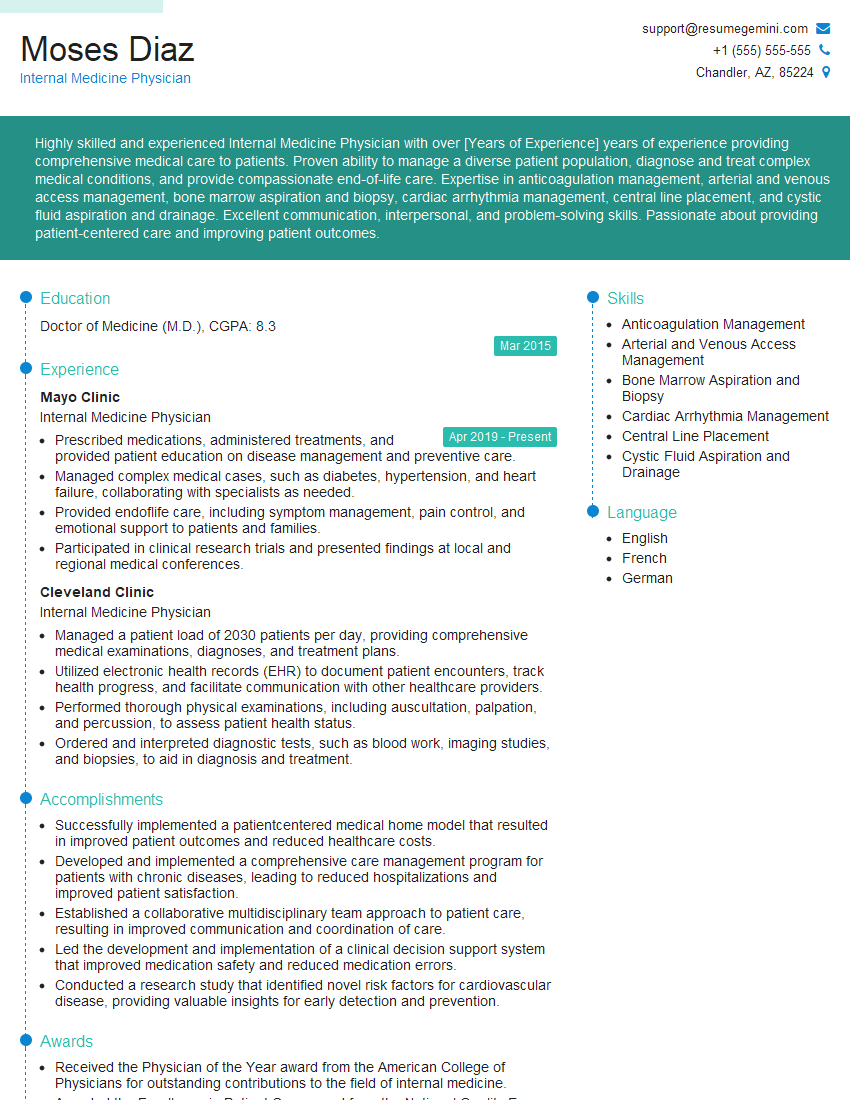
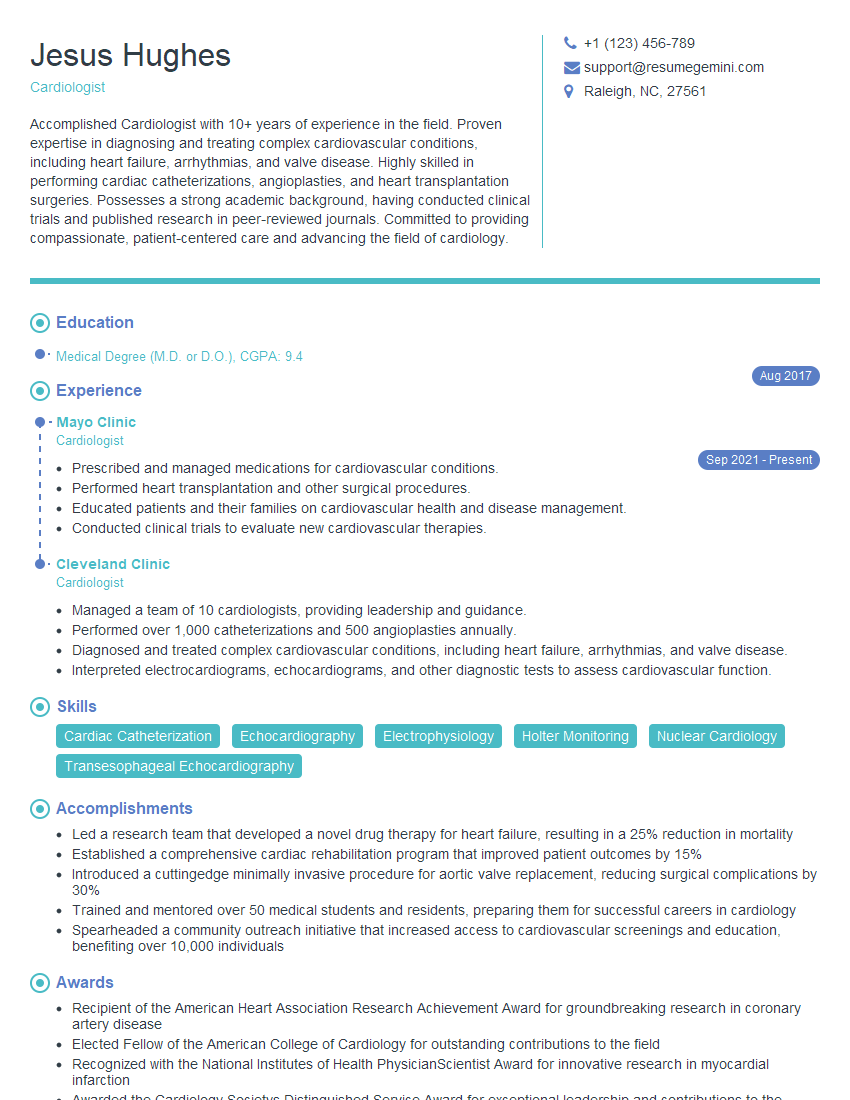
Mastering dyslipidemia management is crucial for career advancement in healthcare, opening doors to specialized roles and increased responsibility. A strong resume is key to showcasing your expertise. Building an ATS-friendly resume significantly improves your chances of getting noticed by recruiters. ResumeGemini is a trusted resource to help you create a compelling and effective resume. We provide examples of resumes tailored to Dyslipidemia Management to help you get started. Take the next step toward your dream career – start crafting your perfect resume today!
Explore more articles
Users Rating of Our Blogs
Share Your Experience
We value your feedback! Please rate our content and share your thoughts (optional).
What Readers Say About Our Blog
To the interviewgemini.com Webmaster.
Very helpful and content specific questions to help prepare me for my interview!
Thank you
To the interviewgemini.com Webmaster.
This was kind of a unique content I found around the specialized skills. Very helpful questions and good detailed answers.
Very Helpful blog, thank you Interviewgemini team.