The right preparation can turn an interview into an opportunity to showcase your expertise. This guide to Ecological Monitoring and Assessment interview questions is your ultimate resource, providing key insights and tips to help you ace your responses and stand out as a top candidate.
Questions Asked in Ecological Monitoring and Assessment Interview
Q 1. Describe your experience with different ecological monitoring methodologies.
My experience spans a wide range of ecological monitoring methodologies, encompassing both field-based and remote sensing techniques. In terrestrial ecosystems, I’ve extensively used vegetation surveys, employing methods like quadrat sampling to assess plant species composition and abundance. This involves establishing plots of a defined size, identifying and counting all plants within, and calculating indices like species richness and diversity. For animal populations, I’ve employed mark-recapture techniques, camera trapping, and acoustic monitoring, tailoring the approach to the specific species and habitat. In aquatic systems, I’ve utilized water quality monitoring, including measuring parameters like dissolved oxygen, pH, and nutrient levels, along with benthic macroinvertebrate sampling to assess water health. Remote sensing methods, such as analyzing satellite imagery and aerial photography, have played a crucial role in large-scale habitat mapping and change detection. For example, I used NDVI (Normalized Difference Vegetation Index) derived from satellite data to monitor vegetation health over several years in a grassland restoration project.
- Quadrat Sampling: A fundamental technique for measuring plant community structure.
- Mark-Recapture: Estimating animal population sizes by capturing, marking, and recapturing individuals.
- Remote Sensing: Using satellite and aerial imagery for habitat mapping and change detection.
Q 2. Explain the importance of statistical analysis in ecological monitoring data.
Statistical analysis is the cornerstone of robust ecological monitoring. Raw data alone tells only a partial story; statistical methods are essential to reveal meaningful patterns and trends, test hypotheses, and draw reliable conclusions. For example, imagine monitoring bird populations across different habitat types. Simple counts alone won’t reveal whether the differences are statistically significant or due to random variation. Statistical tests like ANOVA (Analysis of Variance) can determine if there are significant differences in bird abundance between habitats. Similarly, regression analysis helps model the relationship between environmental variables (like rainfall) and ecological responses (like plant growth). Time series analysis is crucial for detecting temporal trends, such as population fluctuations or the impact of environmental changes over time. Without statistical rigor, ecological conclusions risk being subjective and potentially misleading.
Specifically, I use various statistical techniques including t-tests, ANOVA, regression analysis, time series analysis, and multivariate analysis techniques like PCA (Principal Component Analysis) and ordination methods to analyze ecological data. Understanding the assumptions underlying each test is critical for ensuring the validity of the results. Correct interpretation of confidence intervals and p-values is also crucial to avoid misinterpretations.
Q 3. How do you ensure the accuracy and precision of your ecological data collection?
Accuracy and precision are paramount in ecological data collection. I employ several strategies to ensure both. Firstly, rigorous training of field crews is essential. This includes standardized protocols for data collection, including detailed instructions on sampling methods, species identification, and data recording. Secondly, quality control measures are implemented throughout the data collection process. This involves regular calibration of equipment (e.g., pH meters, water samplers), duplicate measurements to assess variability, and blind samples to evaluate technician performance. Thirdly, appropriate sample sizes are crucial to ensure statistical power. Using established methods and sample size calculations ensures results are not influenced by small sample sizes and random variation. Finally, data entry is double-checked to minimize errors. In cases where automated data collection is used (e.g., weather stations), regular checks for malfunctioning sensors and data logging issues are also performed. Employing these measures reduces errors and improves the reliability of the data.
Q 4. What are the key indicators you monitor in a terrestrial ecosystem?
The key indicators I monitor in terrestrial ecosystems vary depending on the specific objectives of the monitoring program, but generally include:
- Vegetation characteristics: Species composition, abundance, biomass, cover, and structure (e.g., height, density). Indices like the Shannon diversity index are commonly used to quantify biodiversity.
- Soil properties: Moisture content, organic matter, nutrient levels (e.g., nitrogen, phosphorus), pH, and erosion rates. Soil health directly impacts the rest of the ecosystem.
- Animal populations: Abundance, distribution, and diversity of various animal groups (e.g., birds, mammals, insects). Presence/absence data is useful for detecting changes in species occurrence.
- Climate variables: Temperature, precipitation, wind speed, and solar radiation. Long-term climate data is essential for understanding the impact of climate change.
- Disturbance events: Evidence of wildfires, floods, insect outbreaks, or human impacts (e.g., deforestation, habitat fragmentation). Understanding disturbances is crucial for assessing ecosystem resilience.
For example, in a forest monitoring project, I might focus on tree diameter at breast height (DBH), tree density, species richness, and understory vegetation cover to track forest health and growth.
Q 5. How do you handle missing data in ecological datasets?
Missing data is a common challenge in ecological datasets, often due to equipment malfunctions, logistical difficulties, or inaccessibility of sampling sites. Ignoring missing data can bias results, so careful consideration of how to handle it is crucial. The best approach depends on the extent and pattern of missing data. For small amounts of missing data (<5%), simple deletion might be acceptable, especially if data is missing completely at random (MCAR). However, this method is not appropriate for larger amounts of missing data, as it may lead to loss of power and biased estimates. For larger datasets with missing data not MCAR (Missing at Random - MAR or Missing Not at Random - MNAR), more sophisticated techniques are needed. These include imputation methods, such as mean imputation (replacing missing values with the mean of the available data), regression imputation (predicting missing values based on relationships with other variables), or multiple imputation (creating multiple plausible datasets with different imputed values to assess variability). The choice of method depends on the data characteristics and the potential biases introduced. A sensitivity analysis is often conducted to assess the impact of the missing data handling method on the final results.
Q 6. What software packages are you proficient in for ecological data analysis?
I am proficient in several software packages for ecological data analysis. My primary tool is R, a powerful and versatile open-source statistical software with a wealth of ecological packages such as vegan (for community ecology analysis), lme4 (for mixed-effects models), and ggplot2 (for data visualization). I also have experience with other software including SPSS for statistical analysis and ArcGIS for GIS analysis. My choice of software depends on the specific needs of the project, but R’s flexibility and extensive libraries make it my go-to platform for most ecological data analysis tasks.
Q 7. Describe your experience with GIS and its application in ecological monitoring.
GIS (Geographic Information Systems) is an indispensable tool in ecological monitoring. It allows for spatial visualization and analysis of ecological data, providing insights that are impossible to obtain with tabular data alone. For example, I’ve used GIS to map species distributions, identify habitat fragmentation, model species habitat suitability, and assess the impacts of land-use change on biodiversity. I’m proficient in ArcGIS, using its tools for data management, spatial analysis, and map creation. Remote sensing data (e.g., satellite imagery) is often integrated into GIS workflows. For instance, I have used GIS to overlay land cover maps derived from satellite imagery with field-based vegetation survey data to create a comprehensive picture of vegetation patterns and their relationship with environmental variables. The spatial analysis capabilities of GIS are invaluable for understanding spatial patterns and processes in ecological systems, providing a powerful means for ecological monitoring and management.
Q 8. Explain your understanding of spatial autocorrelation and its implications.
Spatial autocorrelation describes the degree to which nearby locations in a dataset exhibit similar values. Imagine a map showing soil pH: areas close together will likely have more similar pH levels than areas far apart. This similarity isn’t random; it’s due to underlying spatial processes like soil formation or drainage patterns. In ecological monitoring, ignoring spatial autocorrelation can lead to flawed statistical analyses. For instance, if we sample only a few widely separated locations and find no apparent trend in species richness, we might incorrectly conclude that habitat quality is uniform. However, high spatial autocorrelation within those limited samples could mask significant local variation.
Implications are significant. Ignoring it inflates the degrees of freedom in statistical tests, leading to falsely high probabilities of rejecting the null hypothesis (Type I error – concluding there’s a difference when none exists). Conversely, if we don’t account for it in our sampling design and analysis, we can miss real patterns or underestimate variability. Appropriate statistical techniques, such as geographically weighted regression or spatial generalized linear mixed models, must be used to account for spatial autocorrelation in ecological data analysis.
Q 9. How do you assess the effectiveness of conservation efforts using monitoring data?
Assessing conservation effectiveness requires a robust monitoring program with clearly defined objectives and metrics. We need to compare pre- and post-intervention data to determine if the conservation actions have yielded the desired outcomes. For example, if a protected area is established to boost a threatened bird species’ population, we need to monitor population size, nesting success, and habitat quality before and after implementation. We can use statistical methods such as t-tests or ANOVA to compare these metrics.
Trend analysis is crucial; we look for positive trends indicating success, or plateaus or even negative trends indicating the need for adaptive management. It’s also important to consider other factors that might influence the results – for example, climate change, disease outbreaks, or human activities outside the protected area. We can incorporate these factors into more complex models, like time-series analysis. We also need to consider the spatial scale at which the conservation effort is operating; localized successes might not reflect broader regional impacts.
Ultimately, the effectiveness of conservation efforts is measured by whether the intended ecological outcomes are achieved within acceptable uncertainties and at an appropriate scale.
Q 10. What are the ethical considerations in ecological monitoring and assessment?
Ethical considerations in ecological monitoring and assessment are paramount. They span data collection, analysis, interpretation, and dissemination.
- Informed Consent and Stakeholder Engagement: Involving local communities and Indigenous peoples in monitoring projects is critical. They possess invaluable traditional ecological knowledge (TEK) and their rights and perspectives must be respected.
- Minimizing Disturbance: We must minimize the impact of our monitoring activities on the ecosystems we study, avoiding harm to plants, animals, or habitats. Ethical trapping and handling procedures are essential for faunal studies.
- Data Transparency and Integrity: Maintaining rigorous data quality control and ensuring data transparency promotes trust and accountability. Avoiding bias in data collection and analysis is vital.
- Data Ownership and Access: Clarifying ownership of data and ensuring equitable access for all stakeholders is important. Appropriate sharing agreements and data management plans are necessary.
- Beneficial Use of Data: Monitoring data should be used to inform conservation decisions that benefit the environment and the people who depend on it. This means that findings need to be disseminated effectively and used for improved management decisions.
Ignoring ethical considerations can undermine the credibility and validity of ecological monitoring, leading to flawed management decisions with potentially harmful ecological and social consequences.
Q 11. Describe your experience with remote sensing techniques and their use in environmental monitoring.
Remote sensing techniques, using satellite and airborne platforms, have revolutionized ecological monitoring. I have extensive experience using various types of remote sensing data, including multispectral, hyperspectral, and LiDAR. Multispectral imagery, for example from Landsat or Sentinel satellites, allows us to map vegetation cover, assess forest health, and monitor land use change. Hyperspectral data provides much finer spectral detail, enabling us to identify specific plant species and assess their physiological condition.
LiDAR (Light Detection and Ranging) is particularly useful for generating high-resolution 3D models of landscapes. This data allows us to accurately measure forest canopy height, estimate biomass, and assess habitat complexity. For example, I used LiDAR data to assess the impact of a wildfire on forest structure in a national park, quantifying changes in tree density and canopy height over time. In another project, I used satellite imagery to monitor the spread of an invasive plant species across a large wetland area, identifying areas requiring immediate intervention. This approach reduces the need for extensive and potentially disruptive field surveys, enabling monitoring of large and remote areas efficiently and cost-effectively.
Q 12. How do you interpret ecological indices and metrics?
Ecological indices and metrics are quantitative measures that summarize complex ecological information. They’re crucial for tracking ecosystem health and responses to environmental change. Interpretation depends on the specific index and the context. For example, the Shannon diversity index measures species richness and evenness. A high Shannon index suggests a diverse, healthy community, while a low index suggests a community with low diversity, possibly indicating stress or degradation.
We interpret these indices not in isolation but by comparing them to reference sites (representing minimally disturbed conditions), historical data, or predicted values from models. Statistical tests help determine if observed differences in indices are significant. For example, I’ve used the Simpson diversity index to compare fish communities in rivers upstream and downstream of a dam, finding significantly lower diversity downstream, indicating the negative impacts of dam construction. The key is to understand the index’s limitations. For example, simple species richness might not reflect the functional diversity or interactions within a community.
Interpreting ecological indices always requires considering both the statistical significance and the ecological relevance. We need to understand the factors influencing index values and the implications of changes in those values for ecosystem function and services.
Q 13. Explain the difference between qualitative and quantitative ecological data.
Qualitative and quantitative data represent different aspects of ecological information. Quantitative data are numerical measurements, readily analyzed statistically. Examples include species abundance, water temperature, or soil nutrient levels. These data lend themselves to statistical analysis for identifying trends and relationships.
Qualitative data, on the other hand, describe qualities or characteristics. Examples include descriptions of habitat structure (“dense forest,” “open grassland”), species interactions (“predator-prey relationship”), or observations of animal behavior (“migratory patterns”). These data are valuable for providing context, generating hypotheses, and understanding the nuances of ecological processes, but typically require different analytical approaches such as content analysis or thematic coding.
Often, a combined approach using both qualitative and quantitative data yields the most comprehensive understanding of an ecological system. For example, I’ve used quantitative data on water quality to assess the health of a river and combined it with qualitative data on riparian vegetation and human land use to provide a more nuanced understanding of the factors affecting water quality.
Q 14. How do you determine the appropriate sampling design for an ecological study?
Choosing the right sampling design is crucial for the success of any ecological study. The design depends on several factors, including the research question, the spatial scale of the study, the resources available, and the characteristics of the study system. Several common designs exist.
- Random Sampling: Each location in the study area has an equal chance of being selected. This is useful for unbiased estimation of population parameters when there’s little prior knowledge about the spatial distribution of the variable of interest.
- Stratified Random Sampling: The study area is divided into sub-regions (strata) based on relevant factors (e.g., habitat type), and random samples are taken within each stratum. This improves representation when the variable of interest is not uniformly distributed.
- Systematic Sampling: Samples are taken at regular intervals across the study area. This is efficient but can be biased if the variable of interest shows a periodic pattern.
- Adaptive Sampling: Sampling intensity is adjusted during the study based on preliminary data. This is efficient for locating rare species or features but requires careful planning and data management.
I select the optimal sampling design by considering the study objectives, potential biases, and practical constraints. A pilot study often helps refine the sampling strategy before a full-scale study commences. For instance, when studying bird populations across a diverse landscape, I might use stratified random sampling to ensure representation from different habitat types. If my goal was to map the distribution of a rare plant, I might adopt an adaptive sampling strategy.
Q 15. Describe your experience with different types of environmental impact assessments.
My experience encompasses a wide range of environmental impact assessments (EIAs), from strategic-level assessments of large-scale infrastructure projects like highway construction to more focused EIAs for smaller developments such as wind farms or residential subdivisions. I’ve worked with both baseline ecological studies, which involve characterizing the existing environment before a project commences, and post-project monitoring, evaluating the actual impacts of a project. The types of EIAs I’ve conducted include:
- Baseline Ecological Surveys: These involve detailed surveys of flora, fauna, and habitats to establish a pre-development ‘snapshot’ of the ecosystem’s health. For example, I helped conduct a comprehensive bird survey before the construction of a new dam, identifying sensitive species and potential nesting areas.
- Habitat Suitability Modelling: I use Geographic Information Systems (GIS) and species distribution models to predict how proposed developments will affect the distribution and abundance of species. For instance, this approach was crucial in a recent EIA for a proposed mining operation, predicting its impact on endangered bat populations.
- Cumulative Impact Assessment: Many projects exist within a landscape already affected by previous developments. I assess the cumulative effects of multiple projects on the environment, ensuring the overall ecological integrity is protected. For instance, a series of smaller housing developments could collectively lead to significant habitat fragmentation – something that a cumulative impact assessment would highlight.
- Mitigation and Compensation Strategies: EIAs are not just about identifying negative impacts; a vital part is suggesting measures to mitigate or compensate for unavoidable impacts. I’ve helped develop plans for habitat restoration and creation to offset habitat loss due to infrastructure projects.
Each EIA necessitates a tailored approach, depending on the project scale, regulatory requirements, and the specific ecological sensitivities of the area.
Career Expert Tips:
- Ace those interviews! Prepare effectively by reviewing the Top 50 Most Common Interview Questions on ResumeGemini.
- Navigate your job search with confidence! Explore a wide range of Career Tips on ResumeGemini. Learn about common challenges and recommendations to overcome them.
- Craft the perfect resume! Master the Art of Resume Writing with ResumeGemini’s guide. Showcase your unique qualifications and achievements effectively.
- Don’t miss out on holiday savings! Build your dream resume with ResumeGemini’s ATS optimized templates.
Q 16. How do you communicate complex ecological data to a non-technical audience?
Communicating complex ecological data to a non-technical audience requires simplifying concepts without sacrificing scientific accuracy. I utilize several strategies:
- Visualizations: Graphs, charts, maps, and infographics are far more accessible than dense tables of numbers. For example, a simple bar graph showing changes in bird species richness over time is much easier to understand than raw species count data.
- Analogies and Metaphors: Relating ecological concepts to everyday experiences makes them more relatable. For instance, explaining the concept of trophic cascades by comparing it to the impact of removing a top predator (like a wolf) from an ecosystem.
- Storytelling: Weaving a narrative around the data creates engagement. Instead of simply presenting findings, I might tell a story about the ecosystem, its challenges, and the implications of the data for its future.
- Clear and Concise Language: Avoiding jargon and using plain language is essential. If technical terms are necessary, I always provide clear definitions.
- Interactive Presentations: Engaging the audience through interactive elements, such as Q&A sessions and hands-on activities, helps improve understanding and retention.
For instance, when presenting findings of a water quality assessment to a community group, I might use a map highlighting pollution hotspots, then explain the implications for local fish populations using an analogy to explain the impact on the food chain.
Q 17. What are the challenges associated with long-term ecological monitoring programs?
Long-term ecological monitoring programs face several significant challenges:
- Funding: Securing consistent and adequate funding over decades can be difficult. Funding agencies might prioritize short-term projects, leading to interruptions or premature termination of long-term programs.
- Personnel Turnover: Maintaining continuity in personnel is crucial. Loss of experienced staff can result in inconsistencies in data collection and interpretation. Effective training programs and detailed protocols are essential to mitigate this.
- Data Management: Handling and managing vast amounts of data generated over many years requires sophisticated systems and expertise. Ensuring data integrity and accessibility throughout the long-term monitoring period is critical.
- Environmental Change: Unexpected climatic events or environmental changes (like invasive species arrival) can significantly impact the monitoring results and require adaptation of the monitoring plan.
- Political and Societal Changes: Changes in governmental priorities or social perspectives can affect the continuation of long-term programs.
- Technological Advancements: Staying current with technological advancements in monitoring equipment and data analysis is crucial to maintaining the effectiveness and efficiency of the program.
Careful planning, securing long-term funding commitments, developing robust data management strategies, and building a team of committed professionals with strong succession planning are key to overcoming these challenges.
Q 18. How do you ensure the quality control and quality assurance of your ecological data?
Quality control (QC) and quality assurance (QA) are fundamental to ensuring the reliability of ecological data. My approach involves several key steps:
- Standardized Protocols: Developing and strictly adhering to standardized protocols for data collection, processing, and analysis is crucial. This minimizes variability and ensures consistency across the entire monitoring program.
- Calibration and Maintenance: Regular calibration and maintenance of equipment is essential, particularly for instruments used in field measurements (e.g., water quality meters, GPS units). Detailed logs documenting calibration procedures are maintained.
- Data Validation: Data are meticulously checked for errors, outliers, and inconsistencies. Statistical techniques are employed to identify anomalies and assess data reliability.
- Blind Samples and Audits: To ensure objectivity, I use blind samples and regular audits of data collection and analysis procedures. This helps identify any biases or systematic errors.
- Chain of Custody: Maintaining a clear chain of custody for samples, from collection to laboratory analysis, is essential to prevent sample contamination or misidentification.
- Data Storage and Archiving: Secure and well-organized data storage and archiving systems are critical for long-term data management and retrieval. We utilize robust database systems, with appropriate backups and version control.
This rigorous approach assures the high quality and integrity of the data, crucial for effective decision-making and sound environmental management.
Q 19. Explain your understanding of biodiversity indices and their application.
Biodiversity indices are quantitative measures used to characterize and compare biodiversity across different ecosystems or over time. They provide a simplified representation of complex ecological data, aiding in monitoring and assessment. Examples include:
- Species Richness: The simplest index, simply counting the number of species present in a given area. However, it does not consider species abundance.
- Shannon-Wiener Index: This index considers both species richness and evenness (the relative abundance of each species). A higher Shannon index indicates greater biodiversity.
- Simpson’s Index: This index also accounts for both richness and evenness, but it emphasizes the dominance of particular species. A higher value suggests lower diversity, as dominance by a few species is implied.
Application: Biodiversity indices are used to:
- Monitor changes in biodiversity over time: Tracking the changes in an index can reveal trends in habitat degradation or restoration success.
- Compare biodiversity across different habitats or regions: Indices can be used to identify areas with high or low biodiversity, informing conservation priorities.
- Assess the impact of environmental disturbances: Significant drops in biodiversity indices can indicate negative impacts from pollution, habitat loss, or climate change.
For instance, monitoring the Shannon-Wiener index in a wetland before and after a restoration project would provide a quantitative measure of the project’s success in enhancing biodiversity.
Q 20. How do you assess the impact of pollution on an ecosystem?
Assessing the impact of pollution on an ecosystem requires a multifaceted approach. I utilize several strategies, depending on the type and source of pollution:
- Water Quality Monitoring: Analyzing water samples for various pollutants (heavy metals, nutrients, organic chemicals) provides insights into the extent and nature of contamination. This often involves measuring parameters like dissolved oxygen, pH, and turbidity.
- Biomonitoring: Analyzing the health and abundance of indicator species (those sensitive to pollution) provides a biological measure of pollution impact. For example, the presence or absence of certain benthic invertebrates (bottom-dwelling organisms) can indicate water quality.
- Sediment Analysis: Examining sediment samples for pollutants can reveal the history of contamination and its accumulation in the ecosystem.
- Toxicity Testing: Laboratory tests on water, sediment, or tissue samples from organisms can assess the toxicity of pollutants to the ecosystem.
- Remote Sensing: Techniques such as satellite imagery can be used to assess large-scale pollution events or changes in vegetation cover indicative of pollution.
- Statistical Analysis: Analyzing the data obtained from the above methods using statistical tools helps determine the significance of pollution impacts on different aspects of the ecosystem, including species composition, population size, and ecosystem function.
For example, in assessing the impact of agricultural runoff on a river, we might combine water quality monitoring (measuring nutrient levels), biomonitoring (assessing the abundance of sensitive fish species), and statistical analysis to quantify the extent and ecological significance of the pollution.
Q 21. Describe your experience with habitat restoration projects and their monitoring.
I have extensive experience with habitat restoration projects, from the initial planning phase to the long-term monitoring of restoration success. My approach involves:
- Site Assessment and Planning: A thorough assessment of the degraded site is crucial, identifying the causes of degradation and the specific restoration goals. This involves understanding the historical ecology of the site and the limiting factors hindering recovery.
- Restoration Techniques: The selection of appropriate restoration techniques depends on the specific ecosystem and degradation type. This might include techniques such as wetland creation, revegetation, invasive species removal, or soil remediation.
- Monitoring Plan Development: A detailed monitoring plan is crucial, defining the indicators of restoration success (e.g., plant cover, species richness, water quality) and the methods for data collection.
- Data Collection and Analysis: Regular monitoring is vital, collecting data on pre-determined indicators over several years. Statistical analyses help determine the effectiveness of the restoration efforts and identify any needed adjustments.
- Adaptive Management: Restoration projects rarely proceed exactly as planned. Adaptive management, incorporating regular monitoring data to adjust restoration strategies, increases the project’s likelihood of success. This involves ongoing evaluation and adjustment of restoration methods based on observed outcomes.
For example, in a coastal wetland restoration project, we monitored plant community composition, water quality parameters, and bird abundance over five years, using the data to adapt our restoration strategies and evaluate the effectiveness of various techniques. Our adaptive management approach led to significant improvements in wetland health, exceeding initial expectations.
Q 22. How do you incorporate uncertainty and variability into your ecological assessments?
Uncertainty and variability are inherent in ecological systems. Ignoring them leads to inaccurate and potentially misleading assessments. We incorporate them using several key strategies.
Statistical modeling: Instead of relying on single point estimates, we use statistical distributions to represent the range of possible values for key ecological parameters (e.g., population size, species richness). This often involves techniques like Bayesian statistics, which explicitly incorporate prior knowledge and uncertainty.
Sensitivity analysis: We systematically vary the input parameters of our models to see how much the output changes. This helps identify which parameters are most influential and where our uncertainty is greatest. For example, if we’re modeling the impact of climate change on a species, we might vary the projected temperature increase to see how sensitive our predictions are.
Scenario planning: We explore multiple possible future scenarios, each reflecting different assumptions about environmental conditions or management actions. This allows us to evaluate the robustness of our conclusions to uncertainty about the future.
Data quality assessment: We carefully assess the quality of the data we use, identifying and quantifying potential sources of error (e.g., measurement error, sampling bias). This information informs the uncertainty associated with our assessments.
For instance, in a project assessing the impact of a dam on fish populations, we might use Bayesian methods to model fish abundance, incorporating uncertainty in our catch data and estimates of natural mortality. A sensitivity analysis would help determine which factors (e.g., dam flow regime, predation rates) most strongly influence our predictions. Finally, we might consider different scenarios reflecting high versus low future water availability.
Q 23. What is your experience with environmental regulations and compliance?
My experience with environmental regulations and compliance is extensive. I’ve worked on projects that require adherence to regulations such as the Endangered Species Act (ESA), the Clean Water Act (CWA), and the National Environmental Policy Act (NEPA). This involves:
Permitting: Assisting clients in obtaining necessary permits for activities with potential environmental impacts (e.g., construction projects, habitat restoration).
Compliance monitoring: Designing and implementing monitoring programs to ensure compliance with permit conditions and regulatory requirements. This often involves collecting data, analyzing results, and preparing reports for regulatory agencies.
Impact assessment: Conducting ecological impact assessments (EIAs) to evaluate the potential environmental effects of proposed projects. EIAs often require thorough documentation and justification to demonstrate compliance.
Mitigation planning: Developing and implementing mitigation measures to avoid, minimize, or compensate for unavoidable environmental impacts.
For example, I’ve helped a developer obtain a Section 404 permit (under the CWA) for a wetland fill by demonstrating that the project’s impacts would be mitigated through the creation of compensatory wetlands elsewhere. This required detailed ecological assessments, modeling of wetland functions, and a robust monitoring plan to track the success of the mitigation.
Q 24. How do you evaluate the success of a habitat restoration project?
Evaluating the success of a habitat restoration project requires a multi-faceted approach that goes beyond simply planting trees or removing invasive species. We use a combination of quantitative and qualitative methods to track progress towards project goals.
Establishing baseline data: Before initiating restoration, we collect baseline data on key ecological indicators (e.g., species composition, vegetation cover, water quality). This provides a benchmark against which to measure success.
Setting clear, measurable goals: We work with stakeholders to define specific, measurable, achievable, relevant, and time-bound (SMART) goals for the project. These goals might include targets for species abundance, habitat area, or water quality parameters.
Long-term monitoring: We implement a long-term monitoring program to track changes in ecological indicators over time. This usually involves repeated surveys or measurements at regular intervals. We use statistical methods to analyze the data and determine if the project is meeting its goals.
Adaptive management: We regularly review the monitoring data and adjust the restoration plan as needed. This allows us to learn from our successes and failures and improve the effectiveness of the project. For example, if a particular restoration technique isn’t working, we may try a different approach.
Qualitative assessment: We also incorporate qualitative data, such as observations from field crews or feedback from stakeholders, to gain a more complete understanding of the project’s success.
Imagine a coastal wetland restoration. Success might be measured by increases in bird species richness, improvements in water quality, and the establishment of a self-sustaining plant community. Monitoring data, coupled with qualitative observations, would provide evidence of progress toward these goals. Adaptive management might involve adjusting planting densities or modifying hydrological conditions based on monitoring results.
Q 25. How do you address conflicts of interest in environmental assessments?
Conflicts of interest can significantly compromise the objectivity and credibility of environmental assessments. Addressing them requires transparency, adherence to ethical guidelines, and robust conflict-of-interest policies.
Disclosure: All potential conflicts of interest must be openly declared. This includes any financial interests, personal relationships, or professional affiliations that could influence the assessment.
Independent review: Assessments should be subject to independent peer review to identify and mitigate potential biases. A fresh pair of eyes can spot issues that might be missed by those involved in the project.
Recusal: Individuals with actual or potential conflicts of interest should recuse themselves from the assessment process. This ensures impartiality and maintains public trust.
Transparency in methodology: The assessment methodology should be clearly documented and made available to stakeholders. This enhances transparency and allows scrutiny of the process.
For example, if I’m assessing the environmental impacts of a project for a company that I previously consulted for, I would need to disclose this conflict of interest. If the conflict is deemed unresolvable, I would recuse myself from the project. This ensures that the assessment remains objective and credible.
Q 26. Describe your experience with different types of ecological modeling.
My experience with ecological modeling encompasses a range of approaches, from simple statistical models to complex spatially explicit simulations.
Population dynamics models: These models simulate the changes in population size over time, considering factors like birth, death, immigration, and emigration. Examples include matrix population models and individual-based models.
Species distribution models (SDMs): These models predict the geographic distribution of species based on environmental variables such as climate, topography, and land cover. Common techniques include MaxEnt and generalized linear models (GLMs).
Habitat suitability models: These models assess the suitability of different areas for a given species or community, based on factors like habitat quality and connectivity.
Spatially explicit models: These models incorporate spatial information to simulate ecological processes at a landscape scale. Examples include agent-based models and cellular automata.
I’ve used population models to predict the recovery potential of endangered species, SDMs to assess the impact of climate change on species distributions, and spatially explicit models to simulate the spread of invasive species. The choice of modeling technique depends on the specific research question, the available data, and the desired level of detail.
Q 27. How do you integrate ecological monitoring data with other environmental data?
Integrating ecological monitoring data with other environmental data is crucial for a comprehensive understanding of ecological systems. This often involves combining data from various sources and using advanced statistical techniques.
Data standardization: The first step is to standardize the data to ensure consistency in units, formats, and spatial references.
Data integration: We use various techniques to integrate data from different sources, such as spatial overlay analysis (GIS), database management systems (DBMS), and statistical software packages (R, Python).
Statistical analysis: We employ multivariate statistical techniques (e.g., principal component analysis, canonical correspondence analysis) to explore relationships between ecological variables and other environmental factors (e.g., climate data, land use data, pollution data).
Ecological modeling: We often incorporate integrated datasets into ecological models to improve prediction accuracy and gain a more nuanced understanding of ecological processes.
For example, in a study of stream ecosystem health, we might integrate ecological monitoring data (e.g., macroinvertebrate communities) with water quality data, land use data, and climate data to determine the key drivers of ecosystem health. This integrated approach can provide a more comprehensive picture than relying solely on ecological monitoring data.
Q 28. What are your strategies for managing large ecological datasets?
Managing large ecological datasets requires a systematic approach to ensure data quality, accessibility, and efficient analysis. Here are my strategies:
Data management plan: We develop a detailed data management plan that outlines procedures for data collection, storage, processing, and archiving. This plan ensures consistency and avoids data loss or corruption.
Database management systems (DBMS): We use relational DBMS (e.g., PostgreSQL, MySQL) or cloud-based solutions (e.g., AWS S3, Google Cloud Storage) to store and manage large datasets. These systems allow for efficient data retrieval and analysis.
Data cleaning and validation: We implement rigorous data cleaning and validation procedures to identify and correct errors, outliers, and inconsistencies. This is vital to ensure data accuracy and reliability.
Data visualization and exploration: We utilize data visualization tools to explore the data and identify patterns and trends. This helps us to formulate hypotheses and refine our analyses.
Data analysis software: We utilize powerful statistical software packages (e.g., R, Python) with libraries designed for ecological data analysis (e.g.,
vegan,statsmodels). This allows us to efficiently analyze large and complex datasets.
For example, in a project involving decades of bird survey data across a large region, we would utilize a relational database to store the data, implement rigorous quality control procedures, and employ R to conduct statistical analyses and create visualizations to explore patterns in species distributions and abundances over time.
Key Topics to Learn for Your Ecological Monitoring and Assessment Interview
Preparing for an interview in Ecological Monitoring and Assessment requires a comprehensive understanding of both theoretical frameworks and practical applications. This section outlines key areas to focus your studies.
- Sampling Design and Techniques: Understand various sampling methods (e.g., random, stratified, systematic), their strengths and weaknesses, and their application in different ecosystems. Consider the implications of sample size and spatial scale.
- Data Analysis and Interpretation: Master statistical methods relevant to ecological data, including descriptive statistics, hypothesis testing, and multivariate analysis. Practice interpreting results in the context of ecological processes.
- Indicator Species and Indices: Learn about the use of indicator species and ecological indices to assess ecosystem health and biodiversity. Understand the limitations and biases associated with these approaches.
- Habitat Assessment and Classification: Familiarize yourself with various habitat classification systems and methodologies for assessing habitat quality and change. This includes understanding vegetation surveys and mapping techniques.
- Remote Sensing and GIS Applications: Explore how remote sensing and Geographic Information Systems (GIS) are used in ecological monitoring and assessment, including image interpretation and spatial analysis.
- Regulatory Frameworks and Reporting: Understand relevant environmental regulations and reporting requirements related to ecological monitoring and assessment. Practice communicating complex ecological information clearly and concisely.
- Problem-Solving and Critical Thinking: Develop your ability to identify and analyze ecological problems, propose solutions, and critically evaluate the strengths and weaknesses of different approaches. Be prepared to discuss case studies.
Next Steps: Unlock Your Career Potential
Mastering Ecological Monitoring and Assessment opens doors to a rewarding career with diverse opportunities for growth. To maximize your chances of success, a strong, ATS-friendly resume is crucial. This allows recruiters to easily identify your skills and experience. We strongly encourage you to leverage ResumeGemini, a trusted resource for building professional resumes that highlight your qualifications effectively. ResumeGemini provides examples of resumes tailored to Ecological Monitoring and Assessment, allowing you to craft a compelling document that showcases your unique expertise. Take the next step in your career journey – build a resume that makes a lasting impression.

Environmental Program Manager Resume Sample
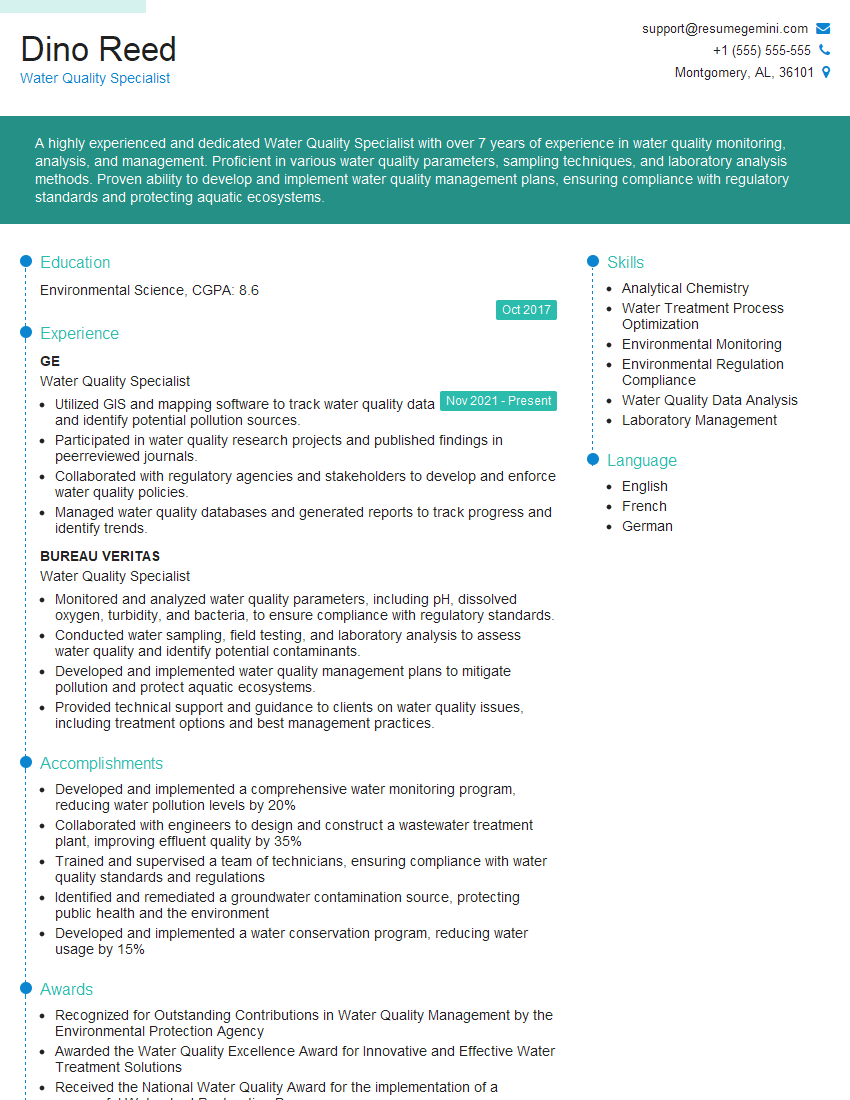
Water Quality Specialist Resume Sample

Environmental Remediation Specialist Resume Sample

Environmental Compliance Officer Resume Sample
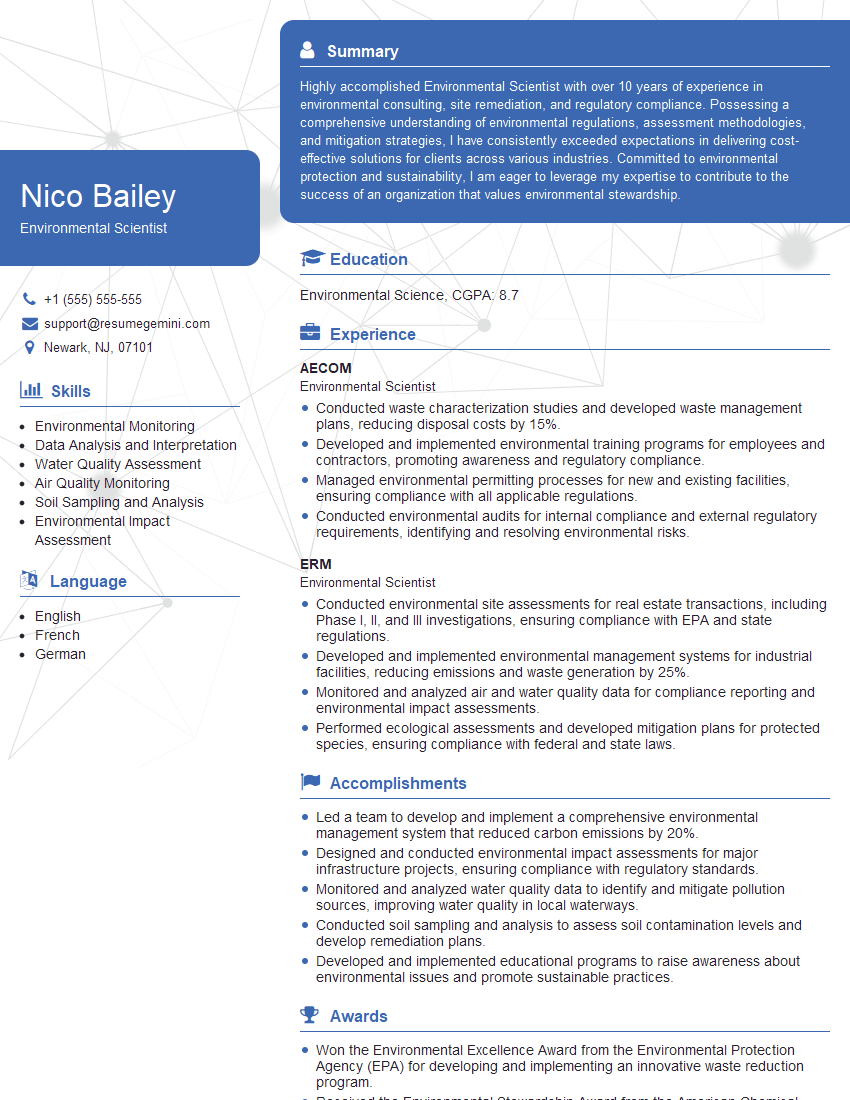
Environmental Scientist Resume Sample
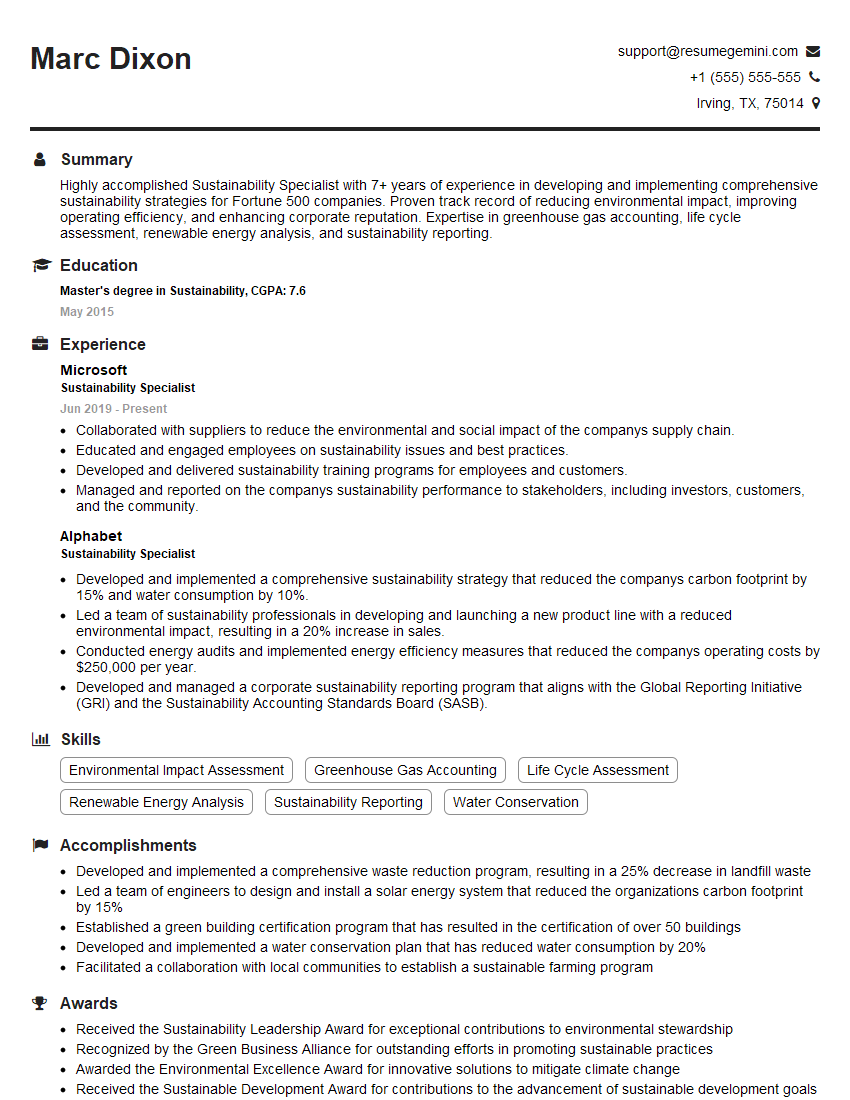
Sustainability Specialist Resume Sample
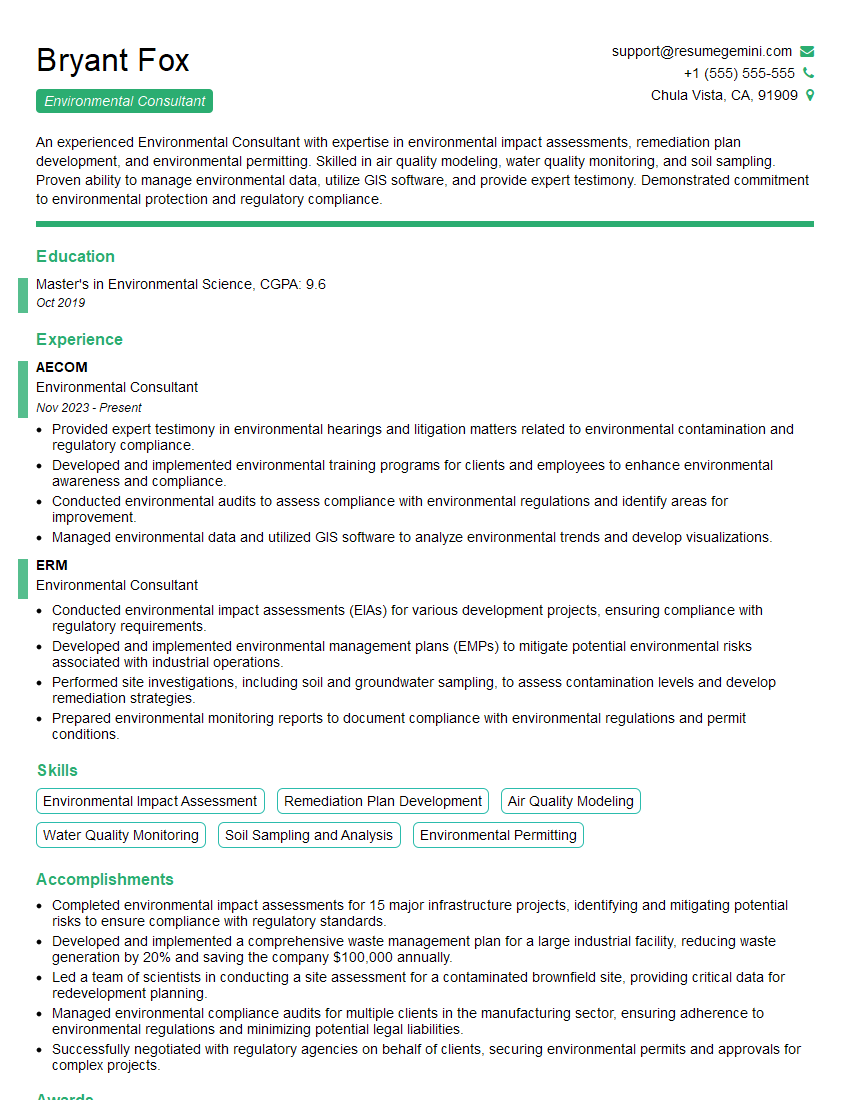
Environmental Consultant Resume Sample

Environmental Project Manager Resume Sample

Wildlife Biologist Resume Sample
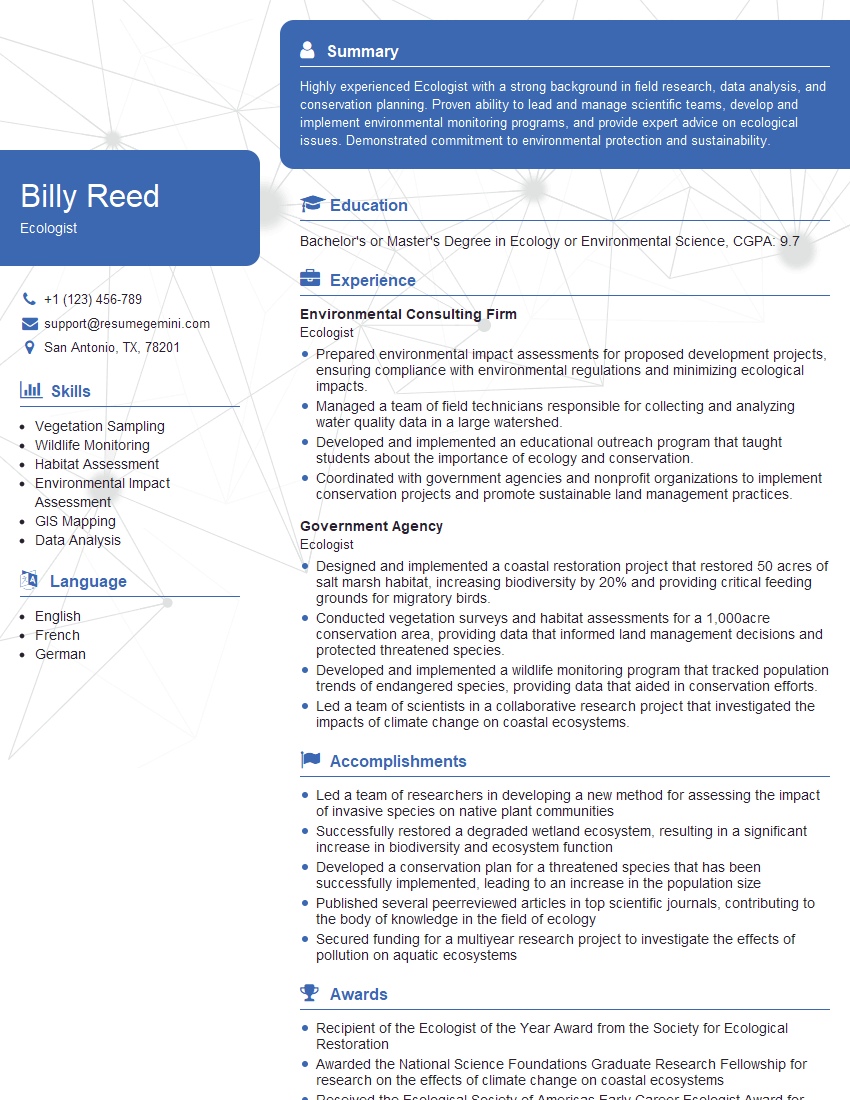
Ecologist Resume Sample

Restoration Ecologist Resume Sample

Remote Sensing Specialist Resume Sample
- Environmental Program Manager
- Water Quality Specialist
- Environmental Remediation Specialist
- Environmental Compliance Officer
- Environmental Scientist
- Sustainability Specialist
- Environmental Consultant
- Environmental Project Manager
- Wildlife Biologist
- Ecologist
- Restoration Ecologist
- Remote Sensing Specialist
Explore more articles
Users Rating of Our Blogs
Share Your Experience
We value your feedback! Please rate our content and share your thoughts (optional).
What Readers Say About Our Blog
To the interviewgemini.com Webmaster.
Very helpful and content specific questions to help prepare me for my interview!
Thank you
To the interviewgemini.com Webmaster.
This was kind of a unique content I found around the specialized skills. Very helpful questions and good detailed answers.
Very Helpful blog, thank you Interviewgemini team.