Every successful interview starts with knowing what to expect. In this blog, we’ll take you through the top Electrical Tools and Equipment interview questions, breaking them down with expert tips to help you deliver impactful answers. Step into your next interview fully prepared and ready to succeed.
Questions Asked in Electrical Tools and Equipment Interview
Q 1. What safety precautions must be observed when working with high-voltage equipment?
Working with high-voltage equipment demands utmost caution. A single mistake can be fatal. The primary safety precaution is always assuming the equipment is energized until proven otherwise. This necessitates thorough lockout/tagout procedures before any work begins. This involves physically isolating the power source, locking it out, and tagging it to indicate that work is in progress. Never rely solely on visual inspection; use appropriate voltage testers to confirm de-energization.
- Personal Protective Equipment (PPE): This is crucial and includes insulated gloves, safety glasses, arc flash protective clothing (depending on voltage levels), and safety footwear with insulated soles.
- Proper Training and Certification: Working with high voltage requires specific training and certifications to understand the risks and safety protocols.
- Working Space: Maintain a safe working distance and ensure the area is free of obstructions and potential hazards.
- Emergency Procedures: Be familiar with emergency procedures, including the location of emergency shut-offs and first aid equipment. Have a designated safety observer present when working on energized circuits whenever possible.
For example, I once worked on a project involving 480V three-phase power. Before even approaching the panel, we meticulously followed a lockout/tagout procedure, verified de-energization with multiple voltage testers, and donned the appropriate PPE. This methodical approach prevented any incidents and ensured everyone’s safety.
Q 2. Explain the difference between AC and DC electricity.
The key difference between AC (Alternating Current) and DC (Direct Current) electricity lies in the direction of electron flow. In DC, electrons flow consistently in one direction, like water flowing downhill. Think of a battery; it provides a constant DC voltage. In AC, the flow of electrons periodically reverses direction, oscillating back and forth. Imagine a wave; that’s a visual representation of AC voltage. This cyclical change in direction occurs at a specific frequency, typically 50 or 60 Hertz (Hz), representing the number of cycles per second.
AC is predominantly used in power transmission and distribution because it can be easily stepped up (increased voltage for efficient long-distance transmission) and stepped down (decreased voltage for safe appliance use) using transformers. DC is prevalent in electronic devices, battery-powered equipment, and some specialized industrial applications. Different applications necessitate the appropriate current type; high-power applications often benefit from AC’s ability to be transformed while low-voltage, direct-power electronics use DC.
Q 3. Describe the function of a multimeter and how to use it safely.
A multimeter is a versatile handheld instrument used to measure various electrical properties, including voltage, current, and resistance. It’s an essential tool for any electrician or electronics enthusiast. Safe usage involves:
- Selecting the correct function and range: Before making a measurement, always select the appropriate function (voltage, current, resistance) and range to avoid damaging the meter or obtaining inaccurate readings. Start with a higher range and then decrease to get an accurate reading.
- Connecting the probes correctly: The multimeter typically has two probes: one for positive (+) and one for negative (-). Incorrect connections can lead to inaccurate readings or damage the meter. Pay attention to polarity, especially when measuring voltage and current.
- Never measure current in a circuit unless it’s connected in series: Always use the appropriate current ranges; placing the meter in parallel when measuring current will likely damage the meter.
- Checking the leads for damage: Inspect the probes and leads for any signs of wear or damage before each use.
- Following the manufacturer’s instructions: Always consult the multimeter’s manual for specific instructions on usage and safety precautions.
For instance, to measure the voltage across a battery, I’d select the DC voltage function, set the range to a value greater than the expected battery voltage (e.g., 20V for a 12V battery), and connect the probes to the positive and negative terminals of the battery. Observing polarity is critical to avoid incorrect or unsafe readings.
Q 4. How do you troubleshoot a faulty circuit breaker?
Troubleshooting a faulty circuit breaker involves a systematic approach. First, verify if the breaker is actually tripped; a visibly tripped breaker will have its switch in the off position. If so, try resetting it; if the breaker immediately trips again, there’s an underlying problem.
- Inspect the load: Check the devices connected to the circuit for any signs of overload or short circuit. An excessive load on the circuit will trip the breaker. Look for things like overheating appliances, frayed wires, or damaged plugs.
- Check for loose connections: Examine the wiring connections at the breaker panel and the load. Loose connections can create high resistance, generating heat and potentially causing a fire.
- Look for signs of damage: Inspect the breaker itself for any signs of physical damage or burning. A faulty breaker may need to be replaced.
- Test the circuit with a multimeter: Once the breaker is reset and deemed safe, use a multimeter to check for continuity and voltage in the circuit. A continuous circuit should have little to no resistance; anything beyond a few ohms should be examined and repaired.
- Consult a professional if necessary: If the problem persists, don’t hesitate to contact a qualified electrician. Improperly handling electrical circuits can be very dangerous.
For example, a breaker repeatedly tripping in my home’s kitchen circuit indicated an overload. After inspecting the appliances, I discovered a faulty coffee maker drawing excessive current. Replacing the faulty appliance solved the problem; otherwise, I would have called a professional for assistance.
Q 5. What are the different types of wiring and their applications?
Several types of wiring are used in electrical installations, each with specific applications:
- Copper Wire: The most common type due to its excellent conductivity, ductility (ability to be drawn into wires), and malleability. Used in nearly all electrical installations.
- Aluminum Wire: Lighter than copper, making it suitable for long spans, but it requires special connectors and careful installation due to its propensity to oxidize and expand with temperature changes.
- Stranded Wire: Consists of multiple smaller wires twisted together, providing flexibility, making it ideal for applications requiring frequent movement, such as appliance cords.
- Solid Core Wire: A single, solid wire, offering higher current-carrying capacity compared to the same gauge stranded wire. Common in permanent installations within walls.
- THHN (Thermoplastic High Heat Resistant Nylon): A common type of insulated copper wire used in conduit (metal pipes protecting wires).
- NM-B (Non-Metallic Sheathed Cable): Commonly known as Romex, it’s commonly used in residential wiring, consisting of multiple insulated conductors encased in a plastic sheath.
The choice of wire type depends on factors such as the current rating, voltage, application, and environmental conditions. For example, stranded wire would be more appropriate for a lamp cord than solid core wire due to the flexibility needed to move the lamp.
Q 6. Explain the use of different types of electrical connectors.
Various electrical connectors serve different purposes:
- Wire Nuts: Used to join multiple wires together within a junction box, providing a secure and reliable connection. Different sizes accommodate varying numbers of wires.
- Terminal Blocks: Provide multiple terminals for connecting and disconnecting wires, simplifying circuit connections and maintenance. Commonly found in control panels and industrial applications.
- Receptacles and Plugs: Used for connecting appliances and equipment to power sources. These come in various configurations and voltage ratings.
- Switches: Used to control the flow of electricity in a circuit. They come in single-pole, double-pole, and three-way varieties, each providing specific functionalities.
- Connectors: Often found in audio-visual and computer equipment, these provide easy, secure, and standardized ways to connect cables.
- Splices: These are used in joining wires in high-current applications. Using the proper crimping tools is essential to ensure a secure connection that can withstand the current.
Choosing the right connector is vital for safety and performance. For example, using the wrong size wire nut can create a loose connection leading to overheating and fire hazards. Selecting the correct plug type for the power supply is critical for safe operation of the appliances.
Q 7. Describe the process of testing for ground faults.
Testing for ground faults involves verifying that a circuit’s protective grounding system is functioning correctly. A ground fault occurs when a live wire makes unintended contact with a grounded surface. This creates a dangerous situation and could result in electric shock or fire.
The primary method is using a ground fault circuit interrupter (GFCI) tester. This device checks for current leakage to ground. A GFCI outlet will trip when a small amount of current leaks to ground. A simple test involves plugging the GFCI tester into the outlet and pressing the ‘test’ button. The GFCI should trip; if it doesn’t, there’s a potential ground fault or malfunctioning GFCI. You can also use a multimeter to measure the resistance to ground by placing one lead on a grounded point and the other on the equipment’s grounding connection. A very low resistance reading shows a good ground.
Another method for testing is a ground fault loop impedance tester, which measures the total impedance of the grounding system. The measurements will allow assessment of the ground fault protection efficiency of the system. This is commonly used for larger-scale electrical installations. This systematic testing safeguards lives and equipment by promptly identifying and correcting potential hazards.
Q 8. What are the common causes of electrical shorts?
Electrical shorts, or short circuits, occur when an unintended path for current is created, bypassing the normal circuit path. This usually happens when the insulation around wires breaks down, allowing the current to flow directly between the hot and neutral or ground wires. Think of it like creating a shortcut on a highway – instead of taking the designated route, the traffic jams into a much smaller, less capable path. This rapid surge of current can lead to overheating, fires, and damage to equipment.
- Damaged Insulation: Worn, frayed, or melted insulation on wires is a leading cause. This can be due to age, physical damage, rodent activity, or excessive heat.
- Loose Connections: Poorly connected wires or terminals can create high resistance points that generate heat and eventually lead to a short. Think of it like a partially clogged pipe – the pressure (voltage) builds up and can cause a burst (short).
- Moisture: Water is an excellent conductor. If moisture enters an electrical enclosure or comes into contact with bare wires, it can create a short circuit.
- Foreign Objects: Metal objects, tools, or debris that contact exposed wires can also lead to shorts.
- Overloading: Drawing too much current from a circuit can cause overheating, leading to insulation breakdown and short circuits.
Identifying and addressing the root cause is crucial to preventing future shorts. For example, replacing damaged wiring or tightening loose connections can solve the issue.
Q 9. How do you identify and replace a damaged electrical component?
Identifying and replacing a damaged electrical component requires careful diagnosis and safe working practices. Always remember to disconnect the power before working on any electrical equipment! Never compromise safety.
- Visual Inspection: Begin with a thorough visual inspection. Look for any obvious signs of damage, such as burnt marks, discoloration, loose connections, or physical damage.
- Testing: Use a multimeter to test the voltage, current, and resistance of the suspected component. This helps pinpoint the exact faulty component. For instance, a multimeter can verify if a capacitor is shorted or an inductor is open.
- Component Identification: Accurately identify the component using its markings or the circuit diagram. This is crucial for selecting the correct replacement.
- Safe Removal: Carefully remove the faulty component, taking note of its orientation and connections. A diagram might help here.
- Installation: Install the replacement component, ensuring correct orientation and secure connections. Use the correct tools to avoid damage.
- Testing and Verification: After replacing the component, test the circuit again to ensure it functions correctly and there are no shorts or other issues.
For example, if a light switch fails to turn a light on, a multimeter can help determine if the problem lies in the switch itself or further down the line in the wiring or bulb. Remember: If you are not comfortable working with electricity, consult a qualified electrician.
Q 10. Explain the importance of proper grounding and bonding.
Proper grounding and bonding are essential safety measures in electrical systems. They provide a safe path for fault currents to flow to the earth, preventing dangerous voltage buildup and protecting people and equipment.
- Grounding: Grounding connects non-current-carrying metal parts of equipment to the earth. This creates a low-resistance path for fault currents to flow to ground, minimizing the risk of electric shock.
- Bonding: Bonding connects metal parts of the electrical system together to equalize their electrical potential. This prevents voltage differences between metal parts, reducing the risk of shocks or fires if a fault occurs.
Imagine a lightning strike: Grounding provides a safe route for the massive current to dissipate into the earth, rather than flowing through the building’s wiring or damaging appliances. Bonding ensures all exposed metal parts are at the same potential, so a fault won’t create a dangerous voltage difference between two parts you might touch.
In a practical setting, proper grounding and bonding are crucial for protecting personnel, preventing equipment damage, and ensuring compliance with safety regulations.
Q 11. What are the different types of electrical motors and their applications?
Electrical motors convert electrical energy into mechanical energy. There are several types, each suited to specific applications:
- DC Motors: Direct current motors are simple, easily controlled, and offer good starting torque. They are used in applications such as electric vehicles, power tools, and robotics.
- AC Motors: Alternating current motors are widely used due to their robustness and efficiency. There are various sub-types:
- Induction Motors (Asynchronous): The most common type, they are simple, robust, and relatively inexpensive. They are used in fans, pumps, compressors, and many industrial applications.
- Synchronous Motors: These motors run at a constant speed, synchronized with the frequency of the AC power supply. They are often used in applications requiring precise speed control, such as clocks and timing devices.
- Stepper Motors: These motors rotate in precise increments, making them ideal for applications requiring precise positioning, like 3D printers and robotics.
- Servomotors: These are precise, closed-loop control motors that maintain a specific speed or position. They are frequently used in robotics, industrial automation, and precision machinery.
The choice of motor depends on factors like required speed, torque, efficiency, cost, and control requirements. For example, a high-torque DC motor might be ideal for a powerful drill, while an efficient induction motor is better for a large industrial fan.
Q 12. Describe the function of a transformer.
A transformer is a passive electrical device that transfers electrical energy from one circuit to another through electromagnetic induction. It does this without changing the frequency but alters the voltage and current levels. Think of it as a voltage ‘converter’.
It consists of two or more coils of wire wound around a common magnetic core. When alternating current flows through one coil (the primary winding), it creates a fluctuating magnetic field. This field induces a voltage in the other coil (the secondary winding). The ratio of the number of turns in the primary and secondary windings determines the voltage transformation ratio.
Step-up transformers increase voltage (more turns on the secondary), while step-down transformers decrease voltage (fewer turns on the secondary). They are essential components in power transmission and distribution, allowing efficient transmission of electricity over long distances at high voltage and then stepping it down to safe levels for household use.
Q 13. How do you interpret electrical schematics and blueprints?
Interpreting electrical schematics and blueprints requires a systematic approach and understanding of electrical symbols and conventions. Schematics are simplified diagrams showing the connections and components of a circuit, while blueprints provide detailed physical layouts. Both are essential for designing, installing, troubleshooting, and maintaining electrical systems.
- Understand the Symbols: Familiarize yourself with the standard electrical symbols used in schematics. Each symbol represents a specific component, like resistors, capacitors, transistors, and switches.
- Trace the Circuit Path: Follow the lines connecting the components to trace the flow of current through the circuit.
- Identify Components: Use the symbols and component labels to identify each part of the circuit.
- Analyze the Circuit Function: Understand how the different components work together to achieve the circuit’s purpose. For instance, the interaction between resistors and capacitors in a filter circuit.
- Refer to the Blueprints (if available): Use the blueprints to correlate the schematic with the physical layout of the electrical system. This is essential for installation and maintenance.
For example, a schematic might show a simple series circuit with a battery, a resistor, and a light bulb. The blueprint would show the physical location of these components within a larger electrical system, providing additional information needed for proper installation.
Q 14. Explain the principles of Ohm’s Law.
Ohm’s Law describes the relationship between voltage (V), current (I), and resistance (R) in an electrical circuit. It’s a fundamental law governing the behavior of electrical circuits.
The law is expressed in three equations:
V = I * R(Voltage equals current multiplied by resistance)I = V / R(Current equals voltage divided by resistance)R = V / I(Resistance equals voltage divided by current)
Voltage is the electrical pressure that pushes electrons through a circuit. Current is the flow of electrons. Resistance is the opposition to the flow of current. Think of it as water flowing through a pipe: Voltage is the water pressure, current is the flow rate, and resistance is the pipe’s diameter and friction.
Ohm’s Law is crucial for circuit analysis, design, and troubleshooting. For example, if you know the voltage and resistance in a circuit, you can calculate the current using I = V / R. This is fundamental to many electrical calculations and applications.
Q 15. What are the different types of electrical conduits and their applications?
Electrical conduits are protective tubes or pipes used to house and protect electrical wiring. Different types offer varying degrees of protection and are chosen based on the application’s demands.
- Rigid Metal Conduit (RMC): Heavy-duty, durable steel conduit offering excellent protection against physical damage and fire. Common in industrial settings and areas requiring high protection.
- Intermediate Metal Conduit (IMC): Lighter and thinner than RMC, still offering good protection. Often used in commercial and residential applications where weight is a factor.
- Electrical Metallic Tubing (EMT): Lightweight, flexible conduit made of thin-walled steel. Easy to bend and install, commonly used in residential and commercial construction.
- Flexible Metal Conduit (FMC): Highly flexible, used for connecting equipment or in areas with limited space or where movement is expected. Often used for appliance connections.
- Plastic Conduit (PVC): Lightweight, non-metallic conduit made of polyvinyl chloride. Resistant to corrosion but less robust against physical impact than metal conduits. Commonly used in dry locations.
Practical Application: Imagine wiring a power supply to a large industrial machine. RMC would be the ideal choice due to its superior protection from potential damage. In contrast, wiring lights in a residential home might use EMT for its ease of installation and lower cost.
Career Expert Tips:
- Ace those interviews! Prepare effectively by reviewing the Top 50 Most Common Interview Questions on ResumeGemini.
- Navigate your job search with confidence! Explore a wide range of Career Tips on ResumeGemini. Learn about common challenges and recommendations to overcome them.
- Craft the perfect resume! Master the Art of Resume Writing with ResumeGemini’s guide. Showcase your unique qualifications and achievements effectively.
- Don’t miss out on holiday savings! Build your dream resume with ResumeGemini’s ATS optimized templates.
Q 16. Describe the different types of circuit protection devices.
Circuit protection devices safeguard electrical circuits and equipment from overcurrents, short circuits, and ground faults. Several types exist, each with a specific function:
- Fuses: A simple and inexpensive device that melts and breaks the circuit when excessive current flows. Once blown, they need replacement.
- Circuit Breakers: A more sophisticated device that automatically interrupts the circuit when an overcurrent is detected. They can be reset, unlike fuses, offering convenience.
- Ground Fault Circuit Interrupters (GFCIs): Designed to protect against electrical shock by detecting imbalances in current flow between the hot and neutral wires. Crucial in wet areas like bathrooms and kitchens.
- Arc Fault Circuit Interrupters (AFCIs): Detect and interrupt arcing faults, which can cause fires. Frequently used in bedrooms and other areas with high-risk potential.
Practical Application: GFCIs are mandated in bathrooms to prevent fatal shocks. A circuit breaker in a home protects household appliances from overloads, while AFCIs add an extra layer of fire safety.
Q 17. How do you perform a lockout/tagout procedure?
Lockout/Tagout (LOTO) is a crucial safety procedure used to prevent accidental energization of equipment during maintenance or repair. It ensures that energy sources are isolated and cannot be accidentally reactivated.
- Preparation: Notify all personnel involved. Gather necessary LOTO devices (locks and tags with clear identification).
- Energy Isolation: Turn off the power source at the main switch or breaker. Visually confirm the power is off using a voltage tester.
- Lockout: Attach your personal lockout device to the energy isolation point, preventing anyone from turning the power back on.
- Tagout: Attach your personal tag clearly stating your name, date, and the reason for the lockout.
- Verification: Use a voltage tester again to confirm the power is truly off.
- Release: Once work is complete, remove your lockout and tagout devices, ensuring everyone involved is aware and in agreement.
Practical Application: Before working on any electrical panel, strict adherence to LOTO is mandatory. This prevents accidental energization, safeguarding workers’ lives and preventing serious accidents.
Q 18. What are the common safety hazards associated with electrical work?
Electrical work presents various hazards, some life-threatening. Key risks include:
- Electric Shock: Contact with energized conductors can lead to severe injury or death.
- Electric Burns: Contact with high currents causes tissue damage and burns.
- li>Falls: Working at heights increases the risk of falls, especially when working on ladders or elevated platforms.
- Arcing and Flash Fires: Sudden, intense arcs of electricity can cause serious burns and ignite flammable materials.
- Electrocution: A fatal electric shock that stops the heart.
Mitigation: Proper safety training, use of Personal Protective Equipment (PPE) such as insulated gloves and footwear, adhering to LOTO procedures, and using appropriate safety tools like voltage testers are crucial for minimizing these risks.
Q 19. What are the regulations and codes related to electrical installations in your region?
(Note: Regulations and codes vary significantly by region. This answer provides a general overview. Always consult your region’s specific electrical codes for accurate and compliant installations.)
Electrical installations are governed by stringent regulations and codes. These codes dictate safety standards, installation methods, wiring requirements, and equipment specifications. Common codes include the National Electrical Code (NEC) in the United States, and similar standards exist in other countries. These codes address aspects such as grounding, wiring methods, overcurrent protection, and equipment installation to ensure public safety and prevent electrical hazards.
Practical Application: A qualified electrician must be familiar with the local electrical codes to perform installations that meet safety standards and avoid legal issues and potential safety risks.
Q 20. Explain the difference between series and parallel circuits.
Series and parallel circuits are fundamental configurations in electrical systems. They differ in how components are connected and how current flows.
- Series Circuit: Components are connected end-to-end, forming a single path for current flow. The current is the same through all components. If one component fails, the entire circuit is broken.
- Parallel Circuit: Components are connected across each other, providing multiple paths for current flow. The voltage is the same across all components. If one component fails, the others continue to operate.
Example: Christmas lights are often wired in series (older designs); if one bulb burns out, the entire string goes dark. Modern Christmas lights are typically wired in parallel; if one bulb burns out, the rest remain lit.
Q 21. How do you calculate electrical power?
Electrical power (P) is the rate at which electrical energy is transferred. It’s calculated using the following formulas:
P = V * I(Power equals voltage multiplied by current)P = I² * R(Power equals current squared multiplied by resistance)P = V² / R(Power equals voltage squared divided by resistance)
Where:
Pis power measured in Watts (W)Vis voltage measured in Volts (V)Iis current measured in Amperes (A)Ris resistance measured in Ohms (Ω)
Example: A device with a voltage of 120V and a current of 2A has a power of P = 120V * 2A = 240W.
Q 22. Describe your experience with various hand tools used in electrical work.
My experience with hand tools in electrical work is extensive, encompassing everything from basic tools for everyday tasks to specialized instruments for intricate jobs. I’m proficient in using various types of screwdrivers (Phillips, flathead, Torx), pliers (needle-nose, lineman’s, slip-joint), wire strippers and cutters, and crimpers. These tools are essential for tasks like installing wiring devices (switches, outlets), connecting wires, and terminating cables. For example, using the right size screwdriver is crucial to avoid damaging screw heads and ensuring a secure connection. Similarly, proper use of wire strippers prevents damaging the wire conductor and ensures a clean, safe connection. I’ve also used specialized tools like fish tape for pulling wires through conduits and various types of punches and dies for cable terminations. I always prioritize selecting the correct tool for the specific job, ensuring safety and efficiency.
- Screwdrivers: Essential for tightening and loosening screws on electrical components.
- Pliers: Used for gripping, bending, and cutting wires.
- Wire Strippers and Cutters: Prepare wires for connections by removing insulation and trimming excess length.
- Crimpers: Securely connect wire connectors and terminals.
- Fish Tape: Facilitates running wires through concealed spaces.
Q 23. Describe your experience with various power tools used in electrical work.
My experience with power tools extends to a wide range of equipment commonly used in electrical work. This includes drills (both corded and cordless), impact drivers, saws (reciprocating saws and hole saws), and cable cutters. I’m well-versed in using these tools safely and effectively. For example, when drilling holes in walls for conduit, I use a drill with the appropriate bit size and speed to prevent damage to the wall or the drill itself. Similarly, when cutting conduit, I ensure the saw is the right type and the blade is sharp and appropriately sized for the material. Safe operation, including the use of appropriate safety gear (safety glasses, ear protection), is paramount. I regularly inspect power tools for damage or wear before use, and I know how to handle potential malfunctions safely.
- Drills: Used for creating holes for wiring and mounting electrical components.
- Impact Drivers: Provide extra torque for driving screws into denser materials.
- Reciprocating Saws: Cut through various materials like wood or metal for creating openings.
- Hole Saws: Create clean, precise holes for electrical boxes and other installations.
- Cable Cutters: Effectively cut through various types of electrical cables.
Q 24. What are your troubleshooting strategies when dealing with complex electrical systems?
Troubleshooting complex electrical systems requires a systematic approach. I begin by gathering information—observing the symptoms, reviewing schematics or blueprints, and interviewing anyone who may have witnessed the issue. Then, I use a logical, methodical approach, often employing a process of elimination. I check for obvious things first, like loose connections or blown fuses, before moving onto more complex issues. For instance, if a circuit is not working, I would first check the breaker, then the wiring at the breaker panel and the outlet, before investigating more complex problems like faulty wiring or a malfunctioning component. Testing with the appropriate equipment (multimeters, clamp meters, etc.) is crucial at each step. I also document my findings thoroughly, which aids in efficient problem-solving and assists in preventing future similar issues. This ensures that the root cause is addressed effectively, improving system reliability and minimizing downtime.
My troubleshooting strategy can be summarized as:Observe, Investigate, Test, Repair, Document.
Q 25. Explain your experience with different types of cable terminations.
I have extensive experience with various cable terminations, ranging from simple wire nuts to complex connectors for high-voltage systems. This includes different methods such as wire nuts for connecting low-voltage wires, crimping connectors for stranded wires, and using various types of connectors for specific cable types (e.g., coaxial, fiber optic). For example, I’m proficient in using various types of crimp tools to secure connectors onto wires ensuring reliable and secure connections. I also know the importance of proper stripping and preparation of the cable before termination to prevent short circuits. My experience covers terminating cables of various sizes and materials, and I adhere to all relevant safety standards to ensure the integrity and safety of the terminations.
- Wire Nuts: Used for joining wires of similar gauge in low-voltage applications.
- Crimp Connectors: Securely connect wires using a specialized crimping tool.
- Compression Connectors: Create a secure connection using a compression tool.
- Soldered Connections: Provide a robust and permanent connection (with appropriate safety precautions).
Q 26. Describe your experience with electrical testing equipment beyond a multimeter.
Beyond a multimeter, I’m experienced in using a variety of electrical testing equipment including clamp meters, insulation resistance testers (meggers), circuit testers, and digital power analyzers. A clamp meter allows for non-contact measurement of current, which is invaluable for troubleshooting circuits without disrupting operation. An insulation resistance tester measures the insulation resistance of cables and equipment, crucial for identifying potential safety hazards. Circuit testers help verify the presence or absence of voltage in a circuit before working on it, preventing electrical shocks. Digital power analyzers provide detailed information about power consumption and efficiency, useful for optimizing systems. Understanding the capabilities and limitations of each device is vital for accurate and safe testing. I choose the right tool for the task, always prioritizing safety and obtaining reliable results.
Q 27. How do you maintain and care for electrical tools and equipment?
Maintaining electrical tools and equipment is crucial for safety and longevity. After each use, I clean tools to remove dirt, debris, and any corrosive materials. I store tools properly in a dry, organized location to prevent rust and damage. I regularly inspect power tools for damage to cords, plugs, and casings. I ensure that the cutting edges of tools like wire strippers and cutters are sharp and in good condition. Lubricating moving parts as needed helps to extend the life of the tools. For power tools, I follow the manufacturer’s instructions for maintenance, including replacing worn-out parts and ensuring the correct operation of safety features. This proactive approach prevents accidents and ensures the continued reliability and efficiency of the equipment.
Q 28. Describe a challenging electrical problem you solved and how you approached it.
One challenging problem I solved involved a faulty three-phase motor in a manufacturing plant. The motor was intermittently tripping a circuit breaker, causing significant production downtime. Initial checks revealed no obvious problems with the wiring or the breaker itself. Using a clamp meter, I measured the current in each phase of the motor and found significant imbalances. Further investigation, using a motor analyzer, revealed a problem with one of the motor windings. The motor was showing signs of overheating and there was a winding resistance anomaly. Simply replacing the motor would have been expensive and time-consuming. Instead, I carefully investigated the load on the motor and discovered a mechanical problem in the machine the motor was driving, causing excessive strain. By addressing this underlying mechanical issue and repairing the damaged motor winding, the problem was solved. This situation highlighted the importance of methodical troubleshooting, using the right diagnostic tools, and considering the entire system—not just the immediate component—to solve a complex electrical problem.
Key Topics to Learn for Electrical Tools and Equipment Interview
- Electrical Safety Regulations and Practices: Understanding OSHA standards, lockout/tagout procedures, and safe work practices is paramount for any role involving electrical tools and equipment. Consider the practical application of these regulations in various workplace scenarios.
- Types and Applications of Electrical Hand Tools: Familiarize yourself with the operation, maintenance, and safety precautions for common hand tools like multimeters, wire strippers, crimpers, and screwdrivers. Be prepared to discuss their applications in different electrical systems.
- Power Tools and their Mechanisms: Gain a comprehensive understanding of various power tools, such as drills, saws, and grinders, including their motor types, speed control mechanisms, and safety features. Be ready to discuss troubleshooting common issues.
- Electrical Circuit Analysis and Troubleshooting: Develop a strong understanding of basic electrical principles, including Ohm’s Law, Kirchhoff’s Laws, and series/parallel circuits. Practice applying these concepts to troubleshoot common electrical problems.
- Wiring and Cabling Systems: Learn about different types of wiring, cable sizing, and installation techniques. Understand the importance of proper grounding and bonding in electrical systems.
- Testing and Measurement Techniques: Master the use of various testing instruments, such as multimeters, clamp meters, and oscilloscopes, to diagnose electrical faults and ensure system integrity. Practice interpreting the results obtained from these measurements.
- Maintenance and Repair of Electrical Equipment: Develop skills in preventative maintenance and troubleshooting of common electrical equipment failures. Understand the importance of regular inspections and repairs to ensure safety and efficiency.
- Specialized Tools and Equipment (if applicable): Depending on the specific job description, research any specialized tools or equipment mentioned, such as those used in industrial automation, high-voltage systems, or specific manufacturing processes.
Next Steps
Mastering the knowledge and skills related to Electrical Tools and Equipment is crucial for career advancement in this field. A strong understanding of safety protocols, practical applications, and troubleshooting techniques will significantly enhance your job prospects. Creating an ATS-friendly resume is key to getting your application noticed by recruiters. ResumeGemini is a trusted resource that can help you build a professional and effective resume tailored to the specifics of your experience. Examples of resumes tailored to Electrical Tools and Equipment roles are available to help you get started.
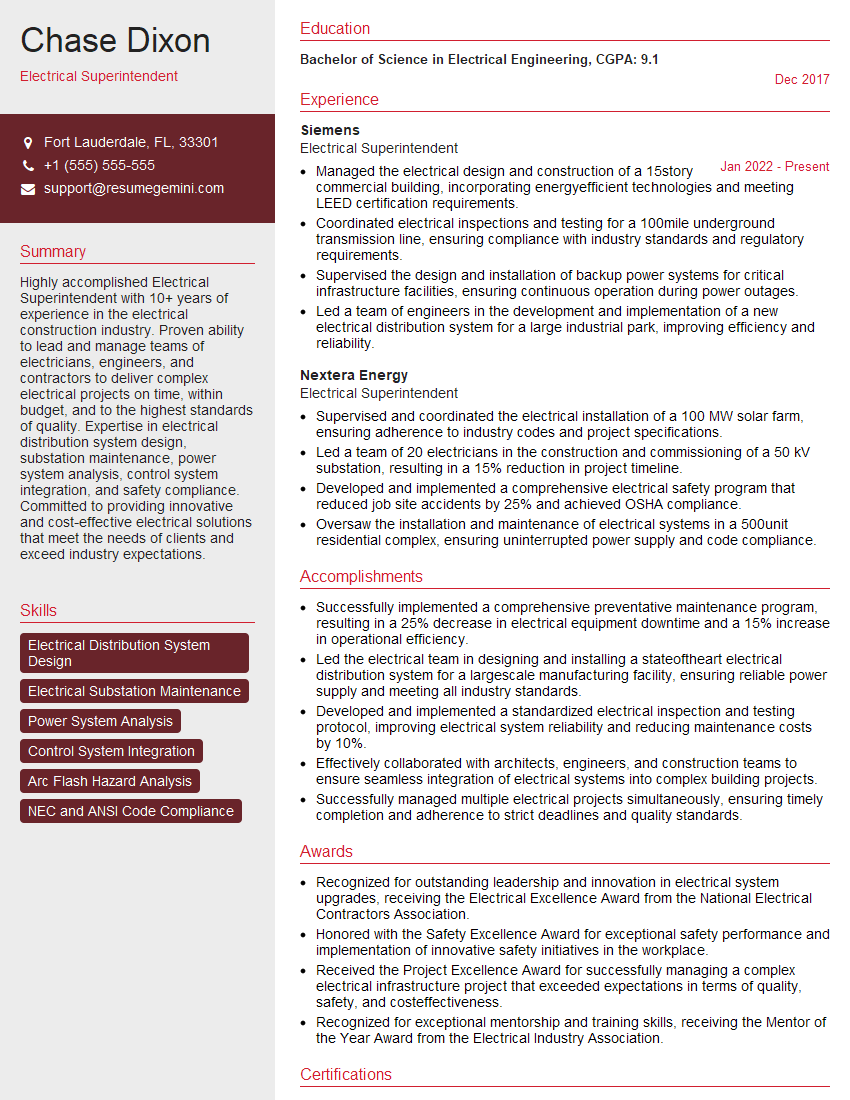
Electrical Superintendent Resume Sample
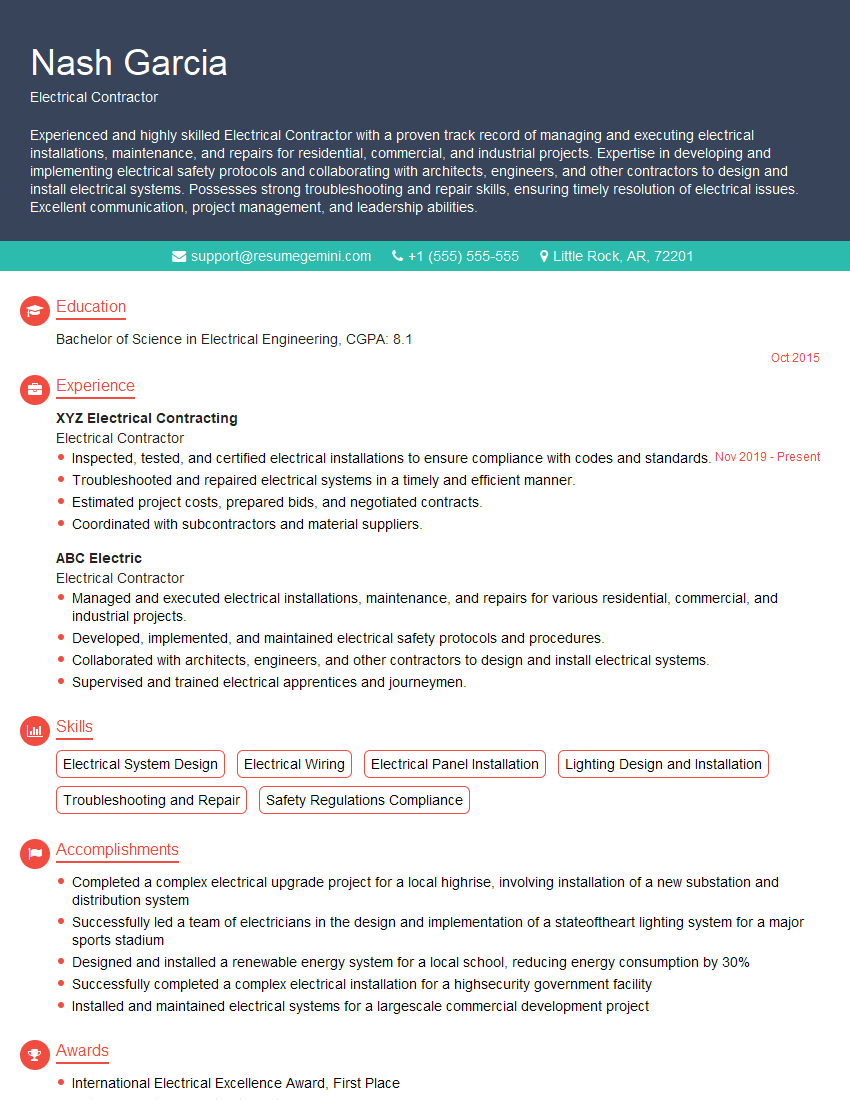
Electrical Contractor Resume Sample
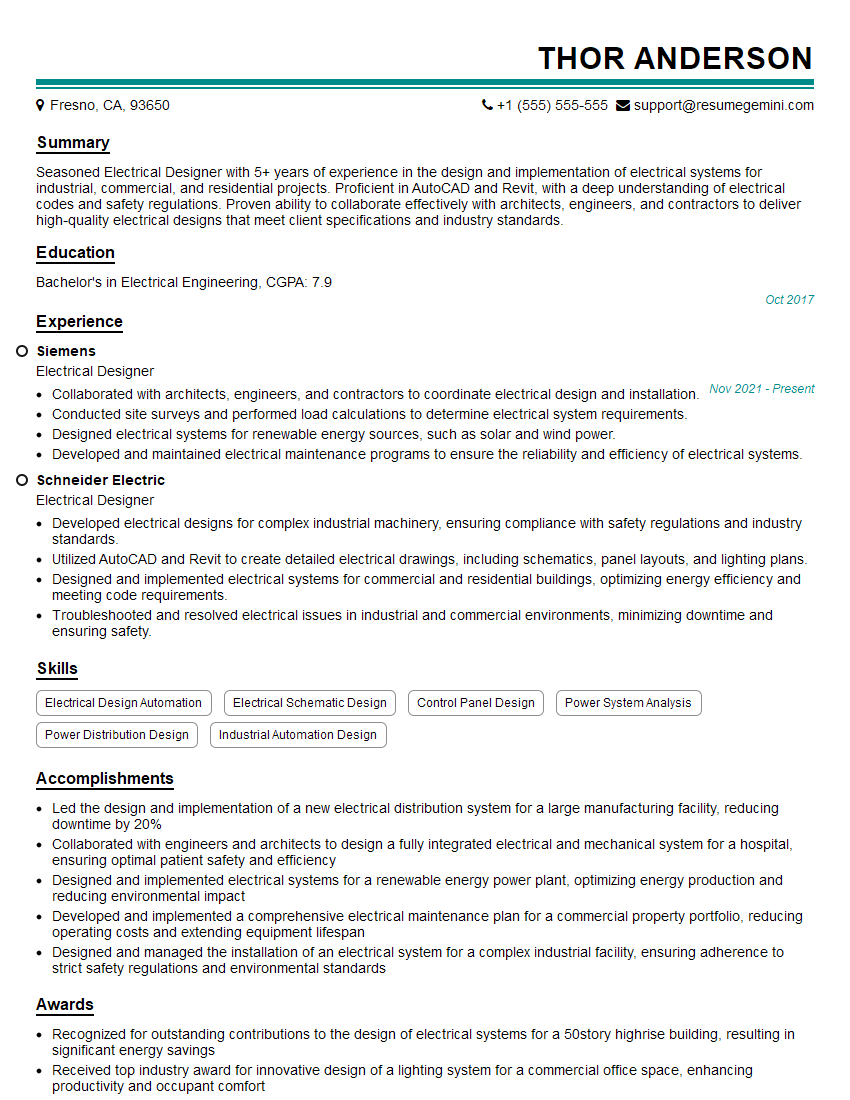
Electrical Designer Resume Sample
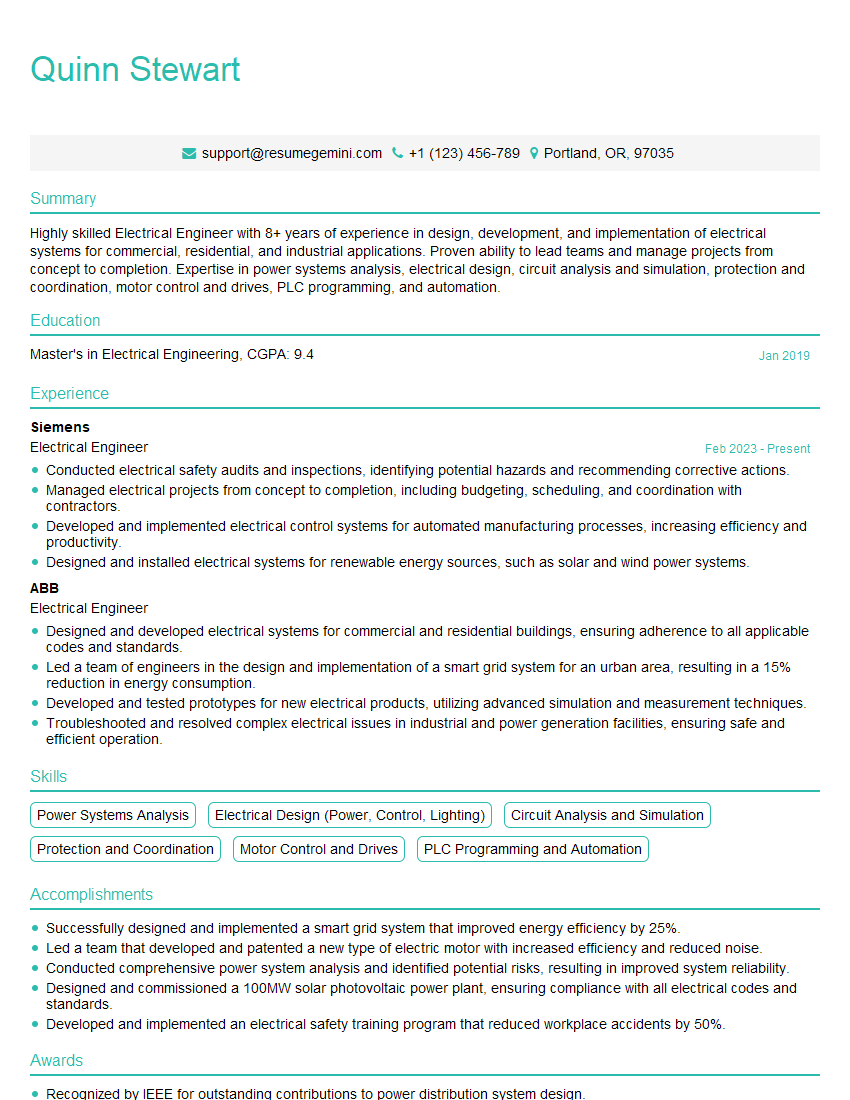
Electrical Engineer Resume Sample
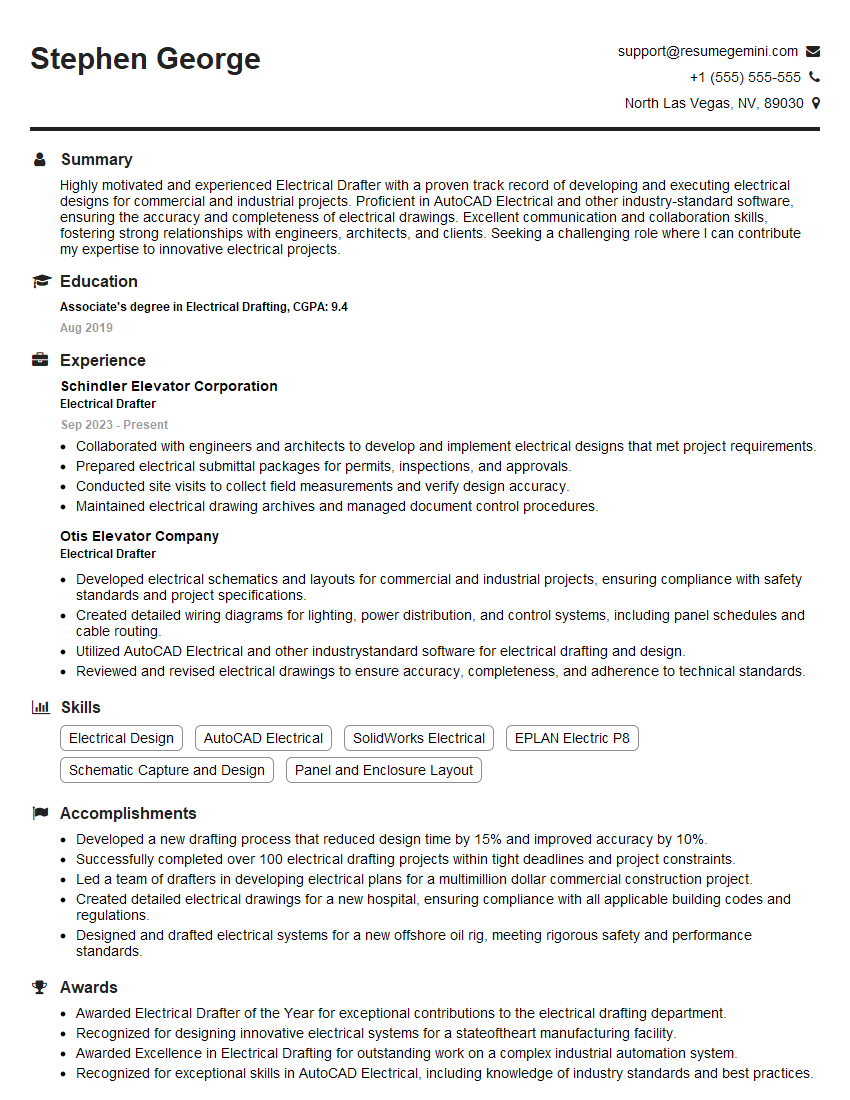
Electrical Drafter Resume Sample
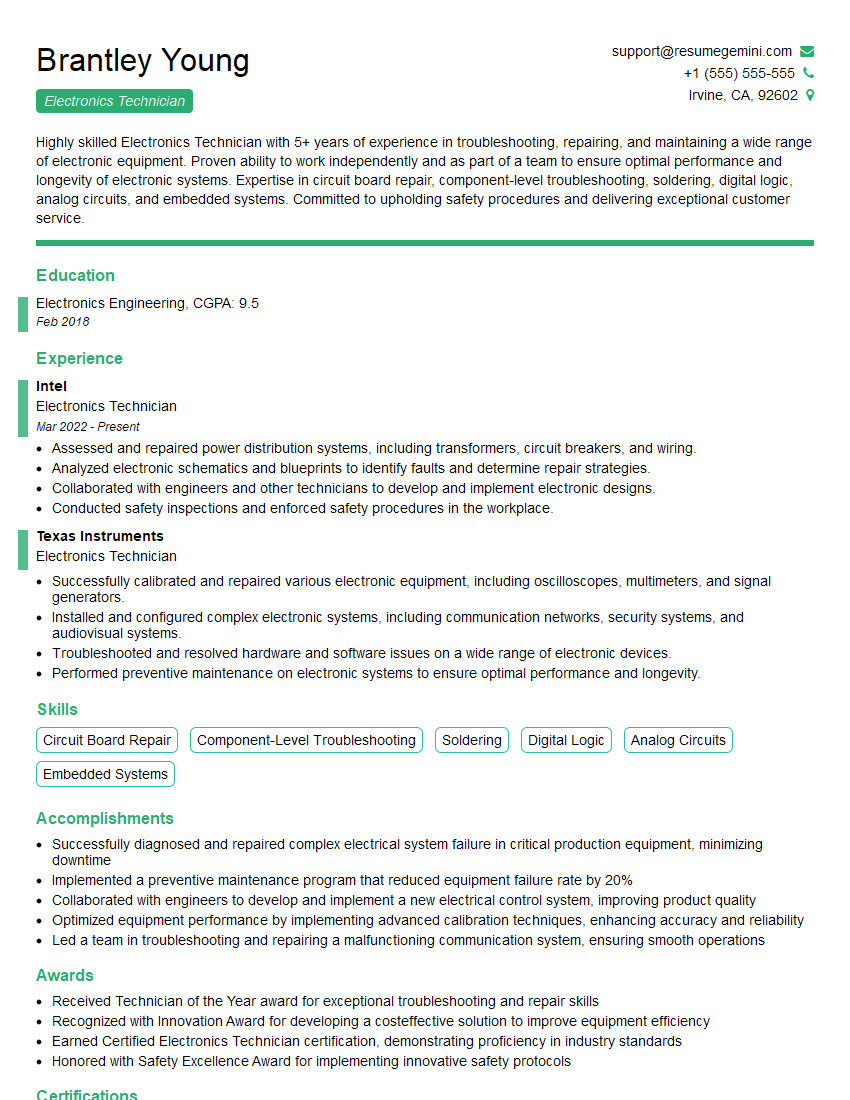
Electronics Technician Resume Sample
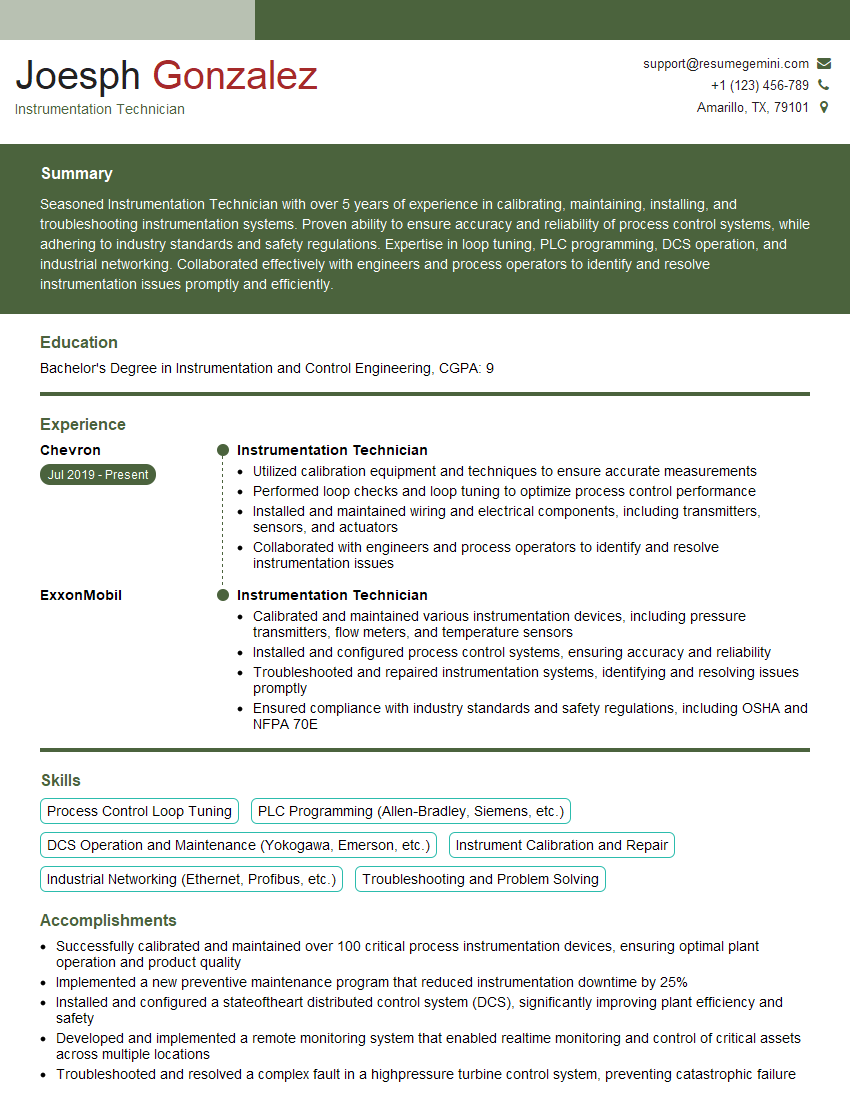
Instrumentation Technician Resume Sample
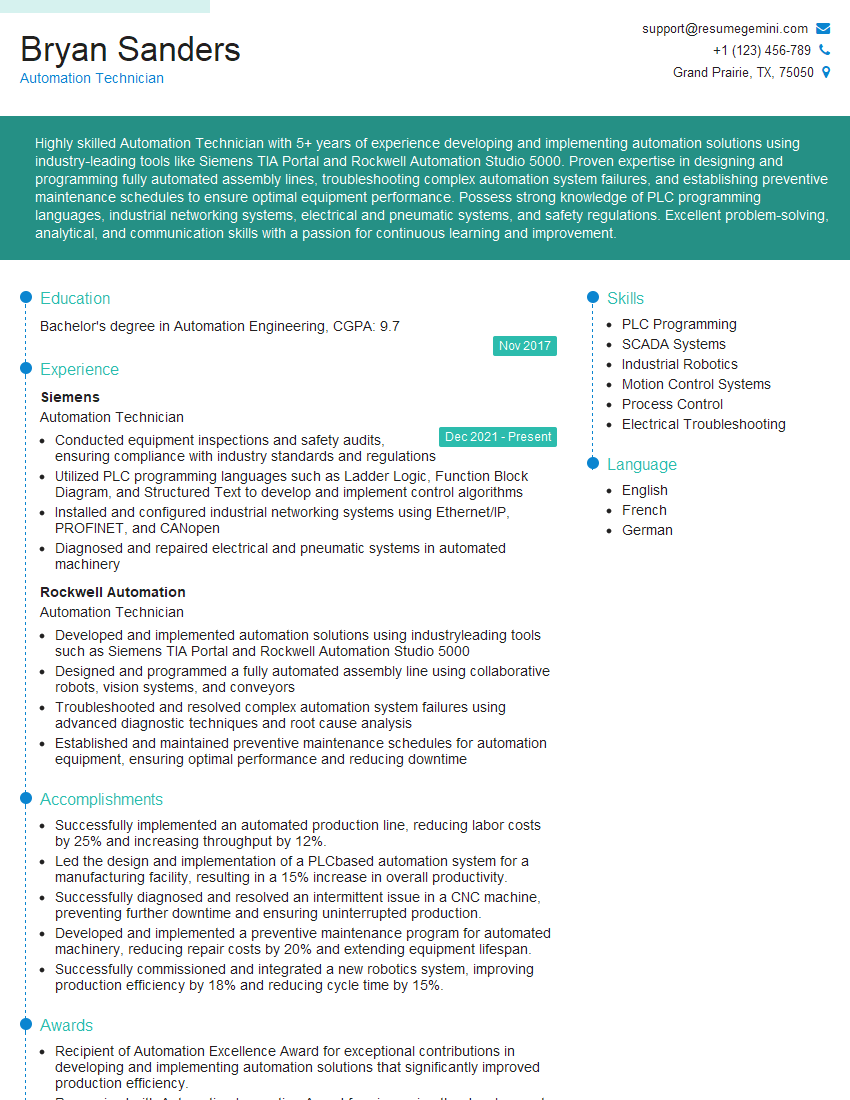
Automation Technician Resume Sample
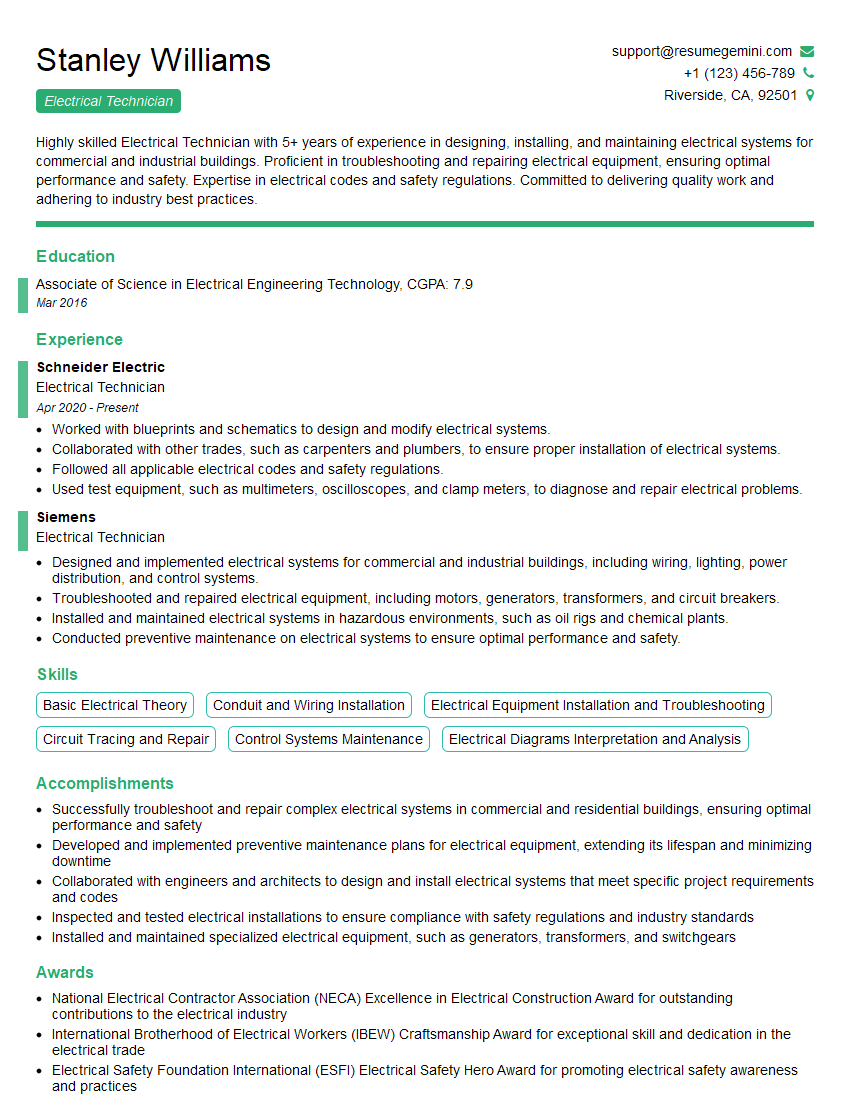
Electrical Technician Resume Sample
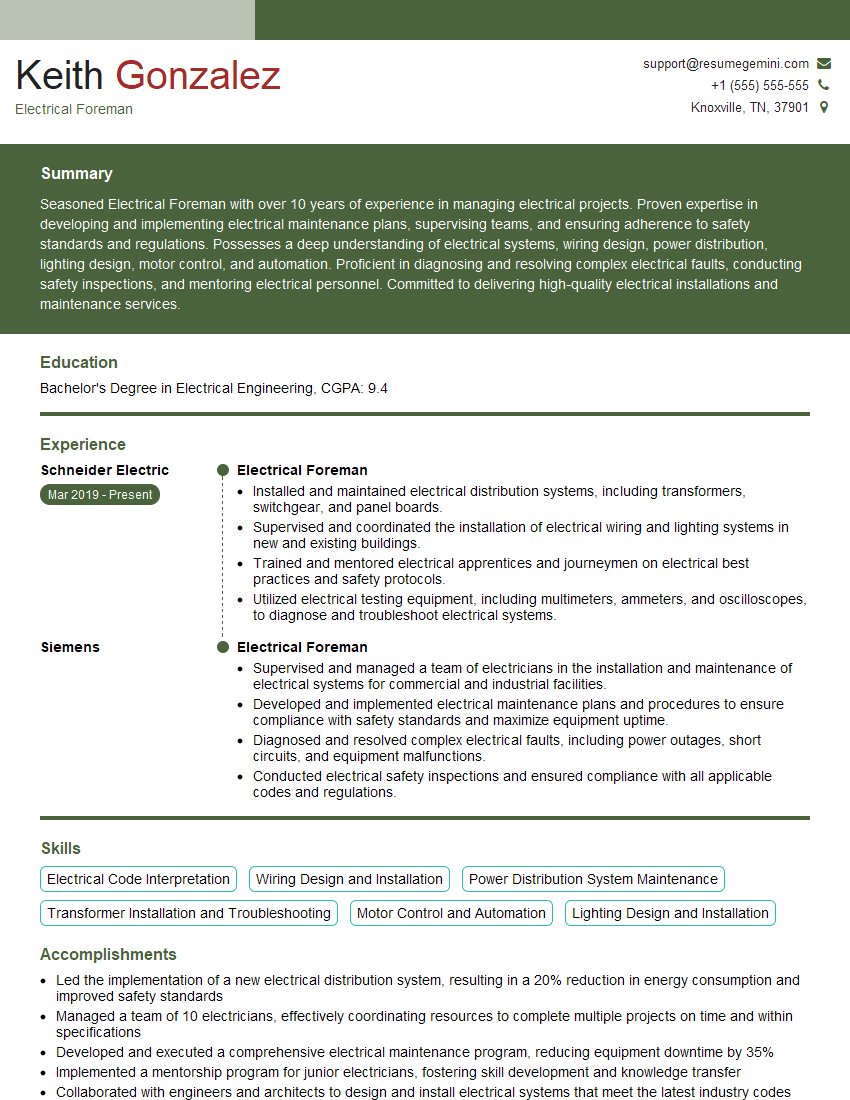
Electrical Foreman Resume Sample
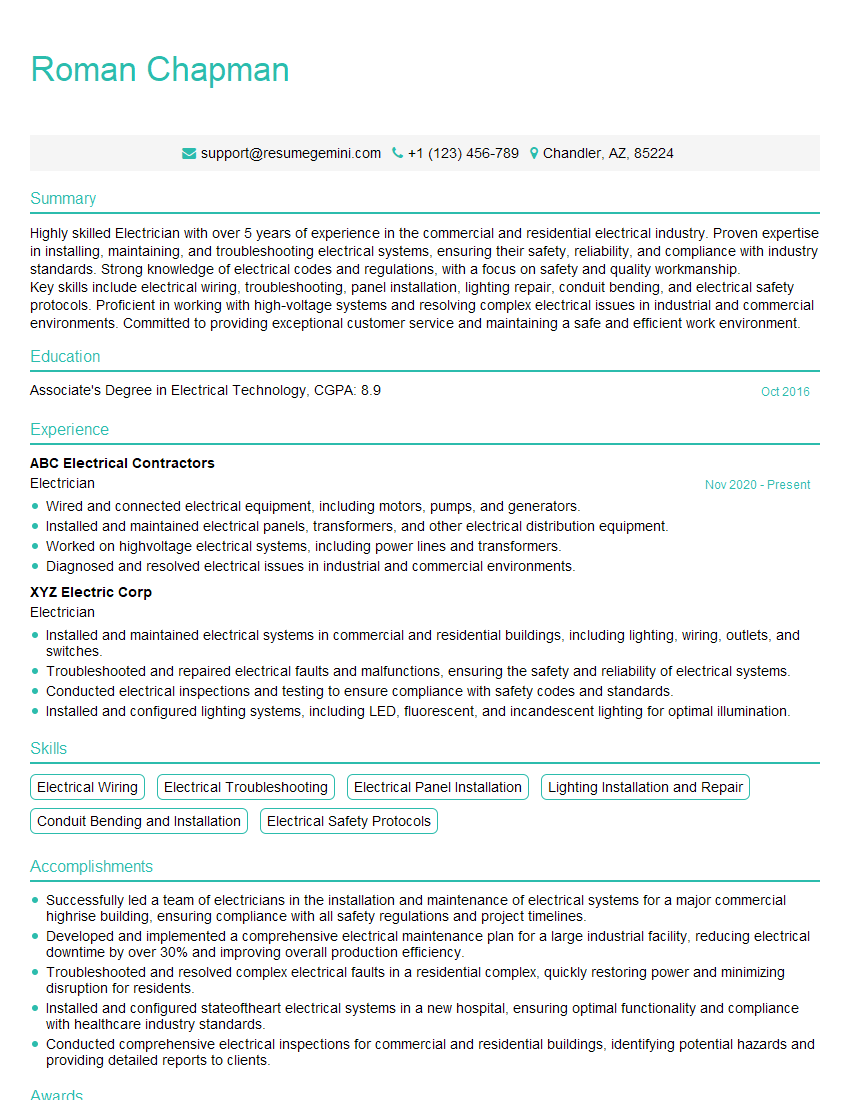
Electrician Resume Sample
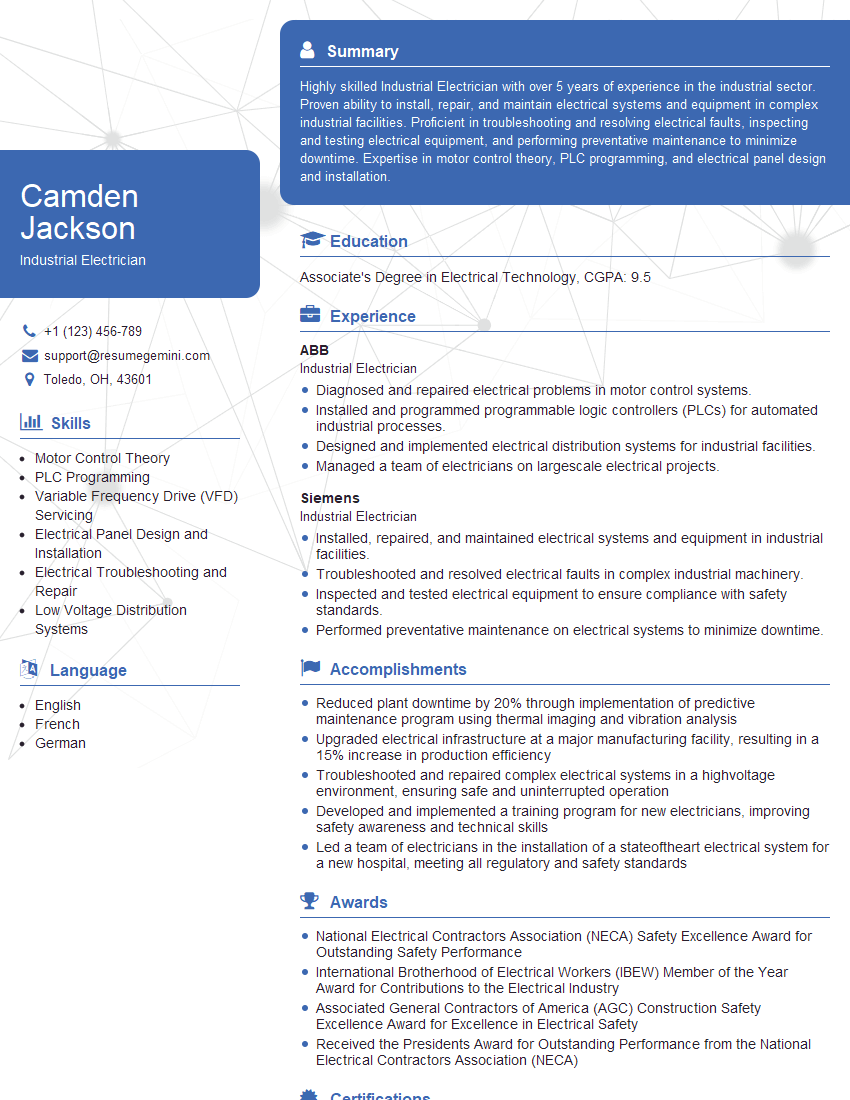
Industrial Electrician Resume Sample
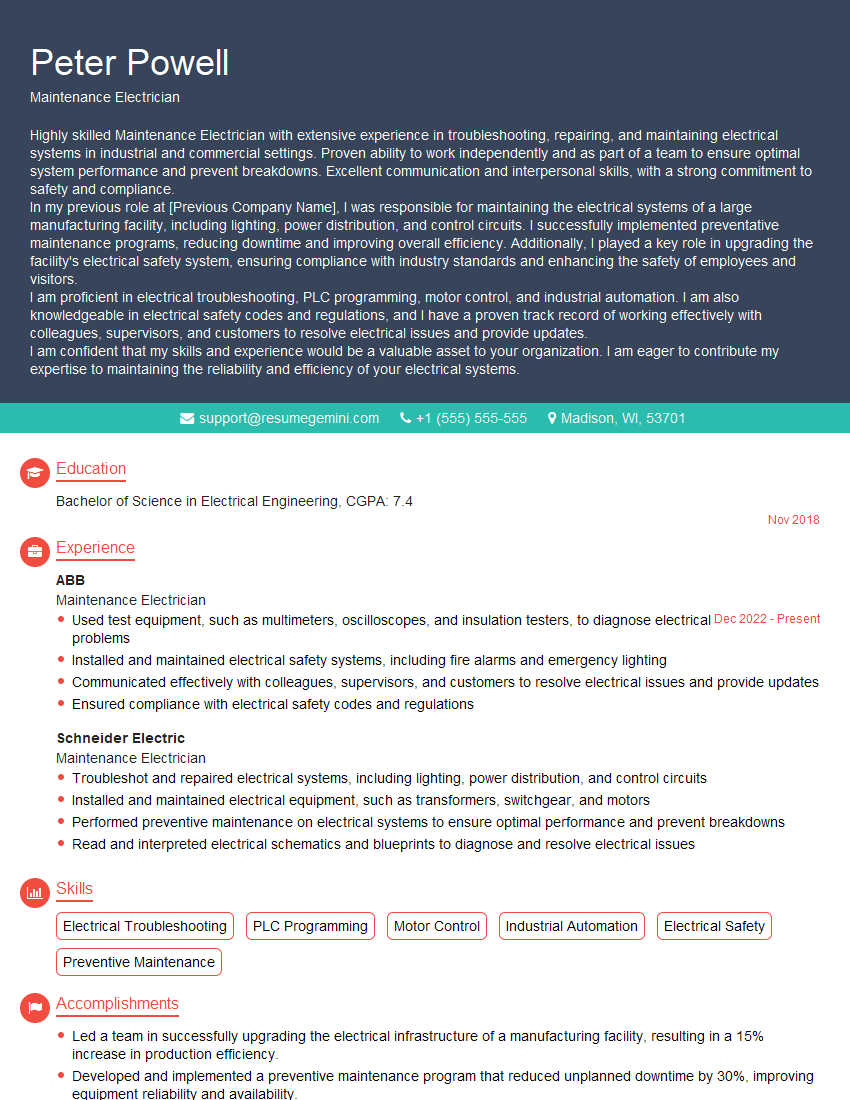
Maintenance Electrician Resume Sample
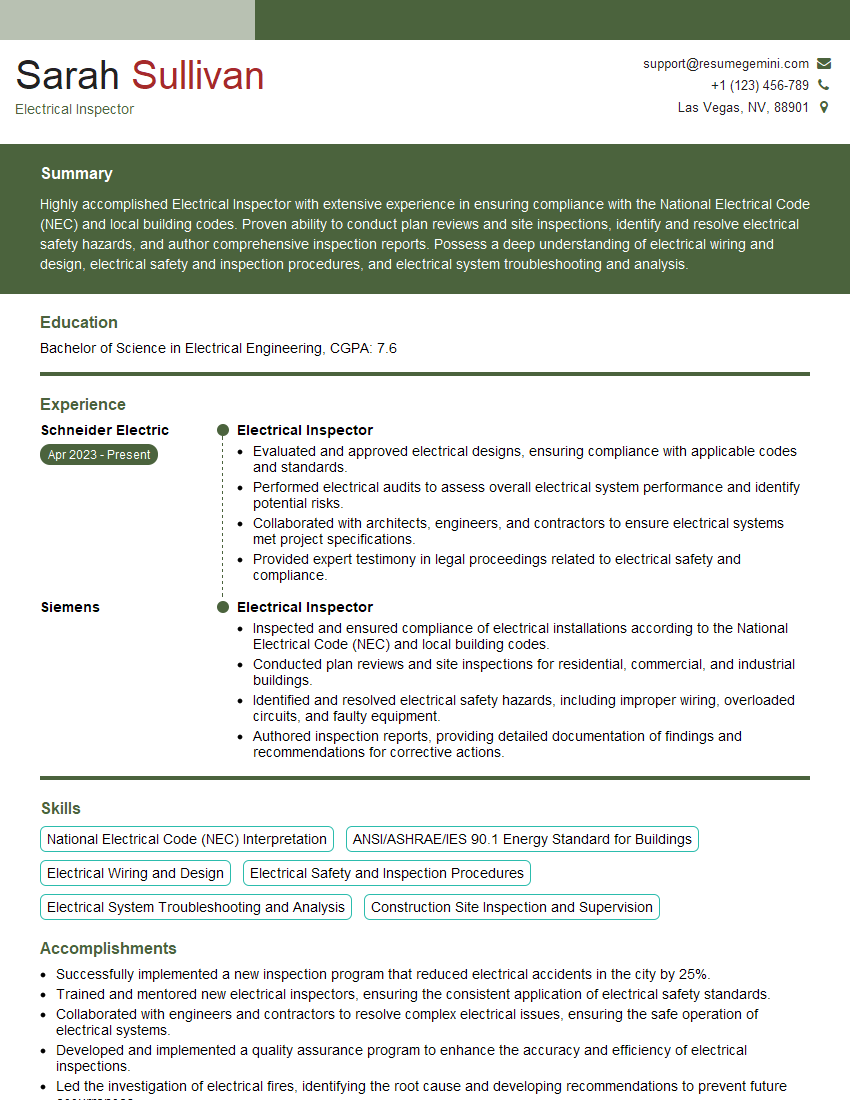
Electrical Inspector Resume Sample
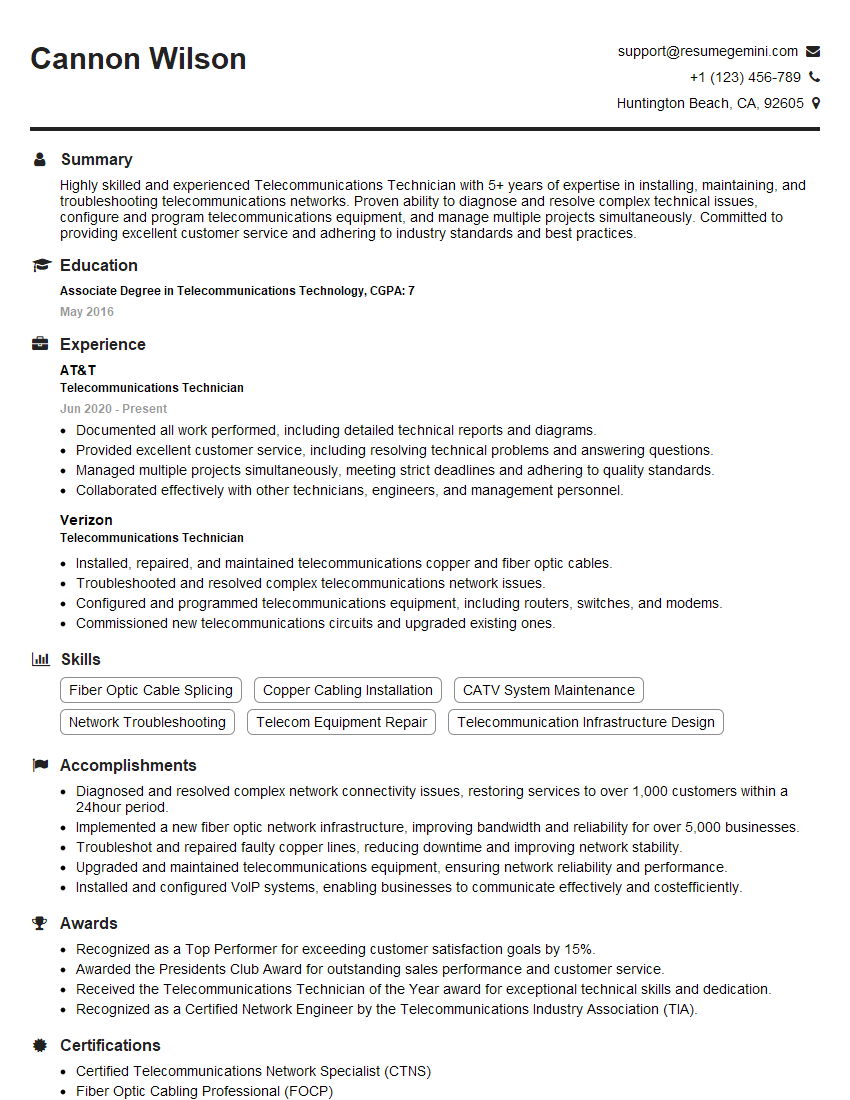
Telecommunications Technician Resume Sample
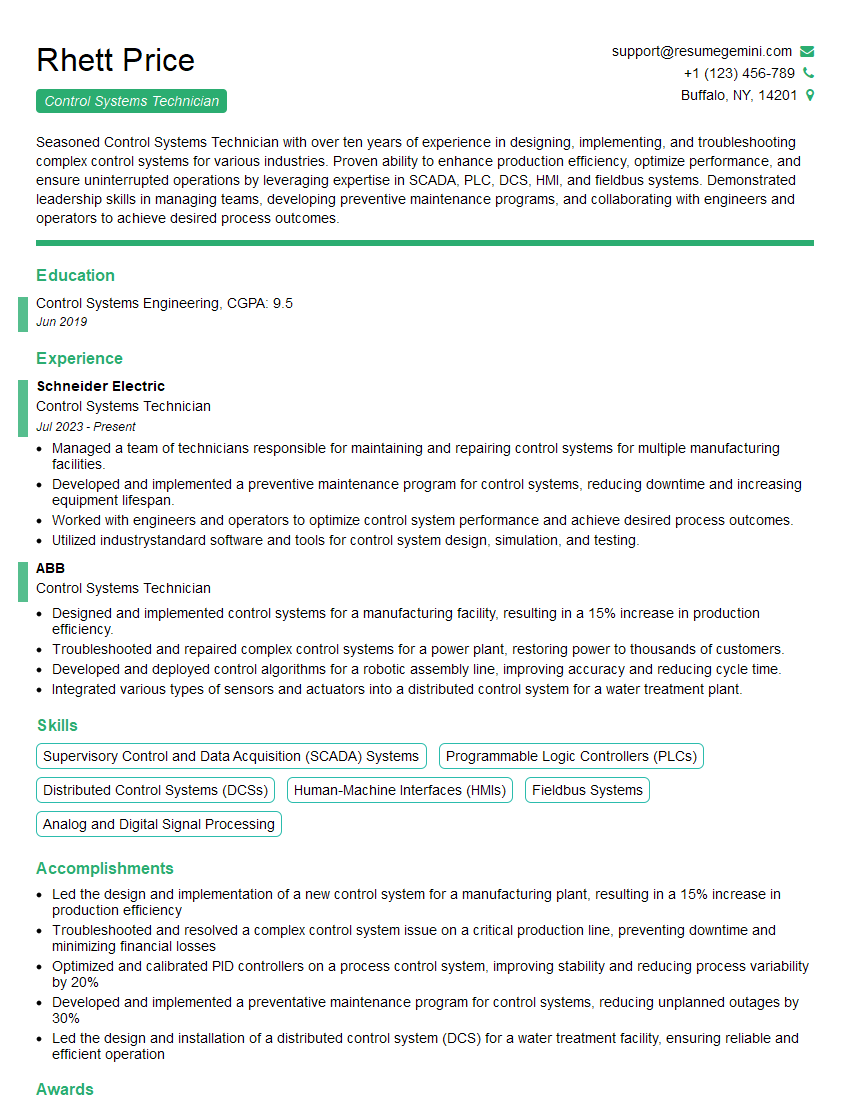
Control Systems Technician Resume Sample
- Electrical Superintendent
- Electrical Contractor
- Electrical Designer
- Electrical Engineer
- Electrical Drafter
- Electronics Technician
- Instrumentation Technician
- Automation Technician
- Electrical Technician
- Electrical Foreman
- Electrician
- Industrial Electrician
- Maintenance Electrician
- Electrical Inspector
- Telecommunications Technician
- Control Systems Technician
Explore more articles
Users Rating of Our Blogs
Share Your Experience
We value your feedback! Please rate our content and share your thoughts (optional).
What Readers Say About Our Blog
To the interviewgemini.com Webmaster.
Very helpful and content specific questions to help prepare me for my interview!
Thank you
To the interviewgemini.com Webmaster.
This was kind of a unique content I found around the specialized skills. Very helpful questions and good detailed answers.
Very Helpful blog, thank you Interviewgemini team.