Feeling uncertain about what to expect in your upcoming interview? We’ve got you covered! This blog highlights the most important Endometrial Biopsy interview questions and provides actionable advice to help you stand out as the ideal candidate. Let’s pave the way for your success.
Questions Asked in Endometrial Biopsy Interview
Q 1. Describe the different techniques used for endometrial biopsy.
Endometrial biopsy involves obtaining a sample of the uterine lining (endometrium) for microscopic examination. Several techniques exist, each with its own advantages and disadvantages. The choice of technique often depends on the patient’s individual circumstances, the physician’s experience, and the availability of equipment.
- Pipelle endometrial aspiration: This is a commonly used, minimally invasive technique utilizing a small, flexible device to collect a sample. It’s often preferred for its ease of use and minimal discomfort.
- Sharp curettage: This involves using a sharp instrument to scrape the endometrial lining. While effective, it’s more invasive and associated with a higher risk of complications. It’s typically used when a more substantial sample is needed.
- Hysteroscopy with directed biopsy: This procedure involves inserting a thin, flexible tube with a camera (hysteroscope) into the uterus to visualize the lining and then taking a targeted biopsy of specific areas. It allows for precise sampling and better visualization of abnormalities.
The selection of the optimal technique is a clinical decision made in conjunction with patient factors and clinical indications.
Q 2. What are the indications for performing an endometrial biopsy?
Endometrial biopsies are valuable diagnostic tools used for a variety of reasons. The primary indications include:
- Abnormal uterine bleeding (AUB): This is the most common reason. A biopsy helps determine the cause of heavy, irregular, or prolonged bleeding, which can range from hormonal imbalances to endometrial polyps or cancer.
- Infertility investigations: Assessing the endometrial lining’s structure and receptivity is crucial for successful implantation. Biopsies can reveal abnormalities that hinder fertility.
- Postmenopausal bleeding: Any bleeding after menopause is considered significant and requires investigation to rule out endometrial hyperplasia or cancer.
- Suspicion of endometrial pathology: If imaging studies (ultrasound, etc.) reveal abnormalities in the uterine lining, a biopsy is often necessary for definitive diagnosis.
- Monitoring response to treatment: For example, following hormonal therapy for endometrial hyperplasia, a biopsy can assess the effectiveness of the treatment.
In essence, an endometrial biopsy helps pinpoint the underlying cause of many gynecological concerns, allowing for targeted and effective treatment.
Q 3. Explain the procedure for obtaining an endometrial biopsy using a Pipelle device.
The Pipelle device is a simple, effective instrument for endometrial aspiration. Here’s a step-by-step outline of the procedure:
- Preparation: The patient is placed in a lithotomy position (on their back with legs elevated in stirrups). The cervix is visualized using a speculum.
- Cervical dilation (if needed): Depending on the patient’s cervix, gentle dilation may be necessary to facilitate easier passage of the Pipelle.
- Pipelle insertion: The Pipelle is carefully inserted through the cervical canal into the uterine cavity.
- Aspiration: Gentle suction is applied via the Pipelle to collect a sample of the endometrial tissue. The device rotates slightly to ensure adequate sampling.
- Withdrawal: The Pipelle is gently withdrawn, and the collected tissue sample is expelled onto a slide or into a specimen container.
- Examination: The collected tissue is then sent for histological examination.
The procedure is usually well-tolerated with minimal discomfort, often described as mild cramping. Post-procedure instructions include monitoring for bleeding and contacting the physician if any concerns arise.
Q 4. What are the potential complications associated with endometrial biopsy?
While generally safe, endometrial biopsies carry potential complications, though these are infrequent. They include:
- Infection: Infection is a risk with any invasive procedure. Antibiotics are sometimes prescribed prophylactically.
- Bleeding: Some bleeding is expected, but excessive bleeding is uncommon. Patients should monitor for heavy bleeding or soaking through pads.
- Uterine perforation: This is a rare but serious complication involving puncture of the uterine wall. It typically requires immediate medical attention.
- Cervical trauma: Minor cervical irritation or bleeding can occur.
- Pain: Most patients experience minimal discomfort, but some may report more significant cramping.
The risks associated with endometrial biopsy are low compared to the valuable diagnostic information it provides.
Q 5. How do you interpret endometrial biopsy results?
Interpreting endometrial biopsy results requires a pathologist’s expertise. The report will describe the stage of the menstrual cycle (proliferative, secretory, etc.), endometrial thickness, and any abnormalities present. Key aspects of the interpretation include:
- Dating the endometrium: Determining the stage of the menstrual cycle based on histological features is crucial for appropriate clinical interpretation.
- Assessing endometrial thickness: Thickness is an important factor in evaluating various conditions, especially postmenopausal bleeding.
- Identifying abnormalities: The report will note the presence of any polyps, hyperplasia (excessive cell growth), inflammation, or cancer. Specific cell types and architectural changes are detailed to arrive at a diagnosis.
- Correlation with clinical presentation: The pathologist’s findings must be considered in conjunction with the patient’s symptoms, medical history, and other diagnostic tests.
The biopsy report provides the foundation for guiding further investigations or treatment decisions.
Q 6. What are the histological features of a normal proliferative endometrium?
The proliferative phase of the menstrual cycle is characterized by the growth and maturation of the endometrial lining in preparation for potential pregnancy. Histologically, a normal proliferative endometrium shows:
- Straight, closely packed glands: The endometrial glands are relatively straight and narrow, close together.
- Uniformly sized glands: The glands are fairly consistent in size and shape.
- Stromal cells with minimal mitotic activity: The stroma (connective tissue) is abundant, with relatively few dividing cells.
- Low to moderate mitoses: Relatively few dividing cells are seen in this phase.
- Absence of secretory changes: Features associated with secretory changes, such as glandular distention or pseudostratification, are absent.
This orderly arrangement of cells and structures reflects the preparation for potential implantation.
Q 7. What are the histological features of a normal secretory endometrium?
The secretory phase follows ovulation and is characterized by the endometrium preparing for potential embryo implantation. Histologically, a normal secretory endometrium shows:
- Tortuous, dilated glands: The glands become more convoluted and distended, taking on a saw-tooth appearance.
- Subnuclear vacuoles: These are characteristic clear spaces in the glandular epithelial cells, representing accumulated secretory products.
- Predecidual changes in the stroma: The stromal cells begin to accumulate glycogen, resulting in changes to their appearance.
- Increased stromal edema: Fluid accumulation in the stroma contributes to the overall thickening of the endometrium.
- Secretions within the glands: The glands are filled with secretory products.
These changes reflect the endometrium’s readiness to support a developing embryo. The appearance reflects the hormonal influences of progesterone.
Q 8. Describe the histological features consistent with endometrial hyperplasia.
Endometrial hyperplasia is a condition characterized by an increase in the number of endometrial glands and stroma, exceeding the normal ratio. It’s essentially a thickening of the uterine lining. Histologically, we look for several key features:
- Increased glandular density: More glands than normal are present, packed closely together.
- Glandular architecture: The glands themselves may be irregular in shape and size, varying from small and cystic to dilated and complex. We may see branching and budding.
- Stroma-to-gland ratio: The ratio of stromal tissue (the supporting tissue) to glandular tissue is altered; there is often a relative increase in glandular tissue.
- Nuclear atypia (in atypical hyperplasia): This is a crucial distinction. In simple hyperplasia, nuclei are relatively normal, while in atypical hyperplasia, nuclei are larger, darker (hyperchromatic), and have more prominent nucleoli (the small structures within the nucleus). This atypia is a strong predictor of progression to cancer.
Think of it like a garden—normal endometrium is a neatly arranged garden, while hyperplasia is like the garden having overgrowth, with some plants being unusually large or misshapen (atypical hyperplasia).
Q 9. How do you differentiate between endometrial hyperplasia and endometrial carcinoma on biopsy?
Differentiating endometrial hyperplasia from endometrial carcinoma on biopsy can be challenging, and sometimes requires correlation with clinical findings and additional tests. Key differences lie in the degree of architectural and cytological abnormalities:
- Architectural Disruption: In carcinoma, there’s significant disruption of the normal endometrial architecture. Glands are highly irregular, often back-to-back, with loss of the normal stromal support. This is far more pronounced than even in atypical hyperplasia.
- Cytological Features: Carcinoma shows marked cytological atypia—significantly larger, hyperchromatic, and pleomorphic nuclei (varying in size and shape) compared to hyperplasia. Mitoses (cell division) may be increased. The presence of invasion into the myometrium (the uterine muscle layer) is definitive evidence of carcinoma.
- Necrosis: Endometrial carcinoma may show areas of necrosis (cell death).
Essentially, carcinoma represents a much more profound and disorganized alteration of the endometrial tissue than even atypical hyperplasia. The presence of invasion into the myometrium is the definitive sign of cancer.
Q 10. What are the histological features of endometrial carcinoma?
Endometrial carcinoma encompasses a spectrum of histological subtypes, but common features include:
- Glandular differentiation: Most endometrial carcinomas originate from the glands of the endometrium. They may show varying degrees of glandular differentiation, ranging from well-differentiated to poorly differentiated (anaplastic).
- Architectural derangement: The normal architectural organization of the endometrium is completely lost. Glands are irregular, often back-to-back, and invade the stroma.
- Cytologic atypia: Significant cytological atypia, including hyperchromasia, pleomorphism, and increased mitotic activity is observed.
- Invasion: Invasion of the myometrium is a defining characteristic of endometrial carcinoma. The extent of myometrial invasion impacts staging and prognosis.
- Lymphovascular invasion: Involvement of lymphatic vessels or blood vessels increases the risk of metastasis.
It’s crucial to note that the specific histological features influence the grading and staging of the cancer, which significantly impacts treatment decisions.
Q 11. What are the limitations of endometrial biopsy?
Endometrial biopsy, while valuable, has limitations:
- Sampling error: It only samples a small portion of the endometrium. A focal lesion might be missed, leading to a false-negative result.
- Phase-dependency: The results can vary depending on the phase of the menstrual cycle. Biopsies are ideally performed in the proliferative or early secretory phase.
- Technical difficulties: The procedure can be difficult to perform in some patients, and the sample may be inadequate for interpretation.
- Cannot detect all abnormalities: It may not detect subtle abnormalities or lesions that are outside the sampling area.
- False positive results: Some benign conditions might mimic malignant features on biopsy.
It’s important to interpret biopsy results in the context of the patient’s clinical presentation and other relevant investigations.
Q 12. How do you manage a patient with abnormal endometrial biopsy findings?
Management of abnormal endometrial biopsy findings depends entirely on the specific diagnosis:
- Simple hyperplasia without atypia: Often managed conservatively with close monitoring and possible hormonal therapy (e.g., progestin therapy).
- Atypical hyperplasia: Usually requires more aggressive management, including hysteroscopy and dilation and curettage (D&C) to obtain more complete sampling and assess the extent of the lesion. Hysterectomy is frequently recommended.
- Endometrial carcinoma: Requires a multidisciplinary approach, including staging procedures (such as imaging studies) to determine the extent of the disease, and subsequent treatment, which may involve surgery, radiation therapy, chemotherapy, or a combination thereof.
Each case is unique, and management decisions involve considering patient age, reproductive desires, comorbid conditions, and the specific histological features.
Q 13. What is the role of endometrial biopsy in the evaluation of infertility?
In infertility evaluations, endometrial biopsy can assess endometrial receptivity, the ability of the endometrium to support implantation. A biopsy taken in the mid-luteal phase (around days 20-24 of the menstrual cycle) can be used for:
- Assessing endometrial thickness and morphology: An appropriately thick and well-developed endometrium is essential for implantation.
- Evaluating the endometrial histology: Biopsy can identify abnormalities that might impair implantation, such as chronic endometritis or inflammation.
- Endometrial receptivity array (ERA): A specialized technique analyzes gene expression patterns in the endometrium to determine the optimal window of implantation.
It’s important to note that endometrial biopsy is just one piece of the infertility puzzle, used in conjunction with other investigations.
Q 14. What is the role of endometrial biopsy in the evaluation of abnormal uterine bleeding?
Endometrial biopsy plays a critical role in evaluating abnormal uterine bleeding (AUB) by helping to identify the underlying cause. It is essential in ruling out endometrial pathology, especially cancer:
- Diagnosing endometrial hyperplasia and carcinoma: As discussed previously, endometrial biopsy is the gold standard for detecting these conditions.
- Identifying other endometrial pathologies: Biopsy can diagnose conditions such as chronic endometritis, endometrial polyps, and other structural abnormalities that can lead to AUB.
- Assessing endometrial receptivity in patients with AUB who desire fertility: If the patient wants to preserve fertility, treatment decisions need to be made while considering reproductive potential.
While other tests like transvaginal ultrasound can provide some information, endometrial biopsy offers the definitive histological diagnosis and is often crucial in guiding appropriate management.
Q 15. Discuss the importance of proper sample collection and handling in endometrial biopsy.
Proper sample collection and handling are paramount in endometrial biopsy because the quality of the specimen directly impacts the accuracy of the diagnosis. A poorly collected or mishandled sample can lead to incomplete or misleading results, potentially delaying treatment or causing unnecessary anxiety for the patient.
Sample Collection: The technique used to obtain the endometrial sample is crucial. A sufficient amount of tissue needs to be collected to allow for adequate evaluation. The sampling method should be appropriate for the patient’s condition and the clinical question being addressed. For example, a directed biopsy may be necessary if a specific area of concern is identified on ultrasound. Using a device that causes excessive trauma or bleeding can compromise sample quality.
Sample Handling: Immediate fixation in an appropriate fixative, such as formalin, is essential to preserve tissue architecture and prevent degradation. Proper labeling of the specimen with the patient’s name, date, and time of collection is crucial to avoid mix-ups and maintain traceability. The sample should be transported to the pathology lab promptly to maintain tissue integrity and prevent artifacts.
Example: Imagine a scenario where a small, fragmented sample is obtained due to improper technique. The pathologist might not be able to assess the endometrial lining adequately, potentially missing a significant finding like endometrial hyperplasia or cancer. Conversely, a well-collected and handled sample provides a clear picture of the endometrial tissue, allowing for a more accurate diagnosis.
Career Expert Tips:
- Ace those interviews! Prepare effectively by reviewing the Top 50 Most Common Interview Questions on ResumeGemini.
- Navigate your job search with confidence! Explore a wide range of Career Tips on ResumeGemini. Learn about common challenges and recommendations to overcome them.
- Craft the perfect resume! Master the Art of Resume Writing with ResumeGemini’s guide. Showcase your unique qualifications and achievements effectively.
- Don’t miss out on holiday savings! Build your dream resume with ResumeGemini’s ATS optimized templates.
Q 16. Explain the use of endometrial biopsy in postmenopausal bleeding.
Endometrial biopsy plays a vital role in the investigation of postmenopausal bleeding. Postmenopausal bleeding is defined as any vaginal bleeding occurring six months or more after menopause. This warrants prompt evaluation as it can be a sign of serious underlying conditions, including endometrial cancer. While less common, other causes include atrophic vaginitis, endometrial polyps, and uterine hyperplasia.
An endometrial biopsy is considered the gold standard for evaluating postmenopausal bleeding. It allows for direct visualization of the endometrial lining, enabling the pathologist to identify and characterize any abnormalities such as abnormal cell growth, inflammation, or cancerous tissue. It assists in assessing the risk of malignancy and guides treatment decisions.
Example: A 65-year-old woman presents with postmenopausal bleeding. An endometrial biopsy is performed, revealing endometrial hyperplasia (thickening of the uterine lining). This finding warrants close follow-up, as it carries an increased risk of developing endometrial cancer. The patient may be offered options like hormonal therapy or endometrial ablation to manage the hyperplasia.
Q 17. How do you counsel a patient before and after an endometrial biopsy?
Pre- and post-biopsy counseling is critical for a patient’s comfort and understanding. It involves explaining the procedure, potential risks and benefits, and ensuring the patient feels informed and empowered.
Pre-biopsy Counseling: I explain the procedure’s purpose, the technique (e.g., pipelle or D&C), anticipated sensations (mild cramping), and the potential risks (bleeding, infection). I answer any questions the patient may have and provide reassurance. I discuss the importance of the procedure in addressing her concerns and the potential diagnostic outcomes.
Post-biopsy Counseling: I discuss the immediate post-procedure expectations, such as minor cramping or spotting. I provide instructions for hygiene and pain management. Most importantly, I communicate the results of the biopsy, explaining them in clear, understandable terms, and address any further concerns or questions the patient might have. I outline the next steps, whether it be follow-up appointments or referral to specialists if necessary. A realistic timeline for receiving results is also explained.
Example: A patient may feel anxious before a biopsy. Thorough counseling helps reduce anxiety by fostering open communication and trust. Following the biopsy, I would provide a clear timeline for receiving the pathology report and offer support during the waiting period.
Q 18. What are the different types of endometrial biopsy specimens?
Several types of endometrial biopsy specimens exist, primarily differing in the method of collection:
- Pipelle Biopsy: This is a common office-based procedure using a small, flexible catheter to obtain a sample. It is minimally invasive.
- Dilation and Curettage (D&C): This is a more invasive procedure performed under anesthesia, involving dilating the cervix and scraping the uterine lining to obtain a larger tissue sample. This is typically performed in cases where a more extensive evaluation is needed.
- Hysteroscopic Biopsy: This technique employs a hysteroscope (a thin, lighted instrument) to visualize the uterine cavity and obtain a targeted biopsy. This is especially useful when a specific abnormality is detected on imaging.
The choice of method depends on the clinical indication, patient factors, and the clinician’s expertise.
Q 19. Describe the process of preparing and staining an endometrial biopsy slide.
Preparing and staining an endometrial biopsy slide is a crucial step in histopathological evaluation. The process ensures optimal visualization of cellular structures and allows for accurate diagnosis.
Preparation: The tissue is first processed to remove water and fix the tissue architecture using formalin. The tissue is then embedded in paraffin wax, allowing for easier sectioning with a microtome. Thin sections (typically 4-5 micrometers) are then mounted on glass slides.
Staining: Hematoxylin and eosin (H&E) staining is the most common staining technique. Hematoxylin stains cell nuclei blue, and eosin stains the cytoplasm and extracellular matrix pink. This allows for clear visualization of cellular details and tissue structures. Special stains may be employed in certain cases (e.g., periodic acid-Schiff [PAS] stain for glycogen detection). The stained slides are then coverslipped to preserve them.
Example: Proper fixation and staining are essential. Poorly fixed tissue will show artifacts, like tissue shrinkage or distortion, impairing the pathologist’s ability to reach an accurate diagnosis.
Q 20. What are some common artifacts seen in endometrial biopsies?
Several artifacts can be encountered in endometrial biopsies, potentially affecting the interpretation of results:
- Tissue Fragmentation: Improper collection or handling can result in fragmented tissue, making a comprehensive evaluation difficult.
- Crush Artifacts: Excessive force during tissue processing can cause compression or distortion of the tissue structure.
- Fixation Artifacts: Inadequate fixation can lead to tissue shrinkage, poor preservation of cellular details, or the formation of precipitates.
- Sampling Error: The biopsy might not represent the entire endometrial lining, potentially missing focal lesions or abnormalities.
The pathologist must be aware of these potential artifacts and interpret the findings accordingly. The clinical context is crucial in differentiating artifacts from true pathology.
Q 21. How do you interpret the results of an endometrial biopsy in the context of a patient’s medical history?
Interpreting endometrial biopsy results requires careful consideration of the patient’s medical history, clinical presentation, and other relevant investigations such as imaging studies. The pathologist provides a descriptive diagnosis, often accompanied by a grading or staging system where appropriate.
Example: A patient with abnormal uterine bleeding and a history of obesity presents with an endometrial biopsy showing simple hyperplasia. In this context, the hyperplasia is significant because obesity increases the risk of developing endometrial cancer. The patient would require close follow-up with potential interventions such as hormonal therapy or further diagnostic procedures.
In contrast, a postmenopausal woman with post-menopausal bleeding presenting with atrophic endometrium on biopsy is likely not suggestive of malignancy and the bleeding may be related to vaginal atrophy.
A comprehensive understanding of the patient’s background, combined with the microscopic findings, is essential for generating an accurate diagnosis and formulating an appropriate management plan.
Q 22. What are the quality assurance measures in place for endometrial biopsy procedures in your institution?
Quality assurance in endometrial biopsy at our institution is a multi-faceted process focusing on accuracy, safety, and patient well-being. It begins with rigorous staff training and competency assessments for all personnel involved, from nurses and technicians to pathologists. We utilize standardized protocols for sample collection, including meticulous documentation of the procedure, the exact location of the biopsy, and the depth of tissue obtained. This is crucial for interpretation. We employ a robust quality control system for the processing and handling of the biopsy specimens, minimizing any risk of degradation or contamination. This includes careful labeling, appropriate fixation, and timely processing to preserve tissue integrity. Finally, regular internal and external quality audits are performed to compare our results against established benchmarks and identify any areas needing improvement. This continuous monitoring ensures adherence to best practices and the consistent delivery of high-quality results.
For example, our pathology department regularly participates in proficiency testing programs, where we analyze anonymized samples alongside other labs to compare our diagnostic accuracy. Discrepancies are investigated thoroughly, leading to process refinements and further training if necessary. This rigorous approach to quality assurance gives us confidence in the accuracy and reliability of our endometrial biopsy results.
Q 23. Discuss the role of molecular testing in the evaluation of endometrial biopsies.
Molecular testing has revolutionized the evaluation of endometrial biopsies, moving beyond traditional histopathological examination. It allows for a deeper understanding of the underlying molecular mechanisms driving endometrial pathologies. For instance, in cases of endometrial hyperplasia, molecular testing can identify specific genetic alterations associated with an increased risk of cancer progression. This allows for more personalized risk stratification and treatment decisions. In the evaluation of infertility, genetic testing of endometrial biopsies can reveal factors such as immune system dysregulation or abnormalities in the expression of genes crucial for implantation. Furthermore, in suspected cases of recurrent miscarriage, molecular analysis can help pinpoint underlying genetic or immunological issues affecting endometrial receptivity.
One example is the use of polymerase chain reaction (PCR) to detect specific genetic markers associated with endometrial cancer, providing more precise diagnoses and prognoses than traditional histology alone. Another example is the use of microarray analysis to profile gene expression patterns in the endometrium, aiding in the investigation of complex conditions like endometriosis. The implementation of molecular techniques has significantly enhanced the diagnostic power of endometrial biopsies, guiding more effective clinical management and improving patient outcomes.
Q 24. How does the timing of the menstrual cycle affect endometrial biopsy interpretation?
The timing of the menstrual cycle is paramount in endometrial biopsy interpretation. The endometrium undergoes dramatic cyclical changes throughout the month, impacting its histological appearance. Optimal biopsy timing is crucial for accurate assessment. Ideally, a biopsy should be performed in the proliferative phase (days 5-10 of the menstrual cycle), or in the secretory phase if investigating implantation failure or luteal phase dysfunction. In the proliferative phase, the endometrium is relatively thin and easy to sample, showing a characteristic glandular and stromal architecture. In the secretory phase, the endometrium is thicker and more complex, reflecting its preparation for potential implantation.
Performing a biopsy at the wrong time can lead to misinterpretation. For instance, an early secretory biopsy might be mistaken for a proliferative endometrium if the pathologist is unaware of the cycle day. This could result in an inaccurate assessment of hormonal balance and endometrial function. Conversely, a late proliferative biopsy could appear similar to a secretory phase, potentially obscuring a subtle pathology. Therefore, careful consideration of the menstrual cycle phase is crucial before conducting and interpreting an endometrial biopsy, emphasizing the need for clear communication between the clinician and patient regarding cycle tracking.
Q 25. What are the emerging trends and technologies in endometrial biopsy?
The field of endometrial biopsy is constantly evolving, with several emerging trends and technologies pushing the boundaries of diagnosis and treatment. One significant development is the introduction of less invasive biopsy techniques, such as Pipelle endometrial sampling devices, aiming to reduce discomfort and procedural complications. These minimally invasive methods provide adequate samples for analysis while minimizing patient trauma. In addition, image-guided biopsy systems are gaining traction. These technologies allow for real-time visualization of the uterine cavity, facilitating more precise sample collection, particularly in challenging cases. The development of advanced molecular diagnostics, including genomic sequencing and proteomic profiling, continues to refine our understanding of endometrial diseases. Furthermore, advances in artificial intelligence and machine learning are being applied to analyze endometrial biopsy images, enhancing diagnostic accuracy and potentially speeding up turnaround times.
For example, the application of AI in pathology is showing promise in identifying subtle morphological changes in the endometrium that might be missed by the human eye, potentially leading to earlier detection of pre-cancerous conditions. This integration of advanced technologies and techniques is transforming the endometrial biopsy process, paving the way for more accurate, efficient, and personalized patient care.
Q 26. How do you handle patient concerns and anxieties regarding the procedure?
Addressing patient concerns and anxieties regarding endometrial biopsy is an essential aspect of providing compassionate care. Many patients experience apprehension due to the invasive nature of the procedure and the potential discomfort associated with it. I typically initiate a conversation by validating their feelings and explaining the procedure in clear, non-medical terms, using analogies to make the process less intimidating. For example, I might compare the procedure to a simple pap smear, emphasizing the short duration and minimal discomfort. I then explain the reasons for the biopsy, its benefits, and the potential risks and complications in detail. I provide ample opportunity for them to ask questions and address their concerns, clarifying any misconceptions they may have. Pain management strategies, including the use of analgesics and topical anesthetics, are discussed to further alleviate their anxiety.
Moreover, I reassure patients about the overall safety profile of the procedure and its importance in achieving a definitive diagnosis. Post-procedure care and potential complications are discussed, along with the timeline for receiving results. This open and honest communication empowers the patient and fosters a trusting relationship, essential for a positive procedural experience.
Q 27. Describe a challenging case involving an endometrial biopsy and how you resolved it.
One particularly challenging case involved a patient presenting with abnormal uterine bleeding and a history of multiple unsuccessful fertility treatments. The initial endometrial biopsy yielded a small, fragmented sample, making definitive histological diagnosis difficult. The initial pathology report was inconclusive. This presented a diagnostic dilemma as it hindered the ability to determine the cause of her infertility and the nature of her bleeding. To resolve this, we opted for a second biopsy using a different technique—a saline infusion sonography-guided procedure. This allowed for more precise visualization of the uterine cavity and better targeted sample collection. The second biopsy yielded a much larger, more representative sample, revealing focal areas of endometrial hyperplasia. This finding was crucial in guiding subsequent management, including hormone therapy to address the hyperplasia and optimize her chances of conceiving. The case highlighted the importance of considering alternative approaches when an initial biopsy proves insufficient, emphasizing the need for adaptability and innovative problem-solving in complex clinical situations.
Q 28. What are the ethical considerations related to performing and interpreting endometrial biopsies?
Ethical considerations surrounding endometrial biopsies are significant and multifaceted. Informed consent is paramount. Patients must fully understand the procedure’s purpose, risks, benefits, and alternatives before providing consent. This includes clearly explaining the potential for complications such as infection, bleeding, perforation, and the possibility of an inconclusive result. Confidentiality is also crucial, ensuring that patient information is protected and only shared with authorized personnel involved in their care. The clinical indication for the procedure must be justified, ensuring that the biopsy is medically necessary and proportional to the patient’s overall health and well-being. The use of results must be transparent, explaining how the information gathered will be used for diagnosis, management, and treatment planning.
Equally important is the ethical obligation to interpret results accurately and provide patients with clear, concise, and understandable explanations. Misinterpretations or delays in providing results can have significant ramifications for the patient’s health and well-being. In cases where the results are unexpected or raise serious concerns, it’s crucial to appropriately counsel and support the patient, potentially referring them to specialist services. Adherence to these ethical principles ensures responsible and patient-centered care in the context of endometrial biopsy procedures.
Key Topics to Learn for Endometrial Biopsy Interview
- Procedure Overview: Understand the indications, contraindications, and procedural steps involved in endometrial biopsy. Include patient preparation and post-procedure care.
- Instrumentation and Techniques: Familiarize yourself with various biopsy instruments (e.g., Pipelle, Novak curette) and their appropriate applications. Master the different biopsy techniques and their relative advantages and disadvantages.
- Specimen Handling and Processing: Learn the crucial steps in properly collecting, labeling, and transporting the endometrial biopsy sample to ensure accurate pathological analysis.
- Interpretation of Results: Develop a strong understanding of how to interpret biopsy results, including identifying normal and abnormal endometrial tissue. Be prepared to discuss the implications of various findings.
- Complications and Management: Be aware of potential complications associated with endometrial biopsy (e.g., bleeding, infection) and how to manage them effectively. This includes recognizing signs and symptoms and initiating appropriate interventions.
- Patient Communication and Counseling: Practice explaining the procedure to patients in a clear and understandable manner, addressing their concerns and managing expectations. This includes obtaining informed consent.
- Ethical Considerations: Understand the ethical implications surrounding endometrial biopsy, including patient autonomy, confidentiality, and informed consent.
- Advanced Techniques and Applications: Explore newer techniques in endometrial sampling and their clinical applications. This might include directed biopsies guided by ultrasound or hysteroscopy.
Next Steps
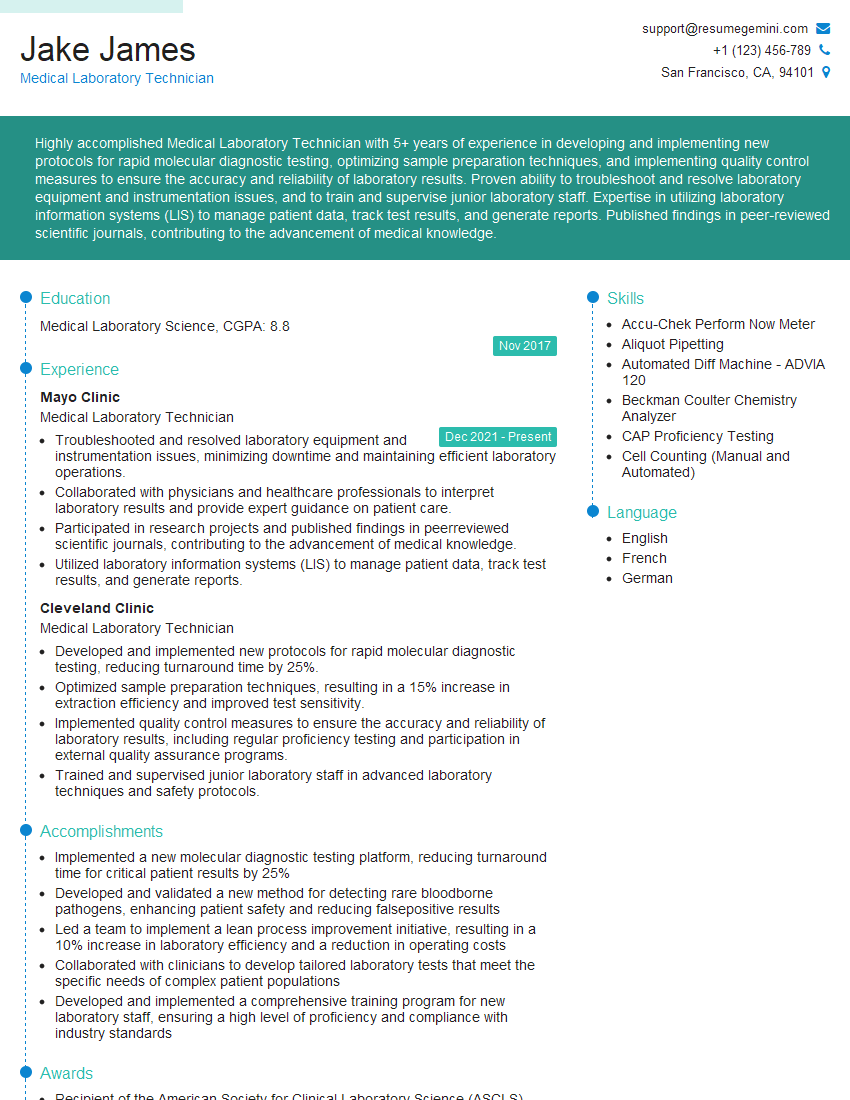
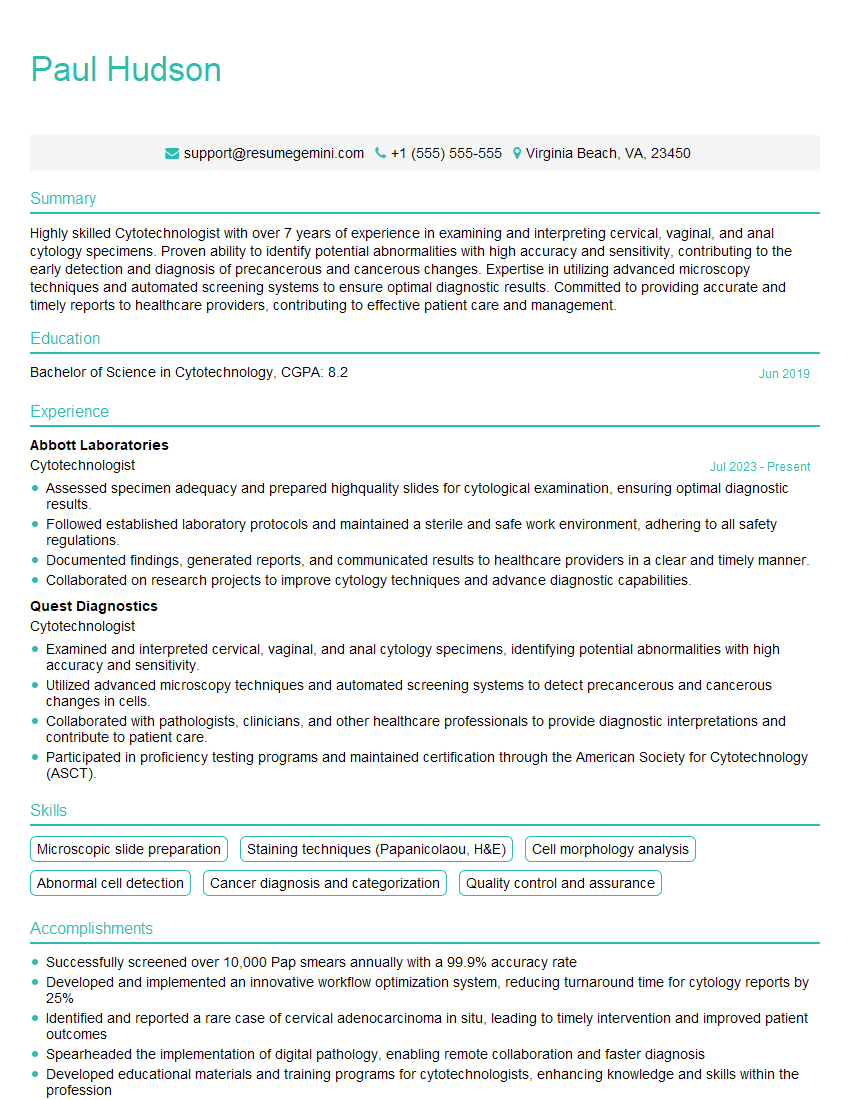
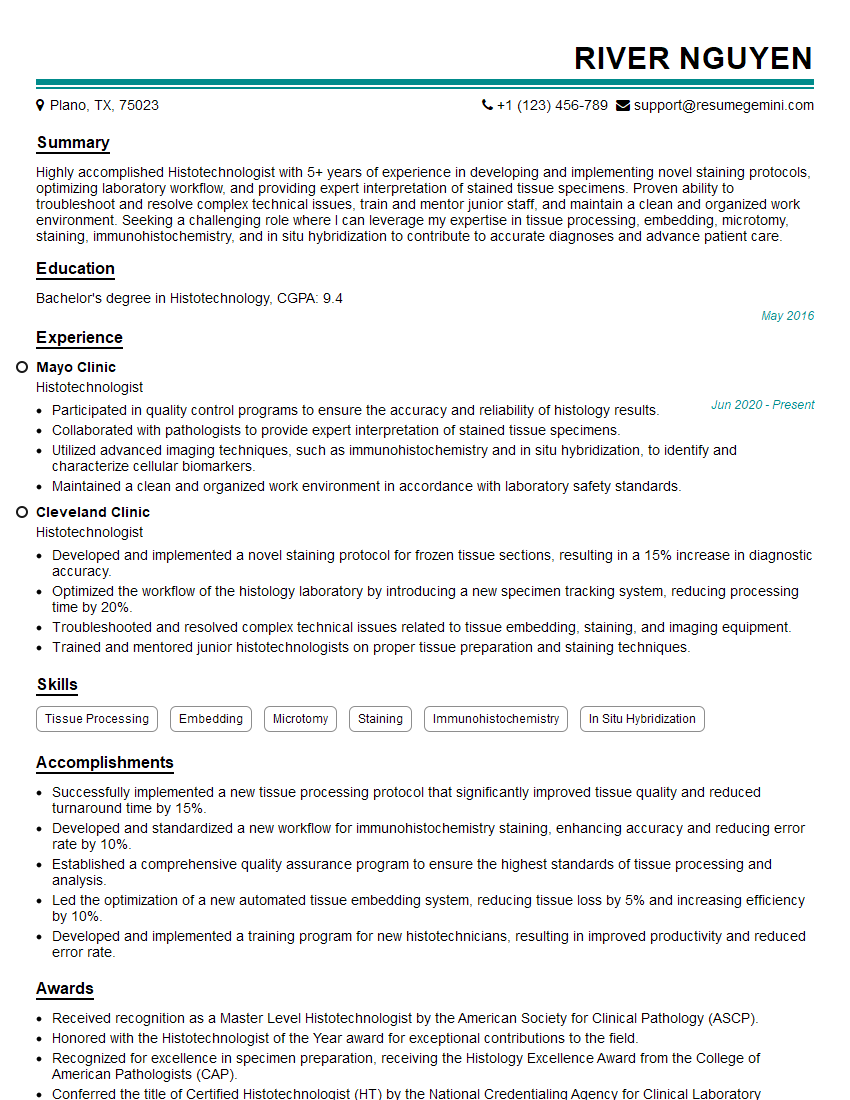
Mastering Endometrial Biopsy significantly enhances your career prospects in gynecology, reproductive endocrinology, and related fields. A strong understanding of this procedure demonstrates valuable clinical skills and attention to detail. To maximize your job search success, crafting an ATS-friendly resume is critical. ResumeGemini is a trusted resource to help you build a professional and impactful resume that highlights your expertise. Examples of resumes tailored to Endometrial Biopsy are available to guide you through the process.
Explore more articles
Users Rating of Our Blogs
Share Your Experience
We value your feedback! Please rate our content and share your thoughts (optional).
What Readers Say About Our Blog
To the interviewgemini.com Webmaster.
Very helpful and content specific questions to help prepare me for my interview!
Thank you
To the interviewgemini.com Webmaster.
This was kind of a unique content I found around the specialized skills. Very helpful questions and good detailed answers.
Very Helpful blog, thank you Interviewgemini team.