Every successful interview starts with knowing what to expect. In this blog, we’ll take you through the top Endometriosis interview questions, breaking them down with expert tips to help you deliver impactful answers. Step into your next interview fully prepared and ready to succeed.
Questions Asked in Endometriosis Interview
Q 1. Describe the pathophysiology of endometriosis.
Endometriosis is a condition where tissue similar to the lining of the uterus (the endometrium) grows outside of the uterus. The exact pathophysiology isn’t fully understood, but the leading theories involve retrograde menstruation (menstrual blood flowing back through the fallopian tubes), implantation of endometrial cells, and immune system dysfunction. Retrograde menstruation is widely believed to be a primary factor; however, not all women who experience retrograde menstruation develop endometriosis, indicating other factors are involved.
Once endometrial tissue is outside the uterus, it responds to hormonal fluctuations, just as the uterine lining does. This leads to cyclical bleeding and inflammation. The chronic inflammation can cause the formation of adhesions (scar tissue) that bind organs together, leading to pain and infertility. The presence of endometrial cells in unusual locations also triggers an immune response, contributing to the overall inflammatory process.
Think of it like this: imagine a plant that shouldn’t be growing in a certain area. If that plant takes root and continues to grow, it causes problems. Endometrial tissue outside the uterus is much like that plant; it doesn’t belong there, and its growth and cyclical bleeding cause a range of symptoms and complications.
Q 2. Explain the diagnostic criteria for endometriosis.
Diagnosis of endometriosis is primarily based on a combination of clinical findings and direct visualization of endometrial implants. There’s no single definitive test. A thorough medical history, focusing on symptoms and reproductive history, is crucial.
Laparoscopy is considered the gold standard for diagnosing endometriosis. This minimally invasive surgical procedure allows for direct visualization of the pelvic organs. During laparoscopy, a surgeon can identify characteristic lesions of endometriosis, such as endometrial implants, which appear as dark, reddish-brown or purplish lesions on the pelvic organs.
Imaging techniques like transvaginal ultrasound and MRI can be helpful in suggesting the presence of endometriosis, especially deep infiltrating endometriosis (DIE), but they are not definitive and often miss cases. They can help identify lesions and abnormalities but cannot confirm the presence of endometriosis definitively. A biopsy, while sometimes possible through imaging-guided procedures, is generally not sufficient alone for diagnosis.
Therefore, the diagnostic criteria combine clinical presentation with laparoscopic findings for definitive diagnosis.
Q 3. What are the common symptoms of endometriosis?
Symptoms of endometriosis are highly variable and depend on the location and severity of the disease. Some women experience no symptoms at all, while others have debilitating pain.
- Pelvic pain: This is the most common symptom, often described as chronic, cyclical pain that worsens during menstruation (dysmenorrhea). It can also include pain during or after intercourse (dyspareunia) and bowel movements or urination.
- Heavy menstrual bleeding (menorrhagia): Excessive bleeding can lead to anemia.
- Infertility: Endometriosis can affect fertility by interfering with ovulation, fertilization, and implantation.
- Fatigue: Chronic pain and inflammation can contribute to significant fatigue.
- Painful bowel movements or urination: This can occur when endometrial implants affect the bladder or intestines.
It’s important to note that many women experience these symptoms without having endometriosis. However, the presence of these symptoms, particularly chronic pelvic pain worsening with menstruation, warrants further investigation.
Q 4. Discuss various treatment options for endometriosis, including medical and surgical approaches.
Treatment for endometriosis depends on the severity of symptoms, the woman’s desire for future fertility, and her overall health. The approach is often individualized and may involve a combination of medical and surgical therapies.
Medical management typically includes pain medications (NSAIDs, analgesics), hormone therapy (oral contraceptives, GnRH agonists/antagonists, progestins), and other medications to manage symptoms or suppress endometrial tissue growth. The goal of medical management is usually pain control and/or suppressing the growth of endometrial tissue.
Surgical management ranges from minimally invasive laparoscopy to more extensive surgeries. Laparoscopic surgery allows for removal or ablation (destruction) of endometrial implants. More extensive surgeries might be necessary for severe cases involving significant adhesions or deep infiltrating endometriosis (DIE). Surgery aims to remove endometrial tissue, reduce adhesions, and alleviate pain.
Choosing the right treatment involves careful consideration of the patient’s symptoms, age, desire for future pregnancies, and risk tolerance. A multidisciplinary approach, potentially involving gynecologists, pain management specialists, and fertility specialists, can be beneficial in managing complex cases.
Q 5. How do you differentiate endometriosis from other conditions with similar symptoms?
Differentiating endometriosis from other conditions with similar symptoms requires a thorough evaluation. Many conditions can mimic endometriosis symptoms, including adenomyosis (endometrial tissue growing into the uterine muscle), irritable bowel syndrome (IBS), pelvic inflammatory disease (PID), and ovarian cysts.
The key to differentiation lies in a detailed history, physical examination, and often, imaging studies. Laparoscopy remains the most definitive diagnostic tool, as it allows for direct visualization of endometrial implants. Other investigations may include blood tests to rule out infections, imaging to assess organ structures, and specialized tests to evaluate bowel function if IBS is suspected.
For instance, while IBS and endometriosis share symptoms like pelvic pain and bloating, IBS typically lacks the cyclical pattern of pain associated with endometriosis and involves gastrointestinal symptoms (diarrhea, constipation) more prominently. Distinguishing these conditions often necessitates a combination of clinical evaluation and careful consideration of the symptom profile.
Q 6. What are the potential long-term complications of endometriosis?
Untreated or poorly managed endometriosis can lead to several long-term complications.
- Infertility: Endometriosis can significantly impair fertility by disrupting ovulation, fertilization, and implantation.
- Chronic pelvic pain: The persistent inflammation and adhesions associated with endometriosis can cause chronic and debilitating pain.
- Ectopic pregnancy: Endometrial implants can interfere with the normal pathway of the fertilized egg, leading to increased risk of ectopic pregnancy.
- Ovarian cysts (endometriomas): These fluid-filled cysts can develop within the ovaries and can cause pain and potentially lead to complications like ovarian torsion.
- Bowel or bladder dysfunction: Deep infiltrating endometriosis can involve the intestines and bladder, leading to painful bowel movements or urination, and potentially requiring surgical intervention.
Early diagnosis and appropriate management are crucial to minimizing these long-term complications. Regular follow-up care is important to monitor symptoms and assess the effectiveness of treatment.
Q 7. Explain the role of imaging techniques (e.g., ultrasound, MRI) in diagnosing endometriosis.
Imaging techniques play a supporting, but not definitive, role in diagnosing endometriosis. They can help to identify potential areas of involvement but cannot confirm the diagnosis on their own. Laparoscopy is still the gold standard.
Transvaginal ultrasound (TVUS): TVUS uses high-frequency sound waves to create images of the pelvic organs. It can sometimes detect endometriomas (cysts filled with endometrial tissue within the ovaries) and other abnormalities suggestive of endometriosis, like thickening of the uterosacral ligaments. However, TVUS sensitivity is limited, and it often misses cases of endometriosis.
Magnetic resonance imaging (MRI): MRI offers superior soft tissue contrast and can be better at visualizing deep infiltrating endometriosis (DIE), which involves involvement of deeper structures like the bowel or bladder. MRI can help identify the location and extent of DIE, guiding surgical planning. However, it’s not a definitive test and can also have limitations in detecting superficial endometriosis.
In summary, imaging techniques can be helpful adjuncts in the assessment of endometriosis, particularly in suspecting DIE. However, they cannot replace laparoscopy for definitive diagnosis.
Q 8. Describe the surgical techniques used to treat endometriosis.
Surgical techniques for endometriosis aim to remove endometrial implants and alleviate symptoms. The choice of procedure depends on the extent and location of the disease, as well as the patient’s overall health and reproductive goals.
Laparoscopic surgery: This minimally invasive procedure uses small incisions and a camera to visualize and remove implants. It’s often preferred for its smaller scars and quicker recovery time. Specific techniques within laparoscopy include laser ablation, electrocautery, and excision.
Laparotomy: This is a more invasive open surgery, reserved for cases with extensive endometriosis or deep infiltrating endometriosis (DIE). It allows for a more thorough removal of implants but has a longer recovery period and larger scars.
Ovarian cystectomy: If endometriomas (endometrial cysts on the ovaries) are present, they can be surgically removed.
Hysterectomy and/or salpingo-oophorectomy: In severe cases, or when conservative surgery has failed, removal of the uterus (hysterectomy) and/or fallopian tubes and ovaries (salpingo-oophorectomy) might be considered. This is generally a last resort, as it leads to permanent sterility.
For example, a patient with multiple superficial implants might benefit from laparoscopic excision, whereas a patient with severe DIE involving the bowel might require laparotomy and potentially bowel resection.
Q 9. Discuss the role of hormonal therapy in managing endometriosis.
Hormonal therapy plays a crucial role in endometriosis management by suppressing the growth of endometrial implants and reducing symptoms like pain and heavy bleeding. The goal is to create a hormonal environment less conducive to endometriosis growth. Several types of hormonal therapies are used:
Combined oral contraceptives (COCs): These pills contain estrogen and progestin, suppressing ovulation and reducing endometrial tissue growth. They are often a first-line treatment for mild to moderate endometriosis.
Progestins: These medications, either oral or injected, work by suppressing the lining of the uterus and reducing endometrial tissue growth. Examples include medroxyprogesterone acetate (Depo-Provera) and norethindrone acetate.
Gonadotropin-releasing hormone (GnRH) agonists and antagonists: These medications suppress ovarian function, creating a state of artificial menopause, leading to significant symptom reduction. They are typically used for short-term management of severe pain or before surgery to reduce the size of implants. Side effects include menopausal symptoms.
Danazol: This is a synthetic androgen that suppresses ovulation and reduces the growth of endometrial tissue. It has more side effects than other hormonal therapies and is less commonly used now.
The choice of hormonal therapy depends on the severity of symptoms, patient preferences, and potential side effects. It’s important to regularly monitor hormone levels and adjust therapy as needed. For instance, a patient with severe pain might benefit from GnRH agonists for a limited period before considering surgery, while a patient with milder symptoms might find relief with COCs.
Q 10. How do you counsel patients about fertility concerns related to endometriosis?
Counseling patients about fertility concerns related to endometriosis is a critical part of care. Endometriosis can impact fertility through several mechanisms, including inflammation, scarring, and distortion of pelvic anatomy.
My approach involves a thorough discussion about the potential impact of endometriosis on fertility, emphasizing that it doesn’t automatically mean infertility. We explore several factors:
Severity of endometriosis: More extensive disease is often associated with lower fertility rates.
Location of implants: Implants near the fallopian tubes or ovaries can directly impair fertility.
Patient’s age and desire for children: The age of the patient and how long she has been trying to conceive play a significant role in guiding treatment and reproductive planning.
I discuss various options, including:
Timely conception: For patients desiring pregnancy, we might suggest trying to conceive sooner rather than later, especially if the endometriosis is mild.
Assisted reproductive technologies (ART): Options like in-vitro fertilization (IVF) are discussed as potential avenues to overcome fertility challenges associated with endometriosis.
Surgery to improve fertility: Surgery to remove endometriosis implants can sometimes improve fertility outcomes, particularly when addressing anatomical distortions.
Referral to fertility specialists: I make referrals to reproductive endocrinologists when needed, particularly when conservative measures have failed.
The conversation is tailored to each patient’s individual circumstances, ensuring they are fully informed and empowered to make informed decisions about their reproductive future.
Q 11. What are the latest advancements in endometriosis research?
Endometriosis research is rapidly evolving. Some of the most promising advancements include:
Improved diagnostic tools: Research focuses on developing non-invasive diagnostic methods, such as blood tests and MRI techniques, to avoid the need for laparoscopy in all cases.
New drug therapies: Studies are exploring novel medications, including those targeting specific pathways involved in endometriosis development, such as immune modulation therapies and selective estrogen receptor modulators.
Understanding the pathogenesis: Researchers are working to uncover the underlying mechanisms driving endometriosis development, including the role of genetics, immune dysfunction, and environmental factors. This knowledge is vital for developing more effective treatments.
Personalized medicine: The goal is to develop tailored treatment strategies based on individual patient characteristics and disease features, ensuring the most effective and least invasive approaches.
Biomarkers: Identifying specific biomarkers in blood or other samples could allow for earlier and more accurate diagnosis of endometriosis.
These advancements offer hope for improved diagnosis, management, and ultimately, a cure for endometriosis in the future.
Q 12. Describe your experience with laparoscopic surgery for endometriosis.
My experience with laparoscopic surgery for endometriosis spans over [Number] years. I’ve performed numerous laparoscopic procedures, ranging from simple excision of superficial implants to more complex surgeries involving bowel resection or extensive lysis of adhesions. I find laparoscopy to be a valuable tool in the management of endometriosis, especially for early-stage disease.
The minimally invasive nature of laparoscopy translates to several advantages for patients: reduced pain, shorter hospital stays, smaller scars, and quicker recovery times compared to laparotomy. However, the technique requires precision and experience. It’s crucial to have a thorough understanding of pelvic anatomy and to be skilled in handling delicate tissues.
In my practice, I prioritize a meticulous surgical approach, focusing on complete excision of visible implants whenever feasible. The goal is not only to alleviate symptoms but also to preserve fertility when possible. Post-operative care also plays a vital role in ensuring optimal outcomes, including pain management and counseling regarding recovery and follow-up.
Q 13. Explain the different stages of endometriosis.
There’s no universally accepted staging system for endometriosis that is consistently used across all medical settings. However, the extent of the disease is often described qualitatively or semi-quantitatively, depending on the findings during laparoscopy or imaging. The description might consider factors like:
Stage I (minimal): Few implants, typically small and superficial, often limited to the ovaries or fallopian tubes.
Stage II (mild): More implants than Stage I, still mostly superficial, but potentially more widespread.
Stage III (moderate): Significant number of implants, potentially involving the ovaries, fallopian tubes, and other pelvic organs. May involve deeper infiltration.
Stage IV (severe): Extensive disease, often with deep infiltrating endometriosis (DIE) affecting organs like the bowel or bladder. Significant adhesions are also common.
It’s important to note that the stage of endometriosis doesn’t always correlate perfectly with symptom severity. A patient with Stage II endometriosis could experience severe pain, while a patient with Stage IV might have less pronounced symptoms. The focus should be on the individual patient’s symptoms and overall clinical picture rather than just the stage.
Q 14. How do you manage pain associated with endometriosis?
Managing pain associated with endometriosis requires a multi-faceted approach, tailored to the individual patient’s needs and symptom severity. The strategies employed often include:
Pharmacological management: This includes pain relievers such as non-steroidal anti-inflammatory drugs (NSAIDs), acetaminophen, and opioids (used cautiously due to risk of dependence). Hormonal therapies, as discussed earlier, often provide pain relief by suppressing the growth of endometrial tissue.
Physical therapy: Pelvic floor physical therapy can help address muscle tension and pain related to pelvic floor dysfunction often associated with endometriosis.
Lifestyle modifications: Strategies such as regular exercise, stress management techniques, and dietary changes may play a supportive role in pain management.
Surgical intervention: Surgery, particularly laparoscopic excision, can effectively alleviate pain by removing implants and adhesions.
Complementary and alternative medicine (CAM): Some patients find relief through CAM therapies such as acupuncture, massage, or yoga. It is crucial to discuss these methods with healthcare providers to evaluate risks and benefits and to ensure they are integrated safely within the overall treatment plan.
Pain management requires a collaborative effort between the patient and healthcare team. Regular follow-up appointments are important to monitor symptom control, adjust treatment strategies as needed, and provide emotional support.
Q 15. What are the potential risks and benefits of each treatment option?
Endometriosis treatment options range from pain management to surgery, each with its own set of risks and benefits. Let’s break them down:
- Pain Management: This includes over-the-counter pain relievers like ibuprofen or naproxen, and prescription medications such as NSAIDs (Non-Steroidal Anti-Inflammatory Drugs) for pain relief. Benefits are readily available pain relief. Risks are minimal, but some individuals experience gastrointestinal upset. Hormonal therapies, like birth control pills, GnRH agonists (Lupron), or danazol, aim to suppress ovulation and reduce the growth of endometrial tissue. Benefits include reduced pain and potentially lighter periods. Risks can include weight gain, mood changes, decreased bone density (with long-term GnRH agonist use), and hot flashes.
- Surgery: Laparoscopic surgery allows for visualization and removal of endometrial implants. Benefits are direct removal of the disease, potentially improving pain and fertility. Risks include infection, bleeding, scarring, and potential damage to surrounding organs. Hysterectomy (removal of the uterus) and oophorectomy (removal of the ovaries) are more extensive surgeries considered when other treatments fail and the patient desires no future pregnancies. Benefits include complete resolution of symptoms, particularly for pain and heavy bleeding. Risks include the significant risks associated with major surgery, as well as menopause induction if the ovaries are removed.
- Alternative Therapies: Some patients explore alternative therapies like acupuncture, physiotherapy, and dietary changes. While some report benefit, the scientific evidence supporting their efficacy is limited. Always discuss alternative therapies with your healthcare provider to determine their appropriateness and potential interactions with other medications.
The choice of treatment depends on the individual’s age, symptoms, severity of endometriosis, desire for future pregnancy, and overall health. It’s crucial to have an open dialogue with your doctor to develop a personalized treatment plan.
Career Expert Tips:
- Ace those interviews! Prepare effectively by reviewing the Top 50 Most Common Interview Questions on ResumeGemini.
- Navigate your job search with confidence! Explore a wide range of Career Tips on ResumeGemini. Learn about common challenges and recommendations to overcome them.
- Craft the perfect resume! Master the Art of Resume Writing with ResumeGemini’s guide. Showcase your unique qualifications and achievements effectively.
- Don’t miss out on holiday savings! Build your dream resume with ResumeGemini’s ATS optimized templates.
Q 16. How do you assess the severity of endometriosis?
Assessing endometriosis severity isn’t solely based on pain levels. We use a multi-faceted approach, combining several factors:
- Imaging: Transvaginal ultrasound and MRI can help identify the location and size of endometrial implants. However, imaging alone isn’t always definitive.
- Laparoscopy: This minimally invasive surgical procedure is considered the gold standard for diagnosis and staging. During laparoscopy, a surgeon directly visualizes the endometrial lesions and assesses their location, size, and depth of invasion.
- Clinical Symptoms: We carefully evaluate the patient’s reported pain, menstrual cycle irregularities (heavy bleeding, painful periods), and impact on daily life. The severity of symptoms significantly impacts the treatment plan.
- Staging Systems: While not universally used, staging systems (like the revised American Fertility Society classification) provide a framework for categorizing the extent and location of disease, aiding in treatment decisions.
For example, a patient with minimal superficial implants may experience only mild discomfort, while a patient with deep infiltrating endometriosis could have severe pain and organ involvement, requiring more aggressive management.
Q 17. Describe your experience with managing endometriosis in patients of different age groups.
Managing endometriosis across different age groups requires a tailored approach.
- Adolescents: In adolescents, we focus on accurate diagnosis, often employing imaging and laparoscopy. Treatment decisions consider their developmental stage, future reproductive plans, and potential impact on school and social life. Hormonal therapies are often used carefully, balancing benefits with potential risks to growth and development.
- Reproductive-Aged Women: For women of reproductive age, treatment choices prioritize pain management and preservation of fertility, if desired. Options range from hormonal therapies and surgery to assisted reproductive technologies (ART) if infertility is present.
- Perimenopausal and Postmenopausal Women: In perimenopausal and postmenopausal women, the natural decline in estrogen can lead to a reduction in symptoms. However, some may still experience significant pain. Treatment choices may focus on pain management, possibly using lower doses of hormone therapy, or surgery if necessary.
Each patient is unique, and the best treatment depends on the individual’s specific needs and circumstances. For example, a young woman wanting children may prefer less aggressive hormonal therapies, while an older woman experiencing severe pain might opt for surgery to alleviate her symptoms.
Q 18. How do you address the psychological impact of endometriosis on patients?
The psychological impact of endometriosis is substantial, often overlooked. Chronic pain, disrupted menstrual cycles, and infertility can lead to significant emotional distress, including depression, anxiety, and relationship difficulties.
My approach to addressing this includes:
- Open Communication: Creating a safe space for patients to discuss their emotional experiences is paramount.
- Referral to Mental Health Professionals: I often refer patients to therapists or counselors specializing in chronic pain and women’s health. Cognitive Behavioral Therapy (CBT) and other therapies can be extremely beneficial.
- Support Groups: Connecting patients with support groups allows them to share experiences and find comfort in knowing they aren’t alone.
- Patient Education: Providing accurate information about endometriosis and its treatment helps to empower patients and reduce feelings of helplessness.
Addressing the psychological needs of patients is integral to holistic care. For example, I had a patient who was struggling with depression due to the chronic pain and its effects on her work and social life. Referrals to a therapist and a support group significantly improved her overall well-being.
Q 19. What is your approach to patient education regarding endometriosis?
Patient education is a cornerstone of my approach. I believe informed patients are empowered patients. My educational strategy includes:
- Detailed Explanation of Endometriosis: I explain the condition in clear, simple terms, avoiding medical jargon whenever possible. I use diagrams and analogies to improve comprehension.
- Discussion of Treatment Options: I present various treatment options, outlining the benefits and risks of each. We collaboratively decide on the most appropriate course of action based on the patient’s individual circumstances and preferences.
- Lifestyle Modifications: I advise on lifestyle modifications such as diet, exercise, and stress management techniques to support pain management and overall well-being.
- Resources and Support: I provide patients with information on support groups, online resources, and relevant organizations dedicated to endometriosis.
For instance, I often create personalized handouts summarizing key points from our discussions. I also encourage patients to keep a journal to track their symptoms and their responses to different treatments. This helps them better understand their condition and participate actively in their care.
Q 20. Discuss the role of genetics in endometriosis.
Genetics plays a significant role in endometriosis susceptibility. While not a deterministic factor, family history of endometriosis significantly increases a woman’s risk. Studies have identified several genes potentially linked to endometriosis development, suggesting a complex interplay of genetic and environmental factors. However, research is ongoing to fully elucidate the genetic landscape of this disease. We know that a strong family history warrants more diligent monitoring and potentially earlier intervention.
It’s important to note that genetic predisposition doesn’t guarantee the development of endometriosis. Environmental factors, such as immune system responses and hormonal influences, also play a crucial role.
Q 21. How do you manage endometriosis in patients with comorbidities?
Managing endometriosis in patients with comorbidities requires a careful and comprehensive approach. The presence of other health conditions, such as irritable bowel syndrome (IBS), fibromyalgia, or autoimmune diseases, necessitates a collaborative approach between specialists.
The key is to:
- Individualized Treatment Plans: Treatment plans must be tailored to address both endometriosis and the coexisting conditions. Medication choices, for example, must carefully consider potential drug interactions and side effects.
- Multidisciplinary Care: Involving specialists in gastroenterology, rheumatology, or other relevant fields ensures holistic management.
- Risk-Benefit Assessment: Treatment decisions require a careful assessment of risks and benefits for both endometriosis and comorbid conditions. For example, a patient with both endometriosis and a history of blood clots may require a different approach to hormone therapy than a patient without this history.
For example, a patient with endometriosis and IBS may require careful consideration of pain management strategies, as some medications can exacerbate IBS symptoms. We may utilize a combination of approaches that effectively manage both conditions without creating further complications.
Q 22. What are the limitations of current diagnostic methods for endometriosis?
Currently, diagnosing endometriosis relies heavily on visualizing endometrial tissue outside the uterus, which is challenging. The gold standard, laparoscopy, is invasive and requires surgery. Transvaginal ultrasound and MRI can be helpful but lack sensitivity and specificity. This means many women with endometriosis receive a late or missed diagnosis, leading to significant delays in treatment and potential worsening of symptoms.
- Limitations of Laparoscopy: While definitive, it’s an invasive procedure with associated risks, requires anesthesia, and might not detect minimal or early-stage disease.
- Limitations of Imaging Techniques: Ultrasound and MRI are operator-dependent and often fail to detect small implants or deep infiltrating endometriosis (DIE). The appearance of endometriosis can mimic other conditions, leading to misdiagnosis.
- Lack of a definitive biomarker: The absence of a specific blood test or other non-invasive diagnostic tool increases diagnostic delays and reliance on invasive procedures.
In essence, the limitations stem from the subtle and varied presentations of the disease, making early and accurate diagnosis a significant hurdle in endometriosis management.
Q 23. Explain your understanding of the role of inflammation in endometriosis.
Inflammation plays a central role in the pathogenesis of endometriosis. Endometrial tissue outside the uterus triggers a chronic inflammatory response, involving various immune cells like macrophages, lymphocytes, and mast cells. These cells release inflammatory mediators like cytokines (e.g., IL-1β, TNF-α) and prostaglandins, contributing to pelvic pain, infertility, and the formation of adhesions. The exact mechanisms are still under investigation, but the inflammatory cascade is believed to promote tissue growth, nerve sensitization, and ultimately, the progression of the disease.
Imagine it like this: the misplaced endometrial tissue is like a foreign invader triggering an immune response. But unlike a typical infection, this response is prolonged and dysregulated, leading to ongoing damage and pain rather than resolving the issue.
Understanding the role of inflammation is crucial for developing targeted therapies that aim to reduce inflammation and, in turn, alleviate symptoms and improve outcomes. Current research is exploring anti-inflammatory drugs and other therapeutic approaches to manage this aspect of endometriosis.
Q 24. How do you determine the appropriate treatment plan for an individual patient?
Determining the appropriate treatment plan for an individual patient requires a holistic approach. It’s not a one-size-fits-all approach. My process usually involves these key steps:
- Detailed History and Physical Exam: This includes a thorough assessment of the patient’s pain, menstrual cycle characteristics, bowel and bladder symptoms, and reproductive history.
- Imaging and Diagnostic Testing: Based on the initial assessment, I may order imaging studies like ultrasound or MRI, and in many cases, I recommend laparoscopy for definitive diagnosis and staging.
- Symptom-Based Treatment: Treatment is tailored to the patient’s specific symptoms. For pain management, this might involve NSAIDs, hormonal therapies (like combined oral contraceptives, GnRH agonists/antagonists, or progestins), or in some cases, surgery.
- Fertility Concerns: For women wishing to conceive, treatment options differ. We might initially explore ovulation induction medications or assisted reproductive technologies (ART), depending on the severity and location of the endometriosis.
- Surgical Options: Surgery might be indicated for pain relief, removal of lesions, or improvement of fertility potential. The type of surgery depends on the extent and location of the disease.
- Follow-up and Monitoring: Regular follow-up appointments are crucial to monitor treatment efficacy, adjust medication as needed, and address any emerging concerns.
Each patient’s case is unique, and the treatment plan is individualized to balance symptom relief, preserving fertility (if desired), and minimizing side effects.
Q 25. Discuss the evidence supporting various endometriosis treatments.
The evidence supporting various endometriosis treatments is extensive but varies in strength depending on the specific treatment and outcome measure.
- Hormonal Therapies: Numerous studies support the efficacy of hormonal therapies in reducing pain and suppressing endometrial tissue growth. Combined oral contraceptives are often a first-line treatment, while GnRH agonists/antagonists provide stronger suppression but with potential side effects.
- Surgery: Laparoscopic excision of endometrial lesions is supported by robust evidence for improving pain and fertility outcomes in selected patients. However, the long-term benefits and optimal surgical techniques are still areas of active research.
- Pain Management: NSAIDs are commonly used for pain relief, with evidence supporting their effectiveness in managing menstrual pain. Other pain management strategies, including physical therapy, acupuncture, and nerve blocks, have shown promise in some studies, but more research is needed.
- Alternative and Complementary Therapies: The evidence supporting alternative therapies, such as acupuncture or herbal remedies, for endometriosis is limited and requires more rigorous investigation.
It’s important to note that the evidence base is constantly evolving, with ongoing research focused on developing more effective and targeted therapies.
Q 26. What are your experiences with managing treatment side effects?
Managing treatment side effects is a critical aspect of endometriosis care. Many treatments, especially hormonal therapies, can cause side effects such as weight gain, mood changes, hot flashes, decreased libido, and vaginal dryness.
My approach focuses on:
- Proactive Education: I discuss potential side effects with patients before initiating treatment, providing realistic expectations and strategies for managing them.
- Individualized Management: I tailor treatment plans to minimize side effects as much as possible. This might involve adjusting dosages, switching medications, or adding other medications to counter specific side effects.
- Collaboration with Other Specialists: If significant side effects arise, I collaborate with other specialists, such as psychiatrists or endocrinologists, to optimize management.
- Supportive Care: I emphasize the importance of lifestyle modifications, such as regular exercise and stress management techniques, to mitigate some side effects.
- Open Communication: I encourage open and honest communication with my patients, emphasizing that side effects are manageable and adjustments can be made to improve their quality of life.
A collaborative approach focused on patient well-being is paramount in managing treatment side effects successfully.
Q 27. Describe a challenging case of endometriosis and how you approached it.
One particularly challenging case involved a 38-year-old patient with extensive deep infiltrating endometriosis (DIE) affecting her bowel and bladder. She experienced chronic, debilitating pelvic pain, dyspareunia (painful intercourse), and significant bowel and bladder dysfunction.
Initial imaging suggested extensive involvement, but the full extent was only revealed during laparoscopy. The surgery was complex, requiring a multidisciplinary approach involving a colorectal surgeon and urologist. Post-surgery, she required prolonged pain management, including a combination of medications and physical therapy. We also addressed the psychological impact of her condition, referring her to a therapist specializing in chronic pain management.
This case highlighted the importance of a multidisciplinary approach in managing severe DIE. While the recovery was long and challenging, with ongoing pain management, she eventually achieved a significant improvement in her quality of life and functional capabilities. This experience emphasized the need for early diagnosis, comprehensive assessment, and a tailored, individualized approach to managing complex endometriosis cases.
Q 28. How do you stay current with the latest research and guidelines on endometriosis?
Staying current with the latest research and guidelines on endometriosis is crucial. I actively engage in several strategies:
- Professional Organizations: I am a member of several professional organizations dedicated to reproductive health and endometriosis, such as the American Society for Reproductive Medicine (ASRM) and the Endometriosis Association.
- Medical Journals and Databases: I regularly review peer-reviewed medical journals (e.g., Fertility and Sterility, Human Reproduction) and utilize online databases like PubMed to access the latest research findings.
- Conferences and Workshops: I attend national and international conferences and workshops focused on endometriosis to learn about the newest advancements in diagnosis, treatment, and research.
- Continuing Medical Education (CME): I participate in CME courses and webinars related to endometriosis to maintain my expertise and stay updated on evolving guidelines.
- Collaboration with Colleagues: I actively engage in discussions and knowledge exchange with colleagues who specialize in endometriosis to benefit from their expertise and insights.
Continuous learning is critical for providing my patients with the best possible care based on the most current and scientifically sound evidence.
Key Topics to Learn for Endometriosis Interview
- Pathophysiology of Endometriosis: Understand the mechanisms behind the growth of endometrial tissue outside the uterus, including the role of retrograde menstruation, immune dysfunction, and genetic factors. Consider the different stages and classifications of the disease.
- Clinical Presentation and Diagnosis: Familiarize yourself with the diverse range of symptoms experienced by patients, from pelvic pain and heavy bleeding to infertility and bowel/bladder issues. Learn about diagnostic methods like pelvic exams, imaging techniques (ultrasound, MRI), and laparoscopy.
- Treatment Options and Management: Explore the various treatment approaches, including medical management (hormonal therapies, pain medication), surgical interventions (laparoscopy, hysterectomy), and complementary therapies. Understand the rationale behind choosing specific treatment strategies based on patient characteristics and disease severity.
- Impact on Fertility: Grasp the significant impact endometriosis can have on fertility, including the mechanisms of infertility and the available assisted reproductive technologies (ART) for affected patients.
- Research and Advances: Stay updated on current research in endometriosis, including the investigation of novel diagnostic tools, therapeutic strategies, and the underlying biological mechanisms of the disease. This demonstrates a commitment to ongoing learning and professional development.
- Patient Counseling and Communication: Develop skills in effectively communicating complex medical information to patients, addressing their concerns, and providing emotional support. This is crucial for building trust and ensuring patient adherence to treatment plans.
- Ethical Considerations: Familiarize yourself with the ethical dilemmas that may arise in the management of endometriosis, such as informed consent, shared decision-making, and managing patient expectations.
Next Steps
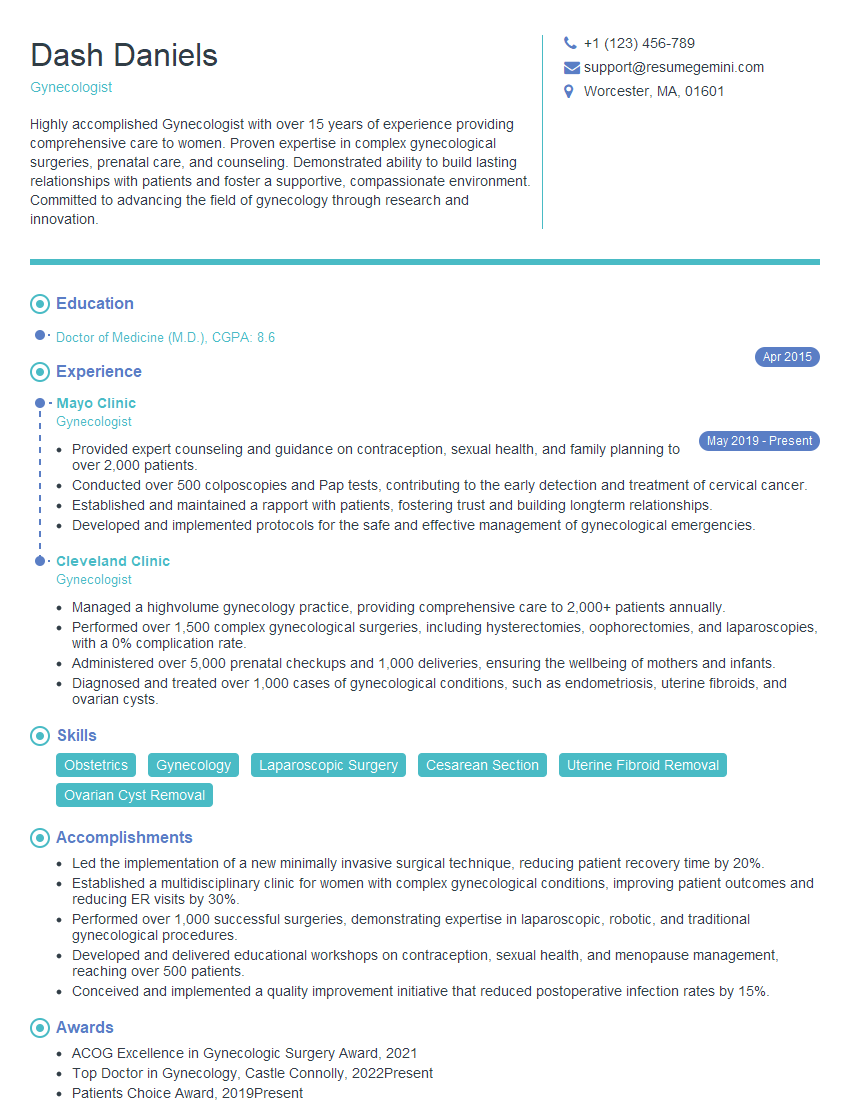
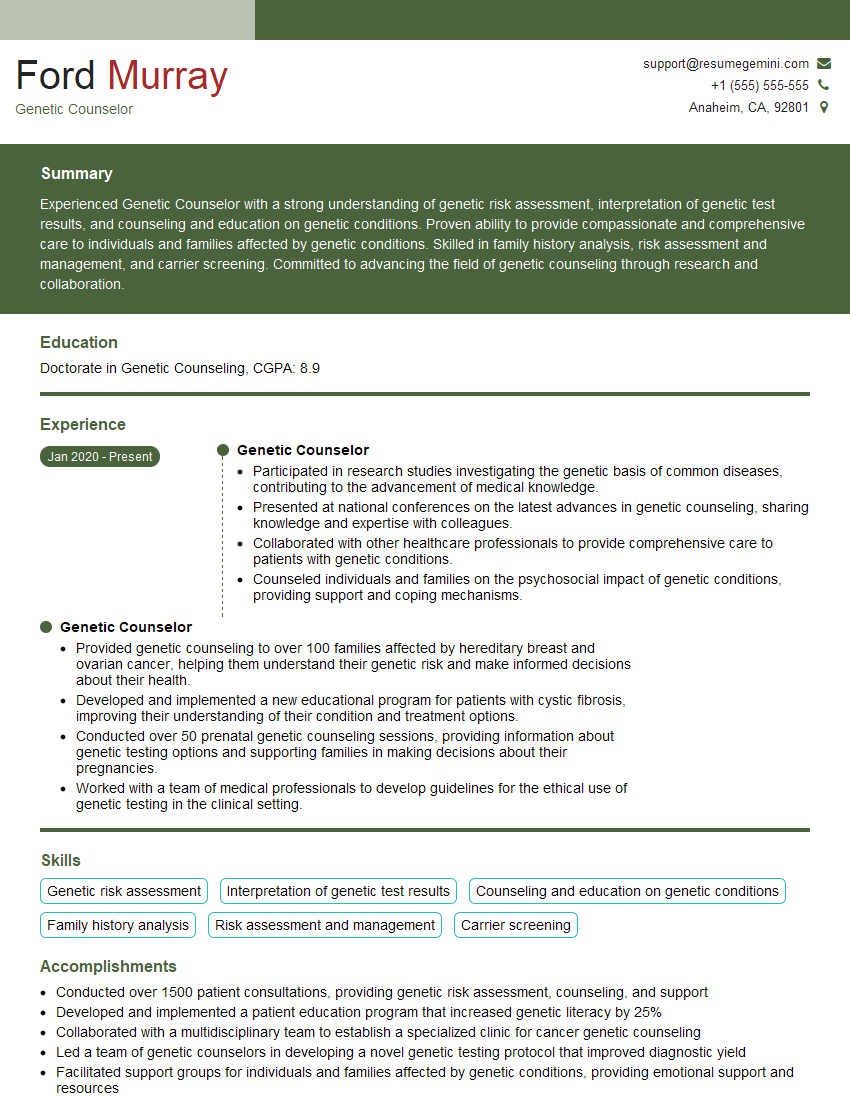
Mastering the complexities of endometriosis is crucial for career advancement in reproductive health, gynecology, and related fields. A strong understanding of this prevalent condition opens doors to specialized roles and enhances your value as a healthcare professional. To maximize your job prospects, creating an ATS-friendly resume is essential. ResumeGemini is a trusted resource to help you build a professional and impactful resume that highlights your skills and experience effectively. Examples of resumes tailored to endometriosis-focused roles are available within ResumeGemini to guide you in crafting your own compelling application materials.
Explore more articles
Users Rating of Our Blogs
Share Your Experience
We value your feedback! Please rate our content and share your thoughts (optional).
What Readers Say About Our Blog
To the interviewgemini.com Webmaster.
Very helpful and content specific questions to help prepare me for my interview!
Thank you
To the interviewgemini.com Webmaster.
This was kind of a unique content I found around the specialized skills. Very helpful questions and good detailed answers.
Very Helpful blog, thank you Interviewgemini team.