Are you ready to stand out in your next interview? Understanding and preparing for Enthusiasm for Continuous Learning interview questions is a game-changer. In this blog, we’ve compiled key questions and expert advice to help you showcase your skills with confidence and precision. Let’s get started on your journey to acing the interview.
Questions Asked in Enthusiasm for Continuous Learning Interview
Q 1. Describe a time you proactively sought out new skills or knowledge outside of your job description.
My passion for continuous learning often leads me to explore areas beyond my immediate job responsibilities. For instance, while working as a data analyst, I noticed a growing demand for data visualization skills. My current role primarily involved data cleaning and analysis, but I recognized the value of effectively communicating insights visually. Therefore, I proactively enrolled in an online course on data visualization using Tableau. This initiative not only enhanced my skillset but also allowed me to contribute more effectively to projects by creating compelling and easily understandable dashboards, leading to improved stakeholder engagement and decision-making.
This proactive approach reflects my belief that continuous skill development is crucial for career progression and staying relevant in a dynamic professional landscape. It demonstrates my commitment to not just fulfilling my current role, but also anticipating and addressing future challenges.
Q 2. What resources do you regularly utilize for professional development?
I leverage a variety of resources for professional development, adopting a multi-faceted approach for optimal learning. This includes:
- Online Courses: Platforms like Coursera, edX, and Udemy offer a wide range of courses catering to various skill levels and specializations. I particularly appreciate the structured learning environment and the ability to learn at my own pace.
- Webinars and Conferences: Attending industry webinars and conferences allows me to stay updated on the latest trends and network with professionals. I actively participate in Q&A sessions to deepen my understanding and engage with experts.
- Books and Journals: I regularly read industry publications and books to broaden my knowledge base and gain insights from leading researchers and practitioners. This provides a deeper theoretical understanding to complement practical skills.
- Mentorship and Networking: I actively seek mentorship opportunities and engage with professional networks, such as LinkedIn groups, to learn from experienced individuals and exchange ideas. This provides invaluable practical guidance and fosters collaborative learning.
By diversifying my learning resources, I ensure a well-rounded and comprehensive approach to professional development.
Q 3. How do you stay updated with the latest trends and advancements in your field?
Staying abreast of industry advancements is paramount. My approach is multi-pronged:
- Industry Publications and Blogs: I subscribe to relevant newsletters and follow prominent industry blogs and thought leaders. This provides a consistent stream of updates on new technologies, methodologies, and best practices.
- Professional Organizations: Membership in professional organizations offers access to exclusive resources, publications, and networking opportunities. These organizations often host events and webinars covering the latest trends.
- Podcasts and YouTube Channels: I find podcasts and YouTube channels to be effective methods for staying updated. Many experts share insights and tutorials in easily digestible formats.
- Peer Networking: Engaging with colleagues and peers through discussions, presentations, and informal knowledge sharing provides valuable insights and perspectives on emerging trends.
This proactive approach ensures I’m always learning and adapting to the ever-evolving technological landscape.
Q 4. Describe a recent skill you learned and how you applied it.
Recently, I learned Python’s Pandas library for data manipulation. I was already proficient in SQL for data extraction, but Pandas offered significantly enhanced capabilities for data cleaning, transformation, and analysis within Python. I completed an online course focusing on Pandas, practicing with various datasets and exercises.
I immediately applied this skill to a project involving large-scale data analysis. Previously, this would have involved cumbersome SQL queries and manual data manipulation in spreadsheets. Using Pandas, I was able to automate data cleaning, perform complex transformations, and generate analytical insights significantly faster and more efficiently. This resulted in a faster turnaround time and allowed me to focus on interpreting the results rather than manual data wrangling. The project’s success highlighted the value of continuous learning and the direct impact of acquiring new skills on productivity and efficiency.
Q 5. How do you identify skill gaps and create a plan to address them?
Identifying skill gaps is an ongoing process. I use a combination of self-assessment and feedback to pinpoint areas for improvement.
- Self-Assessment: I regularly reflect on my performance, identifying areas where I struggle or could improve. I consider both my technical skills and soft skills such as communication and teamwork.
- Performance Reviews: Feedback from managers and colleagues provides valuable insights into my strengths and weaknesses. This helps identify blind spots I might have missed during self-assessment.
- Industry Benchmarking: Comparing my skills to those required for my desired career trajectory or within my industry helps identify areas needing development.
Once skill gaps are identified, I create a structured plan, prioritizing learning based on urgency and importance. This plan involves selecting appropriate learning resources, setting realistic goals, and allocating sufficient time for learning and practice.
Q 6. What are some methods you use to effectively learn new information?
Effective learning involves a strategic approach. I combine several methods:
- Active Recall: Instead of passively reading or listening, I actively test my knowledge by summarizing concepts, creating flashcards, or teaching the material to someone else.
- Spaced Repetition: I review material at increasing intervals to reinforce learning and improve long-term retention. Tools and apps can assist with this process.
- Interleaving: I mix different topics or concepts during study sessions, making the learning process more challenging but enhancing retention in the long run.
- Hands-on Practice: The most effective learning comes from practical application. I always incorporate hands-on projects or exercises to solidify my understanding and build muscle memory.
- Feedback and Reflection: I actively seek feedback on my work and reflect on my learning process to identify areas needing improvement.
This multi-pronged approach optimizes knowledge retention and application.
Q 7. Share an example where you had to adapt to a new technology or process quickly.
Our team recently transitioned to a new project management software. While I had experience with other project management tools, this new platform had a unique interface and workflow. Rather than feeling overwhelmed, I took a proactive approach.
I immediately dedicated time to exploring the software’s functionalities, utilizing the available online tutorials and documentation. I also reached out to colleagues who were already familiar with the system and sought their guidance. I focused on completing several small practice projects within the new system, experimenting with its various features to build my proficiency. Within a week, I was comfortable using the new software, contributing effectively to team projects. This experience highlighted my ability to quickly adapt to new technologies and my proactive approach to problem-solving.
Q 8. How do you prioritize learning new skills amidst competing demands?
Prioritizing learning amidst competing demands requires a strategic approach. I use a combination of techniques, starting with a clear understanding of my goals. I identify the skills most crucial for my current role and future aspirations, then break down learning into manageable chunks. This often involves using tools like time blocking and project management techniques, allocating specific time slots for learning, similar to scheduling important meetings. For example, I might dedicate 30 minutes each morning to learning a new programming language or an hour each week to explore a new design tool. The key is consistency, not necessarily massive blocks of time. I also prioritize based on urgency and impact – skills that will immediately improve my work or contribute to a critical project take precedence. Finally, I regularly review my priorities, adjusting as needed to ensure I’m focused on the most impactful learning opportunities. This iterative process allows me to remain flexible while staying focused on continuous growth.
Q 9. How do you measure your success in learning a new skill?
Measuring success in learning a new skill is less about perfect mastery and more about demonstrable improvement and application. I employ a multi-faceted approach. First, I set clear, measurable goals at the outset. For instance, instead of vaguely aiming to ‘learn Python,’ I’d set a goal like ‘build a functional web scraper in Python within three weeks.’ Second, I track my progress consistently. This might involve logging practice hours, completing online courses and noting my scores, or creating a portfolio of projects showcasing my skills. Third, I seek feedback. I actively solicit input from colleagues, mentors, or online communities, reviewing my work and identifying areas for improvement. Finally, I assess my ability to apply the new skill to real-world problems. Can I use it effectively in my current role? This practical application is the ultimate measure of successful learning. For instance, if I learned data visualization, successful application would be creating insightful dashboards for my team using the new techniques I mastered.
Q 10. What strategies do you employ to overcome learning plateaus?
Learning plateaus are inevitable, but surmountable. When I hit a wall, I actively seek to break through it using several strategies. First, I change my approach. If I’ve been focusing solely on lectures, I might switch to hands-on practice or collaborative projects. Second, I seek external input. I might discuss the challenge with a mentor or colleague, seeking a fresh perspective or a different learning resource. Third, I actively seek new information. Sometimes, a plateau indicates a gap in my foundational knowledge. I might return to foundational materials, consolidating my understanding. Fourth, I break the problem into smaller, more manageable parts. This approach helps me identify specific areas where I’m struggling and target them for focused study. Finally, I take a break. Stepping away for a while, even just for a day or two, can often provide the mental clarity needed to approach the problem with renewed energy and a fresh perspective. The key is to be proactive and persistent – plateaus are temporary roadblocks, not dead ends.
Q 11. Describe your approach to learning complex technical concepts.
My approach to complex technical concepts is systematic and iterative. I start by breaking the concept down into smaller, more manageable components. I use analogies and real-world examples to understand the underlying principles. For instance, when learning about complex algorithms, I often relate them to everyday processes I understand well. I utilize visual aids like diagrams and flowcharts to grasp the relationships between different parts. I engage in active recall, testing my understanding frequently. I build small projects that apply the concepts I’m learning, solidifying my comprehension through practical application. I frequently review and consolidate my learning, often using spaced repetition techniques to optimize retention. Finally, I seek out diverse resources. I may read textbooks, watch videos, attend webinars or participate in online forums, drawing from multiple perspectives to develop a comprehensive understanding.
Q 12. What are your preferred learning styles?
I’m a multimodal learner, meaning I benefit from a combination of learning styles. I find visual aids, such as diagrams, charts, and videos, extremely effective. I also learn well through hands-on practice, building projects and applying new skills in practical settings. Active recall, such as testing myself through quizzes or explaining concepts to others, reinforces my understanding. While I enjoy reading textbooks and articles, I find that combining this with visual and practical learning methods maximizes my comprehension and retention. The most important aspect is to adapt my learning approach to the specific material and context; I employ a variety of strategies to cater to different learning needs and enhance my overall understanding.
Q 13. How do you stay motivated to learn continuously?
Maintaining continuous learning motivation requires a conscious effort. I set ambitious yet achievable goals, breaking them down into smaller milestones to celebrate progress and stay motivated. I focus on the intrinsic rewards of learning, finding satisfaction in the process of mastering new skills and the sense of accomplishment that comes from solving problems. I also actively seek out learning communities, connecting with others who share my passion for continuous learning. The collaborative aspects of this help me stay engaged. I cultivate a growth mindset, viewing challenges as opportunities for learning and improvement rather than setbacks. Finally, I ensure I’m learning about things that genuinely interest me. Choosing learning paths aligned with my passions makes the process enjoyable and self-sustaining.
Q 14. How do you apply newly acquired skills to improve your work?
Applying newly acquired skills to improve my work is a priority. I actively seek opportunities to use my new knowledge to solve problems, improve processes, or enhance project outcomes. This might involve suggesting innovative solutions to current challenges, developing new tools or methodologies, or taking on projects that allow me to leverage my new skills. For instance, after learning a new data analysis technique, I identified opportunities to improve our reporting processes, creating more insightful dashboards and reports that better informed decision-making. I also proactively share my knowledge with my colleagues, conducting workshops or mentoring others to help them benefit from my learning experiences. This fosters a collaborative environment and enhances overall team efficiency and productivity. By actively seeking and creating opportunities to apply my new skills, I ensure that my learning is not only personally rewarding but also contributes directly to my professional growth and the success of my team.
Q 15. How do you incorporate feedback into your learning process?
Feedback is crucial for refining my learning process. I actively seek it out through various channels, including peer reviews, self-reflection, and formal assessments. I treat feedback not as criticism, but as valuable data points guiding my improvement.
For example, after completing an online course on data visualization, I shared my final project with a colleague experienced in the field. Their feedback highlighted areas where my charts lacked clarity and suggested improvements to my color palette choices. I incorporated these suggestions, significantly enhancing the project’s effectiveness.
My approach involves a structured process: I first analyze the feedback, identifying recurring themes or patterns. Then, I prioritize the most impactful suggestions and create a plan to implement them. Finally, I track my progress and reflect on whether the changes yielded the desired results. This iterative process ensures continuous improvement.
Career Expert Tips:
- Ace those interviews! Prepare effectively by reviewing the Top 50 Most Common Interview Questions on ResumeGemini.
- Navigate your job search with confidence! Explore a wide range of Career Tips on ResumeGemini. Learn about common challenges and recommendations to overcome them.
- Craft the perfect resume! Master the Art of Resume Writing with ResumeGemini’s guide. Showcase your unique qualifications and achievements effectively.
- Don’t miss out on holiday savings! Build your dream resume with ResumeGemini’s ATS optimized templates.
Q 16. What are some of the challenges you’ve faced while learning a new skill?
Learning new skills inevitably presents challenges. One significant hurdle I faced was mastering Python for data analysis. The initial learning curve was steep, filled with unfamiliar syntax and complex concepts like object-oriented programming. I found debugging particularly challenging, often spending hours tracing errors in my code.
To overcome this, I adopted a multi-pronged approach. I supplemented online courses with hands-on projects, forcing myself to apply concepts immediately. I actively sought help from online communities and mentors, finding that explaining my problems to others often helped me identify the root cause. I also embraced a growth mindset, accepting that frustration and setbacks are normal parts of the learning journey.
Breaking down complex tasks into smaller, manageable steps proved highly beneficial. Instead of trying to grasp the entirety of Python at once, I focused on mastering one module at a time, building a strong foundation before moving on. This systematic approach significantly reduced my frustration and accelerated my learning progress.
Q 17. How do you manage information overload when learning new things?
Information overload is a common problem in today’s world. My strategy to manage it involves a combination of focused learning and strategic filtering.
Firstly, I prioritize learning based on my goals. I identify the most essential information needed to achieve a specific objective, and focus my attention there. For instance, if I need to learn a new programming language for a work project, I’ll concentrate on the features most relevant to that project, rather than attempting to master every aspect of the language simultaneously.
Secondly, I leverage curation tools and resources. Instead of passively consuming information from multiple sources, I carefully select trusted sources and rely on curated content, such as well-regarded online courses or books, which help filter out noise and irrelevant information.
Finally, I incorporate regular breaks and mindful practices. This helps prevent mental fatigue and improve information retention. Regular intervals of focused attention followed by short rests significantly enhance my learning efficiency and prevent burnout.
Q 18. Describe a time you learned something new that significantly impacted your work.
Learning Agile methodologies significantly impacted my work. Prior to this, our team followed a traditional waterfall approach, which often resulted in delays and missed deadlines. After completing a certification course in Agile project management, I implemented Scrum principles in our team.
The changes were immediate and dramatic. The iterative approach, coupled with daily stand-up meetings and sprint reviews, drastically improved our collaboration and transparency. We were able to deliver projects faster, with improved quality and reduced risk. The improved communication and feedback loops empowered the team and led to higher morale.
This experience reinforced the importance of continuous learning and its tangible benefits in a professional setting. I now actively seek out opportunities to learn new project management techniques and frameworks to further optimize our team’s performance.
Q 19. How do you evaluate the value and relevance of new learning opportunities?
I evaluate learning opportunities based on their relevance to my current goals, potential impact on my work, and the credibility of the source. I ask myself several key questions:
- Relevance: Does this align with my short-term and long-term career objectives? Will this skill or knowledge improve my current role or help me transition into a desired role?
- Impact: How will this learning improve my productivity, efficiency, or effectiveness? Can I quantify the potential return on investment (ROI) of this learning?
- Credibility: Is the source of information reputable? Is the instructor or author experienced and knowledgeable in the subject matter? Does the course or resource have positive reviews or testimonials?
Using this framework, I can prioritize learning opportunities that offer the greatest potential benefits and avoid wasting time on irrelevant or low-quality content. For example, I recently prioritized learning about cloud computing because it directly supports my team’s transition to a cloud-based infrastructure. This strategic approach ensures my learning remains aligned with my professional development goals.
Q 20. What types of learning resources do you find most effective?
My learning style is highly diverse, and I find different resources effective depending on the subject matter and my learning objectives. However, I generally prefer a blended learning approach:
- Interactive Online Courses: Platforms like Coursera and edX offer structured learning with interactive exercises and assessments, providing immediate feedback.
- Books and Articles: For in-depth knowledge and theoretical understanding, I rely on well-regarded books and peer-reviewed articles.
- Hands-on Projects: Practical application is crucial. I prefer learning by doing, tackling real-world projects to reinforce my understanding and build practical skills.
- Mentorship and Peer Learning: Collaborating with experienced professionals or peers provides valuable insights and different perspectives.
The effectiveness of these resources is heavily dependent on the context. For example, while online courses are great for structured learning, hands-on projects are necessary to solidify my understanding and build practical expertise.
Q 21. How do you balance learning with your current workload and responsibilities?
Balancing learning with a demanding workload requires careful planning and prioritization. I incorporate learning into my daily routine rather than treating it as a separate activity.
I utilize small pockets of time throughout the day. For example, I dedicate 30 minutes during my lunch break or before work to read an article or work through a tutorial. I also leverage commute time by listening to podcasts or audiobooks. This approach allows for consistent learning without requiring large blocks of uninterrupted time.
Prioritization is key. I focus on learning activities that directly support my current responsibilities or contribute to my long-term career goals. I create a learning plan, breaking down large goals into smaller, achievable steps. This makes the process less daunting and more manageable, ensuring I consistently make progress without feeling overwhelmed.
Finally, I utilize task management tools to track my learning progress alongside my work tasks. This helps me stay organized and maintain a balance between professional responsibilities and personal development.
Q 22. How do you ensure that your learning efforts translate into tangible results?
Ensuring learning translates to tangible results requires a structured approach. It’s not enough to simply consume information; you must actively apply and assess its impact. I utilize a three-pronged strategy: Goal Setting, Actionable Application, and Performance Measurement.
- Goal Setting: Before starting any learning initiative, I define clear, measurable, achievable, relevant, and time-bound (SMART) goals. For instance, instead of vaguely aiming to ‘improve coding skills,’ I might set a goal like ‘build a fully functional web application using React within three months.’
- Actionable Application: I don’t just passively read or watch; I actively apply what I learn through projects, experiments, or contributing to real-world tasks. For the React application goal, I would break it down into smaller projects, starting with basic components, gradually adding complexity. This allows for iterative learning and immediate feedback.
- Performance Measurement: Regularly evaluating progress is crucial. I track my learning journey using methods like journaling, creating progress dashboards, seeking feedback from peers, or using analytics tools if applicable (e.g., tracking lines of code written, features completed, or testing results). This helps identify areas for improvement and refine my learning strategy.
By consistently applying this framework, I ensure that my learning efforts aren’t just theoretical but lead to demonstrable improvements in my skills and performance.
Q 23. Can you share an example of a time you mentored someone else in a new skill?
I mentored a junior colleague, Sarah, in mastering data visualization using Tableau. Sarah had basic spreadsheet skills but lacked experience creating compelling data visualizations. My mentoring approach focused on a combination of practical application and theoretical understanding.
- Guided Projects: We started with small, manageable projects using sample datasets, focusing on basic chart types like bar charts and line graphs. I guided her through each step, explaining the underlying principles and best practices.
- Interactive Sessions: We held regular sessions where she’d present her work, and I’d provide feedback on her choices of charts, color palettes, and data labeling. This iterative process helped her refine her design skills.
- Resource Sharing: I shared relevant online tutorials, articles, and case studies to expand her knowledge base. I also encouraged her to explore Tableau’s extensive online community for further learning and inspiration.
Within a few months, Sarah was confidently creating professional-quality dashboards and presentations, significantly enhancing her contributions to the team. Seeing her progress was incredibly rewarding.
Q 24. How do you adapt your learning approach based on different learning materials?
Adapting my learning approach depends heavily on the material’s format and style. My strategy revolves around understanding the material’s strengths and weaknesses and selecting techniques best suited to maximize my knowledge absorption.
- Textbooks/Research Papers: I employ active reading techniques like highlighting, note-taking, and summarizing key concepts. I often create mind maps to visualize connections between different ideas.
- Online Courses/Videos: I take advantage of features like pausing, rewinding, and speed adjustments. I usually supplement these with my own notes and create practice exercises to reinforce learning.
- Hands-on Workshops/Training: I actively participate in discussions, ask clarifying questions, and practice the techniques immediately. I find that immediate application significantly strengthens retention.
The key is to remain flexible and tailor my methods to the material, always prioritizing active engagement and practical application. I consider my learning style a toolbox, constantly being refined and expanded to match the requirements of the situation.
Q 25. How do you maintain a learning mindset in the face of setbacks?
Setbacks are inevitable in the learning process. Instead of viewing them as failures, I see them as valuable opportunities for growth and refinement. My approach focuses on analysis, adaptation, and perseverance.
- Analysis: When encountering a setback, I take time to analyze what went wrong. This involves identifying the root causes, whether it’s a knowledge gap, a flawed approach, or an unexpected challenge. Honest self-reflection is key here.
- Adaptation: Based on my analysis, I adapt my learning strategy. This might involve seeking additional resources, trying different approaches, or breaking down the task into smaller, more manageable steps. I am not afraid to seek help or guidance from mentors or peers.
- Perseverance: Maintaining a positive and persistent attitude is crucial. I remind myself of my long-term goals and celebrate small victories along the way. Focusing on progress, not perfection, helps me stay motivated and overcome challenges.
Learning is a marathon, not a sprint. Setbacks are temporary roadblocks, not insurmountable obstacles. Embracing a growth mindset allows me to learn from my mistakes and emerge stronger.
Q 26. Describe your experience with online learning platforms or courses.
I have extensive experience with various online learning platforms, including Coursera, edX, Udacity, and LinkedIn Learning. I’ve completed numerous courses on topics ranging from programming languages to project management and data science. My experience highlights the benefits and challenges of online learning.
- Benefits: Flexibility, accessibility, diverse course offerings, and often cost-effective compared to traditional education.
- Challenges: Requires self-discipline, potential for distractions, and the absence of direct instructor interaction can sometimes hinder learning.
To overcome the challenges, I create a structured learning schedule, minimize distractions, actively participate in online forums, and seek out opportunities for collaborative learning whenever possible. I also carefully select courses based on their reputation, instructor credentials, and student reviews.
Q 27. What are your long-term learning goals?
My long-term learning goals center around becoming a recognized expert in my field and contributing to the broader technological community. This involves a multifaceted approach:
- Deepening Technical Expertise: I plan to continuously expand my knowledge in areas like artificial intelligence and machine learning, pursuing advanced certifications and contributing to open-source projects.
- Developing Leadership Skills: I aim to enhance my leadership and mentorship abilities, aiming to guide and inspire others in their learning journeys.
- Expanding My Network: I intend to actively participate in industry events, conferences, and online communities to connect with other experts and contribute to the collective knowledge base.
Ultimately, my goal is not just to acquire knowledge for myself but to use it to create positive impact and drive innovation in my field.
Q 28. How do you integrate continuous learning into your daily routine?
Integrating continuous learning into my daily routine requires deliberate planning and consistent effort. I use several strategies to ensure it becomes a natural part of my day:
- Dedicated Learning Time: I schedule a specific time each day, even if it’s just 30 minutes, dedicated solely to learning. This could involve reading research papers, working on personal projects, or taking an online course.
- Microlearning: I incorporate microlearning techniques, such as listening to podcasts or audiobooks during my commute or reading articles during lunch breaks. These small bursts of learning add up over time.
- Habit Stacking: I link my learning activities to existing habits. For example, I might read a chapter of a technical book after my morning coffee or review code snippets before bed.
- Continuous Experimentation: I regularly try new learning methods and tools to find what works best for me. This keeps the process engaging and prevents monotony.
By consistently incorporating these strategies, continuous learning becomes not just a goal, but a habit – an integral part of my daily rhythm.
Key Topics to Learn for Enthusiasm for Continuous Learning Interview
- Defining Your Learning Style: Understanding how you best absorb and retain information is crucial. Consider your preferences for visual, auditory, or kinesthetic learning and how you can leverage these in professional development.
- Demonstrating a Growth Mindset: Highlight examples where you’ve embraced challenges, learned from failures, and actively sought feedback for improvement. Be prepared to discuss specific instances.
- Articulating Your Learning Goals: Show you’re proactive in identifying skill gaps and setting clear, measurable learning objectives. Discuss how you track your progress and adapt your approach as needed.
- Highlighting Past Learning Initiatives: Prepare examples of courses, workshops, online learning platforms, or self-directed learning projects you’ve undertaken. Quantify your achievements whenever possible.
- Showcasing Adaptability and Resilience: Discuss situations where you had to quickly learn new skills or adapt to changing circumstances. Emphasize your ability to remain positive and persistent in the face of challenges.
- Future Learning Plans: Demonstrate your commitment to continuous growth by outlining your future learning aspirations and how they align with your career goals. Be specific and ambitious.
- Connecting Learning to Impact: Explain how your continuous learning has directly contributed to improved performance, increased efficiency, or positive outcomes in previous roles.
Next Steps
Mastering the art of showcasing your enthusiasm for continuous learning is vital for career advancement. It demonstrates a proactive approach to professional development and a commitment to staying relevant in a dynamic work environment. To significantly boost your job prospects, create an ATS-friendly resume that effectively highlights these crucial skills. ResumeGemini is a trusted resource to help you build a professional resume that stands out. We provide examples of resumes tailored to effectively showcase Enthusiasm for Continuous Learning; review these for inspiration and guidance.
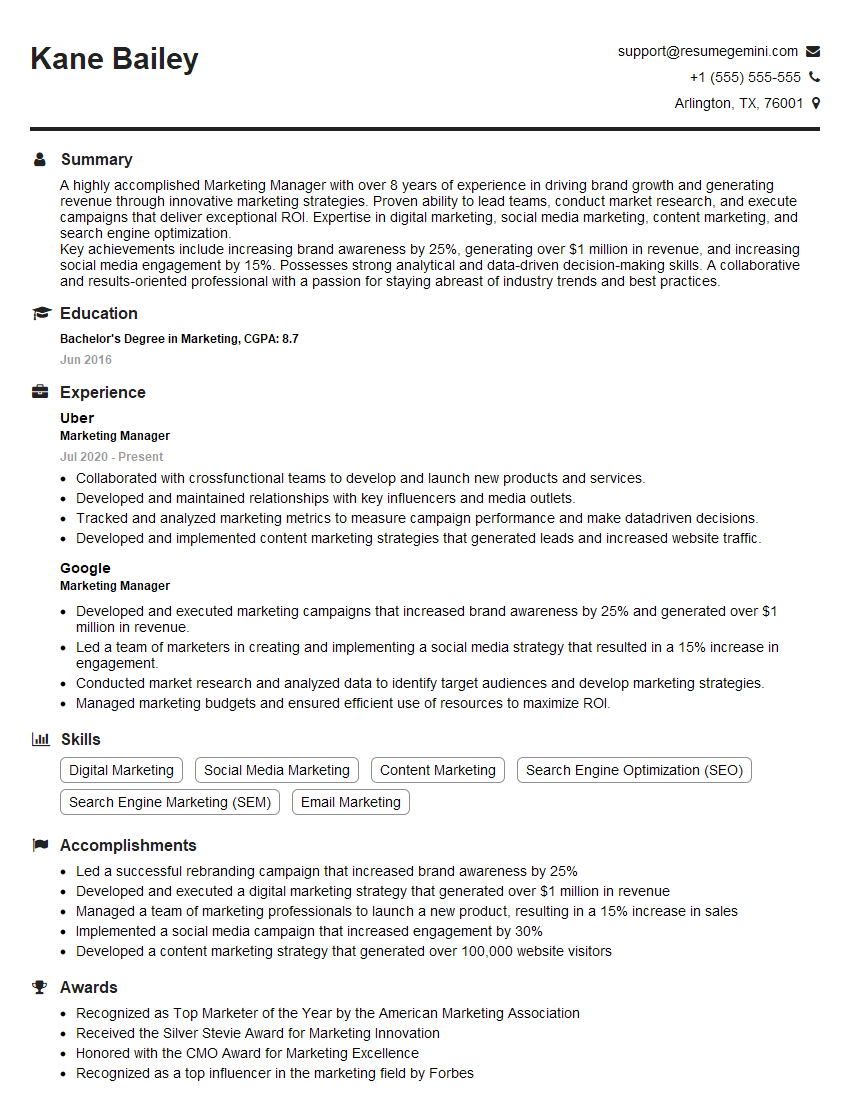
Marketing Manager Resume Sample
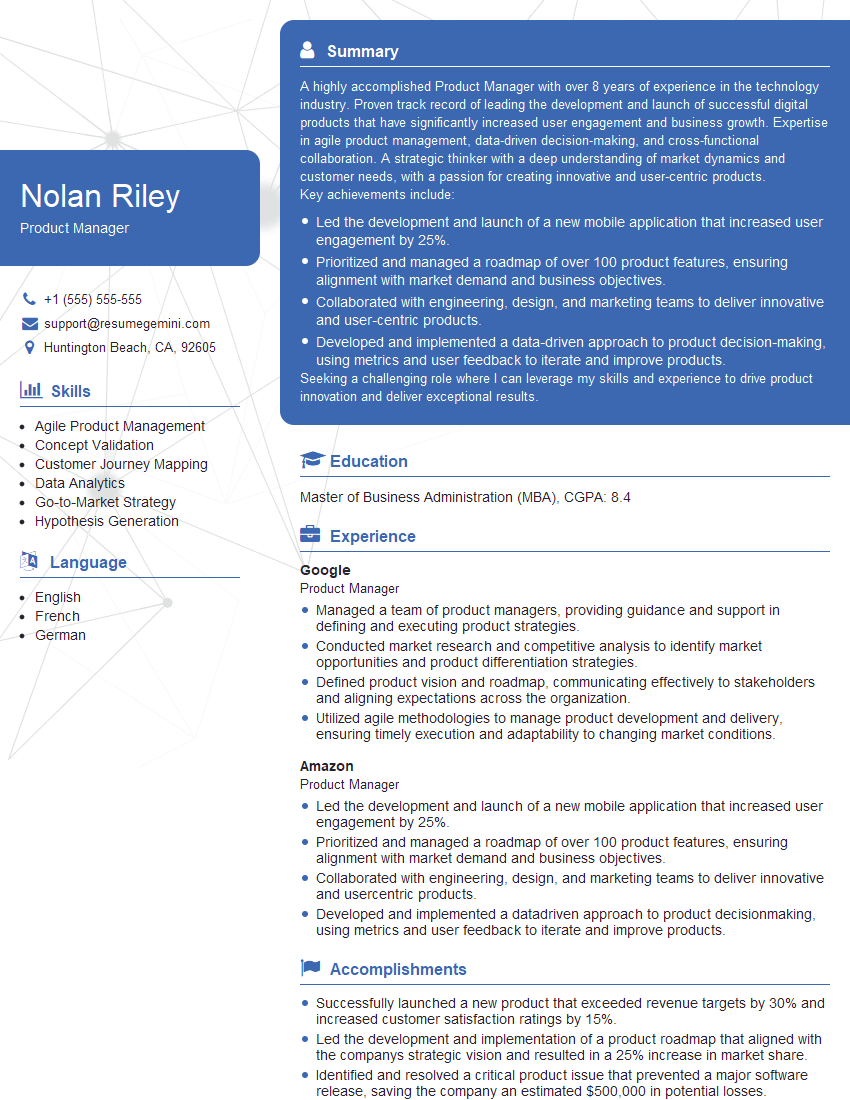
Product Manager Resume Sample
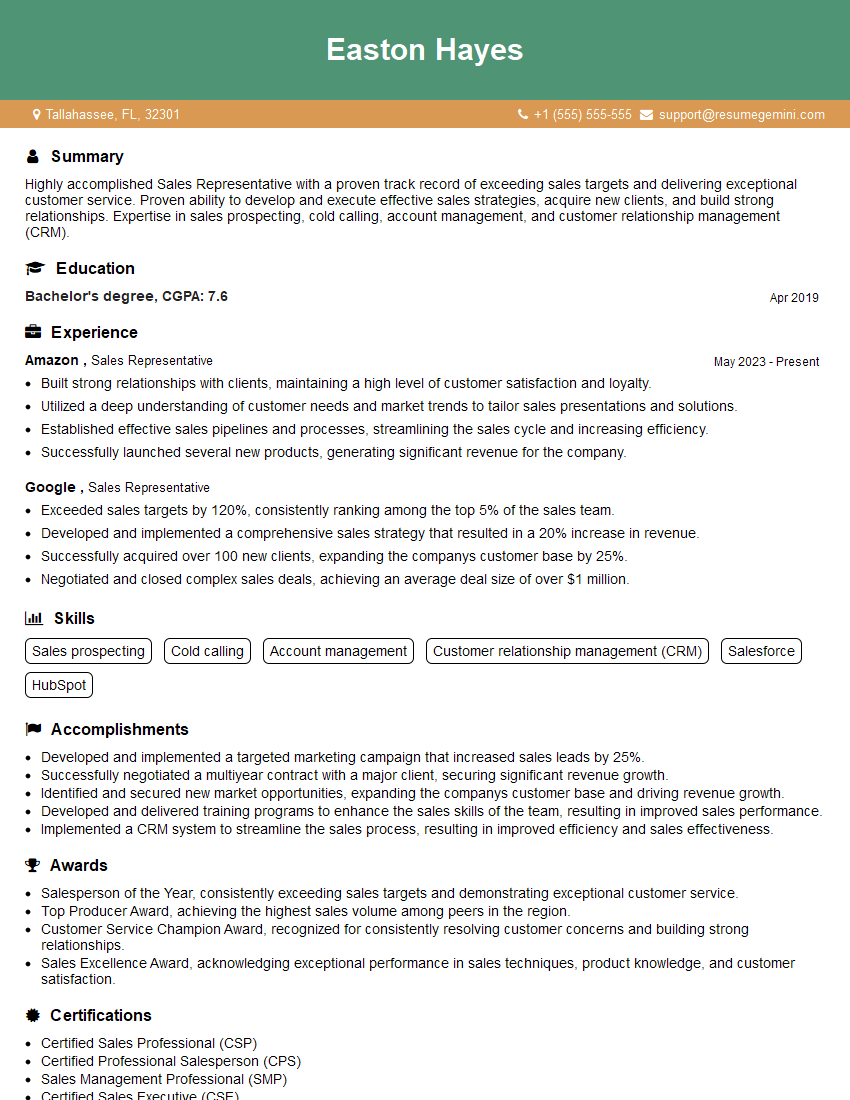
Sales Representative Resume Sample

Project Manager Resume Sample
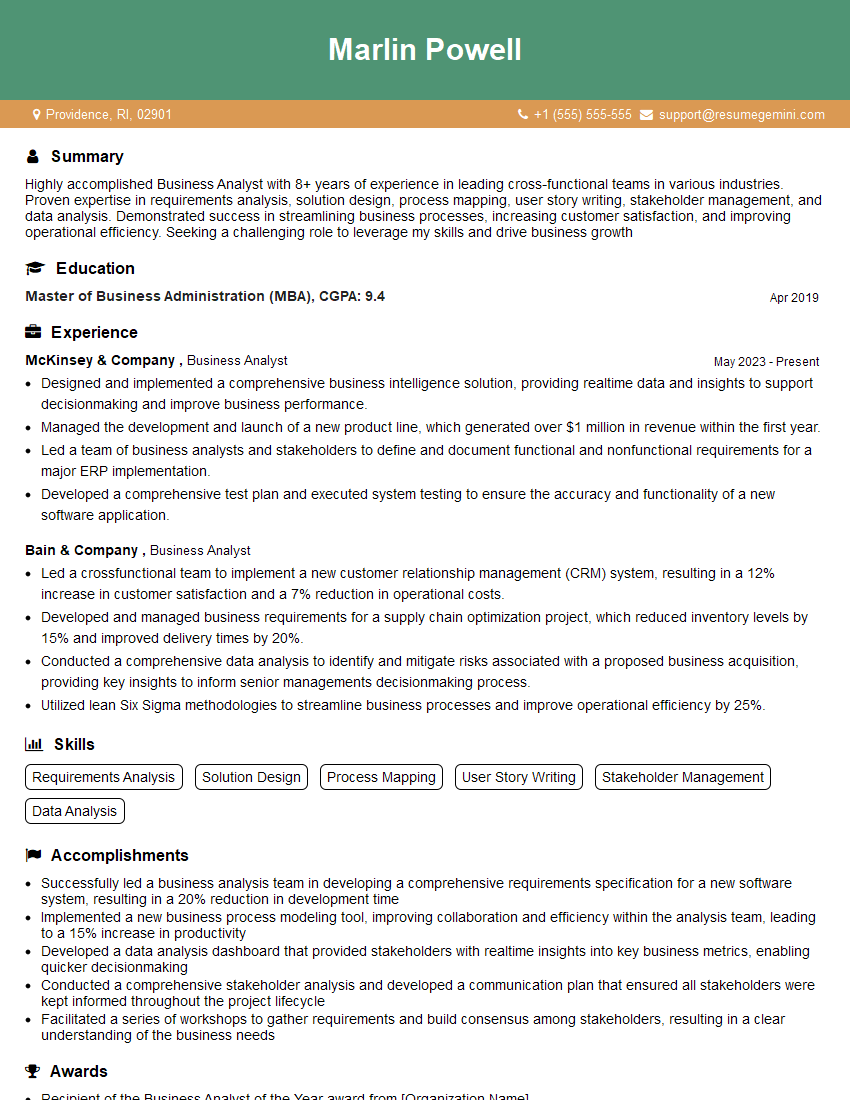
Business Analyst Resume Sample
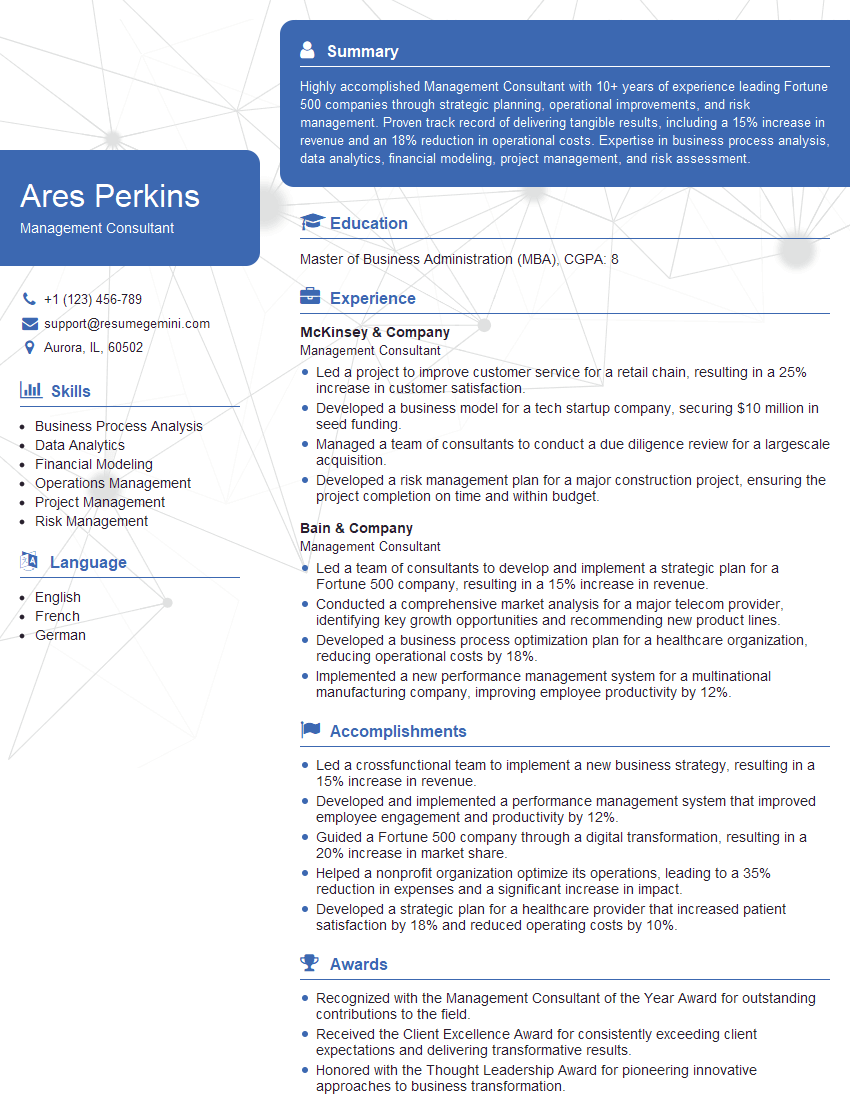
Management Consultant Resume Sample
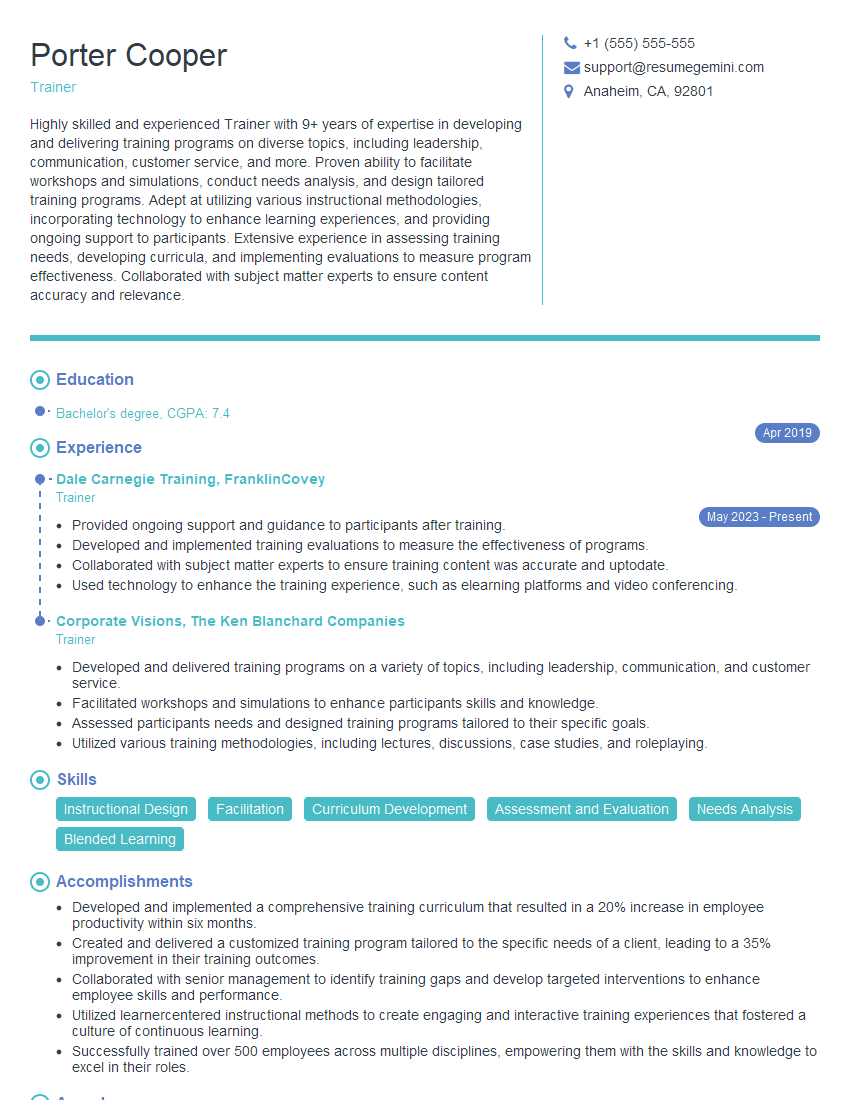
Trainer Resume Sample
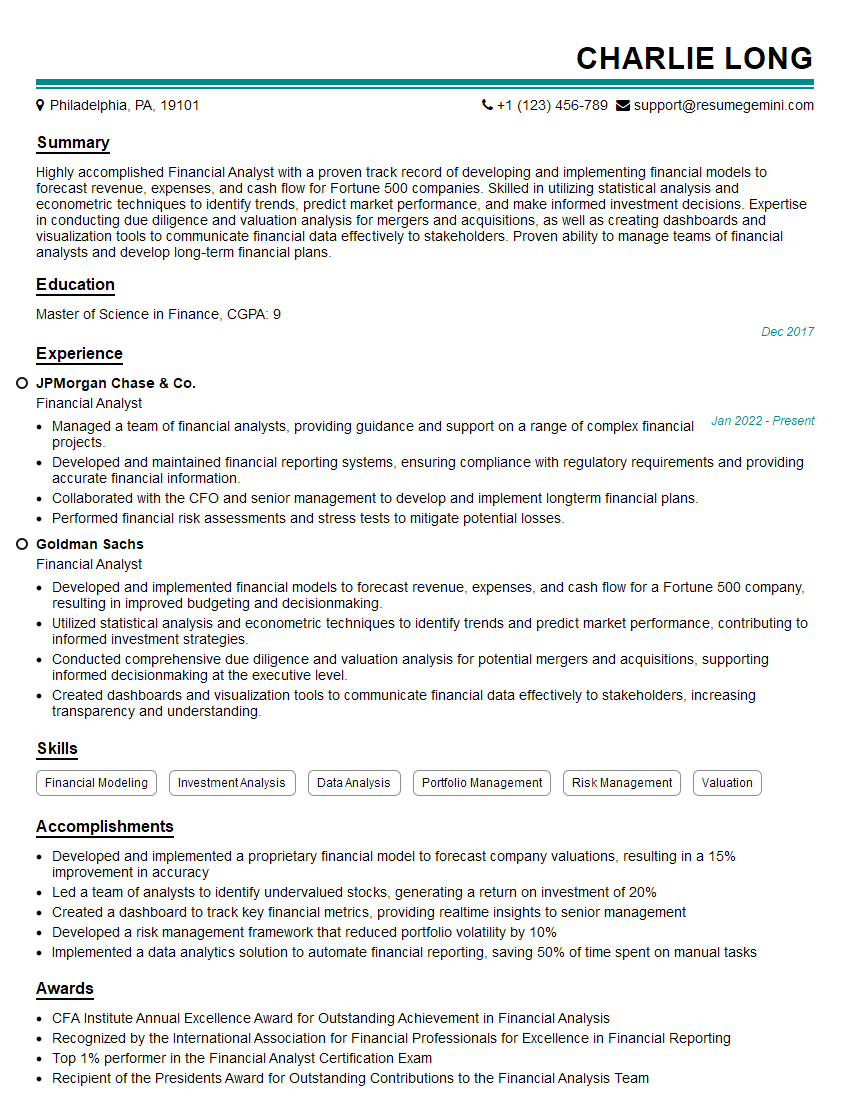
Financial Analyst Resume Sample
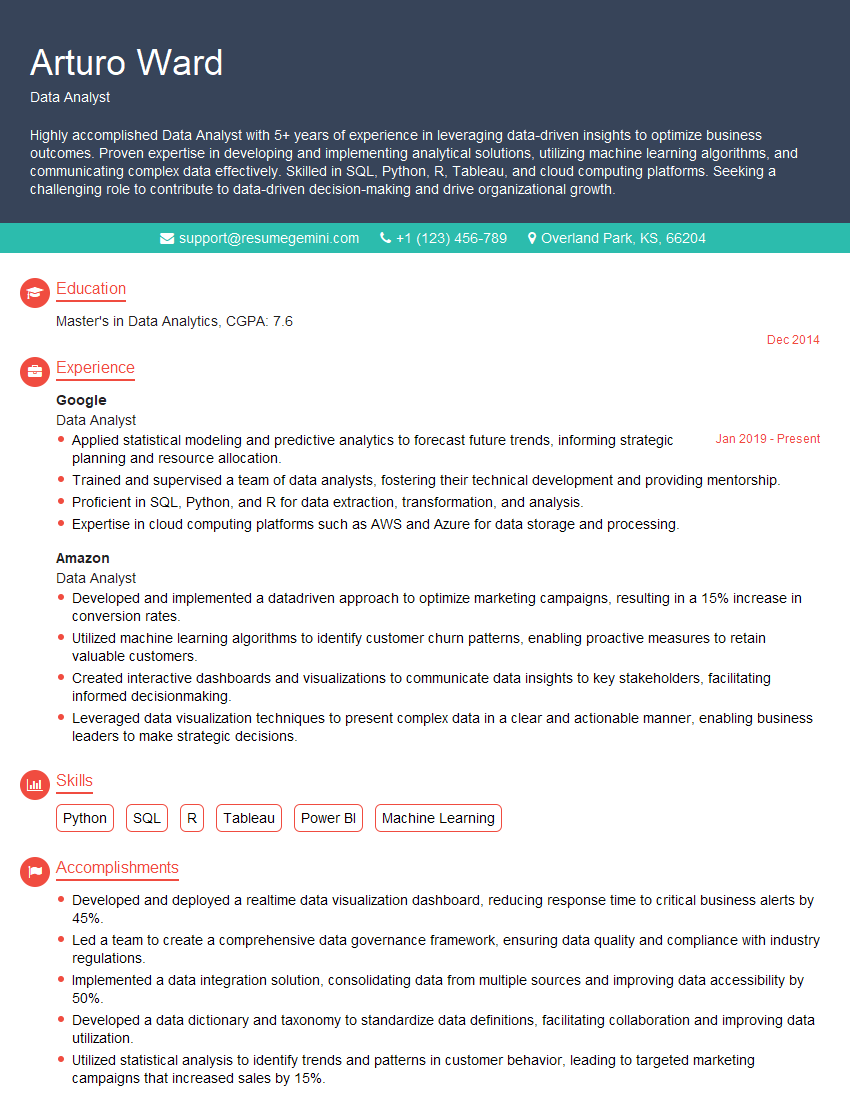
Data Analyst Resume Sample
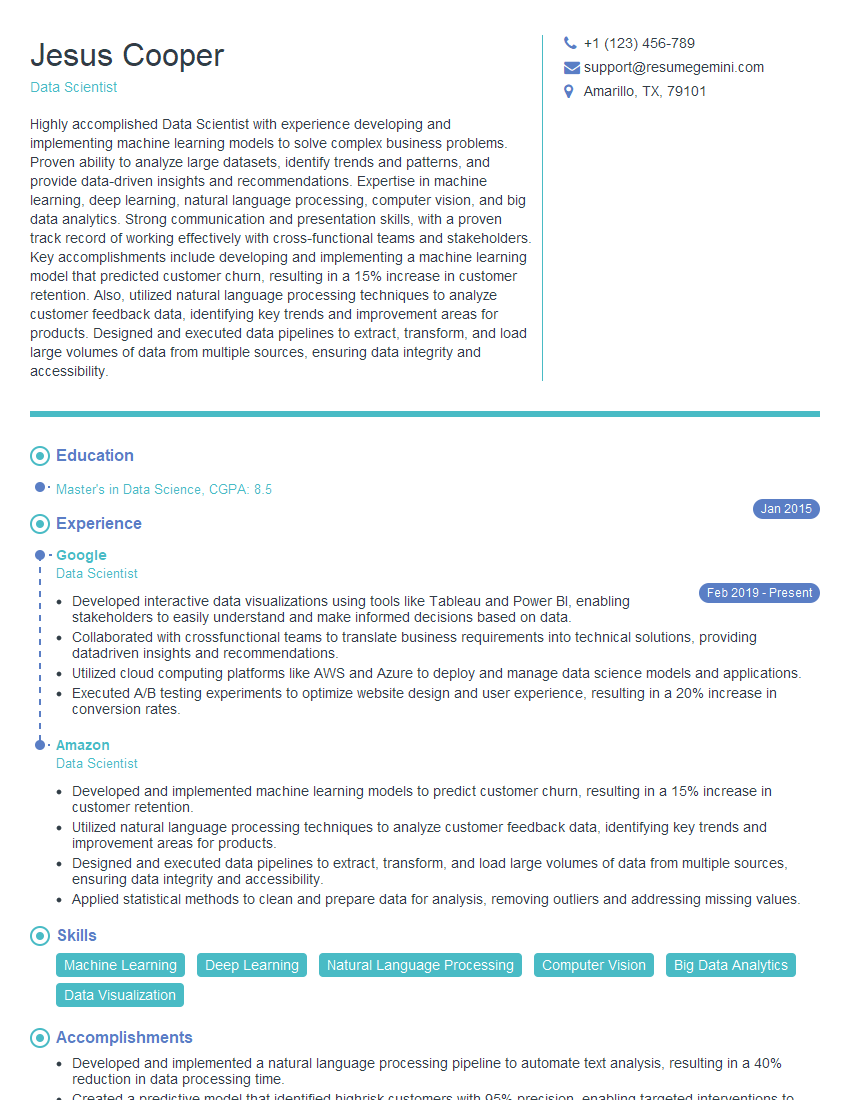
Data Scientist Resume Sample
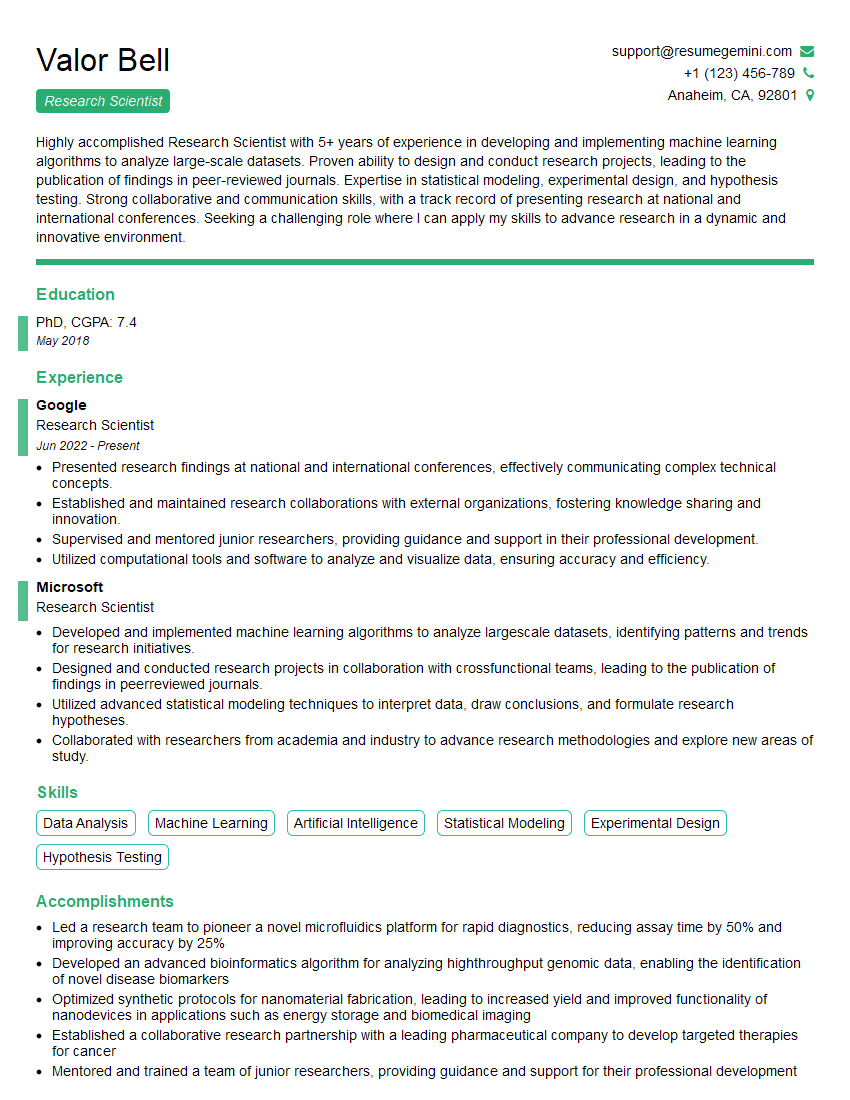
Research Scientist Resume Sample
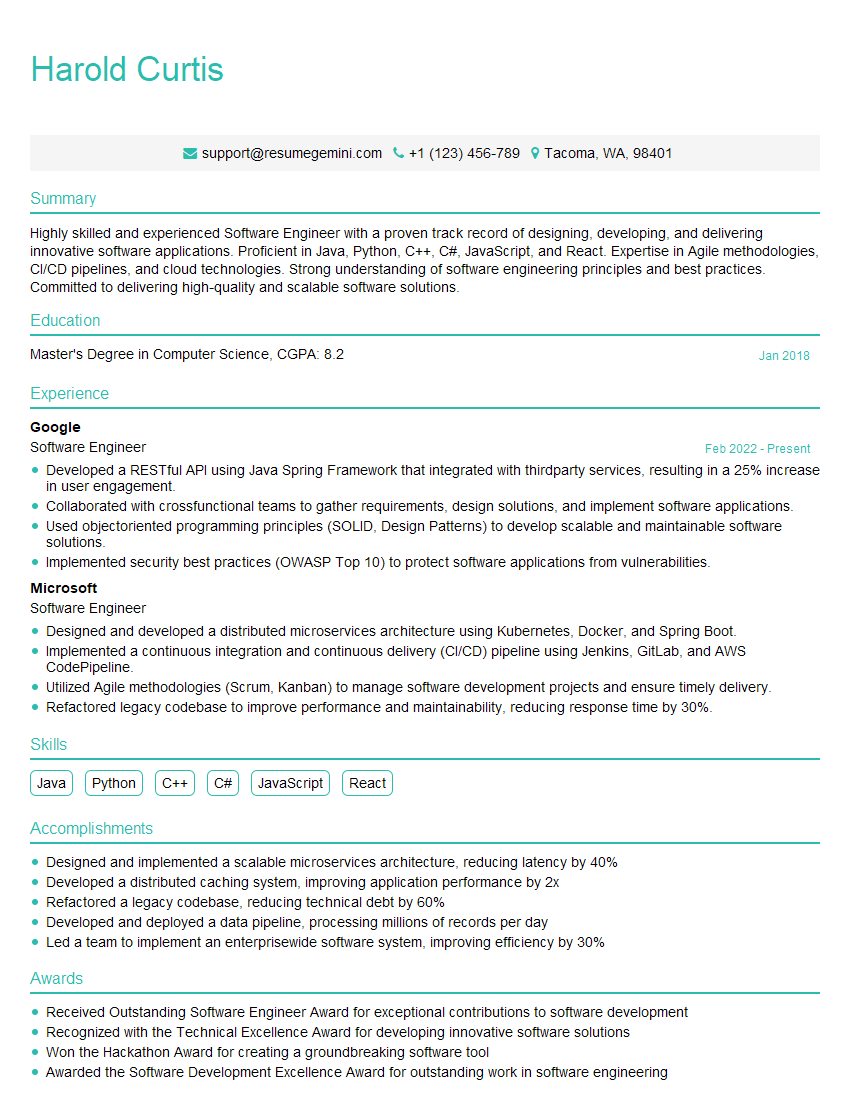
Software Engineer Resume Sample
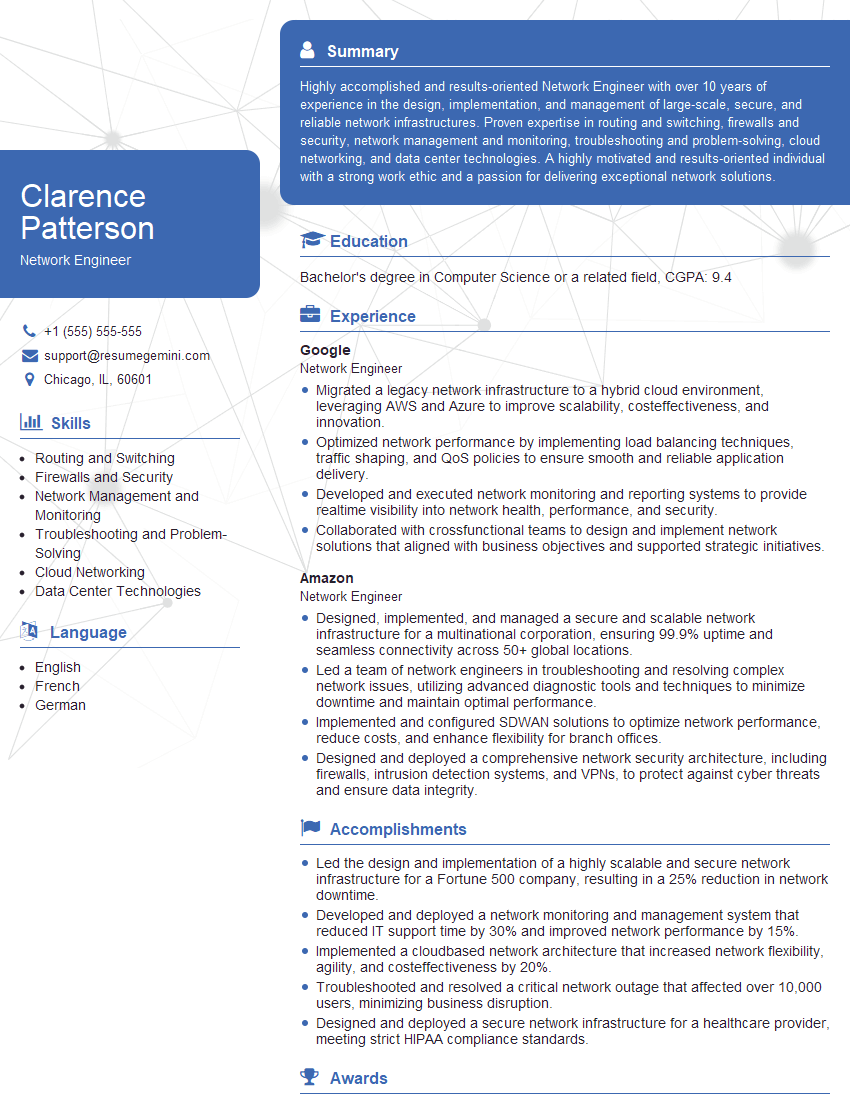
Network Engineer Resume Sample
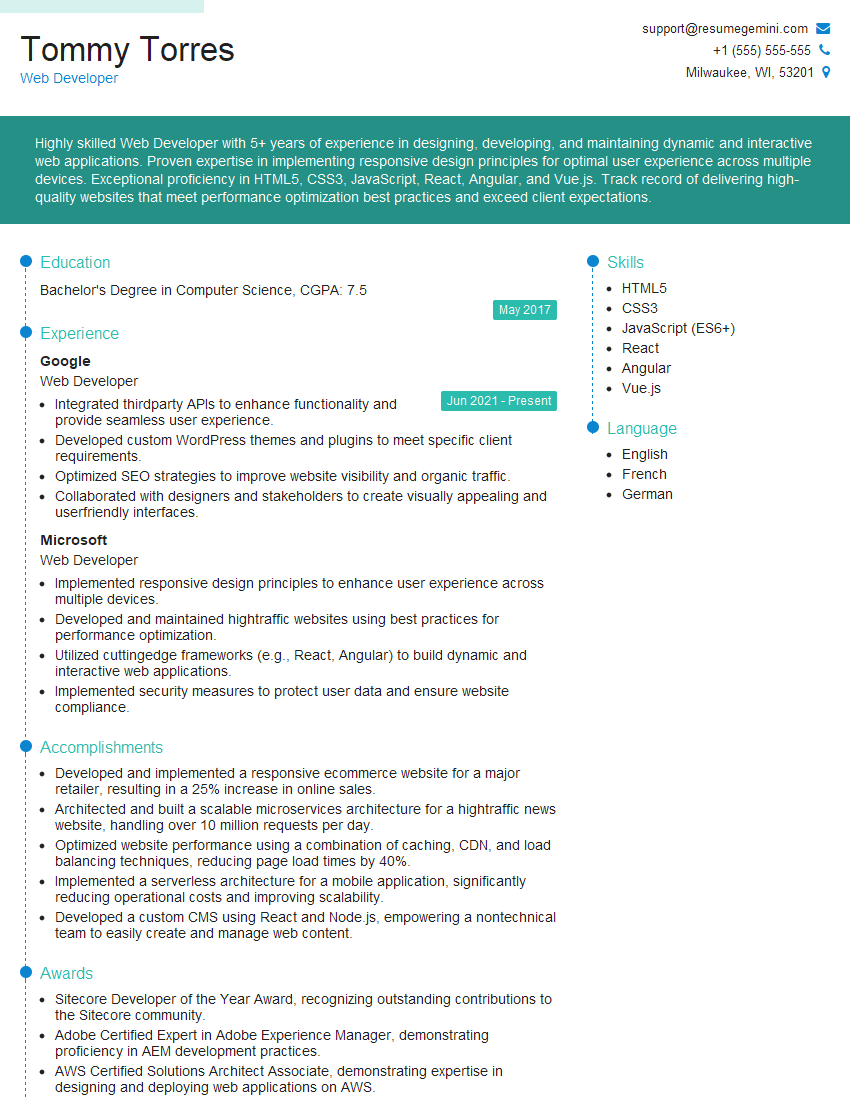
Web Developer Resume Sample
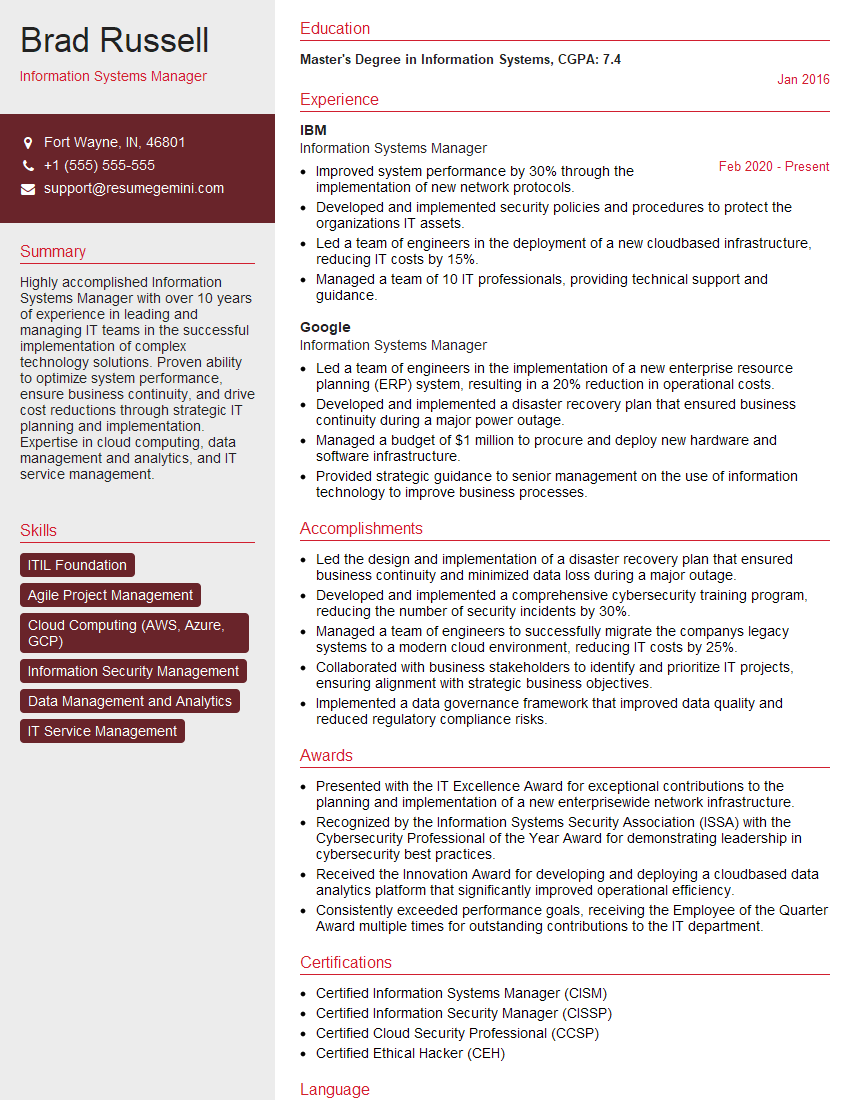
Information Systems Manager Resume Sample
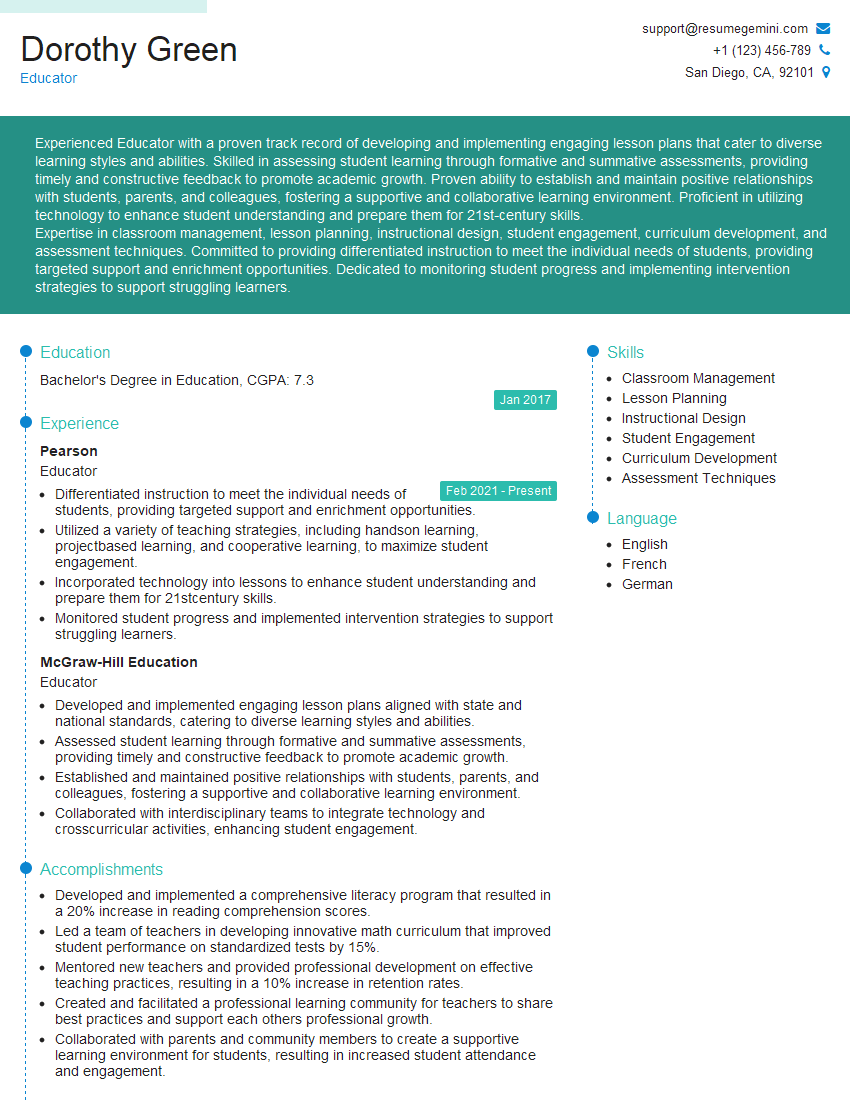
Educator Resume Sample

Technical Writer Resume Sample
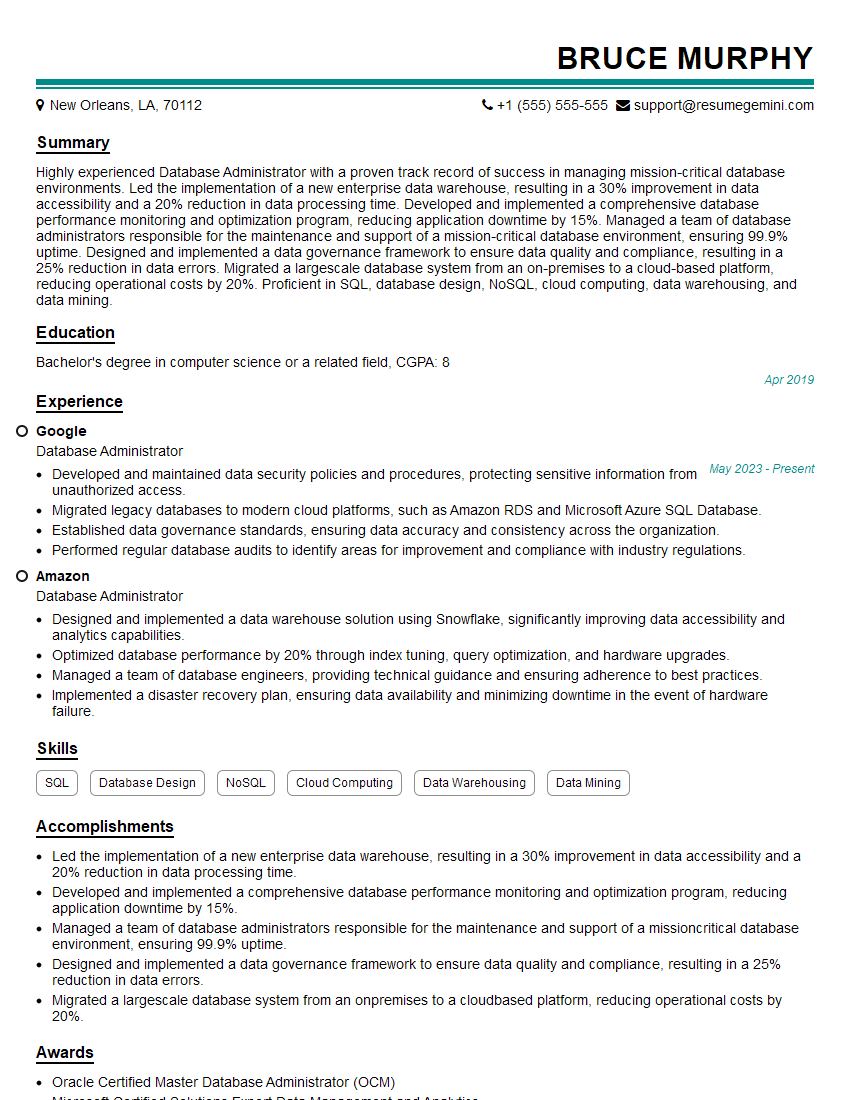
Database Administrator Resume Sample
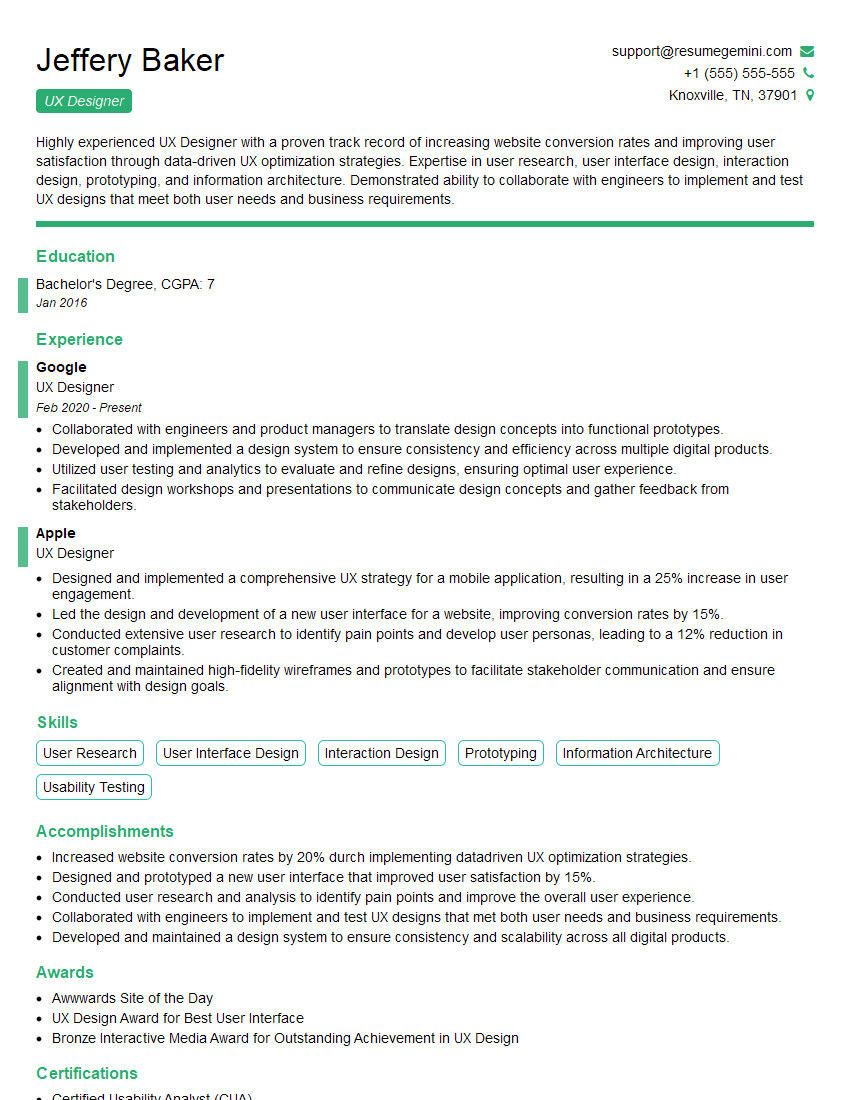
UX Designer Resume Sample
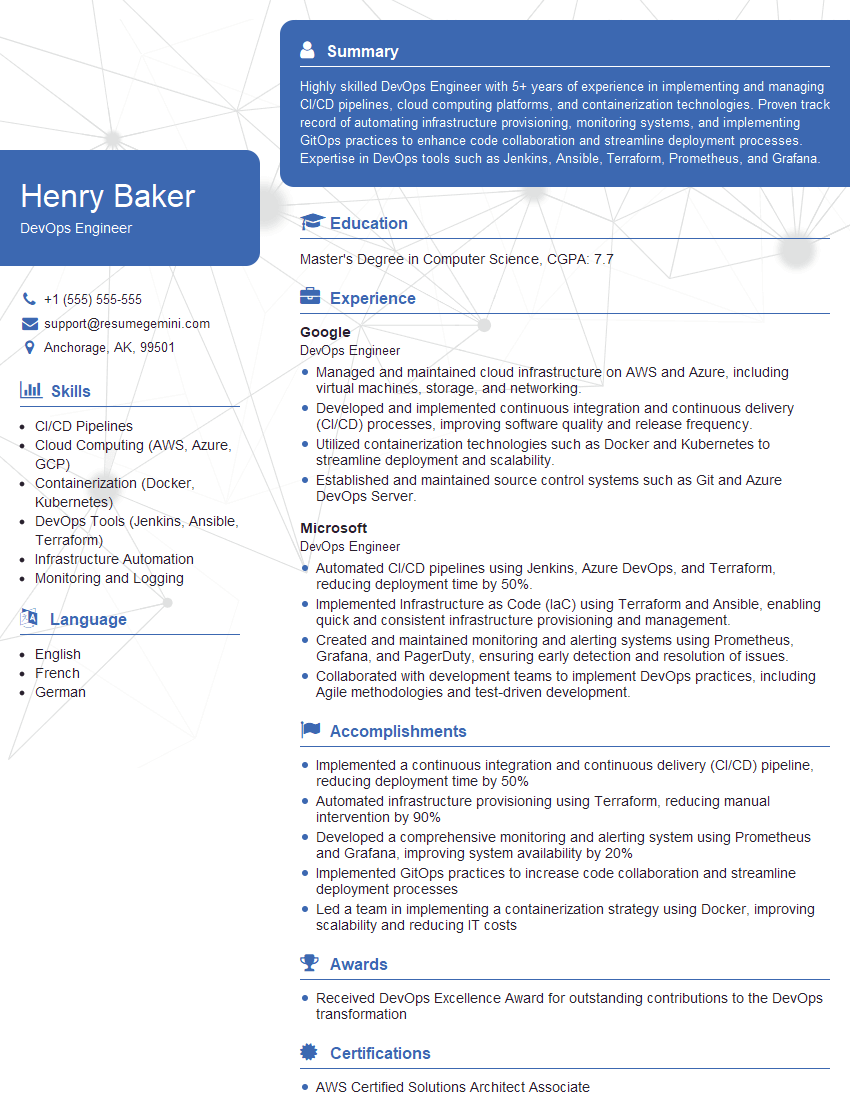
DevOps Engineer Resume Sample
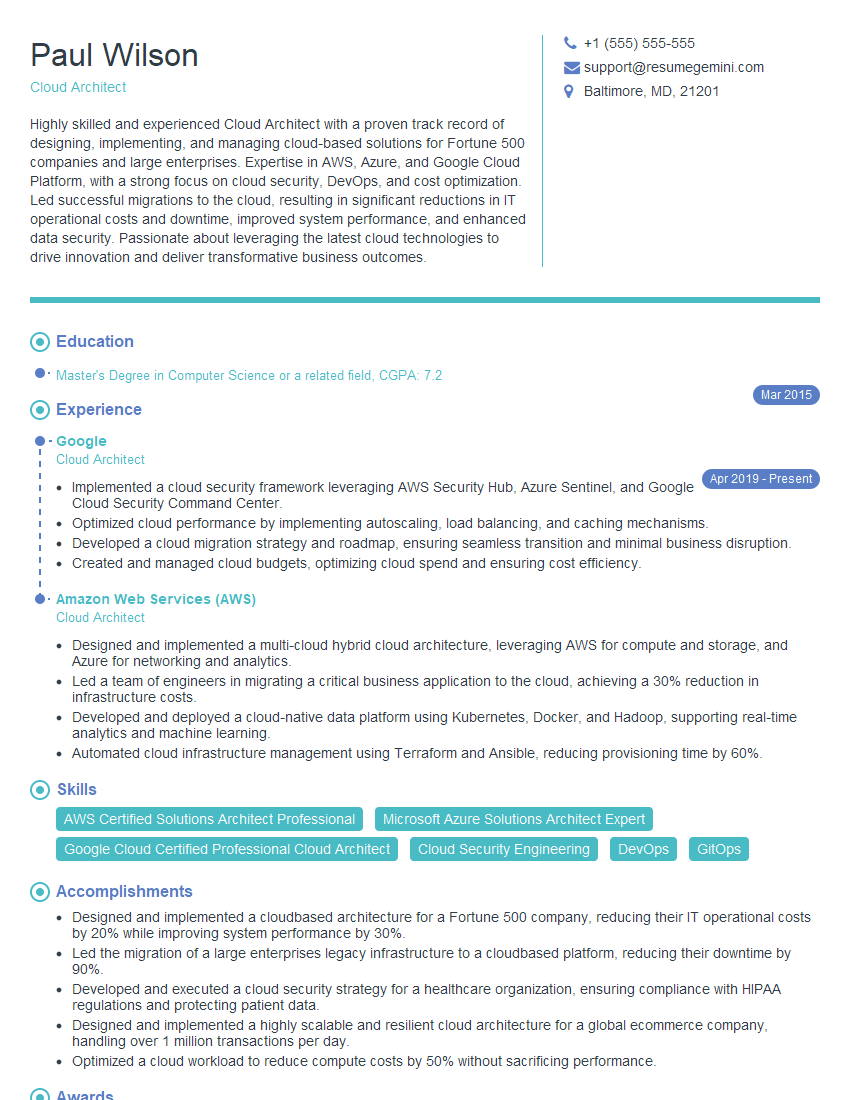
Cloud Architect Resume Sample
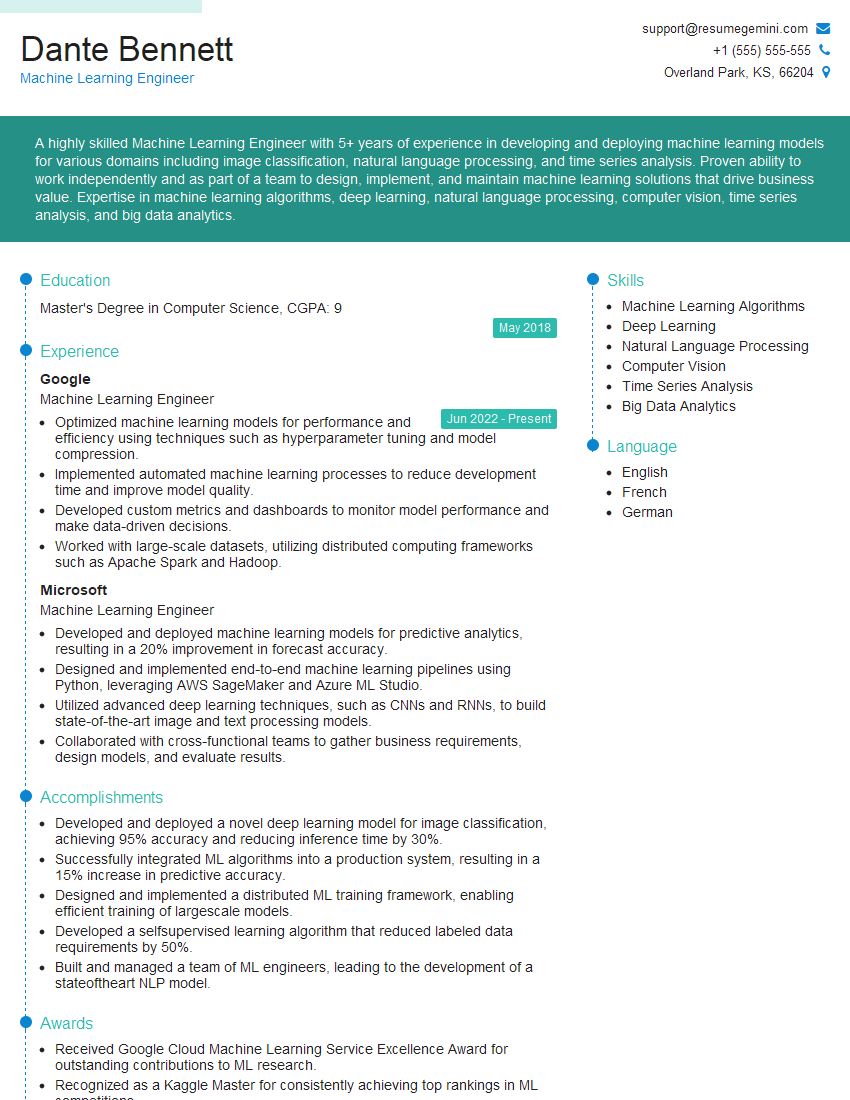
Machine Learning Engineer Resume Sample
- Marketing Manager
- Product Manager
- Sales Representative
- Project Manager
- Business Analyst
- Management Consultant
- Trainer
- Financial Analyst
- Data Analyst
- Data Scientist
- Research Scientist
- Software Engineer
- Network Engineer
- Web Developer
- Information Systems Manager
- Educator
- Technical Writer
- Database Administrator
- UX Designer
- DevOps Engineer
- Cloud Architect
- Machine Learning Engineer
Explore more articles
Users Rating of Our Blogs
Share Your Experience
We value your feedback! Please rate our content and share your thoughts (optional).
What Readers Say About Our Blog
To the interviewgemini.com Webmaster.
Very helpful and content specific questions to help prepare me for my interview!
Thank you
To the interviewgemini.com Webmaster.
This was kind of a unique content I found around the specialized skills. Very helpful questions and good detailed answers.
Very Helpful blog, thank you Interviewgemini team.